
Source: The Conversation – UK – By Haosu Tang, Climate Scientist, University of Sheffield
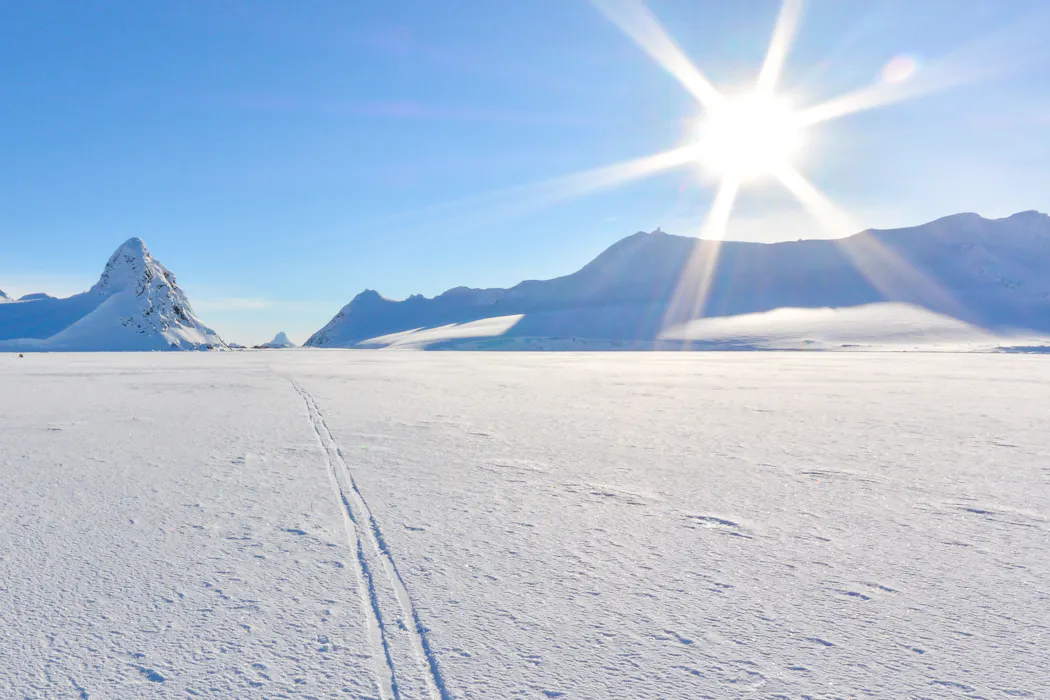
In the middle of the Antarctic winter, during months of darkness when temperatures often dip below −30°C, the continent warmed dramatically.
In July and August 2024, temperatures in parts of East Antarctica rose by up to 28°C above average and stayed high for more than two weeks. To put that in perspective, a similar anomaly in the UK would push January temperatures into the mid-30°Cs.
In a recent study, colleagues and I show the Antarctica heatwave was not simply unusual weather. It was a rare atmospheric disturbance, amplified by human-caused climate change, offering a glimpse of what could become more common in the decades ahead.
This was not an isolated event. It followed a heatwave in March 2022, when temperatures in some Antarctic areas soared by nearly 40°C above average – one of the largest temperature anomalies ever recorded anywhere on the planet.
Together, these events point to a clear shift: extreme warming is no longer confined to traditionally vulnerable regions.
How the heatwave unfolded
In 2024, the extraordinary winter heat began with a weakening of the Antarctic polar vortex – a band of strong winds high in the atmosphere that usually keeps cold air locked over the continent. In July 2024, this vortex became distorted, allowing unusual warming in the stratosphere, where temperatures rose by more than 15°C in early July, with another surge in early August.
These changes in the upper atmosphere set the stage for what followed.
A persistent high-pressure system developed over East Antarctica, opening a pathway for a long, narrow plume of warm, moisture-rich air – known as an atmospheric river – to move deep into the continent. This air mass transported heat from lower latitudes into the Antarctic interior – something that rarely happens in winter.
Clouds associated with the system acted like a blanket, trapping heat near the surface and preventing it from escaping back into space. Instead of a brief spike, the result was a prolonged and widespread heatwave.

Tang et al., 2026
At the same time, Antarctic sea ice was near record lows and the surrounding Southern Ocean was unusually warm, likely linked to the same large-scale atmospheric conditions and helping to sustain the flow of heat into the continent.
A warning signal from the coldest place on Earth
Natural variability helped trigger this heatwave. But it unfolded in a climate system already altered by human activity.
Our analysis, using computer simulations to compare today’s climate with a world without human influence, shows climate change made the 2024 winter heatwave both stronger and more likely. Such extreme weather would have been exceptionally rare in the past, but today it is already significantly more likely – and could become up to 20 times more frequent by the end of the century under high emissions.
A heatwave in Antarctica might seem remote from everyday life. But what happens there has global consequences.
Antarctica holds most of the world’s freshwater, locked in vast ice sheets. Even short-lived warming events can influence snowfall, surface melt and the stability of floating ice shelves that hold back glaciers. When these ice shelves weaken, glaciers can accelerate into the ocean, contributing to sea level rise that affects coastlines worldwide.
Perhaps most importantly, the 2024 heatwave shows how climate change is transforming not just average temperatures, but extremes. Atmospheric processes that have always existed can now have a far greater impact in a warmer world.
This is why Antarctic heatwaves matter. Even the most remote and coldest parts of the planet are being transformed by global warming. And what happens there – through rising seas and shifting climate patterns – has consequences way beyond the poles.

Haosu Tang’s study is supported by the UK’s Natural Environment Research Council.
– ref. How Antarctica warmed by 28°C in the depths of winter – and what it signals for the decades ahead – https://theconversation.com/how-antarctica-warmed-by-28-c-in-the-depths-of-winter-and-what-it-signals-for-the-decades-ahead-281418