Source: The Conversation – (in Spanish) – By Fidel Bedia Castillo, Coordinador Académico Máster Universitario en Seguridad Pública, UNIR – Universidad Internacional de La Rioja
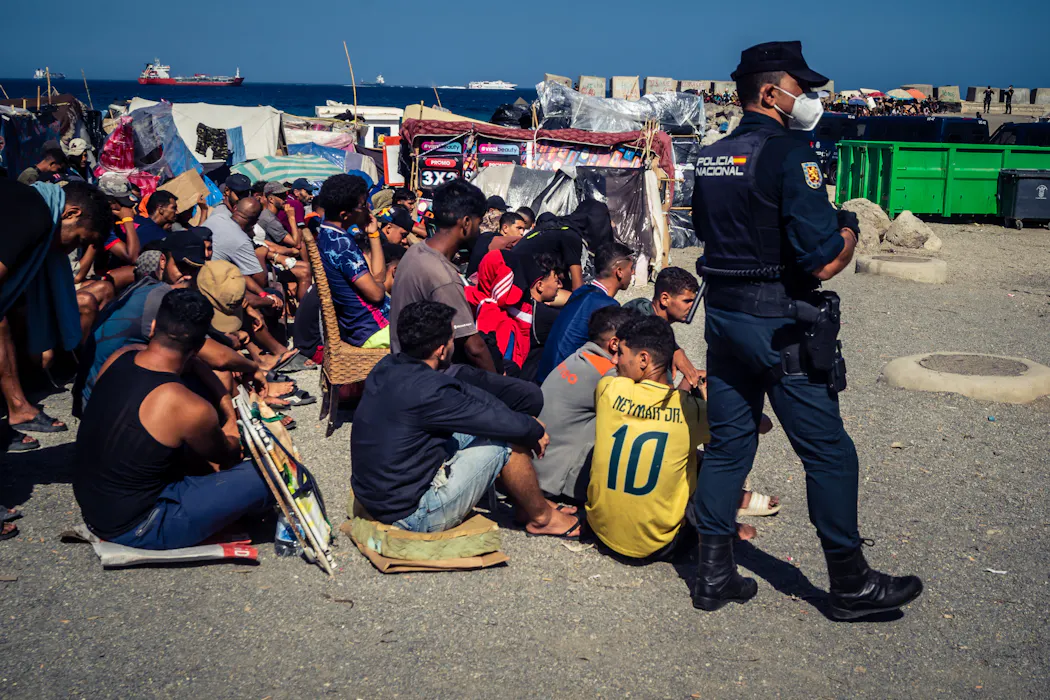
El 26 de octubre se han cumplido dos meses desde su entrada en vigor. Ha sido la primera situación de interés para la seguridad nacional (SISN) declarada en España. Desde entonces se han sucedido traslados, retornos, refuerzos, nuevos espacios de acogida y medidas económicas y asistenciales.
La sucesión de actuaciones llevadas a cabo en Ceuta en este tiempo plantea una pregunta: ¿qué ha aportado realmente esta figura? Para responderla hay que separar la actividad institucional de su eficacia. También debemos distinguir las medidas vinculadas al nuevo marco de coordinación de aquellas que se apoyan en las competencias ordinarias.
Un instrumento para una crisis prolongada
La secuencia temporal importa. El Real Decreto 681/2026, de 25 de agosto por el que se declaraba la situación de interés para la seguridad nacional en la ciudad de Ceuta se publicó y entró en vigor casi un mes después de las entradas masivas de finales de julio. Por tanto, no puede explicar la respuesta inicial, sino la gestión de una crisis que ya se había prolongado.
Su finalidad tampoco era crear poderes excepcionales. La propia declaración mantenía las competencias de cada administración y no suspendía derechos fundamentales. Lo que introdujo fue una coordinación reforzada para actuar con los medios ordinarios disponibles.
¿Qué cambió el 26 de agosto?
El Gobierno designó al ministro de Política Territorial y Memoria Democrática, Ángel Víctor Torres Pérez, como autoridad funcional. Su cometido consiste en fijar objetivos comunes, ordenar prioridades y coordinar recursos. No dirige cada operación policial o militar ni sustituye a los responsables de cada servicio.
También se activaron el Comité de Situación y una célula permanente de coordinación. En ellos participan los ministerios afectados, la Ciudad Autónoma, la Delegación del Gobierno, el Centro Nacional de Inteligencia y otros organismos.
Además, todas las administraciones quedaron obligadas a colaborar y aportar los medios incluidos en la declaración.
Este es su efecto jurídico más claro. La cooperación quedó integrada en una estructura formal de dirección, seguimiento y apoyo.
Recursos disponibles y recursos utilizados
El segundo paso fue la Declaración de Recursos. Su anexo enumeró los medios que podían emplearse en vigilancia fronteriza, identificación, acogida, sanidad, protección de menores, transporte, justicia, defensa y cooperación exterior.
La expresión “se podrán emplear” es importante. Incluir un recurso en el Decreto permitía ponerlo al servicio de la crisis, pero no demostraba que hubiese sido utilizado. Disponibilidad y despliegue no son lo mismo.
Durante septiembre, los Reales Decretos 706/2026, 718/2026, 761/2026 y 795/2026 modificaron los espacios y recursos previstos. Se incorporó, entre otros, un terreno del centro penitenciario. Estos cambios documentan que el mecanismo siguió utilizándose y se adaptó, aunque no acreditan por sí solos que los recursos fueran suficientes o eficaces.
El balance oficial del 20 de octubre informó de 7 477 plazas en recursos estatales. También recogió siete operaciones de traslado y miles de retornos. Son datos relevantes de actividad, pero proceden del propio Gobierno y no permiten atribuir cada resultado al nuevo mecanismo.
Medidas aprobadas por otras vías
La respuesta necesitó otras normas. El Real Decreto-Ley de 1 de septiembre movilizó 309 millones de euros para servicios públicos, seguridad, acogida y apoyo económico. En octubre se añadieron 45,32 millones para gastos extraordinarios de Ceuta.
El Real Decreto 856/2026 autorizó hasta 1,35 millones para proteger a mujeres y niñas frente a la violencia, la explotación y la trata. La norma prevé financiar a cinco entidades y poner en marcha una unidad multidisciplinar. Su aprobación inicia el procedimiento, pero no significa que todo el dinero haya sido ya concedido, pagado o ejecutado.
Estas medidas están relacionadas con la crisis, aunque tienen su propio fundamento presupuestario o asistencial. Este marco normativo facilita la coordinación; las normas sectoriales permiten financiar y ejecutar actuaciones concretas.
Lo que todavía no sabemos
Los decretos enumeran recursos, pero no siempre dicen cuáles se utilizaron, durante cuánto tiempo ni con qué resultados.
Cabe recordar que la Disposición final primera del Real Decreto 681/2026 impuso un deber expreso de rendición de cuentas. El Gobierno debía informar inmediatamente al Congreso sobre las medidas adoptadas y la evolución de la situación.
La autoridad funcional compareció el 27 de agosto y el presidente del Gobierno lo hizo el 3 de septiembre.
Hubo información parlamentaria inicial, pero no suficiente para reconstruir la dirección de la crisis ni evaluar sus resultados.
Un oficio del Gabinete del ministro de Política Territorial y Memoria Democrática, de 10 de octubre, respondió a una solicitud de información. El documento inadmitió el acceso por considerar esa información auxiliar o de apoyo. Siguen sin conocerse las directrices concretas, las prioridades y las decisiones atribuibles a la Autoridad Funcional.
Otro escrito procede de la Dirección General de la Administración General del Estado en el Territorio. Firmado el 6 de octubre, se refiere a la cobertura de diez puestos de trabajo de funcionarios interinos para la Oficina de Extranjería de Ceuta. Fueron solicitados el 4 de agosto y autorizados el día 6, antes de la entrada en vigor del Real Decreto.
El refuerzo respondió a la crisis, pero no puede atribuirse a la nueva figura.
Tampoco cabe atribuirle automáticamente retornos, expulsiones o solicitudes de asilo. Estas actuaciones siguen sometidas a su legislación ordinaria. El mecanismo facilita medios y coordinación, pero no crea atajos jurídicos ni elimina el control judicial.
Evaluarla exige, pues, conocer los medios utilizados, las decisiones de la Autoridad Funcional y los resultados atribuibles a la nueva coordinación.
La información disponible permite comprobar su actividad, aunque aún no demostrar su eficacia.

Fidel Bedia Castillo no recibe salario, ni ejerce labores de consultoría, ni posee acciones, ni recibe financiación de ninguna compañía u organización que pueda obtener beneficio de este artículo, y ha declarado carecer de vínculos relevantes más allá del cargo académico citado.
– ref. Ceuta, dos meses después: ¿cómo está funcionando la primera ‘situación de interés para la seguridad nacional’? – https://theconversation.com/ceuta-dos-meses-despues-como-esta-funcionando-la-primera-situacion-de-interes-para-la-seguridad-nacional-295015