
Source: The Conversation – UK – By Jim Smith, Professor of Environmental Science, University of Portsmouth
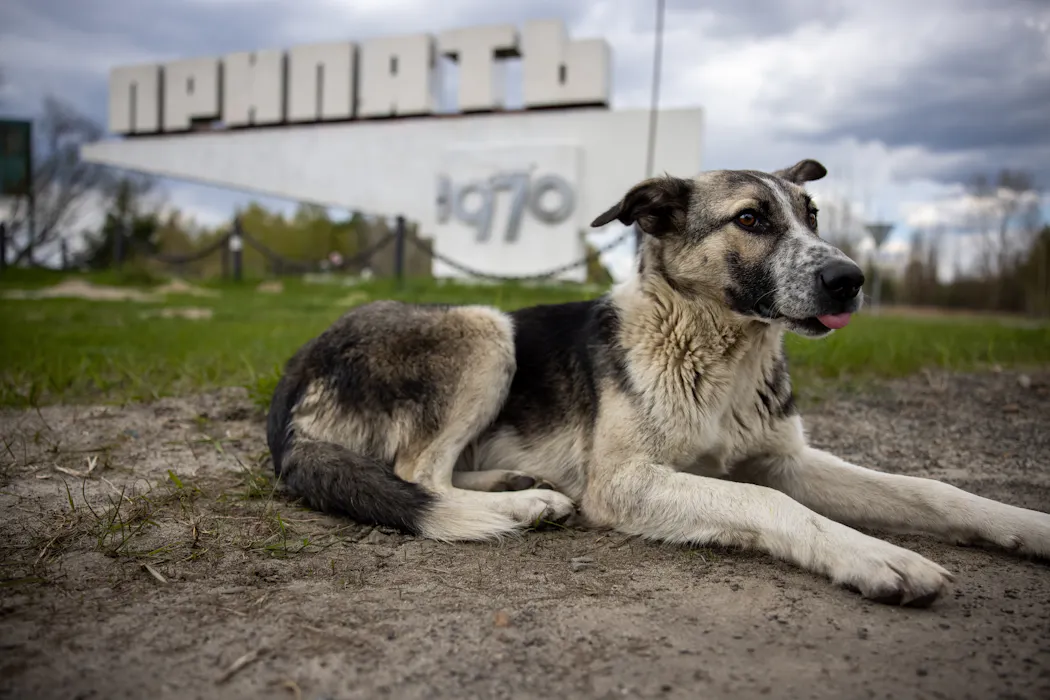
“Dogs at Chernobyl are now genetically distinct … thanks to years of exposure to ionizing radiation, study finds.”
That’s just one of many similar headlines that appeared in response to a scientific study published a few years back. They present a compelling story of radiation, mutation and survival against the odds.
But the underlying science didn’t actually show any genetic differences were caused by radiation. The idea of “radioactive dogs of Chernobyl” is better understood as a modern scientific myth. Indeed, our appetite for scare stories about mutant animals is obscuring the reality: the most significant and fascinating thing about the animals there is the absence of humans, not the presence of radiation.
Forty years after the Chernobyl explosion, the controversy over how the accident affected people and ecosystems goes on. I’ve been studying the environmental impacts of the disaster since I began my PhD research in 1990 on radioactive fallout in the English Lake District. Scientists have learned a lot since then, with thousands of studies published.
But the mainstream and social media remain rife with misinformation and exaggeration about the accident’s effects. Scientists often blame the media for this, but maybe we should put some of the blame on ourselves.
Radioactive dogs make a great story
The Chernobyl disaster tapped into our enduring fascination with radiation and mutation, with all sorts of claims being made about damaged wildlife and mutant animals in the exclusion zone. But clear scientific evidence for significant long-term radiation effects is surprisingly hard to find.
Research on the feral dogs of Chernobyl, published in the highly regarded journal Science Advances in 2023, is just one of many examples. Go through any checkpoint in the zone and you’ll see at least a couple of dogs hanging around waiting for scraps from guards or visitors. The study found genetic differences between dogs living at the power plant and those living further away.

Sergiy Romanyuk / shutterstock
The authors themselves do not explicitly say that the differences they find were due to radiation. However, to the casual reader it is difficult not to draw that conclusion from the paper and accompanying press release.
The press release overstated the link to radiation. It suggested that the dogs “may be genetically distinct due to varying levels of radiation exposure” and said they are experiencing “high and continuous environmental assault” – claims not supported by the evidence.
Even experienced science journalists would find it hard not to be influenced by that framing. As a scientist who has worked on radiation issues and Chernobyl for decades, it took me a long time to read and understand all the relevant papers and conclude that the hype was in no way supported by the evidence.
What the science actually said
The genetic differences are real. But, given the relatively low radiation doses in most of the zone, more plausible explanations include differences in initial breed types and factors such as habitat, nutrition and disease. With only three populations to study, it’s very difficult to separate any radiation effect from these other important factors.
Yet in media coverage, this became a story about radiation driving rapid evolutionary change in just a few generations. That interpretation is not supported by the available evidence.
As the great science communicator Carl Sagan put it: “Extraordinary results require extraordinary evidence.” Yet a previous study showed that only four out of 198 dogs studied at Chernobyl had contamination levels higher than those seen in sheep, wild boar and reindeer in parts of western Europe in the years after the accident.
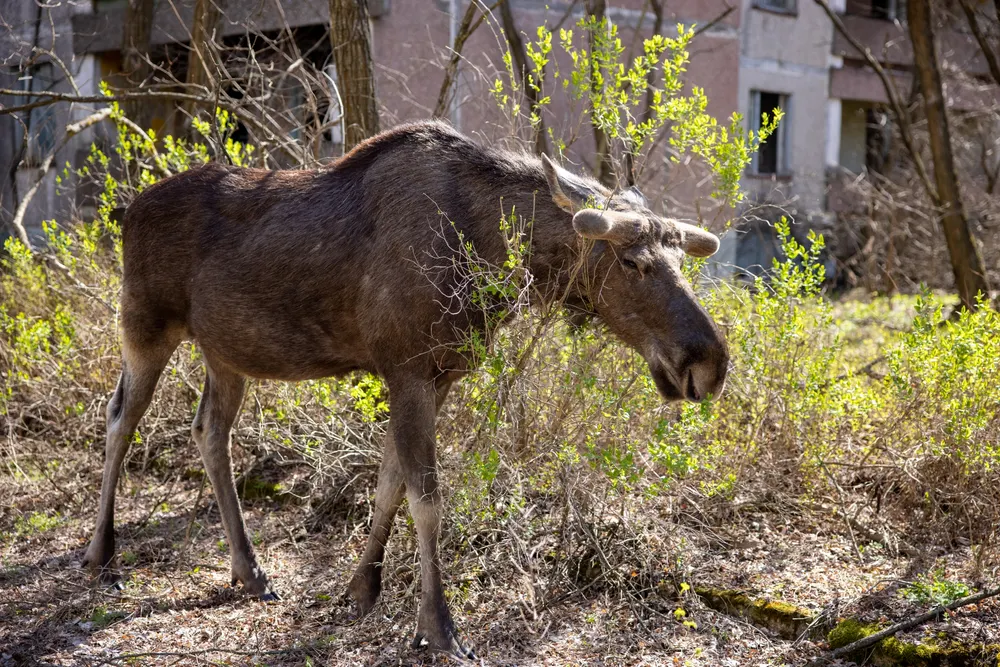
There are some radiation “hot spots” in the zone, but the dogs tend to stay near people working at the reactor site or living in the town. The rest of the zone is now effectively a nature reserve where wolves and other large predators roam freely.
Read more:
40 years on from the disaster, why there are foxes, bears and bison again around Chernobyl
Anton Yuhimenko / shutterstock
In the media’s telling, radiation doses well below established thresholds for damage to animal populations are driving such strong natural selection that radiation resistant breeds are evolving. The science behind the story does not provide clear evidence – extraordinary or otherwise – to support this claim.
Misleading science stories have real world impact
Chernobyl remains a globally symbolic landscape. It shapes debates about nuclear risk, environmental resilience and even future energy policy. Yet research there is repeatedly clouded by stories that emphasise dramatic but weakly supported claims.
The more interesting truth is that ecosystems in the exclusion zone are complex, surprisingly resilient and shaped more by the absence of humans than by long term radiation exposure.
The accident undoubtedly had profound impacts on people, including a rise in thyroid cancer, though long-term radiation health effects have often been hard to find statistically. A major UN-backed report 20 years after the accident concluded that the biggest public health impacts were socio-economic and mental health problems. Even today, many people in northern Ukraine and southern Belarus live with very low-level radiation but continue to believe it poses a serious danger.
Stories of radioactive dogs play into those fears. As scientists, we owe it to the public to communicate our science more responsibly.

Jim Smith is founder and shareholder in The Chernobyl Spirit Community Interest Company, a social enterprise making safe spirits from Chernobyl affected areas. He has in the past (>10 years ago) done small consultancy projects for government organisations and the private sector. He does not currently do consultancy work or have any links to the nuclear industry.
– ref. Chernobyl’s wildlife: the real story isn’t the presence of radiation – it’s the absence of humans – https://theconversation.com/chernobyls-wildlife-the-real-story-isnt-the-presence-of-radiation-its-the-absence-of-humans-281084