2026-2030: cinco años en los que China busca consolidar su poder global mediante la tecnología, la autosuficiencia y la proyección exterior

Source: The Conversation – (in Spanish) – By Juan Vázquez Rojo, Doctor en Economía. Profesor e Investigador en la UCJC, Universidad Camilo José Cela

Feria comercial en Cantón (China). Daniel Pawer/Shutterstock

China acaba de publicar su XV Plan Quinquenal, la hoja de ruta con la que fija las prioridades económicas, industriales y tecnológicas del país para los próximos cinco años.

El correspondiente a 2026-2030 arranca con un diagnóstico claro: los conflictos geopolíticos se intensifican, el déficit de gobernanza global aumenta y las cuestiones de seguridad ganan peso. Además, en clara referencia a EE. UU., identifica como amenazas el auge del proteccionismo, el hegemonismo y la política de poder.

En este contexto, China parte de una posición de fortaleza: compite, e incluso lidera, sectores y tecnologías clave, y es, desde hace años, un centro manufacturero global. Este avance ha elevado el nivel de vida de sus ciudadanos y ha impulsado la transición hacia industrias de mayor valor añadido.

Sin embargo, estas fortalezas conviven con desequilibrios internos. El sector inmobiliario, antiguo motor de crecimiento, continúa deteriorándose y el consumo interno es reducido. China representa el 32 % de la inversión mundial y genera un tercio de las manufacturas, pero apenas consume el 13 % global.

Este desajuste genera un desequilibrio estructural: la capacidad productiva supera la demanda doméstica. Como resultado, el país depende de las exportaciones para absorber ese exceso, lo que alimenta tensiones comerciales con el resto del mundo.

China buscar dar un salto tecnológico

Pekín busca consolidarse como superpotencia tecnológica y dejar atrás su papel como fábrica de bienes de bajo valor añadido. Durante décadas, el país creció como plataforma manufacturera global, con salarios bajos, mano de obra abundante y una inversión masiva en capacidad productiva.

Este modelo le permitió industrializarse y reducir la pobreza, pero también generó límites a su crecimiento y desarrollo. De ahí que haya ido desplazando su modelo económico hacia sectores más especializados, en los que el crecimiento depende menos del volumen de producción.

El nuevo plan quinquenal acelera esta transición mediante el impulso de las “nuevas fuerzas productivas de calidad”: innovar y ser eficientes en sectores punteros (IA, robótica, nuevos materiales, biomedicina, industria aeroespacial), a la vez que desarrolla tecnologías emergentes como la computación cuántica, el hidrógeno o las comunicaciones 6G.

Además, el plan busca hacer de la IA una herramienta transversal para mejorar la eficiencia y la productividad empresarial, automatizando procesos, ajustando el consumo energético en tiempo real, detectando fallos en el control de calidad y reduciendo los tiempos de diseño.

La autosuficiencia como respuesta a EE. UU.

Este avance se enfrenta a un límite externo: los cuellos de botella estratégicos. La guerra tecnológica con Estados Unidos ha restringido el acceso de China a materiales y procesos claves para el desarrollo de la IA.

Ante estas restricciones, China busca, más que aumentar la capacidad, optimizarla. Para ello, desarrolla sistemas propios de hardware y software (un stack tecnológico soberano) que le hagan autosuficiente.

Por ejemplo, mediante la creación de una red nacional integrada que redistribuya la carga de trabajo digital. Esto implica enviar datos a los centros donde haya capacidad libre, aunque estén a miles de kilómetros, para evitar cuellos de botella y exprimir al máximo la infraestructura existente.

La transición energética como eje del nuevo modelo

El XV Plan Quinquenal integra por primera vez clima y energía en un mismo capítulo estratégico. Para 2030, el gobierno fija objetivos vinculantes: reducir las emisiones por unidad de PIB en un 17 % y elevar la cuota de energías no fósiles al 25 % del consumo total.

El núcleo de esta transformación es una electrificación masiva que abarca transporte, industria y consumo doméstico. Esto genera un ciclo de retroalimentación: la transición energética impulsa la demanda de equipos donde China ya tiene ventajas: baterías, paneles solares o vehículos eléctricos, que en 2024 ya representaban el 10 % del PIB.

El nuevo sistema energético chino se basa en generar energía a gran escala a partir de fuentes renovables y nucleares. El plan impulsa bases solares, eólicas e hidráulicas en el norte y oeste del país, donde hay más recursos naturales disponibles.

Sin embargo, los principales centros de consumo están en el este, donde se concentra la industria. Por eso, está construyendo al menos 15 nuevas líneas de ultra alta tensión que permitan transportar grandes volúmenes de electricidad a largas distancias.

En paralelo, para evitar cortes de suministro, busca impulsar sistemas de almacenamiento –como centrales hidroeléctricas reversibles y baterías– que permiten guardar energía cuando sobra y usarla cuando falta.

Con todo, China mantiene su industria del carbón. El Gobierno lo define como una “piedra de lastre” necesaria para garantizar la estabilidad del sistema eléctrico. Esta decisión responde al temor a la inestabilidad social. Tras las crisis energéticas de 2021 y 2022, las autoridades priorizan asegurar el suministro y proteger el empleo en las regiones mineras.

Esta diversificación refuerza la seguridad nacional al reducir la dependencia de importaciones energéticas y la exposición a shocks externos.

Impulso al consumo interno

El plan identifica una debilidad estructural: la demanda interna sigue siendo insuficiente. El origen está en un modelo basado en la inversión industrial, lo que ha generado un exceso de producción que impide que el consumo interno actúe como motor principal del crecimiento económico.

Como resultado, se produce lo que el Gobierno chino llama “involución”, una competencia empresarial destructiva en un mercado saturado. Intentando ganar cuota de mercado, las empresas aumentan la producción y reducen precios, incluso por debajo del coste. El objetivo no es tanto obtener beneficios como sobrevivir frente a sus competidores. El resultado es una espiral a la baja: caen los márgenes empresariales, se presionan los salarios y disminuye la rentabilidad de las inversiones.

Para corregirlo, el plan propone “ordenar la competencia”: regular la capacidad productiva, intervenir precios y fomentar fusiones para reducir la fragmentación del mercado. Incluso contempla fondos para cerrar instalaciones obsoletas en sectores con exceso de capacidad.

Al mismo tiempo, en el lado de la demanda, busca impulsar el consumo aumentando los ingresos (con subidas del salario mínimo) y ampliando la protección social (mejorando la cobertura sanitaria, las pensiones o el acceso a servicios públicos) para reducir la necesidad de ahorrar.

Hacia la construcción de un nuevo orden

El plan quinquenal cambia la estrategia internacional china: ya no se trata de integrarse en el sistema global sino de configurar uno nuevo. En un contexto que el documento describe como “inestable y dominado por el unilateralismo”, China busca ganar capacidad de acción y aumentar su influencia global.

Para llevar esta estrategia a la práctica quiere que la llamada Nueva Ruta de la Seda ya no se limite a grandes infraestructuras físicas. El plan ahora es que los países receptores adopten tecnología, financiación y sistemas de gestión chinos para crear relaciones de dependencia que refuercen el liderazgo de Pekín y amplíen su influencia económica y tecnológica.

En cuanto a gobernanza global, se presenta como defensor del Sur Global y utiliza plataformas como los BRICS (grupo de economías emergentes) o la Organización de Cooperación de Shanghái para promover un orden multipolar.

Como “gran potencia responsable”, también aspira a aumentar su influencia en asuntos públicos globales como el clima, la ciberseguridad o la reducción de la pobreza.

Además, en términos de soft power (poder blando), China pretende proyectar una imagen “creíble, amable y respetable” y expandir sus industrias culturales, como la literatura, los videojuegos, el cine o la animación.

Con todos estos mecanismos el país busca exportar, además de tecnología, su propio modelo de desarrollo.

Un plan decisivo para el futuro de China y del mundo

El nuevo plan quinquenal busca consolidar a China como una gran potencia tecnológica, autosuficiente y global. El cambio que plantea es estructural: dejar de competir por costes y hacerlo por control tecnológico. La finalidad es poder ocupar posiciones centrales en las cadenas de valor, definir estándares industriales y aumentar su influencia en la economía global.

De cara al exterior, Pekín percibe un vacío en la gobernanza global que aspira a ocupar con su propio modelo de gobernanza, que combina financiación, desarrollo de infraestructuras y exportación tecnológica con una menor exigencia política a sus socios. Sin embargo, su principal desafío es interno: impulsar el consumo exige reformas profundas –salarios, redistribución, Estado del bienestar– que China lleva décadas posponiendo.

The Conversation

Juan Vázquez Rojo no recibe salario, ni ejerce labores de consultoría, ni posee acciones, ni recibe financiación de ninguna compañía u organización que pueda obtener beneficio de este artículo, y ha declarado carecer de vínculos relevantes más allá del cargo académico citado.

ref. 2026-2030: cinco años en los que China busca consolidar su poder global mediante la tecnología, la autosuficiencia y la proyección exterior – https://theconversation.com/2026-2030-cinco-anos-en-los-que-china-busca-consolidar-su-poder-global-mediante-la-tecnologia-la-autosuficiencia-y-la-proyeccion-exterior-278464

El uso del español crece en la UE: ¿cuáles son sus mayores retos?

Source: The Conversation – (in Spanish) – By Manuel Casado Velarde, Catedrático emérito de Lengua Española, especializado en análisis del discurso, innovación léxica, Lexicología y Semántica del español, Universidad de Navarra

Teacher Photo/Shutterstock

La expansión del español en el mundo supera las fronteras de los países hispanohablantes. Se observa no solo en los Estados Unidos, sino también, y muy especialmente, en Europa. Si se excluye España, en el Viejo Continente hay más de 42 millones de personas que conocen y pueden usar el español, una lengua que no es solo un idioma para las vacaciones de verano, y que vive un auge demográfico y educativo.

Además de la actividad vinculada al aprendizaje del español en las aulas, la migración es el otro gran factor de internacionalización del español. Actualmente hay 4,5 millones de personas con trasfondo migratorio hispanohablante en todo el continente europeo. Se trata de hablantes que han emigrado desde países hispanohablantes a países europeos, o bien son descendientes de hispanohablantes, o bien personas europeas que han adquirido la nacionalidad de un país hispanohablante.

Así, se está redefiniendo el paisaje lingüístico de la Unión Europea y sus países vecinos. Sin embargo, esta expansión no es uniforme y afronta obstáculos estructurales que limitan su potencial como herramienta de cohesión y desarrollo económico.

Quiénes son

Cuando nos referimos a hablantes “vinculados a flujos migratorios” nos referimos a que su presencia en un país europeo es resultado de la migración, ya sea propia o de sus antepasados cercanos.

La citada cifra de 4,5 millones de hablantes se compone de tres subgrupos específicos:

  • Extranjeros (2 millones): inmigrantes directos que conservan su nacionalidad de origen.

  • Descendientes (1,9 millones): descendientes directos (hijos) de inmigrantes, muchos de ellos nacidos ya en suelo europeo y otros que emigraron con sus progenitores siendo menores de edad.

  • Nacionalizados (0,6 millones): personas de origen hispanohablante que han adquirido la nacionalidad del país europeo donde residen.

¿De dónde vienen?

Aunque la migración hispanoamericana es muy importante, hay una fuerte presencia de españoles. De hecho, el 50 % de las variedades dialectales del español que se hablan en Europa (excluyendo a España) son de origen peninsular.

El otro 50 % se reparte entre variedades americanas: andina (25 %), caribeña (11 %), méxico-centroamericana (9 %) y rioplatense (5 %).

En países como Bélgica u Holanda, la homogeneidad es muy alta, pues 3 de cada 4 hispanohablantes de trasfondo migratorio son de origen español. Por el contrario, en países como Italia, predomina un perfil más andino o caribeño (Ecuador, Perú, República Dominicana) vinculado a la migración laboral.

En resumen, la cifra de 4,5 millones abarca a toda la comunidad cuya lengua materna o de herencia es el español debido a procesos de movilidad humana, incluyendo tanto a los inmigrantes directos (hispanoamericanos y españoles) como a sus hijos nacidos en Europa.

Español, lengua viva en Europa

Estos 4,5 millones de personas residen fuera de España, por lo que habitan en contextos “heteroglósicos”, es decir, donde el español convive con otras lenguas mayoritarias.

Por ejemplo, se estima que hay casi 320 000 menores de 18 años que son hablantes de herencia,, es decir, personas que han adquirido el español de forma natural en el hogar mientras crecen en una sociedad donde domina otro idioma. Estos descendientes son lo que se denomina hablantes de herencia: personas nacidas en el país de acogida (como Francia o Alemania) o que llegaron siendo bebés.

Menos de un tercio de estos jóvenes reciben un apoyo escolar para mantener y mejorar su español, lo cual supone un alto riesgo para la conservación de la lengua a pesar del gran esfuerzo por parte de las familias.

La distribución de esta población de herencia es muy asimétrica. El grupo más grande (un 35 % del total) vive en Francia, y el resto se reparte sobre todo entre Reino Unido, Italia, Alemania, Suiza, Bélgica y los Países Bajos. Más de un 88 % de estas personas residen solo en estos países.

Aprender español en secundaria

El verdadero “escenario de aprendizaje” del español es la educación secundaria. Actualmente, cerca de 8 millones de alumnos estudian español en este nivel en toda Europa. Entre 2014 y 2023, el interés por el idioma ha crecido un 34 %, ocupando así el vacío dejado por el declive del francés en el sur del continente y el desplazamiento del ruso en los países del Este.

Polonia es el caso más significativo, y lidera junto a Italia y Suecia el crecimiento del 34 % de aprendices de español en secundaria. En República Checa y Hungría, Países Bálticos (Letonia, Lituania y Estonia), Bulgaria, Eslovaquia, Rumanía y Ucrania también ha crecido el interés por aprender español.

En 19 países europeos, el español ya supera al alemán o al francés como segunda lengua extranjera después del inglés. Destacan países como Suecia, Noruega y la propia Francia. No obstante, este éxito oculta una debilidad: la alta concentración. El 92 % de los estudiantes de español en secundaria se concentra en solo seis países (Francia, Reino Unido, Italia, Alemania, Polonia y Suecia), mientras que en el resto del territorio su presencia sigue siendo marginal.

Hablantes con un nivel básico

A diferencia de la secundaria, la educación primaria representa el gran freno para la consolidación del castellano. Menos del 1 % de los alumnos de primaria en Europa estudian español. El sistema educativo europeo está marcado por un monopolio del inglés, que alcanza al 92,4 % de los estudiantes, seguido muy de lejos por el francés (2,9 %) y el alemán (2,8 %).

Esta introducción tardía –generalmente entre los 12 y 14 años– impide que los estudiantes alcancen niveles de competencia avanzada al finalizar sus estudios preuniversitarios. Para el 92 % de los alumnos, su trayectoria de aprendizaje se limita a un máximo de seis años, lo que sitúa su competencia final en un nivel de usuario básico o intermedio.


Leer más:
¿Por qué es tan difícil para los estudiantes de español entender la diferencia entre “ser” y “estar”?


La barrera de la nacionalidad

Un desafío crítico es la atención a los hablantes de herencia. A pesar de su importancia numérica, estos hablantes se encuentran con una oferta educativa escasa y fragmentada. El programa más consolidado, las Aulas de Lengua y Cultura Españolas (ALCE), impulsado por la acción educativa exterior de España, cuenta con unos 14 000 alumnos.

Sin embargo, este programa está restringido principalmente a nacionales españoles. Esto excluye al 53 % del público potencial, mayoritariamente de origen hispanoamericano, limitando las oportunidades de mantenimiento de la lengua para miles de niños que podrían actuar como puentes biculturales.


Leer más:
¿Jirafa o girafa? Por qué es tan difícil aprender la ortografía arbitraria del español


Hacia una estrategia integrada

Para que el español alcance su pleno potencial en Europa, las investigaciones del Observatorio del Español en Europa (OSE) sugieren la necesidad de superar tres “cuellos de botella”:

  1. Adelanto curricular: Es fundamental lograr que el español se introduzca como lengua extranjera antes de los 12 años, y permita así trayectorias de aprendizaje más largas y sólidas.

  2. Integración hispanoamericana: Abrir los programas institucionales a todas las nacionalidades iberoamericanas para aprovechar el capital lingüístico de la migración global.

  3. Valor profesional: Fomentar el español en la formación profesional y técnica. Actualmente, solo el 18 % de los alumnos en vías profesionales estudia español, ya que el idioma se percibe todavía como una asignatura “académica” y no como una herramienta de utilidad económica directa.

El español en Europa no es solo una herencia del pasado, sino un activo estratégico de futuro. Su crecimiento en el Este y su consolidación como la gran alternativa lingüística al inglés dependen de que las instituciones logren conectar la realidad demográfica de las calles con la oferta académica de las aulas.

The Conversation

Manuel Casado Velarde no recibe salario, ni ejerce labores de consultoría, ni posee acciones, ni recibe financiación de ninguna compañía u organización que pueda obtener beneficio de este artículo, y ha declarado carecer de vínculos relevantes más allá del cargo académico citado.

ref. El uso del español crece en la UE: ¿cuáles son sus mayores retos? – https://theconversation.com/el-uso-del-espanol-crece-en-la-ue-cuales-son-sus-mayores-retos-278905

Jury finds Instagram and YouTube addictive in lawsuit poised to reshape social media – platform design meets product liability

Source: The Conversation – USA (3) – By Carolina Rossini, Professor of Practice and Director for Program, Public Interest Technology Initiative, UMass Amherst

Is the social media platform she’s using, rather than the content she’s viewing, a threat to her well-being? Fiordaliso/Moment via Getty Images

The verdict in a Los Angeles courtroom on March 25, 2026, may become one of the most consequential legal challenges that Big Tech has ever faced.

This is an inflection point in the global debate over Big Tech liability: For the first time, an American jury had been asked to decide whether platform design itself can give rise to product liability – not because of what users post on them, but because of how they were built. The jury found that Meta and Google knew the design or operation of Instagram and YouTube was or was likely to be dangerous when used by a minor, and that the platforms failed to adequately warn of that danger.

As a technology policy and law scholar, I believe that the decision will likely generate a powerful domino effect in the United States and across jurisdictions worldwide.

The jury awarded the plaintiff US$3 million in damages and recommended to the court an additional $3 million in punitive damages. The jury split responsibility for the award between the companies: 70% from Meta and 30% from Google. A Meta spokesman stated that the company disagrees with the verdict and is evaluating its legal options.

Separately, a jury in New Mexico on March 24 found that Meta knowingly harmed children’s mental health and concealed what it knew about child sexual exploitation on its platforms.

The case

The plaintiff in the Los Angeles case is a 20-year-old California woman identified by her initials, K.G.M. She said she began using YouTube around age 6 and created an Instagram account at age 9. Her lawsuit and testimony alleged that the platforms’ design features, which include likes, algorithmic recommendation engines, infinite scroll, autoplay and deliberately unpredictable rewards, got her addicted. The suit alleges that her addiction fueled depression, anxiety, body dysmorphia – when someone see themselves as ugly or disfigured when they aren’t – and suicidal thoughts.

TikTok and Snapchat settled with K.G.M. before trial for undisclosed sums, leaving Meta and Google as the remaining defendants. Meta CEO Mark Zuckerberg testified before the jury on Feb. 18.

Meta CEO Mark Zuckerberg testified in court in a lawsuit alleging that Instagram is addictive by design.

The stakes extend far beyond one plaintiff. K.G.M.’s case is a bellwether trial, meaning the court chose it as a representative test case to help determine verdicts across all connected cases. Those cases involve approximately 1,600 plaintiffs, including more than 350 families and over 250 school districts. Their claims have been consolidated in a California Judicial Council Coordination Proceeding, No. 5255. This means potential awards could run into the billions of dollars.

The California proceeding shares legal teams and evidence pool, including internal Meta documents, with a federal multidistrict litigation that is scheduled to advance in court later this year, bringing together thousands of federal lawsuits.

Legal innovation: Design as defect

For decades, Section 230 of the Communications Decency Act shielded technology companies from liability for content that their users post. Whenever people sued over harms linked to social media, companies invoked Section 230, and the cases typically died early.

The K.G.M. litigation used a different legal strategy: negligence-based product liability. The plaintiff argued that the harm arises not from third-party content but from the platforms’ own engineering and design decisions, the “informational architecture” and features that shape users’ experience of content. Infinite scrolling, autoplay, notifications calibrated to heighten anxiety and variable-reward systems operate on the same behavioral principles as slot machines.

These are conscious product design choices. The plaintiff contended – and the jury agreed – that the platforms should be subject to the same safety obligations as any other manufactured product, thereby holding their makers accountable for negligence, strict liability or breach of warranty of fitness.

Judge Carolyn Kuhl of the California Superior Court agreed that these claims warranted a jury trial. In her Nov. 5, 2025, ruling denying Meta’s motion for summary judgment, she distinguished between features related to content publishing, which Section 230 might protect, and features like notification timing, engagement loops and the absence of meaningful parental controls, which it might not.

Here, Kuhl established that the conduct-versus-content distinction – treating algorithmic design choices as the company’s own conduct rather than as the protected publication of third-party speech – was a viable legal theory for a jury to evaluate. This fine-grained approach, evaluating each design feature individually and recognizing the increased complexities of technology products’ design, represents a potential road map for courts nationwide.

What the companies knew

The product liability theory depends partly on what companies knew about the risks of their designs. The 2021 leak of internal Meta documents, widely known as the “Facebook Papers,” revealed that the company’s own researchers had flagged concerns about Instagram’s effects on adolescent body image and mental health.

Internal communications disclosed in the K.G.M. proceedings have included exchanges among Meta employees comparing the platform’s effects to pushing drugs and gambling. Whether this internal awareness constitutes the kind of corporate knowledge that supports liability is a central factual question for the jury to decide.

black-and-white photo of eight men in business suits standing behind a table with their right hands raised
Tobacco companies were eventually held to account because what they knew – and hid – about the addictiveness of their products came to light.
Ray Lustig/The Washington Post via Getty Images

There is a clear analogy to tobacco litigation. In the 1990s, plaintiffs succeeded against tobacco companies by proving they had concealed evidence about the addictive and deadly nature of their products. In K.G.M., the plaintiff here is making the same core argument: Where there is corporate knowledge, deliberate targeting and public denial, liability follows.

K.G.M.’s lead trial attorney, Mark Lanier, is the same lawyer who won multibillion-dollar verdicts in the Johnson & Johnson baby powder litigation, signaling the scale of accountability they are pursuing.

The science: Contested but consequential

The scientific evidence on social media and youth mental health is real but genuinely complex. The Diagnostic and Statistical Manual of Mental Disorders (DSM-5) does not classify social media use as an addictive disorder. Researchers like Amy Orben have found that large-scale studies show small average associations between social media use and reduced well-being.

Yet Orben herself has cautioned that these averages might mask severe harms experienced by a subset of vulnerable young users, particularly girls ages 12 to 15. The legal question under the negligence theory is not whether social media harms everyone equally, but whether platform designers had an obligation to account for foreseeable interactions between their design features and the vulnerabilities of developing minds, especially when internal evidence suggested they were aware of the risks.

First, a manufacturer has a duty to exercise reasonable care in designing its product, and that duty extends to harms that are reasonably foreseeable. Second, the plaintiff must show that the type of injury suffered was a foreseeable consequence of the design choice. The manufacturer doesn’t need to have foreseen the exact injury to the exact plaintiff, but the general category of harm must have been within the range of what a reasonable designer would anticipate.

This is why the Facebook Papers and internal Meta research are so legally significant in K.G.M.’s case: They go directly to establishing that the company’s own researchers identified the specific categories of harm – depression, body dysmorphia, compulsive use patterns among adolescent girls – that the plaintiff alleges she suffered. If the company’s own data flagged these risks and leadership continued on the same design trajectory, that would considerably strengthen the foreseeability element.

Why it matters

Even if the science is unsettled, the legal and policy landscape is shifting fast. In 2025 alone, 20 states in the U.S. enacted new laws governing children’s social media use. And this wave is not only in the U.S.; countries such as the U.K., Australia, Denmark, France and Brazil are also moving forward with specific legislation, including mandates banning social media for those under 16.

The K.G.M. trial represents something more fundamental: the proposition that algorithmic design decisions are product decisions, carrying real obligations of safety and accountability. If this verdict causes that framework to take hold, every platform will need to reconsider not just what content appears, but why and how it is delivered.

This is an updated version of an article originally published on March 6, 2026. It was updated to include the jury’s verdict.

The Conversation

I was staff at organizations including the Electronic Frontier Foundation, Public Knowledge, and the Harvard Berkman Klein Center, which were funded by various foundations and companies. Refer to their websites for disclosures. I was a staff member in the connectivity policy team at Facebook (2016-2018). I am an advisory board member of non-profits, including Internet Lab (Brazil) and Derechos Digitales (Chile). I am a senior advisor (without any honorarium) at the Datasphere Initiative and Portulans Institute. More details at https://www.carolinarossini.net/bio

ref. Jury finds Instagram and YouTube addictive in lawsuit poised to reshape social media – platform design meets product liability – https://theconversation.com/jury-finds-instagram-and-youtube-addictive-in-lawsuit-poised-to-reshape-social-media-platform-design-meets-product-liability-277066

Le paradoxe du sport moderne : une industrie milliardaire, des disciplines laissées pour compte

Source: The Conversation – in French – By Julien Le Maux, Professeur titulaire, département de sciences comptables, HEC Montréal

Des athlètes de l’équipe canadienne de bobsleigh multiplient les campagnes de sociofinancement pour payer leurs frais de saison sur le circuit international. Pendant ce temps, les Dallas Cowboys de la NFL sont évalués à près de 9 milliards de dollars américains, tandis que les Golden State Warriors en NBA dépassent 7 milliards de dollars : jamais le sport n’a généré autant d’argent, ni de tels écarts entre disciplines.


Cette situation révèle une transformation de l’économie du sport. L’économie mondiale du sport n’a jamais généré autant de richesse, mais elle reste inégalement répartie entre disciplines.

La croissance des droits de diffusion constitue un moteur majeur de cette expansion. La NFL a signé des contrats télévisuels d’environ 110 milliards de dollars sur onze ans, illustrant la valeur du sport en tant que contenu audiovisuel. Dans un paysage médiatique fragmenté, les événements sportifs en direct demeurent parmi les programmes capables de rassembler des audiences élevées.

Cette dynamique attire désormais des investisseurs institutionnels. Des fonds de capital-investissement ont pris des participations dans des ligues, clubs ou infrastructures sportives. Pour ces investisseurs, le sport présente plusieurs caractéristiques intéressantes : des audiences mondiales, des revenus prévisibles et des actifs rares, le nombre d’équipes dans les grandes ligues étant limité.

Mais cette prospérité ne concerne pas l’ensemble du monde sportif. Dans de nombreuses disciplines olympiques, les athlètes dépendent encore de subventions publiques, de commandites ou même de ressources personnelles pour poursuivre leur carrière.

L’essor du sport financiarisé

Au cours des dernières années, plusieurs disciplines sportives ont profondément transformé leur modèle économique. Elles ne fonctionnent plus seulement comme des compétitions, mais comme de véritables produits médiatiques mondialisés, structurés pour générer des revenus réguliers et attirer de nouveaux publics.

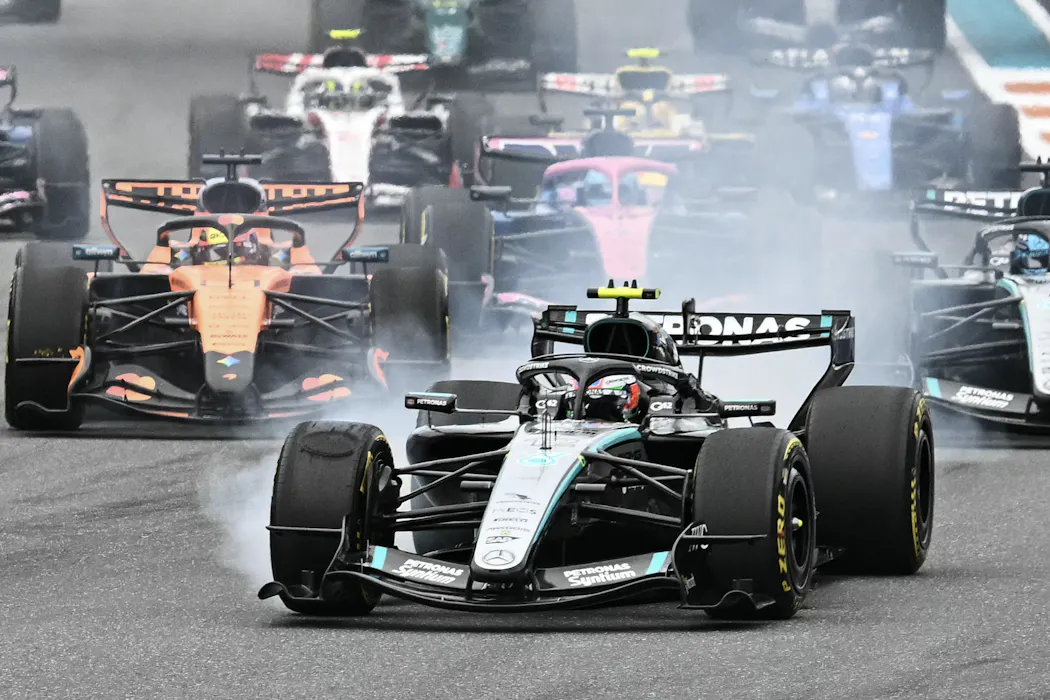
La Formule 1 constitue un exemple révélateur. Depuis son rachat en 2017 par Liberty Media, la stratégie vise la croissance des audiences : multiplication de contenus numériques, présence sur les réseaux sociaux et storytelling par la série Drive to Survive sur Netflix. L’effet a été net en Amérique du Nord : la popularité de la F1 y a explosé, entraînant de nouveaux Grands Prix pour répondre à la demande.

Le golf professionnel illustre également cette financiarisation. La création du circuit LIV Golf, soutenu par le Public Investment Fund (PIF), a introduit une logique d’investissement proche de celle des grandes ligues professionnelles : garanties financières, contrats majeurs pour attirer les meilleurs joueurs et formats conçus pour maximiser la visibilité médiatique.

Dans ces disciplines, les compétitions sportives deviennent progressivement des actifs financiers. La valeur d’un championnat dépend désormais de sa capacité à générer des droits médiatiques croissants et des partenariats commerciaux de long terme. Elle repose aussi sur une visibilité numérique permanente et sur une valorisation de marque qui dépasse largement le terrain sportif.

Ce mouvement concentre de plus en plus les ressources dans un nombre restreint de sports capables d’attirer les investisseurs institutionnels et les diffuseurs mondiaux. Les autres disciplines, même structurées et performantes, ne bénéficient pas des mêmes leviers économiques et restent à l’écart de cette dynamique.


À lire aussi :
Propriété numérique dans le sport : danger de fraudes et de contrefaçons


Le sport institutionnel : une autre réalité économique

Pour de nombreuses disciplines olympiques, le modèle économique repose largement sur les ressources publiques et les structures sportives nationales. Leur fonctionnement repose principalement sur les fédérations sportives, les programmes olympiques et les subventions gouvernementales.

Au Canada, par exemple, le programme de soutien aux athlètes de Sport Canada verse environ 2 175 dollars par mois aux sportifs de haut niveau selon leur statut. Pour plusieurs disciplines, cette aide ne couvre qu’une partie des coûts liés à l’entraînement, aux déplacements et à l’équipement, ce qui oblige de nombreux athlètes à chercher des sources de financement complémentaires.


Déjà des milliers d’abonnés à l’infolettre de La Conversation. Et vous ? Abonnez-vous gratuitement à notre infolettre pour mieux comprendre les grands enjeux contemporains.


Des sports comme l’escrime, la lutte ou le tir à l’arc illustrent bien cette réalité. Leur importance sportive et symbolique – notamment dans le cadre des Jeux olympiques – n’est pas proportionnelle à leur rentabilité économique. Cette situation a suscité plusieurs débats au Canada après les Jeux olympiques d’hiver de 2026, certains observateurs ayant attribué certaines performances à l’insuffisance des moyens financiers disponibles dans certaines disciplines.

Un système sportif à deux vitesses

L’écart économique entre les disciplines sportives s’explique d’abord par leur capacité à générer des revenus commerciaux. Les sports dotés d’une forte exposition médiatique attirent les diffuseurs, les commanditaires et les investisseurs institutionnels. À l’inverse, les disciplines moins visibles peinent à bâtir un modèle économique autonome et demeurent dépendantes des financements publics ou des structures fédérales.


À lire aussi :
L’UFC, la mécanique bien huilée de la violence et de sa spectacularisation


Cette dynamique a progressivement fait apparaître un système sportif à deux vitesses.

  • D’un côté, un sport financiarisé, centré sur les grandes ligues professionnelles et les disciplines très médiatisées, dont la valeur économique croît rapidement grâce aux droits médiatiques, aux partenariats et aux investissements privés.

  • De l’autre, un sport institutionnel, qui regroupe la majorité des disciplines olympiques et du sport amateur, et dont l’équilibre repose encore sur les fédérations sportives et les budgets publics.

La bifurcation économique du sport

Le paradoxe du sport contemporain tient précisément à cette dualité économique. Jamais l’industrie sportive n’a généré autant de richesse : l’économie mondiale du sport est aujourd’hui estimée entre 400 et 600 milliards de dollars par an. Mais jamais les écarts économiques entre disciplines n’ont été aussi marqués.

Cette situation reflète une transformation du système sportif. L’économie du sport semble aujourd’hui connaître une bifurcation. D’un côté, certaines disciplines sont devenues des actifs financiers mondialisés, attirant investisseurs et capitaux privés. De l’autre, une grande partie du sport – notamment olympique – continue de reposer sur des logiques institutionnelles et sur le financement public.

La question dépasse donc le simple cadre sportif. Faut-il laisser les ressources se concentrer dans les disciplines les plus rentables, au risque de fragiliser une partie du système sportif ? Ou faut-il considérer que certaines disciplines, moins médiatisées, mais essentielles à l’équilibre du système sportif, justifient un soutien public durable ?

La Conversation Canada

Julien Le Maux ne travaille pas, ne conseille pas, ne possède pas de parts, ne reçoit pas de fonds d’une organisation qui pourrait tirer profit de cet article, et n’a déclaré aucune autre affiliation que son organisme de recherche.

ref. Le paradoxe du sport moderne : une industrie milliardaire, des disciplines laissées pour compte – https://theconversation.com/le-paradoxe-du-sport-moderne-une-industrie-milliardaire-des-disciplines-laissees-pour-compte-273866

Nuestra vida común con los perros comenzó mucho antes de lo que pensábamos

Source: The Conversation – (in Spanish) – By Francisco José Esteban Ruiz, Profesor titular de Biología Celular, Universidad de Jaén

Una cazador con dos perros, representados en las cuevas rupestres de Tadrart Acacus (Libia). Giampaolo Cianella/Shutterstock

Que el perro sea nuestro mejor amigo puede sonar a tópico. Pero no, no lo es, y la relación empezó mucho antes de lo que se pensaba. Hoy se publican en la revista Nature dos estudios que revelan que los perros (Canis lupus familiaris) nos acompañan a los humanos como animales domésticos desde hace más de 15 000 años. O sea, en momentos de la historia de nuestra especie en los que aún no existían ni la agricultura ni las aldeas estables.

Hasta ahora, la evidencia genética situaba la aparición de los perros en un contexto relativamente reciente, entre los 10 000 y los 11 000 años, aunque ya existían algunos indicios basados en la forma de los huesos, principalmente cráneos y dentición, que sugerían fechas anteriores.

Sin embargo, los datos recién publicados apuntan con mucha más seguridad a que la relación entre las dos especies, humanos y perros, comenzó mucho antes, cuando éramos cazadores-recolectores, en plena transición climática al final de la última Edad de Hielo.

El reto de distinguir perros de lobos

Uno de los mayores obstáculos para reconstruir esta historia ha sido, paradójicamente, identificar a sus protagonistas, pues el parecido de los primeros perros con los lobos, sus antepasados, debería de ser tal que sus huesos podían confundirse fácilmente. Y es esta similitud la que, durante décadas, no ha puesto fácil poder establecer con precisión la cronología.

Pero ahora la situación ha cambiado gracias al avance tecnológico en el análisis de ADN antiguo. Se habla de ADN antiguo porque no se trata simplemente de ADN “viejo”, sino de material genético muy fragmentado, dañado y contaminado, que requiere técnicas específicas para poder ser analizado. Esto, sin duda, ha abierto una ventana directa al pasado que va más allá de lo que pueden decir los huesos.

Evidencia genética más antigua

En el primero de los estudios, liderado por William Marsh, del Museo de Historia Natural de Londres, y sus colaboradores, se presenta la evidencia genética relativa a la existencia de perros más antigua confirmada. Los investigadores identificaron restos en Pınarbaşı (actual Turquía) de hace unos 15 800 años, y en la cueva de Gough (Reino Unido) de unos 14 300 años.

Los resultados muestran que estos animales ya estaban distribuidos por distintas regiones europeas y de Anatolia hace más de 14 000 años, lo que implica que encontrarlos en Europa no era una rareza local sino parte de un fenómeno extendido.

Además, los indicios arqueológicos también sugieren una relación estrecha con los humanos.
Por ejemplo, algunos análisis en Pınarbaşı apuntan a que las personas podrían haber alimentado a los perros con pescado. Y hay señales de enterramientos que sugieren una dimensión de relación social o incluso simbólica con nuestras mascotas caninas.

Por otro lado, los análisis genéticos han permitido comparar los ejemplares prehistóricos con los actuales y, curiosamente, aquellos animales son más parecidos a razas europeas y de Oriente Próximo, como el bóxer o el galgo persa, que a razas árticas como los huskies siberianos. Es decir, los perros antiguos se parecen más a los occidentales y de climas templados que a los asociados con regiones árticas.

Una historia de continuidad

El segundo estudio amplía la perspectiva y analiza más de 200 genomas de cánidos europeos de entre 14 000 y 1 000 años de antigüedad para, así, reconstruir la historia genética de los perros en Europa.

Su conclusión principal es que los perros europeos muestran una notable continuidad genética a lo largo del tiempo. Es decir, que muchos canes que vivieron miles de años después, ya en sociedades agrícolas, conservaban una parte importante de la ascendencia de aquellos primeros ejemplares asociados a nuestros antepasados humanos cazadores-recolectores.

Además, durante el Neolítico llegaron nuevos perros desde el suroeste asiático y se mezclaron con los que ya había en Europa, pero sin sustituir a las razas ya existentes. Es lo contrario de lo que ocurrió con los humanos, en los que la expansión de la agricultura sí trajo poblaciones nuevas que cambiaron mucho la composición genética.

¿Para qué servían?

No es fácil saber con certeza qué papel desempeñaban los primeros perros, pues en sociedades con recursos limitados solo tendría sentido mantener animales si aportaban alguna ventaja. Como hipótesis razonable está la de que actuaran como sistema de alarma, ayudaran en la caza o incluso colaboraran en actividades relacionadas con la pesca.

Por hacer un inciso, la película Alpha (2018) ofrece una imagen que puede resultar familiar. Ambientada al final de la última glaciación, cuenta la historia de un joven que establece un vínculo con un lobo (no con un perro todavía) en lo que se presenta como el origen de la domesticación. Aunque es una reconstrucción ficticia y muy simplificada, el fondo no está tan lejos de lo que sugieren estos nuevos datos: una relación de amistad que comienza antes de la agricultura y que se construye poco a poco a partir de la utilidad y de la proximidad.

Un origen más cercano de lo que pensábamos

Aunque durante años se ha situado el origen del perro en Asia oriental, en parte por la alta diversidad genética de los ejemplares actuales en esa región, estos nuevos estudios apuntan a la importancia de la Eurasia occidental en la historia temprana de nuestro amigo fiel.

Todavía no conocemos con exactitud dónde ni cómo se inició ese proceso, ni cuál fue la población concreta de lobos de la que descienden todos los perros actuales. Pero lo que sí sabemos ya es que la relación entre las dos especies, humanos y perros, una de las más duraderas de la historia, no nació en las aldeas ni en los campos cultivados. Empezó antes, en un mundo frío e incierto donde la colaboración podía ser la mejor estrategia para sobrevivir.

The Conversation

Francisco José Esteban Ruiz recibe fondos para investigación del Ministerio de Ciencia e Innovación, la Agencia Estatal de Investigación (AEI) y el Fondo Europeo de Desarrollo Regional (FEDER) bajo el proyecto PID-156228NB-I00, y de la Consejería de Salud y Consumo, Junta de Andalucía (PIP-0113-2024).

Marco Antonio Bernal Gómez no recibe salario, ni ejerce labores de consultoría, ni posee acciones, ni recibe financiación de ninguna compañía u organización que pueda obtener beneficio de este artículo, y ha declarado carecer de vínculos relevantes más allá del cargo académico citado.

ref. Nuestra vida común con los perros comenzó mucho antes de lo que pensábamos – https://theconversation.com/nuestra-vida-comun-con-los-perros-comenzo-mucho-antes-de-lo-que-pensabamos-279240

Soaring gas prices and disrupted supply chains will ripple out to increase costs in every store and sector of the economy

Source: The Conversation – USA (2) – By Vidya Mani, Associate Professor of Business Administration, University of Virginia; Cornell University

Americans are already seeing higher gas prices, but that’s just the beginning. AP Photo/Carolyn Kaster

The disruptions from the U.S. and Israeli attacks on Iran spread quickly to commercial aircraft, shipping lanes and the world’s energy supply. Those repercussions have already hit fuel costs, including for motorists, truckers and fishermen, and are set to spread even more widely, to packaging, household goods, appliances, medicines and electronics.

I study global supply chains and how they interconnect and depend on each other around the world. There are several ways in which U.S. consumers will begin to feel the pinch of the war. Some of those effects have to do with domestic commerce, and some are a result of the interwoven nature of global trade, where raw materials from one place are shipped somewhere they are manufactured into specific items that are then transported to consumers.

An aerial view of a highway with several cargo trucks on it.
Many products are shipped by truck in the U.S., and diesel fuel is more expensive now.
Justin Sullivan/Getty Images

Rising costs in the US

There are three main categories in which costs will begin to rise.

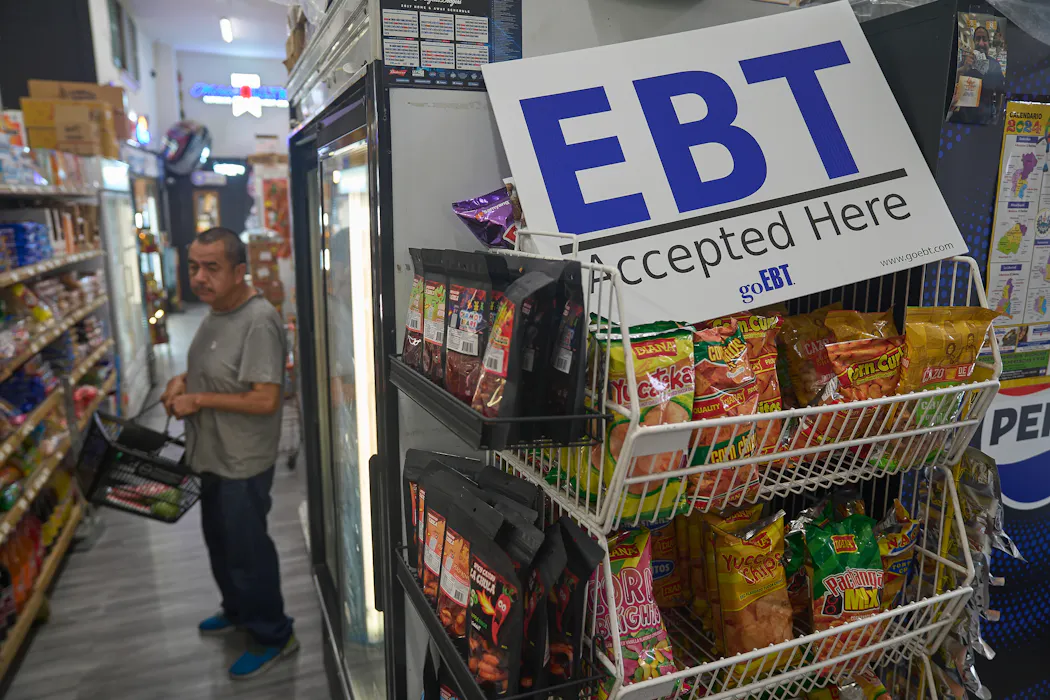
Fuel shortages and freight surcharges: From March 2-16, 2026, the average nationwide price of U.S. regular gasoline rose from US$3.01 to $3.96 per gallon, while diesel fuel rose from $3.89 to $5.37. Diesel prices matter to consumer costs because diesel engines power trucks, farm machines, construction equipment, fishing vessels and many of the vehicles that carry domestic freight. When items become more expensive to harvest, build and ship, diesel costs spread quickly into grocery, household and building material prices.

Chemicals, fertilizer and packaging: QatarEnergy has said Iranian attacks on the world’s largest liquefied natural gas export plant at Ras Laffan and another plant in Mesaieed, both in Qatar, forced the company to stop producing LNG and associated products on March 2. Two days later, the company declared that it could not fulfill its contracts due to extreme external pressures that would require many years to recover from. The affected products included urea, polymers and methanol, used to make fertilizer, plastics, detergents, packaging and other consumer goods. Reduced production and closed transit routes are also affecting supplies of aluminum and helium produced in the Gulf countries.

Factory slowdowns abroad: When shipping slows and energy costs rise, factories abroad face higher operating costs. As a result they ration production, diverting energy supplies to producing a narrow range of high-value products that can absorb these costs. Diversions of shipment traffic and fewer transportation routes lead to delivery delays. Economic research shows that shipping-cost increases also raise import prices, producer costs and consumer inflation.

Air cargo and delivery delays: Early in the conflict, several countries, including Qatar, Bahrain, Kuwait and the United Arab Emirates, closed their airspace to all traffic. Later advisories warned of risks to planes over neighboring countries as well, except for limited corridors. Those closures affected 20% of global air cargo capacity, raising the risk of delays for higher-value cargo such as medicines, aircraft components and electronics.

Global disruptions

About 80% of the oil and 90% of the LNG moving through the Strait of Hormuz, between the Persian Gulf and the Gulf of Oman, is destined for Asian markets. With strait shipments stopped, consumer electronics and manufacturing hubs in China, Japan, Taiwan and South Korea are drawing on their energy reserves and inventories. But those supplies will run out in a few months. Reduced manufacturing capacity can be expected to cause shortages and higher costs for textiles, chemicals, consumer goods, electronics, appliances, auto parts and fertilizer-intensive industries.

Europe is less directly dependent than Asia on Hormuz shipments, but it is still vulnerable to high LNG prices, increased shipping costs and diesel fuel shortages. Europe has also already faced shortages of heating oil and other fuels as a result of Russia’s war on Ukraine. The strait carried about 7% of Europe’s LNG inflows in 2025, and higher costs for energy, ship fuel, freight and insurance can ripple through global trade. For the U.S., that matters because Europe supplies industrial equipment, precision components, medical technology and specialty chemicals sold to businesses and directly to consumers.

African economies are especially exposed to fuel and fertilizer shocks. Large volumes of fertilizer pass through Hormuz, and higher energy and fertilizer prices threaten crop yields and food systems across most of Africa. As a result, U.S. prices can rise for coffee and chocolate – much of which originates in Africa – as well as critical minerals for electric vehicles, energy storage and high-tech equipment.

A person pushes a cart through a grocery store.
Grocery prices are affected by costs of fuel and fertilizer.
Joe Raedle/Getty Images

Coming home to Americans

This war is not a distant geopolitical shock for U.S. households. It reaches everyday life through fuel, freight, fertilizer, petrochemicals and global supply chains through factories that produce consumer goods.

Some mitigation is possible: 32 nations will be releasing more than 400 million barrels of oil to the global market over the next few months. There are pipelines and alternative ports in Saudi Arabia and the United Arab Emirates that, if they remain undamaged and uninterrupted, can handle potentially 40% of the 20 billion barrels per day that was passing through the Strait of Hormuz. Combined with a temporary easing of sanctions on Russian oil, limited shipments to India and China through the Strait of Hormuz and the March 23 announcement of a five-day pause on U.S. and Israeli strikes on Iran, it is possible to head off the worst-case scenario.

But these measures cannot fully replace the strait’s normal oil and LNG shipment volume. And if oil production, refining and shipment locations continue to be targeted, recovery can be expected to stretch into many months. The likely result is broader inflation, prolonged shortages and longer waits for goods of all sorts, including food and packaging as well as electronics and appliances.

The Conversation

Vidya Mani has received funding from LMI. She is a Senior Research Fellow with the Mexico Program and Inter-American Dialogue and an Expert Advisor on Critical Minerals, Emerging Technologies, and Supply Chain Resilience at the Public Spend Forum.

ref. Soaring gas prices and disrupted supply chains will ripple out to increase costs in every store and sector of the economy – https://theconversation.com/soaring-gas-prices-and-disrupted-supply-chains-will-ripple-out-to-increase-costs-in-every-store-and-sector-of-the-economy-278349

What the historic snow drought means for water, wildfires and the future of the West

Source: The Conversation – USA (2) – By Alejandro N. Flores, Professor of Geoscience, Boise State University

The snow drought was evident in Park City, Utah, on Feb. 9, 2026. This golf course is normally used for cross-country skiing in winter. Mario Tama/Getty Images

Across much of the Western United States, winter 2026 was the year the snow never came. Many ski resorts got by with snowmaking but shut down their winter operations early. Fire officials and water supply managers are worried about summer.

Where I live in Boise, Idaho, temperatures hit the low 80s Fahrenheit (high-20s Celsius) in mid-March. The same heat dome sent temperatures soaring to 105 F (40 C) in Phoenix.

Ordinarily, water managers and hydrologists like me who study the Western U.S. expect the mountain snowpacks to be at their fullest around April 1. Snowpacks are natural reservoirs of water that farms and communities depend on through the hot, dry summer. Their snow water equivalent, meaning the amount of liquid water in the snowpack, is seen as a bellwether for water supplies.

But the 2026 water year has been anything but ordinary. In fact, its snow drought has few historical analogs.

Data from the U.S. Department of Agriculture’s Natural Resources Conservation Service shows that out of approximately 70 river basins across the Western U.S., only five are at or above the 1991-2020 median snow water equivalent for this time of year. Most of those are clustered around the Yellowstone region of western Wyoming and eastern Idaho.

A map of river basins shows very few with normal snow-water equivalent, primarily near Yellowstone National Park.
The majority of river basins in the Western U.S. were at less than 50% of their 1991-2020 median snow water equivalent on March 23, 2026.
Natural Resources Conservation Service National Water and Climate Center

By contrast, 11 basins have less than 25% of the 1991-2020 median, and more than half are below 50%. The headwaters of critically important rivers, including the Colorado, the Columbia and the Missouri, are peppered with basins that are far below historical averages.

Other important measures of snow water storage and ecosystem health, including which areas have snow cover in the Western U.S and how long it’s been there, also point toward snow reserves that are far below recent years.

How did we get here?

Just because the Western U.S. is in a snow drought doesn’t mean it isn’t getting precipitation. Temperatures have been high enough since the start of the water year in October that a lot of what normally would have fallen as snow fell as rain instead.

The West experienced a very warm December at all but the highest elevations, but strong storms also drenched large parts of the region. Washington state was swamped with rain that triggered flooding and melted the existing snowpack.

A chart shows very low snow cover all winter compared to the arc of most years.
The total area of the Western U.S. with snow cover has been exceptionally low compared to the years 2001 to 2025.
National Snow and Ice Data Center

Temperatures in January were less extreme but still warmer than historical averages. However, precipitation in January was far below the 1991-2020 average throughout much of the region. February brought precipitation conditions closer to historical averages, but temperatures were much warmer than normal.

The Western U.S., therefore, got a triple whammy: Two of the three critical snow-accumulation months were too warm, and the third was too dry.

Water worries ahead

So what does this mean for water supplies and river flows?

A recent assessment of drought conditions from NOAA’s National Integrated Drought Information System suggests 2026 will be a tight year for water supplies.

Water managers in Wyoming and Washington are already signaling that some water rights holders – cities, irrigation districts, individual farms and industries can take limited amounts of water from rivers, canals and aquifers – can expect to receive less than their full allotment of water in 2026. It’s not unreasonable to expect other states to soon follow suit.

Throughout the Western U.S., water rights are administered according to the Doctrine of Prior Appropriation – those who hold the oldest legitimate claims to water from a river, reservoir or aquifer are entitled to receive their allotments first.

Junior water rights holders who may be at risk of receiving less than their full allotment of water likely have difficult decisions ahead related to the planting and management of their crops. The challenges are compounded by the likelihood of increases in fertilizer and transportation costs associated with the ongoing war in Iran.

In the Colorado River Basin, the U.S. Bureau of Reclamation’s most probable forecast indicates water levels in Lake Powell falling below the minimum power pool elevation in December 2026. That’s bad news for power supplies, because below that level, the Glen Canyon Dam can’t produce hydroelectric power. The dam contributes power for millions of customers across seven states.

What the snow drought means for fire season

Another big concern is whether the historic snow drought is setting up the West for a bad fire season. That’s still an open question.

Rain has meant moisture is available now for plants to grow, but the lack of snowpack that normally keeps meltwater flowing through summer raises concerns about whether those plants will dry out, leaving them ready to burn.

Fire is a historically important feature of the forest and rangeland ecosystems of the West, and these ecosystems are to some degree adapted to large swings in conditions from year to year and season to season.

Because precipitation across much of the West is close to historical averages, there is snow in some of the highest-elevation mountains. And at lower elevations, some of the precipitation that fell as rain likely remains in the soils.

A skier next to open ground with a mountain in the background.
Snowmaking kept slopes skiable amid high temperatures in March 2026 in Breckenridge, Colo., but it wasn’t hard to find dry, exposed land nearby.
Michael Ciaglo/Getty Images

Weather conditions in the late spring and summer – how much rain falls and how hot and dry conditions become – will play critical roles in determining the shape forests and rangelands will be in for fire season.

What this winter suggests about the future

The record-low snowpack may be a harbinger of what a warmer future will look like in the region. Many researchers have investigated how climate change will influence snowpacks and water supply throughout the Western U.S., but questions and critical challenges remain.

Among them: In years like this, with near-normal precipitation but low snowpack, are there difficult-to-observe stores of water in the deeper subsurface that can help buffer against loss of snow for periods of time? That’s one of several questions my colleagues and I have been working on.

This year’s snow drought presents a timely, albeit high-stakes, stress test for the West. Everyone will be watching.

The Conversation

Alejandro N. Flores receives funding from the National Science Foundation, the US Bureau of Reclamation, and the USDA Agricultural Research Service.

ref. What the historic snow drought means for water, wildfires and the future of the West – https://theconversation.com/what-the-historic-snow-drought-means-for-water-wildfires-and-the-future-of-the-west-279163

Importing queen bees won’t solve Canada’s beekeeping problems

Source: The Conversation – Canada – By Brendan Daisley, Banting Postdoctoral Fellow, Department of Molecular and Cellular Biology, University of Guelph

Every spring, Canadian beekeepers await the arrival of queen bees crucial to their industry. The queens that populate Canadian bee colonies through the season largely do not come from Canada at all.

Canada imports approximately 260,000 to 300,000 queen bees annually from warmer regions like Hawaii, California, Chile and New Zealand because it cannot meet domestic demand.

This system works for now, but it’s much more fragile than most Canadians might realize. Honey bees pollinate a huge share of what we eat (from blueberries and apples to canola and clover), sustaining billions of dollars in crop production in Canada each year. Yet the resilience of this system hinges on the health of a single individual, the queen.

Canadian honey bee colonies face multiple pressures. New research we conducted with colleagues found that while antibiotic use in Canadian beekeeping fell significantly following regulatory changes in 2018, the number of bees that died over winter each year rose in parallel.

That suggests that removing antibiotics without alternative ways of bolstering resilience may be quietly making colonies more vulnerable.

Our study also identified nitrogen dioxide, a common air pollutant from diesel exhaust, as a strong predictor of bee mortality, because it masks flower scents and makes foraging harder.

Why import queens?

Every honey bee colony is led by one queen: the sole reproducer, the source of the colony’s genetic makeup and a key regulator of the whole colony’s survival, immunity and social behaviour.

Her strength determines the colony’s longevity, population size, brood pattern and ultimately, its productivity. When queens fail, colonies fail. In surveys across Canada, poor queen health is consistently cited as a leading cause of colony losses, especially during winter.


Read more:
Worker honey bees can sense infections in their queen, leading to revolt


Queens can only be raised within a short window, April to September, with many not available until late May. Canada cannot currently produce enough high-quality queens to meet its beekeeping industry’s needs.

This leaves domestic producers unable to meet demand in spring. Importing queens fills the demand within those crucial early spring months, but it also introduces new problems: the queens typically come from warm, stable climates and are often ill-suited to Canadian winters.

Imported queens face challenges

Research shows that domestically raised queens are 25 per cent more likely to survive winter than imported ones. Some imported stock also shows higher rates of brood diseases like chalkbrood.

Over years of repeated importation, this can gradually dilute locally adapted genetics, making Canada’s national bee population progressively less equipped to handle the environment it lives in.

There is also a policy risk that rarely makes headlines. Canada permits queen imports from only a small number of approved countries.

A trade dispute, new disease outbreak or biosecurity concerns could cut off that supply almost overnight, leaving beekeepers queenless, with immediate consequences for the crops depending on those colonies.

Importance of the queen’s microbiome

Researchers have long focused on genetics, nutrition, diseases and pesticides when studying worker and queen bee health. But mounting evidence suggests another factor that has been overlooked: the microbiome, a community of beneficial microbes living inside the bees themselves.

Imagine it like the gut bacteria that influence human immunity and digestion. Over the last two decades, medicine has transformed the way human gut microbiomes can affect disease resistance and mental well-being.

Bee researchers are beginning to ask the same questions and finding that the balance of microbial communities does indeed affect bee health, longevity and agrochemical resiliency.


Read more:
Beyond honey: 4 essential reads about bees


Worker bee microbiomes often get disproportionate research focus compared to the queen microbiome, despite her immense role in overall colony success and reproduction.

However, early evidence suggests that queens have distinct microbiomes that can influence and are influenced in turn by lifespan, reproduction levels and immunity — all of which act as signals that regulate the colony. If queens are the foundational “gene engines” of colonies, their microbiomes may be the unrecognized microbial infrastructure that supports them.

Critically, those microbial communities can be shaped by environment and rearing practices, temperature and time of year and region.

An imported queen may arrive not only with genetics attuned to a warmer climate, but with a microbiome equally mismatched to Canadian forage plants, pathogens and seasonal stress. The mismatch may be more complex and more consequential than genetics alone suggests.

The Canadian Bee Gut Project

Our research group at the University of Guelph launched the Canadian Bee Gut Project — a nationwide effort to map the microbiomes of honey bee colonies from coast to coast, working with commercial beekeepers, breeders and provincial teams.

We are now expanding that work to focus specifically on queens, comparing the microbiomes of domestic and imported stock to identify which microbial communities are associated with successful overwintering in Canada.

The goal is to develop practical tools such as microbiome-informed rearing practices, targeted interventions to restore beneficial microbes and support domestic breeding programs that can produce cold-adapted queens resilient to disease.

Canada’s reliance on imported queens is understandable, but it isn’t sustainable in the long term.

Climate instability, border policy shifts, new disease threats and rising colony mortality rates all put pressure on our beekeeping and food production systems.

Building a more resilient food system means reducing that dependence. That requires better breeding and a deeper understanding of the biology that makes queens thrive or fail in Canadian conditions.

The answer to stronger, more self-reliant beekeeping in this country may be inside the bees themselves.

The Conversation

Brendan Daisley received research funding from Food from Thought at the University of Guelph, the Ontario Ministry of Agriculture and Food, the Canada First Research Excellence Fund, and a Natural Sciences and Engineering Council of Canada Banting Postdoctoral Fellowship.

Elizabeth Mallory does not work for, consult, own shares in or receive funding from any company or organisation that would benefit from this article, and has disclosed no relevant affiliations beyond their academic appointment.

ref. Importing queen bees won’t solve Canada’s beekeeping problems – https://theconversation.com/importing-queen-bees-wont-solve-canadas-beekeeping-problems-277739

La science est-elle malade de ses revues ? Patrick Couvreur et Justine Fabre sont dans la Grande Conversation

Source: The Conversation – in French – By Laurent Bainier, Directeur de la rédaction The Conversation France, The Conversation

Comment fonctionne vraiment l’édition scientifique ? Modèles économiques, poids des grands éditeurs, fraudes, évaluation des articles, open access, voie diamant : cette Grande Conversation, l’émission de The Conversation et CanalChat en partenariat avec l’Académie des sciences, propose de lever le voile sur un univers méconnu du grand public, mais décisif pour l’avenir de la recherche.

Les chercheurs produisent les articles, évaluent souvent bénévolement ceux de leurs pairs et contribuent à la mise en forme des publications. Pourtant, la diffusion de ces travaux est contrôlée par des éditeurs commerciaux. Avec la montée de l’open access, un nouveau modèle s’est imposé : les APC, les frais de publication que les chercheurs ou leurs institutions doivent payer pour rendre leurs articles accessibles.

Résultat : le système combine désormais deux logiques payantes. Les institutions continuent de payer des abonnements, tout en finançant de plus en plus les APC. En France, ces frais de pourraient dépasser 50 millions d’ici 2030. À cela s’ajoutent près de 90 millions d’euros d’abonnements aux revues. Économiquement insoutenable…

Des solutions existent, comme le modèle de publication scientifique en libre de l’Académie des Sciences et du CNRS, gratuit pour les auteurs comme pour les lecteurs. Mais elles tardent à se généraliser. Pourquoi? Quelles sont les logiques qui poussent les chercheurs à continuer de jouer le jeu des APC? Comment peut-on promouvoir l’open access? Nos deux invités, le chercheur Patrick Couvreur et la directrice du Patrimoine et des Ressources scientifiques de l’Académie des Sciences Justine Fabre, nous aident à y voir plus clair dans ce nouvel épisode de La Grande Conversation.

The Conversation

ref. La science est-elle malade de ses revues ? Patrick Couvreur et Justine Fabre sont dans la Grande Conversation – https://theconversation.com/la-science-est-elle-malade-de-ses-revues-patrick-couvreur-et-justine-fabre-sont-dans-la-grande-conversation-279247

Female politicians can be punished at the polls for not smiling – but men aren’t

Source: The Conversation – France – By Iona Astier, PhD Candidate in Economics, Université Paris 1 Panthéon-Sorbonne

When election time comes around, campaign posters feature candidates with a determined look in their eye, their local promises, well thought-out slogans in full view, and a smile – which particularly among women politicians has become something of a quiet, political prerequisite.

In 2016, during the Democrat National convention Hillary Clinton was commented more on supposedly not smiling or lacking warmth than on her electoral manifesto. Some years later Élisabeth Borne, who was then Prime Minister of France, was described several times as being “cold” and “stiff.” Recounting her twenty months spent at Matignon in a book (2024), she explains how her attitude was more harshly judged than if she had been a man. She appears on the cover of her book with a frank smile. In both cases, it was her appearance and allure that was being held against her rather than her ideas.

Women often get criticised for not smiling. But does this expectation have an impact electorally speaking? In other words, does choosing not to smile cost women more votes than it does men?

A ‘smile monitor’ for candidates?

A recent study carried out on 9,000 electoral manifestos from local elections in France in 2022 and 2024 subjected the phenomenon to a statistical reality test Lippmann, 2026. The promises that were examined are a precious source of analysis. In France, each elector whether male or female receives a copy before the ballot, presenting their manifesto pledges with a photo of the candidate alongside prominent politicians from the political parties they are affiliated with.

The emotions and smiles that could be detected or that were missing from the photos were measured with the help of artificial intelligence. Almost 80% of women were perceived to be “smiling” in the photo compared with 60% of men, representing a difference of 19% percentage points. Women appear to be smiling far less than their male counterparts.

What does a smile cost candidates?

The statistical analysis also shows that this difference is not electorally neutral. Using the same data from the 2022 and 2024 legislative elections, we measured the impact of smiling on the election results by taking into account the candidate’s age, political party, profession, department, and the type of constituency, as well as the content of their manifestos.

At comparable characteristics, smiling men and smiling women score about two points more in the polls compared to non-smiling men. But the asymetry lies with the candidates who don’t smile; a female candidate that doesn’t smile scores about two points less than a non-smiling male politician. For men, smiling adds value. For women, it’s more of a condition to avoid being penalised.

Chart representing a rough estimate of the effect of a smile and gender on the segment of the vote in the 1st round (in French)
A rough estimate of the effect of a smile and gender on the segment of the vote in the 1st round DR.
Fourni par l’auteur

To confirm these results, we set up an online experiment with 1000 people – a representative sample of the French population. We provided participants with a pair of photos of “mock,” AI generated female and male candidates. For each imaginary candidate, two versions of the same photo were created, one smiling and the other with a neutral expression, then they were presented to the participants in order to measure whether a smile can affect voting intentions.

We asked each participant the following question: “If you had to choose between two candidates what is the probability that you would vote for candidate A rather than candidate B.”

The preliminary results indicate that a neutral expression reduces voting intentions for all candidates, but that it is more strongly affects the women candidates. Not smiling reduces their chances of being selected by approximately three percentage points more than men. These results that tally with the analysis based on the electoral programmes, are currently the subject of a scientific paper that is being edited.

Examples of deepfakes that were used in the experiment to study the impact of smiling on voting intentions. DR.
Fourni par l’auteur

A ‘double-edged sword’ for women in politics

Why is the stigma attached to smiling so strongly directed at women? Psychology establishes that gender stereotypes make women into people who are naturally warm, attentive and less likely to be aggressive whereas men are associated with competitiveness, self-assuredness and emotional control. But when women obtain positions of power these expectations meet are met with tension.

Female candidates face “double trouble:” as women, they are situated on the register of warmth and empathy while as politicians, they must incarnate authority, firmness, which are qualities considered to be masculine. If they display too much heat, they risk being deemed insufficiently credible or less competent.

Conversely, if they adopt the codes of seriousness and distance, which are valued in politics, they expose themselves to criticism of coldness, of “stiffness” or of a lack of empathy, as experienced by Hillary Clinton or Élisabeth Borne. This double-edged sword raises a strategic question: should you smile to get elected, even if it means having to recompose your image once in office? While our data does not allow us to answer this question, it does point towards a paradox: the cogs behind electoral victory are not necessarily the same cogs that are in motion during the exercise of power.

For men, this conflict is much less marked. The stereotypes associated with them immediately correspond to those related to the exercise of power. This concordance offers them greater emotional freedom. Showing warmth is not considered a transgression, it is simply a mark of accessibility, which does not take anything away from their credibility.

Conversely, if a woman meets the expectations of warmth and empathy traditionally associated with femininity, she risks being perceived as less competent. Smiling then becomes a tool for adjustment that reduces the tension between these contradictory requirements, a way of “countering” access to a power function still perceived as a transgression of the female role. This constraint forces women to invest more in controlling their image.

An emotional load is thus added to the political burden, a form of “invisible tax” that would represent an expenditure of energy and resources that their male counterparts do not have to bear. Although this emotional cost is theoretically well documented, investigations conducted directly with women politicians on this experience are still rare.

Dealing with expectations

Faced with these constraints, women politicians can adopt different strategies. The first is conformity: displaying warmth and a smile to meet gendered expectations, at the cost of an additional effort. The second is the challenge by refusing these standards and assuming neutrality or distance. But this path is electorally risky. As our data shows, unlike her male counterparts, a candidate who does not smile exposes herself to a penalty at the ballot box.

A third strategy consists in instrumentalising these constraints. In his study, French political scientist Frédérique Matonti demonstrated that stereotypical media coverage of female politicians can, in some contexts, be turned to their advantage. In the case of Marine Le Pen, this treatment contributed to humanise her in contrast to her politically notorious father, thus serving her strategy of de-demonising France’s far right party.

A smile may seem trivial. But when we observe who is asking for it, and at what moment it is valued, then it reveals the norms that are still framing women’s access to positions of power. Understanding these mechanisms invites us to reflect and ask ourselves questions about what we expect, often unconsciously, from those who govern us.


A weekly e-mail in English featuring expertise from scholars and researchers. It provides an introduction to the diversity of research coming out of the continent and considers some of the key issues facing European countries. Get the newsletter!


The Conversation

Les auteurs ne travaillent pas, ne conseillent pas, ne possèdent pas de parts, ne reçoivent pas de fonds d’une organisation qui pourrait tirer profit de cet article, et n’ont déclaré aucune autre affiliation que leur organisme de recherche.

ref. Female politicians can be punished at the polls for not smiling – but men aren’t – https://theconversation.com/female-politicians-can-be-punished-at-the-polls-for-not-smiling-but-men-arent-279011