
Source: The Conversation – Canada – By Taiwo Afolabi, Full Professor/CRC in Socially Engaged Theatre; Director, C-SET, University of Regina
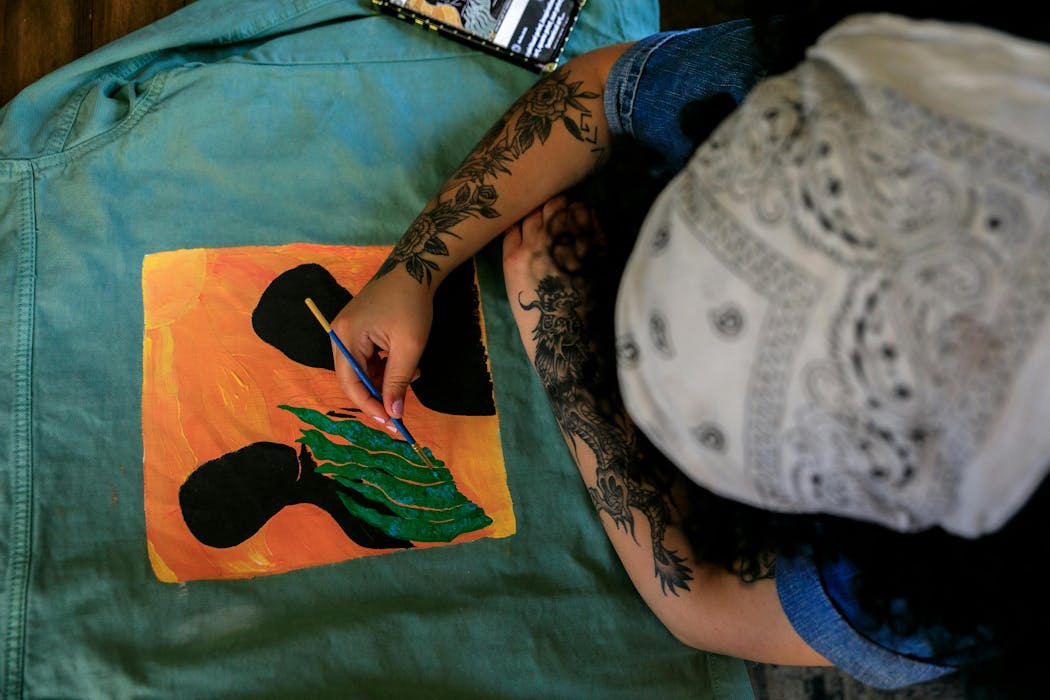
The culture and creative sector is experiencing unprecedented strain during a period defined by intense polarization and precarity, growing economic and environmental concerns, deepening social inequities and urgent calls for justice.
During the pandemic and amid powerful global movements for racial and social justice, longstanding inequities in the arts sector were brought into sharper focus — as was artists’ continued commitment to imagining alternative futures.
But the frameworks guiding Canadian arts and culture policy are increasingly insufficient to sustain our society.
Future of Canadian cultural policy
The future of Canadian cultural policy — shaping how artists and creative practitioners engage in their work, with each other and society at large — cannot solely be premised on the economic argument for the cultural and creative sector, as was assumed by the 2017 Creative Canada Policy Framework.
Assuming the primacy of economic returns and market performance in cultural production undermines the value of non-commodified, non-economic contributions of culture.
Nor can the future of Canadian cultural policy rest on nation-building narratives of the post-Second World War era.
As playwright and director Yvette Nolan and cultural strategist Sarah Garton Stanley discussed in a 2023 session with the Centre for Socially Engaged Theatre, such narratives marginalize Indigenous Peoples and other cultural identities and perpetuate a settler-colonial vision of cultural citizenship.
In addition to asking how culture can serve economic interests or reinforce a cohesive national brand, we must also ask: how can cultural policy nurture trust, belonging and long-term relationality across communities, identities and experiences?
This was our concern in research we conducted between 2022 and 2024 with 18 self-employed Black, Indigenous and People of Colour (BIPOC) artists and cultural entrepreneurs across Western Canada. Collaborators in this research were playwright Yvette Nolan, as well as art historian Luba Kozak and academic researcher Fonon Nunghe.
Conversations with artists
We explored the question: In what ways might the social value-creation strategies of self-employed BIPOC artists who engage in socially transformative practices shape a more equitable Canadian cultural policy?
Through individual and group conversations, we heard how artists are leveraging their creative practices, entrepreneurial skills and leadership to generate social value in their communities.
We also heard how they are countering discrimination, fostering belonging and advancing justice through culturally grounded, socially engaged art.
We conducted this research during a pivotal period in the wake of the COVID-19 pandemic and amid powerful global movements for racial and social justice. The reflections gathered are rooted in the social, political and cultural dynamics of that time, yet they remain relevant in today’s shifting landscape.
Issues such as systemic exclusion, under-representation and the need to support BIPOC leadership in the arts continue to demand urgent attention.
Erosion of EDI
Globally, the erosion of equity-based initiatives, especially in the wake of the 2024 U.S. presidential election, has raised alarm.
The backlash against diversity, equity and inclusion (DEI) efforts across sectors, including the arts, signals a broader populist shift that threatens the fragile gains made in justice-centred work. Canadian cultural institutions are not immune to this trend.
Read more:
We need meaningful, not less, EDI and climate action in turbulent times
Organizations that foreground equity and representation increasingly find themselves under scrutiny, pressured to defend their legitimacy and impact.
Cultural policy is needed that protects equity-driven practices and embeds care, accountability and relationality as foundational principles, especially in times of political volatility.
What does this look like on the ground? Here are three insights that emerged in our conversations with artists:
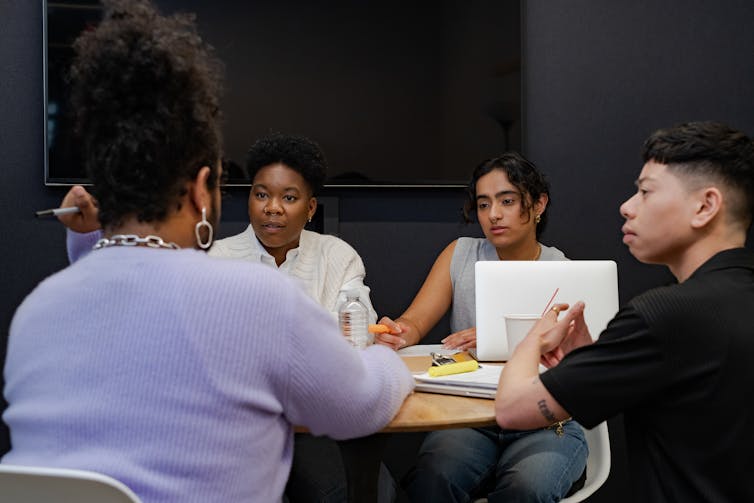
1. Authentic safe spaces and responsiveness: Artists emphasized that the concept of safety must go beyond institutional declarations of “safe spaces” or symbolic gestures. True safety for BIPOC artists requires culturally responsive policies that acknowledge the emotional, spiritual and cultural dimensions of artistic practice.
This might look different for different artists and communities. Many institutions, while professing inclusivity, continue to restrict practices revealing a limited understanding of cultural protocols. Artists shared that safety must be rooted in the ability to engage in arts production and express themselves authentically, without institutional gatekeeping or pressure to conform to Western norms. This calls for a systemic rethinking of safety that centres cultural sovereignty and the right to self-determined artistic expression.
(Gender Spectrum Collection), CC BY
2. Tokenism and decolonization: Many participants described being invited into institutional spaces as symbols rather than equal collaborators. This dynamic reduces cultural presence to a token, where inclusion is more about optics than genuine engagement. BIPOC artists are often expected to take on dual roles, creating their own work while also educating institutions about cultural practices and histories.
This expectation is not only unsustainable but emotionally exhausting, eroding trust over time. As one artist explained, they are there to tell stories, not to “do the work” of decolonization for institutions. Promises of change are frequently postponed, using excuses such as budget limitations or declining audiences, which can feel dismissive and discourage long-term engagement. These experiences underscore the need to move beyond performative inclusion and toward real power-sharing in decision-making, leadership and representation.
3. Relational accountability and community-based practices: True decolonial work requires relational accountability and the commitment to building respectful, sustained relationships rooted in reciprocity. This cannot be achieved through a checklist-style inclusion efforts or standard contracts. Many artists noted the lack of cultural and relational competency within institutions and highlighted the importance of nurturing trust through shared experiences, dialogue and time.
Read more:
How theatre on the Prairies can imagine an equitable and inclusive future
Community-based artistic practice often blurs the boundaries between personal and professional life, which institutions typically fail to recognize. Care responsibilities, emotional labour and deep ties to community are integral to the creative process for many artists, especially those working in post-COVID contexts.
However, hierarchical institutions that prioritize production and efficiency often undervalue relationships. One participant reflected on feeling torn between her commitment to her urban Indigenous community and institutional pressures focused on outputs. This tension highlights the urgent need for institutional models that respect and integrate relational and community-based approaches to art processes.
Reimagining how institutions define success
What’s needed for the new era in Canada’s arts landscape is a fundamental reimagining of how cultural institutions define success and responsibility. This shift calls for cultural policy that upholds the diverse realities of those who live, create and contribute across these lands and is grounded in their experiences.
Cultural policies must explicitly encourage and require institutions to prioritize care, trust and ethical leadership in their daily practices, instead of focusing solely on outputs and compliance. Policies should centre community and accountability to relationships as core to institutional purpose.
By embedding these values into funding criteria, accountability measures, success indicators and governance frameworks, cultural policy can compel institutions to move beyond short-term, project-based transactional models.
If we are to cultivate a truly inclusive cultural landscape, we must build equity not only in visibility and representation but also in the relationships, processes and structures that sustain cultural life.
Only by embracing this approach can cultural institutions foster trust, belonging and resilience, helping to heal and connect communities across this land.

The researchers/authors received funding from the Social Sciences and Humanities Council (SSHRC) (Insight Development Grant) for this research.
– ref. Imagining alternative Canadian cultural policy through BIPOC artists’ experiences – https://theconversation.com/imagining-alternative-canadian-cultural-policy-through-bipoc-artists-experiences-273159