
Source: The Conversation – UK – By Vikram Niranjan, Assistant Professor in Public Health, School of Medicine, Health Research Institute, University of Limerick
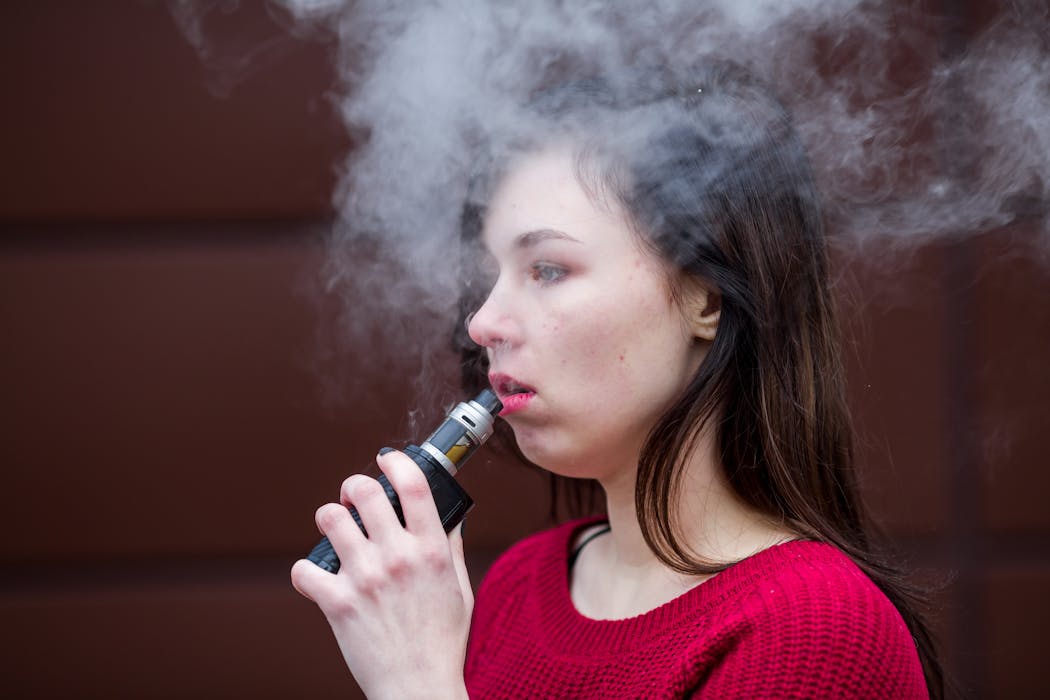
When e-cigarettes first appeared around 2010, they were hailed as a breakthrough: nicotine delivery without the toxic tar and combustion byproducts of traditional cigarettes. Public health bodies cautiously endorsed them as a tool for adult smokers to quit, often citing early claims that vaping was 95% less harmful than smoking. More than a decade later, with millions now vaping regularly, the picture is less clear.
A recent study, published in the American Journal of Physiology – Heart and Circulatory Physiology, found that people who vape or smoke have nearly 50% higher odds of elevated blood pressure compared to non-users. This isn’t proof that vaping directly causes high blood pressure – other factors such as diet or exercise could play a role – but it adds to a growing body of evidence that vaping’s early reputation for safety deserves a harder look.
The science behind the concern isn’t complicated. Nicotine in e-cigarette vapour triggers immediate spikes in heart rate and blood pressure. The flavourings and other chemicals can damage the lining of blood vessels – the tissue that prevents clotting and keeps blood flowing smoothly. Research reviews have found elevated rates of heart attack among vapers, particularly among those who also still smoke traditional cigarettes.
The lungs tell a similarly worrying story. A 2022 study comparing vapers, smokers and non-users found that vapers had measurably reduced lung function – even after accounting for any previous smoking history – as well as higher rates of wheezing, coughing and bronchitis-like symptoms. Further research from 2023–25 links vaping to increased airway resistance and asthma flare-ups, with some effects persisting well beyond a single vaping session.
Read more:
Vaping makes lung bacteria more harmful and cause more inflammation
Perhaps the most urgent concern is what has happened among young people. The World Health Organization now describes e-cigarettes as “harmful and not safe”, warning of a new wave of nicotine addiction among teenagers who never smoked in the first place – and who are three times more likely to go on to smoke traditional cigarettes as a result.
Large surveys have linked regular vaping in young people to depression, anxiety and suicidal thoughts, with nicotine’s known effects on the developing brain almost certainly playing a role.
Supporters of vaping argue that its risks are acceptable if it helps established smokers quit – and there is something to this. A 2024 review by Ireland’s Health Research Board found that e-cigarettes do help some adults stop smoking, particularly when combined with behavioural support.
But many people who vape to quit end up doing both – vaping and smoking – which means they are still exposed to tobacco’s most harmful chemicals. And the evidence for traditional nicotine replacement therapies such as patches and gum, backed by decades of clinical trials, remains stronger.
We don’t yet have human data confirming that vaping causes cancer. But this reflects how new the habit is rather than how safe it is. A review of laboratory studies show that e-cigarette vapour causes DNA damage and cell death in ways that look uncomfortably familiar to early tobacco research – research that preceded the smoking-related cancer epidemic by two or three decades.
Safer is not the same as safe
The original message – that vaping is far safer than smoking, and a reasonable tool for quitting – made sense at a time when tobacco was killing enormous numbers of people. But “safer than smoking” is not the same as safe, and that distinction matters enormously when teenagers are interpreting the message as permission to start. NHS Scotland is already clear that vaping carries real risks and is not suitable for young people.
We’ve tasted the bitter waters of tobacco, where delayed action fuelled generations of disease. To fix smoking, we’re now engineering a “solution” that could spawn tomorrow’s crises – akin to ditching petrol cars for electric vehicles to slash emissions, only to grapple with toxic lithium battery e-waste mountains clogging landfills and supply chains.
Both trades address one urgent harm while blindsiding us to downstream perils: leaching chemicals, recycling nightmares and resource wars. With vaping, signals of cardiovascular strain, lung irritation, youth gateways and addiction are flashing red, even if full epidemics lie years ahead.
The sensible conclusion is not complicated. If you have never smoked, don’t vape. If you do smoke and want to quit, patches, gum, medication and proper support remain the best-evidenced options. Vaping may have a role as a short-term bridge – but not as a permanent habit, and not for anyone who wouldn’t otherwise have been a smoker. The warning signs are there. The question is whether we act on them before the long-term consequences become impossible to ignore.

Vikram Niranjan does not work for, consult, own shares in or receive funding from any company or organisation that would benefit from this article, and has disclosed no relevant affiliations beyond their academic appointment.
– ref. Vaping: emerging harms health systems can’t ignore – https://theconversation.com/vaping-emerging-harms-health-systems-cant-ignore-277808