
Source: The Conversation – UK – By Emmanuel Junior Zuza, Visiting Assistant Professor in Environmental Science, The Open University
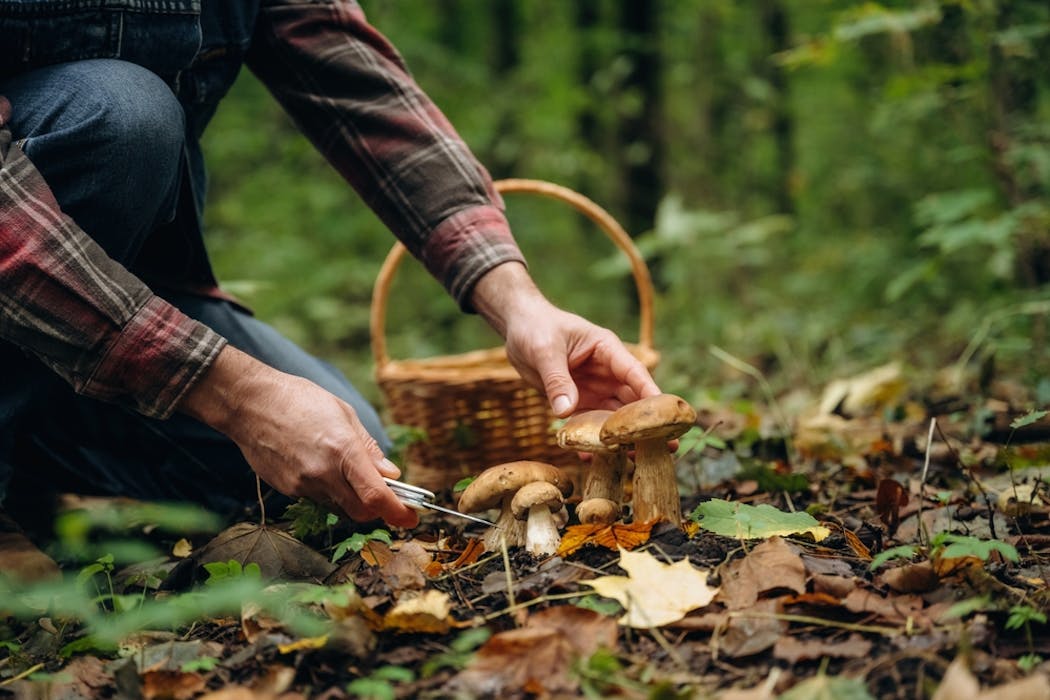
Wild garlic, oyster mushrooms and sea beet were once regularly gathered and eaten as part of meals across the UK. Today, some people have concerns about eating food growing in the woods or hedgerows, but are keen to discuss why – as our research shows.
Our small study looked at current public attitudes to eating wild foods in the English county of Dorset.
In previous centuries, knowledge about what to pick and eat and even how to cook was passed down through generations.
In 16th-century Britain, rural households ate pottage (a kind of soup made from oats) and foraged for other ingredients including sorrel and leeks. Coastal communities gathered samphire and sea beet, while hazelnuts were gathered from forests and hedgerows. Wild game, such as rabbit and deer, and freshwater eels were considered ordinary foods for those who could find them.
My team’s research into public attitudes to “wild food” was based in Dorset, a strongly agricultural county. Working with an experienced forager, we selected ten foods growing wild in the county and available around the UK. We then asked a mix of farmers and people in the food industry including chefs and experienced foragers about whether they would feel comfortable eating these items.
Read more:
How Paris’ working-class dining experience is reshaping restaurant economics in France
When shown photographs of commonly available edible species including nettles, mushrooms (wood ear and oyster), blackberries, wild garlic, elder, cleavers (a native wildflower), hawthorn, hazelnut, and sea beet, many participants expressed surprise about how little they knew about the foods growing in their back gardens and nearby woods.
One farmer in the group said: “I grew up in the countryside, I was always curious about plants and what was growing outside. But I’m always surprised about how little I know and I’m someone who loves plants.” The people we spoke with were not confident about how to identify food sources on their doorsteps and add them into their cooking.
Two people out of the group of 11 correctly identified the two types of mushrooms, wood ear and oyster, that are common in Dorset and widely foraged globally. Several participants admitted they were a bit afraid of eating mushrooms. One farmer said that wild mushrooming “terrifies me a little bit”.
A foraging expert said: “A lot of people are scared because they’re told when they’re a kid, don’t touch the mushrooms, they might be poisonous.”
One grower said that consumers have become used to buying all their food from shops, but they are less comfortable with buying, or finding, foraged food. Participants said they would be comfortable buying oyster mushrooms in a supermarket, but they would feel less secure buying them at a market, for instance.
But we found some participants were enthusiastic about trying out new wild ingredients. One said: “If you can eat something that you’ve grown, picked or foraged, it kind of has a special feeling about it.”
Another said: “I’m going to have them. It’s free! I mean, why wouldn’t you?”
It should be noted that inexperienced foragers should seek guidance on which fungi are safe to eat as not all are edible, and some are poisonous.
Participants’ perspectives shifted after discussing foraging and consumption. One participant commented: “This shows the loss of knowledge and understanding of how to find and eat wild foods, even in rural communities.”
Wild foods, such as the ones in our study, were once part of a staple diet but are not widely available in supermarkets, although a few do crop up at farmers’ markets. Examples of these include wild garlic, wood ear mushrooms, elderflower, nettle, cleavers, hawthorn, sea beet, chickweed and sea purslane.
Rebuilding knowledge about local wild foods could help reconnect people with their food environment.

Emmanuel Junior Zuza works as a Senior Lecturer at The Royal Agricultural University and is a Visiting Fellow for the Open University.
– ref. Foraged mushrooms and sea beet featured in British meals in the 16th century. Why not today? – https://theconversation.com/foraged-mushrooms-and-sea-beet-featured-in-british-meals-in-the-16th-century-why-not-today-275743