
Source: The Conversation – UK – By Vikram Niranjan, Assistant Professor in Public Health, School of Medicine, Health Research Institute, University of Limerick
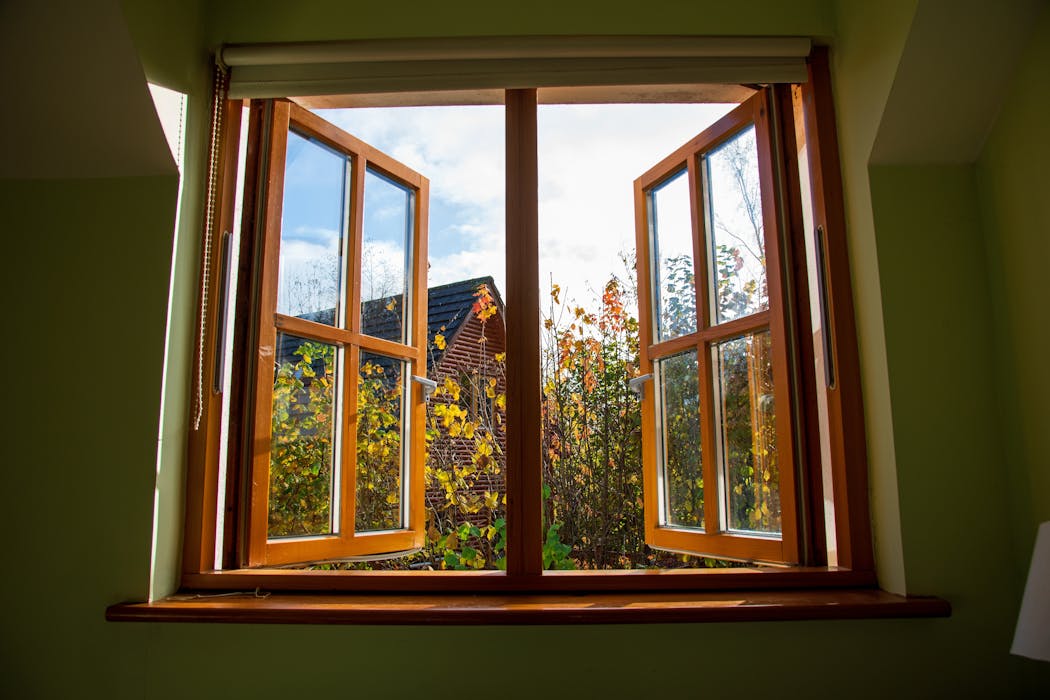
“House burping” is the latest thing cluttering people’s feeds: short clips of people flinging open every window and door, announcing they’re “burping” their home to get rid of stale, germ-filled air. Behind the playful name is a serious question: does this actually make a home healthier, or are people just swapping indoor germs for outdoor pollution?
In Germany, this trend looks less like a revolution and more like everyday life. Lüften – literally “airing out” – and Stoßlüften, or “shock ventilation”, have long involved opening windows wide for a few minutes to let fresh air race through, even in the depths of winter. Some German rental contracts even mention regular airing as part of looking after the property, mainly to prevent damp and mould.
The health logic is simple. Indoor air collects moisture from showers and cooking, smoke and particles from stoves and candles, chemicals from cleaning sprays and furniture, and tiny particles and viruses that people breathe out.
In a previous study my colleagues and I conducted, we found many diseases linked to indoor air pollution. Over time, these build up, especially in well-insulated homes that keep heat – and pollution – in. When the house is “burped”, the sudden rush of outdoor air dilutes this mixture and pushes a good chunk of it outside.
This is particularly important for infections that spread through the air. During the COVID pandemic, public health agencies stressed that better ventilation – including simply opening windows – could help cut the risk of catching the virus indoors. In one classroom study, opening all windows and doors dropped carbon dioxide levels by about 60% and reduced a simulated “viral load” by more than 97% over an eight-hour day, shrinking the area with higher infection risk to around 15% of the room.
Pets breathe the same air and can act as early warning signs of trouble. Veterinary studies link poor indoor air to lung irritation in dogs and cats, especially near the floor where particles settle – a reminder that stale air harms the whole household.
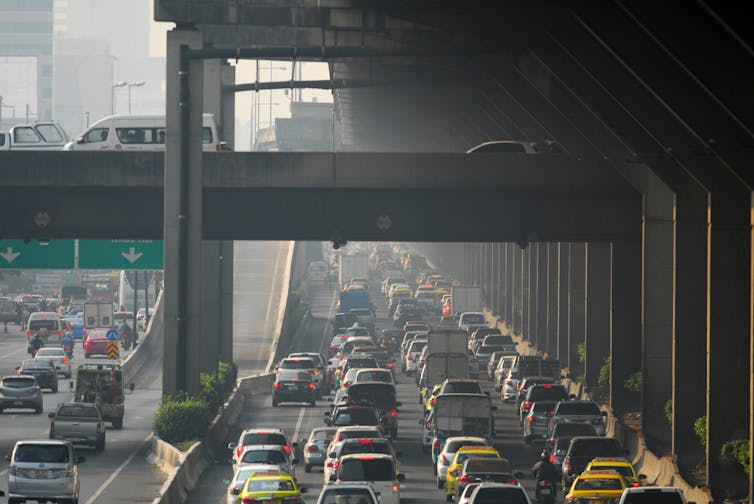
But the air outside is not always clean. Tiny particles from traffic and factories, and gases such as nitrogen dioxide, damage the heart, lungs and brain and are now recognised as major causes of illness and early death. In many cities, most of the fine particles inside homes and schools actually come from outside and seep in through gaps, vents and, of course, open windows.
Emaruchi/Shutterstock.com
Where you live shapes that trade-off. Homes close to busy main roads or motorways tend to have higher levels of traffic-related particles and nitrogen dioxide indoors, especially when windows facing the road are opened.
A study in inner-city schools found that the closer a school was to major roads, the higher the levels of traffic-related PM2.5 (microscopic air pollution particles small enough to be inhaled deep into the lungs), nitrogen dioxide and black carbon measured inside classrooms.
That means flinging open roadside windows at rush hour may bring in a surge of exhaust, tyre and brake dust just as traffic pollution peaks. For people with asthma, heart disease or chronic lung problems, that extra pollution can undo some of the health benefits of better ventilation.
The picture looks different in greener, quieter areas. When schools and homes are surrounded by more trees and green space and are further from main roads, indoor levels of traffic-related particles tend to be lower. Vegetation can help filter some particles from the air and break up plumes of pollution from nearby roads.
The right time to burp
Timing also matters. In many cities, outdoor pollution is highest during the morning and evening commute and lower late at night or in the middle of the day. Short bursts of house burping outside these peaks – or just after rain, which can temporarily wash some particles from the air – may offer a better balance between infection control and pollution exposure.
Poor indoor air does not stop at the lungs. Studies link higher levels of fine particles and carbon dioxide to poorer concentration, slower thinking and raised risks of anxiety and depression. A stuffy home quietly chips away at mood and mental sharpness for everyone inside.
How the burp is done makes a difference to comfort and energy bills. German-style Stoßlüften, where all windows are opened fully for a short time, rapidly exchanges air but does not cool walls and furniture as much as leaving a small window open all day. Cross-ventilation – opening windows on opposite sides of the home – usually shifts air faster.
Treating COPD (a chronic lung disease) from poor indoor air can cost thousands yearly in drugs and hospital stays – a lifelong burden once diagnosed. Opening windows for five minutes in winter loses just pennies in heat. Fresh air now beats massive medical bills later.
For most households, a practical middle ground is possible. House burping is more likely to be helpful when it is done in short bursts, away from busy traffic times, and on the sides of the home that face quieter streets or greener spaces.
So the social media trend has a point, even if the name raises a smile. A home that never burps is likely to have higher levels of indoor pollution and a greater build-up of exhaled air, especially during virus season. Give your home a mini spa break at the right time: throw open the windows, let it burp out the stale air, and invite a burst of fresh stuff in. Your lungs, brain and pets will thank you.

Vikram Niranjan does not work for, consult, own shares in or receive funding from any company or organisation that would benefit from this article, and has disclosed no relevant affiliations beyond their academic appointment.
– ref. House burping: what is this German habit and is it good for your health? – https://theconversation.com/house-burping-what-is-this-german-habit-and-is-it-good-for-your-health-274552