Why 2026 could see the end of the Farm Bill era of American agriculture policy

Source: The Conversation – USA (2) – By Christopher Neubert, Deputy Director, Swette Center for Sustainable Food Systems, Arizona State University
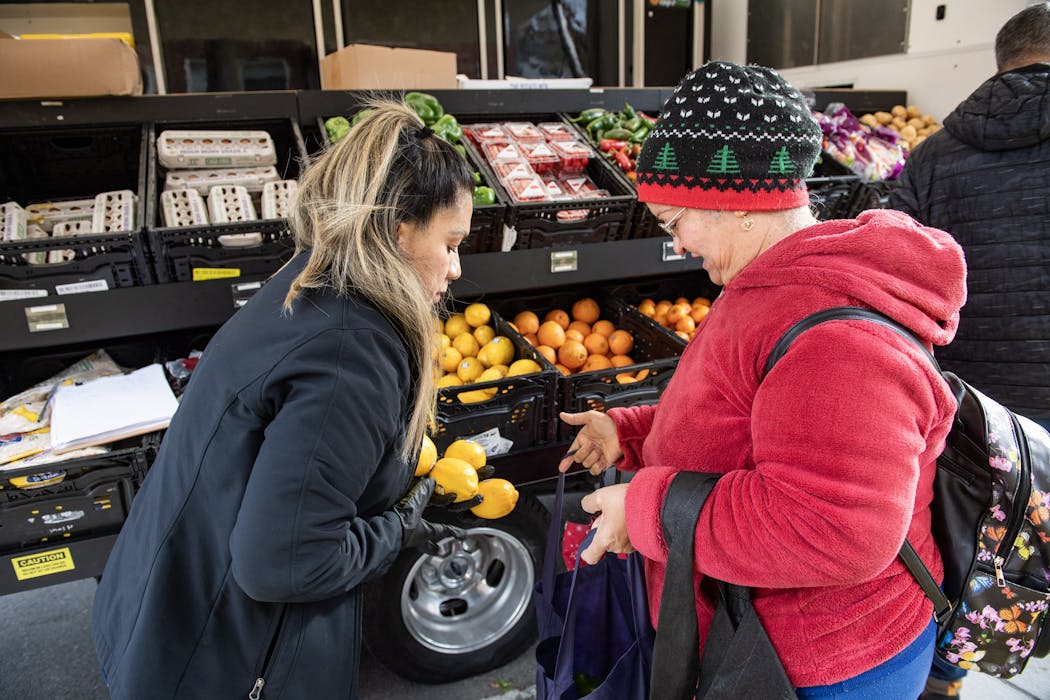
Federal funding is a key support for programs that provide free food to needy families. Joseph Prezioso/AFP via Getty Images

With Congress back in session, legislators will take up a set of issues they haven’t comprehensively addressed since 2018 – the year the last farm bill passed.

Farm bills are massive pieces of legislation that address a diverse constellation of topics, including agricultural commodities, conservation, trade, nutrition, rural development, energy, forestry and more. Because of their complexity, farm bills are difficult to negotiate in any political environment. And as the topics have expanded since the first iteration in 1933, Congress has generally agreed to take the whole thing up once every five years or so.

However, the most recent farm bill’s provisions expired in 2023. They have been renewed one year at a time ever since, but without the comprehensive overhaul that used to accompany farm bills.

As former federal employees handling agriculture policy who now study that topic, it’s unclear to us whether a comprehensive, five-year farm bill can be passed in 2026, or ever again.

The July 2025 enactment of the so-called “One Big Beautiful Bill Act,” the Trump administration’s budget priorities in the tax and spending bill, revised funding levels for many programs that were historically handled in the farm bill. For instance, that law included a 20% cut in funding to the Supplemental Nutrition Assistance Program, known as SNAP, which helps low-income families buy food. And it doubled support for the largest farm subsidy programs.

Those changes and current divisions in Congress mean the nation’s food and agriculture policy may remain stuck in limbo for yet another year.

A man in a field reaches toward a plant.
An Indiana soybean farmer examines his crop.
AP Photo/Michael Conroy

Cuts to SNAP used for farm subsidies

For decades, political conventional wisdom has held that sweeping federal farm bills are able to pass only because farmers seeking subsidies and anti-hunger advocates wanting increased SNAP dollars recognize the mutual advantage in working together. That’s how to build a broad, bipartisan consensus strong enough to garner the 60 votes in the U.S. Senate to avoid a filibuster and actually pass a bill.

But the One Big Beautiful Bill Act tax and spending law did not create a compromise between those competing interests. It slashed SNAP spending by US$186 billion over the next decade. At the same time, it boosted price support for farmers who grow key crops like corn, soybeans and wheat by $60 billion, in addition to a $10 billion economic relief package passed at the end of 2024 to address high costs of seeds, fertilizer and other farming supplies.

Supporters of anti-hunger programs are furious that these funds for farmers are being paid for by cutting SNAP benefits to families.

In addition, about one-third of the SNAP cuts came by shifting the program’s cost to state budgets. States have always carried some of the costs to administer SNAP, but they have never before been required to fund billions of dollars in benefits. Many states will be unable to cover these increased costs and will be forced to either reduce benefits or opt out of SNAP altogether, dramatically cutting the help available to hungry Americans.

Groups that support SNAP are unlikely to help pass any bill relating to food or farm policy that does not substantially reverse the cuts to SNAP.

A crowd of people moves through an area with many boxes.
Californians collect free food at a community gathering.
Justin Sullivan/Getty Images

And farmers who receive money under the two largest farm subsidy programs are not even required to grow the specific crops those programs are meant to support. Rather, they must simply own farmland that was designated in 1996 as having grown that crop in the early 1980s.

Farmers have repeatedly said they would prefer federal farm policies that support markets and create conditions for stable, fair commodity prices. And evidence shows that spending more money on farm subsidies does little to actually improve underlying economic conditions affecting the costs of farming or the prices of what is grown.

And yet, in early December 2025, the Department of Agriculture released an additional $12 billion to help offset losses farmers experienced when Trump’s tariffs reduced agricultural exports. In mid-December, the National Farmers Union said that money still wasn’t enough to cover losses from consistently low commodity prices and high seed and fertilizer costs.

A regular five-year farm bill may be out of reach

The success of any bill depends on political will in Congress and outside pressure coming together to deliver the required number of votes.

Some leaders in Congress remain optimistic about the prospects of a farm bill passing in 2026, but major legislation is rare with midterm elections looming, so meaningful progress appears unlikely. It seems to us more likely that the ongoing stalemate will continue indefinitely.

In September 2025, Politico reported that instead of a complete five-year farm bill, the House and Senate committees on agriculture might take up a series of smaller bills to extend existing programs whose authorizations are expiring. Doing so would be an effective declaration that a permanent five-year farm bill is on indefinite hold.

Prospects for sustainable farm policy

By using financial incentives cleverly, Congress has shifted farming practices over time in ways that lawmakers determined were in the public’s interest.

The 2022 Inflation Reduction Act, for instance, allocated $20 billion over four years to encourage farmers to reduce or offset carbon emissions, which the Agriculture Department calls “climate-smart agriculture.” Those funds, along with a separate Department of Agriculture initiative with similar aims, were well received by American farmers. Farmers applied for far more money than was actually available.

A large green machine moves through rows of crops.
A Georgia farmer harvests corn from a field.
AP Photo/Mike Stewart

The One Big Beautiful Bill Act tax and spending law cut those funds and repurposed them for traditional Agriculture Department programs for farmers who want to implement conservation practices on their land.

But unexpectedly, the Trump administration’s “Make America Healthy Again,” or MAHA, agenda contains some ideas that climate-smart advocates have previously advanced. These include scathing indictments of the effects of conventional agriculture on Americans’ health, including concerns over pesticide use and the so-far-undefined category of “ultra-processed foods.”

The MAHA agenda could be an opportunity for organic farmers to secure a boost in federal funding. In December, the Agriculture Department committed $700 million toward “regenerative” practices, but that’s a trifling amount compared with the billions commodity farmers received in 2025.

And the administration’s allies who support conventional agriculture have already expressed concerns that MAHA efforts might reduce the nation’s agricultural productivity. The administration may end up caught between the MAHA movement and Big Ag.

Overall, in this new political environment, we believe advocates for changes in agriculture and food aid will likely need to rethink how to advance their agendas without the promise of a farm bill coming anytime soon.

The Conversation

Neubert was previously staff on the Senate Committee on Agriculture, Nutrition and Forestry (2023-2025) and on the Senate Committee on the Budget (2021-2023).

Merrigan was USDA deputy secretary and COO (2009-2013) and staff on the Senate Committee on Agriculture, Nutrition and Forestry (1987-1992).

ref. Why 2026 could see the end of the Farm Bill era of American agriculture policy – https://theconversation.com/why-2026-could-see-the-end-of-the-farm-bill-era-of-american-agriculture-policy-270722
LA fires 1 year later: Chemicals from smoke lingered inside homes long after the wildfires were out – studies tracked the harm

Source: The Conversation – USA (2) – By Yifang Zhu, Professor of Environmental Health Sciences, University of California, Los Angeles

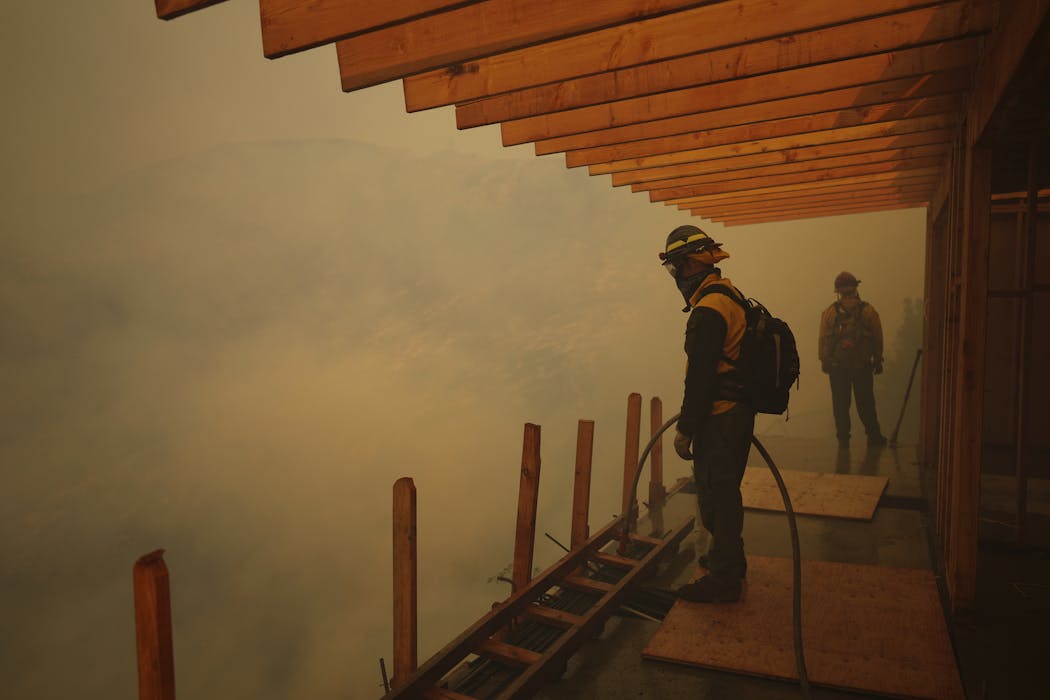
Smoke rolls up a hillside from the Palisades Fire on Jan. 11, 2025, in Los Angeles. AP Photo/Eric Thayer

When wildfires began racing through the Los Angeles area on Jan. 7, 2025, the scope of the disaster caught residents by surprise. Forecasters had warned about high winds and exceptionally dry conditions, but few people expected to see smoke and fires for weeks in one of America’s largest metro areas.

Environmental health scientist Yifang Zhu studies air quality at UCLA and began collecting samples from inside and outside homes the day after the fires began. In this Q&A, she describes findings by her team, a consortium of universities and local projects, that are painting a picture of the health risks millions of Los Angeles-area residents faced.

Their research offers both a warning and steps people everywhere can take to protect their homes and themselves from wildfire smoke in the future.

What made the LA fires unusual?

Urban fires are unique in a sense that it’s not just trees and other biomass burning. When homes and vehicles catch fire, plastics, electronics, cleaning chemicals, paints, textiles, construction material and much more burns, releasing chemicals and metals into the air.

More than 16,000 buildings burned in LA. Electric vehicles burned. A dental clinic burned. All of this gets mixed into the smoke in complicated ways, creating complex mixtures that can have definite health risks.

One thing we’ve found that is especially important for people to understand is that the concentration of these chemicals and metals can actually be higher inside homes compared with outside after a fire.

Satellite image of fire outlines.
A composite of satellite images from January 2025 shows outlines, in red, of the largest fires in the Los Angeles area. Altadena is on the right, and Pacific Palisades is on the lower left.
MMGIS, Caltech/JPL

What are your health studies trying to learn?

To understand the health risks from air pollution, you need to know what people are exposed to and how much of it.

The LA Fire HEALTH Study, which I’m part of, is a 10-year project combining the work of exposure scientists and health researchers from several universities who are studying the long-term effects of the fire. Many other community and health groups are also working hard to help communities recover. A local program called CAP.LA, or Community Action Program Los Angeles, is supporting some of my work, including establishing a real-time air quality monitoring network in the Palisades area called CAP AIR.

During an active wildfire, it’s extremely difficult to collect high-quality air samples. Access is restricted, conditions change quickly, and research resources are often limited and take time to assemble. When the fires broke out not far from my lab at UCLA, my colleagues and I had been preparing for a different study and were able to quickly shift focus and start collecting samples to directly measure people’s exposure to metals and chemicals near and around the fires.

A neighborhood with smoke in the air.
Wildfire smoke, like this during the Palisades Fire on Jan. 7, 2025, can get into a home under doors and around windows.
AP Photo/Ethan Swope

My group has been working with people whose homes were exposed to smoke but didn’t burn and collecting samples over time to understand the smoke’s effects. We’re primarily testing for volatile organic compounds off-gassing from soft goods – things like pillows, textiles and stuffed animals that are likely to absorb compounds from the smoke.

Our testing found volatile organic compounds that were at high levels outdoors during the active fire were still high indoors in February, after the fires were contained. When a Harvard University team led by environmental scientist Joe Allen took samples in March and April, they saw a similar pattern, with indoor levels still high.

What health risks did your team find in homes?

We have found high levels of different kinds of volatile organic compounds, which have different health risks. Some are carcinogens, like benzene. We have also found metals like arsenic, a known carcinogen, and lead, which is a neurotoxin.

Mike Kleeman, an air quality engineer at the University of California Davis, found elevated levels of hexavalent chromium in the nanometer-size range, which can be a really dangerous carcinogen. In March, he drove around collecting air samples from a burn zone. That was testing which government agencies would not have routinely done.

Fires have a long list of toxic compounds, and many of them aren’t being measured.

Chart shows spike in visits in early January 2025
Data from the Centers for Disease Control and Prevention shows emergency room visits spiking during the fires in early January 2025. The bold line shows the daily percentage of emergency department (ED) encounters that were associated with wildfires, and the dashed line shows the outdoor air quality index (AQI) values.
CDC

What do you want people to take away from these results?

People are exposed to many types of volatile organic compounds in their daily lives, but after wildfires, the indoor VOC levels can be much, much higher.

I think that’s a big public health message from the LA fires that people really need to know.

In general, people tend to think the outdoor air is worse for their health, particularly in a place like LA, but often, the indoor air is less healthy because there are several chemical emission sources right there and it’s an enclosed space.

Think about cooking with a gas stove, or burning candles or spraying air fresheners. All of these are putting pollutants into the air. Indoor pollution sources like cleaning fluids and PFAS from furniture and carpets are all around.

We often hear from people who are really worried about the air quality outside and its health risk during fires, but you need to think about the air indoors too.

A man walks on a beach with a dog as smoke rise from a fire in the background.
Thick smoke from a wildfire spreads over homes in Pacific Palisades, as seen from the Venice Beach section of Los Angeles on Jan. 7, 2025.
AP Photo/Jae C. Hong

What are some tips for people dealing with fires?

The LA fires have given us lots of insights into how to restore homes after smoke damage and what can be cleaned up, or remediated. One thing we want to do is develop an easy-to-follow decision tree or playbook that can help guide future fire recovery.

When the fires broke out, even I had to think about the actions I should take to reduce the smoke’s potential impact, and I study these risks.

First, close all your windows during the wildfire. If you have electricity, keep air purifiers running. That could help capture smoke that does get into the home before it soaks into soft materials.

Once the outside air is clean enough, then open those windows again to ventilate the house. Be sure to clean your HVAC system and replace filters, because the smoke leaves debris. If the home is severely impacted by smoke, some items will have to be removed, but not in every case.

And you definitely need to do testing. A home might seem fine when you look at it, but our testing showed how textiles and upholstery inside can continue off-gassing chemicals for weeks or longer.

But many people don’t have their homes tested after wildfires. They might not know how to read the results or trust the results. Remediation can also be expensive, and some insurance companies won’t cover it. There are probably people who don’t know whether their homes are safe at this point.

So there needs to be a clear path for recovery, with contamination levels to watch for and advice for finding help.

This is not going to be the last fire in the Los Angeles area, and LA will not be the last city to experience fire.

The Conversation

Yifang Zhu is working with CAP.LA (Community Action Project Los Angeles), which is funded by the R&S Kayne Foundation, and the LA Fire Health Study, which is funded by private philanthropists, including the Speigel Family Fund. Her work has also been partially funded by the Gordon and Betty Moore Foundation, the Danhakl Family Foundation, and the California Air Resources Board.

ref. LA fires 1 year later: Chemicals from smoke lingered inside homes long after the wildfires were out – studies tracked the harm – https://theconversation.com/la-fires-1-year-later-chemicals-from-smoke-lingered-inside-homes-long-after-the-wildfires-were-out-studies-tracked-the-harm-272473

How facial recognition for bears can help ecologists manage wildlife

Source: The Conversation – USA (2) – By Emily Wanderer, Associate Professor of Anthropology, University of Pittsburgh

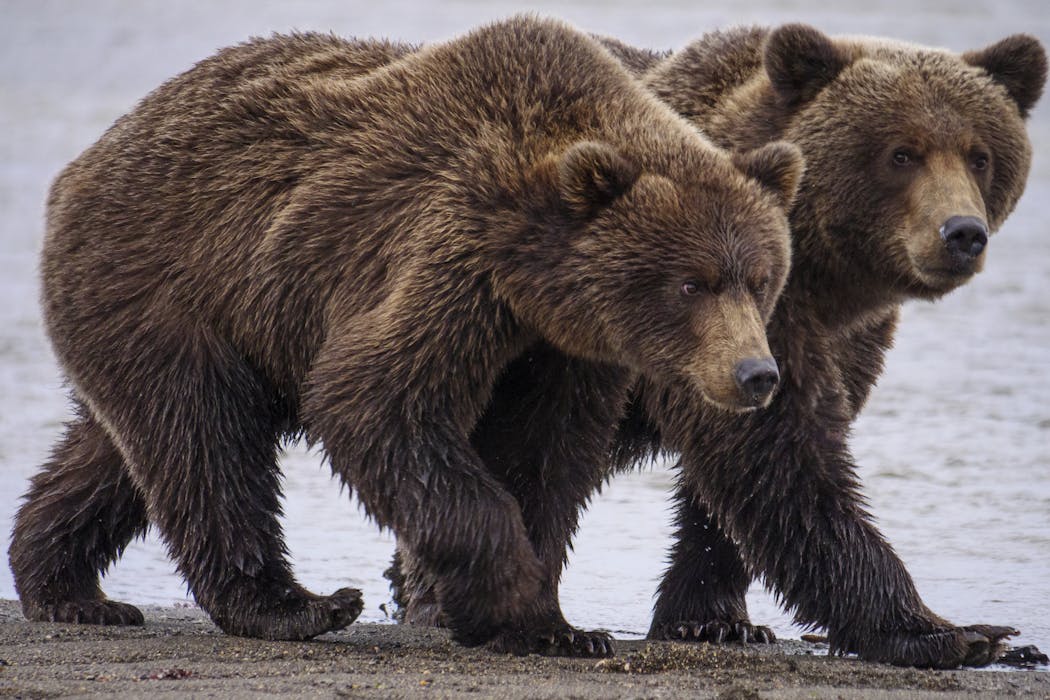
Can you tell these bears apart now? Would you recognize them if you saw them again tomorrow? Education Images/Universal Images Group via Getty Images

When a grizzly bear attacked a group of fourth- and fifth-graders in western Canada in late November 2025, it sparked more than a rescue effort for the 11 people injured – four with severe injuries. Local authorities began trying to find the specific bear that was involved in order to relocate or euthanize it, depending on the results of their assessment.

The attack, in Bella Coola, British Columbia, was very unusual bear behavior and sparked an effort to figure out exactly what had happened and why. That meant finding the bear involved – which, based on witness statements, was a mother grizzly with two cubs.

Searchers combed the area on foot and by helicopter and trapped four bears. DNA comparisons to evidence from the attack cleared each of the trapped bears, and they were released back to the wild. After more than three weeks without finding the bear responsible for the attack, officials called off the search.

The case highlights the difficulty of identifying individual bears, which becomes important when one is exhibiting unusual behavior. Bears tend to look a lot alike to people, and untrained observers can have a very hard time telling them apart. DNA testing is excellent for telling individuals apart, but it is expensive and requires physical samples from bears. Being trapped and having other contact with humans is also stressful for them, and wildlife managers often seek to minimize trapping.

Recent advances in computer vision and other types of artificial intelligence offer a possible alternative: facial recognition for bears.

As a cultural anthropologist, I study how scientists produce knowledge and technologies, and how new technology is transforming ecological science and conservation practices. Some of my research has looked at the work of computer scientists and ecologists making facial recognition for animals. These tools, which reflect both technological advances and broader popular interest in wildlife, can reshape how scientists and the general public understand animals by getting to know formerly anonymous creatures as individuals.

New ways to identify animals

A facial recognition tool for bears called BearID is under development by computer scientists Ed Miller and Mary Nguyen, working with Melanie Clapham, a behavioral ecologist working for the Nanwakolas Council of First Nations, conducting applied research on grizzly bears in British Columbia.

It uses deep learning, a subset of machine learning that makes use of artificial neural networks, to analyze images of bears and identify individual animals. The photos are drawn from a collection of images taken by naturalists at Knight Inlet, British Columbia, and by National Park Service staff and independent photographers at Brooks River in Katmai National Park, Alaska.

Bears’ bodies change dramatically from post-hibernation skinny in the spring to fat and ready for winter in the fall. However, the geometry of each bear’s face – the arrangement of key features like their eyes and nose – remains relatively stable over seasons and years.

BearID uses an algorithm to locate bear faces in pictures and make measurements between those key features. Each animal has a unique set of measurements, so a photograph of one taken yesterday can be matched with an image taken some time ago.

A photo of bears with lines marking the distances between their facial features.
Measuring the distance between a bear’s facial features can help identify individual animals.
BearID Project

In addition to helping identify bears that have attacked humans or are otherwise causing trouble for people, identifying bears can help ecologists and wildlife managers more accurately estimate bear population sizes. And it can help scientific research, like the behavioral ecology projects Clapham works on, by allowing individual tracking of animals and thus better understanding of bear behavior.

Miller has built a web tool to automatically detect bears in the webcams from Brooks River that originally inspired the project. The BearID team has also been working with Rebecca Zug, a professor and director of the carnivore lab at the Universidad San Francisco de Quito, to develop a bear identification model for Andean bears to use in bear ecology and conservation research in Ecuador.

Animal faces are less controversial

Human facial recognition is extremely controversial. In 2021, Meta ended the use of its face recognition system, which automatically identified people in photographs and videos uploaded to Facebook. The company described it as a powerful technology that, while potentially beneficial, was currently not suitable for widespread use on its platform.

In the years following that announcement, Meta gradually reintroduced facial recognition technology, using it to detect scams involving public figures and to verify users’ identities after their accounts had been breached.

When used on humans, critics have called facial recognition technology the “plutonium of AI” and a dangerous tool with few legitimate uses. Even as facial recognition has become more widespread, researchers remain convinced of its dangers. Researchers at the American Civil Liberties Union highlight the continued threat to Americans’ constitutional rights posed by facial recognition and the harms caused by inaccurate identifications.

For wildlife, the ethical controversies are perhaps less pressing, although there is still potential for animals to be harmed by people who are using AI systems. And facial recognition could help wildlife managers identify and euthanize or relocate bears that are causing significant problems for people.

People stand in the dark holding lit candles.
Mourners in Wyoming honor Bear 399, a bear who became well-loved in the community but was killed when hit by a car in October 2024.
Natalie Behring/Getty Images

A focus on specific animals

Wildlife ecologists sometimes find focusing on individual animals problematic. Naming animals may make them “seem less wild.” Names that carry cultural meaning can also frame people’s interpretations of animal behavior. As the Katmai rangers note, humans may interpret the behaviors of a bear named Killer differently than one named Fluffy.

Wildlife management decisions are meant to be made about groups of animals and areas of territory. When people become connected to individual animals, including by naming them, decisions become more complicated, whether in the wild or in captivity.

When people connect with particular animals, they may object to management decisions that harm individuals for the sake of the health of the population as a whole. For example, wildlife managers may need to move or euthanize animals for the health of the broader population or ecosystem.

But knowing and understanding bears as individual animals can also deepen the fascination and connections people already have with bears.

For example, Fat Bear Week, an annual competition hosted by explore.org and Katmai National Park, drew over a million votes in 2025 as people campaigned and voted for their favorite bear. The winner was Bear 32, also known as “Chunk.” Chunk was identified in photographs and videos the old-fashioned way, based on human observations of distinguishing characteristics – such as a large scar across his muzzle and a broken jaw.

In addition to identifying problematic animals, I believe algorithmic tools like facial recognition could help an even broader audience of humans deepen their understanding of bears as a whole by connecting with one or two specific animals.

The Conversation

Emily Wanderer receives funding from the Wenner-Gren Foundation for Anthropological Research and the National Science Foundation.

ref. How facial recognition for bears can help ecologists manage wildlife – https://theconversation.com/how-facial-recognition-for-bears-can-help-ecologists-manage-wildlife-271371

Wearing a weighted vest can promote bone health and weight loss, but it’s not a cure-all

Source: The Conversation – USA (3) – By Kristen Marie Beavers, Research Professor of Health and Exercise Science, Wake Forest University

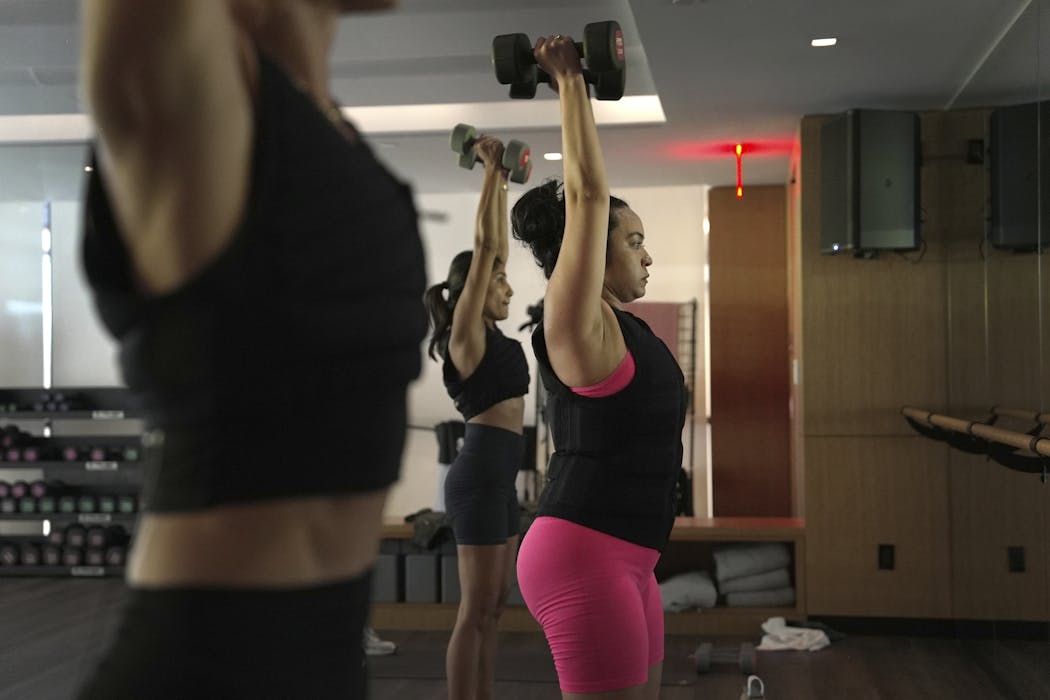
Jannelliz Barragan, center, wears a weighted vest during a workout class in New York on Aug. 13, 2025 AP Photo/Shelby Lum

Health and fitness trends come and go, and many fads don’t deliver on their promises – remember vibrating belts or sauna suits? Today, weighted vests, made from sturdy fabrics like nylon and filled with iron sand or small weights, are gaining widespread use. Here’s what to know about them:

Weighted vests have been around for centuries, but they have recently surged in popularity in response to a broader shift in thinking about exercise. No longer confined to the gym, physical activity is increasingly about maximizing health benefits of the movements people already do — things like walking, climbing stairs or cleaning their homes.

Weighted vests fit squarely into this philosophy. They offer a simple, manageable way to add resistance to everyday activities. And they don’t require additional time, complex equipment or major changes to established routines.

I study health and exercise science and have analyzed the effects of exercising with weighted vests. In my view, they represent a low-tech, high-impact opportunity to sneak resistance training into everyday activities. Research has shown that adding weight can help with building muscle and bone, as well as losing weight and keeping it off.

As with any tool, however, the results depends on how you use it.

Weighted vests can improve muscle strength, which helps protect against falls, and make your heart work harder. But they need to be worn properly to be effective and avoid injuries.

The physiology behind the practice

The human body has great capacity to adapt to environmental stress. Weighted vests add mechanical stress, or load, to the body, requiring muscles and bones to withstand more force than usual.

Many parts of the body respond to this challenge. The brain learns to “recruit,” or activate, muscle fibers more effectively. This can help prevent injury and increase strength and performance.

Reacting to greater stress can improve muscle power and agility, which are vital for preventing injuries. Carrying a heavier load also makes your heart work harder, which improves cardiac health.

Finally, people need strong balance and proprioception, or body awareness, to protect joints and avoid falls and fractures, especially as they age. Evidence suggests that weighted vests can improve these capabilities.

Chart showing 52 million Americans reporting falls in 2018, rising to a projected 73 million by 2030.
Over 10,000 people in the U.S. turn 65 every day, and the number of falls and fall injuries will increase as the population of older adults grows. Medical care costs for falls are about US$50 billion yearly.
CDC

Several lines of research – especially in aging, obesity and mobility science – have found that weighted vests provide meaningful benefits. They include:

  • Improved muscle function: In one study from 2002, older people who wore a vest during a 12-week stair-climbing exercise program showed greater muscle power and performance in their legs.

  • Potential for bone health benefits: A 1993 study showed that bone density modestly increased in older women wearing a weighted vest during a weekly low-level exercise class. A 2003 study in which subjects wore weighted vests during 32 weeks of walking and strength training found significant improvement in hip bone density.

  • Metabolic improvements: In a 2025 study, my research group found that older adults who wore weighted vests for 10 hours per day while dieting ended up regaining less weight in the following year than older adults who dieted without wearing a weighted vest. These findings seem to be driven by metabolic improvements associated with weighted vest use.

Mixed benefits for bone health

Weighted vests are not a panacea, and there are limits to what wearing one can accomplish. My research, including a recently completed randomized clinical trial called INVEST in Bone Health, has sought to answer whether weighted vests can protect bone health during weight loss in older adults.

As we lose weight, we also tend to lose bone – a particular concern for older adults whose bones are already more fragile. Bone loss can increase the risk of fractures, threatening independence, mobility and overall quality of life.

In the INVEST in Bone Health study, we enrolled 150 older adults with obesity whose average age was 66. Of the group, 75% were women. We assigned them to three groups for a 12-month weight loss program that included meal replacement products and behavioral counseling.

The first group focused on weight loss alone. The second group engaged in the same weight loss program and also wore adjustable weighted vests for eight hours a day, with weight added to match the weight they lost, so that their bodies carried a constant load. The third group took part in weight loss activities and in supervised exercise using weight training machines.

After 12 months, we found that all participants had lost about 10% of their body weight, which was a positive outcome. However, they also had experienced significant declines in hip bone density, ranging between 1.2% and 1.9%. Wearing a weighted vest did not prevent bone loss at the hip compared with weight loss alone. Neither did resistance training.

Both the weighted-vest and resistance-training groups did show increased markers of bone formation compared with weight loss alone. In other words, weighted vest use and resistance exercise showed some evidence of bone growth, which may translate into skeletal benefits over time.

In addition, we recently presented findings at a national aging conference suggesting that weighted vests are more likely to benefit bone health in women than in men, which may be due to sex differences in bone sensitivity. We also found evidence that standing more while wearing the vests positively influences bone health. These findings reflect a growing understanding that weighted vests work more effectively in some people and situations than others.

Getting started

In adopting any new weight-bearing activity, it’s important to “start low and go slow” to avoid injury. Consult with your doctor, especially if you are new to exercise.

For continuous gains, you will need to progressively increase the amount of exercise that you do. In our clinical trials, we add a weight equal to one-eighth of an ounce for every eighth of an ounce a participant loses, to keep the muscles and bones under a consistent load.

Weighted vests are not one-size-fits-all, despite what the tag may say. Vests should not interfere with posture, breathing or your stride. Red flags include hunching, a clipped walking stride and, most importantly, low back pain or hyperextension.

Above all, listen to your body. If you start experiencing pain while wearing a weighted vest, take it off and consider seeing a clinician or physical therapist for guidance.

The Conversation

Kristen Marie Beavers receives funding from the NIH and serves in an advisory capacity for Novo Nordisk, Haleon, and Radius Health.

ref. Wearing a weighted vest can promote bone health and weight loss, but it’s not a cure-all – https://theconversation.com/wearing-a-weighted-vest-can-promote-bone-health-and-weight-loss-but-its-not-a-cure-all-270646

Viral outbreaks are always on the horizon – here are the viruses an infectious disease expert is watching in 2026

Source: The Conversation – USA (3) – By Patrick Jackson, Assistant Professor of Infectious Diseases, University of Virginia

Viruses know no borders. mammuth/iStock via Getty Images Plus

A new year might mean new viral threats.

Old viruses are constantly evolving. A warming and increasingly populated planet puts humans in contact with more and different viruses. And increased mobility means that viruses can rapidly travel across the globe along with their human hosts.

As an infectious diseases physician and researcher, I’ll be keeping an eye on a few viruses in 2026 that could be poised to cause infections in unexpected places or in unexpected numbers.

Influenza A – on the cusp of a pandemic

Influenza A is a perennial threat. The virus infects a wide range of animals and has the ability to mutate rapidly. The most recent influenza pandemic – caused by the H1N1 subtype of influenza in 2009 – killed over 280,000 people worldwide in its first year, and the virus continues to circulate today. This virus was often called swine flu because it originated in pigs in Mexico before circulating around the world.

Most recently, scientists have been monitoring the highly-pathogenic avian influenza H5N1 subtype, or bird flu. This virus was first found in humans in southern China in 1997; wild birds helped spread the virus around the world. In 2024, the virus was found for the first time in dairy cattle in the U.S. and subsequently became established in herds in several states.

Cow standing in a pen, looking into camera
Avian flu has spread across dairy herds in the U.S.
USDA Agricultural Research Service via AP

The crossover of the virus from birds to mammals created major concern that it could become adapted to humans. Studies suggest there have already been many cow-to-human transmissions.

In 2026, scientists will continue to look for any evidence that H5N1 has changed enough to be transmitted from human to human – a necessary step for the start of a new influenza pandemic. The influenza vaccines currently on the market probably don’t offer protection from H5N1, but scientists are working to create vaccines that would be effective against the virus.

Mpox – worldwide and liable to worsen

Mpox virus, formerly called monkeypox virus, was first discovered in the 1950s. For many decades, it was seen rarely, primarily in sub-Saharan Africa. Contrary to its original name, the virus mostly infects rodents and occasionally crossed over into humans.

Mpox is closely related to smallpox, and infection results in a fever and painful rash that can last for weeks. There are several varieties of mpox, including a generally more severe clade I and a milder clade II. A vaccine for mpox is available, but there are no effective treatments.

Microscopy image of clusters of teal circles
Mpox has spread around the world.
NIAID/Wikimedia Commons, CC BY-SA

In 2022, a global outbreak of clade II mpox spread to more than 100 countries that had never seen the virus before. This outbreak was driven by human-to-human transmission of the virus through close contact, often via sex.

While the number of mpox cases has significantly declined since the 2022 outbreak, clade II mpox has become established around the world. Several countries in central Africa have also reported an increase in clade I mpox cases since 2024. Since August 2025, four clade I mpox cases have occurred in the U.S., including in people who did not travel to Africa.

It is unclear how mpox outbreaks in the U.S. and abroad will continue to evolve in 2026.

Oropouche virus – insect-borne and poised to spread

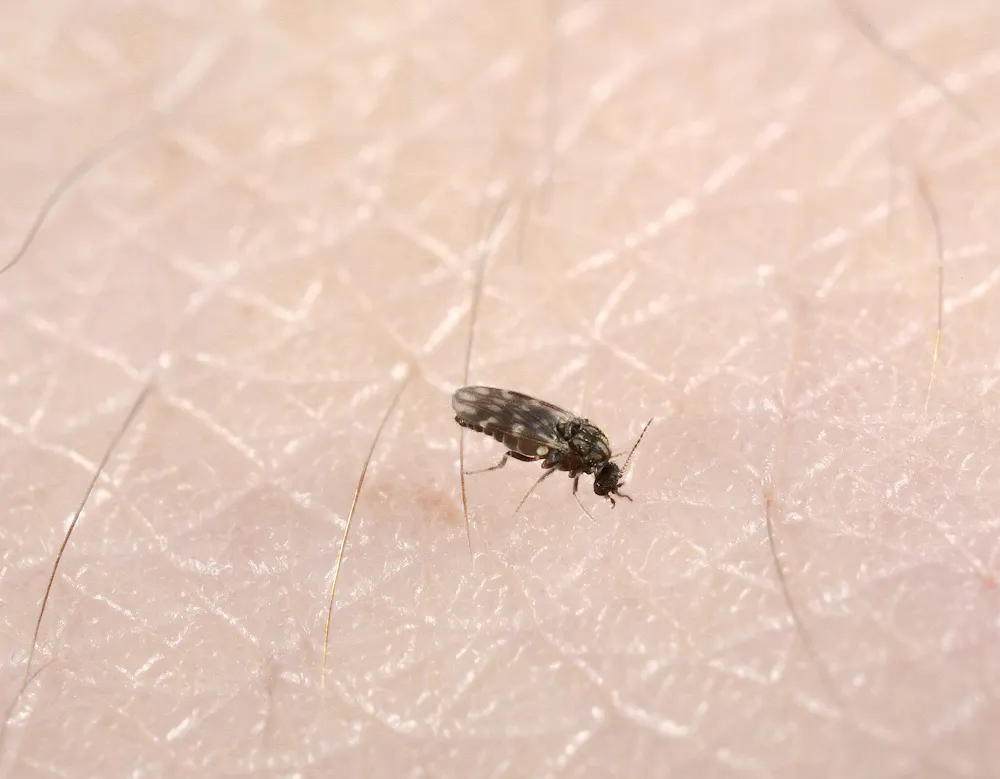
Oropouche virus was first identified in the 1950s on the island of Trinidad off the coast of South America. The virus is carried by mosquitoes and small biting midges, also known as no-see-ums.

Most people with the virus experience fever, headache and muscle aches. The illness usually lasts just a few days, but some patients have weakness that can persist for weeks. The illness can also recur after someone has initially recovered.

Close-up of small winged bug on human skin
Biting midges – which carry Oropouche virus – are hard to see, as their alias ‘no-seem-ums’ implies.
CSIRO via Wikimedia Commons, CC BY-SA

There are many unanswered questions about the Oropouche virus and the disease it causes, and there are no specific treatments or vaccines. For decades, infections in people were thought to occur only in the Amazon region. However, beginning in the early 2000s, cases began to show up in a larger area of South America, Central America and the Caribbean. Cases in the United States are usually among travelers returning from abroad.

In 2026, Oropouche outbreaks will likely continue to affect travelers in the Americas. The biting midge that carries Oropouche virus is found throughout North and South America, including the southeastern United States. The range of the virus could continue to expand.

Even more viral threats

A number of other viruses pose a risk in 2026.

Continuing global outbreaks of chikungunya virus may affect travelers, some of whom may want to consider getting vaccinated for this disease.

Measles cases continue to rise in the U.S. and globally against the backdrop of decreasing vaccination rates.

HIV is poised for a resurgence, despite the availability of effective treatments, due to disruptions in international aid.

Person standing in room, holding pills in hand
Despite the availability of effective treatments, diseases like HIV and measles are seeing resurgences.
Brian Inganga/AP Photo

And as-yet-undiscovered viruses can always emerge in the future as humans disrupt ecosystems and travel around the world.

Around the world, people, animals and the wider environment are dependent on each other. Vigilance for known and emerging viral threats and the development of new vaccines and treatments can help keep everyone safe.

The Conversation

Patrick Jackson has received funding from the National Institutes of Health, Pfizer, Clarametyx, First Light Diagnostics, and Moleculin Biotech. He is affiliated with Indivisible Charlottesville.

ref. Viral outbreaks are always on the horizon – here are the viruses an infectious disease expert is watching in 2026 – https://theconversation.com/viral-outbreaks-are-always-on-the-horizon-here-are-the-viruses-an-infectious-disease-expert-is-watching-in-2026-271279

New federal loan limits will worsen America’s nursing shortage and leave patients waiting longer for care

Source: The Conversation – USA (3) – By Kymberlee Montgomery, Senior Associate Dean of Nursing, Drexel University

There aren’t enough people training to become nurses to meet the rising demands for nurse practitioners and registered nurses. Iconic Prototype/iStock/Getty Images Plus

There is growing need for nurses in the United States – but not enough nurses currently working, or students training to become nurses, to promptly see all of the patients who need medical care.

Tens of thousands of nurses have left practice since the pandemic, and many more plan to leave within a few years, according to the 2024 National Nursing Workforce Survey, which reviews the number of registered nurses working in the U.S.

Meanwhile, the U.S. Bureau of Labor Statistics projects that there will be an average of 189,100 openings for registered nurses each year through 2032. In addition, there will be a need for approximately 128,400 new nurse practitioners by 2034 – making it the fastest-growing occupation in the country.

The tax and spending package signed into law in July 2025 will take effect on July 1, 2026. Among other things, it will likely make it even harder for people to take out loans and help pay for a graduate nursing degree.

We are nurses and professors who oversee large nursing programs at universities. We believe that new restrictions on how nursing students can take out federal loans to pay for their education are likely to prevent people from pursuing advanced nursing roles.

These new regulations will cause the shortage of practicing nurses to intensify – in turn, worsening the quality of care patients receive.

Clinics may offer fewer appointments, hospitals may be forced to reduce services, and nursing programs may have to accept fewer students. As a result, some patients will wait longer, travel farther, or not see nurses altogether.

Three young women wearing teal scrubs stand around a dummy of an older woman lying in a hospital bed.
Nursing students work in a simulation lab at the Florida A&M University Campus School of Nursing in Tallahassee in April 2023.
Glenn Beil/Florida A&M University via Getty Images

Paying for nursing education

Someone can become a registered nurse with an associate or bachelor’s degree. But a graduate-level degree is needed for other nursing roles – including nurse practitioners, nurse anesthetists and nurse midwives.

Nursing school costs vary greatly, depending on which degree students are seeking and whether they attend a public or private school. Roughly three-quarters of graduate nursing students rely on student loans and graduate with debt to pay for programs that can range from US$30,000 to $120,000 or more.

We have found that nursing students, unlike medical students, often work while enrolled in their programs, stretching their education over longer periods and accumulating additional costs.

The tax and spending law eliminates several federal grants and loan repayment programs for nurses and aspiring nurse educators – faculty members who teach nursing students in colleges and universities.

The law also sharply restricts how much money graduate nursing students can borrow through federal student loans.

Approximately 59% of 1,550 nurses surveyed in December 2025 said that they are now less likely to pursue a graduate degree with the new borrowing limit changes.

A fractured system

Nurse practitioners provide the majority of primary care in the U.S. – particularly in rural areas and communities with few physicians.

In addition, certified registered nurse anesthetists administer anesthesia for surgeries and procedures in many areas. Meanwhile, certified nurse-midwives deliver babies and provide prenatal and postpartum care, especially in areas where there are few obstetricians.

Long waits for new patient appointments are now common across the country, with national surveys showing that patients often wait weeks to months before they receive medical care.

About a decade ago, new patients could often book appointments within days to a few weeks; but today, there are fewer available medical appointments and medical professionals to treat them. This is particularly true for many medical practices serving women, older adults and rural communities.

One of us – Dr. Montgomery – is a women’s health nurse practitioner who routinely sees patients wait months for new appointments in the mid-Atlantic. These delays translate into postponed cancer screenings, delayed medication management and untreated chronic conditions.

Research consistently shows that nursing shortages are associated with worse patient outcomes, including higher mortality and delayed treatment.

Nursing left off the professional degree list

Under the new law, the Department of Education created a classification system that distinguishes professional from nonprofessional graduate degrees. Nursing is now considered a nonprofessional degree.

As a result, graduate nursing students will soon face lower borrowing limits than they currently do.

Previously, there was no need to label nursing as professional or not, because federal student loan borrowing was not capped in a way that required this distinction.

Now, students in professional graduate programs, such as medicine and law, may borrow up to $50,000 per year in federal loans and $200,000 in total.

Graduate nursing students, by contrast, will soon face a federal student loan cap of $20,500 per year and $100,000 total over the course of their education – a significant reduction from prior borrowing options.

The new law also eliminates the Direct PLUS Loan program. This separate, federal student loan program allows students to borrow up to the full cost of attendance of graduate nursing school after they reached annual loan limits on traditional federal loans.

More than 140 members of Congress from both political parties urged the Department of Education in December 2025 to reverse course and classify nursing as a professional degree.

The faculty bottleneck

Graduate loan limits will worsen another critical problem – the shortage of nursing faculty.

There are currently 1,693 full-time vacancies for nursing faculty positions, according to a survey in 2024 by the American Association of Colleges of Nursing. Of those open positions, 84% require or prefer a doctoral degree.

Universities cannot admit nursing students if there are not enough faculty to teach them.

Nursing programs in the U.S. turned away more than 80,000 qualified applicants to baccalaureate and graduate nursing programs in 2023, in part because they did not have enough faculty.

Better solutions exist

There are policy changes that could prevent this domino effect.

Policymakers could classify nursing as a professional degree for loan purposes, aligning borrowing limits with the documented costs of accredited programs.

Congress and individual states could expand scholarships and loan-repayment programs for nurses who teach or serve in rural and underserved communities.

Universities and governments could work together to share nurse training costs.

Graduate nursing education is not a luxury. It is a cornerstone of the country’s health care system.

Helping nurses afford an education is not just about nurses – it is about patients, communities and the future of medical care in the U.S.

The Conversation

Mary Ellen Smith Glasgow is an AACN Board Member. The views, analyses, and conclusions expressed in this article are those of the authors and do not necessarily reflect the official policy or positions of the American Association of Colleges of Nursing.

Kymberlee Montgomery does not work for, consult, own shares in or receive funding from any company or organization that would benefit from this article, and has disclosed no relevant affiliations beyond their academic appointment.

ref. New federal loan limits will worsen America’s nursing shortage and leave patients waiting longer for care – https://theconversation.com/new-federal-loan-limits-will-worsen-americas-nursing-shortage-and-leave-patients-waiting-longer-for-care-271807

How tourism, a booming wellness culture and social media are transforming the age-old Japanese tea ceremony

Source: The Conversation – USA (3) – By Małgorzata (Gosia) K. Citko-DuPlantis, Assistant Professor in Japanese Literature and Culture, University of Tennessee

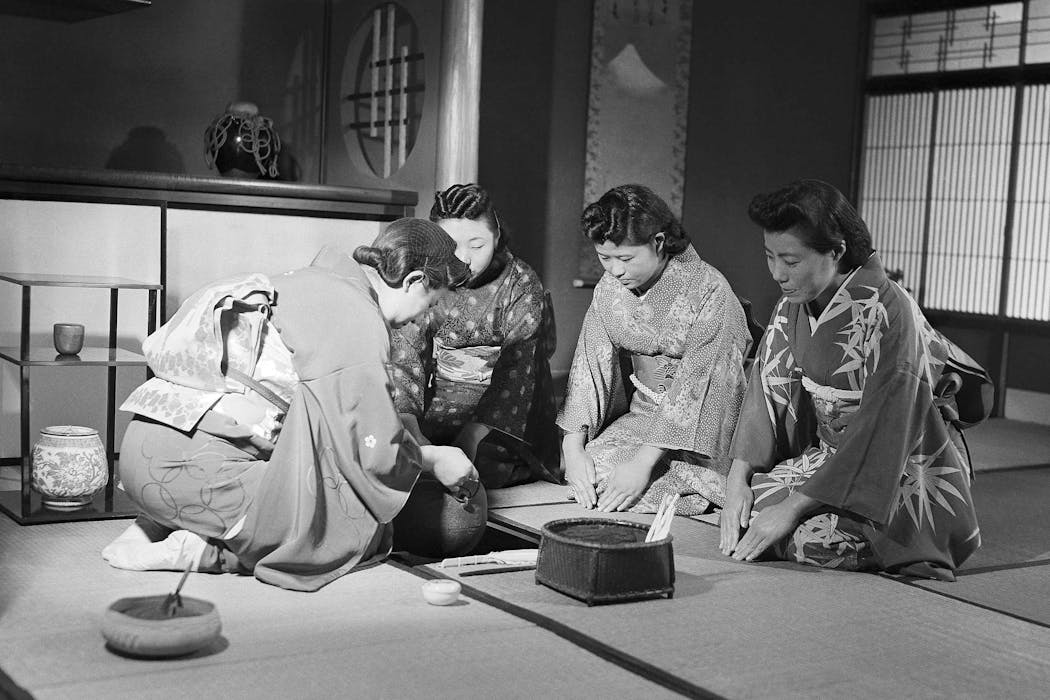
A traditional Japanese tea ceremony in Japan on Dec. 18, 1947. AP Photo

One of Japan’s most recognizable cultural practices – the Japanese tea ceremony, known as chanoyu, or chadō – is being reshaped by tourism, wellness culture and social media.

Matcha, the Japanese powdered green tea that is used during the ceremony, has entered the global marketplace. Influencers post highly curated tearoom photos, wellness brands market matcha as a “superfood,” and cafés worldwide present whisked green tea as a symbol of mindful living.

The Japanese tea ceremony is deeply rooted in the ideals of Zen Buddhism, but the current matcha hype has little to do with the tea ceremony. Green tea has become part of the on-the-go coffee culture. On social media, a centuries-old spiritual practice is compressed into a 15-second reel.

As a scholar of premodern Japanese literature and culture, I know that this commercialization is not without tension. The reflective values of the Japanese tea ceremony trace their origins to a monastic routine.

History of the Japanese tea

Tea arrived in Japan from China in the eighth century. Emperor Shōmu served powdered tea, an ancestor to what we today know as matcha, to Buddhist monks in 729 C.E.

Around the end of the 12th century, the practice of serving tea became more widespread after the Zen monk Eisai returned from China with matcha tea seeds from the plant that was to become the source of much of the tea grown in Japan today. He also brought with him the knowledge of how tea rituals were practiced in Chinese Buddhist temples.

Wild tea grew in Japan, but the tea grown from Eisai’s seeds became known as “honcha” or true tea. Matcha soon spread through Zen monasteries, where it was believed to generate greater enlightenment than long hours of meditation.

As Zen Buddhism gained influence among the warrior class in the 13th century, monks carried tea culture beyond temple walls. In 1483, Ashikaga Yoshimasa – Japan’s military ruler, or shogun, who was also a patron of the arts, constructed one of the earliest tearooms. The tearoom was inside his villa in Kyoto, later known as the Temple of the Silver Pavilion or Ginkakuji. There, the tea ceremony was both a contemplative act and an occasion to display Chinese calligraphy, paintings and ceramics.

What matters is the moment

The most transformative figure in the history of the Japanese tea ceremony was a 16th-century tea master, Sen no Rikyū. Rejecting ostentation, he favored locally made utensils, rough ceramics, and small, rustic spaces designed to quiet the senses.

This aesthetic and moral principle – known as “wabi” – valued imperfection, humility and mindful presence. Grounded in simplicity, wabi guided everything from the size of the room to the angle of a flower stem.

Serving as tea master to military leaders, or shoguns, who supported his activities, Rikyū transformed the tea ceremony to reflect ideals of wabi.

A poem by Rikyū captures his philosophy:

cha no yu to wa
tada yu o wakashi
cha o tatete
nomu bakari naru
koto to shiru beshi

To understand the tea ceremony
Is simply this:
Heat the water,
Whisk the tea,

And drink.

The poem’s clarity echoes a foundational sensibility of the tea ceremony: what matters is the moment itself.

Rikyū’s grandson Sōtan and his three sons carried on the traditions of tea ceremony. Their three schools – Ura Senke, Omote Senke and Mushanokōji Senke – differ in tea whisking styles, utensils they use and levels of formality, yet continue to preserve Rikyū’s principles to date. All three schools have headquarters in Kyoto.

The ritual of impermanence

The manner of preparing powdered green tea depends on the techniques and practices of the various schools. The following description is based on the Ura Senke way of preparation.

A full tea gathering, or “chaji,” may last several hours. Every choice – from utensils to food to flowers – reflects the season, time of day and purpose of the occasion, whether welcoming guests, marking a farewell or observing a celebration.

A Japanese tea ceremony and the power of simplicity.

The ceremony takes place in a tearoom or “chashitsu,” decorated only with a hanging scroll and a single flower – both selected to set the gathering’s spiritual tone.

Guests assemble in a waiting room and taste the hot water used for tea. They then proceed along a water-sprinkled garden path meant to wash away the “dust” of the outside world.

After greeting the host, they cleanse their hands and mouths and enter the tearoom through a small door, the “nijiriguchi.” The passage from the ordinary way of the world to the contemplative way of tea symbolizes humility.

Inside, they admire the scroll, kettle and hearth before taking their seats.

In the guests’ presence, the host builds the charcoal fire and serves a carefully prepared seasonal meal: rice, soup, seafood or vegetables, pickles, sake and a principal sweet.

When the meal ends, the host briefly re-enters alone to replace the scroll with flowers, sweep the room and arrange the utensils for “koicha,” the thick tea that forms the heart of the gathering. At that time the guests have been asked to leave the room. They re-enter once the bell or gong is run. The host reenters the room as well with chawan – the whisk – and all the utensils; the tea is served.

A jar of fresh water representing yin is paired with the fire’s yang. Yin (feminine) and yang (masculine) are two opposing yet complementary forces in Chinese philosophy that represent the duality and balance found in the universe. The tea jar or “chaire,” wrapped in silk, is set out on a stand chosen for the occasion. A gong or bell summons the guests to return.

The host enters with the tea bowl or “chawan,” a white linen cloth, a whisk and a bamboo scoop. Each utensil is cleaned, and the bowl is warmed, dried and filled with three scoops of powdered tea before hot water is added and kneaded with the whisk into a smooth, thick mixture. The single bowl is shared among all guests, then returned to the host. The tea jar and scoop are cleaned and presented for close viewing.

The charcoal fire is built again for “usucha,” or thin tea, which gently prepares guests to return to everyday life. Thin tea is prepared in a way similar to that of thick tea, except that less tea powder, and of a lower quality, is used. Dry sweets accompany this lighter, frothier tea, served in individual bowls. When the final cup is finished, guests express their gratitude, depart along the garden path and leave the host watching quietly from the tearoom door.

Underlying the entire ritual is the principle of “ichigo ichie” – “one time, one meeting.” No gathering can ever be repeated. Every season, every person, every breath is singular.

The tea ceremony, often translated in English as “the Way of Tea,” trains participants to feel that fleetingness, to hold the moment warmly and attentively before it dissolves.

The rise of global matcha culture

Today, the tea ceremony lives a double life. While traditional schools continue to teach Rikyū’s disciplined aesthetics, matcha has entered its global afterlife of commercialization and popular culture.

A wooden plate holding a blue ceramic bowl, a whisk, a cup and a spoon.
A traditional Japanese tea set for making matcha green tea.
AP Photo

The explosion of matcha consumption has led to a high demand. Prices for high-grade ceremonial matcha have risen dramatically, and producers struggle to meet demand. Japan now exports far more matcha than ever before.

Many people encounter matcha not through Zen teachings or formal tea ceremonies but through lifestyle trends and the contemporary fascination with “calming rituals.” On social media, matcha is promoted as a wellness routine and lifestyle aesthetic.

In this new landscape, the Japanese “Way of Tea” exists both as a revered cultural practice and as a global commodity – its spiritual heart intact but circulating in forms its earliest practitioners could scarcely have imagined.

The Conversation

Małgorzata (Gosia) K. Citko-DuPlantis does not work for, consult, own shares in or receive funding from any company or organization that would benefit from this article, and has disclosed no relevant affiliations beyond their academic appointment.

ref. How tourism, a booming wellness culture and social media are transforming the age-old Japanese tea ceremony – https://theconversation.com/how-tourism-a-booming-wellness-culture-and-social-media-are-transforming-the-age-old-japanese-tea-ceremony-262310

The menopause gap: why some women suffer more and get less care

Source: The Conversation – UK – By Dipa Kamdar, Senior Lecturer in Pharmacy Practice, Kingston University

Mama Belle and the kids/Shutterstock

Menopause is often described as “the change”, but for millions of women worldwide it is more than a biological milestone. It is a cultural, social and medical turning point. While most women experience menopause, their journeys are not the same. Ethnicity, culture and access to healthcare shape how symptoms are felt, understood and treated. These differences are rarely acknowledged, leaving many women invisible in public conversations about midlife health.

Menopause marks the end of reproductive years and is defined clinically as 12 months after the final menstrual period. Natural menopause usually occurs between the ages of 45 and 55, with the average age in the UK being 51. The transition that leads up to it, known as perimenopause, can last several years and is characterised by fluctuating hormone levels, particularly oestrogen.

Up to 80 percent of women develop symptoms linked to falling levels of oestrogen, progesterone and testosterone. Researchers have identified more than 40 possible symptoms. Because oestrogen acts on receptors throughout the body, its loss is associated with increased risks of long-term health issues such as osteoporosis, heart disease, diabetes and mood disorders.

Symptoms vary widely. Hot flushes, night sweats and sleep disturbances are common, as are mood changes, joint pain, vaginal dryness and reduced libido. Symptoms can last an average of seven years. Although these effects are widespread, their intensity and meaning differ across cultures. Research including the The Study of Women’s Health Across the Nation and further work by the British Menopause Society highlights notable variations in how menopause is experienced. There appear to be some differences in hormonal patterns across ethnic groups, although more research is needed to understand why symptoms differ.

Women of African and Caribbean descent tend to experience more severe and longer-lasting vasomotor symptoms, including hot flushes and night sweats. Sleep problems, mental health issues and weight gain are also reported more often. Cultural expectations and stigma can make open discussion difficult, leaving many women without appropriate support.

Women of South Asian descent (India, Pakistan and neighbouring regions) tend to reach menopause earlier, with average ages around 46 to 47 years compared with 51 in western populations. Earlier menopause increases the risk of long-term health conditions such as heart disease. South Asian women also report more urogenital symptoms, such as vaginal dryness, urinary issues and reduced libido. However, conversation about sexual health is often limited due to cultural norms.

Women of East Asian descent (China, Japan and others) often report fewer hot flushes but more musculoskeletal pain, forgetfulness and low libido. In many East Asian cultures, menopause is viewed as a natural stage of ageing, which reduces the likelihood of seeking medical support.

Women of White European heritage report vasomotor symptoms more frequently than East Asian women, but often with less intensity than those experienced by African and Caribbean women. Although access to healthcare is generally greater, inequalities still affect diagnosis and treatment.

Across many minority communities, social stigma and cultural silence remain significant barriers. In some cultures, menopause is associated with loss of femininity or fertility, discouraging women from discussing symptoms. In others it is viewed as a natural process that does not require medical input. Some women prefer natural approaches to symptom management, often due to cultural beliefs or limited trust in medical interventions.

Practical barriers make access to care even more difficult. Language barriers can prevent effective communication with clinicians. Health literacy gaps mean many women are unaware of options such as hormone replacement therapy (HRT). Educational materials often lack representation, with leaflets failing to depict women from diverse backgrounds. Many women report feeling dismissed when seeking help. Socioeconomic inequalities including lower income and limited access to healthcare further widen gaps in symptom management and long-term health outcomes. These issues are compounded by mistrust of the healthcare system, often rooted in historical and ongoing inequities.

For the first time, women aged 40 to 74 attending NHS health checks will now be asked about menopausal symptoms. By embedding menopause into routine checks, policymakers hope to normalise discussion, improve diagnosis and ensure that all women receive appropriate support. However, the benefits may not be evenly distributed. Evidence shows that some women from ethnically minoritised communities are less likely to access these health checks, particularly those who already face barriers to recognition and treatment. If uptake remains unequal, the policy may unintentionally reinforce disparities rather than address them. The challenge for the NHS will be to adapt outreach and service delivery so that menopause support reaches the women who need it most.

Addressing these inequalities requires culturally sensitive healthcare. Information needs to be available in multiple languages and formats, including clear explanations of symptoms, consequences and treatment options, both hormonal and non hormonal. Healthcare professionals must be trained to recognise cultural differences in how symptoms are described and interpreted. Women also need safe spaces to discuss their experiences without judgement.

Menopause is not only a phase of symptom management. It is a critical stage for long-term health. Menopause is universal, but its experience is not. Biological variation, cultural norms and systemic inequalities shape how women navigate this transition. Recognising these differences is essential for building equitable healthcare that supports all women, regardless of ethnicity or culture, through one of life’s most significant milestones.

The Conversation

Dipa Kamdar does not work for, consult, own shares in or receive funding from any company or organisation that would benefit from this article, and has disclosed no relevant affiliations beyond their academic appointment.

ref. The menopause gap: why some women suffer more and get less care – https://theconversation.com/the-menopause-gap-why-some-women-suffer-more-and-get-less-care-272753

The five best TV shows about the American revolution – recommended by a historian

Source: The Conversation – UK – By Stuart Salmon, Tutor in History, University of Stirling; University of Edinburgh

Any discussion of films and TV series about the American revolution has to start with a caveat. There have been historical movies for as long as there have been movies, but films and TV series about the great founding event of the US have been thin on the ground, certainly until the 21st century.

In 1917, an American director was even prosecuted for making Spirit of 76, a film about the revolution that criticised America’s new ally Great Britain. It wasn’t until 1985 that Hollywood tried a big budget retelling of the American revolution, with Revolution (1985).

Sadly the Al Pacino vehicle, while spectacular, had an incoherent storyline and was an unmistakable flop. It was another 15 years before Hollywood tried again with The Patriot (2000). The Patriot was more financially successful but arguably even less popular among the historical community (including myself).

Amid all these flops, however, a few gems emerged in a different medium – television. I’m a historian of the American revolution and these are my favourite ways the story has been told on TV.


Read more:
During World War I, a silent film spoke volumes about freedom of speech


1. Turn: Washington’s Spies (2014-17)

This four season AMC TV series stars Jamie Bell as patriot spy Abraham Woodhull, who was a leading figure George Washinton’s successful spy network, the Culper Ring. The series was based on the book Washington’s Spies by Alexander Rose (2006).

The series has 40 episodes, and each one is action packed. For me, it conjures up the secret war of the revolution brilliantly. The series explores some of the most intriguing characters of the war of independence, but most interesting for me was Ksenia Solo’s interpretation of Peggy Shippen, an American woman who spied for the British then married patriot hero Benedict Arnold and helped him defect to the British. This is a major plot line in the later seasons.

The trailer for Turn: Washington’s Spies.

The series’ main villain was British officer John Graves Simcoe (Samuel Roukin), whose historical counterpart was a very different character to the one portrayed in the series. His memoir is one of the key primary sources for the British experience of the war of independence. I have been lucky enough to read Simcoe’s handwritten copy.

2. John Adams (2008)

This wonderful HBO miniseries stars Paul Giamatti and Laura Linney as John and Abigail Adams, the power couple of the American revolution. The series is based on the book John Adams by David McCullough (2001). Linney and Giamatti both won Emmy awards for the show and brilliantly portray their complex but likeable characters.

The trailer for John Adams.

While John Adams is in the title, his wife Abigail has an equal role in the series. My favourite scene is where Abigail puts herself and her children in smallpox quarantine in revolutionary war Boston. This happened as shown and sheds light on the bizarre quarantine regime where people would sew small particles of smallpox spores into their skin and shut themselves away for at least two weeks in the hope of catching a lighter version of the disease but building immunity.

The series creates a great picture of two hugely influential figures in the American revolution and the history of the US. The couple arguably established many of the key features of the role of president and first lady. They wrote each other thousands of letters in their 54 year marriage but the most fascinating is Abigail’s letter to John on the eve of the Declaration of Independence (John played the key role in getting it passed by Congress). She urges John to “remember the ladies”. It is a hugely important early feminist document, which is now widely used as a teaching aid.

3. Franklin (2024)

This Apple TV+ miniseries is based on the book Dr Franklin Goes to France: How America Was Born in Monarchist Europe by Stacy Schiff (2005). It chronicles Benjamin Franklin’s attempts to get an alliance with France during the war of independence.

The trailer for Franklin.

Directed by Tim Van Patten and featuring a strong performance by Michael Douglas in the titular role the series covers some of the same historical ground as John Adams. Both Adams (played by Eddie Marsan) and Franklin spent much of the revolutionary war in Europe attempting to secure alliances with the European powers.

This series is very entertaining and gives a warts and all picture of Franklin as a septuagenarian. For an account of the young Franklin, his autobiography is well worth a read and it also gives a great picture of life in colonial Pennsylvania.

4. Liberty! The American Revolution (1997)

If there was just one film or TV series that inspired me to study, write about and teach the American revolution, it was this six-part documentary. It reached me at exactly the right time – about a year before I began my final year undergraduate course on the American revolution.

The first part of Liberty! The American Revolution.

The series contains contributions from some of the key historians of the American revolution, such as Pauline Maier, Gordon Wood and Bernard Bailyn. It also has readings of the words of participants on both sides of the American revolution by actors including a pre-fame Phillip Seymour Hoffman. The wide-ranging coverage spawned an excellent tie-in book.

While it did not neglect to show the diversity of the American revolution, more attention could have been paid the contributions of women, African Americans and Indigenous Americans. Historian Gary Nash’s book the Unknown American Revolution (2005) was one of key works in recognising this diversity. There have been other documentaries on the American revolution but it was this one which shaped the course of my career in history.

5. Hamilton (2021)

While technically a televised stage show (available to watch on Disney+), Hamilton is undoubtedly the most popular work of media with an American revolutionary theme. Drawing on Ron Chernow’s biography of the first US treasury secretary Alexander Hamilton, Lin Manuel Miranda’s hip-hop musical tells the tale of it’s eponymous founding father with amazing energy and humour.

The trailer for Hamilton.

I have been intrigued by the musical’s anti-hero/villain Aaron Burr since reading Gore Vidal’s novel Burr (1973) as a teenager and Leslie Odom Jr. does a wonderful job at bringing across the conflicted third vice president. Jonathan Groff, meanwhile, nearly steals the whole film as George III, despite only appearing for a few minutes.

The film covers the years 1776 to 1804 without seeming to miss many momentous events. While the best way to see Hamilton is live, until there is a big-budget film adaptation this is only way to enjoy the show with the original Broadway cast. Historically, it takes some liberties – Hamilton was not as enlightened on slavery as the musical suggests for example – but it gives a wonderful impression of the revolutionary era.

Do you have a favourite television show about the American Revolution that didn’t make our list? Let us know in the comments below.


Looking for something good? Cut through the noise with a carefully curated selection of the latest releases, live events and exhibitions, straight to your inbox every fortnight, on Fridays. Sign up here.


The Conversation

Stuart Salmon is affiliated with Universities and Colleges Union (UCU).

ref. The five best TV shows about the American revolution – recommended by a historian – https://theconversation.com/the-five-best-tv-shows-about-the-american-revolution-recommended-by-a-historian-270612

What the US strike on Venezuela could mean for global oil prices

Source: The Conversation – UK – By Adi Imsirovic, Lecturer in Energy Systems, University of Oxford

Venezuela’s state-owned PDVSA has been used as a cash cow by Maduro. JBula_62/Shutterstock

The capture of former Venezuelan president Nicolás Maduro by the US intelligence services and armed forces has resulted in a frenzy of speculation about its consequences. But there is no doubt that the events were closely linked to the oil riches of the country. While the political situation in Venezuela remains fluid, there is far more certainty about its position as an oil producer.

For a start, Venezuela has one of the highest proven oil reserves in the world. The number frequently thrown around is 300 billion barrels, more than any other country, including Saudi Arabia.

But it’s important to be cautious about the numbers coming from the outside of the Organisation for Economic Cooperation and Development (OECD). Statistics used within the OECD clearly distinguish between proved, probable, possible and contingent reserves and require consistency over time.

Proven reserves are defined as the oil in the ground that can be extracted economically, with the prevailing technology. It is a variable, not a constant – and the Venezuelan reserves estimate goes back to 2008.

As oil prices increase, the reserves increase too. This is because higher profits can justify the higher costs of extracting additional oil that would otherwise remain in the ground.

Initial production is usually easy due to the natural gas pressure of the well. Over time, this pressure falls and additional measures such as gas and water injection may have to be used – and these are expensive.

In 2008, the international oil prices approached US$140 (£104) a barrel. Currently, most of the Venezuelan oil sells at a US$25 discount to the Brent benchmark, at around US$35 a barrel. All other things being equal, the current proven oil reserves may be well below 100 billion barrels – less than a third of the figure that’s frequently cited.

The problem with Venezuela’s oil

Most Venezuelan oil is very heavy (tar-like) and contains a lot of sulphur. This makes production and transportation very expensive. Heavy oil needs to be diluted with naphtha (a liquid hydrocarbon) or gas oil first, and sulphur must be removed during the processing with expensive hydrogen.

Only very sophisticated refineries on the US Gulf Coast and some new refineries in India, the Middle East and China can process this kind of oil. It is no coincidence that Venezuelan oil is sold at huge discounts relative to other grades.

American oil companies started their activities in Venezuela almost a century ago, and by 1960s, the US was the largest foreign investor in the country. In line with most countries in the Organization of the Petroleum Exporting Countries (Opec), the Venezuelan oil industry was nationalised in 1971 and turned into the country’s oil monopoly, Petróleos de Venezuela SA (PDVSA).

The Venezuelan oil industry then suffered from decades of political mismanagement, purges and US sanctions. Due to the lack of investment, production in the country has fallen from over three million barrels a day (mbd) in the early 2000s to below one mbd last year (see the graph below). This decline was particularly noticeable during the Maduro regime when the ruling party used PDVSA as a cash cow, investing little or nothing back into the industry.


Read more:
What does international law tell us about the US seizure of an oil tanker off the coast of Venezuela?


Due to the state of the oil sector, even a relatively small increase in oil production in Venezuela would require billions of dollars of investment. A significant increase would require years of massive funding – even with a stable political environment.

It is not clear that events in Venezuela will have any significant immediate impact on the global oil market. The initial reaction was for the oil price to fall. But the global oil market is oversupplied right now and even the total loss of Venezuelan exports (which is unlikely) would have only a minor impact on the prices.

The decline of Venezuelan oil production:

In the long term, the state of the industry can only improve (barring wars and civil strife). Additional barrels from Venezuela would only make life harder for Opec and other producers by making the oversupply worse. Indeed, oil prices tumbled again after US President Donald Trump vowed to seize up to 50 million barrels of Venezuelan oil.

Claims that the events would hurt China seem overblown. China (together with India) has been a major buyer of Venezuelan oil, but it represented no more than 5% of the volume of Chinese imports. Canada is another producer of heavy oil, and it has been shifting its exports from the US to China for some time. This trend is likely to continue.

Overall, there is little economic rationale for a “takeover” of the Venezuelan oil industry. If the US wanted Venezuelan oil, it could simply have lifted the sanctions imposed by Trump in 2019 and let their oil companies buy it, like everyone else.

It is the long-term political consequences of this legally dubious US action that are worrying the oil market. President Trump appears to have a growing appetite for military adventure which may include further attacks on Iran, a major oil-producing nation and a member of Opec.

Nobody is quite sure what Trump may do next, and the US action may also be used to legitimise Russia’s invasion of Ukraine. This had already rattled energy markets. The last thing the oil market needs right now is more uncertainty.

The Conversation

Adi Imsirovic does not work for, consult, own shares in or receive funding from any company or organisation that would benefit from this article, and has disclosed no relevant affiliations beyond their academic appointment.

ref. What the US strike on Venezuela could mean for global oil prices – https://theconversation.com/what-the-us-strike-on-venezuela-could-mean-for-global-oil-prices-272858