Plug-in solar panels are expected to officially go on sale in the UK in the next few months for around £500. But there are quite a few obstacles for the government and householders to overcome before this becomes the easy-to-use option that is popular in other European countries.
Plug-in solar typically consists of one or more panels, which can be mounted on the sides of a balcony (or in the garden), and then connects to the house via an inverter. The inverter converts the type of electricity that the panels generate to the voltage and frequency used by the grid.
In theory this power can be fed into a home via a standard plug. This has not been possible in the UK for safety and regulatory reasons, but these regulations are now being amended to allow this, provided the panels meet new safety standards.
In Germany, millions of panels like these were in use in 2025. The German-owned supermarket Lidl and British-owned Iceland are already working with the UK government to put them on sale in the UK. These panels could produce around 200–500kWh per year, about 10% of a typical household’s energy, depending on how the system was positioned.
What the government needs to do
The government’s plans will allow plug-in installations of up to 800W, subject to several guidelines. But it’s still not clear if there’s going to be any changes to planning laws which might be needed. Tenants would also need to check with their landlord in a shared development (as balcony solar could affect the building insurance, which is often shared across the block). There may also be restrictions under planning law for people living in a conservation area.
To get optimum power, you would want to tilt the solar panels. But this may also be contrary to existing planning rules. Without this angle, performance could be cut by 30-45%. Do planning rules need to change on this?
The government is promising new safety standards and “anti-islanding” measures for these kits. “Anti-islanding” refers to the danger that the plug prongs are live for a short time after being unplugged or if the grid was to go down and the panels continued to feed power into the house with no way to use the power. Some form of safety mechanism is needed to stop the flow of electricity in these cases.
The professional body, the Institute of Engineering and Technology, and trade association the Electrical Contractors Association have already raised some concerns about use of this type of solar panels. It’s clear that some UK homes have older electrical systems that won’t cope with plug-in solar. Previous UK building standards haven’t factored in power being fed into houses via a plug in this way.
While some of these plug-in devices available online are good quality, others are cheaply made, which is another concern. There needs to be an industry standard and enforcement.
Plug-in solar panels are popular with renters in Germany.
What householders need to think about
For most people living in houses (rather than flats) it’s going to be fairly straightforward, but some (including those in conservation areas) may need planning permission. Most people should also check with their insurers.
Balcony solar is not ideal for everyone. If your balcony is shaded part of the day or north facing you may gain little benefit. It’s worth checking this.
You will still have to notify your local district network operator, who maintain and fix your network. This is different from your energy company. You will also need to fill in a G98 notification. This online form tells your electricity supplier that you have a solar system that will be feeding power into the grid. These forms are usually filled out by electricians. It’s not clear yet if householders or tenants will be able to handle these applications themselves.
You’ll need a weatherised external plug for a unit on your balcony and to connect to your house. If you are calling out an electrician to install that, it might be safer to just have the system wired into the mains directly. But you can’t just run a cable in through an open window as that wouldn’t be safe. Also having an open window would let heat escape, and homes typically use more energy on heating than on electricity, potentially wiping out any benefits from the solar kit.
Another consideration is what to do with the power itself. The price paid by the grid for householders supplying excess energy is often a lot less than the price of buying electricity from the grid, so householders really want to use as much of that power themselves as possible. One solution to this is to buy a battery. While these can cost several hundred pounds, it means you can charge the battery during the day and then use the power at night. So, a battery improves flexibility, but it also increases costs and shortens the payback period.
The government hopes that plug-in solar could encourage more people to start using solar, which might then encourage investment in larger installations such as on rooftops, which can produce far more power. However, it’s worth remembering that in Germany it worked in reverse, first came rooftop solar (supported by government subsidies) and then balcony systems filled in the gaps.
By quickly addressing some of these practical issues, the government can encourage a wider shift to solar power.
Dylan Ryan does not work for, consult, own shares in or receive funding from any company or organisation that would benefit from this article, and has disclosed no relevant affiliations beyond their academic appointment.
Source: The Conversation – UK – By Anne Irfan, Lecturer in Interdisciplinary Race, Gender and Postcolonial Studies, UCL
There was an election, of sorts, in Gaza at the weekend. It was a very limited vote – only people registered to vote in the central Gaza city of Deir al-Balah were able to cast a ballot. This made up a total electorate of 70,000 people, and of them, only 23% actually voted.
Hamas did not field any candidates and the municipal election has been described as a largely symbolic exercise by the Palestinian Authority (PA). The PA, which is dominated by Fatah under Palestinian president, Mahmoud Abbas, wants to link the West Bank and Gaza politically ahead of a possible presidential campaign at some stage in the future.
The low turnout in the Gaza poll was not unexpected given the continuing instability in the Strip. A joint report on Gaza published earlier this month by the UN, EU and World Bank, estimated that the Israeli military has displaced more than 1.9 million Palestinians in the last two-and-a-half years.
Less reported – but no less important – is the fact that this displacement continues, despite the ceasefire agreement announced in October 2025. The situation remains volatile, with the Israeli military having killed more than 738 Palestinians in Gaza since then.
All the signs are that this displacement will last. The Israeli army remains on the ground in more than half of the Gaza Strip, which is now divided by the so-called “yellow line” established shortly after the ceasefire. Although the line was originally announced as a temporary measure ahead of the military’s full withdrawal, there is every sign of it becoming a fixed border. Israel’s military chief of staff, Lieutenant-General Eyal Zamir appeared to confirm this when he visited Gaza in December 2025 and described the yellow line as “a new border line”.
Now virtually the entire Palestinian population of Gaza – the vast majority of whom have been forced to move at least once during the conflict, now widely recognised as a genocide – are confined to its eastern side. Any Palestinian who crosses the line risks being shot by the Israeli army.
More than 200 Palestinians have already lost their lives in this way. Most infamously, the Israeli army killed 11 members of the Abu Shaaban family, including seven children, as they were driving back to their home in the early weeks of the ceasefire.
By forcibly preventing Palestinians from returning to their homes, Israel is making the Palestinian people’s displacement permanent. And as the majority of Gaza’s Palestinians were already refugees before the Israeli assault began in October 2023, many see this policy as continuation of what they call the Nakba_ – or “catastrophe”. This began in 1948, when Zionist militias and the Israeli army displaced and expelled at least 750,000 Palestinians, leading more than 200,000 to seek refuge in Gaza.
Complicating matters further still, the Israeli military has repeatedly moved the yellow line further inward, seizing more territory in a de facto land grab. According to recent estimates, the side of the line occupied by the Israeli military now comprises more than 58% of the territory of the Gaza Strip.
At the same time as this ongoing internal displacement, controversial schemes to transfer Palestinians out of Gaza altogether are continuing. Since 2023, both the Israeli government and the White House have discussed numerous proposals for the Palestinians’ mass relocation from Gaza. Indonesia, Libya, Sudan, Congo and Somalia have all been touted as possible destinations. The Trump administration also proposed offering Palestinians US$5,000 (£3,680) to leave Gaza “voluntarily”.
This operation came to light when 153 Palestinians were forced to spend 12 hours on an airport runway in South Africa after landing there without the required travel documents. Media investigations subsequently found that their journey had been facilitated by an organisation called Al Majd Europe, which calls itself a humanitarian agency working to evacuate Muslims from conflict zones. Palestinians pay US$2,000 upfront to Al Majd Europe which then arranges for their departure from Gaza.
Behind the scenes, the evacuation scheme is orchestrated by the organisation Ad Kan, whose leader Gilad Ach openly backed Trump’s plans for mass transfer from Gaza.
After bussing the Palestinians from Gaza to southern Israel, the organisations arrange for them to fly from Ramon airport to a range of destinations, including Indonesia, Malaysia and South Africa.
Some of the Palestinians who have been relocated in this way report not knowing where they are going. There are striking parallels with the 1970s, when the Israeli authorities tried to illicitly deport thousands of Palestinians from Gaza to Paraguay.
In effect, then, Israel is pushing Gaza’s 2 million Palestinians into a confined part of the Strip while simultaneously working to relocate them out of Palestine altogether. And with international attention largely now turned away from Gaza, there is alarmingly little to stop these plans getting considerably further – before it is too late.
Anne Irfan has received research funding from the British Academy
Source: The Conversation – UK – By Stephen Brusatte, Chancellor’s Fellow in Vertebrate Palaeontology, University of Edinburgh
The following is an edited extract from The Story of Birds: A New History From Their Dinosaur Origins To the Present
I will never forget my first dinosaur wing. I was a college student, on my first international expedition, preparing to venture into the mountains of Tibet in search of Jurassic dinosaurs.
Our team assembled in Beijing, and as we rushed through the galleries and storehouses of the Institute of Vertebrate Paleontology and Paleoanthropology, I stole a fleeting glance, from across the room. A skeleton of the little carnivore Microraptor, its long arms unfurled, adorned with feathers forming a broad sheet. The wings sparkled in the low light; I was mesmerised. And then we were hustled along.
Nearly a decade later, I got to spend quality time with a dinosaur wing. My friend Junchang Lü, one of China’s leading dinosaur hunters, had gotten word that a farmer in Liaoning had stumbled upon something remarkable while harvesting his crops. It was a fossil coelurosaur (a variety of two-legged dinosaurs that includes modern birds), said to be swathed in many types of feathers. A few grainy photos confirmed those details, but little more.
A museum in the city of Jinzhou had procured the specimen and invited Junchang to study it. Because I had analysed many coelurosaurs for my PhD thesis, Junchang asked for my help. We met one cold November morning at Beijing’s central railway station and boarded an eastbound train. We didn’t know what would be waiting for us when we disembarked.
Two black SUVs, as it turned out. Junchang and I were whisked inside, and we sped through the streets of Jinzhou like we were in a presidential motorcade. When we arrived at the museum, we were led through a dim hallway and into a side room, where a big slab of gray rock balanced on a table. Everyone paused. A strange tension filled the air. After a few whispered words of Mandarin, Junchang turned to me and motioned us forward.
In front of us was a dinosaur skeleton the size of a large dog. It was obviously a dinosaur, as it had the reinforced pelvis, with extra connections between the backbone and hips, that all dinosaurs inherited from their Triassic ancestors.
Beyond that, I could tell it was a dromaeosaurid – a member of the same “raptor” group as Ostrom’s Deinonychus, Jurassic Park’s Velociraptor, and the Microraptor I’d seen years earlier in Beijing – because it had the signature sickle claws on its toes. And there were indeed feathers all over its body, which a couple of decades earlier would have seemed outlandish, but by now was no surprise to us.
What was astonishing, though, were its arms. Quite simply, the arms were wings. And the individual feathers composing the wings were preserved in sublime condition. We could clearly see a line of ten fan-shaped feathers attaching to the hand, each one longer than the humerus bone of the upper arm. Making a continuous series with them, another 20 feathers followed behind, affixed to the ulna, the bow-shaped long bone of the forearm that forms the wrist where it meets the hand, and the elbow joint at its back end.
Partially covering all of these feathers, close to where they attached to the arm bones, was a blanket of about 30 additional quills. These overlain feathers were smaller than the ones attaching to the hand and forearm, so they formed a dense covering close to the arm bones, but did not extend all the way across the wing.
This was the wing of a bird. Its overall construction was exactly that of a sparrow or an eagle. If I had just seen this wing and not the raptor dinosaur it was connected to, I would probably think that it belonged to some large bird.
The feathers attached to the hand are the primaries. They are the longest and narrowest of the wing feathers, can rotate individually relative to each other, and form much of the front and side of the wing when it is unfolded. The feathers attached to the ulna are the secondaries. They are more crowded together than the primaries, and therefore make a more coherent sheet, which forms much of the back edge of the wing.
The secondaries often join to the bone via ligaments, which attach to a series of bumps along the ulna called quill knobs. And finally, the feathers that covered the primaries and secondaries are the coverts. They help protect the primaries and secondaries, and give the wing extra integrity.
We named this winged raptor Zhenyuanlong: Mr. Zhenyuan’s dragon, in honour of the museum director who secured it from the farmer. Because its wing so closely matches that of a modern bird, and because today’s birds use their wings to fly, you would probably assume that Zhenyuanlong was soaring over the Cretaceous volcanoes of China.
But it didn’t. It couldn’t. It was not capable of doing that special thing that birds can do: actively flap its wings to generate enough of those two key aerial forces: lift to get airborne and thrust to move forward through the air. This is what is called powered flight, as opposed to passive aerial manoeuvres
such as gliding.
Zhenyuanlong’s body was too big, and its wings too small in proportion: if it tried to flap it wouldn’t have been able to stay airborne. That’s not a guess; it’s the laws of physics. There is a well-known relationship between body size and wing size in birds today that are capable of powered flight. They can have approximately 2.5 grams of body weight for every square centimetre of wing area and, at least theoretically, be able to support their body in the air. Any more weight, and flapping doesn’t work.
Zhenyuanlong was nowhere close to this cutoff; it would have needed to lose about half its weight in order for its wings to work as flappers. Other aspects of its skeleton corroborate this: its arms are quite short, and it lacks the large breastbone (sternum) that anchors the bulging flight muscles of today’s birds. Maybe Zhenyuanlong could have glided a short distance, but that would have been the extent of its aerial adventures.
Sexual selection
What we see in Zhenyuanlong is part of a wider trend. Many coelurosaurs had wings of quill feathers, but their wings were too small to power their bodies through the air. If you look at trends in feather evolution across the family tree of dinosaurs, the first species with wings were oviraptorosaurs like Caudipteryx and Big Mama, animals the size of sheep with wings no bigger than a dinner plate.
There is provocative evidence from fossil quill impressions on the ulna bones of even more primitive coelurosaurs that wings might have even first evolved in horse-
size dinosaurs. Those wings would likely have been about the size of laptop screens. There’s no way any of these dinosaurs could fly with such wings – at least in an active, flapping way.
This leads to a startling realisation: dinosaur wings did not evolve for flight. Like feathers themselves, wings evolved for another reason, and were later repurposed as airfoils. It’s a conundrum. Why else would such a large and complicated structure as a wing develop in the first place?
Looking at the too-tiny-to-flap wings of Zhenyuanlong got me thinking about a famous quote from Charles Darwin. “The sight of a … peacock’s tail, whenever I gaze at it, makes me sick!” he wrote to his botanist friend Asa Gray in April 1860, less than six months after he published On the Origin of Species.
Although Darwin was notoriously prone to stomach pains and other ailments, this particular ache was metaphorical. In the flamboyant train of the peacock – built
from huge feathers longer than the bird’s body – Darwin saw an outrageous structure whose origins he could not comprehend. It wasn’t used for flying, even though it was made of big feathers. It wasn’t helpful in finding food or escaping predators.
Try as he might, he could not envision it evolving through natural selection, the mechanism for change over time that he had just articulated in his new book, in which variations that confer advantages are favoured through survival of the fittest.
Perhaps, Darwin surmised, beautiful feathers and other gaudy structures develop not because they help their bearers survive the perils of droughts and predators, but because they promote reproduction. He called this theory “sexual selection”, to distinguish it from natural selection.
In 1871, in The Descent of Man, and Selection in Relation to Sex, Darwin explained how sexually selected traits like fanciful crests, feathers and colour patterns improve an individual’s ability to acquire mates, by making them either more attractive to potential partners or better able to compete with rivals in the mating game through displays of dominance and intimidation.
Might sexual selection explain why some coelurosaurs turned their simple fuzzy feathers into wings made of quills. It’s hard to prove definitively, but I think several lines of evidence support the case.
First is the fact that many modern birds like peacocks use their feathers – and even embellish them into comically large billboard-like structures – to attract mates and intimidate rivals. Second is the fact that sexual selection was operating in some of the first true birds flying overhead of their ground-bound coelurosaur cousins.
A primitive bird from China, called Confuciusornis, is known from hundreds of fossils, half of which have ridiculously long ribbon feathers streaming off their tails, and half of which don’t. These feathers are too skinny to provide any lift or thrust during flight, they’re seen in only half the population, and, crucially, they’re not present in those individuals that have medullary bone, the unique tissue that female birds use to mine calcium to shell their eggs.
Clearly these tawdry ribbon feathers are the stuff of males, and their only plausible use could be in display. Sexual selection, therefore, was happening in birds from the very beginning of powered flight, so it’s likely it was
shaping their coelurosaur ancestors too. The most convincing evidence, however, comes from the coelurosaur fossils themselves.
Dinosaurs in colour
Many of the dinosaur books I read as a child in the late 1980s and 1990s would include a defeatist statement: we’ll never know what colours dinosaurs were. Those books were wrong.
In the late 2000s a tall, bearded Danish PhD student named Jakob Vinther was looking at fossils under high-powered scanning electron microscopes and noticed a peculiar detail. Many of them – including dinosaur feathers – preserved
a variety of small, bubble-like structures. They looked exactly like the melanosomes of modern-day animals. These are the little vessels that hold pigment, the chemicals that confer colour. We know that sausage-shaped melanosomes impart a black hue, meatball-shaped ones a rusty red, and so on.
By measuring the size and shape of the fossil melanosomes, and comparing them to melanosomes in today’s animals, Jakob could predict the colours of dinosaur feathers. It was an astounding revelation.
Before long, Jakob and his colleagues showed that coelurosaurs boasted a brilliant array of plumage. Some feathers were black, others white, gray, or ginger. One little winged coelurosaur called Anchiornis was decked out in a fancy coat, as if going to a Jurassic cocktail party. Its face was speckled black and red, a ginger mohawk erupted from its head and neck, and its wing feathers were white across most of their lengths but black at their tips, which when the various primaries and secondaries and coverts were layered together, produced a wing of alternating white and black stripes, like the hide of a zebra.
Later Jakob got me in on the action, and trained one of my undergraduates, Angus Croudace, in deciphering the colours of another coelurosaur, a raptor called Wulong, which had a drab grey body but black wings that sparkled in the sun with the iridescent sheen of a crow.
Such excessive flaunting of colour and texture could have served only one purpose: display. These coelurosaur ancestors and cousins of birds were under the spell of sexual selection, and some of the feathers forming the first dinosaur wings –
which were useless as flapping airfoils – were being used as ornaments.
Wings, therefore, might have first evolved in dinosaurs as advertising billboards sticking off of the arms. That was probably what many of these winged coelurosaurs, like Zhenyuanlong, were using their wings for.
Lift off
Then the billboards took on a new function, and became airfoils. It would have been pure happenstance. Remember that these coelurosaurs were getting smaller over time, and that there is also a tendency for display structures to become ever more fanciful in order to stay ahead in the mating race.
So while coelurosaurs like Zhenyuanlong were too big to fly with their small wings, you can imagine that if their bodies got a bit smaller, and their wings a bit bigger in order to look more attractive to mates or scary to rivals, a tipping point would be reached.
By the laws of physics, the billboards would now be broad enough, relative to the smaller size of the body, that if the coelurosaur moved them around, they could produce a little lift, a little thrust, and that dinosaur could start flickering about in the air.
The Insights section is committed to high-quality longform journalism. Our editors work with academics from many different backgrounds who are tackling a wide range of societal and scientific challenges.
These first attempts at flight would have been awkward, and the billboard wings might have initially been used more as brakes or stabilisers, to help in leaping and turning. But now, a threshold had been crossed, and Darwin’s classic natural selection could start fine-tuning these flapping dinosaurs into ever-better aerialists.
It’s a story that makes intuitive sense. A nice, orderly progression from winged coelurosaurs to flying birds. But like many things in nature, the reality was probably much more complicated – and much more interesting.
The more feathered dinosaurs we find, the more we realise that not all coelurosaurs had the same types of wings. Some, like Zhenyuanlong, look similar to today’s birds, with wings on the arms made from layers of primaries, secondaries and coverts. But then there’s Microraptor – the little dromaeosaurid that hypnotised me as a college student in Beijing – which not only had wings on its arms but also on its legs, and its tail too.
In fact, such hind limb wings are present in many other feathered coelurosaurs, which is odd, because although various birds today have feathers on their legs, none has anything approaching a broad, sheetlike wing. And weirdest of all is tiny Yi qi, a fluffy coelurosaur that would fit in the palm of your hand, which had feathers on its body but a wing made of something else entirely: skin, which stretched between its fingers and a strange rod-like bone in its wrist. It was a dinosaur that looked like a bat.
Some of these weirdly winged dinosaurs could surely glide, and a few probably were capable of powered flight. Microraptor is the prime example. My colleagues and I have done the calculations, and the wings of Microraptor were more than big enough to support its crow-size body in the air. On top of that, its feathers show many harbingers of flapping flight in modern birds.
Microraptor’s wing feathers are asymmetrical, with a much narrower leading vane in front of the shaft and a wider trailing vane. This is a telltale aerodynamic signal: It allows the overlapping feathers to form the cambered shape that a wing needs in order to function as an airfoil that can generate lift, the same way an airplane wing is curved at the top.
One stunning Microraptor fossil shows its wing feathers in mid-molt, and like flying birds today, it lost old feathers and grew new ones in a sequential pattern rather than all at once, probably so it could maintain enough of an airfoil to fly and not have to stay grounded for days at a time while it replenished its plumage. And finally, perhaps most convincing of all, scientists have built physical models of Microraptor, put them into wind tunnels, and observed how the wings are able to generate lift to keep the model airborne.
These various dinosaur wing shapes are indicative of distinct ways of gliding and flying, which, to me, implies multiple independent origins of flight among dinosaurs. We can understand it with an analogy to human aeronautics. A hot air balloon and a Boeing 737 can both get airborne, but they do so in much different ways, and look nothing alike.
No single engineer turned a hot air balloon into a Boeing 737; instead, they developed separately as different people, at different times, tinkered with ways to get into the air. But, those engineers had a common understanding of flight mechanics and properties like lift and thrust, so they built their flying machines out of the same general knowledge base.
Evolution seems to have done something similar with dinosaurs. There was a zone on the family tree of small coelurosaurs whose ancestors had already developed feathers for insulation, and elaborated them into wings for display.
Here and there, sexual selection and natural selection could make little tweaks to this common blueprint – a small decrease in body weight here, a slightly bigger advertising billboard wing there – and different coelurosaurs would be able to get
airborne. Each followed its own idiosyncratic route into the skies, some probably soaring upward from the ground and others parachuting downward from the trees, but they all emerged out of this frenzy of experimentation.
If you were back in the Jurassic or Cretaceous, trying to avoid the footfalls of a Brontosaurus or the crushing bite of a T.rex, the skies would have been aflutter with a prehistoric aviary of gliding and flapping dinosaurs. It’s hard to know exactly how many coelurosaurs independently invented flight – it might have been just a few groups, it might have been dozens.
Some were probably short-lived; others might have persisted for millions of years, particularly those raptors with arm and leg wings. All bar one, however, met the same ultimate fate: extinction. That one survivor was the group that led to modern birds, which actively flap their arm wings made of primaries, secondaries and coverts.
It would be like if the entire history of human aeronautics – every hang glider, weather balloon, prop plane, crop duster, helicopter, rocket, jumbo jet – was wiped away, except for, say, space shuttles.
To read an interview with Professor Steve Brusatte about the book, click here.
Stephen Brusatte publishes books with HarperCollins and Picador. He receives funding from the Swedish Research Council, European Research Council, National Geographic, and Leverhulme Trust.
Source: The Conversation – France in French (3) – By Mickael Naassila, Professeur de physiologie, Directeur du Groupe de Recherche sur l’Alcool & les Pharmacodépendances GRAP – INSERM UMR 1247, Université de Picardie Jules Verne (UPJV)
Anticoagulants, antihypertenseurs, diurétiques, anxiolytiques, antidépresseurs, antidiabétiques, anticancéreux… tous ces médicaments apparemment sans grand rapport les uns avec les autres ont pourtant un point commun : ils sont sensibles aux interactions avec l’alcool. Consommer une boisson alcoolisée alors que l’on est sous traitement entraîne potentiellement des effets variés, dont certains peuvent être graves.
Vous sortez de la pharmacie avec dans votre sac un traitement contre la douleur, l’anxiété, l’hypertension ou le diabète. Votre pharmacien vous a très certainement expliqué la dose de médicament à prendre, et sur quelle durée. Il s’est peut-être attardé sur les effets secondaires potentiels. Il est possible qu’il vous ait aussi demandé si vous fumiez. Mais souvent, une question reste absente de ce type d’échange : vous arrive-t-il de consommer de l’alcool ?
L’association entre consommation d’alcool et médicaments est pourtant l’une des situations les plus fréquentes du quotidien. Elle concerne des millions de personnes, souvent sans qu’elles en aient conscience. Or, l’alcool peut modifier l’efficacité d’un traitement, en augmenter la toxicité ou amplifier certains effets indésirables, parfois avec des médicaments très courants.
Derrière cette réalité se cachent des mécanismes biologiques complexes, mais dont les conséquences sont très concrètes : chute, malaise, saignement, hypoglycémie, surdosage, inefficacité du traitement, ou aggravation silencieuse d’une maladie chronique.
Et contrairement à une idée reçue, il ne s’agit pas seulement d’un problème lié aux somnifères ou aux « gros buveurs ».
Une problématique fréquente
L’association entre alcool et médicaments potentiellement susceptibles d’interagir avec cette substance est loin d’être marginale. Aux États-Unis, l’analyse de l’enquête nationale NHANES (1999–2010) a estimé que 42,8 % des adultes utilisaient au moins un médicament susceptible d’une telle interaction, une proportion qui dépasse 75 % après 65 ans. En Suisse, environ une personne de 55 ans ou plus sur cinq déclarait consommer souvent ou presque toujours de l’alcool en même temps que ses médicaments.
Chez les sujets les plus âgés qui prennent plusieurs sortes de médicaments, le risque devient encore plus marqué : certaines études rapportent que la grande majorité des patients sont exposés à au moins une interaction potentielle. Autrement dit, il ne s’agit pas d’une situation rare ou exceptionnelle, mais d’une réalité fréquente du quotidien, particulièrement chez les personnes âgées.
Alcool et médicaments : une relation qui n’est pas neutre
Lorsque l’on prend un médicament, celui-ci ne fait pas qu’« agir » dans notre organisme. Il est absorbé, distribué dans notre corps, transformé par le foie, puis éliminé. Toutes ces étapes constituent la pharmacocinétique du médicament. Et l’alcool peut interférer avec chacune d’elles.
Le foie joue ici un rôle central. En effet, c’est lui qui métabolise non seulement l’alcool, mais aussi une grande partie des médicaments. Or, lorsque deux substances empruntent les mêmes voies biologiques, elles peuvent se gêner mutuellement.
Mécanismes par lesquels l’alcool modifie l’efficacité des médicaments. Naouras Bouajila
Deux situations doivent être distinguées, la consommation ponctuelle et la consommation régulière, car leurs effets sur les traitements ne sont pas les mêmes.
Consommation ponctuelle : quand le médicament s’accumule
Lors d’une prise aiguë d’alcool, un apéritif, un dîner arrosé, une soirée, l’organisme mobilise en priorité ses systèmes de dégradation de l’éthanol, notamment au niveau hépatique. Pour cela, le foie utilise diverses enzymes. Or, certains médicaments sont métabolisés par ces mêmes enzymes. Résultat : ceux-ci sont éliminés plus lentement. Leur concentration dans le sang augmente, ce qui augmente le risque d’effets indésirables ou de toxicité.
Ce phénomène peut être particulièrement problématique avec les médicaments dits « à marge thérapeutique étroite », c’est-à-dire ceux pour lesquels un faible écart de dose ou de concentration peut suffire à provoquer un effet excessif ou dangereux.
Autrement dit, un verre peut parfois faire « trop agir » un médicament.
Consommation régulière : quand le traitement devient moins efficace, ou plus toxique
À l’inverse, une consommation chronique d’alcool modifie durablement le fonctionnement du foie. Celui-ci augmente la production de certaines enzymes de biotransformation (notamment le cytochrome P450 2E1 ou CYP2E1). Ce phénomène est appelé « induction enzymatique ». Conséquence : certains médicaments sont dégradés plus rapidement qu’attendu. Ils restent moins longtemps à des concentrations efficaces, ce qui peut réduire leur effet thérapeutique.
Par ailleurs, cette adaptation a un revers. Elle favorise aussi la formation de métabolites réactifs, parfois toxiques. L’exemple le plus connu est celui du paracétamol. Après avoir été absorbé, une partie de ce médicament est transformée en un composé toxique pour le foie, la N-acétyl-p-benzoquinone imine (NAPQI). Normalement, ce métabolite est neutralisé par un composé appelé glutathion.
En cas de consommation d’alcool, la toxicité du paracétamol peut être accrue. DR, Fourni par l’auteur
Cependant, chez les consommateurs chroniques d’alcool, la production de NAPQI peut augmenter, car le foie fabrique de plus grandes quantités de l’enzyme CYP2E1, qui transforme le paracétamol en métabolite toxique. Dans le même temps, les réserves de glutathion diminuent : elles sont davantage consommées pour neutraliser ce toxique, et souvent moins bien reconstituées en raison de l’alcool, de la dénutrition ou d’une maladie du foie. Cela majore le risque de lésions hépatiques, parfois même lorsque les médicaments sont pris à des doses usuelles.
Distribution, déshydratation, élimination : des effets moins visibles mais importants
La déshydratation qu’il favorise peut réduire le volume de distribution de certains médicaments hydrosolubles (solubles dans l’eau, ndlr) et augmenter leur concentration dans le plasma sanguin.
Les modifications de la composition corporelle observées chez certains consommateurs chroniques d’alcool, notamment une augmentation relative de la masse grasse, peuvent aussi favoriser l’accumulation de molécules lipophiles (qui présentent une « attirance » pour les tissus gras) et prolonger leur durée d’action.
Enfin, lorsqu’une consommation prolongée a altéré le foie ou les reins, les capacités d’élimination diminuent. Les médicaments s’accumulent alors plus facilement, exposant à un risque accru de surdosage ou d’effets indésirables prolongés.
Souvent invisibles pour le patient, ces mécanismes modifient profondément l’équilibre entre bénéfice et risque du traitement.
Soulignons que, lors du développement d’un médicament, certaines interactions pharmacocinétiques peuvent être étudiées, notamment si un risque est suspecté. Toutefois, les essais cliniques incluent souvent peu de buveurs importants. En outre, ils excluent les patients fragiles et évaluent mal les consommations réelles d’alcool (ponctuelles, chroniques ou variables).
Après la mise sur le marché, la pharmacovigilance peut détecter des signaux d’alerte, mais l’alcool est fréquemment sous-déclaré ou non recherché. Résultat : de nombreuses interactions avec l’alcool restent probablement sous-estimées et passent donc sous les radars.
Quand les effets s’additionnent : les interactions pharmacodynamiques
Dans ce cas, l’alcool ne change pas forcément la concentration ou la distribution du médicament, mais la manière dont le corps y répond.
L’alcool agit principalement comme un dépresseur du système nerveux central (cerveau et moelle épinière). Il en renforce le principal système inhibiteur (la transmission GABAergique), tout en freinant le fonctionnement de structures moléculaires impliquées dans l’excitation neuronale (les récepteurs glutamatergiques NMDA).
Ce double effet entraîne sédation, ralentissement psychomoteur, troubles de la vigilance, altération des réflexes et baisse des performances cognitives. En d’autres termes, l’alcool ralentit l’activité générale du cerveau ainsi que le fonctionnement du corps et diminue le niveau d’éveil.
Lorsque des médicaments agissant sur ces mêmes voies sont associés à l’alcool, leurs effets ne s’additionnent pas simplement : ils se potentialisent. C’est le cas notamment :
des benzodiazépines (par exemple, l’alprazolam – nom commercial Xanax – ou le bromazépam – nom commercial Lexomil) ;
des hypnotiques (par exemple, le zolpidem – nom commercial Stilnox – ou la zopiclone – nom commercial Imovane) ;
des opioïdes (par exemple, la morphine, que l’on trouve notamment dans le médicament commercialisé sous le nom de Tramadol) ;
de certains antihistaminiques sédatifs (par exemple, l’hydrozine – nom commercial Atarax ou la dexchlophéniramine – nom commercial Polaramine) ;
de plusieurs psychotropes (par exemple, Tercian pour la cyamémazine, Largactil pour la chlorpromazine).
Sur le plan clinique, cela peut se traduire par une somnolence majeure, une confusion, des troubles de la coordination, des chutes, des accidents domestiques ou de la route.
Dans les cas les plus graves, en particulier avec les opioïdes ou certains anxiolytiques, la dépression du système nerveux central peut atteindre les centres respiratoires et devenir potentiellement fatale, les patients n’étant plus capables de respirer.
Une réaction parfois brutale : l’effet « antabuse »
Certaines interactions sont plus spectaculaires encore. En temps normal, l’alcool est transformé en acétaldéhyde, puis rapidement converti en acétate grâce à une enzyme appelée aldéhyde déshydrogénase (ALDH).
Mais certains médicaments bloquent cette seconde étape. L’acétaldéhyde s’accumule alors dans l’organisme, provoquant une réaction dite de type « antabuse ».
Les symptômes peuvent apparaître rapidement : rougeur du visage, céphalées, nausées, vomissements, tachycardie, hypotension, malaise intense.
Ce mécanisme est utilisé volontairement avec le disulfirame dans la prise en charge de la dépendance à l’alcool. Le principe n’est pas de « guérir » directement l’addiction, mais de créer une forte dissuasion : si la personne boit, elle risque un malaise rapide et désagréable.
Si le disulfirame est bien un médicament (en médecine, un traitement peut agir soit en corrigeant un mécanisme biologique, soit en modifiant un comportement ou en prévenant une rechute), son utilisation soulève toutefois des questions éthiques : elle n’est acceptable que si le patient est clairement informé, volontaire et accompagné médicalement. Aujourd’hui, il est moins utilisé qu’autrefois, mais peut rester utile dans certaines situations bien encadrées.
Des réactions similaires peuvent aussi survenir avec d’autres médicaments, notamment certains antibiotiques, comme le métronidazole, ou certains antifongiques.
Il faut avoir à l’esprit que, parfois, de faibles quantités d’alcool suffisent, y compris celles contenues dans des sirops, des bains de bouche ou dans certaines préparations alimentaires…
Des interactions fréquentes avec des traitements très courants
Le sujet des interactions avec l’alcool dépasse largement les médicaments « à risque évident ». Certains médicaments utilisés couramment sont aussi concernés par cette problématique.
– Anticoagulants et antithrombotiques : la consommation chronique d’alcool peut augmenter le risque hémorragique. Elle favorise les lésions digestives (gastrites, ulcères, varices œsophagiennes), perturbe l’agrégation plaquettaire et peut altérer la coagulation via l’atteinte hépatique ;
– Antihypertenseurs : une consommation aiguë peut entraîner une vasodilatation (dilatation des vaisseaux sanguins), une chute tensionnelle, des vertiges ou une syncope. À l’inverse, une consommation chronique favorise l’hypertension et peut compliquer le contrôle du traitement ;
– Diurétiques et bêtabloquants : l’association peut majorer l’hypotension. Dans certains cas, l’alcool peut aussi aggraver bradycardie ou malaise ;
– Psychotropes, anxiolytiques, hypnotiques, antidépresseurs, antipsychotiques : l’alcool augmente souvent la sédation, la confusion, les troubles de la mémoire et le risque de chute ;
– Antidiabétiques : l’alcool inhibe la production de glucose (néoglucogenèse) au niveau du foie, ce qui peut favoriser des hypoglycémies parfois sévères, notamment chez les patients traités par insuline ou certains médicaments hypoglycémiants ;
– Traitements anticancéreux : l’alcool peut majorer la toxicité hépatique, aggraver fatigue, troubles digestifs ou atteintes cutanées et, parfois, interférer avec le métabolisme de certaines molécules.
Les classes de médicaments dont la pharmacodynamique est affectée par l’alcool. Naouras Bouajila, Fourni par l’auteur
Un risque qui explose chez les personnes âgées
Les personnes âgées constituent probablement la population la plus exposée aux interactions entre alcool et médicaments.
En effet, avec l’âge, la polymédication devient fréquente. Une part importante des plus de 75 ans prend plusieurs médicaments de façon concomitante, parfois jusqu’à cinq, voire davantage. Or, plus le nombre de traitements augmente, plus le risque d’interactions s’accroît.
S’ajoutent à cette situation des modifications physiologiques en lien avec la vieillesse, telle qu’une diminution de la masse hydrique (la quantité d’eau contenue dans le corps), qui favorise l’augmentation de la concentration sanguine d’alcool. L’augmentation relative de la masse grasse prolonge quant à elle l’action de certains médicaments lipophiles, tandis que la baisse des fonctions rénale et hépatique ralentit l’élimination des médicaments ainsi que, parfois, de leurs métabolites actifs ou toxiques, favorisant leur accumulation et augmentant le risque d’effets indésirables. Enfin, avec l’âge, le cerveau devient plus sensible aux substances sédatives.
Les interactions entre médicaments et alcool se traduisent souvent chez les personnes âgées par des chutes, des fractures, une confusion aiguë, des accidents médicamenteux qui entraînent hospitalisations et perte d’autonomie.
Soulignons que, dans ce contexte, même une consommation d’alcool jugée « modérée » peut produire des effets disproportionnés.
Pourquoi parle-t-on si peu de ce problème ?
Plusieurs raisons peuvent expliquer le fait que la question des interactions entre médicaments et alcool soit si peu abordée : parce que l’alcool est culturellement banalisé ; parce qu’évoquer sa consommation peut paraître intrusif ; parce que le temps manque souvent au comptoir ou en consultation ; parce que ces interactions semblent moins inquiétantes que celles qui peuvent se produire avec d’autres médicaments, etc.
Mais ignorer la question ne la fait pas disparaître. L’alcool est une substance biologiquement active, capable d’interagir avec de nombreux traitements. À ce titre, il devrait faire partie du dialogue thérapeutique, de la même façon que les allergies, le tabac ou les autres médicaments pris en parallèle en font partie. Aujourd’hui, demander à un patient s’il fume est devenu un réflexe de prévention. Demander s’il boit de l’alcool devrait l’être tout autant.
Alors, la prochaine fois que votre médecin rédigera votre ordonnance, ou que vous irez retirer vos médicaments à la pharmacie, demandez simplement : « Y a-t-il une interaction possible avec la consommation d’alcool, même occasionnelle ? »
Cette question, si elle était plus souvent posée de part et d’autre du comptoir, pourrait éviter bien des accidents silencieux…
– Sur le site de la SF2A, lapage AlcoolConsoSciencemet à la disposition des professionnels de santé des informations scientifiquement validées sur l’impact de la consommation d’alcool sur la santé.
Mickael Naassila est membre sénior de l’Institut Universitaire de France IUF. Il est Président de la Société Française d’Alcoologie et d’Addictologie (SF2A) et de la Société Européenne de Recherche Biomédicale sur l’Alcoolisme (ESBRA); Vice-président de la Fédération Française d’Addictologie (FFA) et vice-président sénior de la Société Internationale de recherche Biomédicale sur l”Alcool et les Addictions (ISBRA). Il est membre de l’institut de Psychiatrie, co-responsable du GDR de Psychiatrie-Addictions et responsable du Réseau National de Recherche en Alcoologie REUNIRA et du projet AlcoolConsoScience. Il a reçu des financements de l’ANR, de l’IReSP/INCa Fonds de lutte contre les addictions.
Camille André et Naouras Bouajila ne travaillent pas, ne conseillent pas, ne possèdent pas de parts, ne reçoivent pas de fonds d’une organisation qui pourrait tirer profit de cet article, et n’ont déclaré aucune autre affiliation que leur poste universitaire.
For decades, one of the most prominent public health messages has been that smoking kills. But another everyday habit, far less dramatic and far more socially acceptable, may also be damaging our health: prolonged sitting.
Many people now spend up to ten hours a day seated at desks, in meetings or in front of screens. It may feel harmless, even unavoidable, but growing evidence suggests that too much sitting is linked to serious health risks, including cardiovascular disease, type 2 diabetes and early death.
People are often told to protect their health by exercising more and eating better. That advice matters, but it misses something important. Even those who meet recommended exercise targets may still face increased health risks if they spend most of the day sitting down.
This is because sedentary behaviour and physical inactivity are not the same thing. Physical inactivity means not doing enough moderate or vigorous exercise. Public health guidelines recommend at least 150 minutes of moderate activity a week, such as brisk walking or cycling, or 75 minutes of vigorous activity, such as running. Sedentary behaviour, by contrast, refers to long periods of sitting or reclining with very low energy expenditure, whether at a desk, in front of the television or during a long commute.
A person can therefore be physically active and still highly sedentary. Someone might go for a run before work, then remain seated for most of the next eight hours. The exercise helps, but it does not erase the effects of prolonged sitting on the body.
When the body stays still for long periods, a series of changes begins to take place. Skeletal muscle activity drops, making it harder for the body to absorb glucose from the blood. Over time, this contributes to insulin resistance, a major pathway to type 2 diabetes. Fat metabolism also slows down.
Blood flow becomes less efficient, reducing the delivery of oxygen and nutrients to tissues. This can impair vascular function and, over time, contribute to raised blood pressure.
Together, these metabolic and circulatory changes increase the risk of cardiometabolic problems, including high blood sugar, unhealthy cholesterol levels and the accumulation of abdominal fat.
Prolonged sitting also affects the musculoskeletal system. Poor posture and limited movement place strain on the neck, shoulders and lower back, helping to explain the aches and pains so common among office workers.
The effects are not only physical. Long periods of inactivity can reduce alertness, concentration and energy levels. Employees who sit for extended periods often report feeling more sluggish and less productive.
Globally, physical inactivity is estimated to contribute to around four to five million deaths each year. Much of the public health response has focused on encouraging people to exercise more, but reducing sedentary time is increasingly recognised as an important goal in its own right.
Since most adults spend a large share of their waking hours at work, the workplace is one of the most important settings for tackling the problem. Offices, universities and hospitals are not just places of productivity. They are also environments in which daily habits are shaped and reinforced.
Reducing sitting time does not require a gym membership or a dramatic office overhaul. Small, regular interruptions to sitting can make a meaningful difference.
Research suggests that standing up or moving for just two to five minutes every 30 to 60 minutes can improve glucose metabolism and reduce cardiometabolic risk.
Some organisations are already trying to build this into the working day. Walking meetings, prompts to stand or stretch and short movement breaks between tasks can all help people spend less time sitting.
Workplace design matters too. Height-adjustable desks allow employees to alternate between sitting and standing, while accessible staircases and walking routes can encourage more movement throughout the day.
A study of offices in the UK found that these kinds of measures can reduce daily sitting time by around one to one and a half hours. Employees also reported improvements in energy, focus and musculoskeletal comfort.
The message is straightforward: regular exercise is essential, but it does not fully offset the risks of sitting for too long. If smoking forced us to rethink the environments in which we worked and socialised, prolonged sitting should force us to rethink the structure of the working day itself. A short walk at lunch, standing during a phone call or simply getting up between meetings may sound like trivial adjustments. They are not. For modern workers, protecting health is not only about moving more before or after work. It is also about sitting less while work is happening.
Samina Akhtar has received funding from the Health Research Institute, National Institutes of Health, Islamabad, Pakistan. She is also a sub-recipient of a grant from the Fogarty International Center of the National Institutes of Health (USA) supporting her PhD research.
The world is full of animal viruses, and we’re pretty sure that one of them will cause the next pandemic. To prevent pandemics, we need to predict which of the vast number of animal viruses are most likely to infect humans. A new study, published in Nature, sets out an elegant and powerful way for scientists to sift through the enormous diversity of animal viruses without risking being infected by them in the process.
In this study, a team of researchers in the UK used cutting-edge lab techniques to track down a previously obscure virus infecting bats in Kenya. Here’s what they did, and how they may have helped us to get ahead of the next pandemic.
Fortunately, most animal viruses will never cause pandemics because when they try to infect human cells, they fail at the first step.
To infect a cell, the first thing a virus has to do is to bind to an “entry receptor”. This is a specific molecule on the cell’s surface that the virus attaches to so it can enter the cell.
When a virus infects a new host species, it has a problem. The cells will be coated with different molecules from the ones the virus is used to, and often the virus has nothing to grab hold of. Viruses are adept at all the stages of cellular breaking and entering, but none of them matters if they can’t even get hold of the door handle.
If we could predict which viruses could use the entry receptors found on human cells, we would know which viruses we needed to take special care around to reduce the risk of pandemics. However, for most viruses, we don’t know what their entry receptors are, let alone if human cells carry them.
Finding the door handle
In this new study, the researchers set out on a hunt for viruses that could bind to human entry receptors. They chose the alphacoronavirus family. This group of viruses includes two common cold viruses, so clearly some of them can infect humans. They also include many viruses that infect other animals, particularly bats.
Alphacoronaviruses are distant cousins of the betacoronaviruses and hence of SARS-CoV-2, which famously jumped from bats to humans to cause the COVID pandemic. Could an alphacoronavirus do something similar?
The entry receptors of almost all alphacoronaviruses, like those of the vast majority of viruses, are not known. What we do have is the virus’s genome sequences. From these, the team identified the genes of the spike proteins. If you picture a virus, such as SARS-CoV-2, the spike proteins are the bits that stick out from the surface of the virus. Their job is to bind to entry receptors.
Not unreasonably, the scientists wanted to study viral receptor binding without spending any time in the presence of potentially dangerous pathogens. They did this by creating particles called “pseudotyped viruses”: dummy virus particles that carry the spike proteins of a real virus on their surface.
Pseudotyped viruses can bind to cells but cannot replicate. As a result, they are entirely safe to work with.
As expected, pseudotypes of the two common cold viruses grabbed firmly on to human cells. Comfortingly, most of the other alphacoronaviruses could not. But there was one exception. The coronavirus KY43, a rather obscure virus previously identified in heart-nosed bats in Kenya, bound very well to a protein found on human cells.
How worried should we be about KY43? Related viruses are found in bats around the world, but, fortunately, most of them are not very good at binding to the human version of their entry receptor. The ones that can bind to human proteins are found in a relatively small region of east Africa, and people living in the part of Kenya where the virus was first identified don’t seem to show any evidence of infection.
This is reassuring, though not surprising. There are multiple steps needed for a virus to break into a human cell, after all, and binding was just the first of them. But this work marks KY43 as a virus to keep an eye on.
More generally, this paper is a powerful proof of concept for how we could carry out pre-pandemic risk assessment. Screens like this can be safely applied to any virus that we have a genome sequence for. More broadly, it should be possible to design similar screens for many of the other things a virus needs to do in order to pose a threat to humans.
The world is overflowing with animal viruses, most of which will never hurt us. But some of them could. Work like this will help us spot the ones we need to take more care of.
Ed Hutchinson receives funding from the UK Medical Research Council and the Wellcome Trust. He is a board member of the European Scientific Working group on Influenza and chairs the virus division of the Microbiology Society.
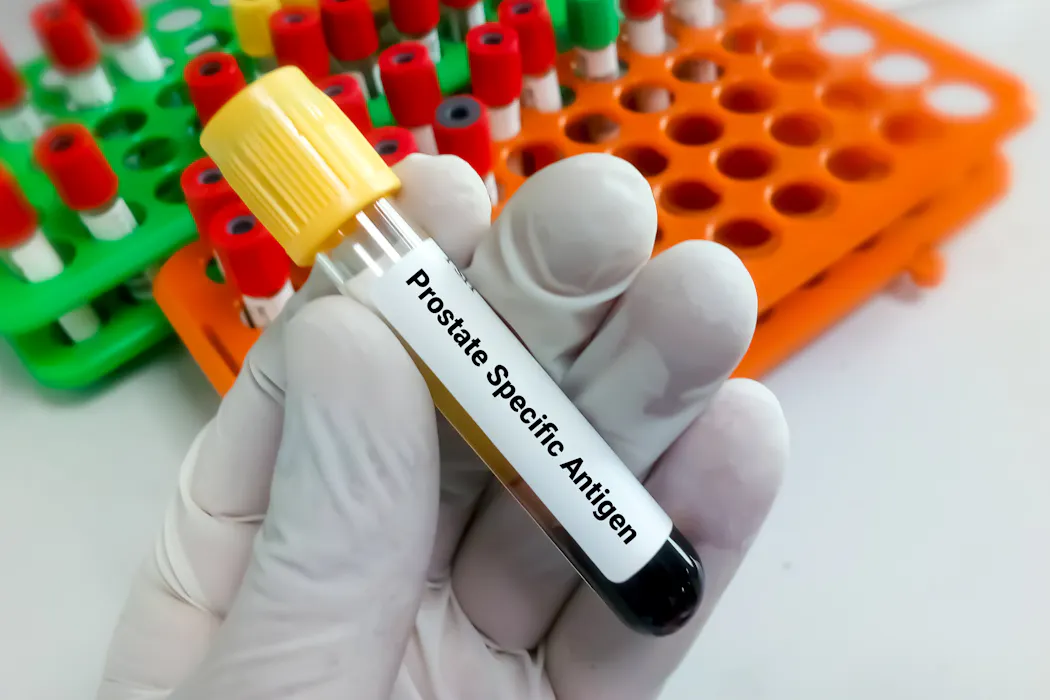
But our latest research shows that prostate cancer overdiagnosis from PSA screening is mainly a risk for men over the age of 70.
Prostate cancer overdiagnosis occurs when a person is diagnosed with prostate cancer through PSA testing – even though that cancer would not otherwise have been diagnosed within the patient’s lifetime. So had the person not been tested, they might never have known they had prostate cancer.
Overdiagnosis from PSA testing occurs for two main reasons.
The first reason is because PSA tests might identify a cancer that is so slow growing it would never cause problems – even if the man lives to be 100 years old.
The second reason is because a PSA test is able to find prostate cancer a decade or more before it would cause symptoms. Some patients may die from other causes in that time. Had they not been screened, they might have died without ever knowing they had prostate cancer.
Prostate cancer overdiagnosis is a concern because of what follows diagnosis. Subsequent treatment, such as surgery, may lead to harm – including loss of ability to maintain an erection and urinary incontinence.
Had the cancer not been found through screening, the man would not have been treated and would have avoided the side-effects of treatment. Overdiagnosis affects quality of life – and results in costs both to patients and to the healthcare system.
To help men make an informed choice, our research looked at how risk of overdiagnosis changes with age at screening. We found that the risk of prostate cancer overdiagnosis from a PSA test is low in otherwise healthy men in their 50s and early 60s. But this risk sharply increases in men screened from age 70 onward.
First, we looked at long-term data from a large UK trial of more than 400,000 men to examine, over a 15-year period, what proportion of men developed prostate cancer – and whether that proportion differed between those who were screened and those who weren’t.
We found that, on average across all age groups, 12% of prostate cancers were so slow-growing that they would not have caused symptoms or been picked up by a doctor within 15 years of a PSA test. We also found that 88% of prostate cancers detected by PSA tests would, if not treated earlier, cause symptoms and be diagnosed within 15 years – provided the patient lived long enough and did not die of other causes.
We then used national data on men’s deaths in England to understand how many men die from causes other than prostate cancer after a PSA test. Risk of death from other causes within 15 years of a PSA test increases from 10% aged 50, to 49% aged 70 and 89% if aged 80. This steep rise in risk of death drives increased overdiagnosis with old age, because, naturally, the older you are the more likely you are to die from other causes.
Taking these findings together, we projected that there was a 16% chance that the average English man diagnosed with prostate cancer at age 50 from a PSA test would not otherwise have been clinically diagnosed within 15 years. This doubled to 32% for men diagnosed aged 70, and jumped to 58% for men diagnosed at age 80 years.
Essentially, as men age, they are more likely to die from other natural causes before prostate cancer would be detected. For men older than 70 years at screening, screening offers very little, if any, benefit, but carries a high risk of unnecessary harm from overdiagnosis.
It’s also worth noting that health is more than a number based on age. Overdiagnosis risk will be lower for men who are in generally in good health and follow a healthy lifestyle.
It’s important to point out as well that healthcare is evolving. Our findings are based on data from prostate cancer screening done in the UK between 2001 and 2007. Today, doctors use magnetic resonance imaging (MRI) for targeted prostate cancer biopsy in those with an elevated PSA test. This is expected to lower overdiagnosis compared with our estimates by filtering out slower-growing cancers. More significantly, the use of MRI substantially reduces the risk of overtreatment, so the harms of overdiagnosis are smaller than they were 15 years ago.
Two new trials are also evaluating whether such innovations can improve the benefits of screening without increasing the harms.
In the meantime, men without symptoms of prostate cancer who are concerned about their risk have to decide for themselves whether to request a PSA test. For now, our recommendation, as statisticians, is to consider your age before making a decision. But if you do have symptoms, regardless of your age, you should definitely see your GP.
Adam Brentnall receives funding outside this work from Prostate Cancer UK, NIHR, Breast Cancer Research Foundation, MRC, Cancer Research UK. He is a co-applicant on the TRANSFORM trial, and member of the UK National Screening Committee Research and Methodology Group, but this work is independent and not supported by or associated with either role.
Peter Sasieni is a lead investigator on the IMProVE trial, which is investigating whether prostate cancer screening can be improved by combining PSA testing with MRI scanning.
Rhian Gabe receives funding outside this work from Prostate Cancer UK, NIHR, Cancer Research UK and Yorkshire Cancer Research. She is a co-lead on the TRANSFORM trial but this work is independent and not supported by this role.
These hot topics for the global health community are central to One Health Atlas – a comprehensive, science-led guide to the wealth of initiatives behind the “One Health approach”.
Below are some excerpts from the book, which maps out the interconnections between human, animal, plant and environmental welfare and details One Health’s widely endorsed but “difficult-to-fund approach” :
Interest in One Health has risen among health institutions at local, regional and global levels, particularly since the 2019 SARS-CoV-2 pandemic.
The One Health approach, which acknowledges the interdependence between human, animal and ecosystem health, is now promoted by the Quadripartite Alliance₁.
It has also been mainstreamed by international financial institutions, such as in the World Bank’s One Health Operational Framework and the IDA20 Policy Commitments on One Health. Donors have begun providing funding or financing (…), not only in pandemic prevention, preparedness and response (PPR), but also increasingly in other streams focused on biodiversity, climate change and more.
However, the financing landscape is highly fragmented with many vertical, mostly public health-centric mechanisms.
They often react to health crises, rather than reducing risk at the source or breaking the panic– neglect cycle. The COVID-19 crisis triggered a paradigm shift, and specific (although limited) funding dedicated to One Health is now emerging, with two major initiatives worth noting.
In 2020, the French Development Agency (AFD) launched its NGO Sector Innovation Facility (FISONG OH), an innovative financial mechanism to support One Health. Initially intended for general NGO financing, this fund provided EUR 2.5 million for One Health projects in 2020.
In 2022, the World Bank (in collaboration with WHO) established the Pandemic Fund, a Financial Intermediary Fund designed to provide a dedicated stream of long-term financing to strengthen PPR capabilities in low- and middle-income countries. This fund has generated nearly USD 2 billion and supports One Health initiatives in 80 % of its projects. The Pandemic Fund managed to raise six US dollars for every dollar in grant funds.
Pragmatic approaches for One Health investments have been proposed through frameworks considering risks, co-benefits and stakeholder financial capacity for a fairer distribution of costs and benefits.
The Pandemic Fund’s first call for proposals also showed strong demand from beneficiary countries for strengthening public health systems, while raising questions about their capacity to effectively integrate One Health into their health systems.
These concerns echo the debates over the inclusion of One Health and financing provisions in the 2025 international Pandemic Agreement, which seeks to strengthen global preparedness for future health crises.
₁. The World Health Organization (WHO), the World Organisation for Animal Health (WOAH), the Food and Agriculture Organization of the United Nations (FAO), and the United Nations Environment Programme (UNEP).
The chief executive of the UK Biobank, one of the world’s largest biomedical databases, recently wrote to over 500,000 participants telling them that some of their data had been made available for sale online through a Chinese website. This wasn’t a data breach or hack, but rather researchers who had legitimately accessed the data trying to sell it.
Although it was stated that participants could not be identified, and there was no sign that the data had actually been bought by anyone, the fact that someone could even try to sell parts of the dataset is extremely concerning. Unfortunately, the failure was unlikely to be in the protection set up by the biobank itself, but rather in the honesty of the researchers accessing the data.
This raises the wider question of whether data – any data – can ever really be protected. Many databases, including the UK Biobank, operate secure research environments where restrictions are put on those accessing the information. This can be through secure computer portals or platforms (as used by the UK Biobank), or limiting researchers to only downloading the results of their analyses rather than the raw data itself.
But the problem is that once data exists, there is always a chance that it can be leaked through either accident or dishonesty. Legal restrictions, such as data protection laws, can give power to police or governments to try to stop this happening, or to subsequently prosecute. But in a world of international computer networks, and very different national views on privacy, even laws can only do so much. For instance, it has been claimed that data has been exposed accidentally from the UK Biobank 198 times before.
If this isn’t bad enough, the increasing availability of sophisticated AI tools means that even anonymised data can be de-anonymised. This is because AI tools are able to find complex patterns or links in data that no human would ever be able to discover.
So what is the answer? Do we revert to using pen, paper and filing cabinets, or do we need to keep evolving the way we think about our data and its security?
Harms v benefits
Possibly the main fear that people have with their data being made widely available is becoming the victim of fraud, bribery or perhaps a commercial organisation using it to make large profits or using it in other ways that we would not approve of. But the possibility of this depends on the type of data.
For instance, there are very clear reasons to keep data on personal finances, telephone records, or many other details about our personal lives confidential. However, when considering health data, including the types held in biobanks, does the potential for significant societal benefits change the way we think about risks and harms?
Medical confidentiality is considered a human right, certainly in Europe and the UK. This is because of the possibility of coercing or manipulating people if you have inside knowledge about their health. Doing this for nefarious gain is clearly wrong and must remain illegal.
Giving health data access to insurers or employers is less clear cut. While we all accept that their business practices mean that they do need to know a certain amount of information about us, many people feel uncomfortable with the idea of giving companies all of our healthcare information. This is where data protection laws come in that limit what and how commercial organisations use our data, albeit such laws require ongoing scrutiny as they are not always as effective as we may like.
However, looking beyond the individual, the real value of health data is at a group level. Humans are complex both biologically and psychologically, meaning that researchers need to look across a lot of people before patterns start to emerge. So how can this be balanced with personal privacy?
Veil of ignorance
The philosopher John Rawls proposed a thought experiment for considering issues of justice and society. His idea was to suggest people adopt a “veil of ignorance” by trying to forget their own personal position – including, race, gender, class, intelligence and health – when thinking about what might be best for society. So what would adopting a veil of ignorance mean when considering health data?
Aggregating health data is certainly not a new idea, and is the reason why organisations like UK Biobank exist, which to date has resulted in more than 18,000 research publications. So from the position of a veil of ignorance, the more data from the more individuals the better, as it does seem to lead to more research possibilities.
Second, research is very complex and now involves a wide range of disciplines, individuals and skills. Data from the UK Biobank has been used by 22,000 researchers in more than 60 countries. Again, from the veil of ignorance position, making data freely available to the widest range of researchers seems to be a good thing as the more people looking at it, in different ways, the higher the likelihood of discovering something useful.
Of course, safeguards do need to be in place to stop information being shared too widely, but these safeguards are becoming harder to implement as data processing software and AI is making it increasingly easy to identify individuals from otherwise “anonymous” data. Perhaps the issue is therefore focusing efforts less on controlling the availability of data, and instead increasing our focus on controlling how it is subsequently used.
This latest incident, alongside the wider context of daily cyber-attacks and leaks from other databases, seems to show that sooner or later most attempts at protecting data will fail. As a consequence, rather than trying to protect data, maybe we should start to accept that this type of data could now be considered a type of public good.
As with other public goods, the ethical obligation is to ensure how they are used. Yes, this may mean that commercial organisations, or even foreign governments, could use our data in ways we may not individually approve of, but disapproval of the actions of companies or other countries is hardly a new thing.
Political and international agreements regulate how all sorts of resources are used, and health data should now be included. Similarly, laws already exist to dictate what businesses can and can’t do with data.
It could be argued that if the potential benefits of fully open data sharing are truly enormous, and this incident among many others has shown we cannot protect such datasets, maybe we need to stop focusing on the futile task of trying to protect the data, and instead focus on working out how to ensure it is used in the right way.
Simon Kolstoe does not work for, consult, own shares in or receive funding from any company or organisation that would benefit from this article, and has disclosed no relevant affiliations beyond their academic appointment.
Source: The Conversation – France – By Tiphaine Blanchard, enseignante en gériatrie et nutrition vétérinaire, École Nationale Vétérinaire de Toulouse; Inrae
Pets aren’t just mere companions, they play an active role in improving their owners’ wellbeing. But what does this connection tell us about our lifestyles? A recent study by the National Veterinary School of Toulouse has gauged how attached French pet owners are to their cats and dogs.
Animals – our best mental health allies
The benefits of an animal’s presence on human health are common knowledge. Many studies associate them with cardiovascular risk reduction and show how they can help reduce stress, especially among people who have a strong emotional bond with their pet.
This link is not only behavioural: it also affects our emotional needs. In a society marked by loneliness, anxiety and aging of the population, a dog or a cat sometimes becomes a real psychological support, capable of creating a sense of stability and usefulness in everyday life.
However, this relationship, which although beneficial in many cases, can also become a source of emotional distress. Some people develop an anxious attachment to their pet, characterised by excessive worry at the thought of separation or when the animal falls ill.
In elderly people, even without acute attachment anxiety, forced separation from their pet due to a hospital stay or admission to a nursing home often represents real trauma, as the animal is part of their emotional equilibrium and daily life.
The human-animal relationship as a therapeutic tool
The positive effects of the human-animal bond have now been put to good use in several hospitals and medical welfare programs.
The presence of animals in nursing homes can promote exchanges, rekindle memories, and temporarily help to break the feeling of loneliness among residents. Offering animal mediation in psychotherapy sessions for adolescents is also beneficial. Finally, in some paediatric units, particularly in oncology, specially trained animals accompany patients during care to reduce anxiety and improve wellbeing over the duration of the hospital stay.
More recently, several French police stations introduced kittens to appease victims of violence, an approach inspired by measures already implemented in other parts of the world.
For example, in the United States, specially trained dogs are being brought into some police stations and courtrooms to support victims during hearings. To date, there is no scientific data evaluating their impact in this specific context, but the testimonies are positive. Furthermore, benefits have been reported among professionals: a study with Canadian police officers showed that the presence of dogs in their work environment was perceived to reduce stress and improve wellbeing.
This theme deserves to be explored by dedicated research work to study how contact with an animal helps restore a sense of security post-trauma.
These initiatives, which are becoming more and more widespread, are all based on the same idea: to reinforce human health by building on the relationship with animals. Understanding the complex links between wellbeing, dependency and vulnerability requires a reliable survey instrument, which hadn’t been the case in France until recently.
A first step on the ladder to understanding pet attachment
Nearly 1,900 French dog and cat owners responded to the survey.
How is pet attachment evaluated?
The LAPS scale assigns an attachment score of 0 to 69 (a high score reflects a stronger attachment of an owner to their animal).
In France, dog owners obtained a median score of 58.5 compared to 52 for cats, which is higher than in England, Denmark, or Austria!
Marked differences depending on owners’ profiles
The study highlights several factors influencing the achievement score:
Women score higher than men, a result also observed in other countries.
People living without children also have a higher score, as their animals can sometimes play the role of substitute family figures.
Dog owners have a higher score than cat owners, perhaps due to more active interaction.
People with a higher level of education score lower, perhaps because they tend to express their emotional attachment less.
These trends reflect deep social realities. In a society where loneliness is increasing, families are being reconstituted and remote work is becoming more widespread, animals play a role that’s increasingly affective. They soothe, structure daily life and fill a need for connection that human relationships don’t always satisfy.
When our dogs and cats become our attachment figures
In psychology, attachment theory describes our fundamental need for security and reassurance with an “attachment figure”, often a parent, partner, or… an animal.
Dogs, which are more demonstrative, offer emotional interaction similar to children: they solicit, provoke, and express joy. Cats, which are more independent, sometimes require a more “projective” form of attachment, where the owner interprets their signs of affection.
These differences explain why dogs get higher attachment scores: they actively respond to our human need for connection and reciprocity. But among all the owners, attachment remains something that is real.
What about the impact of pets’ health on their owner’s health?
The French version of the LAPS scale is already being used for other research in France.
One of the research projects is focusing on the impact of dog osteoarthritis on the daily life of its owners. When an animal suffers, it is often the whole household that bears the consequences. People in France can participate in this new study by completing an online questionnaire.
The questionnaire is open to all dog owners in France, whether or not they are affected by osteoarthritis, in order to improve understanding of how dogs’ health affects their owners’ health, and to improve care for dogs and their families.
A weekly e-mail in English featuring expertise from scholars and researchers. It provides an introduction to the diversity of research coming out of the continent and considers some of the key issues facing European countries. Get the newsletter!
Tiphaine Blanchard ne travaille pas, ne conseille pas, ne possède pas de parts, ne reçoit pas de fonds d’une organisation qui pourrait tirer profit de cet article, et n’a déclaré aucune autre affiliation que son organisme de recherche.