What wearables can (and can’t) tell you about your heart health

Source: The Conversation – UK – By Kevin O’Gallagher, MRC Clinician Scientist and Consultant Cardiologist, King’s College London

Many commonly worn wearables can track useful data about your heart health. Syda Productions/ Shutterstock

Half of people in the UK use a wearable device, such as a fitness tracker or smartwatch. These devices collect data relating to health and physical activity levels – including heart rate, step count and sleep quality. With the emergence of AI, such devices will probably become even more sophisticated – potentially able to diagnose our health problems before our GP.

But while wearables can be really useful when it comes to understanding many aspects of your heart health, they still have many shortcomings – so it’s important not to rely on them for everything.

A key strength of modern wearables is the fact that they record such a wide range of useful data, and track trends over time. This makes them perfect for measuring whether any lifestyle changes you’ve made are working for you, and what effects they might be having. For instance, your wearable can tell you if your health kick has had a measurable affect on your sleep quality or blood pressure.

In addition to measuring step count and physical activity, many of the most commonly worn wearables collect cardiovascular data via photoplethysmography (PPG). This is where a light located at the back of the wearable interacts with tiny blood vessels in the skin to give an estimate of changes in blood volume. These changes can be used to accurately measure heart rate, rhythm and blood oxygen levels.

Many currently available devices are also able to record electrocardiographic (ECG) data. This also records your heart’s electric activity, including heart rate and rhythm.

This is why some wearables, particularly those with ECG technology, could be useful in cardiology consultations.

There are currently limitations to the ECGs a cardiologist would normally use to diagnose heart rhythm issues. These ECG monitors only record heart rhythm data for a limited period, such as 24 or 72 hours. This could mean doctors don’t get a full picture of heart health.

But since many people who own a smartwatch or fitness tracker wear them for many hours of the day and over many weeks, this means their wearable may be recording at the time when cardiac symptoms – such as palpitations – occur. This means wearables may overcome the inherent limitations with clinical ECG recordings.
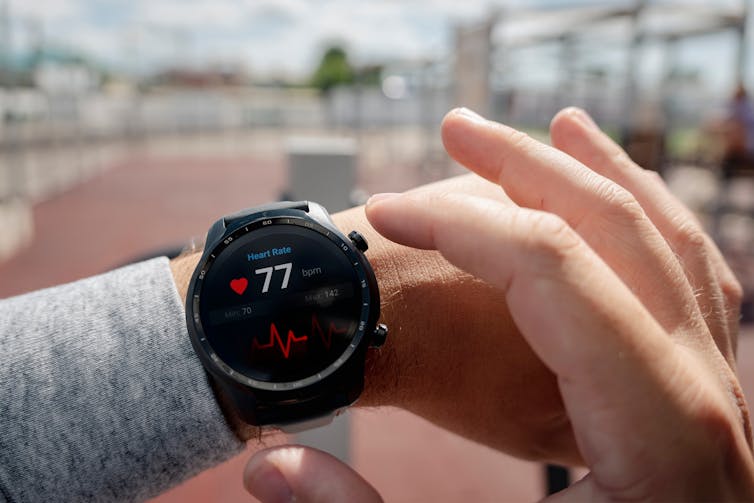
A person checks their heart rate on their wearable fitness watch.
Wearables may even be able to detect abnormal heart rhythms.
Melnikov Dmitriy/ Shutterstock

For instance, a recent study demonstrated that smartwatches can reliably detect atrial fibrillation (a heart rhythm disorder that increases risk of stroke) in patients at risk of the condition. And wearables can also be useful for regularly and accurately monitoring daytime blood pressure.

So, wearables have the ability to provide data that is highly useful to a cardiologist in helping determine a probable diagnosis. But just how much can we rely on this data?

Wearable limitations

Most wearables that detect blood pressure do so via PPG data, which measures blood pressure differently to an inflatable blood pressure cuff. Wearables may also only provide a blood pressure range rather than absolute results. This means a patient may not know whether their “true” blood pressure is normal or not.

The British and Irish Hypertension Society, which formally validates and endorses cuff-based blood pressure monitors, currently doesn’t have a framework to validate wearables. This means no wearables on the market which provide blood pressure monitoring have been officially validated.

There’s also a lack of standardisation across the market for how different wearables produce data for particular metrics. This means it’s possible different devices could give different readouts – even if they’re looking at the same person. If wearables are to be integrated into the healthcare system in future, then standardised, validated methods would be needed.

There are also potential issues in how wearables are positioned within the market with regard their medical capabilities.

Some are advertised as having medical-grade measuring capabilities. However, the majority of devices on the market have not been approved as medical devices by regulatory bodies. This distinction is important for the average consumer to understand, so they don’t trust the device’s data more than they should.

While wearables can be extremely useful for understanding many aspects of your day-to-day heart health, there’s still much about them that will need to be improved before they become a standard part of cardiac care.

Quality assurance and compatibility across different brands will be key, as will ensuring a patient’s data is both reliable and accessible to healthcare staff on their electronic health records.

These are important issues that must be addressed soon if wearable technology is to become a standard part of NHS treatment by 2035, as outlined in the NHS’s ten-year plan for England.

The Conversation

Kevin O’Gallagher does not work for, consult, own shares in or receive funding from any company or organisation that would benefit from this article, and has disclosed no relevant affiliations beyond their academic appointment.

ref. What wearables can (and can’t) tell you about your heart health – https://theconversation.com/what-wearables-can-and-cant-tell-you-about-your-heart-health-273075

Mexico may pay a steep price for the killing of Jalisco cartel leader El Mencho

Source: The Conversation – UK – By Raul Zepeda Gil, Research Fellow in the War Studies Department, King’s College London

The leader of the Jalisco New Generation (CJNG) cartel, Nemesio Oseguera Cervantes, died in custody on February 22, shortly after he was captured by the Mexican authorities. The operation, which came amid renewed US demands for “tangible results” against fentanyl trafficking, appears to have relied on American intelligence support.

This is the most significant intervention against the cartels since the capture of former drug lord Joaquín “El Chapo” Guzmán in 2016. The CJNG is one of the strongest criminal organisations in Mexico and, alongside the Sinaloa cartel, sits at the centre of US claims about fentanyl production and trafficking.

The killing of Oseguera Cervantes, who is better known as “El Mencho”, may have enabled Mexico’s authorities to secure a political win with Washington. But the operation should not be seen as a victory. What often comes next when the Mexican state removes a high-profile cartel figure like El Mencho is an extended period of violence and instability inside the country.

In my own research on criminal conflict in the Tierra Caliente region of western Mexico, I trace how earlier rounds of arrests and state killings have reshaped local criminal groups, broken alliances and created openings for new players and leaders. It was through this very cycle of state enforcement and cartel reorganisation that El Mencho rose to prominence.

El Mencho began as an operational figure linked to the Valencia cartel, an organisation based in the state of Michoacán. The group lost ground in the late 2000s following sustained pressure from the authorities. After key parts of the Valencia network were dismantled around 2010, El Mencho and other remnants of the group moved to Jalisco further north and founded the CJNG.

The conditions that allowed the CJNG to rise came from the same enforcement repertoire that the authorities have now deployed against it. This pattern matters because it undercuts a common assumption among policymakers, including in US agencies such as the Drug Enforcement Administration, that removing a “boss” equals dismantling a criminal market.

The removal of Mexican criminal leaders does not cause the market for drugs to vanish, nor does it cause trafficking routes to disappear. What changes is the balance of power among groups that already compete for territory, labour and access to ports, roads and local authorities.

Studies that track the so-called “kingpin” strategy, the deliberate targeting of cartel leaders by law enforcement, have found that detentions and killings often trigger short-term spikes in homicides and instability in Mexico. Some work suggests that violence rises for months after a leader’s removal, while other research shows that the killing of a kingpin can provoke a sharper increase than an arrest.

This happens because an affected cartel faces a sudden succession struggle and employs violence to prevent – or respond to – rivals testing the new leadership and trying to renegotiate areas of control. As criminal groups cannot use the formal court system to resolve disputes, they tend to do so through open violence or bargains enforced by coercion.

This logic of violence has already been seen following El Mencho’s death. Reports of cartel gunmen blocking roads, launching arson attacks and carrying out disruptions across multiple states fit a familiar script: an affected organisation signalling its capacity, punishing the state and warning local rivals not to seize the moment.

Even if the state contains this wave of violence, the deeper risk sits in what follows. A leadership vacuum invites internal fracture and external opportunism from rivals who have waited for an opening to test boundaries and settle scores.

The 2024 detention of Sinaloa cartel leader Ismael “El Mayo” Zambada, for instance, has provoked a wave of violence in Sinaloa state as different factions in the organisation battle for leadership.

US drug politics

Another cycle that keeps repeating across Latin America is that US drug politics shapes security agendas throughout the region. A surge in overdose deaths, for example, can lead to political panic in the US and the application of pressure on Latin American governments to take action, usually through militarised enforcement.

These governments respond with crackdowns, raids and high-profile captures. This is followed by rising violence as criminal organisations fragment and then, after a period of time, governments try to deescalate. The cycle starts again when concern over drug trafficking next arises in the US.

Drug prohibition keeps this cycle alive by ruling out any response other than force or criminal law, while failing to produce meaningful results. Most countries have criminalised drugs. But despite governments reporting rising drug seizures each year, deaths linked to drug use globally continue to climb.

Mexico’s security forces cannot end a transnational market that is financed largely by US demand, no matter how many high-profile arrests they make. Operations that result in the killing or detention of cartel figures instead redirect and reorganise the drug trade, while often intensifying violence.

If Mexico and the US want fewer cartel-related deaths, they need to stop treating kingpin killings as the main metric of success. While a high-profile strike temporarily satisfies US pressure, it is Mexican citizens who all-to-often have to live with the blowback of this approach.

The Conversation

Raul Zepeda Gil does not work for, consult, own shares in or receive funding from any company or organisation that would benefit from this article, and has disclosed no relevant affiliations beyond their academic appointment.

ref. Mexico may pay a steep price for the killing of Jalisco cartel leader El Mencho – https://theconversation.com/mexico-may-pay-a-steep-price-for-the-killing-of-jalisco-cartel-leader-el-mencho-276648

Scrapping business class could halve aviation emissions – new study

Source: The Conversation – UK – By Milan Klöwer, NERC Independent Research Fellow, University of Oxford

Air travel is famously one of the hardest sectors to decarbonise, and the number of air passengers keeps increasing. Electric planes and “sustainable” aviation fuels are still a long way off making a dent in the industry’s emissions – if they ever will.

But new research by me and my colleagues shows aviation could still cut its climate impact dramatically, simply by using planes more efficiently. In fact, rethinking cabin layouts alone could slash emissions by up to half.

From 1980 to 2019, the share of occupied seats in commercial air planes increased from 63% to 82%. Airlines already have strong commercial incentives to sell every seat – empty ones cost money as well as carbon.

For any given level of passenger travel, carrying more people on each flight means other planes can stay grounded and fewer flights are needed overall. It’s planes that make the big difference, not people – the additional weight of a passenger and their luggage is negligible relative to the aircraft and its fuel.

Aviation is responsible for 2%-3% of global CO₂, but its contribution to global warming is about 4% when secondary effects like condensation trails (which trap heat) are factored in. This impact is dominated by rich people flying frequently, often long-haul in business and first class or even private.

Efficiency in aviation is often thought of as an engineering challenge: how much thrust an engine generates for a given amount of jet fuel. But operational efficiency – the amount of passenger-kilometres per unit of CO₂ emitted – has received far less attention.

In our research, my colleagues and I calculated this operational efficiency for the year 2023, for every flight route, by airline, aircraft model and airport. We found that efficiency gains available in the short term could reduce aviation’s climate impact by more than half.

Short empty flights are the least fuel-efficient

On average, aviation emissions fell from around 260 grams of CO₂ per paying passenger-kilometre in 1980 to 90 grams in 2019. That’s a big difference, but for comparison, electrified rail powered by low-carbon energy can emit less than 5 grams.

Our analysis shows that CO₂ efficiency varies enormously across routes, regions, airports, airlines and aircraft models. Some flight routes emit more than 800 grams per passenger-kilometre, others less than 50. This variability is staggering but also yields a large potential to reduce emissions if efficiency across the industry increased towards that of the most efficient routes we analysed.

Among the highest emitting countries, many of the least efficient flights start or land in the US, followed by China, Germany and Japan. Inefficient flights are common elsewhere, particularly from or to smaller airports, and in Africa and Oceania, often exceeding 140g per passenger-kilometre.

By contrast, more efficient flights – below 100 grams per passenger-kilometre – are common in Brazil, India and south-east Asia, particularly on high volume routes. Europe contains a mix of both.

These differences can be explained by the share of occupied seats, the aircraft models used on a route and the cabin layout – especially the space allocated for business and first class.

Budget airlines tend to be more efficient as they seat as many passengers as possible. Spacious business or first class seats are often removed and revenue is instead generated through services such as baggage, food or booking flexibility – all of which add little to flight emissions.

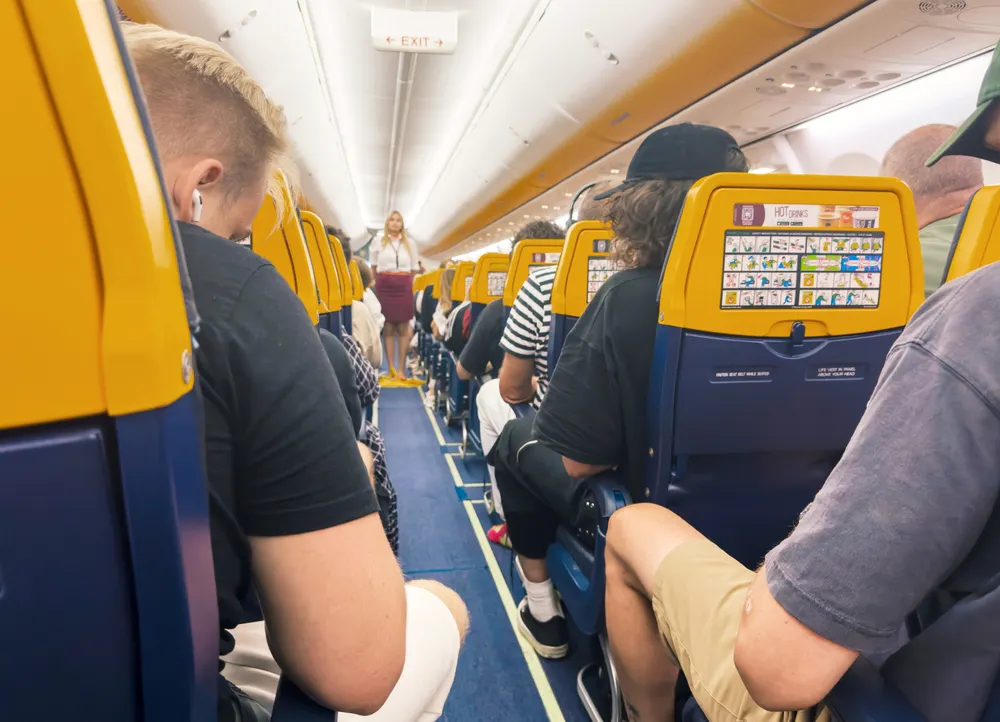
A view down the aisle of a budget airline plane.
Budget airlines tend to fill their seats.
Katarzyna Ledwon / shutterstock

We also found a few newer aircraft models to be the most efficient in operation (Boeing 787 Dreamliner and Airbus 320neo, both in several variants) averaging less than 65 grams of CO₂ per passenger-kilometre. However, they are not (yet) the most widely used, partly because aircraft typically remain in service for around 25 years.

Long-haul flights are on average more efficient than shorter flights. Take-off emissions only occur once, and larger aircraft with more seats are typically used on longer routes. For similar reasons, larger airports tend to have lower average emissions per passenger.

Increasing air travel efficiency

We modelled three hypothetical scenarios to illustrate the potential of certain operational changes, recalculating the total emissions after each change.

First, we increased the average passenger load factor from 80% to 95%. This alone would cut emissions by 16%, as fewer flights would be needed to carry the same number of passengers. While this is already in airlines’ interests, creating additional incentives – such as emissions-linked airport charges or fuel taxes – could encourage further gains.

Second, we imagined only the two most efficient aircraft (Boeing 787-9 and Airbus A321neo) were in operation. Aircraft cannot be replaced overnight, given their long service lives, and airlines haven’t built enough 787-9 or A321neo yet anyway. But choosing already existing aircraft highlights the potential of replacing older aircraft with newer and more efficient ones – in our calculations, it would save between 27% and 34% of global emissions. This would also require overcoming logical and commercial constraints, again potentially incentivised by airport or fuel charges.

Third, we analysed the impact of an all-economy cabin layout. Business and first class seats are up to five times more CO₂-intensive than economy seating because they occupy far more space per passenger. Operating all aircraft at the manufacturers maximum seating capacity would reduce global aircraft emissions by between 26% and 57%.

There are already large differences between airlines. Some chose to set up their Boeing 777-300 ERs with more than 400 economy seats, while others have as few as 200, despite a maximum seating capacity of 550.

Our findings highlight how strongly aviation emissions are shaped by travel inequality between occasional economy fliers and frequent business and first class travellers. Many of those may complain about the inconvenience of economy class. But perhaps that’s not a bad thing: it could create an even stronger incentive to reduce the number of non-essential journeys.

The Conversation

Milan Klöwer receives funding from the Natural Environment Research Council.

ref. Scrapping business class could halve aviation emissions – new study – https://theconversation.com/scrapping-business-class-could-halve-aviation-emissions-new-study-275474

Endometriosis: how a court ruling could make workplaces better for those with the condition

Source: The Conversation – UK – By Aishwarya Viswamitra, PhD Researcher, School of Applied Social Sciences, De Montfort University

fizkes/Shutterstock

Sanju Pal built a successful career in management consulting, winning major awards and working at a senior level. Then her health changed.

After being diagnosed with severe endometriosis and undergoing surgery, she returned to work but struggled with pain and fatigue. Months later, she was dismissed for not meeting performance targets. What followed was years of legal action, culminating in a January 2026 ruling that she had experienced discrimination arising from disability under the Equality Act 2010.

Her case may set an important precedent. It also highlights a wider issue: how many others are navigating chronic illness at work without recognition, flexibility or legal support?

Endometriosis is a long-term condition in which tissue similar to the lining of the womb grows elsewhere in the body. It can cause severe pelvic pain, fatigue, heavy bleeding and other debilitating symptoms. For many, the impact on daily life, including work, is significant.

Despite this, diagnosis is often slow. Endometriosis affects 1.5 million women in the UK (one in every ten), and yet the average diagnostic delay is around eight years. During that time, people may continue working while managing escalating symptoms without formal recognition or support.

Pain may be dismissed as normal. Fatigue may be hidden. Without a diagnosis, adjustments at work are difficult to request and even harder to secure.

Work and endometriosis – the research

Evidence consistently shows that endometriosis can shape working lives in significant ways. Some studies suggest that around 38% of people with the condition worry about losing their job because of it. Others report that roughly 35% experience reduced income linked to symptoms. Many describe working through severe pain to avoid triggering absence procedures or being seen as unreliable.

Research highlights a culture of presenteeism and overcompensation. Employees push themselves to meet productivity targets, conceal symptoms and avoid disclosure. Annual leave is often used to manage flare-ups. Some reduce hours, shift into part-time roles or move into self-employment seeking flexibility, sometimes at the cost of career progression and financial security.

Disclosure itself can feel risky. Endometriosis remains poorly understood and is often invisible. Symptoms such as pelvic pain or heavy bleeding can be difficult to discuss in professional settings. Some fear being seen as less capable or less committed.


Read more:
Endometriosis afflicts millions of women, but few people feel comfortable talking about it


Workplaces, meanwhile, are often structured around uninterrupted availability and consistent productivity. Performance models that rely on fixed timelines and metrics may struggle to accommodate fluctuating conditions. When absence policies, promotion criteria and workloads remain rigid, employees can be penalised for symptoms beyond their control.

Sanju Pal’s experience of being assessed against standard progression targets during illness reflects patterns described in this research.

Recognition and its limits

Endometriosis has gained increasing political and public attention in the UK over the past decade. Parliamentary debates, inquiries and awareness campaigns have highlighted the challenges around diagnosis, workplace support and education.

Yet recognition at policy level does not always translate into everyday practice. Under the Equality Act 2010, a formal diagnosis is not required for someone to be considered disabled. What matters is whether an impairment has a substantial and long-term impact on normal daily activities. In some cases, endometriosis may meet this threshold.

In reality, recognition often comes only after lengthy disputes. Tribunals can be stressful, time-consuming and emotionally draining. Not everyone has the resources or stamina to pursue one.

Work is more than income. It shapes identity, confidence and social connection. Research on chronic illness and employment shows that supportive environments can make a meaningful difference. Flexible schedules, understanding managers and open communication can help people stay in roles they value. Rigid systems, by contrast, can intensify stress and push people out of the workforce.

Where workplaces go from here

Endometriosis UK’s Employer Friendly Employer scheme works with organisations to improve awareness and workplace practice. Initiatives like this aim to close the gap between policy and experience.

At the same time, significant questions remain. We know a growing amount about how endometriosis affects employees. We know far less about how employers understand the condition, how they interpret their legal responsibilities and what prevents adjustments from being made.

Cases like Sanju Pal’s should not be seen as isolated disputes. They reveal structural tensions between chronic illness and contemporary work culture, where productivity is often measured through consistency and visibility rather than wellbeing and sustainability.

If workplace equality is to improve, two things are needed. Employers must design systems that anticipate fluctuating health and build flexibility into everyday practice. Researchers must continue producing evidence that highlights the realities of living and working with endometriosis.

The question is no longer whether the condition affects working lives. It is whether workplaces are prepared to adapt before the next employee has to fight a legal battle to be recognised.

The Conversation

Aishwarya Viswamitra receives funding from the Economic and Social Research Council (ESRC).

ref. Endometriosis: how a court ruling could make workplaces better for those with the condition – https://theconversation.com/endometriosis-how-a-court-ruling-could-make-workplaces-better-for-those-with-the-condition-276356

Can a tar-like substance that oozes out of Himalayan rocks really boost your testosterone levels?

Source: The Conversation – UK – By Daniel Kelly, Senior Lecturer in Biochemistry, Sheffield Hallam University

Shilajit, Himalayan rock ooze. StockImageFactory.com/Shutterstock.com

Shilajit is the latest supplement marketed online as a “natural testosterone booster”. Promoted by influencers, wellness brands and biohacking communities, this sticky black resin is advertised as a way to increase testosterone, improve energy and enhance male vitality.

Shilajit is a tar-like substance formed over centuries from decomposed plant material compressed within rock in high-altitude regions such as the Himalayas. It has a long history of use in traditional Ayurvedic medicine, where it has been described as a rejuvenator and as an anti-aging compound.

Chemically, it contains a mixture of fulvic acid and trace minerals. Its complex composition is part of its mystique and also part of the scientific challenge in studying it.

When it comes to testosterone specifically, the evidence for shilajit’s effect on testosterone levels in humans is limited to two small studies.

The most frequently cited study was published in 2016. In this trial of healthy men aged 45–55, half were given purified shilajit (250mg twice daily) and half were given a placebo for 90 days. Neither group knew which group they had been randomly assigned to. The shilajit group saw increases in both total and free testosterone – the form immediately available for the body to use – compared with the placebo group.

On the surface, this sounds encouraging. However, the study included just 38 participants treated with shilajit, was of a relatively short duration, and measured testosterone using methods that are not considered the most reliable.

Although testosterone levels were modestly higher at 90 days, measurements at 30 and 60 days fluctuated in both directions. And probably the most curious finding was that testosterone levels fell in the placebo group, possibly inflating any claimed direct effects of shilajit on hormone levels.

The study was also funded by the manufacturer of the shilajit preparation used. While that does not invalidate the findings, it does warrant caution and independent replication.

An earlier study in infertile men reported improvements in semen parameters and increases in testosterone after shilajit supplementation. But again, sample sizes were modest, with only 28 men taking part – and the population studied was specific to men attending a fertility clinic. These findings may not translate to otherwise healthy men.

Beyond these small trials, there is a lack of large, independent, long-term studies assessing whether shilajit meaningfully raises testosterone in a way that improves muscle mass, strength, metabolic health or quality of life.

It is also important to distinguish between “statistically significant” changes in hormone levels and “clinically significant” ones. Testosterone fluctuates naturally throughout the day and declines gradually with age. Small shifts within the normal physiological range are unlikely to transform body composition or vitality. In both the clinical studies, testosterone was always in this physiological reference range, despite the reported increases.

Another issue that receives less attention in promotional material is product quality and contamination. Because shilajit is harvested from natural rock formations and then processed, its composition can vary substantially. Several analyses of commercially available preparations have raised concerns about contamination with heavy metals such as lead, mercury and arsenic.

While reputable manufacturers may purify their products, the supplement market is not regulated to the same standard as prescription medicines. Consumers are often paying premium prices for products that may differ considerably in purity and potency.

What actually affects testosterone?

Against this backdrop, it is worth asking what actually influences testosterone levels in men.

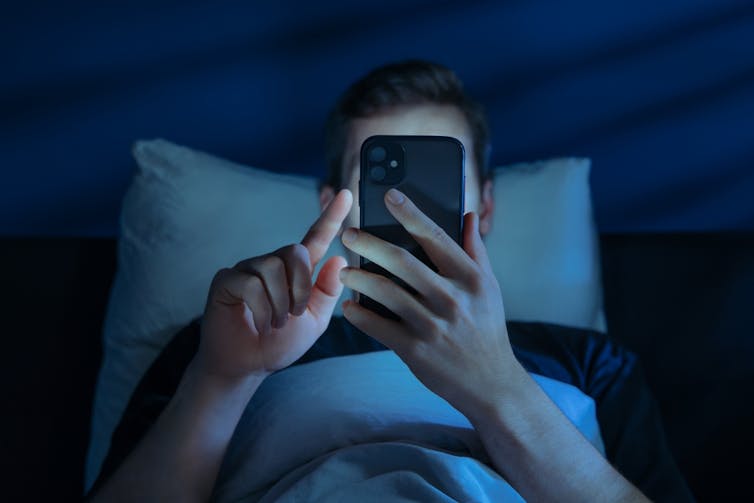
Sleep is one of the most powerful regulators. Even short-term sleep restriction can reduce testosterone concentrations in healthy young men. Being overweight is linked to lower testosterone, partly because extra body fat can turn some testosterone into oestrogen.

A young man in bed, staring at his phone.
Not getting enough sleep is linked with lower testosterone levels.
Arsenii Palivoda/Shutterstock.com

Resistance training can temporarily increase testosterone and, more importantly, improve muscle mass and regulate blood sugar irrespective of hormone changes. Long-term stress and drinking too much alcohol can interfere with the system in your body, called the hypothalamic–pituitary–gonadal axis, that regulates testosterone production.

In other words, the foundations of hormonal health are behavioural and metabolic. No supplement has yet been shown to override the effects of poor sleep, inactivity, stress or obesity.

For men experiencing symptoms such as persistent fatigue, low libido, erectile dysfunction or reduced muscle strength, the appropriate first step is medical assessment. In clinical practice, testosterone deficiency is diagnosed only after consistent biochemical evidence on repeated morning blood tests, alongside symptoms.

Testosterone deficiency can be associated with underlying conditions including obesity, type 2 diabetes, chronic illness or pituitary disorders. Blood testing, performed correctly and interpreted in context, is essential before considering any intervention.

In men with confirmed hypogonadism (the medical term for low testosterone levels), doctors can safely prescribe testosterone treatment, and there’s good evidence it works in many cases. That is very different from taking supplements you buy online based on marketing claims.

The growing popularity of shilajit sits within a broader cultural moment. Testosterone has become a shorthand for masculinity, energy and success.

Social media algorithms amplify anxieties about “low T”, often without context about what constitutes a true deficiency. Ancient remedies packaged in minimalist jars offer an appealing narrative of being natural, traditional and potent. Add influencer endorsements and promises of optimisation, and the commercial potential is obvious.

The appeal of quick fixes is understandable, but hormonal health is rarely fixed by a resin scraped from a rock. Consumers should also weigh cost against benefit. High-quality shilajit supplements can be expensive, particularly when taken for months at a time. For many men, the same investment directed towards structured exercise programmes, dietary improvements or professional medical advice would probably yield far greater returns.

In the case of shilajit, as with many supplements that promise hormonal optimisation, the marketing has travelled much faster than the science. This does not mean shilajit is entirely without potential.

The preliminary trials justify further rigorous investigation. Larger, independently funded studies could help clarify whether it exerts meaningful endocrine or metabolic effects, and in which populations.

Until then, the current evidence supports curiosity rather than confidence. Hormonal health requires careful assessment. Attempts to manipulate it without proper diagnosis and clinical oversight are unlikely to deliver what the marketing promises.

The Conversation

Daniel Kelly does not work for, consult, own shares in or receive funding from any company or organisation that would benefit from this article, and has disclosed no relevant affiliations beyond their academic appointment.

ref. Can a tar-like substance that oozes out of Himalayan rocks really boost your testosterone levels? – https://theconversation.com/can-a-tar-like-substance-that-oozes-out-of-himalayan-rocks-really-boost-your-testosterone-levels-275633

Loitering without intent: how taking aimless walks can create community and help you feel part of a city

Source: The Conversation – UK – By Morag Rose, Senior Lecturer in Human Geography, University of Liverpool

I love walking, and think it can change the world, but I hate wellbeing walks. I’m more interested in how walking can connect us to the places we dwell and the people we dwell with.

As a disabled person, wellbeing narratives frequently ignore my needs. They assume a standard body and often have a moralistic or bossy tone. They can ignore individual access needs and structural inequalities.

My walking is slow and sometimes painful. It is made possible by the NHS, orthotics (specialised, removable shoe inserts) and wider social infrastructure: from benches to public transport. “Walking” must be inclusive of wheelchairs, orthotics and other assistive technology. I believe everyone should have the right to walk and take up space on the streets.

Walking together can be a powerful way to critically engage with our environment and feel a sense of belonging. I have been exploring this idea in my art, activism and academic research, which has been bought together in The Feminist Art of Walking.

On a monthly basis for almost 20 years I have stood in Manchester and waited to see who will join me for a walk. I share the invitation widely, it’s open to anyone and always free to join. There is a meeting point but scant other information.

I can’t tell anyone where we will go since I simply don’t know our destination. When folk arrive, and they always do, we drift, guided by paper planes or pigeons, DIY maps or culverted rivers, our senses or our hearts. Every month a different prompt or provocation to inspire our wandering.

My waiting, and walking, began as an activist experiment, a way to subvert city streets increasingly threatened by gentrification, homogenisation and privatisation. I believe public space, non-commercial open places, where people can gather, ask questions, start conversations, or simply just be, are vital. We need to expand what we mean by public space to include pavements, bus stops, plazas and the like. We must resist attempts to prescribe, prohibit or limit access to such places. This matters now more than ever.

Opening up, sharing stories, making, holding, extending space – walking together with respect for those we share that space with – is the opposite of planting a flag and claiming dominance.

I wanted to explore ideas around psychogeography, an idea originated by the Marxist theorist Guy Debord in 1955 that asked how different places make us feel and behave. In response, I co-founded the LRM (Loiterers Resistance Movement).

Loitering for me means slowing down, resisting the need for productivity. Not everything of worth can, or should, be measured, commercialised or turned into an “output”. That’s why our events have always been free for everyone. Loitering also celebrates playfulness and re-enchantment. The LRM’s manifesto says:

We believe there is magic in the Mancunian rain. Our city is wonderful and made for more than shopping.

The beautiful thing about walking this way is the serendipity, the conversations and encounters. Over the years a community has formed and together we share stories and walk ourselves into being part of the city.

One of the aims of the most recent LRM walk was to gently challenge fear. We used warning signs and prohibition notices as our catalyst. Snow on the pavements added a personal dimension as my navigation was also informed by minimising the risk of slipping. My world shrinks in the snow, so an additional guiding element was added, a heightened awareness of textures and shadows. I was struck by the care of the collective, everyone kept pace, tracing thaw patterns and seeking clear patches.

Psychogeography suggests using the body as a tool to investigate the urban landscape and better understand the invisible power lines of commerce and capitalism. The psychogeographer uses the drift to free themselves from the everyday and walk new routes, with the intention of providing an alternative vision of the city.

Historically, the psychogeographer became associated with the “flaneur”, a lone male wanderer who is able to move unheeded through the city. This romantic idyll doesn’t reflect the reality for many of us, and there are many barriers stopping folk.

In my own research, I have walked with women across Manchester whose movements are shaped or limited by gendered street harassment, or the justified fear of violence. This can be compounded by intersectional factors such as race, faith, age or sexuality.

Of course women resist and still walk despite threats. As well as everyday walking, this can be seen during protest walks such as Reclaim The Night or Slutwalk. These demonstrations often have a carnivalesque atmosphere as women and allies gather to challenge oppression, assert their right to walk and take up space. It can also be seen in women-led groups such as Black Girl Hike and The Wonderlust Women for Muslim women.

I’ve been working with, and learning from, women who have transformed walking into powerful works of art and community building. For instance, Clare Qualmann’s East End Jam includes foraging walks around her neighbourhood and communal cooking sessions. Elspeth “Billie” Penfold combines walking and weaving, honouring her Bolivian and Argentinian heritage.

These artists, like the LRM, create communal walks. It is the being together, the moving together, that makes these wanders so special.

Conviviality is at the heart of the LRM. A convivial walk means we are navigating shared space despite, and because of, our differences. It does not homogenise but values multiplicity.

The LRM manifesto also states “the streets belong to everyone” and although we recognise this is an aspiration, not reality, it is an idea we fully commit to. Being together on a walk demonstrates how shared space can be used peacefully and creatively.


Looking for something good? Cut through the noise with a carefully curated selection of the latest releases, live events and exhibitions, straight to your inbox every fortnight, on Fridays. Sign up here.


The Conversation

Morag Rose founded and facilitates the psychogeographical collective The LRM (Loiterers Resistance Movement) a not-for-profit / mutual aid collective.

The research informing this article has been funded by the following organisations:

University of Sheffield Department of Urban Studies and Planning ERSC Funded White Rose Studentship (2014-2017)
Women Walking Manchester: Desire Lines Through The Original Modern City

AHRC Covid-19 Rapid Response Fund AH/V01515X/1 (2021-2022)
Walking Publics / Walking Arts walking, wellbeing and community during COVID-19 P.I. Prof Dee Heddon, University of Glasgow

British Academy/ Leverhulme Small Grants SG2122210842 (2021-22)
Disbelief and Disregard: Gendered Experiences of Energy Limiting Chronic Illness in England P.I Prof Bethan Evans University of Liverpool

AHRC AH/x012263/1 (2023-24)
Imagining Better Futures of Health and Social Care with and for People with Energy Limiting Chronic Illnesses P.I. Prof Bethan Evans

ref. Loitering without intent: how taking aimless walks can create community and help you feel part of a city – https://theconversation.com/loitering-without-intent-how-taking-aimless-walks-can-create-community-and-help-you-feel-part-of-a-city-273844

Misconduct in public office: three reasons why the case against Andrew Mountbatten-Windsor is so complex

Source: The Conversation – UK – By Robert Hazell, Professor of British Politics and Government & Founder of the Constitution Unit, UCL

Following the arrest of Andrew Mountbatten-Windsor for possible misconduct in public office, both the palace and the government will be hoping that his case might be brought to a swift conclusion. There are three main reasons why this is unlikely.

1. The vagueness of the offence

The offence Mountbatten-Windsor is being investigated for – misconduct in public office – is famously vague. This complicates the task for the prosecution, who will have to devote more time and effort to understanding the elements of the offence, and then ensuring that they can prove each element.

Misconduct in public office is not set out in an act of parliament, it is an offence under the common law. The public office (accountability) bill (also known as the Hillsborough law) currently going through parliament is meant to give it a statutory definition. But that will be too late for any prosecution of Mountbatten-Windsor, which will have to be for the common law offence, developed in a series of court judgements going back centuries.

In medieval times, the offence was intended to catch those in trusted public office who did something to betray that trust. It later fell into disuse, but was recently revived to catch corrupt police officers whose misconduct (such as selling information to journalists) did not fit easily into well-established offences.

The court of appeal in 2004 reframed the judge-made law for modern times, summarising four elements of the offence. It must be committed by:

  • A public officer, acting as such, who

  • wilfully misconducts himself

  • to such a degree as to abuse the public’s trust in the office holder

  • without reasonable excuse or justification.

Readers must judge for themselves whether this makes the offence any less vague. In careful understatement, the Crown Prosecution Service guidelines state that “the offence should be strictly confined, and it can raise complex and sometimes sensitive issues”.


Read more:
What exactly is misconduct in public office and could Peter Mandelson be convicted?


2. Multiple police forces involved

Mountbatten-Windsor was arrested by Thames Valley Police, but they are not the only force looking into revelations from the millions of documents in the Epstein files. Mountbatten-Windsor denies any wrongdoing in relation to Jeffrey Epstein.

The Metropolitan Police, Essex Police (for flights in and out of Stansted) and Surrey Police are also assessing claims. Some of those investigations are for possible trafficking into or outside the UK for sexual exploitation, which if proved would be offences under the Sexual Offences Act 2003. The National Police Chiefs Council has announced a national group to support the investigating forces.

Police enquiries will inevitably take some time. In addition to the scale of the Epstein files, when looking for evidence of misconduct in public office, the police will want to search through UK government files.

Mountbatten-Windsor was trade envoy from 2001 to 2011. Much of the evidence is likely to be retrieved from his emails and the files of agencies like UK Trade and Investment, and government departments like the Department of Trade (now Business and Trade), the Foreign Office, Cabinet Office and Number 10. Government record keeping is not what it was, and records from that long ago will take time to find and produce.

3. Difficulties facing the CPS and the courts

If the police have gathered sufficient evidence, they will submit all the evidence to the Crown Prosecution Service. The CPS in turn will need time to consider whether there is a sufficient case to prosecute, for a common law offence whose definition is still vague and complex.

The CPS code states that they will only prosecute an alleged crime if there is a “realistic prospect of conviction”. This means that a jury, “properly directed in accordance with the law, will be more likely than not to convict the defendant of the charge”.

The main legal difficulties may lie in proving that when acting as trade envoy Mountbatten-Windsor was the holder of a public office, and that his conduct was such as to abuse the public’s trust. In trying to clarify the latter test, the court of appeal said that abuse of trust must amount to “an affront to the standing of the public office held. The threshold is a high one requiring conduct so far below acceptable standards as to amount to an abuse of the public’s trust in the office holder.”

The CPS will also need to liaise closely with the team investigating Peter Mandelson, who is also under investigation for alleged misconduct in public office, related to evidence that he passed confidential government information to Epstein. If the police pass a file on Mandelson to the CPS, there will be similarities in the evidential and legal difficulties in proving misconduct in each case.

It could be a very long time before any trial takes place. One of the biggest obstacles to a swift conclusion is the state of the courts. The recent review by retired senior judge Brian Leveson found a backlog of almost 80,000 cases awaiting trial in the crown court last September, and forecast the backlog would reach 100,000 cases by November 2027.

Some defendants are already being told their cases will not be heard until 2030. To avoid any further suggestions that Mountbatten-Windsor is above the law, his case may have to wait in the queue, just like everyone else’s.

The Conversation

Robert Hazell does not work for, consult, own shares in or receive funding from any company or organisation that would benefit from this article, and has disclosed no relevant affiliations beyond their academic appointment.

ref. Misconduct in public office: three reasons why the case against Andrew Mountbatten-Windsor is so complex – https://theconversation.com/misconduct-in-public-office-three-reasons-why-the-case-against-andrew-mountbatten-windsor-is-so-complex-276556

There have been 59 royal arrests in UK history – Charles I was not the last before Andrew Mountbatten-Windsor

Source: The Conversation – UK – By Gonzalo Velasco Berenguer, Lecturer, History, University of Bristol

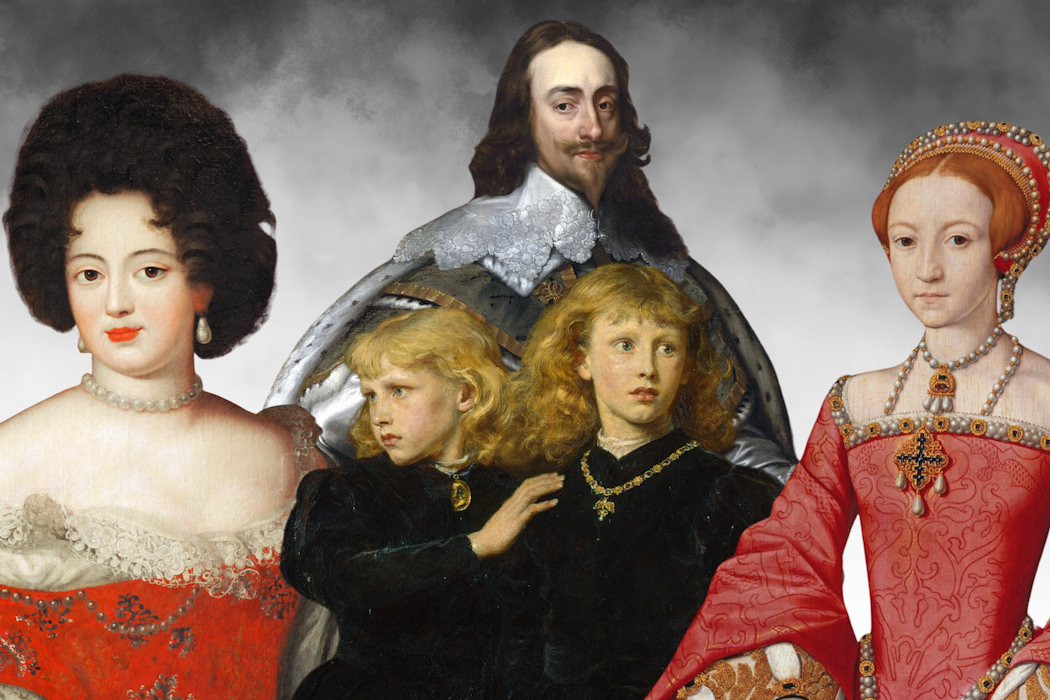
(L-R) Sophia Dorothea of Celle, King Charles I, the Princes in the Tower, and Elizabeth I. Wikimedia

The arrest of Andrew Mountbatten-Windsor, brother to King Charles III, on suspicion of misconduct in office has come as a shock to many. Numerous articles in diverse media have described the arrest of a member of the royal family as “unprecedented”.

It has been argued that the last royal arrest was that of King Charles I (reigned from 1625 to 1649) by parliamentary forces in 1646. This episode famously ended with Charles’s execution in 1649. But although royal arrests had dwindled by the 17th century, Charles I’s was not the last.

In the kingdom of England and later the UK, a total of 58 arrested royals (34 males and 24 females) from the Norman conquest in 1066 up to the early 18th century can be identified. Of these, 19 were released, one escaped, 12 died in custody, 21 were executed, three vanished and two were murdered.

Mountbatten-Windsor is not the first sibling of the monarch to have been arrested. Perhaps the most well-known case is that of George, Duke of Clarence, younger brother of King Edward IV (reigned from 1461 to 1483), who imprisoned him for treason. The king stripped him of his titles, removed him from the succession and executed him in the Tower of London in 1478. According to legend, he was drowned in a barrel of malmsey wine.

The last sibling of a monarch to have been arrested, however, was the future Queen Elizabeth I, imprisoned by her sister, Mary I (reigned from 1553 to 1558), in 1554. Accused of conspiring against Mary, Elizabeth spent a couple of months in the Tower before being moved to house arrest on May 19, the anniversary of the execution of her mother, Anne Boleyn. Elizabeth was eventually pardoned in 1555, after King Philip, Mary’s husband, interceded on her behalf.

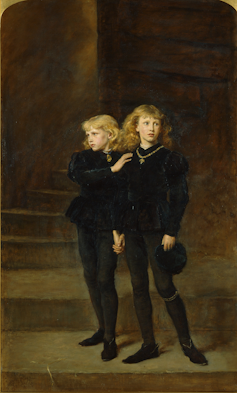
Adult royals suspected of conspiracy and treason were not the only ones to have been put in custody. Innocent royal children were also imprisoned, ostensibly to be guarded and protected, but in reality as a means to control the succession. The famous Princes in the Tower were kept there by their usurping uncle, Richard III (reigned from 1483 to 1485) after he took the throne in 1483, but vanished shortly thereafter. Richard is widely considered to have murdered them, but alternative theories have emerged.

The Princes in the Tower
The Princes in the Tower by John Everett Millais.
Wikimedia

Another pair of royal children put in custody by their uncle were Eleanor and Arthur of Brittany. Their uncle, King John (reigned from 1199 to 1216), had been the youngest son and the existence of the siblings from Brittany, children of his elder deceased brother, endangered the future of his position. They were both imprisoned in the early 1200s. Arthur vanished after 1203 and it is assumed he was murdered. Eleanor languished in prison for the rest of her life, dying in custody in Bristol Castle in 1241.

Most arrested royals were accused of treason and conspiracy, but these charges were often compounded with accusations of heresy and witchcraft. Henry V (reigned from 1413 to 1422) had his stepmother, Joan of Navarre, arrested on suspicion of sorcery.

His son and successor, Henry VI (reigned from 1422 to 1471), had his aunt by marriage, Eleanor Cobham, confined in 1441 under charges of necromancy. Although both women were arrested under the rule of law of their time, their imprisonments might have masked ulterior motives; financial ones, in Joan’s case and political ones in Eleanor’s.

The most prolific reign for royal arrests was, unsurprisingly, that of Henry VIII (reigned from 1509 to 1547), who placed 12 close relatives in custody, including three wives, a niece and a first cousin.

The last royal imprisonment was that of Sophia Dorothea of Celle in 1694. The wife of George of Hannover, who later became king as George I in 1714, she was accused of adultery. Despite being the mother of the Prince of Wales, Sophia remained locked up after her former husband became king, dying in custody in 1726.

So Andrew Mountbatten-Windsor is only the latest in a line of royals arrests, a practice that was fairly constant until the late 17th century.

Looking for something good? Cut through the noise with a carefully curated selection of the latest releases, live events and exhibitions, straight to your inbox every fortnight, on Fridays. Sign up here.


The Conversation

Gonzalo Velasco Berenguer does not work for, consult, own shares in or receive funding from any company or organisation that would benefit from this article, and has disclosed no relevant affiliations beyond their academic appointment.

ref. There have been 59 royal arrests in UK history – Charles I was not the last before Andrew Mountbatten-Windsor – https://theconversation.com/there-have-been-59-royal-arrests-in-uk-history-charles-i-was-not-the-last-before-andrew-mountbatten-windsor-276670

Could the experiences of twins help explain why we don’t trust politicians?

Source: The Conversation – UK – By Edmund Kelly, PhD candidate, Department Politics and International Relations, University of Oxford

Trust in politicians may relate to our formative experiences, which is why looking at twins can help explain it. Shutterstock/The Faces

In many democracies today, trust in politics is either very low or in decline.

This is a noteworthy development in its own right, but it may be especially important because trust is associated with several other important outcomes, for example, whether we vote and whether we comply with the law. The latter became particularly apparent during the pandemic, when it turned out that people who trusted politicians more were more likely to comply with lockdown rules.

Political scientists often think about trust as a dynamic concept. When politicians perform poorly, our trust falls. And there is plenty of evidence for this. When the economy performs badly or when politicians are embroiled in scandals, trust tends to be lower.

This way of thinking about trust is obviously helpful, but one problem is that it is hard to explain why people’s levels of political trust tend to be stable. Once people reach a level of trust in early adulthood, they don’t tend to change it very much afterwards. And people don’t always have as strong a reaction to events like political scandals as we might think – so it’s not a given that current performance is the only cause of low trust.

One explanation for this apparent contradiction is that trust might also be affected by our formative experiences. Of course, this doesn’t mean that trust never changes later, it obviously does. But on this view, each person would have a stable, base level of trust informed by their early experiences with the political system.

How our parents talked about politics when we were growing up, or how governments performed when we started paying attention to politics, might affect our base level of trust. We know that these experiences affect other aspects of our relationship with politics, for example, our voting behaviour, and our political values.

However, these ideas are difficult to prove. Academics generally study political attitudes by surveying a random sample of the population. These surveys ask about our opinions, and about things that might be influencing them (for example, our household income). But they rarely ask about our formative experiences. That’s partly because people can’t be expected to accurately remember experiences from many years ago. It’s also difficult to know which experiences to ask about. We obviously can’t ask about everything (that would be expensive and tedious), but that means we might miss things.

One way around this problem is to look at twins and siblings, because we know they largely share their formative experiences and traits formed early in life. That way, we can study those factors without having to directly measure them.

By comparing non-identical twins and siblings (who share lots of traits and experiences) with identical twins (who share almost all traits and experiences) we can estimate how important these are for our political attitudes. That’s what I’ve been doing in my own work, which suggests that a substantial proportion of our trust is explained by our early experiences – perhaps as much as 40%.

Early life and political trust

One possible explanation for this is that important traits formed early in life, like our personalities, might affect our ability to trust the political system. Some people are naturally more agreeable, for example, and it seems likely that they would also be more trusting.

This is one line of argument I’ve discussed in some of my own work, but the evidence for this is less clear. Instead, it seems likely that people who share similar personality profiles are similarly trusting because they grew up in environments which predisposed them toward those personality traits and also toward having more or less trust in the system.

Another, perhaps more plausible scenario is that the environmental conditions we experience early in life might affect whether we go on to have more or less trust in politics. For example, experiencing economic hardship early in life is associated with our ability to trust the system in the long run, especially if we think the government is to blame for our hardship. We might also expect that our educational experiences affect trust, for example, by giving us the knowledge about the system that can help us make more reasoned judgements about its trustworthiness.

The relationship between trust and voting might, therefore, not be due to trust causing voting, but instead due to our formative experiences affecting both. My work with colleagues suggests that this is likely to be the case. We tested whether differences in political trust within twin pairs predicted differences in how often they voted. That way, we know we’ve accounted for all relevant formative experiences shared by the twins. When we did that, we found that the relationship between how much we trust and how often we vote is much weaker.

Another reason that trust being partly caused by our formative experiences matters is because long-run changes in trust might be generational in nature, and difficult to reverse. In the UK, for example, gen Z tends to be particularly distrusting of institutions, including political ones.

If political trust is socialised when we are young, this has the concerning implication that it might stay that way, even if performance improves. We might then expect younger voters who grow up in a low-trust environment to remain distrusting in the long run.

The Conversation

Edmund Kelly receives funding from the Economic and Social Research Council (grant number ES/P000649/1).

ref. Could the experiences of twins help explain why we don’t trust politicians? – https://theconversation.com/could-the-experiences-of-twins-help-explain-why-we-dont-trust-politicians-274069

DNA study uncovers continental origins of Britain’s bronze age population

Source: The Conversation – UK – By Martin B. Richards, Research Professor in Archaeogenetics, Department of Physical and Life Sciences, University of Huddersfield

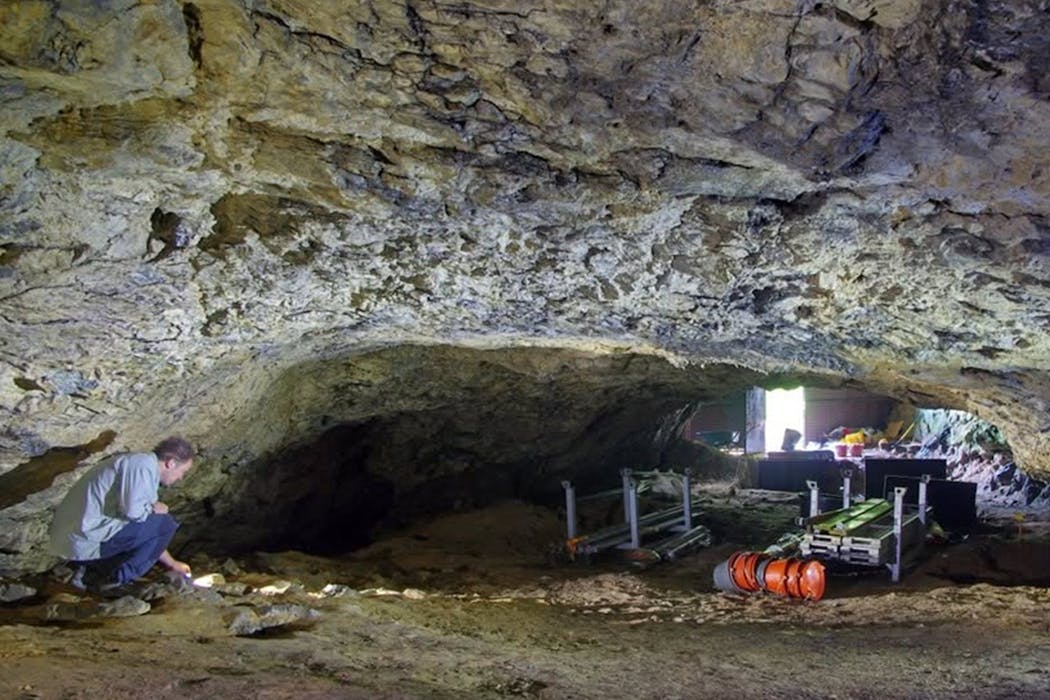
The researchers analysed genetic material from remains found at excavations across Belgium and the Netherlands. Monika Knul

When ancient DNA studies began to gain attention, little more than a decade ago, the view took hold among geneticists that everything we thought we knew about the peopling of Europe by modern humans was wrong. The story was simpler than anyone was expecting: Europe was settled in just three massive migrations from the east.

First came the hunter-gatherers, more than 40,000 years ago. Then, after 9,000 years ago, there was an expansion of farming people from Anatolia during the Neolithic age.

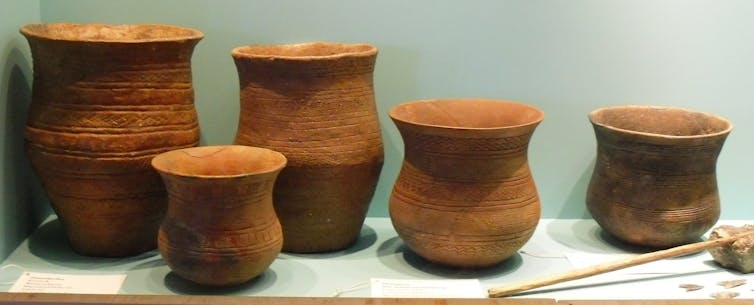
Finally, from 5,000 years ago, the Corded Ware people expanded out of the Russian steppe to inaugurate the European bronze age. The Corded Ware were named after the cord-like impressions in their pottery and carried a distinctive genetic signature previously absent from most of Europe. Genetically, most present-day Europeans have some of each.

This was always an over-simplification, however. Our new paper, produced with colleagues from the US and across Europe, has highlighted some of the more complex interactions between ancient populations that took place in north-west Europe.

Our research untangles the origins of prehistoric populations across Belgium and the Netherlands, as well as identifying the source population for a migration into Britain during the late Neolithic that seems to have led to a 90% replacement of Britain’s Neolithic farmers.

Ancient DNA research already suggested a much more nuanced picture. For example, when early Neolithic farmers first moved into Europe, they interacted little with the local hunter-gatherer people. As a result, although they now lived far from their homeland, their genomes still resembled those of their ancestors from Anatolia.

But by 1,000–2,000 years later, they had absorbed significant local ancestry. Their hunter-gatherer ancestry swelled from only 10% to 30–40% in some regions. Clearly the hunter-gatherers had not vanished as the farmers expanded.

Hunter-gatherer ancestry in populations across Europe between 4,500BC and 2,500BC.
Nature / University of Huddersfield

Northern wetlands

The new research takes us even further from the simple picture. Almost a decade ago, our research group at the University of Huddersfield began a collaboration with palaeoecologist Professor John Stewart from Bournemouth University and archaeologists at the Université de Liège, Belgium. We analysed the genomes of Neolithic human remains excavated along the River Meuse in Belgium, dating to around 5,000 years ago.

This work became part of a larger project, led by Professor David Reich and Dr Iñigo Olalde at Harvard University, involving geneticists and archaeologists from across western Europe. This widened the focus to further sites around the Lower Rhine–Meuse area – wetlands and coastal areas as well as rivers – spanning the late hunter-gatherer cultures to the bronze age.

The fertile soils south of the Rhine-Meuse wetlands had attracted pioneer Neolithic farmer-colonists as early as 5,500BC. However, the rich resources of the northern wetlands were more suited to the lifestyle practised by hunter-gatherers. Even so, the results, generated by our research student, Alessandro Fichera, in collaboration with Harvard, came as a big surprise.

The genomes of people from later Neolithic times in Belgium carried at least 50% local hunter-gatherer ancestry, alongside the expected Anatolian farmer ancestry. Discussing these results with our collaborators led to a “eureka” moment: the same pattern appeared at other sites situated in similarly water-rich environments across the region.

Notably, many of the earlier Neolithic Dutch samples from further north – such as the Swifterbant culture, well-known for maintaining a hunter-gatherer economy alongside some adoption of agriculture – carried close to 100% hunter-gatherer ancestry.

Women’s role in the spread of farming

We then compared the Y-chromosome and mitochondrial DNA, which track the male and female lines of descent, respectively. The Y chromosomes in the Belgian remains were all characteristic of hunter-gatherers, but three-quarters of the mitochondrial DNA lineages had come from Neolithic farmers living further south. The implication was clear: farming know-how had been imported into the “waterworld” hunter-gatherer communities by women.

Our findings support a version of the “frontier mobility” or “availability” model for the spread of the Neolithic, proposed by archaeologists Marek Zvelebil and Peter Rowley-Conwy in the 1980s. They envisioned a contact zone between pioneer farming groups arriving by “leapfrog colonisation” and hunter-gatherer areas.

In the model, the “availability” phase entailed contact and small-scale movements across the frontier, with trading relationships and marriage alliances, for example, forming gradually. This would be followed by a “substitution” phase where farming develops alongside foraging in the hunter-gatherer area, and eventually a “consolidation” phase, when farming predominates.

Our results suggest that the frontier was much more permeable to women than it was to men, and that it may have been marriage of Neolithic women into the forager communities that eventually helped the hunter-gatherers to adopt farming full time. After all, because of the predominance of farming across Europe, the likely alternative long-term was extinction.

Perhaps this kind of model might also apply to other parts of Europe where we lack evidence for how the increased hunter-gatherer ancestry in the later Neolithic came about. In any case, the fact that, here, the “more advanced” farming women married into hunter-gatherer groups, contrary to many archaeologists’ expectations that hunter-gatherer women would “marry up”, suggests that perceptions need to change.

Pottery made by the Bell Beaker people, who created the bronze age of central Europe.
Alfons Åberg, CC BY-SA

Beakers, bronze age and Britain

Around 4,600 years ago, though, people were on the move again. A new wave of settlers – pastoralist-farmers hailing ultimately from the Russian steppe – began to infiltrate the Rhine area in the form of the Corded Ware culture. As growing numbers moved in from the east, they were transformed – we still don’t understand exactly how – into what is known as the Bell Beaker culture.

Within a few centuries, the genetic landscape of the Rhine-Meuse region, including the wetlands, was completely reshaped. Our colleagues found that, 4,400 years ago, less than 20% of the ancestry of the people living there traced back to the earlier farmers and hunter-gatherers. At least 80% of their ancestry was now from the steppe.

The Bell Beaker people rapidly expanded and rippled out further in all directions, creating the bronze age of central Europe. And not only central Europe – they also spread across the English Channel and throughout Britain, extending as far north as Orkney.

It looks as if the British farmers who had been building Stonehenge over the preceding centuries all but disappeared – again, for reasons which remain unclear.

But did they actually vanish? Perhaps this rather blunt picture might become more nuanced too, as we learn more fine-grained details of what happened from archaeology and ancient DNA.

The Conversation

Martin B. Richards has received funding from The Leverhulme Trust’s Doctoral Scholarship scheme.

Maria Pala has received funding from The Leverhulme Trust’s Doctoral Scholarship scheme.

ref. DNA study uncovers continental origins of Britain’s bronze age population – https://theconversation.com/dna-study-uncovers-continental-origins-of-britains-bronze-age-population-276540