Anxiety affects an estimated one in five teenagers. The condition can seriously affect their social lives, school performance and overall wellbeing. And, worryingly, anxiety disorders that begin during adolescence often continue into adulthood.
Biological, genetic and environmental factors are all known to play a role in a person’s likelihood of developing anxiety. But a growing body of research suggests that diet may also influence mental health.
On the other hand, diets high in free sugar have been linked to poorer mental health in adolescents. Free sugars include sugar added to foods and drinks, as well as those normally present in honey, syrups and fruit and vegetable juices.
UK guidelines recommend that free sugars make up no more than 5% of our daily calorie intake. Adolescents typically consume the most free sugar of any age group, sometimes up to 20% of their daily total energy intake – much of it coming from sugary drinks.
Now, my colleagues and I have published new research showing that sugary drink consumption may be linked to higher levels of anxiety in adolescents.
This review combined data from several previous studies looking at the amount of sugary drink teenagers consume and how anxious they feel. Our research group pulled together findings from multiple studies published between 2000 and 2025. Of the nine studies included, seven found a clear link between sugary drink intake and anxiety.
The studies involved young people aged ten to 19. Sugary drink intake was usually measured through surveys. Sugary drinks included fizzy drinks, colas, sweetened fruit juices, sweetened milk drinks, energy drinks and sweetened tea or coffee.
The results of the study showed a significant positive association: teenagers who consumed high amounts of sugary drinks had 34% higher odds of being diagnosed with an anxiety disorder.
Some teens get up to 20% of their daily calorie intake from sugar. razum/ Shutterstock
It’s important to remember that the included studies were observational. This means they can show patterns or associations, but they do not indicate that sugary drinks cause anxiety. It’s also possible that anxiety leads teenagers to consume more sugary drinks.
The gut-brain axis, which is the network that links your brain to your gut, could also play a role in the connection between sugary drink consumption and anxiety. However, there are many things that affect gut health as well, including overall diet, stress levels and sleep – all of which have also been linked to anxiety.
Overall, our study suggests that reducing sugary drink consumption could be a helpful way to support adolescent mental health. While numerous studies have investigated the impact reducing sugary drink intake has on the physical health of adolescents, there is a need now to investigate whether this also has mental health benefits.
Reducing sugary drink intake
UK dietary guidelines recommend that adolescents and adults consume no more than 30 grams of sugar per day (approximately seven teaspoons). Given that a single can of fizzy drink can contain around 35 grams of sugar, cutting back on sugary drinks is an effective way to stay within this limit.
There are other practical ways of reducing intake of sugary drinks. This includes drinking sparkling or soda water with a slice of lemon, cucumber, berries or mint to get natural flavour without added sugar. Sugary drinks can be replaced with water, milk or sugar-free alternatives.
Another option is to switch to low-calorie, artificially-sweetened drinks (though these should only be consumed in moderation). Energy drinks can have a negative effect on sleep quality, academic performance and behaviour in adolescents so it’s a good idea to replace these with alternatives that contain less caffeine, such as tea or coffee.
With growing concerns about anxiety in teenagers, it’s becoming increasingly important to identify whether changing certain lifestyle factors can help reduce their risk of experiencing poor mental health. Although we still don’t fully understand how sugary drinks might influence anxiety, this study suggests they could play a role.
Chloe Casey does not work for, consult, own shares in or receive funding from any company or organisation that would benefit from this article, and has disclosed no relevant affiliations beyond their academic appointment.
Source: The Conversation – UK – By Martin B. Richards, Research Professor in Archaeogenetics, Department of Physical and Life Sciences, University of Huddersfield
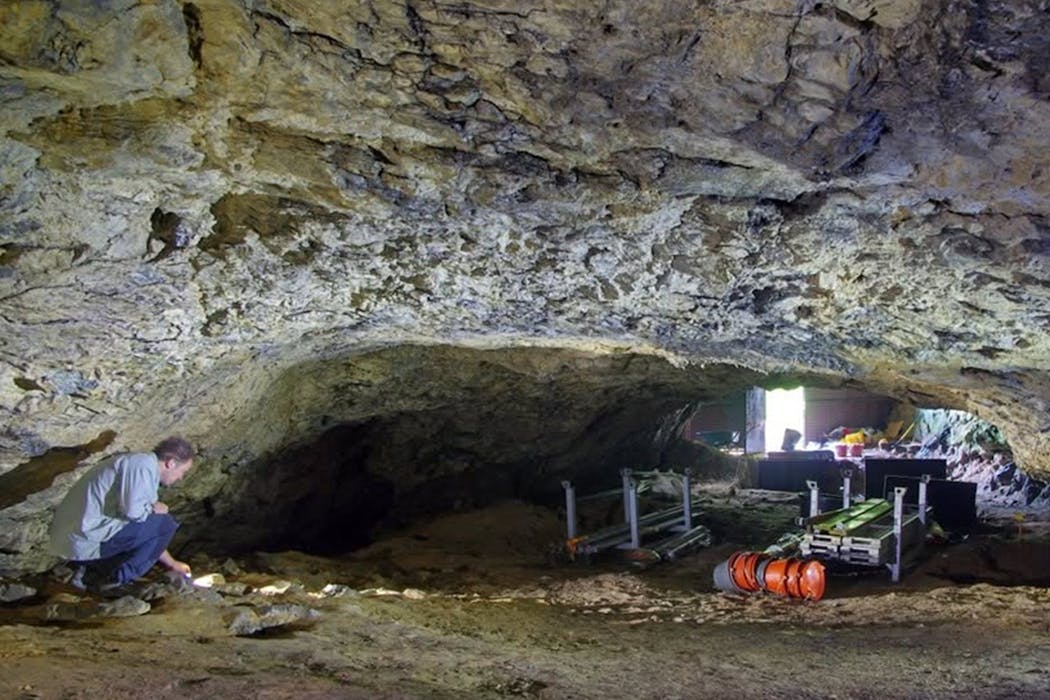
The researchers analysed genetic material from remains found at excavations across Belgium and the Netherlands.Monika Knul
When ancient DNA studies began to gain attention, little more than a decade ago, the view took hold among geneticists that everything we thought we knew about the peopling of Europe by modern humans was wrong. The story was simpler than anyone was expecting: Europe was settled in just three massive migrations from the east.
First came the hunter-gatherers, more than 40,000 years ago. Then, after 9,000 years ago, there was an expansion of farming people from Anatolia during the Neolithic age.
Finally, from 5,000 years ago, the Corded Ware people expanded out of the Russian steppe to inaugurate the European bronze age. The Corded Ware were named after the cord-like impressions in their pottery and carried a distinctive genetic signature previously absent from most of Europe. Genetically, most present-day Europeans have some of each.
This was always an over-simplification, however. Our new paper, produced with colleagues from the US and across Europe, has highlighted some of the more complex interactions between ancient populations that took place in north-west Europe.
Our research untangles the origins of prehistoric populations across Belgium and the Netherlands, as well as identifying the source population for a migration into Britain during the late Neolithic that seems to have led to a 90% replacement of Britain’s Neolithic farmers.
Ancient DNA research already suggested a much more nuanced picture. For example, when early Neolithic farmers first moved into Europe, they interacted little with the local hunter-gatherer people. As a result, although they now lived far from their homeland, their genomes still resembled those of their ancestors from Anatolia.
But by 1,000–2,000 years later, they had absorbed significant local ancestry. Their hunter-gatherer ancestry swelled from only 10% to 30–40% in some regions. Clearly the hunter-gatherers had not vanished as the farmers expanded.
The new research takes us even further from the simple picture. Almost a decade ago, our research group at the University of Huddersfield began a collaboration with palaeoecologist Professor John Stewart from Bournemouth University and archaeologists at the Université de Liège, Belgium. We analysed the genomes of Neolithic human remains excavated along the River Meuse in Belgium, dating to around 5,000 years ago.
This work became part of a larger project, led by Professor David Reich and Dr Iñigo Olalde at Harvard University, involving geneticists and archaeologists from across western Europe. This widened the focus to further sites around the Lower Rhine–Meuse area – wetlands and coastal areas as well as rivers – spanning the late hunter-gatherer cultures to the bronze age.
The fertile soils south of the Rhine-Meuse wetlands had attracted pioneer Neolithic farmer-colonists as early as 5,500BC. However, the rich resources of the northern wetlands were more suited to the lifestyle practised by hunter-gatherers. Even so, the results, generated by our research student, Alessandro Fichera, in collaboration with Harvard, came as a big surprise.
The genomes of people from later Neolithic times in Belgium carried at least 50% local hunter-gatherer ancestry, alongside the expected Anatolian farmer ancestry. Discussing these results with our collaborators led to a “eureka” moment: the same pattern appeared at other sites situated in similarly water-rich environments across the region.
Notably, many of the earlier Neolithic Dutch samples from further north – such as the Swifterbant culture, well-known for maintaining a hunter-gatherer economy alongside some adoption of agriculture – carried close to 100% hunter-gatherer ancestry.
Women’s role in the spread of farming
We then compared the Y-chromosome and mitochondrial DNA, which track the male and female lines of descent, respectively. The Y chromosomes in the Belgian remains were all characteristic of hunter-gatherers, but three-quarters of the mitochondrial DNA lineages had come from Neolithic farmers living further south. The implication was clear: farming know-how had been imported into the “waterworld” hunter-gatherer communities by women.
Our findings support a version of the “frontier mobility” or “availability” model for the spread of the Neolithic, proposed by archaeologists Marek Zvelebil and Peter Rowley-Conwy in the 1980s. They envisioned a contact zone between pioneer farming groups arriving by “leapfrog colonisation” and hunter-gatherer areas.
In the model, the “availability” phase entailed contact and small-scale movements across the frontier, with trading relationships and marriage alliances, for example, forming gradually. This would be followed by a “substitution” phase where farming develops alongside foraging in the hunter-gatherer area, and eventually a “consolidation” phase, when farming predominates.
Our results suggest that the frontier was much more permeable to women than it was to men, and that it may have been marriage of Neolithic women into the forager communities that eventually helped the hunter-gatherers to adopt farming full time. After all, because of the predominance of farming across Europe, the likely alternative long-term was extinction.
Perhaps this kind of model might also apply to other parts of Europe where we lack evidence for how the increased hunter-gatherer ancestry in the later Neolithic came about. In any case, the fact that, here, the “more advanced” farming women married into hunter-gatherer groups, contrary to many archaeologists’ expectations that hunter-gatherer women would “marry up”, suggests that perceptions need to change.
Pottery made by the Bell Beaker people, who created the bronze age of central Europe. Alfons Åberg, CC BY-SA
Beakers, bronze age and Britain
Around 4,600 years ago, though, people were on the move again. A new wave of settlers – pastoralist-farmers hailing ultimately from the Russian steppe – began to infiltrate the Rhine area in the form of the Corded Ware culture. As growing numbers moved in from the east, they were transformed – we still don’t understand exactly how – into what is known as the Bell Beaker culture.
Within a few centuries, the genetic landscape of the Rhine-Meuse region, including the wetlands, was completely reshaped. Our colleagues found that, 4,400 years ago, less than 20% of the ancestry of the people living there traced back to the earlier farmers and hunter-gatherers. At least 80% of their ancestry was now from the steppe.
The Bell Beaker people rapidly expanded and rippled out further in all directions, creating the bronze age of central Europe. And not only central Europe – they also spread across the English Channel and throughout Britain, extending as far north as Orkney.
It looks as if the British farmers who had been building Stonehenge over the preceding centuries all but disappeared – again, for reasons which remain unclear.
But did they actually vanish? Perhaps this rather blunt picture might become more nuanced too, as we learn more fine-grained details of what happened from archaeology and ancient DNA.
Martin B. Richards has received funding from The Leverhulme Trust’s Doctoral Scholarship scheme.
Maria Pala has received funding from The Leverhulme Trust’s Doctoral Scholarship scheme.
Source: The Conversation – UK – By Kevin Olsen, UKSA Mars Science Fellow, Department of Physics, University of Oxford
A new study of carbon-based molecules in a Martian rock offers new hints about the possibility that the red planet once hosted life.
The researchers considered a range of possible processes that could have produced the molecules they found. They argue that high concentrations of large organic (carbon-based) compounds found in the rock cannot be fully explained by the non-biological processes they examined.
The team members say it is therefore possible that the organics were produced by living organisms. It is also feasible that molecules made by hydrothermal processes – where water is heated to high temperatures underground – also contributed to the organics found in the rock.
The scientists also believe that some of the organic compounds came from fatty acids, which are found in the cell walls of living organisms.
The complexity of the newly detected molecules is strikingly distinct. They require more complex methods for production, which helps scientists narrow down their source.
The discovery of the molecules was made with Nasa’s Curiosity rover, which examined a Martian rock named Cumberland. This is a sedimentary rock, meaning it was probably built up in layers in the presence of water billions of years ago. Curiosity has been exploring a site called Gale Crater on Mars since 2012.
The molecules include long chain alkanes in the form of decane (C₁₀H₂₂), undecane (C₁₁H₂₄), and dodencane (C₁₂H₂₆), much larger molecules than previously identified on Mars.
These measurements come from a pyrolysis experiment – where samples are heated to release gases that can then be analysed. This experiment broke down even larger molecules, and the assumption, from well-known chemistry, is that these may have been derived from carboxylic acids, or fatty acids. These are the kinds of compounds we recognise from our food.
The molecules were reported in a separate paper from March 2025. This new study, in the journal Astrobiology, considers the various ways they could have been made, both biological and non-biological.
Curiosity used its drill to extract a sample of rock from Cumberland. Nasa/JPL/MSSS
The discovery of organics on Mars is critical to our understanding of whether the planet could have supported life (and whether it could today). Organic matter refers to molecules containing a bond between carbon and hydrogen. These comprise the essential building blocks for life as we know it.
The critical line of reasoning in the new paper is that because these long chains will break down under the ionising radiation in the harsh Martian environment (a combination of ultraviolet radiation from the Sun, heavier charged particles that don’t make it through Earth’s magnetic field, and cosmic radiation), the actual quantity of the carboxylic acids that we are measuring now must have been hundreds of times higher in the past.
Today, these molecules are present at 30–50 parts-per-billion in the rock. But the authors estimate this could have been around 120–7,700 parts-per-million before ionising radiation exposure.
The authors examined several possible, but non-biological, sources for these fatty acids, such as delivery by interplanetary dust and meteorites, organic hazes in the ancient Martian atmosphere, and the act of serpentinisation – a geological process known to have occurred on Mars involving high heat and abundant liquid water.
The authors point out potential limitations with some of these processes that may make them less likely as sources for the organic molecules. For example, these limitations may relate to what we know about the ratio of simple organics, like methane, to the amount of CO₂ in the early Martian atmosphere, or where reactions like serpentinisation need to take place (underground) and how this matter could be transported to the surface.
Therefore, the authors argue, it is plausible that these carboxylic or fatty acids have a biological origin and may be remnants of an ancient, early Martian biosphere. They concede in their closing paragraph extraordinary claims require extraordinary evidence, as the scientist and author Carl Sagan once said, and downplay any attempt to claim evidence of life without intense scrutiny. However, it sets an optimistic tone for future projects – and there will be a busy future on Mars.
In September 2025, Nasa made a similar announcement using results from the Perseverance rover. They reported organic carbon-bearing mudstones that appeared to have participated in low temperature chemical reactions after they were deposited.
The researchers behind this study also looked at a variety of ways that the reactions could have taken place and were unable to explain them using known non-biological processes. The results hinted at the possible presence of microbial activity on Mars billions of years ago.
However, it will be impossible to say for sure whether the red planet hosted life until Martian rocks are delivered to Earth for analysis in laboratories. The findings published in September 2025 were largely seen as a rallying cry for the Mars Sample Return mission. This will gather up samples collected by the Perseverance rover and send them to our planet for examination.
Unfortunately, Mars Sample Return was effectively cancelled last month after years of being under-funded. Despite this, there remain big things ahead. The European Space Agency will send its Rosalind Franklin rover to Mars in 2028, featuring a drill that will search for signs of life up to two metres underground.
In 2026, Japan will attempt to retrieve a piece of the Martian moon Phobos with its Martian Moons Exploration mission. At the same time frame, follow-up missions from China and India are taking shape, with China also attempting to retrieve a sample from the surface.
Kevin Olsen does not work for, consult, own shares in or receive funding from any company or organisation that would benefit from this article, and has disclosed no relevant affiliations beyond their academic appointment.
Source: The Conversation – UK – By Samuel Finnerty, Senior Research Associate, Social Psychology, Lancaster University
From marches and demonstrations to civil disobedience, scientists are increasingly turning to climate protest. As a social psychologist, I’ve been investigating why researchers – who are trained to value scientific norms of objectivity and restraint – choose to engage in such public and sometimes disruptive action.
My study, just published in the journal PLOS Climate addresses this question by exploring scientists’ own experiences and decision-making. I spent two years observing, participating with, and interviewing scientists engaged in climate activism to understand their motivations.
Science and activism are very different. Scientific training emphasises restraint, uncertainty, narrow expertise, and objectivity. Activism demands urgency, moral clarity, and visibility. This tension often fuels the critique that scientists who protest have abandoned scientific norms in favour of ideology. Yet, a significant number of scientists engage in advocacy and activism. This marks a culture change in how scientists communicate.
So, how do scientists advocate without betraying what it means to be a scientist?
Most activism does not begin with actions that risk arrest such as blocking a road. Scientists typically become involved through roles aligned closely with their professional identity: public communication, giving talks, producing evidence summaries for social movements or acting as visible “scientist” figures within protest spaces. This reflects wider research showing that continuing to “feel like being a scientist” rather than stepping outside that role altogether, is critical for scientists’ engagement in activism.
Scientists for Extinction Rebellion protesting at Department for Business, Energy, and Industrial Strategy in 2022. Andrea Domeniconi, CC BY-NC-ND
The white lab coat is one tool scientists use to manage this tension. In protest spaces, it serves as visible signal of expertise, collective identity and legitimacy. Lab-coated scientists can challenge expectations of what an activist looks like, while also helping participants feel united and reassured that they are still acting as scientists. This helps reconcile identities that might otherwise appear in conflict.
However, for some social scientists who do not wear lab coats in their everyday research, this approach risks reinforcing narrow ideas about what counts as “real science”, both in public perception and within activist spaces, discouraging some from participating.
Acting alongside other scientists helps normalise and legitimise activism, reduce anxiety and build confidence. Being part of a collective also mitigates concerns about reputation damage. Participants nevertheless described activism as emotionally demanding. Continued involvement therefore depended on feeling supported by others.
Escalating actions
Some scientists choose to take part in civil disobedience, a form of peaceful protest that involves deliberately breaking the law to draw attention to an issue, such as sitting in roads or attaching themselves to buildings.
Many scientists told me this move was driven by frustration with the limits of conventional science communication. Many had spent years publishing research, advising policymakers and engaging with the media, yet saw little meaningful political response. For some, civil disobedience felt like a last resort. They framed it not as abandoning science, but as acting on it, when producing and communicating evidence no longer felt sufficient.
As one scientist, arrested during a protest at the London headquarters of the Department for Business, Energy and Industrial Strategy, said: “As scientists, we have tried to warn the world as reasonably and as rationally as possible, […] But what is the point of doing it if it just gets ignored?”
Researchers answer questions from the public at the Ask a Scientist stand at The Big One, a climate action protest in 2023. Crispin Hughes., CC BY-NC-ND
The challenges of advocating as a scientist
Once scientists appear in activist spaces, their identity is not always taken at face value. Wearing a lab coat or invoking scientific credentials can open conversations and signal trust. But it may also invite scepticism, heightened scrutiny, or unrealistic expectations that one person can speak for all of science. Participants described being questioned by members of the public, journalists and sometimes other scientists about whether they were “real scientists”, whether their research field counted, or whether they were qualified to speak at all.
Many scientists therefore found themselves balancing the need to speak with authority while remaining honest about the limits of their expertise. Research on scientist advocacy shows mixed effects on public trust, sometimes positive, sometimes negative, and often context-dependent.
Scientists in my study were acutely aware of this. They sought to manage how their activism was perceived by clarifying their expertise, acting alongside other scientists, and choosing forms of participation consistent with their professional values.
Looking at the wider picture, as political inaction, hostility towards climate activism, politicisation of science and misinformation grow, scientists face growing pressure not only to produce knowledge, but to decide how to visibly stand for it. The rise of scientist activism reflects this shifting terrain, and the difficult choices it brings.
Don’t have time to read about climate change as much as you’d like?
Samuel Finnerty does not work for, consult, own shares in or receive funding from any company or organisation that would benefit from this article, and has disclosed no relevant affiliations beyond their academic appointment.
A controversial policy of destroying recordings of trials after seven years is to be abandoned, the Ministry of Justice (MoJ) has disclosed.
The policy, affecting courts in England and Wales, had been heavily criticised by lawyers and miscarriage of justice campaigners, who said the destruction of court records makes challenging a conviction almost impossible.
They point to cases like Omar Benguit – now the subject of a BBC Panorama investigation – where vital court records were erased.
As a journalism lecturer carrying out research into court reporting, as well as miscarriages of justice, I was keen to investigate, and requested more information from the MoJ through Freedom of Information requests.
In its responses to me, the MoJ publicly disclosed for the first time that trial records will now be kept for at least as long as the prison sentence – and possibly indefinitely.
The Insights section is committed to high-quality longform journalism. Our editors work with academics from many different backgrounds who are tackling a wide range of societal and scientific challenges.
An MoJ spokesperson said: “This updated policy safeguards continued access to court records for the purpose of appeals, reviews or any other legal proceedings that may arise during the entire period of the sentence.
“Retaining records for the full length of the sentence preserves judicial integrity, and protects the rights of all parties concerned.”
Campaigners who fought for years to halt the policy of destroying court records have welcomed the announcement. Jon Robins, a lecturer at Brighton University and co-organiser of the Open Justice Charter, told me:
This is a sensible result – and a surprising and belated victory for our campaign. We pointed out more than a decade ago that there was no possible justification for such a draconian destruction policy, ever since our courts were dragged into the digital era and began recording proceedings – other than closing off the prospect of challenges from those claiming to be wrongly convicted.
The unnecessary loss of court documents – especially, court transcripts and the audio recordings of court proceedings – has often proved an insurmountable barrier in the investigation of miscarriage of justice cases.
The official guidance for how long records should be retained is set out in the crown court’s Record Retention and Disposition Schedule (RRDS). This currently states that the recordings of crown court trials should be “kept for seven years and then destroyed”.
The MoJ confirmed to me that this policy has now been scrapped. It stated that “effective from October 9 2023 onwards”, staff had been instructed to apply the following retention periods for crown court audio recordings:
One year for not-guilty verdicts;
Seven years for non-custodial sentences;
At least seven years or the sentence length for custodial sentences (whichever is longer);
And 99 years for life imprisonment.
The MoJ said it will officially publish this updated guidance in the new RRDS later this year.
End of a ‘reckless’ policy
For many years, the policy of destroying recordings of trials attracted a great deal of public criticism.
In January 2016, a letter was sent to the then secretary of state for justice, Michael Gove, urging him to change the policy. The letter – signed by 35 lawyers, academics and campaigners – said: “In this digital age, it is both reckless and irresponsible to systematically destroy the record of court proceedings.”
In October 2016, Jerry Buting, the American attorney whose defence of Steven Avery featured in the Netflix docuseries Making A Murderer, told The Justice Gap that destroying recordings of court proceedings was “absolutely ludicrous”, adding: “Digital recordings take virtually no space. There is no excuse for the courts to not store forever – at least as long as the defendant is alive.”
A later campaign called Open Justice Charter (OJC) also highlighted the destruction of court records as a key failing in the justice system, stating: “No recordings of criminal court proceedings should be destroyed until at least seven years after the end of the prison term and any post-release licence period imposed.”
What was heard by the jury?
The key concern for those criticising the policy was what they saw as the deleterious affect it was having on those trying to challenge a conviction.
The way the appeal system works is that if a prisoner wants to challenge their conviction, they need to apply to the Criminal Cases Review Commission (CCRC) in order to be allowed to take their case to the Court of Appeal.
The CCRC will not refer the case unless there is “fresh evidence” – something new which the original jury did not hear. And so, for someone who believes they have been wrongly convicted, their starting point will be to identify exactly what was heard by the jury.
For the prisoner and their legal team, this means getting access to the transcriptions of the trial. Without these, they risk submitting an application based on evidence that is not considered new, or omitting evidence that could be highly significant.
Some applications to the CCRC may come many years – even decades – after trials have happened, meaning that not even the prisoner will be able to fully remember what happened in court. For example, one miscarriage of justice victim, Peter Sullivan, was freed 38 years after a jury wrongly convicted him.
Leading legal figures such as Michael Mansfield KC, who acted for the Hillsborough families, has argued that the destruction of records hugely disadvantages those seeking justice. He told The Guardian: “Equally important is access to the record of proceedings and case documentation, without which injustice can be washed away.”
Emily Bolton, who founded Appeal, the charity and law practice dedicated to challenging wrongful convictions, also described the destruction of court records as “a complete roadblock to investigating miscarriages of justice”. She added: “What is the British system afraid of? It’s a public trial, and there should be an accessible record of it.”
More groundbreaking than it first appears
Despite all of this, the MoJ took years to revise the policy. In response to my FoI requests, it explained the decision had nothing to do with the criticism it had received:
The change from ‘seven years to seven years or the life of the sentence’ was driven by new legislation (at the time) called The Parole Board Rules 2019. Those revisions were of particular importance so as to ensure that audio records remain accessible for the entire duration of a custodial sentence, particularly when the sentence exceeds seven years.
But a close analysis of the MoJ’s responses to the FoI requests reveals something intriguing – that the change may be far more groundbreaking than it first appears.
While the MoJ may be reluctant to spell it out explicitly, it appears that the official policy has quietly moved from a position of court records being routinely destroyed, to one where they will now be retained indefinitely. And the reason for this is not legal or political – but purely down to technology.
The destruction of court records was really a legacy of the analogue age; a time when stenographers quietly tapped away in court and any recordings were kept on physical tapes.
In 2012, all of that was swept away when proceedings in crown courts began to be recorded by the Digital Audio Recording Transcription and Storage (Darts) system, meaning there was no longer any need to physically store recordings on tape, and therefore no logistical reason to destroy them.
So, while the new policy dictates that records will be retained for at least as long as the prison sentence, the new technology has essentially removed the need or justification for ever deleting any more court records. The MoJ came very close to admitting this to me when it said: “Crown court audio recordings are retained within HMCTS Digital Audio Recording Transcription and Storage system. To date, none of these court audio recordings have been deleted.”
If the Darts system had been storing recordings since 2012, and the MoJ policy was to destroy recordings after seven years, then they should have started erasing cases since 2019.
Significant costs
While the change is very significant and should dramatically improve access to court records, one critical barrier remains.
While the audio recording of the trial may now exist, it is not possible – except in very limited circumstances – to listen to it, so it must be professionally transcribed. And this can prove to be very – even prohibitively – expensive.
Many victims, particularly those who suffered sexual violence, are now calling for transcriptions of trials to be made free. This new campaign echoes an argument that miscarriage of justice campaigners like Bolton were making a decade ago. She said in 2016:
In this country, the system was privatised, and now profit-driven transcription firms hold justice to ransom, demanding thousands of pounds to provide sections of transcript of a trial. Neither the Legal Aid system nor individual prisoners or their families can afford this, and so the recordings languish unreviewed, and the system goes unaudited.
Robins told me: “The next step for accountability in our courts is to make the audio recordings or transcripts of proceedings available at an accessible price. In an era when there are free AI transcription services, these costs make no sense.”
The decision by the MoJ to stop destroying recordings of trials means that court records will now be available – as long as someone can afford them. It brings to mind the quip by 19th-century judge James Mathew, who said that “in England, justice is open to all – like the Ritz Hotel”.
To hear about new Insights articles, join the hundreds of thousands of people who value The Conversation’s evidence-based news. Subscribe to our newsletter.
Brian Thornton does not work for, consult, own shares in or receive funding from any company or organisation that would benefit from this article, and has disclosed no relevant affiliations beyond their academic appointment.
Source: The Conversation – UK – By Simon Peplow, Associate Professor in Modern British History, University of Warwick
Discussions of migration in Britain often portray immigrants as “invaders”. This is evident in from the narrative around migrants arriving on small boats, to recent comments by Jim Ratcliffe, the billionaire co-owner of Manchester United.
Ratcliffe, who relocated to the tax haven of Monaco in 2020, blamed immigrants for the country’s economic challenges and claimed the UK had been “colonised”. After a public backlash, he apologised “that his choice of language has offended some people”.
A look at the history of immigration policy and rhetoric shows how this narrative came to play such a big role – and why it is so harmful.
Britain’s history is intertwined with empire and colonialism. The UK was forged as a nation-state alongside, and partly to facilitate, the growth of a global empire sustained through violence, brutality and war. It also led to immigration from Britain’s current and former colonies.
Although empire-related immigration began hundreds of years earlier, it accelerated after the second world war. Thousands of workers were recruited from the Caribbean and south Asia, as well as from Ireland and continental Europe, to relieve labour shortages and help staff the newly-formed National Health Service.
The 1948 British Nationality Act essentially allowed the entry of all subjects of the British empire. However, this did not reflect widespread acceptance of mass immigration. Rather, it was an attempt to maintain control over Britain’s colonial territories by formalising a specifically imperial identity for them.
Groups such as those onboard the ship Empire Windrush arrived under these conditions. However, increased immigration fuelled local anxieties, and controls were gradually tightened. Britain’s colonial and Commonwealth citizens were now recast as “immigrants”. This did not stop people from wanting to move to the UK, drawn by family or cultural ties – forged by a history of empire.
Themes of invasion
Immigration in the following decades was greater in scale and different than previous migration movements. Alongside this, a rhetoric of invasion began to solidify, one that is still politically influential today.
This narrative developed off the back of national myths that emerged during the second world war. The war was seen as a “people’s war” for Britain – a small, isolated island overcoming foreign enemies. Historians like Paul Ward argue that such national myths shaped ideas of a socially and ethnically homogenous British national identity. One that apparently needed “defending against foreign invasion”.
We can see this theme in key historical moments, such as Enoch Powell’s 1968 “Rivers of Blood”, one of modern Britain’s most notorious speeches. Powell recounted supposed conversations with white Britons fearful of being ruled by immigrants and their descendants.
A similar message was created in response to the so-called Kenyan Asian crisis (1968) and Uganda Asian crisis (1972).
These newly-independent countries were attempting to remove Britain’s imperial influences, including by expelling people of Asian descent whose families had been brought there by colonial governments.
The panic in Britain of a possible “invasion” of African Asian immigrants led to the 1968 Commonwealth Immigrants Act passing in just three days. This act restricted the rights of Commonwealth citizens to migrate to the UK.
The mood around immigration was hardening. Shortly before becoming prime minister, Margaret Thatcher appeared on television in 1978 sympathising with voters afraid of being “rather swamped by people with a different culture”. Immediately afterwards, Thatcher’s Conservatives gained a 11-point poll lead over Labour.
Thatcher’s governments overhauled the UK immigration system. The 1981 British Nationality Act removed citizenship for Commonwealth citizens, formally ending the link between British nationality and a shared history of empire.
Views today
In the last two decades, immigration from within and outside of the European Union has been a key response to the economic and demographic challenges of Britain’s ageing population. Workers from overseas have been recruited to fill gaps in areas such as hospitality, health and social care.
Similarly, Britain’s involvement in conflict zones, such as Afghanistan, Iraq and Libya led to increased applications from people seeking asylum in the UK. In response, anti-immigration sentiment has only grown. Ukip’s infamous “breaking point” poster portrayed refugees fleeing the Syrian conflict as a mass of people headed towards British shores, setting the tone for a debate that ultimately led to Brexit.
Such attitudes have continued as immigration from non-EU countries has grown since Brexit. Many contemporary anxieties around immigration stem from beliefs that a traditional British way of life is under threat. But these views are often based on information that is inaccurate or distorts general demographic change.
The suggestion that immigration is acting like a form of colonisation risks legitimising the “great replacement” far-right conspiracy theory. A recent study found that nearly a third of people in the UK believe this view, which contends that white populations are being deliberately replaced by people of colour.
Immigrants, meanwhile, have experienced not the privileges of colonisers, but discrimination. Immigration benefits Britain in various ways. Most migrants to the UK make a net positive contribution to the economy over their lifetime, paying more in taxes than they consume in public services. Yet they have faced increasing levels of hostility, policies designed to make their life in the UK harder, violence and other systemic disadvantages.
Recent years have seen the consequences of these views, in the form of more overt racism, and violent protests. The “invasion” or “coloniser” narrative is not just rhetoric – it can have harmful, physical consequences.
Simon Peplow has received funding from the AHRC and Institute of Historical Research.
In recent years, green finance has become a key policy in developed countries. The term refers to the loans and investments that fund the transition to a low-carbon economy. But one of the main challenges in this area is the gap between environmental claims and realities – so-called “greenwashing”.
Because of this, alternative finance models that emphasise a direct link between capital and actual economic activities have been receiving more attention. The Islamic financial system is one such alternative. In this system, financing (in other words, lending) is legitimate when it is linked to real economic activities that benefit people and society.
Islamic finance, with its core values of fairness and social responsibility, could be a means of enhancing credibility and transparency within green finance. In other words, its principles could be seen as more than just an ideological or faith alternative to the conventional system.
Unlike other models, Islamic finance emphasises a direct link between financing and actual assets or activities. Profits must come from work – simply lending money to make a profit is not permitted. This allows for a clearer definition of green projects, helping to ensure that resources are spent on activities with a specific economic and social purpose.
Ever wondered how to spend or invest your money in ways that actually benefit people and planet? Or are you curious about the connection between insurance and the climate crisis?
Green Your Money is a new series from the business and environment teams at The Conversation exploring how to make money really matter. Practical and accessible insights from financial experts in the know.
The requirement for transparency, the prohibition on excessive uncertainty, speculation, and the emphasis on social responsibility mean that the “green” claim must be linked to observable and measurable financial activities.
Green finance and green sukuk
One of the most tangible links between Islamic finance and green finance is green sukuk (Islamic bonds). Conventional bonds are based on a debt commitment – the investor provides money and receives regular fixed interest payments before the debt is repaid. But sukuk represent real ownership or a real interest in an asset or project.
In simple terms, sukuk’s investors will focus on real economic activities rather than an abstract financial contract. For example, the invested capital could be directed into projects like renewable energy, sustainable infrastructure, solar power plants, wind energy initiatives, water treatment facilities or clean technology. This means earning profit from a tangible work in real financial projects.
Conversely, with a conventional bond, a significant part of the invested capital might go into “non-real” projects. For example, a stakeholder might use the invested capital to buy shares. They might expect the shares to increase in value and they could then sell them for a profit. The earnings here would come from the fluctuations in the share price, not from real economic activities like industries, production or entrepreneurship.
Through green sukuk, assets and economic activities must be environmentally focused – things like solar power plants, wind projects or clean transport initiatives. This makes the project’s greenness an intrinsic part of the financial instrument.
ESG (environmental, social and governance) sukuk is expected to surpass US$70 billion (£52 billion) globally this year. Green sukuk could play a bridging role in the UK – the country is a global hub for both green and Islamic finance.
The UK’s green sukuk market would not have to replace the green bond market. But it could complement it, particularly for investors (both Muslim and non-Muslim) who value transparency and a direct link between capital and environmental impact.
In green sukuk, there must be a direct link between the investment and climate-friendly activities. hrui/Shutterstock
Islamic fintech (financial technology) also has a role. Fintech is not just about digitising financial services; by using technology to make transactions cheaper, more convenient and more secure, it changes how finance products are accessed, monitored and trusted.
Islamic fintech operates in accordance with Islamic finance principles and values.
In green finance, Islamic fintech allows crowdfunding, asset tokenisation (turning real assets into digital currency), and rapid information sharing with investors. This can cut costs and increase transparency, and provide a foundation for individual investors and small institutions such as credit unions to access investment opportunities.
Islamic fintech’s main difference lies in its ethical framework. Conventional fintech mainly focuses on speed, scalability and profitability. But from the outset, Islamic fintech is shaped by ethical limitations – things like avoiding speculation, emphasising transparency and linking crowdfunding to projects that make profits from real economic activities.
The UK has strong fintech infrastructure, flexible and supportive financial regulation and a prominent place in Islamic finance. This environment gives the country a unique opportunity to test ethical finance in a modern and secular context. This in turn could create more opportunities for green finance projects.
Measuring, monitoring and verifying the environmental impact of projects over time are significant challenges. Initially, most green financial commitments are clear, but determining whether a project reduces carbon and improves sustainability is time consuming and costly.
In these situations, AI can also play a role. Ethical AI in this context means that algorithms are used for analysis and accountability within green projects. Machine-learning algorithms, for instance, can continuously analyse the environmental data for projects financed through green sukuk and identify deviations between goals and results. This reduces the risk of greenwashing and can increase investor confidence.
To comply with Islamic finance, the use of AI must serve specific ethical purposes. This means AI decision-making should not compromise transparency, justice or accountability. This view is consistent with emerging UK approaches to AI regulation, which emphasise trustworthy AI aligned with the public interest.
Applying Islamic finance does not have to be an identity or political project. Rather, it can be a practical and ethical framework for financing the green transition. In short, it can complement current financial systems to address some of humanity’s most pressing economic and environmental challenges.
Abdul Wase Samim does not work for, consult, own shares in or receive funding from any company or organisation that would benefit from this article, and has disclosed no relevant affiliations beyond their academic appointment.
For many people living with psoriasis, the red, scaly skin patches are only part of the story. Another challenge is the uncertainty about whether there is anything they can do themselves to help manage their skin.
Treatments have improved greatly in recent years. Creams, tablets and injectable medicines can all help control symptoms. Even so, many people still ask a straightforward question in clinic: is there anything I can do alongside my medication that might make a difference? Weight often comes up in that discussion. Psoriasis is more common in people who are overweight or living with obesity.
Research now shows that, for people who are overweight, losing weight can improve both the severity of psoriasis and overall quality of life.
Doctors have long suspected that weight loss could help, but earlier research was inconsistent. Many studies were small, short term and did not always measure how people felt in everyday life. As newer weight loss treatments have become more widely available, it has been important to take another look at the evidence.
Body weight and psoriasis severity
To provide a clearer picture, my colleagues and I reviewed the highest quality studies available on weight loss support for people with psoriasis. In these studies, participants were randomly assigned to one of two groups. One group received structured support to help with weight management alongside their usual psoriasis care. The other group continued with usual care alone. Random assignment helps ensure that any differences seen are likely to be due to the support itself, rather than other factors.
The programmes varied. Some focused on reduced calorie diets. Others combined diet with exercise or behavioural support, such as coaching and goal setting to help people stick with changes. A small number included weight loss medicines. In all cases, researchers carefully measured both weight change and changes in the skin.
Some weight loss programmes included exercise as well as reduced calorie diets. NinaKulagina/Shutterstock
Across the studies, people who received weight management support lost about seven kilograms more on average than those who did not. Their psoriasis improved more as well. Doctors’ assessments of skin severity showed greater improvement, and participants were more likely to experience a substantial reduction in their plaques, which are the thick, inflamed patches of skin typical of psoriasis. They also reported better day to day wellbeing, suggesting the changes were noticeable in everyday life, not only in clinical measurements.
Two patterns stood out. Greater weight loss was generally linked with greater improvement in psoriasis. People who started with more severe psoriasis often saw larger benefits.
This does not mean weight is the sole cause of psoriasis. Psoriasis is a complex condition involving the immune system, which is the body’s defence against infection, and it is influenced by both genetics and environmental factors. However, body fat is biologically active. It produces chemicals that promote inflammation, which is the body’s response to injury or illness. These chemicals circulate in the bloodstream and can affect many organs, including the skin. Reducing excess weight may lower this background inflammation and help calm the overactive immune response seen in psoriasis.
No single diet emerged as clearly superior. The studies used different approaches, yet the common factor linked with skin improvement was weight loss itself. This suggests there is no single diet that everyone must follow. Instead, supported and sustainable weight loss appears to be the key factor.
For patients, this is important. People with psoriasis were involved in shaping how we interpreted the findings. Some said they had wondered whether changing their diet or losing weight might help, but were unsure whether there was solid evidence. Others said they would feel more motivated knowing that weight management could benefit both their general health and their skin.
For clinicians, clearer evidence also helps. Conversations about weight can be sensitive. Without strong data, it can be difficult to raise the topic in a confident and constructive way. Bringing together the available trial evidence provides a stronger basis for these discussions when they are relevant to the person.
Another treatment tool
There are still limits to what we know. Most of the studies lasted only a few months. Psoriasis is a long term condition, and maintaining weight loss over time can be difficult. We cannot yet say with certainty how long the skin improvements last over several years.
Weight management is also shaped by many factors, including access to affordable healthy food, safe places to exercise, mental health and other medical conditions. Support needs to be practical, realistic and free from judgement.
Even with these limits, a consistent picture emerges when the trials are considered together. Adding structured weight management support to usual psoriasis treatment is likely to improve skin severity and quality of life for many people who are overweight.
This does not replace medical treatment. It also does not mean that everyone with psoriasis needs to focus on weight. But for those who are interested, there is now clearer evidence that weight loss can form part of overall care.
For someone living with psoriasis, that knowledge can change how much control they feel they have. Alongside prescribed treatments, there may be another tool available that benefits both the skin and overall health.
Sarah Morrow receives funding from the National Institute for Health and Care Research (NIHR) and has previously received funding from the British Skin Foundation.
Controversy over the chatbot Grok escalated rapidly through the early weeks of 2026. The cause was revelations about its alleged ability to generate sexualised images of women and children in response to requests from users on the social media platform X.
This prompted the UK media regulator Ofcom and, subsequently, the European Commission, to launch formal investigations. These developments come at a pivotal moment for digital regulation in the UK and the EU. Governments are moving from aspirational regulatory frameworks to a new phase of active enforcement, particularly with legislation such as the UK’s Online Safety Act.
The central question here is not whether individual failures by social media companies occur, but whether voluntary safeguards – those devised by the social media companies rather than enforced by a regulator – remain sufficient where the risks are foreseeable. These safeguards can include such measures as blocking certain keywords in the user prompts to AI chatbots, for example.
Grok is a test case because of the integration of the AI produced within the X social media platform. X (formerly Twitter) has had longstanding challenges around content moderation, political polarisation and harassment.
Unlike standalone AI tools, Grok operates inside a high velocity social media environment. Controversial responses to user requests can be instantly amplified, stripped of context and repurposed for mass circulation.
In response to the concerns about Grok, X issued a statement saying the company would “continue to have zero tolerance for any forms of child sexual exploitation, non-consensual nudity, and unwanted sexual content”.
The statement added that image creation and the ability to edit images would now only be available to paid subscribers globally. Furthermore, X said it was “working round the clock” to apply additional safeguards and take down problematic and illegal content.
This last assurance – of building in additional safeguards – echoes earlier platform responses to extremist content, sexual abuse material and misinformation. That framing, however, is increasingly being rejected by regulators.
Under the UK’s Online Safety Act (OSA), the EU’s AI Act and codes of practice and the EU Digital Services Act (DSA), platforms are legally required to identify, assess and mitigate foreseeable risks arising from the design and operation of their services.
These obligations extend beyond illegal content. They include harms associated with political polarisation, radicalisation, misinformation and sexualised abuse.
Step by step
Research on online radicalisation and persuasive technologies has long emphasised that harm often emerges cumulatively, through repeated validation, normalisation and adaptive engagement rather than through isolated exposure. It is possible that AI systems like Grok could intensify this dynamic.
In the general sense, there is potential for conversational systems to legitimise false premises, reinforce grievances and adapt responses to users’ ideological or emotional cues.
The risk is not simply that misinformation exists, but that AI systems may materially increase its credibility, durability or reach. Regulators must therefore assess not only individual results from AI, but whether the AI system itself enables escalation, reinforcement or the persistence of harmful interactions over time.
Safeguards used on social media with regard to AI-generated content can include the screening of user prompts, blocking certain keywords and moderating posts. Such measures used alone may be insufficient if the overall social media platform continues to amplify false or polarising narratives indirectly.
Women are disproportionately targeted by sexualised content and the harms are enduring. Kateryna Ivaskevych
Generative AI alters the enforcement landscape in important ways. Unlike static feeds, conversational AI systems may engage users privately and repeatedly. This makes harm less visible, harder to find evidence for and more difficult to audit using tools designed for posts, shares or recommendations. This poses new challenges for regulators aiming to measure exposure, reinforcement or escalation over time.
These challenges are compounded by practical enforcement constraints, including limited regulator access to interaction logs.
Grok operates in an environment where AI tools can generate sexualised content and deepfakes without consent. In general, women are disproportionately targeted in terms of sexualised content, and the resulting harms are severe and enduring.
These harms frequently intersect with misogyny, extremist narratives and
coordinated misinformation, illustrating the limits of siloed risk assessments that
separate sexual abuse from radicalisation and information integrity.
Ofcom and the European Commission now have the authority not only to impose fines, but to mandate operational changes and restrict services under the OSA, DSA and AI Act.
Grok has become an early test of whether these powers will be used to address
large-scale risks, rather than simply failures to remove content. narrow content takedown failures.
Enforcement, however, cannot stop at national borders. Platforms such as Grok operate globally, while regulatory standards and oversight mechanisms remain fragmented. OECD guidance has already underscored the need for common approaches, particularly for AI systems with significant societal impact.
Some convergence is now beginning to emerge through industry-led safety frameworks such as the one initiated by Open AI, and Anthropic’s articulated risk tiers for advanced models. It is also emerging through the EU AI Act’s classification of high-risk systems and development of voluntary codes of practice.
Grok is not merely a technical glitch, nor just another chatbot controversy. It raises a fundamental question about whether platforms can credibly self-govern where the risks are foreseeable. It also questions whether governments can meaningfully enforce laws designed to protect users, democratic processes and the integrity of information in a fragmented, cross-border digital ecosystem.
The outcome will indicate whether generative AI will be subject to real accountability in practice, or whether it will repeat the cycle of harm, denial and delayed enforcement that we have seen from other social media platforms.
Dareen Toro does not work for, consult, own shares in or receive funding from any company or organisation that would benefit from this article, and has disclosed no relevant affiliations beyond their academic appointment.
Liverpool is not one of the “blue zones” – a term used for regions of the world where people tend to live unusually long lives, such as parts of Sardinia, Okinawa and Ikaria.
Healthy life expectancy in Liverpool is only about 56 years. However, overall life expectancy is much higher there, with many people living into their late 70s and beyond. This means many residents spend their final working years and a large part of retirement managing chronic illness or disability.
Ageing is inevitable but losing independence is not. As a PhD researcher studying muscle ageing, I work with adults in their 70s whose strength, mobility and resilience challenge common assumptions about later life – despite many of them living with long-term health conditions.
Jackie has three prolapsed discs in her spine and osteopenia, a condition where bone density is lower than normal and fracture risk is higher. Norma lives with a stoma following bowel cancer surgery. Mike jokes that his medical notes make him sound like “a wreck”.
But then you see the three of them train together five times a week.
During lockdown, when gyms closed and isolation threatened their health, they converted Mike’s garage into a makeshift training space so they could keep moving and stay independent. “We thought, we’ve got to do something,” Mike told me.
They embrace effort. They run parkrun, climb stairs deliberately, and value the feeling of being challenged – slightly breathless but capable. I think of them as Liverpool’s “blue people”. Their experience suggests that ageing well depends less on where you live, and more on how you live.
I met them through Research Roasters, a science cafe connecting scientists and the public around health and ageing. They volunteered for studies on muscle health and physical function in later life, and helped shape how they were designed and delivered. They helped refine participant information and consent materials, introduced me to community groups and offered feedback on study design.
Muscle ageing starts earlier than many people realise. From our 30s, strength begins to decline – often faster than muscle size. People can look healthy while their muscle function is deteriorating.
One simple way to glimpse this is through movement. Try standing up from a chair and sitting back down five times as quickly as possible without using your hands. If it feels slow, difficult or unstable, it may signal reduced muscle quality.
This matters because muscle function predicts future health. Poor muscle quality increases fall risk, slows recovery and raises the likelihood of conditions such as type 2 diabetes.
At the microscopic level, muscle quality is shaped by proteins. These generate force, produce energy and repair damage. Unlike genes which remain relatively stable, proteins are constantly renewed. During physical activity, muscles rebuild and reorganise their protein machinery to meet demand. When muscles are not challenged, this renewal slows. The system becomes less responsive and function declines.
In my research, we use “dynamic proteome profiling” to track how thousands of muscle proteins are produced and renewed in older adults. This approach measures how quickly proteins are built, repaired and replaced inside muscle tissue.
Participants complete strength and mobility tests, wear activity monitors and provide small muscle samples, supported by a multidisciplinary team of researchers and clinicians. We analysed thousands of proteins and also grew their muscle stem cells in the lab, to understand how muscle adapts to activity.
The results do not show simple deterioration. Older muscle is different, but remains adaptable. Protein turnover may be slower and some repair processes less efficient, but muscles still respond to activity by building the proteins needed for strength, energy production and resilience.
Even later in life, muscles can adapt when they are used. This helps explain why our participants became stronger and more capable despite existing health conditions. Their experience highlights a crucial point. Ageing is strongly influenced by how muscles are used across the lifespan.
Blue people
Ray’s gym is a community fitness space in Liverpool where many of our participants train regularly. Not a formal research site, it is where the group work out, supporting each other and maintaining the strength and mobility that underpin their independence. The environment encourages effort, personal progress and accountability.
Members are not defined by their age. They are people working towards goals that matter to them – often, simply staying independent and in control of their lives.
This challenges common narratives about blue zones, which emphasise location, diet or lifestyle traditions as the main drivers of longevity. Those factors matter, but they can create the impression that healthy ageing is largely determined by where you live, rather than what you do. Liverpool’s “blue people” suggest something different.
Their strength comes not from perfect health but ongoing adaptation. They challenge their muscles and stay engaged with their bodies. Muscle quality is not fixed – it reflects the demands placed on it.
The implications are significant. Healthy ageing does not require relocation to longevity hotspots or adherence to exotic diets. It begins with recognising muscle as the organ that underpins independence, and maintaining it through regular activity.
Research is helping us understand the biology behind this process. New studies and recruitment cycles reflect growing efforts to understand how muscle health can shape independence across the lifespan.
The people taking part are already showing what this looks like in practice. They are not reversing ageing, but they are maintaining capability. In doing so, they offer a realistic and accessible vision of growing older well.
Most of us can become a “blue person” by investing in the organ that most strongly shapes whether we age with independence as well as longevity: muscle.
Krisztina Rudolf does not work for, consult, own shares in or receive funding from any company or organisation that would benefit from this article, and has disclosed no relevant affiliations beyond their academic appointment.