Andrew Mountbatten-Windsor arrest: this isn’t even close to the worst constitutional crisis the monarchy has faced

Source: The Conversation – UK – By Philip Murphy, Director of History & Policy at the Institute of Historical Research and Professor of British and Commonwealth History, School of Advanced Study, University of London

Sean Aidan Calderbank/Shutterstock

The arrest of Andrew Mountbatten-Windsor was, without a doubt, a shocking moment. The release by US officials of 3.5 million pages of documents regarding Mountbatten-Windsor’s longtime friend, the disgraced financier Jeffrey Epstein, have led to multiple allegations of wrongdoing on the part of the eighth in line to the throne – which he denies.

But as an expert in British and Commonwealth history, I’m baffled by some of the headlines claiming that this moment is “the worst constitutional crisis” in the modern age.

In fact, the affair pales in significance beside the abdication crisis of 1936. The latter has tended to be portrayed in the media as a romantic saga of forbidden love – with the young Edward VIII being forced to choose between the crown and his desire to marry his soon-to-be twice divorced lover, Wallis Simpson.

Yet in retrospect, it more resembles a rather genteel coup, with raised eyebrows taking the place of tanks on the palace forecourt.

A set of key establishment figures, including the prime minister, the archbishop of Canterbury and the editor of the Times, effectively used the marriage crisis to lever from the throne a monarch whose morals and judgement they distrusted.

There might have been room for a compromise on the matter. Edward raised the possibility of a “morganatic marriage” with Wallis, under the terms of which any offspring would not be in line to the throne. Yet prime minister Stanley Baldwin, who kept negotiations over the king’s future tightly under his own personal control, would not hear of this.

The stakes were infinitely higher than in 2026. Britain was still a great global economic and military power, and its monarch was the figurehead of an empire of more than 500 million people. The British government was deeply concerned that the damage done to the monarchy’s prestige could weaken its own authority overseas.

Meanwhile, at home, the right to vote for all adults was still a relatively new experiment. A government still dominated by the rural and urban elites worried about how working-class voters would react to a scandal at the pinnacle of Britain’s social hierarchy. Luckily for them, the British press and the BBC maintained a wall of silence around the king’s relationship with Simpson until just days before the abdication. This ensured that the government’s narrative dominated the headlines.

Ejecting Edward from the throne brought about the accession of his brother, whose debilitating shyness made him ill-suited to a public role.

The abdication crisis had concrete constitutional repercussions. In its immediate wake, the government of the Irish Free State, which had been granted dominion status by the Anglo-Irish Treaty of 1921, passed two bills designed to weaken ties with London and the crown.

They removed all mention of the king and his representatives from the Irish constitution, while allowing the monarch a limited role in the country’s diplomatic relations. The following year, the taoiseach (as he then became), Éamon de Valera, introduced a new constitution under which southern Ireland effectively became a republic in all but name.

The abdication crisis signalled very publicly that the monarch was obliged to follow the will of the of the civil authorities, even in matters relating to his private life. Arguably, this played an important role in the evolution of the British constitutional monarchy, helping to ensure its survival into the 21st century.

Even the death of Diana, Princess of Wales, in 1997 certainly seemed at the time to present a more serious threat to the House of Windsor than the current scandal. In sharp contrast to the deferential restraint of the press in 1936, the media seemed determined to whip up public grief in ways that many observers found disturbing.

The mood of the moment found expression in hostility towards the members of the royal family, including Queen Elizabeth II herself, for their supposedly “unfeeling” response to the tragedy. Downing Street felt obliged to step in when the palace proved incapable of handling the public relations fallout of Diana’s death.

Is the monarchy under threat?

Recent polling has suggested that public confidence in the crown is at an all-time low. Yet although support for the outright abolition of the monarchy has grown in recent decades, it remains relatively low at only around 15%.

Furthermore, the crown is so deeply embedded in the British political system that no government – without a staggering amount of self confidence and a lot of time on its hands – is likely to embark on the task of extracting it.

By contrast, of course, it will be relatively simple to remove Mountbatten-Windsor from the line of succession in UK domestic legislation, although the British government will want to coordinate this with the other Commonwealth realms which could prove more complicated.

The royal family has time to redeem itself. And as Winston Churchill pointed out, it’s a mistake to ever let a good crisis go to waste.

Looking ahead to what may be a lengthy reign, Prince William, who has given strong hints that he is impatient with the status quo, has the perfect excuse when he accedes to the throne to sideline opponents of reform.

For a would-be reforming king, there’s plenty of low-hanging fruit. There’s the antiquated honours system with its embarrassing use of the label “empire”. There’s the headship of the now largely obsolete Commonwealth, with its own embarrassingly imperial connotations. And with less than half the population of England and Wales now describing themselves as Christian, renouncing the supreme governorship of the troubled Church of England seems long overdue.

Although the fate of a disgraced uncle may be relatively peripheral to all this, Mountbatten-Windsor is still a potent symbol of the dangers of business-as-usual. His fall might just be the crisis the royal family needs.

The Conversation

Philip Murphy has received funding from the AHRC.. He is a member of the European Movement UK.

ref. Andrew Mountbatten-Windsor arrest: this isn’t even close to the worst constitutional crisis the monarchy has faced – https://theconversation.com/andrew-mountbatten-windsor-arrest-this-isnt-even-close-to-the-worst-constitutional-crisis-the-monarchy-has-faced-276552

Rain is coming to Antarctica – here’s how it will change the frozen continent

Source: The Conversation – UK – By Bethan Davies, Professor of Glaciology, Newcastle University

Gula52 / shutterstock

Rain is rare in Antarctica. Scientists doing fieldwork there dress for cold and glare, not wet weather – duvet jackets, snow trousers, goggles and sunscreen. Planes land on gravel runways which are rarely icy, since there is no precipitation to freeze. Historic huts remain well preserved in the dry air.

But this is beginning to change.

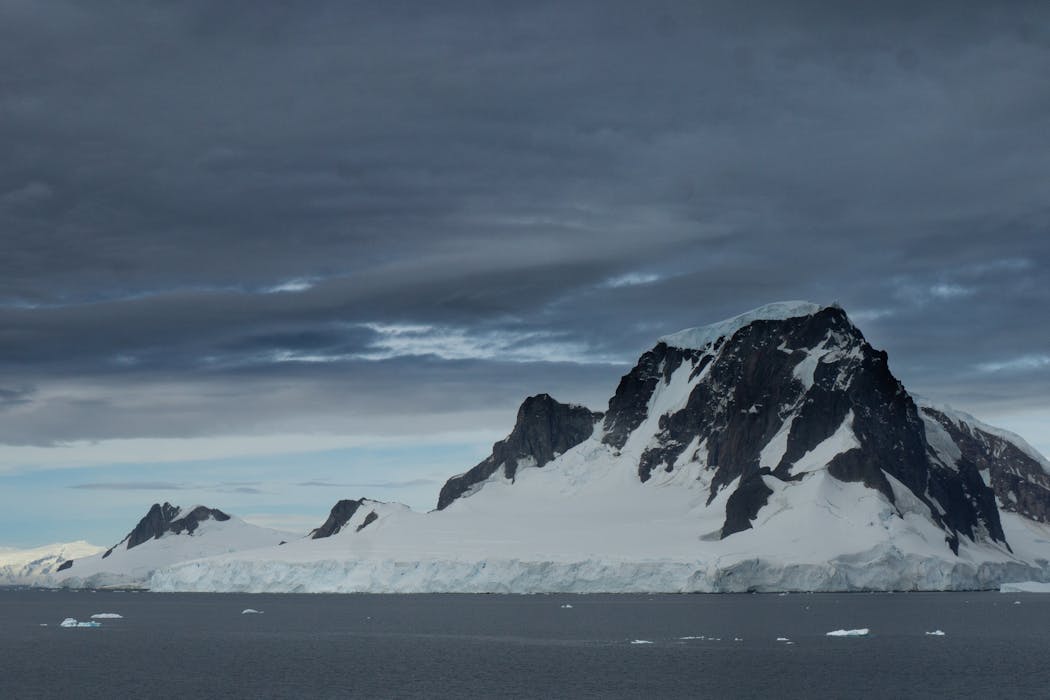
Rain is already falling more frequently on the narrow and mountainous Antarctic Peninsula, the northernmost finger of the continent pointing towards South America. Already the warmest part of Antarctica, the Peninsula is warming faster than the rest of the continent, and far faster than the global average. It provides an advanced sign of what coastal Antarctica – especially the fragile West Antarctic Ice Sheet – may experience in the coming decades.

I recently led a team of scientists looking at how the Antarctic Peninsula will change this century under three scenarios: high, medium and low greenhouse gas emissions. We found that, as the peninsula warms, precipitation will rise slightly – and will increasingly fall as rain rather than snow. As days above 0°C become more common, this rainfall will fundamentally change the peninsula.

When heat and rain arrive together

Extreme weather is already causing disruption. A heatwave in February 2020 brought temperatures of 18.6°C to the northern peninsula – T-shirt weather, for almost the first time in recorded Antarctic history – while the “ice shelf” surface alongside melted at a record pace.

map of Antarctica
The peninsula extends from West Antarctica towards South America.
USGS / wiki, CC BY-SA

Atmospheric rivers – long, thin corridors of warm, moist air that start at warmer latitudes – are playing a growing role. In February 2022, one resulted in record surface melt. Another, in July 2023, brought rainfall and temperatures of +2.7°C to the peninsula in the depths of winter. These events are happening more often, delivering rain and melt to regions where neither had been observed before.

What rain does to snow and ice

Snow does not like rain. We’ve all sadly watched snowfall melt away particularly rapidly when it rains.

On the Antarctic Peninsula, rain brings heat and melts and washes away snow, stripping glaciers of their nourishment. Meltwater can also reach the bed of the glacier, lubricating its base and making glaciers slide faster. This increases iceberg calving and the rate of glacier mass loss into the ocean.

On floating ice shelves, rain compacts the snow that has fallen on the surface, meaning water starts forming ponds. This ponded meltwater then warms, as it is less reflective than the surrounding snow and ice, and can melt downwards through the ice shelf to the ocean below, weakening the ice and causing more icebergs to break off.

This can destabilise the ice shelf. Meltwater ponding has been implicated in the collapse of the Larsen A and B ice shelves in the early 2000s.

Sea ice is vulnerable too. Rain reduces snow cover and surface reflectivity, making the ice melt faster. Loss of sea ice also weakens the natural buffers that dampen ocean waves and help prevent the ends of glaciers snapping off and becoming icebergs. It also means less habitat for algae and krill, and reduces breeding platforms for penguins and seals.

Ecosystems under stress

A rainier climate will have a series of ecological impacts.

Water can flood penguin nest sites. Penguins evolved in a polar desert and aren’t adapted for rain. Their chicks’ fluffy feathers are not waterproof, so heavy rain drenches them, sometimes leading to hypothermia and death.

baby penguins in Antarctica
Built to keep out ice and snow – not liquid water.
vladsilver / shutterstock

Together with a warming ocean, decreased sea ice and decreased krill, this pressure will affect penguins across the continent. Iconic Antarctic species such as ice-dependent Adélie and chinstrap penguins are at risk of being replaced as more adaptable gentoo penguins expand southwards.

Rainfall also alters life on smaller scales. When it strips away snow cover, it disrupts snow algae – microscopic plants that contribute to Antarctic land ecosystems. These algae feed microbes and tiny invertebrates and can darken the snow surface, increasing solar absorption and accelerating melt.

Snow normally insulates the ground, buffering temperature swings and protecting the organisms underneath. Exposed surfaces face harsher, more variable conditions.

At the same time, warming seas may make it easier for invasive marine species such as certain mussels or crabs to colonise the area.

Challenges for scientists

Humans are also not immune to the challenges posed by a rainier Antarctic Peninsula.

With increasing geopolitical interest, it is likely that human infrastructure will increase, with potential new settlements and bases to serve emerging industries such as tourism or krill fishing.

Research infrastructure was designed for snow, not sustained rainfall. Rain freezing on airstrips renders them unusable until the ice is melted. Slush and meltwater can damage buildings, tents, instruments and vehicles. Clothing and equipment may need to be redesigned.

Some entire research sites may have to move. On nearby Alexander Island, increased surface melt has already disrupted access to long-running ecological research at Mars Oasis – continuously studied since the late 1990s – resulting in gaps in the scientific record.

Heritage at risk

Historic sites are especially vulnerable.

Antarctica contains 92 designated historic sites and monuments, the result of two centuries of exploration and research. Many of these timber huts, equipment stores and early scientific installations are clustered on the peninsula.

In a warmer and wetter climate, thawing permafrost and heavier rainfall threaten the structural integrity of these sites. Timber will deteriorate faster. Foundations will sink. These sites will need more frequent maintenance, in a part of the world where conservation work is already logistically difficult.

The Antarctic Peninsula is already undergoing rapid change. If global warming moves towards 2°C or 3°C this century, extreme weather, rainfall and surface melt will intensify. Damage to ecosystems, infrastructure, glaciers and heritage sites could be severe and potentially irreversible.

Rain, once a rarity in Antarctica, is becoming a force capable of reshaping life on the peninsula. Limiting warming to below 1.5°C won’t prevent these changes entirely. But it could slow how quickly rainfall transforms the frozen continent.

The Conversation

Bethan Davies receives funding from the FCDO Polar Regions Department.

ref. Rain is coming to Antarctica – here’s how it will change the frozen continent – https://theconversation.com/rain-is-coming-to-antarctica-heres-how-it-will-change-the-frozen-continent-276140

Animals’ perception of time is linked to the pace of their life – new study

Source: The Conversation – UK – By Kevin Healy, Lecturer in Macroecology, University of Galway

STILLFX/Shutterstock

As you read this, the screen is probably flashing over 240 times per second, yet, as a human, you won’t notice this flickering light.

However, to a fruit fly hovering above your head, the screen would represent a strobe light fit for an Ibiza rave. This is because the way different species sample time, and the rates at which they can perceive it, varies greatly across the animal kingdom.

To us, a fast moving ball might seem like a blur but to dragonflies, pigeons and even bigclaw snapping shrimp it can be seen in great detail. But for species like snails or certain deep sea fish, like the escolar, the motion is probably too fast to register at all.

But why do animals perceive time differently?

To understand why, my colleagues and I collected published measures of time perception across the animal kingdom and analysed them. Our analysis showed this variation in time perception is largely driven by the pace of a species’s lifestyle.

Devices, such as electroretinograms, can measure time perception. The electroretinogram does this by recording the electrical activity of the retina in response to a flashing light. Gradually increasing the rate of flicker until the animal can no longer see the flashing can help scientists determine the limit of its time perception (scientists call this an organism’s maximum critical flicker fusion rate).

Our analysis showed that temporal perception has even greater variation than scientists may have realised. Our perceptual limit as humans is approximately 65 flashes per second. However, birds, such as the collared flycatcher, can see up to 138 flashes per second while tsetse flies and dragonflies can distinguish up to 300 flashes per second.

At 65 flashes per second (or Hz), humans display respectable temporal perception abilities compared to other animals. It is higher compared to many mammals, such as rats at 47 Hz, but slightly lower than dogs (84 Hz).

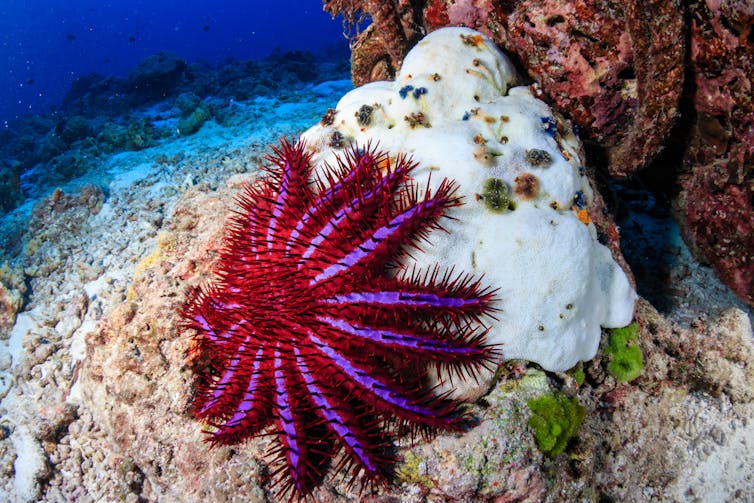
Our eyes seem even more respectable when compared to the slowest eyes in the animal kingdom, such as the deep sea fish, the escolar, which can only perceive 12 flashes per second or the most extreme cases of the crown-of-thorns starfish and giant African snail, both of which can only perceive 0.7 flashes per second.

Large pink starfish covered in thorns.
Time must pass differently indeed for the crown of thorns starfish.
Richard Whitcombe/Shutterstock

But why does a dragonfly have such fast eyes while starfish are confined to a world of vision blur? One idea, called Autrum’s hypothesis, is that time perception costs a lot of energy and the evolution of such fast visual systems will only emerge in species with fast paced lifestyles.

Our analysis showed strong support for this idea, with the highest rates of temporal perception found in species which had behaviour that required fast reaction times. For example, animals that fly and predators which pursue their prey, like yellowfin tuna which can swim at over 70 kmph earning them the nickname of cheetah of the sea.

In contrast, the slowest rates of temporal perception were found in slower-moving species, such as the crown-of-thorns starfish which clock a top speed of 22 meters per hour.

We also found that in aquatic environments smaller species had faster vision. For example, while a one gram threespined stickleback fish can see at 67 Hz, a 350kg Leatherback can only see at 15 Hz. This finding supports previous studies which tested the idea that smaller, more manoeuvrable animals would also have faster temporal perceptions.

Although it is still unknown why this relationship is particularly strong in aquatic environments, it may be because water allows for more instantaneous movement.

Jack Russell terrier with hourglass
Dogs have a slighter higher temporal perception than us.
Reshetnikov_art/Shutterstock

Not all environments or lifestyles encourage the evolution of faster eyes. Our analysis also found that species in dimmer environments had much lower temporal perception abilities. For example, the giant deep sea isopod (which looks a bit like a giant woodlouse) can only see at 4Hz and the nocturnal tokay gecko can only see at 21 Hz.

This lower temporal perception is due to the need to capture every photon, light particle, available in darker environments. Similar to using slower shutter speeds with a camera, eyes with retinal cells that fire more slowly are better adapted at capturing the faintest objects. However, such adaptations to the dark come at the expense of temporal perception, and like a wobbly night time photo, are susceptible to motion blur.

So what does a second feel like to a dragonfly or to a snail? As Thomas Nagel outlined in his 1974 philosophical essay, What Is It Like to Be a Bat, we can never subjectively understand what the temporal perception of a dragonfly or snail feels like. However, by measuring the limitations of their sensory system we can grasp some sense of it.

A cup falling to the floor, a car speeding past on the street or a series of lightning strikes – for us humans, an event on the scale of a second is typically a blur, something we can just about register but not in much detail. But animals all process a different amount of visual information in a second. To us, a dragonfly may seem like Neo in the Matrix experiencing bullet time, seeing the world in slow motion.

And the extremely slow temporal perception of starfish of snails means their experience or the world is probably limited to a series of blurs.

Hence while a second may be physically the same for every organism on Earth, how you perceive it depends on how fast you live.

The Conversation

Kevin Healy does not work for, consult, own shares in or receive funding from any company or organisation that would benefit from this article, and has disclosed no relevant affiliations beyond their academic appointment.

ref. Animals’ perception of time is linked to the pace of their life – new study – https://theconversation.com/animals-perception-of-time-is-linked-to-the-pace-of-their-life-new-study-275124

Scorpions can pose a deadly threat to children – we’re identifying the global hotspots

Source: The Conversation – UK – By Michel Dugon, Head of the Venom System Lab, University of Galway

For people living in temperate regions of Europe, the Americas and much of Asia, scorpion stings are rarely a concern. But for millions of children growing up across the subtropical belt, a scorpion sting can have devastating consequences.

While snakebites are receiving increasing international attention and funding under the leadership of the World Health Organization, scorpionism (the medical term for illness caused by scorpion venom) remains under-reported, under-funded and under-researched. Worse still, this silent epidemic appears to be growing, fuelled by a combination of climate change, urbanisation, global trade and human encroachment into natural habitats.

In Brazil, scorpion stings have tripled over the past decade, as scorpions settle in major cities around the country. In Sudan, the construction of the Merowe Dam in 2009 and the rapid development of gold mining complexes displaced scorpion populations into nearby settlements, triggering localised epidemics.

In November 2021, torrential rains in Aswan, southern Egypt, drove thousands of deathstalker scorpions into homes and in the streets, injuring more than 450 residents and overwhelming local hospitals.

Globally, at least 1.2 million scorpion stings are recorded each year. While most victims recover fully, an estimated 3,000 people die annually as a direct result of scorpion stings, mostly children under the age of 13, typically from poor rural communities.

Global hotspots for scorpion deaths:

Map showing global hotspots for scorpion deaths.

Michel Dugon, CC BY

Scorpionism is not evenly distributed across the tropics. Most fatal cases occur in a dozen geographic hotspots including parts of Latin America, north Africa, the Levant, Iran and western India. All these areas have warm climates with seasonal extremes that favour scorpion activity, as well as poor housing, rapid urbanisation and limited access to healthcare that also contribute to the problem.

Scorpions thrive where people live and work – in cracks in walls, beneath rubble, among stored goods, in outdoor latrines and across agricultural land. But they are not aggressive animals. Most stings occur defensively when a scorpion is accidentally trapped or pressed against the skin.

Lethal scorpions

Of the roughly 2,500 known scorpion species worldwide, only 50 to 100 are considered lethal to humans. Severe envenoming – cases that requiring extensive medical attention and a hospital stay – usually involves intense local pain rapidly followed by profuse sweating, excessive salivation, vomiting and irregular heartbeat. In severe cases, fluid accumulates in the lungs, leading to respiratory failure.

Intensive care beds, ventilation support and medications that stabilise heart and lung function are essential to help young patients withstand the first 24 to 36 hours following severe envenoming.

Video: National Geographic.

Antivenom serum developed over a century ago has significantly helped to reduce death rates in parts of Mexico, South America and Egypt. But it is not a magic bullet.

The antivenom must be administered early, requires trained personnel and appropriate facilities, and is only effective if it matches the venom of the species responsible for the sting. It can also cause severe allergic reactions including anaphylaxis. For many vulnerable communities, its cost and limited availability remain major barriers to effective treatment.

Morocco’s scorpion hotspots

Morocco illustrates the complexity of managing scorpion stings. The country hosts more than 55 scorpion species including some of the most dangerous in the world, such as members of the genus Androctonus (“man-killer” in Greek).

After years of limited success with antivenom therapy, in the early 2000s Moroccan health authorities shifted away from antivenom to focus on using respirators and other drugs to control patients’ heart rates and maintain vital organ function while in intensive care. They also began large-scale public education campaigns.

This led to a significant drop in the death rate due to scorpion stings.

Today, Morocco records around 25,000 stings annually, resulting in 50 to 100 deaths. But some areas are much more at risk than others. The rural district of Kalaat Sraghna on the northern slopes of the Atlas Mountains, for example, represents less than 2% of Morocco’s population but accounts for roughly 20% of stings nationwide. Geographic isolation, scorpion diversity and urban expansion are all likely to be contributing factors.

In most cases, the species responsible for a sting is never identified, yet this information can be critical for diagnosis and treatment. Scorpions often look similar and typically escape immediately after stinging. Neither victims nor healthcare workers can reasonably be expected to identify them accurately.

This is where zoology and ecology intersect with public health. In a new study, our team comprising Moroccan and Irish researchers conducted field surveys of 19 scorpion species and then used machine learning (a type of artificial intelligence) to understand where else they might be located throughout Morocco.

Our model identifies the environmental conditions scorpion hotspots might share, including average or extreme seasonal temperatures, annual rainfall, vegetation type and land use. It then scans the landscape for areas with similar conditions, generating probability maps of where each species is most likely to occur.

In our study, we found that soil type was the most important variable driving the distribution of high-risk scorpions across central Morocco.

We recently presented our results at the Pasteur Institute of Morocco in Casablanca, part of the country’s public health system. Our predictive maps can help prioritise intensive care capacity, ensure medications are available locally, and strengthen emergency response in rural areas by helping doctors anticipate which species have been responsible for the stings.

Importantly, this approach can be adapted to other countries facing similar challenges. Scorpionism is still overlooked on the global health agenda. But better integration of ecology, climate science and clinical sciences offers a powerful tool to prevent deaths, especially among vulnerable children.

The Conversation

Michel Dugon receives funding from the EU Erasmus Plus programme for staff and student mobility between the University Ibn Zohr of Agadir (Morocco) and the University of Galway (Ireland)

ref. Scorpions can pose a deadly threat to children – we’re identifying the global hotspots – https://theconversation.com/scorpions-can-pose-a-deadly-threat-to-children-were-identifying-the-global-hotspots-276340

Rain is coming to Antarctica – here’s what will change

Source: The Conversation – UK – By Bethan Davies, Professor of Glaciology, Newcastle University

Gula52 / shutterstock

Rain is rare in Antarctica. Scientists doing fieldwork there dress for cold and glare, not wet weather – duvet jackets, snow trousers, goggles and sunscreen. Planes land on gravel runways which are rarely icy, since there is no precipitation to freeze. Historic huts remain well preserved in the dry air.

But this is beginning to change.

Rain is already falling more frequently on the narrow and mountainous Antarctic Peninsula, the northernmost finger of the continent pointing towards South America. Already the warmest part of Antarctica, the Peninsula is warming faster than the rest of the continent, and far faster than the global average. It provides an advanced sign of what coastal Antarctica – especially the fragile West Antarctic Ice Sheet – may experience in the coming decades.

I recently led a team of scientists looking at how the Antarctic Peninsula will change this century under three scenarios: high, medium and low greenhouse gas emissions. We found that, as the peninsula warms, precipitation will rise slightly – and will increasingly fall as rain rather than snow. As days above 0°C become more common, this rainfall will fundamentally change the peninsula.

When heat and rain arrive together

Extreme weather is already causing disruption. A heatwave in February 2020 brought temperatures of 18.6°C to the northern peninsula – T-shirt weather, for almost the first time in recorded Antarctic history – while the “ice shelf” surface alongside melted at a record pace.

map of Antarctica
The peninsula extends from West Antarctica towards South America.
USGS / wiki, CC BY-SA

Atmospheric rivers – long, thin corridors of warm, moist air that start at warmer latitudes – are playing a growing role. In February 2022, one resulted in record surface melt. Another, in July 2023, brought rainfall and temperatures of +2.7°C to the peninsula in the depths of winter. These events are happening more often, delivering rain and melt to regions where neither had been observed before.

What rain does to snow and ice

Snow does not like rain. We’ve all sadly watched snowfall melt away particularly rapidly when it rains.

On the Antarctic Peninsula, rain brings heat and melts and washes away snow, stripping glaciers of their nourishment. Meltwater can also reach the bed of the glacier, lubricating its base and making glaciers slide faster. This increases iceberg calving and the rate of glacier mass loss into the ocean.

On floating ice shelves, rain compacts the snow that has fallen on the surface, meaning water starts forming ponds. This ponded meltwater then warms, as it is less reflective than the surrounding snow and ice, and can melt downwards through the ice shelf to the ocean below, weakening the ice and causing more icebergs to break off.

This can destabilise the ice shelf. Meltwater ponding has been implicated in the collapse of the Larsen A and B ice shelves in the early 2000s.

Sea ice is vulnerable too. Rain reduces snow cover and surface reflectivity, making the ice melt faster. Loss of sea ice also weakens the natural buffers that dampen ocean waves and help prevent the ends of glaciers snapping off and becoming icebergs. It also means less habitat for algae and krill, and reduces breeding platforms for penguins and seals.

Ecosystems under stress

A rainier climate will have a series of ecological impacts.

Water can flood penguin nest sites. Penguins evolved in a polar desert and aren’t adapted for rain. Their chicks’ fluffy feathers are not waterproof, so heavy rain drenches them, sometimes leading to hypothermia and death.

baby penguins in Antarctica
Built to keep out ice and snow – not liquid water.
vladsilver / shutterstock

Together with a warming ocean, decreased sea ice and decreased krill, this pressure will affect penguins across the continent. Iconic Antarctic species such as ice-dependent Adélie and chinstrap penguins are at risk of being replaced as more adaptable gentoo penguins expand southwards.

Rainfall also alters life on smaller scales. When it strips away snow cover, it disrupts snow algae – microscopic plants that contribute to Antarctic land ecosystems. These algae feed microbes and tiny invertebrates and can darken the snow surface, increasing solar absorption and accelerating melt.

Snow normally insulates the ground, buffering temperature swings and protecting the organisms underneath. Exposed surfaces face harsher, more variable conditions.

At the same time, warming seas may make it easier for invasive marine species such as certain mussels or crabs to colonise the area.

Challenges for scientists

Humans are also not immune to the challenges posed by a rainier Antarctic Peninsula.

With increasing geopolitical interest, it is likely that human infrastructure will increase, with potential new settlements and bases to serve emerging industries such as tourism or krill fishing.

Research infrastructure was designed for snow, not sustained rainfall. Rain freezing on airstrips renders them unusable until the ice is melted. Slush and meltwater can damage buildings, tents, instruments and vehicles. Clothing and equipment may need to be redesigned.

Some entire research sites may have to move. On nearby Alexander Island, increased surface melt has already disrupted access to long-running ecological research at Mars Oasis – continuously studied since the late 1990s – resulting in gaps in the scientific record.

Heritage at risk

Historic sites are especially vulnerable.

Antarctica contains 92 designated historic sites and monuments, the result of two centuries of exploration and research. Many of these timber huts, equipment stores and early scientific installations are clustered on the peninsula.

In a warmer and wetter climate, thawing permafrost and heavier rainfall threaten the structural integrity of these sites. Timber will deteriorate faster. Foundations will sink. These sites will need more frequent maintenance, in a part of the world where conservation work is already logistically difficult.

The Antarctic Peninsula is already undergoing rapid change. If global warming moves towards 2°C or 3°C this century, extreme weather, rainfall and surface melt will intensify. Damage to ecosystems, infrastructure, glaciers and heritage sites could be severe and potentially irreversible.

Rain, once a rarity in Antarctica, is becoming a force capable of reshaping life on the peninsula. Limiting warming to below 1.5°C won’t prevent these changes entirely. But it could slow how quickly rainfall transforms the frozen continent.

The Conversation

Bethan Davies receives funding from the FCDO Polar Regions Department.

ref. Rain is coming to Antarctica – here’s what will change – https://theconversation.com/rain-is-coming-to-antarctica-heres-what-will-change-276140

Hibernating bears reveal clues to fighting muscle loss – new study

Source: The Conversation – UK – By John Noone, Assistant Professor & Course Director BSc Sport and Exercise Sciences, University of Limerick

Volodymyr Burdiak/Shutterstock.com

During hibernation, brown bears spend up to six months lying almost completely still, without eating, drinking or exercising. When spring arrives, they leave their dens with their muscles largely intact.

For humans, the same period of inactivity would usually mean severe muscle loss, weakness and long-term health problems. Even a few weeks in bed after surgery can reduce strength and mobility. For older adults, hospital patients and people with chronic illness, long-term immobility can permanently change quality of life. How do bears manage what humans cannot?

To explore this question, my colleagues and I studied how bears protect their muscles during hibernation. Our findings, published in Acta Physiologica, suggest that the answer lies deep inside their muscle cells, in the way they manage energy over long periods of inactivity.

Muscle cells rely on structures called mitochondria to supply the energy needed for movement and basic function. These structures convert nutrients into fuel, allowing muscles to contract, repair themselves and adapt to stress. In people who stop moving for long periods, mitochondria usually decline in both number and performance. Energy production drops. Muscles weaken. Recovery becomes harder.

Bears take a different approach. During hibernation, their muscles contain fewer mitochondria, but the ones that remain work more efficiently. Rather than allowing their energy systems to deteriorate, bears streamline them. They reduce what is unnecessary and preserve what is essential. It is similar to shutting down some power stations during low demand, while upgrading the remaining ones to run more smoothly.

Inside mitochondria, energy is generated through a series of linked chemical reactions. These reactions normally rely on several entry points and fuel sources. During hibernation, bears reorganise this system.

Our research shows that they shift towards alternative energy pathways that function well at low body temperatures. Some parts of the usual machinery are reduced, while others become more important.

At the same time, bears maintain the ability to use both fat and carbohydrates. Fat provides most of the energy during winter, but flexibility remains essential. If conditions change, their muscles can adapt quickly. This reorganisation allows bears to produce enough energy to preserve muscle tissue, even while their overall metabolism slows dramatically.

Temperature plays a central role. As bears cool during hibernation, chemical reactions slow. Instead of fighting this, their muscles adjust. The structure and function of mitochondria change in ways that suit colder conditions.

This temperature-driven control acts like a natural protective system. It limits damage, reduces waste and helps prevent the breakdown that usually follows long periods of inactivity.

To understand these changes, we studied wild brown bears in Sweden during both winter and summer.

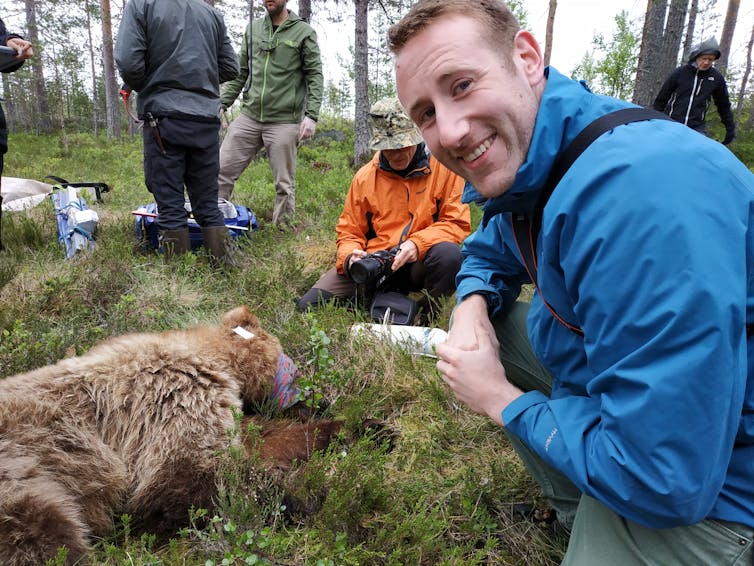
In winter, locating hibernating bears meant tracking them to hidden dens beneath deep snow. Teams worked with wildlife experts and veterinarians to safely monitor the animals and collect small muscle samples.

In summer, the challenge was different. Active bears roam huge areas and are difficult to approach. Helicopters were used to locate them, and professionals carefully sedated the animals so that biopsies could be taken safely.

Once collected, the samples were swiftly analysed. The main technique we used measures how well mitochondria produce energy in real time and only works on fresh tissue.

Comparing winter and summer samples revealed a consistent pattern. Bears reduce the number of mitochondria during hibernation but preserve their function. Energy pathways are reorganised, fuel use remains flexible and cellular damage is limited. Together, these changes allow bears to remain strong despite months of immobility.

The author with an anaesthetised brown bear.
Collecting small muscle samples.
Dr. John Noone, University of Limerick, CC BY-NC-ND

Connecting wildlife biology with human health

The findings help explain one of nature’s most impressive examples of physical resilience. But their importance goes far beyond wildlife biology.

In humans, muscle loss is a major problem in ageing, long hospital stays, injury recovery and chronic disease. Once muscle is lost, it is difficult to rebuild. Weakness increases the risk of falls, disability and loss of independence.

Treatments rely mainly on exercise and nutrition, which are often hard to apply when people are very ill or immobile. Bears show that another approach is possible.

By making mitochondria more efficient, reorganising energy systems, and responding to temperature, their muscles remain protected even in extreme conditions. Understanding how this happens could guide future treatments that help preserve muscle in vulnerable people.

This research also has relevance beyond medicine. Astronauts lose muscle rapidly in space, and long space missions require better ways to protect physical health in low-gravity environments.

From frozen dens in Scandinavian forests to high-tech laboratories, this work connects wildlife biology with human health and space science.

Bears do not simply sleep through winter. Their muscles follow a carefully controlled programme of energy management, conservation and protection. In doing so, they leave a clear pawprint for human biology: resilience is not about maintaining everything, but about protecting the systems that matter most.

The Conversation

The long-term funding of Scandinavian Brown Bear Research Project (SBBRP) has come primarily from the Swedish Environmental Protection Agency and the Norwegian Environment Agency. This research was funded by the French National Space Agency (CNES, BEAR2MAN project), the French National Research Agency (ANR; B-STRONG project), the University of Strasbourg (H2E project) and the French National Center for Scientific Research (CNRS) MITI.

ref. Hibernating bears reveal clues to fighting muscle loss – new study – https://theconversation.com/hibernating-bears-reveal-clues-to-fighting-muscle-loss-new-study-275984

Will the latest reforms to England’s schools and special educational needs support deliver? Experts react

Source: The Conversation – UK – By Cate Carroll, Professor of Education and Pedagogy and Executive Dean of Faculty of Education and Social Sciences, Liverpool Hope University

Rawpixel.com/Shutterstock

The government has published its proposals for education reform in England, which have been delayed since autumn 2025 and include significant changes to how the special educational needs and disabilities (Send) system operates. Further measures are aimed at improving teacher recruitment, student achievement and belonging at school. Our panel of education experts are scrutinising the plans, which have been anxiously anticipated by many teachers and parents.

A fundamental shift in SEND support

Paty Paliokosta, Associate Professor of Special and Inclusive Education, Kingston University

The government is proposing a gradual but fundamental shift in how the system uses education, health and care plans (EHCPs). EHCPs will remain, but far fewer children are expected to receive them. The first children with an existing EHCP to move to the new system would be pupils at the end of primary, secondary and post-16 in the academic year 2029-2030.

Instead, most support is intended to take place through a strengthened universal offer (support available to all children) and several layers of extra provision, only one of which will include an EHCP. The aim is to reduce the pressures that have made EHCPs the perceived, default route for help and promote a universally inclusive approach. This will succeed if the new layers are credible, consistent and properly resourced.

The introduction of nationally defined specialist provision packages marks a major change. These will determine the support available to children with the most complex needs and will form the basis of future EHCPs. Alongside this, individual support plans will outline day‑to‑day provision for all children receiving extra help, co‑produced with families.

In principle, this could create a more coherent system, based on inclusive values, which is very welcome. In practice, this needs to reflect on capacity. Schools cannot deliver more without the time, training and specialist expertise that have been in chronic short supply.

The proposal to reassess children’s entitlements to support at ages 11 and 16 is especially significant. These are critical transition points already associated with anxiety, academic pressure and identity changes.

Unless reassessment is handled with sensitivity – and backed by genuine specialist involvement – it risks introducing uncertainty precisely when stability is most needed. For many families, reassessment may feel like a potential removal of support, despite this not being the intention.

The open government consultation on the proposals is therefore crucial. It must test not only the design of these reforms but their real‑world viability. If the new layers of support do not arrive before EHCP access is tightened, families will simply experience another cycle of promises unsupported by provision. The system cannot afford another misfire.

Ending the postcode lottery

Jonathan Glazzard, Rosalind Hollis Professor of Education for Social Justice, University of Hull

The government hopes to end the postcode lottery of support and restore families’ confidence in the special educational needs and disabilities system. New national inclusion standards will set out the support that should be available in every mainstream setting. Statutory individual support plans will include key information about the child’s needs and the day-to-day provision in place to address these for all pupils with Send.

All staff will benefit from national Send training, supported by record investment of over £200 million. £1.6 billion will enable schools, colleges and early years settings to deliver an improved inclusion offer. In addition, £3.7 billion will be invested to make buildings more accessible, create more special school places and develop inclusion bases in mainstream schools.

£1.8 billion will be allocated to fund an “experts at hand” service to improve access to speech and language therapists, educational psychologists and occupational therapists in mainstream schools.

In total the government plans to invest £7 billion more on Send, and core funding for schools and Send is expected to increase annually.

There is much to consider but on the surface the investment and vision look promising. There is a clear commitment to inclusive mainstream education, a determination to improve outcomes for children with Send and a desire to “call time” on a broken Send system.

Children walking down staircase at school
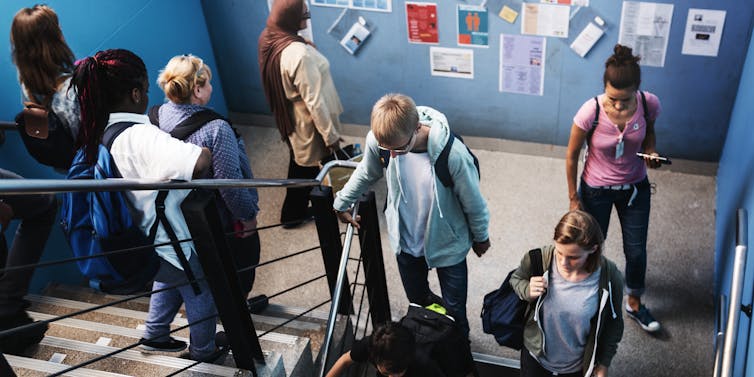
The government’s plan will increase provision for children with special educational needs and disabilities in mainstream schools.
Rawpixel.com/Shutterstock

More support for the youngest children

Cate Carroll, Executive Dean of the Faculty of Education and Social Sciences and Professor of Education and Pedagogy, Liverpool Hope University

Today’s policy announcements recognise the critical period of early years education. The investment of over £200 million in the Best Start Family Hub network, meaning that hubs will have dedicated expertise in Send and a staff member to act as an outreach and support person, is welcome. It begins to rebuild the local hubs formerly known as Sure Start, which made a real difference to children’s lives.

The policy focuses on families as the primary educators of children – they are placed at the centre of the child’s home and school experience. This is important because parents know their children and are the best advocates for their needs.

Sometimes, though, ensuring a fair partnership in the conversation between parents and professionals can be difficult. Parents are experts about their children, while professionals bring expertise aligned with their profession and training.

The funding targeted towards early identification of children who have special educational needs and disabilities is also vital. International research backs early intervention as key to ensuring that children’s learning and development needs are appropriately identified. More often that not, this is identified in nurseries, so it is critical that this funding captures this phase of education in addition to schools.

This comes with the challenge of training staff working with children in the early years foundation stage so they are appropriately qualified to identify additional needs. By the time children start school, sometimes the interventions are too late to enable them to achieve and thrive.

Closing the attainment gap

Stephen Gorard, Professor of Education and Public Policy, Durham University

The government is pledging to halve the poverty attainment gap during its term. The attainment gap is the difference in scores between disadvantaged pupils and the rest, at key stage two (age 11) or key stage four (age 16).

This is both commendable and feasible. However, the government also plans to change the current definition of temporary disadvantage (ever eligible for free school meals in the past six years) to one based on low income over a sustained period of time.

Using the depth and duration and poverty is an improvement to the current situation that I have been advocating for many years. Using household income could also be an improvement on the binary threshold indicator of free school meals.

However, it is not then clear what the halving of the gap refers to. The gap as it stands does not use income but free school meals, so the pledge has not been meaningfully defined.

It is also not clear that the data available on household income is yet good enough quality to sustain real-life policy. The data is better for those families currently claiming benefits, but inaccurate for many others. Using the current data might simply disguise that the binary threshold is still being used.

More reactions to follow.

The Conversation

Cate Carroll is affiliated with OMEP World Organisation for Early Childhood, Vice President for OMEP World, European Region.

Paty Paliokosta co-leads the National SENCO Advocacy Network and sits on the National Executive Committee of SEA.

Stephen Gorard has received funding from the ESRC and DfE for research that might be relevant to this article.

Jonathan Glazzard does not work for, consult, own shares in or receive funding from any company or organisation that would benefit from this article, and has disclosed no relevant affiliations beyond their academic appointment.

ref. Will the latest reforms to England’s schools and special educational needs support deliver? Experts react – https://theconversation.com/will-the-latest-reforms-to-englands-schools-and-special-educational-needs-support-deliver-experts-react-276660

What body odour says about you

Source: The Conversation – UK – By Katie Edwards, Commissioning Editor, Health + Medicine and Host of Strange Health podcast, The Conversation

New Africa/Shutterstock

Body odour has a reputation problem. It is often treated as a hygiene failure or a social offence. In reality, it is biology at work, plus a big helping of culture.

Most body odour is not produced by sweat itself. Sweat is largely odourless. Smell develops when bacteria (and sometimes fungi) on the skin break down compounds in sweat and skin oils, producing pungent byproducts. That is why odour is often strongest in warm, moist areas with lots of sweat glands, such as armpits, feet and the groin. It is also why two people can smell very different after the same workout. Their skin chemistry and microbiomes differ.

In our latest episode of Strange Health, we spoke to Mats J. Olsson, a professor of experimental psychology at the Karolinska Institutet in Stockholm, who studies how humans perceive body odour.

One of his key points is easy to forget in a deodorant-saturated world: humans have the anatomy of a species built to smell. We have sweat and sebaceous glands in “strategic” places, and we have a sense of smell capable of picking up subtle cues. But in modern life, we also wash frequently and layer fragrances, which can mask those cues.

So what does body odour communicate, if anything? Olsson argues that for humans, smell often works as an “approach or avoid” signal. We might not always be able to describe odours clearly, but we register them quickly as pleasant, neutral or off-putting.

He also emphasises that much of what we label as “good” and “bad” smell is learned. Babies are not born with strong cultural disgust reactions. We acquire them, and different cultures acquire them differently.

His research also suggests smell can carry information about health. In one set of experiments, Olsson and colleagues temporarily activated participants’ immune systems using a safe method that mimics the early stages of illness (a short-lived inflammatory response).

Then they collected body odour samples from the armpits using cotton pads. When other people were asked to smell the samples, they rated the “sick” samples as slightly worse, often describing them as smelling more “sweaty”. Participants were not coughing or visibly unwell, which suggests our noses may pick up early, subtle shifts that we cannot easily put into words.

Olsson has also explored how disease cues affect us. In one study, exposure to disgusting odours was linked to a measurable immune response in the mouth, as if the body was preparing for potential pathogens. It is a reminder that smell is not just about social judgement. It can be part of a broader, protective system.

Most changes in body odour are not a sign of disease, though. Diet, stress, hormones and new products can all shift your scent. Garlic and onions can linger. Low-carb diets can change breath. Menstrual cycle changes and menopause can alter sweat and skin oils. Stress sweat can smell different from exercise sweat because its chemical mix is different.


Read more:
Your unique smell can provide clues about how healthy you are


If odour bothers you, the practical aim is not to “eliminate” a natural human smell. It is to reduce the conditions that let odour-producing microbes thrive. Washing after sweating helps. Antiperspirants reduce sweat using aluminium salts that block sweat ducts. Deodorants mainly mask smells or reduce bacteria. Applying them to clean, dry skin often works best, commonly at night when sweating is lower.

Body odour, then, is not simply something to be “fixed”. It is a mix of microbiology and meaning: what your skin produces, and what your culture has taught you to feel about it.

Strange Health is hosted by Katie Edwards and Dan Baumgardt. The executive producer is Gemma Ware, with video and sound editing for this episode by Anouk Millet. Artwork by Alice Mason.

In this episode, Dan and Katie talk about a social media clip via YouTube from Alexandrasgirly.

Listen to Strange Health via any of the apps listed above, download it directly via our RSS feed or find out how else to listen here. A transcript is available via the Apple Podcasts or Spotify apps.

The Conversation

Katie Edwards works for The Conversation in the UK. Mats J. Olsson has received research funding from the Swedish Research Council.

Dan Baumgardt does not work for, consult, own shares in or receive funding from any company or organisation that would benefit from this article, and has disclosed no relevant affiliations beyond their academic appointment.

ref. What body odour says about you – https://theconversation.com/what-body-odour-says-about-you-276317

Fears about AI taking our jobs are understandable – but harmful

Source: The Conversation – UK – By Abigail Marks, Professor of the Future of Work, Newcastle University

Marko Aliaksandr/Shutterstock

As a professor of the future of work, the question I get asked most often is whether AI is going to take everyone’s jobs.

I hear it from students who worry that their degrees will be obsolete before they graduate. I hear it from office workers watching new tools appear in their software. And I hear it from people working in retail and logistics and hospitality and admin, who all suspect that their jobs put them most at risk.

The issue has become a widespread worry in the workplace. And of course, I understand why people are worried.

Because for a very long time, technology has been sold to employers as a way of achieving more with a smaller workforce. When new tech arrives, it often means cutting costs.

So far though, AI has not led to mass unemployment, and society’s use of the technology is, and will probably continue to be, nuanced and complex.

Yet blunt headlines declaring that “AI will take your job” are hard to ignore. And they can place workers in a passive position, where they end up waiting fearfully to see whether they will be part of the technological cull.

But we also need to be wary of the fear itself. For fear is not just a private and unpleasant feeling – fear changes how people behave and how they relate to society.

Nor is AI-driven anxiety evenly distributed. Some professionals with stable contracts will have the luxury of treating AI as an efficiency tool, something that removes tedious tasks and speeds up routine work.

But others, who work in call centres or data entry, where tasks are repetitive, measurable and tightly monitored, often see AI as something that could remove the substance of their job. For these people, the AI revolution does not feel like an upgrade, it feels like a countdown to unemployment.

And this is why the perceived threat matters. Because even before jobs disappear, the fear of losing them can reshape lives. Research shows that people who believe their livelihoods are at risk are understandably less willing to plan for the future.

They may delay major decisions because they feels pointless or unaffordable. They may disengage from work because they assume loyalty will not be rewarded.

Anxiety goes up, morale falls and the workplace becomes a site of uncertainty.
And then the idea that AI will take over jobs becomes not just an economic problem but also a psychological one.

For work is not simply a way to pay the bills. To many people it is a vital source of identity, dignity and social connection. And when work feels under threat, people can feel personally diminished.

Transparency

After all, if the tasks you have built your life around are suddenly described as something AI could do, it is hard not to infer that your efforts are (and have been) of little value; that you are replaceable and that your contribution no longer matters.

This is where fear turns into alienation, and its effects move beyond the workplace. Over time, that loss of trust can harden into cynicism about society itself.

Anxiety about automation can then blend into wider questions about inequality. And if millions of workers believe they are one software update away from redundancy, that belief can be socially destabilising.

Woman looking thoughtful surrounded by tech graphic.
AI and alienation.
Stock-Asso/Shutterstock

What matters then is how AI is integrated into workplaces, and whether that integration supports people’s ability to keep working on fair and predictable terms. This requires transparency and the involvement of the workers themselves. Above all, it is essential to give those workers a say in how AI affects their tasks, their pace of work, and the metrics by which they are assessed.

Because while AI will reshape work, the future should not be predetermined by the technology itself. And the greatest risk may not be that AI replaces everyone overnight, but that the fear of replacement becomes widespread and corrosive – damaging wellbeing, undermining dignity and building resentment.

So we should absolutely take the threat of AI seriously. But we should also stop treating AI as an unstoppable force, and start treating it as something that can be shaped by society.

And the next time someone asks me whether AI is going to take people’s jobs, I will still answer honestly – that without proper consideration, there is a chance that systems will be implemented which change the way we work and damage personal dignity and economic stability.

But I will also try to address the more important question about what society can do to mitigate this damage – and make sure that the fear of AI doesn’t become a major crisis in itself.

The Conversation

Abigail Marks does not work for, consult, own shares in or receive funding from any company or organisation that would benefit from this article, and has disclosed no relevant affiliations beyond their academic appointment.

ref. Fears about AI taking our jobs are understandable – but harmful – https://theconversation.com/fears-about-ai-taking-our-jobs-are-understandable-but-harmful-276245

The Moment: Charli XCX is the ultimate chronicler of contemporary pop stardom

Source: The Conversation – UK – By Alice Pember, Assistant Professor of Film and Television Studies, University of Warwick

“Want to go again?” a choreographer asks Charli XCX at the start of the mockumentary The Moment. It’s the latest entry in the pop star’s rapidly expanding cinematic empire, propelled by the stratospheric cultural impact of her 2024 album, Brat.

He is asking if she’s ready to practise a gyrating, strobe-heavy routine one more time. But this question also gestures towards the central conceit of the film: what if “Brat summer” was pushed beyond its natural expiry date? Not to explore “the tension of staying too long”, as Charli has described it, but in a cynical attempt to further monetise this fleeting moment of pop cultural hype.

Conceived by Charli, The Moment offers a semi-fictionalised mockumentary account of the post Brat summer comedown. It positions her at the centre of several cynical attempts to extend its lifespan through questionable endorsement deals, social media posts and an ill-fated concert film. The film’s events map eerily onto the real post-Brat timeline, inviting knowing audiences to question the boundary between fiction and reality.

Charli’s uncertain response to the choreographer’s question − “Err … yeah?” – from the floor of her rehearsal space (in that starriest of destinations, Dagenham) crystallises the film’s knowing subversion of dominant trends in the female-oriented pop star documentary.

The trailer for The Moment.

As cultural theorist Annelot Prins has outlined in a paper, pop star documentaries like Lady Gaga’s Five Foot Two (2017), Kesha’s Rainbow (2020) and Taylor’s Swift’s Miss Americana (2020) tend to present “empowering narratives of talented and hardworking women who used to be constrained by different factors but overcame them with resilience […] and are now self-determined agents”.

This approach to female celebrity has continued in a recent glut of arena concert films released by stars including Swift, Beyoncé and Olivia Rodrigo. These arena spectaculars combine polished tour footage with backstage glimpses into the creative process. It’s a combination of intimacy and polish engineered to confirm their authentic talent in the face of the relentless commercial demands of the pop world.


Read more:
A swift history of the concert film, from The Last Waltz to the Eras Tour


The “resilient pop documentary” is part of a wider trend identified by feminist media scholars: representations of celebrity women overcoming setbacks such as sexual assault (Kesha), addiction (Demi Lovato) or illness (Lady Gaga).

Feminist sociologist Angela McRobbie’s work shows how these images of “resilient” female celebrities block collective resistance to misogyny, racism and classism, by making women believe they can overcome oppression through “self-management and care”.

This is a pattern that these documentaries repeat with their emphasis on the creative survival of the damaged female pop star. The Moment invokes and satirises these narrative templates by showing Charli’s fictionalised self’s inability to control the runaway momentum of her own stardom.

Resilience to reflexivity

While The Moment has been positioned as Charli’s pivot from pop to the silver screen, it extends the subversions of her oft-forgotten first cinematic venture: 2022’s Charli XCX: Alone Together.

Inverting The Moment’s narrative structure, Alone Together opens with Charli’s preparations for her first arena tour, charting the effects of its abrupt cancellation in the wake of COVID. The remainder of the film depicts Charli’s production of her fourth studio album over the course of a whirlwind six-weeks of the first lockdown.

This ambitious undertaking could have provided the perfect opportunity to emphasise Charli’s resilience, but Alone Together takes a difference tack. It focuses on the emotional toll the album’s production took on Charli and emphasises the digital spaces of care and community that enabled her and her fans to survive the pandemic.

While The Moment and Alone Together approach subversion differently, both knowingly undermine the resilience typically celebrated in pop star documentaries, exposing the endless performance of “overcoming” on which female pop stardom relies. The ending of Alone Together positions Charli as the unmoved consumer of the final album. A post-credit sequence shows her immediately at another loose end. “I just feel a bit, like, bored … What am I going to do now?” she says to camera, laughing.

The trailer for Alone Together.

The Moment’s closing scenes echo Alone Together’s feeling of anti-climax by ending with the trailer for the Brat concert film and its invitation to “be a 365 Party Girl from the comfort of your own home”. Hilariously, this is soundtracked by the Verve’s Bitter Sweet Symphony – an overplayed Britpop anthem that confirms the fictional XCX’s fall from cool in pursuit of mass appeal.

The film’s quasi-documentary style compounds its challenge to the forms of authenticity upon which resilient pop stardom relies. In a voice note to her team, Charli explains that she is completing the film to “kill Brat” and free herself to pursue other creative endeavours. Here, the film uses the intimate framing used to convey authentic agency in the conventional pop documentary. This serves to blur the paper-thin line between the “real” post-Brat hype engineered by Charli and the trite, opportunistic spectacle she embraces in The Moment.

That we are left with no clear sense of what the difference truly is signals that, far from being a “shallow” take on pop celebrity, The Moment turns the conventions of the pop star documentary against themselves. In doing so, the film cleverly exposes the artificiality inherent in even the most seemingly authentic of pop performances.

Taken together, these two films cement Charli XCX’s status as our best chronicler of contemporary female pop stardom and the role of her film texts in exposing the artifice at play in supposedly “authentic” resilient pop cultural performance.


Looking for something good? Cut through the noise with a carefully curated selection of the latest releases, live events and exhibitions, straight to your inbox every fortnight, on Fridays. Sign up here.


The Conversation

Alice Pember does not work for, consult, own shares in or receive funding from any company or organisation that would benefit from this article, and has disclosed no relevant affiliations beyond their academic appointment.

ref. The Moment: Charli XCX is the ultimate chronicler of contemporary pop stardom – https://theconversation.com/the-moment-charli-xcx-is-the-ultimate-chronicler-of-contemporary-pop-stardom-276681