Dahiyeh: the Beirut suburb at the heart of an Israeli military doctrine

Source: The Conversation – UK – By John Nagle, Professor in Sociology, Queen’s University Belfast

Over the ten days of the renewed conflict in the Middle East, Beirut’s southern district of Dahiyeh has been targeted by Israel, which is looking to deal a knockout blow to Hezbollah. It’s not the first time the area has been bombarded. Dahiyeh was bombed by Israel during its 2006 war with Hezbollah, again in 2014 and yet again in 2024 and 2025. Now the Israel Defense Forces is bombing the area again.

The attacks mark the return of a strategy first developed by the Israeli armed forces in Dahiyeh before becoming a military doctrine, bearing the name of the suburb. The Dahiyeh doctrine is a military strategy that calls for using overwhelming and disproportionate force against civilian infrastructure in areas controlled by hostile armed groups in order to deter attacks on Israel. It has repeatedly put into practice in Gaza. Now the Dahiyeh doctrine is once again being enacted in the place where it was first conceived.

Dahiyeh is a Hezbollah stronghold. It became the main urban centre of Lebanon’s Shia population in the middle of the last century when poor Shia families from Baalbek and south Lebanon migrated to Beirut’s suburbs.

During the civil war between 1975 and 1990, Hezbollah established its urban base in the southern suburbs of Beirut. Dahiyeh – the word means “suburb” – is the heart of Hezbollah’s political, social and service networks. Which is why it has become a target for Israel’s military.

Byword for mass urban destruction

The doctrine was developed in the aftermath of the 2006 Lebanon war between Israel and Hezbollah. Israel’s military leadership realised that Hezbollah had stalled their advance in urban combat.

To respond to this, the director of Israel’s Institute for National Security Studies (INSS), Gabi Siboni, a former senior IDF officer, wrote a paper in the INSS journal in October 2008, arguing for the use of overwhelming force against both fighters and the urban environment in which they operated and lived.

This was developed by the IDF into a working strategy. As Gadi Eisenkot, head of the army’s northern division, explained at the time: “What happened in the Dahiya quarter of Beirut in 2006 will happen in every village from which Israel is fired on. We will apply disproportionate force on it (village) and cause great damage and destruction there. From our standpoint, these are not civilian villages, they are military bases. This is not a recommendation. This is a plan. And it has been approved.”

The primary goal of the doctrine was punishment and deterrence. The idea was to disrupt civilian life and make reconstruction almost impossible to afford. The doctrine’s architects hoped that its outcome would force the civilian population to rebel against the armed groups sheltering among them.

Siboni had made clear in his paper that this strategy was also applicable to Israel’s conflict in Gaza. In 2014, Operation Protective Edge targeted civilian infrastructure, including private houses as well as water, sanitation, electricity and healthcare facilities. Again, after the October 7 Hamas attack on Israel, the IDF has applied the Dahiyeh doctrine in the Gaza Strip, this time destroying between 80% and 90% of its civilian infrastructure.

Critics argue this violates international humanitarian law (IHL). IHL demands that states and groups make a clear distinction between civilians and combatants. It is necessary for armed groups to take all precautions to avoid acts of extreme destruction in heavy civilian residential locations.

Ravina Shamdasani, spokesperson for the UN High Commissioner for Human Rights, has warned that the blanket evacuation orders directed at Dahiyeh’s population risk violating international humanitarian law, saying they risk amounting to “prohibited forced displacement”. While Israeli strategists defend the doctrine as a means to defeat groups like Hezbollah, critics describe it as a template for handing out indiscriminate punishment to combatants and civilians alike.

What this means for Lebanon

The attacks on Dahieyh come at yet another fragile moment for Lebanon. The power-sharing government, led by the prime minister, Nawaf Salam, with the president, Joseph Aoun, as head of state, is still trying to implement economic reforms after the catastrophic 2019 financial collapse (estimated by the World Bank to be among the top three most severe economic crises globally since the mid-19th century). The latest round of conflict will severely set back the Lebanese government’s attempts to rebuild the economy.

The brunt of Israel’s assault on Lebanon is being felt in Dahiyeh. UN officials had estimated that the latest Israeli evacuation orders have forced at least 100,000 people to leave the area for shelters across Lebanon.

So far the Lebanese government’s response is to try to pull Hezbollah back from yet another drawn-out war with Israel. On March 2, Aoun formally banned Hezbollah from engaging in military activities and ordered the group to surrender its weapons to the Lebanese army. The government has also postponed the legislative election scheduled for May 2026 by two years.

The Lebanese government has put forward a four-point plan and called for an Israeli ceasefire to allow negotiations to proceed. The plan calls for “establishing a full truce” with Israel, the disarmament of Hezbollah and direct negotiations with Israel “under international auspices”.

But the international community seems incapable of applying any pressure to change the situation in Lebanon. As of March 9, by UN estimates, nearly 700,000 people had been forced from their homes, including 200,000 children. Meanwhile, the IDF continues to carry out strikes in Dahiyeh.

The Dahiyeh doctrine is so effective for the IDF because it is designed to move faster than the often glacial workings of international diplomacy. It can accomplish a military objective before the international community can craft an agreed and workable plan. This is not the only time residential districts have been bombed or civilian infrastructure targeted. Far from it. Modern warfare is full of examples of bombing civilian districts and Hezbollah has also launched attacks against residential areas in Israel.

But in the years since the doctrine was first articulated, it has been observed at work in both Lebanon and in Gaza, where Israel’s approach to operating in civilian areas was was criticised by the UN after Operation Cast Lead in 2008-09 as an official military strategy “designed to punish, humiliate and terrorise a civilian population”. As such, it’s a chilling illustration of the horror of modern warfare as waged in the Middle East today. And once again it appears to have come home to Dahiyeh.

The Conversation

The authors do not work for, consult, own shares in or receive funding from any company or organisation that would benefit from this article, and have disclosed no relevant affiliations beyond their academic appointment.

ref. Dahiyeh: the Beirut suburb at the heart of an Israeli military doctrine – https://theconversation.com/dahiyeh-the-beirut-suburb-at-the-heart-of-an-israeli-military-doctrine-277863

These are shaky times for oil markets. An expert explains what a prolonged war will mean for prices

Source: The Conversation – UK – By Adi Imsirovic, Lecturer in Energy Systems, University of Oxford
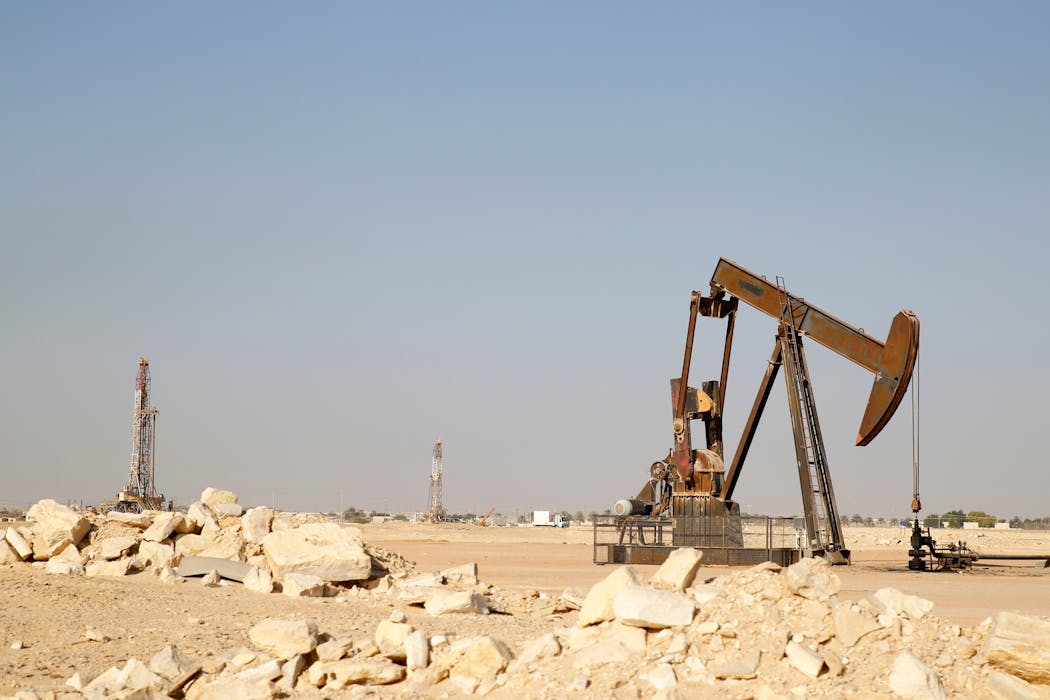
corlaffra/Shutterstock

The US-Israel strikes on Iran have launched one of the most dramatic conflicts in the Middle East in living memory. Aside from military targets, Iranian forces have attacked commercial shipping and infrastructure in the region. The objective is simple: to disrupt oil exports and weaken its opponents’ economies.

While the oil market is perfectly capable of absorbing short-term supply shocks, it is possible that the key protagonists, Israel and the US, may have very different war objectives. These differences could result in a widening and deepening of the conflict.

This could lead to a prolonged closure of the strait of Hormuz, which handles 25% of the world’s seaborne oil and 20% of liquified natural gas (LNG) trade. China and India receive almost half of the exports and Asia accounts for 87% in total.

In response, China has banned petrol and diesel exports, an important source of supply for the rest of Asia. Japan and South Korea are also highly dependent on Middle East oil, but are wealthy countries with large reserves.

It is the poorer Asian countries such as Pakistan and Bangladesh, with only days of petrol and diesel reserves, that will feel the pinch.

And Europe receives less than 5% of oil via this route.

Sky-high prices

As a result, Asian buyers have turned to “benchmark” grades of oil from the Atlantic basin such as Brent and West Texas Intermediate, driving the oil prices higher. At the start of the second week of the conflict, the price of Brent, an international benchmark, was well over US$100 (£74.30).

However, the price of prompt, “safe” (Oman loads its oil exports outside the strait of Hormuz) Middle East-grade oil settled at US$124.68 for loading in May on the Gulf Mercantile Exchange (GME) on March 9. Some other oils (Abu Dhabi Murban and Upper Zakum, as well as Saudi crude) have been trickling out through small, alternative pipeline systems.

But the real shortage is for prompt barrels, loading in March and April. If available, this oil carries a large additional premium, often more than US$25 a barrel. What really matters to the end users is the price of oil delivered to the refinery – but shipping rates have increased many fold. Instead of US$6 freight before the war, for example, buyers are now paying well over US$15 for each barrel transported. As a result, the price of a delivered barrel of oil have already edged close to US$150.

Most Gulf oil producers are not in a better position. No new vessels are arriving to load the oil and storage tanks in ports are filling up fast.

Once the storage tanks are full, producers are forced to cut oil production. The most vulnerable producers are those with limited storage infrastructure: Iraq has already cut production. And Bahrain has announced a “force majeure” (an extraordinary event that is out of its control) for all its oil sales. Kuwait has followed with potential production cuts up to 1.5mbd.

So far the production cuts have been precautionary, but full shutdowns are damaging. It can take weeks to restart the fields and their long-term productivity may be significantly diminished because of shutting down.

From 1984-1988, during the Iran-Iraq war, around 550 commercial ships were attacked, killing hundreds of civilian sailors. In response, the US launched operation Earnest Will from 1987-1988, using navy ships to escort commercial vessels out of the Persian Gulf. In spite of this, tankers were still hit and many more sailors died. But oil kept flowing.

This solution is again being discussed in Washington, alongside providing affordable war insurance for shipping. The US International Development Finance Corporation, which usually helps the private sector to provide finance for developing countries, has been tasked with providing “affordable” (subsidised) war insurance.

Details of the proposal are unclear, but the fact remains that shipowners, operating in a market with very high returns, may not risk lives or their assets when they could very profitably operate other energy routes.

Another solution likely to be implemented soon is a release of oil from strategic stores – the largest release in history is reportedly now on the table. Countries in the Organisation for Economic Co-operation and Development (OECD) co-ordinate emergency stockpiles of at least 90 days’ supply through the International Energy Agency (IEA), which was formed in the 1970s to manage impacts of the oil shocks at the time.

The world’s commercial and strategic oil stocks are large. According to independent analysts Energy Intelligence, crude stocks could be sufficient to compensate for the closure of the strait for about 15 months. This assumes that at least 2mbd of Saudi and UAE production can be rerouted through alternative pipeline systems if the war goes on.


Read more:
China set to suffer from turmoil in the Middle East, but it stands to benefit long term


China, the US and Japan have particularly large reserves, possibly lasting for several weeks of average consumption (on top of any deliveries they receive).

IEA members have a long history of emergency oil stockpile releases. In 1991, during the first gulf war, they released about 75 million barrels; in 2005 after hurricanes Katrina and Rita about 60 million. Most recently, they released 180 million barrels in 2022, following the full-scale Russian invasion of Ukraine.

The US Treasury has been discussing measures to counter the rising energy prices by intervening in the oil futures market in a bid to bring prices back down. But this could be disastrous for the market as well as for the Treasury. On Black Wednesday in 1992, the Bank of England’s attempts to defend the value of sterling led to multibillion-pound losses for the government.

The coming days are going to be crucial for the oil market. If the war continues, it is clear that both oil-producing and consuming countries face immense risks.

The Conversation

Adi Imsirovic does not work for, consult, own shares in or receive funding from any company or organisation that would benefit from this article, and has disclosed no relevant affiliations beyond their academic appointment.

ref. These are shaky times for oil markets. An expert explains what a prolonged war will mean for prices – https://theconversation.com/these-are-shaky-times-for-oil-markets-an-expert-explains-what-a-prolonged-war-will-mean-for-prices-277991

Trump says the Iran war will end ‘very soon’ – but it is not clear how

Source: The Conversation – UK – By Andrew Gawthorpe, Lecturer in History and International Studies, Leiden University

Donald Trump has said he thinks the war with Iran will be over soon. In a phone interview with CBS News on Monday, March 9, the US president said: “I think the war is very complete, pretty much … we’re very far ahead of schedule.”

This seemed to mark a shift in tone from earlier statements in which Trump had insisted the war would continue until Iran’s “unconditional surrender”. Given Tehran’s defiant tone and continuing missile and drone campaign throughout the region, such a scenario doesn’t seem to be on the cards.

Trump’s remarks appear to have been designed to calm the anxiety which had spread through financial markets on Monday, with oil briefly trading above US$100 (£75) a barrel for the first time since 2022 and stock markets falling. They look to have achieved that goal, at least for now, as markets stabilised the following day.

The fact that economic pain would persuade Trump to start talking about an end to the conflict is not surprising. The economy is set to be the major issue in the upcoming US midterm elections in November and Trump’s domestic political aides are concerned that inflation caused by higher oil prices will harm the Republican party’s prospects.

They want Trump to find a way out of the conflict as soon as is feasible. But what Trump’s comments did not clarify is what his exit strategy might look like and whether the US would be able to claim victory after finding one.

Trump’s mixed messaging

Whether a war is deemed to have been a success or a failure is typically judged against the goals the combatants set for themselves. However, reaching that judgment is complicated in this case by the fact that different figures in the Trump administration have put forward different goals.

The Pentagon, for instance, has claimed that the US has “short-term, clearly defined goals in Iran”. These goals are destroying Iran’s missile capabilities, its navy and its nuclear ambitions. But if that is official US policy, then nobody seems to have told the president.

Trump has frequently spoken like he will settle for nothing less than a complete change of leadership in Iran. Sometimes Trump has made it sound like this means total regime change, with the Iranian people rising up and overthrowing their government.

When announcing the start of the operation in Iran, for example, Trump said: “I call upon all Iranian patriots who yearn for freedom to seize this moment, to be brave, be bold, be heroic and take back your country.”

At other times, he has drawn a parallel to Venezuela where the US deposed Nicolás Maduro in January and installed its preferred figure, Delcy Rodríguez, in his place. Following the killing of Iranian supreme leader Ali Khamenei on February 28, Trump said: “I have to be involved in the [next] appointment, like with Delcy in Venezuela.”

Through these remarks, Trump’s suggestion seems to be that someone from within the current Iranian government might be acceptable to the US if they agree to reorient the country’s policies.

Judged by that metric, any early end to the conflict is almost certainly going to leave the war looking like a failure for the US. Israel and the US have not gained enough leverage over the Iranian government to force a significant change in leadership, and it’s extremely hard to see how they could.

Iran’s government has so far shown no signs of internal fissures or weakness. It has, for example, now replaced the slain Khamenei with his 56-year-old son in a show of defiance towards Trump who had previously said: “I’m not going through this to end up with another Khamenei.” And after 11 days of attack by two of the most powerful air forces in the world, it is still fighting back.

A better case might be made that the Pentagon’s goal of degrading Iran’s military capabilities has been achieved. But the results here also threaten to look underwhelming for the US, especially because Trump had raised the prospect of achieving much more.

If all this war is seen to have accomplished is a great deal of damage to the Iranian military while leaving its government intact and able to rebuild its capabilities, Trump will struggle to justify its cost.

That cost can be counted in many ways. This ranges from the estimated US$1 billion to US$2 billion a day the war is costing in financial outlays through to the years it is going to take to build US munitions stocks back up.

The US will also incur diplomatic and reputational costs as a result of starting such a reckless conflict. And that’s before counting the economic damage from energy disruption and the risks of sparking a recurrent cycle of conflict into the future.

At the same time, this war may also reinforce the idea among American adversaries and friends that the US is strategically incontinent and unable to match means to ends. All of this means that any claim of victory by Trump will probably ring hollow, absent some major change in the pattern of the war to date.

A final complicating factor is that Trump alone does not get to decide when the war ends. Iran is still firing missiles and drones, and its threats to shipping are keeping the vital strait of Hormuz shipping lane effectively closed.

This is inflicting economic pain on the world, with Saudi Arabia’s state oil company Aramco warning recently of “catastrophic consequences” for global oil markets if the waterway doesn’t reopen soon.

Perhaps the worst case scenario for Trump will be if he declares victory and Iran continues to attack targets in the region. But if market turmoil forces Trump to find an early exit, this scenario could easily come true.

The Conversation

Andrew Gawthorpe is affiliated with the Foreign Policy Centre in London.

ref. Trump says the Iran war will end ‘very soon’ – but it is not clear how – https://theconversation.com/trump-says-the-iran-war-will-end-very-soon-but-it-is-not-clear-how-278036

Vaping: emerging harms health systems can’t ignore

Source: The Conversation – UK – By Vikram Niranjan, Assistant Professor in Public Health, School of Medicine, Health Research Institute, University of Limerick

Aleksandr Yu/Shutterstock.com

When e-cigarettes first appeared around 2010, they were hailed as a breakthrough: nicotine delivery without the toxic tar and combustion byproducts of traditional cigarettes. Public health bodies cautiously endorsed them as a tool for adult smokers to quit, often citing early claims that vaping was 95% less harmful than smoking. More than a decade later, with millions now vaping regularly, the picture is less clear.

A recent study, published in the American Journal of Physiology – Heart and Circulatory Physiology, found that people who vape or smoke have nearly 50% higher odds of elevated blood pressure compared to non-users. This isn’t proof that vaping directly causes high blood pressure – other factors such as diet or exercise could play a role – but it adds to a growing body of evidence that vaping’s early reputation for safety deserves a harder look.

The science behind the concern isn’t complicated. Nicotine in e-cigarette vapour triggers immediate spikes in heart rate and blood pressure. The flavourings and other chemicals can damage the lining of blood vessels – the tissue that prevents clotting and keeps blood flowing smoothly. Research reviews have found elevated rates of heart attack among vapers, particularly among those who also still smoke traditional cigarettes.

The lungs tell a similarly worrying story. A 2022 study comparing vapers, smokers and non-users found that vapers had measurably reduced lung function – even after accounting for any previous smoking history – as well as higher rates of wheezing, coughing and bronchitis-like symptoms. Further research from 2023–25 links vaping to increased airway resistance and asthma flare-ups, with some effects persisting well beyond a single vaping session.


Read more:
Vaping makes lung bacteria more harmful and cause more inflammation


Perhaps the most urgent concern is what has happened among young people. The World Health Organization now describes e-cigarettes as “harmful and not safe”, warning of a new wave of nicotine addiction among teenagers who never smoked in the first place – and who are three times more likely to go on to smoke traditional cigarettes as a result.

Large surveys have linked regular vaping in young people to depression, anxiety and suicidal thoughts, with nicotine’s known effects on the developing brain almost certainly playing a role.

Supporters of vaping argue that its risks are acceptable if it helps established smokers quit – and there is something to this. A 2024 review by Ireland’s Health Research Board found that e-cigarettes do help some adults stop smoking, particularly when combined with behavioural support.


Read more:
Vaping now more common than smoking among young people – and the risks go beyond lung and brain damage


But many people who vape to quit end up doing both – vaping and smoking – which means they are still exposed to tobacco’s most harmful chemicals. And the evidence for traditional nicotine replacement therapies such as patches and gum, backed by decades of clinical trials, remains stronger.

We don’t yet have human data confirming that vaping causes cancer. But this reflects how new the habit is rather than how safe it is. A review of laboratory studies show that e-cigarette vapour causes DNA damage and cell death in ways that look uncomfortably familiar to early tobacco research – research that preceded the smoking-related cancer epidemic by two or three decades.

Safer is not the same as safe

The original message – that vaping is far safer than smoking, and a reasonable tool for quitting – made sense at a time when tobacco was killing enormous numbers of people. But “safer than smoking” is not the same as safe, and that distinction matters enormously when teenagers are interpreting the message as permission to start. NHS Scotland is already clear that vaping carries real risks and is not suitable for young people.

We’ve tasted the bitter waters of tobacco, where delayed action fuelled generations of disease. To fix smoking, we’re now engineering a “solution” that could spawn tomorrow’s crises – akin to ditching petrol cars for electric vehicles to slash emissions, only to grapple with toxic lithium battery e-waste mountains clogging landfills and supply chains.

Both trades address one urgent harm while blindsiding us to downstream perils: leaching chemicals, recycling nightmares and resource wars. With vaping, signals of cardiovascular strain, lung irritation, youth gateways and addiction are flashing red, even if full epidemics lie years ahead.

The sensible conclusion is not complicated. If you have never smoked, don’t vape. If you do smoke and want to quit, patches, gum, medication and proper support remain the best-evidenced options. Vaping may have a role as a short-term bridge – but not as a permanent habit, and not for anyone who wouldn’t otherwise have been a smoker. The warning signs are there. The question is whether we act on them before the long-term consequences become impossible to ignore.

The Conversation

Vikram Niranjan does not work for, consult, own shares in or receive funding from any company or organisation that would benefit from this article, and has disclosed no relevant affiliations beyond their academic appointment.

ref. Vaping: emerging harms health systems can’t ignore – https://theconversation.com/vaping-emerging-harms-health-systems-cant-ignore-277808

The Keepsake Chronicles: stories in times of dementia

Source: The Conversation – UK – By Kate Irving, Professor of Clinical Nursing, Dublin City University

ArtVibe1/Shutterstock

When someone speaks in a language we do not understand, we do not assume their words are meaningless. We assume we are the ones who cannot yet understand them.

You might try gestures, sign language or the few words you recognise to grasp what they are saying. The assumption is always the same: meaning is there. The challenge is translation.

Listening to people living with dementia can sometimes feel similar.

Communication may become slower, fragmented or difficult to follow. It can be tempting to assume that meaning has disappeared. But often the problem is not the absence of meaning. It is that we are struggling to recognise how that meaning is being expressed.

People living with dementia are often trying, sometimes with remarkable persistence, to show us what they mean. Our role becomes something like that of a translator. As with any translation, something may be lost in the exchange, but the essence of meaning remains.

Sometimes that meaning appears in small, unexpected ways. A person who repeatedly asks to “go home”, for example, may not literally mean a building. They may be expressing a need for safety, familiarity or comfort. When we listen carefully, the emotion behind the words often becomes clearer.

Every person carries a lifetime of stories. Dementia may change how those stories are expressed, but it does not erase them.

Humans are natural storytellers. Research in psychology shows that we build our sense of self through the stories we tell about our lives: where we have been, what has happened to us and what we believe. Psychologists refer to this as “narrative identity”. It is the process through which people connect memories of the past with their sense of who they are in the present.

For people living with dementia, maintaining that sense of self remains deeply important. As research on narrative identity shows, the stories people tell about their lives help them hold together a sense of continuity and meaning, even when memory or language become more difficult.

Social withdrawal, however, is both a risk factor for and a common symptom of advancing dementia. When people withdraw socially, their opportunities to make sense of changing circumstances, relationships and identity diminish. Over time, this can erode self-worth.

The Keepsake Chronicles are storytelling groups for people living with dementia in the community. Participants are invited to bring an object that is meaningful to them, something they have owned for a long time. Objects are tangible. For people living with dementia, physical objects can cue sensory and autobiographical memory in ways that abstract questions often cannot. They can anchor memory and provide a scaffold for storytelling.

Keepsake Chronicles is a collaboration between a nurse, a creative writer and a photographer. As participants tell their stories, we record their words and photograph them in the act of telling. This captures expressions rich with emotion that are inseparable from the stories themselves.

We also photograph the object and then imagine the sense of place embedded in the story, finding ways to recreate it. Sometimes we capture a place as it exists. Sometimes it no longer does, and we respond creatively.

The recorded stories are transcribed and shaped into micro-narratives or poems using only the words and phrases spoken by the person living with dementia. This approach is often described as found poetry, a literary equivalent of collage. Because it preserves a speaker’s own words and rhythms, it allows meaning and emotion to emerge even when speech is fragmented or non-linear.

These stories are deeply embedded in geography. Seamus brought a large salmon that had been stuffed by a taxidermist and spoke of his life as a keen fisherman in Mayo.

It was there all our lives

If you look to the river Moy
today the salmon
have nearly gone extinct
it’s so sad
there’s very little there now,
and if you catch one
you throw it back,
but it’s so sad
No grouse in the bogs,
no bird like you always saw –
the lark, it’s gone now, the curlew,
it’s so sad
It’s so sad when I look at all that;
you take Lough Mask, the Corrib,
the river Moy,
it’s so sad to see them dying.
Now the hatches aren’t in it,
now the birds are gone,
it was there all our lives,
it’s so sad
to see the thing
dying in front of us now.

Sheila told us about moving to America and how her future husband came to bring her back to Ireland. Personal histories are woven into landscapes, rivers and journeys.

Some questions – and answers – about America and Apple Pie

Ten years in America.
I have it all behind me.
Did you eat hot dogs
I did not
Are you a good cook
Reasonably good
I guess
I didn’t poison anyone.
Roast beef on Sunday,
Apple Pie.
Is there are secret to apple pie?
There isn’t really.
How do you do it?
I roll out the pastry.
What kind of apples?
Green apples.
Did they have apple pie in Boston?
They did when I was there…

Stories, meaning and history

Sometimes stories tumble out. Sometimes there is silence. It takes discipline to resist filling that silence. A person living with dementia may need up to 90 seconds to process a question. If we interrupt, we reset that process. This can be deeply frustrating for them. For the listener, the silence can feel endless.

Holding space while someone gathers their thoughts is often what allows stories to emerge. Families frequently tell us they are surprised by what their relatives share, saying they did not realise they still had it in them to tell their story.

The stories and photographs are brought together in a book and returned to each participant. We could talk about reducing stigma around dementia, but the Keepsake Chronicles demonstrate this quietly and powerfully. When someone makes a room laugh, cry or sit in awe, it becomes impossible to deny their meaning and history.

People living with dementia may struggle with word-finding and memory, but they still have something to say. If we listen carefully enough, we can hear the essence of it.

The Conversation

The authors do not work for, consult, own shares in or receive funding from any company or organisation that would benefit from this article, and have disclosed no relevant affiliations beyond their academic appointment.

ref. The Keepsake Chronicles: stories in times of dementia – https://theconversation.com/the-keepsake-chronicles-stories-in-times-of-dementia-270719

Hospital conversations can distress people with dementia – here’s why

Source: The Conversation – UK – By Alison Pilnick, Professor of Language, Health and Society, Manchester Metropolitan University

Halfpoint/Shutterstock

Imagine trying to ask a question and no one answers you. Or hearing people talk around you as if you are not really part of the conversation. For many people living with dementia in hospital, this is a common experience.

Dementia affects many aspects of communication. In the early stages, someone may struggle to find the right word to describe something. As the condition progresses, their speech can become harder for others to understand. But difficulty expressing thoughts does not necessarily mean that a person has stopped understanding how conversations work.

Communication problems can cause distress in many settings. Hospitals, particularly acute wards, can be especially challenging. Acute wards care for people admitted with sudden or severe medical conditions, and staff are often focused on urgent treatment. Many staff members may not have specialist training in dementia care.

Patients with dementia may not recognise that they are in hospital or understand why they are there. Some may also lack the legal capacity to make decisions about their care. In these circumstances, it can be easy for staff to assume that communication is severely impaired and that the usual rules of conversation no longer apply.

But our research suggests this assumption is often wrong. Even people with advanced dementia can recognise when those conversational rules are ignored, and this can increase their distress.

For the past ten years, my colleagues and I have been studying everyday interactions on hospital wards. With patients’ and families’ consent, we recorded video of routine encounters between staff and patients with dementia. These recordings allow us to examine, in detail, how communication unfolds in real time.

Respectful communication

Using these videos, we have identified several common communication challenges. These include how staff bring conversations to a close in a way that feels respectful, how they respond when a patient’s speech is difficult to understand and how they handle situations where a patient believes they are somewhere else or living in a different time. More recently, our work has focused on a broader idea known as “interactional competence”.

Interactional competence refers to the basic skills people use to take part in conversation. These include recognising when it is someone’s turn to speak, understanding that questions usually require answers and noticing when a response does not fully address what was asked. These patterns are so familiar that most of us follow them automatically.

Although dementia can affect a person’s ability to express themselves clearly, these deeper conversational skills can remain intact for longer than people might expect. For example, a person with dementia may understand that a question requires a response, even if the answer they give is unclear or does not make sense to others. Our research shows that people with dementia can also recognise when the person they are speaking to does not follow these conversational norms.

We identified three ways this happens.

First, people with dementia can recognise when their questions are not answered. Their questions may sometimes be unexpected or difficult to interpret. For instance, a patient might ask a nurse, “Can you call the police?” Staff may be unsure how to respond, or they may delay answering while they try to work out what the patient means. But if the question is ignored or left unanswered for too long, the patient often repeats or pursues it, signalling that they are aware their question has not been addressed.

Second, people with dementia can recognise when a question receives an incomplete or inadequate response. In everyday conversation, when we refuse a request, we usually explain why. For example, if someone asks us to pass them an object we cannot reach, we might say, “Sorry, I can’t reach it.” If we do not provide an explanation, people often ask for one.

A similar pattern occurs on hospital wards. If a patient with dementia asks to go home, staff might respond by saying, “I know you want to go home.” While this acknowledges the patient’s feelings, it does not actually answer the request. Alternatively, staff might say, “I can’t take you home,” without explaining why. Patients with dementia can recognise that these responses are incomplete, and this can lead to frustration or distress.

Third, people with dementia can recognise the inappropriate use of the word “we” when staff suggest actions. In healthcare settings, staff often use “we” when proposing an activity, such as “Shall we sit up?” or “Shall we take some medicine?” Sometimes this language can be helpful. If a nurse says “Shall we try a sip?” while helping someone hold a cup, the shared wording can reduce anxiety and make the task feel collaborative.

However, problems arise when “we” is used in situations that are not truly collaborative. For example, saying “Shall we get back into bed?” when the staff member is not getting into bed with a patient can feel confusing. Our recordings show that patients with dementia sometimes challenge or resist these suggestions, indicating that they recognise the mismatch between the language used and the specific situation.

Hospital wards can be confusing and distressing environments for people with dementia. While dementia affects communication, the outcome of any interaction depends greatly on how the other person responds.

Our research suggests that small changes in communication can make a meaningful difference. Answering questions carefully, explaining the reasons for actions or decisions, and using collaborative language only when it genuinely applies can all help reduce distress.

Perhaps most importantly, our findings remind us that even when a person’s speech seems confused or difficult to understand, they may still retain important conversational skills. Recognising this can help staff respond more effectively.

Because these communication practices can be clearly identified, they can also be taught. Based on our findings, we have developed an online training programme for healthcare staff. Although our research was carried out in hospitals, the lessons apply more widely. Anyone who cares for or supports a person with dementia can benefit from understanding how everyday conversation shapes their experience.

The Conversation

Alison Pilnick receives funding from NIHR to carry out research to improve communication with people with dementia in the acute hospital setting.

ref. Hospital conversations can distress people with dementia – here’s why – https://theconversation.com/hospital-conversations-can-distress-people-with-dementia-heres-why-276354

Is AI replacing the work of skilled radiologists? They give us their thoughts

Source: The Conversation – UK – By Yuxuan Wu, PhD Candidate, University of Birmingham

Radiology team analysing a scan. Do they think AI could do better? DC Studio /Shutterstock

Since the 2010s, breakthroughs in AI have prompted discussion about their implications for work, including a possible “workless” future. Those forecasted to face replacement are no longer only the lower-skilled, but also professionals, once viewed as impervious to technological automation.

Across all job sectors, from accountants, to journalists and lawyers, it’s argued that current professional working practices may no longer be needed or wanted.

There is no better example than medical imaging, one of the fastest-growing domains by demand in healthcare. Extensive research has reported AI models that can diagnose with an accuracy equivalent to healthcare professionals.

The commercialisation of imaging AI models is also fierce: between 1995 and 2024, 950 AI products were authorised by the US Food and Drug Administration, among which 723 were imaging-related. Of these 723, 690 were authorised between 2016 and 2024, compared with only 33 over 20 years from 1995 to 2015.


AI has long been discussed as a threat to jobs and livelihoods. But what’s the reality? In this new series, we explore the impact it is already having on different occupations – and how people really feel about their AI assistants.


The pace of innovation has provoked intense debates about the impact on healthcare professionals, particularly radiologists – doctors specialised in medical imaging. In 2016, Nobel laureate Geoffrey Hinton argued that people should stop training radiologists altogether as AI would outperform them by 2021. This hasn’t happened as yet. Others see AI functioning as an autopilot, deployed to help alongside radiologists.

I wanted to understand how and why AI products are developed, adopted, and used, and what the implications are for professionals. It led me to investigate two use cases in the NHS and to hear directly from radiologists and related health professionals.

Detecting breast and brain abnormalities

The AI products I looked at are designed to detect abnormalities such as tumours or vessel blockages on breast X-rays and brain CT scans, which are crucial indications for breast cancer and stroke.

Although the breast X-rays AI is intended to automate image analysis, in reality, both are only used to support decisions made by consultant-level professionals. This is partly because current UK regulations block automation due to a lack of high-quality evidence supporting its effectiveness.

When using AI, professionals are not so impressed with its performance either. While hospital auditing can suggest AI accuracy might be better than professionals’ perceptions, AI results often contradict judgements they believe to be correct. Without further analysis of which represents the “reality” better, we can only say that AI’s analysis can differ from that of a human.

The AI is theoretically useful, but actually in practice … I found it not as accurate as, or doesn’t necessarily correlate with, what my analysis would be (Dr A, consultant neuroradiologist).

[An image]… comes through, where [AI] has clearly interpreted bone, which is white on CT, as being blood, which is also white on CT (Dr D, consultant stroke physician).

Professionals can tell when AI is making mistakes in most cases, but they can also be biased – not only against but in favour of AI, regardless of whose analysis is better. Being selective about AI outcomes is becoming a crucial new skill in itself for professionals.

… it’s very easy to look at that [the pictures] face value and say, ‘OK, this is what it’s telling me, and therefore this is correct’.

… but you need to be able to selectively choose what is relevant, and that is a skill in itself – not to get overwhelmed by the information that you’re given and to know what is relevant (Dr A, consultant neuroradiologist).

As decision-supporting tools, AI doesn’t currently replace any tasks that professionals have been doing, though it does augment practices in certain ways.

When it [AI] picks up any abnormalities, it makes us think twice, basically to make sure that that area is either abnormal or not abnormal (Dr S, consultant stroke physician).

Sometimes I have missed very small areas, for example, and the AI has picked it up (Dr J, consultant stroke physician).

Yuxuan Wu presents her work at University of Birmingham 2025 Three Minute Thesis competition.

Reducing the workload

Considering the pace of AI improvement and an increasing number of trials, automation is possible, but mostly likely to be at a task-level, which can reduce the workload of image analysis for radiologists. Given a current workforce shortage, this would ease training and recruitment pressure, rather than creating redundancies.

We’re so grossly understaffed in the UK for radiology that, I don’t think we need a reduction [of radiologists]. We probably don’t need a huge amount more [radiologists], because the diagnostic work will slowly drop off (Dr D, consultant stroke physician).

The potential automation of image analysis could also be beneficial for interventional radiology, which uses real-time imaging techniques to guide live procedures such as tumour removal and emergency treatments such as blood clot removal during stroke.

[AI] is very useful for streamlining the workload for stroke intervention, and also for aneurysm work (Dr L, consultant interventional neuroradiologist).

However, by altering the type and number of images professionals analyse annually, task-level automation could pose challenges for professionals in acquiring and retaining skills, which are still needed for more complex tasks.

That’s a big worry … If AI does all the easy stuff, you don’t know what normal looks like anymore, and that becomes difficult, because you should be trained on what’s normal, or a combination of both [normal and abnormal] .

If AI automates half the analysis, you become less good at assessing, because you’re not seeing so many and not so familiar with the bigger range (Dr J, consultant breast radiologist).

The intertwining, non-linear relationship between medical imaging work and AI observed in my research mirrors situations in other sectors. Early findings from sectors such as accounting, finance and manufacturing show that, instead of mass replacement, the structure and practices of work are changing with AI at a pace and intensity that is much gentler than many predicted. Not only is there a lack of evidence supporting a net job loss due to AI, but benefits such as efficiencies or perceived workload reductions, were also found to be strongest with moderate AI use, than non-or-excessive use, in this pre-print study.

If automation intensifies, there might be more dramatic implications. However, this is not inevitable. Some organisations have pulled back from automation, for example, the drop of Grab-and-Go technology in Amazon grocery stores, due to cost and integration issues.

More research is needed to fully understand the future of work, but for now, apocalyptic predictions about professions in an AI era seem to be still some way off.

Yuxuan Wu is the Editor’s Choice award winner in Vitae’s 2025 Three Minute Thesis competition sponsored by The Conversation UK.

The Conversation

Yuxuan Wu does not work for, consult, own shares in or receive funding from any company or organisation that would benefit from this article, and has disclosed no relevant affiliations beyond their academic appointment.

ref. Is AI replacing the work of skilled radiologists? They give us their thoughts – https://theconversation.com/is-ai-replacing-the-work-of-skilled-radiologists-they-give-us-their-thoughts-268918

Pregnancy changes the brain – and we are only beginning to understand how and why

Source: The Conversation – UK – By Birgit Derntl, Full Professor, Women’s Mental Health and Brain Function, University of Tübingen

Rawpixel.com/Shutterstock.com

Millions of women go through pregnancy every year, yet science has only just begun to look at what it does to the brain – the organ undergoing perhaps the most remarkable transformation. Over the past decade, a small group of scientists in Spain and the Netherlands has been mapping those changes in unprecedented detail.

The researchers scanned the brains of 127 first-time mothers five times: once before conception, twice during pregnancy, and again at one and six months after giving birth. It is the largest study of its kind ever conducted.

Brain imaging studies that follow the same people across pregnancy – with scans before conception and after birth – are extraordinarily difficult to run. Researchers must identify women planning to conceive, begin scanning before pregnancy begins, and then track them across months of physiological upheaval.

When a landmark 2017 study published in Nature Neuroscience first showed that pregnancy changes the brain’s structure, it included 25 first-time mothers. The new study has more than five times that number. This is a substantial leap.

What these 127 women’s brains showed was consistent and striking. Grey matter – the part of the brain densely packed with nerve cells – decreased by nearly 5% in several regions involved in emotion, empathy and social perception during pregnancy, reaching its lowest point in the final weeks before birth.

“I like to use the metaphor of pruning a tree,” Professor Susana Carmona, co-lead author of the study, recently told the BBC. “Some of the branches are cut to make it grow more efficiently.”

After delivery, it began to regain volume, around 3.4% by six months after giving birth. This pattern of change appeared across almost the entire surface of the brain, and it was seen in all women in the study without exception.

Crucially, this pattern did not appear in women who became parents during the study period without going through pregnancy themselves – for example, same-sex partners who were co-parenting a newborn but had not carried the baby. This suggests the observed brain changes are driven by the biology of pregnancy itself, rather than simply by the anticipation of becoming a parent.

The researchers also measured hormone levels and found that two forms of oestrogen tracked the brain changes closely, rising as grey matter volume fell and then declining sharply after birth when the placenta is delivered.

This connection between hormones and brain structure bridges decades of research in mice, where increased hormone levels during pregnancy have long been known to rewire the maternal brain and switch on caring behaviour.

Does the grey matter volume ever fully return?

In their most recently published study, the researchers found that at six months, some grey matter recovery continued. An earlier study from the same research group that followed mothers for six years after giving birth found that the brain changes were still detectable and still predicted how warmly mothers related to their children.

That study was able to correctly identify which women had been pregnant, based on brain scans alone, with more than 90% accuracy, even six years after birth. Far from being a temporary disruption, pregnancy appears to leave a lasting mark.

A Dutch study published in 2026 extended these findings, examining women during a second pregnancy. The brain changes recurred, but with a different pattern.

The regions most dramatically reshaped in a first pregnancy, those involved in self-awareness and reading others’ emotions, showed rather modest changes the second time around, as though the initial transformation had already been made. Instead, areas involved in attention and responsiveness to the outside world were more strongly affected, perhaps reflecting the additional demands of caring for a first child while pregnant.

Scans of human brains.
At six months, grey matter recovery continued.
Elif Bayraktar/Shutterstock.com

The most consistent theme across all this research is that the regions most transformed are those involved in understanding other people: tracking intentions, feeling empathy and recognising signals. An imaging study published in Nature Neuroscience in 2024 scanned a single woman 26 times from before conception to two years after giving birth, providing an unprecedented map of the changes unfolding inside one brain across pregnancy – a resource now freely available to other researchers.

Comparison with teenage brains

A comparison with adolescent brains threads through all of this work. When the researchers directly compared the brain changes of pregnancy with those of adolescence – another life stage defined by surging sex hormones and profound behavioural shift – the patterns of change were almost identical. The same thinning of the cortex, the same flattening of the grooves on the brain surface, the same rate of brain volume change each month.

If adolescence reshapes the brain to prepare it for adult social life, the evidence now suggests that pregnancy reshapes it again – more specifically, more deeply – to prepare it for something even more demanding: caring for an infant.

What remains to be understood is what these changes mean at the level of cells and circuits, how they relate to almost one in five women who experience depression around the time of birth, and whether deviations from the typical pattern leave women more vulnerable or more resilient. The tools to begin answering those questions now exist. For the first time, there is a map.

The Conversation

Birgit Derntl receives funding from the German Research Foundation (DFG, International Research Training Group IRTG 2804), Hans und Ria Messer Stiftung as well as EU (MSCA doctoral network MenoBrain).

Ann-Christin S. Kimmig receives funding from the German Research Foundation (DFG, International Research Training Group IRTG 2804) and the German Academic Exchange Service (DAAD).

Franziska Weinmar receives funding from the German Research Foundation (DFG) as part of the International Research Training Group “Women’s Mental Health Across the Reproductive Years” (DFG, IRTG2804) and from the Hans und Ria Messer Stiftung.

ref. Pregnancy changes the brain – and we are only beginning to understand how and why – https://theconversation.com/pregnancy-changes-the-brain-and-we-are-only-beginning-to-understand-how-and-why-277565

Abuse, loneliness and financial strain in later life linked to poorer health

Source: The Conversation – UK – By Kat Ford, Research Fellow in the Public Health Collaborating Unit, Bangor University

Bricolage/Shutterstock

Experiencing abuse at any age can have devastating consequences for physical and mental health.

But our new report suggests that what may happen to people in later life – including abuse, poverty and social isolation – plays a far bigger role in shaping health and wellbeing than is often recognised.

Understanding what can affect our health in later life is vital as we see increasing ageing populations. Globally, however, there is a lack of data on the number of older people who experience hardships such as physical, sexual or emotional abuse, and the effects they have. Abuse is also only one of a range of adversities that people can experience in later life.

To help address this, between February and May 2025, we surveyed 1,085 people aged 60 and over in their homes across Wales. We asked participants about their adverse experiences since turning 60. This included hardships such as exposure to abuse, feeling lonely or socially isolated, struggling financially, difficulties accessing health or social care, and feeling overwhelmed by caregiving responsibilities.

We also asked them about their general physical health, mental health, life satisfaction and behaviour such as smoking and alcohol use. For the first time in Wales, our survey also measured exposure to ageism using a new tool developed by the World Health Organization.

What emerged was a striking picture of how common later-life adversity is. Half of those surveyed reported experiencing at least one of the five adversities above. Many faced more than one at the same time.

More than one in ten people said they had experienced abuse since turning 60. Verbal abuse was the most commonly reported, followed by physical abuse and financial abuse. Around one in five of the people we surveyed reported having struggled financially or having felt lonely or socially isolated.

These experiences were closely tied to poorer health. People who had experienced abuse were more than twice as likely to smoke and more than four times more likely to report suicidal thoughts or self-harm. Those who had felt lonely or socially isolated were nearly three times as likely to report low life satisfaction, and more than four times more likely to have poor mental wellbeing.

An unhappy senior woman deep in thought.
Adverse experiences were closely tied to poorer health.
PeopleImages/Shutterstock

Abuse and loneliness also increased the likelihood of experiencing ageism. For example, people who had experienced abuse were twice as likely to report ageist treatment. While older respondents were more likely to report ageism than younger ones within the sample, there were no differences between men and women.

Taken together, our findings demonstrate how deeply social experiences in later life shape health. Protecting wellbeing as people age is not just about medical care, it also depends on feeling safe, connected and financially secure.

Why this is important

This matters for society as a whole. Older people make an essential contribution to society, and with an ageing population there is increasing reliance on older adults to be well and economically active. Supporting people to live well for longer benefits everyone. Preventing abuse and addressing loneliness and hardship could reduce pressure on health services while improving quality of life for older adults.

In Wales, initiatives such as the Age Friendly Wales government-led strategy aim to help older people remain independent at home, stay connected to their communities and participate fully in society. Our findings reinforce the importance of this approach and the need to identify and support those facing adversity earlier.


Read more:
Stirling prize 2025: Appleby Blue pioneers affordable social housing tackling elderly loneliness


There are also important gaps. Our survey included only people living in their own homes, meaning those in residential care were not represented. People with cognitive impairment were also excluded. Both groups may be at greater risk of abuse, underlining the need for further research.

We also need a better understanding of where abuse happens and who is responsible. Without this, prevention efforts will always fall short.

Later life should not be a time of hidden harm. By recognising abuse, loneliness and financial strain as public health issues – not just private problems – we can take meaningful steps toward ensuring people are able to age with dignity, security and good health.

The Conversation

This research was part funded by the ACE Hub Wales (hosted by Public Health Wales and funded by the Welsh Government). Part funding for the work was also provided by Liverpool John Moores University. Kat Ford receives funding from Public Health Wales NHS Trust. She is affiliated with Bangor University and Public Health Wales NHS Trust.

Karen Hughes is fully employed by Public Health Wales NHS Trust and is an Honorary Professor at Bangor University.

ref. Abuse, loneliness and financial strain in later life linked to poorer health – https://theconversation.com/abuse-loneliness-and-financial-strain-in-later-life-linked-to-poorer-health-276110

Catherine Opie: To Be Seen at The National Portrait Gallery – a reminder of why we go to exhibitions in the first place

Source: The Conversation – UK – By Alice Mercier, PhD Candidate, Visual Culture, University of Westminster

American photographer Catherine Opie’s new show at the National Portrait Gallery begins – or ends, depending on which order you explore it in – with her “interventions”. These photographic portraits are installed between the gallery’s paintings of Victorian leaders, captains, artists and politicians. They sit alongside them as though somewhat familiar.

This familiarity is, in part, down to the formal qualities of Opie’s portraits. It is also due to the depth of the prints, and to the ways in which the National Portrait Gallery appears to acquaint everyone on its walls with everyone else.

Most of Opie’s photos, however, are on display in another space that resembles a miniaturised version of the gallery. Prints hang in rooms and along constructed corridors that are reminiscent of both a domestic space and a museum. As well as portraits, there are cinematic images of American football fields; players standing during a break in play, or seen in practice. Also on show is a portrait of the ocean, the horizon almost indistinct from the grey-blue sky. Five small figures float in the middle distance, sitting on surfboards.

From Opie’s Walls, Windows and Blood series (2023), an image of the Vatican is on display, as are several of her documentary style photos. If Opie’s portrait studio photograph manages to momentarily exclude the outside world, then these images bring the outside world back in.

The idea of private space made public, and of inclusion and exclusion, underpins many of the works that feature in the show, which spans several decades of Opie’s life and career. Close attention is consistently paid to what is really involved in being represented. By extension, there’s a focus on what it means to have been misrepresented, projected onto and positioned politically.

Sitter and photographer

Some of Opie’s best-known images are her self-portraits. These include Self-Portrait/Cutting (1993) and Self-Portrait/Nursing (2004), which reflect, respectively, the desire for and arrival of family. But Opie’s portraits of other people also share something with the self portraits. Not only because many of the sitters are Opie’s friends and family, but also because the act of portraiture itself forms some hard-to-define connection between sitter and photographer.

Portrait photography is interesting this way. A portrait photograph seems to invite the imagination of an interaction that was both contained in, and extended beyond, the time of the exposure. It also suggests what was beyond the frame and behind the camera – including the photographer.

I imagine, looking at Opie’s portraits, how the sitter was directed, positioned and repositioned, the conversations that did or didn’t take place, the adjustments made to the lighting or backdrop. The portrait studio is a constructed space, but the formal portrait photograph does not pretend otherwise. It is a construction that is presented as such. This is the space in which photographer and sitter meet. Although this meeting is for the purpose of making the portrait, the portrait cannot quite show the extent of the exchange that takes place; it is necessarily a kind of reduction.

In Opie’s photographs, the constraints and limitations of the portrait are part of its potential. Its spatial and temporal boundaries allow for precision; the tilt of the head, the direction of the gaze, the colour of the light can all be controlled. The curation of this space, which is designed with the camera in mind, also frames an uncommon exchange between sitter and photographer. And the long history of the genre lays out a set of representational rules, long afforded to sitters with status, but which can be extended to people and communities that the society’s predominant visual culture has excluded.

Opie’s photographs extend the formality and visibility of classical portraiture to queer communities, as well as to friends, family and groups formed through sports, politics or shared passions. They also engage with broader ideas of identity, family, the body and politics. By working with – rather than against – the genre’s formality, Opie creates the possibility for many different interactions between her portraits and those that came before them.

This exhibition reminded me that the National Portrait Gallery was one of the first galleries I remember enjoying at 15 or 16. I loved it because there were faces everywhere. The faces on the walls began to change how I saw the faces of the visitors in the gallery.

As Opie has said of the gallery’s collection: “Everybody’s looking at everybody.” Perhaps everyone is also imagining everyone – not only in the moment their portrait was made, but also who they were when they left the studio and headed back into the world outside.

Catherine Opie: To Be Seen is at The National Portrait Gallery until May 31 2026

The Conversation

Alice Mercier is an AHRC-funded PhD student

ref. Catherine Opie: To Be Seen at The National Portrait Gallery – a reminder of why we go to exhibitions in the first place – https://theconversation.com/catherine-opie-to-be-seen-at-the-national-portrait-gallery-a-reminder-of-why-we-go-to-exhibitions-in-the-first-place-277810