Waste being used to tackle erosion poses a health risk – an anthropologist explains the dilemma

Source: The Conversation – UK – By Declan Murray, Research Associate, Anthropology, University of Manchester

A field of waste fills in the gully that has formed between houses on either side in Dar es Salaam, Tanzania. Declan Murray, CC BY-NC-ND

I was standing with a waste management supervisor – let’s call him David – at the back of a major fruit and vegetable market in Dar es Salaam, the biggest city in Tanzania. David and I watched as his team raked the market’s waste from a holding bay into the back of a big, yellow tipper truck.

“We’re not taking this to Pugu,” David said. “We’re taking this to an illegal site”.

Pugu is Dar es Salaam’s only official landfill site. All of the rotten produce, peel, leaves, water bottles, soft plastic and cardboard being loaded into the truck should have been sent there. But Pugu is a two-hour drive away. Fuel costs are expensive and there will probably be a queue of trucks waiting to dump through the site’s single entrance. People also have to pay to dump waste at Pugu.

By going to an illegal site, David can save time and money.

“No photos,” David said as we neared the illegal site. I put my phone away. We drove down a steep, compressed sand track riven with dried-up channels. Ahead of us, the ground levelled out into a field of many colours; a field of waste.


Read more:
The world’s waste mountain is rising at an alarming rate


I could make out the outlines of popular white plastic milk packets and blue plastic pouches used to package snacks around the city. These were tangled up with old clothes and used nappies. On the far side, the land rose steeply again, populated with houses overlooking the site.

While the team dumped the waste from the market, I introduced myself to some locals sat watching nearby. They were at pains to tell me that this was not a valley. It was a gully, they said. There is no river here. Instead, they told me that heavy rain had caused the land to give way and several houses to collapse. In order to stem the erosion they had asked local leaders to bring waste to fill in the gully, to literally fill in the land, and so protect the remaining houses from collapse.

In my 2025 study, I defined this practice as “literal landfilling”. It’s apparently widespread and longstanding in the city, yet it has been curiously missing from official and academic discussions of the waste management system in the city. Until now.

big yellow truck backs into building to fill up with waste
A tipper truck gets filled up at the market in Dar es Salaam.
Declan Murray, CC BY-NC-ND

A waste win?

Between 2022 and 2024, I spent nine months studying the waste management system in Dar es Salaam as part of a wider research programme on plastic waste in developing countries. That residents welcomed the waste of contractors like David made the literal landfill seem like a win-win-win for contractors; local authorities and residents. Markets, streets and neighbourhoods are cleared of waste, contractor profits are maintained and no more residents lose their homes. But at what cost?

Colleagues of mine found that pathogens like cholera and E. coli can thrive on plastic surfaces for three to four weeks. Plastic waste might even be driving the emergence of new diseases.

I asked some of the local residents whether they were worried about the health consequences of living right next to this open landfill site. Most conceded they get ill but this was a minor inconvenience relative to the possibility of losing the concrete home they have built.

Rather than being a happy alignment of interests, my research shows that literal landfilling is a trade-off between short-term, visible economic gain and longer-term, unknowable losses to human and environmental health.

In 2023, the World Bank launched the Dar es Salaam Metropolitan Development Project (DMDP), a US$438 million (£330 million) initiative to improve urban services in the city.

Joining a long history of initiatives and plans to solve the city’s waste management problems, the DMDP hopes to modernise Pugu to improve access and reduce waiting times. It also promises the introduction of transfer stations around the city where contractors can deposit waste for sorting and then return quicker to collection than having to drive out to Pugu.

If realised, these plans could resolve the supply side of the literal landfill equation – contractors will no longer be incentivised to dispose of waste in gullies. However, the DMDP makes no mention of gully erosion in the city nor are there any other schemes to address it.

Until the literal landfill is recognised in official and academic discussions of waste management in Dar es Salaam, residents will still look to protect their assets unfortunately at a cost to their health. The demand for waste will remain.

The Conversation

Declan Murray does not work for, consult, own shares in or receive funding from any company or organisation that would benefit from this article, and has disclosed no relevant affiliations beyond their academic appointment.

ref. Waste being used to tackle erosion poses a health risk – an anthropologist explains the dilemma – https://theconversation.com/waste-being-used-to-tackle-erosion-poses-a-health-risk-an-anthropologist-explains-the-dilemma-277101


God on their side: how the US, Israel and Iran are all using religion to garner support

Source: The Conversation – UK – By Toby Matthiesen, Senior Lecturer in Global Religious Studies, University of Bristol

America’s secretary of defense, Pete Hegseth, sports an array of tattoos with Christian messaging, including one which reads “Deus Vult”, God wills it, and is associated with the medieval crusades. So perhaps it shouldn’t come as a surprise that, while leading a Christian service at the Pentagon on March 25, Hegseth reached for biblical language to describe the war against Iran.

He called on God to “break the teeth” and kill the “wicked” enemies “who deserve no mercy” and should be “delivered to the eternal damnation prepared for them”. In other words, for Hegseth this is a holy war in which he calls on god to “grant this task force clear and righteous targets for violence”.

This war is not primarily about religion. But leaders on all sides have used religion to justify their actions. Not for decades have political leaders of all three major Abrahamic faith traditions invoked parts of their respective traditions to legitimise war in this way. The way faith and religious scripture and doctrine have been used by the US and Israel to justify launching their war in Iran is a worrying development, and one that highlights the growing relationship between religion and authoritarian nationalism.

It has also deepened the animosity with Iran, where politicians and religious leaders have themselves invoked religious and messianic narratives. But Iran is an Islamic Republic in which religion has a significant constitutional role.

The Israeli prime minister used religious imagery on February 28 while announcing the start of the war. He invoked the Jewish holiday of Purim, which fell on March 2-3 this year, and which celebrates the Jewish escape from a plot by Haman, an evil Persian official, to annihilate the Jews in the ancient Persian Empire. He said:

My brothers and sisters, in two days we will celebrate the holiday of Purim. 2,500 years ago, in ancient Persia, an enemy rose against us with the exact same goal of completely destroying our people. But Mordechai the Jew and Queen Esther, with their courage and resourcefulness, saved our people. In those days of Purim, the lot was cast, and the wicked Haman fell along with it. Even today on the holiday of Purim, the lot was cast, and the end of the evil regime will also come.

Netanyahu has also compared Iran to the biblical Amalekites (a theme he has used to refer to Hamas in Gaza, drawing criticism from the United Nations). The Amalekites were arch enemies of the Jewish people, who the Old Testament God ordered to be completely destroyed, “men and women, children and infants, cattle and sheep, camels and donkeys”. Netanyahu’s government rests on an alliance with religious Zionists, who frequently invoke religious references to justify Israel’s policies.


Read more:
Attack on Gaza: Israeli rhetoric fuels fears of ethnic cleansing as IDF assault continues to push south


American evangelism

The first amendment of the US constitution, meanwhile, guarantees freedom of religion and effectively prevents one faith being favoured over any others. That said, about 70% of Americans identify with a religious faith (the vast majority are Christians) and there is evidence of the growing influence of evangelical Christianity on the Maga movement and the Trump administration.

On March 5, the US president was joined for prayers in the Oval Office by a group of evangelical pastors. Placing their hands on him, prayed “for your grace and protection over him…and over our troops”. The video of the American president engaging in a group prayer while engaged in a major war went viral.

At the start of the war, hundreds of US troops reported being told by their commanders that the war was “part of God’s divine plan” and that: “President Trump has been anointed by Jesus to light the signal fire in Iran to cause Armageddon and mark his return to Earth.”

Evangelical movements have vastly increased their political influence in the US and across the world. They often support right-wing politicians domestically and Israel internationally, believing in Christian Zionism or that the strengthening of the state of Israel will ultimately lead to the erection of the Temple in Jerusalem and hasten the arrival of the day of judgement.

Challenged by evangelical movements, the Catholic church, in contrast, has condemned the war as “immoral” and “unjust”, and denounced Israel’s attacks on Christians in Lebanon. Pope Leo, himself an American, has called the war a “scandal to the whole human family”.

Iranian martyrdom

The Israeli killing of Ayatollah Ali Khamenei broke a norm in international relations in more ways than one. It is the first assassination of a head of state by a foreign country in many decades. And it is the first time in centuries – perhaps ever – that one of Shi’ism’s most senior Grand Ayatollahs has been killed by a foreign power.

Many other senior Shia clerics – some of whom had had a difficult and sometimes even antagonistic relationship with Khamenei and the system he represented – declared him a martyr. Assuming his father’s role as supreme leader, Mojtaba Khamenei delivered remarks that heavily emphasised martyrdom and messianism – including an opening reference to the “Hidden 12th Imam”, who is meant to return on the day of judgement, according to Shia doctrine.

In Iran, Twelver Shia messianism and Iranian nationalism have long been interwoven, especially since the revolution of 1979. Now, Iran’s Shia clerics have declared the defence of the homeland as a sacred duty.

What the other branches of Islam think of the war is more complicated. Some senior non-Shia clerics, including the mufti of Oman – a prominent scholar of the Ibadi branch of Islam – declared Khamenei a martyr. The Sunni mufti of Iraq even argued that all Muslims should support Iran. There have been protests denouncing the war in Pakistan, India, Yemen, Indonesia and beyond.
But other major Sunni clerical institutions or movements have not been so vociferous in their condemnation for the death of Khamenei or the need to support Iran. This – quite apart from the at times bitter antagonism between Sunnism and Shi’ism – also has to do with the fact that Iran swiftly started attacking major Sunni-majority countries that host American military bases.

Messianic and apocalyptic elements of all three major Abrahamic faith traditions have been instrumentalised by increasingly authoritarian leaders in a global confrontation. While there are voices in all three traditions criticising this use of religion, it is setting a dangerous precedent. And while the war has been criticised as being in breach of international law, the reckless use of religion to support this war has not. This should change.

The Conversation

Toby Matthiesen does not work for, consult, own shares in or receive funding from any company or organisation that would benefit from this article, and has disclosed no relevant affiliations beyond their academic appointment.

ref. God on their side: how the US, Israel and Iran are all using religion to garner support – https://theconversation.com/god-on-their-side-how-the-us-israel-and-iran-are-all-using-religion-to-garner-support-279337

The four types of dementia most people don’t know exist

Source: The Conversation – UK – By Clarissa Giebel, Senior Research Fellow in the Institute of Population Health, NIHR Applied Research Collaboration North West Coast, University of Liverpool

Alzheimer’s disease is one of the most well-known types of dementia. Yuriy Golub/ Shutterstock

What most people think of when they hear the word “dementia” is memory problems and forgetfulness. But what people often don’t know is that dementia can cause many different symptoms – affecting speech, behaviour, sleep, motor function and more.

In fact, dementia is an umbrella term. There are estimated to be more than 100 types of dementia. Alzheimer’s disease is the most common subtype of dementia, affecting approximately 60% of all cases. Memory loss in one of the most common symptoms of this type of dementia.

But approximately 40% of all dementia cases are considered to be different, rarer types. Unfortunately, having a rarer subtype of dementia often makes diagnosis more difficult and requires more complex care.

Although most people might be aware of some types of dementia – including Lewy Body, Parkinson’s disease dementia and frontotemporal dementia – awareness of other rarer types is low.

Knowing how to spot the signs of these rarer types of dementia early could be crucial in ensuring loved ones get the support they need.

Posterior cortical atrophy

Posterior cortical atrophy (PCA) affects mostly visual and spatial functioning. Memory is not as badly affected early on as it is in Alzheimer’s disease.

People with PCA can struggle with visual hallucinations and spatial navigation. This can become apparent when reading or judging depth and space on a staircase – making it difficult to judge where the next step is, for example. Symptoms commonly start appearing between the ages of 55 and 65.

There’s still much we don’t know about PCA because of how rare it is. Researchers are still trying to figure out whether PCA is a distinct subtype of dementia or whether it’s an atypical form of Alzheimer’s disease. This is because the brain changes that occur in people with PCA closely resemble those that occur in people with Alzheimer’s disease, although the symptoms are different. It’s also estimated that between 5% to 15% of people with Alzheimer’s have PCA.

Creutzfeld-Jakob disease

Creutzfeld-Jakob disease is a particularly rare form of dementia, affecting about one in 1 million people worldwide.

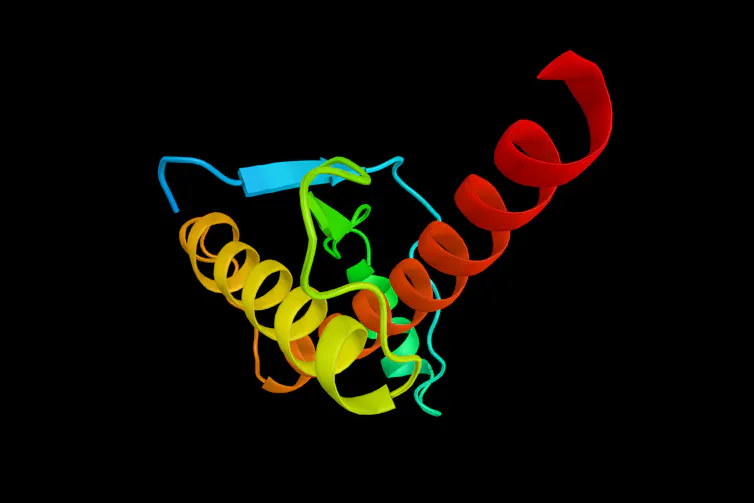
Creutzfeld-Jakob disease is a prion disease. These diseases involve prion proteins which, for unknown reasons, suddenly change into a three-dimensional shape. The function of healthy prions remains unknown, but they appear to play some role in protecting nerves and brain cells and keeping the body’s circadian rhythm functioning (the natural, 24-hour cycle our body follows that controls everything from sleep, digestions and immunity).

The misfolding of prion proteins in Creutzfeld-Jakob disease causes a very rapid and severe form of dementia, progressing much more quickly than Alzheimer’s disease or Lewy Body dementia, for example. Besides the notably quick nature of progression, people with Creutzfeld-Jakob disease struggle with memory and movement, including sudden jerky movements.

A digital drawing of a misfolded prion, which look like three or four spirals that are clustered over and around each other.
Creutzfeld-Jakob disease is caused by misfolded prion proteins.
ibreakstock/ Shutterstock

Risk factors for this subtype of dementia include old age and genetics (occurring in 10-15% of cases). In very rare cases, it can also develop as a result of contamination – such as from eating beef from cattle infected with mad cow disease.

FTD-MND

FTD-MND is a form of frontotemporal dementia that occurs alongside motor neurone disease.

Frontotemporal dementia refers to subtypes of the disease that cause gradual brain tissue loss in the frontal and temporal lobes of the brain.


Read more:
Bruce Willis has frontotemporal dementia – here’s what we know about the disease


Motor neurone disease, on the other hand, is a rapidly progressing neurological condition which can lead to difficulties breathing, movement and paralysis. Although it affects the brain and nerves, it is not itself a form of dementia.

Approximately 10-15% of people with frontotemporal dementia also develop motor neurone disease. This co-occurence seems to be linked to a mutation in the C9orf72 gene. Because of this genetic link, FTD-MND can run in families.

People with FTD-MND experience several muscle-related issues, including muscle waste, stiffness and problems with swallowing. These are things you would not normally associate with dementia and memory problems.

It’s currently not clear whether frontotemporal dementia develops first and then motor neurone disease, or if it’s the other way around.

Progressive supranuclear palsy

Progressive supranuclear palsy (PSP) is a rare neurological condition that causes both dementia and problems with movement.

It’s estimated to affect approximately 4,000 people in the UK. PSP is difficult to diagnosis as it overlaps with many other conditions – including Parkinson’s disease.

PSP primarily leads to damage in subcortical brain regions, specifically the brainstem and basal ganglia. These areas are linked to vision and movement.

As such, people with PSP struggle using their eyes and can thus often fall and experience difficulties moving around. People with PSP can also struggle concentrating and problem solving.

Dementia support

As with all dementia subtypes, there is no cure yet. While there are medications that can delay symptoms, these only work in cases of Alzheimer’s disease.

As such, we still need to find ways to support people with other subtypes of dementia as best as possible.

One way of doing this is by properly understanding their condition and their subtype. Knowing that someone might particularly struggle with walking and movement as opposed to memory is important to put the right care in place in advance.

It is just as important to be able to spot the signs early on. Dementia doesn’t just affect memory. Changes in behaviour, problems seeing or falling more frequently, walking or moving differently or difficulty speaking can all be early signs of dementia.

Better understanding dementia’s many forms will hopefully lead to better ways of managing and treating this complex disease.

The Conversation

Clarissa Giebel receives funding from the NIHR and ESRC. She is affiliated with The Lewy Body Society by sitting on the Scientific Advisory Board.

ref. The four types of dementia most people don’t know exist – https://theconversation.com/the-four-types-of-dementia-most-people-dont-know-exist-278124

More people are watching podcasts – how The Harry Hill Show could signal the backward-looking future of the medium

Source: The Conversation – UK – By James McLean, Lecturer in Media Production, Graphic Design, and Media Studies, University of Hull

Poet John Cooper Clark on The Harry Hill Show vodscarf. The Harry Hill Show

Television has become a very difficult concept to pin down. It’s no longer the box situated in the corner of a family living room. Mobile platforms, online streaming and different modes of delivery have diffused our understanding of television. The concept of a podcast has, so far, undergone much less scrutiny, and yet we are seeing a need for a similar conversation: what is a podcast, not just to audiences, but to creators?

The podcast is becoming trickier to define. Where its roots may have been in radio, its relationship, or convergence, with that murky beast of television is becoming ever more visible.

To watch a podcast would seem like a contradiction. But in the US the video streamer Youtube has become the most popular podcasting platform. Video is reshaping the industry, with significant growth in people watching podcasts on living room devices – where people used to gather to watch traditional TV.

The usual video of a podcast features the host or hosts and whoever else is on the podcast chatting in front of microphones – the visual element is second to the listening experience. However, there are a slew of new podcasts which are taking this uptick in “viewers” seriously and creating material for them as much as for “listeners”, including the The Harry Hill Show.

In the stand-up comedian’s own words, The Harry Hill Show is a “vodscarf” – wordplay on podcast and video-on-demand. What makes this “vodscarf” interesting is the television-podcast format it toys with. While it is one product, the experience of watching the Harry Hill Show is different from just listening to it. It’s not that you’ll miss anything important information wise just listening but the visual experience is not secondary to the audio – as sets and camerawork, including visual gags and effects, are worked in. The show also draws on Hill’s own history in television.

Harry Hill is best known for his sketch show Harry Hill, later titled The All-New Harry Hill Show and also referred to as The Harry Hill Show, which ran from 1997 to 2003. In each episode, Hill delivered his surrealist comedy through a series of regular sketches, reoccurring characters and catchphrases that would repeat week-on-week. Into the 2000s, Hill fronted TV Burp for 11 series. The show infused his tried-and-tested formula into the television-clip show format.

Features from both these shows can be found in his podcast, which is clearly infused with a lot of nostalgia for that bygone era of TV comedy. Hill is mostly deskbound, as he was on TV Burp, and he again finds humour through the repetition of gags (“don’t make that noise, Gary, it will limit your appeal” is repeated weekly to his ventriloquist’s dummy, for instance). The segments have a deliberate (and possibly necessary) low-cost aesthetic, a style common to UK comedies from the broadcast television era of the 1990s like Hill’s shows.

But this isn’t simply a TV show masquerading as a video podcast. The Harry Hill Show also acknowledges and embeds common podcast ingredients. Each week the show has a special comedy guest and an educational guest who are interviewed in a traditional podcast style. Yet all the elements are highly reflexive as Hill passively (and sometimes actively) deconstructs podcasts and TV.

The single-guest interview that is at the centre of The Harry Hill Show, is common to the podcasting tradition. Media academics have noted that this format generates content that thrives on intimacy and authenticity. With Hill, this format is subverted by televisual factors where the guest is continually challenged and wrongfooted by his ludicrous segments.

For instance, in Hill’s Name That Seed segment, the special guest must guess the identity of a particular seed from a pack of 8,000 different species. The game is whimsical and deliberately baffles the guest. Like many comedy podcasts, this and other segments create in-jokes with the audience. The more you’ve listened or watched The Harry Hill Show, the stronger a listener/viewer’s relationship becomes with the podcast and the more they are rewarded. After listening to several episodes, they know how the seed segment goes and can laugh along, on the inside of the joke, with Hill.

In essence, Hill takes the scripted comedy format of his television work and rebuilds it into a podcast medium that prefers unscripted and authentic encounters. In doing so, he has created a recipe that provides audiences with familiarity of TV but with the authenticity and intimacy of podcast.

The Harry Hill Show is an example of a podcast that could reshape the medium by mixing older approaches to modern media. Hill does this by reconstructing his identity and past formats through a podcast that clearly enjoys celebrating their mutual deconstruction (or destruction). As special guest Nish Kumar comments to Hill in the show’s trailer: “You’re self-funding your own nervous breakdown!”

With The Harry Hill Show we’re seeing something that’s not strictly television, but not strictly a podcast either. It is an example of the increasing importance of visuals, which could overtake the importance of audio. But who knows? This could be a flash-in-the-pan moment, or it could signal something deeper for the medium – that the podcast might be a media format with a limited shelf life.

The Conversation

James McLean does not work for, consult, own shares in or receive funding from any company or organisation that would benefit from this article, and has disclosed no relevant affiliations beyond their academic appointment.

ref. More people are watching podcasts – how The Harry Hill Show could signal the backward-looking future of the medium – https://theconversation.com/more-people-are-watching-podcasts-how-the-harry-hill-show-could-signal-the-backward-looking-future-of-the-medium-278597

The natural birth movement empowers many women but pressure can also work the other way

Source: The Conversation – UK – By Frances Hand, PhD Candidate, Faculty of Law, University of Oxford

Reshetnikov_art/Shutterstock

Childbirth is often framed as a choice between two extremes: “natural” birth or medical intervention. The real challenge is making sure women can decide how they give birth, without pressure in either direction.

Debates about childbirth often focus on pressure to accept medical interventions in hospital, such as caesareans or forceps delivery. But recent NHS maternity inquiries suggest some women feel pressure in the opposite direction. They describe being discouraged from medical assistance even when they believed it would be safer, or better for them.

One healthcare professional giving evidence in the 2022 Ockenden Review, which examined preventable deaths and injuries affecting mothers and babies between 2000 and 2019, described a culture in which avoiding caesarean sections had become a source of institutional pride:

They were always very proud of their low caesarean rates … I personally found all the failed or attempted instrumental deliveries very difficult to deal with. I had never seen so many injuries … or resuscitations … Nothing to be proud of.

Evidence presented to a House of Commons inquiry into the safety of maternity services similarly found that “hundreds of women felt pressure to have a normal birth”, without medical assistance.

During my doctoral research examining childbirth narratives across several major UK maternity inquiries, I analysed thousands of women’s birth stories submitted to public investigations. Some accounts describe women who felt discouraged from receiving medical assistance even when they would have preferred it.

The natural birth movement – which emerged in the mid-20th century as a reaction against the increasing medicalisation of childbirth – advocates for minimal pain medication, midwife-led care, and avoiding caesarean sections and instrumental deliveries where possible. It was designed to encourage women to reclaim control of their bodies from a medical establishment that had, in many cases, taken that control away.

That impulse was legitimate, and the movement has acted as an important counterweight to routinised, unnecessary intervention. But the same cultural force that pushed back against overmedicalisation can, in some settings, tip into a different kind of pressure – one where accepting medical help feels like failure.

When legal rights meet clinical reality

One of the most influential cases in modern medical law addressed this issue of informed choice during childbirth. In Montgomery v Lanarkshire Health NHS Trust (2015), the doctor did not warn the patient about the risks of vaginal delivery because they believed “it was not in the maternal interests for women to have caesarean sections”.

The Supreme Court rejected this reasoning. Instead, it emphasised that patients must receive clear information about risks and alternatives so they can make their own decisions about treatment.

Current Nice guidelines reinforce this principle. They stress that maternity care should support women’s choices during birth and caution against allowing personal opinions to influence the interventions that are offered.

The UK government also recently abandoned the World Health Organization recommendation that caesarean births should not exceed 20% nationally, after concerns that rigid targets were pressuring NHS Trusts to prioritise statistics over safety.

Despite these safeguards, institutional practices can still shape the choices that women feel able to make.

How pressure can shape birth decisions

Some women say these pressures reflect wider cultural narratives about childbirth. In recent years, messages celebrating “natural”, “empowered” or “positive” birth have become increasingly visible in antenatal classes, books and online communities. While these approaches are often intended to build confidence and support informed choice, some women say they can also create an environment in which accepting medical help feels like a failure, or where women worry they may be judged for being “too posh to push”.

These narratives don’t just circulate in parenting spaces or social media. They are also seen in how hospitals – intentionally or unintentionally – present different birth options to expectant parents.

This can feel particularly significant because it comes from institutions that women expect to trust. It shows how legal protections don’t always translate into everyday clinical practice.


Read more:
Why labour decision-making shouldn’t start in the delivery room


In some cases this influence appears in the language hospitals use to describe different birth options. Recently archived material from one hospital promoted non-medicated birth approaches by stating that “treatments are usually non-invasive and rarely cause the unpleasant or long-lasting side effects that can be associated with medication”.

Language like this is often intended to reassure patients. But it can also shape how different options are perceived, particularly when the potential drawbacks of medical interventions are emphasised more strongly than their benefits.

In other cases, the pressures are structural. Some maternity units are organised in ways that make it difficult to move quickly between midwife-led and obstetric wards. Women have described having to walk between departments while in pain and sometimes partially undressed. Situations like this illustrate how problems can arise not from individual professionals, but from how hospital systems are designed.

Finally, recent research by Birthrights, a UK charity that campaigns to protect women’s rights during pregnancy and childbirth, highlights institutional barriers to maternal request for caesarean sections. The organisation found that 113 NHS Trusts do not fully align with Nice guidance. Some policies delayed decisions until 36 weeks of pregnancy, creating uncertainty for expectant mothers.

Pressure to avoid medical intervention should be taken as seriously as pressure to undergo it. Although more than half of first-time mothers experience some form of obstetric intervention, many report feeling ashamed when this occurs.

This matters because some research has linked birth-related shame with an increased risk of suicidal thoughts among mothers, associated with an expressed sense of failure to birth “normally”. When hospital policies create additional barriers to accessing care, they may reinforce these feelings.


Read more:
Maternal death rates in the UK have increased to levels not seen for almost 20 years – experts explain why


Why the term ‘obstetric violence’ matters

Around the world there is growing recognition of the concept of “obstetric violence”, a term used to describe systemic harms that women may experience during childbirth. The concept highlights how these harms often arise not from malicious individuals but from institutional cultures, clinical norms and wider social expectations about motherhood.

Much of the global discussion about obstetric violence has focused on the dangers of overmedicalisation. However, similar pressures can arise when women feel discouraged from accepting medical interventions. In both situations, expectations about the “ideal” self-sacrificing mother can shape how decisions about birth are framed.

In the UK, the term “obstetric violence” is rarely used in policy or public discussion. This reluctance matters. Without language that clearly names systemic harm, it becomes harder to recognise patterns, challenge institutional norms and push for meaningful change.

Many women have positive experiences of both natural and medically assisted birth, and most maternity professionals work hard to support women’s choices. What matters most is that decisions about birth are based on balanced discussions of risks and benefits.

Recognising how pressure can operate in both directions is essential if maternity care is to genuinely support women’s autonomy during childbirth.

The Conversation

Frances Hand does not work for, consult, own shares in or receive funding from any company or organisation that would benefit from this article, and has disclosed no relevant affiliations beyond their academic appointment.

ref. The natural birth movement empowers many women but pressure can also work the other way – https://theconversation.com/the-natural-birth-movement-empowers-many-women-but-pressure-can-also-work-the-other-way-276090

Iran has been threatening to close the Strait of Hormuz for years – it’s a key part of Tehran’s defence strategy

Source: The Conversation – UK – By Arshin Adib-Moghaddam, Professor in Global Thought and Comparative Philosophies, Inaugural Co-Director of Centre for AI Futures, SOAS, University of London

In a 1974 interview with the shah of Iran, Mohammad Reza Pahlavi, the US journalist Mike Wallace briefly referred to the dispute over the naming of what has been generally called “Sinus Persicus” (Persian Gulf) since ancient times – and what Wallace called “the Gulf”.

Pahlavi asked his interviewer: “Why do you call it ‘the Gulf’? You have been to school, haven’t you?” to which Wallace replied that he had. “What was the name that you read during your school days?” the shah asked. “The Persian Gulf,” Wallace admitted, adding: “But they call it the Arabian Gulf”. “‘They’ can do many things,” Pahlavi concluded – and considered the dispute settled.

This Iran-centric attitude towards the Persian Gulf explains much of Iran’s strategy in the Strait of Hormuz even today. Match this commonly held and historically formed mindset with the geopolitical reality. Iran has the longest shoreline in the Persian Gulf and it controls the entry to the strait via a string of heavily fortified islands. You would imagine that Tehran’s ability to close the strait should have been clear to the decision-makers in Tel Aviv and Washington.

As if that wasn’t enough, Iran has dropped enough hints over the years that it considers its leverage over the strait as a trump card. Tehran has greeted pretty much every crisis it has faced with the assertion of its ability to control the flow of oil and gas through this chokepoint and the threat to restrict traffic through the strait or close the waterway entirely.

Relatively early in the republic’s existence, in 1987-88 – towards the end of the Iran-Iraq war – the Iranian navy mined international waters in the Persian Gulf. It did so in response to the so-called “tanker war”, a series of military assaults by Iran and Iraq against each other’s merchant vessels in the Persian Gulf and strait of Hormuz.

At about the same time, to protect Kuwaiti oil tankers attempting to transit the strait, the US launched Operation Earnest Will, which lasted from July 1987 to September 1988 and was the largest naval convoy operation since the second world war. As one of the major allies of Saddam Hussein’s Iraq, Kuwait’s vessels were drawing fire from Iran.

This internationalisation of the Iran-Iraq war lowered the threshold for further conflict and brought Iran and the US dangerously close to direct confrontation. In April 1988 the US navy launched Operation Praying Mantis against Iran in retaliation for USS Samuel B. Roberts hitting an Iranian mine.

Operation Mantis was the American navy’s largest surface combat action since the second world war. It destroyed several Iranian naval assets for the loss of one helicopter, before the Pentagon took the decision not to escalate and Iran took the US offer to de-escalate.

Lessons should be learned in terms of civilian casualties: the dangers of escalation became apparent at the end of the Iran-Iraq war when in July 1988, Iran Air Flight 655 – a civilian airliner – was shot down in the strait of Hormuz by the USS Vincennes, killing 290 civilians.

Asymmetric warfare

Throughout the 1990s and increasingly in the past two decades, Iran has continued to project its ability to control the strait of Hormuz in response to real and perceived US aggression. To that end, the Iranian navy has finessed its asymmetric strategy of using small fast-attack boats capable of harassing US navy vessels and international shipping. This is “gunboat diplomacy”, Tehran-style.

Map of Straits of Hormuz
The strait of Hormuz is one of the world’s most important waterways, with 20% of the global trade in oil flowing through a narrow maritime channel.
Wikimedia Commons

Between 2011-12, the then Iranian president Mahmoud Ahmadinejad threatened to close the strait in response to new sanctions from the west over its nuclear energy program. Again, in 2018 when the US president, Donald Trump, withdrew the US from the Iran nuclear deal struck by his predecessor Barack Obama and began to further intensify the sanctions regime against the country, Iran’s president Hassan Rouhani threatened to close the waterway. Neither Ahmadinejad nor Rouhani followed up on the threats, as they largely continued to prioritise diplomacy that would give Iran sanctions relief.

In recent years, whenever the US-Iran stand-off has intensified, Iran has reacted by threatening international shipping through the strait of Hormuz and in the wider Persian Gulf. But in none of those historical instances did Tehran actually follow through in this threat completely. But now it frames the attack from the US and Israel as an “existential” one that threatens Iranian sovereignty and territorial integrity.

This triggers Iran’s civilisational instinct as displayed all those years ago by the last shah. One reading of Persian etymology derives “Hormuz” from the Middle Persian pronunciation of the name of Ahura Mazda, the Zoroastrian deity of the ancient Persian kings. (Another translates the name as a corruption of Hur-Muz – meaning place of dates.)

In Iranian strategic culture, this history gives it the right to act as the hegemon in the Persian Gulf. It is astonishing that US and Israeli strategists were seemingly unaware of this history. They should have known how central the strait of Hormuz has been to Iran’s strategic calculations. Both are now in evidence at this dangerous juncture for the region and the wider world.

The Conversation

Arshin Adib-Moghaddam does not work for, consult, own shares in or receive funding from any company or organisation that would benefit from this article, and has disclosed no relevant affiliations beyond their academic appointment.

ref. Iran has been threatening to close the Strait of Hormuz for years – it’s a key part of Tehran’s defence strategy – https://theconversation.com/iran-has-been-threatening-to-close-the-strait-of-hormuz-for-years-its-a-key-part-of-tehrans-defence-strategy-279237

Dennis the Menace turns 75: why rule-breaking kids never go out of style

Source: The Conversation – UK – By Alison Baker, Senior Lecturer in Early Childhood Studies, University of East London

Dennis the Menace has been a popular character for 75 years. mundissima/Shutterstock

For 75 years, Dennis the Menace – wearing his signature red-and-black striped shirt and joined by his scruffy sidekick Gnasher – has been delighting children with his unapologetic mischief.

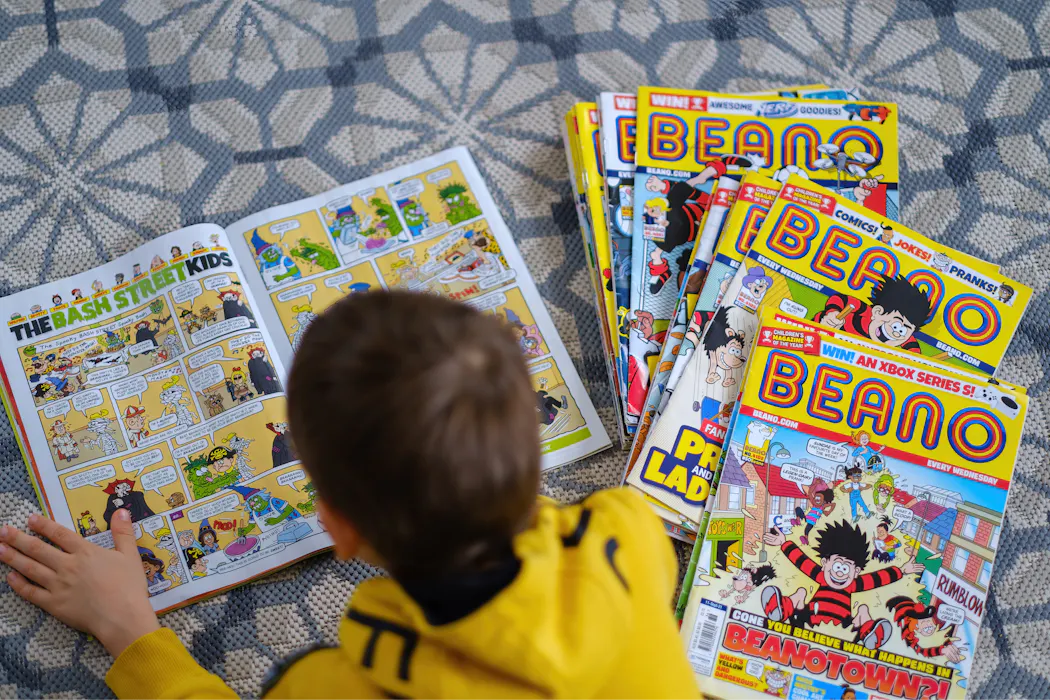
Dennis the Menace debuted in the Beano comic for children in March 1951 and quickly became a favourite with readers. His name derives from the music hall song Dennis the Menace from Venice, and his distinctive silhouette (very like that of his “Abyssinian wire-haired tripe hound” Gnasher) was first drawn on a cigarette pack in a pub in the Scottish town of St Andrews.

Coincidentally, on the other side of the Atlantic, another “naughty” boy called Dennis made his first appearance a syndicated newspaper comic strip on the same day as British Dennis. In contrast to his British namesake, American Dennis is a blond five year old, with a round face, blue and black striped t-shirt and red dungarees. American Dennis’s mischief comes from his misguided attempts to be helpful, rather than British Dennis’s deliberate misbehaviour.

The appearance of Dennis the Menace has changed somewhat over time, in his height, length of his legs and his possession of a catapult. But his spiked hair, red and black striped jumper, black shorts, knobbly knees and oversized boots have remained.


Read more:
How The Beano survived war and the web to reach its 80th birthday


Dennis & Gnasher through the years.

Like his predecessor William Brown of the Just William books, Dennis has a nemesis – Walter the Softy. Walter has some similarities to William’s enemy Hubert Lane. Both Walter and Hubert are depicted as cowardly, prim and opposed to fun. But, as researchers have explored, there is a somewhat homophobic element to the depiction of Dennis’s menacing of Walter. Walter is portrayed through ballet dancing in a tutu, sewing, playing with dolls and caring for his dog, named Foo-Foo. Dennis’s attitude to Walter was modified in 2012 to limit accusations of homophobia related to his interests in pursuits that are stereotypically considered feminine. He was renamed Walter Brown.

Another thing to have changed with time is the way the strips end. Generally in the 1970s, they’d close with Dennis lying over his father’s knee and getting beaten with a slipper. With the ending of corporal punishment in English state schools in 1986 (independent schools ended it much later, in 1999), teachers beating the Bash Street Kids or Dennis the Menace with a cane was no longer a likely outcome of misbehaviour.

The appeal of ‘naughty’ characters

So what is the appeal of “naughty” characters for children? Researchers have found that different age groups find different things funny. They characterise two types of humour evident in The Beano – disparaging, such as making fun of people, and slapstick. However, despite concerns about the impact of popular reading on the morals of young people that have been evident since the 19th century there is very little evidence of children being led astray by reading about rule-breaking characters.

Instead, comedy can be used to undermine power hierarchies through upending of social status – or, in children’s media, by making fun of adults.

The comeuppance of naughty characters at the end of a story is rarely permanent. For example, in Beatrix Potter’s stories, Peter Rabbit may end up in bed with a cold after disobeying his mother while his well-behaved sisters eat the blackberries they picked, but a few books later, he is back having adventures with his cousin, Benjamin Bunny.

Humorous stories about naughty children provide an imaginative space to be a rule breaker and laugh at powerful adults, to accept the punishment, but to enjoy another day of mischief. Like Peter, Dennis’s irrepressible mischief has made children laugh for generations. Long may he continue to do so.

The Conversation

Alison Baker does not work for, consult, own shares in or receive funding from any company or organisation that would benefit from this article, and has disclosed no relevant affiliations beyond their academic appointment.

ref. Dennis the Menace turns 75: why rule-breaking kids never go out of style – https://theconversation.com/dennis-the-menace-turns-75-why-rule-breaking-kids-never-go-out-of-style-278688

Why a man’s health before pregnancy matters for the next generation

Source: The Conversation – UK – By Keith Godfrey, Professor of Epidemiology and Human Development, University of Southampton

A father’s health can affect both pregnancy outcomes and the infant’s health. muse studio/ Shutterstock

When we think about preparing for a healthy pregnancy and baby, most advice focuses on women. Such advice might include good nutrition, taking dietary supplements, avoiding alcohol or smoking and managing their medications and health conditions. But growing evidence shows that men’s health also plays a vitally important role in pregnancy and child development.

In a new review of research on health before pregnancy and parenthood (referred to as “preconception health”), we found that the health and life experiences of boys and men can have important influences on pregnancy outcomes and the wellbeing of future children in several ways.

To understand the role of men’s preconception health, we reviewed studies published from 2000 to 2025 from fields including medicine, biology, psychology and social science. Rather than focusing only on the period just before pregnancy, we looked at research examining how men’s health and experiences throughout their lives – from their own time in the womb through to adolescence and adulthood – can affect families later on.

The research explored factors such as men’s physical health, their health-related behaviour, mental health, environmental exposures and social conditions. This included how fathers influence their partner’s health and the family environment their children grow up in.

This broader perspective shows that men’s influence on pregnancy and child outcomes goes far beyond simply providing half of the baby’s genetic inheritance.

The affect of men’s health

As set out in our review, one important pathway through which a father’s health can affect both pregnancy outcomes and the infant’s health is through sperm health.

Factors such as age, the father’s nutrition, whether he smokes, is overweight or obese, has an unhealthy alcohol intake, experiences stress and his level of exposure to pollution or chemicals can all influence so-called non-coding nucleic acid (RNA) signals carried in sperm. These signals can affect how genes act in the early stages of the baby’s development, which can subsequently impact long-term health outcomes in children.

For example, one study of over 500,000 couples found higher odds of birth defects (including cleft lip, digestive tract anomalies and congenital heart disease) when fathers reported drinking alcohol before pregnancy.

Older father’s age (particularly those who conceived a child after the age of 35) is also linked with both risk of birth complications as well as a child’s likelihood of being diagnosed with autism spectrum disorder. These links are stronger than those seen with a mother’s age.

Research involving millions of fathers and children has additionally shown that depression in fathers is linked with higher risks of depression in their children.

Some research even suggests that experiences earlier in life may play a role. For example, studies have linked nutrition and environmental exposures such as food shortage or abundance during boys’ pre-teen years with health outcomes in the next generation.

But biology is only part of the picture, as described in our review.

Men also influence pregnancy through their relationships with their partners. Supportive partners are consistently linked with healthier pregnancies. Women who feel supported are more likely to attend antenatal appointments, avoid smoking or alcohol, maintain healthier diets and experience lower levels of stress and depression during pregnancy.

A smiling man and a pregnant woman sit on their couch while speaking to a female health visitor.
Supportive partners are linked with healthier pregnancies.
Hananeko_Studio/ Shutterstock

These factors matter because a mother’s mental health and wellbeing during pregnancy are closely linked to children’s emotional, cognitive and physical development.

Another pathway is through parenting. A father’s mental health, stress levels and childhood experiences can influence how he interacts with his children after birth.

For example, men who experienced adversity growing up – such as poverty, neglect or trauma – are more likely to experience anxiety or depression later in life. This can affect family relationships and parenting.

This means that experiences during a boy’s childhood can have ripple effects decades later, shaping the environment his own children grow up in.

What this means for families

Taken together, the evidence from our review shows the importance of shared responsibility for pregnancy and parenthood.

Improving men’s health before pregnancy benefits not only men themselves but also their partners and future children. Yet most health advice about preparing for pregnancy still focuses almost entirely on women. In many countries, there is little information or support available for men who want to prepare for fatherhood.

Raising awareness is an important first step. Research shows that many men want to be involved in planning for pregnancy and supporting their partners – but they often don’t realise how their own health may influence outcomes.

For men who hope to become fathers, general health guidance needs to be followed: avoid smoking, limit alcohol, maintain a healthy weight, manage stress and seek medical advice for ongoing health conditions. Just as important, strong and supportive relationships between partners can help create healthier environments for future parenthood.

Our review suggests it’s time to rethink how we approach preparing for pregnancy. Instead of focusing only on women before pregnancy, a more effective approach should involve supporting the health and wellbeing of both boys and girls throughout their lives.

This includes addressing wider social factors such as education, mental health support, economic stability and childhood adversity. Experiences early in life shape later health behaviour and relationships, influencing the next generation.

Most healthcare systems are also simply not designed to support father’s involvement in preparation for pregnancy and parenthood. But men need to be included in conversations about reproductive health and couples should be supported to approach pregnancy preparation together.

More research is still needed to better understand the biological and social pathways linking men’s health to pregnancy and child outcomes. But our review makes one message clear: the health of the next generation does not begin with pregnancy – it begins much earlier, in the early lives and wellbeing of both parents.

The Conversation

Keith Godfrey receives funding from the National Institute for Health and Care Research (NIHR Senior Investigator (NF-SI-0515-10042) and NIHR Southampton Biomedical Research Centre (NIHR203319)) and the Wessex Medical Trust, Gerald Kerkut Charitable Trust and Rosetrees Trust.

Danielle Schoenaker receives funding from the National Institute for Health and Care Research (NIHR) through an NIHR Advanced Fellowship (NIHR302955) and the NIHR Southampton Biomedical Research Centre (NIHR203319).

ref. Why a man’s health before pregnancy matters for the next generation – https://theconversation.com/why-a-mans-health-before-pregnancy-matters-for-the-next-generation-278375

Why emotional resilience should be at the heart of climate change education

Source: The Conversation – UK – By Jessica Newberry Le Vay, Senior Researcher in Climate Change and Health, University of Oxford

The mental health effects of climate change are receiving growing attention, including how children and young people are uniquely affected. Supporting young people to build and sustain good mental health and wellbeing, and to feel prepared for life and work in an uncertain world, has never been more urgent. However, action is still lagging behind need – including in education.

My colleagues and I at the Compass Project, coordinated by the Climate Cares Centre at the University of Oxford and Imperial College London, are exploring how combining climate change education with consideration of mental health and wellbeing can better equip young people for their futures.

We wanted to know how students and educators experience climate change education now, and what they want to see change. Through focus groups and a survey, we heard from over 200 students aged 16-29 and their educators in schools, further education and sixth form colleges and universities in England. They told us why and how emotional resilience – the social and emotional skills to build and sustain good mental health and wellbeing in the face of challenges – should be part of climate change education.

Status quo: disconnected and disempowered

For many young people, climate change education is disconnected from solutions, and from what they see as helpful to everyday life and enjoy learning about. Students report lacking agency, meaning they don’t feel they have the ability to make change. These are not only barriers to meaningful climate change education. Our study highlights this is also driving both distress and disengagement, and missing opportunities to protect and promote mental health and wellbeing.

Students described a wide range of emotions associated with climate change, including worry, fear, guilt, anger and powerlessness. We heard that education can exacerbate these feelings. One university student said:

[My education] increases my worry because despite being a biology course, and many of my modules being based around ecosystems, the environment, animal behaviour, climate change is not a central theme or something brought up regularly in my learning.

What surprised me was just how much students spoke of climate denial and disengagement, mental health stigma, and stigma around engaging with climate action. Students highlighted these as barriers to discussion and community building. One said:

There seems to be a passive feeling amongst my age cohort and, despite most accepting the truth of climate change, they feel removed and disempowered. This is obviously quite demoralising.

Educators spoke of feeling unsupported and lacking time and resources when it came to teaching about climate change and navigating diverse emotional responses. “We want to teach about climate change,” one said, “but there’s anxiety for the educator to say, what if I set some sort of chain reaction of concern amongst these children, how do I deal with that?”

Such experiences have been reflected through a film by the Climate Majority Project, highlighting the emotional reality of climate change education through the eyes of a teacher.

The Hardest Lesson, a film by the Climate Majority Project.

Change is possible, and already underway

Students and educators had clear, aligned, views on action to better prepare young people for a climate-changed future. This included strengthening connection with nature and curriculum reform to include psychologically informed climate change education in every subject.

Students wanted support to cope with their emotions, and opportunities to take part in meaningful and collective climate action. More time, funding, training and support for educators underpins these actions. A school student said:

It gets to a point where it’s like, this statistic, this statistic. These animals are dying. This country’s just had a flood. If you give [young people] concrete ways, more opportunities to do things that genuinely would help a lot of people, and it also does help the environment, but it takes away that powerlessness and frustration and fear.

Many initiatives are already putting these actions into practice, alongside a growing bank of resources on how to do so.

I was struck by examples students and educators gave of initiatives that did anecdotally support climate change education and build emotional resilience, but hadn’t been designed this way. Inter-school climate action competitions built community, agency and joy. General peer support systems for university assignments led to discussions about climate emotions.

Insufficient attention on the links between climate change education and mental health and wellbeing may mean wider, perhaps unintended, benefits of what schools, colleges and universities are already doing are missed. Particularly given scarce resources and overburdened educators, learning about and investing in how to enable these positive ripple effects – and consistently embed such practices across the education system – is a crucial opportunity.

The transformational societal changes that the climate crisis demands can only take place by considering the emotions, thoughts and beliefs that shape our actions, including support to minimise burnout. Our actions, in turn, shape our emotions and can influence our health and wellbeing. Recognising and resourcing these connections in education systems is critical to truly equip young people for life and work in a changing climate.

The Conversation

Jessica Newberry Le Vay leads the Compass Project, which is funded by the Robert H. N. Ho Family Foundation Global. She works for the Climate Cares Centre based at the University of Oxford and Imperial College London.

ref. Why emotional resilience should be at the heart of climate change education – https://theconversation.com/why-emotional-resilience-should-be-at-the-heart-of-climate-change-education-275610

Why do some people eat soil? From a prisoner’s lifeline to a modern tasting menu, the history of geophagy

Source: The Conversation – UK – By Zander Simpson, PhD Candidate in Anthropology, Durham University

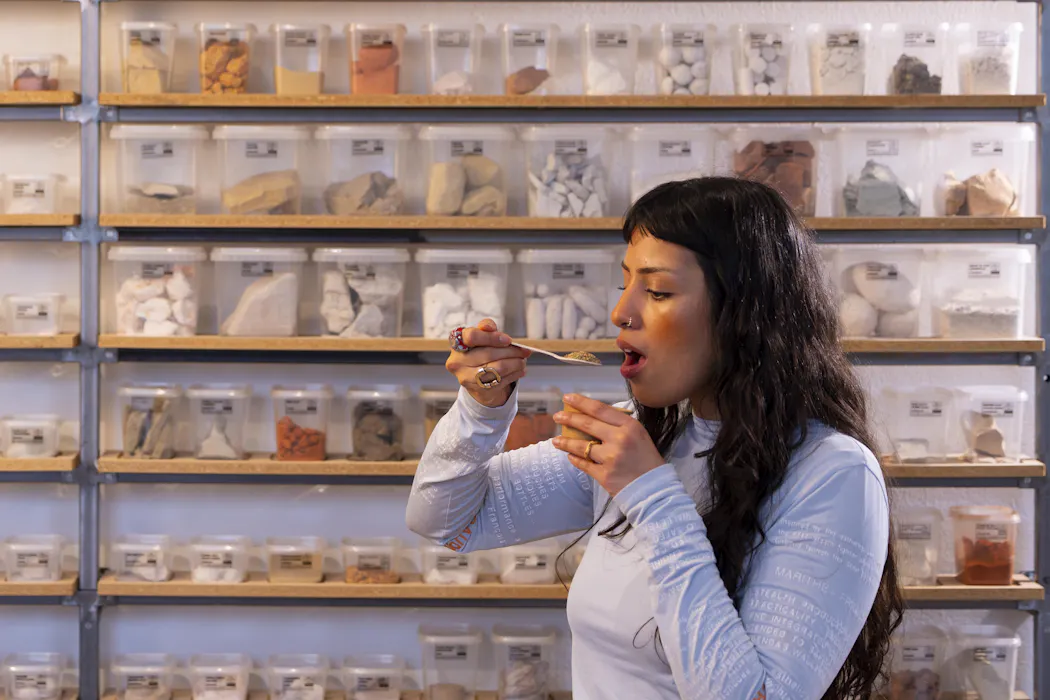
Soils on display inside the Museum of Edible Earth’s temporary exhibition at Somerset House in London. David Parry/PA Media Assignments, CC BY-SA

Editor’s note: The UK’s Food Standards Authority and Health Security Agency both advise against eating clay, soil or earth. Links to their guidance are included in this article.

When I ask people if they have ever eaten soil before, they tend to give me a strange look. But geophagy – the deliberate ingestion of any kind of soil – is a practice that archaeological evidence from Kalambo Falls in Zambia suggests has been part of human history for at least 2 million years.

British archaeologist John Desmond Clark reported that Homo habilis, a species of human who lived between 2.2 and 1.6 million years ago, was digging into the earth to mine clays from below the topsoil. This led to the inference that the oldest evidence of geophagy by humans was at that prehistoric site on the border of Zambia and Tanzania.

More recently, anecdotal evidence suggests a prisoner condemned to death in 16th-century Hohenlohe (now part of Germany) was allowed a last request of consuming a small clay tablet after receiving his supposedly lethal dose of mercury. The tablet was reputedly a piece of terra sigillata – clay traditionally mined from the Greek island of Lemnos. To the amazement of the court, the convict survived the mercury poisoning and was merely banished instead.

Geophagy is still practised widely around the globe, including by some women experiencing food cravings during pregnancy. But it should not be confused with the eating disorder pica.

In my research on geophagy practices in the UK, clays appear to be the most popular types of soil consumed. But these are only a sliver of the many types of soil people are known to eat.

In Amsterdam’s Museum of Edible Earth, researcher and artist masharu has brought together more than 600 soils used in geophagy. These include melt-in-the-mouth pemba from Surinam and montmorillonite green clay from France, which is claimed to be an anti-ageing treatment.

The museum is now in the UK for the first time. Adult visitors to Somerset House in London are being invited to sample a “tasting menu” of its soils, and even contribute their own tasting notes.

Map of Museum of Edible Earth soil samples.
Map of the Museum of Edible Earth soil samples.
Graphic design by Luuk van Veen with guidance of Olga Ganzha and masharu, CC BY-SA

The symbolism of soil

For many people, eating soil carries deep symbolic meaning. Soil is a common theme in genesis stories that describe how a people originated, including Adam in the Bible’s Old Testament.

Among the Luo people in Kenya, women who practice geophagy during pregnancy prefer eating red clays due to the links between soil, fertility and blood. These clays are understood to replenish the blood lost during pregnancy to the unborn foetus, which is referred to as remo ma ichweyogo nyathi (the blood you form the child of).

In the 20th century, eating soil was sometimes used to determine guilt in Java. If a crime was committed with no witnesses and the cross-examination failed, suspects would ingest a small amount of soil from their ancestors’ graves and call upon them as witnesses to their innocence. If one of the suspects grew ill or died over the next few months, they would be found guilty.

Today, thinly sliced clay from Java is still eaten as a snack known as ampo.

Soil’s growing appeal

The benefits and risks of eating soil have been highlighted amid recent social media interest in geophagy, such as the trend for filming soil taste tests on TikTok.

A collaboration between researchers at the universities of Glasgow, Strathclyde and Crete suggests clays from Lemnos may have wider health benefits, such as preventing the progression of inflammatory diseases (although, so far, only shown in mice).

Bentonite, which is also used in cosmetic face masks, was mentioned as a favourite edible clay by some customers of a London health-food shop I spoke to.

One reason clays such as bentonite appear to be a popular choice is that they can host Streptomyces, a genus of bacteria that, alongside being a useful source of antibiotics, produce geosmin. This chemical emits the pleasant smell associated with dry earth after rainfall – and also contributes to a pleasantly “earthy” taste.

Video: NewsNation.

But any kind of soil should always be consumed with caution. In 2013, Public Health England identified calabash chalk as a particular risk for pregnant women. Its warning was triggered by widespread consumption of this chalk within some Asian and African communities in London, as a nutritional supplement or morning sickness antidote, and the potential threat posed by lead present in some of these soils.

The UK Food Standards Authority has also warned about the presence of lead and other toxic chemicals in commercially available clays.

Some soils may contain hidden dangers such as heavy metals pollutants, parasitic worms and cancer-causing moulds. Additionally, faecal contamination of soils may introduce bacteria such as E coli, which can cause food poisoning.

While these health risks do not apply to all soils, and some of these concerns can be addressed through the way clays are processed, it is advised that anyone interested in practising geophagy should seek careful guidance first.

The exhibition of edible soils by masharu, on show in London until April 26, seeks to challenge the stigma and negative perceptions around eating clay by focusing on the often-overlooked sensations of soil. From environmental science to health research, soil is no longer being treated like dirt.

The Conversation

Zander Simpson receives funding for his research from the Economic and Social Research Council in the form of a PhD Studentship.

ref. Why do some people eat soil? From a prisoner’s lifeline to a modern tasting menu, the history of geophagy – https://theconversation.com/why-do-some-people-eat-soil-from-a-prisoners-lifeline-to-a-modern-tasting-menu-the-history-of-geophagy-278691