Bob Weir: the Grateful Dead co-founder reinvented rhythm guitar and the art of the jam

Source: The Conversation – UK – By Max Bowden, PhD Candidate, impact and influence of the Grateful Dead, University of Essex

Bob Weir, co-founder of the Grateful Dead, has died aged 78. His family announced the death on Instagram on Saturday, telling fans that he “transitioned peacefully, surrounded by loved ones, after courageously beating cancer as only Bobby could. Unfortunately, he succumbed to underlying lung issues”.

Weir was born in 1947 and grew up with adoptive parents, not knowing his birth parents until later in life. He found school challenging due to undiagnosed dyslexia and moved from school to school.

He met lifelong collaborator John Perry Barlow when attending a school for boys with behavioural problems, and together they wrote some of the band’s most famous lyrics.

Some of Bob Weir’s earliest musical memories came from playing traditional songs for cowboys when his family were vacationing on a cattle ranch. But his career really began on New Years Eve 1963 when he met Jerry Garcia while wandering the streets of Palo Alto looking for something to do.

The pair first formed a jug band, called Mother McRee’s Uptown Jug Champions, before transitioning to electric and calling themselves the Warlocks. This wasn’t to last as there was a New York band that were playing under the same name, who went on to change their name to the Velvet Underground.


Read more:
Grateful Dead at 60: three folklore tales that inspired the band’s music


The Grateful Dead formed in 1965 and for the next 30 years, Weir supported Jerry Garcia’s melodic lead lines with his own idiosyncratic style of rhythm guitar playing. He sought to base his approach to rhythm guitar on McCoy Tyner’s piano, who played with John Coltrane.

This, combined with 60 years of improvisational experience, gave Weir’s guitar playing an inimitable feel that was constantly in a state of flux. Weir had freedom to explore complex rhythmic arrangements and chord inversions due to the robust rhythmic foundation of the band provided by Phil Lesh’s bass and the use of two drummers (Bill Kreutzmann and Mickey Hart) for much of their existence.

Bob Weir performs a Tiny Desk concert with his band, Wolf Bros.

John Mayer, lead guitarist in Dead & Company, described Weir’s playing as “almost too original to be fully appreciated”.

Don Was, a member of Weir’s later band, Wolf Brothers, and a storied musician and producer in his own right said: “There is not another guitarist in the world who plays like him. He never plays the same thing remotely the same way twice in a row and will alternate between being as raw as John Lee Hooker to as sophisticated as Andres Segovia from one phrase to another.”

Weir’s unique approach to playing also manifested in his compositions, many of which rely on strange time signatures or intricate playing styles. Whether it’s the 10/4 time of Playing in the Band or the finger-picked introduction to Weather Report Suite, Weir’s songwriting always sought to push the boundaries of what the band could do.

His 1972 solo album Ace featured many tracks that would go on to become Grateful Dead staples. His work with Barlow on songs like The Music Never Stopped, Hell in a Bucket and Lost Sailor helped define the band’s sound across its 30-year duration.

Following the death of Garcia in 1995, Weir has participated constantly in elaborations and continuations of the band’s legacy. His solo band Ratdog even performed on the day Garcia died, ending with a powerful rendition of Knockin’ on Heavens Door. Weir’s commitment to music carried on until his last days, performing three shows for the band’s 60th anniversary in August, just weeks after starting treatment for cancer.

One of the band’s most successful post-Jerry Garcia iterations, Dead & Company, toured from 2015 to 2023 and were one of the first in the world to play the Las Vegas Sphere. This band brought the Dead’s music to a new generation, playing huge stadium shows led by Mayer, with their final tour playing for nearly a million fans.

When he wasn’t touring with iterations of the band like Dead & Company or Furthur and The Dead, Weir was still pushing his solo projects. From 2018 he has performed under Bob Weir and the Wolf Brothers, a more minimalist outfit without a lead guitarist.

This band’s accomplishments include a number of shows with orchestras across America and more recently at the Royal Albert Hall.

Weir hoped that his musical legacy would last 300 years with the Grateful Dead’s songs becoming their own kind of standard. The band can be credited for founding the jam band genre of music, which focuses on improvisation and the live experience, and includes bands like Phish, Widespread Panic and Billy Strings.

This is before mentioning the hundreds of cover bands, some of which are hugely successful in their own right, and have at this point played more shows than the Dead ever did.

Tributes from Guns n’ Roses guitarist Slash to US secretary of health Robert F Kennedy Jr, suggest the loss of Weir is being felt across America – and the world.


Looking for something good? Cut through the noise with a carefully curated selection of the latest releases, live events and exhibitions, straight to your inbox every fortnight, on Fridays. Sign up here.


The Conversation

Max Bowden does not work for, consult, own shares in or receive funding from any company or organisation that would benefit from this article, and has disclosed no relevant affiliations beyond their academic appointment.

ref. Bob Weir: the Grateful Dead co-founder reinvented rhythm guitar and the art of the jam – https://theconversation.com/bob-weir-the-grateful-dead-co-founder-reinvented-rhythm-guitar-and-the-art-of-the-jam-273265
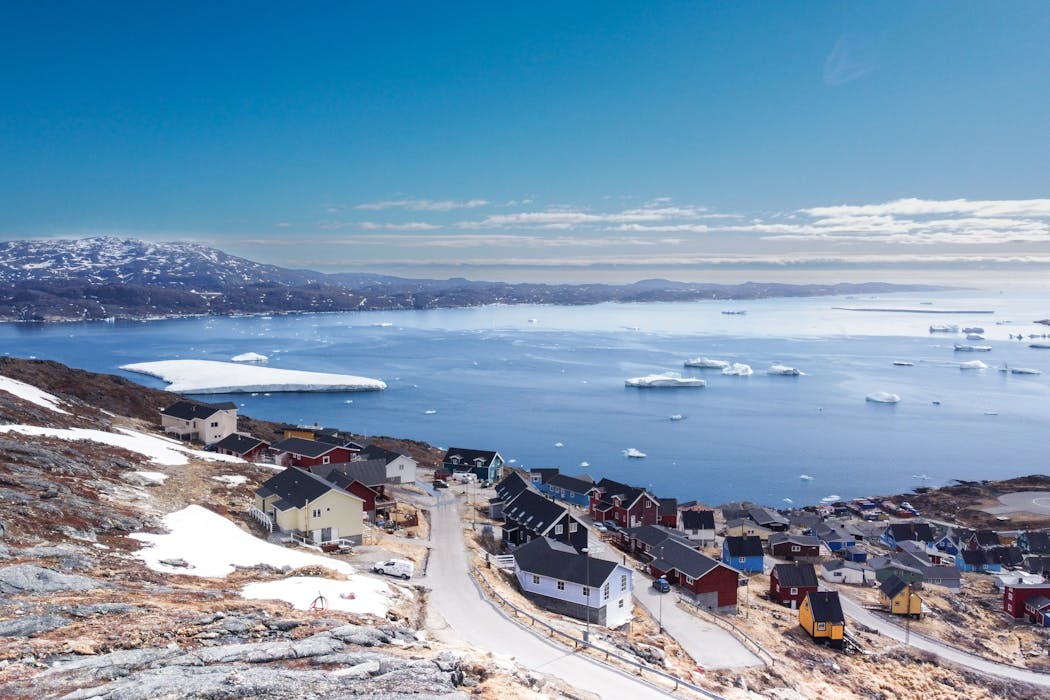
Why Greenland’s vast natural resources won’t necessarily translate into huge profits

Source: The Conversation – UK – By Lukas Slothuus, Postdoctoral Research Fellow, School of Global Studies, University of Sussex

watcharapas kumsuk/Shutterstock

The US is sabre-rattling over Greenland once again. The vast island’s natural resources are back on the agenda, a year after then-US national security advisor Michael Waltz announced: “This is about critical minerals. This is about natural resources.”

Greenland is endowed with both fossil fuels and critical raw materials. It possesses at least 25 of the 34 raw materials considered critical by the European Union.

The EU’s 2024 Critical Raw Materials Act seeks to improve European supply security of these, and both Trump and the EU want to weaken Chinese dominance in the trade. Meanwhile, vast reserves of oil are found offshore across eastern and western Greenland.

The value of these resources is hard to estimate as the prices of oil and critical raw materials fluctuate wildly. Like with Venezuela’s oil, it will take an enormous amount of money to build the infrastructure needed to mine the natural resources in Greenland. Mining and fossil fuel projects are capital-intensive, requiring large upfront investments with long lead times before projects yield profits.

Outside its capital Nuuk, there is almost no road infrastructure in Greenland and limited deep-water ports for large tankers and container ships.

Around the world, private mining and fossil fuel corporations can exploit public infrastructure such as roads, ports, power generation, housing and specialist workers to make their operations profitable. In Greenland, huge capital investment would be required to extract the first truckload of minerals and the first barrel of oil.

As such, the government faces a classic dilemma. Let private multinationals extract but lose the lion’s share of revenues? Or insist on state ownership but struggle to find the capital and state capacity to enable extraction.

Mining, past and present

Greenland’s mineral riches have been known about for some time. In April 2025, Danish state broadcaster DR aired a documentary about how Denmark had historically siphoned off profits from a cryolite mine in Greenland.

The programme led to a major political and media crisis, with some believing it challenged perceptions of Greenland being financially dependent on Denmark. Minerals are a prominent but sensitive topic in Greenland’s relationship to the rest of the world.

Foreign companies have tried to set up viable mining industries in Greenland for decades, with little to show for it. Indeed, contrary to US President Donald Trump’s assertions, American corporations have long had the opportunity to enter Greenland’s mining sector. The capital intensity twinned with extremely harsh climactic conditions mean that, so far, no firm has begun commercial mining activities.

Greenland’s natural resources minister, Naaja Nathanielsen, said in 2025 that she wanted mining to become a “very good, stable supplement” to the country’s overwhelming dependence on the fisheries industry.

Yet in 2021 Greenland’s new socialist Inuit Ataqatigiit government banned uranium mining on pollution grounds. Australian company Energy Transitions Minerals (ETM) sued Greenland and Denmark in 2023 for 76 billion kroner (£8.9 billion), equivalent to almost four times Greenland’s GDP.

The mining company claimed to have been robbed of future profits after its uranium project at Kuannersuit/Kvanefjeld was terminated.

Danish courts have struck down most of ETM’s claims as baseless and there has been a report of concerns ETM could declare bankruptcy and thereby potentially avoid paying the large legal fees. In a statement, ETM said its subsidiary GM “worked in good faith for over a decade, in close cooperation with the Greenlandic and Danish governments”. It added that both governments had used GM to promote Greenland as a safe destination for mining investors.

But research in 2025 labelled similar behaviour “feigned victimisation”. Generally, this is where corporations perceive or position themselves victims of unfair processes rather than powerful participants concerned with profits.


Read more:
Greenland is rich in natural resources – a geologist explains why


Drilling in the Greenlandic crust would reverberate in Copenhagen as Greenland has a mining profit-sharing agreement with Denmark. As part of the gradual transfer of autonomy from Denmark, Greenland now retains ownership over its natural resources.

However, Denmark provides an annual block grant of 3.9 billion kroner (around half of Greenland’s state budget) to support the domestic economy, which is overwhelmingly comprised of fisheries. Denmark will cut its block grant by 50% of mining profits, meaning essentially mining profits are shared 50-50 between the two up to the value of the block grant.

Recently, the Australian-American corporation Critical Metals received construction approval for a permanent office for its Tanbreez project to supply rare earth minerals, including heavy rare earth elements, in southern Greenland.

The following day, mining company Amaroq declared that the US is considering investing in its mining projects in southern Greenland through EXIM, the US Export-Import Bank. If the state loan is approved, it will be Trump’s first to an overseas mining project.

A recent executive order from Trump earmarked US$5 billion (£3.7 billion) to support mining projects critical for national security. This demonstrates the close relationship between the extractive industries and military activity.

Fossil fuel production is less likely to happen any time soon. In 2021, for environmental reasons Greenland’s government banned fossil fuel exploration and extraction. A parliamentary majority still favours the ban.

With volatile oil and gas prices and the same climactic and infrastructural challenges as for other natural resources, fossil fuel production in Greenland is implausible even in the event of a full US takeover.

There are many reasons why the Trump administration might want to dominate the Arctic, not least to gain relative power over Russia and China. But natural resource extraction is unlikely to feature centrally.

What’s more, the US already has military bases in Greenland, following a defence agreement with Denmark. As such, it’s more likely that recent US moves are yet another chapter in the return of the country’s imperialist ambitions.

The Conversation

Lukas Slothuus receives funding from the Engineering and Physical Sciences Research Council.

ref. Why Greenland’s vast natural resources won’t necessarily translate into huge profits – https://theconversation.com/why-greenlands-vast-natural-resources-wont-necessarily-translate-into-huge-profits-273137

What Cubans want – and what they are bracing for, following Trump’s threats

Source: The Conversation – UK – By Anna Grimaldi, Lecturer in Politics and International Relations, University of Leeds

The Cuban capital of Havana, where we are currently on a research trip, woke to an unfamiliar silence on January 5. As we drove through the city, no music drifted from open windows and shops and restaurants were shuttered. The streets were almost deserted.

It was the first day of national mourning for the 32 Cuban soldiers killed during the US operation to capture Venezuelan leader Nicolás Maduro in Caracas two days earlier. For 48 hours, Cubans observed a duelo (period of grief), honouring what some describe as the “heroes who resisted the aggressors”.

Apart from the eerie quiet, little else in Havana has changed. Street vendors still try to lure tourists with half‑price cigars and last‑minute excursions. The general hospital’s neon lights flicker under the strain of power cuts. And the once‑grand, now crumbling, facades of buildings in central Havana remain coated in a thick film of dust, while passers-by dodge the occasional falling piece of concrete.

A crumbling building in Havana, Cuba.
Cuba’s streets and infrastructure are crumbling due to decades of economic hardship.
Anna Grimaldi

The US government says Cuban officials should be scared of becoming their next target. At a news conference on January 3, secretary of state Marco Rubio said: “If I lived in Havana and I was in the government, I’d be concerned.” President Donald Trump has since urged Cuba to “make a deal” with his government or face consequences.

But no one seems particularly troubled by the possibility that the US attack on Caracas might be repeated here. “They have always underestimated us,” says Antonio, our taxi driver, as he steers through the empty streets. He speaks with the matter‑of‑fact pride common among Cubans, quick to recall the fiasco of the failed Bay of Pigs US invasion in 1961. “It won’t happen here, Cubans are different.”

He points to Venezuela’s history of political betrayals, from the conspiracies against independence leader Simon Bolívar in the early 19th century to the attempted coup against former president Hugo Chávez in 2002 and now the removal of Maduro, apparently betrayed by someone close to him. Antonio insists Cubans remain loyal to their ideals of revolution and sovereignty: “The US can try to strangle us with sanctions, but they won’t break us.”

While much of the world reacts with alarm to Trump’s escalating threats against Mexico, Colombia, Iran and even Greenland, Cubans have barely flinched. Hostility from the US is nothing new, and there is general confidence in the country’s longstanding preparation for any potential escalation with what they see as an old adversary. “We’ve been getting ready for this war for more than 65 years,” one resident remarked.

A mural depicting Che Guevara next to a Cuba flag in Havana.
A mural depicting Che Guevara, a major figure of Cuba’s 1959 revolution, in Havana.
Anna Grimaldi

Trump insists that, when Cuba finally collapses, a better future awaits it – an argument that has been amplified by mainstream international media. But this strikes many Cubans as detached from their lived reality. We spoke to Alejandro, a 20‑year‑old law student, who dismissed this idea as wishful thinking: “They’re wrong if they think they know what’s best for us.”

Cuba is living through one of its most difficult periods since the 1990s. Power cuts, water shortages, scarce foreign currency, falling tourism and rising prices shape daily life for most people.

Sanctions imposed after the socialist revolution in 1959 – and later tightened under Trump following a brief thaw under the presidency of Barack Obama – have intensified these hardships. However, there is little sign that Cubans are waiting for Trump’s help.

Cuba’s stoic resilience

Many western analysts say the halt in Venezuelan oil imports will be devastating for Cuba, arguing that the island has no real alternatives. Cubans seem to think otherwise. “We’ll get oil from the Middle East, from Mexico – we don’t rely on Venezuela as much as they say,” says Yadira, a housekeeper.

Still, the reality is more nuanced. While Mexico has now overtaken Venezuela as Cuba’s main oil supplier, providing nearly half of the island’s crude oil in 2025, it also has to deal with increasing pressures from Washington to align with US foreign policy goals in the region. These pressures forced the Mexican president, Claudia Sheinbaum, to clarify on January 7 that, while oil exports to Cuba are continuing, they will not increase.

Losing Venezuelan imports alone may not cause Cuba to collapse, but the impact will be serious and uneven. Cities, which depend heavily on fuel-intensive transport and electricity, will suffer most. And as past crises show, distribution can break down even when food is available.

“During COVID, all I could get hold of in Havana was mangoes and spring onions,” says Sophie, a British expat. Cuba’s vulnerability lies less in total isolation and more in the fragility of its internal systems – especially those that keep urban life functioning.

Two men greeting each other in a grocery store in Havana, Cuba.
Two men greet each other in a grocery store in Havana, Cuba.
Anna Grimaldi

Beneath the surface of stoic resilience, subtle cracks are beginning to show. Albeit timidly, some Cubans point to internal governance failures.

“If I told you what I really think, I’d be arrested,” says a tour guide who told us he would prefer to remain anonymous. A trained engineer, he never managed to achieve the prosperity promised by the government’s provision of free education for all Cubans.

Like many young people, his children emigrated to Spain and, for him, Cuba’s current situation feels increasingly unsustainable. “Nothing works,” he says. “There are no medicines, no supplies, and the repression is getting worse.”

So, while Trump may not be the answer many seek, his threats underscore a broader truth for Cubans: change must come one way or another. Foreign rule is far from a solution to Cuba’s problems, yet some see it as one of the few paths left when no other way forward seems possible.

Cubans do not expect an invasion, but they do expect their lives to grow harder. They are not calling for regime change imposed from outside, but what they seem to want is the chance to build a future at home.

As the situation in Venezuela unfolds, Cubans will watch closely – not because they expect the same to happen on their island, but because they know that events elsewhere in the region have a way of washing up on their shores.

The Conversation

The authors do not work for, consult, own shares in or receive funding from any company or organisation that would benefit from this article, and have disclosed no relevant affiliations beyond their academic appointment.

ref. What Cubans want – and what they are bracing for, following Trump’s threats – https://theconversation.com/what-cubans-want-and-what-they-are-bracing-for-following-trumps-threats-272857

Why the mad artistic genius trope doesn’t stand up to scientific scrutiny

Source: The Conversation – UK – By Daisy Fancourt, Associate Professor Psychobiology and Epidemiology, UCL

Vincent van Gogh sliced off his ear with a knife during a psychotic episode. Ballet dancer Vaslav Nijinsky developed schizophrenia and spent the last 30 years of his life in hospital. Virginia Woolf lived with bipolar disorder, eventually taking her own life as she felt another deep depression beginning.

Many famous creative artists have lived with severe mental illness. Catherine Zeta-Jones, Mariah Carey, Demi Lovato, Jean-Claude Van Damme and Mel Gibson have all reported diagnoses of bipolar disorder. Yayoi Kusama, Sylvia Plath, Kurt Cobain and Syd Barrett spoke about experiences of psychosis. Speculation abounds about whether Amy Winehouse, Marilyn Monroe and Ernest Hemingway lived with borderline personality disorder.

The concept of the “mad creative genius” harks back to antiquity. Artists in the Renaissance and Romantic periods would sometimes assume eccentric personalities to distinguish themselves as extraordinary individuals who had made Faustian bargains for their talents.

Edvard Munch, the Norwegian painter, described his “sufferings” as “part of myself and my art … their destruction would destroy my art.” Poet Edith Sitwell, who experienced depression, reportedly used to lie in an open coffin to inspire her poetry.

In 1995, a study of 1,005 biographies written between 1960 and 1990 even proposed that people in the creative professions had a higher rate of severe psychopathology than the general population.

So how does this square with the fact that artistic expression is beneficial for our mental health? As I explain in my new book Art Cure: The Science of How the Arts Transform Our Health, there is a wealth of scientific evidence on these benefits.

However, the reality for professional artists can be a bit different. While they tend to report enhanced overall wellbeing, the life of an artist can be psychologically challenging. They have to endure everything from precarious careers to professional competition.

Additionally, fame brings stress, challenging lifestyles, an increased risk of substance abuse, and an inevitable but unhealthy focus on oneself. In a 1997 study, scientists analysed the number of first-personal pronouns – I, me, my, mine and myself – in songs by Cobain and Cole Porter (who himself had bouts of severe depression). As their fame increased, both saw a statistically significant increase in their use of these pronouns.

Linking artistry and severe mental illness

But what about artists who developed mental illness before becoming famous, or even before becoming artists? Genetics research has uncovered some shared genes that may underlie severe mental illness and creativity.

A variation in the gene NRG1 is associated with both increased risk of psychosis and higher scores on questionnaires that measure people’s creative thinking. Variations in dopamine-receptor genes have been linked with both psychosis and various creative processes like novelty seeking and decreased inhibitions. It’s a mixed bag of findings, however – not all studies show such links.

Beyond genetics, there are also some personality traits that can be common both to mental illness and creativity, including openness to experience, novelty-seeking and sensitivity. It’s possible to see how such research could provide a lens for viewing artists like Van Gogh, Nijinsky and Woolf.

Yet creativity and mental health difficulties can act against one another. For instance, Woolf described her depressive episodes of bipolar disorder as a well: “Down there, I can’t write or read.” So while some people with severe mental illnesses may make art, not everyone can all the time.

What’s more, when we look for signs of a link between severe mental illness and creative pursuits at a population level, the evidence isn’t clear-cut. In 2013, a Swedish study tracked over 40 years of data from 1.2 million people in national patient registers, including medical records of diagnoses, mental health treatments and cause of death.

The researchers found that people with schizophrenia, schizoaffective disorder, anxiety disorders and unipolar depression were actually less likely than the average person to be in creative professions. The only slight exception was bipolar disorder, where people had around 8% higher odds of being in a creative profession.

But this study also found something arguably more intriguing: the parents and siblings of people with schizophrenia, schizoaffective disorder and bipolar disorder were more likely to be in creative professions. It’s not hard to think of examples amongst famous artists: James Joyce’s daughter and David Bowie’s half-brother both had schizophrenia. Why might this pattern exist?

People who are genetically susceptible to severe mental illness but don’t develop the full conditions may instead have milder versions. Minor hypomania, for instance, involves elevated moods but not with the intensity of bipolar disorder. Schizotypy involves divergent thinking and heightened emotion without the severity of schizophrenia.

These conditions have been associated with creative processes like reduced inhibitions, defocused attention and neural hyperconnectivity (the ability to make cross-sensory associations like hearing colours or tasting musical notes).

Perhaps the siblings and parents of people with mental illness tend to be more likely to have such conditions, and this explains why they choose creative professions. Having said that, not all creative people work in a creative profession – for many, creative hobbies are their outlet away from work.

Essentially, the science suggests there may be some shared processes between severe mental illness and creative processes like the arts. But it’s not the clear linkage that anecdotes might lead us to believe. The myth of the “mad creative genius” is overly simplistic. It also risks perpetuating stigma rather than understanding, so it’s perhaps better put to bed.

It seems more productive to focus on the value that creative engagement can bring to support our mental health. Whether people have a mental illness or are just dealing with day-to-day moods and emotions, there are more studies emerging every week that are building our understanding of the tangible, meaningful benefits the arts can have. This research is revealing how artists, clinicians and communities can work together to build safe, accessible, inclusive opportunities to enjoy the arts.


This article features references to books that have been included for editorial reasons, and contains links to bookshop.org. If you click on one of the links and go on to buy something from bookshop.org, The Conversation UK may earn a commission.

The Conversation

Daisy Fancourt receives funding from Wellcome, UK Research and Innovation, the Prudence Trust, and Bloomberg Philanthropies.

ref. Why the mad artistic genius trope doesn’t stand up to scientific scrutiny – https://theconversation.com/why-the-mad-artistic-genius-trope-doesnt-stand-up-to-scientific-scrutiny-272841

The economics of climate risk ignores the value of natural habitats

Source: The Conversation – UK – By Narmin Nahidi, Assistant Professor in Finance, University of Exeter

Coral reefs in Quintana Roo, Mexico. Connect Images – Curated/Shutterstock

When Hurricane Delta hit Mexico’s Caribbean coast in 2020, insurance payouts were released within days – not to rebuild hotels or roads, but to repair coral reefs.

In the Mexican state of Quintana Roo, reefs are insured and restoration is taken care of by a local trust. After storms, payouts fund rapid restoration so reefs can keep doing their job: breaking up waves so they don’t erode the shore, reducing flooding, protecting tourism jobs and lowering insurance losses.

Nature is treated as part of the economic infrastructure. This idea is spreading, as it directly affects costs, risks and financial stability.

Until recently, sustainable or “green” finance has focused almost entirely on carbon emissions, net zero targets and climate-related investments. But these climate-only measures miss something basic. The economy doesn’t just depend on temperature; it depends on living systems.

In my field of sustainable finance and financial stability, research shows that when ecosystems fail, the costs show up in rising food prices, insurance bills and public finances. The health of the planet affects everyday costs.


Read more:
The UK’s food system is built on keeping prices low – but this year’s droughts show up its failings


Take food. Around three-quarters of our leading food crops benefit at least partly from animal pollination, including by bees. When pollinator numbers fall, harvests shrink. That pushes up food prices, drives inflation and squeezes household budgets.

Or consider flooding. Wetlands, forests and mangroves absorb water and slow storms. When they’re destroyed, floods cause more damage. Insurers pay out more, premiums rise or cover disappears. Governments often step in, using public money to deal with the fallout.

These aren’t niche environmental problems, they are economic shocks. In many parts of finance, climate risk is now being modelled. But nature loss is only starting to be treated in the same way.

From carbon to nature

In finance, the term “greenium” refers to the lower borrowing costs enjoyed by companies or governments seen as safer environmental bets. When the idea first emerged in the late 2010s, it was almost entirely about carbon emissions. But that’s starting to change.

Investors are beginning to recognise that destroying forests, reefs or soils increases future losses. Where risk rises, returns have to rise too. Where ecosystems are protected, financing becomes cheaper.


Read more:
Your essential guide to climate finance


Change is already happening in three key areas: government debt, insurance schemes and regulation.

In 2021, for example, Belize refinanced part of its national debt in a deal linked to ocean protection. In return for protecting marine habitats, the country received debt relief. For investors, this wasn’t charity: healthy oceans support tourism, fisheries and long-term growth – all of which matter for a country’s ability to repay its debts.

The reef insurance scheme in Mexico isn’t alone any more. Similar ideas are being explored for mangroves and wetlands, especially in storm-prone regions such as the Caribbean and parts of southeast Asia. These ecosystems reduce damage before disasters happen. For insurers, that means fewer claims. For households and businesses, it can mean lower premiums and better access to cover.

shot from underwater of mangroves trees
Mangroves help absorb wave power and protect coastlines from extreme weather.
Nattapon Ponbumrungwong/Shutterstock

Regulators are paying attention too. Central banks and financial supervisors are increasingly asking how nature loss makes other risks worse. A degraded ecosystem can turn a heatwave into a food crisis, or a storm into a fiscal emergency. From this perspective, biodiversity loss isn’t an ethical issue – it’s a risk amplifier.

Research highlights that focusing only on climate misses important economic channels. Carbon metrics tell us about long-term warming, but say much less about near-term shocks.

Ecosystem damage often hits faster than long-term climate consequences, through crop failures, floods and disaster costs – and these shocks don’t stay local. They affect inflation, strain government budgets and ripple through financial markets. When nature is degraded, the economy becomes more fragile.

If ecosystems fail, food costs more. Insurance becomes harder to afford, and governments spend more on responding to disasters. These costs are shared across society.

Seeing nature as part of the economic system isn’t radical, it’s realistic. The sooner finance reflects that reality in everyday financial decisions, the more resilient our ecosystems and economies will be.


Don’t have time to read about climate change as much as you’d like?

Get a weekly roundup in your inbox instead. Every Wednesday, The Conversation’s environment editor writes Imagine, a short email that goes a little deeper into just one climate issue. Join the 47,000+ readers who’ve subscribed so far.


The Conversation

Narmin Nahidi does not work for, consult, own shares in or receive funding from any company or organisation that would benefit from this article, and has disclosed no relevant affiliations beyond their academic appointment.

ref. The economics of climate risk ignores the value of natural habitats – https://theconversation.com/the-economics-of-climate-risk-ignores-the-value-of-natural-habitats-272769

The Norwegian 4×4 Hiit workout is a favourite among athletes and actress Jessica Biel – here’s why it’s so beneficial

Source: The Conversation – UK – By Paul Hough, Lecturer Sport & Exercise Physiology , University of Westminster

The intensity of the 4×4 workout can improve your cardiovascular health. TORWAISTUDIO/ Shutterstock

Lack of time is often the main reason people don’t exercise regularly. But a type of interval workout recently popularised by actress Jessica Biel could be the solution – with research showing it can improve fitness faster than traditional, steady-pace workouts, such as jogging or cycling.

The Norwegian 4×4 workout has traditionally been used by athletes. It’s a form of high-intensity interval training (Hiit) that involves four-minute sets of very intense cardio exercise, followed by three minutes of very light exercise. A typical training session includes a five-minute warm-up, four high-intensity intervals and a five-minute cool-down.

The 4×4 workout format follows the same format as other Hiit workouts, which alternate periods of high-intensity exercise with periods low-intensity exercise (or rest). Most Hiit workouts involve work intervals that last anything from ten seconds up to a couple of minutes. In contrast, the 4×4 workout employs four minute work periods, which raises your heart rate for longer than most Hiit protocols.

Decades of research has shown that regular Hiit workouts are often more effective than moderate-intensity workouts (such as running or cycling at a steady pace continuously) in improving cardiovascular fitness and other health outcomes (such as improving blood sugar and cholesterol levels). Hiit is even effective for improving health in adults with type 2 diabetes and cardiovascular disease.

Hiit also offers these benefits with less training time than traditional endurance training. A 2008 study showed that as few as six Hiit sessions over two weeks improved the muscles’ endurance capacity.

Several studies have also explored the benefits of the 4×4 protocol. For example, an eight-week study showed that the 4×4 workout produced greater aerobic fitness improvements than 45-minute moderate-intensity running sessions.

The reason the 4×4 workout specifically is so effective for improving cardiovascular fitness is because the four-minute intervals are intense enough to maximally challenge your heart and lungs while minimising muscle fatigue. This helps improve your maximum oxygen uptake (or VO₂ max), which is the highest rate at which your body can take in, transport and use oxygen during intense exercise.


Read more:
VO₂max: the gold standard for measuring fitness explained


VO2 max is considered the gold standard measure of cardiovascular fitness. Higher VO₂ max values are associated with reduced risk of cardiovascular disease and premature death, and better overall health.

During a 4×4 workout you’ll spend roughly 16 minutes close to you maximum heart rate. This means that it can improve VO2 max more effectively than longer duration, moderate-intensity workouts.

Choosing the right workout

For people with busy schedules, Hiit is a time-efficient option because it offers the same health and fitness benefits as longer workouts with less training time. However, a 4×4 Hiit session still lasts between 35–40 minutes, which might be too long for some people.

A man sprints up some stairs at a sports stadium.
A sprint interval HIIT workout can also be beneficial for those shorter on time.
Panumas Yanuthai/ Shutterstock

For those seeking a shorter workout option, the 10×1 Hiit protocol is a suitable alternative as it can be completed in just 30 minutes – including warm-up and cool-down periods.

This involves doing ten one-minute intervals of intense exercise. Each minute of hard work is followed by a minute of light exercise or complete rest.

But while this protocol also improves VO₂ max, the shorter work periods must be performed at a much higher intensity than the four-minute intervals to challenge the cardiovascular system. This could make it difficult to pace yourself consistently during each interval.

Another Hiit workout option is sprint interval training. This involves exercising as hard as possible for ten to 20 seconds – followed by three minutes of recovery. These sprints can be done running, cycling or even rowing.

One 12-week study found that participants who performed three, 20-second sprints (followed by three-minute recovery periods) just three times a week significantly improved their cardiovascular fitness compared to those doing longer, steady-state workouts. However, the 4×4 workout has been shown to produce better gains in aerobic fitness than sprint interval training.

Although most research shows that Hiit produces rapid health and fitness benefits, it’s difficult to know exactly how effective it is in the real world because most studies use specialised equipment and are supervised by researchers. As such, study results may not reflect what happens when people train on their own.

The very demanding nature of Hiit may also make it less enjoyable for some people – particularly those who aren’t used to intense exercise. This is important, because lower enjoyment is linked to poorer motivation and lower likelihood of sticking to a workout programme.

Also, while Hiit is often promoted as exciting and time efficient, its novelty may wear off. What feels new and motivating at the start may become tiring or repetitive, especially without variety or support. As a result, some people may struggle to stick with a workout programme after a few weeks.

Long-term fitness improvements come from training consistently. For that reason, it’s essential to choose a form of exercise that you enjoy.

If Hiit is less appealing to you than alternatives, such as steady jogging, cycling or weightlifting, it may be more effective to focus on workouts you’re more likely to stick with.

You don’t always have to push yourself to the limit to improve your health and fitness. Even consistent activity, such as accumulating around 7,000 steps a day, can still lead to meaningful physical and mental health benefits.

The Norwegian 4×4 protocol is just the latest popular Hiit workout. While it can offer many health and fitness benefits for you in a short period of time, it might not suit your needs – so be sure to pick a workout that best suits your goals and schedule.

The Conversation

Paul Hough does not work for, consult, own shares in or receive funding from any company or organisation that would benefit from this article, and has disclosed no relevant affiliations beyond their academic appointment.

ref. The Norwegian 4×4 Hiit workout is a favourite among athletes and actress Jessica Biel – here’s why it’s so beneficial – https://theconversation.com/the-norwegian-4×4-hiit-workout-is-a-favourite-among-athletes-and-actress-jessica-biel-heres-why-its-so-beneficial-271560

What January taught George Orwell about control and resistance

Source: The Conversation – UK – By Nathan Waddell, Professor of Twentieth-Century Literature, University of Birmingham

Like many of us, George Orwell saw January as a month to be endured rather than enjoyed. You can picture him steeling himself against its cold, gloom, rain, frost and wind.

And not only because of his ailing, vulnerable body, which was ravaged for so many years by respiratory malfunction. But also because grimacing defiance is the posture January tends to bring out in people. Orwell wasn’t an exception. His attitude to January is soothingly familiar yet peculiarly his own.

At one point in Orwell’s novel Keep the Aspidistra Flying (1936), the protagonist Gordon Comstock meets his girlfriend Rosemary under some railway arches on “a horrible January night”. There’s “a vile wind” that screeches round corners and flings dust and torn paper into their faces.

In Animal Farm (1945), January’s “bitterly hard weather” makes the earth “like iron” and stops the creatures from working in the fields.

Nineteen Eighty-Four (1949) transposes these imagined Januaries to other points on the calendar. It begins on a “bright cold day in April”.

As in Keep the Aspidistra Flying, a “vile wind” whirls dust and scraps of paper into the air. The sameness between the books isn’t mere repetition. On the contrary, I think that it subtly evidences January’s tenacious impact on Orwell’s mind.

One of Nineteen Eighty-Four’s concluding episodes takes place on “a vile, biting day in March” when the grass seems dead and the earth is “like iron”, just as it is in Animal Farm. These are moments following long, hard winters, and it’s no accident that the protagonist of Nineteen Eighty-Four, Winston Smith, suffers through a long period of torture in the Ministry of Love in the year’s coldest, bleakest months.

Writing about the weather for the Evening Standard newspaper in 1946, Orwell noted that January and February are particularly difficult to bear – at least for those in colder regions. This is when rooms get chilly and pipes tend to freeze and burst. Remove January and February from the calendar, he claimed, and where the weather is concerned the English “should have nothing to complain about”.

Nevertheless, Orwell knew that winter was an indispensable adversity, the rest of the year depending on its burdens. Tasty fruit and scrumptious vegetables need “rain-sodden soil” and the slow arrival of spring to develop their flavours, just as England’s ordinary flowers – primroses, wallflowers and daffodils – thrive after frost and cold.

Take away the contrast between the months and they become less special. There’s a time for chilblains and noses that run endlessly in chilly weather, Orwell insisted, and heat and sweat have their place, too. We need January to enjoy July (and, for some, vice versa).

The arrival of spring

In his brilliantly titled essay Some Thoughts on the Common Toad (1946), Orwell reflected on the ostensibly “miraculous” arrival of spring after the bitter winters of the preceding five years – a time during which the climatic afflictions of January, February and March were made harder still by the burdens of the second world war.

It had been difficult to believe that spring would come, and it had been near-impossible to think that the conflict would end. And yet: hostilities ceased, spring arrived.

Orwell thought that January could be “beastly”, as he put it in his novel Coming Up for Air (1939), but he also argued that winter is a necessary trial: a time of temporary retreat ahead of release and recuperation. The war could have gone either way.

Spring, however, is not so fickle. The broader miracle is not that spring delivers warm weather and hope, Orwell claimed, but that nature’s rhythms guarantee their advent. The predictability of January’s beastliness matters because it points to the cyclical logic of the seasons themselves.

A short film celebrating Some Thoughts on the Common Toad by George Orwell.

The shift from January into February and then into March and April is a progression that in Orwell’s view reveals an absolute limit to authoritarian power. “The atom bombs are piling up in the factories,” he wrote in Some Thoughts on the Common Toad, “the police are prowling through the cities, the lies are streaming from the loudspeakers, but the Earth is still going round the sun, and neither the dictators nor the bureaucrats, deeply as they disapprove of the process, are able to prevent it”.

It matters to feel the chill, in other words, because in feeling it we glimpse a structure in nature that remains away and apart from human influence. In an unexpected manner, the revolving seasons prove that those who’d like to bring the world to heel are themselves subject to natural laws they cannot change, and which make them forever inferior to a cosmos indifferent to their arrogant cravings.

Orwell never wanted to be sentimental about nature, or about the seasons. But he did think that seasonal cycles tell us important things about our dreams, complicating our myths of power and control.

Can January be wished away? No. And for Orwell it’s precisely because it can’t be wished away that it means something good. He never quite put it in these words, but he meant to say that January is our friend.


Looking for something good? Cut through the noise with a carefully curated selection of the latest releases, live events and exhibitions, straight to your inbox every fortnight, on Fridays. Sign up here.


This article features references to books that have been included for editorial reasons, and may contain links to bookshop.org. If you click on one of the links and go on to buy something from bookshop.org The Conversation UK may earn a commission.

The Conversation

Nathan Waddell does not work for, consult, own shares in or receive funding from any company or organisation that would benefit from this article, and has disclosed no relevant affiliations beyond their academic appointment.

ref. What January taught George Orwell about control and resistance – https://theconversation.com/what-january-taught-george-orwell-about-control-and-resistance-272860

As the Arctic warms up, the race to control the region is growing ever hotter

Source: The Conversation – UK – By Klaus Dodds, Interim Dean, Faculty of Science & Technology, Middlesex University

Donald Trump and his senior officials insist that Greenland must become part of the US. This is for national security purposes, they say, maintaining that Denmark, of which Greenland is a constituent part, is not investing enough in defending the strategically vital region beyond – as the US president put it – adding “one more dog sled”.

The 1951 defence agreement between Denmark and the US is likely to be the first casualty of any hostile American takeover, since article 2 of that agreement recognises explicit Danish sovereignty over Greenland.

Framing this dispute as an issue of security ignores the fact that for the past 70 years, the US military has largely had a free hand in how it uses its military facilities in the northwest of Greenland to conduct strategic space and hemispheric defence – without interference from Copenhagen.

But America’s 2025 national security strategy, released last November, speaks of establishing US dominance in the western hemisphere, including Greenland. It shifts attention away from great power competition to a world shaped decisively by the interests and wishes of “larger, richer and stronger nations”.

If spheres of influence and domination are back in vogue, then smaller economies including Denmark and even Canada come under direct threat. Whether faced with dismemberment or incorporation into the US, the prospects are deeply concerning.

But the current dramas affecting the Arctic region cannot be blamed entirely on Trump. Russia’s president, Vladimir Putin, has played his part too. Approaching the fourth anniversary of his country’s invasion of Ukraine, it is not hard to discern how a costly conflict in one part of Europe has had direct implications for other northern European territories.

Soon after Putin launched his full-scale invasion of Ukraine in February 2022, the intergovernmental Arctic Council was suspended because seven out out of the eight Arctic states (Canada, Denmark-Greenland, Finland, Iceland, Norway, Sweden and the US) decided they could no longer work with the largest Arctic state, Russia.

The Arctic Council was widely regarded as the centrepiece of what a circumpolar Arctic could achieve, working hard to construct key issues such as environmental protection, sustainable development and scientific collaboration. While the Arctic states could freely diverge from one another on non-Arctic matters, there was a superstructure of working groups and taskforces that generated notable scientific and technical reports, including the Arctic Economic Council.

Ukraine shattered all of that. Finland and Sweden joined Nato in 2023. Russia pivoted towards China and India, a shift that started after the first round of sanctions following its illegal annexation of Crimea in 2014.

The Arctic has fragmented into Russo-Asian and Euro-American segments. Western scientists are no longer able to access and work with Russian scientists, and circumpolar collaboration is suspended.

Some bilateral cooperation remains between countries such as Norway and Russia over areas of mutual interest, including managed fisheries in the Barents Sea and search and rescue. But high-level political engagement is now impossible.

Vector map of the Arctic
Contested: the Arctic is increasingly seen as a potential area of conflict as the competition for great power status between Russia, China and the US develops.
Dimitrios Karamitros/Shutterstock

Russia is instead likely to keep exploring ways of engaging with its Brics-plus group of partners including China, India, UAE and Saudi Arabia – both through direct economic trade, and in scientific projects in Svalbard and the vast Russian north.

Even if there is a peace settlement involving Ukraine, a return to normality seems impossible given the gravity of Russian operations in areas such as critical infrastructure sabotage, shadow fleet operations, and disinformation. Russia is engaged in risky and provocative behaviour, designed to be both disorientating and costly to its recipients.

It is no exaggeration to say that Europe’s Arctic states – and their close allies including the UK, Estonia and Poland – are now part of an arc of crisis that stretches from Svalbard and the High North of Europe to the Baltic Sea region and Ukraine. The long-held idea of the Arctic being a zone of peace and cooperation is an illusion.

Trump, Putin and the new great game

The US president wants Greenland – and expects to get it. There might be a strong element of ego-politics rather than geopolitics to this quest. Making America great again appears (in Trump’s eyes) to involve making it larger – and grabbing resources is part and parcel of that ambition.

Greenland’s resource potential has been repeatedly cited – as has the enhanced shipping activity of China and Russia, which has elevated concerns that US national security might be jeopardised.

2026 could see a slew of annexation and territorial swaps. For example, Trump takes Greenland while Putin takes the Norwegian archipelago of Svalbard. After all, neither leader is terribly invested in international treaties and organisations.

A cynical deal could also be done to allow Putin to have his way with Ukraine. The ground would thus be prepared for a new world order in which Putin, China’s president Xi Jinping and Trump all have their spheres of domination, not just influence.

A smaller group of regional superpowers might also be granted their own spheres, with Middle East-based countries looming large in that accommodation alongside the other global superpower, India. The idea might be that a new group of ten-or-so countries would create their new standard operating procedures. Venezuela was just the start, in other words.

What all of this would mean for the Arctic region, if it came to pass, is multifaceted. But above all, European Arctic states would no longer have any security guarantees from the US.

Difficult choices

Whatever happens, the 1951 defence agreement is a cold war relic that did not protect Denmark from great power overreach. The US stationed nuclear-armed bombers in Greenland in the late 1950s without bothering to consult Copenhagen.

Nato unity has now been jeopardised, and Norway and the UK face some difficult choices. Norway needs the US (and Russia) to respect its sovereignty over Svalbard, and it needs the US not to abandon the Nato article 5 commitment to collective defence. Meanwhile, as the UK and Norway work closely on North Atlantic anti-submarine defence, they need to focus on deterring Russia, rather than having to deter a hostile US as well.

American dominance and Russian belligerence are clearly taking their toll – at a time when the warming of the Arctic is having increasingly adverse effects on local and regional ecologies, and Indigenous and other communities in the far north. The Arctic is melting, thawing and becoming more flammable – and geopolitical fuel is being added to the fire.

The Conversation

Klaus Dodds does not work for, consult, own shares in or receive funding from any company or organisation that would benefit from this article, and has disclosed no relevant affiliations beyond their academic appointment. He is the coauthor of Unfrozen: The Fight for the Future of the Arctic.

ref. As the Arctic warms up, the race to control the region is growing ever hotter – https://theconversation.com/as-the-arctic-warms-up-the-race-to-control-the-region-is-growing-ever-hotter-273118

Why Greenland is indispensable to global climate science

Source: The Conversation – UK – By Martin Siegert, Deputy Vice-Chancellor (Cornwall), University of Exeter

Maridav / shutterstock

A 30-minute stroll across New York’s Central Park separates Trump Tower from the American Museum of Natural History. If the US president ever found himself inside the museum he could see the Cape York meteorite: a 58-tonne mass of iron taken from northwest Greenland and sold in 1897 by the explorer Robert Peary, with the help of local Inuit guides.

For centuries before Danish colonisation, the people of Greenland had used fragments of the meteorite to make tools and hunting equipment. Peary removed that resource from local control, ultimately selling the meteorite for an amount equivalent to just US$1.5 million today. It was a transaction as one-sided as anything the president may now be contemplating.

But Donald Trump is now eyeing a prize much larger than a meteorite. His advocacy of the US taking control of Greenland, possibly by force, signals a shift from dealmaking to dominance. The scientific cost would be severe. A unilateral US takeover threatens to disrupt the open scientific collaboration that is helping us understand the threat of global sea-level rise.

Greenland is sovereign in everything other than defence and foreign policy, but by being part of the Kingdom of Denmark, it is included within Nato. As with any nation, access to its land and coastal waters is tightly controlled through permits that specify where work may take place and what activities are allowed.

Over many decades, Greenland has granted international scientists access to help unlock the environmental secrets preserved within its ice, rocks and seabed. US researchers have been among the main beneficiaries, drilling deep into the ice to explain the historic link between carbon dioxide and temperatures, or flying repeated Nasa missions to map the land beneath the ice sheet.

The whole world owes a huge debt of thanks to both Greenland and the US, very often in collaboration with other nations, for this scientific progress conducted openly and fairly. It is essential that such work continues.

The climate science at stake

Research shows that around 80% of Greenland is covered by a colossal ice sheet which, if fully melted, would raise sea level globally by about 7 metres (the height of a two storey house). That ice is melting at an accelerating rate as the world warms, releasing vast amounts of freshwater into the North Atlantic, potentially disrupting the ocean circulation that moderates the climate across the northern hemisphere.

Aerial view of Greenland glacier
Hundreds of glaciers flow from Greenland’s ice sheet to the ocean.
Delpixel / shutterstock

The remaining 20% of Greenland is still roughly the size of Germany. Geological surveys have revealed a wealth of minerals, but economics dictates that these will most likely be used to power the green transition rather than prolong the fossil fuel era.

While coal deposits exist, they are currently to expensive to extract and sell, and no major oil fields have been discovered. Instead, the commercial focus is on “critical minerals”: high-value materials used in renewable technologies from wind turbines to electric car batteries. Greenland therefore holds both scientific knowledge and materials that can help guide us away from climate disaster.

Unilateral control could threaten climate science

Trump has shown little interest in climate action, however. Having already started to withdraw the US from the Paris climate agreement for a second time, he announced in January 2026 the country would also leave the Intergovernmental Panel on Climate Change, or IPCC, the global scientific body that assesses the impacts of continued fossil-fuel burning. His rhetoric to date has been about acquiring Greenland for “security” purposes, with some indications of accessing its mineral wealth, but without mention of vital climate research.

Under the 1951 Greenland defence agreement with Denmark, the US already has a remote military base at Pituffik in northern Greenland, now focused on space activities. While both countries remain in Nato, the agreement already allows the US to expand its military presence if required. Seeking to guarantee US security in Greenland outside Nato would undermine the existing pact, while a unilateral takeover would risk scientists in the rest of the world losing access to one of the most important climate research sites.

Lessons from Antarctica and Svalbard

Greenland’s sovereign status and its governance is different to some other notable polar research locations. For example, Antarctica has, for more than 60 years, been governed through an international treaty ensuring the continent remains a place of peace and science, and protecting it from mining and other environmental damage.

Svalbard, on the other hand, has Norwegian sovereignty courtesy of the 1920 Svalbard treaty but operates a largely visa-free system that allows citizens of nearly 50 countries to live and work on the archipelago, as long as they abide by Norwegian law. Interestingly, Norway claims that scientific activities are not covered by the treaty, to almost universal disagreement among other parties. Russia has a permanent station at Barentsburg, Svalbard’s second-largest settlement, from which small levels of coal are mined.

Unlike Antarctica or Svalbard, Greenland has no treaty that explicitly protects access for international scientists. Its openness to research therefore depends not on international law, but on Greenland’s continued political stability and openness – all of which may be threatened by US control.

If it is minded to take a radical approach, Greenland could develop its own treaty-style approach with selected partner states through Nato, enabling security cooperation, mineral assessment and scientific research to be carried out collaboratively under Greenlandic regulations.

The future for Greenland should lie with Greenlanders and with Denmark. The future of climate science, and the transition to a safe prosperous future worldwide, relies on continued access to the island on terms set by the people that live there. The Cape York meteorite – taken from a site just 60 miles away from the US Pituffik Space Base – is a reminder of how easily that control can be lost.


Don’t have time to read about climate change as much as you’d like?

Get a weekly roundup in your inbox instead. Every Wednesday, The Conversation’s environment editor writes Imagine, a short email that goes a little deeper into just one climate issue. Join the 45,000+ readers who’ve subscribed so far.


The Conversation

Martin Siegert receives funding from the UK Natural Environment Research Council.

ref. Why Greenland is indispensable to global climate science – https://theconversation.com/why-greenland-is-indispensable-to-global-climate-science-273064

How to share books with children to help them love reading

Source: The Conversation – UK – By Jamie Lingwood, Senior Lecturer in Psychology, Liverpool Hope University

Kleber Cordeiro/Shutterstock

Fewer children in the UK are growing up with a love of books.

Following a survey that showed the proportion of children and young people reading for pleasure has fallen to its lowest level in two decades, the UK government, the National Literacy Trust and other organisations have declared 2026 a national year of reading.

The aim of the campaign is to meet people where they are and encourage them to read about what they’re already interested in. For parents of children – whether they’re reluctant readers or not – a brilliant way to do this is to explore the many ways you can share reading, and your child’s interests, together.

Adults reading together with children from an early age is one of the most effective ways to shield children from the effects of social inequalities, including those linked with childhood disadvantage. For example, reading with young children helps them meet early development milestones and to go on to do better at school.

Children who are read to from an early age tend to learn language faster. These children are also then more likely to go on to develop better vocabularies and become better readers in school.

What’s also vitally important – and often overlooked in favour of the academic benefits of shared reading – is that time spent reading together builds a bond between adults and children, and comes with a wealth of wellbeing benefits for children and adults alike.

A recent report from children’s reading charity The BookTrust emphasises how sharing books fosters early attachment, a dynamic set of expectations and behaviours that stem from the caregiver and how responsive to their child they are.

These early attachments are the fundamental building blocks that lay the groundwork for healthy and happy development. Strong bonds between children and their caregivers are built through calm, consistent and responsive everyday interactions where children feel safe.

When a child shares a book with a parent or carer, this encourages joint attention, helping adults to connect with their child. Reading together is a moment of emotional closeness: parents are tuning into their child’s inner world and responding with warmth, which further strengthens their bond.

The simple, structured activity of sharing a book together encourages the child to develop expectations based on their caregiver’s responsiveness, using them as a secure base, allowing them to explore the world and a safe haven to return to if distressed.

For example, during shared reading a child may point to a picture and say “dog.” Through repeated experiences, the child comes to expect that the adult will notice their focus of attention and respond to them, by immediately and enthusiastically saying, for instance: “That’s right, it’s a black and white dog.” Over time, the child learns that their communicative attempts are valued and will be met with interest and warmth, reinforcing expectations of support and understanding during interactions.

During shared reading, you and your child are in tune. Being present and responsive during reading helps children find the calm in the chaos – as well as you finding this as an adult too.

Making the most of shared reading

When it is time to share a book, create a calm, cosy atmosphere without lots of distractions. Leave digital devices somewhere else, and dim lights or turn on lamps to create soft lighting. Choose a comfy spot: it could be a bed or on the floor with pillows or blankets. At this time the focus is you and your child or children.

Mother reading with children under blanket
Find a cosy spot to read together.
New Africa/Shutterstock

Don’t feel compelled to read every word on the page. One of us (Jamie Lingwood) has a two year old son, and doesn’t spend a great deal of time reading the text in the books they share – his son is more interested in flicking through the pictures. It’s OK to just look at the pictures and talk about what you think might be happening in the story. Books are a prop for this shared reading time: use them to start a conversation, storytelling or role play.

As children become older, give them a choice of what to read. One of us (Emma Vardy) has a three year old daughter. Each night she gets a selection of books to pick from, giving her choice over the reading material.

Reading also doesn’t have to mean a book. As the national year of reading campaign encourages, look to what your children are interested in. It could be a comic book, a magazine or a newspaper. You could even create your own book together.

Bedtime is the time we start to all unwind, but shared reading doesn’t need to be at bedtime. It could also be in the morning, if you have an early riser, or sitting at the table sharing lunch.

Shared reading is an opportunity for parents, carers, grandparents, children and communities to rediscover the joy and connection that books can bring.

The Conversation

Jamie Lingwood receives funding from the Educational Endowment Foundation and Nuffield Foundation.

Emma Vardy receives funding from Education Endowment Foundation.

ref. How to share books with children to help them love reading – https://theconversation.com/how-to-share-books-with-children-to-help-them-love-reading-271023