Con la gira de conciertos del cantante puertorriqueño Bad Bunny en España, muchos criticaron el sistema de fijación de precios de las entradas: los interesados podían ver cómo el importe aumentaba mientras esperaban para hacer su compra. Algo similar ocurre con vuelos, hoteles, y otros servicios de transporte. La sensación es siempre la misma: alguien decidió subir el precio justo cuando queríamos comprar.
Sin embargo, en la mayoría de estos casos no es una persona quien altera el precio. Generalmente, este tipo de fluctuaciones responde a los dictados de un algoritmo que, dependiendo del caso, podrán actuar de manera automatizada, o bajo supervisión humana.
Oferta, demanda y precios
Las estrategias de precios dinámicos forman parte, cada vez más, de nuestra vida cotidiana. Sin embargo, todavía generan dudas. ¿Cómo funcionan? ¿Qué información utilizan? ¿Y quién decide realmente cuánto pagamos?
Estas estrategias modifican los precios de productos y servicios según cambian las condiciones del mercado. Así, los precios dejan de ser fijos, pudiendo cambiar varias veces al día. Incluso pueden fluctuar en cuestión de minutos.
La idea no es nueva. Por ejemplo, las compañías aéreas llevan décadas utilizando estas estrategias de precios. La diferencia es que, ahora, los algoritmos son capaces de analizar enormes cantidades de información. Y, lo más importante, lo hacen casi en tiempo real. Además, la inteligencia artificial permite detectar patrones cada vez más complejos en esos conjuntos de datos.
En estas estrategias, el factor más importante suele ser la demanda. Cuando muchas personas quieren comprar al mismo tiempo los precios suben. Por el contrario, cuando la demanda disminuye, los precios bajan.
No obstante, también pueden influir otros elementos. La hora del día, la época del año o la proximidad de una fecha señalada pueden modificar el importe. Lo mismo sucede cuando quedan pocas unidades disponibles. En algunos sectores, los algoritmos también hacen un seguimiento de la competencia. Si otras empresas cambian sus precios, el sistema reacciona casi de inmediato.
¿Por qué las estrategias de precios dinámicos son atractivas para la empresa?
Muchas personas creen que las empresas suben el precio porque saben quiénes somos. Piensan que el sistema detecta que hemos visitado varias veces una página o que utilizamos un determinado dispositivo.
Aunque esto es técnicamente posible, esa explicación no siempre es esta. En muchos casos, los cambios tan solo reflejan que la demanda ha aumentado. Así, dos personas pueden ver precios diferentes simplemente porque consultan un sitio web en momentos distintos. No necesariamente porque el algoritmo haya identificado a cada una de ellas.
De manera general, estas estrategias son enormemente atractivas para muchas empresas porque permiten ajustar el precio a las realidades cambiantes del mercado. Pero, sobre todo, porque posibilitan que esto se produzca de manera automatizada. Si un producto tiene mucha demanda, un precio más alto aumenta los ingresos. Si la demanda es baja, una rebaja puede estimular las ventas.
En muchos sectores, además, existe otro motivo. Algunos productos no pueden almacenarse para venderse más tarde. Un asiento vacío en un avión o una habitación sin ocupar representan ingresos perdidos para siempre. Ajustar continuamente los precios reduce estos riesgos.
Pero los consumidores también pueden beneficiarse de este fenómeno. Comprar con antelación o elegir momentos de menor demanda suele permitir acceder a mejores precios. Muchas ofertas existen, precisamente, porque los algoritmos detectan que la demanda será inferior a la prevista.
Límites a la utilización de estas estrategias
A pesar del atractivo que tiene para una empresa recurrir a estas estrategias, su aplicación también plantea retos éticos y legales. Algunas de las preocupaciones del consumidor están relacionadas con la concepción de lo que puede considerarse justo o injusto. Una de las consecuencias de la aplicación de estrategias de precios dinámicos es que una persona pague más que otra por el mismo producto y se genere una sensación de injusticia que, además, aumenta cuando nada explica el porqué de ese cambio. Esto acaba generando recelo y desconfianza en los consumidores.
Más allá de lo anterior, existen reservas de tipo legal. Las estrategias de precios dinámicos pueden perturbar los mecanismos naturales de la competencia. Si varias empresas utilizan algoritmos similares para ajustar sus precios podrían terminar elevándolos al mismo tiempo y alterando las condiciones de libre competencia (una práctica muy vigilada por los organismos encargados de supervisar los mercados). Pero lo más importante es que esto ocurriría sin que fuera necesario un acuerdo explícito entre compañías.
Por consiguiente, la aplicación de este tipo de estrategias abre la puerta a que varias empresas puedan manipular los mecanismos de fijación de precios a espaldas (y en perjuicio) del consumidor. Y que esto ocurra, además, sin que los organismos reguladores encargados de perseguir y penalizar estas prácticas (ilegales) puedan demostrarlo.
Alguien manda sobre el algoritmo
Sea como sea, los algoritmos no deciden por sí solos qué quieren conseguir. Alguien les dice cuál es el objetivo. Pueden programarse para maximizar beneficios, aumentar las ventas, fidelizar clientes o combinar varios objetivos al mismo tiempo. El algoritmo simplemente busca la mejor forma de alcanzarlos.
Por eso, la pregunta importante no debería ser si los algoritmos fijan nuestros precios. La cuestión es quién decide los criterios que siguen y qué límites deben respetar. La inteligencia artificial hará estos sistemas cada vez más rápidos y sofisticados. Por eso, el reto no será únicamente desarrollar mejores algoritmos. También será necesario establecer reglas que garanticen la transparencia, la competencia orgánica, y la protección del consumidor.
Al final, el problema, rara vez, es el algoritmo. Lo verdaderamente importante es decidir para quién trabaja, qué intereses persigue y bajo qué normas debe hacerlo.
Luis Matosas López no recibe salario, ni ejerce labores de consultoría, ni posee acciones, ni recibe financiación de ninguna compañía u organización que pueda obtener beneficio de este artículo, y ha declarado carecer de vínculos relevantes más allá del cargo académico citado.
La reciente Cumbre de Ankara de la OTAN (7 y 8 de julio) se ha ajustado al guión establecido si atendemos en el documento suscrito por los jefes de Estado y de Gobierno de los Estados miembros. Más allá de la performance del atrabiliario presidente estadounidense, Donald Trump, impresentable desde la perspectiva diplomática e impredecible en su hoja de ruta, los objetivos marcados inicialmente se han suscrito.
La inversión en necesidades básicas para la defensa se incrementó durante el pasado año 2025 en 140 000 millones de dólares, con el anuncio de compras adicionales por un valor de 50 000 mil millones más. Estas inversiones van destinadas a la consecución de los objetivos planteados en numerosos ámbitos: inteligencia, defensa aérea y antimisiles. Todo ello en un único plan integrado, que incluye sistemas no tripulados y modelos que utilizan la IA en la interconexión en tiempo real del conjunto de efectivos militares sobre el terreno (nube de guerra transatlántica interoperable).
Este modelo le está dando a Ucrania unos resultados muy satisfactorios en los últimos meses del conflicto bélico con Rusia. La capacidad operativa se incrementa gracias a los denominados señuelos electrónicos y al corte del acceso ruso a _Starlink _.
Apoyo sostenido a Ucrania
Por lo que respecta a la continuidad del apoyo a Kiev –la declaración final de la cumbre confirma a Rusia como amenaza–, se consolida la aportación de 70 000 millones de dólares por parte de los aliados. Este aporte se basa, fundamentalmente, en el compromiso de la UE y en la compra de material bélico a Estados Unidos.
Asimismo, se sigue apoyando la soberanía e integridad territorial de Ucrania, algo difícilmente compatible con el último acuerdo de paz propuesto por el propio Trump para acabar con la agresión de Rusia.
El único elemento novedoso ha sido la promesa realizada por Trump (veremos como se sustancia) de conceder las licencias de fabricación de baterías antiaéreas Patriot para que Ucrania puede producirlas en su territorio. De hecho, esta concesión podría integrarse en el marco de una cooperación bilateral en la que Kiev tiene mucho que aportar a Estados Unidos. Concretamente, en todo lo relacionado con la tecnología, producción y diseño para la industria de los drones.
En el marco del conflicto que Trump mantiene con Irán, una intervención tan aventurada y poco meditada como de compleja conclusión, el único compromiso que ha conseguido arrancar a los aliados de la OTAN ha sido la petición de que Teherán respete la libertad de navegación en el estrecho de Ormuz. Es decir, volver a la situación previa al uso ilegal de la fuerza armada estadounidense.
Relaciones trasatlánticas
¿En qué punto se encuentran las relaciones transatlánticas en el marco de la OTAN y qué podemos esperar en el futuro?
Hay que recordar que este vínculo es solo uno de los que afectan a la mayoría de los Estados miembros de la organización regional (a excepción de Canadá y el Reino Unido, que no pertenecen a la Europa continental). Los otros vectores interconectados y afectados por las tensiones derivadas de la pulsión imperial de la actual administración estadounidense son la Unión Europea y cada uno de los socios de la OTAN, a partir de la relación bilateral con Estados Unidos.
El paraguas multilateral (tan denostado por Trump) ofrece una protección a los Estados miembros de la OTAN y la UE. Lo que nació como escudo frente a la agresión de terceros ha virado en redondo y ahora protege frente a la volatilidad del comportamiento errático del presidente estadounidense. Este puede pasar del insulto zafio al halago condescendiente en función de la subordinación expresa de los líderes (entendidos estos como súbditos) del resto de países aliados.
Cualquier escenario sobre la evolución de la OTAN durante lo que resta de mandato presidencial en Estados Unidos queda empañado por la figura omnipresente del líder y por una diplomacia que oscila entre el caos y la pandereta. La sombra de Trump desdibuja y trasciende a los objetivos de los miembros y aliados.
El nulo respeto por el ordenamiento jurídico internacional, como han demostrado las intervenciones en Venezuela y en Irán, las permanentes injerencias en la soberanía territorial de otros Estados (Groenlandia, Cuba, México) y la carrera por hacerse con el control de las “tierras raras” en competencia con China están redefiniendo unas relaciones asimétricas que impregnan al seno de la propia OTAN.
Trump ha escenificado en Ankara una soledad solo interrumpida por la compañía de su fiel escudero y secretario general de la OTAN, Mark Rutte, y de Turquía, como Estado anfitrión. Sus demandas de apoyo a los aliados en su unilateralismo ilegal contra Irán, así como el uso de las bases militares conjuntas para estas acciones, colocó a cada uno de estos países en una posición incómoda.
Respaldar a Estados Unidos equivalía a convertirse en marionetas de la política exterior depredadora orquestada por Washington. La misma que se alinea coyunturalmente con Putin, Xi Jinping y Netanyahu, volviéndose cómplice de los crímenes de guerra y potenciales genocidios en curso.
Señales de agotamiento frente a la dependencia de EE.UU.
Los miembros de la OTAN tienen una dependencia extrema de Estados Unidos en materia de inteligencia, disuasión nuclear, capacidad industrial en la esfera militar (individual y conjunta), defensa antimisiles, facilitadores estratégicos, sistemas satelitales, mandos conjuntos, cultura estratégica y voluntad política. Pero también empiezan a evidenciar un agotamiento frente a esta dependencia e indicios de querer pasar de los discursos a los hechos para superarla. En concreto, Canadá ha dado la espalda a Estados Unidos adjudicando un contrato de suministro de 12 submarinos al grupo alemán TKMS, con posible intervención de la empresa española Navantia.
Hacer de la necesidad virtud no significa plegarse a la política “del palo y del palo” del principal sostenedor de la OTAN. En un ejercicio de política errática, las continuas amenazas e insultos de Trump hacia España se han traducido, paradójicamente, en el fortalecimiento de la presencia militar estadounidense en la base de Rota, con nuevos buques y efectivos humanos.
¿Qué deberíamos de pedir a la OTAN?
Reformular los objetivos de la alianza con criterios claros, fiables y realistas frente a los desafíos actuales no debe de servir únicamente para ganar tiempo en la construcción de esa autonomía estratégica al margen de Estados Unidos. Hay que pensar en el futuro. Afortunadamente, la Presidencia de Trump acabará y su concepto de una política exterior basada en un desmedido interés económico que arrincona a los supuestos aliados debería pasar a la historia como el recuerdo de una nefasta etapa en las relaciones transatlánticas y en la propia trayectoria de Estados Unidos.
José Ángel López Jiménez no recibe salario, ni ejerce labores de consultoría, ni posee acciones, ni recibe financiación de ninguna compañía u organización que pueda obtener beneficio de este artículo, y ha declarado carecer de vínculos relevantes más allá del cargo académico citado.
Source: The Conversation – (in Spanish) – By Conchi Lillo, Profesora titular de la Facultad de Biología, investigadora de patologías visuales, Universidad de Salamanca
El próximo 12 de agosto de 2026, entre las siete y las nueve de la tarde, España será testigo de un evento astronómico histórico. La Luna ocultará el Sol en una franja que cruzará media península generando un eclipse total, mientras que en el resto del país se vivirá un eclipse parcial muy profundo. Pero ojo porque, si no tenemos cuidado, más de uno se va a llevar un “recuerdo” permanente en la retina, en sentido literal.
Aunque somos conscientes de que mirar el sol directamente es peligroso, al producirse el eclipse al atardecer, cuando ya está muy bajo en el horizonte, a punto de ocultarse, podríamos pensar que, como ya “casi no calienta”, que no es peligroso, y experimentar así una falsa sensación de seguridad que nos tiente a observarlo de forma directa sin protección, poniendo en riesgo nuestra salud visual.
¿Por qué es peligroso mirar directamente al sol?
El peligro radica en que, además de la luz visible, la radiación solar incluye componentes como la luz ultravioleta (UV) y la infrarroja, que, aunque son invisibles para el ojo humano, dañan nuestro órgano visual de formas muy distintas.
En concreto, el Sol genera 3 tipos de radiación ultravioleta: A, B y C. Mientras que la UV-C, más energética y dañina, es bloqueada completamente por la atmósfera, las otras dos sí alcanzan la superficie terrestre. La radiación UV-B es absorbida mayoritariamente por la córnea y la conjuntiva del ojo, pudiendo causar, entre otras complicaciones, fotoqueratitis, una inflamación dolorosa similar a tener “arena en los ojos”.
La UV-A es menos energética pero más penetrante, por lo que llega al cristalino y a la retina. Se sabe que en el cristalino provoca cambios irreversibles en sus proteínas y por eso es uno de los desencadenantes del desarrollo temprano de las catarata. En la retina, constituye un factor de riesgo para una patología visual muy severa: la degeneración macular asociada a la edad (DMAE).
Radiación infrarroja: cuando el ojo se recalienta
La radiación infrarroja alcanza también el fondo del ojo, la retina, provocando un aumento de su temperatura. Al sobrecalentar los tejidos y las células fotorreceptoras, conduce a lo que se conoce como retinopatía solar.
El problema es que la retina no tiene receptores de dolor. Podemos estar sufriendo una quemadura solar en la mácula y no darnos cuenta hasta horas después, cuando descubrimos un borrón negro permanente en el centro de la visión. Lo peor es que, si llegamos a ese punto, el daño ya es irreparable.
La oscuridad engaña
Mirar al sol durante el eclipse no es más peligroso per se que hacerlo en un día normal, pero hay una diferencia clave: durante un día soleado, mirar al astro rey directamente nos molesta (fotofobia) y apartamos la mirada. Además, ante esa alta intensidad luminosa nuestra pupila se cierra, como si fuera el diafragma de una cámara de fotos, reduciendo así la cantidad de luz que llega a nuestra retina.
Durante el eclipse, sin embargo, la intensidad luminosa es mucho menor –sobre todo si es total y se produce al atardecer–, por lo que nuestro cerebro ordena a nuestra pupila dilatarse para ver mejor. El problema es que la radiación infrarroja y los rayos UV-A siguen muy presentes en ese momento. Y al estar la pupila abierta, estas radiaciones no encuentran ningún impedimento para llegar hasta nuestra retina, entran “a chorro” y se concentran en la mácula, el punto de máxima agudeza visual.
Los rojos del atardecer
¿Se ha preguntado alguna vez por qué el cielo se tiñe de tonos rojizos al atardecer? La luz blanca del sol es una mezcla de todos los colores de nuestro espectro visible (y de las radiaciones ultravioletas e infrarroja ya mencionadas). Al entrar en la atmósfera terrestre, esta luz choca con las moléculas de nitrógeno y oxígeno, y se genera un fenómeno conocido como dispersión de Rayleigh.
Durante el día, cuando el sol está alto, la luz recorre una distancia corta y se dispersan principalmente las longitudes de onda más cortas, las más energéticas, que son las azules y violetas, convirtiéndolas en las más abundantes en el cielo. Por eso en días soleados vemos el cielo de color azul.
Al atardecer, sin embargo, la luz atraviesa un espesor de atmósfera mucho mayor para llegar a nuestros ojos. En este trayecto tan largo, la luz azul se dispersa casi por completo antes de alcanzarnos, de manera que, al final del trayecto, solo sobreviven las ondas más largas: los tonos amarillos, naranjas y rojos. Y aunque la intensidad de los rayos UV-B disminuye cuando el sol está bajo, los UV-A –que constituyen el 95 % de la radiación UV que llega a la Tierra– siguen penetrando la atmósfera.
Gafas ISO 12312-2:2015 para una protección total
Para observar este fenómeno de forma segura, las gafas de sol con protección UV convencionales no sirven, por muy buenas que sean, ya que están diseñadas para la luz reflejada, la que rebota, y no para el impacto directo de la radiación solar. Tampoco son útiles las radiografías, los cristales ahumados, los CDs, los negativos fotográficos o el papel de aluminio: ninguno de ellos filtra el infrarrojo.
Por eso necesitamos recurrir a visores que cumplan la norma ISO 12312-2, los únicos que están homologados y garantizados para protegernos de todas las radiaciones peligrosas. Se fabrican con polímero negro, una resina de polietileno infusionada con partículas de carbono que absorbe el 99,99 % de la energía solar. Es común ver que estas gafas incluyen el número 2015 detrás (ISO 12312-2:2015), que hace referencia al año en que se actualizó la versión vigente de la norma.
Técnicamente, estas gafas tienen una densidad óptica 5 (OD 5). Esto significa que su factor de atenuación es tan alto que solo permiten el paso de una parte de cada 100 000 de la luz incidente (en la jerga, se habla una transmitancia del 0,001 %). Para hacernos una idea, son gafas 30 000 veces más oscuras que unas gafas de sol normales.
Existe una única y breve excepción a la regla de protección: la fase de totalidad. Solo cuando la luna cubra por completo el disco solar y aparezca la corona será 100 % seguro retirar las gafas para observar a simple vista el eclipse. Pero ojo porque esta fase dura poco, por lo que hay que extremar la precaución y volver a colocarnos las gafas en el instante en que reaparezca el primer punto de luz.
Que no nos timen con las gafas
Para verificar que las gafas que tenemos son adecuadas, no solo hay que localizar la norma ISO 12312-2:2015 y el marcado CE en la patilla. También deben aparecer el nombre y la dirección del fabricante, para evitar falsificaciones.
Es importante comprobar las gafas antes de usarlas: si al ponérnoslas podemos ver algo con ellas que no sea el sol (los muebles de casa, los árboles de la calle, etc.), son falsas. Con unas homologadas solo deberíamos ver el sol o una bombilla muy potente.
Usar gafas de más de 15 años no es aconsejable, ya que los materiales se degradan con el tiempo y perderían su efectividad. Si el filtro tiene un arañazo o agujero, también es desaconsejable utilizarlas, ya que ese pequeño impacto actuará como un láser que se dirigirá directamente a la retina.
Por otro lado, es esencial guardar las gafas en un estuche protector. Y evitar limpiarlas con líquidos o productos abrasivos que degraden el polímero.
Y en ningún caso se puede mirar a través de telescopios o prismáticos con gafas de eclipse puestas: las lentes de estos equipos actuarían como una lupa gigante para la luz, quemando el filtro en milisegundos y dejando pasar la luz directa al ojo. Si usamos estos equipos, que sea instalando en sus objetivos frontales unos filtros solares especiales.
Un colador, una cámara estenopeica y los cinco sentidos
Si no contamos con gafas que cumplan la norma, se pueden usar métodos de proyección indirecta. Por ejemplo, con un colador de la mano, nos ponemos de espaldas al sol y dejamos que la luz pase por los agujeros, proyectando la sombra hacia el suelo o una pared. Podremos ver cómo cada agujero proyecta un pequeño eclipse. Otra opción es usar una cámara estenopeica, en la que los rayos de luz atraviesan un pequeño agujero para formar la imagen dentro de una caja.
La NASA ha difundido un vídeo explicando cómo fabricar de forma casera una cámara estenopeica usando una caja de cereales, un trozo de papel, tijeras, cinta adhesiva y papel de aluminio. Los métodos de proyección son 100 % seguros y muy divertidos de fabricar con niños.
En cualquier caso, lo mejor es vivir el eclipse al completo, sintiendo cómo se refresca el aire cuando se esconde el sol, escuchando cómo los pájaros quedan en silencio y mirando cómo cambian los colores de repente alrededor de nosotros. En definitiva, disfrutar de la experiencia con todo el cuerpo, pero protegiendo los ojos para que sigan intactos para disfrutar, entre otras cosas, de muchos otros eclipses que están aún por llegar.
Conchi Lillo no recibe salario, ni ejerce labores de consultoría, ni posee acciones, ni recibe financiación de ninguna compañía u organización que pueda obtener beneficio de este artículo, y ha declarado carecer de vínculos relevantes más allá del cargo académico citado.
Para cualquier aficionado al fútbol, incluso para quienes, sin serlo, siguen las vicisitudes del Mundial, que los comentaristas deportivos y los medios de comunicación se refieran al terreno de juego como un campo de batalla donde hay líneas defensivas, pugnas y estrategias no es ninguna sorpresa. De hecho, la mayoría ni pensamos en ello.
Este tipo de metáforas frecuentes entorno a las competiciones deportivas en general y el Mundial futbolístico en particular parecen obvias y naturales. Pero su uso tiene un efecto más allá de la comprensión de lo que está pasando en cada partido. Es decir, las palabras con las que se nos cuentan los partidos afectan a cómo nuestro cerebro afronta cada eliminatoria.
En su libro Metáforas de la vida cotidiana (1980), George Lakoff y Mark Johnson propusieron una idea que revolucionó la forma de entender el lenguaje y el pensamiento: no solo usamos metáforas como recurso poético, sino que pensamos y actuamos a través de ellas.
Que el lenguaje condiciona el pensamiento no es solo una teoría filosófica. Investigaciones recientes demuestran, por ejemplo, que si a un grupo de personas se les describe el aumento de la criminalidad de su ciudad como una bestia salvaje, tienden a proponer soluciones punitivas (más policía y cárceles). Sin embargo, si ante los mismos datos exactos se les describe el crimen como un virus, los participantes proponen soluciones sociales y preventivas (más educación y sanidad).
El partido como batalla
El cerebro humano busca coherencia en el marco metafórico que se le presenta. En el caso del fútbol, el vocabulario deportivo que consumimos a diario altera nuestra reacción ante lo que vemos en el campo.
El escritor George Orwell ya habló de las competiciones deportivas como “guerras sin disparos”. Cuando un partido de fútbol se presenta como una batalla en la que hay que vencer al rival, nuestro cerebro asume inconscientemente los roles de ese escenario: el equipo contrario deja de ser un grupo de compañeros de profesión para convertirse en el “enemigo”; el campo no es una zona de recreo, sino un campo de batalla donde hay líneas defensivas, pugnas y estrategias.
Esta estructura mental legitima comportamientos que en otro contexto serían inaceptables. La hostilidad en las gradas o la agresividad en el campo aparecen bajo el paraguas de la “defensa de los nuestros”. No es solo vocabulario: es un filtro cognitivo que determina nuestra respuesta emocional ante una victoria o una derrota.
En el plano social, un Mundial funciona como el simulacro perfecto de un conflicto mundial. Los equipos operan como ejércitos regulares respaldados por banderas, himnos y fronteras.
Al adoptar este lenguaje bélico, el fútbol canaliza instintos tribales y nacionalistas muy profundos. Nos identificamos con los equipos nacionales por una cuestión de supervivencia simbólica de nuestra identidad. Por eso una derrota en un Mundial se llora como una tragedia nacional y una victoria saca a millones de personas a celebrar en las calles; el lenguaje nos ha convencido de que estaba en juego el honor del país.
El campo de fútbol como tribunal
Recurrir a la terminología judicial para hablar de un partido de fútbol introduce una dimensión moral. En el plano cognitivo, estamos convirtiendo el terreno de juego en un tribunal de justicia. Bajo este marco mental, una falta no es un simple lance del juego, sino un delito que exige un castigo o una pena máxima (el penalti).
Esta metáfora explica la intensidad de nuestras reacciones: cuando el árbitro se equivoca en contra de nuestro equipo no sentimos que hayamos tenido mala suerte, sino que hemos sido víctimas de una injusticia. La reciente incorporación del VAR (el videoarbitraje) no ha hecho más que reforzar esta idea, actuando como una especie de “Tribunal Supremo tecnológico” al que se apela buscando una verdad objetiva e inapelable.
En los últimos años, las retransmisiones se han llenado de equipos que construyen desde atrás, de paredes para romper líneas —tirar túneles es para los más habilidosos— y de muros infranqueables de equipos que han puesto el autobús, metáfora tan visual como el catenaccio italiano o el cerrojazo español.
Los propios jugadores también tienen su papel dentro de la obra. Por eso, los jugadores más importantes son considerados los pilares fundamentales del equipo. Y para evitar que el equipo se desmorone, es necesario contar con centrocampistas destructores que presionen en la fase de construcción del rival.
La elección de estas metáforas arquitectónicas e industriales tampoco es azarosa; refleja a la perfección cómo se ha intelectualizado y racionalizado el deporte moderno. Al hablar de un equipo en términos de muros, pilares, bloques o fases de construcción, estamos transformando lo que originalmente era un juego de calle, caótico y espontáneo, en una obra de ingeniería donde todo debe estar hipercalculado.
Bajo esta perspectiva, el entrenador deja de ser un simple alineador para convertirse en el arquitecto del equipo. Como daño colateral, esta metáfora tiende a deshumanizar a los jugadores: ya no son individuos expresándose con un balón, sino piezas que deben encajar en un engranaje o los cimientos que sostienen el sistema.
¿Y si el fútbol fuera una sinfonía?
Llegados a este punto, cabe preguntarse qué ocurriría si decidiéramos cambiar las metáforas con las que narramos el fútbol. Si realmente el lenguaje moldea el pensamiento, cambiar nuestras palabras modificaría nuestra forma de experimentar un Mundial.
Imaginemos que adoptamos la metáfora del fútbol como una sinfonía. En lugar de ataques, hablaríamos de coreografías o movimientos. Los jugadores no serían arietes ni destructores, sino solistas o directores de orquesta. Un regate no sería una humillación al enemigo, sino una floritura compartida.
Las implicaciones psicológicas y sociológicas de este cambio de vocabulario serían profundas, pues ambos equipos pasarían a ser colaboradores necesarios para que la obra maestra pudiera existir; después de todo, sin un conjunto que dé una buena réplica, el partido no es más que un ensayo vacío.
Si asimiláramos este vocabulario, nuestra percepción cambiaría radicalmente: aplaudiríamos las buenas jugadas del rival porque enriquecen la sinfonía global, la agresividad en las gradas perdería todo su sentido y la frustración por la derrota se transformaría, simplemente, en la melancolía de una obra que ha llegado a su fin.
Rubén Conde Rubio no recibe salario, ni ejerce labores de consultoría, ni posee acciones, ni recibe financiación de ninguna compañía u organización que pueda obtener beneficio de este artículo, y ha declarado carecer de vínculos relevantes más allá del cargo académico citado.
Source: The Conversation – in French – By John Jewell, Director of Undergraduate Studies, School of Journalism, Media and Cultural Studies, Cardiff University
La justice britannique vient de donner raison à l’éditeur du Daily Mail face au prince Harry et à plusieurs autres personnalités qui l’accusaient d’avoir obtenu illégalement des informations privées. Ce revers judiciaire fragilise le combat de Harry contre les tabloïds, malgré ses précédentes victoires contre d’autres groupes de presse, et pourrait marquer la fin d’une longue saga judiciaire sur les pratiques de la presse britannique.
Cette décision devrait mettre fin au long combat judiciaire engagé par le duc de Sussex, qui cherchait à prouver que certains médias avaient obtenu des informations sur sa vie privée par des moyens illégaux.
Un manque de preuves
Selon le juge Matthew Nicklin, les plaignants n’ont pas réussi à démontrer que les informations publiées avaient été recueillies illégalement. Les 97 allégations de pratiques illicites ont ainsi toutes été rejetées.
Nicklin a également souligné qu’« en appréciant l’ensemble du témoignage du prince Harry, il apparaissait clairement que celui-ci souhaitait souligner les répercussions personnelles des faits en cause. Il lui est arrivé, ce faisant, de s’éloigner d’un témoignage factuel pour avancer ses propres arguments. »
Cette décision constitue un revers majeur pour tous les plaignants concernés, notamment Elton John et son mari David Furnish, l’actrice Liz Hurley et la baronne Doreen Lawrence. Si Associated Newspapers décidait de tenter de se faire rembourser ses frais de justice, ce qui est probable, la facture pourrait s’élever à 50 millions de livres sterling (plus de 58 millions d’euros) pour les plaignants.
La plainte, déposée en 2022, affirmait que le quotidien s’était livré à une collecte illégale d’informations, en particulier à l’interception de messages vocaux, à la mise sur écoute de lignes fixes et au « blagging » — c’est-à-dire l’obtention d’informations par la tromperie.
Harry n’en était pas à son premier bras de fer judiciaire contre la presse. En décembre 2023, il avait gagné son procès civil contre Mirror Group Newspapers. Le juge avait estimé que, selon le principe de prépondérance de la preuve, 15 des 33 articles examinés avaient été rédigés à la suite de mises sur écoute téléphonique et d’autres actions illégales. Il avait ainsi conclu à l’existence de preuves d’un recours « généralisé et habituel » à des pratiques illicites au sein des journaux du groupe.
Dans cette affaire, le duc a obtenu 140 600 livres sterling (près de 165 000 euros) de dommages-intérêts. Dans un communiqué publié par la suite, il a salué « un grand jour pour la vérité et la responsabilité ». « Cette affaire ne concerne pas uniquement le piratage de téléphones. Elle met au jour un système de pratiques illégales et répréhensibles », a-t-il ajouté.
Plus tard, en janvier 2025, Harry a accepté les excuses du journal The Sun, ainsi qu’un accord financier estimé à 10 millions de livres sterling (plus de 11 millions d’euros) pour « atteinte grave » à sa vie privée. Selon son avocat David Sherborne, ce règlement constituait une forme de réparation pour les « centaines d’autres plaignants qui ont été contraints de conclure un accord à l’amiable, sans pouvoir faire toute la lumière sur ce qui leur avait été infligé ».
Cette dernière affaire s’est distinguée à plusieurs égards, notamment par le témoignage émouvant livré par Harry, qui n’a jamais caché son aversion pour la presse. En 2021, il a même explicitement déclaré que les médias avaient contribué à la mort de sa mère, la princesse Diana, estimant que « la culture de l’exploitation médiatique et les « pratiques contraires à l’éthique » avaient « fini par lui coûter la vie ».
Dans son témoignage contre le Daily Mail, le duc a déclaré que la couverture médiatique de sa vie par le journal avait été « terrifiante » et l’avait laissé « profondément inquiet à l’idée que quelque chose de grave allait se produire. » Il a ajouté que cette situation avait fait de sa vie « un véritable calvaire ».
Parmi les autres plaignants figurait la baronne Doreen Lawrence, mère de Stephen Lawrence, un adolescent assassiné en 1993. Lors de l’audience en janvier dernier, elle a affirmé que le journal avait mis sa ligne fixe sur écoute. Il aurait également piraté sa messagerie vocale, surveillé son compte bancaire et ses factures de téléphone. Elle a en outre soutenu que le Daily Mail avait rémunéré des policiers en échange d’informations.
Questions de crédibilité
Associated Newspapers s’est vigoureusement défendu devant la Cour. L’éditeur a expliqué que les journalistes du Mail on Sunday et du Daily Mail disposaient d’une justification convaincante et étaient en mesure de retracer précisément l’origine de leurs informations. Selon lui, ils ont légitimement eu recours à des attachés de presse, des porte-parole, des journalistes indépendants et à des informations déjà publiées.
Le groupe a accusé certains représentants de l’équipe juridique du duc de Sussex de malhonnêteté, de fraude et de manquements professionnels, ainsi que d’avoir versé de l’argent à des témoins potentiels.
Dans une déposition de 2021, l’un des principaux témoins, le détective privé Gavin Burrows, aurait affirmé avoir mené des activités illégales pour le compte d’Associated, visant « peut-être des milliers » de personnes. Mais il s’est défendu devant le tribunal d’avoir signé une telle déclaration : « On voit bien que ce n’est même pas une signature en bonne et due forme. Je peux dire qu’elle a été falsifiée et calquée. Dans son jugement, Nicklin a estimé que la crédibilité de Burrows avait été « complètement ébranlée ».
La baronne Lawrence a, quant à elle, déclaré à la BBC en 2025 qu’elle avait longtemps fait confiance au Daily Mail et qu’elle n’avait découvert les pratiques qui lui étaient reprochées qu’après avoir été contactée de façon inattendue par le prince Harry.
L’ancien directeur du Daily Mail, Paul Dacre, a qualifié ce jugement de « victoire historique ». DennisF/Shutterstock
Le tribunal a finalement été convaincu par la défense.
Un porte-parole d’Associated Newspapers a qualifié ce jugement de « victoire écrasante pour le Daily Mail, ses journalistes, et, plus largement, pour la liberté de la presse ».
La fin d’une saga ?
Cette décision marque-t-elle la fin de la saga des écoutes téléphoniques ? Le collectif Hacked off, créé en 2011 pour défendre « une presse libre et responsable », a laissé entendre qu’un appel contre cette décision était peu probable. « Les tribunaux ne sont pas un cadre approprié pour examiner de manière exhaustive les allégations d’actes répréhensibles visant le Daily Mail ».
Bien que le prince Harry ait qualifié ce jugement d’opération de « blanchiment », rien n’indique qu’il poursuivra son combat. Quant aux autres plaignants, cette défaite extrêmement coûteuse aura très certainement un effet dissuasif.
John Jewell ne travaille pas, ne conseille pas, ne possède pas de parts, ne reçoit pas de fonds d’une organisation qui pourrait tirer profit de cet article, et n’a déclaré aucune autre affiliation que son organisme de recherche.
Cartes postales, lettres de revendication ou requêtes, fleurs, dessins d’enfants… Chaque jour, ce sont des centaines, voire des milliers de courriers qui sont envoyés au président de la République. Qu’est-ce qui incite des citoyennes et citoyens à s’adresser de manière aussi directe au chef de l’État ? Comment leurs demandes sont-elles traitées ? Et dans quelle mesure sont-elles des capteurs d’opinion ? Plongée dans les coulisses du service de la correspondance présidentielle.
Il suffit d’un clic pour remplir le formulaire. Ou d’une enveloppe et d’une feuille de papier que l’on adresse sans timbrer (jusqu’à 20 grammes) à Monsieur le président de la République, Palais de l’Élysée, 55 rue du Faubourg-Saint-Honoré 75008 Paris France.
Le courrier ne sera pas reçu toutefois à cette adresse, mais de l’autre côté de la Seine, au Palais de l’Alma, 11 Quai Branly dans le VIIe arrondissement de Paris, anciennement Service du Courrier de la Présidence de la République devenu service du Dialogue citoyen, et service de la Correspondance. Une soixantaine de salariés y travaillent.
Le service du courrier existe depuis longtemps. René Coty, dernier président de la IVe République et sa femme Germaine en recevaient déjà. De Gaulle le faisait traiter par son secrétariat particulier. C’est sous Valéry Giscard d’Estaing président de 1974 à 1981 que le service s’est constitué, a émigré quai Branly, a commencé à appliquer systématiquement la règle : « répondre à tous ». Seuls les lettres d’insulte et les courriers dits incohérents restent sans réponse. Hervé Le Tellier s’est livré à un exercice de style oulipien autour d’échanges fictifs de correspondance entre lui et François Mitterrand.
Il est très difficile de travailler sur cette masse documentaire car il s’agit de correspondances contenant des renseignements parfois très personnels (conflits familiaux souvent violents, dossiers médicaux, affaires pénales, désarrois sociaux..). Nous avons pu, Julien Fretel et moi, toutefois obtenir, sous régime strict de confidentialité, l’autorisation du président Hollande de travailler pendant plusieurs mois sur ses courriers au sein même du service. Nous avons pu aussi avoir un accès (limité du fait du Covid) aux archives des courriers de Nicolas Sarkozy ; et l’ancien chef du service durant près de 10 ans, Michel Hénocq, a pu nous fournir aussi des documents sur cette période.
Le service, rénové, est toujours à l’Alma mais son organisation spatiale a complètement changé, ainsi que les modalités de traitement des envois et des réponses. (entretien avec des responsables des services 26/06/2026).
Une forme ancienne d’adresse au pouvoir politique
Le courrier présidentiel offre une plongée dans le quotidien de(s) Français qui se décrivent, invectivent, interpellent, scrutent, conseillent, le président et la « première dame », en direct, sans filtre, et sans dispositif préalable comme dans les mécaniques sophistiquées et opaques des sondages d’opinion.
Travailler sur le courrier présidentiel, c’est se poser trois séries de questions.
D’abord, qui écrit, pourquoi ? Puis, du côté du service, qui sont les premiers lecteurs-récepteurs et comment « traitent-ils » tous ces envois ? Du côté des divers présidents, quelle importance accordent-ils à cette « communication directe » ? La comparaison est ici intéressante avec l’attention particulière accordée par Barack Obama à ce mode de contact, puisque le président états-unien disait lire chaque soir, comme une piqure de rappel démocratique, une dizaine de lettres avant de s’endormir.
Étudier le courrier c’est donc réfléchir sur un des moyens par lesquels les citoyens peuvent faire entendre leur(s) voix, à côté du vote, des manifestations, des pétitions, des conférences citoyennes ou des sondages. Écrire aux autorités est une forme à la fois toujours renouvelée, et très ancienne, d’adresse au Prince sous forme de placet, de requête, de supplique, de réclamation et d’interpellation.
C’est un moyen d’accéder à la façon dont les citoyens se représentent les institutions et particulièrement l’institution présidentielle. Du côté de la présidence, l’attention prêtée aux courriers est un moyen d’objectiver la hiérarchie des « capteurs d’opinion » à la disposition des autorités. Le « contacting » (le fait de s’adresser aux autorités personnellement) est un axe de recherche important aux États-Unis beaucoup plus qu’en France.
De la déférence à l’indignation, des styles variés
On envoie de tout au 55 Faubourg Saint Honoré, des cartes postales, des fleurs, des tricots, des poèmes, des prières, des dessins d’enfants, des cadeaux désintéressés ou promotionnels (du vin ou du foie gras en espérant qu’ils pourront un jour être servis sur la table présidentielle, des livres, des tableaux…). Plus rarement des balles de revolver ou des miettes de pain rassis (pour se plaindre de la mise à la diète), ou de la farine et du sucre.
Dessin d’enfant reçu au service du courrier présidentiel. Fourni par l’auteur
Il est donc difficile de dire combien de « lettres » sont reçues par jour. Il était question d’un millier, parfois de plusieurs milliers lors d’évènements particulièrement graves (les attentats de 2015), ou lors de l’entrée en fonction ou des vœux de nouvelle année. Sur un septennat on pouvait arriver à plus d’un million, sous François Hollande, on en était plutôt à 400000/500 000 pour le quinquennat.
Actuellement il y a eu un affaissement significatif. 400 envois arrivent chaque jour, dont une quarantaine pour « le courrier Madame », plus une trentaine d’appels au standard de l’Élysée. On écrit beaucoup moins à un président en fin de double mandat et affaibli par une dissolution.
Il est aussi difficile de préciser quelle est la représentativité des Français-es qui écrivent. Le droit d’entrée en contact est peu coûteux financièrement mais symboliquement fort (parler en son nom, donner son nom, se sentir le droit d’interpeller).
On peut tout dire au président, parler de soi, de sa vie quotidienne, « parler au nom de » (un groupe social, des habitants de..), on peut réagir sur tout, sur les grandes questions abordées par les médias, sur la manière d’exercer la fonction (sa coiffure, son maintien, ses phrases jugées blessantes, mais aussi sa politique, parfois scrutée dans les moindres détails). D’aucuns peuvent aussi entretenir une correspondance régulière avec l’Élysée. Et les styles d’écriture peuvent aller de la déférence, à l’indignation, et à l’insulte.
Classer/Qualifier/Répondre
Ce flux permanent arrivant à l’Alma était d’abord classé manuellement en 5 grandes catégories. Les courriers manuscrits représentent encore un tiers des envois car les courriels n’admettent pas de pièces jointes (dossiers médicaux, pénaux, administratifs..) et certaines et certains correspondants veulent préserver les formes épistolaires.
Les courriers indiquant explicitement ou implicitement une menace de suicide, sont mis à part et une intervention urgente peut être mise en œuvre. Les courriers auxquels on ne répond pas (anonymes, délirants, insultants) sont mis de côté.
Ensuite, les 3 catégories organisant les taxinomies ordinaires du service répartissent les courriers en « requêtes », « opinions » et « courrier réservé ». Relève de ce dernier les courriers des personnalités (parlementaires, maires, chefs d’État, grands patrons, entreprises…). En principe tout passe par le service du courrier mais certains solliciteurs bien introduits auprès de la Présidence, peuvent faire passer leurs demandes en remettant un dossier directement au 55 Rue du Faubourg Saint Honoré.
Quant aux deux autres, la frontière est poreuse entre un scripteur-e qui expose son cas personnel et un autre qui en parlant de lui, parle aussi « politique ». Toujours est-il que les « requêtes » ont droit à une réponse de principe et sont orientés vers les services sociaux compétents et que les « opinions » ont une « carrière » plus notoire puisqu’il y est répondu de manière détaillée, puisqu’elles vont se transformer en tableaux de chiffres, voire en baromètres, et figurer dans des revues hebdomadaires ou mensuelles, voire remonter dans leur intégralité (notamment les « belles lettres »), vers le cabinet ou sur le bureau présidentiel qui en signe quelques-unes.
24 heures avec le service de la correspondance présidentielle (Élysée, 2011).
Les requêtes sont toujours majoritaires (environ 70 % des flux). Elles sont désormais plus valorisées car elles entrent dans la base de données générale et sont appréhendées comme des symptômes « d’errance administrative ». Une volonté affichée de « débureaucratisation » du style administratif des réponses et de suivi des dossiers (Retour de service) est en cours.
Les réponses sont bien souvent décevantes pour les scripteur-es, mais le fait de recevoir une enveloppe à en-tête de la Présidence, ou d’avoir poussé son « coup de gueule » (« ça m’a fait du bien) peuvent être des premières rétributions à l’acte d’écriture aux autorités.
Une nouvelle catégorie a récemment été créée : les « sollicitations », qui obtiennent une réponse immédiate (visiter le Palais, obtenir un autographe, demande d’enfants, soumission d’un projet mémoriel) et parfois signée par le président lui-même.
Les procédures d’enregistrement ont considérablement évolué. Les courriers scannés viennent rejoindre les courriels sur une base numérique, auxquels sont adjointes des données provenant de la presse quotidienne régionale et de certains réseaux sociaux, particulièrement X. Les rédacteurs enregistrent et qualifient cet ensemble avec l’aide d’une IA, qui les accompagne dans leur travail « d’objectivation ».
Les présidents et leurs courriers
Les présidents successifs ont diversement utilisé cette source documentaire comme capteur « d’opinions » voire de « l’opinion ». Valéry Giscard d’Estaing avait une conception très fonctionnelle du courrier alors que François Mitterrand avait engagé les Français à lui écrire. Sous Sarkozy, il fallait que le travail soit fait, que chacun ait sa réponse mais l’opinion au travers des sondages lui importait plus.
François Hollande sans nul doute s’est plus intéressé au service. Le contact local lui manquait. Il a d’ailleurs reçu des scripteur-es quelques samedis après-midi à l’Élysée et c’est en fin de mandat que s’amorce la transformation du service : on investit alors dans des moyens plus sophistiqués de traitement des envois, les lettres types s’enrichissent et les verbatim citoyens remontent plus souvent et sous une forme plus détaillée au cabinet.
Emmanuel Macron utilise quant à lui beaucoup plus le service pour notamment préparer des voyages présidentiels. Sous ses quinquennats, le courrier devient une pièce importante de la connaissance « des » français par un président qui n’avait pas eu le cursus partisan et/ou local de ses prédécesseurs. Le travail du service est dès lors un des éléments d’objectivation de « ce que pensent les français » et de la manière dont ils perçoivent et reçoivent les politiques présidentielles. Le service de veille et d’analyse fait donc remonter par notes, tableaux de bord, baromètres et verbatim tout ce qui arrive dans la base de données (« tout ce qui rentre, ça nous intéresse »). Et cherche à repérer les « signaux faibles », et à comparer les agendas des diverses sources (presse, réseaux sociaux, correspondance).
Les multiples correspondances sont désormais mixées avec d’autres indicateurs du « pouls » des Français mais, dans le même temps, le nombre des interpellateurs de tous ordres ne cesse de baisser. Est-ce une baisse temporaire ? ou un effondrement définitif : le président et la Présidence indiffèrent-ils et n’intéressent-ils plus que de plus petites cohortes de scripteur-es ? La concurrence avec la croissance des recours auprès du Défenseur des Droits peut être aussi une explication.
De plus l’usage de l’IA dans l’enregistrement et la qualification des correspondances (un logiciel a « avalé » et « digéré » la mémoire des réponses antérieures) et dans l’aide à la rédaction des réponses est bel et bien un pari présenté dans l’actuel service comme un moyen d’améliorer la rapidité de la perception de « l’opinion » et d’approfondir la qualité des réponses de « mettre de l’humain » dans les relations verticales entre une institution et ses usagers. À suivre donc.
Reste une question sensible. La politique d’archivage. Ce flux constant est une mine documentaire, une ouverture extraordinaire sur la vie quotidienne ressentie par des Français. Il ne reste dans les archives (qui ne seront désormais consultables quasiment qu’à la fin du siècle, eu égard aux renseignements personnels qu’ils contiennent) que quelques milliers de lettres afférant aux quinquennats de Nicolas Sarkozy et de François Hollande.
Une politique de destruction de 9 dossiers sur 10 a été remplacée par une politique de « conservation » encore bien plus restrictive, qui, sans considération pour les évènements les plus importants, a détruit une partie de la mémoire des Français. Si cet article peut avoir un intérêt, aussi scientifique, il devrait permettre d’alerter le président de la République sur cet état de fait. En principe, la numérisation intégrale devrait permettre de préserver la mémoire de toutes ces « vies minuscules » C’est une lettre que je lui adresse.
Michel Offerlé ne travaille pas, ne conseille pas, ne possède pas de parts, ne reçoit pas de fonds d’une organisation qui pourrait tirer profit de cet article, et n’a déclaré aucune autre affiliation que son organisme de recherche.
Alors que la France a déjà connu trois vagues de chaleur à la mi-juillet 2026 se pose la question du manque d’adaptation des logements aux températures extrêmes. Or, les logements les plus exposés à la chaleur sont souvent aussi ceux qui sont le plus exposés au froid en hiver. La précarité énergétique n’est plus seulement un problème hivernal, mais désormais aussi estival.
Depuis le 5 juillet 2026, la France connaît sa troisième vague de chaleur de l’année, le tout en l’espace de quelques semaines. Et pourtant, nous continuons de penser la précarité énergétique comme un problème hivernal.
Pourtant, à chaque nouvel épisode caniculaire, le même scénario se répète : records de température battus, services d’urgence sous tension, travailleurs exposés en plein air, mais également personnes vulnérables isolées dont le logement surchauffe et qui se retrouvent encore plus à risque. Par analogie avec les passoires thermiques hivernales, on parle désormais de plus en plus de bouilloires thermiques. Puis les températures redescendent, l’inquiétude s’estompe et le débat public se déplace vers d’autres urgences.
Pourtant, ces épisodes ne sont plus exceptionnels. Ils dessinent une nouvelle normalité climatique. La véritable question n’est plus de savoir si les vagues de chaleur vont se multiplier, mais si notre société est prête à protéger celles et ceux qui y sont les plus exposés. Car face à la chaleur, nous ne sommes pas tous égaux.
Une précarité énergétique devenue permanente
Pour les ménages les plus aisés, l’adaptation est souvent une possibilité. Ils peuvent rénover leur logement, installer des protections solaires, acquérir une pompe à chaleur réversible ou une climatisation performante (sous réserve d’obtenir l’accord de leur copropriété s’ils vivent en collectif), télétravailler ou simplement quitter temporairement les zones les plus exposées.
Pour les plus modestes, la chaleur s’ajoute à des difficultés déjà anciennes : logements mal isolés, faibles revenus, état de santé plus fragile, impossibilité de financer des travaux ou même d’avoir le droit d’installer une climatisation, lorsqu’il ne s’agit pas de l’absence pure et simple de certains équipements comme des volets.
Cette fracture sociale prolonge une autre inégalité, bien connue celle-là : la précarité énergétique hivernale. Depuis plus de vingt ans, les politiques publiques l’ont essentiellement abordée sous l’angle du froid. Cette approche était légitime. Mais le changement climatique nous oblige aujourd’hui à changer de regard.
Or, les logements les plus difficiles à chauffer sont souvent les mêmes que ceux qui deviennent inhabitables lors des canicules, même si des logements neufs dotés d’un bon DPE peuvent également être problématiques. Les « passoires thermiques » de l’hiver deviennent les « bouilloires » de l’été. La précarité énergétique n’est plus seulement saisonnière : elle est devenue permanente.
Nos recherches menées avec Anna Risch, maître de conférences en sciences économiques à l’Université Grenoble Alpes (UGA), montrent que cette accumulation de vulnérabilités dépasse largement la seule question de la facture énergétique. La rénovation énergétique améliore non seulement le confort thermique, mais aussi la santé mentale, le bien-être et le sentiment de sécurité.
Les logements rénovés restent généralement plus frais en été, avec une température ressentie inférieure d’environ 0,6 °C lors des fortes chaleurs. À mesure que les canicules se multiplient, ces bénéfices deviennent des enjeux de santé publique.
Disposer (ou non) de marges d’adaptation
Nos recherches montrent toutefois que cette vulnérabilité ne s’explique pas uniquement par la qualité du logement ou le niveau de revenu.
En effet, face aux contraintes énergétiques, tous les ménages ne disposent pas des mêmes marges de manœuvre pour adapter leurs comportements. Réduire sa consommation, décaler certains usages, protéger son logement de la chaleur ou investir dans des équipements adaptés suppose des ressources matérielles, mais aussi des capacités d’action qui sont très inégalement réparties.
Cette capacité de sobriété et d’adaptation constitue aujourd’hui une dimension essentielle de la précarité énergétique. Certains ménages disposent de nombreuses possibilités pour arbitrer leurs consommations sans dégrader leur confort. D’autres, au contraire, vivent déjà dans des logements peu performants et disposent de très peu de leviers pour faire face à la hausse des prix de l’énergie et aux épisodes de chaleur.
C’est ce que confirment des travaux que nous avons menés avec Elisabeth Bourgeois de l’Université Savoie Mont Blanc et David Grover de Grenoble École de Management. Chez les personnes âgées, par exemple, les émotions, la perception du risque ou encore certaines capacités cognitives vont influencer fortement l’adoption des comportements de protection. Une personne qui sous-estime le danger modifiera moins facilement ses habitudes, même lorsqu’elle est objectivement exposée.
La nouvelle fracture climatique n’oppose donc plus seulement les ménages riches et pauvres. Elle oppose aussi ceux qui disposent d’un logement protecteur et/ou de marges de manœuvre pour adapter leurs comportements, à ceux qui cumulent logements peu performants, faibles ressources et faibles capacités d’adaptation.
Ces vulnérabilités ne s’additionnent pas : elles se renforcent mutuellement. C’est cette réalité que les politiques publiques doivent désormais prendre en compte.
Rénover un logement ne consiste plus seulement à réduire les consommations d’énergie ou les émissions de gaz à effet de serre. C’est aussi protéger la santé des occupants en toute saison, renforcer la résilience face aux extrêmes climatiques et permettre aux ménages de retrouver des marges de manœuvre dans leurs usages quotidiens de l’énergie.
Pendant longtemps, la précarité énergétique désignait l’incapacité à chauffer correctement son logement. Aujourd’hui, elle doit désigner plus largement l’incapacité à vivre dans un logement protecteur et à s’adapter aux contraintes énergétiques et climatiques, qu’elles soient liées au froid, à la chaleur ou à la hausse durable des prix de l’énergie.
Le changement climatique ne crée pas les inégalités. Il révèle celles qui existaient déjà et les amplifie. À nous de décider si la transition écologique contribuera à les réduire, ou à les rendre encore plus profondes.
Dorothée Charlier ne travaille pas, ne conseille pas, ne possède pas de parts, ne reçoit pas de fonds d’une organisation qui pourrait tirer profit de cet article, et n’a déclaré aucune autre affiliation que son organisme de recherche.
Source: The Conversation – France in French (2) – By Nicolas Benguigui, Professeur en sciences cognitives, sciences du sport et de la motricité – Laboratoire GREYC – UMR 6072 UNICAEN CNRS – UFR STAPS, Université de Caen Normandie
Le penalty au football est sans doute une des situations les plus marquantes de ce sport qui concentre toute la dramaturgie du jeu et le stress extrême que peuvent ressentir les joueurs ou joueuses impliquées. Un ballon placé à 11 mètres, un tireur face à un gardien de but, quelques dixièmes de seconde pour décider et agir… et parfois tout un match et même un titre prestigieux qui se jouent sur ce duel. Quelles stratégies les gardiens mettent-ils en place pour réussir à stopper ces frappes ?
La Coupe du Monde qui se déroule actuellement est le théâtre de dénouements marquants dans l’épreuve des tirs au but d’autant plus que l’augmentation du nombre de participants a doublé le nombre de matchs à élimination directe. Et on se souvient si bien de l’issue défavorable pour l’équipe de France lors de la dernière finale de cette compétition. Il y a seulement quelques semaines, le Paris Saint-Germain en remportant la Ligue des Champions 2026, a confirmé une tendance remarquable qui a permis au club parisien de remporter ses six dernières séances de tirs au but. Derrière ces succès se cache un travail considérable de préparation, tant sur le plan technique que psychologique, devenu aujourd’hui incontournable au plus haut niveau.
Dans ce duel, l’attention est souvent portée aux tireurs qui font face à une pression psychologique très importante dans la mesure où le droit à l’erreur n’est pas autorisé, sachant l’énorme avantage pour le tireur dans cet exercice qui se traduit par un taux de conversion des penaltys en buts qui peut monter jusqu’à plus de 90 % pour les meilleurs tireurs. Mais l’histoire du football regorge d’exemples où un gardien a fait basculer le destin d’une équipe. L’un des cas les plus célèbres reste celui de Petr Čech lors de la finale de la Ligue des Champions 2012 entre son club de Chelsea et le Bayern Munich. Ce soir-là, le gardien tchèque arrête trois penaltys au cours de la rencontre et de la séance de tirs au but. Plus impressionnant encore, il plonge du bon côté sur l’ensemble des six penaltys auxquels il est confronté. Cette performance exceptionnelle n’était pas le fruit du hasard. Elle reposait sur un travail d’analyse minutieux réalisé en amont avec l’entraîneur des gardiens et les autres gardiens du club, visant à identifier les habitudes et préférences des tireurs adverses.
La performance exceptionnelle de Petr Čech lors de la finale de la Ligue des Champions 2012.
Aujourd’hui, cette préparation spécifique constitue l’un des principaux axes de travail des gardiens professionnels et de leurs entraîneurs. Les séances vidéo, l’analyse statistique des habitudes des tireurs, l’étude des courses d’élan ou des zones de frappe privilégiées font désormais partie intégrante de la préparation des grandes compétitions. Concernant les études scientifiques, une large majorité des travaux s’est intéressée aux tireurs dont les échecs dans cet exercice sont souvent décrits comme une défaillance psychologique. Le cas du gardien a été moins étudié.
Pourquoi est-il si difficile d’arrêter un penalty ?
La première constatation qui peut être faite est que le duel entre le tireur de penalty et le gardien de but est très défavorable à ce dernier. Une étude de la Société d’analyse de données sportive a établi à partir d’une base de 100 000 penaltys tirés dans des matchs de haut niveau que le taux de conversion se situait autour de 75 % aussi bien pour les hommes que pour les femmes.
Cette supériorité du tireur s’explique par les contraintes spatiales et temporelles auxquelles le gardien doit faire face. Une frappe peut dépasser 100 km/h et atteindre le but en moins d’une demi-seconde (500 ms) alors que le gardien doit défendre un but de 7,32 m de large et 2,44 m de hauteur. Or il faut environ 200 ms pour identifier une information et initier une réponse motrice dans une situation aussi complexe même pour des athlètes super-entraînés, puis encore 500 à 600 ms pour produire un plongeon couvrant efficacement le but. Attendre le départ du ballon conduit donc presque toujours à une action trop tardive. Les gardiens doivent ainsi anticiper, c’est-à-dire engager une action avant la frappe adverse sur la base d’informations prédictives mais partielles.
Le sujet de l’anticipation a été très largement étudié en sport et certaines études ont porté précisément sur celles des gardiens de but au football. Pour prédire la direction du tir avant la frappe, il a été montré que les gardiens de but sont capables d’utiliser des connaissances préalables sur les tireurs en termes de probabilités de choix ainsi que des indices biomécaniques relatifs à la course d’élan et la préparation de la frappe des tireurs – orientation des hanches, du pied d’appui, des épaules ou posture générale. Cela a été montré avec des dispositifs permettant d’occulter certaines parties du corps de tireurs ou d’analyser les stratégies visuelles mises en œuvre par les gardiens pour extraire des informations significatives.
Pour autant, les stratégies d’anticipation présentent des limites. Les informations extraites avant la frappe sont nécessairement imprécises d’autant plus qu’elles sont prélevées tôt et se répercutent par des erreurs de décision. De plus, les meilleurs tireurs retardent parfois leur décision ou modifient leur geste afin de masquer leurs intentions ou de tromper le gardien en choisissant le côté du tir après avoir vu le gardien partir d’un côté, comme le fait avec beaucoup d’habileté le joueur brésilien Neymar.
Le penalty de Neymar contre la Norvège : on voit la tentative de déstabilisation du gardien et la course d’élan de Neymar.
Les gardiens font ainsi face à de nombreuses feintes possibles des tireurs. Cela a été étudié notamment dans une étude menée en 2012 qui a reproduit expérimentalement sur la base de vidéos les effets des feintes pour des gardiens de haut niveau. Par exemple, pendant son élan, le tireur pouvait délibérément fixer du regard la direction opposée à son tir. L’angle de la course d’élan vers le ballon était aussi manipulé et rendu opposé à la relation qui pourrait être attendue entre la direction de la course d’élan et la direction du tir. Ces deux feintes se traduisaient par une diminution du taux de bonne décision des gardiens de but passant d’environ 65 % pour les tirs sans feinte à seulement 45 % pour les tirs avec feintes et même 25 % quand deux feintes étaient additionnées.
Si les gardiens subissent les feintes de tireurs, ils peuvent aussi en produire pour perturber le tireur. Une analyse rétrospective réalisée en 2016 sur un total de 322 penaltys frappés lors des Coupes du monde de la FIFA (1986-2010) et des Championnats d’Europe de l’UEFA (1984-2012), a permis de montrer que les scores de réussite de tireurs diminuaient lorsque les gardiens de but réalisaient des actions de distraction avant le tir comme de se déplacer sur leur ligne ou faire des mouvements de bras. Cela était aussi le cas quand les joueurs portaient une attention plus importante au gardien de but montrant que cette dernière met en difficulté les tireurs.
Une étude réalisée en 2024 s’est intéressée à l’efficacité des feintes que pouvaient produire les gardiens pour gêner les tireurs où les conduire à tirer du côté où le gardien avait décidé de plonger. Pour cela, les chercheurs ont analysé 714 penaltys tirés lors de matchs de la Premier League anglaise et de la Bundesliga allemande, couvrant les saisons 2016-2017 à 2019-2020. Les résultats ont montré que les gardiens de but recouraient à des feintes dans la moitié des tirs au but, ce qui se traduisait par un nombre de buts nettement inférieur par rapport aux tirs au but sans feinte. Cet avantage était similaire pour les différents types de feintes, mais plus marqué lorsque les tireurs prêtaient attention aux gardiens.
Le dilemme du gardien : partir tôt… ou attendre ?
Une des questions qui reste en suspens concerne le timing du plongeon du gardien de but. En effet, le gardien fait face à un dilemme : partir tôt au risque d’être pris à contre-pied, ou attendre davantage pour disposer d’informations plus fiables, tout en réduisant le temps disponible pour atteindre le ballon. Ce compromis est d’autant plus contraignant que les règles du jeu imposent au gardien de conserver au moins un pied en contact avec la ligne de but au moment où le tireur frappe le ballon. Cette obligation limite sa capacité à avancer significativement avant la frappe et réduit la marge temporelle disponible pour réagir, accentuant ainsi l’importance du choix du moment optimal pour initier le plongeon.
Une étude de 2018 a montré que les gardiens professionnels déclenchent majoritairement leur plongeon environ 200 ms avant la frappe. Une autre plus ancienne avait distingué des stratégies précoces et tardives, suggérant un avantage pour ces dernières, mais sur un échantillon limité de 108 penaltys étudiés.
Une nouvelle étude sur près de 1000 penaltys
Pour répondre à cette question du timing du gardien, nous pouvons présenter les premiers résultats issus d’une étude que nous menons à l’heure actuelle et qui a porté sur une analyse de 938 penaltys professionnels à l’aide d’un logiciel d’analyse vidéo image par image. Chaque plongeon du gardien a été mesuré avec une précision de 10 millisecondes afin de déterminer exactement à quel moment le mouvement débutait par rapport à la frappe du ballon. En général il s’agissait de l’apparition d’un décalage des appuis pour permettre une poussée latérale ou bien une inclinaison du buste. En complément de ce timing, nous avons ensuite analysé la pertinence du choix du gardien dans la direction de son plongeon et le taux d’arrêt.
Notre principal résultat est l’identification d’une véritable « fenêtre optimale » de déclenchement. Les gardiens les plus performants initient leur plongeon autour de 240 ms avant la frappe, avec une efficacité élevée entre -200 et -300 ms. Dans cette fenêtre, ils plongent plus souvent du bon côté et obtiennent les meilleurs taux d’arrêt. À l’inverse, les plongeons très précoces (avant -360 ms) sont associés à de faibles performances, tandis que les plongeons tardifs permettent parfois de mieux lire la direction du tir sans améliorer le taux d’arrêt.
On le voit clairement, ce duel entre tireur et gardien illustre parfaitement les enjeux cognitifs, perceptifs et moteurs du sport de haut niveau, cristallisés autour de l’anticipation. Nos résultats ouvrent plusieurs perspectives pour l’entraînement des gardiens. La préparation doit d’abord s’appuyer sur l’analyse des préférences des tireurs, de leurs probabilités de choix et des indices perceptifs révélant leurs intentions durant la course d’élan et la préparation de la frappe.
Le comportement préparatoire du gardien mérite également une attention particulière : attirer l’attention du tireur par des comportements de distraction autorisés ou des feintes de départ peut réduire son avantage et améliorer les chances d’arrêt, dans le respect des règles et du fair-play. Les résultats soulignent aussi l’intérêt de développer les routines de préparation et l’analyse vidéo des indices corporels utiles à la prise de décision.
Enfin, la maîtrise du timing décisionnel apparaît déterminante. Nos données montrent qu’un déclenchement entre -200 et -300 ms avant l’impact constitue le meilleur compromis entre anticipation et temps d’intervention. Les gardiens doivent donc apprendre à synchroniser leur plongeon avec la frappe, y compris lorsque le tireur ralentit ou interrompt brièvement sa course. Ces pistes constituent des leviers prometteurs pour optimiser la performance des gardiens et, espérons-le, permettre à celui de l’équipe de France de devenir un véritable héros.
Les auteurs ne travaillent pas, ne conseillent pas, ne possèdent pas de parts, ne reçoivent pas de fonds d’une organisation qui pourrait tirer profit de cet article, et n’ont déclaré aucune autre affiliation que leur organisme de recherche.
Surcharge mentale, fatigue chronique, frustrations diverses, mais que cherchons-nous vraiment quand nous fuyons nos écrans et nos agendas surchargés ? Une étude menée auprès de randonneurs séjournant dans les refuges alpins apporte des éléments de réponse. Ce qui les motive, c’est surtout la capacité retrouvée à nous reconnecter à nous-mêmes, aux autres et au monde.
La vie contemporaine est gouvernée par ce que le sociologue Hartmut Rosa appelle l’accélération sociale : toujours plus de tâches, de messages, de décisions, dans toujours moins de temps. L’individu hypermoderne est libre, mais épuisé, malade du temps et tiraillé entre différentes injonctions et responsabilités, incapable de ralentir. Le burn-out n’est plus une pathologie marginale, il est devenu un horizon malheureusement familier.
Face à cela, la demande explose pour tout ce qui promet une déconnexion radicale avec le quotidien, comme les retraites de méditation, les séjours de digital detox, mais aussi les pèlerinages… Même si cette tendance ne remettra pas en cause le tourisme de masse, elle démontre une volonté claire et croissante pour des vacances où l’on vient volontairement se perdre et couper clairement avec un quotidien très (trop ?) chargé. Cette évolution s’observe également dans la demande grandissante pour les vacances en van, ou à vélo.
Par ailleurs, la randonnée est désormais le sport le plus pratiqué en France, avec 27 millions de pratiquants. Les hébergements ne sont pas en reste, avec un foisonnement d’offres facilitant la déconnexion. Les hôtels du silence en sont un bel exemple mais des formules plus anciennes connaissent également un engouement certain. Ainsi, la fréquentation des refuges alpins a bondi de 40 % en 2022 par rapport à l’avant-Covid. Toutes ces évolutions démontrent qu’un changement de fond s’opère et qu’il mérite d’être étudié.
Les refuges alpins comme échappatoire
Pour mieux comprendre le mécanisme de déconnexion, nous avons mené 45 entretiens individuels approfondis avec des randonneurs séjournant dans 12 refuges différents des Alpes françaises, complétés par 18 journées d’observation participante. Les refuges offrent une prestation relativement frugale avec un confort minimal : pas de wifi, dortoirs collectifs, menu unique servi à heures fixes, toilettes sèches, pas toujours d’eau chaude dans les douches, etc. Les refuges que nous avons étudiés ne sont accessibles qu’à pied. À leur arrivée, les randonneurs posent leurs sacs, laissent leurs chaussures de randonnée à l’entrée et socialisent avec des inconnus autour de grandes tablées.
Ce qu’ils sont nombreux à valoriser, c’est la coupure nette que cet univers de vacances leur offre spontanément. La combinaison de l’effort (la marche), l’univers montagnard naturel et grandiose, et la frugalité des refuges offrent un univers de vacances « ultra-déconnectant ». Tous identifient un lâcher-prise rapide, spontané, tant physique que psychologique. Ainsi, Noé déclare « Je suis surchargé de responsabilités. Ici, il suffit de penser à la météo du lendemain et à l’heure du lever. C’est une parenthèse enchantée. »
Ces refuges sont limités en connexion digitale (pas de wifi, pas ou peu de réseau), c’est donc une coupure qui s’impose et que les usagers apprécient : « Rien que le fait de ne pas pouvoir avoir accès à Internet, ça fait vraiment du bien. Je pense à rien, je discute avec les gens. Ça nous humanise. » (Florence). Si, pour ces vacanciers, la déconnexion est la première étape des vacances, c’est aussi une condition pour qu’ils se rendent enfin disponibles pour leurs vacances et pour y vivre des moments intenses.
Une disponibilité résonante
Notre analyse de données a progressivement fait émerger un concept que nous n’avions pas anticipé, celui de disponibilité résonante. Ce dernier traduit un état spontané d’ouverture et de réceptivité qui s’installe une fois la déconnexion opérée. Cet état rend les individus capables de se reconnecter différemment à leur expérience et, plus largement, au monde environnant.
Plus précisément, l’état de disponibilité résonante est caractérisé par cinq dimensions :
l’instantanéité : vivre pleinement le moment présent, sans l’emprise des horaires ni des obligations ;
la sérénité : un apaisement mental profond, le sentiment de se vider de ses fardeaux ;
l’humilité : face à la montagne, à son échelle et à sa puissance, on retrouve sa juste place, comme en témoigne Baptiste : « J’aime me sentir tout petit, redevenir une petite chose qui galope sur la terre » ;
l’oisiveté : la permission (rare dans nos sociétés) de ne rien faire et de l’apprécier : « Je crois que c’est le seul endroit où je suis capable de ne rien faire » (Fabrice) ;
l’acceptation : les contraintes du refuge ne sont pas vécues comme des privations mais comme des conditions favorables au retour à l’essentiel.
Contrairement à la pleine conscience (en anglais mindfulness) qui nécessite un apprentissage et une intention, la disponibilité résonante survient spontanément. Ce n’est pas une technique. C’est un état que l’environnement et l’activité étudiés provoque.
Il est important de comprendre cet état car il est une clé d’entrée à une transformation importante chez nos « informants », qui va venir donner du sens à leurs vacances et à leurs vies.
Des décisions prises en altitude
Une fois en disponibilité résonante, les randonneurs ne se reconnectent pas à ce qu’ils ont quitté, mais bien à autre chose. La première reconnexion est à eux-mêmes. La marche ouvre un espace de réflexion que la vie ordinaire ne permet plus ; on vagabonde dans sa tête, on repense et réévalue des événements/situations personnels…
Ainsi, plusieurs participants évoquent des décisions prises en altitude, des priorités retrouvées, un rapport à soi plus lucide. Le quotidien est donc toujours présent, mais très différemment. La personne se recentre sur l’essentiel avec une distanciation qui ouvre un espace de réflexion dans un état d’esprit bienveillant.
Deuxièmement, les vacanciers se reconnectent aux autres. Le refuge est un lieu de socialisation spontanée, le tutoiement prend vite le dessus, on partage des tablées, on échange des conseils… Les familles retrouvent une disponibilité mutuelle que le quotidien a érodée. Dans cette dynamique, le gardien joue un rôle central : au-delà de la gestion de son refuge, il veille, guide, conseille, fédère…
Un sentiment d’émerveillement
Enfin, les usagers se reconnectent à l’univers. La confrontation à la montagne, à sa beauté et sa démesure provoque ce que certains chercheurs appellent le sentiment d’émerveillement qui convoque une révision de leur compréhension du monde et de leur manière de l’habiter.
Si notre étude porte sur un environnement très spécifique de vacances, nos résultats dépassent largement le cadre des refuges alpins. Ils viennent nous rappeler que nous avons à disposition des environnements naturels, authentiques et immersifs qui permettent spontanément de retrouver un rapport à soi et au monde, apaisé et plus riche. Ils viennent également questionner d’autres formules de vacances, certes appréciables, comme les hôtels-clubs ou les croisières. Ceux-ci tendent davantage à la reproduction en partie du quotidien plutôt que de permettre de rompre avec lui.
Back Mountain 2024.
Une source d’iniquité ?
La pratique de la randonnée en montagne soulève cependant une question d’équité car elle est socialement connotée. En effet, les adeptes de la montagne et des refuges les fréquentent souvent depuis leur enfance. Même si l’on rencontre différents types de randonneurs, les niveaux d’éducation ont tendance à rester élevés – enseignants, ingénieurs, étudiants…
Ouvrir cet univers à des clientèles non-expertes est un enjeu de taille et qui nécessite des accompagnements aussi bien pour le matériel que la transmission de compétences et de réassurance.
Les Grecs avaient la skhole, ce temps libre, fécond et non planifié, consacré à la sagesse plutôt qu’à la productivité. Les Romains avaient l’otium, un temps de loisirs productif dédié à la lecture, l’écriture, la culture. Ces temps se sont étiolés par nos rythmes de vie effrénés. La montagne, elle, les distribue encore avec une certaine générosité, à condition qu’on en accepte ses conditions.
Ce travail a bénéficié d’une aide de l’Etat gérée par l’Agence Nationale de la Recherche au titre du programme « France 2030 » portant la référence ANR-15-IDEX-0002 via le Labex ITTEM
Alain Decrop ne travaille pas, ne conseille pas, ne possède pas de parts, ne reçoit pas de fonds d’une organisation qui pourrait tirer profit de cet article, et n’a déclaré aucune autre affiliation que son organisme de recherche.
La réussite d’une politique publique dépend pour partie de la réaction des agents économiques. Pour cela, la définition des moyens et des objectifs doit intégrer les réactions des ménages ou des entreprises. Or, cela s’avère souvent très complexe. Des avancées dans la puissance de calcul apportent des pistes intéressantes. Illustration avec la politique du logement.
À l’horizon 2027, la France devra trouver des dizaines de milliards d’euros d’ajustements budgétaires pour respecter ses engagements, selon les estimations de l’observatoire français des conjonctures économiques. Le défi n’est pas seulement de décider où couper, taxer ou plafonner. Il est surtout d’anticiper les stratégies d’adaptation des ménages et des entreprises, car chaque réforme modifie leurs choix économiques : ils réagissent en ajustant leurs achats, leurs investissements, leurs demandes d’aide ou de logement.
Une économie annoncée peut alors avoir un effet boomerang : contournements, reports vers d’autres guichets publics, blocages administratifs ou coûts indirects. Dans un tel contexte, une politique efficace doit être pensée comme une décision stratégique, dont le résultat dépend aussi des réponses qu’elle déclenche.
Un laboratoire de l’effet boomerang
Le logement constitue un terrain particulièrement parlant pour comprendre ces effets boomerang. C’est un secteur où les règles publiques ne se contentent pas de distribuer des aides ou de fixer des plafonds : elles modifient directement les arbitrages des ménages. Lorsqu’une allocation, un barème ou un plafond rend le logement social nettement plus avantageux que d’autres solutions, et que l’offre de petits logements reste rare, les ménages déjà logés peuvent avoir intérêt à conserver leur logement plutôt qu’à prendre le risque d’un déménagement coûteux, incertain ou moins favorable.
L’État poursuit alors une cible mobile : le résultat final d’une politique dépend des comportements qu’elle déclenche. Or ces stratégies d’adaptation sont difficiles à anticiper, à quantifier et à intégrer au moment même où la décision publique est prise.
Une cible mouvante
Comment décider, alors, lorsque l’effet réel d’une politique dépend des réactions qu’elle provoque ? Le problème n’est pas seulement de savoir que les ménages et les entreprises s’adaptent. Les économistes le savent depuis longtemps, et la théorie économique dispose déjà de cadres pour représenter ces interactions, comme les jeux de Stackelberg ou les fonctions de réaction des banques centrales. La difficulté est plus opérationnelle : comment intégrer la complexité computationnelle de ces réactions dans la conception même d’une politique publique, avant que la réforme ne soit appliquée ?
C’est ici que l’optimisation bi-niveau devient utile. Elle permet de représenter une décision publique comme une interaction stratégique entre un décideur et des agents qui réagissent à ses choix. Le décideur public, que l’on appelle le leader, choisit d’abord une politique, notée « x » : un barème, une taxe, une subvention, une exemption ou une règle d’attribution. Les ménages, les entreprises ou les citoyens, que l’on appelle les suiveurs, répondent ensuite par leurs propres décisions. Ces décisions ne sont pas indépendantes de la règle adoptée : elles dépendent de x. On les note donc « y(x) », c’est-à-dire les réponses des agents à la politique choisie.
La nouveauté n’est donc pas de constater que les agents réagissent, mais de pouvoir intégrer ces réactions dans des politiques beaucoup plus complexes qu’un simple taux ou un prix unique. Dans la réalité, une réforme combine souvent des barèmes, des seuils, des quotas, des zonages, des exemptions et des contraintes de capacité. L’enjeu est alors de choisir une règle publique en tenant compte, dès sa conception, des comportements qu’elle risque de déclencher.
Dans ce cadre, l’État ne mesure pas seulement l’effet direct de sa décision x. Il cherche à évaluer son effet réel, que l’on peut noter F(x, y(x)) : le résultat obtenu une fois que les ménages et les entreprises ont adapté leurs choix à la règle adoptée. Selon le cas, cette fonction peut représenter une économie budgétaire nette, le nombre de logements effectivement libérés, le coût total pour les finances publiques, ou un compromis entre efficacité, équité et faisabilité politique. Le problème consiste donc à choisir la politique x qui produit le meilleur résultat, en anticipant les réponses y(x). Lorsque ces réponses sont nombreuses, hétérogènes et contraintes par des ressources limitées, la difficulté devient aussi computationnelle.
Un vrai casse-tête computationnel
Prenons un exemple volontairement simplifié. Supposons qu’une collectivité souhaite libérer de grands logements sociaux occupés par des ménages devenus plus petits, afin de les attribuer à des familles en attente. Elle envisage une mesure combinant trois leviers : une contribution mensuelle en cas de sous-occupation, une aide au déménagement et des exemptions pour les ménages fragiles. Sur le papier, le calcul semble immédiat : si 1 000 ménages sont concernés et que la contribution est fixée à 50 euros par mois, la recette attendue atteint 600 000 euros par an. Mais ce raisonnement suppose implicitement que tous les ménages restent en place et paient. Or c’est précisément ce qui risque de ne pas se produire.
Certains ménages resteront et paieront. D’autres demanderont un logement plus petit dans le parc social. D’autres encore chercheront une solution dans le parc privé, ce qui peut accroître le coût des aides au logement. Imaginons que, parmi les 1 000 ménages concernés, 450 demandent un logement plus petit, alors que seuls 150 T1 ou T2 sont disponibles dans l’année. Les 300 autres restent bloqués dans la file d’attente. Si 200 ménages basculent vers le parc privé avec une aide publique supplémentaire de 120 euros par mois, cela représente déjà 288 000 euros de dépense annuelle supplémentaire, sans compter l’effet possible sur les loyers du parc privé. Si, en outre, 250 ménages sont exemptés ou différés, et que seuls 100 paient effectivement la contribution, la recette réelle n’est plus de 600 000 euros, mais de 60 000 euros. Dans ce scénario, la mesure ne libère que 150 grands logements et déplace une partie de la dépense publique vers d’autres guichets.
À propos de l’explosion combinatoire
La difficulté ne tient donc pas seulement au calcul d’une taxe ou d’une aide, mais à l’enchaînement des réactions qu’elles provoquent. Supposons, par exemple, que l’administration teste cinq niveaux de contribution, quatre montants d’aide au déménagement, trois durées de période transitoire, trois règles d’exemption et quatre critères de priorité géographique, comme le montre la Figure 1. On obtient déjà 5 × 4 × 3 × 3 × 4 = 720 configurations de politique publique. Pour chacune d’elles, il faut encore anticiper les réponses de ménages hétérogènes. Même avec seulement vingt types de ménages et quatre réactions possibles par type, cela représente 420 =1 099 511 627 776 profils de réaction. Au total, l’espace à explorer atteint donc 720 × 420 = 791 648 371 998 720 combinaisons politique-réactions. C’est cette explosion combinatoire qui rend ces problèmes impraticables par simple énumération.
Figure 1 : L’Optimisation bi-niveau dans les politiques du logement.
L’explosion combinatoire ne signifie pas que ces problèmes sont insolubles. Elle signifie surtout qu’ils ne peuvent pas être abordés par une simple énumération de toutes les politiques et de toutes les réactions possibles. Pour les rendre analysables, il faut les formuler comme des problèmes structurés sur le plan mathématique et numérique. Les progrès récents en optimisation numérique, en simulation et en calcul parallèle permettent déjà d’explorer ce type de scénarios de manière beaucoup plus organisée. À plus long terme, le calcul quantique pourrait encore élargir cet horizon, même s’il ne constitue pas aujourd’hui une solution immédiatement mobilisable pour la décision publique.
Importer la perspective bi-niveau dans l’analyse des échecs budgétaires
Plusieurs situations, une seule logique : réduire le risque d’effet boomerang
De la finance aux transports, en passant par l’organisation des entreprises, le même schéma revient : une règle fixée en amont déclenche des réponses en aval. Le logement montre que ce schéma n’a rien d’abstrait. Un barème, un plafond, une subvention, une exonération ou une priorité d’attribution représentent des signaux qui modifient les décisions des ménages : rester, déménager, demander un relogement, différer un choix ou arbitrer entre parc social et parc privé.
C’est pourquoi une réforme ne peut pas être évaluée uniquement à partir de son effet attendu sur le papier. Elle doit aussi être testée à travers les réactions qu’elle est susceptible de provoquer. Les outils d’optimisation numérique, de simulation et de calcul parallèle permettent désormais d’explorer ces scénarios de façon plus structurée que par simple intuition ou par énumération exhaustive. Ils ne remplacent pas le choix politique, mais rendent plus visibles les arbitrages entre économies budgétaires, justice sociale et faisabilité.
Dans un contexte où chaque milliard compte, l’enjeu n’est donc pas seulement d’être « plus strict » ou « plus généreux ». Il est de concevoir des politiques suffisamment robustes pour rester efficaces une fois les comportements ajustés. C’est précisément ce que permet la perspective bi-niveau : transformer une réforme en laboratoire de scénarios, afin de réduire le risque qu’une économie annoncée se retourne en effet boomerang.
Stefano Nasini ne travaille pas, ne conseille pas, ne possède pas de parts, ne reçoit pas de fonds d’une organisation qui pourrait tirer profit de cet article, et n’a déclaré aucune autre affiliation que son organisme de recherche.





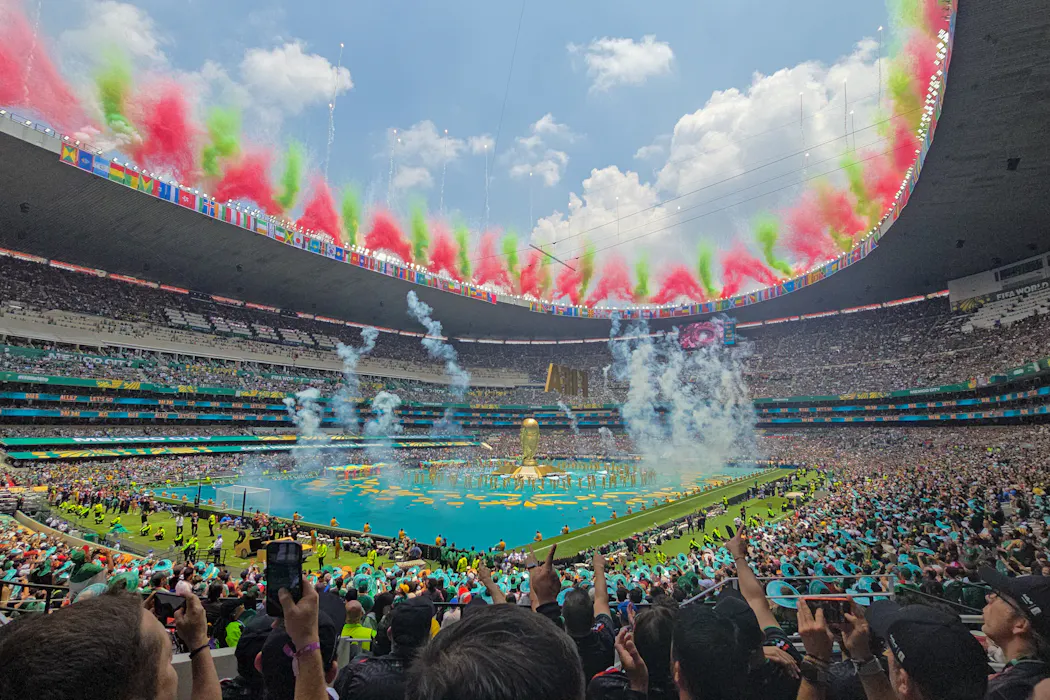



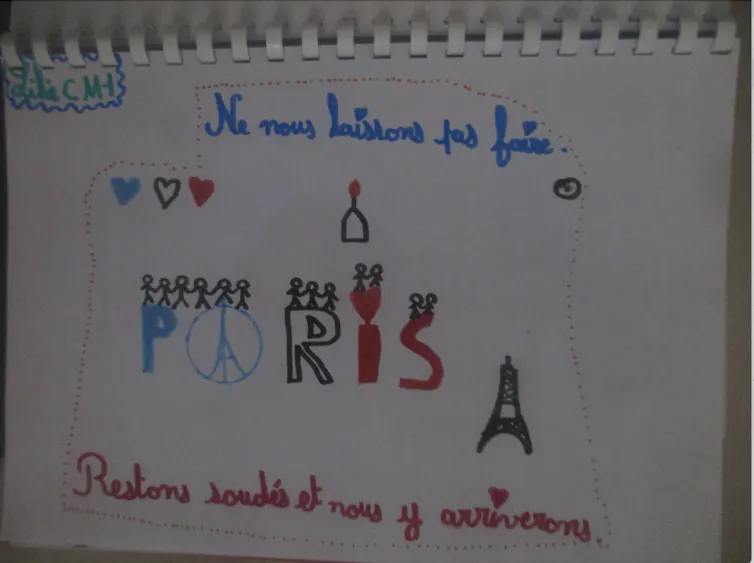


,_Luka_Modric_(R)_-_Croatia_vs._Portugal,_10th_June_2013.jpg)
