Salty drinking water could be increasing your blood pressure – people living in coastal areas are most at risk

Source: The Conversation – USA (3) – By Rajiv Chowdhury, Professor of Global Health, Florida International University

When people consider what causes high blood pressure, they often think of lifestyle factors, such as eating salty foods, lack of exercise or smoking. However, an unexpected source of salt might also be raising blood pressure for millions of people: the water they drink.

As sea levels rise, more and more salt water tends to infiltrate global freshwater sources. I’m a public health researcher, and this raised a question for my team: Could saltwater intrusion be increasing the risk of high blood pressure worldwide?

In our analysis of existing research, we found that people exposed to saltier drinking water tend to have significantly higher blood pressure and a greater risk of hypertension. This link, as expected, appears strongest in coastal areas where seawater is increasingly contaminating freshwater supplies.

Our findings highlight an often overlooked environmental factor in cardiovascular disease that could become more problematic as climate change accelerates.

Environmental health and hypertension

Hypertension – persistent elevated blood pressure – affects over a billion people worldwide and remains a leading cause of heart disease and stroke. However, global prevention efforts mainly focus on lifestyle – environmental factors generally receive much less attention.

One such factor is drinking water salinity, defined as the concentration of dissolved salts – primarily sodium – in water. In many coastal areas, groundwater is becoming saltier as rising sea levels push sea water into freshwater aquifers.

Close-up of cupped hands filling with water from a fountain
Drinking water is getting saltier, particularly in coastal regions.
SeizaVisuals/E+ via Getty Images

This is particularly problematic, since over 3 billion people live in coastal or near-coastal regions globally, many in low- and middle-income countries where groundwater is their main source for drinking water. In these coastal communities, people might inadvertently ingest large amounts of sodium just from drinking and cooking with saline water they cannot taste.

Water salinity is as risky as being sedentary

Researchers have long suspected that exposure to high salinity drinking water could affect people’s blood pressure and cardiovascular disease risk. However, previous research on this topic has often been limited by variable study designs, mixed results, inconsistent and imprecise methods to measure salinity, and small sample sizes. It’s also unclear whether this risk, if it exists, varies by population.

To address this uncertainty, my team and I conducted a systematic review and meta-analysis that pooled data from 27 population-based studies involving more than 74,000 participants in the U.S., Australia, Israel, Bangladesh, Vietnam, Kenya and several European countries. Combining data across studies can address some of the core limitations of individual studies by enabling detection of relevant effects. Synthesizing evidence across diverse populations, settings and study designs can also improve generalizability by providing a more comprehensive picture.

The studies we examined focused on the association between sodium levels in drinking water and cardiovascular outcomes, including blood pressure, hypertension and other heart-related conditions. When we compared the health outcomes of people exposed to higher levels of drinking water salinity with those exposed to lower levels, we found a consistent pattern.

Close-up of arms of person measuring blood pressure with portable monitor
Hypertension increases your risk of cardiovascular disease.
Tatiana Maksimova/Moment via Getty Images

Those drinking saltier water experienced about 3.22 mmHg higher systolic blood pressure and about 2.82 mmHg higher diastolic blood pressure, on average. Overall, exposure to high salinity water was linked to a 26% increased risk of developing hypertension. These associations were strongest among coastal populations.

While these are modest increases at the individual level, even small shifts in blood pressure among large populations can have significant public health effects. To put it in perspective, the risk that higher water salinity levels poses to hypertension is similar to that of other cardiovascular risk factors, such as low physical activity, which increases hypertension risk by approximately 15% to 25%.

Studying sodium levels

Our findings highlight the importance of considering environmental exposures alongside individual behaviors when addressing risk factors for high blood pressure.

Despite increasing evidence linking drinking water salinity to blood pressure, researchers still know relatively little about its effects on long-term cardiovascular diseases, such as heart attacks or strokes. My team and I identified very few studies examining these outcomes. Future research could explore how drinking saline water influences cardiovascular disease risk and what salinity levels are harmful to health.

Interestingly, current World Health Organization guidelines do not set any health-based standard for sodium levels in drinking water. This further highlights the need for stronger scientific evidence.

For most people, food remains their primary source of sodium. But when water salinity is elevated, drinking sources may add to a person’s total intake. Checking local water quality reports, if available, and focusing on overall dietary sodium could help people manage their blood pressure.

The Conversation

Rajiv Chowdhury does not work for, consult, own shares in or receive funding from any company or organization that would benefit from this article, and has disclosed no relevant affiliations beyond their academic appointment.

ref. Salty drinking water could be increasing your blood pressure – people living in coastal areas are most at risk – https://theconversation.com/salty-drinking-water-could-be-increasing-your-blood-pressure-people-living-in-coastal-areas-are-most-at-risk-277820
Ads for GLP-1 drugs are flooding the internet – here’s how to know if it’s safe to buy them online

Source: The Conversation – USA (3) – By Sujith Ramachandran, Associate Professor of Pharmacy Administration, University of Mississippi

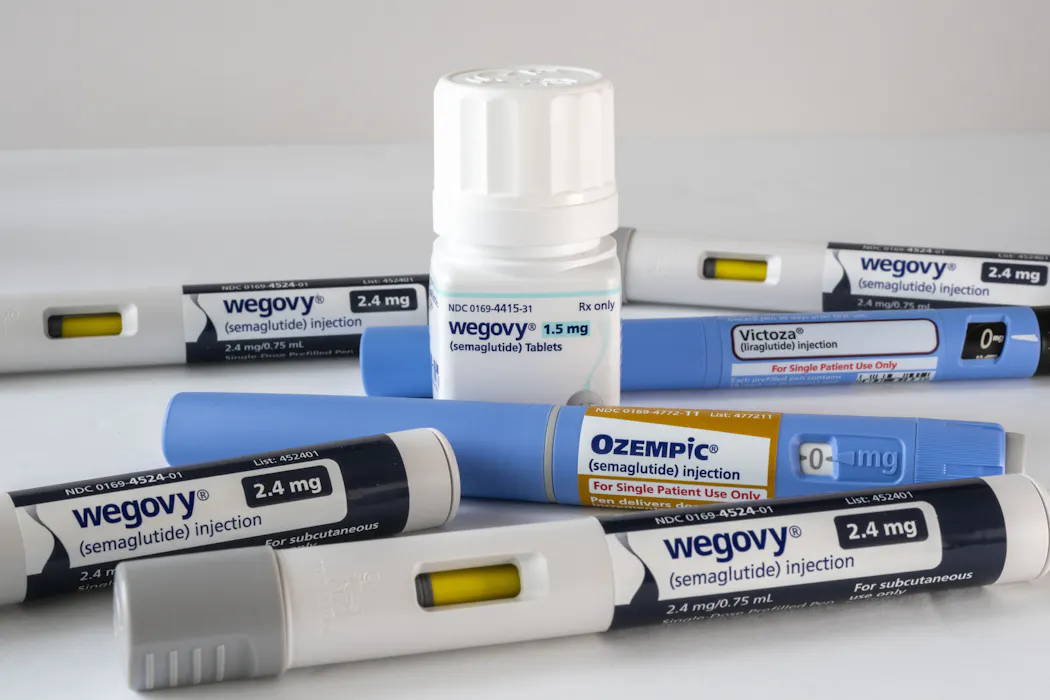
Websites that sell compounded versions of GLP-1 drugs are not allowed to sell them under the brand names. Michael Siluk/UCG, Universal Images Group via Getty Images

If you watched the Super Bowl in 2026, you likely saw Serena Williams share her weight loss journey on GLP-1 medications in a commercial.

Like millions of others around the country, if you’ve ever considered taking one of these drugs, you probably went online to learn more about where you can get them and how much they cost.

Online searches for GLP-1 medications like Ozempic and Wegovy have risen dramatically since 2022. Advertisements like Williams’ Super Bowl commercial both reflect and help drive that growing demand.

More and more advertisements for weight loss medications are appearing in people’s daily lives. These ads can be appealing, intrusive, confusing or even misleading, and have sparked widespread concerns about inappropriate use and adverse events. But the high cost of GLP-1 medications, combined with the lack of adequate coverage by insurance plans, has helped fuel a booming online market for cheaper alternatives.

As health services researchers studying prescription medication safety, we are highly concerned about the risks of online advertisements selling alternative versions of GLP-1 weight loss medications.

Serena Williams’ Super Bowl ad promoted GLP-1 drugs for weight loss.

Not all GLP-1 medications are the same

As of April 2026, the most popular GLP-1 medications approved by the Food and Drug Administration include semaglutide, sold under the brand names Wegovy, Ozempic and Rybelsus; tirzepatide, sold as Mounjaro or Zepbound; and orforglipron, sold as Foundayo.

These brand-name medications have undergone rigorous clinical trials and extensive FDA evaluation, including review of clinical data, manufacturing processes and facility inspections, to ensure safety, quality and effectiveness.

Many of the GLP-1 drugs advertised on the internet are not the FDA-approved medications but rather “compounded” GLP-1 products made in compounding pharmacies. They contain the same active ingredient – semaglutide, tirzepatide or orforglipron – but add minor but clinically important modifications such as using a different salt form, adding different inactive ingredients and varying drug concentrations or dosages. In addition, they may be often produced and stored under inconsistent quality standards.

Compounding pharmacies are intended to create personalized versions of FDA-approved medications to meet unique patient needs that cannot be met through the mass-produced brand-name medications. However, there is no evidence to suggest that the modifications being made to GLP-1 medications sold by compounding pharmacies meet those criteria. Instead, companies are using compounding pharmacies to bypass the FDA-approved manufacturers and generate profit.

In February 2026, the FDA released a report alerting patients and providers about the risks of compounded GLP-1 medications.

The report notes the presence of counterfeit Ozempic, the use of non-FDA-approved ingredients such as retatrutide or cagrilintide, and products bypassing regulations by being labeled as “not for human consumption.”

As of July 2024 – the most recently issued report – the FDA had received over 1,000 reports of adverse events related to compounded semaglutide and compounded tirzepatide. These include gastrointestinal effects like nausea, vomiting and abdominal pain, as well as fainting, headache, migraine, dehydration, acute pancreatitis and gallstones. These effects occur because drug concentrations in compounded medications can vary significantly, leading to serious dosing errors.

The Better Business Bureau is seeing a rash of ‘subscription traps’ for GLP-1 drugs.

Steps to safely obtain GLP-1 medications online

First, if you or someone you know is considering GLP-1 medications for weight management, it’s important to know that leading medical organizations have specific recommendations for the use of these drugs. For instance, the American Diabetes Association only recommends the use of GLP-1 drugs for weight loss for those with a body mass index, or BMI, of at least 30, or among those with a BMI of 27 or greater if they have at least one other condition such as type 2 diabetes, hypertension or high cholesterol. People with a BMI below 27 need further clinical evaluation to determine if a GLP-1 medication is appropriate for them.

If you and your doctor determine that it is appropriate to seek GLP-1 medications for weight management, it is important to avoid compounded versions of GLP-1 drugs unless your health care provider specifically recommends them.

But identifying which GLP-1 medications are compounded can be challenging. It is important to carefully examine how the medication is labeled on the website.

Websites selling compounded versions of GLP-1 drugs are not allowed to use the FDA-approved brand names of products like Ozempic, Wegovy and Zepbound.

If a product description includes spelling errors or terms such as “compounded,” “generic version” or “same active ingredient as [brand name],” it often indicates that the product is a compounded formulation. When in doubt, try contacting the online retailer and ask if the product is a compounded drug.

If you decide to obtain GLP-1 medications online, it is important to choose reliable and transparent sources. The manufacturers of several FDA-approved GLP-1 medications provide official online platforms such as Novocare and LillyDirect.

These allow people to get medication information and transparent pricing and to get the drugs delivered to them at home or to pick them up at a pharmacy. When possible, using these official sources can reduce the risk of encountering misleading advertisements or unverified products.

Red flags

Online retailers that offer GLP-1 drugs without requiring a prescription or medical evaluation are illegal and unsafe. Advertising the ease of getting a prescription or only requiring an online form to obtain a prescription is a red flag. As a rule of thumb, patients should always begin their treatment by consulting with their local primary care provider who can evaluate their complete medical history.

It is also important to verify whether the pharmacy associated with the website is properly licensed and compliant with regulatory standards, since many online sellers rely on compounding pharmacies that are based outside the U.S. or are not appropriately licensed. Therefore, patients should check whether the pharmacy that will ship their medication has a physical address and a telephone number based in the U.S.

Patients should verify whether the pharmacy is registered on the official FDA database of approved compounded pharmacies and licensed as per the board of pharmacy of the state where the pharmacy is physically located.

Using pharmacies that are not registered or licensed is highly unsafe and can result in serious adverse effects. If the online retailer does not clearly disclose which pharmacy they are using, you should contact the retailer to confirm this information.

Finally, even after you receive your medications, you will need to carefully review the product and its label. This can help determine whether the medication being offered corresponds to an FDA-approved product or a compounded formulation. Products that arrive without proper packaging, labeling or an expiration date, or have a foreign language on the packaging, may be unsafe or unverified products.

The Conversation

Sujith Ramachandran receives funding from the National Community Pharmacy Association.

Liang-Yuan (Claire) Lin does not work for, consult, own shares in or receive funding from any company or organization that would benefit from this article, and has disclosed no relevant affiliations beyond their academic appointment.

ref. Ads for GLP-1 drugs are flooding the internet – here’s how to know if it’s safe to buy them online – https://theconversation.com/ads-for-glp-1-drugs-are-flooding-the-internet-heres-how-to-know-if-its-safe-to-buy-them-online-277369

Trump’s clash with the pope reenacts a 1,000-year-old question: What happens when sacred and secular power collide?

Source: The Conversation – USA (3) – By Joëlle Rollo-Koster, Professor of Medieval History, University of Rhode Island

Pope Leo III crowned Charlemagne as emperor on Christmas Day, 800 A.D. Levan Ramishvili/Flickr via Wikimedia Commons

Alarm over the war of words between President Donald Trump and Pope Leo XIV has escalated with remarkable speed, from The New York Times to the Daily Beast and local television.

The pope has repeatedly called for peace in the Middle East since the start of the Iran war, insisting that “God does not bless any conflict” and warning against the “delusion of omnipotence.”

On April 12, in a lengthy social media post, Trump derided Leo as “WEAK on Crime, and terrible for Foreign Policy,” telling him to “focus on being a Great Pope, not a Politician.” His Truth Social account posted, then deleted, a Christ-like image of Trump appearing to heal a man.

At stake in this public feud is an old question: Can a religious leader challenge political power, especially a ruler of one of the most powerful countries in the world?

As a medieval historian and lead editor of “The Cambridge History of the Papacy,” I cannot help but see a familiar pattern.

For many people, Trump’s rant against the pope was shocking. But conflicts between popes and rulers are not an aberration; they’re a durable feature of Western history. Whenever political leaders cloak power in sacred language, or religious leaders publicly denounce political violence, they reenact debates that stretch back more than a millennium. These struggles are not symbolic: They concern who holds ultimate authority over people, souls – and in the end, history itself.

Two powers, intertwined

From its earliest centuries, Christianity was bound up with politics. Roman Emperor Constantine legalized the religion in 313. He later presided over the Council of Nicaea, an important theological assembly, blurring the line between political rule and spiritual authority.

A black and white illustration of monks, knights and a crowned man seated on a throne.
Constantine presides over a burning of books that were deemed heretical at the First Council of Nicaea in 325 C.E.
Pictures From History/Universal Images Group via Getty Images

In the fifth century, Pope Gelasius I articulated a rival vision: that the world was governed by two powers, priestly and royal. Ultimately, he argued, spiritual authority outweighed political power, because it promised eternal salvation. Gelasius’ theory did not resolve the tension between the two, but it established a lasting framework for Christian political thought.

The relationship between these two powers shifted decisively in the year 800, when Pope Leo III crowned Charlemagne, a Frankish king, emperor on Christmas Day. This act was not merely ceremonial. It implied that imperial authority in the West came from the church and that political legitimacy required papal sanction.

The coronation followed years of political instability in Rome and the papacy’s increasing reliance on the Franks for military protection. After Leo was elected pope in 795, opponents attacked him, and he found shelter at the court of Charlemagne. The king returned to Rome with Leo and asserted his legitimacy. In turn, Leo crowned Charlemagne. Doing so asserted his own role as a maker of emperors, while Charlemagne gained a sacred aura.

This moment reshaped medieval political theology. It encouraged rulers to see themselves as guardians of both political order and religious orthodoxy, while popes moved from spiritual counselors to active participants in secular governance. The result was a paradox: Kings invoked God to sanctify conquest, as Charlemagne did in his brutal wars against the Saxons. Meanwhile, churchmen claimed the authority to restrain violence, encouraged just wars and threatened violent behaviors with spiritual sanctions.

Battle over bishops

By the 11th century, however, the papacy increasingly sought to free itself from secular dominance. In particular, popes wanted to select the church’s bishops rather than allowing nobility or a king to do so.

That struggle exploded into the Investiture Controversy, one of the most consequential conflicts of the Middle Ages, and lay crucial groundwork for the Magna Carta, the first document to hold royalty subject to the law. Both events addressed the same fundamental question: Who has the right to grant authority, and what limits exist on political power?

A black and white line drawing shows two seated men in robes. One wears a crown while the other has a halo around his head.
A woodcut depicts a medieval king investing a bishop with the symbols of his position, including his staff, called a crozier.
Philip Van Ness Myers/ReneeWrites via Wikimedia Commons, CC BY

At stake was not merely church administration but sovereignty itself. Bishops were major landholders and political figures; controlling their selection meant controlling wealth, loyalty and governance.

In the push to appoint bishops, popes were insisting that spiritual authority came from the church alone, challenging the idea that kings ruled by unchecked power. It was a decisive attempt to separate spiritual legitimacy from royal control and to place moral constraints on rulers who claimed divine authority.

The Investiture Controversy dragged on for several decades. Finally, in 1122, Pope Calixtus II and Emperor Henry V signed the Concordat of Worms. The agreement granted the pope the right to name bishops and to install their spiritual authority. The emperor, meanwhile, would “invest” them with their “temporalities”: that is, the worldly powers attached to their office, such as land, revenue, jurisdiction and coercion.

Reining in the king

A century later, the Magna Carta pursued a parallel objective.

Its immediate background lay in the conflict over the new archbishop of Canterbury, whom Pope Innocent III had appointed in 1207. King John opposed his choice, prompting Innocent to excommunicate the king and place England under interdict, meaning the English could not participate in church sacraments.

A faded illustration of a man in robes, seated on a throne, with a crown on his head and a model building held up in his palm.
An illustration in the Historia Anglorum, found in the British Library, shows King John of England holding a church.
Fine Art Images/Heritage Images/Getty Images

To appease tensions, John surrendered England to the pope in 1213, turning the kingdom into a papal fief. In return, he received Innocent’s approval for a war against France.

But the arrangement deeply angered English barons, who now found themselves subject not only to their king but also to papal authority. After England’s decisive defeat, John was forced to confront rebellious barons at home.

The result was the Magna Carta, the “Great Charter.” Forced on the king by armed resistance, the document asserted that the king himself was subject to law. It limited royal authority over taxation, justice and punishment, and it famously declared that no free person could be imprisoned or deprived of rights without lawful judgment.

John appealed to the pope, however, who annulled the charter shortly after its issue. Despite this setback, the Magna Carta survived: John’s son Henry III reissued it several times, with its definitive version implemented in 1225.

Taking the long view

Seen in this long perspective, the Trump–Leo confrontation appears less surprising. When a president invokes sacred language or imagery to justify violence, and a pope replies by denying divine sanction, they are reenacting a struggle as old as medieval Christendom: who may speak in God’s name, and who may set limits on power.

The medieval world did not resolve this tension, but it learned to live with it by fracturing authority: first between church and crown, later between rulers and law. What is unsettling today is how easily modern leaders still reach for religious language to evade restraint, and how fragile the institutions meant to check them can appear.

The Conversation

Joëlle Rollo-Koster does not work for, consult, own shares in or receive funding from any company or organization that would benefit from this article, and has disclosed no relevant affiliations beyond their academic appointment.

ref. Trump’s clash with the pope reenacts a 1,000-year-old question: What happens when sacred and secular power collide? – https://theconversation.com/trumps-clash-with-the-pope-reenacts-a-1-000-year-old-question-what-happens-when-sacred-and-secular-power-collide-280548

The UK is spending more on defence – but is raiding the aid budget the best way to pay for it?

Source: The Conversation – UK – By Matt Barlow, Lecturer International Political Economy, University of Glasgow

In March, the UK foreign secretary Yvette Cooper made a statement to parliament setting out the government’s international aid priorities. With an aid budget significantly smaller than it was five years ago, Cooper proposed which countries and programmes would receive support.

This was the first time MPs and the public heard any spending detail after the latest round of cuts to aid.

To allow more money for defence in an increasingly volatile world, in 2025 the UK cut its aid budget from 0.5% to 0.3% of gross national income (GNI). The cut now leaves international aid spending at £9.2 billion per year. It followed a similar reduction in 2021, when the government cited post-COVID financial pressures.

Conflict is a central theme in the government’s priorities, with support maintained for fragile and war-torn states: Palestine, Sudan, Ukraine and Lebanon (albeit only for this year for Lebanon due to the Israeli bombardment). It means that by 2028-29, 70% of UK aid spending will be spent in conflict zones.

So inevitably there were regions that were de-prioritised. Support for many African states has been reduced. Bilateral aid to the region is set to reduce by more than £800 million, or 56% by 2028-29.

And with 20% of the aid budget already designated for domestic refugee spending and housing – £2.8 billion was spent on this in 2024 – the amount of aid available to some of the world’s poorest countries is coming under increasing pressure. Unfortunately, this reflects a global trend.

Cooper argued that countries receiving aid do not want to be in a dependent relationship with the UK. Instead, she said the situation could be reimagined as “partnership not paternalism”. This is certainly an idea that responds to criticisms of aid as neocolonial, fragmented and of little use in addressing the root causes of poverty.

And with challenges remaining across developing economies even after decades of aid, this argument should not be discounted – even if evidence shows aid saves millions of lives every year.

Who should pay?

But across the world, talk has turned to the alternatives for developing countries to finance the processes of development. While the options are limited, there is some consensus.

Discussions have focused on how to plug the aid gap by supporting governments in recipient states to collect more tax domestically, while increasing private finance.

Raising taxation sustainably was already a central pillar of the UN’s Sustainable Development Goals. But the need to do so has gained momentum as development organisations push finance ministries to adopt more resilient “fiscal roadmaps”. Yet raising revenue through taxation is especially difficult for governments in poorer nations.

A major issue is the disconnect between policy and politics. Taxation is often seen as a technical challenge, when the reality is that it is deeply political. While wealth redistribution through taxation has reduced poverty and inequality in regions of the developing world, progressive taxation can be hampered by a lack of political will to implement it.

The ability of governments to tax is also undermined when those with the means to do so move their wealth across borders to pay less tax.

Negotiations are under way within the UN to create a more effective global system for taxation that will be fairer and reduce inequality across developing countries. Inevitably, these proposals face resistance from wealthy nations with large corporate bases.

Aside from tax reform, the need to attract private investment is high on the agenda. With this in mind, governments and development organisations have adopted increasingly creative means to make this attractive. It came as no surprise that Cooper referred to the UK government’s global role as an “investor” rather than just a donor, when wealthy and emerging economies have been moving in this direction for some time.

The moral case

But it is a shift that is not without social and political risks. First, the projects that are attractive to financiers rely on significant public subsidy, referred to as “blended finance”. This diverts public resources from other causes that may create greater social value but are considered less profitable for investors. There has been criticism of the impact on poverty and inequality from these developments in the spheres of education and health.

Second, there are few public scrutiny mechanisms for private investment. Financial information is treated as commercially sensitive, posing a severe challenge to effective governance and accountability.

And crucially, neither of these modes of financing offers a quick-fix solution to the aid cuts. Ultimately, what is key is rebuilding a moral case for aid that has been lost in recent years.

The UK government has made the case that rather than bilateral direct aid, international cooperation through institutions and joint initiatives such as Gavi, The Vaccine Alliance are critical to multiply the impact of the support. And there are many who would agree that aid in its current iteration is unsustainable. So a shift away from a traditional framework has support.

But there remains a moral case for aid – and the pace and scale of the cuts has caused concern. In fact, the UK foreign secretary acknowledged this in a newspaper column that accompanied the statement. In it, she argued that reducing aid to fund defence was not walking away from the Labour party’s values and responsibilities.

But this is a difficult sell when the alternatives take time to implement and there are questions about why increased funding of defence should come at the expense of the aid budget. Taxing those with the broadest shoulders more could better exemplify the values Cooper argued for. It could be said there is a moral case for that.

The Conversation

Matt Barlow and Benjamin Hunter are project leads for The State of Development Aid and What Comes Next, which received funding from the Scottish Council on Global Affairs.

ref. The UK is spending more on defence – but is raiding the aid budget the best way to pay for it? – https://theconversation.com/the-uk-is-spending-more-on-defence-but-is-raiding-the-aid-budget-the-best-way-to-pay-for-it-280220

From ‘market value’ to levelling up, the manosphere is shaped by a financial mindset

Source: The Conversation – UK – By Robert Lawson, Associate Professor in Sociolinguistics, Birmingham City University

oneinchpunch/Shutterstock

Louis Theroux’s recent Netflix documentary Inside the Manosphere shines a spotlight on masculinity influencers and the dangers of online misogyny, conspiracy theories and anti-feminist ideologies. Responses to the documentary have ranged from outrage to disbelief, criticising how the manfluencers treat the women in their lives and discussing the importance of role models in countering manosphere influences.

But what has been less talked about is how it reveals the relentless pursuit of financial gain driving these “manfluencers” and the language they use to normalise their views.

Amid a cost of living crisis and a declining job market, Theroux shows why “manfluencers” resonate so strongly with their target audience of boys and young men. Theroux meets four key figures in the manosphere, all of whom sell a carefully curated lifestyle based on conspicuous consumption, hypersexuality and an “alpha masculinity” mindset to their millions of followers.

Although this may seem like a tempting lifestyle to some, the main effect is to reinforce a sense of inadequacy and failure among their audiences. Do this enough times, then you can sell the solution to become a “real man”.


Read more:
How boys get sucked into the manosphere


In Theroux’s documentary, two fans of a manosphere influencer suggest that “life as a man, you’re born without value. We have to build that value. You have to work for every penny”.

The language used in the manosphere is the language of financial markets, with discussion of optimisation, levelling up and marginal gains. Phrases like “sexual market value”, “high/low value man” and “maxxing” convert intimacy into a market and the body into an asset class. Manosphere guidance encourages young men to inspect themselves from the outside, as if conducting a performance review. Men’s bodies are seen as measurable assets and an index of “masculinity”.


Read more:
The pseudoscientific attractiveness scale that grew out of incel forums and is now making money for looksmaxxing influencers


Glow-ups, routines, hacks, looksmaxxing, courses, tips and videos on “ways to increase your value” are deployed as strategies to help fans unlock the secret of being a “real man”. In these spaces, the broader system that turns masculinity and relationships into metrics is never the problem. Instead, men are told that failure lies in their inability to increase their own “market value”. These discourses of “self-improvement” are, in reality, damaging forms of self-surveillance.

Manosphere adherents end up caught in a loop of aspiration and self-loathing: improve, compare, fail, repeat. In this context, the language of “levelling up” becomes especially insidious. Although it sounds playful and empowering, this mindset traps fans in a permanently unwinnable game. There is always another goal to strive for, another skill to master, another level to unlock.

‘Manosphere’ influencers place high value on physical fitness and attractiveness in both men and women.
MDV Edwards/Shutterstock

The dating market

The consequences of this mindset for both men and women is most evident in the language around dating and the idea of the “sexual market”. Attraction is viewed as quantifiable (“high/low value”), competitive (“winners/losers”) and impersonal (“it’s just sex”). Women and men are both consumers and products competing for scarce demand. Rejection is “market feedback”.

These metaphors reduce a deeply social and emotional sphere of life down to a superficial economic reality. By treating people and relationships as metrics, it becomes easier to view them only in instrumental terms. Framing relationships as one-dimensional, transactional and based on hierarchy has negative effects for both men and women.

In Inside the Manosphere, one influencer reveals that he filmed a woman performing a sex act on him for “clout”. Theroux shows a clip from one influencer’s social media arguing that women are “subordinate” to men and should always make themselves sexually available. In one of the most discussed scenes from the documentary, one man advocates for “one-sided monogamy”, where he sleeps with other women while his wife stays at home as the main caregiver.

This man reduces women to an “attractiveness score”, saying that if a man isn’t tall but is physically fit, muscular and makes money, “Maybe [he doesn’t] come to Miami and pull Miami 10s, but I’ll be damned if [he] can’t pull a couple of 8s or 9s in a small town in America”.

Some of this corporate language is used to make misogynistic ideas sound neutral, data-driven and common sense. While recording a podcast, one man uses his “female delusion calculator” to draw attention to the unrealistic expectations a female guest has of a prospective partner. Although presented as a mathematical model based on demographic data, its primary function is to highlight what he claims is the “irrational” nature of women in the contemporary dating scene, and conclude that women “overinflate [their] own sense of self-worth”.

By framing this commentary as a form of objective analysis, it makes hierarchy seem an everyday and commonplace part of life and hides its misogynistic underpinnings.

Influencers in the manosphere often pronounce that they are seeking to elevate the position of men through the language of empowerment. The self-improvement narratives are compelling, but they don’t stand up against the evidence that these men are very much in it for themselves.

The documentary highlights how the manfluencers’ central goal is ultimately self-enrichment, often at the expense of their followers. Theroux “invests” £500 into an interviewee’s trading platform, only to see it whittled away over the course of a few weeks, with the influencer taking his cut. Fans of one influencer pay to have their comments read out live on air. Another influencer courts conspiracy theories to create viral content, describing those in the manosphere as “trying to make a buck” by selling ideologies.

There is a sense that compromising the social contract doesn’t matter, so long as you have a Rolex on your wrist, a Lamborghini to drive and a fancy apartment to hide away in. The ideologies promoted by the manfluencers in the documentary are rooted in misogyny, sexism, violence and exploitation – and there is clearly a market ready and willing to buy them.

The Conversation

Robert Lawson is a Research Fellow in the Institute for Research on Male Supremacism.

ref. From ‘market value’ to levelling up, the manosphere is shaped by a financial mindset – https://theconversation.com/from-market-value-to-levelling-up-the-manosphere-is-shaped-by-a-financial-mindset-278565

What secret report reveals about impact of UK nuclear programme on veterans who claimed they were harmed by the fallout

Source: The Conversation – UK – By Christopher R. Hill, Professor of History, Faculty of Business and Creative Industries, University of South Wales

“The Ministry of Defence has always maintained that it never rained,” said Ken McGinley, founder of the British Nuclear Test Veterans Association (BNTVA). “I’m sorry, you’re liars … I was there!”

McGinley, who was a royal engineer, gave this interview in January 2024, shortly before his death, as part of our Oral History of British Nuclear Test Veterans project.

McGinley was present during the Grapple nuclear weapons test series, conducted by the UK on the central Pacific island of Kiritimati (also known as Christmas Island) in the late 1950s. At the time, this remote atoll was inhabited by 250 villagers as well as thousands of British servicemen.

For decades, many of those present during this and other above-ground British nuclear weapons tests have argued they were harmed by radioactive fallout. McGinley founded the BNTVA in 1983 to “gain recognition and restitution” for the veterans who took part in British and American nuclear tests and clean-ups between 1952 and 1965.

British royal engineers build a runway during construction of the British military base on Kiritimati.
British royal engineers build a runway during construction of the British military base on Kiritimati, November 1956.
Imperial War Museums via Wikimedia

Rain became a key symbol in their argument as one of the only tangible signs of fallout taking place. The nuclear physicist Sir Joseph Rotblat described these alleged post-blast showers as “rainout”, a phenomenon whereby rain and mushroom clouds interact, leading to the contamination of rain droplets by harmful radionuclides.

In almost all cases, any link to subsequent health issues has been denied by the UK government because of lack of evidence of widespread radioactive contamination. However, a review of the evidence – written in 2014 by anonymous government scientists in response to freedom of information requests – was recently leaked by whistleblowers.

It reveals that post-blast radiation readings increased by a factor of up to seven on the island, compared with the normal background level. In our view, this would be more than enough to satisfy the “reasonable doubt” that tribunals require for veterans to receive a war pension due to illness or injury related to their service, as stated in the Naval, Military and Air Forces (Disablement and Death) Services Pension Order.

The top secret review, first revealed publicly by the Mirror newspaper on March 14 2026, also contains new evidence of radioactive contamination of fish in the island’s waters.

The repeated dismissal of veterans’ testimony in court cases and pension appeals caused stress and trauma for many. The majority died insisting they were not deceitful or forgetful – and that it did indeed rain while they were living on Kiritimati.

‘Factually inaccurate’

Kiritimati was monitored for fallout by the Ministry of Defence (MoD) after each detonation over the island – the largest of which, Grapple Y, was 200 times more powerful than the bomb dropped on Hiroshima.

In 1993, environmental monitoring data was collated into a report by a team at the MoD’s Atomic Weapons Establishment (AWE). Known as the Clare report, this informed the UK’s official position on fallout: namely, that none occurred over populated areas and that veterans would need to prove otherwise to secure redress.

However, the 2014 review of fallout data concluded the Clare report was “incomplete and, in some cases, factually inaccurate”.

Despite this review being passed on to the MoD, however, it was kept secret for more than a decade. Following its release, the legal implications could be gamechanging. According to the 2014 review: “The instrument readings could potentially be used to challenge the validity of statements made by MoD and UK government regarding … fallout on Christmas Island.”


Read more:
‘Our nuclear childhood’: the sisters who witnessed H-bomb tests on their Pacific island and are still coming to terms with the fallout


In a recent House of Commons debate on the issue, the UK minister for veterans and people, Louise Sandher-Jones, confirmed her commitment “to the nuclear test veterans and their fight for transparency … They have had a very long fight, and I really recognise how difficult it has been for them, and I want them to understand that I am committed to them.”

Video: BFBS Forces News.

What Merlin reveals

Behind the scenes, the release of newly declassified archival material in the publicly accessible Merlin database has added to calls for government accountability about the nuclear tests.

Compiled by the treasury solicitor during a class action against the MoD between 2009 and 2012, the database was stored at AWE until the journalist and author Susie Boniface discovered it held information about the medical monitoring of servicemen and Indigenous people. Her work led to its release in 2025.

Holding over 28,000 files, Merlin was commissioned by the MoD in response to the compensation claims made by almost 1,000 veterans from 2009. Its contents include official reports and communications, photographs, maps, safety guidelines and health monitoring information. Video footage includes the Grapple X test in November 1957.

Video: atomcentral.

A University of Liverpool team based in The Centre for People’s Justice and the Department of History is working with Boniface and campaign group Labrats International to catalogue and analyse the contents of Merlin – combining it with other sources, including personal testimony. Recently released files indicate nuclear fallout in the island’s ground sediment and rainwater, and heightened radioactivity in its clams.

Evidence has also emerged of radioactive waste being dropped from aeroplanes into the sea off Queensland in 1958 and 1959. Although dumping radioactive waste was surprisingly common during the cold war, this revelation raises questions about how risk and danger was understood and managed during Britain’s nuclear test programme.

The files also show workers without protective clothing around a plutonium pit at Maralinga in South Australia, site of seven British atmospheric nuclear tests in 1956-57.

Official notes reporting atomic waste dumping off the Queensland coast of Australia.
Previously classified reports of atomic waste dumping off the Queensland coast of Australia.
The National Archives (Merlin files)

The Merlin releases have galvanised claims that not so long ago may have been interpreted as conjecture. The recent releases suggest that servicemen and islanders were exposed to radioactive fallout – not just from rain showers, but from the fish they ate and the water they drank.

While a causal link with subsequent health conditions would be hard to prove, we believe it is time for the UK government to get behind a public inquiry into the full impact of Britain’s nuclear weapons testing programme.

The Conversation

Christopher Hill was Principal Investigator of ‘An Oral History of British Nuclear Test Veterans’, a two-year project funded by the UK Office for Veterans’ Affairs.

Jonathan Hogg receives funding from Research England’s Policy Support Fund to support research into the Merlin database. He was Co-Investigator on ‘An Oral History of British Nuclear Test Veterans’, a two-year project funded by the UK Office for Veterans’ Affairs. The final report can be viewed here: https://www.liverpool.ac.uk/humanities-and-social-sciences/research/projects/nuclear-test-veterans/

ref. What secret report reveals about impact of UK nuclear programme on veterans who claimed they were harmed by the fallout – https://theconversation.com/what-secret-report-reveals-about-impact-of-uk-nuclear-programme-on-veterans-who-claimed-they-were-harmed-by-the-fallout-280189

Drought could be making antibiotic resistance worse, scientists say

Source: The Conversation – UK – By Manal Mohammed, Senior Lecturer, Medical Microbiology, University of Westminster

Piyaset/Shutterstock.com

Antibiotic resistance is often associated with hospitals and the overuse of antibiotics in agriculture. Both are genuine problems, but new research suggests another potential culprit that many people haven’t considered – droughts caused by climate change.

A recent study published in the journal Nature Microbiology found that when soil dries out, it can speed up the natural processes that create and spread antibiotic resistance. This doesn’t mean drought directly creates superbugs in hospitals, but it suggests climate change could make the problem worse.

This matters a lot for the UK. The Met Office predicts that summers will get hotter and drier, with longer droughts if emissions stay high. Meanwhile, the NHS is already struggling with antibiotic-resistant infections, which are harder to treat and keep patients in hospital longer. When standard antibiotics stop working, doctors are sometimes forced to use powerful alternatives that are kept in reserve precisely because overusing them risks making those resistant too. These are known as “drugs of last resort”.

So what’s actually happening in the soil? Soil is teeming with bacteria, and many of them naturally produce antibiotics to kill off rivals. Other bacteria carry genes that make them resistant to those attacks.

An arms race in the soil

In normal, moist soil, bacteria live in a relatively stable environment. But when soil dries out, water gets squeezed into tiny, isolated pockets. Bacteria get crowded together, nutrients become scarce and competition turns brutal. In these conditions, bacteria produce more antibiotics to attack each other, and more resistance genes emerge to help them survive. It’s an arms race fuelled by drought.

Here’s why that’s relevant to human health: bacteria can swap genes with each other through a process called horizontal gene transfer – think of it like sharing a video game cheat code. This means resistance genes from soil bacteria can be picked up by bacteria that infect humans. In fact, some resistance genes found in soil bacteria have already been spotted in bacteria that infect people, hinting at a long evolutionary connection between the two.

Horizontal gene transfer explained.

Some large studies have found that drier regions of the world tend to report higher levels of antibiotic-resistant infections in hospitals, even when taking differences in wealth and healthcare quality into account. However, these studies show correlation, not direct cause and effect. Other factors like how infections are tracked or how easy it is to access healthcare could also explain this pattern.

Some of the soil bacteria linked to this problem are close relatives of hospital pathogens like Klebsiella pneumoniae and Pseudomonas aeruginosa, which belong to a group called Eskape, responsible for many of the world’s hardest-to-treat infections. Again, this doesn’t mean these bugs come from soil, but it does show how connected environmental and clinical bacteria really are.

Antibiotic resistance already causes millions of infections every year worldwide. Most efforts to tackle it have focused on cutting unnecessary antibiotic use in medicine and farming, which is still vital. But this research suggests the environment itself, and how climate change is reshaping it, also plays a role we can’t afford to ignore.

This is where the idea of One Health comes in. One Health is the idea that human, animal and environmental health are all closely linked. Antibiotic resistance, seen through this lens, isn’t just a medical problem, it’s an ecological one too.

As droughts become more common in the UK and around the world, scientists will need to keep a much closer eye on what’s happening beneath our feet.

The Conversation

Manal Mohammed does not work for, consult, own shares in or receive funding from any company or organisation that would benefit from this article, and has disclosed no relevant affiliations beyond their academic appointment.

ref. Drought could be making antibiotic resistance worse, scientists say – https://theconversation.com/drought-could-be-making-antibiotic-resistance-worse-scientists-say-280393

How to tell if your dog is in pain (and what to do if they are)

Source: The Conversation – UK – By Jacqueline Boyd, Senior Lecturer in Animal Science, Nottingham Trent University

If your pooch is losing interest in exercise it could be a sign they’re in pain. Elayne Massaini/Shutterstock

If you live with a pet, you might feel like you can almost read each other’s minds.

You might even have experienced your pet responding to your emotional state. Animals seem to have impressive skills at detecting our state of health too.

However, new research suggests that many dog owners are not skilled in recognising pain in their pets as they might like to think. This could have significant consequences for the behaviour, health and welfare of our pets.

As a migraineur, I am amazed at how my dogs cope with me when a migraine hits. They seem to recognise the pain, distress and incapcacity that comes along with a migraine and respond with more gentle interactions than usual. I hope that when the situation is reversed and they are unwell or in pain, that I too can recognise it.

So, how can you recognise if your pet is in pain and what should you do if you think they are?

Signs of pain

It is easy to assume that an animal in pain will make some noise about it and show obvious physical signs. This might be the case if they are in acute pain as the result of severe injury for example. However, animals often disguise pain as a survival mechanism, and many signs of pain show only as subtle changes in behaviour.

Humans do seem to be able to recognise basic animal emotional states such as anger, fear or joy, through facial and body expressions. But we are less good at linking these cues to more complex emotional states including pain, anxiety and frustration.

The recently published study assessed how good people are at recognising signs of pain in dogs. This was carried out via an online questionnaire completed by 530 dog-owners and 117 non-owners. Participants were given a list of 17 types of dog behaviour. The study participants were asked to rank how likely they thought these behaviour types were to indicate pain, based on their prior knowledge and experience. In reality, all 17 types of behaviour listed suggest a dog is in pain.

The signs of pain provided included obvious behavioural changes such as hesitant paw lifting, reduced play behaviour and changes in personality. Participants were good at recognising these prominent behaviour changes were linked with pain. However, they didn’t realise more subtle indicators such as yawning, lip and nose licking and changes in facial expressions including looking away and increased blinking. These are all warnings that a dog may be suffering.

Notably, participants without dogs were actually more likely to recognise that freezing or turning the head or body away are associated with pain than dog owners. This suggests that dog owners may become complacent in their observations of their dog’s behaviour.

The link between pain and behaviour

The study participants were also asked to assess the potential relevance of pain in three written canine behaviour cases. The participants were not told this, but two were suffering from painful conditions, one outwardly obvious, and one more subtle. The third case was not linked to a painful condition.

Beagle dog standing on grass lifting front paw
You probably know limping isn’t a good sign, but what about the more subtle changes?
MFrans/Shutterstock

Dog owners noted that pain was likely in the case with obvious signs of movement problems – hopping and lifting of legs. This was higher for dog owners than non-owners. In the case where pain signs were more subtle (night restlessness and “shadowing” family members), there was no difference in the ability of dog-owners and non-owners to identify the behaviour as signs of pain.

However, the dog owners with previous experience of pets with a painful condition seemed to be better at recognising signs of suffering. This applied to overt changes in movement as well as body language. This suggests that prior experience can be valuable in developing skills when its comes to pet behaviour.

What is interesting from this study is that there were some discrete differences between dog-owners and non-owners in recognising signs of pain. However, owning a dog was no guarantee that someone would be better able to identify subtle pain indicators.

Previous studies have shown animal species may show pain in different ways. For example rabbits often freeze, which might be considered a fearful response. Facial grimace scales are also increasingly being used to assess pain for a range of species including cats and horses. These assessment tools track minute muscular movements in the face such as tightening eyes.

What should you do if you think your pet is in pain?

Recognising signs of pain in your pet is critical so you can respond quickly. This may also help reduce the risk of dog bites which are often linked to the dog struggling with chronic pain.

Pain can lead to increased noise reactivity too, where dogs flinch or bark loudly in response to sudden, unusual or loud noises.

If you suspect your pet might be in pain because of a sudden change in their behaviour or movement, seek veterinary advice. Soreness can manifest outwardly such as lameness, lethargy or a lack of desire to exercise or play, but it can be easy to miss more subtle signs such as altered blinking, momentary pauses or freezing.

Research indicates that dog owners should be alert to altered sleep patterns, restlessness, clinginess and unusual licking or chewing their body. Even changes in a dog’s ear position, coat quality, texture, or how their coat lies on their skin can indicate underlying discomfort. Reluctance to being touched in specific areas of a dog’s body might also be a sign of discomfort that needs veterinary investigation.

So if you think your dog needs training or a session with a behaviourist because of a gradual or sudden alternation in their behaviour, it’s worth ruling out whether your pooch is acting strangely because they’re in pain first.

The Conversation

In addition to her academic affiliation at Nottingham Trent University (NTU) and support from the Institute for Knowledge Exchange Practice (IKEP) at NTU, Jacqueline Boyd is affiliated with The Royal Kennel Club (UK) through membership, as advisor to the Health Advisory Group and member of the Activities Committee. Jacqueline is a full member of the Association of Pet Dog Trainers (APDT #01583). She also writes, consults and coaches on canine matters on an independent basis.

ref. How to tell if your dog is in pain (and what to do if they are) – https://theconversation.com/how-to-tell-if-your-dog-is-in-pain-and-what-to-do-if-they-are-279864

My surname makes people laugh – so I turned it into a research communication tool

Source: The Conversation – UK – By Andrew Mycock, Chief Policy Fellow, University of Leeds

Surnames shape our identity. They can be a point of reflection, especially if the surname is rare, has a unique meaning, or holds special sentimental value. They often spark curiosity about family history or the need to carry on a legacy.

I have what many might think is an unfortunate or embarrassing surname – Mycock. It has powerfully shaped my personal and professional life. Having my surname is a daily trial, eliciting a range of responses from suppressed to open laughter and unsolicited comments. But I am also aware of the joy my surname brings and how it can break down barriers when meeting people. This has opened up space for me to consider the potential of comedy as a form of research communication.

The Mycock surname originates from the rural communities around the market town of Buxton in Derbyshire. There, it is relatively common and stimulates little comment. When I left this refuge to go to university in Salford during the mid-1990s, my life changed. The daily tribulations of having this unfortunate surname led me to avoid using it in public whenever possible.

Gaining a doctorate opened a new strand of jokes – being Dr Mycock has not been easy. I rarely wear conference badges and avoid using my name on PowerPoint title slides. My students have taken delight in being lectured by Mycock, and shown great creativity in citing my research in their essays.

About two years ago I began doing comedy shows about living with my surname, largely in response to suggestions from friends and work colleagues. These shows have proven far more successful than I ever could have envisaged. I have sold out gigs across the north-west of England and Scotland over the past couple of years.

I deliver my shows like a lecture (in the style of comedian Dave Gorman), using my teaching experience to mix comedy with educational content in an engaging way.

Comedy as research communication

My experience as an academic researcher has allowed me to explore not only the origins and importance of surnames, but also why people laugh at my surname. This includes a consideration of how the phallus has grown as an increasingly resonant symbol of protest in democratic politics, particularly at the ballot box. Research in the US also indicates that anxieties about penis length and perceptions of masculinity appear to correlate with voter choice.

I’ve also drawn on research to explore the effect of having an unfortunate surname including on self-esteem, anxiety, job interview and career chances, meeting a partner and even a greater likelihood to commit crime.

In the show, I also discuss the travails of having an unfortunate surname in the digital world. I explore research on the so-called Scunthorpe problem, whereby automated internet content filters mistakenly block innocent words, emails, or usernames because they contain a sequence of letters that match a prohibited profanity.

To my surprise, I have also been commissioned to make a programme for the BBC Radio 4 Illuminated series called Andy Mycock: Named, Unashamed. It explores my journey to coming to love my surname and engagement with the broader community of the unfortunately named. This has been a deeply rewarding experience. I worked closely with my producer Olivia Swift to develop the script and content for a non-academic audience. It has drawn strongly on my experience of engagement with different forms of broadcast media over the past two decades and also encouraged me to adapt my often too-academic style of presentation.

I am by no means the first to recognise the potential of comedy to help researchers build novel connections with the public. The Bright Club, established by UCL, has run comedy nights since 2009 where staff and students perform short sets about aspects of their research or teaching.

The Science Showoff brings together researchers and comedians to host comedy nights in London and is staging the UK Science Comedy Festival in July this year. In Scotland, The Provocateurs are a group of academics and university public engagement professionals who host comedy shows at the Edinburgh Fringe festival and elsewhere to promote research through comedy.

Humour – when appropriate – has the potential to enrich the educational experience for students and reach public audiences in novel and engaging ways. Gaining experience of using comedy to engage with the public has encouraged me to reflect on the utility of the academic skills and experiences I have accrued as an educator and a researcher over the past 25 years of my career. They have provided a solid basis to further develop my approach to public engagement as an academic and open up new avenues which connect my personal and professional life.

Comedy has also allowed me to come to like my surname; it brings some light-relief in an increasingly dark world. I no longer see it as unfortunate but now realise that it has allowed me to build unique connections with students and colleagues across academia and beyond. No one forgets when they met Dr Mycock.

The Conversation

Andrew Mycock does not work for, consult, own shares in or receive funding from any company or organisation that would benefit from this article, and has disclosed no relevant affiliations beyond their academic appointment.

ref. My surname makes people laugh – so I turned it into a research communication tool – https://theconversation.com/my-surname-makes-people-laugh-so-i-turned-it-into-a-research-communication-tool-280495

Solar panels won’t slash energy bills on their own – an expert explains how to maximise savings

Source: The Conversation – UK – By Salma Al Arefi, Senior Lecturer in Renewable Energy, University of Leeds

MAXSHOT.PL/Shutterstock

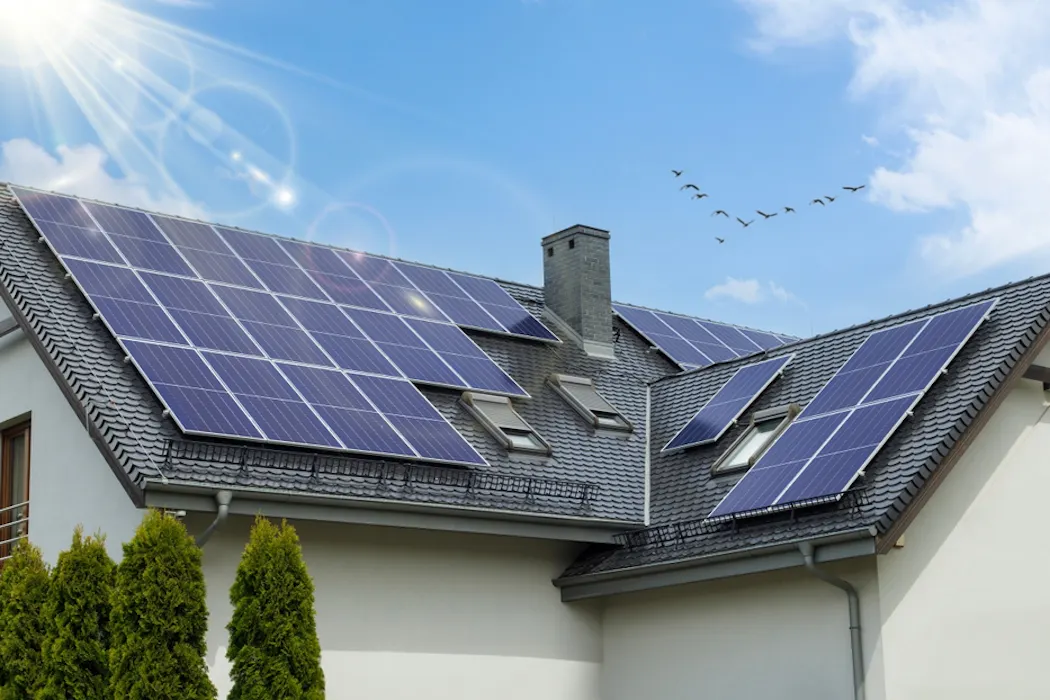
Energy bills in the UK are still expected to rise in the coming months, putting more pressure on household budgets despite the shaky ceasefire in the Gulf.

Meanwhile, use of solar power is growing across the UK, achieving 22 gigawatts (GW) of solar capacity from nearly 2 million installations, by February 2026.

In March, solar panel sales in the UK rose sharply, with one renewable energy firm reporting a 54% increase in sales. While rooftop solar is often seen as the most effective way to reduce electricity costs , it is not an option for all households, especially those living in flats or rented homes.

The UK government has plans to expand the use of solar as part of a wider focus on energy security. And it has now said plug-in solar will soon by available in the UK.

These are small systems, typically around 800W, that can be installed on balconies or external walls and connected directly to a household socket, without needing an electrician. They could offer a more accessible option for households that cannot install on rooftops.

Although standards and safety guidance is yet to be set in the UK, these plug-in systems are already widely used in other parts of Europe. Some sources suggest there were around 4 million units being used in Germany in 2025.


Read more:
Why windfarms and electricity pylons have become a major issue in the Welsh election


How about plug-in solar?

The amount of electricity a plug-in solar system generates is relatively small.Performance can also vary
depending on where it is installed. Factors such as the direction a balcony faces, shading from nearby buildings and how the panels are positioned can all reduce how much electricity is produced.

A typical UK household uses around 2,700-3,000 kilowatt hours (kWH) of electricity each year. Using a basic online calculator, a small 800W plug-in solar system, when vertically mounted on a balcony, is likely to generate around 150-350kWh, depending on orientation and shading. This means the system can provide about 5-12% of the electricity a home uses over a year. This could help a bit with bills, but not hugely.

What makes more of a difference is the time you use your energy. Solar generates electricity during the day, but most households need more in the evening. So much of this energy may go unused if the home is unoccupied during the day.

Benefits of batteries

To benefit the most from solar, households need to consider how they use electricity.

One simple way to make better use of solar is to shift electricity use into the daytime when possible, such as running appliances or charging devices when solar power is available.

Another option is to use battery storage. Smaller plug-in batteries, typically around 1–2kWh and costing £500–£1,500, can store extra electricity for later use. However, because the amount of energy generated is quite small, the financial return on the battery is often limited, with payback periods of seven to ten years.

Daily savings can be estimated based on the difference between off-peak and peak electricity prices. In the UK, standard electricity prices are around 24–30p/kWh, according to Ofgem. This price difference means a small battery shifting around 1–2kWh per day could save roughly 25p–45p per day, equivalent to around £90–£160 per year. However, actual savings depend on usage patterns and seasonal variation.

Rising sales of solar panels have been seen because of the Gulf conflict.

Smart tariffs

A different approach is to combine battery storage with smart time-of-use tariffs. This technology, already established in the UK, allows batteries to be charged with cheaper off-peak electricity overnight from the grid and discharged during expensive peak periods.

One example already available is the EcoFlow Stream Ultra battery. A single unit can supply 250W–300W for appliances including fridges, routers and standby devices. It can discharge the power for approximately six to eight hours. In the future, a battery like this could potentially be charged from a solar panel.

To understand how this works in practice, consider a small battery of around 1.9kWh, costing approximately £1,500. If it is used only to store surplus solar energy from a balcony system, the financial return is relatively modest and will vary by season, with strong summer performance and lower winter output.

However, the savings change when the same system is used along with a smart time-of-use tariff. Instead of relying only on solar power, the battery can be charged overnight using cheaper electricity from the grid (typically 7–9p/kWh) and then used during the day when electricity is more expensive (often 30–35p/kWh). Typically, off-peak charges apply between midnight and 5am-6am.

This can lead to daily savings, usually around 25p–45p (up to around £1-£1.50 per day for larger batteries of around 5kWh), depending on usage and price differences. When these steady savings are combined with seasonal solar generation, total savings could reach £200-£300 per year.

This means the overall system could pay for itself in around five to six years. And for the larger battery systems, savings could be higher, reaching around £500–£650 per year.

Overall, solar will work best as part of a wider shift in households rethinking when and how to use energy.

The Conversation

Salma Al Arefi does not work for, consult, own shares in or receive funding from any company or organisation that would benefit from this article, and has disclosed no relevant affiliations beyond their academic appointment.

ref. Solar panels won’t slash energy bills on their own – an expert explains how to maximise savings – https://theconversation.com/solar-panels-wont-slash-energy-bills-on-their-own-an-expert-explains-how-to-maximise-savings-279781