Inside a laser clean room. The beam is contained within the blue pipe.Ahmed Helal
If you walk across the open yard in front of the Physics, Math and Astronomy building at the University of Texas at Austin, you’ll see a 17-story tower and a huge L-shaped building. What you won’t see is what’s underneath you. Two floors below ground, behind heavy double doors stamped with a logo that most students have never noticed, sits one of the most powerful lasers in the United States.
I was the lead laser scientist on the Texas Petawatt, or TPW as we called it, from 2020 to 2024. Texas Petawatt, which is currently closed due to funding cuts, was a government-funded research center where scientists from across the country applied for time to use specialized equipment. It was part of LaserNetUS, a Department of Energy network of high-power laser labs.
This type of laser takes a tiny pulse of light, stretches it out so it doesn’t blast optics to pieces, and amplifies it until, for a brief instant, it carries more power than the entire U.S. electrical grid. Then it compresses the pulse back to a trillionth of a second to create a star in a vacuum chamber.
On a typical shot day, the target might be a piece of metal foil thinner than a human hair, a jet of gas or a tiny plastic pellet – each designed to answer a different scientific question.
Most people hear about petawatt lasers and picture something out of a movie. A “shot day” is actually hours of quiet, repetitive work followed by about 10 seconds where nobody breathes.
I arrive two hours before the first scheduled shot. I put on my gown, boots and hairnet and step into the cold clean room. The laser doesn’t just turn on. You coax it awake.
I start with the oscillator, a small box that generates the first seed of light. I write down the parameters that define how the laser will behave during the shot: energy, center frequency, vacuum pressure in the tubes, cooling water level and flow. At this stage, they are fixed regardless of the experiment. The laser must perform the same way every time before the science can begin. Then I fire up the pump laser that will amplify this tiny pulse from nanojoules to about half a joule.
The anatomy of a petawatt laser. A tiny pulse starts at the oscillator, gets stretched in time to avoid damaging the optics, is amplified through progressively larger stages, then is compressed back down to a trillionth of a second inside the vacuum chamber at right. Ahmed Helal, Fourni par l’auteur
The system needs at least 30 minutes to stabilize. During that time, I check alignment through every pinhole and every camera along the beam path. A slight misalignment at this stage isn’t just a problem; it can be catastrophic – a mispointed beam at full power can burn through optics that take months to source and replace, setting the entire laser back.
Building the beam
Once the system is warmed up, I send the beam into the first amplifier: a glass rod surrounded by bright flash lamps that pump light into the glass – like charging a battery. With each pass, the beam absorbs energy from the glass and grows stronger. Then the beam travels into a larger rod, where it makes four passes, picking up more energy each time until it reaches about 12 joules, roughly the energy of a ball thrown hard across a room.
This process alone takes the better part of an hour, most of it spent checking and confirming alignment and energy at each stage.
I expand the beam and send it through the final stage: the disk amplifiers. Two amplifiers, each consisting of two massive 30-centimeter glass disks, are pumped by a huge bank of flash lamps powered by capacitor banks – essentially giant batteries that store electrical energy and release it in a sudden burst. They are so large that they have their own room on a separate floor. Fast optical shutters between each stage act as gates, controlling exactly when and where the beam travels.
The shot
When the experimental team confirms that the target is in position, it asks me to prepare for a system shot. I run through the long checklist. We test the shutters and switch to system shot mode. Every monitor in the facility changes to display the same message – “System Shot Mode” – and flashes red.
The Texas Petawatt control room allows scientists to track a variety of parameters and metrics. On the left is the big red emergency stop button. Ahmed Helal
I lean into the microphone at the control desk, a vintage piece that looks like it belongs in a World War II radio room, and announce that we’re going into a system shot. Then I open the compressor beam dump: a heavy glass plate that normally blocks the beam from reaching the target. It takes about two minutes to move.
“Sweeping, sweeping for a system shot.”
The announcement goes out over speakers across the facility. I grab a small interlock key, put on my laser safety goggles and head downstairs. I walk a specific pattern through every room, checking that nobody is still inside. As I go, I lock each door with the key. If anyone opens one of those doors after I’ve locked them, the entire shot sequence aborts.
Texas Petawatt scientists make announcements about the shot through a microphone in the control room. Ahmed Helal
Back in the control room, I sit down and start charging the capacitor banks. At this point, there’s no going back except for an emergency shutdown, and that means losing the shot and waiting for everything to cool down.
“Charging.”
The room goes silent. Everyone’s eyes are on the monitors. Nobody talks.
I typically will share a glance with the researcher whose project the shot is for – today it’s Joe, a visiting scientist from Los Alamos National Lab, who designed the target we’re about to vaporize. He’s gripping his coffee cup like it owes him money. I turn back to the console.
“Charge complete. Firing system shot in three, two, one. Fire.”
I press the button. A loud thud rolls through the building as all that stored energy dumps into the beam. The monitors freeze, capturing everything at the moment of the shot: beam profiles, spectra, diagnostics – these metrics provide a full picture of exactly how the laser performed and whether the shot was clean. Downstairs, in the vacuum chamber, a spot smaller than a human hair just reached temperatures measured in millions of degrees.
I lean back in my chair and start recording laser parameters as everyone exhales. A radiation safety officer heads down first to check readings around the target chamber before anyone else can enter. The experimental team follows to collect data.
Sometimes it all works perfectly. Sometimes a shutter fails to open and you lose the shot.
For example, one afternoon in 2023, we’d spent three hours preparing for a high-priority shot. Target aligned. Capacitors charged. I pressed the button and heard nothing. A shutter had failed somewhere in the chain. The monitors stayed frozen, showing black. Nobody said anything. I wrote SHOT FAILED in the logbook and started the hourlong cooldown sequence. That’s the part they don’t show in movies: sitting in silence, waiting to try again. We got the shot four hours later.
This anticipation is all part of the job: hours of patience for 10 seconds you never quite get used to. Everything happens underneath a campus where thousands of people walk above, unaware that for a fraction of a second, a tiny point of matter hotter than the surface of the Sun just existed below their feet.
Ahmed Helal is currently the Founder and CEO of Photonics Dynamics LLC, a consulting company.
Source: The Conversation – USA – By Zelalem Bedaso, Associate Professor of Earth and Environmental Geosciences, University of Dayton
Chemicals in your tooth enamel record evidence of your diet that can last millions of years.Zelalem Bedaso
Teeth are like tiny biological time capsules. They tell stories about ancient diets and environments long after their owners have died and landscapes have changed.
After bones break down, tooth enamel stays hard and unchanged, even in fossilized teeth that have been buried under sediment and rock for millions of years and are now being uncovered by erosion or excavation.
Tooth enamel forms when an animal is young, and it remains chemically stable for the rest of that animal’s life. The food an animal eats and the water it drinks during its youth leave chemical signals within the enamel.
Because of that, hidden within the enamel of fossilized teeth, scientists can find traces of extinct forests, expanding savanna grasslands, shifting climates and evolving animal communities.
A small group of oryx forage in the open savanna of Awash National Park in Ethiopia, with scattered acacia trees and dry grasses illustrating the park’s semi-arid environment. Zelalem Bedaso
Over the past 30 years, my colleagues and I have been analyzing chemical traces in fossil teeth from Ethiopia’s Afar region in the East African Rift Valley – often referred to as the cradle of humanity – to uncover what animals ate there millions of years ago, around the time early human ancestors were evolving, and what the world looked like around them.
These clues from ancient meals are enabling scientists to reconstruct pictures of entire ecosystems, including forests, wetlands and grasslands that existed at the time. It’s a reminder that in a very real sense, organisms are what they eat.
Traces of ancient diets in fossil teeth
To determine which plants ancient animals ate, my colleagues and I collect a small amount of enamel powder from fossilized teeth. We then analyze this powder in the laboratory using specialized instruments that detect chemical signals preserved in the enamel.
Trees and grasses have different ways of using photosynthesis to convert sunlight into energy. These methods leave distinct chemical patterns in plant tissues, which then become incorporated into the teeth of animals that eat those plants.
By examining these chemical patterns in tooth enamel, we can determine whether animals primarily fed on trees and shrubs or on grass, providing insight into the vegetation that once covered the ancient landscape.
The author conducts fieldwork in the East African Rift, collecting samples from ancient lake and river deposits. Courtesy of Zelalem Bedaso
We can then figure out how an environment changed over time by collecting fossil teeth from different rock layers. Each layer formed at a different time in the past, so teeth found in deeper layers are typically older than those closer to the surface.
By analyzing tooth enamel from fossils across these layers, we can compare the chemical signals preserved in the teeth and see how animal diets and the plants growing in the landscape changed through time.
Adding that knowledge to data from different types of fossils, we can track long-term shifts in vegetation, climate and ecosystems.
A changing landscape in the last 4 million years
Four million years ago, the Afar region looked very different from the dry landscape you will see there today.
Fossils, including tooth enamel, reveal that the area supported a diverse range of environments. Rivers flowed through wooded areas, lakes were scattered across the landscape, and grassy plains stretched across the basin.
Fossilized teeth from animals like antelopes, giraffes, pigs, horses, hippos and elephants show a wide range of diets. Some animals browsed on leaves and shrubs, while others grazed on grass in open habitats.
The chemical signals in the teeth indicate that grasslands were expanding at the time, but forests still played an important role. They show that animals moved through this environment and adapted to the food sources around them.
Ethiopia’s Afar Depression and Awash Valley, shaped by rifting and erosion, are among the world’s most important regions for fossil discoveries of human ancestors. Some of those fossils date back 3 million to 4 million years. Zelalem Bedaso
Around 2 million to 3 million years ago, the environment shifted more drastically toward open grasslands.
Animals that relied on grass flourished, and the populations of those that didn’t adapt declined. Horses and certain antelopes, for example, developed teeth that could grind tough, gritty plants. This adaptation is recorded on their enamel.
Early humans in a mosaic world
Early human ancestors, like the famous “Lucy,” whose skeleton was discovered in the Afar region, lived in this dynamic landscape.
Fossil teeth from Australopithecus afraensis, an early human that lived in eastern Africa between about 2.9 million and 3.8 million years ago, indicate that early human relatives did not rely heavily on grass. Instead, the chemical signal in their enamel indicates mixed diets and dietary flexibility, which included fruits, leaves and roots, depending on what was available.
The discovery of ‘Lucy’ and what bones told scientists about her life. BBC Earth.
In a landscape that combined woodland patches and open savanna, that adaptability may have been key to survival.
This period of environmental change coincided with several important evolutionary developments and morphological changes in pre-humans. Early human ancestors were walking upright. Brain size also gradually increased, allowing for more complex behavior and problem-solving.
During this time, early humans began making and using stone tools, marking a major step in technological innovation and helping them adapt to changing environments.
Diet shapes destiny
The dietary changes in the East African Rift Valley over the past 4 million years, documented through tooth enamel, are providing important clues for reconstructing the environment in which humans’ ancestors lived and how those environments changed.
They also show that species that adjusted their diets as landscapes changed were the ones most likely to survive.
This ongoing research helps explore profound questions of how environmental shifts shaped life on Earth, including human trajectories. And that is helping humanity unlock its collective past.
Zelalem Bedaso does not work for, consult, own shares in or receive funding from any company or organization that would benefit from this article, and has disclosed no relevant affiliations beyond their academic appointment.
Greenville-Pickens Speedway in Easley, S.C., held its last race in 2022. The track is at the center of debates over redevelopment and the future of local racing facilities.Tony Crescibene/flickr, CC BY
Across the United States, the local auto racing tracks that have anchored rural and working-class communities for generations are disappearing.
Some have lost out to real estate developers when suburban sprawl makes the land beneath them too valuable to ignore. Others are strangled, slowly, by noise complaints and nuisance lawsuits filed by residents who moved to the area long after the track had been built.
Over the past year, at least 13 state legislatures have put forward bills shielding racetracks from nuisance lawsuits filed by property owners who moved into the area after the track was built. These follow the passage of similar legislation in Iowa and North Carolina in 2025.
The argument being made inside these statehouses is a legal one. But what’s really being contested is something older and harder to legislate: whose idea of a place is preserved, and whose vision is pushed to its margins.
What these laws do
For nearby residents, the impacts of a racetrack can be difficult to ignore. Events are often loud and sometimes unpredictable, and they can run for hours. And the surrounding roads can be clogged with traffic before and after events.
That said, there is a long-standing legal principle known as “coming to the nuisance.” This holds that someone who moves next to existing businesses or infrastructure – whether they’re factories, racetracks, train tracks or airports – cannot then sue over disturbances from their regular operation.
In practice, however, that principle has frequently failed to protect tracks.
Old Dominion Speedway in northern Virginia, opened in the 1950s, was ultimately relocated south to Thornburg, where a new facility opened in 2016, after noise complaints from a nearby townhouse development proved impossible to satisfy.
Old Dominion Raceway – now known as Dominion Raceway – relocated to Thornburg, Va., after suburban expansion and noise complaints forced the closure of the original track in Manassas in 2012. JDwright/Wikimedia Commons, CC BY-SA
At their core, right to race bills establish that if a racetrack was lawfully built and operating before a neighboring property owner purchased or developed their land, that owner cannot bring nuisance claims against the facility.
Iowa’s law, signed in May 2025, passed unanimously in both chambers – 45-0 in the Senate and 92-0 in the House. North Carolina’s followed in September 2025, and Kansas enacted similar legislation in April 2026.
Michigan state Rep. Brian BeGole sponsored HB 5652, which passed in the House in March 2026. The state Senate’s companion bill remains in committee. Michigan House Republicans
The Specialty Equipment Market Association has lobbied for the bills, arguing that they address the same problem that spurred a spate of “right to farm” legislation in the 1970s and ’80s. These laws shielded farmers from nuisance complaints due to odors, noise, dust and slow-moving farm vehicles on local roads.
Right to race legislation hasn’t been politically controversial, in part because it is often framed as a matter of common sense.
As Michigan state Sen. Roger Hauck put it, “I don’t think it’s fair to a business that’s been zoned to be there legally by the township to have someone start complaining about the noise of the racetrack when it’s been there since before the person has been there.”
Still, the bills are not identical, and the differences matter.
Michigan’s bills and Kentucky’s bill extend immunity regardless of any future changes to a facility, meaning a track that dramatically expands its operations would still be shielded.
A more limited approach was proposed in Georgia – though the bill ultimately failed to advance before the April 2026 deadline – which would have preserved the right to sue if an existing track expanded its footprint.
More expansive versions of these bills have drawn concern in some cases. In Wisconsin, for example, Gov. Tony Evers vetoed a similar bill after it passed the Legislature, arguing it would create “unfair and unnecessary hurdles for people pursuing legal avenues to vindicate the use and enjoyment of their land.”
Land value, not noise, is the real threat
While noise complaints and nuisance suits are the immediate trigger of many track closures, they are often symptoms of a deeper economic pressure: land value.
The land that racetracks sit on – large, often flat, typically in areas that were once rural but no longer are – has become extraordinarily attractive to developers. And while housing has been the traditional threat, new ones have emerged.
Greenville-Pickens Speedway in South Carolina, the site of NASCAR’s first live televised race in 1971, has been dormant since 2022 as its future became entangled in a potential sale. It’s facing conversion into an industrial park, led by a prospective buyer rather than pressure from nuisance lawsuits. Local supporters have rallied to preserve the site, and county officials have taken steps toward recognizing it as a historic property, but those efforts don’t prevent a private sale or redevelopment. South Carolina’s HB 4706 targets nuisance lawsuits, not private sales or redevelopment, meaning it offers no protection in cases like this.
Nashville’s Fairgrounds Speedway, which has hosted racing since 1904 on city-owned property, isn’t being threatened by a private nuisance suit. Instead, its future is in doubt due to a charter amendment campaign – a ballot-driven effort that would eliminate the site’s designation for auto racing, potentially opening the door to redevelopment.
What communities stand to lose
In my view, most of the bills – even if they don’t say it explicitly – are about whether communities that have grown up around local racetracks have any legitimate claim on the continued existence of those tracks.
As one supporter in the ongoing Greenville-Pickens debate put it, the track is “more than just a racetrack to us. It’s a place where we can actually go and actually talk to others that have the same interests and passion about racing.”
Another supporter plainly said that Greenville-Pickens “is far more than a racetrack. It is the center of our world.”
Research shows that when shared social spaces disappear, the community life built around them does not simply find a new home. And in my ongoing research on grassroots racing, I’ve explored how local tracks function as some of the last spaces in American working-class life where people gather not as passive consumers but as active participants – as drivers, crew members, track workers and fans.
Owosso Speedway Operations Lead Dennis Wheeler, speaking in support of Michigan’s right to race legislation, described his track as not just a racetrack but a “small business … an employer, a tourism driver and a gathering place for families across mid-Michigan.”
These bills address the nuisance lawsuit problem, which is real. But rarely do they address land value, which is often the bigger driver of track closures. Nor do they create any funding mechanism to help tracks modernize or survive economically. And finally, they do not require that developers notify homebuyers of nearby racing facilities.
For now, it’s clear that pressure from real estate developers is threatening something that took generations to build. The bills moving through statehouses this year represent an attempt to fight back.
Some of them are well crafted and appropriately limited. Others are blunt instruments that could create their own problems. But all of them are arriving late, after many tracks have already closed and after many communities have already lost something they cannot get back.
Joshua Vadeboncoeur does not work for, consult, own shares in or receive funding from any company or organization that would benefit from this article, and has disclosed no relevant affiliations beyond their academic appointment.
One hundred years after it was conducted, the first full census of independent Ireland is being released for free online. These nearly 3 million records will be of great significance to Ireland’s population, and a global diaspora of some 80 million claiming Irish ancestry.
As well as providing insight into socioeconomic circumstances following the establishment of Saorstát Éireann (the Irish Free State) in 1922, the 1926 census holds several keys to unravelling Ireland’s complicated past.
For many, this public release will help reconcile the enormous loss caused by the destruction of the Public Record Office of Ireland at the outset of the Irish civil war. An explosion laid waste to over 700 years of Irish historical records, including some of the 19th-century censuses.
In Ireland, public access to historical census returns is legally restricted for 100 years. Almost 16 years since the online release of the 1901 and 1911 household census returns, the demand for more genealogical records is palpable.
So, please be patient with the system (and the wonderful people behind it) as it will be busy. Excitement about previous census releases has crashed websites.
What the census could reveal
The 1926 census has some novel aspects compared with those conducted under British administration from 1821 to 1911. Although the Irish language was part of a bilingual question since 1851, the 1926 census offered the first opportunity to complete the form as Gaeilge (in Irish).
This census emphasised the “family” as the unit of inquiry, as opposed to the “household”, which was more inclusive of non-relatives cohabiting. As with past censuses, the name, age, sex, marital status/orphanhood, birthplace, language, religion and occupation of each person was documented in terms of their relationship to an appointed head of household.
A census provides the statistical underpinning to plan for future population needs. In the 1920s, the world was reeling from excess young adult mortality – a combination of the first world war and the global influenza pandemic. Ireland was no exception.
Aggregate reports from the 1926 census convey concerns about the declining population, delayed age at marriage and marital fertility.
Perhaps reflecting the remit of the responsible Department of Industry and Commerce (Statistics Branch), the 1926 census sought more precise information than previous censuses about employment and employers. The reports show that of 1,223,014 “gainfully employed” people over the age of 12, 53% were engaged in agriculture.
But regional variations were marked. In Dublin City, heartland of the pejoratively termed “beer and biscuits” economy, that figure was as low as 0.9%. In counties like Galway, agricultural dependency was as high as 75%.
Only 6% of the population was categorised as “unemployed”, most of which was temporary. Some jobs had residential components and, of those, the 14,145 “professed clergymen and nuns” outnumbered the 13,869 non-commissioned members of the recently reduced Óglaigh na hÉireann (Irish army).
The records released on April 18 tell us even more about the men, women and children behind these statistics, what their domestic lives were like, and the parts they played in Saorstát Eireann.
Mysteries of history
Like many, I approach the release with questions about my own family, such as where my grandparents were at the time.
My first search will be for deceased loved ones like my darling uncle Eamon. He will be among the infants recorded in 1926, who went on to contribute to the Bailiúchán na Scol or Schools’ Collection – a compilation of folklore compiled by Irish schoolchildren in the 1930s. Something was definitely in my eye when I found him in there a few years ago.
There are also several wider socioeconomic, cultural and political aspects to this census that I will explore.
I am interested in teasing out the relationship between the populace and the newly-formed An Gárda Síochána, the unarmed police force established in 1926 who acted as census takers. For example, did they encourage participation, or instil a reticence to engage, among those who opposed the Irish Free State government?
Related to this is whether Dublin’s sex work district, Monto, endured the moral panic that swept across Europe following the Great War. My work with Rachel Murphy on the 1911 census found several young women as sole occupants of tenement rooms, which would normally be inhabited by entire families. Will similar patterns emerge when we examine the streets of Monto in 1926?
It will be possible to investigate the ages of older cohorts alongside court records. This may challenge the well-worn jokes about those who allegedly aged more than ten years between the 1901 and 1911 censuses, in order to qualify for the old-age pension.
For scholars of migration, birthplace will be a critical data point, to trace Northern Irish Catholics seeking refuge from sectarian conflict.
Sadly, the equivalent 1926 Northern Irish returns were lost through suspected improper housing and archival neglect. This inhibits future research on the 106,456 decrease in the Protestant population from the 1911 census. Some of this reflected the departure of British Crown forces, but the majority were those fleeing the Irish Free State for political and safety reasons.
Tips for your census search
Household census returns are an excellent source of information about past family and kinship networks. But it is best to manage expectations and think creatively around naming conventions, derivatives and spelling variations. Ditto for place names – but there is a useful historical mapping tool that could help. Bear in mind also that several streets were renamed after 1922.
As a general rule, the upper echelons of Irish society are easier to find in official records than lower socioeconomic groups. My work shows how census returns are often the only official record of ordinary lives.
To protect the privacy of residents in hospitals, asylums, prisons, county homes (erstwhile workhouses) and other carceral institutions on census night, only their initials were recorded. This makes patients and inmates tricky to find, but a rough idea of age and location will prove helpful.
For the more well-documented Irish, the 1926 census offers a conduit to the delights of other freely available online collections, like the civil registration of births deaths and marriages on irishgenealogy.ie.
Ciara Breathnach receives funding from Research Ireland.
When my dog Buddy ate a tub of chewing gum – around 60 pieces – we rushed him to the vet, where he stayed overnight. Thankfully he was fine. The same could not be said for our wallets.
Two aspects of the experience with the vets stood out to my inner economist. First, the bill was far higher than the initial quote. Second, we were encouraged to approve further tests, but the vet seemed uncomfortable recommending them and quickly accepted our decision not to proceed.
Experiences like this seem to be increasingly common. Prices for veterinary services have risen sharply in recent years, and many pet owners say they find it difficult to understand or predict what they will be charged.
Higher prices don’t necessarily mean that the market isn’t working as it should. But there are features in the veterinary market that limit how effectively competition works – and changes in the UK have compounded these issues. This prompted an investigation by the Competition and Markets Authority (CMA), which issued its final report in March.
There’s a reason the word “trust” appears 90 times in the CMA’s report. Healthcare is not like buying groceries or new shoes – it’s what economists call a “credence good”. Similar to car repairs, this is where experts know far more than their clients, and it’s difficult to verify afterwards whether the right course of action was taken.
For this to work, pet owners need to trust that their vet is acting in the best interests of the animal. Most vets probably do, but trust is not left to goodwill alone. In the UK, the Royal College of Veterinary Surgeons (RCVS) is the regulator of this profession, setting ethical standards that vets must follow.
Since reforms in the late 1990s allowed non-vets to own practices, the sector has become increasingly consolidated. Today, roughly 60% of practices are owned by six large corporate groups.
But unlike individual vets, these corporations are not regulated by the RCVS. Its powers apply to individual practitioners rather than the companies that own vet practices.
Vets under pressure
Many of these groups are also operating clinics, referral centres, diagnostic laboratories and pharmacies – what’s known as being “vertically integrated”.
These features create a potential conflict of interest. Corporate owners have financial incentives to encourage more treatment, while vets are bound by professional obligations to act in their patients’ best interests.
This isn’t just a theoretical concern. The CMA found that some processes, including financial targets and internal performance systems, place pressure on vets when it comes to recommending tests or treatments.
This doesn’t mean that inappropriate care is widespread. But it highlights a tension between financial incentives and clinical judgment. Even where firms act responsibly, the perception of a conflict may undermine trust.
There are, of course, reasonable explanations for rising fees. Pet ownership in the UK ballooned at the height of the COVID pandemic. Increased pet ownership means there is increased demand for veterinary care, which means higher prices. Advances in treatment have improved the quality of care while also raising costs.
Nevertheless, the CMA found that the profitability of large veterinary groups is far higher than would be expected in a well-functioning market.
Lack of competition
The issue isn’t a lack of choice but a lack of effective competition. One problem is limited transparency.
Many practices don’t publish clear price lists, making it difficult for pet owners to compare providers. And even when they try, they may not realise that different clinics are owned by the same company.
There are also practical barriers. Decisions about care are often made under pressure, when a pet is unwell. Few owners are willing to call multiple clinics or compare detailed quotes in such moments. In addition, it takes time for pet owners to establish trust in their vet. Once established, people are reluctant to switch providers.
Yes, Buddy ate all the chewing gum – and he’d do it again. CC BY
These features give rise to what economists call high search and switching costs. When comparing options and switching providers take both time and effort, firms face less pressure to compete aggressively on price. Even in markets with many providers, prices can remain high.
The CMA has proposed a range of remedies aimed at improving how the market works. A central theme is transparency. Practices will be required to publish price lists, provide itemised bills, and clearly disclose their ownership. The aim is to make it easier for pet owners to compare providers and encourage more effective competition.
The CMA has also introduced measures to make it easier for consumers to buy medicines elsewhere, including caps on prescription fees. However, the effect on overall bills is less clear. In the absence of price caps on other services, practices could simply offset lower prescription fees with higher charges elsewhere.
Looking ahead, the CMA has also recommended a shift to bring corporate owners of veterinary practices within the scope of regulation.
It is not clear what this might look like in practice, but the aim would be to ensure corporate owners are subject to greater oversight, more in line with the obligations placed on individual vets. This could pave the way for more substantial reforms in the future.
David Rietzke does not work for, consult, own shares in or receive funding from any company or organisation that would benefit from this article, and has disclosed no relevant affiliations beyond their academic appointment.
Source: The Conversation – UK – By Peter Howson, Assistant Professor in International Development, Northumbria University, Newcastle
QQMinh88 / shutterstock
Bitcoin has long been promised to function as money. In practice, it rarely does.
While 99% of transactions are still speculative trading, for as long as bitcoin has been a thing it has been used to skirt governments’ economic controls. Cryptocurrencies are particularly attractive for countries facing sanctions.
The Iranian government is considering charging oil tankers for safe passage through the Strait of Hormuz in cryptocurrency. The reports have excited the bitcoin community with crypto markets jumping slightly in response. “Once the email arrives and Iran completes its assessment, vessels are given a few seconds to pay in bitcoin, ensuring they can’t be traced or confiscated due to sanctions”, an Iranian government spokesperson told the Financial Times.
$2 million per ship – in crypto
According to blockchain intelligence firm TRM Labs, Iran’s armed forces, the Islamic Revolutionary Guard Corps (IRGC), has accepted payments from ship operators since March, charging up to US$2 million per vessel to transit the strait. Payment can be made not only in bitcoin but also in Chinese yuan or the dollar-pegged “stablecoin” tether.
For shipping companies, the details remain unclear. But many ships are unlikely to set sail without assurances of safe passage from the IRGC.
The US has taken a hard line. President Donald Trump has accused Iran of extortion and stated that the US would hunt down and intercept any ships in international waters that paid the Iranian tolls.
The stalemate is likely to tighten an already narrow choke point. The war has reduced the passage of tankers to a trickle.
Practical problems
Our research has examined how individuals and governments facing sanctions use cryptocurrencies as a way to buy and sell oil, raise hard currency and sidestep economic embargoes. Iran is no stranger to crypto shenanigans. Around 4.5% of all bitcoin mining takes place there, allowing the country to purchase imports and bypass US sanctions.
Yet implementing a bitcoin-based toll system without US approval is not straightforward. Shipping companies will struggle to buy enough cryptocurrency from exchanges without alerting US regulators.
As the US has defined the IRGC a terrorist organisation, any exchanges doing business with Iran risk being added to sanctions lists. Two UK-registered crypto exchanges have found themselves in such a predicament this year.
Even if shipping companies had ready access to millions of dollars-worth of crypto, bitcoin is not truly anonymous. All transactions are logged in a transparent ledger, known as a blockchain, and can be traced with ease in real time.
The transit fee has been reported as the equivalent of US$1 per barrel of oil. US enforcement agencies need only check how much oil a ship is carrying and the time the vessel sailed the strait to guess whether or not a toll was paid.
Who wins from crypto crises
Iran’s plan is seemingly a challenge to the dominance of the US dollar in global oil markets. Accepting payment in yuan, in particular, could subvert the so-called “petrodollar” system. One strategist at Deutsche Bank says the conflict could see “the beginnings of the ‘petroyuan’”.
But China and Iran aren’t the only potential beneficiaries. Some of the biggest commercial proponents of bitcoin are US oil firms, like Exxon and ConocoPhillips. Both have been recognised by the World Bank for their “innovations”: using residual gas from oil wells to power their bitcoin mining machines. Both benefit enormously from a high global oil price and spiking crypto markets. By spurring demand for bitcoin, the crypto industry – centred in the US – will also win big.
In times of war, stocks in weapons companies have always been a safe investment. It looks like cryptocurrencies could be joining them. In a forthcoming book I have written with colleagues, Crypto Crises: how digital currencies accelerate global instability, we explain how cryptocurrencies are reproducing and intensifying geopolitical crises, transforming them into new opportunities for states and corporations to extract profits.
Trump himself initially suggested that the US and Iran might levy the Hormuz toll fees as a “joint venture”, declaring that US involvement would be “a beautiful thing”.
Together, these moves point to a broader shift. Bitcoin remains difficult to use on the high street, while its transparent ledger makes it a terrible choice for criminals. Instead, its real use lies elsewhere.
Crypto use is often a symptom of desperation, not innovation. It is being touted during economic blockades or other moments of geopolitical tension, when conventional financial systems are restricted or have broken down. In these circumstances, it can become a makeshift opportunity for survival, or a tool for making quick profits from instability.
Peter Howson has received funding from the British Academy.
The illustration published along with the story in the Illustrated Police News on May 2 1885.Royal Historic Society
The media exposes a scandal – a network of rich, powerful men are abusing teenage girls. Outrage spreads fast and the public demands that authorities reveal the evidence and bring the perpetrators to justice. Yet the system shields many of those involved, and few face serious consequences. This isn’t about Jeffrey Epstein – it’s a scandal that unfolded in Victorian London.
Our research focuses on the women and girls at the centre of those events. In July 1885, a series of newspaper articles ran in the Pall Mall Gazette with the headline The Maiden Tribute of Modern Babylon. They exposed systematic abuse and trafficking of young girls. From the day the articles were published, there was uproar. Parliament was inundated with petitions and there was a huge demonstration in Hyde Park.
MPs were forced to respond, passing legislation which raised the age at which girls could consent to sexual intercourse from 13 to 16. Records of those events are held in the Women’s Library at London School of Economics, and some are displayed in its current exhibition, The Women’s Library at 100.
The Maiden Tribute was the final step in years of campaigning for a higher age of consent. Before then, legislation which aimed to raise it had languished in parliament. According to rumours among campaigners and politicians, this was because some MPs were guilty themselves of abusing young girls. Indeed, opponents openly argued that such legislation would expose their own sons to the risk of prosecution.
Frustrated activists had turned to W.T. Stead, the editor of the Pall Mall Gazette. Feminist campaigner Josephine Butler, leading Salvation Army members and Stead undertook an investigation of child sexual exploitation, visiting everywhere from brothels to rescue homes. Stead even “purchased” a 13-year-old girl named Eliza Armstrong and sent her to France (in the Salvation Army’s care) to prove that such procuring and trafficking was possible.
Butler noted in a letter to a friend: “O! What horrors we have seen!”
The London scandal
The resulting articles took the reader through the process of recruiting and abusing young women. They portrayed a whole industry devoted to the exploitation of the girls: procurers and brothel-keepers, doctors who “certified” virginity and midwives who ministered to their wounds afterwards.
The series was swiftly syndicated around the world as “the London scandal” and people speculated on the identities of the men described. In New York, it was rumoured that many prominent American men visited the notorious brothel madam Mrs Jeffries’ houses. Some of her clients were named in the campaigning newspaper The Sentinel as MPs, Lords and Dukes, the Prince of Wales and King Leopold II of Belgium.
Popular outrage forced MPs to pass the Criminal Law Amendment Act by August. As well as raising the age of consent for girls, the legislation rushed to introduce new offences of procurement and brothel keeping.
Some of these offences further criminalised women rather than those exploiting them. For example, if two or more sex workers operated in shared premises for safety, they could become liable for brothel-keeping – that is still the law today. A late amendment introduced by Henry Labouchere MP also outlawed all consensual sexual activity between men; the new offence was used to convict the writer Oscar Wilde a decade later.
Ironically, only Stead and several of his colleagues were convicted as a result of these events. They were imprisoned for the kidnapping of Eliza Armstrong. Meanwhile, the men accused by campaigners of exploiting underage girls were unprosecuted and unpunished.
There is much to be learned from this history. First, some very influential people do not want child sexual exploitation eradicated, making effective reform difficult to achieve. It was only through public pressure that new laws were finally passed in 1885. However, a combination of haste, conservatism and deference to elite male interests meant that the law was deeply flawed and moralistic.
Second, the victims and survivors of abuse are too easily blamed, ignored or politically exploited. Reporting of the Maiden Tribute scandal furthered specific ends. In France and America, it was used as proof of aristocratic degeneracy. Meanwhile, the exploited girls were dismissed by respectable society as “fallen”. As the MP Charles Hopwood said in the House of Commons, working-class “girls who went upon the streets … had a familiarity with these things from an early age and were quite able to take care of themselves”.
The MP Charles Hopwood said that working-class ‘girls who went upon the streets … had a familiarity with these things from an early age and were quite able to take care of themselves’. WikiCommons
Victim-blaming drew attention away from procurers, such as Mrs Jeffries, who offered girls a route out of extreme poverty or lured them with false promises of legitimate jobs. The trafficking described in the 1880s used similar recruitment techniques and enforcement methods to today. Even those girls who benefited financially from their exploitation suffered greatly in their mental and physical health.
Third, the establishment tries very hard to cover up such abuse. In Victorian London, policemen were paid off and one who refused to be bought was constructively dismissed. Earlier in 1885, campaigners had brought a private prosecution against Mrs Jeffries because the police refused to take the case any further; the judge frequently reminded witnesses not to name clients; and Mrs Jeffries pleaded guilty mid-trial, before her VIP clientele was exposed. She escaped with a fine rather than imprisonment. In 1887, Mrs Jeffries would be prosecuted again under the new Act; her clients were not.
It is not easy to make the powerful face consequences. Of the leading figures exposed in the Maiden Tribute, the only person who ended up in jail was a woman: Mary Jeffries. The men faced no reckoning, except for gossip about their involvement.
The history, then, offers useful guidance for the present: put pressure on those in power to take effective and swift action, do not trust politicians exploiting abuse to gain power, rigorously uncover institutional corruption and ensure that money and influence do not protect abusers from rightful consequences. Most importantly, believe and centre the voices of victims and survivors.
The authors do not work for, consult, own shares in or receive funding from any company or organisation that would benefit from this article, and have disclosed no relevant affiliations beyond their academic appointment.
Awkwardness and acne are the first things that spring to mind when thinking of adolescence, but they’re not always the full picture. We asked eight of our experts to tell us which book they feel best represents the experience of being a teenager.
1. Natives by Akala
In this biographical polemic, Natives, Akala captures the experience of being a teenager as a time when young people begin to recognise the social injustices shaping the worlds they inhabit.
Akala reflects on his teenage years as a period of awakening. Experiences at school, encounters with authority, and immersion in music and culture all contributed to the formation of his own identity. For many teenagers, it is during these formative years that individual experiences become connected to wider social structures and for all too many teenagers, the limits placed upon them.
Akala conveys the confusion and anger that can arise when adolescents realise that society is not fair, particularly for those from minority backgrounds. His honest discussion of education, policing, and representation highlights how adolescence can be both challenging and simply unfair. At the same time, the book shows teenage years as a period of growth and empowerment. It demonstrates how young people develop their voice, values and sense of purpose as they wake up to living in 21st-century Britain.
Michael Amess is an assistant professor of secondary teacher education
2. The Catcher in the Rye by J.D. Salinger
The Catcher in the Rye remains one of the most enduringly accurate portrayals of teenage experience. It captures adolescence as a period of emotional turbulence, identity confusion and profound vulnerability.
This book exposes the internal contradictions many teenagers live with, including wanting independence yet fearing loneliness and craving authenticity while feeling alienated from the adult world. The book’s cynicism, intensity and sensitivity reflect the psychological push and pull that characterises adolescent development, especially as young people grapple with grief about the potential loss of childhood and its perceived safety or simplicity, transition and the pressure to be an adult before they feel ready.
What makes the novel resonate is how familiar the book’s internal perspectives still feel through the hyper-awareness, sense of injustice and longing for connection which mirrors what many teenagers struggle to articulate. The book captures not just the behaviours of adolescence, but the interior world behind them. This makes the novel a timeless exploration of what it feels like to stand in the liminal space between childhood and adulthood.
Sophie King-Hill is an associate professor specialising in sexual behaviours and assessment in children and young people
Frederica Potter has no friends. She is arrogant, academically competitive, dismissive of teenage preoccupations as beneath contempt, and generally spiky. She’s unable to resist an argument, even when it goes against her own interests. She is often irrationally angry. Unashamedly cerebral, she is physically awkward and socially inept, picking up social cues late, if at all.
She repeatedly gets into sexual entanglements with older men, mainly because she has no idea how to avoid these, submitting to their fumblings out of both curiosity and embarrassment – though she does, eventually, lose her burdensome virginity to someone sympathetic.
By the end, Frederica herself may not have learned much, but readers have been given a dispassionate portrait of a complex adolescent.
Carrie Paechter is a professor emerita of childhood, youth and family life
4. Radio Silence by Alice Oseman
Alice Oseman’s Radio Silence is a searing critique of the UK’s academic pressure cooker. While the creator of Netflix’s Heartstopper is famed for romance, this novel explores the hollow reality of being a study machine. For current further and higher education students, the protagonist Frances’ experiences reflect their real exhaustion within a system prioritising metrics over personhood.
Frances and her friend Aled find refuge from the mundane by collaborating on a viral, anonymous podcast, Universe City, featuring Frances’s digital art. This perfectly captures the modern teenage duality: performing academic compliance while seeking authentic identity in digital subcultures.
Frances and Aled’s fear that attending university is the only valid future mirrors the prescribed routes many students navigate. Radio Silence serves as a blueprint for reclaiming agency, valuing the essential, durable skills like critical literacy and voice that define the teenage experience today.
Joanne Bowser-Angermann specialises in post-16 English and resits
5. The Bell Jar by Sylvia Plath
Sylvia Plath’s 1963 account of a straight-A student’s descent into mental illness has been subject to an autobiographical critical lens that has often overlooked the more universal aspects of this coming-of-age narrative.
While most teenagers do not experience the extreme distress or invasive psychological therapies that heroine Esther Greenwood is subject to, her profound sense of alienation and detachment from conventional social goals is familiar teen territory. Like many young women today, Esther suffers from impostor syndrome. Coupling this is the dawning realisation that her intellectual and career success may be less valued than conforming to social beauty standards and “achieving” marriage and motherhood.
Esther is not a likeable character. She displays a lack of empathy and a tendency to judge others harshly. Yet, her psychological disintegration and rehabilitation arc marks her pathway to maturation through the rejection of prescribed values and the development of a more socially-aware and independently-minded adult character.
Roberta Garrett is a senior lecturer in creative writing
6. Needle by Patrice Lawrence
Patrice Lawrence’s Needle highlights a largely neglected group of teenagers in literature: teenage girls in care. The protagonist Charlene is multifaceted and complex, and Lawrence achieves the difficult task of making a frequently unlikable character sympathetic.
Charlene experiences being separated from her younger sister, having her creative work deliberately destroyed by her older foster brother, and the day-to-day microaggressions and racism that many Black people (especially teenagers) have to bear.
From a lesser author, Charlene would learn to deal with these acts of violence with grace. However, Lawrence understands that a day-by-day, drip-by-drip destruction of what matters to a teenager is much more likely to lead to rage. Charlene never conforms to what systems (such as the care system, prison system and educational system) expect from her. She often does exactly the opposite of what they require. But she keeps her sense of self, and this makes Needle’s Charlene a hero worth reading about.
Karen Sands-O’Connor is an expert on Black British children’s literature
7. Frankenstein by Mary Shelley
Famously, Mary Shelley started writing the novel Frankenstein when she herself was still a teenager.
She demonstrates a sense of adolescent ambivalence by dedicating the novel to her father on one page, but then using Adam’s complaint to God in Milton’s Paradise Lost as an epigraph. “Did I request thee, Maker, from my clay / To mould me man? Did I solicit thee / From darkness to promote me?”
Shelley tells the story of Victor Frankenstein, not the mad doctor of later adaptations, but a cocky undergraduate – a teenager – mansplaining science to his tutors.
Driven by grief and ambition to create new life, Victor makes a monster: a baby in adult form; in other words, a teenager. Some readers, both then and now, might identify with Frankenstein’s monster; angry, articulate, capable of gentleness and cruelty. Readers tend to find Victor whiny and unsympathetic, perhaps because his combination of vulnerability and monstrosity reminds us of our own teenage years.
Andrew McInnes is a reader in romanticisms
8. Carrie by Stephen King
Stephen King’s first novel, Carrie, is a horror tale that explores the teenage experience in an unconventional way.
In the school locker room, Carrie’s first period arrives publicly and unexpectedly, causing the other girls to shout in disgust and throw sanitary products at her. Carrie’s body violates social convention by making public a process that, at the time, was considered shameful. As a result, her relationships with her peers are adversely affected because she is labelled “other”. The main character is bullied because she has body odour and acne, menstruates publicly, and has a complicated relationship with her mother.
By attending the school prom, Carrie thinks she will finally be accepted, but that is not the case. She exercises her telekinetic ability in an act of revenge against her mother, her peers and her hometown. King uses this novel to explore the unpleasant and awkward experience of female adolescence.
Ailish Brassil is a PhD candidate in English literature researching girlhood fictions and domestic horror
Which book do you think best portrays the experience of being a teenager? Let us know in the comments below.
This article features references to books that have been included for editorial reasons, and may contain links to bookshop.org. If you click on one of the links and go on to buy something from bookshop.org The Conversation UK may earn a commission.
Andrew McInnes received funding from AHRC for his ECR Leadership Fellow project, ‘The Romantic Ridiculously’, 2020-2022, which looked at the funny side of Romantic Studies.
Ailish Kate Brassil, Carrie Paechter, Joanne Bowser-Angermann, Karen Sands-OConnor, Michael Amess, Roberta Garrett, and Sophie King-Hill do not work for, consult, own shares in or receive funding from any company or organisation that would benefit from this article, and have disclosed no relevant affiliations beyond their academic appointment.
Glaciers in the Swiss alps are experiencing rapid melt due to climate change.Manuel Wild/Shutterstock
There is often a perception that geographical distance reduces vulnerability – an idea that can be particularly appealing in neutral countries with long-standing stable and strong economies.
Switzerland is a clear example: its long-standing neutrality, formally recognised at the Congress of Vienna in 1815 and still recognised as a central part of its foreign policy, combined with its economic strength, has helped keep it outside major conflicts historically and reinforced the perception that distance, stability and wealth provide protection.
But in a world where energy, food, finance and even the atmosphere are tightly interconnected, distance (and neutrality) doesn’t shield Switzerland, or any other nation.
Take the Strait of Hormuz. Roughly a fifth of the world’s oil and liquified natural gas passes through it. When it’s disrupted, the effects don’t stay local; they ripple outward through longer shipping routes, strained supply chains and shifting economic decisions in ways that reach far beyond the countries directly involved and could cause long-term environmental damage.
More often than not, this appears as subtle environmental and economic changes rather than sudden shocks.
Switzerland offers a particularly instructive example. It is neither an energy exporter nor a strategic actor in the conflict. Yet it sits at the intersection of multiple global systems: shipping and transport routes, European agriculture, high-value manufacturing and international finance.
Shipping routes and ice melt
When maritime routes are disrupted, as is currently happening, shipping does not stop. It adapts. Tankers take longer routes and fuel efficiency declines. The result is an increase in particulate emissions, including black carbon. These particles can travel vast distances. In high-altitude environments, their impact is amplified. When deposited on snow and ice, black carbon reduces reflectivity, increasing heat absorption and accelerating melt. In the Swiss Alps, where glaciers are already under pressure, even small increases can have measurable effects. Therefore, what begins as a logistical adjustment in global shipping can end up altering the physical state of distant mountain systems.
Switzerland’s industrial base offers another useful illustration. When firms face restricted or more expensive products, they often shift to alternative production methods. For instance, in the pharmaceutical industry, disruptions to chemical supply chains can force firms to switch suppliers or change elements used in production. While this may make economic sense, such changes are often not environmentally neutral. Different processes generate different byproducts, introducing new compounds into waste streams. The result may not be an immediate environmental crisis, but could create a gradual shift in the composition of pollutants.
Another example is the global fertiliser trade. In 2024, Iran, Qatar, Saudi Arabia, the UAE and Bahrain together accounted for 23% of global ammonia trade, 34% of global urea trade, and 18% of global ammoniated phosphate trade, key inputs for fertiliser production. Disruptions do not simply raise prices; they constrain availability, forcing adjustments across farming systems worldwide.
In parts of Europe, including Switzerland, there could be some positive and negative affects on the environment. Reduced fertiliser use may lower nutrient runoff into waterways, easing pressure on rivers such as the Rhine River and improving conditions in some lakes. Ecosystems long stressed by excess nitrogen may experience a degree of relief. Yet this comes with trade-offs. Swiss agriculture depends on high levels of this type of fertiliser and so may see declining yields and shifts in crops if this is reduced. Alpine pastures, in particular, depend on carefully managed nutrient balances influenced by nitrogen availability. Change can disrupt that equilibrium, exposing how deeply even local ecosystems depend on global supply chains.
Shipping routes are getting longer because of constraints on travelling through the Strait of Hormuz.
Environmental change can also be shaped by investment decisions. In periods of geopolitical tension, capital tends to become more cautious. Liquidity, resilience and short-term risk management take priority over long-term projects.
Finance and migration
For financial centres such as Switzerland – home to huge reinsurance firms such as Swiss Re – this shift matters. Roughly 25% of total global cross-border assets (financial investments outside your home country) are managed in Switzerland. When uncertainty rises, risk models are recalibrated and capital is redirected.
The unintended consequence is that long-term environmental investments – such as ecosystem restoration – can be delayed or scaled back. Environmental resilience depends on steady, long-term commitment; interruptions, even temporary ones, could be detrimental.
Large-scale conflicts also tend to reshape migration patterns, sometimes indirectly. Even countries that are not primary destinations can experience increased migration or adjust policies in response to broader European dynamics. In small countries such as Switzerland, even modest population increases translate into land-use pressures.
Housing demand pushes outward, infrastructure expands, and previously marginal areas come into use. Reports suggest that agricultural land in Switzerland is reducing. Approximately one square metre is lost every second, with about 80% converted into settlement areas and the remaining 20% transitioning into forests. The environmental impact is gradual: increased resource consumption, greater strain on water and waste systems. None of these changes is dramatic on its own, but together they form a pattern of slow encroachment.
The effects of distant conflicts on neutral or far away countries are rarely direct. They are mediated through systems that operate quietly, often below the threshold of public attention.
Switzerland is not unique in this respect. It is simply a clear example: a country where environmental conditions are closely tracked, where economic systems are deeply integrated, and where small shifts can be observed with unusual precision. Neutrality may shape foreign policy, but it does not deliver environmental or economic immunity. In an interconnected world, exposure is universal.
Nima Shokri is affiliated with Hamburg University of Technology.
Salome M. S. Shokri-Kuehni does not work for, consult, own shares in or receive funding from any company or organisation that would benefit from this article, and has disclosed no relevant affiliations beyond their academic appointment.
Wolfgang Amadeus Mozart is arguably the most celebrated child prodigy in history, composing his first pieces of music aged five, his first symphony at eight and his first opera at 11. After a study in 1993 found that listening to Mozart could improve spatial IQ – prompting headlines such as “Mozart makes your brain hum” – he became a symbol for intelligence and brain training.
The study was no doubt interesting. The scientists found that performance on spatial ability tests was improved when their study participants had listened to a Mozart sonata, compared with a relaxation tape or silence. The increase in performance translated to an astounding difference of up to nine spatial IQ points.
Although the effects were temporary, lasting less than 15 minutes, the idea exploded in popular culture. The “Mozart Effect” ignited a lucrative empire of parenting books, self-help manuals and CDs promising to harness the power of Mozart’s music to foster children’s cognitive development. That was despite the fact that the study had been carried out in adults and the evidence for the effect was later overtuned.
The hard fall for the Mozart Effect ultimately highlights the value that society places on intelligence as measured by cognitive tests (like the IQ test). The global market for cognitive assessment and training was valued at about $6.87 billion in 2024 (£5.18bn) but is projected to rise to $35.30 billion by 2032.
Mozart went on to compose over 600 outstanding works in his brief lifetime. But can we reliably predict future success from a child’s performance? Today, IQ tests are often used to spot early academic talent. But are they a good measure? A growing number of scientific studies suggest that IQ measured in childhood might tell us less than we think. Scientists are discovering that children’s IQ scores aren’t as stable as adults’ – they fluctuate substantially.
So why are schools using cognitive assessments? And what other factors can help predict children’s future success?
The rise of cognitive tests to identify potential
Fostering talent is central to human progress. Exceptionally talented individuals drive scientific and cultural innovation and push the boundaries of human knowledge. For over a century, scientists have therefore sought to understand and measure intelligence. This has been partly driven by countries gradually shifting away from mass production and towards becoming knowledge economies.
The Insights section is committed to high-quality longform journalism. Our editors work with academics from many different backgrounds who are tackling a wide range of societal and scientific challenges.
One of the largest and longest running studies of giftedness, the Study of Mathematically Precocious Youth, has followed the lives of intellectually gifted people for over half a century. Over 1,600 talented 13-year-olds were invited to take part in the study if they had scored in the top 1% of ability on a standardised test, the SAT, widely used for US college admission. And indeed, four decades later, many of these young talents had achieved outstanding accomplishments. Some 4.1% had achieved tenure at a major university and 2.3% were top executives at Fortune 500 companies. They had published 85 books and secured 681 patents.
However, it is worth noting that these children were fairly old, already teenagers – and at the absolute top end of achievement. Cognitive tests, however, are taken by a much wider range of children today. Since the 1980s, cognitive ability tests have gradually replaced traditional academic subject exams as school entrance screeners. This was motivated by the idea that a cognitive test could be a more objective assessment of aptitude and potential than a child’s knowledge of the curriculum. Performance on cognitive tests is viewed by many as independent of external influences, such as a more resourceful school or a nurturing home environment.
Schools worldwide, from the US and the UK to Singapore and Vietnam now use standardised tests of cognitive abilities to select students at intake. Admission to many prestigious independent and selective high schools in the UK is often at least partly based on a cognitive ability test, such as the infamous CAT4, that hopeful ten-year-olds sit in the autumn term of their last year of primary school. The CAT4 test is also used in many state secondary schools to help determine sets, predict grades and allocate support and provisions.
One kind of IQ test item, modelled after items in the Raven’s Progressive Matrices test. wikipedia, CC BY-SA
The CAT4 takes around 2.5 hours to complete and is divided into four sections. There is verbal reasoning (thinking with words), non-verbal reasoning (thinking with shapes), quantitative reasoning (thinking with numbers) and spatial ability (thinking with shapes and space). Children who score exactly as expected for their age group would be given a score of 100. Scoring between 89 and 111 is considered to reflect “average” performance, while scores of 112 and above or 88 and below indicate above and below average performance, respectively.
Child IQ fluctuates
We know that the human brain is plastic, or changeable, particularly in childhood. It is the only organ in our body that isn’t fully developed when we are born. A newborn’s brain is about a quarter of the size of an adult brain, doubling in the first year of life. By age seven, it reaches 90% of its adult size. Beyond physical growth, our brains refine and consolidate the network of connections between neurons during this time.
Refining and whittling these connections is key to supporting cognitive and behavioural developmental milestones. Recent research shows that it’s possible to identify key “eras” of brain structural change over the life course. The first milestone – the transition from childhood to adolescence – happens at around age nine. From a brain perspective, adolescence lasts for a little over two decades and is defined by greater efficiency of connections across regions. This coincides with a steady increase in cognitive functions, including vocabulary, complex reasoning and learning.
We’ve known for some time that there is a link between intelligence, as measured by cognitive tests, and school achievement. Research from 2015 that combined data from over 100,000 students across 240 different studies did find a substantial association between intelligence and school grades. However, the magnitude of the link differed depending on children’s age. Intelligence was a much better predictor of school performance in secondary school than it was in primary school. This suggests that cognitive abilities might not be stable during the first decades of life, but vary significantly.
A 2024 analysis that combined data from 205 different studies including over 85,000 participants across 29 countries supports this view. The researchers set out to investigate how stable cognitive abilities are (whether they fluctuate) across the human lifespan and whether stability changes with age.
They discovered that the stability of cognitive abilities increased exponentially with age – and was low in the first decade of life. This means that each child’s positioning compared to their peers changes significantly in childhood. So a child’s IQ score might indeed change substantially during this time. The stability, however, increased throughout childhood and adolescence, plateauing around age 20 and remaining high throughout adulthood and old age.
But even when IQ starts stabilising, in adolescence, it can still fluctuate by up to 20 points. Somebody increasing their IQ score from 100 to 120 would move from the 50th percentile to about the 91st percentile – a 41% improvement. Indeed, one study, albeit with a small sample of students, could link such fluctuations to physical changes in the brain over time.
This means that it can be tricky to infer long-term consequences, such as later grades, from cognitive tests. Basing school intake, or more broadly selection into educational programmes on a single, unstable metric is likely to lead to systematic errors and unreliable decisions.
Worryingly, it may also result in attempts to manipulate the metric, potentially perpetuating systemic inequalities. This may be true of other tests too, but IQ tests are often seen as an exception. But research shows that you can actually train yourself to boost your IQ test score by roughly eight IQ points, for example by retaking the test. Parents with a lot of resources might be better placed to help prepare their children.
The myth of the child prodigy
Recent research has backed all this up by questioning the widely accepted myth of the child prodigy as someone destined for greatness, like Mozart. One 2025 study, which combined data from over 34,000 elite performers, from Nobel laureates and chess players to music composers and athletes, found that exceptional performance in childhood was a limited predictor of elite performance in adulthood.
In fact, about 90% of those who achieved elite performance in youth did not achieve equivalent adult status. Similarly, 90% of top performing secondary school students were no longer top performers at university. And even more strikingly, several Nobel laureates and elite athletes actually had lower childhood performance than their peers.
Mozart might have gone from strength to strength, but research shows that is unusual. neurobit/Shutterstock
The routes leading children and adults, respectively, to world-class performance also differed. Exceptional talent early in development was associated with intensive, discipline-specific progress at a young age. But adult world-class performance was more often achieved through extensive multi-faceted practice and gradual advancements.
This means that educational and talent programmes that prioritise early identification of intelligence may overlook a large proportion of future world-class innovators.
Environmental exposure
The idea behind identifying talent as early as possible so that it can be nurtured is founded on the belief that exposure to an enriched environment can impact ability and vice versa. Half a century of scientific discovery supports this proposition. Perhaps the most famous example is a study published in 1979 by paediatrician Herbert Needleman and his colleagues. This study provided the first robust evidence that exposure to the metal lead, even at levels previously considered negligible, could significantly impair a child’s cognitive performance.
By comparing children with high and low lead levels in baby teeth, while controlling for potentially confounding factors – such as the mother’s IQ and socio-economic status – the study showed that children with higher lead levels scored roughly four points lower on IQ tests. The evidence presented influenced major public health policies, including the removal of lead from gasoline and interior paint in the US.
A large number of other environmental exposures have been positively linked with cognitive development, from walking in nature to exercise and nutrition, albeit with mixed results. However, arguably the most successful environmental intervention to improve cognitive ability is administered every year to more than 85% of children worldwide: education.
By combining data collected across multiple studies from over 600,000 individuals, researchers found that education has a direct effect on the development of cognitive abilities. The study found that each year of education results in a gain of about one to five IQ points. These effects were remarkably robust, appearing across different cognitive domains and persisting throughout the lifespan. In fact, significant benefits were still measurable into people’s 80s and 90s. While a few IQ points per year may seem small, their cumulative impact at a societal level has been shown to be of great consequence.
Environmental factors that shift population IQ even modestly — like lead exposure, nutrition or education — carry enormous economic consequences. Economists have calculated that each gained IQ point is associated with roughly a 2% increase in lifetime earnings.
In the year 2000, a single IQ point gained or lost across the US population translated to between $110 and $319 billion in aggregate economic output. More recent analysis of the global economic impact of lead exposure on childhood IQ estimated the total cost of IQ loss at US$1.4 trillion globally in 2019, mainly affecting low and middle-income countries.
The role of parents
From the moment a child is born, parents invest vast amounts of energy, time and resources to promote their children’s physical and cognitive development. Not all parenting practices are supported by scientific evidence, nor is the Mozart Effect the sole parenting myth that has been busted. However, research has shown that parenting can nevertheless have profound effects on children’s early cognitive development.
Studies have found that the environment that parents provide for their children by reading to them, engaging them in stimulating activities and conversation, and maintaining a warm and organised household, has a significant positive effect on early cognitive development. This is particularly the case for the first five years of life. What makes early investment especially powerful seems to be that the benefits compound. Fostering a child’s early cognitive competence makes it easier for children to acquire new skills down the line.
However, the pathways to parental investment are complex. Reflecting on my own childhood illustrates this point. I was born in the mid-80s to parents in their early twenties. At the time, my mother was in medical school and my father designed and produced bespoke furniture. As a child, I had several ear infections which meant that I had to have regular checks with a specialist. One warm, sunny morning in early April, my mum and I set off for my otolaryngologist appointment, just the two of us. As the eldest of four children, this was a rare and special occasion.
After my check-up, we took a tram to Milan’s State University, where we attended a conference on HIV infections in vulnerable populations – the topic of my mother’s thesis. I remember sitting in the beautiful auditorium, admiring the frescos on the ceiling, and slowly adjusting a pair of disposable headphones to listen to the real-time translation of the talks. The panel of female scientists discussed the topic so eloquently and clearly that even a ten-year-old girl could grasp their main message.
I was hooked. It must be the best job in the world, I thought. It was only a quiet thought then, one that I never had the courage to privately contemplate or publicly share. That came much later, when I found the confidence to admit that a career in scientific research was for me. But this specific episode in my childhood was not an isolated peak. It was the pinnacle of many simpler, everyday moments when my parents invested time and effort to provide us with a nurturing and stimulating environment.
However, seeing these as merely environmental exposures would only provide part of the picture. Perhaps, the science-enriched environment that my mother created for us depended, at least in part, on her own, partly genetically driven, scientific aptitude.
The nature of nurture
Scientists have named this amalgamation of nature and nurture gene-environment correlation, or more intuitively, the nature of nurture. Parents who provide their children with intellectually stimulating environments may also pass on a greater disposition to doing well in school or performing well in cognitive tasks. Research has shown that accounting for genetic effects shared between mothers and children resulted in a reduction in the effect of parenting on educational attainment.
However, cognitively stimulating parenting remained a significant predictor of children’s educational outcomes beyond direct genetic inheritance and socio-economic status. It ultimately contributes to channelling children’s dispositions and translating them into academic outcomes.
Randomised control trials have demonstrated that early interventions are likely to lead to the greatest returns. Investing in children early — through parenting, stimulating environments and good nutrition — pays back far more than trying to catch up later. Every year of delay makes it harder to close the gap.
Interventions created to bridge this gap in groups of disadvantaged children through high-quality preschool education, such as the Perry Preschool Project, can lead to meaningful gains in cognitive performance. Interestingly, while the benefits on children’s cognitive performance faded over time, their long-term educational, economic and social benefits were remarkably far-reaching. So a high quality school education could indeed lead to better job prospects and higher salaries, regardless of IQ.
It follows that boosting cognitive ability may not be the only way to lasting educational, economic and health benefits. Non-cognitive skills — such as motivation, curiosity, self-regulation and social skills — are equally important.
What IQ tests fail to capture
Cognitive tests have never been viewed as instruments to capture the entire set of skills necessary for succeeding in school and life. In 1916, Alfred Binet and Theodore Simon, the inventors of the first IQ test, wrote that things other than intelligence also mattered to academic success, arguing “one must have qualities which depend especially on attention, will and character”.
Decades of research have shown that children who are emotionally stable, motivated and capable of regulating their attention and impulses do better at school, regardless of their level of cognitive ability. These important characteristics have been broadly described as “non-cognitive skills”.
Recent research by my own team shows that the importance of non-cognitive skills for learning also changes over the school years. We analysed data collected from over 10,000 children born in England and Wales who were followed throughout compulsory education, from age seven to 16. Non-cognitive skills not only predicted academic achievement at every developmental stage, but their role increased as the children got older. Still, at all ages, skills such as curiosity, creativity, motivation and self-efficacy predicted success in school in addition to what was predicted by cognitive abilities.
Similar to cognitive ability and learning, differences in non-cognitive skills are a complex product of nature and nurture. Partly based on their genetic dispositions, children encounter and select environmental experiences that contribute to the development of their motivation and curiosity. This in turn leads to differences in school achievement.
Ultimately, cognitive tests are thought to offer an objective measure of a child’s natural ability, one that is largely unaffected by upbringing or circumstances. But research shows that a range of factors, from environmental exposures to toxic agents, nutrition, differences in parenting and educational interventions, can change cognitive performance, particularly as the brain develops.
During childhood, when the brain is rapidly growing, cognitive test scores can fluctuate considerably from one year to the next. This means that a single test taken on a single day in primary school is not a reliable enough indicator for decisions as consequential as which school a child attends or which academic track they are placed on. These are decisions that can shape the entire course of their education.
Even later on, cognitive tests only capture part of what it takes to do well in school and in life. Curiosity, motivation and the belief that you can improve with effort are crucial to educational success, yet most education systems pay them little attention. Rather than treating a test score as a fixed marker of a child’s future, mounting evidence invites us to treat it as one factor among many. The best approach would be to invest in all children’s cognitive and non-cognitive development alike.
So don’t read too much into Mozart’s journey. He may have been a child prodigy destined for greatness, but chances are he was an exception rather than the rule.
To hear about new Insights articles, join the hundreds of thousands of people who value The Conversation’s evidence-based news. Subscribe to our newsletter.
Margherita Malanchini’s research is currently funded by the UKRI Medical Research Council and by a Jacobs Foundation CIFAR Research Fellowship.

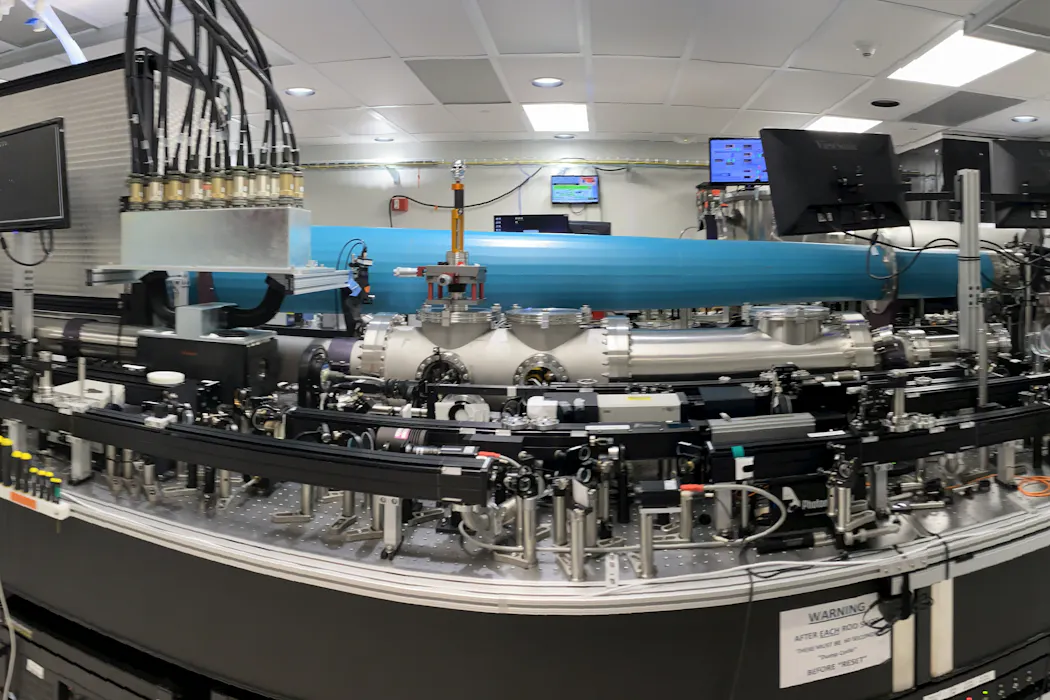
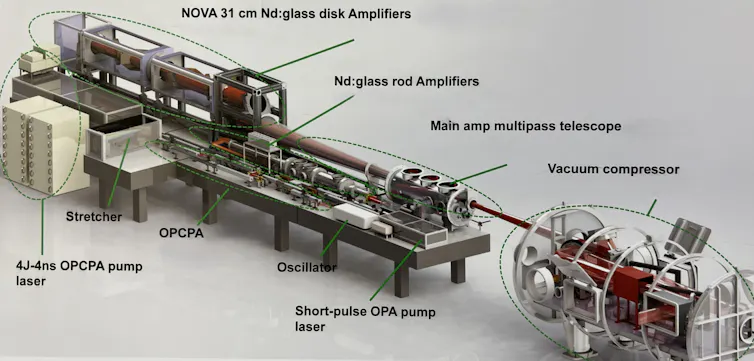










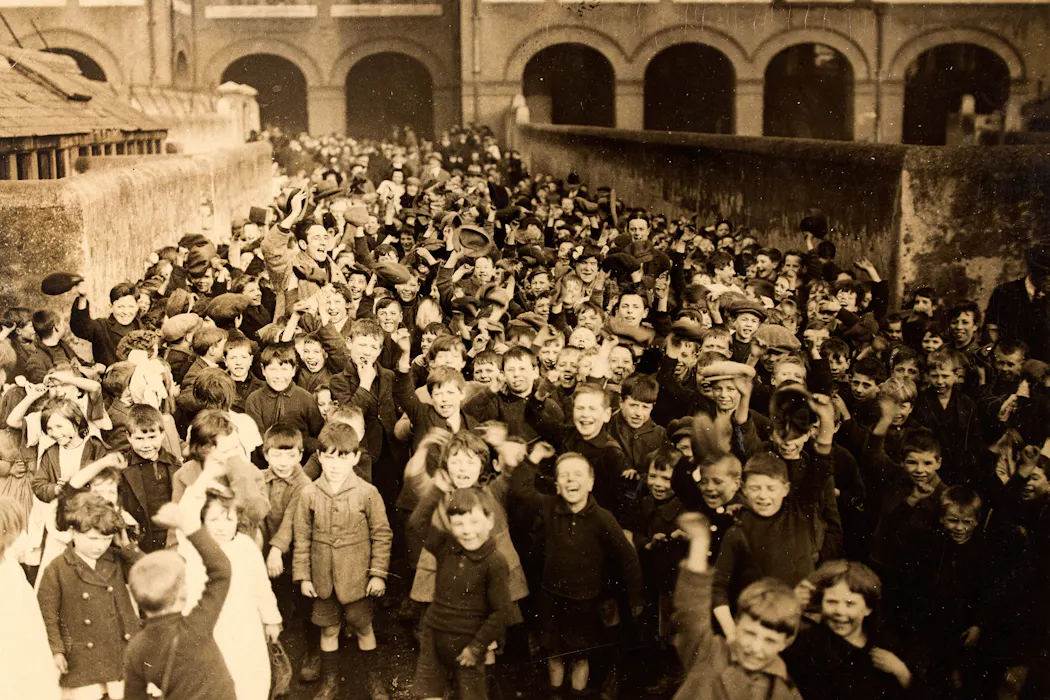






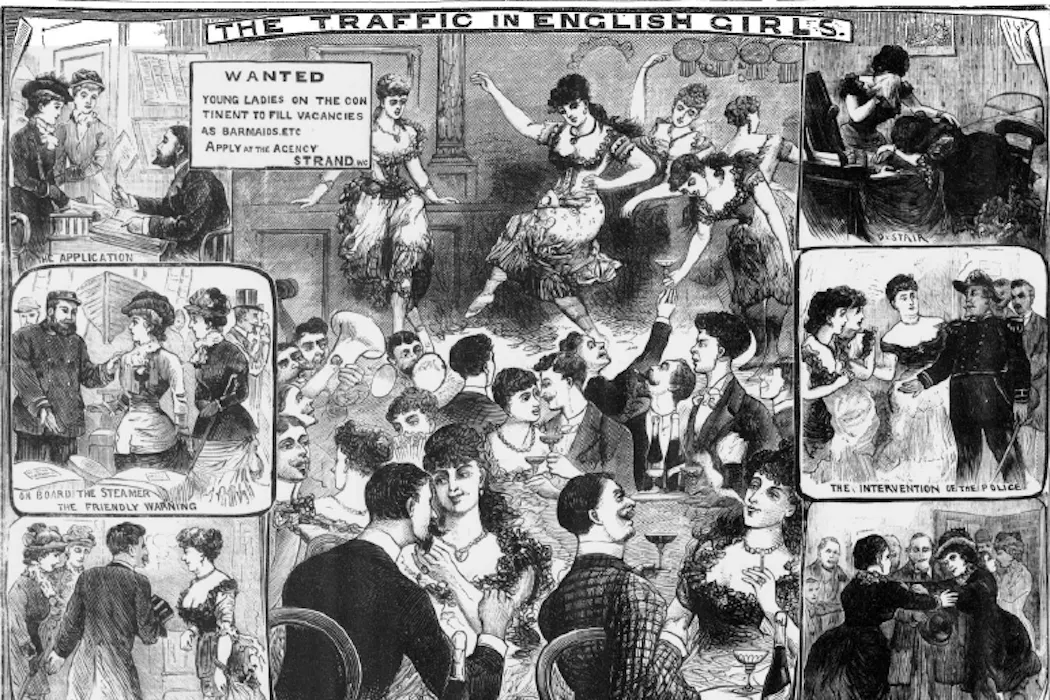




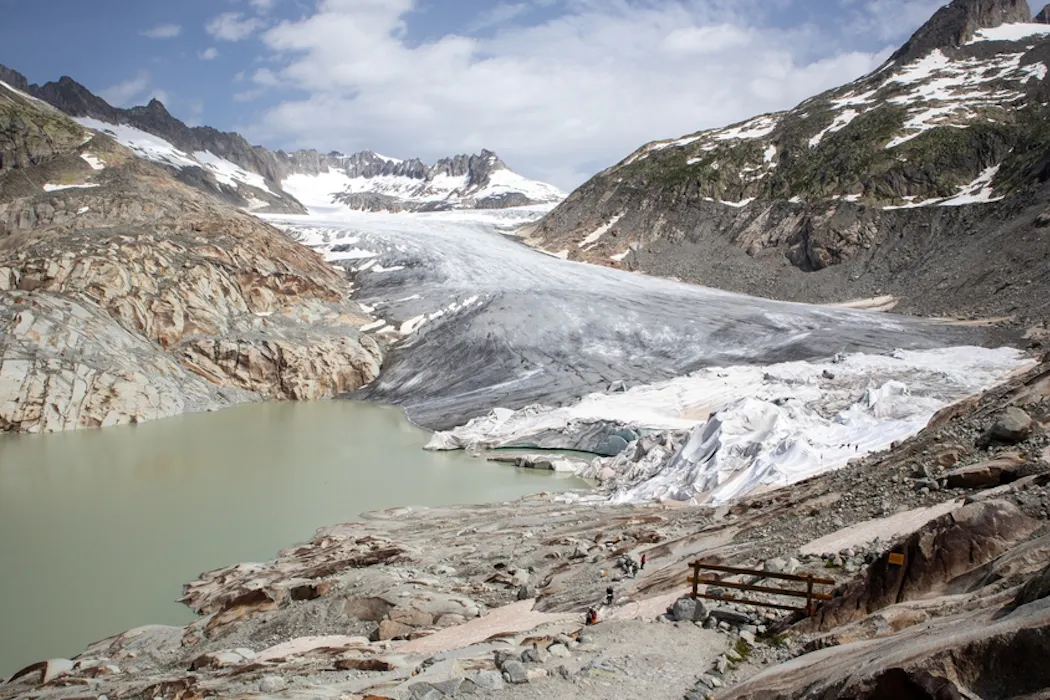


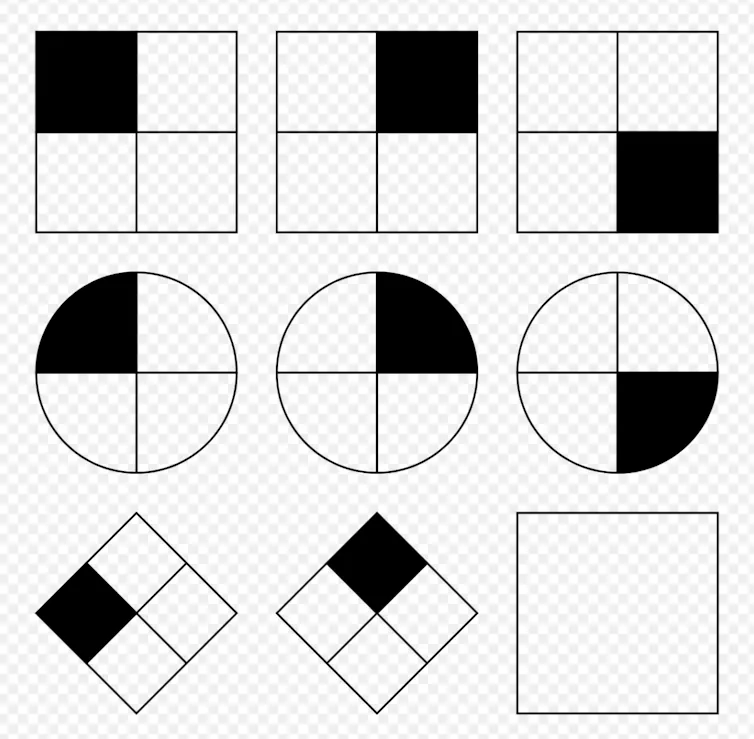



#/media/File:A_315_nova_amplifier_opened_2009-03-27.jpg)


.jpg)

