6 African thinkers who help us understand the world – new book

Source: The Conversation – Africa – By Christophe Premat, Professor, Canadian and Cultural Studies, Stockholm University

Who counts as an intellectual? In many traditions, the figure of the intellectual is tied to the search for truth, social critique and public engagement. From the Dreyfus Affair (a political scandal in 1894 in France that mobilised writers and thinkers to defend justice) to postcolonial debates, intellectuals are those who intervene in society, not just to interpret the world, but to challenge it.

In the African context, this role takes on particular urgency. Intellectuals on the continent and in the diaspora have long navigated a complex terrain shaped by colonial legacies, political constraints and global inequalities. They are not simply producers of knowledge. They are mediators between worlds, engaged in a struggle over meaning, identity and historical narrative.

As a scholar of cultural studies and postcolonial thought, I’ve sought, in a new French book, to analyse their paths not as isolated figures, but as part of a broader constellation of what we’ve called “African intellectual sensibilities”.

These are ways of thinking that are at once critical, situated and globally engaged. This approach highlights how African thinkers contribute not only to debates about Africa, but also to the redefinition of knowledge production itself.


Read more:
Sophie Oluwole, the trailblazing Nigerian woman who redefined philosophy


So, identifying African thinkers is not just an exercise in recognition. It’s part of a broader effort to rebalance an intellectual history that has too often marginalised or misrepresented African contributions. As Congolese philosopher Valentin-Yves Mudimbe famously argued, Africa has often been constructed as an object of knowledge rather than a subject producing it.

From this perspective, here are six intellectuals whose work helps us rethink Africa and the world.

The famous

1. Valentin-Yves Mudimbe (1941-2025)

Mudimbe is one of the most influential African philosophers of the late 20th century. His seminal work The Invention of Africa dismantles what he calls the “colonial library”, the body of western knowledge that has historically defined Africa from the outside.

Rather than simply rejecting western thought, Mudimbe proposes a critical archaeology of knowledge. His work invites us to rethink how Africa can be known and, crucially, how it can speak for itself. He shifts the question from what Africa is to who has the power to define it.

His contribution goes further. By drawing on thinkers like Michel Foucault from France, he shows that knowledge is never neutral. It’s embedded in structures of power. This allows Mudimbe to expose how academic disciplines, from anthropology to history, have participated in constructing a distorted image of Africa.


Read more:
Valentin-Yves Mudimbe: the philosopher who reshaped how the world thinks about Africa


His work opened the way for a generation of scholars who now seek to produce knowledge from within African perspectives rather than about Africa as an external object.

2. Achille Mbembe (born 1957)

A major voice in contemporary global theory, Cameroonian historian Mbembe explores how power operates in postcolonial societies. In works such as On the Postcolony and Critique of Black Reason, he analyses the afterlives of colonial violence and their impact on subjectivity.

A bald African man in horn-rimmed glasses smiles broadly as he suits in an audience.
Mbembe: thinking about power, violence and the postcolonial condition.
Wikimedia Commons/Heike Huslage-Koch, CC BY-SA

Mbembe also emphasises the need for Africa to produce its own narratives. For him, intellectual work is inseparable from historical trauma, but also from the possibility of reinvention.

One of his key contributions is the concept of “necropolitics”, which examines how modern forms of power determine who may live and who must die. This framework has been widely used to analyse conflicts, borders and inequalities far beyond the continent.


Read more:
Achille Mbembe on how to restore the humanity stolen by racism


At the same time, Mbembe insists on moving beyond victimhood. His work points toward what he sees as an emerging African future, shaped by mobility, creativity and new forms of belonging in a globalised world.

The fascinating

3. George Ayittey (1945–2022)

Ghanaian economist and thinker Ayittey stands out for his uncompromising critique of postcolonial African elites. While acknowledging the impact of colonialism, he argues that many of Africa’s problems today stem from internal governance failures such as corruption, authoritarianism and institutional decay.

A balding African man in glasses sits in front of a microphone in a casual white shirt.
Ayittey: rethinking governance and postcolonial elites.
Wikimedia Commons/Gage Skidmore, CC BY-SA

One of his most influential ideas is the distinction between “cheetahs” and “hippos”. Cheetahs are a new generation of reform minded Africans, hippos are entrenched elites resistant to change. This captures a broader critique of political stagnation and elite capture.

Ayittey also insists on the importance of indigenous African institutions as resources for political renewal. His work is therefore not only critical, it is also programmatic, calling for a reconstruction of governance.

4. Kwasi Wiredu (1931-2022)

Ghanaian philosopher Wiredu is one of the most important figures in African philosophy. His central project, conceptual decolonisation, aims to free African thought from uncritically adopting western philosophical categories.

For Wiredu, language plays a crucial role. Philosophical problems are often shaped by the language they’re formulated in. By returning to African languages, he shows that debates about truth, personhood or political organisation can be reframed in very different ways.

His work on consensus-based political systems, inspired by Akan traditions, is particularly influential. Rather than relying on majoritarian democracy, Wiredu explores forms of deliberation that include agreement and social cohesion. In the process, he does not reject universality. He redefines it from within African intellectual traditions.

5. Oyèrónkẹ́ Oyěwùmí (born 1957)

Nigerian sociologist and gender scholar Oyěwùmí’s work offers a powerful critique of western ideas being applied to the rest of the world. In The Invention of Women, she argues that gender, as understood in western societies, was imposed on Yoruba social structures through colonialism.

An African woman with short hair sits smiling in a chair in front of African wood carvings.
Oyěwùmí: rethinking gender.
Wikimedia Commons/O Oyěwùmí, CC BY-SA

Her research demonstrates that social organisation in Yoruba society was not originally structured around gender in the same way.

Rather than gender serving as the main axis of social difference, other markers such as age and status played a more central role. This challenges the assumption that categories such as man and woman are universally foundational.

More broadly, her work invites us to question how knowledge travels and how it can distort the realities it claims to describe.

The rising

6. Sabelo Ndlovu-Gatsheni (born 1967)

Zimbabwean historian Ndlovu-Gatsheni is a leading voice in decolonial theory. His work focuses on coloniality, understood as the persistence of colonial patterns of power long after formal independence.

He criticises the global division of intellectual labour, where African scholars are often confined to producing data while the theory is developed elsewhere. For him, the issue is about who has the authority to produce knowledge.

His work calls for African perspectives to be put in the centre of global debates and for a transformation of the structures that continue to marginalise them.

Beyond a list

African intellectuals are not a uniform group. They operate across disciplines such as philosophy, history, economics, sociology and literature, and across spaces around the world.

What unites them is a shared engagement with a central question. How can Africa be thought critically in a world still marked by unequal power relations?


Read more:
Is ‘Africa’ a racial slur and should the continent be renamed?


There are, of course, many other prominent African thinkers whose work deserves attention. The figures here have been chosen because they are particularly representative of different ways of thinking from and about Africa.

Each of them opens a distinct intellectual pathway, whether through the critique of knowledge, the analysis of power, the rethinking of social categories or the transformation of political and philosophical frameworks.

The Conversation

Christophe Premat is a professor in Francophone cultural studies at the Department of Romance and Classical Studies at Stockholm University. He co-authored in 2025, with Buata B. Malela, the book Sensibilités intellectuelles africaines (Éditions Hermann).

ref. 6 African thinkers who help us understand the world – new book – https://theconversation.com/6-african-thinkers-who-help-us-understand-the-world-new-book-280090

Chernobyl’s wildlife: the real story isn’t the presence of radiation – it’s the absence of humans

Source: The Conversation – UK – By Jim Smith, Professor of Environmental Science, University of Portsmouth

Anton Yuhimenko / shutterstock

“Dogs at Chernobyl are now genetically distinct … thanks to years of exposure to ionizing radiation, study finds.”

That’s just one of many similar headlines that appeared in response to a scientific study published a few years back. They present a compelling story of radiation, mutation and survival against the odds.

But the underlying science didn’t actually show any genetic differences were caused by radiation. The idea of “radioactive dogs of Chernobyl” is better understood as a modern scientific myth. Indeed, our appetite for scare stories about mutant animals is obscuring the reality: the most significant and fascinating thing about the animals there is the absence of humans, not the presence of radiation.

Forty years after the Chernobyl explosion, the controversy over how the accident affected people and ecosystems goes on. I’ve been studying the environmental impacts of the disaster since I began my PhD research in 1990 on radioactive fallout in the English Lake District. Scientists have learned a lot since then, with thousands of studies published.

But the mainstream and social media remain rife with misinformation and exaggeration about the accident’s effects. Scientists often blame the media for this, but maybe we should put some of the blame on ourselves.

Radioactive dogs make a great story

The Chernobyl disaster tapped into our enduring fascination with radiation and mutation, with all sorts of claims being made about damaged wildlife and mutant animals in the exclusion zone. But clear scientific evidence for significant long-term radiation effects is surprisingly hard to find.

Research on the feral dogs of Chernobyl, published in the highly regarded journal Science Advances in 2023, is just one of many examples. Go through any checkpoint in the zone and you’ll see at least a couple of dogs hanging around waiting for scraps from guards or visitors. The study found genetic differences between dogs living at the power plant and those living further away.

Dogs in Chernobyl
Dogs in the exclusion zone have formed separate populations that rarely breed with one another.
Sergiy Romanyuk / shutterstock

The authors themselves do not explicitly say that the differences they find were due to radiation. However, to the casual reader it is difficult not to draw that conclusion from the paper and accompanying press release.

The press release overstated the link to radiation. It suggested that the dogs “may be genetically distinct due to varying levels of radiation exposure” and said they are experiencing “high and continuous environmental assault” – claims not supported by the evidence.

Even experienced science journalists would find it hard not to be influenced by that framing. As a scientist who has worked on radiation issues and Chernobyl for decades, it took me a long time to read and understand all the relevant papers and conclude that the hype was in no way supported by the evidence.

What the science actually said

The genetic differences are real. But, given the relatively low radiation doses in most of the zone, more plausible explanations include differences in initial breed types and factors such as habitat, nutrition and disease. With only three populations to study, it’s very difficult to separate any radiation effect from these other important factors.

Yet in media coverage, this became a story about radiation driving rapid evolutionary change in just a few generations. That interpretation is not supported by the available evidence.

As the great science communicator Carl Sagan put it: “Extraordinary results require extraordinary evidence.” Yet a previous study showed that only four out of 198 dogs studied at Chernobyl had contamination levels higher than those seen in sheep, wild boar and reindeer in parts of western Europe in the years after the accident.

There are some radiation “hot spots” in the zone, but the dogs tend to stay near people working at the reactor site or living in the town. The rest of the zone is now effectively a nature reserve where wolves and other large predators roam freely.


Read more:
40 years on from the disaster, why there are foxes, bears and bison again around Chernobyl


elk in abandoned city
A wild elk wanders through the abandoned city of Pripyat, a short distance from Chornobyl power plant.
Anton Yuhimenko / shutterstock

In the media’s telling, radiation doses well below established thresholds for damage to animal populations are driving such strong natural selection that radiation resistant breeds are evolving. The science behind the story does not provide clear evidence – extraordinary or otherwise – to support this claim.

Misleading science stories have real world impact

Chernobyl remains a globally symbolic landscape. It shapes debates about nuclear risk, environmental resilience and even future energy policy. Yet research there is repeatedly clouded by stories that emphasise dramatic but weakly supported claims.

The more interesting truth is that ecosystems in the exclusion zone are complex, surprisingly resilient and shaped more by the absence of humans than by long term radiation exposure.

The accident undoubtedly had profound impacts on people, including a rise in thyroid cancer, though long-term radiation health effects have often been hard to find statistically. A major UN-backed report 20 years after the accident concluded that the biggest public health impacts were socio-economic and mental health problems. Even today, many people in northern Ukraine and southern Belarus live with very low-level radiation but continue to believe it poses a serious danger.

Stories of radioactive dogs play into those fears. As scientists, we owe it to the public to communicate our science more responsibly.

The Conversation

Jim Smith is founder and shareholder in The Chernobyl Spirit Community Interest Company, a social enterprise making safe spirits from Chernobyl affected areas. He has in the past (>10 years ago) done small consultancy projects for government organisations and the private sector. He does not currently do consultancy work or have any links to the nuclear industry.

ref. Chernobyl’s wildlife: the real story isn’t the presence of radiation – it’s the absence of humans – https://theconversation.com/chernobyls-wildlife-the-real-story-isnt-the-presence-of-radiation-its-the-absence-of-humans-281084

Why Trump can’t just decree changes to voting by mail – a former federal judge explains how the president’s executive order is ‘a solution looking for a problem’

Source: The Conversation – USA – By John E. Jones III, President, Dickinson College

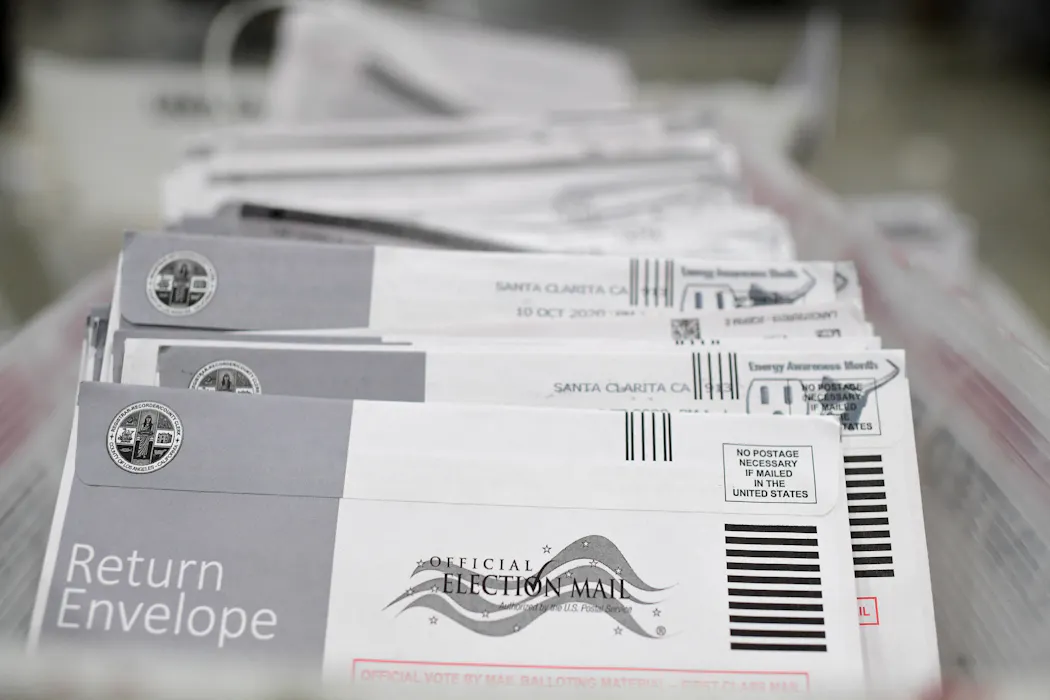
Mail-in ballots in their envelopes await processing at the Los Angeles County Registrar-Recorder’s mail-in ballot processing center in Pomona, Calif., on Oct. 28, 2020. Robyn Beck / AFP via Getty Images

John Jones knows about voter suppression. Currently the president of Dickinson College, Jones – nominated in 2002 by President George W. Bush and confirmed unanimously by the U.S. Senate – served for almost two decades as a federal court judge. In that role, Jones presided over a case, filed just prior to the November 2020 presidential election, in which a conservative legal foundation sued Pennsylvania’s top election official, alleging that she had allowed 21,000 dead people to remain on the voter rolls. The group asked Jones to stop those people from voting.

Jones denied the request. “In an election where every vote matters, we will not disenfranchise potentially eligible voters based solely upon the allegations of a private foundation,” he wrote in his memorandum on the case. In this interview with The Conversation politics and legal affairs editor Naomi Schalit, Jones discusses President Donald Trump’s March 31, 2026, executive order to wrest control of mail-in voting from states and give it to the U.S. Postal Service and the Department of Homeland Security; how the constitutional design of U.S. voting bars such federal control; and how Trump’s order would disenfranchise voters and is now the subject of lawsuits by voting rights groups and 23 states.

Article 1, Section 4, of the Constitution says, “The Times, Places and Manner of holding Elections for Senators and Representatives, shall be prescribed in each State by the Legislature thereof; but the Congress may at any time by Law make or alter such Regulations.” When you saw the executive order by the president, what did you think?

My first thought was, this executive order is dead on arrival. It assumes two problems that really don’t exist.

States are empowered under Article 1, Section 4, of the Constitution to conduct elections and set the time, place and manner of those elections.

The president’s March order asserts that states don’t maintain active and appropriate voter rolls. That’s just not true. State after state takes that very, very seriously, and it’s a principle of federalism that states are given the responsibility for conducting elections. This includes maintaining accurate voter rolls, which, despite the noise to the contrary, states have historically done very well.

The second inaccuracy that undergirds this executive order is that there is rampant fraud in mail-in voting. There is absolutely no evidence to show that that is true.

President Donald Trump has repeatedly claimed there is pervasive fraud in mail-in voting, despite a lack of evidence.

So you have those twin rationales that are, in my view, demonstrably untrue. And as someone who believes that we need to defer to the laws and the Constitution, not to mention find accurate facts, this is deeply troubling. It’s just beyond the president’s authority to do this.

There are other problems. They are less critical but equally fatal.

President Trump said on signing the executive order that “the cheating on mail-in voting is legendary.” So the order gives the U.S. Postal Service the job of determining who may cast mail ballots, in cooperation with the Department of Homeland Security. Is that one of the problems you see?

That is not what the post office is equipped to do. I could joke here that they have a hard enough time at the U.S. Postal Service getting the mail delivered. Now they’re supposed to develop a program in concert with Homeland Security so that they could work to disqualify voters because they’re not on the list that Homeland Security provides to them that supposedly contains U.S. citizens. Homeland Security is simply not equipped to do this either. This is out of their skill set as well.

What’s the upshot?

Setting aside all the legal and constitutional hurdles, if this would survive judicial scrutiny, it clearly would disenfranchise voters. We have a country that has an increasing group of citizens who really like to vote by mailincluding, by the way, the president of the United States.

And now the administration is in effect saying, “We want to make it really, really difficult for you to vote by mail,” because of these contrived and, quite frankly, false premises that have to do with voter rolls and fraud in elections. There are legal challenges over this order in federal courts in D.C. and Massachusetts. The result will be a legal race to see which of those courts enjoins the policy first.

A group of protesters holding signs about mail-in voting fraud, outside a large building.
Victoria Beraja, center, and her mother, Lisa Burgess, right, both of Nevada, protest the passage of a mail-in voting bill during a Nevada Republican Party demonstration at the Grant Sawyer State Office Building on Aug. 4, 2020, in Las Vegas.
Getty Images

Why does anybody have to sue if this is simply not in the president’s power to make happen?

Because if they don’t sue to enjoin this, since these agencies – the Postal Service and Homeland Security – are under the executive branch, they’ll just go ahead and implement this cumbersome and impossible initiative.

Secretaries of state have pushed back against this. In a separate move by the administration, the Department of Justice has asked states to turn over their voter rolls, and many have refused to do so, standing on the principle that it’s beyond the executive to demand those. Various federal courts have backed the states so far. One of the problems with the request is a lack of confidence that the information can be kept safe by the federal government. And states work very, very hard to do that.

When I was on the federal bench and denied the injunction in the lawsuit filed by a conservative legal foundation that sought to take 20,000 plus voters off the rolls, I did so because there was no good proof that they were, in fact, deceased, which is what the suit asserted. Subsequent to the election, at the now infamous Four Seasons landscaping press conference, Rudy Giuliani was waving my decision in the air and decrying the fact that dead people voted in Pennsylvania. That was simply not true.

These types of hyperbolic claims, made up out of whole cloth, stoke fears. This recent executive order is a solution that is looking for a problem that doesn’t exist.

Why did the framers of the Constitution set up a process where states run elections and not the federal government?

Well, first of all the federal government didn’t have the apparatus to conduct elections. And states had been running elections; they knew how to do it. There was a great deal of trust in the states’ ability to run elections. And there was the core debate of federalism, as to what powers states could retain, and they didn’t want to abdicate many of those powers. There was also a debate about the potential for fraud, that if there was a single entity controlling all the elections – that is, if you centralize elections under one politically motivated executive – it’s a really fraught situation which can be abused.

The Constitution is clear, and unless amended, Article 1, Section 4, is – to use the trite phrase – what it is. The power rests with the states, absent congressional action. There is no mention of the president. None. This executive order is thus, in my view, patently unconstitutional, and I harbor little doubt that it will be found to be so.

The Conversation

John E. Jones III does not work for, consult, own shares in or receive funding from any company or organization that would benefit from this article, and has disclosed no relevant affiliations beyond their academic appointment.

ref. Why Trump can’t just decree changes to voting by mail – a former federal judge explains how the president’s executive order is ‘a solution looking for a problem’ – https://theconversation.com/why-trump-cant-just-decree-changes-to-voting-by-mail-a-former-federal-judge-explains-how-the-presidents-executive-order-is-a-solution-looking-for-a-problem-280680

It’s a sing-off! Myth-busting about birds and sex when it comes to defending the nest

Source: The Conversation – USA (2) – By Benjamin Freeman, Assistant Professor, School of Biological Sciences, Georgia Institute of Technology

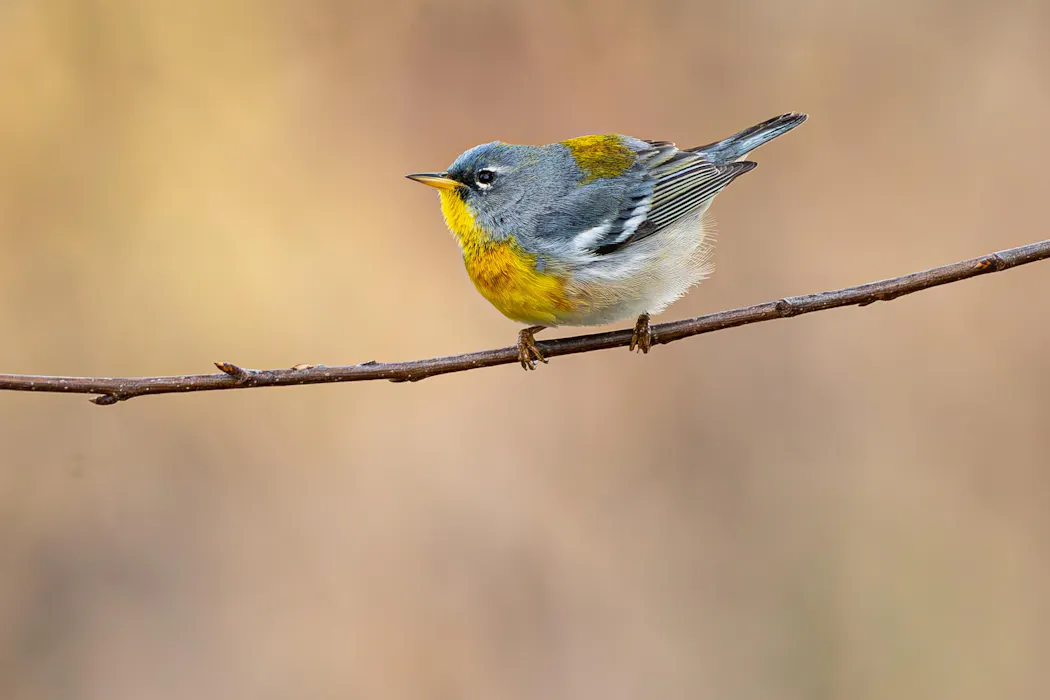
Don’t mess with my territory. Male northern parulas sing and get physically aggressive when intruders invade their space. Pranav Gokhale

Each spring, birds across America are in full voice. Cardinals chatter, sparrows sing and warblers warble. Birdsong lifts the human spirit – “‘Hope’ is the thing with feathers,” after all. Yet birds are not singing to soothe our nerves after a stressful day at the office. Instead, they sing to defend their territories and attract mates.

The traditional view of birdsong focuses on the male bird: He is like a gladiator who fiercely defends his territory against rivals to ensure sufficient space and resources to feed and raise his chicks.

A European robin defends its territory.

Female birds, on the other hand, are often thought to be quiet spectators when it comes to territorial defense. This holds true for the red-winged blackbird and many other North American birds.

But it is far from the complete picture.

Female rose-breasted grosbeaks and many other birds sing and defend territories across the globe.

A brown and white bird on a branch.
The female rose-breasted grosbeak will sing to defend its home territory.
Cephas/Wikimedia Commons, CC BY-SA

The growing recognition that females often participate in territorial defense leads to a puzzle: If two is better than one, why do male-female pairs cooperate to defend territories in some species, while just the male defends home turf in other species?

To find out, we performed over 3,000 playback experiments across the Americas, playing recorded bird songs from the same species so the bird would think it was hearing an intruder.

We measured territory defense in 264 species. By studying many types of birds in many different environments, we were able to figure out some answers.

Simulating a bird intruder

Humans are well aware of their property lines and don’t take kindly to intruders. Imagine you are relaxing at home and you see your neighbors digging in your flower garden. You might rush out to tell them to stop; your prize dahlias aren’t for them to take.

For birds, these sorts of disputes happen all the time, with territory owners engaging in song battles with neighbors. The songbirds aren’t just defending their garden. They’re defending their food resources, nest locations and even their mates from rival birds, within territories that often span several acres in size.

To study how birds defend their territories, we pretended we were an intruding bird. But because we can’t sing like the average bird, we used technology.

One example of how birds responded to the study’s audio of their calls.

We surreptitiously placed a speaker in a bird’s territory, hid in the bushes nearby, and then broadcast that bird species’ song. We then counted how many individuals came out from other parts of their territory to respond to the speaker. Some sang at the sound, clearly agitated. A few tried to attack the speaker itself.

At the end of a two-minute experiment, we would leave – and the rightful territory owner presumably felt proud that it had successfully repelled the invisible intruder. Then, we analyzed variables that could explain why some female birds participate in territory defense while others stay out of the fray.

Birds that hang out together defend together

Some birds stick with their mate for life, while others pair up just for one short breeding season.

Studies have found that birds in long-term relationships cooperate in many daily tasks, whether it’s foraging for meals, gathering nest materials or feeding the babies.

We found that this cooperation extends to guarding their home.

Two birds sit together on a branch.
Rainbow bee-eaters, found in Australia, cooperate on family tasks. They typically form pairs for the breeding season and possibly longer.
Paul Balfe/Wikimedia Commons, CC BY

Females in species with long-term bonds that last for years, such as Carolina chickadees, often defended their territory.

However, among pine warblers and other species that form temporary pairs only during the breeding season, males typically took responsibility for defending the territory.

Some families took it one step further by including the kids.

The brown-headed nuthatch might look cute and sound like a squeaky toy, but these birds are no joke when they team up to defend their territory.

The nuthatches employ the previous seasons’ offspring as nannies – nest helpers that help take care of their babies. We often saw three or more adult nuthatches attacking the speaker to defend their territory when we conducted playback experiments on this species, meaning that the mated pair was joined by at least one helper. It seems to be a good strategy to get the whole family involved in territory defense too.

Brown-headed nuthatches, common in the southeastern U.S., often stick together as a family. Cornell Lab of Ornithology.

There were some exceptions to these patterns. When we simulated invasions on the territory of the blue grosbeak, a species thought to be monogamous during breeding season, in multiple instances only the female bird defended the territory.

No time to relax in the tropics

Location also matters when it comes to bird defenses.

In the rainforests of Costa Rica and the mountains of Peru, we found that males and females cooperating to defend their territory together was generally the rule.

While humans living in places with cold winters associate tropical climates with vacations, birds living near the equator are not afforded the luxury of rest. Instead, they need to stay vigilant year-round to ward off any birds looking to usurp their resource-rich habitats. The need for year-round territorial defense may mean that teaming up is the best strategy to ward off competitors.

Lots of bird personalities

You might think it would get boring observing bird behavior day after day. And, indeed, we dealt with heat and humidity, hordes of biting insects, and early morning wake-ups.

But every experiment brought a peek into the personalities of these birds. There were the pugnacious tufted titmice, which seemed as if they were eagerly awaiting an opportunity to fight, given how quickly they came in to investigate the apparent intruder, and the nonchalant American robins, which took their sweet time in responding, only briefly peering at the speaker before returning to their daily routines.

Our adorable feathered friends are not afraid to get up close and personal with anything they deem a threat, either, including any gadgets. Many times we’d see small birds such as chipping sparrows scrapping with a speaker twice its size. The birds focus on the song, and it can take birds a while before they realize the speaker is not, in fact, a rival bird.

A chunky bird with a bright red crest on its head sits on a branch.
Tenacious chipping sparrows spotted the audio speaker used in the experiment and tried to attack it.
Mdf/Wikimedia Commons, CC BY-SA

Male birds sing and defend territories, but so do many female birds. We found that cooperative territorial defense is especially common in birds with long-term social bonds or that live close to the equator.

So, the next time you hear birds singing as you walk around your neighborhood, listen closely to what each voice is really saying – and who is doing the singing.

The Conversation

Benjamin Freeman receives funding from the David and Lucille Packard Foundation

Shreyas Arashanapalli does not work for, consult, own shares in or receive funding from any company or organization that would benefit from this article, and has disclosed no relevant affiliations beyond their academic appointment.

ref. It’s a sing-off! Myth-busting about birds and sex when it comes to defending the nest – https://theconversation.com/its-a-sing-off-myth-busting-about-birds-and-sex-when-it-comes-to-defending-the-nest-279998

High school yearbooks focus on the fun students had, obscuring the pain people also experienced

Source: The Conversation – USA (2) – By Michael A Messner, Professor of Sociology and Gender Studies, USC Dornsife College of Letters, Arts and Sciences

The Salinas High School (Calif.) girls volleyball team from 1924, as seen in the school’s yearbook, ‘El Gabilan.’ Michael A. Messner, CC BY

High school students will soon take part in a more than 160-year-old tradition in American education: receiving yearbooks at the end of the school year.

In an era of high-speed ephemeral images and social media, some may see high school yearbooks as outdated. But high school and college students have told me that they found it meaningful to look through their yearbooks and inscribe their classmates’ books with personal messages, poems, jokes or simply their signatures.

Many graduates will tuck away their yearbooks – some to be lost forever, but others to be revisited or rediscovered years or decades later.

As a sociologist, I have studied high school yearbooks as time capsules and as a way to understand how youth culture, sports, gender and race relations have changed, or have not changed, over time. Despite their ubiquity, school yearbooks are a largely untapped source for scholarly inquiry.

But as media historian Kate Eichhorn notes, people may probe an old high school yearbook to learn more about a mass murderer or to scrutinize whether someone is fit for public office. Some reporters, for example, dug into Supreme Court Justice Brett Kavinaugh’s 1983 high school yearbook while he was going through the confirmation process in 2018. His yearbook included a reference to a female student that some boys, including a young Kavanaugh, might have dated or had a sexual relationship with.

But as Eichhorn notes, some scholars seem to dismiss yearbooks as “cringy” documents created by teenagers, or as documents focused on personal nostalgia, unworthy of examination.

A series of black-and-white photos shows teenagers sitting around tables together and looking at different large papers.
The Salinas High School yearbook staff of 1938 is seen working to produce their final product for the school year.
Michael A. Messner, CC BY

An incomplete picture

Yearbooks are a limited source for accurately understanding history.

In my 2025 study of 120 years of high school yearbooks from Salinas High School in California, where I graduated from in 1970, I found nary a mention of the Great Depression or the Salinas Valley’s violent agricultural labor strikes, which Salinas High alum John Steinbeck wrote about in the 1930s.

Nor did the Salinas High School yearbooks mention the war in Vietnam, the wars in Afghanistan and Iraq, or the mass social movements that opposed them.

Some yearbooks from the 2000s showed student clubs that addressed violence, substance abuse and LGBTQ+ issues. But over the years, yearbooks have mostly skipped the pain of high school and focused instead on the pleasure.

They shine a spotlight on sports, cheering and public rituals like all-school rallies and homecoming week. Photos and text blurbs celebrate the accomplishments and humorous antics of the “popular” kids and, at times, the most academically successful students.

A nostalgic rear window

It can be reassuring to dive into nostalgic remembering. It’s common for most people to idealize the past and remember it as better than today.

A Gallup poll from 1939 found that 62% of Americans agreed that people were happier and more content a generation earlier. Since then, national polls consistently show that most people think fondly about the good old days, and usually think 30 or 40 years ago was a better time than the one they are living today.

We can see this penchant for nostalgia in the Salinas High yearbooks of the late 1970s and 1980s. Students in these yearbooks are seen enjoying 1950s-themed dances echoing popular television shows like “Happy Days” that idealized 50s culture.

In analyzing high school yearbooks of the past, I tried to not sidestep nostalgia – probably impossible to do anyway – but to consciously deploy an idea called critical nostalgia. This means acknowledging the pleasures of looking back in time, while remaining attentive to the ways that schools too often worsen, rather than challenge, inequalities among students.

A double focus

Taking on a critical nostalgia lens requires a double focus – first, looking at what high school yearbooks routinely illuminate, like football rallies and cheerleaders. It also means identifying what American writer and activist Tillie Olsen once called “unnatural silences,” like the voices, imagery and activities of marginalized students who have been left outside the frame.

Two examples from the Salinas High School yearbooks illustrate this approach.

Someone looking at Salinas editions from the early 1900s might be surprised to see girls baseball, track and field, volleyball and basketball teams engaged in interscholastic competition.

Yearbook photos show girls wearing school sports uniforms and being treated with respect.

By the early 1930s, girls sports teams disappeared from the yearbooks, absorbed into the Girls’ Athletic Association, a recently formed organization that was based on the idea that competition and vigorous exercise was unhealthy for girls.

For nearly half a century after the creation of the Girls’ Athletic Association, photos of girls playing sports were accompanied by captions that disparaged their athletic abilities.

In the mid-1970s, when competitive girls sports teams were reinstated at Salinas, the yearbooks started to give them more equitable and respectful treatment.

This history shows an uneven picture of social change, as changes in girls sports were driven by the waxing and waning of 20th-century women’s rights movements.

Two black-and-white photos show large groups of Japanese teenagers posing together in a formal class photo.
The Japanese Students’ Club at Salinas High School is seen in the 1941 yearbook.
Michael A. Messner, CC BY

The spring 1941 and 1942 Salinas High School yearbooks, meanwhile, showed scores of Japanese American students – about 14% of the student body at the time – fully integrated into nearly all aspects of student life.

But by the time the yearbook was distributed in the spring of 1942, the Japanese American students had been sent with their families to the Salinas Rodeo Grounds, where they were temporarily housed in converted horse stalls.

They were later transferred for the duration of World War II to an internment camp in Poston, Arizona.

The 1943 yearbook showed zero Japanese American students, nor did the editors of the book mention how or why their classmates had disappeared from campus.

For today’s Salinas students, reading their school’s old yearbooks against the backdrop of this history can help them to explore questions about how the legacy of racial and ethnic removal and detention is echoing in their community and country today.

A starting point for understanding history

It’s not just Salinas High students who might benefit from reading their school’s past yearbooks. I have spoken with a handful of professors who are guiding their students into their university’s archive of yearbooks to explore race and gender relations in their own community.

Students discover that the size, content and organization of school yearbooks have shifted over time. But the books are a rich starting point for a group exploration of how schools create a pleasurable collective identity – for some, at least – while simultaneously shaping and celebrating students’ division and inequalities.

The Conversation

I am a 1970 alum of Salinas High School.

ref. High school yearbooks focus on the fun students had, obscuring the pain people also experienced – https://theconversation.com/high-school-yearbooks-focus-on-the-fun-students-had-obscuring-the-pain-people-also-experienced-280910

How personal finance advice is getting political, thanks to ‘finfluencers’

Source: The Conversation – USA (2) – By Maximilian Brichta, Postdoctoral Research Associate, University of Virginia

Young people increasingly get their financial advice from social media — and it’s taking a political turn. Jaap Arriens/NurPhoto via Getty Images

Once seen as often dry and sometimes intimidating, personal finance advice is a far cry from what it was in your grandparents’ day.

It’s not just the array of new online tools, from banking apps to exotic new investing options, such as cryptocurrency. Social media has created a platform for “finfluencers” – nonprofessional personal finance influencers who have become an increasingly common source of advice for young people, whether it’s accurate or not.

While most Americans over 64 say they turn to professional financial planners for guidance, a 2025 Gallup poll found that 42% of 18- to 29-year-olds seek financial advice on social media. That’s almost double the share among those ages 30 to 49. Many finfluencers have no formal financial credentials. Instead, their credibility is largely built on their social media followings, engagement metrics and relatability.

There’s also another generational shift afoot: Personal finance is increasingly bound up with political and social issues. Young adults are attempting to navigate a precarious economy – and the finfluencers who try to court them often launch critiques at the institutions and policies that they say created these conditions.

This advice ranges from risky trading-centric approaches to holistic financial practices. But a common thread is their positioning against traditional financial advice.

As a scholar who studies how the digital economy is affecting young adults’ well-being, I argue that Americans who still get their financial advice from more conventional sources – as well as the professional adviser class – need to understand there’s been a sea change in how young people understand money. And the legions of online followers need a better grasp of the risks involved.

Personal finance goes political

“Hey, I’m Rachel and I’m not paying my federal income taxes this year,” begins a TikTok video of an attorney who claims she’s skipping out on her US$8,800 tax bill for political reasons.

Rachel Cohen’s videos have racked up millions of views so far this year. Her video series details her reasons for refusal, specifically citing her disagreement with federal immigration policy and the “military-industrial complex.” On April 15, 2026, Cohen updated her viewers – some of whom had threatened to report her to the IRS – that she filed her return. But instead of paying the amount due, she’s parking the money in a high-yield savings account. Her sign-off: “Stay tuned and find out if I get arrested!”

Cohen’s not alone in her public protest. Millions of viewers have watched “tax resistance” or “tax strike” videos on TikTok that offer advice on how to not pay taxes and walk viewers through the potential consequences they might face.

Although my research suggests most of the tax-protest content on TikTok comes from left-leaning users, it draws influencers across the political spectrum. Examples include dissenters citing anti-war sentiments or disapproval of the government’s handling of the Epstein files.

Other personalities are encouraging their followers to treat their finances as a broader political statement. In some cases, these videos issue a call to action.

Vivian Tu, better known by her followers as “Your Rich BFF,” explains why the price of raspberries has gone up, citing a variety of foreign and domestic policy decisions: the war in Iran, tariffs and a shortage of migrant farmworkers. “If this video made you mad,” she says, “share it with a friend and contact a legislator.”

Tori Dunlap, author of “Financial Feminist,” tells her 2.2 million followers on Instagram: “If you’re freaking out about the world right now, GET RICH. That is your best form of protest is to get financially stable.”

However, Dunlap isn’t peddling get-rich-quick schemes. Much of her advice is run-of-the-mill personal finance tips – such as improving your credit score, paying down debt or automating savings contributions.

Political personal finance content has also extended beyond protests into things such as tracking the financial integrity of members of Congress or avoiding investments that could fund things such as private prisons.

Follow the money

These examples underscore how people’s financial lives are bound up with their values. And finfluencers appeal to their most politically charged beliefs to shape their financial decisions – even if they aren’t the best choices for their bank accounts.

One example is conflicts of interest. What many followers may not be fully aware of is that most finfluencers are incentivized to make highly performative content to monetize their accounts. This funding can come through either sponsored content – often from credit card and fintech companies – or through their own materials and “masterclasses.”

Moreover, full transparency is not a given. Although TikTok and Instagram have “paid promotion” designations for sponsored content, it’s not always so easy to identify potential conflicts of interest.

Crypto promoters, for example, routinely fail to disclose their sponsorships – and it’s common for them to boost coins they have a vested interest in.

As Americans’ distrust in financial institutions and regulators grows, many are willing to follow advice that falls into gray areas of oversight. When personal finance tips resonate with a viewers’ values, everyday financial decision-making can become colored with politics and nonconformist sentiments.

Advice, please!

Not everyone turns to finfluencers. Many take advice from anonymous strangers on forums such as Reddit.

The r/personalfinance subreddit alone has 2.8 million weekly visitors who post, respond and read questions posed and answered by everyday people. This is only one of 189 finance-related subreddits my colleagues and I compiled in our recent report.

Unlike finfluencers, Reddit users typically trade tips and opinion in plain text and occasional memes. Users of these forums are rarely monetized. It’s also demand-driven advice – people who post on these forums get to ask questions that directly address their personal financial issues. Credibility is earned though community “upvotes” and endorsements. Rather than one opinion, they can get a variety.

But similar to finfluencers, there’s an anti-institutional sentiment that privileges peer-to-peer learning over credentialed expertise. For example, users on the Bitcoin subreddit harshly criticize the contemporary financial system and advocate for digital currency over conventional forms of money.

Others take aim at the excesses of consumer culture, as seen on the forums for anti-consumption and frugal and simple living.

In this environment, financial education is rarely neutral – it’s deeply intertwined with people’s personal and political lives. As finfluencer Ellyce Fulmore puts it: “The barriers you face, your personal experience, the systems that do or don’t work for you … personal, personal, personal, personal!”

The Conversation

Maximilian Brichta does not work for, consult, own shares in or receive funding from any company or organization that would benefit from this article, and has disclosed no relevant affiliations beyond their academic appointment.

ref. How personal finance advice is getting political, thanks to ‘finfluencers’ – https://theconversation.com/how-personal-finance-advice-is-getting-political-thanks-to-finfluencers-280250

HEPA air purifiers may boost brain power in adults over 40 – new research

Source: The Conversation – USA (3) – By Nicholas Pellegrino, Research Associate in Public Health Sciences, University of Connecticut

Air pollution can negatively affect the brain. Jomkwan/iStock via Getty Images Plus

Using an in-home HEPA purifier for one month spurs a small but significant improvement in brain function in adults age 40 and older. That’s the result of a new study we co-authored in the journal Scientific Reports.

HEPA purifiers – HEPA stands for high efficiency particulate air – remove particulate matter from the air. Exposure to particulate matter has been connected to respiratory and cardiovascular illnesses as well as neurological diseases such as Alzheimer’s and Parkinson’s. Environmental health researchers increasingly recommend that people use HEPA air purifiers in their homes to lower their exposure to particulate matter, but few studies have examined whether using them boosts mental function.

We analyzed data from a study of 119 people ages 30 to 74 living in Somerville, Massachusetts. Somerville sits along Interstate 93 and Route 28, two major highways, resulting in relatively high levels of traffic-related air pollution. This makes it an especially good location for testing the health effects of air purifiers.

We randomly assigned participants to one of two groups. One used a HEPA air purifier for one month and then a sham air purifier – which looked and acted like the real thing but did not contain the air-cleaning filter – for one month, with a monthlong break in between. The second group used the real and sham purifiers in reverse order.

After each month, participants took a test that measured different aspects of their mental capacity. The test probed people’s visual memory and motor speed skills by measuring how quickly they could draw lines between sequential numbers, and it tested executive function and mental flexibility by asking them to draw lines between alternating sequential numbers and letters.

We found that participants 40 years and older – about 42% of our sample – on average completed the section testing for mental flexibility and executive function 12% faster after using the HEPA purifier than after using the sham purifier. That was true even when we accounted for factors like differences in the amount of time participants spent indoors, with either filter, as well as how stressful they found the test.

This improvement may seem small, but it is similar to the cognitive benefits that people experience from increasing their daily exercise. While you may not experience a sudden increase in clarity from a 12% boost, preventing cognitive decline is vital for long-term well-being. Even small decreases in cognitive functioning may be associated with a higher risk of death.

Studies increasingly show that air pollution can be detrimental to brain health.

Why it matters

Air pollution can negatively affect mental function after just a few hours of exposure. Studies show that air purifiers are effective at reducing particulates, but it’s unclear whether these reductions can prevent cognitive harm from ongoing pollution sources like traffic. Research has been especially lacking in people living near major sources of air pollution, such as highways.

People living near highways or major roadways are exposed to more air pollution and also experience higher rates of air pollution-related diseases. These risks aren’t encountered by all Americans equally: People of color and low-income people are more likely to live near highways or areas with heavy traffic.

Our study shows that HEPA air purifiers may offer meaningful health benefits under these circumstances.

What still isn’t known

Research shows that air pollution begins to affect cognitive function especially strongly around age 40. These effects may become increasingly prominent as people age.

HEPA air purifiers may therefore be especially beneficial for older adults. Our study did not explore this possibility, as fewer than 10 of our 119 participants were over the age of 60.

Also, our participants only used a HEPA air purifier for one month. It’s possible that longer durations of air purification may sustain or even increase the improvement in cognitive function we observed in our study.

Finally, it is unclear exactly how air purifiers improve cognition. Some studies suggest that exposure to particulate matter reduces the amount of the brain’s white matter, which helps brain cells conduct electrical signals and maintains connections between brain regions. The brain regions most harmed by air pollution are the ones that control mental flexibility and executive function, the same domains in which we saw improvements in our study.

We plan to study whether reducing particulate matter by using air purifiers is indeed protecting the brain’s white matter, and whether it could reverse some cognitive decline. We will explore that possibility by studying how levels of molecules called metabolites, which cells produce as they do their jobs, change in response to breathing polluted air and air cleaned by a HEPA filter.

The Research Brief is a short take on interesting academic work.

The Conversation

Nicholas Pellegrino and Doug Brugge received funding from the National Institute of Environmental Health Sciences under Grant ID: R01 ES030289

Doug Brugge receives funding from NIH.

Misha Eliasziw receives funding from NIH.

ref. HEPA air purifiers may boost brain power in adults over 40 – new research – https://theconversation.com/hepa-air-purifiers-may-boost-brain-power-in-adults-over-40-new-research-280885

Rotavirus cases in children are rising – but a highly effective vaccine has slashed hospitalizations from the virus by 80% in 2 decades

Source: The Conversation – USA (3) – By Annette Regan, Adjunct Associate Professor of Epidemiology, University of California, Los Angeles

One of rotavirus infection’s main symptoms is diarrhea, which can lead to severe dehydration that needs to be treated in the hospital. hxyume/E+ via Getty Images

Rotavirus is a highly contagious virus that spreads easily and can make babies and young children very sick. This year, doctors have been seeing more cases earlier in the season than usual.

Data from the Centers for Disease Control and Prevention shows that almost 8 in 100 people tested for rotavirus have the virus. This is only a little higher than last year at this time, when about 7 in 100 tests were positive. However, doctors are concerned because rotavirus cases started rising earlier than usual – in January – which means more children are getting sick over a longer period of time.

Often referred to as a stomach flu or stomach bug, rotavirus infection can cause extreme diarrhea, leading to severe dehydration and hospitalization. Just like measles and whooping cough, infectious diseases that are also on the rise, rotavirus can be prevented with a safe and highly effective vaccine. But vaccination rates in the U.S. have fallen since 2018.

The Conversation asked epidemiologist Annette Regan to explain why this virus is on the rise and what families can do to protect themselves from the illness.

What is rotavirus and why is it dangerous?

Rotavirus, first identified in 1973, affects the gastrointestinal system – that is, the stomach and the intestines.

Rotavirus spreads from person to person, often when germs from poop get on hands or surfaces and then into the mouth. But a person can also become infected by touching a contaminated surface and then touching their mouth, or by drinking or eating contaminated food or water.

Rotavirus causes sudden diarrhea, vomiting and fever that can cause rapid dehydration, which can lead to death if left untreated. There is no medicine to cure the virus. Doctors can only help by giving fluids and watching closely for dehydration. Babies who lose too much fluid may need care in the hospital.

Rotavirus most often affects infants and young children. Without vaccination, nearly all children have a rotavirus infection by age 5.

The virus causes most instances of hospitalization due to severe diarrhea and is the leading cause of death due to diarrhea in children under 5. Older children and adults typically experience more mild infections, but the virus can cause severe illness in people with weakened immune systems and those over 65.

A safe and effective vaccine

Safe and effective vaccines against rotavirus have been available in the U.S. since 2006.

U.S. regulators approved an early rotavirus vaccine, but it was taken off the market the next year after doctors learned that, in very rare cases, it could cause a serious bowel problem. The rotavirus vaccines used today are different. Studies in more than 70,000 babies show that these vaccines are safe and work well.

Before vaccines were introduced, rotavirus accounted for more than 400,000 medical visits, including 200,000 emergency room visits, 70,000 hospitalizations and 20-60 deaths in the U.S. each year.

Annually, vaccination prevents an estimated 40,000-50,000 hospitalizations of infants in America. Since 2006, hospitalizations due to rotavirus have dropped by 80% and emergency room visits by 57%.

Acute diarrhea caused by viral illness can be lethal for babies and young children.

Recent rotavirus surge

Rotavirus is a springtime illness in America. Cases usually increase over the winter and reach their highest point around April or May, then drop off as the weather gets warmer in the summer.

Since January 2026, doctors have been seeing more rotavirus in babies and young children than usual. According to CDC data, about 3% of rotavirus tests in January were positive, when normally only about 1% of tests are positive. That rate is now peaking at nearly 8% of tests.

Scientists have also found more rotavirus by monitoring community sewage to track how germs are spreading. The levels of virus in sewage have gone up by about 40% since February. Together, this tells doctors that rotavirus is spreading more widely and lasting longer than it usually does, which is why they are watching it closely.

Rotavirus vaccine rates in the U.S. have been declining – 77% of children received the full vaccine series by 8 months of age in 2018 compared to 74% of children in 2024. That leaves more infants susceptible to infection. Rotavirus surges are generally shorter in areas where more people are vaccinated against it, meaning they could last longer in areas with lower vaccination coverage.

In January 2026, the Department of Health and Human Services shifted rotavirus vaccination from a universal recommendation to a decision to be made by families and their health care providers. Although this change was recently paused by a U.S. judge, this has left public health officials increasingly concerned that rotavirus vaccination rates could continue to decline.

Preventing rotavirus infection

Proper hand-washing can help reduce rotavirus transmission, but because rotavirus is highly contagious, preventing the disease through vaccination is the most effective form of protection.

There are two oral, live‑attenuated rotavirus vaccines available for infants in the U.S. The first dose must be given before 15 weeks of age, and all doses must be completed by 8 months of age.

Rotavirus vaccines reduce the risk of severe disease in infants by 85% to 90%. This means fewer hospital visits, less risk of dehydration and more babies staying healthy at home.

But these benefits last only when most babies get vaccinated. When vaccination rates drop, rotavirus can spread more easily, and more infants, especially the youngest ones, can get seriously ill. Keeping vaccination rates high helps protect individual babies and keeps the whole community safer.

The Conversation

Annette Regan receives research and related funding from the National Institutes of Health, Pfizer Inc, Moderna, and Merck Sharp & Dohme paid to her institution. She consults for the Pan American Health Organization and is affiliated with Kaiser Permanente Southern California.

ref. Rotavirus cases in children are rising – but a highly effective vaccine has slashed hospitalizations from the virus by 80% in 2 decades – https://theconversation.com/rotavirus-cases-in-children-are-rising-but-a-highly-effective-vaccine-has-slashed-hospitalizations-from-the-virus-by-80-in-2-decades-281098

What a Muslim folk trickster can teach us about the danger of holding a single worldview

Source: The Conversation – USA (3) – By Perin Gürel, Associate Professor of American Studies, University of Notre Dame

A man wearing a Nasreddin Hoja costume poses with children during Eid al-Fitr at Sunnyside Gardens Park in New York. Volkan Furuncu/Anadolu via Getty Images

White House Deputy Chief of Staff Stephen Miller told CNN in January 2026 that “we live in a world … that is governed by strength, that is governed by force, that is governed by power” – what he called the “iron laws of the world.”

This “might-makes-right” mindset, which seems to permeate the Trump administration, sees the world through a singular prism and leaves little room for understanding others or their perspectives. Although President Donald Trump later said that he did “believe” in international “niceties,” his administration has focused on the exercise of raw power – as seen in its military operations against Venezuela and Iran – while cutting programs that seek to foster understanding.

In September 2025, for example, the Department of Education terminated US$86 million in Title VI funding for foreign language and area studies programs at universities across the country, calling them “inconsistent with administration priorities.”

Consider also the drastic cuts to international exchange programs and the administration withdrawing the country from 66 global cooperation organizations, including UNESCO, the International Federation of Arts Councils and Culture Agencies, and many others.

The implied logic appears simple and seductive: If power is all that matters, why study other people’s languages and cultures? After all, as long as you have a large enough military and the tough-talking bravado to match it, you don’t need to listen to, well, anyone else. Especially to people who appear different in some way and might challenge your cherished worldviews.

As a cultural historian, I’d like to introduce you to Nasreddin Hoja, a leading jocular figure in folk tales across West Asia.

Hoja’s stories contain important lessons about power and knowledge. Specifically, Hoja’s ability to question assumptions and challenge entrenched hierarchies with the simplest retort demonstrate how dangerous it is to be locked into a single worldview – the inevitable result of not caring about “other” cultures and languages.

Hoja’s timeless jokes have a lot to teach us about the current state of world affairs.

The folk hero who cannot be pinned down

The earliest Hoja tales likely originated in central Anatolia – in what is now Turkey – around the 13th century and then traveled rapidly in the region. He merged with the “Juha” tales popular in Arabic-speaking lands, became Molla Nasreddin in Iran, and took the honorific “Afandi,” or sir, in much of Central Asia.

Painting of man with a flowing white beard and a very large turban, riding a donkey.
A 17th-century miniature of Nasreddin Hoja.
Topkapi Palace Museum Library Cat. No. 2142 via Wikimedia Commons

“Hoja” means teacher or religious guide in Turkish, and, in many stories, he acts as an unconventional type of teacher, challenging perceived wisdom and symbols of authority – including his own – with a witty phrase.

For example, one day a villager asks Hoja to read a letter. He takes a look and says, “I cannot read this – it’s in Persian. Take it to someone else.” The villager gets mad. “What kind of hoja are you then? Look at the turban on your head, and you can’t even read Persian?” Hoja calmly takes off his turban and places it on the villager’s head. “If the trick is in the turban, go ahead, read it yourself.”

In another famous tale, Hoja arrives at a feast wearing old and ragged clothes and is treated rudely. He returns the next day in a fur coat and is showered with food and hospitality. In response, he dips his coat into the soup, mumbling, “Eat, my fur coat, eat.” Aghast, the hosts ask him what he is doing. Hoja shrugs and points out that the coat was the only thing that had changed about him, so the feast must be in its honor.

Hoja has a subversive relationship to military and political authority as well. Many Hoja stories show the folk figure interacting with the Central Asian Emperor Timur, who ruled a vast empire stretching from Afghanistan to Asia Minor at the end of the 13th century.

In story after story, Hoja manages to mock and trick Timur and evade punishment through his wit. In one of the earliest recorded interactions between the two, they go into the bathhouse together. Timur asks Hoja to estimate how much he, the mighty emperor, would be worth if on sale as a slave. Hoja names a ridiculously low price, equivalent to around 15 cents. When Timur objects that the towel wrapped around him would be worth that much, Hoja shrugs and says, “Exactly. That’s what I set the price for.” The joke implies that Timur, stripped of all the trappings of power and authority, is essentially worthless.

Such tales clearly advise against judging people on material criteria, or assuming value based on markers of religion, class and political authority. They are among the countless stories that cast Hoja on the side of the weak.

Another side to Hoja

Yet this wise fool and trickster cannot be pinned down so easily. As folklorist İlhan Başgöz has written, while a stereotypical folk hero, such as Robin Hood, defends the interests of at least one social group, Hoja “defies and challenges all interests, including his own.”

Consider another famous story featuring Timur. This time, the emperor sends a prized war elephant to Hoja’s village. The animal begins wrecking the fields and terrorizing the people. The townspeople beg Hoja to lead them as they travel to petition Timur to remove the elephant. Yet, they all abandon Hoja in fear of the emperor before they reach the palace.

Timur receives Hoja in an extremely sour and defensive mood. Still reeling from his supposed allies’ betrayal, Hoja doesn’t feel like advocating for them. Instead, he tells Timur how much the villagers admire the emperor’s precious elephant. However, Hoja says, they all fear that the beast is sad and lonely. Would Timur please send a female companion for the first? Pleased, Timur promises him another elephant and Hoja returns to tell the “wonderful” news to the shocked villagers who abandoned him.

This story conveys that Hoja can be willing to exact social retribution at a great price. The joke is on the cowardly villagers, and on Hoja himself, all of whom now have to live in a village terrorized by two war elephants instead of one.

In sum, Hoja is not always “good” or even “wise.” He is, however, always thought-provoking.

Curiosity and humility

A waist-up statue of a bearded man, seemingly making a comical gesture with his arms raised.
Statue of Nasreddin Hoja in Bukhara, Uzbekistan.
Mel Longhurst/VW Pics/Universal Images Group via Getty Images

Why learn about Hoja at all, and why now?

When well-meaning people defend the value of learning about other cultures and languages, they often reach for a familiar argument: Studying the world is really just a way of recognizing our shared humanity. Beneath our differences, we are all basically the same, and realizing that can prevent conflicts.

But genuine curiosity about other cultures is not the mere confirmation of sameness. It is something harder and more useful: an awareness of what we do not know, and a willingness to sit with ambiguity as we learn.

In one of my favorite jokes, someone asks Hoja why people always walk in different directions. Why won’t they simply all go the same way? His answer is immediate: “If all went in the same direction, the world would topple.” Here, Hoja echoes a powerful line from the Quran, about the importance of not just tolerating but also learning from difference: We “made you into peoples and tribes so that you may get to know one another,” 49:13.

History is full of powerful actors who believed the world’s complexity could be overcome by will and might. Hoja has been subverting confident authorities for at least seven centuries, while refusing to be pinned down, even as a hero. If his tales can be said to have an overall lesson, it is against the comfort of easy answers.

Declaring hard power as all that matters, as Miller has done, doesn’t just mean ignoring others’ humanity – it also means ignoring our own human capacity for curiosity and intellectual humility.

The Conversation

Perin Gürel does not work for, consult, own shares in or receive funding from any company or organization that would benefit from this article, and has disclosed no relevant affiliations beyond their academic appointment.

ref. What a Muslim folk trickster can teach us about the danger of holding a single worldview – https://theconversation.com/what-a-muslim-folk-trickster-can-teach-us-about-the-danger-of-holding-a-single-worldview-262311

Ukraine is countering the impact of the war in Iran by attacking Russian energy facilities

Source: The Conversation – Canada – By James Horncastle, Assistant Professor and Edward and Emily McWhinney Professor in International Relations, Simon Fraser University

Many analysts feared the war in Iran waged by the United States and Israel would have disastrous consequences for Ukraine.

A range of issues resulting from the conflict have in fact hurt Ukraine. But the biggest consequence of the war, both globally and for Ukraine, has been its impact on oil.

Money, and the economy more broadly, are known as the sinews of war. In Russia, oil revenues are the sinews that power the Russian economy and the country’s military more broadly.

The war in the Middle East, as expected, disrupted global oil supplies and caused a significant uptick in the price of oil. The U.S. lifted restrictions on countries like India that buy Russian oil to alleviate pressure on key allies. In many respects, this chain of events has been the perfect storm to advance Russian interests.


Read more:
How the U.S.-Israel attack on Iran helps Russia in its war against Ukraine


Ukraine fights back

But even though shifting international attention is to Ukraine’s disadvantage, a key aspect of warfare is that all participants generally play a role in its outcome.

Ukraine, rather than idling, has increased its targeting of Russia’s energy infrastructure during the war in Iran.

Ukrainian officials, in fact, were quite explicit about this approach after Donald Trump once again lifted sanctions on Russian oil, striking Russian oil refineries within hours of the president’s announcement.

The Ukrainian attacks have prevented Russia from effectively exploiting higher oil prices — and its own war effort in Ukraine is facing a sustained challenge as well.

Surviving the winter

Both Russia and Ukraine have long sought to undermine the each other by attacking infrastructure. Russia, in particular, has become noteworthy for attacking civilian infrastructure in an effort to break the will of the Ukrainian people.

The winter typically marks an escalation in this Russian strategy; this past winter was no exception. The cold weather, combined with declining U.S. support for Ukraine, meant Russia’s infrastructure attacks were particularly devastating.

But the damage has given Ukraine an opportunity, allowing it to determine what attacks create the biggest challenges for its repair and reconstruction teams.

These lessons are now being weaponized against Russia. After determining what Russian attacks most damaged its own energy infrastructure, Ukraine is returning the favour via its strikes on Russia.

Ukrainian innovations

The Russia-Ukraine war has exposed numerous innovations and developments in terms of war-fighting technology — especially drones.

Both Ukraine and Russia have improved drone technology, but Ukraine is at the forefront of drone technology development — so much so western countries like the United Kingdom and Germany are approaching Ukraine’s government to acquire it.

Tech evangelists have oversold the efficacy of drones in direct combat operations. But Ukraine has developed drone technology to make up for shortages of artillery ammunition.

Drones may have limited impact at the battlefront due to drone countermeasures, but their long range makes them highly effective against softer targets — like Russia’s energy infrastructure.

Ukrainian response

Just as Ukraine began to increased its attacks against Russian oil infrastructure, the U.S. and Israel launched their war in Iran. The lessons Ukraine has learned from Russia’s strikes on its own energy infrastructure over the years suddenly became all the more critical.

The rising price of oil, as well as an absence of international attention because of the Middle East conflict, created a scenario that many feared would provide Russia with a free hand in Ukraine.

Russia, after all, already possesses significant material advantages over Ukraine. But it faces a major challenge: the morale of both Ukrainians and Russians.

For the Ukrainians, the war against Russia is existential. In Russia’s case, despite Putin’s efforts to label the war a necessity, it’s more a threat to his government than to the Russian people.


Read more:
Cities helping cities rebuild: How local partnerships are shaping Ukraine’s recovery


The importance of the economy

The health of a nation’s economy is critical to the success of any country at war. For Russia, the economy is even more vital because of the Ukraine war’s aforementioned weakness in purpose. With a strong economy, the Russian government is better able to sell the war both abroad and domestically.

Putin has tried to offset the cost of the war on the Russian people by outsourcing the conflict, including using Iranian drones and North Korean soldiers.

Russia has also recruited soldiers globally with the promise of wealth, particularly from the Global South.

This type of outsourcing minimizes the direct impact on the Russian people. But it also requires money.

Impact of Ukrainian attacks

Ukraine has proven remarkably effective at targeting Russia’s energy infrastructure. Using cheap drones, as well as domestically developed missiles, Ukraine’s campaign against Russian energy is bearing fruit.

Ukrainian strikes initially reached a scale where more than 40 per cent of Russia’s oil industry was disrupted. This took place as Russia’s budget deficit had already exceeded its forecast for 2026.

Ukraine’s strikes have been so successful that allied countries have requested Ukrainians roll them back due to the ongoing war in Iran. Ukraine’s Volodymyr Zelenskyy, however, has rejected such appeals.

Ukraine needs outside support to keep fighting, but international backing has not proven decisive. Continuing to undermine the Russian economy, however, has the potential to yield decisive results.

The Conversation

James Horncastle does not work for, consult, own shares in or receive funding from any company or organisation that would benefit from this article, and has disclosed no relevant affiliations beyond their academic appointment.

ref. Ukraine is countering the impact of the war in Iran by attacking Russian energy facilities – https://theconversation.com/ukraine-is-countering-the-impact-of-the-war-in-iran-by-attacking-russian-energy-facilities-280204