Chernobyl at 40: Secret Stasi files reveal extent of Soviet misinformation campaign over nuclear disaster

Source: The Conversation – Global Perspectives – By Lauren Cassidy, Lecturer German and Russian Studies, Binghamton University, State University of New York
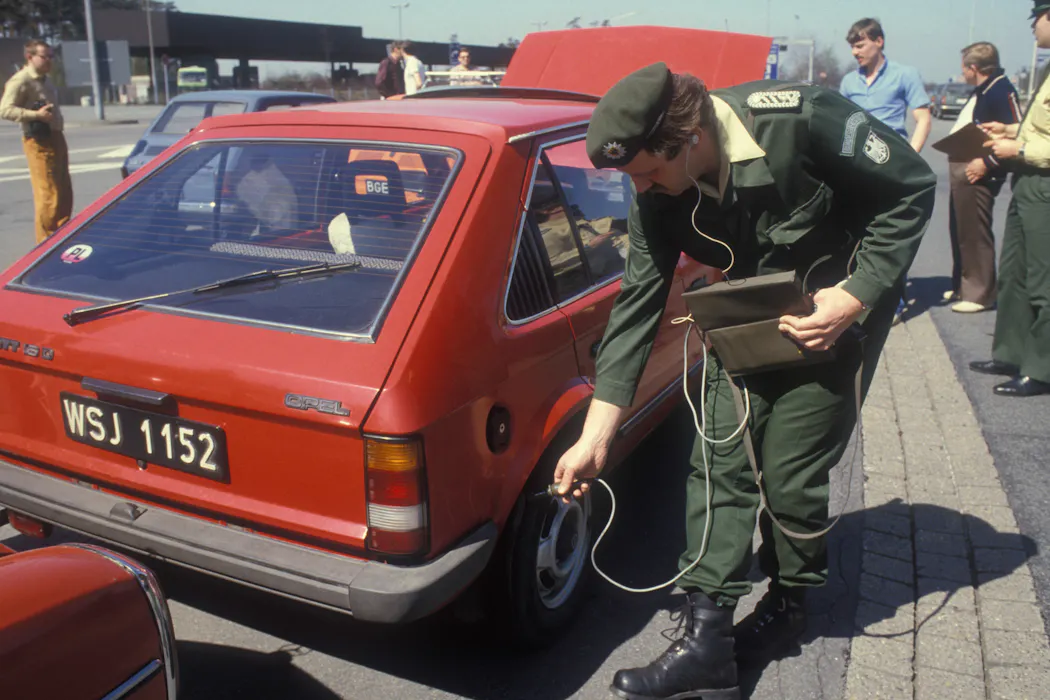
A German security guard checks for radiation after the Chernobyl accident in April 1986. Patrick Piel/Gamma-Rapho via Getty Images

On April 26, 1986, Soviet engineers at the Chernobyl nuclear power plant were conducting a safety test. Doomed by a fatal design flaw and pushed to the limit by human negligence, reactor 4 exploded amid an attempted shutdown during a routine procedure, setting off a chain of events that ultimately released radioactive material hundreds of times greater than that of the atomic bomb dropped on Hiroshima.

Although the accident occurred north of Kyiv, Ukraine, near the border with Belarus, radioactive fallout was soon detected throughout northern and central Europe. Yet the Soviets did what they could to prevent the spread of information that would reveal the true horror of what had occurred.

For decades, researchers, political leaders and advocacy groups have worked to uncover the story of the explosion. While science has allowed us to understand the circumstances of the explosion itself, it has taken much more work to uncover the layers of mismanagement, negligence and misinformation that resulted in human suffering, ecological disaster and economic damage.

Image shows rubble next to a red and white chimney
View of the Chernobyl nuclear power plant three days after the explosion on April 29, 1986.
Shone/Gamma/Gamma-Rapho via Getty Images

One of the problems is that many of the official Soviet records of the event, such as the KGB files, are located in Moscow and are inaccessible to all but a few Russian government agencies.

But there is a partial workaround: Because East Germany was a Soviet satellite state and not a full member of the Soviet Union, official documents remained in the country after the fall of the Berlin Wall. In 1991, after the reunification of Germany, the German government passed a law allowing for the declassification of certain files from the Stasi, East Germany’s secret police and intelligence service. These files can now give us further insight into the mismanagement of Chernobyl, since the East German Stasi and the Soviet KGB were in communication on the matter.

I have spent the past three years reading Stasi files and researching the creation of misinformation in the former Eastern bloc, meeting with Stasi archivists in Berlin and viewing the original archival rooms in the former Stasi headquarters.

Looking at formerly top secret communication between the KGB and Stasi, it is clear that despite publicly insisting everything was under control, both intelligence agencies knew the explosion was absolutely devastating. They kept detailed records of hospitalizations, casualties, damaged crops, contaminated livestock and radiation levels.

But only the very top officials in East Germany and the Soviet Union had access to these numbers. The main fear for both the KGB and Stasi was not the radiation that would harm affected populations but the damage done to their respective countries’ reputations.

Controlling the message

Handling the press was a top priority.

In the Soviet Union, top government officials created their own briefings for the media to be published at precise dates and times. In a set of classified documents that one government official bravely saved and later published, the concreteness with which the lies were devised is apparent. It documents Mikhail Gorbachev, then-leader of the Soviet Union, saying in a Politburo meeting with top government officials: “When we inform the public, we should say that the power plant was being renovated at the time, so it doesn’t reflect badly on our reactor equipment.”

Later in the same meeting, another senior Soviet official, Nikolai Ryzhkov, suggests that the group prepare three different press releases: one for the Soviet people, one for the satellite states and another for Europe, the U.S. and Canada.

In East Germany, the Stasi reports mirrored this messaging. Although top officials are briefed on the presence of radioactive contaminants, the formerly classified Stasi files reiterate that the public is to be told that “absolutely no danger” is present. East German media, controlled by the state, then disseminated this information to the public.

The problem for the East German state was that by the mid-1980s, a lot of people were able to pick up Western TV and radio signals. Many recognized that their own government wasn’t telling them the truth. However, they also knew that Western media would take any chance they got to disparage the Eastern bloc. The result was that many people knew that they weren’t being told the truth, but they weren’t sure exactly what the truth was.

Much of the East German and Soviet propaganda at that time was designed to confuse and cast doubt, not necessarily to fully persuade. The idea was that enough conflicting information would tire people out.

Downplaying economic concerns

One of the Stasi’s major concerns following the disaster was the economic damage that was sure to affect East Germany. Once people began to learn of the radioactive fallout over much of Europe, they grew fearful of their own produce and dairy products.

Children began refusing to drink milk at school, while people frequently asked produce vendors whether their products were grown in a greenhouse or outdoors. On the whole, people stopped buying many of these products.
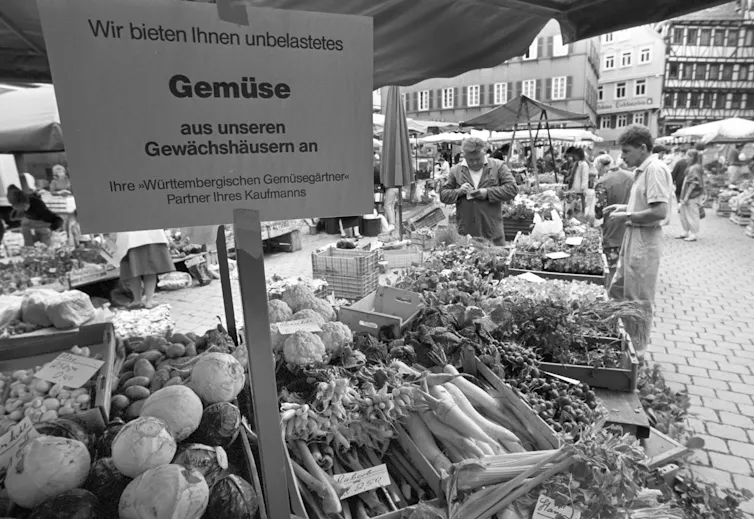
Vegetables are seen at a market with a German sign.
A sign advertises for vegetables free of contamination in a West German market on May 8, 1986.
Rüdiger Schrader/picture alliance via Getty Images

With an excess of these goods, the East German government needed to devise a plan to continue to make money off potentially contaminated goods. The Stasi’s solution was to increase export of these goods to West Germany.

In the formerly classified files, Stasi officials claim that exports would spread out the consumption of radioactive products, so that no one would consume unsafe levels of contaminated meat and produce.

The problem for the East Germans was that West Germany quickly amended their regulations for border crossings from East to West. Vehicles emitting certain levels of radiation were no longer allowed across the border. As a response, the lower-ranking Stasi workers were required to clean radioactive vehicles themselves. In doing so, the state was knowingly risking the health and safety of its own officials.

The East German food export plan was modeled on a similar one proposed by the Soviet government. The Soviet strategy, however, was not to export contaminated goods abroad but rather to send contaminated meat products to “the majority of regions” in the Soviet Union “except for Moscow.”

How disinformation proved an Achilles’ Heel

When the Stasi was founded in 1950, many of its employees genuinely believed in the East German cause.

Having witnessed the horrors of Nazi Germany, many older Stasi workers saw the East German state as the answer to creating a just and equitable society. By the 1980s, however, this sentiment had grown rare. Instead, many Stasi workers viewed their jobs as means to a decent income and privileged government treatment.

As a result, many Stasi workers had grown disillusioned and dispassionate.

Men and women are sprayed by a water cannon.
Protesters at the nuclear power plant in Brokdorf, West Germany, after the accident at Chernobyl.
Hendricks/ullstein bild via Getty Images

It was little surprise, then, that the Stasi put up little resistance when protesters stormed their headquarters in 1990, months after the Berlin Wall fell. While there are many factors in the demise of the communist bloc, the way the East German and Soviet governments handled the aftermath of Chernobyl contributed greatly to the growing popular sentiment against each regime.

In East Germany, the disinformation campaign after the nuclear disaster only strengthened the message that the state did not have its people’s best interests in mind and that it was willing to sacrifice their health and well-being in order to maintain a certain image.

The Conversation

Lauren Cassidy does not work for, consult, own shares in or receive funding from any company or organization that would benefit from this article, and has disclosed no relevant affiliations beyond their academic appointment.

ref. Chernobyl at 40: Secret Stasi files reveal extent of Soviet misinformation campaign over nuclear disaster – https://theconversation.com/chernobyl-at-40-secret-stasi-files-reveal-extent-of-soviet-misinformation-campaign-over-nuclear-disaster-274930


Is Trump heading to a Pyrrhic victory in Iran?

Source: The Conversation – Global Perspectives – By Andrew Latham, Professor of Political Science, Macalester College

President Donald Trump speaks to the press before departing the White House on April 16, 2026. Celal Gunes/Anadolu via Getty Images

President Donald Trump has claimed victory in the war in Iran even before the conflict is over. But despite killing the country’s leader and seriously degrading its military, there is an argument being made that the Islamic Republic has emerged all the stronger for having simply survived.

Indeed, a phrase that has repeatedly cropped up as the U.S. has sunk more and more military hardware and credibility into Operation Epic Fury is “Pyrrhic victory.”

That term also shows up in Iraq War retrospectives, in postmortems of U.S. operations in Libya and in just about every serious attempt to make sense of the past two decades of Western intervention in the Middle East.

But what exactly is a Pyrrhic victory? And is the U.S. really heading toward one in Iran?

1 king, 2 battles and a rueful remark

Most people use the phrase “Pyrrhic victory” to mean a win that costs more than it was worth to obtain it. That’s close enough – but it leaves out a crucial part of the story that makes the concept worth using.

Let’s go back to the beginning. In 280 B.C., Pyrrhus, the king of the ancient Greek kingdom Epirus, crossed into what is now southern Italy to fight Rome. He won major battles at Heraclea and then again at Asculum the following year.

But both victories hurt Pyrrhus. His officer corps was getting chewed up, and his best troops came from a small kingdom far from the fighting. They could not be replaced on anything like Rome’s scale.

After Asculum, he is said to have uttered, “If we are victorious in one more battle with the Romans, we shall be utterly ruined.” Plutarch wrote it down for posterity, and the line outlived everything else known about the campaign.

An etching of elephants and fighters in battle.
A 19th-century wood engraving depicts Pyrrus’ war elephants at the battle of Asculum, his ‘Pyrric victory’ in 279 B.C.
ullstein bild/ullstein bild via Getty Images

The problem wasn’t that Pyrrhus paid a high price for victory. Rather, it was that every victory shifted the balance against him.

A war can be costly without being “Pyrrhic.” If you come out of a battle clearly stronger than the opponent, then whatever the bill, something real was gained. The Pyrrhic case is when the side that claims victory is, in fact, in a weaker position than when the fighting started.

From Baghdad to Tripoli …

So how does that all relate to U.S. conflicts in the 21st century?

Iraq in 2003 is the obvious starting point. U.S. and coalition forces dismantled Saddam Hussein’s regime in just three weeks. On its own terms, the operation worked. But it also collapsed the Iraqi state in the process: army gone, ministries hollowed out and police absent.

What followed, in broad terms, was insurgency, sectarian war and then the rise of the Islamic State group.

Saddam’s Iraq also functioned as one of the main checks on Iranian power in the Persian Gulf. Not by design, and not in any cooperative sense, but as a rival that kept Tehran boxed in. Removing Saddam cleared space for Iran to exert regional influence not enjoyed since 1979.

The current war in Iran does not make sense without that shift. The U.S. went into Iraq to eliminate one purported threat – and ended up amplifying another.

The U.S. intervention in Libya in 2011, as part of a NATO force, looked cleaner. The air campaign was short, Libyan leader and longtime thorn in the side of Washington Moammar Gadhafi was dead within eight months – killed by his own countrymen. NATO had set out to protect civilians and remove a regime, and it did both.

The problem was what came next. Libya was Gadhafi’s state, and there was no real plan for a post-Gadhafi Libya. After he fell, what was left was division: militias, competing governments and an arms stockpile that flooded south into the Sahel region of North Africa and fueled conflicts that rage to this day.

Elsewhere, governments drew a blunt conclusion: Complying with demands to dismantle weapons of mass destruction programs, as Gadhafi had done, does not enhance security. In fact, it may have the opposite effect.

Both Libya and Iraq were, in this sense, “Pyrrhic victories” – battlefield triumphs that left the U.S. in a worse overall strategic situation than before.

… and on to Iran?

It is too soon to confidently pass judgment on where the war in Iran sits among these other wars.

But the outlines are visible. Iran’s Supreme Leader Ali Khamenei is gone, and the country’s missile forces and naval assets have taken heavy damage.

Washington has declared victory, and by its own metrics there is an argument for that.

A woman in traditional Muslim garb walks past a wall with paintings of drones and a fist on it.
An Iranian woman passes in front of a pro-government political mural on April 12, 2026, in Tehran, Iran.
Majid Saeedi/Getty Images

But on the other side of the ledger, Iran still largely holds the Strait of Hormuz – with leverage it did not exercise before the war.

Meanwhile, oil prices of nearly US$100 a barrel have rippled through the global economy, and Russia, without firing a shot, is positioned to reap the windfall.

The issue of Iran’s nuclear program – one of the many stated drivers of the U.S. campaign – now seems less likely to be resolved than before: A state that has absorbed this level of punishment has stronger reasons to want a deterrent, not weaker ones.

Getting the concept right

So, is Trump following the route of Pyrrhus? A Pyrrhic victory is not just a painful one – it is a victory that leaves one worse off against the same opponent. The question that tends to get skipped when the fighting stops is what, exactly, winning changed.

Pyrrhus had his answer after Asculum. Looking at the Strait of Hormuz, the oil markets, the stalled talks in Islamabad, and an Iran with even more reason to pursue a nuclear deterrent, perhaps Trump will soon have his.

This article is part of a series explaining foreign policy terms commonly used but rarely explained.

The Conversation

Andrew Latham does not work for, consult, own shares in or receive funding from any company or organization that would benefit from this article, and has disclosed no relevant affiliations beyond their academic appointment.

ref. Is Trump heading to a Pyrrhic victory in Iran? – https://theconversation.com/is-trump-heading-to-a-pyrrhic-victory-in-iran-280859

Edible orchids are being overharvested in the Mediterranean – how to protect these astonishing blooms

Source: The Conversation – UK – By Susanne Masters, PhD Candidate, Institute of Biology, Leiden University

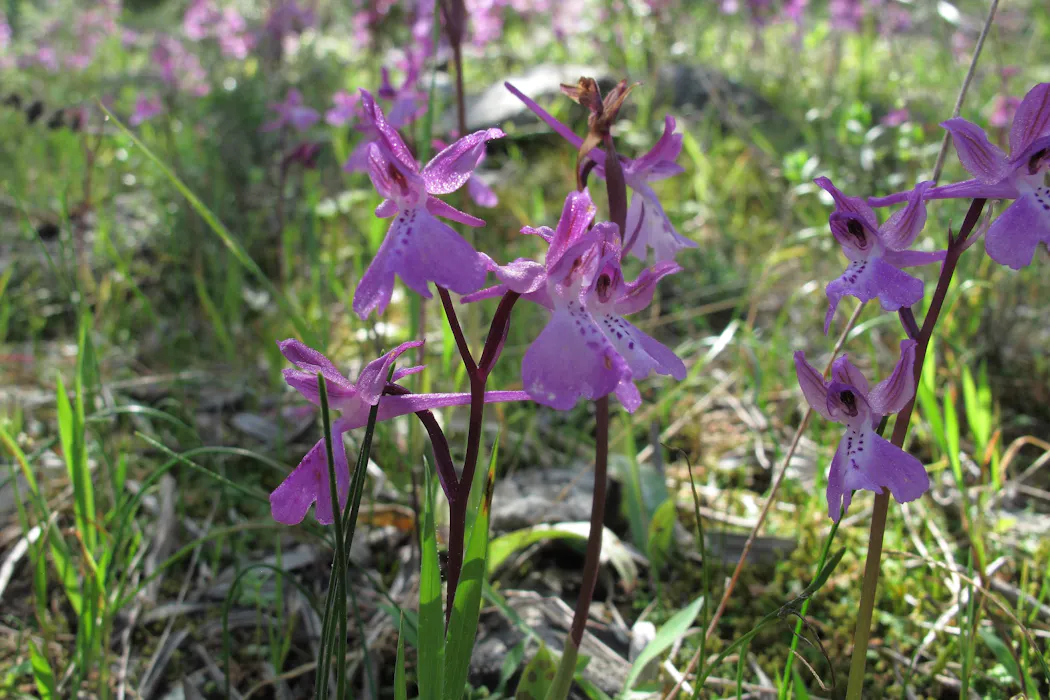
Anatolian orchid (_Orchis anatolica_). Susanne Masters, CC BY-NC-ND

Each spring, the meadows and hillsides of the Mediterranean draw tourists to admire flowering orchids. But in some regions, these astonishing blooms are steadily declining – or at risk of disappearing altogether.

Collection for trade is depleting these wild orchids. It’s not their flowers but their tubers that have most value. Tubers are underground storage organs that sustain plant growth and development. Harvesting them effectively kills the plant.

International trade in orchids is strictly regulated, although national regulations vary. Lack of monitoring makes it difficult to assess the scale of trade, but it is probably much higher than officially reported.

Orchid tubers have been collected from the wild in the eastern Mediterranean region – from Greece to Turkey – for centuries. Dried and powdered, they are the defining ingredient of both a hot drink called salep and maraş dondurma, a type of ice-cream.

Today, salep is not only available at local herbal shops and supermarkets. It is sold globally and online, causing salep harvests and sales to expand across a larger region than ever before. In combination with other threats such as climate change and habitat loss, this growing trade threatens to eradicate orchid populations.

herbs on sale at market stall
Tubers on sale at a herbal shop at Urmieh bazaar in Iran.
Abdolbaset Ghorbani, CC BY-NC-SA


Read more:
Famous monkey-face ‘Dracula’ orchids are vanishing in the wild


Using historical collections of salep kept in museums plus samples from current trade, our new study has mapped the species of orchid collected for its production, and their regions of origin, over the last two centuries.

By extracting and sequencing their DNA, we showed that the market for salep is not just growing – it is transforming. More and more species are being harvested across larger regions and during longer harvesting seasons.

From the early 19th century to the mid-20th century, salep was made predominantly from early purple orchid (Orchis mascula). Now, a broader mixture of orchids is used, including green-winged orchid (Anacamptis morio) and early marsh orchid (Dactylorhiza incarnata).

purple orchid flower close up growing in green field
Green winged orchid Anacamptis morio.
Susanne Masters, CC BY-NC-ND

But early purple orchid is still collected for salep in Eastern Iran – a region where salep is not traditionally consumed and where orchid tuber collecting is a relatively new business. This shows that a preference for salep made from orchids and not substitutes persists. However, orchids are now harder to find, partly due to increased demand and possibly declining abundance of these flowers in the wild. As a result, the frontier of salep trade has been pushed eastward into new territories.

“In Iran, orchid harvesting is mainly for export purposes,” explains Abdolbaset Ghorbani, a researcher at Uppsala University and co-author on our study.

During fieldwork in Iran, he noticed that orchid tubers are not commonly known as salep but rather “mountain potatoes”. “This name was coined by locals in the northeast, as orchid tuber harvesting was new to them and most people were not familiar with salep or its uses.”

Our findings mirror patterns observed in Greece, where salep is now harvested less by local communities and increasingly sourced from outside the country.

At the same time, in areas where salep consumption is common, it is increasingly supplied through other means. People are not only turning to different species of orchid, but they are doing so at lower elevations than the traditionally harvested mountain species – possibly to make a wider repertoire of substitutes more accessible.

researcher sat with documents looking for orchids
Abolbaset Ghorbani doing fieldwork in Iran.
Hugo de Boer, CC BY-NC-ND

The risk of extinction that more intensive harvesting brings to these orchids can be seen in their tuber size. By measuring more than a thousand tubers collected over two centuries, we discovered that the size of salep tubers has been steadily declining, regardless of the species concerned. A reduction in harvested body or organ size is a classic symptom of overexploitation, and can be an early warning signal of population collapse.

Ghorbani notes that dwindling orchid populations may lead to a further shift in collection efforts: “I think that now, after some years, as orchids have become scarce in the region, the trade has also decreased.”

He adds that it is also possible that collectors have started moving into new areas, such as protected nature reserves, to collect orchid tubers: “Perhaps harvesting has expanded even further east into central Asian countries that have not yet been exploited, in order to meet the demand for tubers.”

If this trend persists, orchid blooms may become a rare sight not just across the eastern Mediterranean region, but parts of Asia as well.

lab bench with brown tubers, glass jars and measuring equipment
Measuring tubers in the lab.
Hugo de Boer, CC BY-NC-ND

Putting protection in place

To protect orchids from the risks of overexploitation and trade, orchid material should not be internationally traded without permits. However, trade regulations are poorly enforced and don’t address the problem of domestic trade. Increased compliance with international trade regulations is therefore necessary to curb the salep trade, but can only be a partial solution.

Other measures are necessary to satisfy the growing demand for salep. Consumers could turn from wild to cultivated sources, a practice still in its infancy but with a promising outlook for sustainable production of salep.

Sustainable standards such as FairWild can guide the legal harvest of small amounts salep that do not harm orchid survival. Both options depend on increased consumer awareness and the right market incentives.

As the trade and extinction of edible orchids is a global problem, effective solutions require international coordination. Global initiatives such as the Illegal Plant Trade Coalition can help disseminate knowledge of the risks of unrestricted harvest and trade, and promote existing alternatives.

Such efforts will not only serve to protect the precious sight of flowering orchids in spring, but also the treasures they keep underground – and the traditions they support.

The Conversation

Susanne Masters is affiliated with IUCN SSC Orchid Specialist Group.

Margret Veltman has received funding from the European Union Horizon 2020 research and innovation programme under grant agreement no. 765000
Margret Veltman is affiliated with the IUCN SSC Orchid Specialist Group.

ref. Edible orchids are being overharvested in the Mediterranean – how to protect these astonishing blooms – https://theconversation.com/edible-orchids-are-being-overharvested-in-the-mediterranean-how-to-protect-these-astonishing-blooms-279495

What intentional communities can teach us about resilience amid global instability

Source: The Conversation – UK – By Kirsten Stevens-Wood, Senior Lecturer, Cardiff Metropolitan University

shutterstock 4 season backpacking/Shutterstock

As conflict intensifies in the Middle East, energy markets swing wildly and the cost of living keeps climbing, a pressing question is emerging for anyone who is tied in to the fluctuating energy and food markets: how do we build resilience?

Big political and economic solutions still matter. But they take time. Increasingly, attention is turning closer to home, and to communities themselves.

Among these, intentional communities – once seen as niche – stand out as an increasingly viable option. Intentional communities are groups of people that share land and resources collectively. They can include cohousing and housing cooperatives as well as other projects. These communities do not constitute an escape from the world, but a way of coping with it. In some cases, they are already softening the shocks of global instability.

One of the most visible consequences of conflict in the Middle East is felt in energy bills at home. Disruptions to oil and gas supply chains push up fuel prices. That ripples through everything like transport, food and heating. In the UK, households feel it quickly.

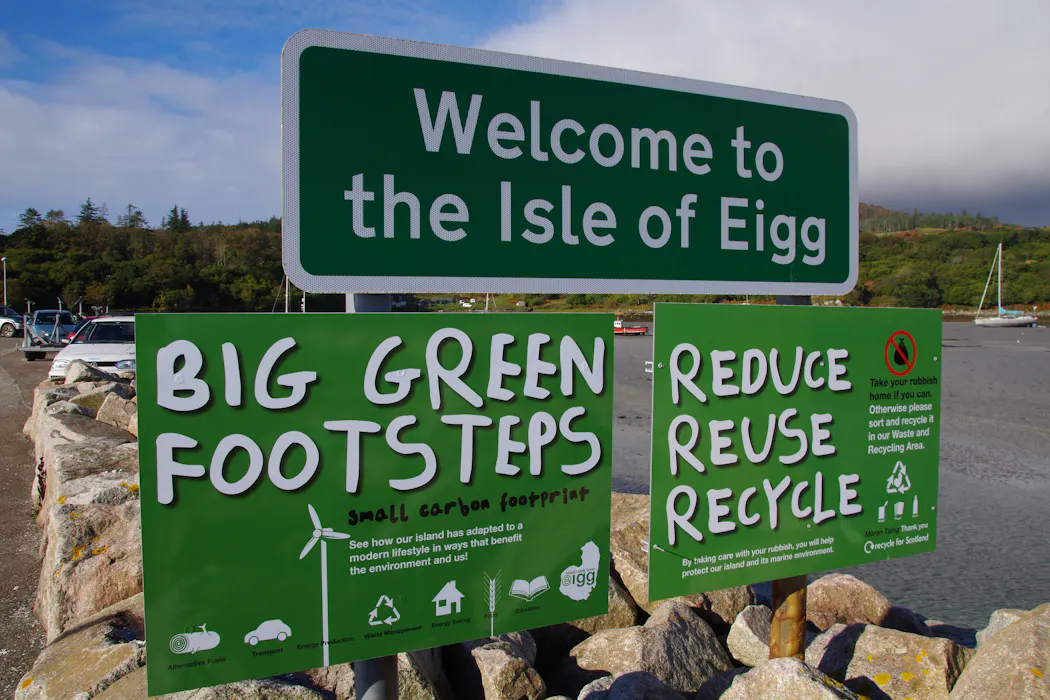
But some intentional communities are less exposed. They have changed how they produce and use energy. At Bridport Cohousing in Dorset, residents share heating systems and generate solar power. On the Isle of Eigg in the Scottish Inner Hebrides, the entire island runs on a community-owned electricity system powered by wind, water and sun.

Of course, these systems don’t make communities immune to wider pressures. But they can cushion the blow by lowering bills and reducing dependence on volatile global markets.

Rising energy prices feed directly into food, housing and everyday costs. For many households, the pressure is relentless. Intentional communities respond differently. They pool resources. Food is often bought in bulk or grown collectively. Meals are shared. Housing is organised cooperatively, which can help to bring down rents and mortgages.

While pooling resources doesn’t eliminate costs, it can spread them. And that makes a difference, especially for those on tight or fixed incomes.

Social resilience in uncertain times

Resilience isn’t just financial. Intentional communities can also help buffer the psychological and social effects of living in times of conflict or uncertainty.

The pandemic offered a glimpse of this. While many people experienced isolation, collaborative housing communities often mobilised quickly because support networks were already in place.

A 2023 study of 18 intentional communities in England and Wales found they were able to quickly build on their existing and well-established social infrastructure. Regular contact, shared decision-making and mutual support helped people cope. In uncertain times, that kind of connection matters. It reduces isolation and makes crises easier to navigate.

One example was an older women’s cohousing group near London who set up online movie and book review clubs, as well as regularly sharing homegrown food from their communal allotment.

The Isle of Eigg survives only on renewable energy.

Disrupted fuel supplies – as we have seen in the recent closure of the Strait of Hormuz – can have cascading effects on agricultural production and food distribution. This can lead to price increases and occasional shortages.

Many intentional communities try to buffer against this by growing their own food. Small-scale farming, permaculture and community gardens are common.

For example, the Redfield community in north Buckinghamshire grow much of their own food, as well as keeping chickens, a small flock of sheep and bees on their 17 acres of land. This increases self-sufficiency, meaning they are less exposed to global disruptions. It also builds skills – knowledge that often spreads beyond the community itself through friends, family and even courses on growing, permaculture and self sufficiency.

None of this makes intentional communities self-contained utopias. They still rely on wider systems. Renewable energy infrastructure requires investment, for example. Skills and resources are uneven, which means that no community is fully insulated from global crises. But that may not be the point.

What sets these communities apart is not independence, but adaptability. They spread risk and diversify how needs are met in terms of energy, food, housing and care. And systems that are more diverse tend to be more resilient.

Intentional communities are, in effect, testing grounds. They show what happens when people reorganise everyday life around cooperation rather than individual consumption. Some of their ideas, like shared ownership, local energy and community food networks are already spreading beyond them into local and national government policy, builders and architects and wider community groups.

The Conversation

Kirsten Stevens-Wood does not work for, consult, own shares in or receive funding from any company or organisation that would benefit from this article, and has disclosed no relevant affiliations beyond their academic appointment.

ref. What intentional communities can teach us about resilience amid global instability – https://theconversation.com/what-intentional-communities-can-teach-us-about-resilience-amid-global-instability-280635

Seeds of Exchange reveals the untold story of the plant collectors who connected Canton and London in the 18th century

Source: The Conversation – UK – By Max Carter-Brown, Lecturer, Evolutionary Biology, Anglia Ruskin University

I’m standing in a deconsecrated church in Lambeth, London, now home to the Garden Museum. It has a warm and pleasant atmosphere, undeniably a church, yet far removed from its original purpose. On this quiet Friday morning, I met with Emma House, the lead curator of the exhibition Seeds of Exchange. We wandered around the exhibit, which is deceptively small for the scale of its story, crossing continents, cultures, languages and time.

Seeds of Exchange: Canton and London in the 1700s tells a story that is both local and global. It centres on a short-lived but remarkable collaboration between an English botanist and his Chinese counterparts. Together, they documented the plant life of Canton (modern-day Guangzhou) at a time when global trade, science and empires were becoming deeply entangled.

As a botanist I love plants – but this story is not only about them. It is about how knowledge moves, and who gets to shape it.

A meeting point of worlds

The late 18th century was a period of carefully controlled contact between China and Europe. Trade with the outside world in China was tightly regulated through licensed Chinese merchant guilds. Foreign traders could only operate during part of the year.

Into this system stepped John Bradby Blake, an employee of the British East India Company in the early 18th century.

Like many of his contemporaries, he was not simply a passive participant in imperial trade. The East India Company allowed its agents a degree of personal enterprise, and Blake – having suffered substantial financial losses in tea speculation – turned to botany as both scientific pursuit and potential commercial opportunity.

His project was ambitious: to catalogue Chinese plants in what he envisioned as a Compleat Chinensis (Complete Chinese). Between 1766 and his death in 1773, he commissioned over 150 botanical paintings, documenting many now familiar plant species, ranging from citrus fruits and camellias to turmeric and jackfruit.

What makes this project particularly striking is that it was not a solitary European endeavour. Blake relied heavily on local expertise, as he did not know the flora and did not speak Mandarin.

Mak Sau, a Chinese artist about whom we know very little, produced detailed botanical paintings that form the heart of this exhibition. These works are scientific documents, capturing colour and structure with fantastic precision. But they are also superb works of art and form a historically important collection of early botanically accurate watercolour paintings in China.

Local knowledge also helped identify species that Blake himself struggled to classify. Whang At Tong, Blake’s Chinese counterpart, was a merchant operating within the Canton system. He facilitated the exchange of materials, knowledge and, eventually, the transport of Blake’s collection back to Britain. The endeavour was, in many ways, a shared intellectual enterprise. Yet it unfolded within an unequal system shaped by imperial trade and economic ambition.

Plants, profit and empire

Many of the plants depicted in Seeds of Exchange hint at the economic motivations behind Blake’s work. Tea, citrus species, indigo and medicinal plants all had clear commercial value. Others carried horticultural interest that would later shape European gardens.

Blake cultivated plants in his own Canton garden, experimenting with germination and growth and sending seeds back to Britain. These botanical exchanges contributed, in small but significant ways, to breaking China’s monopoly on certain crops – particularly tea.

Yet the paintings also reveal a more complex botanical landscape. Some species, such as chilli peppers and watermelon, were themselves recent arrivals to China (from South America and Africa respectively).

Even in the 18th century, plant distributions were already shaped by centuries of movement across continents. Today, the movement of plants across the world is on a monumental scale, driven by crops and horticulture. The exhibition quietly reminds us that “native” and “foreign” are often more fluid categories than we assume.

Blake’s death in 1773 brought the project to an abrupt halt. He never completed his Compleat Chinensis, and his work might easily have faded into obscurity. Instead, Whang At Tong transported the collection to London, where it entered elite scientific circles. He is one of the earliest recorded Chinese people to have come to the UK. He met figures such as Joseph Banks, a central figure in British botany, and even sat for a portrait by Joshua Reynolds – a rare moment of cultural visibility for a Chinese visitor in 18th-century Britain. The Reynolds painting is in the exhibit, and exquisitely done.

Despite this, the botanical paintings themselves were never fully integrated into British science. Seeds were sent to Kew, but the visual and documentary archive remained largely unused. Over time, the collection became physically divided. One portion, consisting of manuscripts and herbals (historical books describing the properties of plants), ended up, remarkably, in Canterbury Cathedral. Another, including many of the paintings, passed through the art market before being acquired by the Oak Spring Garden Foundation in Virginia in the 20th century.

Reuniting the past

Seeds of Exchange marks the first time these materials have been brought back together in over two centuries. Seen together, the paintings, herbals, notebooks and maps reveal a network of knowledge production that was collaborative, cross-cultural and contingent. Recent research indicates that Blake mainly used texts by European authors for identification, however the exhibition shows Chinese floras which were used in the work, highlighting the depth of local contribution.

The exhibition also sits within a broader historical context. The Garden Museum itself stands on land once associated with early botanical collectors such as the Tradescant family, whose 17th-century “cabinet of curiosities” helped lay the foundations of modern museums. From these early collections to Blake’s Canton project, the gathering and classification of plants has long been tied to exploration, trade and power.

What, then, does this exhibition tell us today? At one level, it is a fascinating story of early globalisation. But it also prompts deeper questions about authorship and recognition. Projects like Blake’s were often framed as European achievements, even when they depended heavily on local knowledge and labour.

Seeds of Exchange highlights that scientific knowledge has almost always been co-produced, even if the historical record has not always acknowledged this. In an era when museums and collections are increasingly reexamining their collections and histories, this matters.

Like the plants it documents, the knowledge this exhibition represents has travelled, adapted and taken root in new contexts – and we are still tracing its origins more than two centuries on.

Seeds of Exchange: Canton and London in the 1700s is at the Garden Museum in London until May 10 2026

The Conversation

Max Carter-Brown does not work for, consult, own shares in or receive funding from any company or organisation that would benefit from this article, and has disclosed no relevant affiliations beyond their academic appointment.

ref. Seeds of Exchange reveals the untold story of the plant collectors who connected Canton and London in the 18th century – https://theconversation.com/seeds-of-exchange-reveals-the-untold-story-of-the-plant-collectors-who-connected-canton-and-london-in-the-18th-century-281057

Coral reefs are secretly connected across vast oceans – and that’s crucial for their survival

Source: The Conversation – Global Perspectives – By Kate Marie Quigley, DECRA Research Fellow in molecular ecology, James Cook University

Lord Howe Island lies in the middle of the ocean, about 700 kilometres northeast of Sydney. It’s covered in lush forest and fringed by the world’s most southerly coral reef ecosystem.

This reef system isn’t as famous as its northern neighbour, the Great Barrier Reef. Our new research in the Journal of Applied Ecology, shows it plays an outsized role in keeping vast coral regions across the Pacific connected – and alive.

A small number of other reefs in the region serve a similar function. Knowing which reefs matter most for recovery and adaptation to ocean warming – and protecting them now – could make the difference between regional reef collapse and long-term resilience.

Tiny coral babies in a vast ocean

Coral reefs are in global decline, but this loss is not just about dying corals – it’s about breaking the natural connections that allow reefs to recover after marine heatwaves, cyclones and other threats.

Right now, climate change is rapidly reducing the ability of coral larvae to travel between reefs, shrinking their chances of survival by undercutting recovery.

These tiny coral babies can sometimes spend many weeks in the surface waters of the open ocean, carried by currents across hundreds or even thousands of kilometres before settling and beginning to grow.

The movement of larvae provides a constant source of replenishment for reefs, both near and far away, which is especially important when reefs are damaged.

Without this constant replenishment, some damaged reefs simply cannot recover. Connectivity isn’t a nice-to-have for coral reefs. It’s their lifeline.

Tracking dispersal across 850 reefs

Our study used ocean circulation models to simulate the trajectories of coral larvae across the southwestern Pacific Ocean from 2011 to 2024, tracking the movement of larvae across 850 reefs.

These reefs spanned the Great Barrier Reef, New Caledonia, the Coral Sea and Lord Howe Island.

We traced how two key coral growth forms (fast-growing branching corals and slower-growing massive corals) move between reefs under current conditions and under projected global climate warming scenarios of 1°C, 2.5°C and 4°C above pre-industrial temperatures.

We then examined how corals moved between different types of reef, including reefs that were naturally resistant to heat stress, those that recover quickly after disturbance, and those that stay cooler because of local water currents and upwelling that naturally reduce water temperature around the reef.

This allowed us to ask not just which reefs are connected, but which kinds of reefs are sending and receiving different types of larvae.

A fragile network

We found that only a handful of reefs act as genuine hubs — places where larvae both arrive from distant sources and depart to “seed” reefs far away. Lose these stepping stones, and the entire network begins to fragment.

The Coral Sea reefs emerged as crucial bridges in this network, linking the southern Great Barrier Reef with New Caledonia and beyond. But perhaps the most striking finding involves Lord Howe Island.

Our modelling identified Lord Howe as a potential refugium: a place where corals may be able to persist even as warming intensifies, potentially owing to its more temperate, southerly position.

A coral reef lagoon with a large rocky mountain in the background.
Lord Howe Island is home to the world’s most southern coral reef ecosystem.
Dylan Shaw/Unsplash

Yet its very isolation – what makes it a likely survivor – also means it has limited natural connectivity with surrounding reefs.

This situation therefore cuts both ways: while isolation helps protect its coral from extreme heat stress, it also means the reef relies less on new larvae that others could need for recovery. It therefore also means Lord Howe needs protection – not just for itself, but for the entire regional reef system that may one day depend on it.

Another important finding is that the reefs most resistant to heat stress (those classified as naturally resistant) tended to export larvae to a relatively smaller number of reefs within the wider network.

But there are techniques that enable the intentional movement of larvae from heat-tolerant reefs to more vulnerable locations. These include assisted gene flow, in which scientists deliberately move warm-adapted adult corals or their offspring to reefs that are more vulnerable to heat stress, helping to spread heat-tolerant genes more quickly across reef networks.

Protecting our marine superhighways

Our results make clear that marine protected areas should not be managed as isolated reserves but as an interconnected network, with transboundary cooperation between Australia and Pacific Island nations.

The larval corridors linking the southern Great Barrier Reef, New Caledonia and Lord Howe Island do not fall within national boundaries. Neither can our conservation response.

Reefs are already fighting against warming oceans. The waters of the Lord Howe Rise and South Tasman Sea, the vast oceanic region between Australia and New Zealand through which these larval corridors flow, are under threat from industrial fishing.

Industrial fishing, pollution and climate change are pushing these ecosystems to the brink, with longlines intersecting surface waters. This cumulative pressure across these newly identified larval transport superhighways adds yet another layer of pressure onto these already stressed ecosystems.

Our research adds a new and crucial dimension to high seas protection. Our region sits directly across the larval corridors that connect and sustain coral reef systems. Protecting this ocean is not just about what lives here. It is about what passes through – fundamental for migratory and connected populations.

The least we can do is protect the superhighways through which their future flows – invisibly, at the ocean surface, some larvae no bigger than a grain of rice, carrying the genetic potential to rebuild what we stand to lose.

The Conversation

Kate Quigley receives funding from the Australian Research Council and Minderoo Foundation. She is also Principal Research Scientist at Minderoo Founation.

Elise Thérèse Gisèle Dehont does not work for, consult, own shares in or receive funding from any company or organisation that would benefit from this article, and has disclosed no relevant affiliations beyond their academic appointment.

ref. Coral reefs are secretly connected across vast oceans – and that’s crucial for their survival – https://theconversation.com/coral-reefs-are-secretly-connected-across-vast-oceans-and-thats-crucial-for-their-survival-278424

How does imagination really work in the brain? New theory upends what we knew

Source: The Conversation – Global Perspectives – By Thomas Pace, Researcher and Lecturer at the Thompson Institute, University of the Sunshine Coast

Grandfailure/Getty Images

Your brain is currently expending about a fifth of your body’s energy, and almost none of that is being used for what you’re doing right now. Reading these words, feeling the weight of your body in a chair – all of this together barely changes the rate at which your brain consumes energy, perhaps by as little as 1%.

The other 99% is used on the activity the brain generates on its own: neurons (nerve cells) firing and signalling to each other regardless of whether you’re thinking hard, watching television, dreaming, or simply closing your eyes.

Even in the brain areas dedicated to vision, the visuals coming in through your eyes shape the activity of your neurons less than this internal ongoing action.

In a paper just published in Psychological Review, we argue that our imagination sculpts the images we see in our mind’s eye by carving into this background brain activity. In fact, imagination may have more to do with the brain activity it silences than with the activity it creates.

Imagining as seeing in reverse

Consider how “seeing” is understood to work. Light enters the eyes and sparks neural signals. These travel through a sequence of brain regions dedicated to vision, each building on the work of the last.

The earliest regions pick out simple features such as edges and lines. The next combine those into shapes. The ones after that recognise objects, and those at the top of the sequence assemble whole faces and scenes.

Neuroscientists call this “feedforward activity” – the gradual transformation of raw light into something you can name, whether it’s a dog, a friend, or both.

In brain science, the standard view is that visual imagination is this original seeing process run in reverse, from within your mind rather than from light entering your eyes.

So, when you hold the face of a friend in mind, you start with an abstract idea of them – a memory or a name, pulled from the filing cabinet of regions that sit beyond the visual system itself.

That idea travels back down through the visual sequence into the early visual areas, which serve as your brain’s workshop where a face would normally be reconstructed from its parts – the curve of a jawline, the specific shade of an eye. These downward signals are called “feedback activity”.

A signal through the static

However, prior research shows this feedback activity doesn’t drive visual neurons to fire in the same way as when you actually see something.

At least in the brain regions early in the vision process, feedback instead modulates brain activity. This means it increases or decreases the activity of the brain cells, reshaping what those neurons are already doing.

Even behind closed eyes, early visual brain areas keep producing shifting patterns of neural activity resembling those the brain uses to process real vision.

Imagination doesn’t need to build a face from scratch. The raw material is already there. In the internal rumblings of your visual areas, fragments of every face you know are drifting through at low volume. Your friend’s face, even now, is passing through in pieces, scattered and unrecognised. What imagining does is hold still the currents that would otherwise carry those pieces away.

All that’s needed is a small, targeted suppression of neurons that are pulled by brain activity in a different direction, and your friend’s face settles out of the noise, like a signal carving its way through static.

Steering the brain

In mice, artificially switching on as few as 14 neurons in a sensory brain region is enough for the animal to notice it and lick a sugar-water spout in response. This shows how small an intervention in the brain can be while still steering behaviour.

While we don’t know how many neurons are needed to steer internal activity into a conscious experience of imagination in humans, growing evidence shows the importance of dampening neural activity.

In our earlier experiments, when people imagined something, the fingerprint it left on their behaviour matched suppression of neuronal activity – not firing. Other researchers have since found the same pattern.

Other lines of evidence strengthen our theory, too. About one in 100 people have aphantasia, which means they can’t form mental images at all. One in 30 form these images so vividly they approach the intensity of images we actually see, known as hyperphantasia.

Research has found that people with weaker mental imagery have more excitable early visual areas, where neurons fire more readily on their own. This is consistent with a visual system whose spontaneous patterns are harder to hold in shape.

Taking all this together, the spontaneous activity reshaping hypothesis – our new theory that imagination carves images out of the steady stream of ongoing brain activity – explains why imagination usually feels weaker than sight. It also explains why we rarely lose track of which is which.

Visual perception arrives with a strength and regularity the brain’s own internal patterns don’t match. Imagination works with those patterns rather than against them, reshaping what is already there into something we can almost see.

The Conversation

The authors do not work for, consult, own shares in or receive funding from any company or organisation that would benefit from this article, and have disclosed no relevant affiliations beyond their academic appointment.

ref. How does imagination really work in the brain? New theory upends what we knew – https://theconversation.com/how-does-imagination-really-work-in-the-brain-new-theory-upends-what-we-knew-280803

Whale strandings draw emotional responses. But repeated rescues can cause more harm

Source: The Conversation – Global Perspectives – By Karen Stockin, Professor of Marine Ecology, Te Kunenga ki Pūrehuroa – Massey University

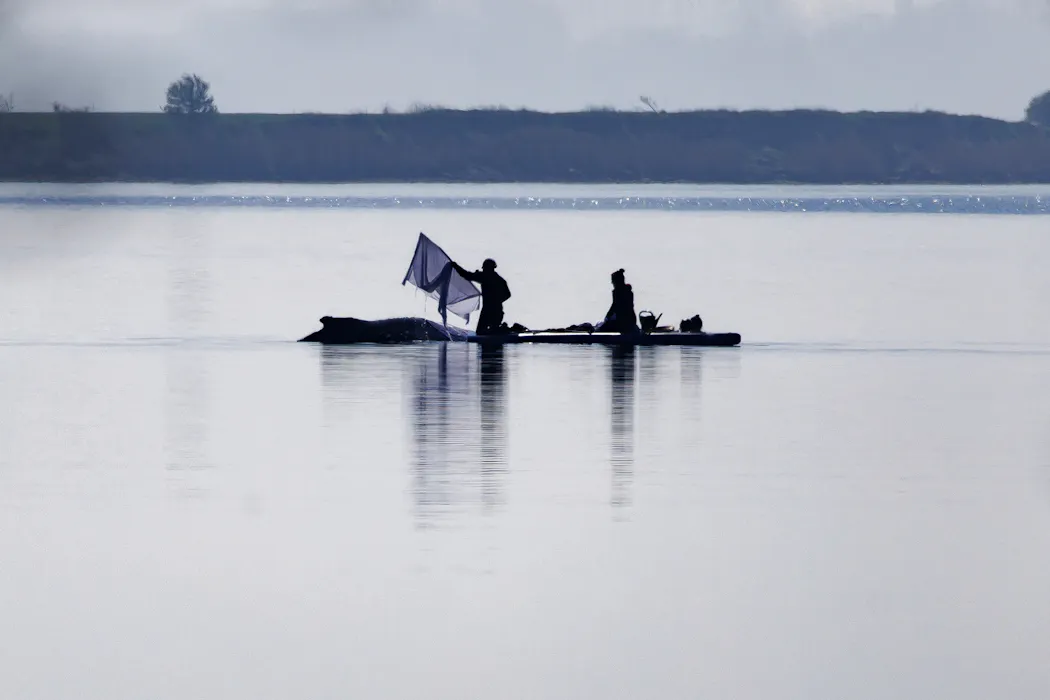
Rescuers placing wet towels on ‘Timmy’, the whale stranded near Wismar, Germany. Morris MacMatzen/Getty Images

A humpback whale repeatedly restranding in shallow waters in the Baltic Sea for more than three weeks has become the focus of a complex debate about reconciling compassion for animals with ethical, evidence-based decision making.

Affectionately known as Timmy, the whale restranded several times and has been growing weaker, failing to recover despite multiple rescue attempts.

Its struggle attracted global attention and triggered debates between experts and the public regarding intervention versus allowing a natural end.

Marine biologists and veterinarians observing the whale made a clear and evidence-based assessment earlier this month: further intervention was unlikely to succeed and would risk prolonging the animal’s suffering.

Yet public pressure – driven by empathy amplified by social media and sharpened into outrage – led German state authorities to permit renewed rescue efforts this week, framed as a “last ditch” effort.

At first glance, it seems an act of compassion. But beneath the surface lies a more difficult truth. As our research shows, when scientific advice is sidelined in favour of public sentiment, outcomes for the very animals we aim to protect can worsen.

The emotional pull of “doing something”

Large, charismatic animals like whales evoke powerful emotional responses. They are intelligent, expressive and visibly vulnerable when stranded.

For many people, choosing not to intervene feels morally unacceptable, with inaction often perceived as neglect.

Wildlife medicine, however, does not operate on instinct or optics. It relies on probabilities, welfare assessments and the recognition that intervention is not always beneficial.

In Timmy’s case, experts from the German Oceanographic Museum and the Institute for Terrestrial and Aquatic Wildlife Research, as well as international organisations, reached a consistent conclusion that the whale was unlikely to survive.

After repeated failed rescues, the environment minister for Germany’s state of Mecklenburg-Western Pomerania determined that continued intervention would likely worsen the whale’s condition. By then, Timmy was showing clear signs of trauma and exhaustion.

The decision was not made in isolation. In early April, the International Whaling Commission’s stranding expert panel publicly supported the German authorities. It outlined that further rescue attempts would likely increase suffering without improving survival chances.

Euthanasia, frequently suggested as an alternative, was deemed impractical, however. The whale’s partial buoyancy, combined with logistical, safety and personnel challenges meant this was not a viable option.

New Zealand’s experience

In 2021, New Zealand experienced a similar situation with Toa, a stranded orca calf.

The response was extraordinary, mobilising national and international expertise. Veterinarians, marine mammal scientists and stranding specialists contributed to an unprecedented rescue effort.

The scientific consensus, however, was sobering. Given Toa’s young age (unweaned), prolonged separation from his pod, and the challenges of reintegration, his chances of survival were extremely low.

Over time, his welfare declined during extended human care. Many experts ultimately supported euthanasia as the most humane option.

That path was not taken. Driven by public hope and attention, efforts continued. Toa died after weeks in care. In retrospect, the case raised a difficult but necessary question: when expert consensus and public sentiment diverge, which should guide decisions?

When perception overrides expertise

This tension is not anecdotal; it is well documented. Research shows that human perceptions and emotional investment can significantly shape responses to cetacean strandings, sometimes directly conflicting with recommendations based on the animal’s wefare.

In high-profile cases, decision making can shift from expert-led processes to outcomes shaped by public pressure. The patterns observed in Germany – repeated strandings, declining condition and cumulative stress – are strong predictors of poor outcomes, regardless of continued intervention.

The disconnect is clear. Experts assess welfare through measurable physiological, behavioural and environmental markers to infer the mental state of an animal. The public often evaluates it through effort, visibility and intent. The result is a compelling but flawed assumption: that doing more means doing better.

A common principle in veterinary ethics is that the ability to intervene does not justify doing so. Every rescue attempt carries risks: handling stress, injury, prolonged suffering and the diversion of limited resources.

While financial cost is often highlighted, the more critical issue is animal welfare. In repeated stranding cases, the ethical balance becomes increasingly stark.

When recovery is highly unlikely, continued intervention can shift from care to harm. In repeated stranding cases, the ethical calculus becomes sharper. Yet this is precisely the moment when public pressure tends to intensify.

A more difficult kind of care

Compassion is not the problem; it is fundamental to conservation. But compassion without evidence can mislead.

What’s at stake is trust in scientific expertise, veterinary judgement and the difficult reality that the most humane decision is not always the most emotionally satisfying one.

If every high-profile stranding becomes a referendum driven by public pressure, we risk creating a system where decisions are shaped less by animal welfare and more by public visibility.

The instinct to rally around a stranded whale reflects the best of human empathy. But real care in wildlife conservation is not always about action. Sometimes, it requires restraint.

In Toa’s case, official documents later revealed most experts had recommended euthanasia to prevent prolonged suffering.

Timmy’s situation raises a similar question. Not whether people care enough, but whether we are willing to accept that caring also means listening to science, to experience and to the difficult truths they bring.

The Conversation

Karen Stockin is the ethics chair for the Society for Marine Mammalogy and a member of the IWC strandings expert panel.

ref. Whale strandings draw emotional responses. But repeated rescues can cause more harm – https://theconversation.com/whale-strandings-draw-emotional-responses-but-repeated-rescues-can-cause-more-harm-281137

The end of oil? As fuel shocks cascade, 53 nations gather to plan a fossil fuel phaseout

Source: The Conversation – Global Perspectives – By Wesley Morgan, Research Associate, Institute for Climate Risk and Response, UNSW Sydney

Anton Petrus/Getty

US President Donald Trump is a longtime climate denier and oil industry ally, who sums up his own energy policy as “drill, baby, drill”. Yet he is doing more than almost anyone to speed up the global shift from fossil fuels to clean energy and electric vehicles (EVs).

After the US and Israel struck Iran in late February, Tehran closed the Strait of Hormuz and triggered the largest disruption of oil supply in history.

Ironically for Trump and his oil industry donors, this crisis may be an irreversible tipping point for clean energy. For years, fossil fuel advocates spruiked oil, gas and coal as “reliable” energy. That narrative has been reversed. Fossil fuels have become expensive and unreliable, while renewables are cheap, reliable and secure.

For the first time ever, more than 50 nations will gather next week in Colombia to hash out how to wind down and end their dependence on coal, oil and gas. The history-making conference was planned before the Iran war. But this year’s energy crisis has greatly raised the stakes.

The oil crisis is real

Iran’s closure of the narrow Strait of Hormuz stopped oil tankers reaching their destinations. But that wasn’t all. More than 60 gas and oil sites have been damaged in the conflict so far. Even if a durable ceasefire is reached, these impacts will reverberate for months and years to come.

Around 80% of the trapped crude oil was destined for the Asia-Pacific. Faced with dwindling supply, the region’s governments are implementing emergency measures such as sending workers home, banning government travel, rationing fuel and cutting school hours.

The problem is especially bad in the Pacific. Many island nations use diesel for power generation. In response, leaders declared a regional emergency.

Fuel import bills were already a major burden for Pacific nations, leading to efforts to switch to local renewables. Fuel bills could rise by A$933 million in Fiji (nearly three times the healthcare budget).

man standing next to banana boat in turquoise blue waters, mountains as backdrop.
Pacific nations are heavily dependent on imported diesel.
Mark Direen/Pexels, CC BY-NC-ND

Scrambling for energy

When energy supplies are disrupted, leaders have three options: find alternate supplies, reduce use or switch to alternatives. In the very short term, countries aim to shore up supply, just as Australian Prime Minister Anthony Albanese did last week in Malaysia.

Countries have also moved to reduce use. This can have lasting effects. During the Middle East oil shocks of the 1970s, oil prices tripled and then doubled again. Authorities responded by improving energy productivity to do more with less. The world’s final oil demand per capita peaked in 1979 and has never recovered.

But the real difference from half a century ago is that fossil fuel alternatives are ready for prime time. Since the 1970s, the price of solar panels has fallen 99.9%, while the cost of wind has fallen 91% since 1984. Battery prices have fallen 99% since 1991.

This means it’s now viable for many nations to switch to these alternatives.

The European Union will accelerate electrification, after its fossil fuel bill increased more than $36 billion since February. France has doubled state aid to help households switch to EVs and electrify home heating. Import-dependent South Korea gets 70% of its crude oil through the Strait of Hormuz. It now plans to double renewables capacity within four years.

Electric vehicles at the tipping point?

This year’s oil shock shows signs of creating an unplanned social tipping point – a threshold for self-propelling change beyond which systems shift from one state to another. Climate scientists warn of climate tipping points which amplify feedback and accelerate warming. But social scientists also point to positive tipping points – collective action that rapidly accelerates climate action.

The rush to EVs is a case in point. In Australia, petrol prices surged almost 50% in March, and diesel more than 70%. It’s no surprise new EV sales are at an all-time high, while secondhand EV sales more than doubled last month.

Australia’s 1.3 million hybrid and battery electric vehicles avoid almost 15 million litres of petrol and diesel use every week.

The rush to electric transport is global. Most new Chinese cars are powered by batteries, not oil. Battery electric vehicles outsold petrol cars for the first time in Europe in January.

A conference to quit fossil fuels

The routine burning of coal, oil and gas is the primary driver of the climate crisis. The world’s highest court last year made clear nations have obligations to stop burning fossil fuels.

But fossil fuels have barely been mentioned in 30 years of global climate negotiations, due in part to blocking efforts by big fossil fuel exporters and lobbyists.

Frustrated by slow progress, a coalition of nations has bypassed global climate talks to discuss how to actually phase out fossil fuels.

The first of these summits will take place next week. More than 50 nations will gather in Santa Marta, Colombia, to discuss a potential standalone treaty to manage fossil-fuel phaseout while protecting workers and financial systems.

Colombian Environment Minister Irene Vélez Torres says it comes at the “best possible moment”, as the oil crisis focuses global attention on fossil fuel dependency.

If next week’s summit produces real momentum to wean off fossil fuels amid the energy crisis, we might look back at it as a social tipping point where early adopters move in earnest – and make it easier for the rest of the world to follow.

The Conversation

Wesley Morgan is a fellow with the Climate Council of Australia

Ben Newell receives funding from the Australian Research Council.

ref. The end of oil? As fuel shocks cascade, 53 nations gather to plan a fossil fuel phaseout – https://theconversation.com/the-end-of-oil-as-fuel-shocks-cascade-53-nations-gather-to-plan-a-fossil-fuel-phaseout-280263

From Fleabag to Vladimir: why has breaking the fourth wall become so common?

Source: The Conversation – Global Perspectives – By Alex Munt, Associate Professor, Media Arts & Production, University of Technology Sydney

Netflix

In the opening moments of Vladimir, Netflix’s new erotic drama series, the protagonist M (Rachel Weisz) is sprawled on a couch in her negligee, writing in her notepad. She leans towards the camera, then stares into the lens to address you, the viewer, on your couch.

In film and television, this is called “breaking the fourth wall”. It is a ploy of metafiction: a kind of self-aware mode of storytelling.

The fourth wall is the invisible plane through which the camera observes the action. To break the fourth wall is to play with – or sever – audiences’ suspension of disbelief, and abandon the norms of screen narration.

The history of breaking the fourth wall is almost as long as the history of cinema itself. Edwin S. Porter’s film The Great Train Robbery ends with an outlaw firing his gun directly towards the camera. Back in 1903, audiences ducked for cover.

Nearly a century later, director Martin Scorsese paid homage to Porter in Goodfellas (1990) in a scene where Mobster Tommy DeVito (Jo Pesci) fires his gun directly at the screen. Here, the fourth wall break is used in an existential moment for Henry Hill (Ray Liotta) – rather than for pure shock.

In fact, the shock value of the technique has depleted over time, as audiences have become more media literate.

Making the invisible visible

The fourth wall breaks from early cinema fast disappeared with the industrialisation of the medium. The rise of the American studio system privileged some film techniques over others.

The “Classical Hollywood” style – think Casablanca (1942) – was built on a premise of invisibility, from the carefully directed eye-lines of actors, to “continuity” editing that stitched together different camera angles.

In Breathless (À bout de souffle, 1959) Jean-Luc Godard opted for jump-cuts and “direct address”. This is when a character speaks to, or looks directly at, the viewer.

Today, direct address is used widely across genres, from Barbie (2023), to Marvel’s Deadpool films (2016, 2018, 2024), and Jane Austen adaptations such as Persuasion (2022).

On television, we’ve seen women creators and characters explore the power of direct address in a re-calibration of the “male gaze”.

One example is Phoebe Waller-Bridges’ confessions to the camera in Fleabag (2016–19). Cinematographer Tony Miller notes how creative camera choices work in conjunction with direct address to make viewers “complicit in her [character’s] journey”.

The direct gaze

A fourth wall break is not always dialogue-driven. In Persona (1966) film auteur Ingmar Bergman directed his actors to stare deep into the abyss of the camera lens, delivering existential malaise.

This direct gaze has been remediated for streaming programs, including in the
intense close-up shots of Carmy (Jeremy Allen-White) in the final season of The Bear (2025), and knowing glances from the troubled Rue (Zendaya) in Euphoria (2019–26).

Fourth wall breaks can also be graphic. In Pulp Fiction, Mia Wallace (Uma Thurman) traces a square of light on the screen with her finger instead of calling Vincent Vega (John Travolta) a “square”.

And in Michael Haneke’s films Funny Games (1997, 2007) a home invader literally “rewinds” the story when a victim kills his accomplice. These kind of wall breaks call attention to the invisible membrane of the screen.

As filmmaker Mark Cousins attests in The Story of Film: An Odyssey, the medium has advanced over time through innovation and the recycling of techniques such as fourth wall breaks.

Is breaking the fourth wall back in vogue?

With the dominance of literary adaptations for the screen (and IP-driven screen stories in general) we’re likely to see more cases of direct address, as screenwriters seek to creatively refashion texts for the screen. Vladimir, for instance, is an adaptation of Julia May Jonas’ 2022 novel of the same name.

While breaking the fourth wall may have lost its shock value, it remains a bold storytelling device which, if done well, can set apart one screen production from another.

Actor Matt Damon recently pointed out how streamers such as Netflix are discussing the potential to reiterate “the plot three or four times in the dialogue” of a film, to account for people who scroll on their phone while listening to “background TV”.

Having a character speak directly to a distracted audience may be one way to return their gaze to the bigger screen.

Hyper-reality in unscripted TV

Breaking the fourth wall sits within a wider envelope of “metafictional” storytelling.

As screen culture becomes increasingly aware of its own machinery, unscripted genres such as reality TV are not merely breaking the fourth wall, but abandoning the conceit of separation entirely. The boundaries between cast, camera, story producers and audience have become increasingly porous.

Alex Baskin, executive producer of the long-running series Vanderpump Rules (2013–25), describes this as “hyperreality”. In the wake of Scandoval, the cheating scandal of Tom Sandoval, the reality TV cast started to intervene in the producers’ narrative arcs by speaking on camera about audience feedback, and providing meta commentary on their own “edits”.

When Ariana Madix (Sandoval’s ex) refused to film with him, it disrupted plans for a neat season finale based on his apology. Madix left the set, effectively ending the entire show. Fellow cast member Tom Schwartz called it a “plot twist”. Unsurprisingly, Scorsese is a fan of the show.

Meta and hyperreal storytelling will continue to be on the rise as screen creators seek to imbue a point-of-difference in a congested market – serving an ever-distracted audience.

The Conversation

Alex Munt does not work for, consult, own shares in or receive funding from any company or organisation that would benefit from this article, and has disclosed no relevant affiliations beyond their academic appointment.

ref. From Fleabag to Vladimir: why has breaking the fourth wall become so common? – https://theconversation.com/from-fleabag-to-vladimir-why-has-breaking-the-fourth-wall-become-so-common-280716