The new brain break app for Philadelphia students raises questions about more screen time

Source: The Conversation – USA (2) – By Mary Jean Tecce DeCarlo, Clinical Professor of Literacy Studies, Drexel University

Brain breaks improve the neural connections your brain is making between new information and prior knowledge. Mihaela Rosu/iStock/Getty Images Plus

If you have a child in school right now, you may have heard them talk about needing a “brain break” while doing homework or studying for a test. Maybe they shake their bodies out, do some deep breathing exercises, or watch their favorite YouTube video of hamsters in a maze or a hydraulic press crushing various items.

To assist with these brain breaks, the School District of Philadelphia recently announced that an app called Rallee will be available to teachers and students in the district. The district’s version of Rallee will include a section of the app with branded activities related to the Philadelphia Flyers hockey team.

I’m a clinical professor of literacy studies at Drexel University in Philadelphia, and I previously worked as an elementary school teacher for 18 years. I know some families will wonder: Will this digital tool actually improve my child’s learning? And do students really need a brain break that involves more screen time?

What is Rallee?

Rallee encourages users to “turn your body into the controller for timed obstacle courses” and “stretch and breathe alongside the avatar.” While using Rallee, students might jump in place to help their avatar clear an obstacle or imitate their avatar by stretching their arms wide while taking a deep breath. These movement breaks are designed to take 1 to 5 minutes. The website says the activities help students improve learning comprehension, reduce stress and manage overwhelming emotions.

What are brain breaks?

Brain breaks are brief interruptions in instructional time during which students do cognitive or physical activities that are different from what they are doing in class. These breaks are grounded in some general principles of learning science and human physiology.

Researchers and educators know that learning requires students to absorb new information or skills and actively connect this new information to things they already know. One way the brain does this is through a process called consolidation. When a learner focuses on something other than the new information or skill, it gives the brain a chance to improve the neural connections it is making between the new information and prior knowledge. This improves long-term retention.

Scientists also know that movement increases blood flow to the brain, which enhances executive function. Executive function refers to the ability to focus on new information and then organize that information in the brain. Executive function skills also help a learner filter distraction, which is something many teachers and families see as a challenge for today’s learners.

Finally, long-standing research shows that recess, which is an extended break from learning, has a positive effect on student learning.

These established ideas support the idea of shorter “brain breaks” during lessons starting in preschool and all the way through college.

Two young children climb on ropes of playground equipment
Extended breaks from learning to rest and play improve learning for students from preschool to college.
Halfpoint Images/Moment Collection via Getty Images

Do ‘brain breaks’ actually work?

The research that supports the idea of brain breaks is strong, but what does the research say about how effective brain break programs and practices are when applied in schools?

Many small studies show positive outcomes for specific learning measures with specific populations.

For example, a study of 35 Canadian students in grades 1 to 3 showed that classroom activity breaks improved kids’ engagement in learning tasks.

Another study involving second and third graders in the U.S. demonstrated that brain breaks using the popular website GoNoodle were associated with improved reading fluency

And a study involving 7- to 9-year-olds in Europe showed that classroom-based physical activity breaks were correlated to better math scores and an improvement in some executive function skills, such as cognitive flexibility, which is the ability to switch attention from one thing to another.

Still other studies have shown that activity breaks help adolescents and college students with general cognitive skills, such as attention and concentration.

However, when researchers combine the results of these smaller studies and do a larger statistical analysis, they find that the impact of brain breaks on learning and achievement is weaker than expected. This may be because these larger studies include other published studies that did not find that school-based brain breaks improve learning and achievement.

These meta-analyses find that there are no negative outcomes for students when they participate in these brain breaks, but the evidence does not strongly support positive outcomes either.

How will Rallee work in classrooms?

Rallee states that using their brain break app takes 1 to 5 minutes, but simply asking students to open a digital device and access an app can take twice that time, depending on the age and accessibility challenges of the students. These tools also need to be put away afterward, which takes more time. I’d estimate that a Rallee break would likely take 10 minutes in an average classroom.

Moving your body to navigate an avatar through a maze, as depicted on the Rallee website, also means a teacher may need to manage different students moving in different ways within their classroom space.

Rallee also requires students’ eyes to be focused on a screen, which research shows can have a negative impact on the very skills that brain breaks are trying to improve. Screen time is associated with concentration difficulties and a slower pace of new learning. More time on a screen and the required time to access and implement the brain breaks may prove more problematic than beneficial.

On their website, Rallee does not share any research on the use of their product in either a lab or a classroom. Rallee did not respond to my inquiry about research on its product.

Who is paying for the app?

Rallee’s rollout in Philadelphia schools is being funded by the Philadelphia Flyers for one year. The version of the app they are supporting has a special “Flyers World” set of activities built in. This partnership seems to be supported by the NHL’s Industry Growth Fund, which pays for projects aimed at increasing the team’s fan base and getting more people, particularly kids, to play hockey.

The Philadelphia School District did not respond to questions about how it chose the app or the specific source of the Flyers’ funding.

Some parents might see the Rallee subscription as a win-win, where the Flyers grow potential hockey fans and the Philadelphia School District gets a new tool it might not otherwise be able to purchase for its schools. Others might be more suspicious of the district partnering with a sports franchise to promote its team while offering unclear benefits to its learners.

Read more of our stories about Philadelphia and Pennsylvania, or sign up for our Philadelphia newsletter on Substack.

The Conversation

Mary Jean Tecce DeCarlo has received funding from the National Science Foundation and Drexel University.

ref. The new brain break app for Philadelphia students raises questions about more screen time – https://theconversation.com/the-new-brain-break-app-for-philadelphia-students-raises-questions-about-more-screen-time-280246

From Wulfstan of York to Pete Hegseth, fake Bible verses have often been politicized

Source: The Conversation – Canada – By Mo Pareles, Associate Professor of English and Medieval Studies, University of British Columbia

How can Pete Hegseth, the United States defense secretary who claims to be a devout evangelical Christian, have placed Quentin Tarantino on the same footing as the word of God?

An example from the early 11th century explains how fake Bible passages can function smoothly in mergers of state and secular power.

Hegseth led a recent Pentagon prayer service with a fictitious Bible verse from Pulp Fiction. From outside the #MAGA ecosystem, this bold fabrication of a Biblical verse is confusing.

That’s because scripture is valued very highly by evangelical Protestants, and it may seem counter-intuitive or blasphemous for Hegseth, who has done so much to merge MAGA rule and militant Christianity, to proclaim Tarantino’s words as the word of God.

But he’s not the first Christian bureaucrat to write his own Biblical verse. In fact, the practice has a long tradition.


Read more:
Evangelical holy war: Why some Christians think Trump will end the world


Wulfstan of York

An early example is Archbishop Wulfstan of York, who did something similar in a sermon called Be Godcundre Warnunge (God’s Threat to Sinning Israel).

Wulfstan, who died in 1023, was both a public intellectual and one of the most powerful churchmen in England when the kingdom was under attack, initially, by non-Christian Danish forces.

An old mural of a man in robes.
Archbishop Wulfstan, a political advisor to King Æthelred the Unready, devised policies to combat Viking attacks on England.
(Dean and Chapter of York Minster/Worcester Cathedral), CC BY

His generation of literate, high-ranking clerics had found an unusual symbiosis with their secular rulers, often serving them as bureaucrats. Wulfstan, for instance, not only supervised the church bureaucracy and lands; he also wrote laws in the names of successive secular kings.

These laws were vast and ambitious. Among many other things, they categorized clerical ranks and rights, regulated widow remarriage, expelled witches and gave a three-day respite to enslaved people (for fasting and praying).

The laws placed many previously local or unlegislated matters under kingly sovereignty and declared the co-equality of king and God (represented on Earth by archbishops). As such, they both empowered the increasingly centralized state and merged it with, even subsumed it under, church authority.

Chastised citizens

In some of Wulfstan’s sermons he used a prophetic voice, chastising and threatening in God’s name like the Biblical prophets Isaiah and Ezekiel.

This was not usual in his milieu, although there are some medieval examples: the 14-century Swedish/Roman abbess St. Birgitta, for instance, openly rebuked the Pope in the voice of Jesus Christ.

Wulfstan’s most famous speech, Sermo Lupi (The Wolf’s Sermon) in 1014, excoriates the English for their sins, saying they’d invited the Danish invasion, and stresses the importance of tithing, praying and respecting the Church.

The 1,000-year-old speech uses surprisingly modern tropes: victimized nationalism, claims of mass sexual vulnerability and an authoritative voice that speaks clearly for both religious and secular power. (The Danes Wulfstan reviles in this sermon did successfully conquer England for a time, and Wulfstan then served the newly Christian King Cnut as a lawmaker).

Translation and forgery

There was at this time no ban on Bible translation; learned churchmen like Wulfstan often translated scripture into the vernacular for pedagogical or pastoral reasons. In Western Europe, the Latin Vulgate, largely translated by St. Jerome in the fourth century from Hebrew and Greek, was the standard scriptural text.

Wulfstan’s later sermon, Be Godcundre Warnunge, quotes the book of Leviticus, Chapter 26, first in Latin and then old English, the language most listeners could actually understand. The passage describes God’s devastating potential vengeance if ancient Hebrews break the covenant; in Wulfstan’s loose and stylish translation, it is transparently about the present-day English at the time.

There is nothing odd about translating the Bible, especially the part called the Hebrew Bible or Old Testament, into the vernacular in a way people can understand better.

What’s unusual is that while Wulfstan explicitly says that both passages are God’s words from the Bible, about half of the Latin is Wulfstan’s own composition: Leviticus 26:14-45 is summarized in his distinct barn-burning, hypnotically rhythmic style.

An example: In place of a more mundane verse about being overpowered by and fleeing enemies, Wulstan writes: “… et persequentur uos inimici uestri, et fugietis nullo persequente” (and you will be pursued by your enemies, and you will flee pursued by no one).

Enduring popularity

It’s likely other churchmen at the time noticed Wulfstan wrote these supposed Vulgate verses himself. But there’s no evidence anyone was bothered by it.

This vibrant Latin/English sermon was copied into other manuscripts and continued to be popular into the 12th century, even after the Norman Conquest had marginalized the English language in the church.

This was also not Wulfstan’s first “forgery.” As scholar Nicholas P. Schwartz, an expert in Anglo-Saxon history, notes, Wulfstan had earlier in his career authored The Laws of Edgar and Guthrum, which was presented as a 150-year-old political document.

On these occasions, as with Wulfstan’s ghost-written laws, he does not seem to have been trying particularly hard to cover his tracks. Wulfstan had in essence become the voice of God in England, authorized to interpret and convey God’s will. He had also been gifted with great creativity and inventiveness with which to do so. Attribution was clearly a minor detail.

The demands of Christian leadership

This merging of many forms of authority, both secular and religious (already so obvious in Donald Trump, who has imagined himself as Jesus) may well explain Hegseth’s creative borrowing, as well as for its general acceptance by his political allies.

(The Conversation US)

As with Wulfstan, Hegseth sees himself as responsible for conveying and implementing what he sees as God’s revealed will — in this case, apocalyptic racial violence — through a militant, theocratic state apparatus.

Borrowing and supplementing the divine voice is a traditional aspect of what Hegseth apparently regards as his job.

The Conversation

Mo Pareles is affiliated with the Jewish Faculty Network.

ref. From Wulfstan of York to Pete Hegseth, fake Bible verses have often been politicized – https://theconversation.com/from-wulfstan-of-york-to-pete-hegseth-fake-bible-verses-have-often-been-politicized-281064

Women in science – global study finds presence without power

Source: The Conversation – Africa (2) – By Marie-Francoise Roy, emerita professor in mathematics

Photo by Gustavo Fring via Pexels, CC BY

Academia isn’t strong on gender equality. Women are under-represented throughout, in the research workforce and even more so as leaders in scientific organisations. This is true for science academies (prestigious bodies within national science systems) and scientific unions (international organisations representing disciplinary communities).

Women today make up nearly a third of the global research workforce. According to Unesco, they accounted for 31.1% of researchers worldwide in 2022 – up from 29.4% in 2012. Women are particularly underrepresented in engineering and technology (one quarter or less), while gender balance is largely achieved in the social sciences and humanities.

But workforce representation does not automatically translate into senior or leadership positions. A recent global study shows that women remain underrepresented in organisations that influence scientific agendas and norms, recognise scientific excellence and advise governments.

This 2026 report is based on data from more than 130 scientific academies and international scientific unions, alongside a survey of nearly 600 scientists. It was produced by the International Science Council, the InterAcademy Partnership and the Standing Committee for Gender Equality in Science, and follows studies in 2015 and 2020. I was one of the authors of the 2026 report, with Léa Nacache and Catherine Jami.

National science academies illustrate the scale of the gender gap. In 2025, women represented on average 19% of members of these bodies. That is an improvement from the results of the two previous studies – 12% in 2015 and 16% in 2020. But it still falls well below their presence in the wider research community. And the global average masks sharp disparities: in some academies, women account for fewer than 5% of members; in others, they approach 40%.

The task of international scientific unions is to help develop and structure their discipline, organise global congresses and award prizes. These unions show a somewhat different pattern from academies. On average, women now hold 40% of leadership positions in the international unions that were surveyed. But here, too, progress is uneven. Long-standing disciplinary inequalities remain, particularly for the most prestigious scientific awards.

Our report looks at the reasons for these patterns, how institutions operate in practice, and how change could be achieved.

The findings matter because scientific academies and unions play a significant role in the governance of science. Persistent gender imbalances in these bodies, therefore, raise questions not only of fairness, but of legitimacy and effectiveness. The legitimacy of science depends in part on whether its institutions reflect the diversity of the scientific community. And legitimacy is important in a context of global challenges – from climate change to pandemics – where public trust in science is fragile.

Beyond pipeline effects

Gender disparities in scientific leadership are often explained as a lagging effect: if fewer women entered certain fields decades ago, fewer will now be in senior positions or eligible for nominations in academies or for scientific prizes. Pipeline dynamics do play a role, as do traditional disciplinary gaps. But they do not explain the full picture.

Most scientific organisations report formally open and merit-based nomination, election and awarding procedures. Yet, the data show that women are consistently underrepresented in nomination pools relative to their presence among eligible scientists.

Our analysis points to the importance of institutional processes. Who is eligible to nominate? How are suitable candidates identified? How transparent are the nomination criteria? How much weight is given to informal reputation and networks?

In 90% of the academies surveyed, nomination relies on existing members. In contexts where membership is already predominantly male, such procedures seem to perpetuate existing imbalances. Even in the absence of explicit discrimination, informal sponsorship networks and patterns of professional visibility influence who is put forward. Evaluation of who would make a good nominee is therefore shaped by social and institutional dynamics, and not solely by individual achievement and merit.

Our survey of the gender equality initiatives in place showed that encouragement and awareness-raising practices alone have had limited impact. They need to be accompanied by structural reforms. In most organisations, gender equality measures lack dedicated structures, formal mandates, budgets or monitoring mechanisms.

Participation without equal progression

The quantitative findings were complemented by survey responses from individual scientists active in scientific organisations. These provided insight into how the structural patterns operate in practice.

Women who join scientific organisations report participating at levels comparable to men. They serve on committees, attend meetings and contribute to activities. But we found that this engagement does not translate into equivalent progression or recognition.

Women are three times more likely than men to report barriers to advancement within their scientific organisation. Women are 4.5 times more likely than men to report missing important events due to care responsibilities. And when they are able to attend, they are six times more likely to report not feeling they can participate to the levels of men.

Women are 2.5 times more likely than men to report experiences of harassment or microaggressions in their activities within scientific organisations. They also express lower levels of trust in the transparency of selection processes and in mechanisms to report and address misconduct.

Qualitative interviews documented strategies that women develop to navigate these environments. They include building women-only networks, investing in international engagement to escape restrictive local cultures, or collectively advocating for change. These strategies appear to be effective and organisations should encourage them.

From diagnosis to change

The report does not argue for a single model or fixed targets applicable everywhere. Scientific organisations vary widely. However, the evidence and case studies featured in the report point to a set of key institutional levers that can make a difference.

To take an example, in academies where formal rules and structures have been revised, improvements in women’s representation have been more sustained. Such good practices need to be systematically identified and generalised.

The central conclusion is straightforward: the underrepresentation of women in scientific governance is not a question of insufficient talent. It reflects institutional practices based on cultures that developed within male-dominated scientific communities.

If science aims to serve society as a whole, the bodies that define and represent it must be willing to examine how they operate – and who they include.

Many colleagues made contributions that helped shape and improve the report on which this article, prepared with Peter McGrath (InterAcademy Partnership) and Léa Nacache (International Science Council), is based.

The Conversation

Marie-Francoise Roy does not work for, consult, own shares in or receive funding from any company or organisation that would benefit from this article, and has disclosed no relevant affiliations beyond their academic appointment.

ref. Women in science – global study finds presence without power – https://theconversation.com/women-in-science-global-study-finds-presence-without-power-279248

Why Sweden’s ban on fossil fuel production matters, despite not producing any itself – new research

Source: The Conversation – UK – By Lukas Slothuus, Postdoctoral Research Fellow, School of Global Studies, University of Sussex

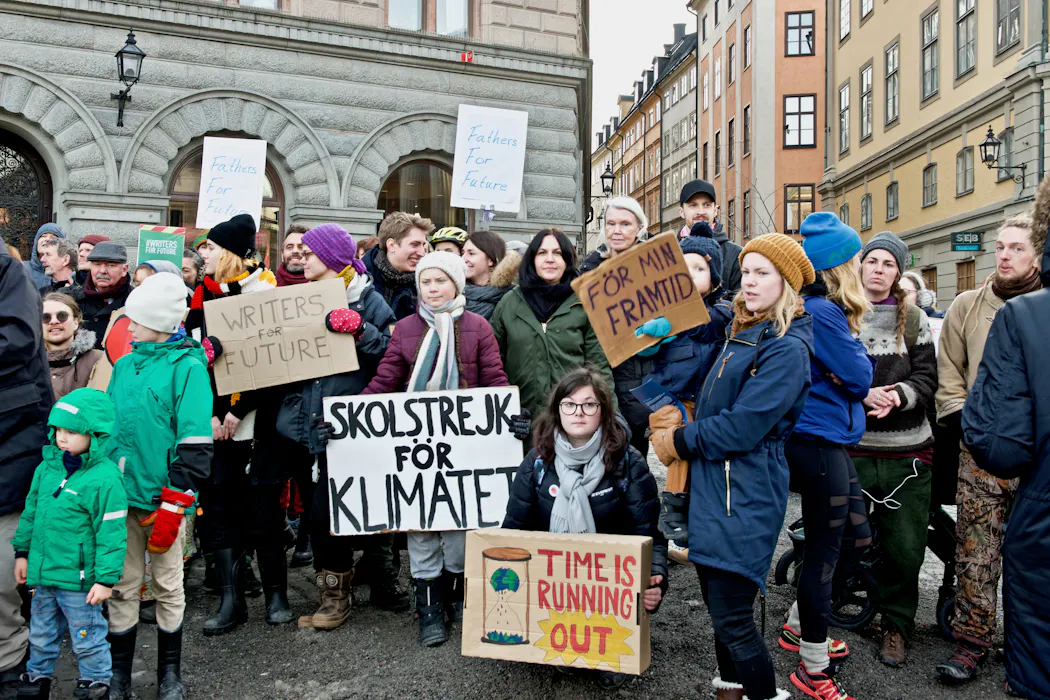
Greta Thunberg and fellow climate activists demonstrating outside the Swedish parliament in 2019. Liv Oeian/Shutterstock

In 2022, Sweden took a rare step: the country banned all fossil fuel production.

The quirk is that Sweden has never actually produced any fossil fuels. So why would a country with no fossil fuel production decide to ban such production?

In a newly published study, I explain the curious case of this ban – and how it boosted Sweden’s reputation as a global leader on climate issues.

Sweden is often praised for its ambitious climate policies and fast reductions in climate-damaging emissions. Its former centre-left government decided to ban all exploration and extraction of coal, oil and gas just a year after its neighbouring oil and gas producer, Denmark, had done so. This was part of a growing international effort to phase out the supply of fossil fuels.

My research into the Swedish government’s ban comes as more than 50 nations attend a major initiative to develop a roadmap for phasing out fossil fuels, hosted by the Colombian government. I interviewed 17 high-profile people in Swedish climate politics, including some of the main architects of the ban.

I found that a single driver can play a decisive role. The ban was largely the result of a concerted effort by the Green party, which had campaigned on this issue for several years and already included it in its national election manifesto in 2014.

The Green party called on the Swedish Geological Survey to conduct a study on the potential effects of a ban, which provided the necessary scientific basis. It then used its proposal as a bargaining chip in negotiations with the Social Democrats, when forming a coalition government after the 2018 election.

That study showed how much easier it is to implement new climate policy when there is no strong fossil fuel industry and associated lobbying. And because the government had already banned uranium mining in Sweden in an attempt to make future nuclear power production more difficult, it had a blueprint for how to ban fossil fuel extraction.

The ban was mostly symbolic – but it may also have helped prevent future fossil fuel production in Sweden. Technological advances and exploding oil and gas prices can make previously untenable resources attractive to exploit. That would, of course, have harmful consequences for the climate, so the ban does have a material dimension.

In contributing to global momentum against fossil fuels, the ban bolstered Sweden’s reputation as a leading country in climate negotiations. This proved important: several of my interviewees pointed out how Sweden was able to push the EU toward a more ambitious position in its Fit For 55 climate package – a set of laws aiming to cut the EU’s emissions by 55% by 2030 – in part due to the respect the country commands from others on decarbonisation.

Following the ban, Sweden also joined the Beyond Oil and Gas Alliance of like-minded countries and regions working to encourage other countries to join the global movement for a phaseout.

The path to transition

Colombia’s government is now hosting the first global conference on the transition away from fossil fuels in collaboration with the Dutch government, in the city of Santa Marta.

Located on Colombia’s sun-kissed Caribbean coast, Santa Marta is at the heart of the country’s vast coal industry. As one of the world’s largest coal exporting countries, as well as a major oil and gas producer, the symbolism is clear: Colombia is not just talking the talk but walking the walk.

More than 50 countries including the UK, Brazil and Norway are gathering to agree a roadmap for the transition away from fossil fuels. This comes only months after the UN’s climate summit Cop30 in Brazil, where nations failed to agree to end reliance on fossil fuels and negotiations faltered in the face of powerful fossil fuel lobbying.

aerial view of colombian coast, calm sea and beaches
The first Transitioning Away from Fossil Fuels Conference takes place in Santa Marta on the Colombian coast.
Jhampier Giron M/Shutterstock

Rather than let laggards like the US or Saudi Arabia obstruct negotiations, this conference brings together a “coalition of the willing”. Ahead of it, experts are laying the scientific and academic foundations for the political need for a phaseout. My colleagues and I are presenting our research into the failures and successes of first-moving countries trying to phase out fossil fuel production.

The following questions will be at the heart of discussions in Colombia.
What kind of financing do developing countries need to phase out their production and consumption of fossil fuels? How can the legal obstacles be overcome? What does a just, equitable and fair phaseout look like? And crucially, what can be learned from existing attempts to phase out fossil fuels?

In Sweden, climate policies have been gradually rolled back by its current rightwing government, which is not sending any representatives to Santa Marta. Yet the fossil fuel ban still stands.

Sweden’s ban did not lead to any direct reduction in global fossil fuel production. But it did name the problem and show the way for other countries. It provided an alternative pathway where future investment goes into renewables and green technologies, rather than climate-damaging energy sources.

Now it’s up to the countries attending the Santa Marta conference to make further progress on this long, difficult path to transitioning away from fossil fuels.

The Conversation

Lukas Slothuus receives funding from the Engineering and Physical Sciences Research Council.

ref. Why Sweden’s ban on fossil fuel production matters, despite not producing any itself – new research – https://theconversation.com/why-swedens-ban-on-fossil-fuel-production-matters-despite-not-producing-any-itself-new-research-280399

Chernobyl: the five best things to watch and play to understand the disaster

Source: The Conversation – UK – By Fannie Frederikke Baden, PhD Candidate, Art History and Visual Studies, Lund University

Can we ever really understand Chernobyl? As a researcher in visual culture, I find myself returning to this question again and again as I examine films, TV shows, documentaries, visual novels and artworks.

We know that the explosion occurred on April 26 1986 at 1:23am due to a safety test gone wrong, and that the radioactive contamination spread across the exclusion zone and far beyond, reaching other parts of Europe. Beyond these facts, however, things get shaky. Although the official death toll was, according to the World Health Organization’s 2005 report, less than 50, the real number is considered to be much higher, with thousands affected by the long-term consequences of exposure.

Radioactive contamination is what made this technological disaster so extraordinary. While many people may not be interested in decay chains or wavelengths, popular culture renders radioactive pollution immediately legible.

At the same time, these representations often operate in the space between historical fact and dramatisation. Although many can be criticised for exaggerating an already fantastical disaster, that dramatisation is also part of what keeps audiences engaged and ensures that Chernobyl remains alive in our cultural awareness.

Here are five of my favourite pop culture depictions of the Chernobyl disaster, that I believe give a pretty good glimpse of what the disaster entailed.

1. Chernobyl (2019)

This series is one of the best ways to understand or be introduced to Chernobyl. Over the course of five episodes, HBO’s drama series brought viewers through the social, political and bureaucratic aspects of the disaster.

The trailer for Chernobyl.

Following the scientist Valery Legasov (Jared Harris), as well as the story of firefighter’s wife Lyudmilla Ignatenko (Jessie Buckley), the series does a great job at narrating the disaster in compelling ways. It is visually well constructed with attention to every minor detail.

The series finds ingenious ways to visualise invisible radiation, while scientists’ struggle to force the truth into the open is heart-wrenching enough to hold the viewer through all five episodes.

2. Chernobylite (2021)

The horror indie video game Chernobylite allows players to wander freely around Chernobyl’s exclusion zone – one of the most radioactively contaminated areas on Earth.

With time and climate change, the structures and buildings within the zone are at increasing risk of disappearing from both wildfires or age that leaves buildings crumbling. In an effort to preserve the zone, the creators of Chernobylite began to 3D scan it. Left with a virtual map, they decided to turn their project into a video game.

The trailer for Chernobylite.

In Chernobylite, players can roam freely and uncover the mystery of the zone. Although embellished with green glowing crystals and monsters, the game does offer a setting that allows you to walk around and experience the zone while scientists tell you information about the disaster.

This game is a wonderful way to experience the zone at a distance. It is photo-realistic and allows the players to really locate some of the famous landmarks of the zone (such as the Ferris wheel or the monument for the firefighters).

3. Chernobyl Abyss (2021)

This Russian disaster film follows fictional firefighter, Alexey Karpushin (Danila Kozlovsky) through some of the challenges in the immediate aftermath of the Chernobyl disaster.

The trailer for Chernobyl Abyss.

To save his son from radiation poisoning, Karpushin agrees to become a “liquidator” in exchange for having him sent to a care facility in Switzerland. Around 600,000 military personnel were drafted as liquidators – sent to high-radiation zones (often wearing inadequate protection) to clear radioactive debris and manage contaminated waste.

While it’s not a perfect film, it gives a good impression of the emotional and individual toll of the disaster.

4. The Babushkas of Chernobyl (2015)

Amid the tragic and often action-driven representations of Chernobyl, this documentary feels hopeful rather than bleak. It portrays life in the exclusion zone (some people have returned to live on their generational land) in all its complexity.

More importantly, it’s a reminder that while the zone may be reduced to a story for those of us watching from afar, for the people who live there, it remains a home.

The trailer for The Babushkas of Chernobyl.

5. YouTube

Before the escalation of the Russo-Ukrainian war in 2022, the zone was frequently visited. In fact, after the release of HBO’s Chernobyl series, tourism allegedly increased by 40%.

In a space where souvenirs like a stone from the ground are illegal to pick up, many instead captured the zone through their camera lens. Viewing videos from tourists and “stalkers” (illegal explorers) on YouTube, offers one of the best ways to gain insights into how the Chernobyl disaster has affected the land.

Many of these tourists capture the samoesely (resettlers), wildlife and guides who talk about the zone and what the disaster means to them.

The Conversation

Fannie Frederikke Baden received funding from Lund University.

ref. Chernobyl: the five best things to watch and play to understand the disaster – https://theconversation.com/chernobyl-the-five-best-things-to-watch-and-play-to-understand-the-disaster-281176

Many churches, synagogues and mosques are built around families – and they’re struggling to respond to rising singles

Source: The Conversation – USA (3) – By Peter McGraw, Professor of Marketing and Psychology, University of Colorado Boulder

Single women, in particular, often feel overlooked in church. Lawren/Moment via Getty Images

When a couple marry in a church, synagogue or mosque, the ceremony does more than sanctify a union. Often, it binds two families to an institution.

For centuries, marriage and child-rearing have been among the main ways adults are integrated into congregational life. Couples who share the same faith tend to be more observant, and they often raise children within that tradition – bringing the next generation into congregational life. More marriages mean more families in pews and more children raised in the faith.

That helps explain why the rise of single adults is so unsettling for many faith communities today. In the United States, 42% of adults were not married or living with a partner in 2023, up from 38% in 2000. This shift is unlikely to change soon: A quarter of 40-year-olds have never been married, and a third of Gen Z are projected to never marry.

At the same time, the share of unmarried Americans who belong to a religious congregation has fallen well below that of married Americans. According to the Pew Research Center’s 2023–24 Religious Landscape Study, 68% of married adults identify as Christian, compared with about 51% of never-married adults. Twenty-four percent of married Americans are religiously unaffiliated, compared with 39% of Americans who never married.

As a behavioral economist and a business school professor, I study what I call the “solo economy”: how the rise of single adults is reshaping workplaces, taxes and consumer markets. Religious institutions are the latest domain to face the same shift. They are not simply confronting lower marriage rates. Many of them, I contend, are reckoning with the consequences of treating unmarried adults as incomplete members of the community.

Alarm across faiths

According to the Survey Center on American Life, the gap in religious membership between married and unmarried Americans has widened substantially since the 1990s.

At the time, 71% of married Americans said they belonged to a religious congregation, compared with 64% of unmarried Americans. In 2019, those numbers were 59% and 45%, respectively. Barna Group, an evangelical Christian polling firm, found that just 1 in 4 single mothers attend church weekly – the lowest rate of any parent group.

Communities that have historically built their infrastructure around married families are feeling the shift most acutely: couples retreats, small groups organized by life stage, children’s programs, and leadership roles that quietly assume a spouse. The cumulative effect is less about overt exclusion than about whom the institution imagines when it pictures itself.

Around a dozen people who seem to be in their 20s and 30s stand chatting around a table in a dark room with brick walls.
People chat during a meeting after a Mass for singles in the Jesuit church in Warsaw, Poland, on Sept. 24, 2013.
Wojtek Radwanski/AFP via Getty Image

In an April 2021 address during a churchwide conference, M. Russell Ballard, then one of the top leaders in the Church of Jesus Christ of Latter-day Saints, acknowledged that more than half of adult church members were widowed, divorced or not yet married – and that some “wonder about their opportunities and place in God’s plan and in the Church.” In July 2024, the church expanded its “young single adult” category from ages 18–30 to 18–35.

In evangelical Christianity, sociologist Katie Gaddini’s research for her book “The Struggle to Stay” found that women – especially those over age 35 – often felt overlooked, excluded from leadership and valued less because they had not married.

At a women’s conference in London, one attendee captured the tension: “I’m so tired of fighting Christian church leaders to be treated equally, but I don’t want to leave the church. So, what do I do?”

In Modern Orthodox Judaism, similar patterns of exclusion have emerged. A 2022 Nishma Research survey found that singles reported the lowest sense of community connection of any group studied: 69 on a 100-point scale, compared with 81 for married members. Another 2022 report, by Brandeis University sociologist Sylvia Barack Fishman, described unmarried members feeling “ignored and invisible” in synagogue life, sometimes treated as if they were broken people waiting to be fixed.

On my podcast, sociologist Ari Engelberg, author of “Singlehood and Religion,” described how unmarried adults in Israel’s Religious Zionist community internalize their single status as a religious failing. The community treats marriage as so central to observant life that remaining single can feel like falling short.

Doubling down

Religious institutions’ responses to the rise of singles have split in two directions.

Some have reasserted marriage as the expected path to adulthood, belonging and spiritual maturity. Pope Francis, for example, repeatedly warned about declining birth rates, calling the trend a “tragedy” in a 2021 address. In a 2023 worldwide broadcast, Dallin H. Oaks, who is now the president of the Church of Jesus Christ of Latter-day Saints, urged single adults to date more, marry earlier and not delay having children. And in June 2025, the Southern Baptist Convention passed a resolution lamenting “willful childlessness” and calling for laws that “incentivize family formation.”

In qualitative research with single churchgoers, a consistent theme emerges: Marriage comes up regularly in sermons – in illustrations, examples and applications – while singleness almost never does.

That instinct is understandable. But a strategy built for a society where most adults married young is a poor fit for one where many never will.

A bride and groom hold hands as they run under a tunnel made from wedding guests' outstretched hands.
A young Orthodox Jewish couple get married at a banquet hall in the Manhattan Beach neighborhood of Brooklyn, N.Y., in 2019.
Andrew Lichtenstein/Corbis via Getty Images

But doubling down carries a real cost. When single adults hear, again and again, that the fullest version of faithful life is married life, many do not feel called upward. They feel pushed outward.

Adapting

Other religious communities are adapting.

In the U.K., the Single Friendly Church Network developed a guided audit to help congregations across denominations assess how welcoming they are to people who come alone. In the U.S., ministries such as Table for One have tried to move singles programming away from matchmaking and toward spiritual community. And Fishman’s 2022 report on Modern Orthodox Judaism urged synagogues to give singles leadership roles, committee seats and ritual honors, regardless of marital status — though whether those recommendations have taken hold remains an open question.

But adaptation raises its own question. Are these efforts designed to support single adults as full members of the community or to manage them toward marriage? There is a difference between welcoming singles and treating singlehood as a problem to solve.

I see several practical steps for religious institutions that want to keep unmarried adults engaged in their communities:

  1. Count who is actually in the pews. Leaders may not realize how many of their members are single, divorced or widowed. The Single Friendly Church Network found that when congregations conducted demographic audits, many were surprised by the results.

  2. Give singles real authority. Inclusion does not mean creating a special ministry and leaving decision-making to married people. It means leadership, voice and visibility.

  3. Rethink the language of belonging. Sermons and announcements that reflexively address “families” and “couples” can make unmarried adults feel peripheral. Small linguistic changes can signal that they are not.

  4. Build community rather than dating pools. The goal should not be to funnel unmarried adults toward coupledom. It should be to treat them as complete people whose spiritual lives matter now.

Religious institutions have joined employers, policymakers and consumer brands in facing the same choice: Adapt to a society with more single adults, or keep building for a world that no longer exists.

The Conversation

Peter McGraw does not work for, consult, own shares in or receive funding from any company or organization that would benefit from this article, and has disclosed no relevant affiliations beyond their academic appointment.

ref. Many churches, synagogues and mosques are built around families – and they’re struggling to respond to rising singles – https://theconversation.com/many-churches-synagogues-and-mosques-are-built-around-families-and-theyre-struggling-to-respond-to-rising-singles-278723

What we lose when artificial intelligence does our shopping

Source: The Conversation – USA – By Mark Bartholomew, Professor of Law, University at Buffalo

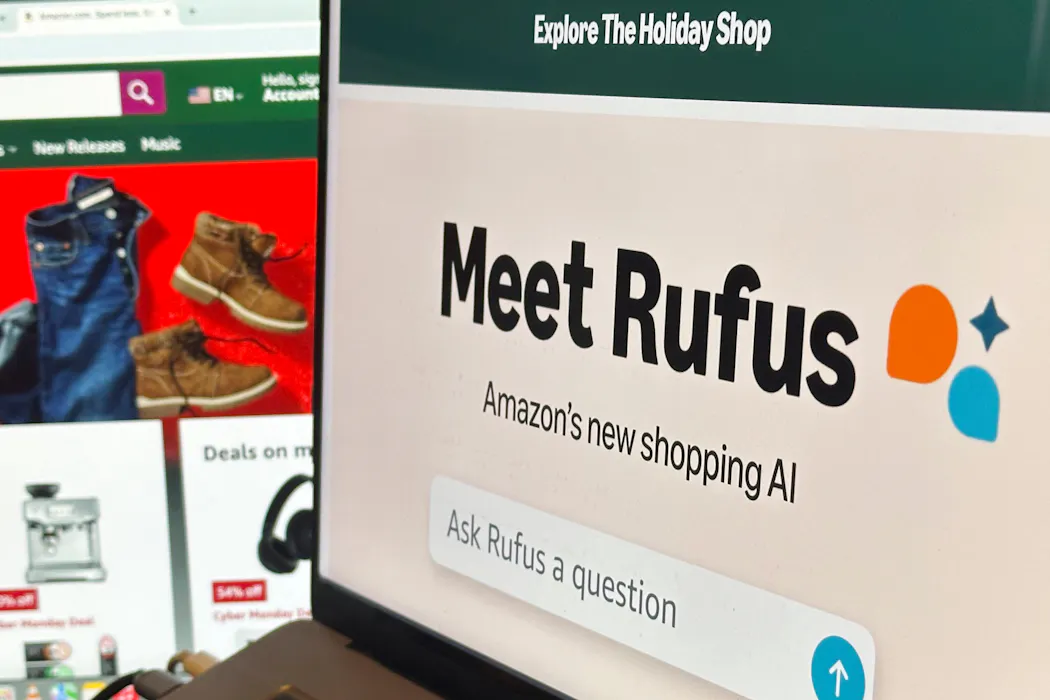
Amazon’s AI shopping assistant, Rufus, on a computer monitor on Dec. 1, 2024, in New York. Company apps, including Rufus, may make it easier to shop, but consumers might balk at giving up too much of the shopping experience AP Photo/Peter Morgan

Americans spend a remarkable amount of time shopping – more than on education, volunteering or even talking on the phone. But the way they shop is shifting dramatically, as major platforms and retailers are racing to automate commercial decision-making.

Artificial intelligence agents can already search for products, recommend options and even complete purchases on a consumer’s behalf. Yet many shoppers remain uneasy about handing over control. Although many consumers report using some AI assistance, most currently say they wouldn’t want an AI agent to autonomously complete a shopping transaction, according to a recent survey from the consultancy firm Bain & Company.

As scholars studying the intersection of law and technology, we have watched AI-assisted commerce expand rapidly. Our research finds that without updated legal measures, this shift toward automated commerce could quietly erode the economic, psychological and social benefits that people receive from shopping on their own terms.

Caveat emptor

Part of shoppers’ hesitation is about privacy. Many are unwilling to share sensitive personal or financial information with AI platforms. But more profoundly, people want to feel in control of their shopping choices. When users can’t understand the reasoning behind AI-driven product recommendations, their trust and satisfaction decline.

Shoppers are also reluctant to give away their autonomy. In one study involving people booking travel plans, participants deliberately chose trip options that were misaligned with their stated preferences once they were told their choices could be predicted – a way of reasserting independence.

Other experiments confirm that the more customers perceive their shopping choices being taken away from them, the more reluctant they are to accept AI purchasing assistance.

Although the technology is expected to get better, there have been some well-publicized missteps reported in financial and tech media. The Wall Street Journal wrote about an AI-powered vending machine that lost money and stocked itself with a live fish. The tech publication Wired cataloged design flaws, like an AI agent taking a full 45 seconds to add eggs to a customer’s shopping cart.

The business case for AI shopping

Consumers have good reason to be cautious. AI agents aren’t just designed to assist; they’re designed to influence. Research shows that these systems can shape preferences, steer choices, increase spending and even reduce the likelihood that consumers return products.

And companies are hyping these capabilities. The business platform Salesforce promotes AI agents that can “effortlessly upsell,”
while payments giant Mastercard reports that its AI assistant, Shopping Muse, generates 15% to 20% higher conversion rates than traditional search – that is, pushing shoppers from browsing to completing a purchase.

A man seated in front of a laptop holds a credit card in one hand while making an online purchase with the other.
To retailers, AI tools are one way to convert searches into actual purchases.
Rupixen on Unsplash., CC BY

For companies, the appeal is obvious. From Amazon’s Rufus app and Walmart’s customer support to AI-enabled grocery carts, companies are rapidly integrating these tools into the shopping experience.

Assistants with names like Sparky and Ralph are being promoted as the future of retail, while technologists are calling on companies to prepare their brands for the era of agentic AI shopping.

The real concern is not that these systems might fail, but that they may succeed all too well.

The human side to shopping

AI shopping agents do offer considerable benefits.

For example, they can scan numerous products in seconds, compare prices across sellers, track discounts over time, sift through thousands of product reviews, and tailor recommendations to the user’s preferences and needs. They can even read through terms of service and privacy policies, helping consumers detect unfavorable fine print.

But there’s more at stake than these considerations.

While consumers have reason to focus on privacy and control, AI shopping agents carry some overlooked emotional risks, such as squashing the joy of anticipation. Psychologists have shown that the period between choosing a purchase and receiving it generates substantial happiness – sometimes more than the product or experience itself. We daydream about the vacation we booked, the outfit we ordered, the meal we planned. Automated buying threatens to drain this anticipatory pleasure.

Two young Black women with shopping bags smile and laugh as they take a selfie after a mall sale.
Consumers still value the social connection that shopping in real life fosters.
Vitaly Gariev on Unsplash, CC BY

This anticipation connects to another value: a sense of personal and ethical authorship. Even mundane shopping decisions allow people to exercise choice and express judgment. Many consumers deliberately buy fair-trade coffee, cruelty-free cosmetics or environmentally responsible products. The brands and products we choose, from Patagonia and Harley-Davidson to a Taylor Swift tour shirt, help shape who we are.

Shopping, moreover, has a communal dimension. We browse stores with friends, chat with salespeople and shop for the people we love. These everyday interactions contribute considerably to our well-being.

The same is true of gift-giving. Choosing a gift involves anticipating another person’s preferences, investing effort in the search and recognizing that the gesture matters as much as the object itself. When this process is outsourced to an autonomous system, the gift risks becoming a delivery rather than a meaningful gesture of attention and care.

Keeping human agency alive

AI shopping agents are likely to become part of everyday life, and the regulatory conversation is beginning to catch up, albeit unevenly.

Transparency has emerged as a central concern. Past experience with recommendation engines shows that undisclosed conflicts of interest are a real risk. The European Union has proposed a disclosure framework around automated decision-making, although its implementation was recently delayed. In Congress, U.S. lawmakers are considering bills to require companies to reveal how their AI models were trained.

So far, consumers seem to want to choose their own level of engagement – a signal that shopping, for many people, is more than just the efficient satisfaction of preferences. Perhaps the least-settled, yet most crucial question is whether AI shopping tools will be designed and regulated to serve users’ interests and human flourishing – or optimized, as so many digital tools before them, primarily for corporate profit.

The Conversation

The authors do not work for, consult, own shares in or receive funding from any company or organization that would benefit from this article, and have disclosed no relevant affiliations beyond their academic appointment.

ref. What we lose when artificial intelligence does our shopping – https://theconversation.com/what-we-lose-when-artificial-intelligence-does-our-shopping-280251

New reading textbooks, same problem: Why children’s reading scores in the US aren’t rising

Source: The Conversation – USA (2) – By Shawn Datchuk, Associate Professor of Special Education, University of Iowa

Approximately 34% of U.S. fourth grade students without disabilities and 72% of students with disabilities scored below basic reading levels in 2024. Anna Maslennikova/iStock/Getty Images Plus

Recently, I worked with a group of elementary teachers in Iowa to select new reading textbooks and software. They wanted new materials to improve their district’s stagnant reading scores.

After several days of reviewing materials from a state-approved list, one of the teachers asked me, “Will any of these help my students learn to read?”

I said, “I think so, but I don’t know.”

The teacher looked disappointed. But my answer reflects a hard truth about what reading scholars like me understand about the best ways to teach people to read and boost their literacy. Although research suggests that elementary teachers should focus on helping students learn the sounds of speech, phonics, reading fluency, vocabulary and reading comprehension strategies, there is little evidence on how well these skills are packaged into the textbooks used in classrooms.

I am a professor of special education at the University of Iowa and the former director of the Iowa Reading Research Center.

I help schools across the country adopt new textbooks and software to improve their students’ reading and writing. Currently, I’m working with colleagues on a review of how elementary school teachers use new reading textbooks to improve their students’ literacy skills.

There is a crowded marketplace of reading textbooks and software for schools to purchase, and it is often difficult to determine which one is better than the others. As a result, schools may end up purchasing new, expensive materials that do little to improve reading skills.

Two children who look about eight or nine years old sit side by side against a white wall and read books.
Reading scores are improving in some states, but the progress is not consistent.
Will & Deni McIntyre/Corbis Documentary

Stalled reading progress

Many elementary school students, including those with reading disabilities such as dyslexia, struggle to learn to read.

On the 2024 National Assessment of Educational Progress, a broad measure of reading development given to fourth grade students in every state, approximately 34% of students without disabilities and 72% of students with disabilities scored below basic levels. This means they displayed difficulty with multiple foundational reading skills and were reading below grade level.

The fact that many young students struggle to read at grade level is not a new problem. For the past 30 years, reading performance across the U.S. has remained largely unchanged.

Since 1992, the average NAEP reading score for fourth graders has varied by only a few points. In fact, NAEP scores for most students in fourth grade, the only elementary school grade measured by the NAEP, have declined since the COVID-19 pandemic.

Since 2019, a total of 42 states, including California and Tennessee, have passed legislation intended to help students read better by training teachers to use evidence-based reading instruction. This means schools across the country are adopting new approaches to teach reading and using new textbooks.

For example, Louisiana in 2021 and Iowa in 2024 passed legislation that provided teachers with additional training, in addition to giving them state-approved reading textbooks that align with key areas of reading development, such as phonics and reading comprehension strategies.

As a result of these policies, reading scores are improving in some states. However, a substantial number of students across the country are still reading below grade level.

For example, Louisiana had a significant increase in fourth grade reading scores on the 2024 NAEP, rising from 55% of fourth grade students scoring basic or above in 2019 to 60% in 2024. However, 40% of fourth grade students still scored below basic, meaning they were reading below grade level.

Iowa had minimal increases in the reading proficiency of its students in 2024 statewide assessments, rising from 73% to 74% of sixth graders reading proficiently. Most elementary grades’ reading levels stayed the same from the prior year, with approximately 65% to 69% of students reading proficiently.

Despite this large number of students reading at grade level, nearly 70% of students with disabilities were reading below grade level in 2024.

To improve the scores of those still reading below grade level, new research that I and colleagues are doing is looking at the quality of reading textbooks promoted on state-approved lists.

New textbooks aren’t necessarily better

Reading textbooks play a pivotal role in how reading is taught. These textbooks have distinct daily lessons in which specific reading skills and content are taught, such as specific letter sounds or words. Textbooks not only include paper-based materials for students but also online apps and websites, as well as lesson plans for teachers.

There are a variety of textbook publishers and textbooks, and each textbook differs on what reading skills are taught and how often they are taught. For example, a recent review found textbooks differ drastically on the amount of time given for students to learn the sounds of speech. This time difference matters, as students’ reading performance suffered when too little or too much time was spent on learning the sounds of speech.

More than 36 states publish a list of approved reading textbooks, often referred to as high-quality instructional materials. States differ on which textbooks they consider to be of high quality, but they typically rely on the opinion of reading experts. Two popular nonprofit organizations that provide detailed reports on how reading experts rate textbooks include EdReports and The Reading League.

A child sits on a couch with his legs crossed, his face obstructed by a book. He sits next to a backpack.
A 7-year-old child takes part in a literacy program in Commerce City, Colo., in October 2016.
John Leyba/The Denver Post via Getty Images

A need for more research

Despite using expert opinion to determine quality, ineffective textbooks still make it onto state-approved lists. A 2025 study by the Tennessee Reading Research Center found mixed effects for teachers who used state-approved textbooks to teach reading. In the study, students with dyslexia improved their reading on some measures, but overall their reading remained significantly lower than their peers.

Once a state promotes a reading textbook as high quality, it is likely to remain a staple in schools. Most states do not have systems in place to monitor which reading textbooks are used in schools and their potential effects on student reading performance.

Once a school adopts a textbook, it is likely in place for years. Adopting a new one is a time-consuming and expensive process. It can take several years to train staff and several hundred thousand dollars to pay for materials and training.

I think that we ultimately need scholars who research how kids learn to read to closely collaborate with schools as they use new reading textbooks, and then measure whether student reading performance improves. This will help them determine which reading textbooks improve student reading scores. The results of this research can then be shared with other schools across the U.S. that are considering new textbooks. Schools could then make informed decisions on which textbooks to purchase.

Without this kind of research, states may promote ineffective textbooks and leave schools with a confusing choice on which textbooks to use.

The Conversation

Shawn Datchuk consults to several curriculum companies, including Learning Without Tears, Heggerty, and Dyslexico. He receives funding from the Department of Education, Office of Elementary and Secondary Education.

ref. New reading textbooks, same problem: Why children’s reading scores in the US aren’t rising – https://theconversation.com/new-reading-textbooks-same-problem-why-childrens-reading-scores-in-the-us-arent-rising-280125

Middle East conflict looks increasingly like a war nobody can win

Source: The Conversation – UK – By Bamo Nouri, Honorary Research Fellow, Department of International Politics, City St George’s, University of London

Let’s begin with a simple question that rarely gets a straight answer: what would victory over Iran actually look like? In Washington and Jerusalem, the answers tend to sound definitive: eliminate Iran’s nuclear capability, break its regional power, perhaps even force political change at the top. It’s the language of decisive war, the kind with a clear endpoint.

But shift the perspective to Tehran, and the definition changes completely. Victory, for Iran, is survival. That asymmetry shapes the entire conflict. In wars like this, the side that needs less to claim success often has the advantage – and, right now, Iran needs far less.

There is no denying the military imbalance. The US and Israel can strike with extraordinary precision and reach. They have demonstrated that repeatedly – targeting infrastructure, leadership and strategic assets.

But tactical success has yet to translate into political outcome. Iran’s state hasn’t fractured. Its governing system remains intact, and its networks – military, regional, ideological – continue to function. Even its most sensitive capabilities, including nuclear expertise, remain resilient.

The deeper miscalculation lies in assuming Tehran is playing the same game as Washington. It isn’t. Iran is not trying to defeat the US or Israel outright. It is trying to outlast them, complicate their objectives and raise the cost of progress until it becomes unsustainable.

This logic is visible in how the conflict has unfolded. The battlefield extends beyond direct confrontation into shipping lanes, energy markets and regional alliances. Disruptions in the Strait of Hormuz are not incidental – they are pressure points with global consequences.

Iran’s strategy is not about dominance but entanglement. It doesn’t need battlefield superiority if it can draw its adversaries into a conflict that is too costly to resolve and too complex to conclude.

When wars stall, the instinct is to escalate: more bombing, strikes on energy infrastructure, even, in extremis, “boots on the ground”. The assumption is that more force will finally produce a different outcome.

But Iran is not a passive target. It has already shown a willingness to retaliate across the region, including against Saudi Arabia, the United Arab Emirates, Qatar, Kuwait, Bahrain, Oman, as well as targets in Jordan and Iraq. Strikes on Iran’s energy systems would not stay contained – they would invite retaliation against these same states, widening the conflict.

There is another constraint: American is estimated to have already used up around 45% to 50% of key missile stockpiles, including roughly 30% of its Tomahawk missile inventory. So the stark reality is that escalation is no longer just about willingness, but capacity — and in any wider war, the question may not be how far the US can go, but how much it has left.

The consequences would also extend beyond the battlefield. Iran’s response would be sustained attacks on neighbouring countries, on their power, fuel, and water systems, rendering parts of the region increasingly unlivable as temperatures soar over summer. Huge numbers of people would be forced to leave, risking another large-scale displacement crisis.

Even then, the core reality remains unchanged. Iran is built for endurance – any ground campaign would likely become prolonged and attritional. More importantly, escalation misses the point – the problem is not a lack of force, but the absence of a political objective that force can realistically achieve.

Compounding the problem is a quieter but equally significant reality; the US and Israel do not appear to be fully aligned in their end goals. Israel’s posture suggests a pursuit of maximal outcomes – deep, possibly irreversible weakening of Iran’s system, if not outright regime collapse. The US, by contrast, appears to oscillate between coercion, containment and negotiation.

These are not just differences in emphasis – they are differences in strategy. Wars fought without a shared definition of victory rarely produce victory at all. What they produce instead is sustained military activity without strategic convergence – constant movement, but little progress toward resolution.

No conclusion in sight

At some point, it becomes necessary to describe things as they are. This is no longer a war moving toward a decisive conclusion. It is a conflict settling into a pattern – strikes followed by pauses, ceasefires that hold just long enough to prevent collapse, and negotiations that advance just enough to avoid failure.

And those ceasefires tell their own story. Their repeated extension reflects not progress, but constraint. Washington, under Donald Trump, has strong incentives to keep talks alive, avoid deeper escalation, and end the war sooner rather than later. The alternatives – regional war or global economic shock – are far harder to manage. That dynamic gives Tehran leverage. It does not need to concede quickly when delay itself strengthens its position.

Time, in this sense, is not neutral. The longer the conflict drags on, the more it intersects with the most sensitive pressure points of the global economy. Energy markets are stressed, with supply routes under strain and reserves tightening. Industries that depend on stable fuel flows – aviation, shipping, manufacturing – are increasingly exposed.

What began as a regional conflict has morphed into systemic risk. Even limited disruption can ripple outward, affecting prices, supply chains and political stability. The longer the stalemate persists, the greater the cumulative strain and the closer it edges toward a broader economic shock.

Who really holds the advantage?

In purely military terms, the answer is obvious: the US and Israel retain overwhelming superiority. But wars are not decided by capability alone. They are decided by how goals, costs, and time interact.

In that equation, Iran’s position is stronger than it appears. It has set a lower threshold for success, demonstrated a higher tolerance for prolonged pressure, and shown an ability to impose costs beyond the battlefield. Most importantly, it does not need to win. It only needs to prevent its adversaries from achieving their aims. So far, it has done exactly that.

Which brings us back to the original question: can the US and Israel win this war? If winning means forcing Iran into submission or fundamentally reshaping its strategic posture, the answer is increasingly difficult to avoid – they cannot.

What they can do is continue. Manage the conflict, contain its spread and shape its margins. But that is not victory. It is endurance.

The real danger is not defeat, but the persistence of a belief that just a little more pressure, a little more escalation, or a little more time will produce a different result. If that belief is wrong, then this is not a war on the verge of being won. It is a war that cannot be won at all. A forever war.

The Conversation

The authors do not work for, consult, own shares in or receive funding from any company or organisation that would benefit from this article, and have disclosed no relevant affiliations beyond their academic appointment.

ref. Middle East conflict looks increasingly like a war nobody can win – https://theconversation.com/middle-east-conflict-looks-increasingly-like-a-war-nobody-can-win-281253

Entries now open! The Conversation Prize for writers 2026 – in partnership with Faber and Curtis Brown

Source: The Conversation – UK – By Jo Adetunji, Executive Editor – Partnerships, The Conversation

We’re delighted to announce that The Conversation Prize for writers is back for another year.

This annual competition invites academics and researchers to bring their work to life for a wider audience. It’s an opportunity to turn your research, expertise and insights into a compelling longform story that also has the potential to be developed into a bestselling nonfiction book. Whether you’re exploring new findings, re-examining established ideas, or sharing unique perspectives from your field, the prize celebrates clear, engaging writing that connects specialist knowledge with the world beyond academia.

In addition to a £1,000 prize for the winning article and online publication with The Conversation Insights, our partners Faber and The Curtis Brown Group will again be offering mentorship to develop your book from a book editor and a literary agent.

In 2025, Brian Thornton won for his powerful article and book pitch on the systemic issues perpetuating miscarriages of justice. He said:

The Conversation Prize is an amazing opportunity to raise the profile of your research and access new audiences for your work. The support from the lovely people at Curtis Brown and Faber was amazing – they gave me fantastic practical advice on how to develop my work. If you’ve got an interesting idea, a new angle or a piece of research that deserves to be more widely known, this is the competition for you.

Yvonne Reddick, reader in English literature and creative writing at the University of Central Lancashire, and a runner up in the competition for Mountains of Fire – her moving account of what hillwalking with her father taught her about the origins of oil exploration – said:

Entering the writers’ prize was life-changing. I met my agents, Sabhbh Curran and Elliot Prior, and they have helped me to shape the project I know I was born to write. Sharing our research with a wide audience is increasingly important given today’s focus on impact, engagement and knowledge exchange – but the prize also brings the utter joy of sharing your work in The Conversation and beyond.

Nicholas Carter, lecturer in physical geography at the University of Oxford, and a runner up in the competition for his article on how lichens are bringing stones to life, said:

The writers’ prize proved pivotal in securing me both wonderful representation and a book deal for ‘Living Stone’ with Penguin Viking, while opening doors to other work opportunities along the way.


Submissions will be in the form of a 2,000-word article written for a non-academic audience and in the following subject areas: History, Arts + Culture, Business + Economy, Education, Environment, Health, Politics + Society, Science + Technology or World. As part of your submission, we’d also like you to include an idea for a trade nonfiction book on your article subject. Please pitch your proposed book idea in 350 words or less and explain why you’re the right person to write this book.

The competition will close on Sunday 5th July at 11.59pm BST.


To enter, please email your 2,000-word article, plus the following information, to uk-prize@theconversation.com:

Name

Institution

Country

Email

Telephone no.

Your book idea [max 350 words]
Please provide a brief summary of a trade nonfiction book idea based on your article. Tell us why this topic deserves a deeper dive and why it would appeal to an audience of non-academic readers.


About you [max 100 words]
Tell us a little about you – your current role, your area of expertise and any relevant research to your book idea. Why would you be the right author for this book?


Please disclose any conflicts of interest that should be mentioned in relation to your article or book idea.


[Pdf] – please read carefully.

You can find out more about what we’re looking for [Pdf].

The Conversation

ref. Entries now open! The Conversation Prize for writers 2026 – in partnership with Faber and Curtis Brown – https://theconversation.com/entries-now-open-the-conversation-prize-for-writers-2026-in-partnership-with-faber-and-curtis-brown-280537