Why some countries give away free electricity and even pay consumers to use it

Source: The Conversation – UK – By Salma Al Arefi, Senior Lecturer in Renewable Energy, University of Leeds

vfhnb12/Shutterstock

In parts of Germany and Australia, a surprising thing is happening more and more often: households are being offered free electricity.

This is happening at times of day when there are high levels of energy being generated from solar or wind. It is caused because sometimes more electricity is being produced than people need. Only a limited amount of storage is available and most of it must be used immediately to keep the system stable.

As countries expand use of wind and solar power, these periods when people are not charged for the energy to run their washing machine or kettle will happen more often. When supply exceeds demand, electricity prices can fall sharply, and sometimes drop below zero. Negative electricity prices mean generators pay consumers to use excess electricity, and this has already started to happen in some European countries such as Germany and Spain. In 2024 alone, European power markets recorded over 1,000 hours of negative prices.

Renewable energy has grown rapidly in recent years. Solar power is driving most of this growth.

The Internationale Energy Agency expects solar capacity to more than double by 2030, making up almost 80% of new electricity worldwide. Renewables are also expected to meet over 90% of global electricity demand by 2030.

Recent data by energy think-tank Ember shows how quickly this shift is happening. In 2025, global low-carbon electricity generation rose by about 887 terawatt-hours, slightly more than the increase in demand. Solar met around 75% of this growth, while solar and wind together met almost all of it.

Paying consumers to use energy

In Australia, this is largely driven by rooftop solar, which produces large amounts of electricity in the middle of the day when household demand is low. In Germany, strong wind and solar output, especially at weekends, can create similar surpluses. These conditions are now occurring frequently enough to affect electricity prices.

The trend is spreading. In South Australia, negative electricity prices accounted for around a quarter of wholesale electricity in both 2023 and 2024. In California, the share of hours with negative pricing rose from about 4% in 2023 to 15% in 2024. Across Europe, countries such as Finland, Sweden, the UK and Germany are all starting to see similar patterns, although the UK is seeing the lowest level of hours with negative pricing compared to these other European nations.


Read more:
Solar panels won’t slash energy bills on their own – an expert explains how to maximise savings


Data from 2025 shows that this trend is continuing. Negative electricity prices are becoming more common, reaching around 6% of hours in countries such as France, Germany and Spain. In Spain, this doubled in 2025, compared with 2024. In France, they rose by almost half, while Germany and the Netherlands saw increase by around a quarter.

These patterns point to a deeper issue: electricity systems are not yet flexible enough to respond to rapid changes in supply, so have to give away energy to be able to cope.

Evidence from Australia shows how this is beginning to change. Negative electricity prices are now common in the middle of the day, when solar output is highest, with prices falling to zero or below for around two to three hours each day on average. At the same time, extreme price spikes are becoming less frequent.

Negative prices occur in wholesale markets, where prices change frequently and can sometimes fall below zero when generation exceeds demand. Household bills, however, are based on retail prices that include network charges and taxes, meaning many consumers do not see these fluctuations directly.

Two people installing a solar panel.
At times when there’s lots of energy supply via solar in Australia electricity prices are being cut.
anatoliy_gleb/Shutterstock

But for those on flexible tariffs, electricity can become cheaper or “free” during these periods, and in some cases these lower prices may be reflected in reduced unit costs or small bill credits.

However, not everyone will benefit equally. Households with batteries or smart systems are better placed to take advantage of this trend, as they can store energy to use later in the day, particularly in the evenings when typically use is highest.

This reflects a system that is beginning to adapt. According to the Australian Energy Market Operator, large-scale batteries are playing a growing role by storing electricity when it is abundant and releasing it when demand rises. This helps to smooth price fluctuations and stabilise the system.

Together, these changes mark a shift in how electricity systems operate. Now, as renewable energy generation grows, supply is increasingly shaped by the weather. This means demand must become more flexible in response.

UK policy

This shift is already influencing policy in other countries such as the UK. According to the UK’s National Energy System Operator, from summer 2026 households and businesses will be encouraged to use more electricity during periods of excess supply more often, particularly when solar generation is high and demand is low. The aim is to actively shift when electricity is used, helping to absorb surplus energy and improve system stability.

The timing is not accidental. As part of a shift towards renewables, particularly solar, continues to grow in the UK, for instance, periods of excess supply are becoming more common.

Similar patterns were seen in countries such as Germany, where a rapid surge in solar generation urged a sudden need for greater system flexibility. In the UK, for instance, managing the grid during periods of low demand is becoming more complex, as electricity supply becomes increasingly driven by weather conditions rather than consumption patterns.

This is why flexibility is needed. In extreme cases, large imbalances between supply and demand can place significant strain on electricity systems. 2025’s blackout across Spain and Portugal, shows how quickly instability can happen if systems cannot respond effectively. In the UK, system operators stress that these conditions are actively managed.

Free electricity reflects a deeper shift in how the energy system works. As renewable power grows, excess supply is going to become even more common.

The Conversation

Salma Al Arefi does not work for, consult, own shares in or receive funding from any company or organisation that would benefit from this article, and has disclosed no relevant affiliations beyond their academic appointment.

ref. Why some countries give away free electricity and even pay consumers to use it – https://theconversation.com/why-some-countries-give-away-free-electricity-and-even-pay-consumers-to-use-it-280852


Supplements for menopause: here’s what the evidence actually says

Source: The Conversation – UK – By Dipa Kamdar, Senior Lecturer in Pharmacy Practice, Kingston University

All sorts of supplements are marketed online as being able to improve symptoms of the menopause. Pixel-Shot/ Shutterstock

Social media is saturated with menopause solutions: powders for brain fog, gummies for sleep or capsules promising hormonal balance. Supplements such as magnesium, lion’s mane, creatine and collagen are being marketed as must-haves for perimenopause and menopause. But how much of this is actually grounded in science?

During perimenopause and menopause, fluctuating and declining oestrogen levels can trigger symptoms such as hot flushes, night sweats, sleep disruption, anxiety, brain fog, joint pain and changes in muscle mass and body composition.

Hormone replacement therapy (HRT) remains the most effective treatment for many symptoms, but not everyone can or wants to use it. This is why alternative remedies attract so much attention.

Magnesium

Magnesium plays a role in more than 300 metabolic processes, including muscle relaxation, nerve signalling and blood pressure regulation. Several menopause-related symptoms overlap with areas where magnesium has effects.

For instance, many menopausal women experience sleep problems. Clinical trials in adults, including older women, show magnesium can improve how fast you fall asleep and reduce insomnia severity.

Anxiety can also be an issue for menopausal women. Meta analyses show magnesium supplements can modestly reduce anxiety symptoms – particularly in people with low magnesium levels. However, this research wasn’t specifically done in menopausal women.

Menopause also places women at higher risk of osteoporosis (weakened bones). As oestrogen levels fall during menopause, certain bone cells become more active, causing bone to be lost faster than it’s rebuilt.

But magnesium contributes to bone density by encouraging the formation of new bone. Given some older women may have low magnesium levels and low bone density, this supplement may help address this menopause-related issue.

However, magnesium has not shown benefit for hot flushes, weight changes or cognitive symptoms.

The type of magnesium you take matters. Magnesium citrate and glycinate tend to be better absorbed by the body, while magnesium oxide is absorbed less efficiently.

It’s also important to note high doses can cause diarrhoea and may affect the heart and nervous system. People with kidney disease should avoid supplementation unless medically supervised.

Lion’s mane mushrooms

Lion’s mane mushroom is promoted to help with brain fog, a common complaint for women going through the menopause.

Animal studies suggest lion’s mane extract may stimulate new brain cell growth and support the hippocampus – the brain structure involved in memory and emotional regulation.

A different animal study also showed the supplement reduced depressive-like behaviour in menopausal rats.

An bunch of lion's mane mushrooms arranged on a counter next to a dozen or so lion's mane mushroom supplements.
Evidence from human trials has shown mixed results.
vetre/ Shutterstock

But the small human trials that have been done show mixed results – with only some reporting mood improvements. Importantly, none of these studies involved menopausal women.

If you’re still keen to try the supplement, it’s usually well tolerated – though those with mushroom allergies should avoid it.

Creatine

Although researchers have studied creatine for decades, most of that work has focused on men. But emerging research suggests it has many benefits for women in perimenopause and menopause.

A 14-week study found creatine supplementation significantly increased lower body strength and improved sleep quality in perimenopausal women. These improvements in muscle strength are notable, given the increased risk of sarcopenia (loss of muscle mass and function) during menopause.

However, evidence in post-menopausal women is mixed. One review found creatine may offer minor short-term benefits in post-menopausal women, but sustained supplementation didn’t produce significant muscle or bone health improvements.

Creatine may also support the brain. Growing evidence suggests it may support memory, focus and mood – particularly during periods of hormonal fluctuation or mental fatigue. However, more research is needed specifically in menopausal women.

Perimenopausal women have about a 40% higher risk of developing depressive symptoms or receiving a depression diagnosis than premenopausal women (premenopause is the period before any menopausal changes; perimenopause is the transition phase leading to menopause, when symptoms begin to appear). Some limited data suggests that taking creatine alongside an antidepressant can accelerate symptom improvement in women.

Creatine is generally safe, though those with kidney disease should seek medical advice before taking it.

Collagen

Collagen supplements are widely marketed for skin elasticity, joint health and healthy ageing.

Collagen is the body’s most abundant protein, giving structure to bones, cartilage, tendons, ligaments, muscles and skin. As we age, collagen-producing cells become less active. This contributes to visible skin ageing and weaker bones that are more prone to fracture.

A year-long trial in postmenopausal women found daily collagen supplementation led to small but significant increases in bone mineral density compared with a placebo. This suggests collagen supplements may help counter age-related bone loss in postmenopausal women.

Research also indicates collagen supplements may ease joint discomfort and stiffness, particularly in people with osteoarthritis. This could be relevant for menopausal women as many experience the onset or worsening of joint issues during this time. However, more robust research in needed in menopausal women.

It’s important to note that collagen supplements differ widely due to how they’re produced and the source they come from. This makes the evidence hard to interpret.

This means different products can behave very differently in the body. Grouping them together can therefore obscure important differences in how they work. For instance, hydrolysed collagen is absorbed far more easily than the collagen molecules found in food. This means collagen is more likely to reach tissues where they may support skin, joint and muscle health.

Side effects tend to be minimal, although people with liver or kidney conditions should consult a doctor or pharmacist first.

Final verdict

So, are supplements worth it? Based on the current evidence out there, magnesium and creatine seem to be the most beneficial. However, it’s clear more research is needed. Supplements can also be expensive – and their quality can vary widely.

While supplements can feel empowering, until stronger evidence emerges proving their benefits, a healthy lifestyle remains the best, evidence-based way to navigate perimenopause and menopause.

Regular exercise (especially strength training), good sleep habits, balanced nutrition, limiting alcohol and managing stress all support menopausal wellbeing. These approaches also improve long-term health outcomes, including heart and bone health.

The Conversation

Dipa Kamdar does not work for, consult, own shares in or receive funding from any company or organisation that would benefit from this article, and has disclosed no relevant affiliations beyond their academic appointment.

ref. Supplements for menopause: here’s what the evidence actually says – https://theconversation.com/supplements-for-menopause-heres-what-the-evidence-actually-says-279892

Euphoria: thoughtless depictions of adults pretending to be sexualised infants are extremely harmful

Source: The Conversation – UK – By Sophie King-Hill, Associate Professor at the Health Services Management Centre, University of Birmingham

There has been much talk about the sex work storylines in the recent series of the show Euphoria. One of the main characters, Cassie Howard (played by Sydney Sweeney), starts an OnlyFans account to fund her upcoming wedding. In the last two episodes, viewers have watched her create videos for different “audiences”.

In one video, for instance, she dresses up as a dog in a bid to attract those interested in the kink sub genre known as “pup play”. This is a form of fetishistic animal play in which canine traits are adopted through apparel and dog-like behaviours.

In another video, she acts sexually provocative while dressed as a baby with a dummy and pigtails. When explaining why to another character, she says it’s related to a subculture of people who want to dress as babies. She explains people want to see her with “teething rings, bassinets, some people even want to see me wear a diaper”.

This has drawn concern from viewers over the portrayal and potential normalisation and glamorisation of adult sexual content styled to evoke infancy. As researchers of harmful sexual behaviours and online sexual cultures, we shared their concerns over the scene.

The writer of the show, Sam Levison, has stated that this storyline was intended as a dark satire of the nature of online sexual content. For Euphoria, this is simply part of a shock tactic, nothing more. However, the implications and cultural impact are far more harmful and far-reaching than that.

Warped logic

Cassie’s storyline does highlight a growing normalisation of sexual content that blurs the boundaries of damaging sexual interests and behaviours. However, how it handles this seems to imply that content like Cassie’s is acceptable and even legitimate.

It is important to note that OnlyFans’ acceptable use policy prohibits “illegal activity including actual, claimed, or role-played: exploitation, abuse, or harm of individuals under the age of 18.”

What Cassie is creating is content that sexualises children and young people; she is dressing up as a baby and acting provocatively. In our research, we see some people use warped logic to present their consumption of such content as legitimate. If the content features an adult role-playing as a child, they argue, then it is an acceptable way to indulge their sexual interest. It is not, according to their logic, reflective of harmful sexual interests in children, but a totally separate thing.

However, what researchers have found is that this sort of thinking, and the content that caters to it, confuses the boundary between adulthood and childhood. It also perpetuates, instead of stops, the sexualisation of childhood.

Shows such like Euphoria, especially ones aimed at young people, should have cultural accountability. We know that repeated exposure to these issues reshapes norms around sexuality, power and protection, particularly for young audiences navigating already complex digital environments. So such storylines in mainstream shows like Euphoria do really run the risk of aiding the normalisation and escalation of exploitative viewing practices.

One in 20 children in the UK experiences sexual abuse each year, and there is extensive work being done by charities on prevention, recovery and early intervention. Cultural portrayals that bear no relation to the profound pain, trauma and lifelong impact experienced by survivors run the risk of aestheticising, glamourising or trivialising sexual harm and risks undermining the work.

This storyline must also be understood within a wider socio-cultural context shaped by the exposure to prolonged and systemic sexual exploitation of children by powerful men, most notably through the Jeffrey Epstein case. Epstein’s abuse was enabled not only by individual actions, but by a cultural environment in which sexual access to young people was normalised, aestheticised and shielded by wealth, influence and networks of protection.

In the aftermath of these revelations, public sensitivity to the sexualisation of children and young people has markedly increased, alongside a growing recognition of how harmful sexual interests can be obscured through narratives of consent, glamour or alternative lifestyles. Against this backdrop, Euphoria’s depiction of sexualised infantilisation is especially troubling.

Rather than engaging critically with the conditions that allow exploitation to be disguised or legitimised, the series risks reproducing the very mechanisms of normalisation, desensitisation and commercialisation through which sexual abuse has historically flourished. In doing so, it reflects a failure to learn from recent, widely documented harm, reinforcing the need for greater ethical accountability in cultural production.

The Conversation

Sophie King-Hill receives funding from ESRC.

Kieran McCartan does not work for, consult, own shares in or receive funding from any company or organisation that would benefit from this article, and has disclosed no relevant affiliations beyond their academic appointment.

ref. Euphoria: thoughtless depictions of adults pretending to be sexualised infants are extremely harmful – https://theconversation.com/euphoria-thoughtless-depictions-of-adults-pretending-to-be-sexualised-infants-are-extremely-harmful-281172

Joan Eardley: ‘she would set up her canvas on the shore and paint in the lashing wind and rain like a woman possessed’

Source: The Conversation – UK – By Blane Savage, Lecturer in MA Creative Media Practice, University of the West of Scotland

Joan Eardley was one of the most unique and celebrated artists of her generation, but the international acclaim and recognition that her work deserves eluded her. Her paintings are not only foundational in Scotland’s cultural history, but continue to influence its creative landscape, particularly with those concerning dialogue around community and the poetics of place.

Currently on view in the National Galleries Scotland: Modern Two until June 28, Joan Eardley: The Nature of Painting, explores this popular post-war artist’s relationship to her predecessors and contemporaries.

Joan Kathleen Harding Eardley was born to a Scottish mother and English father in Sussex in 1921, and studied at Blackheath School of Art in London for a year before moving with her mother and sister to Glasgow during the outbreak of the second world war in 1939. She continued her studies at Glasgow School of Art and Hospitalfield in Arbroath, known as Scotland’s first school of fine art.

It was during this time that she began to shape her preference for painting everyday subjects. She used an RSA Carnegie Travelling Scholarship to travel through Italy and France in 1948 and 1949. On her return to Glasgow she spent time drawing and painting the industrial landscape of Port Glasgow, and Gourock. Eardley rented a studio in the city centre of Glasgow, and a few years later moved to Townhead in the east end, where local children became her favourite artistic subjects.

More than 30 of Eardley’s artworks are juxtaposed at Modern Two alongside figures of international renown including Claude Monet, Marc Chagall, John Constable, Jean Dubuffet and Antoni Tàpies, together with her contemporaries Henry Moore, Bet Low and William McTaggart.

It places Eardley within an international art world which blends post-impressionism, social realism and abstraction. Jackson Pollok and the French Tachistes were known to have influenced her practice.

The exhibition is further enriched by a selection of archival and photographic materials containing a range of sketches, photographs and personal artefacts giving a glimpse into the life behind the artworks which are on display in the adjoining Keiller Library.

There are also several of her large works situated in Paolozzi’s Kitchen restaurant adjacent to the two exhibition spaces, alongside the likes of Scottish artist and contemporary Anne Redpath.

Connections with painters

The first exhibition space includes several of Eardley’s social-realist figure depictions of 1950s inner-city Glaswegian children. The works have a joyful, raw, playful spirit to them, in spite of the squalid slum environment the children were living in. No artist has painted Glasgow’s “weans” (a local word for children) in the way that Eardley has.

In Children and Chalked Wall No.3 (1962-63), sisters Mary and Pat Samson are painted in Eardley’s signature bold unsparing style, with their affectionate, endearing smiles, both huddled together. Their cheery faces, animated by Eardley’s blocks of colour, emerge from a background layered with graffiti and collage, anchoring her work in social reality.

Her work is surrounded by portraits by Rembrandt van Rijn, Jean-Francois Millet, Jean Dubuffet, Edward Hornel and Bet Low. Children and Chalked Wall No.3’s highly prized neighbour in the exhibition is Marc Chagall’s The Horse Rider (1949-53), a surreal gouache painted work with a block of azure-blue textured background with three figures and a horse, set within a Paris circus. Like Eardley’s work, it is also social-realist and figurative, with abstract elements incorporated within it. The female horse rider is a recurring theme for Chagall.

Eardley’s Street Kids (1949–51) captures a fleeting moment of camaraderie among three local boys. It is quiet and reflective, telling the stories of real Glasgow children who lived close to Eardley’s studio in Townhead, and captures the friendliness and community spirit that Eardley admired.

She does not shy away from the material conditions of post-war urban life, alluding to poverty, dirt and the presence of neglect. Again, colour is blocked in with minimum detail and repeating patterns of brickwork ground the piece. There is a respect of their resilience in her portraiture.

Exhibition space two is focused on Eardley’s relationship with Catterline, a small coastal village in the north east of Scotland near Stonehaven. In 1954, she bought a cottage to work there. Catterline’s rugged coastal landscapes and dynamic seascapes were central to many of Eardley’s paintings, providing the perfect stage setting for her expressive creativity to flourish.

Eardley worked between Glasgow and Catterline for several years and there are stories during that time of Eardley leaving Glasgow when she heard a storm was coming. Like tornado chasers, she travelled across the country to capture the coming storm’s power on the shore front where she would set up hardboard canvases to paint in its centre amid the lashing wind and rain like a woman possessed.

Her beautiful atmospheric painting Catterline in Winter (1963) set with a grey sky and full moon lighting up the snow-covered landscape is positioned next to Claude Monet’s Grainstacks: Snow Effect (1891). Both have an otherworldly sense about them, evoking a still and silent feeling of deep winter muffled by the frozen earth.

Eardley’s Summer Fields near Catterline (about 1961) with its expressive brushstrokes, shows stalks of corn in a bright golden cornfield set by a grey and black background is the highlight of the show.

She was elected an Academician of the Royal Scottish Academy of Art in 1963, just prior to her untimely passing from cancer later that year aged 42. Eardley’s ashes were scattered on the beach at Catterline, creating a lasting connection between the artist and the place which inspired her later works.

By situating her practice within a collaboration of artistic significance, the exhibition highlights the extent to which her work contributes to the central concerns of 20th-century painting. Not least the tension between representation and abstraction in her work and the enduring challenge of responding to the world, whether urban or elemental.

Joan Eardley: The Nature of Painting is on at the National Galleries Modern Two in Edinburgh until June 28

The Conversation

Blane Savage does not work for, consult, own shares in or receive funding from any company or organisation that would benefit from this article, and has disclosed no relevant affiliations beyond their academic appointment.

ref. Joan Eardley: ‘she would set up her canvas on the shore and paint in the lashing wind and rain like a woman possessed’ – https://theconversation.com/joan-eardley-she-would-set-up-her-canvas-on-the-shore-and-paint-in-the-lashing-wind-and-rain-like-a-woman-possessed-281174

What Mandelson vetting row reveals about escalating tensions between ministers and civil servants

Source: The Conversation – UK – By Patrick Diamond, Professor of Public Policy, Queen Mary University of London

Nigel Harris/Shutterstock

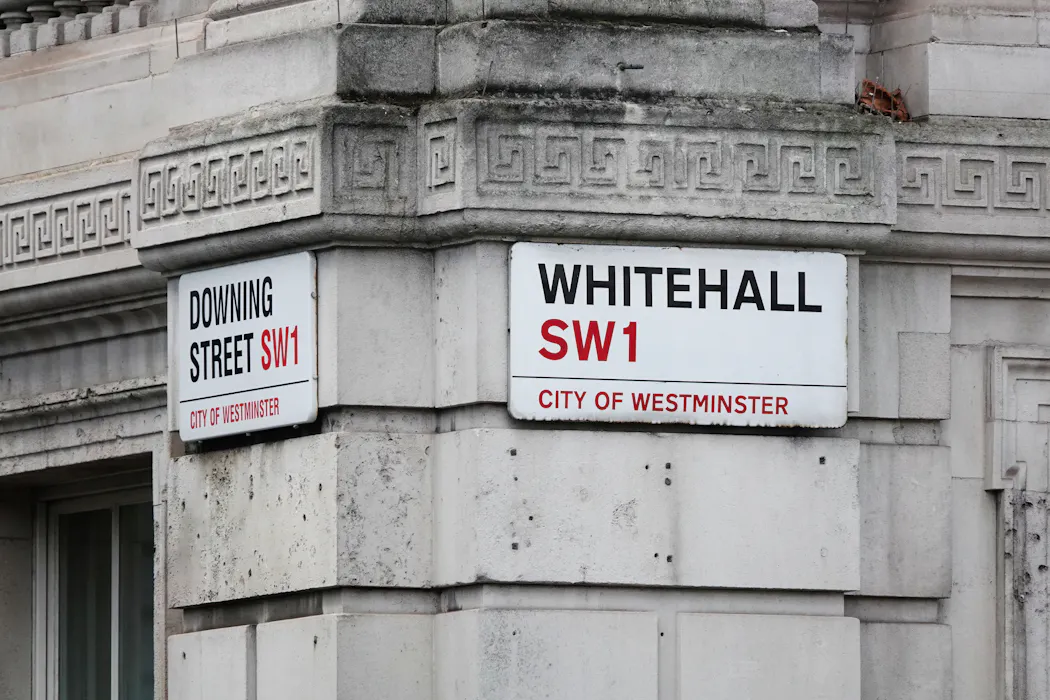
Keir Starmer’s decision to fire Foreign Office chief Olly Robbins has contributed to “one of the worst crises in relations” between ministers and civil servants in modern times. The words of former cabinet secretary Gus O’Donnell, writing after Robbins was sacked for declining to inform Starmer that Peter Mandelson failed vetting for his ambassador role, are a stark warning for the prime minister.

Such a crisis has been building for some time. Historically, British civil servants and ministers had a strong bond based on a mutually beneficial partnership. Yet that partnership is badly frayed, and in its place a “them v us” relationship is emerging.

Under the previous Conservative government, ties between ministers and civil servants atrophied. A major source of tension was Brexit, amid frustration that officials were allegedly conspiring to derail Britain’s departure from the European Union.

More uncompromising figures, notably Boris Johnson’s chief strategist Dominic Cummings, believed that the permanent civil service was “an idea for the history books”. In his view, it was time to cut back the permanent bureaucracy, and bring in outsiders to rewire the state. Cummings threatened that a “hard rain” would fall. Ministerial relations with civil servants sank to a new low.

The expectation within Whitehall was that the election of a new government under Starmer would restore order and civility. After all, Starmer was himself a former permanent secretary at the Crown Prosecution Service, who believed in the ethic of public service. The fractured ties between officials and ministers would be repaired.

It has not, so far, worked out that way. In key respects, relationships appear to have deteriorated further. This has now been exacerbated by the summary dismissal of Robbins over the Mandelson affair.


Read more:
Why have relations between civil servants and ministers turned so sour – and can they be repaired?


Why do such tensions between officials and ministers in Whitehall persist? A key factor is that civil servants clearly believe they are less equipped to support ministers than they were 20 years ago. This has come up frequently in my interviews and private conversations with current and former civil servants.

Increasingly, the civil service lacks the experience and tools to advise ministers on policy. This problem began in the 1980s, with the rise of new public management – government reforms in several countries emphasising efficiency through markets and competition. Attention shifted towards operational delivery, away from policy-making. There has been a marked loss of intellectual capacity, while some civil servants bemoan the absence of creative policy thinkers in Whitehall.

Another issue is that the civil service appears less willing to look outwards, exacerbating what political scientists Ivor Crewe and Anthony King describe as “operational and cultural disconnect”. Officials in government departments appear more detached than ever from frontline professionals (the so-called “street-level bureaucrats” who manage public services), as well as from citizens and communities.

Who is responsible?

To blame the civil service for the current malaise is surely mistaken. After all, politicians are elected to lead and provide a coherent sense of direction. Civil servants support ministers’ ambitions by faithfully implementing the government’s agenda.

The Starmer administration came to office without a credible governing strategy. Apart from woolly rhetoric about “missions”, incoming ministers had no clear conception of how to strengthen government effectiveness.

A particular gap related to improving performance in public services, notably education, health, criminal justice and public transport. Most governments arrive in Whitehall with instincts about how to achieve change. Some use the central state alongside targets to mandate improvement. Others adopt bottom-up mechanisms including giving citizens more of a voice in shaping public services, while extending choice and competition in the organisation of provision.

Yet Starmer’s ministers appear to have no consistent approach. For example, NHS policy combines top-down directives with exhortation about creating a “community-led” service. The result is widespread confusion. In turn, slowness to deliver change breeds frustration among ministers, leading almost inevitably to attacks on the capability of civil servants, escalating tensions further.

It was the prime minister himself who declared that “too many people in Whitehall are comfortable in the tepid bath of managed decline”, setting the tone for the rest of his government. Yet, inexperienced politicians are naive about the time it takes to secure sustainable improvement.

The dismissal of Robbins appears to be a continuation of the recent era in which ministers treated their relationships with officials with casual disregard. When crises erupt or policies appear to fail, civil servants are made culpable.

Yet such blame games are destructive, not least because they make it harder for civil servants to discharge their essential constitutional function of “speaking truth to power”.

In an atmosphere of growing distrust, officials are less likely to highlight problems in proposed policies. Where career promotion relies on doing what ministers are perceived to want, the risk is that propriety and ethics are negated, having a “chilling effect” on the wider civil service.

A dominant characteristic of civil service reform in recent decades is making officials more “responsive” to ministers. For example, permanent secretaries are employed on time-limited contracts intended to create pressure to perform. Moreover, increasing the contestability of policy advice by turning to political advisers, thinktanks, NGOs and the private sector disrupts the monopoly which civil servants previously held in the policy-making process (although that was always something of a myth).

Such a dynamic increases the pressure on civil servants to comply with what ministers demand. Otherwise, in a more competitive policy landscape, they risk marginalisation. Consequently, the civil service is less likely to fulfil its crucial role in acting as a break on overweening executive power and unchecked authority. That is detrimental to the fulfilment of good government.

The Conversation

Patrick Diamond receives funding from the ESRC as part of the governance and institutions project at the Productivity Institute. He is a former government special adviser, a member of the Labour party and the Fabian Society.

ref. What Mandelson vetting row reveals about escalating tensions between ministers and civil servants – https://theconversation.com/what-mandelson-vetting-row-reveals-about-escalating-tensions-between-ministers-and-civil-servants-281254

Ban on phones in schools: support for headteachers or unnecessary legislation?

Source: The Conversation – UK – By Andy Phippen, Professor of IT Ethics and Digital Rights, Bournemouth University

LightField Studios/Shutterstock

The announcement by the government that a legal ban will be placed on mobile phones in English schools marks a continued shift in tone, if not necessarily in substance, around the control of devices in educational settings.

What is being presented as a decisive intervention into children’s wellbeing is, in practice, the legal amplification of a reality that already exists across most schools. According to research last year by the Children’s Commissioner, around 90% of secondary schools and almost all primary schools already restrict phone use in some form.

These restrictions range from outright bans to locking phones away or “not seen, not heard” approaches (where phones are allowed on school premises, and may be kept in pupils’ bags, but must not be used). The ban will make existing guidance for schools statutory.

This raises an immediate question: if the practice is already widespread, why make it law?

There are, on the surface, reasonable arguments for moving from guidance to legislation. First, this gives school leaders clarity. A statutory footing removes ambiguity and may strengthen schools’ position when challenged by parents.

Second, it provides consistency between schools. A legal requirement creates a baseline expectation across the system, reducing variation between schools.

And finally, there is political signalling. The government is able to demonstrate action on an issue that resonates strongly with public concern.

However, the policy also illustrates a dynamic in education and online safety policy I have written about at length – a move from practice to performance.

If nearly all schools already restrict phones, then the legal change risks being largely symbolic. Sector leaders have acknowledged that “a statutory ban… doesn’t really change very much”.

More critically, it reframes a question of professional judgement as one of compliance. Since 2011, headteachers have had the authority to discipline pupils and set behaviour policies, including banning phones. What changes here is not capability, but the removal of discretion or, arguably, trust in school leadership.

Need for clarity

And, paradoxically but predictably, while the policy may be unnecessary for some, it is insufficient for others. Campaigners and politicians have already criticised the move for potentially retaining flexibility – particularly the “not seen, not heard” model – which they argue fails to meaningfully remove phones from the school day.

Olivia Bailey, parliamentary under-secretary of state in the Department of Education, insisted in the most recent debate that “We are categorically crystal clear that there is no access to phones at any point during the school day”, and that references to “not seen, not heard” approaches had been removed from guidance.

But she also stated: “It is not for me to determine how a headteacher enforces their discipline and behaviour policies in their school.” Therefore, there is a chance a school adopting such an approach might not be challenged without a particularly fastidious Ofsted inspection.

Group of children in school uniforms looking at phones
The majority of schools already restrict phone use.
Rawpixel.com/Shutterstock

Perhaps the most significant gap in the policy, therefore, is not its intent, but its execution, which has resulted in professionals asking for more guidance. Schools currently use a range of methods: confiscation, lockers, locked pouches, or behavioural rules. These approaches carry costs – financial, logistical, and in how they affect relationships between staff and pupils. Sector leaders have already pointed to the need for funding to support secure storage systems. Enforcement, too, remains ambiguous.

A legal requirement does not eliminate the day-to-day realities of managing compliance. This includes managing pupils concealing devices, disputes with parents, uneven application across staff and varying support from senior leaders around classroom discipline.

Facing pressure

The government had previously resisted calls for a statutory ban, arguing it was unnecessary. The new announcement appears to have been driven less by new evidence and more by political pressure in the House of Lords and from campaign groups.

There is a broader cultural push toward restriction, whether school phone bans or proposals for wider social media limits. Some countries have already put social media bans in place, although their effectiveness remains to be seen.

Banning phones in classrooms is not, in itself, particularly controversial. Many schools have done so for years with little fuss. What is new is not the ban, but the decision to legislate it.

That shift tells us less about phones and more about the current policy climate: one in which guidance becomes law, discretion becomes compliance, and familiar practices are recast as solutions to increasingly expansive problems.

The Conversation

Andy Phippen does not work for, consult, own shares in or receive funding from any company or organisation that would benefit from this article, and has disclosed no relevant affiliations beyond their academic appointment.

ref. Ban on phones in schools: support for headteachers or unnecessary legislation? – https://theconversation.com/ban-on-phones-in-schools-support-for-headteachers-or-unnecessary-legislation-281249

The Duolingo taxi test – could being rude to the driver cost you your dream job?

Source: The Conversation – UK – By Janina Steinmetz, Professor in Marketing, Bayes Business School, City St George’s, University of London

GBJSTOCK/Shutterstock

Duolingo recently revealed a seemingly genius trick to assess candidates for a senior position. Hiring managers at the language-learning app read applications and cover letters, scheduled phone interviews and asked all the usual questions about skills and ambitions. But they also found out about how the candidates behaved in the taxi ride to the interview – and it cost one candidate a senior position.

The idea behind the recruitment approach is that if someone is rude to a taxi driver, they might be rude at work – especially to those who are junior to them. In the Duolingo case, the candidate ticked lots of boxes for the role. But when the company heard how they treated the driver, the candidate wasn’t offered the job.

This resonates with research that found that people will work hard to make a good impression in a job interview and that these efforts can mask what they are genuinely like.

After all, most people can avoid being rude in a one-off, high-stakes situation. But being friendly at all times can probably only be achieved by those who are genuinely warm people. By assessing people when they are not aware they are being monitored, Duolingo hoped to filter out the truly friendly from those who work hard to fake it.

Duolingo is not the first company to come up with the idea of looking at candidates’ behaviour outside the interview room. Companies look at prospective employees’ social media for exactly the same reason. People might reveal more of their true selves on social media when they don’t know they are being watched by potential employers.


Read more:
Putting your CV together? Complete honesty might not be the best policy


But from the candidate’s perspective, there are several issues with Duolingo’s taxi driver test. First, it may not be ethical to use behaviour to make a hiring decision that is outside of the candidate’s consent.

Second, it is unclear what a taxi driver is evaluating when they judge a passenger’s behaviour. Maybe someone is nervous about the interview or is stressed because getting to the interview on time on top of their other responsibilities made them rush. Under these circumstances, candidates might seem less friendly than they otherwise would be.

Other candidates might prefer to quietly review their interview notes instead of chatting with the driver. Again, this does not signal a rude person – maybe just an introverted one.

Fake only goes so far

But still, are behaviour tests like these a good idea in principle for a hiring manager?

Research suggests that Duolingo might be going overboard in its efforts to detect those who are faking being friendly to make a good impression. Although people have been shown to use a variety of strategies to impress in job interviews and beyond (flattery or “humblebragging”, for example), my research has found that many of these tactics are not particularly effective.

male candidate sitting on a chair at the end of a row while waiting for a job interview.
Don’t forget to thank the interviewer.
Studio Romantic/Shutterstock

This is because people can generally see through insincere efforts to make a good impression. For example, people often forget that in job interviews, discussing their hard work will make them relatable and increase their job prospects. This is because people like to discuss their talents and achievements to make themselves seem competent, but they forget that success usually comes from hard work as well. Discussing it actually makes their success stories seem more sincere and relatable.

And the same is true for thanking others and asking the interviewer questions. If a candidate mainly brags about themselves and treats the conversation as a one-way street, no taxi driver test is needed to identify them as a poor candidate.

People are generally not savvy self-presenters who can fake a good impression consistently. A regular job interview with an experienced hiring manager who can ask about the skills they would bring to the organisation should be enough to identify those who just fake being friendly.

As clever as the taxi driver test sounds, a coffee and a chat with the candidate can probably reveal more crucial information to make sure the right person is hired.

The Conversation

Janina Steinmetz does not work for, consult, own shares in or receive funding from any company or organisation that would benefit from this article, and has disclosed no relevant affiliations beyond their academic appointment.

ref. The Duolingo taxi test – could being rude to the driver cost you your dream job? – https://theconversation.com/the-duolingo-taxi-test-could-being-rude-to-the-driver-cost-you-your-dream-job-280975

Turner prize 2026 shortlist points to sculpture as a way of thinking about power, ecology and belief

Source: The Conversation – UK – By Martin Lang, Senior Lecturer and Programme Leader in Fine Art , University of Lincoln

The shortlist for the Turner prize 2026 brings together four artists whose practices are firmly rooted in sculpture and installation. Their work, in diverse ways, tests how material form can carry political, ecological and symbolic meaning.

This year’s Turner prize jury (chaired by Alex Farquharson, director of Tate Britain) is composed of Sarah Allen (South London Gallery), Joe Hill (Yorkshire Sculpture Park), Sook-Kyung Lee (The Whitworth) and Alona Pardo (Arts Council Collection). They praised the shortlisted artists for their material intelligence and their capacity to link sculptural language to wider systems of power, memory and belief. Here is a round up of this year’s shortlisted artists.

Simeon Barclay: performance, place and British ruin

Simeon Barclay is nominated for The Ruin, shown at the Institute of Contemporary Arts (ICA), London in January 2025 and later at the Hepworth Wakefield in Yorkshire. His work combines performance, sculptural installation, spoken word and live brass music. This combination nods obliquely to the industrial and musical traditions of his Yorkshire upbringing.

Barclay’s practice frequently returns to British national identity as something shaped by labour, landscape and decay. In The Ruin, industrial materials become resonant rather than merely symbolic: scaffolding, sound and breath are choreographed to produce an atmosphere that feels both ceremonial and unstable. The presence of brass instruments (historically tied to civic pride and working-class culture) introduces a solemnity that is repeatedly undermined by fragmentation and collapse.

Barclay’s work stages Britishness as something assembled and disassembled in real time. Spoken language slips between declaration and hesitation, while the sculptural setting refuses to settle into monumentality. It is a practice less concerned with nostalgia than with the ways national identity is continually rehearsed, strained and repaired.

Marguerite Humeau: sculpting belief systems

Marguerite Humeau is nominated for Orisons (2023), originally produced for the Black Cube Nomadic Art Museum, and for her subsequent exhibition Torches at ARKEN Museum in Denmark. Her contribution to the shortlist brings an overtly speculative dimension into dialogue with sculpture.

Humeau’s work often begins with research into non-human intelligence and biological communication systems. In Orisons, a large-scale sculptural elephant emerges as a central figure. However, it is not as an image of wildlife, but a stand-in for matriarchal knowledge and collective memory. Elsewhere in her practice, attention shifts dramatically in scale, from insects and wasps to ecosystems that exceed human comprehension.

The jury highlighted Humeau’s “cinematic” approach, and this is apt. Her installations are immersive, carefully lit and choreographed, producing a sense of narrative without storyline. Yet the work resists being pinned down. Instead, sculpture becomes a speculative tool for imagining belief systems that sit outside rationality: an attempt to materialise what cannot be directly known, only inferred.

Kira Freije: softness, armour and the human figure

Kira Freije is nominated for Unspeak the Chorus, her exhibition at the Hepworth Wakefield in Yorkshire. Her sculptures take the form of life-size hybrid beings – part animal, part human, part automaton – constructed from fabric, metal and aluminium casts taken from her body and the faces of people close to her.

Freije’s work consistently plays hardness against softness. Industrial materials such as aluminium are used not for rigidity, but for their capacity to receive impressions through casting. The results are surfaces that appear armoured yet vulnerable. Faces emerge as partial traces, embedded within bodies that refuse stable identity categories.

These figures don’t dominate space so much as inhabit it uneasily. Suspended between animation and stillness, they suggest forms of collectivity that are fragile, negotiated and embodied. The jury noted her transformation of everyday and industrial materials, but it is the emotional economy of the work – its careful calibration of exposure and defence – that gives it weight.

Tanoa Sasraku: sculpture and petro-politics

Tanoa Sasraku completes the shortlist with Morale Patch, exhibited at the ICA in 2025. Her work looks at oil as a system of power, examining how petro-politics shapes corporate identity, military culture and national symbolism.

In Morale Patch, Sasraku disrupts minimalist sculptural grids by inserting objects laden with meaning: paperweights awarded to mark milestones in oil extraction, flags mounted on crates that evoke pallets or coffins, and repeated references to military terminology. The title points to the symbolic language used to maintain cohesion within structures of extraction and violence.

Sasraku juxtaposes American and Scottish flags, drawing attention to unexpected national entanglements within global energy systems. Sculpture here operates as a critical inventory, cataloguing how abstract economic forces find expression in objects designed to reassure, reward or commemorate.

Sculpture and the institutions that shape it

This year’s prize arrives at a moment when sculpture, funding structures and art education are becoming unusually entangled. For the first time, the prize will be hosted within a university setting, Middlesbrough Institute of Modern Art (known as MIMA, part of Teesside University). The Turner prize is run by Tate, an Arts Council England (ACE) National Portfolio Organisation (NPO) – as is MIMA. This means that ACE funds a national prize presented in an ACE-funded space, which also functions as a teaching and research environment.

In recent years, there have been clear connections between funding and nomination with some shortlisted artists holding NPO status. This is a pattern that my research has identified as part of the wider instrumentalisation of British art funding.

Then there are the concerns raised by the Independent Review of Arts Council England’s critical assessment of ACE’s increasing institutionalisation and its sidelining of artistic quality.

Together, these issues raise questions about how closely programming, funding frameworks and art education may begin to mirror one another. Universities, some of which are NPOs or host NPO-adjacent arts centres (as we do at the University of Lincoln), risk reproducing rather than challenging dominant artistic norms.

Yet this year’s shortlist complicates that concern. It’s notably strong on artistic grounds, driven less by identity-led rationales than by a renewed commitment to sculpture as a way of thinking about power, ecology and belief.

Marguerite Humeau stands out as a possible winner. Her work exemplifies a post-postmodern sensibility shaped by new materialist thought: sculpture no longer represents the world so much as participates in it, modelling forms of non-human intelligence and agency through matter itself.

Humeau’s ability to combine speculative research with rigorous fabrication gives her work both intellectual ambition and genuine aesthetic appeal. These are qualities that suggest the Turner Prize, for all its institutional entanglements, still has the capacity to reward artistic excellence.

An exhibition of the shortlisted work will open at Middlesbrough Institute of Modern Art (MIMA) on September 26 2026.

The Conversation

Martin Lang does not work for, consult, own shares in or receive funding from any company or organisation that would benefit from this article, and has disclosed no relevant affiliations beyond their academic appointment.

ref. Turner prize 2026 shortlist points to sculpture as a way of thinking about power, ecology and belief – https://theconversation.com/turner-prize-2026-shortlist-points-to-sculpture-as-a-way-of-thinking-about-power-ecology-and-belief-281368

Mozambique ‘sky island’ expeditions found 4 new species of chameleon – already at risk from forest loss

Source: The Conversation – Africa – By Krystal Tolley, Principal Scientist, University of Johannesburg

Male sylvan chameleon (Nadzikambia goodallae) from Mount Ribáuè, Mozambique. Krystal Tolley, CC BY

Tropical rainforests are known for their unique biodiversity, with species found nowhere else on Earth. But nearly 30% of tropical rainforest has been destroyed or has become seriously degraded since 1990. Many of these forests have not been fully explored for their biodiversity. This means that the world may be losing species before they are even discovered by modern science.

In Africa, forest loss is rapid; about 25% of the continent’s tropical forest has been lost since 1990, against a backdrop of incomplete knowledge of where the biodiversity is located.


Read more:
Africa has the highest rate of forest loss in the world – what the G20 can do about it


Greatly lagging in this respect are the “sky islands” of northern Mozambique: isolated granite mountains that rise sharply out of the savanna plains. They were left standing when softer rock around them gradually eroded, and can be as high as 3,000 metres elevation. Because they rise so steeply, the sky islands attract clouds and rainfall, feeding moisture to the tropical rainforests on their slopes within an otherwise arid terrain. Isolation has allowed unique species to evolve on each mountain, such as geckos, rodents, fishes, crabs, frogs, butterflies and bats.

Mount Inago.
Krystal Tolley, CC BY
Small patch of remaining pristine rainforest at Mount Inago.
Krystal Tolley, CC BY

From 2014 to 2018, a research team led by fellow herpetologist Werner Conradie and myself explored these sky island forests to catalogue the species of reptiles found there. We found that each sky island forest is home to a previously unknown species of chameleon within the genus Nadzikambia (forest-dwelling “sylvan chameleons”).

Unfortunately, these chameleons are already at risk of extinction due to the heavy slash-and-burn clearing of the forests, the only place they can call home.

We’ve described these new species, choosing four names to highlight pioneering women scientists whose work inspired us to strive towards new discoveries, but also to call attention to the losses of their forest habitat.

Hunting for chameleons

Over the course of several years, we explored four of Mozambique’s sky islands – Mount Namuli, Mount Inago, Mount Chiperone and Mount Ribáuè – with the aim of cataloguing all reptiles but also in the hopes of finding new species of chameleons. This was because a species of sylvan chameleon had been discovered on one of these mountains during the 1960s, but they were not known from any other mountains.


Read more:
Namibia and Angola’s remote Ovahimba mountains reveal a haven for unique plants – new survey


However, chameleons can be very difficult to find, given their ability to remain camouflaged against the background coupled with their slow movements. They are more easily spotted at night while they are sleeping, as they stand out against the vegetation when illuminated by a strong beam of light. Sylvan chameleons are even more difficult to spot than others, as they usually perch high in the thick forest canopy – tens of metres up.

The search meant dealing with some tough conditions: a long, arduous trek up the hot, arid slopes to reach the forest high up the mountain. Establishing a remote base camp was essential. All food, clothes and gear had to be packed into the camp, and we didn’t know how long it would take to find any animals.


Read more:
Dung beetles: expedition unearths new species on Mozambique’s Mount Mabu


At each of these mountains, we surveyed every night for chameleons – no trails to follow, no GPS signal to guide us, no cellphone signal to call for help.

Sometimes we were lucky and found chameleons on the first or second night. At other mountains we were not so lucky, with fruitless searches making it necessary to return another year.

Eventually these mountains revealed their secrets and we discovered four new species of sylvan chameleon, one on each of the four mountains.

Slash-and-burn clearing of rainforest at Mount Inago.
Krystal Tolley, CC BY

We don’t know how big their populations are, but we assume they are in decline. Most of their habitat has been destroyed by forest clearing to make way for agriculture, with increasingly rapid losses in the last decade. We estimate that in some cases, 80%-90% of their habitat has been destroyed.

When parts of an ecosystem are lost, the whole becomes unstable and is eventually lost.


Read more:
Increasing land use could turn Mount Kilimanjaro into an ecological island


Choosing names for the new species

To highlight their predicament, we have described and named these chameleons and have forecast that three of these species are at high risk of extinction.

In particular, we highlight Nadzikambia goodallae from Mount Ribáuè. This species has been named in honour of the distinguished scientist Jane Goodall, whose own study species, the chimpanzee, is under similar pressures from loss of its rainforest habitat.

Female sylvan chameleon (Nadzikambia goodallae) from Mount Ribáuè.
Krystal Tolley, CC BY

We also honour the renowned discoverer of the structure of DNA, Rosalind Franklin, by naming the species from Mount Namuli as Nadzikambia franklinae. The use of DNA data from these chameleons was essential to confirm them as new species.

Nadzikambia franklinae from Mount Namuli.
Werner Conradie, CC BY

We have dubbed the species from Mount Inago as Nadzikambia evanescens, meaning “vanishing” in Latin, acknowledging the state of the forest destruction.

Male sylvan chameleon (Nadzikambia evanescens) from Mount Inago.
Krystal Tolley, CC BY

The final species, Nadzikambia nubila, is named for the cloudy aspect of Mount Chiperone. This species has a lower risk of extinction given that the local community view the forest as sacred, and say it should be protected.

Female sylvan chameleon (Nadzikambia nubila) from Mount Chiperone.
Krystal Tolley, CC BY


Read more:
What Cameroon can teach others about managing community forests


This latter case is significant, as it demonstrates that wholesale destruction of these forests is not an essential trade-off for local people to thrive. If encouraged and supported, community support and buy-in can be a solution to protect biodiversity in these sensitive ecosystems.

The Conversation

Krystal Tolley receives funding from the National Research Foundation of South Africa, the National Geographic Society and the Critical Ecosystems Partnership Fund.

ref. Mozambique ‘sky island’ expeditions found 4 new species of chameleon – already at risk from forest loss – https://theconversation.com/mozambique-sky-island-expeditions-found-4-new-species-of-chameleon-already-at-risk-from-forest-loss-279908

School gardens help students learn science and connect with agriculture – but making them happen isn’t easy

Source: The Conversation – USA (2) – By Shelley Mitchell, Senior Extension Specialist in Horticulture and Landscape Architecture, Oklahoma State University

These kids are doing a lot more than just playing in the dirt. SolStock/E+ via Getty Images

I used to teach high school science in Oklahoma, and one day I brought in a stalk from a cotton plant with bolls of cotton still attached. Students asked me why I glued cotton balls to a stick.

My students and I lived in a rural town surrounded by pastures of cattle and goats and fields of wheat, soybeans and cotton. I was amazed to learn how little my students understood agriculture. After a few related incidents, I started incorporating agriculture into my science classes.

When the United States was formed, about 80% of the population lived and worked on farms. Within a century the number had fallen to 40%. Today, less than 2% of the population lives on farms.

When most Americans lived on farms, agriculture was part of daily life. Most kids did farm chores, and planting and harvest seasons dictated the schedule of the school year. Today, most Americans are several generations removed from agriculture, and agriculture is seen as a career instead of a part of daily life.

As an agricultural extension specialist focused on horticulture, I’ve found that gardens can be an excellent teaching tool. By integrating gardens into schools, students can grow up learning about agriculture and the food systems that shape their daily lives.

Many researchers have cataloged the benefits of school gardens, and they go far beyond seeing how food grows.

Gardening for education

As people increasingly left the farms in the early 1900s and became disengaged from agriculture, a gap began to emerge between the public’s perception of farming and the nuts and bolts of the practice. In 1981, the U.S. Department of Agriculture created a task force to address agriculture illiteracy. This task force resulted in the formation of the National Agriculture in the Classroom program, which provides educators with lessons and tools to improve students’ understanding of raising farm animals and crops, including gardening.

Gardening also has benefits beyond agricultural literacy. For very young children, gardening increases hand-eye coordination, which is linked to success in handwriting, math and reading. Gardening, instead of sitting in a classroom, increases students’ physical activity during the school day.

Students digging in a garden and planting, one using a trowel.
School gardening club members practice planting seedlings.
Ross Dettman/AP Images for Seeds of Change

During a typical indoor class, children sit about 84% of the time. While in the garden, children sit only about 15% of the time.

Getting outside and doing hands-on learning is more engaging than sitting in a classroom passively learning by lecture, because active learning engages more regions of the brain, resulting in better understanding and retention of concepts. Active learning also allows students to follow their own curiosity, which motivates them to learn and remember concepts.

A study showed that allowing more individual freedom in gardens led to an increase in positive attitudes toward school. Children involved in school gardening are also more active outside of school hours.

While working in a garden, students are involved with science and nature, and that involvement leads to more science literacy and positive attitudes toward science and the environment.

Gardening is, in essence, a science experiment with variables, such as water, temperature and sun exposure. Each variable has an effect on the success of the garden. Manipulating the variables and seeing the resulting consequences boosts students’ science process skills.

Gardening fosters life skills, such as teamwork, patience, self-confidence and responsibility.

School gardening also promotes an increase in vegetable consumption. If students grow something, they’re more likely to eat it.

Challenges with school gardens

However, establishing and maintaining a school garden program isn’t easy.

Many teachers feel they don’t have the time or funding to use gardening in their teaching, especially when their districts set goals based on test performance.

Many teachers also report they don’t feel confident enough in their understanding of gardening to teach it effectively.

Gardens don’t have to be flashy or expensive to help students learn, but they still cost some money that schools may not have. Space can also prove an issue, because some school administrators see even tiny gardens in 5-gallon buckets as encroaching on their schools’ playgrounds.

Aesthetics can create another hurdle. Many administrators whom I’ve spoken to think school gardens are messy, and rightfully so. Often they have weeds, they don’t look well manicured like a botanical garden, and a lot are neglected during the summer.

Gardens can be a great way for students to actively learn, but if not implemented thoughtfully, they can stress overburdened teachers.

But that messiness is how students learn. Students grow their skills when they have the freedom to experiment with different gardening techniques, see how much room different plants need to grow, and determine what variables they will have to rethink for the next growing season.

If volunteers or teachers visit after the students and clean up or fix their mistakes, the students don’t see the outcomes of their decisions, and they don’t see any reason to change the inputs or growing methods.

Through gardening, students can gain an appreciation for farmers and their food supply. When coupled with lessons about agricultural systems, students learn to make informed food purchases and better understand the economic and political challenges that farmers face.

And nothing beats a garden-grown tomato.

The Conversation

Shelley Mitchell does not work for, consult, own shares in or receive funding from any company or organization that would benefit from this article, and has disclosed no relevant affiliations beyond their academic appointment.

ref. School gardens help students learn science and connect with agriculture – but making them happen isn’t easy – https://theconversation.com/school-gardens-help-students-learn-science-and-connect-with-agriculture-but-making-them-happen-isnt-easy-279919