Why Trump is not a death knell for global climate action

Source: The Conversation – Global Perspectives – By Matt McDonald, Professor of International Relations, The University of Queensland
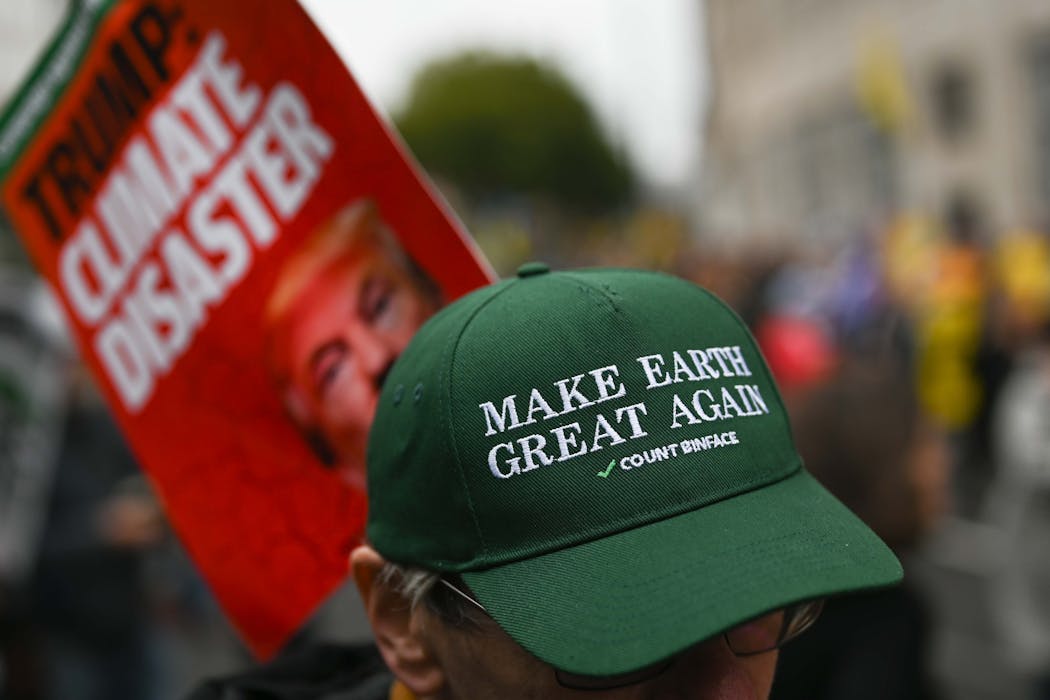
GettyImages Rasid Necati Aslim/Getty

In his rambling speech to the United Nations last month, United States President Donald Trump described climate change as “the greatest con job ever perpetrated on the world”.

Of course, this claim was unfounded, ignoring the overwhelming scientific evidence that climate change is occurring.

It was also unlikely to convince gathered dignitaries, who appeared bemused by a speech better suited to a campaign rally than a presidential address to world leaders.

But coming on the eve of the crucial global COP30 climate talks in Brazil, the speech does raise the question: what does the second Trump administration mean mean for international climate action?
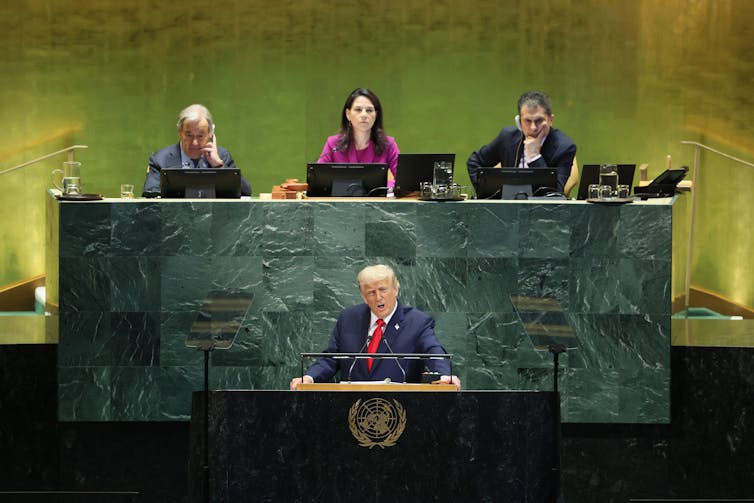
US President Donald Trump addresses the UN, while three dignitaries sit behind him
US President Donald Trump speaks during the United Nations General Assembly on September 23, 2025 in New York City.
Michael M. Santiago/Getty

Trump digs coal

Beyond enabling climate denialists and disinformation peddlers, Trump has ultimately delivered on his campaign promise to aggressively support the US fossil fuel sector. In his words: “drill, baby, drill”. Or, more recently: “mine, baby, mine”.

Soon after his inauguration, Trump signed an executive order to withdraw the US from the Paris Agreement, the legally binding UN treaty aimed at limiting global temperature rise well below 2°C degrees over pre-industrial levels.

Last month, Trump announced a plan to open up 13 million acres of federal land for coal mining, and offered hundreds of millions in federal subsidies for coal projects.

He has ordered the removal of climate data from government sites and all but eliminated direct government funding for climate science research and monitoring.

And he has gutted the Inflation Reduction Act, the signature climate initiative of the Biden administration that was designed to stimulate large-scale investment in renewable energy.

All told, Trump’s initiatives are likely to mean an additional 7 billion tonnes of emissions will be created compared to a scenario where the US met its Paris commitments.

This is bad news. But what implications will it have for international climate cooperation?

Dark clouds on the climate horizon

Clearly, 7 billion tonnes of additional emissions is a problem. By some accounts, this represents around one fifth of the global carbon budget if we are to keep to the Paris target of under 2°C.

And when the world’s most powerful state, largest economy and second-largest greenhouse gas emitter walks away from the United Nations Framework Convention on Climate Change (UNFCC), it does not bode well for international climate action.

Of course this raises the question of how the Brazilian climate talks organisers can motivate states to adopt strong emissions targets when wealthy, high-emitting countries walk away. There is a real risk the US position takes the pressure off other high-emitting countries, such as the Gulf States and Russia, who are disproportionately responsible for the problem.

Finally, climate finance – financial resources used to support action on climate change – looms once again as a crucial issue at climate negotiations. Securing sufficient funding will be far more complicated given Trump’s “America First” platform, which prioritises foreign and domestic policies serving US interests.

Despite this, there are still grounds to be optimistic.
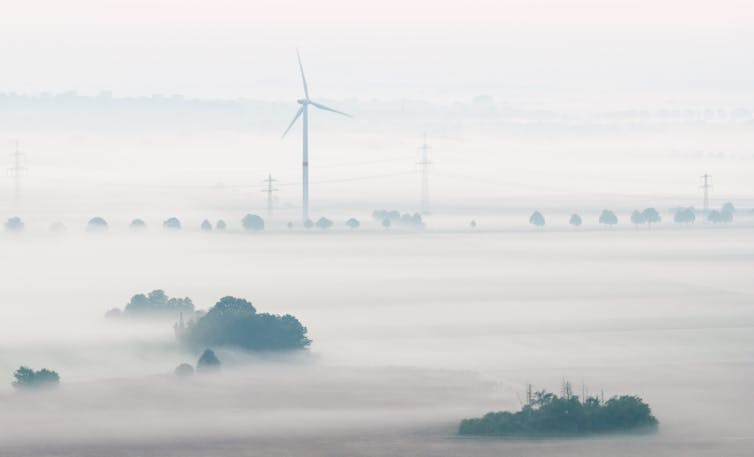
A wind turbine stands in a foggy field in France.
Global emissions have likely peaked, driven by the increase in renewable energy.
Julian Stratenschulte/Getty Images

Leadership without the US

A first point in the case for cautious optimism is that global emissions have potentially peaked and are on the verge of decline for the first time since the Industrial Revolution.

This has been driven by unprecedented global investment in renewable energy. The energy market is changing rapidly despite aggressive US subsidies for the fossil fuel sector. Global energy investment is likely to top A$1.5 trillion in 2025. Meanwhile, coal, oil and natural gas will see the first decline in global investment since the COVID pandemic.

There are also signs other countries, like China, view the US position as an opportunity. Last month Beijing outlined a target for emissions reduction (7–10% by 2035) for the first time in its history. Even though China is still adding to its fleet of coal-fired power stations, it is also adding more solar and wind capacity than the rest of the world combined.

China may want to make a case for itself as a responsible global leader in contrast to the US. This could in turn advance China’s strategic interests in regions such as the Pacific which are acutely vulnerable to climate effects.
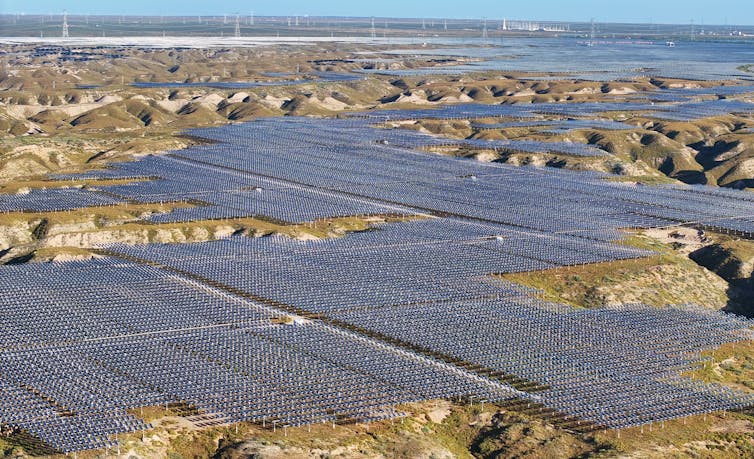
An aerial shot of a a huge swathe of solar panels in China.
Solar panels are seen on fields and hilltops in Yinchuan, China’s northern region. China – the world’s largest emitter of greenhouse gases – is rapidly expanding renewables.
AFP/Getty

So far, there’s no evidence countries have used US backsliding as an excuse to pull back from international cooperation. No country has left the Paris agreement since Trump’s withdrawal.

In 2001, when the Bush administration signalled the US wouldn’t ratify the Kyoto Protocol, Australia’s Prime Minister John Howard soon followed suit.

But in 2025, only months after the US withdrew from Paris, Prime Minister Anthony Albanese outlined an increased emissions target.

Even at home, Trump’s position has not amounted to a death knell for climate action. California, whose governor Gavin Newsom famously parodied Trump’s communication style on social media, already oversees one of the world’s largest emissions trading schemes and has entered into a climate partnership with Brazil to further cooperation ahead of COP30.

All in all, there are grounds for cautious optimism, even hope, that the rest of the world might band together without US leadership.

Eyes on COP

Negotiators at next month’s COP30 talks will face formidable challenges which have only become more pressing as a result of the Trump administration’s climate stance.

But past experience suggests hard-fought COP negotiations can build strong momentum for global action by focusing international attention.

Perhaps they can build pressure on the US to come back into the fold, or at least enable pro-climate actors within the US to pursue reform despite President Trump’s interference.

The Conversation

Matt McDonald has received funding from the Australian Research Council and the Economic and Social Research Council in the UK.

ref. Why Trump is not a death knell for global climate action – https://theconversation.com/why-trump-is-not-a-death-knell-for-global-climate-action-266350
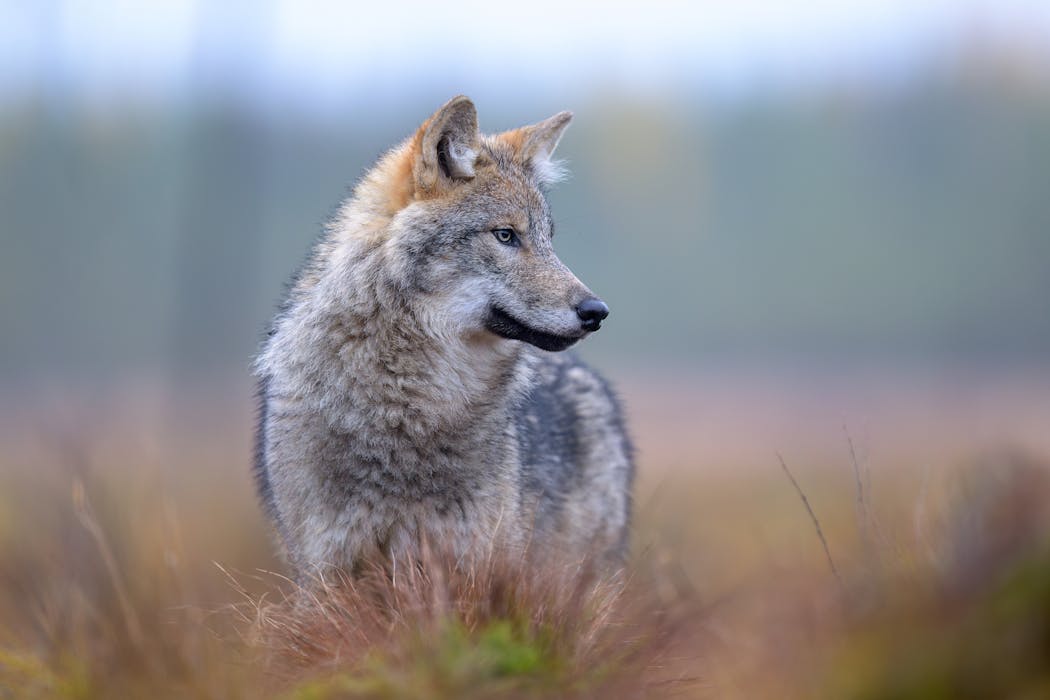
Wolves have returned to Denmark, and not everyone is happy about it

Source: The Conversation – UK – By Kristian Kongshøj, Associate Professor of Political Science, Aalborg University

Bjorn H Stuedal/Shutterstock

After centuries of near-extinction, Europe’s wolves have made a remarkable comeback. Over the past decade, wolf populations have surged, increasing by nearly 60%. In 2022, more than 21,500 wolves were recorded across the continent.

Countries that have long been wolf-free are now home to thriving packs. Germany, Italy, Poland, Spain and Romania each have more than 1,000 wolves. For scientists, this is a rare conservation success story: a large predator reclaiming landscapes dominated by human activity.

Where we live in Denmark, the comeback has been more modest. Wolves disappeared from Danish forests in 1813, when they were hunted to extinction – remembered only in stories and fairytales. Then, in 2012, a lone male wolf crossed the border from Germany into Jutland, Denmark’s peninsula bordering Germany. More followed. By 2017, Denmark celebrated its first confirmed breeding pack in more than 200 years.

Today, Denmark’s wolf population is estimated to be just over 40 wolves, with at least seven breeding pairs known to have produced cubs.

Yet even this small number has sparked fierce debates over livestock and public safety in one of Europe’s most intensively farmed countries, with views on wolves seeming to reflect wider political divides across Denmark.

The EU recently downgraded the protection status of wolves, moving them from “strictly protected” to simply “protected”. This change makes it easier for member states to authorise local culling.

Earlier this spring, the Danish government announced that “problem wolves” can be legally shot if they repeatedly stray into towns or attack livestock behind secure fencing. And the first legal licence to shoot a wolf guilty of several attacks was handed out in September.

Experts have already suggested that mysteriously high mortality rates and “disappearing” wolves are most likely the result of illegal hunting. And it’s feared by conservationists that quotas on wolf numbers could be introduced, as is the case in neighbouring Sweden.

As political scientists, we wanted to understand how Danes feel about the return of wolves. This summer, we included a question on wolves in a YouGov survey on climate and the environment. We asked: “Do you agree with the statement that breeding wolf packs are beneficial for Danish nature?”

close up shot of grey wolf looking at camera
The European grey wolf (Canis lupus lupus).
Rudmer Zwerver/Shutterstock

Of the 2,172 respondents, 43% disagreed, 30% agreed and 27% were neutral or unsure. Breaking the results down by politics reveals clear patterns. Supporters of left-leaning and green parties were the most positive, with nearly 45% agreeing that wolves are good for nature. Right-leaning voters were far more sceptical, with almost half of the supporters of new rightwing parties fully disagreeing. Even many Social Democrats voters (generally considered centre-left) leant toward disagreement, showing how this issue has become integrated into traditional political divides.

People in Copenhagen and other large cities were slightly more positive about the return of wolves than those in smaller towns or rural areas, but attitudes remain mixed everywhere. Living in the countryside does not automatically make someone a wolf sceptic, nor does city life guarantee support.

Age, however, was the strongest predictor of support. Young Danes (18–34) were overwhelmingly supportive, with over 50% agreeing that wolves benefit nature. Support declines steadily with age, however, with the majority of those over 55 – and nearly 60% of those over 73 – expressing outright disagreement.

We have spent more than a decade looking into more traditional political issues and have never seen age differences like these. In this way, the resurgence of wolves seems to have become more than just a wildlife issue.

Wolves, myths and reality

Few animals stir the imagination like wolves. They appear as villains in fairytales, sacred protectors as well as harbingers of apocalypse in Norse myths, and ecological superheroes in biology textbooks. Some wolves became intimately involved with humans as “man’s best friend”, while others became our worst enemy – see the big bad wolf.

Conservationists call wolves a “keystone species”. This means that because they naturally control numbers of deer and other prey, their presence can allow forests and grasslands to recover. Yellowstone Park in the US is a prime example: after wolves were reintroduced, aspen and willow trees flourished for the first time in decades.

But Denmark is not Yellowstone. Its countryside is a patchwork of farms, towns and highways with small, heavily managed nature reserves. Whether wolves can restore “wild balance” here is uncertain – and Danes’ views reflect that uncertainty. Indeed, for some farmers and rural residents, wolves are not symbols of rewilding – they are real predators, threatening livestock and livelihoods.


Read more:
Wolves return to Europe: what to do about them is a people problem – podcast


Fear also plays a role: parents worry about children walking in the forest, and dog owners worry about their pets. Statistically,wolf attacks on humans are extremely rare, yet perception often outweighs facts.

Incidents in neighbouring countries can add to the unease. Earlier this year, a wolf attacked a six-year-old boy in the Netherlands. And in Denmark this summer, two young boys spent hours up a tree after thinking an “aggressive wolf” was nearby. The story grabbed headlines, only for it to turn out that the animal was actually a large cat. It’s a reminder of how quickly fear spreads, whether the danger is real or not.

Our findings suggest that fears and myths about wolves are not mere folklore. They are expressed in real attitudes, reflecting deeply held values and cultural identities.

Wolves have come to represent much more than just wildlife. They are potent symbols of environmental ideals and societal perspectives – with attitudes toward them shaped less by geography and more by political beliefs and generational outlooks. For policymakers and conservationists, understanding these perceptions is essential to navigating the delicate balance between species recovery and public acceptance.

This article was commissioned by Videnskab.dk as part of a partnership collaboration with The Conversation. You can read the Danish version of this article here.


Don’t have time to read about climate change as much as you’d like?

Get a weekly roundup in your inbox instead. Every Wednesday, The Conversation’s environment editor writes Imagine, a short email that goes a little deeper into just one climate issue. Join the 45,000+ readers who’ve subscribed so far.


The Conversation

Kristian Kongshøj currently receives funding from Green Societies, a faculty-funded research programme at the Faculty of Social Sciences and Humanities (SSH), Aalborg University, Denmark

Troels Fage Hedegaard does not work for, consult, own shares in or receive funding from any company or organisation that would benefit from this article, and has disclosed no relevant affiliations beyond their academic appointment.

ref. Wolves have returned to Denmark, and not everyone is happy about it – https://theconversation.com/wolves-have-returned-to-denmark-and-not-everyone-is-happy-about-it-266276

China and the US are in a race for critical minerals. African countries need to make the rules

Source: The Conversation – Africa – By James Boafo, Lecturer in Sustainability and Fellow of Indo Pacific Research Centre, Murdoch University

Critical minerals such as lithium, cobalt, nickel, copper, rare earth elements, and platinum group metals are essential for modern technologies. They are key to industries ranging from electronics and telecommunications to renewable energy, defence, and aerospace systems.

The global demand for these minerals has been growing, as has the competition for them.

The supply and production of these minerals is largely concentrated in the global South. Most of the world’s cobalt is produced in the Democratic Republic of Congo (DRC). It produces almost three-quarters of the global cobalt output. Australia produces nearly half of the world’s lithium. Chile accounts for another quarter of global lithium production, with China following at 18%.

China dominates the supply chain through massive investments in mining operations, particularly in Africa. It is responsible for refining 90% of rare earth elements and graphite, and 60-70% of lithium and cobalt. The United States and European Union — long-term trading partners with African nations — have also adopted policies to secure access to Africa’s resources.

The question is what African countries are doing to take advantage of this demand for these critical minerals, especially to drive their own development.

As development researchers we address this question in a special publication on the rising significance of critical minerals in Africa by the Indian Council of World Affairs. In another publication, we look at how emerging resource diplomacy may reinforce Africa’s position in the global economy as a mere source of raw materials.

We recommend that African countries determine for themselves how to benefit from this global competition. This includes developing national strategies that emphasise local value addition and benefits. Also, national strategies should begin positioning African countries to gain from their resources beyond value addition.

The competition for Africa’s critical minerals underscores the urgency of governance reforms and regional cooperation to transform mineral wealth into sustainable prosperity, avoiding another “resource curse.”

The emerging ‘New World Order’

A Chinese-led ‘New World Order’ is emerging to counter the US-led Western influence. Eastern and global South countries demonstrate this shift through groupings like BRICS and South-South cooperation in technology and development. China has strengthened its influence in the global South through initiatives such as the Belt and Road Initiative.

Launched in 2013, the Belt and Road Initiative is an ambitious infrastructure project that connects continents by land and sea. Since then, over 200 agreements have been signed with over 150 countries and 30 international organisations. The initiative has expanded China’s access to resources. This is often in exchange for infrastructure development that links mining regions to ports.

In Africa, China has invested heavily in mining and infrastructure. Its firms have spent about US$4.5 billion in lithium projects in Zimbabwe, the DRC, Mali, and Namibia. China’s strategic focus includes resource-rich countries such as the DRC, Zimbabwe, Zambia, South Africa and Ghana.

China recently marked the 80th anniversary of the end of World War II with a military parade. The parade projected China’s military strength with President Xi warning that China is “unstoppable.”

China is emboldened by its influence and access to critical minerals. This has strengthened its ability to acquire military hardware and other advanced technologies.

Competition for Africa’s critical minerals

Africa holds about 30% of the world’s critical mineral deposits, making it central to geopolitical contest. The US and EU have sought agreements to secure supplies and reduce reliance on China.

The EU has strategic partnerships on minerals with the DRC, Rwanda, Namibia and Zambia. China has bilateral agreements with eleven African countries in the mining sector. The US also has a trilateral agreement with the DRC and Zambia. Its purpose is to support an integrated value chain for electric vehicle (EV) batteries. It also recently signed a ‘Minerals for Peace’ deal with the DRC and Rwanda to help end decades of conflict in eastern Congo.

Although African countries need support to turn their resources into prosperity, our research found that these partnerships risk reinforcing Africa’s marginal position in the global value chain. They often reproduce conditions reminiscent of colonialism: dependency, resource extraction, and power imbalances.

The way forward

Our research argues that the struggle between the US-led and Chinese-led world orders will hinge on a few things. One is control over emerging technologies. These include renewable energy, defence, aerospace, and AI — all of which depend on critical minerals. Expanded access to, and control of, these minerals and their supply chains will be a key determinant of global power.

Competition between the US and China for critical minerals will intensify. Yet it is crucial that African countries remain neutral. They must engage only in meaningful, mutually beneficial partnerships that genuinely advance their countries and its economies.

African countries must explicitly define their priorities in the extractives sector. Without clear strategies, external powers will continue to dictate Africa’s future. The continent will be locked into dependency rather than enabling it to capture real value from its mineral wealth.

Finally, rather than just competing for Africa’s critical minerals, China, the US, and the EU should equitably engage with African countries in the extractives sector to ensure just development across the continent.

The Conversation

The authors do not work for, consult, own shares in or receive funding from any company or organisation that would benefit from this article, and have disclosed no relevant affiliations beyond their academic appointment.

ref. China and the US are in a race for critical minerals. African countries need to make the rules – https://theconversation.com/china-and-the-us-are-in-a-race-for-critical-minerals-african-countries-need-to-make-the-rules-265318

Diane Keaton thrived in the world of humour – and had the dramatic acting chops to back it up

Source: The Conversation – Global Perspectives – By Chris Thompson, Lecturer in Theatre, Australian Catholic University

In the chilling final scene of Francis Ford Coppola’s 1972 masterpiece, The Godfather, the door to Michael Corleone’s office is closed in the face of his wife, Kay. It simultaneously signified the opening of many more doors for the career of actor Diane Keaton.

In that film, so heavily dominated by male actors, Keaton more than holds her own. For someone who would become known for her daffy, comic style, it showed us she also had serious dramatic acting chops.

The multi-award-winning actor, producer and director has died at the age of 79. She leaves behind a legacy of memorable roles in films that include classics such as The Godfather and Annie Hall, spanning genres from comedy to drama.

First steps on stage

Keaton started life in Los Angeles as Diane Hall on January 5 1946. The eldest child of Dorothy and Jack Hall, she was the only one of her siblings – brother Randy and sisters Robin and Dorrie – to show interest in the theatre. It came about in an unconventional way.

When she was “eight or nine”, she told NPR’s Fresh Air in 2004, her mother won “Mrs Los Angeles”

I remember sitting down [in the audience] watching her being crowned. It was that she was the perfect homemaker. […] I did not want to be a happy homemaker, that did not appeal to me. But I did want to go on stage. I saw that that was something that did appeal to me. There she was in the theatre, and I saw the curtain open and there was my mother. And I thought, ‘I think I like that for myself’.

Her career began as a teenage Blanche in Santa Ana High School’s production of A Streetcar Named Desire.

In her 2011 memoir, Then Again, she remembers her father coming backstage:

I could tell he was surprised by his awkward daughter – the one who’d flunked algebra and smashed the new Ford station wagon. For one thrilling moment, I was his Seabiscuit, Audrey Hepburn, and Wonder Woman rolled into one.

She began drama studies at nearby Santa Ana College but soon dropped out, took her mother’s maiden name – Keaton – and travelled to New York to study at the Neighbourhood Playhouse.

In a mini-dress wearing a beret.
Diane Keaton photographed in 1969.
Nick Machalaba/WWD/Penske Media via Getty Images

In 1968, after a stint in summer stock, she was cast as an understudy in Hair on Broadway. She was 19 and famously refused to do the nude scene.

“It wasn’t for any sort of philosophical reason,” she told the New York Times in 1972, “It was just that I was too scared.”

Silver screen breakout

Her heart was set on the big screen which, of course, meant starting out on the small screen in shows like The FBI (“The worst thing I have ever done,” she told the New York Times. “I was unanimously, resoundingly bad!”) and Night Gallery.

Instead, it was theatre that led to her breakout screen roles.

In 2023, Francis Ford Coppola revealed to Hollywood Reporter he had seen Keaton in Hair.

He later told Keaton he cast her in The Godfather because,

although you were to play the more straight/vanilla wife, there was something more about you, deeper, funnier, and very interesting. (I was right).

Allen plays a guitar while Keaton watches.
Woody Allen and Diane Keaton in a scene from Allen’s 1971 film Play It Again, Sam.
FilmPublicityArchive/United Archives via Getty Images

Then she auditioned for a new theatrical comedy, Play it Again, Sam, by up-and-coming comedian Woody Allen. That turned out to be what’s known in romantic comedies as a meet cute.

It led not only to their much-publicised relationship, but to a significant collaboration in eight films including the 1977 hit Annie Hall.

For that role, Keaton won the Oscar for best actress. And her costume, designed by Ruth Morley, made her a fashion icon of the 70s. She also gave us the whimsical phrase, “la di dah”.

It’s often thought that Annie Hall was about her relationship with Allen, but as she told the New York Times, “It’s not true, but there are elements of truth in it”.

A force

For the next five decades, Keaton would become a Hollywood force.

She had comic roles in films like The First Wives Club (1996), Something’s Gotta Give (2003) and the Father of the Bride franchise. Alongside these comedies were remarkable dramatic roles in Looking for Mister Goodbar (1977), Reds (1981), The Little Drummer Girl (1984), Crimes of the Heart (1986), Marvin’s Room (1996) and two more Godfather films.

She was also a notable director of films like Unstrung Heroes (1995), Hanging Up (2000), Heaven (1987) and even an episode of Twin Peaks.

Keaton smiles while Gould gestures.
Diane Keaton and Elliott Gould in a scene from the 1989 movie The Lemon Sisters.
Michael Ochs Archives/Getty Images

In addition to Annie Hall’s Oscar, BAFTA and Golden Globe, she received Oscar nominations for Reds, Marvin’s Room and Something’s Gotta Give (for which she won her second Golden Globe). She was also nominated for a Tony, two Emmys and another seven Golden Globes.

Despite much-publicised relationships with Al Pacino, Woody Allen and Warren Beatty, Keaton chose to remain single her whole life. In her 50s, she adopted two children, Dexter and Duke.

On the red carpet.
Keaton with her co-stars in 2023’s Book Club: The Next Chapter, L-R Mary Steenburgen, Jane Fonda, Candice Bergen and Keaton.
Dimitrios Kambouris/Getty Images

A rich creative life

Keaton made comedy look easy but told the New York Times in 1977 that “both comedy and drama are equally difficult”.

She later told Fresh Air,

You’re constantly battling with yourself when you’re acting in a [dramatic] part, at least I am. Because it’s just not that easy for me. I think I’m more inclined to live comfortably in the world of humour.

Either way, we were the richer for her creative life and are the poorer for her loss.

The Conversation

Chris Thompson does not work for, consult, own shares in or receive funding from any company or organisation that would benefit from this article, and has disclosed no relevant affiliations beyond their academic appointment.

ref. Diane Keaton thrived in the world of humour – and had the dramatic acting chops to back it up – https://theconversation.com/diane-keaton-thrived-in-the-world-of-humour-and-had-the-dramatic-acting-chops-to-back-it-up-267293

Wild honeybees now officially listed as endangered in the EU

Source: The Conversation – UK – By Arrigo Moro, Postdoctoral Researcher, Galway Honey Bee Research Center, University of Galway

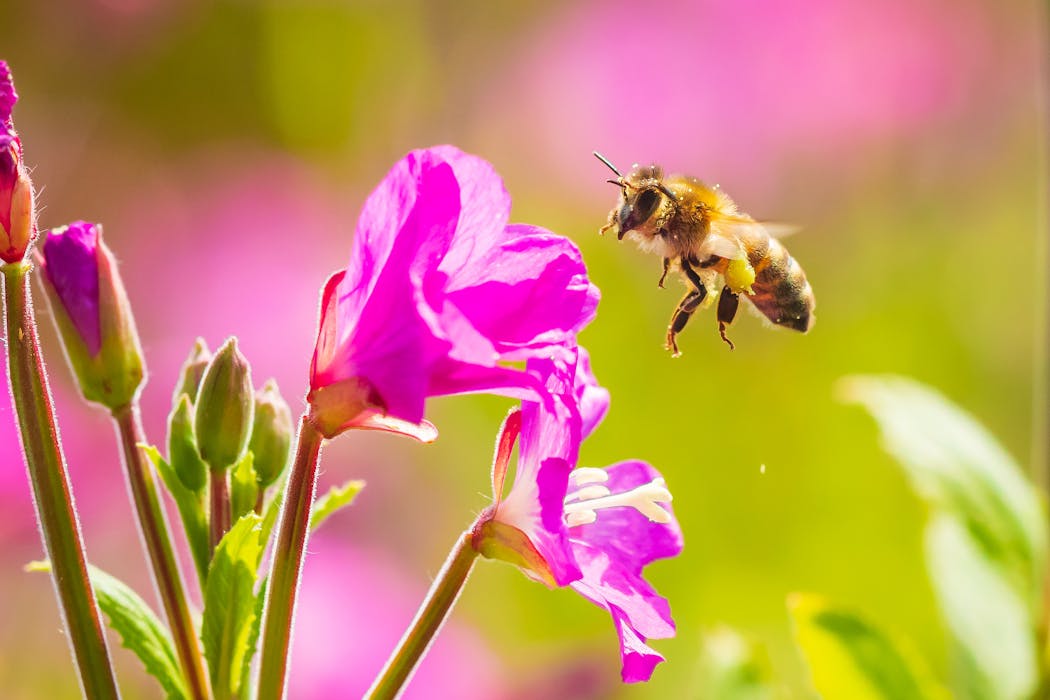
It can be hard to distinguish between a wild and a managed honeybee. SanderMeertinsPhotography / shutterstock

You might think honeybees are thriving – after all, the honey industry is growing and its bees are well looked after by beekeepers. But not all honeybees live in hives. Across Europe, colonies still live in the wild, nesting in tree cavities and other natural spaces, just as their ancestors did for millions of years.

Now, for the first time, these wild honeybee populations have been officially categorised as endangered within the European Union. That’s according to the latest update to the IUCN Red List, the world’s official database of species conservation statuses.

The western honeybee has a long history with humans. People have kept honeybee colonies for thousands of years, dating back to the ancient Egyptians who kept them in rudimentary hives to harvest honey. But it’s modern beekeeping, with its mobile hives and commercial pollination, that has had the widest impact on the species.

Because of that, today the western honeybee exists in two forms: the managed colonies kept in hives, and the wild ones that live independently of people. Both belong to the same species, Apis mellifera, but their lives and their prospects are radically different.

Managed honeybees have faced widely reported crises since the 2000s, when beekeepers around the world started noticing alarming losses in their hives. Since then, scientists have been working with beekeepers to investigate the causes and reduce colony mortality.

Because of this, the species as a whole is generally perceived as being under threat. But the reality is more complex than that. While it is true that managed colonies continue to suffer high losses, they are actively cared for by beekeepers and studied by researchers. The same cannot be said for their wild counterparts, which, until recently were relatively unstudied, especially in Europe.

The gap in knowledge led several European researchers to start investigating honeybees living freely in the wild. Such colonies have now been documented throughout Ireland and the UK, in national parks in France, the forests of Germany, Switzerland, and Poland, up and down Italy, and even in cities such as Belgrade in Serbia. These now are under study to understand if they can form self-sustaining populations capable of living without human help.

Tracking bees across Europe

To connect these independent research projects, a global initiative called Honey Bee Watch was formed in 2020. Its goal: to better understand how honeybees live in the wild. Under this coalition, I have been part of a team of 14 scientists and experts, who have worked with the International Union for the Conservation of Nature (IUCN) to reassess the conservation status of wild A. mellifera populations.

honeybees in tree cavity
A wild colony of honeybees the author discovered in Ireland.
Arrigo Moro

This formed part of a monumental effort to update the European Red List of Bees, led by researchers at the University of Mons in Belgium, which examined the conservation status of almost 2,000 species – many for the first time.

Back in 2014, wild A. mellifera populations had been listed as “data deficient” in Europe because there wasn’t enough information to answer a question that seemed simple enough: if a colony is found living in a tree, how can we tell whether it’s truly wild or has escaped from a managed hive?

A new definition of ‘wild’

Our new assessment took a different approach. Honeybees are not truly domesticated, since beekeepers have never been able to completely prevent them from breeding with other colonies, whether wild or managed. This means genetic differences between managed and wild colonies are often blurred.

Instead of trying to draw a genetic line separating the two, we adapted the IUCN’s definition of “wild” as it relates to honeybees. This meant we defined wild honeybee populations based on two criteria:

First, they live freely without management. And second, they can sustain their numbers independently without relying on the introduction of new colonies, such as those that escaped from managed hives.

Using ecology rather than genetics to define wild honeybees meant we could better evaluate their conservation status.

Endangered in the EU

Europe has the lowest density of free-living colonies in the world, as managed hives far outnumber wild ones. And, thanks to a recent analysis provided by our fellow assessors, we know that their numbers are declining.

Combined with evidence of habitat loss, invasive parasites, diseases, and human-mediated hybridisation, the picture that emerged was clear: wild honeybees are indeed in trouble.

That’s why their Red List status has now been updated to “endangered within the European Union.” However, for the wider pan-European region, they remain “data deficient” due to scarce data for areas such as the Balkans, the Baltics, Scandinavia and eastern Europe.

Protecting wild honeybees isn’t just about saving an iconic species – it’s about safeguarding our food security, biodiversity and ecosystems for the future. Populations surviving in the wild are those that naturally evolved the ability to cope with parasites, diseases and other harsh conditions that can devastate managed hives. They represent a vital genetic reservoir that could help make both wild and managed bees more resilient to future threats.

The new endangered assessment is a formal recognition that wild honeybees are native wildlife in need of conservation. We can no longer afford to leave them understudied and unprotected.

The Conversation

Arrigo Moro does not work for, consult, own shares in or receive funding from any company or organisation that would benefit from this article, and has disclosed no relevant affiliations beyond their academic appointment.

ref. Wild honeybees now officially listed as endangered in the EU – https://theconversation.com/wild-honeybees-now-officially-listed-as-endangered-in-the-eu-267239

María Corina Machado’s peace prize follows Nobel tradition of awarding recipients for complex reasons

Source: The Conversation – Global Perspectives – By David Smilde, Professor of Sociology, Tulane University

Venezuelan opposition leader Maria Corina Machado gestures during a protest in Caracas on Jan. 9, 2025. Juan Barreto/AFP via Getty Images

Few can doubt the courage María Corina Machado has shown in fighting for a return to democracy in Venezuela.

The 58-year-old politician and activist is the undisputed leader of the opposition to Nicolás Maduro – a man widely seen as a dictator who has taken Venezuela down the path of repression, human rights violations and increasing poverty since becoming president in 2013.

Maduro is widely believed to have lost the 2024 presidential election to rival Edmundo González, a candidate substituting Machado, yet still claimed victory.

Machado has been in hiding since the fraudulent vote. And her courage in having participated in an unfair contest and in exposing Maduro’s fraud by publishing the true vote tallies on the internet, surely made Machado stand out to the Nobel committee.

Indeed, in making Machado the 2025 recipient of the Nobel Peace Prize, organizers stated they were recognizing her “tireless work promoting democratic rights for the people of Venezuela and for her struggle to achieve a just and peaceful transition from dictatorship to democracy.”

But as a scholar of Venezuela’s political process, I know that is only part of the story. Machado is in many ways a controversial pick, less a peace activist than a political operator willing to use some of the trade’s dark arts for the greater democratic good.

Joining a controversial list of laureates

Of course, many Nobel Peace Prize awards generate controversy.

It has often been bestowed on great politicians over activists. And sometimes the prize’s winners can have complex pasts and very non-peaceful resumes.

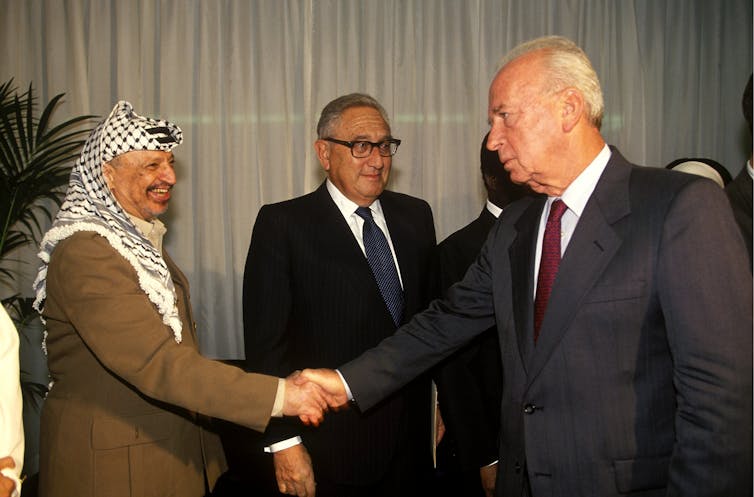
Past recipients include Henry Kissinger, who as U.S. secretary of state and Richard Nixon’s security adviser was responsible for the illegal bombing of Cambodia, supporting Indonesia’s brutal invasion of East Timor and propping up dictators in Latin America, among many other morally dubious actions. Similarly, former Palestinian Liberation Organization leader Yasser Arafat and Israeli Prime Minister Menachem Begin were both awarded the prize, in 1994 and 1978 respectively, despite their past association with violent activities in the Middle East.

Three men stand, two shaking hands.
Yasser Arafat, Henry Kissinger and Yitzhak Rabin – all Nobel Peace Prize laureates.
Duclos/Merillon/Gamma-Rapho via Getty Images

The Nobel Committee often seems to use these awards not to celebrate past achievements but to affect the future course of events. The nods to Begin and Arafat were, in this way, used for encouragement of the Middle East peace process.

In fact, sometimes, the peace prize is seemingly bestowed as a sign of approval for a break from the past.

Barack Obama won his in 2009 despite only being nine months into his presidency. It was taken by many as a rejection of the previous presidency of George W. Bush, rather than recognition of Obama’s limited achievements at that time.

In 2016, Colombian President Juan Manuel Santos was awarded the Nobel Peace Prize just days after his peace plan was rejected in a referendum. In that instance, the committee seemed to want to give his efforts a push just after a major setback.

Democratic path or dark arts?

So what should be made of the Nobel Peace Prize committee’s decision to recognize opposition to Maduro now?

Certainly Machado’s profile is ascendant. In her political career, she has participated in elections – winning a seat in the National Assembly in 2010 – but boycotted many more. She also boycotted negotiation processes, suggesting instead that foreign intervention was the only way to remove Maduro.

In 2023 she returned to the electoral path and steadfastly mobilized the Venezuelan population for opposition primaries and presidential elections, even after her candidacy was disqualified by the government-controlled electoral authority, and innumerable other obstacles were put in her path.

The campaign included spearheading caravans and events across the country at significant personal risk.

However, much of her fight since then has been via less-democratic means.

Machado has shunned local and regional elections suggesting there was no sense in participating until the government honored the results of the 2024 presidential election. She has also again sought international intervention to remove Maduro.

Over the past year she has aggressively promoted the discredited theory that Maduro is in control of the Tren de Aragua gang and is using it to invade the United States – a narrative gladly accepted and repurposed by U.S. President Donald Trump.

In addition to being the expressed motivation for a U.S. military buildup off the coasts of Venezuela, this theory has also been the central justification cited by the Trump administration for using the Alien Enemies Act to deport, without due process, 238 Venezuelan men to a horrific prison in El Salvador.

A large painting of a man is held aloft.
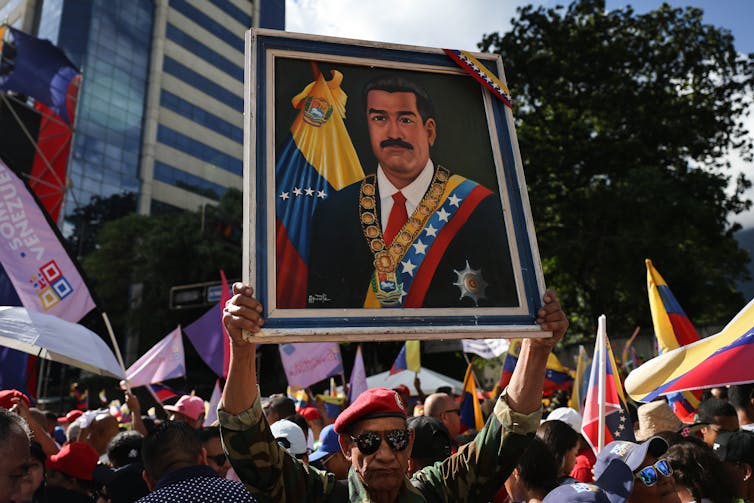
Nicolas Maduro continues to loom large and rule Venezuela despite María Corina Machado’s efforts.
Jesus Vargas/Getty Images

Relations with Trump

The Nobel Peace Prize could help unify the Venezuelan opposition movement, which over the past year has begun to fray over differences in strategy, especially with respect to Machado’s return to electoral boycotts.

And it will certainly draw more international attention to Venezuelans’ struggle for democracy and could galvanize international stakeholders to push for change.

What it will mean in terms of Trump’s relationship to Machado and Venezuela is yet to be seen. Her main connection with the administration is through Secretary of State Marco Rubio, who has aggressively represented her views and is pushing for U.S. military intervention to depose Maduro

Awarding Machado the prize could strengthen Trump’s resolve to seek regime change in Venezuela. Or, if he feels snubbed by the Nobel committee after very vocally lobbying to be awarded the peace prize himself, it could be a wedge between the U.S. president and Machado.

Machado seems to understand this. After not mentioning him in her first statement after the award was announced, she has since mentioned him multiple times, even dedicating the prize to both the Venezuelan people and Trump.

Trump has subsequently called to congratulate her.

A game changer? Perhaps not

To the degree that the Nobel Peace Prize is not just a model of change but a model for change, the decision to award it to Machado could conceivably affect the nature of Venezuela’s struggle against authoritarianism, leading her to continue to seek the restoration of democracy with a greater focus on reconciliation and coexistence among all Venezuelans, including the still politically relevant followers of the late Hugo Chávez.

Whatever the impact, it probably will not be game-changing. As we have seen with other winners, the initial glow of public recognition is quickly consumed by political conflict.

And in Venezuela, there is no easy way to translate this prize into real democratic progress.

While Machado and other Venezuelan democrats may have more support than ever among global democrats, Nicolás Maduro controls all of Venezuela’s institutions including the armed forces and the state oil company, which, even when sanctioned, provides substantial resources. Maduro also has forged strategic alliances with China, Russia and Iran.

The only way one can imagine the restoration of democracy in Venezuela, with or without military action, is through an extensive process of negotiation, reconciliation, disarmament and justice that could lay the groundwork for coexistence. This Nobel Peace Prize could position Machado for this task.

The Conversation

David Smilde does not work for, consult, own shares in or receive funding from any company or organization that would benefit from this article, and has disclosed no relevant affiliations beyond their academic appointment.

ref. María Corina Machado’s peace prize follows Nobel tradition of awarding recipients for complex reasons – https://theconversation.com/maria-corina-machados-peace-prize-follows-nobel-tradition-of-awarding-recipients-for-complex-reasons-267268

Natural World Heritage sites under growing threat, but bright spots remain

Source: The Conversation – USA (2) – By Jessica Beaudette, Visiting Scholar, Center for Biodiversity Outcomes, Arizona State University

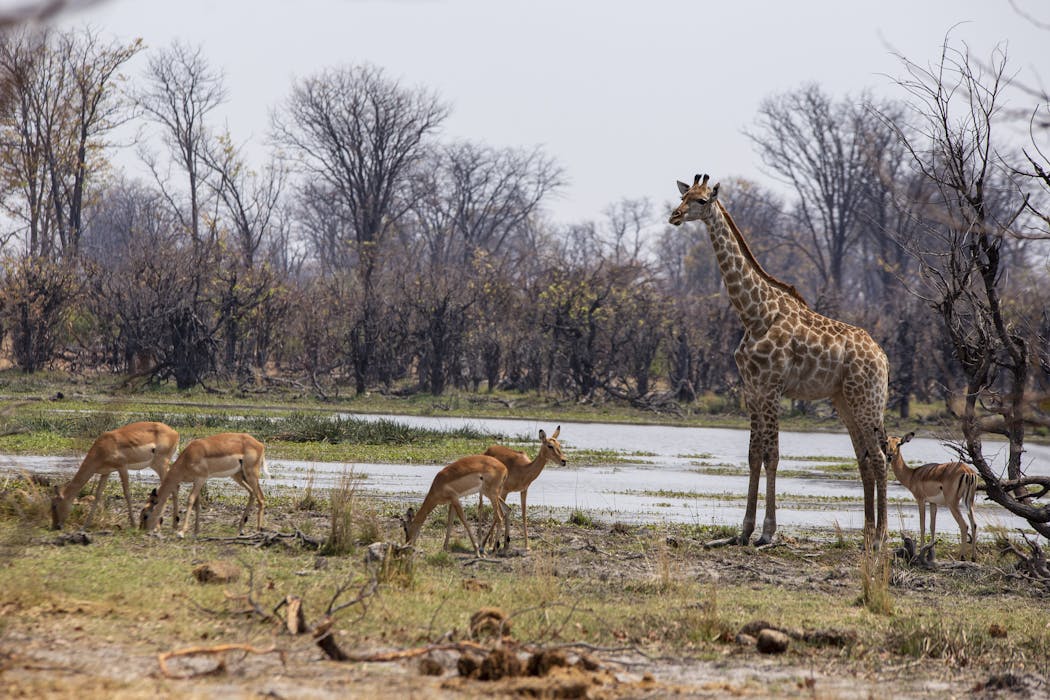
A herd of antelope graze near a giraffe in Botswana’s Okavango Delta. Murat Ozgur Guvendik/Anadolu via Getty Images

Botswana’s fertile Okavango Delta is one of the last remaining high-biodiversity ecosystems in the world, home to cheetahs, African wild dogs, baobab trees, crocodiles, termites and owls that catch fish. Roughly the size of the state of Connecticut, the freshwater Okavango Delta opens into an enormous alluvial fan that stretches up to 5,800 square miles (15,000 square km) into the Kalahari Desert. The area is so vast it can be seen from space, but most people have never heard of it.

In recognition of its natural and cultural significance, the Okavango Delta was designated a UNESCO World Heritage Site in 2014. When I conducted research in the Okavango in 2024, I witnessed both its natural beauty and the ebullient warmth of the people who live there.

The health of the delta – and of 270 other natural sites across the globe – is the subject of the latest IUCN World Heritage Outlook, a recurring wellness report on the planet’s most treasured natural places.

The report’s findings are not dire, but they aren’t great, either. Many of these extraordinary places are increasingly at risk due to escalating climate change, invasive species, and a lack of consistent funding to protect them.

The outlook

Every few years, the International Union for Conservation of Nature – a global contingent of more than 1,400 government agencies and private organizations focused on environmental conservation – evaluates the environmental and biological conditions at all UNESCO World Heritage sites selected for their natural significance.

That includes the Okavango Delta in Botswana, home to the world’s largest population of African elephants; the Central Amazon Conservation Complex in Brazil; the Socotra Archipelago in Yemen with hundreds of species of birds and fish; the Tropical Rainforest Heritage of Sumatra, Indonesia; the Central Amazon Conservation Complex in Brazil, and Everglades National Park, Florida.

The IUCN reports to UNESCO on each site’s current state and natural value, the threats it faces, the effectiveness of its protection and management, and actions needed to secure its future. The IUCN rates each site’s status from “good” to “critical” as a way of tracking its conservation progress over time.

The most recent report – the fourth in a series that began in 2014 – was presented at the IUCN World Conservation Congress on Oct. 11, 2025.

Overall, the report documents a decline in the conditions of these remarkable places. The proportion of World Heritage sites with a positive conservation outlook – “good” or “good with some concerns” – has dropped to 57% after remaining at 63% in 2014, 2017 and 2020. In addition, the proportion of sites considered of “significant concern” or “critical” has increased in the last five years from 37% to 43%. Many of those are in Mesoamerica, Africa and South America, as well as the Middle East, North Africa and the Mediterranean.

A diver swims near pale and white-colored formations on the ocean floor.
A marine biologist surveys bleached and dead coral on Australia’s Great Barrier Reef.
David Gray/AFP via Getty Images

Threats from the natural world

The report identifies several key challenges affecting heritage sites. The most widespread conservation challenge the report identifies is climate change.

Climate-related changes in biological conditions such as ocean acidity, salt concentrations, sediment buildup, droughts, flooding and groundwater flow, and variable temperatures are considered “high” or “very high” threats to 117 of the 271 heritage sites evaluated – 43% of them.

One-third of the 50 World Heritage sites that contain glaciers will see those glaciers disappear by 2050, the report projects.

Around the world, coral reefs have been, and are still, bleaching – turning white as the colorful organisms that build and inhabit them die off – affecting 30% of the 29 World Heritage-listed coral reef ecosystems.

In addition, invasive species are encroaching on World Heritage sites. For example, in Ecuador’s Galápagos Islands, invasive species like rats and feral cats are considered one of the main causes of extinctions, including to the islands’ famous birds. In Australia’s Gondwana Rainforest, the last vestiges of an ancient plant and animal “living museum” are retreating due to invading non-native species.

People walk along a path near the face of a large swath of white and blue ice.
Tourists view the face of the Perito Moreno Glacier in Los Glaciares National Park, Argentina.
Romina Cruz/picture alliance via Getty Images

Threats from people

Additional human pressures are also endangering these unique areas. Threats to these sites from the outside include logging and mining in the region, developing nearby land, diverting natural water flows, and polluting the air, water and land. Roughly two-thirds of the sites studied face at least some danger from human activities happening outside the sites’ formal boundaries.

In addition, the report says heritage sites need more financial support to be better able to respond to key threats. It finds that most lack consistent, long-term funding for staff salaries, ecosystem monitoring, and continued maintenance of protection programs. Chronic underfunding is the primary barrier to effective ecosystem management. Funding typically comes from organizations such as the World Heritage Fund or the Global Environment Facility, an organization made up of 186 member countries, institutions, nongovernmental organizations, and the private sector that funds environmental projects worldwide.

The IUCN report warns that even effective initiatives may struggle in the long term without stronger regional, national and global support. That could include efforts like the Okavango’s Community Management of Protected Areas Conservation program, which connects rural communities and conservationists to support both people and nature.

Armed people in camouflage clothing walk through a wooded area.
Members of the Lion Intervention Brigade conduct an anti-poaching patrol at Niokolo-Koba National Park, Senegal.
AP Photo/Annika Hammerschlag

What is missing from the 2025 report?

There is good news, though. Targeted local action, such as anti-poaching efforts and local community involvement, have improved conditions at four sites in West and Central Africa, shifting their status from “critical” to “significant concern.”

There is more to know about these sites and how they are faring. As a community-based conservation scholar, I recognize that while the major drivers of ecological decline can be gleaned from published research, specific causes of that decline are best learned on the ground.

The outlook provides critical environmental trends, but it could be strengthened by including specifics based on quantitative, community-based monitoring, such as wildlife population surveys by local experts. For instance, at a conference I attended in 2024, a frog biologist from Botswana observed that, before her work, the previous frog study in that part of the delta was in 1980.

While critical local and Indigenous knowledge is recognized in the report, it is largely excluded from assessments, both because weaving it with conventional scientific analysis is difficult or because communities may choose to protect certain knowledge.

The Okavango Delta is one of many World Heritage sites, living landscapes rich with local cultural value and global significance. Like many remote heritage sites outside Europe and North America, there is a lot that remains unknown about the biodiversity in the Okavango.

The report acknowledges that recognizing the relationship between people and the environment would also improve future assessments. Overall, it offers a clear picture of global conservation trends while also acknowledging local realities and successes: for the heritage sites across the planet, conservation succeeds when people and nature thrive together.

The Conversation

Jessica Beaudette received dissertation funding from the American Association of University Women and Arizona State University for field research in Botswana.

ref. Natural World Heritage sites under growing threat, but bright spots remain – https://theconversation.com/natural-world-heritage-sites-under-growing-threat-but-bright-spots-remain-266548

How the government shutdown is making the air traffic controller shortage worse and leading to flight delays

Source: The Conversation – USA – By Brian Strzempkowski, Assistant Director, Center for Aviation Studies, The Ohio State University

The government shutdown has exacerbated the air traffic controller shortage, leading to delays at airports across the country, including in Burbank, Calif. Mario Tama/Getty Images

Airports across the United States have been experiencing significant flight delays recently because of a shortage of air traffic controllers, who have been required to work without pay since a government shutdown began on Oct. 1, 2025. Reports suggest employees have been calling in sick in increased numbers. And since there was already a shortage of controllers before the shutdown, the impact has been severe, with over 52,000 flights canceled ahead of the Columbus Day weekend.

The Conversation U.S. asked Brian Strzempkowski and Melanie Dickman, aviation experts at The Ohio State University, to explain how the shutdown is affecting air travel, what that means for passengers and air safety, as well as the air traffic controller shortage that has been plaguing U.S. airports for years.

How is the shutdown affecting air traffic controllers?

Air traffic controllers are deemed essential workers, meaning they are still required to work while not receiving compensation – which they would typically then receive in a lump sum after the shutdown ends. President Donald Trump created some uncertainty around this by suggesting workers may not get their back pay without explicit authorization from Congress, despite having signed a law in his first term that makes it a legal requirement.

Working without regular pay, combined with the possibility that they won’t get paid at all, is resulting in real financial stress for air traffic controllers, who perform one of the most stressful jobs there is.

As a result, there have been reports of air traffic controllers calling in sick in large numbers. This happened in previous shutdowns as well. During the 2018-2019 shutdown, for example, sickouts started to happen around the two-week mark, roughly when the first paycheck was missed. Controllers, airport security employees, and other essential workers were calling in sick often so they could work another part-time job to pay their bills.

In the current shutdown, this appears to be happening sooner, less than a week after it began. Transportation Secretary Sean Duffy said around 10% of the controller workforce is engaging in this practice and threatened to fire these “problem children.”

What does this mean for people about to take a flight?

Before the shutdown, there was already a critical shortage of air traffic controllers. Coupled with workers calling in sick in recent days, this has led to severe travel delays at many major airports, such as those in Atlanta and Denver, and regional ones, like those serving Burbank, California, and Daytona Beach, Florida.

A big question on travelers’ minds is whether this will affect air safety.

The air traffic control system is multi-layered and has redundancies built into it to ensure an incredibly safe environment. While controller shortages do begin to erode some of those redundancies, contingency plans are in place to help protect the system. For example, air traffic can be diverted away from affected locations or delayed, or the flight may even be be canceled before the plane leaves the gate.

As an example, Newark Liberty International Airport can accommodate approximately 80 aircraft departing or arriving per hour when the airport and airspace is fully operational. However, due to technical failures, staffing shortages and construction at the airport, capacity was limited to between 28 and 34 aircraft per hour in June 2025. Due to technology upgrades and procedural changes, that number was recently increased to between 68 and 72 aircraft per hour. By regulating the amount of traffic, the system can be protected to ensure the safety of every aircraft.

This was an example of high-level oversight in which the secretary of transportation was personally involved in seeking a solution to ensure air travel remained safe while trying to increase capacity.

a colorful plane flies near the top of an air traffic control tower
Air traffic controllers have one of the most stressful jobs.
AP Photo/Charles Rex Arbogast

How does the US keep air travel safe?

On a more day-to-day level, the Federal Aviation Administration relies on the Air Traffic Control System Command Center, located about 40 miles away from Washington, D.C. This facility oversees the entire national airspace system and essentially “controls” the controllers. Air traffic professionals monitor staffing at air traffic facilities, weather conditions, equipment failures and unexpected disruptions to the system.

When an incident arises, such as Burbank Airport recently reporting that no controllers were available, the command center issues an alert stating that any aircraft inbound to Burbank must divert to an alternate airport, and any aircraft that has not yet taken off will be held on the ground.

Staffing shortages at other air traffic control facilities may require alternate plans, such as transitioning workloads from one facility with fewer controllers, to another that is appropriately staffed. There is a wide range of tools that the Air Traffic Control System Command Center can utilize to protect the system, but it all stems from the idea of managing the capacity. Flight delays and cancellations, while disruptive to individual travelers, are actually good from a system perspective, because they prevent congestion in the airspace.

Why was there an air traffic controller shortage in the first place?

There has been a systemic problem with hiring of air traffic controllers for more than a decade.

Over the years, the FAA has fallen behind on training enough controllers to replace those who retire each year. In May 2025, we wrote about the FAA’s plan to utilize colleges across the country to provide the professional training for this career field. While it will take a little time for the students to matriculate through college and into the workforce, this plan will be a significant contributor to solving the controller shortage problem.

Meanwhile, the FAA Academy, which trains U.S. air traffic controllers, only has limited funding from the previous federal budget for current students. The shutdown means no new students can begin training. Depending on the length of the shutdown, the funding may run out as additional employees are furloughed. The ripple effects of a shutdown can remain for many months after the government reopens.

What’s the government doing to end the shortage?

In July, Congress authorized over US$12 billion in funding to help modernize the air traffic control system.

Secretary Duffy is currently leading an effort to identify a contractor to implement the technology upgrades needed to modernize the system and make it more robust. Duffy has said an additional $19 billion investment will be needed to complete the task.

The Conversation

Melanie Dickman is a member-at-large of Air Traffic Controllers Association (ATCA)

Brian Strzempkowski does not work for, consult, own shares in or receive funding from any company or organization that would benefit from this article, and has disclosed no relevant affiliations beyond their academic appointment.

ref. How the government shutdown is making the air traffic controller shortage worse and leading to flight delays – https://theconversation.com/how-the-government-shutdown-is-making-the-air-traffic-controller-shortage-worse-and-leading-to-flight-delays-267093

A pro-democracy Venezuelan politician wins this year’s Nobel Peace Prize. Is it a rebuke to Trump?

Source: The Conversation – Canada – By James Horncastle, Assistant Professor and Edward and Emily McWhinney Professor in International Relations, Simon Fraser University

The Nobel Committee has ended months of speculation over the 2025 Nobel Peace Prize winner in selecting Venezuelan politician and activist María Corina Machado. With no obvious candidate this year, analysts spent months debating who should win the prestigious award.

In the end, however, the committee signalled its efforts to uphold the increasingly threatened liberal international order by selecting Machado, one of Venezuela’s key opposition figures and a proponent of democracy.

The politics of the prize

The Nobel Peace Prize, like most international awards, is highly subjective. In some years the winners may appear obvious, such as in 1994 when Yasser Arafat, Yitzhak Rabin and Shimon Peres shared the award for the Oslo Accord, but in other years, it’s not so clear; 2025 is one such year.

This ambiguity has given rise to many people and organizations angling for the award.

In 2025, United States President Donald Trump made a concerted and high-profile push for the award to cement his dubious legacy. Although many people found his demands for the award laughable, there is precedent for politics overstepping the reality of an individual’s contribution.

U.S. President Barack Obama received the 2009 Nobel Peace Prize for “extraordinary efforts to strengthen international diplomacy and co-operation between peoples.” But in reality, Obama had accomplished little to justify the award at that point of his political career just a year into his historic presidency.

Instead, the best justification that the committee chairman could offer was “we want to embrace the message that he stands for.”

In the case of Machado, the Nobel Committee chose to endorse both a message as well as actions.

Declining democracy in Venezuela

Democratic rights in Venezuela have declined significantly over the last two decades. Initially, people greeted the election of Hugo Chávez in 1998 as a significant break from the corruption and economic crisis that defined Venezuelan politics in the 1990s. They were wrong.

Once Chávez rose to power, his regime became increasingly authoritarian over time. The complete pivot to authoritarianism in Venezuela, however, happened after Chavez’s death under his successor, Nicolás Maduro, who assumed the presidency in 2013.

By 2016, outside observers argued that Maduro’s efforts to centralize power for himself constituted a “full-on dictatorship.” Despite several nominal elections since that time, Maduro has used a variety of tactics in order to guarantee he and his regime remain in power.

The Maduro regime’s tactics range from digital censorship to threats in the face of protests and outright violence. The people of Venezuela, in short, are far from free.

A champion for democracy

The tactics used by Maduro’s government to suppress the opposition means it requires considerable personal bravery and integrity to challenge the regime. Machado possesses such traits.

She’s faced considerable threats to her life throughout her political career. Starting in 2011, Machado was physically attacked by Chavez supporters. These attacks have escalated since Maduro assumed power.

While many of her fellow politicians have fled the country fearing such threats of violence, Machado has remained in the country and become a symbol of defiance and democracy for the opposition. Even though her centre-right views are not in alignment with much of the Venezuelan opposition’s political stances, she was nevertheless chosen to be the unity candidate in the 2024 Venezuelan presidential election.

Maduro’s government, fearing her appeal as a candidate, ultimately barred her from holding office.

Champion of a failing order

Machado’s personal bravery in the face of threats from the Maduro regime also highlights another matter the Nobel Prize committee seeks to highlight: the declining state of democracy at an international level.

Democracy is regarded by many as a foundational pillar for peace. The Nobel Prize committee is among them.

In awarding the 2025 Nobel Peace Prize, the committee noted:

“Democracy is a precondition for lasting peace. However, we live in a world where democracy is in retreat, where more and more authoritarian regimes are challenging norms and resorting to violence. The Venezuelan regime’s rigid hold on power and its repression of the population are not unique in the world.”

Most analyses suggest that liberal democracy is in decline at an international level. Whether through the development of hybrid regimes or outright authoritarian governments, democracy as both a concept and a practice is under threat.

Trump’s second stint in the Oval Office seems to vividly illustrate this decline. The U.S. president and his supporters have been quite explicit that their priority is “America First.” The U.S., which previously served as a champion of the liberal international order on the global stage, is anything but at the moment.

Furthermore, Trump’s domestic actions domestically that threaten the basis of democratic governance will undoubtedly embolden other politicians to pursue similar policies.

With the world’s traditional champion of democratic governance in retrenchment, other pro-democracy forces are stepping into the breach — including the Nobel Committee and its selection of Machado for the 2025 Nobel Peace Prize.

The Conversation

James Horncastle does not work for, consult, own shares in or receive funding from any company or organisation that would benefit from this article, and has disclosed no relevant affiliations beyond their academic appointment.

ref. A pro-democracy Venezuelan politician wins this year’s Nobel Peace Prize. Is it a rebuke to Trump? – https://theconversation.com/a-pro-democracy-venezuelan-politician-wins-this-years-nobel-peace-prize-is-it-a-rebuke-to-trump-267189

From artificial atoms to quantum information machines: Inside the 2025 Nobel Prize in physics

Source: The Conversation – USA – By Zhixin Wang, Postdoctoral Researcher in Physics, University of California, Santa Barbara

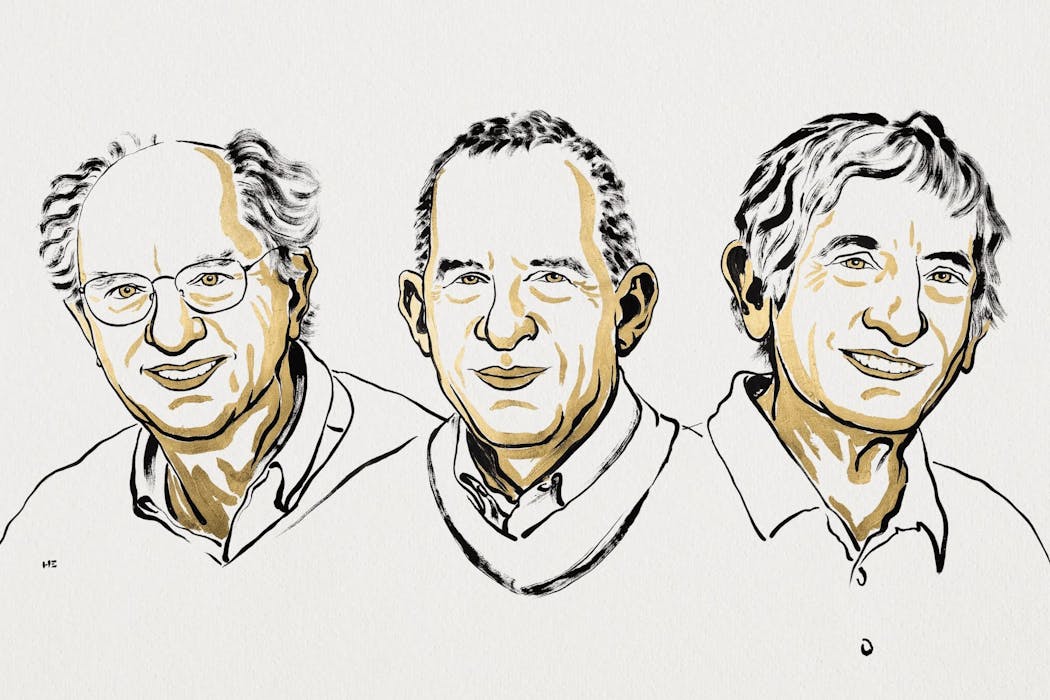
This illustration shows, from left to right: John Clarke, Michel Devoret and John Martinis. Niklas Elmehed © Nobel Prize Outreach, CC BY-NC

The 2025 Nobel Prize in physics honors three quantum physicists – John Clarke, Michel H. Devoret and John M. Martinis – for their study of quantum mechanics in a macroscopic electrical circuit.

Since the prize announcement, cheers and excitement have surrounded the home institutions of these laureates in Berkeley, Santa Barbara and New Haven.

The award of this prestigious prize to pioneering research in quantum physics coincides with the 100th anniversary of the birth of quantum mechanics – a revolutionary scientific theory that forms the foundation of modern physics.

Quantum mechanics was originally formulated to explain and predict the perplexing behaviors of atoms, molecules and subatomic particles. It has since paved the way for a wide range of practical applications, including precision measurement, laser technology, medical imaging and, probably the most far-reaching of all, semiconductor electronic devices and computer chips.

Yet numerous aspects of the quantum world have long remained mysterious to scientists and engineers. From an experimental point of view, the tiny scale of microscopic particles poses outstanding challenges for studying the subtle laws of quantum mechanics in laboratory settings.

The promises of quantum machines

Since the closing decades of the past century, researchers around the world have sought to precisely isolate, control and measure individual physical objects, such as single photons and atomic ions, that display quantum behaviors under very specific experimental conditions. These endeavors have given rise to the emerging field of quantum engineering, which aims to utilize the peculiarities of quantum physics for groundbreaking technological innovations.

A man speaking at a podium with a 'Berkeley ' sign on it
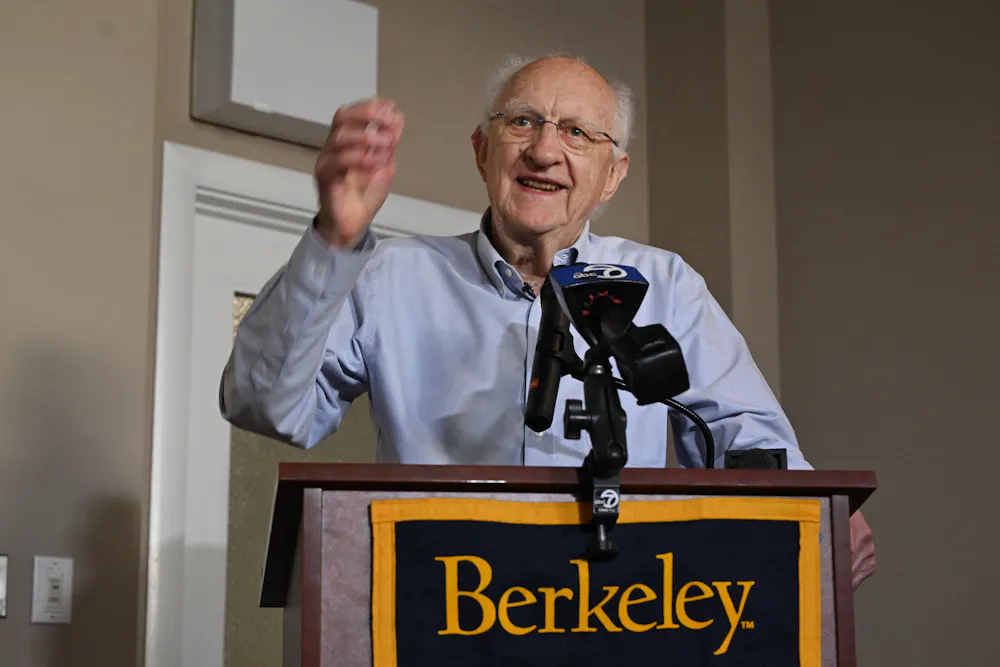
John Clarke, an emeritus professor of physics at the University of California, Berkeley, speaks on Oct. 7, 2025, at a press conference on the campus celebrating his 2025 Nobel Prize in Physics.
Karl Mondon/AFP via Getty Images

One of the most promising directions is quantum information processing, whose goal is to design and implement machines that can encode, process, transmit and detect information in “strange” quantum manners: For instance, an object can be in a superposition of different states at the same time. Distant objects can manifest quantum entanglement – remote correlations that escape all possible classical interpretation. Compared with their conventional electronics predecessors, quantum information machines could have advantages in specific tasks of computation, simulation, cryptography and sensing.

The realization of such quantum machines would require experimenters having access to reliable physical components that can be assembled and controlled on the human scale, yet fully obey quantum mechanics. Counterintuitive as it might sound, can we break the implicit boundaries of the natural world and bring microscopic physical laws into the macroscopic reality?

Quantum mechanics in an electrical circuit

In 1985, the three Nobel laureates – then working in the same research group at the University of California, Berkeley – provided an affirmative answer to the question above. They were studying electrical circuits made of superconductors. Superconductivity is a special state of matter famous for conducting electrical currents without resistance, due to underlying quantum mechanical interactions of electrons at low temperatures. For the first time, the trio observed distinct quantum behaviors of a macroscopic physical variable.

In a superconductor, two electrons bond together to form a Cooper pair. These electron pairs condense into a macroscopic state, which can be described by a collective phase variable shared by all its microscopic constituents. In this state, trillions or more electrons effectively behave like a single entity, resembling the mass collections of atoms that form everyday objects like pendulums or billiard balls.

To observe the quantum mechanical motion of this macroscopic phase variable, the three scientists fabricated a device called the Josephson junction, which consists of two pieces of superconductors separated by an insulator layer thinner than 1/10,000 of a human hair. They discovered that, at sufficiently low temperatures (below −273 degrees Celsius, or −459 degrees Fahrenheit), the phase variable difference across the Josephson junction shows a unique quantum mechanical phenomenon known as quantum tunneling, where an object may escape a barrier without the need to climb over its summit.

Furthermore, the team exposed the Josephson junction to microwave electromagnetic radiation whose frequency is close to that of Wi-Fi signals. They measured energy levels of the circuit at discrete, or quantized, values, which are usually present only in microscopic atoms and molecules. The device used in these experiments can thus be referred to as an “artificial atom” – namely, an electrical circuit with atom-like properties, which is at once macroscopic in size, adjustable in design, and quantum mechanical in nature.

Implications and outlooks

The groundbreaking works by Clarke, Devoret and Martinis have had many profound impacts. On the fundamental level, they suggested that distinct quantum phenomena – once thought to exist only at the microscopic level – can actually manifest at much larger physical scales. In the meantime, the invention of superconducting artificial atoms has opened brand-new avenues toward building useful quantum machines with advanced engineering techniques.

Based on these discoveries, researchers – including these Nobel Prize recipients and their research groups – have made significant achievements in constructing prototype quantum computers using superconducting quantum circuits in the decades since. The elementary device unit that makes up these information processors is the superconducting quantum bit, or “qubit” for short. Each superconducting qubit is an artificial atom containing one or more Josephson junctions. Its quantum state can be precisely prepared, manipulated and measured by experimenters. The perfection and integration of superconducting qubits are among the state-of-the-art challenges in quantum information technology.

2025 Nobel laureate John Martinis discusses the roadmap of building a quantum computer at the 2016 Adiabatic Quantum Computing Conference in Los Angeles.

The 2025 Nobel Prize for physics recognizes original investigations in the intersection of basic and applied sciences. The prize recipients tested profound quantum mechanical hypotheses through clear and rigorous experimentation.

From those artificial atoms have emerged the audacious efforts and rapid progress in building practical quantum information machines. The combination of pure intellectual inquiries and engineering advancement has been shaping this interdisciplinary field since its creation.

This Nobel Prize is therefore a tribute to the three inventors of superconducting quantum circuits, whose inquisitive minds, broad visions and adventurous attitudes represent the true scientific spirit and will continue to inspire future generations.

The Conversation

Zhixin Wang does not work for, consult, own shares in or receive funding from any company or organization that would benefit from this article, and has disclosed no relevant affiliations beyond their academic appointment.

ref. From artificial atoms to quantum information machines: Inside the 2025 Nobel Prize in physics – https://theconversation.com/from-artificial-atoms-to-quantum-information-machines-inside-the-2025-nobel-prize-in-physics-266976