How does the UK press report net zero? We studied 500 articles to find out

Source: The Conversation – UK – By James Painter, Research Associate, Journalism, Reuters Institute, University of Oxford

O.Bellini / shutterstock

A glance at recent front pages of many British newspapers leaves no doubt about the stridency of their views on net zero.

On January 13, for instance, the Express said the government must “Tell truth on ‘fantasy’ cost of net zero”, while the Mail’s headline on the same day used the same idea of “fantasy figures”. A few weeks later, a Telegraph headline claimed “Labour’s net zero extremism is ripping the heart out of Britain”.

But how representative are these headlines of wider coverage? To find out, colleagues and I analysed nearly 500 articles published over four months in 2023 across nine UK newspapers (both right- and left-leaning), looking at pieces where net zero appeared in the headline.

We focused on the presence of statements which were factually inaccurate, or misleading (defined as the omission of a credible counter-argument).

Outright inaccuracies were relatively rare. We found 22 examples, partly because we used a narrow definition. But misleading claims were very common.

This was especially true in opinion and editorial pieces. In four right-wing outlets – the Telegraph, Mail, Express and Sun – more than 70% of such articles contained at least one misleading statement.

Because a single misleading statement may not be representative of an overall article – perhaps appearing in a quote – we then looked at those articles where there was a pattern, containing at least three misleading statements.

We found 50 such articles, of which 92% were published in the right-wing press, and the vast majority in editorials and opinion pieces. Of the editorials and opinion pieces we flagged at the Telegraph, Mail, Express and Sun, between 39% and 60% included at least three misleading statements.

Articles which contain at least three misleading statements:

Two pie charts
Broken down by political leaning (of the newspaper) and genre. Right-wing titles and opinion pieces dominate.
Painter et al (2026)

The most common misleading statements concerned the potentially high cost of net zero, the various ways the policy was being implemented, and claims about the unfair distribution of costs. These claims were often presented without acknowledging opposing evidence or arguments – for example, that the costs of inaction were also high or possibly higher, or that experts dispute the figures presented in the article.

By contrast, left-wing publications were more likely to mention the high costs of inaction and the potential co-benefits of net zero such as improved health or better air quality.

In this context, remember that in July 2025 the UK government’s Office for Budget Responsibility found that the cost of bringing emissions down to net zero is significantly lower than the economic damages of failing to act. It also found those net zero costs will be much lower than previously expected.

Scrutiny – but fairer and better-informed

This isn’t a call for newspapers and journalists to avoid scrutinising net zero. It’s a policy that will be funded in part by British taxpayers, and may impose significant and uneven costs on different sectors of the population.

But coverage that focuses only on these costs in isolation, or that cherry picks data to support a single view, risks giving readers an incomplete picture. Fairer and better-informed coverage would mention on a regular basis the in-depth findings of a range of experts on the costs of inaction and the co-benefits of action.

The Times, for example, shows that it is possible to quote experts from two sides. In our 2023 sample we found several articles, including some in right-leaning newspapers, where the high cost of net zero is mentioned alongside the benefits of taking action, or that also added the qualification that many climate experts dispute the high costs.

A final thought: in its March 2026 report, the UK’s official advisory Climate Change Committee said that the “cost” of cutting UK emissions to net zero could be less than the cost of a single fossil-fuel price shock, while a net-zero economy would be almost completely protected from future spikes.

I looked in vain for a front-page headline in the Sun, Express or Mail screaming that reaching net zero would be cheaper for the UK than a fossil fuel crisis, such as the one triggered by the war on Iran.

The Conversation

James Painter receives funding from the Grantham Research Institute on climate change and the environment, London School of Economics.

ref. How does the UK press report net zero? We studied 500 articles to find out – https://theconversation.com/how-does-the-uk-press-report-net-zero-we-studied-500-articles-to-find-out-280701


Eleven types of cancer are on the rise in England’s under 50s – these factors might explain the trend

Source: The Conversation – UK – By Justin Stebbing, Professor of Biomedical Sciences, Anglia Ruskin University

The overall number of cancers in people aged roughly 25 to 49 has risen by around a quarter since the early 1990s. Halfpoint/ Shutterstock

Rising cancer rates in younger adults are real, worrying and still partly unexplained.

A new analysis adds important detail for England, suggesting that 11 cancers are becoming more common in people under 50, highlighting a broader shift in who gets cancer and when.

For a generation that expects to be building their lives, cancer is arriving unexpectedly early, and health services are only just beginning to adapt.

The new analysis found that rates of breast, bowel, melanoma, thyroid, multiple myeloma, liver, kidney, gallbladder, pancreatic, womb, mouth and ovarian cancer are all rising in under-50s. They also found that diagnosis rates of many of the same cancers are stable or even falling in older age groups.

This pattern isn’t unique to England. International data shows that early-onset cancers – those diagnosed before age 50 – have been increasing in many countries over the last few decades.

In the UK, the overall number of cancers in people aged roughly 25 to 49 has risen by around a quarter since the early 1990s, even after accounting for population growth.

Globally, the steepest rises in younger adults have been seen in cancers of the bowel, breast, uterus, kidney and several digestive organs, as well as melanoma of the skin.

The new English data fits this broader picture and highlights that the trend cuts across both sexes – though the exact cancers and rates differ between men and women.

Modelling studies also suggest that, without changes, early‑onset cancer rates and deaths could increase by more than 12% by 2050.

One possible explanation for this finding is that we’re simply getting better at finding cancers. This means tumours that might previously have been missed are being picked up earlier.

Earlier diagnosis is, of course, a good thing. But it cannot explain the whole story. Some of the cancers the study showed are rising in younger adults are being found at more advanced stages. This suggests they’re genuinely occurring more often rather than merely being detected earlier.

Lifestyle and cancer risk

So what else is going on?

The clearest suspect is excess body weight and the metabolic changes that accompany it.

Being overweight or obese is now the second biggest preventable cause of cancer in the UK after smoking. Excess weight is linked to more than a dozen cancers, including bowel, breast (after menopause), womb and kidney cancers.

Crucially, obesity is starting earlier in life and has become more common in children, teenagers and young adults over the last 30 to 40 years. So younger generations may have had longer exposure to the hormonal and inflammatory effects of excess body fat.

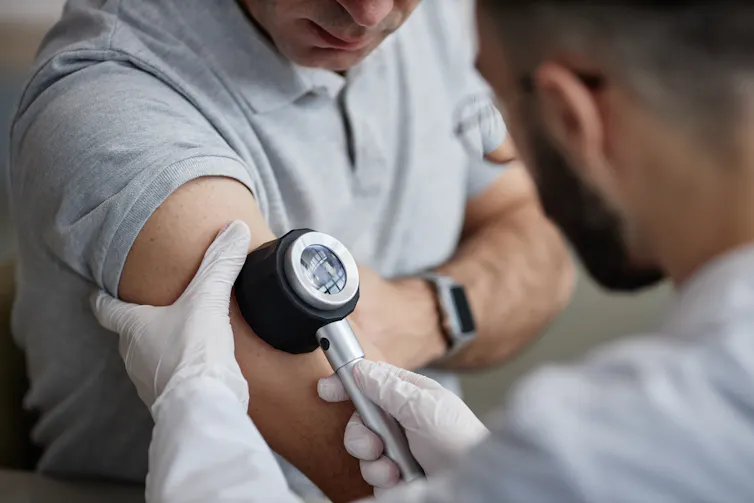
A middle-aged man has his arm examined for signs of melanoma by a male doctor.
Without changes, early‑onset cancer rates and deaths could increase by more than 12% by 2050.
SeventyFour/ Shutterstock

But obesity does not exist in isolation. It’s part of a wider shift in our lifestyles.

Diets higher in alcohol and ultra‑processed foods, red and processed meat and sugar‑sweetened drinks, and lower in fibre, are linked to higher risks of bowel and other digestive cancers.


Read more:
The role alcohol plays in new cancer cases – landmark new report


Many of us also spend long hours sitting each day and aren’t physically active enough. This worsens weight gain and inflammation – processes thought to influence cancer risk.

Irregular sleep patterns and night‑shift work may also disrupt our body clocks and hormones (including melatonin), which might affect how cancers develop – although this research is still emerging.

Scientists are also looking beyond lifestyle to factors we are only beginning to understand.

There’s growing interest in how environmental pollutants and carcinogens might contribute to rising cancer rates – especially if younger generations have been exposed to these factors for longer or at higher levels than their parents.

Changes in the gut microbiome, the vast community of bacteria that live in our intestines, are another candidate. Diet, antibiotic use and modern hygiene all influence which microbes we carry. This in turn can affect inflammation, immunity and how we process potential carcinogens.

Earlier puberty and hormonal changes, possibly related to nutrition and environment, may also play a part by increasing the number of years breast and reproductive tissues are exposed to hormones.

Together, these ideas point to an unsettling conclusion: cancer risk may begin much earlier than we think.

No single factor is proven to be the cause. It’s likely that multiple factors – lifestyle, environment, infections, hormones and genetics – influence risk over time. That makes prevention more complicated – but it also offers opportunity to act.

What this means for young people

For any person in their 20s, 30s or 40s, the absolute risk of developing cancer still remains relatively low. And, when cancers are diagnosed in younger people, their bodies often tolerate treatment better and survival can be higher. Nonetheless, the rise matters.

The trend also challenges assumptions in both patients and professionals. Doctors may not immediately think of cancer when a 30‑year‑old patient reports symptoms such as persistent bloating, rectal bleeding, a breast lump or unexplained weight loss. This can delay investigation and diagnosis.

Younger people themselves may dismiss or ignore symptoms because they think they’re too young to have cancer. Changing this mindset is one of the key tasks ahead.

Policies that support healthier food environments, active transport, reduced smoking and alcohol use and cleaner air are likely to pay dividends for overall population health, too.

On an individual level, steps such as not smoking, maintaining a healthy weight, being physically active, limiting alcohol, protecting skin from intense sun, keeping up to date with vaccines (such as HPV) can all lower risk of cancer.

Perhaps the most important message for younger adults is not one of fear, but of awareness. Cancer is still uncommon at a young age, but it’s no longer as rare as it once was. Seeking medical advice for persistent or unexplained symptoms can help cancers be found earlier.

The Conversation

Justin Stebbing does not work for, consult, own shares in or receive funding from any company or organisation that would benefit from this article, and has disclosed no relevant affiliations beyond their academic appointment.

ref. Eleven types of cancer are on the rise in England’s under 50s – these factors might explain the trend – https://theconversation.com/eleven-types-of-cancer-are-on-the-rise-in-englands-under-50s-these-factors-might-explain-the-trend-281791

We found a lost copy of the earliest surviving English poem in a medieval manuscript in Rome

Source: The Conversation – UK – By Elisabetta Magnanti, Visiting Research Fellow, English, Trinity College Dublin

Elisabetta Magnanti and Mark Faulkner with a copy of Bede’s Ecclesiastical History of the English People. Courtesy of the authors, CC BY-ND

Some medieval texts have barely survived. Beowulf, the Old English masterwork, exists today because of a single manuscript – one that narrowly escaped combustion in 1731. For such texts, the single manuscript is all important. The discovery of another copy would transform our understanding.

By contrast, a work like Bede’s Historia Ecclesiastica Gentis Anglorum (Ecclesiastical History of the English People) survives in more than 160 manuscripts. This volume of material has meant that scholars have tended to focus on just a few of the earliest copies, since these are most likely to preserve a text close to what Bede originally wrote. The result is that many later or less well-known manuscripts have received little detailed attention.

Now, however, computational methods that make it possible to analyse millions of words are changing that picture. Instead of relying on a narrow selection of manuscripts, we can begin to take the full breadth of the tradition into account. And that, in turn, has renewed the value of finding and studying additional copies.

Elisabetta Magnanti and Mark Faulkner with a copy of Bede’s Ecclesiastical History of the English People.
Courtesy of the authors, CC BY-ND

Our own work, motivated by the potential of studying many manuscripts but – for now at least – using traditional methods to locate them, has led to some unexpected discoveries, including, in Rome, a previously overlooked early copy of Bede’s Historia Ecclesiastica. Remarkably, this manuscript also preserves one of the earliest versions of Cædmon’s Hymn, the earliest known poem in English.

Lost and found

The Historia Ecclesiastica was completed in 731 by the Venerable Bede, an English monk often described as the father of English history. It proved to be one of the most influential works of the western Middle Ages. Copies circulated across Europe and the British Isles from the mid-8th to the 16th century.

One of us, Magnanti, was conducting an ongoing hunt for new manuscripts of Bede’s Historia Ecclesiastica, and discovered in the National Central Library in Rome a copy of the text made at the Abbey of Nonantola in the north of Italy, less than a century after Bede’s death in 735. The manuscript had long been presumed lost and, as a result, had never previously been examined in detail by academics.

We have just published details of this discovery in the journal Early Medieval England and its Neighbours.

Rather than being lost, the manuscript had in fact been moved from Nonantola to the church of Santa Croce in Gerusalemme in Rome by the 1650s. During the upheavals of the Napoleonic wars in the early 19th century, it was transferred again to the nearby church of San Bernardo alle Terme, from where it was subsequently stolen, along with other valuable manuscripts.

The book resurfaced in England almost two decades later, when it was acquired by Sir Thomas Phillipps, a 19th-century English book collector and self-described “velomaniac” (manuscript addict). Though Phillips died in 1872, the codex was not sold until 1948, when it entered the collection of the Swiss bibliophile Martin Bodmer. It then disappeared from view once again before being acquired by the National Central Library of Rome via the Austrian-born New York bookseller H.P. Kraus in the 1970s.

Cædmon’s Hymn

Bede as depicted in an illustrated manuscript, writing his Ecclesiastical History of the English People.
WikiCommons

The newly rediscovered codex contains perhaps the fifth-oldest surviving complete copy of the Historia Ecclesiastica. As such, it is a hugely important witness to the transmission of Bede’s text to Europe in the century after he completed it.

Even more exciting, the manuscript proved to contain the third-oldest text of Cædmon’s Hymn. Cædmon’s story only survived thanks to Bede. He explains that Cædmon, an agricultural labourer working at Whitby Abbey in north Yorkshire, was at a feast when guests began to recite poems.

Embarrassed that he didn’t know anything suitable, Cædmon left for an early night. A figure then appeared to him in his dreams, telling him to sing about creation, which Cædmon miraculously did, producing his hymn – nine lines of intricately woven praise to God for creating the world.

Cædmon’s Hymn

Translated by Roy M. Liuzza

Now let us praise Heaven-Kingdom’s guardian,

the Maker’s might and his mind’s thoughts,

the work of the glory-father – of every wonder,

eternal Lord. He established a beginning.

He first shaped for men’s sons

Heaven as a roof, the holy Creator;

then middle-earth mankind’s guardian,

eternal Lord, afterwards prepared

the earth for men, the Lord almighty.

While admiring the hymn’s “beauty and dignity”, Bede baulked at including the original English in his Latin. Subsequent readers felt the absence, however, and supplied the original text, in the earliest cases adding it at the end of the Historia Ecclesiastica or in the margin. In the manuscript Magnanti discovered, the hymn appears in the actual text: the earliest such positioning by some 300 years.

Closer examination of the Rome Bede also revealed a major blunder: the scribes appear to have become confused and, between Books I and II of the Historia Ecclesiastica, switched to copying an entirely different text — a sermon on Christ’s descent into hell, prescribed for Easter Sunday preaching. This sermon had passed unrecorded in all the existing catalogues in which the manuscript is described, from 1166 to 2011.

Thanks to computational methods for transcription, collation and textual analysis, a fuller reconstruction of the manuscript tradition of Bede’s Historia Ecclesiastica may now be within reach. That makes discoveries like many the Rome manuscript has yielded just the tip of the iceberg.

The Conversation

The authors do not work for, consult, own shares in or receive funding from any company or organisation that would benefit from this article, and have disclosed no relevant affiliations beyond their academic appointment.

ref. We found a lost copy of the earliest surviving English poem in a medieval manuscript in Rome – https://theconversation.com/we-found-a-lost-copy-of-the-earliest-surviving-english-poem-in-a-medieval-manuscript-in-rome-281086

A new exhibition explores empire, love and loss through paintings of flowers from 1900

Source: The Conversation – UK – By Judith Brocklehurst, Visiting Lecturer, BA Fine Art Mixed Media, University of Westminster

The term “handpicked” suggests a bouquet that has been chosen carefully, each flower selected for its colour, form or meaning and relation to the others. The curators of this new exhibition at Kettle’s Yard in Cambridge have certainly achieved a complex yet complementary arrangement.

This small but rich exhibition was picked and approved with the help of The Kettle’s Yard Community Panel – a collective of Cambridge locals working alongside the gallery to help design, plan and curate exhibitions and creative projects.

The works are arranged chronologically starting with Henri Rousseau and ending with contemporary works by Chris Ofili and Lubaina Himid.

Rousseau’s Bouquet of Flowers (1910) is an array of real and imagined blooms with almost jungle-like depth. Rather than travelling abroad for inspiration, Rousseau relied on the Jardin des Plantes in Paris for the “exotic” plants taken from French colonies for his paintings.

In contrast Himid offers the viewer a collection of blooms from peonies to palm leaves, arranged as a repeating pattern, redolent of east African Kanga cloth designs.

The reference to the cloth subtly recalls the colonial slave trade but also celebrates the richness and diversity brought by migration. The title, These Are for You – that phrase often used by visitors giving a bunch of flowers on arrival – can then be understood as a wry comment.

Juxtaposed with these complex global and historical themes are some more personal, intimate scenes. Vases of flowers are often depicted in interior domestic spaces. Relationships are shown or hinted at sometimes with an undercurrent of sorrow. Flowers, often harvested to give joy, to congratulate and decorate, once picked are doomed to wilt and decay.

Eric Ravilious’s Ironbridge Interior (1941) creates an atmosphere of calm, but also melancholy. The flowers and grasses in a jug are fresh from the hedgerow. On the wall of the sun-lit room is another painting loosely pinned of a different vase with more blousy but drooping blooms, which hints at the inevitable passing of time. This mise-en-abyme (picture within a picture), creates a hollow feeling of unease.

The painting is made more poignant in the knowledge that Ravilious, a war artist at the time, died a year later in an air crash. Nearby hangs a small painting by Tirzah Garwood, Ravilious’s wife. Springtime of Flight completed only nine years later, shortly before her death from cancer, depicts an intricately painted biplane flying above a floral landscape.

It movingly shows her love for Ravilious and her love of life when faced with her own mortality. It is an imaginary world that she perhaps took comfort and refuge in.

There are many more stories to be found and pieced together in this exhibition. Some, like Jennifer Packer’s bloody Chrysanthemums (2015) return to a political subtext. This is one of the many floral paintings which Packer describes as “vessels of personal grief”. They pay tribute to people who have lost their lives through police brutality.

Packer’s work connects with Himid’s concerns. Their paintings are accompanied by Cassi Namoda’s more joyous work – a celebration of her homeland Mozambique and the birth of her son, Arafah Gaza’s Arrival (2025).

Others like Gluck’s Convolvulus (1940) reveal the sensual sometimes erotic inferences of flowers. Although a common weed, Gluck associated these flowers with their former lover the florist Constance Spry. In Gluck’s painting convolvulus or bindweed is made ornate and beautiful, imbued with sexual tension of winding limbs and lust.

Of course, throughout the exhibition lies the changing landscape of artistic tastes and styles which mirror society and the times in which they were made. Charles Rennie Mackintosh’s precise almost architectural rendering of Fritillaria (1915), points to art nouveau as well as oncoming modernism. Whereas Rory McEwan’s enlarged minimally presented and closely observed Tulip (Helen Josephine) from 1975 blends minimal hyperrealism with botanical illustration.

At the other extreme hangs Howard Hodgkin’s small abstract Red Flowers (2011) painted with emotion-laden gestures in memory of his father.

Each artist has chosen their particular flowers to paint, exerting control over nature showing a particular fascination, atmosphere, idea that they want to impart though this choice. Every visitor can handpick and arrange their own narrative journey through this show, with the clear yet eclectic, aesthetic choices of the permanent collection as a subtle background influence.

Handpicked: Painting Flowers from 1900 to Today is at Kettle’s Yard until September 6 2026.

The Conversation

Judith Brocklehurst does not work for, consult, own shares in or receive funding from any company or organisation that would benefit from this article, and has disclosed no relevant affiliations beyond their academic appointment.

ref. A new exhibition explores empire, love and loss through paintings of flowers from 1900 – https://theconversation.com/a-new-exhibition-explores-empire-love-and-loss-through-paintings-of-flowers-from-1900-281787

Seeing an eclipse from Earth is awe-inspiring – for astronauts seeing one from space, the scene was even more grand

Source: The Conversation – USA – By Deana L. Weibel, Professor of Anthropology, Grand Valley State University

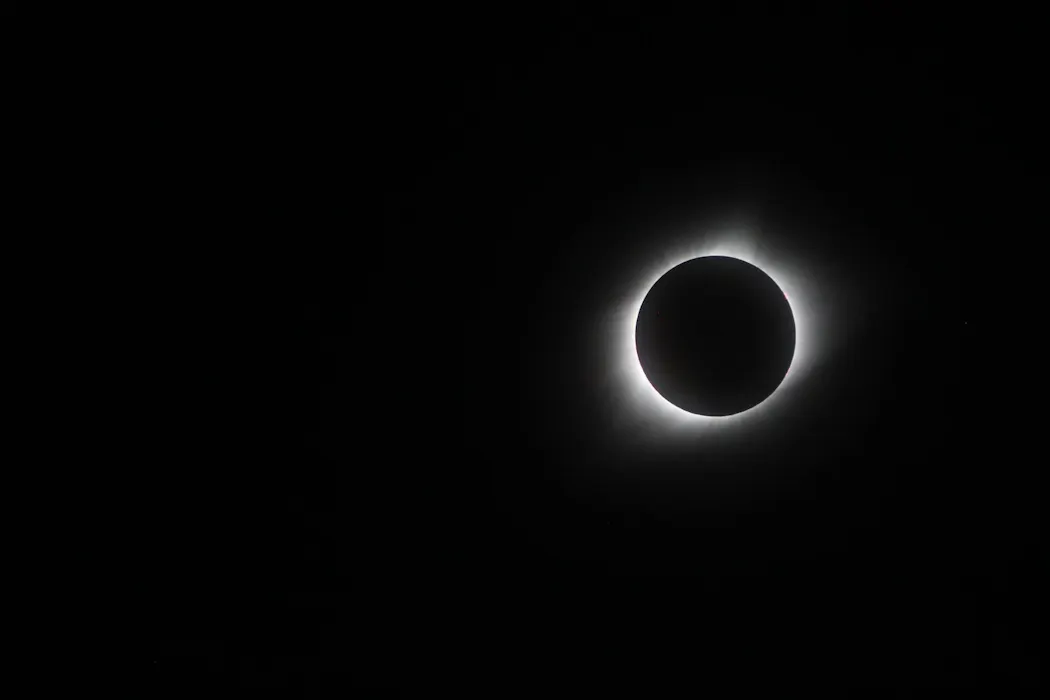
During a total solar eclipse, the Sun is barely visible behind the Moon. Roger Sorensen

The astronauts on Artemis II’s trip to the Moon in April 2026 didn’t just have an amazing journey through space. They also saw something extraordinary. They were the first humans to see a total solar eclipse from space.

A solar eclipse happens when the Moon moves in front of the Sun. In a total eclipse, the Sun’s central disc is covered completely.

From Earth, the circle of the Sun is about the same size as the circle of the Moon. With the bright circle blocked, you can see the undulating rays of the Sun’s corona, or outer atmosphere, that are normally too dim to be observed.

Moon covering most, then all, then most of the Sun
Composite image of moments before, during and after totality.
NASA/Aubrey Gemignani

I’m a cultural anthropologist who studies awe-inspiring aspects of space exploration. I have been lucky enough to have seen two total solar eclipses. The first one was in Nebraska in 2017, the second in Indiana in 2024.

During my second total eclipse, the period of totality – that short span when you can remove your protective glasses and look directly at the eclipse – lasted close to 4 minutes. I saw waves of diffuse light snaking around an ink-black hole in the sky. It looked very wrong – almost alien.

On Aug. 12, 2026, there will be another total solar eclipse, visible only from Greenland, Iceland, Spain and the Balearic Islands of the Mediterranean. Some fortunate viewers in Spain and nearby islands may see the eclipse just before sunset, low on the horizon. The Moon illusion, a phenomenon where the Moon looks bigger when it’s near the horizon, might make this eclipse look unusually large.

Unusual eclipse perspectives

Astronauts will occasionally also have less common eclipse experiences. I interviewed one I call by the pseudonym “Jackie” in my research about astronauts’ experiences of awe. She was part of an astronaut training group that did a flight exercise during a total solar eclipse.

Jackie and her squad flew their jets in the shadow of the Moon. This lengthened their time in totality because they could follow and stay within the shadow. Jackie was most impressed with how the Sun’s corona seemed to shift and ripple.

“It’s not static … it’s alive,” she told me.

On April 6, 2026, the astronauts of NASA’s Artemis II mission saw another kind of unusual eclipse as they flew around the Moon. At one point during their flight, the Moon and the spacecraft aligned so that the Moon was directly between them and the Sun, blocking the Sun’s disk in a way that looks very different from what we see on Earth.

Astronaut Victor Glover said it felt like they “just went sci-fi.”

‘An impressive sight’: The Artemis II crew were the first humans to observe a solar eclipse from near the Moon.

The astronauts were so close to the Moon that the Moon looked bigger than the Sun and hid more of its bright circle. Earth was also in view, and sunlight reflected from the Earth onto the Moon in a phenomenon NASA calls “earthshine.” This dim light is very similar to the moonlight that shines on the Earth at night.

Imagine the Sun hidden behind the Moon, creating a hazy halo around the Moon’s edges. At the same time, faint light reflected from Earth softly illuminates the Moon, revealing mountains and craters in a dim twilight. Now imagine this striking scene lasting 54 minutes.

This sight was, without a doubt, one of the most unusual eclipses ever seen by human eyes.

Although Artemis’ astronauts are trained to think scientifically, this experience propelled them into a state of awe. They talked openly about how their brains were “not processing” what they observed. While NASA kept them busy with a variety of tasks, the sound of emotion and excitement in their voices as they broadcast live from their lunar flyby was unmistakable.

An eclipse visible from space - the Moon is shown shadowed with some sunlight visible behind it, and part of the Orion capsule shown off to the left.
The Moon during a solar eclipse on April 6, 2026, photographed by one of the Orion spacecraft’s cameras during Artemis II. Earth is reflecting sunlight at the left edge of the Moon, called ‘earthshine.’
NASA

The psychology of awe

Researchers have studied the effects of awe on the human brain, including awe felt during solar eclipses. Moments of wonder like these can transform how you feel and even how you think, making you more thoughtful and open-minded.

In my own work I’ve found these experiences can change how astronauts understand their own place in the universe.

One astronaut said she gained an awareness of the fragility of our planet that now shapes everything she does, while another described becoming more curious after returning to Earth. A third said the awe he experienced in lunar orbit changed his understanding of time and infinity.

Space travel creates many opportunities for awe, but a solar eclipse from behind the Moon, as Mission Commander Reid Wiseman put it, required “20 new superlatives.”

It’s an experience most of the earthbound eclipse-chasers heading to Greenland or Iceland or Spain this summer will only dream about. Whether eclipses happen in space or on Earth, though, close encounters with the grandeur of our universe can make you feel profoundly human.

The Conversation

Deana L. Weibel is currently working on a project with funding from the National Air and Space Museum’s Aviation Space Writers Foundation Award. She has published a book, The Ultraview Effect: What We Can Learn from Astronauts about Awe, Humility, and Exploring the Unknown, with the University of California Press.

ref. Seeing an eclipse from Earth is awe-inspiring – for astronauts seeing one from space, the scene was even more grand – https://theconversation.com/seeing-an-eclipse-from-earth-is-awe-inspiring-for-astronauts-seeing-one-from-space-the-scene-was-even-more-grand-281488

How much should politics influence science, and vice versa? National Science Board’s ousting resurrects an existential debate

Source: The Conversation – USA – By Caroline Wagner, Professor of Public Affairs, The Ohio State University

The governing structure of the National Science Foundation partially insulated science from political control. Evgeny Gromov/iStock via Getty Images Plus

“On behalf of President Donald J. Trump,” read 22 emails sent from the White House Presidential Personnel Office on Friday afternoon, April 24, 2026, “I am writing to inform you that your position as a member of the National Science Board is terminated, effective immediately.”

The email was signed “Thank you for your service.”

The distinguished scientists and engineers who made up the National Science Board did not know the firings were coming. Several had been reappointed by Trump himself during his first term. The board was scheduled to meet the following week to finalize a report on the state of American science.

When asked why the entire board was removed, a White House spokesperson cited the Supreme Court’s 2021 decision in United States v. Arthrex, Inc., stating that the case raised constitutional questions about the National Science Board, its independence and its role in the agency it oversees, the National Science Foundation. Specifically, whether non-Senate confirmed appointees can exercise the authorities that Congress gave the board when it authorized the NSF in 1950.

We have been studying and doing science policy. One of us (Wagner) has worked closely with the National Science Board several times and regularly uses their database on scientific and engineering progress. The other of us (Olds) led the National Science Foundation’s Directorate for Biological Sciences from 2014 to 2018 and has previously called for reform of the board.

We argue that the dismissal is not just a political act dressed in constitutional language; it is the resurfacing of an argument almost as old as the National Science Foundation itself — one that nearly killed the agency in its cradle.

Truman’s 1947 veto

In 1945, the science advisor of President Franklin D. Roosevelt, Vannevar Bush, proposed that a new federal science agency be governed by a part-time board of eminent volunteer scientists. This agency came to be called the National Science Foundation, and the board – not the president – was designated to choose its director for a six-year term.

Bush’s intent was to insulate basic research from political pressure. But with Roosevelt’s death in April of that year, it would be up to the following president, Harry Truman, and Congress to make the final decision.

Harley Kilgore, a senator from West Virginia, objected to the board’s formation and its independent role. He argued that vesting public authority in scientists not directly accountable to the president was constitutionally suspect and democratically unsound. The board should not choose the director. President Truman’s 1947 veto signaled agreement.

Black-and-white photo of Vannevar Bush, Harry Truman and James Conant smiling in suits, Truman presenting Conant a medal
Vannevar Bush, left, played a key role in the creation of the National Science Foundation, which President Harry Truman, center, ultimately ratified after an initial veto.
Abbie Rowe/National Park Service via Wikimedia Commons

A series of lively hearings on the creation of the National Science Foundation served to forge the post-war science system. Out of these debates came the 1950 compromise that finally established NSF and the National Science Board, giving each side something.

The director would be appointed by the president and confirmed by the Senate. Above the director sat the National Science Board – also presidentially appointed and Senate-confirmed, but serving staggered six-year terms designed to outlast any single administration. The board would set NSF policy, approve major grants and report independently to the president and Congress on the state of American science. The director would handle operations.

The structure was deliberately uneasy. It was meant to allow scientific judgment and political accountability to coexist without one absorbing the other.

What the board has done

For 75 years, the National Science Board has carried out three functions. It has overseen the agency’s largest research investments – telescopes, polar research stations, supercomputing facilities. It has produced periodic reports on the state of American science, first issued in 1972. And it has served as an independent voice to advise the president and Congress on long-term scientific priorities.

The board’s remit has expanded over time. The 1968 Daddario Amendments broadened the NSF’s mandate. The America COMPETES Acts of 2007 and 2010 added duties around workforce and research infrastructure. The CHIPS and Science Act of 2022 brought research security and coordinating emerging technologies into the board’s portfolio.

Through all of this, the dual governance structure held. The board functioned as a bridging device – a mechanism by which scientific judgment could inform federal decisions without scientists becoming political officers, and political priorities could shape research agendas without dictating findings.

Reviving the original argument

The Trump administration’s removal of all sitting members of the National Science Board echoes a debate from the agency’s founding: Should officers with federal authority over spending operate beyond the president’s discretion? An independent board with power over a federal agency is a constitutional outlier, regardless of its competence or track record. The contrary view, which has governed the National Science Board for 75 years, is that expert bodies can be shielded from political pressures.

White flag with NSF logo flapping over a backdrop of two glass facades
Oversight of the National Science Foundation has been contentious.
AP Photo/Mark Schiefelbein

The Supreme Court has moved partway toward the president’s position in recent years. Seila Law v. CFPB (2020) struck down protections against the removal of the head of an independent agency. Loper Bright Enterprises v. Raimondo (2024) ended a court’s ability to defer to an agency’s interpretation of ambiguous laws.

U.S. v. Arthrex, Inc (2021) – the case the Trump administration cited in its justification for dismissing the National Science Board – held that certain officers who were not confirmed by the Senate had been improperly exercising authority reserved for executive branch officials.

Members of the National Science Board are presidentially appointed and were historically confirmed by the Senate, though this requirement was eliminated by the Presidential Appointment Efficiency and Streamlining Act of 2011.

These legal questions will likely be tested in court.

Separation of science and state

The National Science Board’s ousting sits atop a deeper conflict between science and the state.

The 1950 compromise that founded the National Science Foundation rested on a teetering wager: that scientific inquiry, partially insulated from political control, would over time produce goods useful enough to the American public to justify being unencumbered by political steering.

For 75 years, this wager paid off. American science led the world. The measures the compromise built – peer review, the National Science Board, reports on scientific progress – allowed political and scientific judgment to inform each other without collapsing into one another.

The National Science Board’s firing comes at the heels of billions of dollars of science funding cuts.

The current moment tears the Band-Aid off this old conflict and the complex system underneath. If political accountability requires that no expert body be insulated from presidential control, the 1950 settlement that founded the NSF cannot survive in its present form. Then the question becomes what could replace the NSF – and whether the benefits the state has come to expect from American science can be produced under different arrangements.

The historical record on political intervention in scientific operations is consistent. Soviet biology under Trofim Lysenko. German physics under the Nazis. Chinese science during the Cultural Revolution. In each case, the institution of science survived in name but stopped producing what science is supposed to produce: verifiable, trusted knowledge. While the names on the doors stayed the same, the work changed to serve politics.

The firing of the National Science Board has brought back the old question that Truman thought he had answered in 1950: how much politics should intervene in science. Now, that question is shaking the very foundations of U.S. science.

The Conversation

The authors do not work for, consult, own shares in or receive funding from any company or organization that would benefit from this article, and have disclosed no relevant affiliations beyond their academic appointment.

ref. How much should politics influence science, and vice versa? National Science Board’s ousting resurrects an existential debate – https://theconversation.com/how-much-should-politics-influence-science-and-vice-versa-national-science-boards-ousting-resurrects-an-existential-debate-281709

‘A study showed…’ isn’t enough – scientific knowledge builds incrementally as researchers investigate and revisit questions

Source: The Conversation – USA – By Jeffrey A. Lee, Professor of Geography and the Environment, Texas Tech University

When you hear about some new research finding, consider how it fits into the context of other related studies. Jacob Wackerhausen/iStock via Getty Images Plus

Your goofy but lovable cousin just told you that you should stop eating eggs because he read somewhere that a study showed they are bad for you.

How much should you trust your relative on such matters? More importantly, how much should you rely on one newly published bit of research when deciding what to make for breakfast?

To be clear, this is not an article about the health-promoting or health-torpedoing properties of eggs. It’s about how scientific knowledge is built piece by piece from many studies. What scientists know is refined over time as new results either do or don’t point to the same conclusion.

I’m a geographer who’s been doing and teaching science for many decades, with a sideline of teaching and writing about how science is done. Many people, quite understandably, take a single experiment or study as the be-all and end-all of knowledge because that’s how research often is presented by the press or on social media. But the better way to approach new research is to find how it weaves together with other work on the topic to create big-picture understanding.

Painting of18th C man in fancy dress standing by telescope and looking up at Moon in sky
Science evolves over time as more data and discoveries refine scientific knowledge.
Historica Graphica Collection/Heritage Images via Getty Images

How science works

Most research studies are undertaken either to fill a gap in our knowledge or to test an existing theory to see whether it deserves the confidence people have in it. After identifying the topic, scientists design a study to achieve those ends. They may run an experiment to learn more about how a chemical affects certain cells, for instance, or collect data in the field to track a natural phenomenon, such as how water temperatures affect hurricanes.

Then the researchers submit their findings to a peer-reviewed journal, where other experts – the scientists’ peers – decide whether it’s quality research deserving of publication.

Not all journals have rigorous peer review. Papers are highly unreliable if published by “paper mills” – journals that appear scholarly but will publish anything if the authors pay a fee.

Peer review doesn’t guarantee that the conclusions are valid, but it increases the chances that they are. Individual papers might be wrong because of honest mistakes, such as unforeseen limitations in the experimental design or, rarely, from outright fraud.

No scientific paper solves a problem once and for all. Neither does it negate all previous research. Well-done research contributes a bit to the scientific community’s understanding of a topic. The next, and crucial, step is putting individual studies in context with other research on the topic.

Even if there is current consensus, a new study may reveal a weakness, and that could lead to more research to figure out what is more likely to be correct. Scientific knowledge is constantly being refined as new information comes to light.

Adding more evidence bit by bit

One question to ask as you consider a particular finding is whether it has been directly replicated, meaning other researchers repeated the experiment to see whether they got the same results. Unfortunately, replication is relatively rare in science; more common are similar studies using comparable data, different methods, or both.

Your confidence can grow when scientists have performed a bunch of related research that’s gone through peer review, been published in scholarly journals and mostly points in the same direction. Of course, if they don’t agree, then your confidence should be weaker.

Sometimes researchers may compile these comparisons in what’s called a systematic review. They may use statistical techniques to perform meta-analysis on data from many different studies at once. Generally speaking, the more good data used to test an idea, the better.

An additional issue is how many studies have been done on a topic. There are thousands of studies on the causes of lung cancer, but there may be only one or two on how a couple of particular genes affect hair loss. Scientists’ confidence in what is known about lung cancer, then, is far greater than what is known about how those genes may have contributed to my baldness.

Appreciating the strength of the evidence is as important as understanding the evidence itself.

Get a helping hand

The idea of expertise has fallen out of favor in some quarters. But experts are vital when it comes to understanding scientific issues. An expert in this sense is someone who has been immersed in the topic for years, knows how to evaluate the relevant studies, and, ideally, has done research on it.

With such a background, an expert is a good judge of how likely any one study is to be wrong. Equally important, they also must try to control the all-too-human impulse to accept what they like and reject what they don’t.

Unfortunately, most people rarely have direct access to experts. The next best thing is someone educated in the general topic – verifiably educated, not someone who browses the internet for a few hours.

Healthcare professionals who have years of training, clinical experience and requirements to keep up with the literature in their field can help you make good decisions based on new medical research. But be careful. You want to rely on someone who updates their recommendations as the state of scientific knowledge evolves, but not someone who latches onto every new outlandish discovery.

In practice, some healthcare practitioners – hopefully a small minority – are not trustworthy on such matters. If someone is selling you something that sounds too good to be true, assume that it is. They may even have a financial or personal stake in their recommendation.

Consider the source

You should retain some skepticism about what you read in the popular press and even more about what you see on social media.

A good journalist who knows how to assess new studies can act as a guide and help you understand scientific issues. You’re looking for journalists who can accurately and objectively report on new research and help put it in context with what else is known. Unfortunately, there is no list of good versus bad journalists, but general guidance is available, such as that from nonprofit journalism organization The Trust Project.

Journalists who are well versed in how science works can also help you spot whether there are any conflicts of interest at play. Was that study that encourages staying energetic by eating a pound of candy a day sponsored by a snack food company? That would be a major red flag.

I’m not saying that everyone needs to do a thorough literature review before speaking about a scientific issue or deciding whether to eat eggs a couple of times a week. But I do encourage you to adopt a little humility about what you know and understand, along with a realistic appreciation for the limits of both your own knowledge and what the scientific community understands.

And definitely don’t make life-altering decisions based on an article describing one scientific study, even if your cousin tells you to.

The Conversation

Jeffrey A. Lee does not work for, consult, own shares in or receive funding from any company or organization that would benefit from this article, and has disclosed no relevant affiliations beyond their academic appointment.

ref. ‘A study showed…’ isn’t enough – scientific knowledge builds incrementally as researchers investigate and revisit questions – https://theconversation.com/a-study-showed-isnt-enough-scientific-knowledge-builds-incrementally-as-researchers-investigate-and-revisit-questions-271929

Supreme Court considers how much states can protect consumers when federal agencies won’t

Source: The Conversation – USA (2) – By Sarah J. Morath, Professor of Law and Associate Dean for International Affairs, Wake Forest University

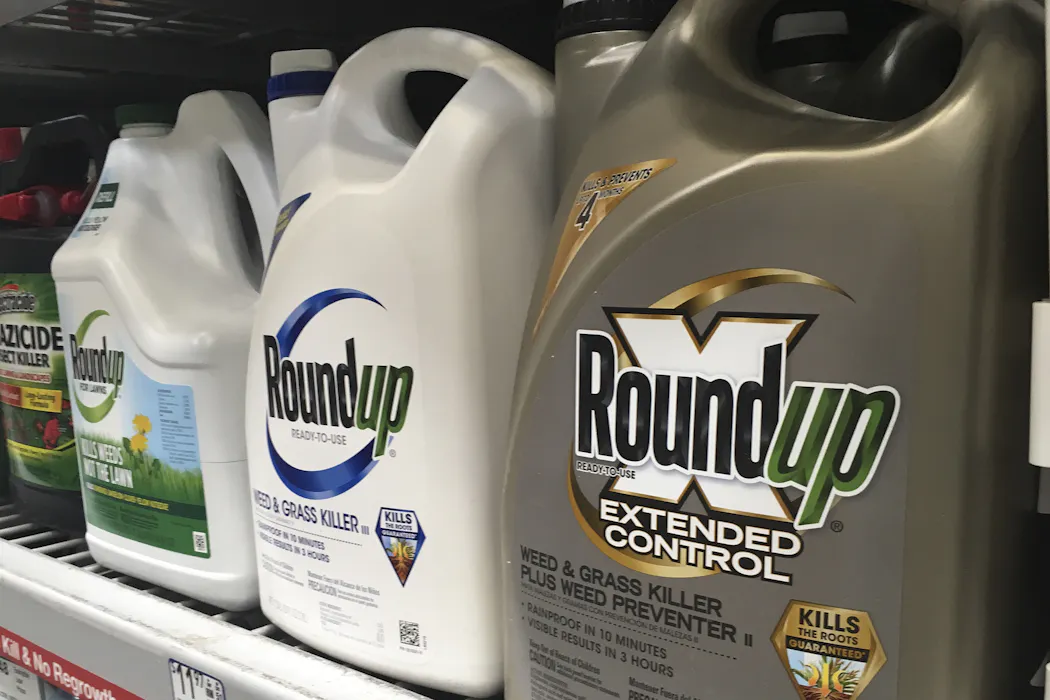
As of April 2026, the U.S. government has not required a warning label on Roundup weed killer. AP Photo/Haven Daley

Chemical giant Monsanto has argued for years that if the U.S. Environmental Protection Agency approves a pesticide label without requiring a cancer warning, states cannot hold its manufacturer liable in court for failing to warn consumers about cancer risks. The U.S. Supreme Court has now taken up the question after hearing oral arguments for and against that position on April 27, 2026.

Between 2009 and 2019, the EPA repeatedly concluded there is no evidence that glyphosate causes cancer in humans. The agency has, therefore, allowed glyphosate-based weed killers, including Monsanto’s Roundup, to remain on the market without a cancer warning on its label. That’s despite a 2015 report from the International Agency for Research on Cancer, a branch of the World Health Organization, that classified glyphosate as “probably carcinogenic to humans” based on “limited” evidence of cancer in humans from real-world exposure and “sufficient” evidence of cancer in experimental animals. A 2025 study had similar findings in lab rats.

Several U.S. lawsuits have used the 2015 report to win legal cases claiming that Monsanto failed to warn them of the chemical’s dangers. One of the first, Hardeman v. Monsanto Co., ended in a US$80 million verdict against Monsanto in 2019. The jury found that Edwin Hardeman, a California man who used the weed killer on his properties, had proved that Roundup had caused his cancer and that Monsanto had failed to warn consumers of the dangers of its product. That finding was upheld on appeal.

In the years since, Monsanto, now owned by German chemical giant Bayer, has paid out over $10 billion to settle about 100,000 claims from people who said their health was harmed after they were exposed to Roundup. But Monsanto continues to say that a federal law passed in 1947 and significantly amended in 1972, the Federal Insecticide, Fungicide, and Rodenticide Act, bars states from imposing any labeling requirement beyond what the federal government has approved – meaning state courts cannot hold the company liable for failing to include a warning that the U.S. EPA does not require.

While the law was originally administered by the U.S. Department of Agriculture, today the Environmental Protection Agency regulates the registration, use and sale of pesticides in the United States. Companies that wish to sell pesticides must, according to the law, demonstrate that they will not “cause unreasonable adverse effects on the environment,” including “water, air, land, and all plants and man and other animals … and the interrelationships which exist among these.”

As a scholar of environmental and food law, I know the Supreme Court’s decision in the case will affect tens of thousands of pending cases of those alleging harm from glyphosate.

A group of people gather in front of a large white building with pillars in the front.
A crowd demonstrates at the Supreme Court in favor of consumer protections on April 27, 2026.
Tasos Katopodis/Getty Images

A short history of the case

The case before the Supreme Court began in 2019, when John Durnell, a resident of St. Louis, sued Monsanto in a Missouri state court, claiming that his regular use of Roundup in neighborhood beautification efforts over many years had caused him to develop non-Hodgkin lymphoma, a type of blood cancer.

As it had done in previous cases, Monsanto sought to dismiss the lawsuit by claiming the federal law prevented Durnell from making those claims in state court. But the trial proceeded, and in 2023 a Missouri jury found that Monsanto had, in fact, failed to warn Durnell of the danger and awarded him $1.25 million in damages.

In February 2025, a state appeals court upheld the jury’s verdict, ruling that Missouri’s laws requiring companies to warn of dangers are not preempted by federal law. Both Missouri and federal law, the appeals court found, require companies to label products with adequate warnings to protect public health. The fact that the EPA had not required a cancer warning on Roundup did not, in the court’s view, absolve Monsanto of its separate obligation under Missouri law to warn consumers of known dangers.

The Supreme Court agreed to hear an appeal in the case, seeking to determine whether federal law bars states from holding a company liable for failing to include a warning that the EPA reviewed and chose not to require.

At the Supreme Court

During the oral argument, lawyer Paul Clement, representing Monsanto, claimed that Missouri was trying to require a different label than federal law allows, and that the company could not have added a cancer warning on its own. The company argued that EPA regulations prohibit manufacturers from changing safety warnings without the agency’s prior approval, a step Monsanto never took.

Principal Deputy Solicitor General Sarah Harris, a top Justice Department attorney, told the court the Trump administration agrees with Monsanto’s interpretation of the law.

Durnell’s attorney, Ashley Keller, argued that registration of a pesticide with the EPA does not exempt a company from civil liability for its product’s safety.

Legal commentators have suggested the justices are split but that perhaps a majority favors Monsanto’s position.

People wearing protective clothing lie down in the street.
Protests around the world, including this one in Paris in 2019, have objected to the manufacturing and use of glyphosate, the active ingredient in the weed killer sold as Roundup.
AP Photo/Rafael Yahgobzadeh

What comes next

A Supreme Court ruling in Monsanto’s favor would block Durnell’s claim. Other efforts are also underway to defend corporations from similar claims by consumers alleging products were dangerous.

In February 2026, President Donald Trump signed an executive order calling glyphosate “crucial to the national security and defense” because of its role in boosting food production by killing weeds in farmers’ fields.

Congress is also considering a proposal that would prevent state and local governments from imposing stricter labeling requirements than approved by the EPA. That legislation could also prevent courts from holding manufacturers liable for harms caused by products whose labels the EPA had approved. Six states have also introduced bills to limit pesticide manufacturers’ liability. If successful, those efforts would effectively shield pesticide companies from lawsuits similar to Durnell’s.

A broader legal principle is also at stake: whether Congress or federal agencies can block states from protecting people when federal regulators have not required companies to warn the public about potential harm.

In April 2026, Sen. Ted Cruz, a Texas Republican, introduced a bill that would prevent people from filing lawsuits in state courts that seek to hold oil and gas companies responsible for environmental damage, including their contributions to climate change. In late 2026 or early 2027, the Supreme Court is also expected to hear a case about whether existing federal law already blocks those lawsuits.

Together, these efforts reflect concerted efforts to protect large corporations from consumers’ claims that products have harmed them and to prevent states from holding companies accountable when federal regulation falls short.

The Conversation

Sarah J. Morath does not work for, consult, own shares in or receive funding from any company or organization that would benefit from this article, and has disclosed no relevant affiliations beyond their academic appointment.

ref. Supreme Court considers how much states can protect consumers when federal agencies won’t – https://theconversation.com/supreme-court-considers-how-much-states-can-protect-consumers-when-federal-agencies-wont-281584

We found a way to turn Canada goose poop into chicken feed and crop fertilizer

Source: The Conversation – Canada – By Rassim Khelifa, Assistant Professor, Department of Biology; Canada Research Chair Tier 2 in Global Change Biology, Concordia University

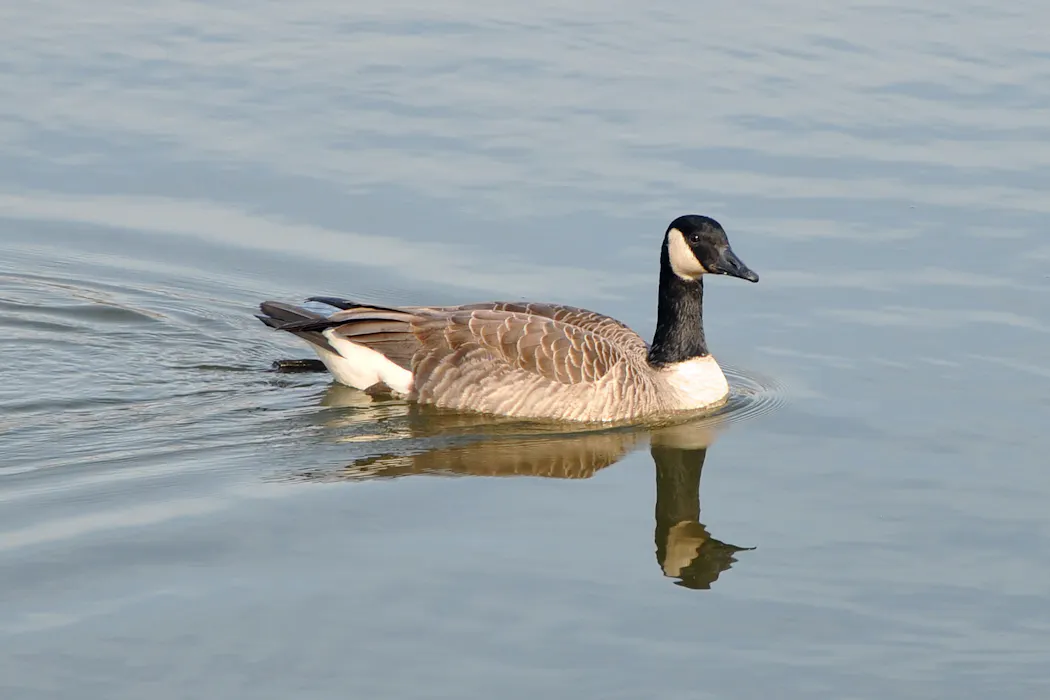
Canada geese produce feces that are unpleasant to step on and carry pathogens, contaminating lawns and leading to the ecological collapse of water bodies. (Wikamedia Commons/ Joe Ravi), CC BY-SA

Canada geese are real-life gangsters. They are large, bold, highly adaptable and thrive in urban landscapes. Wherever they go, they leave their distinctive signature: cigar-shaped green feces.

The population of Canada geese has expanded rapidly in many North American cities, thanks to favourable urban environments — with abundant food from lawns, safe nesting sites and few predators — and supportive conservation actions over the past three decades.

These geese are indeed adorable, but in large numbers they can become a nuisance. They damage crops and compete with other water birds. They produce feces that are unpleasant to step on and carry pathogens — contaminating lawns and leading to the ecological collapse of water bodies.

A single goose can defecate every 20 minutes. Now, imagine how much fecal matter is produced every day by hundreds or thousands of geese in a city. There have been almost no efforts to explore beneficial uses for this waste.

Our research findings, published in the Journal of Environmental Management, suggest that goose poop could be used to create both a source of protein for animal feed and an agricultural fertilizer — using one of nature’s recycling powerhouses, the black soldier fly.

Goose feces to create poultry feed

The larvae of the black soldier fly are known for their remarkable ability to consume and break down organic waste, including animal waste from farms. They have never before been tested on Canada goose feces.

In our study, we fed black soldier fly larvae three different food diets: a standard nutrient-rich feed mixture of corn, wheat and alfalfa (the control), a mix of this feed and goose feces and finally a diet of only goose feces.

We also added another variable, sterilizing some of the feces. This was to help us understand whether fecal microorganisms have any effect on digestion.

The results were surprising: the insect was able to complete its full life cycle on Canada goose feces alone. In fact, it was able to consume a little more than half of this waste. The trade-off was a reduced body size and shorter lifespan, but this was not an issue because it did the job.

The larvae grew faster and gained a higher body weight when the feces were not sterilized, which suggests that microbes in the feces do provide some kind of benefit for insect development. Notably, the larvae that consumed the mixture of goose poop and nutrient-rich feed grew even better than those fed with the nutrient-rich feed alone, and they achieved similar fitness as adults.

These results suggest that black soldier fly larvae and goose poop could be used to power a large-scale organic waste treatment system. Goose feces could be collected from city parks and green spaces and transported to a facility where larvae could be reared on the waste.

These larvae could then be used as protein to feed poultry and in aquaculture, in a circular, “upcycling” approach to urban waste management.

Nutrient-rich fertilizer

Larval digestion also produces a residue known as frass. Black soldier fly frass has been tested in several studies, mainly on terrestrial crops where it has improved plant growth and yield.

We decided to test the potential of frass produced using Canada goose feces — as a fertilizer for duckweed, a fast-growing aquatic plant with high protein content used in animal feed, biofuel production and wastewater treatment.

For this experiment, we tested three different potential duckweed fertilizers. The first (the control) was an ideal solution containing the nutrients necessary for duckweed growth. The second was untreated Canada goose feces. The third was frass from the digestion of Canada goose feces by the black soldier fly larvae.

Duckweed growth increased by 30 per cent when the frass was applied, compared to the control fertilizer. We also found that duckweed roots grown in frass from feces were smaller than those grown in untreated feces — a typical response to a more nutrient-rich environment, where roots can readily access the nutrients.

A sustainable circular economy

Insect-based waste treatment facilities already exist at industrial scale. Entosystem, a company in Québec that produces insect proteins for feeding farm and domestic animals, uses black soldier fly larvae to convert food and organic waste into protein and fertilizer.

Biotechnology company Oberland Agriscience in Nova Scotia also uses black soldier fly larvae, combined with technologies like AI and robotics to transform organic waste into animal feed and soil products. NRGene in Saskatchewan is a research and demonstration centre also testing the black soldier fly for optimizing large-scale conversion of waste to protein.

Similar systems could be used for upcycling goose feces by the black soldier fly, rather than directing this waste to traditional waste facilities or landfills.

In this way, waste is converted into valuable resources for the agri-food industry: larvae can be used as feed for poultry or in aquaculture, frass can be applied as an organic fertilizer for various crops.

This eco-friendly approach reframes an urban wildlife conflict as an opportunity. It contributes to a sustainable circular economy where waste materials are reused, recycled or transformed into new resources.

The Conversation

Rassim Khelifa receives funding from NSERC CRC Tier 2 (CRC-2022-00134) and NSERC Discovery Grant (RGPIN-2024- 04564).
Rassim Khelifa is a member of The Quebec Centre for Biodiversity Science and The Canadian Society for Ecology and Evolution.

Carlos Antonio Lopez Manzano receives funding from Fonds de recherche du Québec – Nature et technologies (FRQNT) through the Merit Scholarship for Foreign Students (PBEEE). Member of the Quebec Centre for Biodiversity Science (QCBS) and the Aquatic Resources Quebec (RAQ).

ref. We found a way to turn Canada goose poop into chicken feed and crop fertilizer – https://theconversation.com/we-found-a-way-to-turn-canada-goose-poop-into-chicken-feed-and-crop-fertilizer-281226

The Devil Wears Prada 2: lots of frothy fun, not so much devilry

Source: The Conversation – UK – By Laura O’Flanagan, PhD Candidate, School of English, Dublin City University

Twenty years after the first instalment catapulted Anne Hathaway and Emily Blunt onto Hollywood’s A-List, The Devil Wears Prada is back with a second incarnation. The sequel reunites the pair with Meryl Streep and Stanley Tucci for a fun, frothy – but not very devilish – time.

Set at Runway, a thinly veiled fictional version of Vogue magazine, much has changed in the world of journalism since the first film was released in 2006.

Anne Hathaway’s Andy Sachs has spent the intervening years becoming a “Serious Journalist”, with awards galore under her belt. In 2026’s precarious media landscape, though, her job is wiped out. She, somewhat miraculously, finds herself back at Runway as features editor, no longer a harried underling.

Delightfully, the gang is back together for part 2. The Devil Wears Prada’s mastery was always its actors, and the returning main cast are in fine form here. Andy (Hathaway) now has an assured confidence that was just budding in the first film.

The growth in her character is believable and realistic, and as an actor, Hathaway is edging towards greatness, one teary-eyed smile at a time. Andy’s elevated position at Runway allows the dynamic between her and her icy boss, Miranda Priestley (Meryl Streep), to shift.

Miranda de-fanged

Fun is poked at Miranda’s behaviour, which is now subject to HR rules and regulations. Where once she struck fear into the hearts of all she encountered, delivering caustic lines in a low sardonic murmur, Streep’s performance, while fuller and more rounded, de-fangs Miranda.

With disappointingly fewer barbs, she is less “devil”, delivering a more complex portrait of a successful woman struggling to keep a dying industry afloat. Much of the villainy is handed instead to Emily (Emily Blunt). All eye rolls and sharp edges, Blunt has a ball reprising the role that made her a star.

She is given more screen time in this instalment, with a love interest and a life outside of work. She is magnetic in every frame she inhabits, bringing comedy and deliciously over-the-top cattiness.

Stanley Tucci’s Nigel, a relic of the bygone days of print fashion journalism, radiates a warmth that grounds the film. His endless patience with the nonsensical behaviour of those around him, delivered with Tucci’s characteristic panache, steadies the ship when all threatens to spiral into parody.

In 2026, the romantic comedy is a lesser spotted animal in Hollywood compared to when the first film was released. This sequel recalls familiar tropes of the early noughties rom-com: pop music blaring over street scenes of characters speaking on phones, quick cuts between fashion shows and urban life, big cities rendered in gloriously lit night scenes.

The “rom” part of rom-com, though, could have been left in the past for this sequel. Patrick Brammall is criminally underused as Peter, a love interest for Andy. Their dalliance adds little to her character or the story, and never meaningfully develops or resolves.

Journalism SOS

Story-wise, it feels as though the film-makers wanted to comment on the state of journalism. In today’s world awash with algorithms, misinformation and the relentless churn of online content, there was certainly potential to mine, but these themes are mentioned and then glossed over.

This would be forgivable, given the sugary tone of the film, but consequently the drama becomes a little convoluted and at times gets in the way of the relationship dynamics, which is really why we are all in the cinema in the first place. Minor characters played by B.J. Novak, Kenneth Branagh, Lucy Liu and Justin Theroux often lean too far into caricature and disrupt the tone of the film. Their inclusion is another unnecessary dilution of the core four’s chemistry.

The Devil Wears Prada 2 is a little long and Meryl Streep’s performance lacks the bite that made the first film so memorable. But getting to see Hathaway, Streep, Blunt and Tucci work together again is joyful and escapist.

This film won’t change your life. But it is not trying to. It tells you exactly what it is in the marketing: a celebratory reunion of the actors and a fun retreading of familiar ground. Go for the characters, stay for the nostalgia.

The Conversation

Laura O’Flanagan does not work for, consult, own shares in or receive funding from any company or organisation that would benefit from this article, and has disclosed no relevant affiliations beyond their academic appointment.

ref. The Devil Wears Prada 2: lots of frothy fun, not so much devilry – https://theconversation.com/the-devil-wears-prada-2-lots-of-frothy-fun-not-so-much-devilry-281891