Young carers face higher risks of depression, anxiety and lost futures – and most receive no support

Source: The Conversation – UK – By Aoife Bowman Grangel, PhD Candidate in Health Psychology, University of Limerick

Around 12% of teens are unpaid carers and it’s harming their prospects. Daisy Daisy/Shutterstock

In developed countries, around 12% of young people provide regular, unpaid care for a family member. It’s work that’s essential, often invisible – and potentially devastating to their mental health. As more families rely on these young carers, many are left without legal protections, recognition, or the support they urgently need.

Across Europe, informal carers now provide up to 80% of all long-term care. This figure is rising sharply due to ageing populations, an increase in chronic illness, and advances in medical technology. Between 2000 and 2050, the demand for unpaid care is expected to grow by 50% in Europe alone, with similar trends emerging in the US and Australia.

As adult carers struggle to meet rising demand, children, teenagers and young adults are stepping into the breach. These young carers often take on domestic, emotional, practical and personal care tasks that would challenge any adult. While some report growing resilience, maturity and empathy, the long-term toll on education, mental health and physical wellbeing is increasingly hard to ignore.

Lost opportunities, lasting consequences

Globally, young carers face significant restrictions on their education and career prospects. In both the UK and Germany, research shows that young adult carers are less likely to complete university, less likely to secure employment and more likely to experience long-term unemployment than their peers. These disadvantages aren’t just financial – they’re linked to increased rates of depression and anxiety later in life.

The social cost is high, too. Young carers are more likely to face bullying, isolation and limited opportunities for friendship or leisure. Chronic illness in the household can increase stress, leading to economic hardship, family breakdown and domestic conflict. Mental health is caught in the crossfire: many young carers experience psychological distress, depression and even self-harm.

Along with colleagues, I published a study that underscored the urgency of this issue. Our research showed that young carers in high-income countries are significantly more likely than their peers to experience poor mental health, including anxiety, depression and severe emotional distress.

Not all care is equal – and neither are its effects. The intensity, type and duration of caregiving matter greatly. Young carers who provide personal care, dedicate more hours each week, or have cared for a longer period are at the greatest risk of mental health difficulties.

Girls and young women are particularly vulnerable. They are overrepresented among young carers and are more likely to take on intensive or prolonged responsibilities. These disparities don’t end in childhood. As young adults, female carers tend to experience lower educational attainment and less workforce participation than their male counterparts – disadvantages that have ripple effects on their long-term mental and economic wellbeing.

Invisible and unsupported

Despite their growing numbers, young carers are often invisible to schools, healthcare providers and policymakers. Most European countries provide no formal recognition, rights or protections. Even though the European parliament addressed the issue in 2018 and 2022, young carers remain absent from key EU frameworks.

The UK is a notable exception, with specific rights and national interventions for young carers. But gaps remain. A 2016 report found that nearly one in three young carers identified by local authorities received no support at all.

In the US, the situation is worse: a lack of national data means young carers are missing entirely from most political conversations and care agendas.

Yet support makes a difference. Studies show that recognition and perceived support, whether from teachers, friends, professionals or government policies, can protect young carers’ mental health and improve their long-term outcomes. Support can take many forms: respite care, school accommodations, financial assistance, mentoring, or even a simple acknowledgement that their role matters.

Without intervention, the personal and societal costs are substantial: deteriorating mental health, lost educational and career opportunities and increased economic dependency in adulthood.

If we fail to support young carers, we fail an entire generation of quiet caregivers – and risk undermining the sustainability of our health and care systems for decades to come.


Get your news from actual experts, straight to your inbox. Sign up to our daily newsletter to receive all The Conversation UK’s latest coverage of news and research, from politics and business to the arts and sciences.

The Conversation

Aoife Bowman Grangel receives funding from the Irish Research Council.

ref. Young carers face higher risks of depression, anxiety and lost futures – and most receive no support – https://theconversation.com/young-carers-face-higher-risks-of-depression-anxiety-and-lost-futures-and-most-receive-no-support-260654
Technology could open up new ways to track prisoners

Source: The Conversation – UK – By Amin Al-Habaibeh, Professor of Intelligent Engineering Systems, Nottingham Trent University

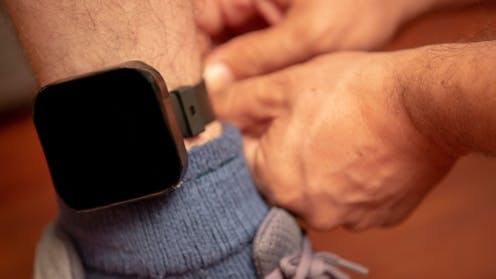
Ankle bracelet monitoring technology could be taken a step further. Stock City/Shutterstock

Technology firms have apparently suggested placing tracking devices or a microchip under the skin of convicted criminals to monitor them in prison or when they come out, according to a recent report in the Guardian. Though the idea raises questions about human rights, the technology is certainly developing that could make such an initiative possible.

Electronic ankle bracelets are already widely used forms of this technology. They normally use a radio frequency connected to a base station, similar to your home WiFi, to ensure the device is within a specific range in or around the house. Others use GPS to monitor the location of the person. Such devices require regular charging, however.

Anyone can use commercial technology such as AirTags from Apple or the Samsung SmartTag that allow people or items to be tracked. The monitoring technology is integrated with mobile phone applications. This includes the use of other people’s phones in an encrypted network of communications.

In the UK, there are different types of technologies available that utilise GPS and other wireless systems to monitor individuals who are subject to movement restrictions because of a court order.

The technology was first introduced in the UK in 1999 and it is normally used as an alternative to custody or imprisonment. According to a UK government website, there are three types of tagging: curfew tags, location tags and alcohol tags. A curfew tag checks the location of the tagged person from a base unit (such as their home) within a specific time period.

If the base unit cannot communicate with the tagged person, it will send an alert to the related monitoring centre. Location tags have more flexibility as they monitor the location and provide information about areas that the person should not access or should visit such as rehabilitation appointments.

The third most common type are alcohol tags where the alcohol level is measured from the sweat of a person. The aim is to reduce violence or crimes related to intoxication of alcohol. In 2022, the UK government reported that approximately 97% of offenders’ with these tags stayed off alcohol.

In general, greater use of electronic tagging could lead to more prisoners being released early and so help reduce the pressure on prison facilities. This could have other social benefits such as avoiding any disruption of employment or family commitments.

However, limitations such as problems with the device signal or false alarms for breaching court orders have been observed in several studies. A 2019, study by the Scottish Government highlighted some of the strengths and weaknesses of these technologies. However, with the continuous development of monitoring technologies, such limitations are expected to be addressed with more effective applications in the future.

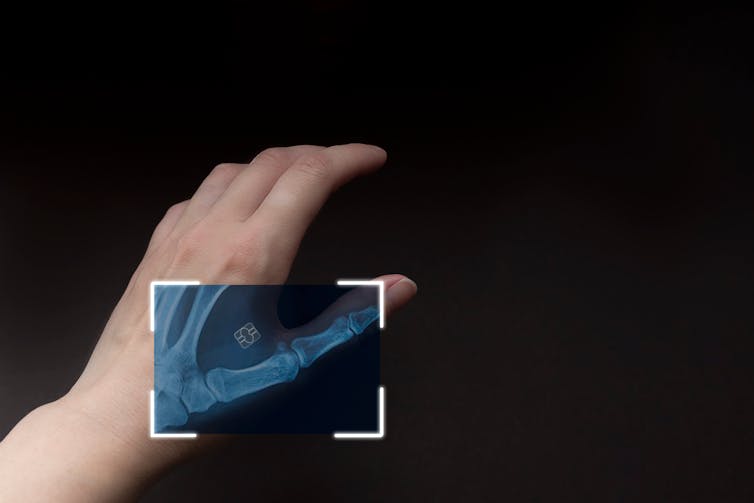
Hand with a section shown in X-ray with bones and a microchip visible
Chips could be implanted under the skin.
Alexa Mat/Shutterstock

Technology that involves implanting tags under the skin has been explored in in the past for applications such as proof of identity, contactless payment systems and the opening of secure doors.

One type of implant uses a radio frequency identification (RFID) tag and is about the size of a grain of rice. In theory, similar technology could be used with a base unit or distributed monitoring network to develop a tracking system to locate a person.

RFID tagging is used routinely in supermarkets to prevent theft. The tags are often attached to expensive items to prevent them from being taken from the store without payment.

However, human rights campaigners have called the proposals from the tech companies for microchip trackers and other devices “dystopian”. Forcing people to undergo invasive surgery to enable technology firms to gather what could become highly sensitive and personal data about them takes punishment a step beyond the temporary restriction of people’s freedom of movement.

Electronic monitoring technologies, with AI support, are advancing at rapid pace. In the future and globally, the technology is expected to play a vital role in enhancing public safety, supporting rehabilitation and minimising the cost to public funding. But questions also have to be answered about what role we want this kind of technology to play in our society.

The Conversation

Amin Al-Habaibeh receives funding from Innovate UK, The British Council, The Royal academy of Engineering, EPSRC, AHRC, and the European Commission.

ref. Technology could open up new ways to track prisoners – https://theconversation.com/technology-could-open-up-new-ways-to-track-prisoners-261625

Enjoyed together, Red Dwarf and Jane Austen offer a lesson in immersive world building

Source: The Conversation – UK – By Emma Newport, Associate Professor in English Literature, University of Sussex

This year marks the 250th anniversary of Jane Austen’s birth. An Austen enthusiast might attend the birthday ball at the Alton Assembly Rooms in Hampshire or take an Austen-themed walking tour. They might dance at the Pump Rooms in Bath, a city with strong Austen connections, or in Utah, which has none.

These kinds of immersive events tend to surge in times of social and economic fragility. In part, this may be due to a particular form of nostalgia that psychologists have noted helps to mitigate loneliness and forge social connection.

During the pandemic, the Netflix show Bridgerton marked a revival of Austen-adjacent worlds. Fandoms that invite participation function like virtual realities, offering the kind of immersion we might expect from a headset and game console. But is this merely escapism, or do such immersible worlds offer ways of experiencing the present differently and more reflectively?

My first encounter with the immersive potential of Austen came through science fiction. In series seven of Red Dwarf (1997), characters are dispatched into the fictional Pride and Prejudice Land. It’s part of the newly arrived crew member Kristine Kochanski’s (Chloë Annett) favourite game, Jane Austen World – a virtual reality simulation she uses to civilise the other characters.


This article is part of a series commemorating the 250th anniversary of Jane Austen’s birth. Despite having published only six books, she is one of the best-known authors in history. These articles explore the legacy and life of this incredible writer.


Kryten, the service droid, breaks into this Regency idyll aboard a second world war tank and detonates a tea party, roaring “Dinner is served!” The absurdity left a strong impression on my younger self about Austen’s perceived delicacy, and the chaotic energies that surround her cultural afterlives.

Written by Robert Llewellyn (who also plays Kryten), the episode leans hard into domestic satire. Kryten’s female-coded role as cook, cleaner, carer and emotional manager puts him at odds with the interloper Kochanski, a middle-class, degree-educated white woman determined to instil gentility into the racially diverse group who occupy the lowest rung of the ship’s hierarchy.

Kryten’s unvoiced rage culminates in literal explosion, his head detonating when his labour goes unacknowledged. The episode becomes unexpectedly dense: an examination of gender, class, race and post-human servitude. Beneath the explosive humour is a serious comment on immersion and gendered emotional labour.

Austen’s world of tea tables and letter writing, here rendered virtual, is shown to be both seductive and suffocating. It is a place where emotion is both cultivated and dangerously suppressed.

Austen’s claustrophobic worlds

Returning to Austen’s writing at university, I carried my own Dwarf-inspired desire to explode Austen – and to join Mark Twain in a desire to “dig her up and beat her over the skull with her own shin-bone” when I had to read Pride and Prejudice (1813).

I mistakenly believed Austen’s novels offered an obsessive focus on narrow domesticity while ignoring war, revolution, poverty and the illiberal qualities of a supposedly enlightened age. However, in later life I came to realise that, like the confines of a mining ship in deep space, what Austen describes is less small than it is dense and claustrophobic.

A drawing of Jane Austen by her sister, Cassandra.
NPG

Austen’s writing is sharply attentive to the relationship between imaginative freedom and physical constraint, especially for women. Her characters frequently reflect on travel and distance. In Persuasion (1817), Anne Elliot remarks that men “live in the world” while women like herself “live in it only by hearing of it”. In Mansfield Park
(1814), Edmund Bertram jokes that his cousin Fanny Price will “be taking a trip into China” through her reading.

His remark is inflected by Austen including reference to British author Samuel Johnson and his collection The Idler (1760), which Edmund lists among the books he imagines Fanny to be transported by. In an essay from The Idler, Johnson dismisses travel writing as disappointing, failing in immersing the reader for it so often only describes “the face of the country”.

Edmund and Fanny’s conversation takes place in the country house’s East Room, which Austen researchers have described as the most prominent metaphor for Fanny’s “spiritual distance” from the rest of the household. The room is filled with castoffs: faded embroidery, unwanted books, bad portraits. Fanny, too, is a penniless castoff, taken in by wealthier relations but frequently overlooked.

When her uncle sends her back to her lower-class family for refusing a lucrative match, Fanny is punished for her autonomy. She cannot leave Mansfield Park at will, and her imagined departures, whether into books, ideas or “China” – where she might enter a form of narrative virtual reality – offer no protection from real-life threats. Fanny’s reading in the East Room is abruptly curtailed by Edmund’s needs and the encroaching domestic chaos of an amateur theatrical production.

Yet this constraint is part of Austen’s point. The grand estate of Mansfield Park is funded by a shadowy West Indian plantation and enslaved labour, an economic foundation that goes unspoken and unseen. Those who travel there do so off the page.

When Fanny raises the question of the plantation’s ethics, she is met with silence. Who and what is not seen – Fanny, the plantation and its workers, the real costs of luxury – become as significant as what is. Fanny’s room, stripped of wealth, stands in quiet opposition to the brutal source of Mansfield Park’s comforts.

Immersible worlds – whether a Regency ball in Bath, a role in a household play, or a journey into “China” – can be a form of forgetting as much as imagining. The cast at Mansfield throw themselves into Elizabeth Inchbald’s Lovers’ Vows (1798), a sexually suggestive play, with little reflection on how their roles might influence or be influenced by their desires. Fanny, unwilling to participate, sees these risks more clearly, as she does with the larger social problems to which her cousins remain wilfully unseeing.

In Austen’s novels, the immersive imagination is double-edged: it contains the risk of abstraction and of losing touch with the present, even as it offers solace and self-making. What Austen reminds us, then, is to interrogate our relationship with immersible worlds.

As technology brings us ever closer to the virtual realities experienced by the boys from the Dwarf – and as our lived reality is growing more precarious, impoverished and violent – immersible worlds await the careworn. Yet we must beware simply rehearsing the silences which Austen so carefully wrote around.


This article features references to books that have been included for editorial reasons, and may contain links to bookshop.org. If you click on one of the links and go on to buy something from bookshop.org The Conversation UK may earn a commission.

The Conversation

Emma Newport does not work for, consult, own shares in or receive funding from any company or organisation that would benefit from this article, and has disclosed no relevant affiliations beyond their academic appointment.

ref. Enjoyed together, Red Dwarf and Jane Austen offer a lesson in immersive world building – https://theconversation.com/enjoyed-together-red-dwarf-and-jane-austen-offer-a-lesson-in-immersive-world-building-259612

The Victorian sportswomen who had to fight misogynistic abuse, just like the Lionesses

Source: The Conversation – UK – By Tarini Bhamburkar, Research Affiliate, University of Bristol

Much of England has been celebrating the Lionesses’ historic win at the Uefa European Women’s Championship – the first time a senior England football team has won a major championship abroad and retained a major trophy. However, not everyone was pleased.

Former footballer and manager Joey Barton took to X to express his underwhelm, writing: “Well done to the Lioness winning the Nonsense Pottery Trophy. Those penalties were borderline embarrassing again. Don’t ever ask for equal pay again. Youse are miles off it. 🐕💨”

Barton has faced a backlash for his outdated response to the historic win, with many pointing out that the Lionesses have won more cups for England than Barton – who has won zero with the senior team, having played only 17 minutes as a substitute for them.

Sadly, Barton is just one in a long line of men who have attacked sportswomen, while refusing to recognise that women have been excelling at sport for over a century. At the same time, there is a long line of women players and fans who have repeatedly called out such misogyny.


Looking for something good? Cut through the noise with a carefully curated selection of the latest releases, live events and exhibitions, straight to your inbox every fortnight, on Fridays. Sign up here.


I have spent the last year-and-a-half digging into newspaper archives where the stories of some of these women can be found. In their own words, these sportswomen and their fans detail their experiences as pioneers – and the attacks they faced along the way.

The earliest accounts of women engaging in sport in Britain show them playing tennis or croquet, or being adept at horse riding, in the 19th century. These were seen as permissible recreational activities for the “fairer sex”, but only if the practice of them remained noncompetitive.

But in the late Victorian age this changed, as women started playing many more sports – in some cases professionally. Women’s participation in athletics and competitive sports such as cricket was furiously debated – predominantly by men, who saw it as defying traditional gender roles. At the time, a woman wanting to be a professional sportswoman was widely seen as questionable and ungraceful.

The front page of Women's Penny Paper with the interview with Daisy Stanley.
The front page of Women’s Penny Paper with the interview with Daisy Stanley.
British Library, CC BY-NC-ND

There were, however, many female sports people and fans who were arguing against such ideas. I was particularly struck by one interview from 1890 with the remarkable Miss Daisy Stanley, captain of the Blue Eleven women’s cricket team.

The Original English Lady Cricketers are one of the earliest examples of paid, professional sportswomen who toured nationally between 1890 and 1892. They comprised 30 women divided into two teams: the Red XI and Blue XI.

Stanley’s interview was published on the front page of the weekly woman-edited newspaper, Women’s Penny Paper. As a progressive women’s newspaper, it was keen to profile a professional female player and inspire its women readers.

Throughout the interview, the unnamed lady journalist refers to her interviewee as “Captain Stanley” (rarely using any other term for her), asking significant questions about herself, her team and her ambitions. The article notes the enthusiasm for these women cricketers after their first public match in Liverpool against a local men’s side, where “visitors assembled in thousands”.

But the journalist laments the unserious treatment of the players at the hands of the “gentlemen” players, noting: “Whenever the game has been between ladies and gentlemen, the latter have … assumed broomsticks and treated their adversaries as weaker vessels.”

You can trace the thread from the attitudes to this pioneering cricket match in 1890 right up to Barton’s comments about the Lionesses in 2025.

Undaunted, the “tall and well-built” Captain Stanley, who looked “capable of much execution in the way of play”, rose through these afflictions. Before becoming a professional cricket player and playing regularly, she had considered the game impossible for girls to excel in – a view she reveals in the interview to have been “materially altered” by her experience of playing the game professionally.

Stanley is full of praise for ladies’ participation in sports, deeming that “there is not a more healthy … or beneficial game than cricket for our sex”.

In the wider society of the time, though, the possibilities – and benefits – of sports for women were being puzzled out socially and publicly through articles in periodicals. An article titled “Athletics for Ladies” in Cassell’s Family Magazine in 1896 lauded the benefits of women’s cautious “physical or muscular progress”, for example, but saw “football as a man’s game”.

The idea of women playing sports, let alone playing competitively, was both mocked and rebuked by swathes of the British media and public. But despite the ubiquitous pushback around them, women like Captain Stanley remained undeterred. In the interview in the Women’s Penny Paper, she mentions her thorough knowledge of the game, gives a shout-out to worthy team members and their skills, and celebrates her love of the sport.

Reflecting on having watched the paid professional Victorian women playing their cricket match so well, the impressed interviewer notes something that we would do well to remember today: “That here, as elsewhere, when women really take a thing in hand, they can and will carry it out thoroughly.”

The Lionesses have certainly done that, and we have the facts to back it up. After all, Chloe Kelly’s winning penalty kick on Sunday was reportedly faster than any shots on goal by the men this Premier League season. Try arguing with that.


Get your news from actual experts, straight to your inbox. Sign up to our daily newsletter to receive all The Conversation UK’s latest coverage of news and research, from politics and business to the arts and sciences.

The Conversation

Tarini Bhamburkar has received funding from the Royal Historical Society.

ref. The Victorian sportswomen who had to fight misogynistic abuse, just like the Lionesses – https://theconversation.com/the-victorian-sportswomen-who-had-to-fight-misogynistic-abuse-just-like-the-lionesses-261798

The Soviet Union’s secret tsunami

Source: The Conversation – UK – By Patrick David Sharrocks, PhD Candidate in Tsunami Geohazards, University of Leeds

On July 30, one of the largest earthquakes ever recorded struck off the Kamchatka peninsula, in Russia’s far east. Within minutes, tsunami warnings were issued in Russia, much of Asia and across the Pacific in Hawaii, New Zealand and California.

But this wasn’t the first time a huge tsunami had hit Kamchatka. In 1952, an even more powerful earthquake hit the same fault line – but it was kept hidden from the world.

Kamchatka is no stranger to seismic activity, with a large earthquake occurring as recently as 2020 (the fourth most powerful anywhere in the world that year). However, only the biggest earthquakes can create large destructive tsunamis and cause Pacific-wide warnings like those experienced on Wednesday.

On a plate boundary, where two pieces of the Earth’s crust meet, such large earthquakes often occur on consistent timescales known as “seismic cycles”. In some areas, these cycles are long: on the Cascadia boundary off the Pacific coast of North America, for instance, the last major tsunami-generating earthquake was in 1700.

However, the plates move much faster near Kamchatka (around 8 centimetres a year) and the the cycle is much shorter. Large tsunamis were generated from earthquakes in 1737, 1841, 1952 – and now 2025 is a continuation of this cycle.

Just after midday on November 5 1952, tsunami waves up to 8 foot (2.4 metres) hit Hawaii. This was an early test for the Pacific Tsunami Warning Center, which had recently been established on the islands in response to a 1946 tsunami following an earthquake in Alaska.

Earlier that day, seismologists across the world had detected signals from an earthquake pinpointed to the northwest Pacific around Kamchatka. When the wave hit Hawaii, scientists there quickly used the exact time of the wave and the known speed of tsunamis (in deep water, these are similar to a jet plane) to deduce it must have been created by that giant earthquake in the northwest Pacific. But from Kamchatka itself, there was silence.

There were no reports of an earthquake or tsunami in the Soviet press. Not a word was written in state newspaper Pravda, which instead focused on preparations for the Great October Revolution anniversary two days later.

Days and months passed without any recognition of the tsunami and earthquake. Even an interview with a Russian volcanologist, Alexander Evgenievich Svyatlovsky, was stored as a “state secret”, despite him merely explaining how the tsunami had originated.

Such secrecy was common at the height of the cold war, with Chernobyl and other disasters often being underreported by the Soviet authorities. It was only after the release of state archives in the early 2000s that the full picture could be told.

The devastation at Severo-Kurilsk

The isolated fishing town of Severo-Kurilsk lies on an island just south of the Kamchatka peninsula. According to state archives, 6,000 people lived there in 1952, spread thinly across the coastline.

On the morning of November 5, inhabitants were woken by a major earthquake, the strongest anyone there had ever felt. Around 45 minutes later a wave arrived, slowing and steepening as it reached the shore. Soldiers on lookout were able to warn people of the danger, and many fled to high ground.

But tsunamis are wave trains with a series of peaks and troughs. They act much like waves you’d experience on a beach – except that these waves stretch thousands of metres into the ocean, hitting the shore not every few seconds but with tens of minutes between each one.

Minutes after some residents had returned to their homes, a second, larger wave struck. It rose some 12 metres high – as tall as a three-storey building – and hit the town from behind. A third wave soon followed, washing away much of the town that remained.

In all, the tsunami caused 2,336 deaths out of a population of 6,000. The survivors never shared the details for fear of reprisals, and the story remained a state secret.

Today, Severo-Kurilsk sits 20 metres above sea level, rebuilt and fortified. Videos from the 2025 tsunami show flooding at the port, but there are no reported fatalities – testament to modern warning systems and urban planning.

One problem remains: the repositioning of the town has placed it in the path of deadly mudflows from the nearby volcano Ebeko (only 7km away). For Severo-Kurilsk, tsunamis represent only one of many threats in this corner of the Pacific.


Get your news from actual experts, straight to your inbox. Sign up to our daily newsletter to receive all The Conversation UK’s latest coverage of news and research, from politics and business to the arts and sciences.

The Conversation

Patrick David Sharrocks receives funding from the Natural Environment Research Council, grant number NE/S007458/1.

ref. The Soviet Union’s secret tsunami – https://theconversation.com/the-soviet-unions-secret-tsunami-262452

​The contagion scale: which diseases spread fastest?

Source: The Conversation – UK – By Dan Baumgardt, Senior Lecturer, School of Physiology, Pharmacology and Neuroscience, University of Bristol

Gelefin/Shutterstock.com

When the COVID pandemic hit, many people turned to the eerily prescient film Contagion (2011) for answers – or at least for catharsis. Suddenly, its hypothetical plot felt all too real. Applauded for its scientific accuracy, the film offered more than suspense – it offered lessons.

One scene in particular stands out. Kate Winslet’s character delivers a concise lesson on the infectious power of various pathogens – explaining how they can be spread from our hands to the many objects we encounter each day – “door knobs, water fountains, elevator buttons and each other”. These everyday objects, known as fomites, can become silent vehicles for infection.

She also considered how each infection is given a value called R0 (or R-nought) based on how many other people are likely to become infected from another. So, for an R0 of two, each infected patient will spread the disease to two others. Who will collectively then give it to four more. And so a breakout unfolds.

The R0 measure indicates how an infection will spread in a population. If it’s greater than one (as seen above), the outcome is disease spread. An R0 of one means the level of people being infected will remain stable, and if it’s less than one, the disease will often die out with time.

Circulating infections spread through a variety of routes and differ widely in how contagious they are. Some are transmitted via droplets or aerosols – such as those released through coughing or sneezing – while others spread through blood, insects (like ticks and mosquitoes), or contaminated food and water.

But if we step back to think about how we can protect ourselves from developing an infectious disease, one important lesson is in understanding how they spread. And as we’ll see, it’s also a lesson in protecting others, not just ourselves. Here is a rundown of some of the most and least infectious diseases on the planet.

In first place for most contagious is measles.

Measles has made a resurgence globally in recent years, including in high-income countries like the UK and US. While several factors contribute to this trend, the primary cause is a decline in childhood vaccination rates. This drop has been driven by disruptions such as the COVID pandemic and global conflict, as well as the spread of misinformation about vaccine safety.

The R0 number for measles is between 12 and 18. If you do the maths, two cycles of transmission from that first infected person could lead to 342 people catching the illness. That’s a staggering number from just one patient – but luckily, the protective power of vaccination helps reduce the actual spread by lowering the number of people susceptible to infection.

Measles is extraordinarily virulent, spreading through tiny airborne particles released during coughing or sneezing. It doesn’t even require direct contact. It’s so infectious that an unvaccinated person can catch the virus just by entering a room where an infected person was present two hours earlier.

People can also be infectious and spread the virus before they develop symptoms or have any reason to isolate.

Other infectious diseases with high R0 values include pertussis, or whooping cough (12 to 17), chickenpox (ten to 12), and COVID, which varies by subtype but generally falls between eight and 12. While many patients recover fully from these conditions, they can still lead to serious complications, including pneumonia, seizures, meningitis, blindness, and, in some cases, death.

Low spread, high stakes

At the other end of the spectrum, a lower infectivity rate doesn’t mean a disease is any less dangerous.

Take tuberculosis (TB), for example, which has an R0 ranging from less than one up to four. This range varies depending on local factors like living conditions and the quality of available healthcare.

Caused by the bacterium] Mycobacterium tuberculosis, TB is also airborne but spreads more slowly, usually requiring prolonged close contact with someone with the active disease. Outbreaks tend to occur among people who share living spaces – such as families, households, and in shelters or prisons.

The real danger with TB lies in how difficult it is to treat. Once established, it requires a combination of four antibiotics taken over a minimum of six months. Standard antibiotics like penicillin are ineffective, and the infection can spread beyond the lungs to other parts of the body, including the brain, bones, liver and joints.

What’s more, cases of drug-resistant TB are on the rise, where the bacteria no longer respond to one or more of the antibiotics used in treatment.

Other diseases with lower infectivity include Ebola – which is highly fatal but spreads through close physical contact with bodily fluids. Its R0 ranges from 1.5 to 2.5.

Diseases with the lowest R0 values – below one – include Middle East respiratory syndrome (Mers), bird flu and leprosy. While these infections are less contagious, their severity and potential complications should not be underestimated.

The threat posed by any infectious disease depends not only on how it affects the body, but also on how easily it spreads. Preventative measures like immunisation play a vital role – not just in protecting people, but also in limiting transmission to those who cannot receive some vaccinations – such as infants, pregnant women and people with severe allergies or weakened immune systems. These individuals are also more vulnerable to infection in general.

This is where herd immunity becomes essential. By achieving widespread immunity within the population, we help protect people who are most susceptible.


Get your news from actual experts, straight to your inbox. Sign up to our daily newsletter to receive all The Conversation UK’s latest coverage of news and research, from politics and business to the arts and sciences.

The Conversation

Dan Baumgardt does not work for, consult, own shares in or receive funding from any company or organisation that would benefit from this article, and has disclosed no relevant affiliations beyond their academic appointment.

ref. ​The contagion scale: which diseases spread fastest? – https://theconversation.com/the-contagion-scale-which-diseases-spread-fastest-261975

Why the US is letting China win on energy innovation

Source: The Conversation – UK – By Stephen Lezak, Programme Manager at the Smith School of Enterprise and the Environment, University of Oxford

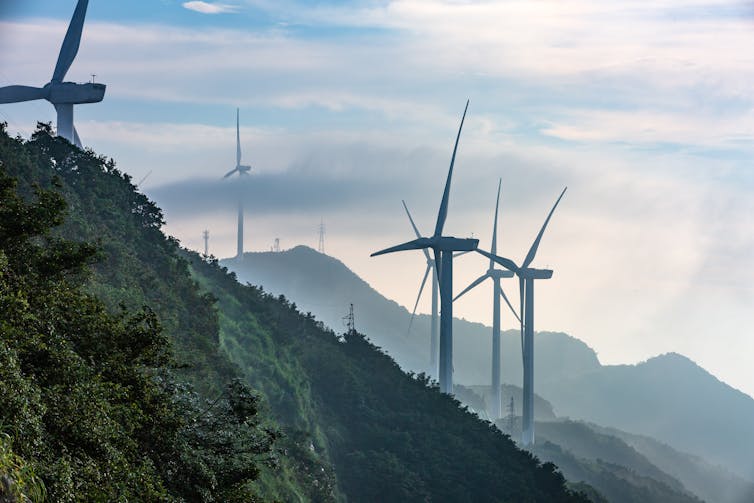
The Heyuan Queyashan wind farm near the Chinese city of Heyuan, Guangdong province. maple90 / Shutterstock

During the cold war, the US and Soviet Union were locked in a desperate race to develop cutting‑edge technologies like long-range missiles and satellites. Fast forward to today and the frontiers of global technology have pivoted to AI and next‑generation energy.

In one domain, AI, the US has far outpaced any other nation – though China looks to be closing the gap. In the other, energy, it has just tied its shoelaces together. The reason isn’t technology, economics or, despite the government’s official line, even national security. Rather, it is politics.

Since returning to the White House in January, Donald Trump has handed out huge wins to the coal and oil and gas industries. This is no great surprise. Trump has long been supportive of the US fossil fuel industry and, since his reelection, has appointed several former industry lobbyists to top political positions.

According to the Trump administration, national security requires gutting support for renewable energy while performing political CPR on the dying coal industry.

The reality is that, since 2019, the US has produced more oil, gas and coal annually than Americans want to use, with the rest exported and sold overseas. It is currently one of the most prolific exporters of fossil fuels in the world.

In short, the US does not have an energy security problem. It does, however, have an energy cost problem combined with a growing climate change crisis. These issues will only be made worse by Trump’s enthusiasm for fossil fuels.

Over the past six months, the Trump administration has upended half a decade of green industrial policy. It has clawed back billions of US dollars in tax credits and grants that were supercharging American energy innovation.

Meanwhile, China has roared forward. Beijing has doubled down on wind, solar and next‑generation batteries, installing more wind and solar power in 2024 than the rest of the world combined. To China’s delight, the US has simply stopped competing to be the world’s clean energy powerhouse.

Roughly one-in-five lithium‑ion batteries, a key component in clean energy products, are made in China. Many of the newest high‑tech batteries are also being developed and patented there. While Trump repeats the tired mantra of “drill, baby, drill”, China is building factories, cornering the market for critical minerals such as lithium and nickel, and locking in export partners.

At the same time, household energy spending in the US is expected to increase by US$170 (£126) each year between now and 2035 as a result of Trump’s One Big Beautiful Bill Act. The bill, which includes sweeping changes to taxes, social security and more, will raise energy costs mainly because it strips away support for cheap and abundant renewables like wind and solar.

Household energy costs could go up even more as Trump threatens to make large‑scale clean energy development much more onerous by putting up bureaucratic hurdles. The administration recently issued a directive requiring the secretary of the interior to approve even routine activities for wind and solar projects connected to federal lands.

Meanwhile, climate change is hitting American communities harder with each passing year. As recent flooding in Texas and urban fires in California and Hawaii have shown, fewer Americans still have the luxury of ignoring climate change.

As the cost of these disasters mount – US$183 billion in 2024 – the grifting of the oil and gas industry will become an increasingly bitter pill for the nation to swallow.

China’s foresight

China, with its authoritarian government, is less susceptible to the petroleum-obsessed dogma fueling the Republican party. It does not have prominent leaders like US politician Marjorie Taylor Greene, who previously warned that Democrats are trying to “emasculate the way we drive” by advocating for electric vehicles. Rather, China’s leaders are seeing green – not in the environmental sense, but in a monetary one.

It is generally cheaper nowadays to build and operate renewable energy facilities than gas or coal power stations. According to a June 2025 report by Lazard, an asset management company, electricity from new large-scale solar farms costs up to US$78 per megawatt hour – and often much less. The same electricity from a newly built natural gas plants, by comparison, can cost as much as US$107 per megawatt hour.

Across the world, utilities are embracing clean energy, choosing lower costs for their customers while reducing pollution. China saw the writing on the wall decades ago, and its early investments are bearing a rich harvest. It now produces more than half of the world’s electric vehicles and the vast majority of its solar panels.

Wind turbines on top of green mountains.
The Heyuan Queyashan wind farm near the Chinese city of Heyuan, Guangdong province.
maple90 / Shutterstock

The US can still compete at the leading edge of the energy sector. American companies are developing innovative new approaches to geothermal, battery recycling and many other energy technologies.

But in the battle to become the world’s 21st-century energy manufacturing powerhouse, the US seems to have walked off the playing field.

In Trump’s telling, the US may have simply exited one race and reentered another. But the fossil fuel industry – financially, environmentally and ethically – is obviously a dead end.


Don’t have time to read about climate change as much as you’d like?

Get a weekly roundup in your inbox instead. Every Wednesday, The Conversation’s environment editor writes Imagine, a short email that goes a little deeper into just one climate issue. Join the 45,000+ readers who’ve subscribed so far.


The Conversation

Stephen Lezak does not work for, consult, own shares in or receive funding from any company or organisation that would benefit from this article, and has disclosed no relevant affiliations beyond their academic appointment.

ref. Why the US is letting China win on energy innovation – https://theconversation.com/why-the-us-is-letting-china-win-on-energy-innovation-261109

The treaty meant to control nuclear risks is under strain 80 years after the US bombings of Hiroshima and Nagasaki

Source: The Conversation – USA (2) – By Stephen Herzog, Professor of the Practice, Middlebury Institute of International Studies at Monterey, Middlebury

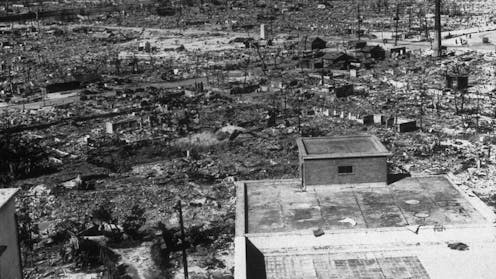
The city of Hiroshima was destroyed when the United States dropped atomic bomb “Little Boy” on Aug. 6, 1945. Hulton Archive/Getty Images

Eighty years ago – on Aug. 6 and 9, 1945 – the U.S. military dropped atomic bombs on Hiroshima and Nagasaki, Japan, thrusting humanity into a terrifying new age. In mere moments, tens of thousands of people perished in deaths whose descriptions often defy comprehension.

The blasts, fires and lingering radiation effects caused such tragedies that even today no one knows exactly how many people died. Estimates place the death toll at up to 140,000 in Hiroshima and over 70,000 in Nagasaki, but the true human costs may never be fully known.

The moral shock of the U.S. attacks reverberated far beyond Japan, searing itself into the conscience of global leaders and the public. It sparked a movement I and others continue to study: the efforts of the international community to ensure that such horrors are never repeated.

Two people in protective clothing, helmets and masks stand near blue barrels outside a building.
Inspectors from the International Atomic Energy Agency visit an Iraqi nuclear facility in 2003, seeking to ensure that the country did not use peaceful nuclear materials to develop weapons.
Ramzi Haidar/AFP via Getty Images

Racing toward the brink

The memories of Hiroshima and Nagasaki cast a long shadow over global efforts to contain nuclear arms. The 1968 Treaty on the Non-Proliferation of Nuclear Weapons, more commonly known as the Nuclear Nonproliferation Treaty, was a powerful, if imperfect, effort to prevent future nuclear catastrophe. Its creation reflected not just morality, but also the practical fears and self-interests of nations.

As the years passed, views of the bombings as justified acts began to shift. Harrowing firsthand accounts from Hibakusha – the survivors – reached wide audiences. One survivor, Setsuko Thurlow, described the sight of other victims:

“It was like a procession of ghosts. I say ‘ghosts’ because they simply did not look like human beings. Their hair was rising upwards, and they were covered with blood and dirt, and they were burned and blackened and swollen. Their skin and flesh were hanging, and parts of the bodies were missing. Some were carrying their own eyeballs.”

Nuclear dangers increased further with the advent of hydrogen bombs, or thermonuclear weapons, capable of destruction far greater than the atomic bombs dropped on Hiroshima and Nagasaki. What had once seemed a decisive end to a global war now looked like the onset of an era wherein no city or civilization would truly be safe.

These shifting perceptions shaped how nations viewed the nuclear age. In the decades following World War II, nuclear technology rapidly spread. By the early 1960s, the United States and the Soviet Union aimed thousands of nuclear warheads at one another.

Meanwhile, there were concerns that countries in East Asia, Europe and the Middle East would acquire the bomb. U.S. President John F. Kennedy even warned that “15 or 20 or 25 nations” might be able to develop nuclear weapons during the 1970s, resulting in the “greatest possible danger” to humanity – the prospect of its extinction. This warning, like much of the early nonproliferation rhetoric, drew its urgency from the legacies of Hiroshima and Nagasaki.

Perhaps the starkest indication of the gravity of the stakes emerged during the Cuban missile crisis of October 1962. For 13 days, the world teetered on the edge of nuclear annihilation until the Soviet Union withdrew its missiles from Cuba in exchange for the secret withdrawal of U.S. missiles from Turkey. During those long days, U.S. and Soviet leaders – and external observers – witnessed how quickly the risks of global destruction could escalate.

Two ships steam side by side with an aircraft flying overhead.
A Soviet freighter, center, is escorted out of Cuban waters by a U.S. Navy plane and the destroyer USS Barry during the 1962 Cuban missile crisis.
Underwood Archives/Getty Images

Crafting the grand bargain

In the wake of such “close calls” – moments where nuclear war was narrowly averted due to individual judgment or sheer luck – diplomacy accelerated.

Negotiations on a treaty to control nuclear proliferation continued at meetings of the Eighteen Nation Disarmament Committee in Geneva from 1965 to 1968. While the enduring horrors of Hiroshima and Nagasaki helped to drive the momentum, national interests largely shaped the talks.

There were three groups of negotiating parties. The United States was joined by its NATO allies Britain, Canada, Italy and France – which only observed. The Soviet Union led a communist bloc containing Bulgaria, Czechoslovakia, Poland and Romania. And there were nonaligned countries: Brazil; Burma, now known as Myanmar; Ethiopia; India; Mexico; Nigeria; Sweden, which only joined NATO in 2024; and the United Arab Republic, now known as Egypt.

For the superpowers, a treaty to limit the spread of the bomb was as much a strategic opportunity as a moral imperative.
Keeping the so-called “nuclear club” small would not only stabilize international tensions, but it would also cement Washington’s and Moscow’s global leadership and prestige.

U.S. leaders and their Soviet counterparts therefore sought to promote nonproliferation abroad. Perhaps just as important as ensuring nuclear forbearance among their adversaries was preventing a cascade of nuclear proliferation among allies that could embolden their friends and spiral out of control.

Standing apart from these Cold War blocs were the nonaligned countries. Many of them approached the atomic age through a humanitarian and moral lens. They demanded meaningful action toward nuclear disarmament to ensure that no other city would suffer the tragic fate of Hiroshima and Nagasaki.

The nonaligned countries refused to accept a two-tiered treaty merely codifying inequality between nuclear “haves” and “have-nots.” In exchange for agreeing to forgo the bomb, they demanded two crucial commitments that shaped the resulting treaty into what historians often describe as a “grand bargain.”

The nonaligned countries agreed in the treaty to permit the era’s existing nuclear powers – Britain, China, France, the Soviet Union (later Russia) and the United States – to temporarily maintain their arsenals while committing to future disarmament. But in exchange, they were promised peaceful nuclear technology for energy, medicine and development. And to reduce the risks of anyone turning peaceful nuclear materials into weapons, the treaty empowered the International Atomic Energy Agency to conduct inspections around the world.

People sit at a large table and sign documents.
U.S. President Lyndon B. Johnson, right, looks on as Secretary of State Dean Rusk signs the Nuclear Non-Proliferation Treaty on July 1, 1968.
Corbis via Getty Images

Legacies and limits

The treaty entered into force in 1970 and with, 191 member nations, is today among the world’s most universal accords. Yet, from the outset, its provisions faced limits. Nuclear-armed India, Israel and Pakistan have always rejected the treaty, and North Korea later withdrew to develop its own nuclear weapons.

In response to evolving challenges, such as the discovery of Iraq’s clandestine nuclear weapons program in the early 1990s, International Atomic Energy Agency safeguard efforts grew more stringent. Many countries agreed to accept nuclear facility inspections on shorter notice and involving more intrusive tools as part of the initiative to detect and deter the development of the world’s most powerful weapons. And the countries of the world extended the treaty indefinitely in 1995, reaffirming their commitment to nonproliferation.

The treaty represents a complex compromise between morality and pragmatism, between the painful memories of Hiroshima and Nagasaki and hard-edged geopolitics. Despite its many imperfections and its de facto promotion of nuclear inequality, the treaty is credited with limiting nuclear proliferation to just nine countries today. It has done so through civilian nuclear energy incentives and inspections that give countries confidence that their rivals are not building the bomb. Countries also put pressure on each other to obey the rules, such as when the international community condemned, sanctioned and isolated North Korea after it withdrew from the treaty and tested a nuclear weapon.

But the treaty continues to face serious challenges. Critics argue that its disarmament provisions remain vague and unfulfilled, with some scholars contending that nonnuclear countries should exit the treaty to encourage the great powers to disarm. Nuclear-armed countries continue to modernize – and in some cases, expand – their arsenals, eroding trust in the grand bargain.

Armed soldiers walk next to a barbed-wire fence.
Tensions between India and Pakistan can often carry veiled, or even explicit, threats of nuclear action.
Mukesh Gupta/AFP via Getty Images

The behavior of individual countries also points to strains on the treaty. Russia’s persistent nuclear threats during its war on Ukraine show how deeply possessors may still rely on these weapons as tools of coercive foreign policy. North Korea continues to wield its nuclear arsenal in ways that undermine international security. Iran might consider proliferation to deter future Israeli and U.S. strikes on its nuclear facilities.

Still, I would argue that declaring the treaty to be dead is simply premature. Critics have predicted its demise since the treaty’s inception in 1968. While many countries have growing frustrations with the existing system of nonproliferation, most of them still see more benefit in staying than walking away from the treaty.

The treaty may be embattled, but it remains intact. Worryingly, the world today appears far removed from the vision of avoiding nuclear catastrophe that Hiroshima and Nagasaki helped awaken. As nuclear dangers intensify and disarmament stalls, moral clarity risks fading into ritual remembrance.

I believe that for the sake of humanity’s future, the tragedies of the atomic bombings must remain a stark and unmistakable warning, not a precedent. Ultimately, the Nuclear Nonproliferation Treaty’s continued relevance depends on whether nations still believe that shared security begins with shared restraint.

The Conversation

Stephen Herzog does not work for, consult, own shares in or receive funding from any company or organization that would benefit from this article, and has disclosed no relevant affiliations beyond their academic appointment.

ref. The treaty meant to control nuclear risks is under strain 80 years after the US bombings of Hiroshima and Nagasaki – https://theconversation.com/the-treaty-meant-to-control-nuclear-risks-is-under-strain-80-years-after-the-us-bombings-of-hiroshima-and-nagasaki-262164

Peptides: performance-boosting, anti-ageing drugs or dangerous snake oil?

Source: The Conversation – UK – By Adam Taylor, Professor of Anatomy, Lancaster University

PeopleImages.com – Yuri A/Shutterstock.com

For a growing number of middle-aged men, ageing no longer means surrendering to sagging skin, sore joints or slowing metabolism. Instead, it’s becoming a science experiment. The new frontier? Injectable peptides – experimental compounds that promise rapid recovery, fat loss and muscle gains with the ease of a twice-daily to weekly jab.

Once confined to elite labs and obscure bodybuilding forums, these amino acid chains are now flooding wellness spaces, social media feeds and online marketplaces. Although they are marketed as “next-generation biohacks” and “research chemicals”, many peptides are not approved for human use and lack basic clinical testing.

Still, their popularity is growing – fuelled by testimonials, influencer hype and the seductive promise of turning back time.

But beneath the surface of glossy marketing and fitness fantasies lies a far more sobering truth: many of these substances operate in a medical grey zone, with unknown long-term risks, questionable manufacturing standards, and in some cases, life-threatening side-effects.

Peptides aren’t entirely new to medicine. The first peptide drug – insulin – was isolated in 1921 and became commercially available in 1923. Today over 100 peptide medications are approved, including semaglutide – better known as Ozempic and Wegovy.

But the compounds now circulating in fitness communities represent a very different category. They’re experimental substances that have shown promise in animal studies but have never undergone proper human trials.

The ‘Wolverine stack’

One such compound, first discovered in human gastric juice, that is attracting lots of attention is BPC-157. Early animal studies suggest it may help repair damaged tissue throughout the body.

Researchers tested it on mice, rats, rabbits and dogs without finding serious side-effects. The compound appears to support healing of the tendons, teeth and digestive organs, including the stomach, intestines, liver and pancreas.

Scientists don’t yet fully understand how BPC-157 works, but animal studies suggest it triggers several biological processes essential for healing. The compound appears to help cells move to damaged areas and encourages the growth of new blood vessels, bringing nutrients and oxygen to tissues in need of repair.

Another compound gaining attention is TB500. It is a synthetic version of thymosin beta-4, a naturally occurring protein fragment that plays an important role in repairing and regenerating damaged cells and tissues.

It also helps protect cells from further harm by reducing inflammation and defending against microbes. The combination of BPC-157 and TB500 has earned the nickname “the Wolverine stack”, named after the Marvel superhero famous for his rapid healing.

Then there’s IGF-1 LR3, a modified version of a natural protein (IGF-1) linked to muscle growth. This synthetic compound was shown to increase muscle mass by 2.5 times in animal studies, though it has never been studied in humans.

The limited human research that does exist for these compounds offers inconclusive results. For example, a study showed that over 90% of patients experienced reduced knee pain after BPC-157 injections. However, the study had no control group and several methodological issues, so the results should be viewed with caution.

Hidden dangers

Even though the early results seem exciting, these experimental compounds can be dangerous. Making them involves special chemicals called coupling agents, which can trigger serious allergic reactions, including anaphylaxis – a life-threatening condition.

The health consequences extend well beyond allergic reactions. Long-term injection of performance-enhancing substances can lead to heart failure that can occur rapidly with little warning, as documented in recent medical case studies of young bodybuilders.

Injection-related injuries pose another significant threat. “Compartment syndrome” can develop at injection sites in leg muscles, causing numbness, blood clots and muscle spasms that result in permanent loss of function.

In severe cases, skin and underlying tissue can suffer necrosis (tissue death), requiring antibiotics or surgery to treat. More alarming still are reports of users contracting HIV, hepatitis B and C, and serious eye infections from contaminated injections.

These compounds don’t just target muscles – they affect the entire body in ways scientists are only beginning to understand. Some interfere with natural insulin production, while others activate biological pathways that healthy cells use for growth and repair.

The concern is that these same pathways are exploited by cancer cells. The VEGF pathway, which promotes blood vessel growth, is active in about half of all human cancers, including melanoma and ovarian cancer. Laboratory studies suggest that thymosin beta-4 may play a role in helping colorectal and pancreatic cancers spread.

While there’s no direct evidence linking compounds like BPC-157 or TB500 to cancer, researchers emphasise that the long-term effects remain unknown because these substances have never undergone proper human trials. The World Anti-Doping Agency has banned these compounds, noting they lack approval from any health regulatory authority and are intended only as research tools.

A growing problem

Yet their use appears to be spreading rapidly. A 2014 study found that 8.2% of gym members used performance-enhancing drugs. By 2024, a comprehensive review suggested the figure could be as high as 29%. Perhaps most concerning: only 38% of users recognised the health risks involved.

These experimental compounds represent a dangerous gamble with long-term health. Unlike approved drugs, they haven’t undergone the rigorous testing required to understand their safety profile in humans. While they may promise enhanced performance and healing, they deliver it at a cost that users may not fully understand until it’s too late.

The appeal is understandable – who wouldn’t want faster healing and better muscle tone? But the reality is these substances remain experimental for good reason. Until proper human trials are conducted, users are essentially volunteering as test subjects in an uncontrolled experiment with their own bodies.


Get your news from actual experts, straight to your inbox. Sign up to our daily newsletter to receive all The Conversation UK’s latest coverage of news and research, from politics and business to the arts and sciences.

The Conversation

Adam Taylor does not work for, consult, own shares in or receive funding from any company or organisation that would benefit from this article, and has disclosed no relevant affiliations beyond their academic appointment.

ref. Peptides: performance-boosting, anti-ageing drugs or dangerous snake oil? – https://theconversation.com/peptides-performance-boosting-anti-ageing-drugs-or-dangerous-snake-oil-259531

Climate change: new method can more accurately attribute environmental harm to individual polluters

Source: The Conversation – UK – By Shashi Kant Yadav, Lecturer, Northumbria University, Newcastle

A small coastal community in Kivalina, Alaska sued several major oil and gas companies, including Exxon Mobil, in 2008. Local representatives argued that greenhouse gas emissions from these companies were contributing to the erosion of the coastline and causing irreversible damage to their village by heating the climate.

But the US Court of Appeals dismissed the claim, citing a lack of evidence linking the corporate emissions with coastal erosion.

In France, 2024, climate campaigners filed a criminal complaint against the major shareholders and the board of directors of TotalEnergies. They alleged that fossil fuels extracted by the company produced emissions that caused floods and storms that damaged property and irreversibly depleted biodiversity.

Despite acknowledging damage related to climate change generally, the Parisian criminal court also dismissed the case. Again, it said there was insufficient evidence to link the activities of TotalEnergies and damage from extreme weather.

Between 2008 and 2024, significant advances were made in climate science that enable us to understand how specific activities affect the climate, and contribute to wildfires, extreme heat and flash floods. The science linking these disasters to fossil fuel giants remains insufficient in the eyes of courts, however.

A petrol station.
TotalEnergies won its case in 2024.
Tamer A Soliman/Shutterstock

That’s because climate attribution science generally fails to meet the necessary standard of legal evidence to assign liability. For example, a recent advisory opinion published by the International Court of Justice acknowledged that states have a responsibility to address climate change, and that it is possible to establish a link between a state’s wrongful acts or omissions and the damage resulting from climate change. Despite this, claimants still sometimes fail to prove such a link in court.

However, a new study has demonstrated a computer model that can reduce scientific uncertainty around linking emissions from a particular source to outcomes related to climate change. This end-to-end attribution model, as it is called, could strengthen legal claims against entities damaging the climate.

Tracing emissions to damages

The end-to-end attribution model uses a three-step process to assign liability for climate damage.

First, using historical emissions data from online databases such as Carbon Major, the model simulates two scenarios: one with all historical emissions (the real world), and the other where the emissions from a particular company are excluded. The difference in emissions between these two scenarios is then paired with the concomitant increase in the global temperature, which shows how much warming can be directly attributed to that company.

Using statistical methods, the model can then connect the relevant global temperature increase to changes in the intensity of heatwaves in a particular region. It could, for instance, calculate how much hotter the five hottest days of the year have become in a given year because of the company’s emissions.

The model estimates the economic impact of these intensified heatwaves. It can do this using data on the consequences of reduced productivity and crop losses for growth, for example. It calculates how much money a region lost because of the heatwaves linked to the company’s emissions and gives a dollar value for the damages.

By combining these three steps, the model traces the path from a company’s emissions to specific economic losses, theoretically making it possible to hold emitters financially accountable for climate damages.

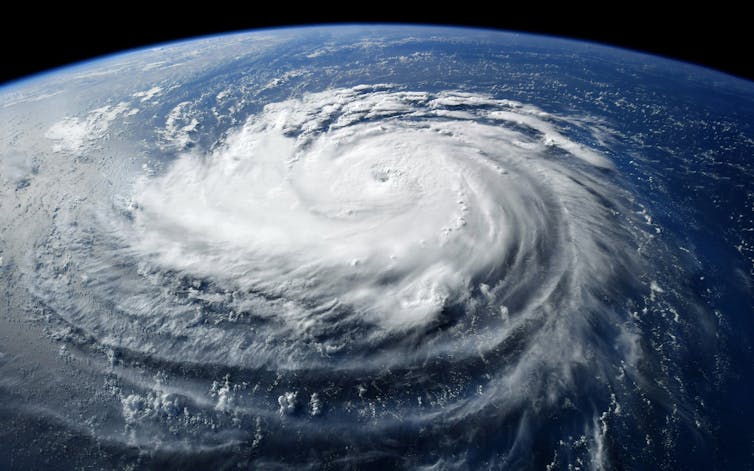
A satellite image of a hurricane.
Economic losses from extreme weather are mounting.
Triff/Shutterstock

In doing so, the study estimated that emissions from Chevron alone caused between US$791 billion (£589 billion) and US$3.6 trillion (£2.7 trillion) in heat-related economic losses globally between 1991 and 2020, and that without emissions from 111 large oil, gas and coal producers (collectively referred to as “carbon majors”) such as ExxonMobil, BP, Saudi Aramco and Gazprom, the global economy would be US$28 trillion richer.

The advantages for claimants

Climate court cases in which claimants seek to assign liability to oil and gas companies are on the rise worldwide.

About 230 lawsuits have been filed against fossil fuel giants and trade associations since 2015. More than two-thirds of these were filed between 2020 and 2024, and many are awaiting a final decision. For such cases, end-to-end attribution could be helpful.

End-to-end attribution can assist claimants in meeting the commonly used “but for” test, by demonstrating that, but for a specific company’s emissions, certain climate-related damages would not have occurred. The method can also meet other liability tests. One is called proportional liability, and it attempts to quantify the extent to which a company’s emissions contributed to increased risk or the severity of damage. This flexibility strengthens the method’s applicability across different legal systems.

The end-to-end attribution method enables claimants to connect global warming to local disasters, such as the 2021 Pacific Northwest “heat dome”. This is crucial, as climate litigation focused on single, high-impact events is usually more successful.

It is well established that emissions from companies in the US and Europe have caused significant harm which is disproportionately suffered in the global south. End-to-end attribution strengthens the evidence base for such climate justice arguments in courtrooms.

There are no established standards for how courts worldwide evaluate scientific evidence. Consequently, while the end-to-end attribution method can link fossil fuel companies and climate-related legal injuries, the courts, depending on differences between jurisdictions and the context of each case, may require higher thresholds to trigger criminal or civil liability.

Additionally, fossil fuel companies often argue that any harm caused by their activities should be weighed against the benefits their products also provide. However, the benefits of fossil fuels should not exempt companies from climate-related liability, because climate change is an existential threat.

End-to-end attribution provides a vital scientific tool for making fossil fuel companies accountable, and could reshape climate litigation globally.


Don’t have time to read about climate change as much as you’d like?

Get a weekly roundup in your inbox instead. Every Wednesday, The Conversation’s environment editor writes Imagine, a short email that goes a little deeper into just one climate issue. Join the 45,000+ readers who’ve subscribed so far.


The Conversation

The authors do not work for, consult, own shares in or receive funding from any company or organisation that would benefit from this article, and have disclosed no relevant affiliations beyond their academic appointment.

ref. Climate change: new method can more accurately attribute environmental harm to individual polluters – https://theconversation.com/climate-change-new-method-can-more-accurately-attribute-environmental-harm-to-individual-polluters-256002