Against the backdrop of a fragmenting political system, the 2025 party conference season in the UK has been an unusual one. The Greens and Reform, having secured strong results in the 2024 election, enjoyed an unprecedented level of interest in their events. Members were interviewed in the media and party leaders’ speeches were scrutinised.
Attention is almost always squarely focused on Labour and the Conservatives, perhaps with some Liberal Democrat coverage too. And there have been times when party members have seemed very out of sync with the general public. This was a strong theme during the years of Jeremy Corbyn’s leadership of the Labour party. But it has also affected the Conservatives. Party members strongly supported Brexit at a time when the Conservative leadership opposed it.
But these days, it’s Reform and Green party members who are most ideologically at odds with the voting public – something their leaders will need to be mindful of as they prepare for the next election. Labour and Liberal Democrat party members are the most aligned, followed by the Conservatives.
To show this, we can use data from a large-scale national survey conducted just prior to the general election in 2024 by the British Election Study. With more than 30,000 respondents the survey makes it possible to compare the views of party members with those of voters to see how much they differ.
Percentages of party members in the BES Panel Survey 2024:
A breakdown of the party members in the survey. P Whiteley, CC BY-ND
The survey asked respondents if they were members of a political party and a total of 1,191 said they were, making up 4% of all respondents. The chart shows the percentage shares of these members in each of the five national parties at that time.
Labour membership was twice as large as that of the Conservatives and they in turn were just over twice as large as the Liberal Democrats. Reform and the Greens had the same percentage of members.
To judge whether party members were extreme in their views compared to the average population, we can use responses to a question which asked: “In politics people sometimes talk of left and right. Where would you place yourself on the following scale?” The scale runs from 0 (far left) to 10 (far right).
The ideology scores on the left-right scale for voters in 2024:
Where party members sit on the political spectrum. P Whiteley, CC BY-ND
Most voters place themselves at the centre of the left-to-right ideological spectrum, with a mean score of 4.8 on the scale. There is an important strand of academic research in political science which suggests that voters will support the party that is closest to them on this ideological scale.
This is the so-called spatial model of party competition. The distance between the voters and the party members on the scale measures how “extremist” party members are in relation to voters as a whole.
The third chart shows the scores of party members on this left-right scale. It shows that the Liberal Democrat members are closer to the voter mean of 4.8 than any other party. They have a score of 3.8. The second closest party is Labour on 2.7, followed by the Conservatives on 7.6.
The two clear outliers are the Greens on 1.8 who are well to the left of Labour and Reform on 8, which is well to the right of the Conservatives.
Mean scores of party members on the left-right ideological scale:
Reform and the Greens are furthest from the general public. P Whiteley, CC BY-ND
Political polarisation can weaken the relationship between ideology and voting because it flattens the distribution of voters on the left-right scale. It creates more extremists so that the distribution has fatter tails.
That said, the chart does not show large numbers of extremists in the British electorate, since the great majority of voters are clustered in the centre. This makes it unwise for any party to be too leftwing or rightwing – something which is likely to cause problems for both Reform and the Greens.
“Performance politics” also plays a role. This refers to the extent that incumbent parties deliver on their promises.
This has been a major problem for the Conservatives in the past and it is now affecting the Labour government. Voters want fast action to solve their problems, making this an issue for centre parties as much as for fringe parties.
Both Reform and the Greens have not had to struggle with delivery at the national level, although their recent successes in local government elections will provide evidence of this by the time of the next general election.
Overall Reform and the Greens should note that it is better to be close to what the electorate want than far away when voters start to look at what the parties are offering during an election campaign.
Want more politics coverage from academic experts? Every week, we bring you informed analysis of developments in government and fact check the claims being made.
This article contains references to books that have been included for editorial reasons, and this may include links to bookshop.org. If you click on one of the links and go on to buy something from bookshop.org The Conversation UK may earn a commission.
Paul Whiteley has received funding from the British Academy and the ESRC.
France has been experiencing an unprecedented political crisis since President Emmanuel Macron dissolved parliament in June 2024. For political scientist Rémi Lefebvre, this deadlock is not only institutional: it reveals a crisis of representative governance fuelled by mistrust, social fragmentation and the erosion of majority rule.
Following the dissolution and the legislative elections that followed it, the governments of prime ministers Michel Barnier, François Bayrou and Sébastien Lecornu have all been unable to govern. Many commentators have suggested that this deadlock could be linked to a lack of compromise among political parties, or to unhelpful institutional rules. On the contrary, it seems that the disruption runs much deeper. The relationship with politics in France has changed in recent decades, and the current crisis is merely a symptom of the erosion and breakdown of the link between voter and representative itself.
A disrupted political routine
In France, particularly since the 1970s, we have become accustomed to the “majority system”: the president was elected by direct universal suffrage and needed a majority in parliament, which he generally obtained. Political life had a routine rhythm of alternating majorities. Then this system gradually broke down.
The lack of alternatives to this rhythm has led to a proliferation of political parties, creating chronic disillusionment in each political camp. The rise of the far right, which claims to embody a new path, is associated with the blurring of the left-right divide. In 2017, the arrival of Macron was seen as the result of the exhaustion of this divide and a response to the democratic crisis, driven by a rhetoric of “transcendence”.
But the president has exacerbated the crisis by pushing the margins to extremes and, ultimately, polarising political life while shifting his own position to the right. Macron has fuelled the far right, and he has weakened the left. While there are strong calls for compromise, on the left, the Socialist Party (PS) is under the thumb of La France Insoumise (France Unbowed or LFI) and constantly exposed to accusations of “treason”. The difficulty in building majorities, linked to the tripartite nature of political life, is exacerbated by internal fragmentation within each bloc.
However, this crisis cannot be understood solely in terms of political manoeuvring. We must also take into account changes in the relationship between voters and politics. Since the early 2000s, the very mechanism of elections has been called into question. The legitimacy given to those in power by elections is increasingly weak, as explained by historian Pierre Rosanvallon. This is reinforced by the widespread development of strategic voting: people are increasingly voting “usefully” in order to eliminate candidates, but voters are no longer really expressing their preferences, which weakens their commitment to the appointment of a representative and the legitimacy of that representative. Thus, the electoral process is fundamentally flawed: this is referred to as “negative” democracy. We eliminate more than we choose.
Fragmentation of society
Furthermore, the fragmentation of political identities partly reflects the fragmentation of society itself. The crisis of governance or governability is linked to a more individualised and fragmented society, exacerbated by inequalities and a form of separatism. Identities and divisions are more complex and less structured by homogeneous class identities, as explained by sociologist Gérard Mauger.
If political parties are unwilling to compromise, it is also because they do not want to disappoint the divided social groups that still support them and because they fear “betraying” distrustful voters and increasingly volatile and narrow electoral constituencies. Society is more polarised (the emotional polarisation caused by social media is undeniable), which also makes political compromises more difficult. We could add that the fragmentation and splintering of voters’ political identities is exacerbated by the weakness of the parties and their large number – there are now 11 parliamentary groups in the National Assembly, which is a record. One of the major consequences is that political parties are no longer able to organise public debate around a few coherent and simple visions.
Could the current political impasse be resolved by dissolution, negotiations, new parliamentary elections or even a presidential election? It is doubtful. Ultimately, it is possible that the carte blanche given to a French president, which comes via legislative elections that follow presidential polls, will no longer exist in the future. Political majorities are nowhere to be found, but perhaps neither are social and electoral majorities (ie alliances of social groups large enough to support political majorities).
Mistrust and disillusionment
The economic crisis we have been experiencing for the past year is part of an even broader trend, namely a considerable increase in mistrust of politics.
According to the 2025 barometer of political trust published by the Centre of Political Research at Sciences Po (CEVIPOF), around 20% of French people trust politicians. The French therefore consider the political class incapable of solving problems. They even consider it unworthy. It must be said that the spectacle on offer is rather unattractive, and it can be argued that the calibre of politicians is declining. Political scientist Luc Rouban has shown that this phenomenon fuels a desire to retreat into the private sphere along the lines of “leave us alone, we don’t care about politics”. The current crisis is therefore the product of this mistrust, and the political class’s inability to resolve it reinforces the phenomenon.
Disappointment and disillusionment have been building up for decades. The weakening of the left-right alternation that used to punctuate political life runs deep. Former president Nicolas Sarkozy served only one term, as did his successor François Hollande: both campaigned on volontarisme (the idea that the human will is capable of imposing change), but quickly disappointed. They pursued liberal economic policies that undermined the idea that politics could change things. Macron, who was re-elected, also disappointed. He fuelled the anti-elite sentiment that manifested itself powerfully during the “yellow vest” protests.
Ultimately, each camp is marked by disenchantment and produces mechanisms of polarisation. Thus, the Socialists produced LFI, which was the result of disappointment with the left in power. The far right is also, to a large extent, the result of political disillusionment. These two forces, LFI and Rassemblement National (the far-right National Rally), are hostile to any compromise.
Unavoidable challenges
This mistrust of politics is not specific to France, as political scientist Pierre Martin has shown in his analysis of the crisis facing governing parties. These mechanisms are present everywhere, in Europe and the US. Since the work of Colin Crouch, political scientists have even begun to talk about “post-democratic” regimes, where decisions are increasingly beyond the control of political power.
Globalisation, Europeanisation, and the power of large financial groups and lobbies have devalued political power and reduced its room for manoeuvre. However, politics raises expectations, and politicians attempt to re-enchant the electoral process by making promises at every election.
This situation is particularly difficult to accept in France, where there is a culture of very high expectations of the state. This crisis of volontarisme politique (which sees political leaders saying they will be capable of imposing change, but then failing to do so) is causing repeated disappointment. The latest CEVIPOF survey shows that mistrust is growing and is associated with a feeling of governmental and electoral impotence. The French believe that politics no longer serves any purpose: the sterile game of politics is spinning its wheels, with no impact on reality.
The current situation plays into the hands of the far right, as mistrust of politics fuels anti-parliamentarianism and also reinforces the idea that a political force that has not held office can be a solution.
In addition, a part of society finds itself aligned with right-wing issues: immigration, security, rejection of environmentalism, etc. In this context, the victory of the far right may seem inevitable. It has happened in the US, and it is difficult to imagine France escaping it, given the great fragmentation of the left, its pitfalls and its dead ends. However, if the far right comes to power – which would be a dramatic turn of events – it will also face the test of power and will certainly disappoint, without resolving the political crisis we are currently experiencing. Its electorate, which is very interclass (working class in the north, more middle class in the southeast), has contradictory expectations and it will be difficult to satisfy them.
Rebalancing democracy?
It would be naïve to believe in an “institutional solutionism” that would resolve this political crisis. Democracy cannot be reduced to electoral rules and institutional mechanisms. It is underpinned by values, culture, practices and behaviours.
Given this, a change to proportional representation would encourage voters to vote according to their convictions and marginalise “tactical voting”. The aim would be to better reflect voters’ political preferences through the voting system and to re-legitimise the electoral process.
A Sixth Republic would certainly help to regenerate institutions linked to an exhausted presidential system, as demonstrated by political scientist Bastien François. Nowadays, the verticality of power no longer works in a society shaped by horizontal dynamics. The image associated with the French president accentuates disappointment by creating a providential figure who cannot keep his promises. While the French are not in favour of abolishing direct universal suffrage for presidential elections, it is possible to limit the powers of the president – just as it is possible to reverse the calendar with legislative elections preceding presidential ones.
Many works, such as those by political scientist Loïc Blondiaux, also propose ways of thinking about a new balance between representative democracy and participatory democracy, a more continuous democracy that is less focused on elections. For a long time, elections were sufficient to ensure democracy, but that cycle is now over. This means tinkering and experimenting – with referendums, citizens’ conventions, etc. – in order to find a new balance between participation and representation. However, these solutions are complex to implement, whereas democracy through voting alone was very simple. Finally, democracy is a culture, and it is necessary to encourage participation at all levels by promoting a more inclusive, less competitive society, particularly in schools and businesses.
Another issue is that of political parties: citizens no longer join them because they are perceived as unattractive. Some studies suggest that they should be reformed and that their public funding, for example, should be rethought, with funding being made conditional on the diversity of elected representatives.
Democracy and the economy
Finally, a major democratic challenge is to regain control over the economic sphere. The debate on the Zucman tax highlights the political barrier that needs to be broken down: the power of the financial oligarchy. As long as political power has to bow down to finance, the deceptive logic of post-democracy will continue. However, inequalities have increased to such an extent that societies could demand a rebalancing. In this sense, post-democracy is not inevitable.
Economic forces will attempt to protect their positions and power, but, as political sociologist Vincent Tibérj shows, there is a very strong commitment to social justice and redistribution in France, even among the far right. Under pressure, the elites could therefore be forced to give in.
A weekly e-mail in English featuring expertise from scholars and researchers. It provides an introduction to the diversity of research coming out of the continent and considers some of the key issues facing European countries. Get the newsletter!
Rémi Lefebvre ne travaille pas, ne conseille pas, ne possède pas de parts, ne reçoit pas de fonds d’une organisation qui pourrait tirer profit de cet article, et n’a déclaré aucune autre affiliation que son organisme de recherche.
Genetic inheritance may sound straightforward: One gene causes one trait or a specific illness. When doctors use genetics, it’s usually to try to identify a disease-causing gene to help guide diagnosis and treatment. But for most health conditions, the genetics is far more complicated than how clinicians are currently looking at it in diagnosis, counseling and treatment.
Your DNA carries millions of genetic variants you inherit from your parents or develop by chance. Some are common variants, shared by many people. Others are rare variants, found in very few people or even unique to a family. Together, these variants shape who you are – from visible traits such as height or eye color to health conditions such as diabetes or heart disease.
In our newly published research in the journal Cell, my team and I found that a genetic mutation involved in neurodevelopmental and psychiatric conditions such as autism and schizophrenia is affected by multiple other genetic variants, changing how these conditions develop. Our findings support the idea that, rather than focusing on single genes, taking the whole genome into account would provide insight into how researchers understand what makes someone genetically predisposed to certain diseases and how those diseases develop.
Primary and secondary variants
Certain rare variants can cause problems on their own, such as the genetic mutations that cause sickle cell anemia and cystic fibrosis. But in many cases, whether someone actually develops symptoms of disease depends on what else is happening across the genome.
While a primary variant might trigger a disease, secondary variants can alter how that disease develops and progresses. Think of it like a song: The melody (primary variant) is the main part of the song, but the bassist and drummer (secondary variants) can change its groove and rhythm.
That’s why two people with the same genetic mutation can seem so different. One person might have severe symptoms, another person mild symptoms, and another none at all. These variations can even occur within the same family. This phenomenon, called variable expressivity, arises from differences in the secondary variants a person has. In most cases, these variants amplify the effects of the primary mutation. A higher number of secondary variants on top of a primary variant generally leads to more severe disease.
Mutations are a source of genetic variation.
Sometimes, a primary variant and a secondary variant together can cause two different disorders in the same person, such as Prader-Willi syndrome and Pitt-Hopkins syndrome. Other times, secondary variants have no obvious effect on their own but together can tip the balance of whether and how a disease will appear, even in the absence of a primary variant. This can be seen in the development of heart disease in children.
Insights from a missing piece of a chromosome
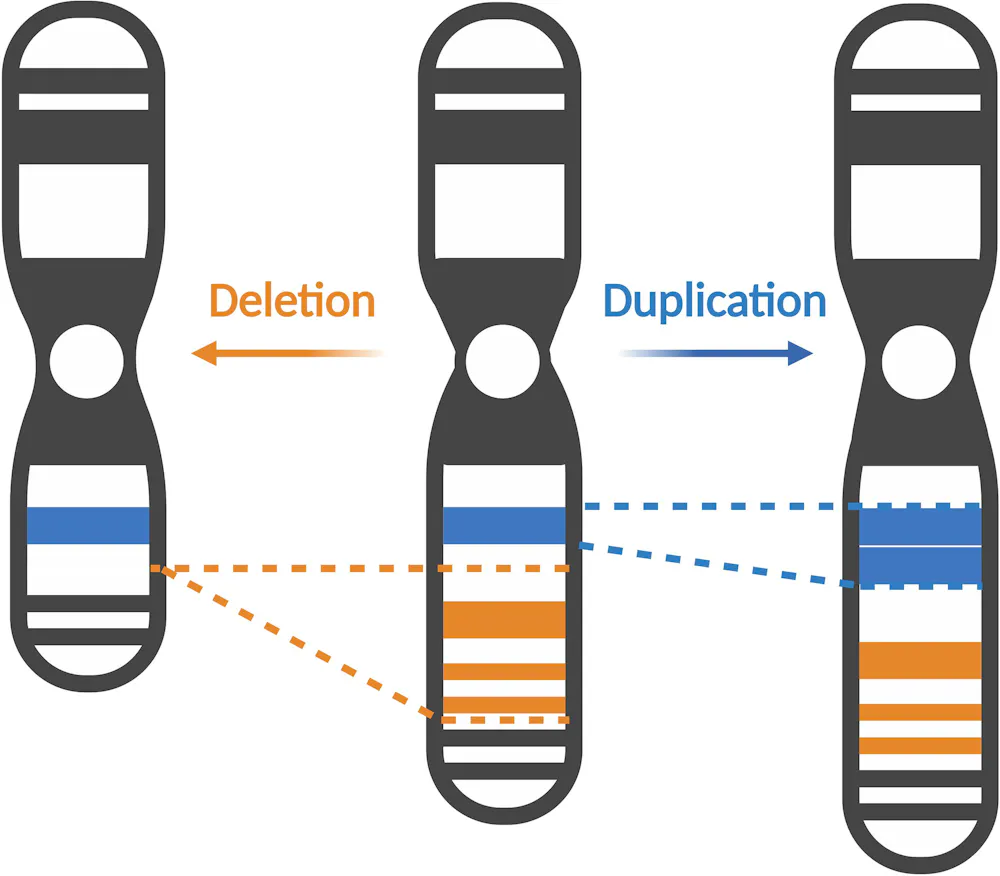
My team and I studied a genetic change known as a 16p12.1 deletion, where a small piece of chromosome 16 is missing. Researchers have linked this mutation to developmental delay, intellectual disability and psychiatric conditions such as schizophrenia. Yet most children inherit this genetic variant from a parent who has milder symptoms, different symptoms or sometimes no symptoms at all.
To understand why this happens, we analyzed 442 individuals from 124 families carrying this genetic mutation. We found that children lacking this piece of chromosome 16 had more secondary variants elsewhere in the genome compared to their carrier parents. These secondary variants took many forms, including both small changes and large deletions, duplications and expansions of their DNA.
Each type of secondary variant was associated with different health outcomes. Some were linked to smaller head size and reduced cognitive function, while others contributed to higher rates of psychiatric or developmental symptoms. This suggests that while a 16p12.1 deletion makes the genome more sensitive to neurodevelopmental disorders, which symptoms manifest depends on which other variants are present.
The story gets even more complex when considering the fact that children not only inherit a 16p12.1 deletion from one parent but also inherit secondary variants from both parents.
My team and I found that the symptoms of the parent with this genetic mutation often match those of their spouse. For example, a parent with a 16p12.1 deletion who shows signs of anxiety or depression is more likely to have a partner who also has these symptoms. This pattern, called assortative mating, means that when parents with overlapping genetic risks have children, those risks can combine and accumulate.
Over generations, this stacking of secondary variants can lead to children who have more severe symptoms than their parents.
Biases in genetics research
One reason why scientific understanding of secondary variants has lagged is that genetic research often depends on who is recruited to participate in these studies and how researchers recruit them.
Most studies recruit patients affected with a particular disease. Families recruited from genetic clinics typically have children with severe versions of the disease. But if studies focus only on patients with the most acute symptoms, researchers may overestimate the effects of primary variants and miss the subtler role that secondary variants may play in how a disease develops.
But if researchers were to study people drawn from the general population – say, by recruiting people from a large shopping mall – some might carry the same primary variant but have far milder symptoms or none at all. This variability allows researchers to better dissect how different parts of the genome interact with each other and affect how a disease develops.
In our study, for example, we found that people with a 16p12.1 deletion who were recruited from the general population often had milder symptoms and different patterns of secondary variants compared to those who were recruited in a clinic.
Instead of a deterministic view where one mutation equals one outcome, a more complex model accounts for the fact that whether and how a disease develops depends on the interplay between different genetic variants and environment. This has implications for how genetics is used in the clinic.
Currently, a child who tests positive for a genetic variant might be diagnosed with a disease tied to that mutation. In the future, doctors might also examine the child’s broader genetic profile to better predict their developmental trajectory, psychiatric risk or response to therapies. Families could be counseled with a more realistic picture of their child’s probability of developing a disease, rather than assuming every person with the same genetic variant will share the same outcome.
The science is still emerging. Larger and more diverse datasets and models that can better capture the subtle effects of genetic variants and environmental factors are still needed. But what’s clear is that secondary variants are not secondary in importance.
By embracing this complexity, I believe genetics can move closer to its ultimate promise: not just explaining why disease happens, but predicting who is most at risk and personalizing care for each individual.
Santhosh Girirajan receives funding from the National Institutes of Health.
For most of the past 25 years, Chinese construction companies operating in Africa could count on generous financial backing from Chinese banks. Between 2000 and 2019, Chinese funders committed almost US$50 billion to African transport projects. Most came from Chinese development finance institutions.
Six years ago, this started to change as Chinese lenders began to pull back. Since 2019, they have committed only US$6 billion for the development of Africa’s infrastructure. Yet Chinese companies continue to thrive on the continent. Many remain market leaders in the construction sector in a number of countries. These include Ethiopia, Ghana and Kenya.
To make sense of how Chinese companies continue to expand at a time of dwindling state funding, we looked at what makes them so successful in African markets. In a recent paper we set out the main drivers. We drew on our expertise on the activities of Chinese companies in Africa and undertook extensive fieldwork in China, Kenya and Ghana.
First, Chinese companies draw on their ties to the Chinese state to enter – or establish – their presence in a specific market. This was the case during the boom of Chinese-funded infrastructure projects across Africa. It continues to be the case for projects central to African countries’ development agendas.
Second, Chinese companies build trust-based relationships with other companies, governments and international organisations. This enables them to secure projects across borders and regions.
Third, companies rely on the everyday relations established with local politicians, officials, business people and intermediaries.
The key to market expansion is firms’ ability to shift between these strategies – sometimes leaning on the Chinese state, sometimes on other multinationals, sometimes on local elites. Our research found that support from the Chinese state was important for market entry. But it did not automatically translate into market survival or expansion. Instead, it is companies’ flexible expansion strategy that has made them so successful.
Our findings highlight that African governments and other local actors have a crucial role to play in shaping the activities of Chinese firms. Their policies and negotiation approach actively influence how these companies operate.
Our results also challenge the common assumption that Chinese companies are simply extensions of China’s foreign policy. We show that many Chinese firms increasingly behave like their western private counterparts: competing for contracts, partnering with other international actors, and adapting to local conditions.
This shift highlights the opportunities and responsibilities of African actors in shaping the impact Chinese companies have in their economies.
How Chinese companies do it
We collected data through research in China, Kenya and Ghana between 2018 and 2022. We studied various written sources, interviewed Chinese construction company staff, and spoke to African government officials and people, companies and organisations.
We also spent four months observing Chinese construction sites in Kenya and Ghana.
In the first place, the ties that bind Chinese companies to the Chinese state have long been a springboard for overseas expansion.
In Kenya, China Road and Bridge Corporation, a subsidiary of Africa’s largest international contractor, China Communication Construction Company, opened its local headquarters in 1984. At first, the road builder mainly worked as subcontractor for other Asian companies, gaining experience in “how to do business” in this African market. It later became the lead contractor for Chinese-financed megaprojects like the Nairobi–Mombasa Standard Gauge Railway.
State-backed loans gave the company large contracts as well as visibility and credibility with Kenyan authorities.
In Ghana, China Harbour Engineering Company, another China Communication Construction Company subsidiary, entered the market through a Chinese-financed agreement in the 2010s. The loan gave the harbour company a way in to the Ghanaian market and the opportunity to build long-term relationships.
During a pause in this project, it sought other projects by using its regional networks in west Africa.
Network building
Our evidence shows that Chinese firms operating in African markets cultivate trust-based networks beyond the realm of the Chinese state. These networks include other multinationals, both Chinese and non-Chinese, regional organisations, international financiers and African state actors.
In Ghana, China Harbour Engineering Company relied on its connections with international partners to “keep busy” while Chinese-funded projects stalled. It secured other port projects in west Africa by partnering with a consortium involving western multinationals.
These projects anchored the company in Ghana’s port sector. They also opened doors to further contracts funded by non-Chinese actors.
In Kenya, China Road and Bridge Corporation similarly expanded outside Chinese-funded projects by winning international tenders. The company’s bids were attractive as it was able to redeploy equipment and staff from nearby projects. This lowered the costs of getting started. For example, machinery and quarries used for the Nairobi-Mombasa railway were also used in the Kenyan government-funded Lamu port project.
The ability to mobilise resources across projects strengthens Chinese companies’ competitiveness in international tenders.
We found that Chinese firms embed themselves in local political and business environments. They develop individual relations with key political and business figures.
In Kenya, China Road and Bridge Corporation’s directors worked closely with politicians and ministries to anticipate infrastructure needs. In some cases, the company carried out feasibility studies before tenders were issued. It could then present ready-made projects, such as the Liwatoni bridge in Mombasa.
In Ghana, China Harbour Engineering Company relied on local intermediaries to navigate the politics of infrastructure development and secure contracts. Young professionals had ties to both Chinese managers and Ghanaian elites. The company also hired foreign consultants to bolster its reputation with local officials.
The implications
For African governments, this shift means that Chinese firms are no longer closely tied to Beijing’s priorities. They will participate in public tenders, invest in public-private partnerships and partner with other multinationals.
Negotiating these firms’ role in African economies will require a different strategy. It less focused on geopolitics and more on regulation of standards and alignment with industrial policy.
The next phase of Africa-China infrastructural engagement will not be defined by large Chinese loan packages. It will be driven by operational contexts, various alliances, and a competitive world market.
Elisa Gambino’s work was undertaken under the European Research Council advanced grant for the project ‘African Governance and Space: Transport Corridors, Border Towns and Port Cities in Transition’ (AFRIGOS; ADG-2014–670851) and with the support of a Hallsworth Research Fellowship in Political Economy held at the Global Development Institute of the University of Manchester.
Costanza Franceschini’s research was conducted under a PhD scholarship from the University of Milano-Bicocca, Department of Human Sciences for Education ‘Riccardo Massa’, PhD Program in Cultural and Social Anthropology, and the financial support of the LDE (Leiden-Delft-Erasmus Universities) Research Centre PortCityFutures.
Voluntary medical male circumcision is one of the most important ways to reduce new HIV infections. The foreskin contains receptors that the HIV virus can attach to, and removing it reduces HIV transmission from women to men by about 60% .
But cost and access issues have been barriers for many men and boys in southern Africa. With US funding being cut for HIV programmes, it is increasingly important to scale up voluntary circumcision programmes using local resources.
Together with Bonginkosi Eugene Khumalo, head of circumcision programme at Northdale Hospital, KwaZulu-Natal, we did a study to evaluate the training of primary care providers to use Unicirc, a novel surgical instrument designed in South Africa according to World Health Organization (WHO) specifications.
Our new study describes an ongoing training programme being run by the Centre for Excellence (a long-standing circumcision training programme) at Northdale Hospital in KwaZulu-Natal, a province where traditional circumcision is not practised and which has the highest HIV prevalence in South Africa.
Unicirc is a simple, single-use circumcision tool made of metal and plastic. It’s pre-sterilised, disposable and designed for use by general healthcare workers not just specialists. This makes it safe and practical for use in local clinics.
The study demonstrated the practicality of training primary care doctors, nurses and clinical associates in Unicirc male circumcision.
Circumcision is an important HIV prevention method. It’s vital for countries to scale up services in a cost-effective way and to make them widely available in local areas.
How it’s done
Currently, almost all circumcisions are done by surgical cut and stitch techniques, where specially trained surgeons cut off the foreskin with scissors, then sew up the open wound. It can be done in a surgery under local anaesthesia, but men and boys need to be monitored closely afterwards to make sure all bleeding is stopped. It can cost anywhere between R1000 and R4000 in the private sector in South Africa.
Doctor Cyril and doctor Elisabeth Parker developed the method at their general practice in Cape Town in 2012. This new tool greatly simplifies circumcision so that it can be performed by medical personnel with basic training. It takes only 10 minutes, causes no bleeding, needs no injections or stitches. It results in a rapidly healing, cosmetically pleasing circumcision.
Thousands of these circumcisions have been performed at clinics in Cape Town and an area called Mitchell’s Plain, and nurses and clinical associates have been trained in the technique. Unicirc circumcisions are now being offered at nurse-run Unjani clinics in South Africa.
In the Northdale programme, Dr Cyril Parker and his colleagues trained 67 providers, the majority of whom were nurses and clinical associates. These are mid-level healthcare professionals who work under the supervision of a medical doctor to provide primary medical care. They performed these circumcisions on 1,240 men and boys with no serious complications. Trainees found it faster, simpler and with better results than other methods. The programme is ongoing, with trainees continuing to perform circumcisions safely.
Initially, none of the trainees had used Unicirc. Around 61% of trainees were men and 39% were women, showing a need to encourage more women to join. Nurses (46%) and doctors (45%) made up most trainees, and clinical associates the rest (9%). About 38% had no prior circumcision experience, while 33% were highly experienced in surgical circumcision. This shows the programme can train complete beginners as well as experienced providers.
Nurses and clinical associates are key to expanding cost-effective circumcision access, freeing up medical doctors for other tasks. A disposable, single-use tool reduces infection risks and is well-suited to clinics with limited resources.
What next?
The programme is moving into a phase focused on mentoring, quality checks and further expansion. If widely adopted, Unicirc could greatly improve access to safe, simple and rapid circumcision across resource-limited settings. It is simple enough to be used in traditional circumcision schools.
Along with effective treatment, prevention of mother-to-child transmission, and medication to prevent HIV infection, circumcision plays a critical role in HIV prevention efforts in Africa. Unlike traditional circumcision, voluntary medical circumcision is done under sterile conditions by trained providers with few complications and the ability to deal with any that do occur.
Several southern African countries started their national circumcisions programmes to prevent HIV in 2010. As of 2023, 37 million voluntary medical male circumcisions had been performed in 15 high priority African countries. Estimates are that one million HIV infections have been prevented, saving the cost of treating and monitoring those cases, and avoiding transmission to partners. Circumcision actually saves money in many countries.
Peter S Millard does not work for, consult, own shares in or receive funding from any company or organisation that would benefit from this article, and has disclosed no relevant affiliations beyond their academic appointment.
Source: The Conversation – UK – By Rob Morris, Professor of Physics, School of Science and Technology, Nottingham Trent University
The 2025 Nobel prize in Physics has been awarded to three scientists for the discovery of an effect that has applications in medical devices and quantum computing.
John Clarke, Michel Devoret and John Martinis conducted a series of experiments around 40 years ago which would go on to shape our understanding of the strange properties of the quantum world. It’s a timely award, since 2025 is the 100th anniversary of the formulation of quantum mechanics.
In the microscopic world, a particle can sometimes pass through a barrier and appear on the other side. This phenomenon is called quantum tunnelling. The laureates’ experiments demonstrated tunnelling in the macroscopic world – in other words, the world that’s visible to the naked eye. They showed that it could be observed on an experimental electrical circuit.
Quantum tunnelling has potential future applications in improving memory for mobile phones and has been important for the development of “qubits”, which store and process information in quantum computers. It also has applications in superconducting devices, those that conduct electricity with very little resistance.
British-born John Clarke is Professor of Physics at the University of California, Berkeley. Michel Devoret was born in Paris and is the F. W. Beinecke Professor of Applied Physics at Yale University. John Martinis is Professor of Physics at the University of California, Santa Barbara.
What is quantum tunnelling?
Quantum tunnelling is a counter-intuitive phenomenon where the tiny particles which make up everything we can see and touch can appear on the other side of a solid barrier, which you would otherwise expect to stop them.
Since it was first proposed in 1927, it has been observed for very small particles and it is responsible for our explanation of the radioactive decay of large atoms into smaller atoms and something else called an alpha particle. However, it was also predicted that we might be able to see this same behaviour for larger things. We call this macroscopic quantum tunnelling.
How can we see quantum tunnelling?
The key to observing this macroscopic tunnelling is something called a Josephson junction, which is essentially a fancy broken wire. The wire is not a typical wire which you might use to charge your phone, instead it is a special type of material known as a superconductor. A superconductor has no resistance, which means that a current can flow through it forever without losing any energy. They are used, for example, to create the very strong magnetic fields in magnetic resonance imaging (MRI) scanners.
So how does this help us to explain this strange quantum tunnelling behaviour? If we put two superconducting wires end to end, separated by an insulator, we create our Josephson junction. This is normally manufactured in a single device which, with a basic understanding of electricity, shouldn’t conduct electricity. However, thanks to quantum tunnelling we can see that current can flow across the junction.
The three prize winners demonstrated quantum tunnelling in a paper published in 1985 (it’s common to have such large gaps in time before Nobel prizes are awarded). Quantum tunnelling had previously been suggested to be caused by a breakdown in the insulator. The researchers started by cooling their experimental apparatus to within a fraction of a degree of absolute zero, the coldest temperature which can be achieved.
Heat can give the electrons in conductors just enough energy to get through the barrier. So it would make sense that the more the device is cooled, the fewer electrons would escape. If however quantum tunnelling is taking place, there should be a temperature below which the number of electrons which escape should no longer decrease. The three prize winners found exactly this.
Why is this important?
At the time, the three scientists were trying to prove this developing theory about macroscopic quantum tunnelling through experiments. Even during the announcement of the 2025 prize, Clarke downplayed the importance of this discovery, even though it has been pivotal in so many developments which are at the forefront of quantum physics today.
Quantum computing remains one of the most exciting opportunities which is promised for the near future, and is the source of significant investment worldwide. It comes with much speculation about the risks to our encryption technologies.
It will also ultimately solve problems which are outside the reach of even the largest of today’s supercomputers. The handful of quantum computers which are in existence today, rely on the work of the three 2025 physics Nobel laureates and no doubt will be the subject of another physics Nobel prize in the coming decades.
We are already exploiting these effects in other devices such as superconducting quantum interference devices (Squids) which are used to measure small variations in magnetic fields from the Earth, allowing us to find minerals below the surface. Squids also have uses in medicine. By detecting extremely weak magnetic fields, they can improve on the images from MRI and provide high resolution images of tumours. They can also be used to map electrical activity in the brain, helping to manage epilepsy.
We can’t predict if and when we will have quantum computers in our homes, or indeed in our hands. One thing that is for certain, though, is that the speed of development of this new technology is thanks in no small part to the winners of the 2025 Nobel prize in physics, demonstrating macroscopic quantum mechanical tunnelling in electric circuits.
Rob Morris does not work for, consult, own shares in or receive funding from any company or organisation that would benefit from this article, and has disclosed no relevant affiliations beyond their academic appointment.
Source: The Conversation – UK – By Sam Fankhauser, Professor of Climate Economics and Policy, Smith School of Enterprise and the Environment, University of Oxford
In the mid-2000s, soon after becoming Conservative leader, David Cameron hugged a husky on a trip to the Arctic, in what was widely described as an attempt to “detoxify” the Tory brand. Eighteen years later, Kemi Badenoch has promised to scrap the law that once made that rebranding credible.
Her announcement that the Conservatives will repeal the 2008 Climate Change Act if they win the next general election has the potential to be a major own goal – politically, environmentally and economically.
To understand why, we need to remember how the Climate Change Act came about. The bill was put forward by the Labour government of Gordon Brown, but it had enthusiastic support from the Conservative opposition, which tabled several amendments to strengthen it. Cameron had concluded that green policies were a good way to modernise his party and lead it back into power.
It worked, both for Cameron, who became prime minister in 2010, and for UK climate policy, which has enjoyed a unique period of consensus and stability. Over seven governments, multiple economic crises, Brexit, COVID-19 and the war in Ukraine, there has been clarity about Britain’s climate change objectives. Policies were chopped and changed, often to the frustration of investors, but the institutional framework was stable and widely appreciated.
The Climate Change Act gives the UK a statutory long-term emissions target – initially an 80% cut from 1990 levels by 2050, strengthened to net zero by 2050 by Theresa May, another Tory prime minister.
Progress is managed through a series of five-year carbon budgets, legislated 12 years in advance and monitored by a powerful independent body, the Climate Change Committee (CCC). For much of its existence, the CCC has been chaired by yet another environmentally-minded Tory, Lord Deben (John Gummer). It is this framework the Conservatives now say they want to dismantle.
Yet the Climate Change Act has delivered, both in terms of process and substance. Indeed, the UK model has been emulated around the world. Nearly 60 countries have UK-style climate change laws and over 20 countries have CCC-style advisory bodies, cementing the UK’s position as a climate leader.
The act gives the UK a steady institutional rhythm. Relevant businesses and other organisations know the formal set pieces, such as the CCC’s annual report to parliament, and can time their interventions accordingly.
When colleagues and I interviewed people from business and civil society about the act a few years ago, they emphasised the predictable process, the clear rules on accountability and the evidence-based discourse it has enabled. This all reduces uncertainty and enables long-term planning.
Importantly, the Climate Change Act has delivered environmentally too. Compared to 1990, UK greenhouse gas emissions are down by 50%. The UK economy now uses three times less carbon per unit of economic output than in 1990. Emissions are at their lowest level since 1872.
This trend started before the act, but it was helped and accelerated by it. This is perhaps most noticeable in the radical transformation of the electricity sector: coal has been completely phased out, while offshore wind and other renewables have flourished.
Most people want climate action
Voters value this progress more than politicians appreciate. A University of Oxford survey found that internationally public support for climate action is almost twice as high as policymakers assume. In the UK, three out of four people are fairly or very concerned about climate change.
Badenoch’s announcement comes just as households are starting to reap the financial benefits of clean technology. Colleagues and I have estimated that four out of five UK households, particularly those owning a car, would be better off if net zero was achieved. The typical savings are £100-£380 per household and year.
It is true that households do not yet see the benefits of renewables on their energy bills. We are still paying for the high costs of early investments in clean power, before technology and sheer scale brought the price down.
Successive governments have chosen to recoup these learning costs through electricity bills, rather than general taxation, which would have been easier on most households. But recent analysis suggests renewables are now cutting electricity prices by up to a quarter.
The policy uncertainty generated by the Tory announcement and similar pronouncements by Reform UK will eventually find its way into the risk premiums for investors, though for the time being this effect is still small.
But the reputational damage is immediate. Undoing the act would signal that the UK no longer values the long-term stability that has driven clean investment and made its climate policy admired around the world.
Climate policy requires debate. Deeply political choices need to be made about different decarbonisation strategies, how to pay for necessary investments or the role of controversial technologies like nuclear energy. The past 17 years have shown that these debates are best had within an agreed framework, with support from all major parties. That is what the Climate Change Act provides.
Don’t have time to read about climate change as much as you’d like?
Sam Fankhauser does not work for, consult, own shares in or receive funding from any company or organisation that would benefit from this article, and has disclosed no relevant affiliations beyond their academic appointment.
Developmental research often tells us how ego centric children are. Yet all too often we hear of children who are forced to demonstrate great courage and care in in a crisis.
The ongoing inquiry into the 2024 mass stabbing of young girls in Southport, England, has produced accounts of extreme bravery among the children subjected to the attack. Indeed, the report of a child standing in front of her sister to protect her from knife blows shows a level of courage many adults might not have possessed in the same circumstances.
Details have also emerged of young children holding the door open to allow other children to escape from their attacker first and of children helping others not draw attention to themselves by running or screaming. Similar accounts often emerge from school shootings in the US – take, for example, the report of a teenager confronting a gunman who attacked pupils at a high school in Colorado in September 2025.
How could such young people conduct themselves with so much composure and selflessness? Psychological research shows that children develop the cognitive, personal and emotional skills needed earlier than people might realise.
Although much of our understanding of human courage comes from the adult field, developmental psychology professor Peter Muris’s 2009 study examined the link between fear and courage in children aged eight to 13. His interviews and studies with his young participants found there may be a link between increased courage and the personality traits of extroversion, openness and intellect.
He also found 94% of the children in his study had already carried out at least one courageous action in their lives, such as dealing with an animal they were afraid of or defending a friend from bullies.
And a 2021 study found that extroversion in teenagers seemed to protect them from developing anxiety. It could be that many of the young children who have acted bravely in a crisis had higher scores of this protective trait.
Experimental psychologist, Joana Viera, and her colleagues in their 2020 study explored how humans react when faced with a threat in the form of an electric shock and the option to help another person avoid the shock. They found that as the likelihood of the threat increased, humans were more likely to go to the aid of another, even at risk of a shock to themselves. Their study suggests that defensive states of mind also activate cognitive processes which promote care giving.
Psychologists Tony Buchanan and Stephanie Preston explored how stress can promote altruism, in their 2014 analysis. They emphasised that the neural circuits that support care-taking under stress overlap with brain circuits associated with reward and motivation. These two areas act together during times of stress, helping shift the persons response away from avoidance of threat towards the protection of others.
This care taking mechanism is seen in many animals from rats to gorillas. Social psychologist Daniel Batson suggested there are two types of responses to acute threat, one motivated from personal distress which is self focused and another based upon sympathetic or empathic responding linked to altruism. We all have the potential to respond in either way, which makes the courage of these children all the more impressive.
Several psychologists have found children as young as 12 months old can recognise and respond with empathy to distress in other humans. A 2011 study found that children as young as two years old could respond to others’ distress with verbal comfort, advice and distraction. The researchers also demonstrated that infants responded with heightened distress when presented with the sounds of distress in others.
In order to remember instructions and to show higher order skills such as empathy and the care of others over oneself, the children needed to draw on their developing executive function and areas of the brain’s limbic region. This system is a group of connected brain structures that helps regulate emotions and behaviour. These areas are typically fully developed by young adulthood.
These structures are developing throughout childhood. But research has persistently shown that children of preschool age perform executive functioning tasks such as the ability to perceive and respond to another person’s emotional state. Rather than respond from a instinctive fight or flight response, the children who stay calm during critical moments contain their fear enough to care for others.
A 2010 study investigated the areas of the brain in adults associated with increased bravery. Participants with a fear of snakes had to bring a live snake close to their head. The study found courage was associated with the dissociation of fear and sensory arousal. This means that those people who show courage during stressful situations may disconnect from their feelings of fear and their physiological experiences of fear in the body.
The combination of dissociation and instruction retrieval could help explain how they were able to stay so calm and come to the aid of others. Indeed, caring for others in times of distress can distract us from our own acute distress.
Self efficacy, or the ability to act during times of threat can also protect people against the development of post traumatic symptoms. And a 2019 study found that positive traits such as hope, competence and optimism may also protect people against the development of post traumatic stress disorder.
In all instances where children are faced with such great adversity, one can only hope the bravery and mastery they show offers some protection against the immense psychological trauma the endure.
Kirsten Antoncich does not work for, consult, own shares in or receive funding from any company or organisation that would benefit from this article, and has disclosed no relevant affiliations beyond their academic appointment.
The author Jilly Cooper has died aged 88. Cooper’s books were “bonkbusters” – a form of blockbuster fiction that was most popular in the 1980s and 1990s, characterised by explicit sex, scandalous plots and large casts of characters.
In her 1993 novel, The Man Who Made Husbands Jealous, a reporter rings famous singer Georgie to tell her that her husband Guy had been voted “hubby of the year”. She elaborates: “To be quite honest there wasn’t a lot of choice. Faithful husbands are an endangered species.” This quote is emblematic of the writing that made Cooper famous. It’s full of irreverent wit, tongue-in-cheek scrutiny of British society – and misbehaving men.
Cooper was one of the four major bonkbuster authors, alongside Jackie Collins, Shirley Conran and Judith Krantz. Her racy, ribald romps through the fictional county of Rutshire reached millions of readers. And as we discovered when talking with bonkbuster readers while researching our forthcoming book, they continue to be beloved by many.
The author was born in Essex on February 21 1937, educated in Yorkshire and Wiltshire, and, at the age of 20, became a junior reporter for The Middlesex Independent. This was the beginning of what would be a highly successful career in journalism. Cooper went on to write long-running columns in The Sunday Times Magazine and The Mail on Sunday, which offered a light-hearted look at women’s domestic lives.
However, she was also busily writing fiction, and after some success publishing short fiction in magazines, Cooper published a series of romantic novels in the 1970s and 1980s, all with women’s names in their titles.
These works offered an account of the urban zeitgeist for young single women of the time, discussing issues like rape, marriage, pregnancy and careers.
But Cooper is best known for her Rutshire Chronicles (1985-2023), a classic bonkbuster series set in the Cotswolds. Characterised by her trademark tongue-in-cheek style, the 11 novels in the series share a huge cast of characters – anchored around the arrogant, irresistible Rupert Campbell-Black – and a wide range of settings.
These books are best known, in the words of one of the readers we talked to, as “full, fat, fun, frothy novel[s] set around class and privilege and horses”. Many of the Rutshire Chronicles blend interpersonal drama with the social drama of the equestrian world: from show-jumping and sex in Riders (1985), polo and illegitimate daughters in Polo (1991), and horse racing and even more sex in Jump! (2010) and Mount! (2016).
Cooper’s books are famous for their sex scenes. From the scandalous (the naked tennis match in Rivals) to the sticky (characters using grass to wipe themselves clean after an al fresco romp), she did not shy away from putting sex on the page.
Many of Cooper’s depictions of sex are very funny. However, there is a clear message throughout – women are entitled to good sex, and it is the job of their (usually male) partners to give it to them.
Rupert Campbell-Black is Cooper’s most famous stud (horses aside), but he is very bad at satisfying his first wife Helen. In Riders, Cooper wrote that Helen “longed for love but, having been married to Rupert for six and a half years … felt she had become what he kept telling her she was: boring, prissy, brittle and frigid”. However, the problem is not Helen. With a different, more attentive partner – Rupert’s rival Jake – Helen has a sexual awakening.
The trailer for The Rivals, a recent Disney adaptation of Cooper’s novels.
The entire premise of The Man Who Made Husbands Jealous revolves around male neglect (sexual and otherwise). Unsatisfied wives engage the services of a man named Lysander in the hope that some competition will reengage their neglectful, philandering husbands.
Along the way, they have considerably better sex with Lysander, whose consideration in bed has his partners “bubbling like a hot churn of butter”. The titular husbands eventually learn that they must do better in order to keep their wives, sexually and otherwise.
Sex aside, what became clear from our research was how much Cooper’s works meant to their readers. Former prime minister Rishi Sunak might be Jilly Cooper’s most famous reader, but many of the readers we spoke to were particularly fond of her books, re-reading them repeatedly for comfort and familiarity. One described her books as “like a friend”.
For some, the appeal was escapism “into this incredibly glamorous world that you … could have some ambition of being part of yourself when you grew up”. For others, Cooper’s books were educational, teaching readers about how to navigate the unfamiliar world of the British upper classes, or providing a form of sex education. Several of our readers noted the unusual (for the time) frankness of Cooper’s novels.
Cooper was the last living “big four” bonkbuster author. Her death marks the end of an era. However, the recent television adaptation of Rivals seems to have attracted a new audience. Filming for a second season commenced in May 2025 – it seems Cooper’s stories live on.
Looking for something good? Cut through the noise with a carefully curated selection of the latest releases, live events and exhibitions, straight to your inbox every fortnight, on Fridays. Sign up here.
The authors do not work for, consult, own shares in or receive funding from any company or organisation that would benefit from this article, and have disclosed no relevant affiliations beyond their academic appointment.
The 2025 Nobel Prize in Physiology or Medicine celebrates a discovery that answers one of medicine’s most profound questions: how does the immune system know when to attack, and when to stand down?
Most of the time, our defences target dangerous infections and even cancers while leaving the body’s own tissues unharmed. But when that balance fails, the consequences can be devastating – from autoimmune diseases, where the immune system turns on healthy organs, to cancers, where it becomes too restrained to recognise and destroy tumour cells.
Three scientists – Mary E. Brunkow, Fred Ramsdell and Shimon Sakaguchi – uncovered how our bodies maintain this delicate control through a special class of immune cells called “regulatory T cells”. Their discovery revealed the immune system’s natural “brakes”: the internal mechanisms that prevent friendly fire but, in some cases, can also shield cancers from attack.
Understanding how these brakes work has already reshaped modern immunology. The same insight guiding new treatments for autoimmune diseases is now helping researchers fine tune cancer immunotherapies; adjusting the immune system’s restraint so it hits hard against tumours without turning against the body.
The immune system works like a highly trained security force, patrolling every corner of the body to detect and destroy bacteria, viruses and rogue cells. But even the best security team can be dangerous without oversight.
Left unchecked, immune cells can mistakenly attack healthy tissue: the hallmark of autoimmune diseases such as type 1 diabetes or multiple sclerosis. And when the system becomes too cautious, it can overlook genuine threats, giving cancers the chance to grow unnoticed.
For decades, scientists thought most of this immune “training” happened early in life, inside an organ called the thymus: a small gland above the heart where young immune cells learn which targets to attack and which to ignore. Those that fail this test are eliminated before they can cause harm.
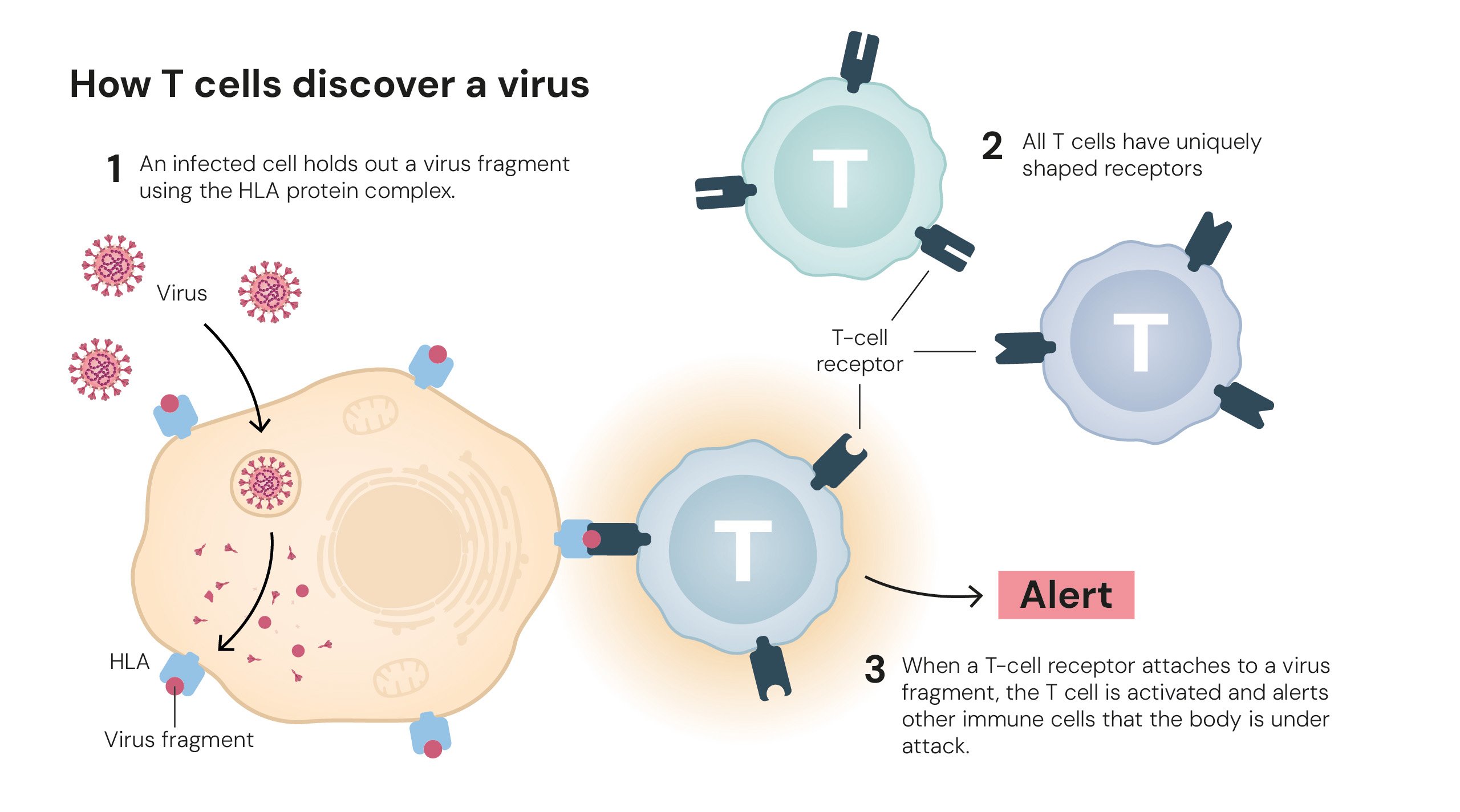
But in the 1990s, Japanese immunologist Shimon Sakaguchi discovered there was more to the story. Through experiments on mice, he identified a previously unknown type of immune cell called a “regulatory T cell”: the peacekeepers of the immune system. These cells don’t attack pathogens themselves.
Instead, they hold the rest of the immune army in check, preventing unnecessary destruction. When Sakaguchi removed these cells in laboratory animals, their immune systems spiralled out of control, launching attacks on healthy organs. His work showed that these peacekeeping cells are essential for preventing the body from waging war on itself.
A few years later, Mary Brunkow and Fred Ramsdell found the genetic switch that makes these peacekeepers possible. They discovered that a single mutation in a gene called Foxp3 could leave both mice and human babies vulnerable to a rare but devastating autoimmune disorder called IPEX syndrome. The Foxp3 gene acts as the “on switch” for producing regulatory T cells. Without it, the immune system loses its referees and chaos follows.
T helper and regulatory T cells
The immune system relies on many types of T cells. T helper cells act as team captains, directing other immune cells to respond to infections. Much of my own research has focused on how these cells behave in HIV infection, where their loss leaves the immune system defenceless. Regulatory T cells belong to this same family but serve the opposite role: they calm things down when the fight goes too far.
These peacekeepers keep the immune defenders focused on real threats rather than friendly targets. When they fail, autoimmune diseases emerge. But when they work too well, they can suppress immune attacks on cancer, allowing tumours to hide and grow. Scientists are now learning how to fine-tune this balance: boosting the guards to control autoimmune disease, or easing the brakes so the body can fight backagainst cancer.
These discoveries have redefined how doctors think about immunity. Clinical trials are already testing therapies that expand regulatory T cells in people with arthritis, diabetes or after an organ transplant; helping the body to tolerate its own tissues.
In cancer treatment, the opposite approach is used: blocking or disabling these peacekeepers to unleash a stronger immune attack on tumours. This is the principle behind modern immunotherapies, which have already transformed outcomes for patients with melanoma, lung cancer and lymphoma.
Science that touches lives
The work of Brunkow, Ramsdell and Sakaguchi shows how basic science can lead to profound changes in medicine. Their discoveries help explain not just why the immune system sometimes goes wrong, but how it can be guided back into balance – a balance that could one day prevent autoimmune diseases, improve transplant survival and make cancer therapies both safer and more effective.
The Nobel committee’s decision this year recognises not only their scientific achievement, but also a vision of the immune system as something far more nuanced than an on-off switch. It’s a finely tuned orchestra and regulatory T cells are its conductors, ensuring the right notes are played at the right time, silencing those that might cause chaos.
By learning to adjust these biological “brakes” with precision, medicine is entering a new era. Treatments inspired by these discoveries are already improving lives and may, in time, transform how we prevent and treat disease across the spectrum, from autoimmunity to cancer.
Justin Stebbing does not work for, consult, own shares in or receive funding from any company or organisation that would benefit from this article, and has disclosed no relevant affiliations beyond their academic appointment.