Dreaming in Colour: dreamlike images and uneasy visions flood London’s Opera Gallery

Source: The Conversation – UK – By Pippa Catterall, Professor of History and Policy, University of Westminster

Dreaming in Colour, a new exhibition at the Opera Gallery in London, revisits the surrealists of the previous century, more in homage than imitation.

I suspect few of the emerging artists included here – and certainly none of those I spoke to on opening morning – would consciously describe themselves as surrealists. Yet the surrealist aspiration to evoke a sense of the marvellous and mysterious in the everyday is certainly present.

Take Sretenko (2025-2026) by the Spain-based Russian artist Sasha Zimulin, a vivid landscape of his home suburb of Moscow. In this piece, Zimulin conjures up not the sight of the city, but its ambience, and the feelings stirred in someone standing on the edge of the scene.

He is one of 25 international artists showcasing new works in this exhibition. These works are complemented by the inclusion of a range of historic pieces by figures such as Picasso and Ron Arad. Some of them, notably Chagall’s Multicoloured Clown (1974), certainly reflect the exhibition’s theme. Yet there is no attempt to place these in dialogue with the newer works on which I will concentrate here.

The artists on show

Probably the most consciously surreal work is that which also most directly addresses the exhibition’s theme: Dreaming of the Taste of Colour (2025) by the Dutch artist Arjen. This offers an exuberant expression of synaesthesia – a neurological phenomenon where stimulation of one sense triggers an experience in another sense that isn’t being directly stimulated, such as the sensation of tasting colour.

Exhibited nearby are the two paintings included from the Warsaw-born, Paris-based artist Oh de Laval. Taste has often been foregrounded in her work, as has the influence of Francis Bacon. The latter is palpable here, both in the colour palette used in Untitled (2025) and in the act of violation, minutely captured in a tear.

As with surrealism, the artists exhibited here use a range of styles and artistic language. For instance, Break in the Clouds (2025) by US-based Salvadorian artist Daniella Portillo typifies her emotional engagement with landscapes rendered almost abstract by her use of colour and form.

More consciously abstract are pieces such as Paraiso #33 and Paraiso #34 by American-born, Spain-based Adrián Navarro. The ironic titles add to their disturbing allusions to the familiar in unfamiliar settings.

This unsettling quality is also marked in the more figurative work in the exhibition. Mexican-American artist Anna Ortiz is known for her consciously surreal landscapes evocative of the erased pre-Columbian past, here reflected in the dream-like Jaguar Reflejado (2025). A similar uneasiness is also present in the contribution of London-based May Watson. She specialises in vibrant and humorous art of the everyday, but here is apparently Busy Dreaming (2025) of a shark, albeit one playfully surrounded by multicoloured balls.

Balls also feature prominently in Red Composition with Butter (2025) by Canadian-born, Los Angeles-based Andy Dixon. This voluptuous image reimagines the historic depiction of the reclining female nude, although this juxtaposition instead seems to ironically recollect seedy sex scenes from the movie Last Tango in Paris (1972).

There are several filmic references. Spanish artist Xevi Sola defines his work as being like “filming a horror movie using relaxing pastel colours”. His work sits squarely within a surrealist tradition in its efforts to provoke a Jungian exploration of the darkest areas of consciousness. Yet here he moves away from the collage-based approach of previous works. Instead, Backstage I (2024) and Backstage II (2024) disturb by depicting awkwardly adjacent figures, with one staring unnervingly straight out of the canvas at the viewer.

Eshu (2025) by the Brazilian artist Gustavo Nazareno is more subtly subversive. He has become rightly celebrated for lush, powerful depictions of Black bodies in works that challenge the canon of western portraiture and religious art. Black spirituality, dignity and beauty are all powerfully evoked in this richly textured painting.

Another artist who subverts historic images is London-based Greek artist Niovi Kafantari. Her work, He Was Already Leaving (2026) reverses the gaze in Titian’s Venus and Adonis (1553-1554) to focus not the energy of the hunter, but the protecting arms flung around him.

A different kind of subversion is presented in I’m Free Tuesday (2025) by Brazilian-American Jonni Cheatwood. He is noted for using a diverse range of materials and images, yet this is a more muted piece in which the colours of the food on the table recur in the faces of the diners. Capturing mood in the visage is also a feature of several other works here, not least those by Geneva-based Cameroonian artist Maurice Mboa and Nigerian portraitist Collins Obijiaku.

Not all of these works are colourful, particularly the sombre architectural forms of Misty Days (2025) by Spanish artist Borja Colom. Yet that certainly has a dreamlike quality.

Nor are all these works necessarily surreal. Some, such as Conjura (2024) by Spanish artist Miguel Sainz Ojeda, also draw on influences such as street art to create an image that is fantastical and disquieting.

This suggests that another theme of the exhibition is magical realism. More often seen as a literary or cinematic genre, magical realism is nonetheless invoked here in the filmic atmosphere and implicit storytelling embedded in many of these works.

In art, magical realism provides a haunting and distorting perspective that challenges our perceptions. This is most conspicuously the case in Hitchcock’s Glass (2025) by Italian artist Mattia Barbalaco.

Brilliantly hung to maximum effect as you descend to the lower ground floor, this luminous painting recreates both a scene from Hitchcock’s 1941 thriller Suspicion and conveys the suspenseful, unsettling quality of dreams.

Dreaming in Colour is at London’s Opera Gallery until April 6

The Conversation

Pippa Catterall does not work for, consult, own shares in or receive funding from any company or organisation that would benefit from this article, and has disclosed no relevant affiliations beyond their academic appointment.

ref. Dreaming in Colour: dreamlike images and uneasy visions flood London’s Opera Gallery – https://theconversation.com/dreaming-in-colour-dreamlike-images-and-uneasy-visions-flood-londons-opera-gallery-277921

Why sepsis is becoming harder to treat in Europe

Source: The Conversation – UK – By Steven W. Kerrigan, Professor of Precision Therapeutics, School of Pharmacy and Biomolecular Sciences, RCSI University of Medicine and Health Sciences

Microscope image of neutrophils, immune cells that respond to infection. Severe infections can trigger sepsis if the body’s inflammatory response becomes uncontrolled. S.Toey/Shutterstock

Sepsis moves fast. A patient can arrive at hospital with what appears to be a routine infection and, within hours, develop organ failure. Survival often depends on how quickly treatment begins.

Across Europe, doctors are seeing increasingly complex cases. Populations are ageing and more people are living with chronic illness. At the same time, antimicrobial resistance, when bacteria no longer respond to antibiotics, is making infections harder to treat. Together, these pressures are reshaping the landscape of sepsis.

Globally, sepsis affects tens of millions of people every year and is linked to an estimated 11 million deaths. In Europe, it remains one of the leading causes of death in hospital. As antibiotics become less reliable, the window for effective treatment narrows.

Older adults are more vulnerable to infection and less able to recover once organs begin to fail. Many also live with conditions such as diabetes, heart disease or kidney disease, which increase the likelihood of complications.

Antimicrobial resistance makes treatment more complicated. When first-line antibiotics fail, doctors may have to switch to broader or more powerful drugs. That process can take time, and delays of even a few hours can affect survival.

Sepsis is often the tipping point. It occurs when infection overwhelms the body’s defences and triggers a damaging inflammatory response. As resistant bacteria become more common, managing sepsis becomes more challenging.

Early treatment saves lives. But speed does not depend only on individual clinicians. It also depends on how well health systems are organised to recognise deterioration and respond quickly.

Why sepsis is hard to diagnose

Unlike a heart attack or stroke, sepsis does not have a single test that confirms it immediately. There is no scan or blood marker that provides a clear yes or no answer in the early stages.

Instead, doctors and nurses rely on patterns. Changes in breathing, blood pressure, heart rate, temperature and blood tests can all signal that something is wrong. But these signs overlap with many other conditions, which makes early recognition difficult, particularly in busy emergency departments or hospital wards.

Because of this uncertainty, hospitals need clear escalation systems that define when staff must call for senior review, when antibiotics should be given and how quickly patients must be reassessed. Hospitals that implement these systems are more likely to avoid dangerous delays. Monitoring how quickly treatment is delivered, and publicly reporting that data, can also reveal where systems are failing.

Guidelines alone are not enough. What matters is whether they are applied consistently and whether performance is measured.

What Europe is doing, and where gaps remain

European countries differ widely in how they organise their response to sepsis.

Switzerland has developed a national action plan linking public awareness, hospital standards and research. France has incorporated sepsis into broader patient safety and infection control strategies that combine training, clinical guidance and surveillance. Sweden has introduced structured treatment pathways across regions, supported by clear indicators to track performance.

What these examples share is coordination. There are defined standards, ways of measuring performance and systems for reviewing outcomes.

In other countries, sepsis is addressed within broader infection or hospital quality programmes without a clearly defined national plan. Protocols may exist, but reporting and accountability are often unclear. As antimicrobial resistance increases and populations age, that gap becomes more significant.

Experience beyond Europe also shows what coordinated systems can achieve. In New York state, hospitals were required to introduce standardised sepsis protocols and report how quickly patients received treatment. Later evaluations found improvements in compliance and reductions in mortality. The lesson was not simply about regulation, but about clarity, transparency and follow-through.

Ireland has introduced several measures aimed at improving sepsis care. The country has a National Clinical Programme for Sepsis, updated clinical guidelines and routine audit in acute hospitals, where the most seriously ill patients are treated. Public awareness campaigns have been launched and staff training is mandatory. A new five-year strategy has also been signalled.

These steps are important. The next challenge is consistency. Are standards applied in the same way across hospitals? Are outcomes tracked and reported in a way that allows trends to be monitored over time? Are sepsis initiatives clearly linked to plans addressing antimicrobial resistance?

These questions are not unique to Ireland. They apply across Europe.

A key moment for sepsis

From July to December 2026, Ireland will hold the rotating presidency of the Council of the European Union. Countries in this role cannot pass laws on their own. But they can shape the agenda and influence which issues receive attention.

Sepsis intersects directly with several major European health priorities, including antimicrobial resistance, cross-border health threats and the resilience of healthcare systems. Raising the profile of sepsis during the presidency would not require immediate legislation. It could encourage shared standards, better data comparison and closer cooperation between member states.

Issues highlighted at European level often influence research funding, policy coordination and political priorities in the years that follow.

Sepsis exposes how well health systems recognise serious illness and respond under pressure. It reflects the growing challenges posed by ageing populations, increasing medical complexity and antibiotic resistance.

Across Europe, efforts to improve sepsis care are already under way. The coming years will determine how well those efforts are coordinated and sustained. Infections will continue to evolve, and so will the pressures on hospitals. The real question is whether health systems are prepared to respond when minutes matter most.

The Conversation

Steven W. Kerrigan does not work for, consult, own shares in or receive funding from any company or organisation that would benefit from this article, and has disclosed no relevant affiliations beyond their academic appointment.

ref. Why sepsis is becoming harder to treat in Europe – https://theconversation.com/why-sepsis-is-becoming-harder-to-treat-in-europe-277293

Hedgehogs can hear high-frequency ultrasound – that knowledge could help save them

Source: The Conversation – UK – By Sophie Lund Rasmussen, Research fellow in Ecology and Conservation, University of Oxford

The hedgehog is one of Europe’s most familiar and well-loved wild mammals. Many people encounter them in gardens, hear their snuffling at dusk, or glimpse their spiny shapes moving through the night.

But sadly, across Europe, hedgehog populations are shrinking rapidly. The European hedgehog is now listed as “near threatened” on the International Union for Conversation of Nature red list for Europe. Understanding why this is happening – and what can realistically be done to halt or reverse it – has become an urgent priority.

My team’s new research shows that hedgehogs can hear high-frequency ultrasound. With this knowledge, it could be possible to design sound-based deterrents that target hedgehogs specifically, without disturbing people or their pets. In theory, ultrasonic signals could warn hedgehogs away from approaching vehicles or keep them clear of dangerous machines in the future.

This is significant because one of the greatest threats to hedgehogs comes from road traffic. Cars are estimated to kill huge numbers of hedgehogs across Europe every year, with some studies suggesting that up to one in three of these animals may die on roads annually.

Hedgehogs are simply not built for modern infrastructure. Their primary defence strategy evolved to escape natural predators that see movement in the dark. They freeze, assess the threat, and then either flee or curl into a tight ball of spines. Against a fast-moving vehicle, this strategy is fatal.

David Attenborough talks about ways to help hedgehogs survive.

Roads also fragment landscapes, making it harder for hedgehogs to find food, mates and new habitats. When this is combined with barriers such as massive fences, intensively managed agriculture and gardens, and widespread use of machinery such as garden strimmers and robotic lawn mowers, it becomes clear that the problem is not hedgehog behaviour. It is the environment humans have created.

Could sound offer a solution?

For years, I kept returning to the same question: could humans somehow warn hedgehogs before danger arrives? Could we deter them from roads and machines in a way that does not disturb people?

To explore that possibility, I had to start with a surprisingly basic question: what can hedgehogs actually hear?

I assembled a multidisciplinary team including experts specialising in imaging, bioacoustics (studying what animals hear), animal behaviour, hedgehog ecology, animal experiments and hedgehog anaesthesia.

Using high-resolution micro-CT scans of a hedgehog that had been put to death at a wildlife rescue centre for welfare reasons, the team built a three-dimensional model of the middle and inner ear.

The model showed that hedgehogs have very small, dense middle-ear bones and a partly fused joint between the eardrum and the first of these bones. This makes the whole chain of bones stiffer, helping it pass very high-pitched sounds efficiently – a hallmark of animals, such as echolocating bats, that can hear ultrasound.

The scans also revealed that hedgehogs have a small stapes (the smallest middle-ear bone that connects the chain of ear bones to the inner ear’s fluid-filled cochlea). A smaller, lighter stapes can vibrate more quickly, enabling it to transmit high-frequency sound waves. The cochlea was also found to be relatively short and compact, enabling it to better process ultrasonic vibrations.

Ultrasound refers to sound frequencies above 20kHz, beyond the upper limit of human hearing. But anatomy alone is not proof. To confirm what hedgehogs could actually hear, we needed direct measurements. But how does one measure hedgehog hearing?

Measuring hedgehog hearing

We tested the hearing of 20 European hedgehogs using Auditory Brainstem Response recordings. Under brief anaesthesia, small electrode needles placed just under the skin of the hedgehogs, measured their brain activity while they were soundly asleep. During this time, we played sounds across a wide range of frequencies and pulses, and if the hedgehogs could hear it, their brain activity would indicate this. They were fit and ready for release back into the wild the night after their tests.

The results were striking. Hedgehogs heard sounds from around 4kHz up to at least 85kHz, with peak sensitivity around 40kHz – well into the ultrasonic range. Hedgehogs can therefore hear sounds that humans, dogs and cats cannot. This could be a game changer for hedgehog conservation.

This would, in theory, make it possible for scientists to use ultrasonic signals to warn hedgehogs away from approaching vehicles or keep them clear of potentially dangerous machines.

Many questions remain though. Which sounds are effective? Do hedgehogs become used to specific noises and start ignoring them? How far do ultrasonic signals travel?

Further research is now needed to design effective and beneficial sound repellents for hedgehogs, but this is a significant step forward. Perhaps the car industry could help fund this important research?


Don’t have time to read about climate change as much as you’d like?

Get a weekly roundup in your inbox instead. Every Wednesday, The Conversation’s environment editor writes Imagine, a short email that goes a little deeper into just one climate issue. Join the 47,000+ readers who’ve subscribed so far.


The Conversation

Sophie Lund Rasmussen does not work for, consult, own shares in or receive funding from any company or organisation that would benefit from this article, and has disclosed no relevant affiliations beyond their academic appointment.

ref. Hedgehogs can hear high-frequency ultrasound – that knowledge could help save them – https://theconversation.com/hedgehogs-can-hear-high-frequency-ultrasound-that-knowledge-could-help-save-them-275255

‘We’re the good guys’: why moral storytelling doesn’t make the war on Iran necessary or legal

Source: The Conversation – Global Perspectives – By Tamer Morris, Senior Lecturer, International Law, University of Sydney

Since the United States and Israel launched their war against Iran, most international law experts appear to be speaking with one voice on the legality of the attacks.

Legal experts have said the attacks violated Article 2(4) of the UN Charter, which prohibits the use of force against states. The US and Israel have not produced any evidence that Iran posed an imminent threat to either of them. And neither has brought the matter to the UN Security Council. As such, this was a clear breach of international law.

But even though most scholars agree the strikes were unlawful, the public and political debate has shifted somewhere else entirely.

Instead of wrestling with the legal questions, many politicians, commentators, and everyday observers are counterbalancing the illegality with arguments about legitimacy.

Both Israeli Prime Minister Benjamin Netanyahu and US President Donald Trump have cast the war as a “necessary” fight between good and evil. Netanyahu said:

I know the cost of war. But I know sometimes that war is necessary to protect us from the people who will destroy us. […] We have to understand that we’re fighting here the bad guys. We’re the good guys. These people massacred their own people.

Canada and Australia, two of the US’ closest allies, have both used strikingly similar language in their statements about the war, saying they supported the US:

acting to prevent Iran from obtaining a nuclear weapon and to prevent its regime from further threatening international peace and security.

This idea of legitimacy – that is, what is “right”, “necessary”, or “just” – is now being thrown around in almost every conversation about the war.

Two arguments for a ‘just’ war

These arguments echo centuries‑old thinking about “just” wars.

Christian philosophers such as St Augustine (4th–5th century) and St Thomas Aquinas (13th century), for example, were early proponents of what is known as the “just war theory”. Basically, this means you
may violate the moral rule against violence if the cause is “just”.

In modern debates, arguments about the legitimacy of wars tend to fall into two categories.

The first claims attacks like the ones launched by the US and Israel are morally just and therefore ought to be permitted, regardless of what international law says.

This line of reasoning goes something like this: “So what if the action breaches international law? We removed an evil dictator.” Or: “Do we really want Iran developing nuclear weapons or long-range missiles?”

The statements by Netanyahu and Trump frame the use of force as morally necessary, implying that if an action feels righteous, legality should not be a hindrance.

The second argument dismisses international law altogether as ineffective or irrelevant.

The strand of legitimacy reasoning is also becoming common. It’s reflected in statements like: “Where was international law when people were being killed on the streets in Iran?” or “How can international law matter if Iran is constantly threatening western states and funding a proxy war?”

The conclusion drawn here is simple: if the law fails to prevent harm, it must be irrelevant. And if international law is irrelevant, then the US-Israeli strikes on Iran are legitimate.

Both of these lines of reasoning carry their own risks, not least the danger of allowing subjective morality to replace objective legal constraints.

Can a morally just war be deemed illegal?

The first argument hinges on the notion that the US and Israel strikes on Iran are just, given the brutal, repressive nature of the Iranian regime and the fact it is pursuing nuclear weapons. And international law should allow just actions.

But who decides what is just?

For the US and some of its allies, this is a binary moral equation: Iran is bad, we are good.

But this argument can also be made from Iran’s perspective: Israel and the US are bad. Therefore, we need nuclear weapons to protect ourselves.

Once states are permitted to act on their own sense of morality and justice, the international system goes down an extremely dangerous road. Every state can consider itself the “good” actor in its own story. If we allow individual morality to override the law, moral chaos follows.

Historically, moral arguments about “civilisation”, “enlightenment”, or “improvement” were also used to justify colonisation and slavery.

This is still happening in different contexts today: one group assumes its moral compass is universal, superior and mandatory for all others. If the world returns to that mode of thinking, the strongest states will once again become the arbiters of what counts as “good”.

International law must therefore remain objective, free from claims of moral exceptionalism.

Does international law still have relevance?

The second argument is even stranger: where was international law when a state like Iran committed atrocities?

This requires a clearer understanding of the role of international law. If we disregard international law because someone violates it, it’s like rejecting the rule book while still using its language to call out a foul.

Without it, there would be no norms to appeal to, no expectation of protection, no shared belief that certain harms are prohibited.

This argument also doesn’t follow logic. Murders still happen in countries like Australia. Should we therefore abandon domestic laws that prevent them?

Of course, there are double standards in international law. Powerful states have greater impunity and weaker states face more scrutiny.

But double standards also exist in domestic legal systems – wealthier people generally receive better outcomes than those with less means.

The existence of inequality in international law, then, shows the need for reform, not the abandonment of the law altogether.

Why this matters

The Iran war reveals a dangerous shift in the way states justify their actions: a growing preference for moral storytelling over legal reasoning.

Once the narrative of a “just war” replaces the rule of law, there is little left to restrain the powerful states from dominating the weaker ones.

The purpose of international law is not to determine who is morally good; it is to maintain order in a world where every state believes it is waging the “good” fight.

The Conversation

Tamer Morris does not work for, consult, own shares in or receive funding from any company or organisation that would benefit from this article, and has disclosed no relevant affiliations beyond their academic appointment.

ref. ‘We’re the good guys’: why moral storytelling doesn’t make the war on Iran necessary or legal – https://theconversation.com/were-the-good-guys-why-moral-storytelling-doesnt-make-the-war-on-iran-necessary-or-legal-277952

Commercial space technology is shaping the Iran war – the law can’t keep up

Source: The Conversation – Global Perspectives – By Anna Marie Brennan, Senior Lecturer in Law, University of Waikato

When the United States and Israel launched Operation Epic Fury against Iran nearly two weeks ago, the first confirmation didn’t come from governments. It came from commercial satellites.

Images from US companies Planet Labs and Vantor captured smoke billowing over central Tehran and ships burning at the coastal city of Konarak – evidence of strikes on naval bases, airfields and missile sites that global media confirmed within hours.

But space-based technology was not just observing the conflict, it was also a target. US officials said early strikes hit “Iran’s equivalent of Space Command”, undermining Tehran’s ability to coordinate via satellite.

Iran has also used extensive “spoofing” to create false GPS signals to mislead receivers about their true location.

Simultaneously, US Space Command and Cyber Command launched operations to jam, hack and disrupt Iranian software systems, known as “non-kinetic” attacks in the jargon of modern warfare.

Such operations are a kind of “silent sabotage”, disabling communications or corrupting GPS signals without blowing anything up with conventional “kinetic” attacks.

This combination of advanced battlefield tactics and the rapid commercialisation of space technology, as well as the erosion of the old rules-based order in general, means international law is now falling well behind.

Blurred lines of accountability

Non-kinetic tactics have quickly spilled into civilian life. In January, amid anti-government protests, and later during the first wave of strikes, Iran used GPS jamming and spoofing to disrupt Starlink terminals, which civilians and protesters depended on to stay online and share information during internet blackouts.

At the same time, commercial satellite imagery became part of the conflict itself. After Planet Lab’s images revealed Iranian retaliatory strikes on US and US-linked sites in the Persian Gulf, the company delayed releasing new imagery to avoid aiding real‑time damage assessment by Iranian forces.

On March 10, Planet Labs extended the delay time to two weeks for non-government users, but the US military still receives immediate access.

Modern warfare depends heavily on these kinds of commercial, dual-use space systems. The same satellites that time financial transactions, support hospitals and manage global logistics also guide military operations.

This blurs the traditional legal boundary between civilian and military objects and activities. The International Committee of the Red Cross has warned repeatedly that interference with satellites can harm civilians by disrupting power grids, navigation, emergency services and humanitarian operations.

Outer space is not a legal vacuum. The United Nations’ Outer Space Treaty, the UN Charter itself, and international humanitarian law all apply to warfare in orbit. But the Iran war shows how real‑world practice is advancing faster than these legal frameworks.

A proper treaty is unlikely

Dual-use satellites providing both civilian broadband and military communications also complicate decisions about what constitutes a lawful target.

Legal experts say satellites providing essential civilian services should be presumed to be non-military unless direct military use is demonstrated. But this precept is tested daily over Iran.

Another challenge is political neutrality. If a private company based in a neutral state provides data that can assist military operations elsewhere, the neutral state may face serious questions and diplomatic pressure from other governments about whether it should be held responsible.

The law has not caught up with these commercial realities. Planet Lab’s imagery delays show how companies are having to improvise policy themselves during armed conflict.

And because cyber-attacks can disable military systems without causing physical destruction, they can fall short of “armed attack” thresholds under international law. States can exploit this legal grey zone to gain strategic advantage.

New legal norms may eventually evolve out of the behaviour of governments and commercial operators rather than through formal agreements and treaties. Indeed, geopolitical tensions make a new treaty on military space operations highly unlikely.

This leaves companies, regulators and militaries to define the boundaries of acceptable conduct through their real‑time responses. The result is a battlefield where satellites shape strategy faster than lawmakers can respond.

The Conversation

Anna Marie Brennan does not work for, consult, own shares in or receive funding from any company or organisation that would benefit from this article, and has disclosed no relevant affiliations beyond their academic appointment.

ref. Commercial space technology is shaping the Iran war – the law can’t keep up – https://theconversation.com/commercial-space-technology-is-shaping-the-iran-war-the-law-cant-keep-up-277940

The Oscars are usually a mess, but this year’s Best Picture nominees are strong. Here’s who should win

Source: The Conversation – Global Perspectives – By Ari Mattes, Lecturer in Communications and Media, University of Notre Dame Australia

Film critics – myself included – love to bemoan the death of high-quality cinema in the age of streaming, pointing to mediocre Best Picture Oscar nominees as evidence that the production of great (or even good) films is on the wane.

But perhaps things are changing. Are people sick of being inundated with short videos on TikTok and Youtube, and once again hankering for a cinematic experience? The quality of this year’s nominees suggests they are.

For the first time in a while, most of the nominated films are excellent – and nearly all of them are watchable.


Read more:
The Oscars aren’t a meritocracy – there’s a complex formula for winning


My top pick: Sentimental Value

Joachim Trier’s Sentimental Value is my pick for the Best Picture Oscar. It’s the kind of meticulously crafted film in which the naturalism seems effortless.

The narrative follows acclaimed filmmaker Gustav Borg (Stellan Skarsgård), a quintessential Euro-auteur, who comes back into the lives of his estranged daughters Nora (Renate Reinsve) and Agnes (Inga Ibsdotter Lilleaas) following their mother’s death.

Gustav is making a new film, and wants his daughter Nora – an acclaimed theatre actress who has her own demons to battle (stage fright among them) – to star in it.

Nora assumes it’s a cynical manoeuvre for funding on her father’s part and refuses. So Gustav casts American star Rachel Kemp (Elle Fanning) instead, who is immediately out of her depth.

The drama unfolds around the family home in Oslo, interweaving narratives of the home’s history across generations with the tensions plaguing its current inhabitants.

Sentimental Value has a strikingly lyrical quality. Some may say it’s overdone, but every element is so perfectly executed that it doesn’t come across as pretentious or laboured. It is, in many respects, thoroughly sentimental – yet never feels like it’s performing this as some kind of effect.

Despite its considerable formal and narrative complexity, it plays in a starkly simple fashion, thanks to the light touch of Trier, coupled with stunning cinematography by Kasper Tuxen Andersen.

The lead performances by Reinsve, Lilleaas and Skarsgård are extraordinarily convincing and, perhaps more surprisingly, Fanning is awesome as the uncomfortable American trying to please the European artiste.

Sentimental Value brilliantly weaves a sense of European social and cultural history with carefully observed character moments, becoming, by the end, a kind of treatise on the affirmative potential of art to transcend and transform interpersonal barriers.

Despite the difficulties of life, the detritus of broken promises and hearts, and the disappointments minor and not so minor, we can still come together – beautifully and wholeheartedly – through the practice of that abstract dream that is called art.

Other excellent contenders

There are a few other strong contenders – films which, any other year, would have stood out above the pack.

Bugonia

Yorgos Lanthimos is one of the most acclaimed filmmakers of the past decade, and yet his films have been hit and miss. After his last great film, the 2015 black comedy The Lobster, Bugonia marks a return to form.

The film follows bumbling paranoiac conspiracy nut Teddy (Jesse Plemons) as he and his half-witted cousin Don (Aidan Delbis) kidnap Michelle Fuller (Emma Stone), the CEO of pharmaceutical company Auxolith.

Fuller is the kind of ruthless business leader who appears on the cover of Forbes magazine with the caption “Breaking Barriers” and who spouts endless nonsense about diversity while her company wreaks havoc on the planet and the people around them.

According to Teddy, she is also an “Andromedon” alien sent to Earth to enslave and exploit the human population, bringing death to humans as it has been brought to the bees.

The brilliance of the film largely revolves around its manipulation of our identification with the two leads. At times Teddy seems like a lunatic serial killer, and Fuller a heroic victim. At times we empathise with Teddy, while Fuller looks like a manipulative, cold-hearted sociopath.

The whole thing builds up to an immensely satisfying resolution, suitably nihilistic and absurd in equal measure.

As is often the case with Lanthimos’ films, the figures are caricaturish, but the comedic timing – and the oscillation between humour and discomfort for the viewer – is spot on, so it works.

Sinners

Ryan Coogler’s Sinners is a great yarn: a well-executed rock ‘n’ roll fable slash vampire siege, full of electrifying music.

It’s 1932. Twin gangster brothers Smoke and Stack (a dual role played by Michael B. Jordan) return from working for Al Capone in Chicago to Clarksdale, Mississippi, to open up a juke joint.

Their cousin Sammie (Miles Caton), a cotton picker and bluesman – with Charley Patton’s guitar – steals the show at the hugely successful opening night, fulfilling the legend of a musician who can play so well the barriers between the living and the dead come down. Everything seems to be going well – until some redneck vampires decide to assail the venue.

The whole thing is rather gaudy and silly. But like its forebear From Dusk Till Dawn (1996) – it’s so energetically (and pleasurably) handled that it doesn’t matter.

Michael B. Jordan is brilliant in the two roles, and the end result is a muscular, satisfying film that feels like a good pulp novel or comic book – capped off with a Buddy Guy jam session in the final moments.

Sinners is a delicious dream. It’s unlikely to win Best Picture; there was a time, not so long ago, when this kind of genre film wouldn’t have made it into the mix. But it’s well worth its more than two-hour runtime.

Marty Supreme

It would be hard to think of a stupider premise for a movie. In the 1950s, fast-talking entrepreneurial New York hustler Marty Mauser (Timothée Chalamet) has to raise money so he can make it to Japan to beat world number one Koto Endo (Koto Kawaguchi) in the table tennis showdown of the century.

Yet, director/co-writer Josh Safdie treats the premise with enough seriousness that we end up with a high octane sports film to rival Rocky IV. This is helped by the stunning cinematography by Darius Khondji. Shot on 35mm film, the images have a rich colour and texture rarely matched in digital cinematography.

There’s also a dynamite score from Daniel Lopatin, and an anachronistic soundtrack featuring several stellar 1980s pop tunes from the likes of Public Image Limited, New Order and Tears for Fears, to name a few.

Despite Marty’s arrogance, sweet-talking, womanising, con-artistry and generally bad behaviour, Chalamet invests the character with enough pathos and humour that he comes across as a thoroughly loveable – or at least likeable – rogue.

He is a crackpot whose self-belief and willingness to do anything to achieve his dream tricks the viewer into becoming equally invested in his absurd quest as he (and the film) bounce around New York and the world like a bright ping pong ball.

Marty Supreme is an odd – and oddly arresting – film capturing something of the madness at the heart of the American dream. Mauser does whatever he can to make it to Japan. And after several escapades – and some downright brutal scenes featuring cult director Abel Ferrara as an ageing gangster – he does make it.

The rest

Unusually for the Oscars, the pack of 2026 nominees is rounded out by several other good films.

Although not as good as some of his other films, such as Neighbouring Sounds (2012) and Bacurau (2019), Brazilian director Kleber Mendonça Filho’s The Secret Agent is a rollicking political thriller. Set in the 1970s, it features a standout performance by Wagner Moura as a dissident academic evading persecution from a brutal dictatorship.

Paul Thomas Anderson’s One Battle After Another is a wacky comedy occasionally masquerading as a serious political action thriller. It follows the burnt out leftist Pat Calhoun (Leonardo DiCaprio) as, with his daughter Willa (Chase Infiniti), he evades capture by police and a militia led by the moronic Steven J. Lockjaw (Sean Penn). The whole thing is pretty silly, but like its inspiration – Thomas Pynchon’s 1990 novel Vineland – it is fun nonetheless.

F1 is likewise good. This finely wrought racing flick follows all of the delightfully dumb cliches of the genre. Hard-boiled and burnt-out old timer Sonny Hayes (Brad Pitt) makes it to Formula One for the first time, and contends with a new era of racing epitomised by his nemesis, the brash young gun Joshua Pearce (Damson Idris).

It’s hard to imagine such a film being nominated for Best Picture in any other era; Tony Scott’s Days of Thunder (1990) is equally stupid, but better made, and has been universally lampooned by critics. But people seem to be craving (and appreciating) big screen popcorn films in an era where streaming and second-screen viewing has all but destroyed commercial narrative cinema.

Only three nominees stick out as dreary

Clint Bentley’s Train Dreams is an earnest but visually unappealing Netflix film, following a ho-hum period love story about class, racism and the American Dream. Joel Edgerton is solid as usual, and the film is watchable enough, but the whole thing seems rather tired. And the digital video look really doesn’t work with the kinds of exterior, panoramic images that dominate the film.

In Frankenstein, director Guillermo del Toro takes one of the duller, more proselytising novels in the Gothic canon and gives it a suitably ponderous treatment. Oscar Isaac hams it up in full actor mode as Dr Frankenstein. Jacob Elordi is ridiculous as the monster. And Christoph Waltz as Harlander delivers such humdingers as “Can you contain your fire, Prometheus, or are you going to burn your hands before delivering it?” (in case you didn’t know, the novel’s subtitle is The Modern Prometheus).

Made for Netflix, Frankenstein tries hard to look sumptuous with period décor, but it can’t mask the sterility of its digital images. While the novel, at least, has a simple elegance to it, del Toro’s version is meandering, gaudy and cheap-looking.

It is difficult to treat Hamnet – the unbearably pretentious latest film from director Chloe Zhao – seriously, because the filmmakers do it for you. Though there are some things to like – Paul Mescal, for instance, is nice to watch, the cast are generally proficient, and the score is fine – this self-satisfied nonsense plays more like an Instagram video performing its own seriousness than a genuinely engaging feature film.

7 hits out of 10

As usual, the best films of 2025 haven’t been nominated for Best Picture (where’s Sirât, Redux Redux, or Harvest?). Nonetheless, most of this year’s nominees are films that warrant watching more than once for a variety of reasons: pleasure, complexity, nuance.

Perhaps Hollywood is starting to make good films again after decades of superhero trash. Or, at least, the Academy has started to recognise them.

The Conversation

Ari Mattes does not work for, consult, own shares in or receive funding from any company or organisation that would benefit from this article, and has disclosed no relevant affiliations beyond their academic appointment.

ref. The Oscars are usually a mess, but this year’s Best Picture nominees are strong. Here’s who should win – https://theconversation.com/the-oscars-are-usually-a-mess-but-this-years-best-picture-nominees-are-strong-heres-who-should-win-274431

Louis Theroux’s Inside the Manosphere exposes the business model of misogyny

Source: The Conversation – Global Perspectives – By Steven Roberts, Professor of Sociology, School of Social Sciences, Monash University

Netflix

Over the past two years, viral clips, news headlines and TV series such as Adolescence have ensured much of the public has encountered the “manosphere” – an online ecosystem that repackages misogyny, anti-feminism and male grievance as self-improvement and hustle.

Journalist Louis Theroux is further lifting the lid on this dangerous ideology with his new Netflix documentary, Inside the Manosphere, in which he showcases the individuals driving this culture.

In his measured and sometimes risky style, Theroux traces not only the rhetoric of “high-value men”, but also the livestream formats and business models that sustain this world. The result is both illuminating and unsettling.

An insidious ideology

What emerges in Theroux’s exposé is not just provocation, but a clear misogynistic worldview. Across interviews and through influencers’ own content, we see the defence of a regressive gender hierarchy – and attempts to restore it.

Women are described as having innate value through their beauty and sexuality, yet dismissed as less rational and emotionally stable. Monogamy is framed as binding for women, but optional for men. Gender equality is blamed for cultural decline.

At times the language is openly authoritarian. Infamous influencer Myron Gaines describes himself to Theroux as a “dictator” in his romantic relationship. He casts intimacy as something he permits, and domestic care as something owed to men.

But Gaines also rejects that he is a misogynist; he claims he loves women, but that women don’t know what they want, and must be led.

The hypocrisy is striking. Several manosphere figures such as Harrison Sullivan publicly deride women who use platforms such as OnlyFans, while claiming to privately profit from managing their accounts.

Misogyny as a business model

Theroux also shows how the audiences of these influencers form.

In one early scene, young boys who look to be around tween age (with blurred faces) repeat lines about hating women and gay people with unsettling ease. Later, young adult men speak of having “no value” unless they accumulate wealth, status and dominance. Working a nine-to-five job is framed as submission to the “matrix” and the “hustle” as freedom.

The complaint that stable work no longer guarantees security will resonate with many. But in the manosphere, economic strain becomes personal failure: if you are struggling, you have not worked hard enough. This is not just ideology. It is a business model.

Subscription “academies”, private groups and coaching schemes convert insecurity into income. In one example from the documentary, we see American influencer Justin Waller promoting The Real World – an online university run by his close friend and business partner Andrew Tate (who is currently facing charges of rape and human trafficking in multiple countries).

Young men and boys are told they are deficient unless wealthy, muscular and emotionally invulnerable, and then charged for access to the mindset said to fix them. The hierarchy that elevates dominant men and denigrates women simultaneously and exploitatively monetises the boys beneath it.

The worldview is not confined to provocation. In one segment, Waller’s partner Kristen explains that she feels fulfilled staying in her “lane”, and caring for the children and home, while he occupies his role as provider and leader.

She speaks warmly of their respective “masculine and feminine energies”, presenting inequality not as constraint but as comfort – despite viewers learning she has no legal right to his wealth as they are not legally married.

Breeding ground for conspiracies

Running alongside the hustle narrative is a thread of conspiracy theorising. The “matrix” is invoked as a metaphor for societal and institutional systems said to keep men compliant and blind to alternative paths to power.

From there it darkens into talk of shadowy elites engineering cultural decline, including “moral” decline and the erosion of men’s place in the world (which they bizarrely link to the growth of pedophilia).

The “manfluencers”, notably Sullivan and Gaines, suggest recent political developments – such as the rise of President Trump – vindicate their worldview.

Theroux’s instinct is to return to the manfluencers’ own accounts of absent fathers and unstable upbringings. That humanising impulse tilts the story toward sympathy and, problematically, to trauma as a key explanation.

But misogyny does not require trauma to flourish, nor are most boys who experience hardship drawn into sexist worldviews. These ideas are ideological and structural, with long-standing gender hierarchies repackaged and broadcast at scale.

The real-life consequences

Inside the Manosphere does acknowledge harms to women, but doesn’t dwell on it very long.

One segment on schools uses news clips from English-speaking countries to signal the spread of misogynistic language among boys. But the documentary could have done more to highlight these significant manosphere-inspired flow-on effects.

Research I conducted with Stephanie Wescott and colleagues extensively documents how manosphere narratives have permeated schools internationally. This has resulted in higher levels of harassment and gender-based violence by some boys against girl peers and women teachers, eroding women’s workplace safety and girls’ participation.

Theroux is right to suggest we are all, in some sense, now living inside the manosphere. Understanding what drives the men at its centre matters – as does focusing on the real-world harms they cause.


Read more:
Andrew Tate’s extreme views about women are infiltrating Australian schools. We need a zero-tolerance response


Louis Theroux: Inside the Manosphere is on Netlix from today.

The Conversation

Steven Roberts receives funding from the Australian Research Council. He is also a Board Director at Respect Victoria, but the article is written wholly independently from this role.

ref. Louis Theroux’s Inside the Manosphere exposes the business model of misogyny – https://theconversation.com/louis-therouxs-inside-the-manosphere-exposes-the-business-model-of-misogyny-277509

Why shadow tankers are the only ships still moving through the Strait of Hormuz

Source: The Conversation – USA (2) – By Charles Edward Gehrke, Deputy Division Director of Wargame Design and Adjudication, US Naval War College

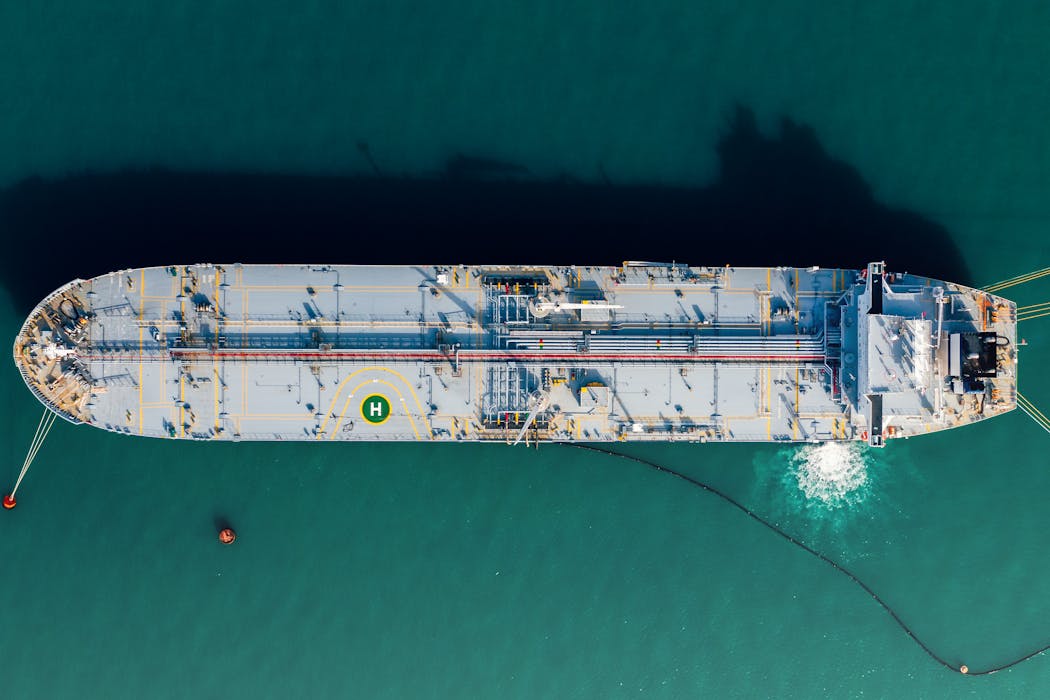
Many oil tankers aren’t moving in the Middle East. DedMityay/iStock / Getty Images Plus

The Strait of Hormuz is effectively closed. Since the beginning of the conflict involving the United States, Israel and Iran on Feb. 28, 2026, oil tanker traffic through the world’s most critical oil shipping choke point has collapsed, dropping by more than 90%.

Iran has threatened to destroy any ships, including oil tankers, that pass through the strait from the oil depots of the Persian Gulf to the Arabian Sea and the rest of the world. Companies that insure ships against the risks of traveling in war zones are deciding whether to issue coverage on an individual-ship basis. The international body that sets many shipping regulations has told ships’ crews that they have the right to refuse to sail into the area.

As of March 6, more than 400 tankers were stranded in the Persian Gulf, without permission from their owners to move.

But some vessels are still transiting the strait. Most of the ships still moving are those that operate outside the rules.

In maritime circles, these vessels are called the “shadow fleet.” They are vessels that ignore international restrictions on trade with certain countries, violate anti-pollution regulations, smuggle unauthorized goods or don’t want their cargo or activities too closely monitored.

They exist, even in a world filled with electronic tracking, because the world’s oceans aren’t governed the same way the land is. On land, armed personnel closely monitor carefully delineated borders, seeking to force everyone to follow clear rules. But at sea, regulation is almost the opposite. The system that governs international shipping is, at its foundation, voluntary.

The oceans run on trust

The tracking of ships is voluntary. The International Convention for the Safety of Life at Sea – signed by 167 countries – requires almost every commercial vessel to carry a radio transponder that broadcasts the ship’s identity, position, speed and heading to port authorities, coast guards and commercial tracking networks.

That international agreement, which is enforced by individual countries, requires ships to leave the transponders on and active. But there is no physical mechanism preventing a crew from switching it off or broadcasting a false position.

When a vessel turns off its transponder and goes dark, it doesn’t trigger an alarm at some global maritime headquarters. There is no such headquarters. The ship simply disappears from the map. Every map.

National jurisdiction is a matter of preference, not law. Every vessel sails under the flag of a nation, and that nation is theoretically responsible for regulating and inspecting it. But in practice, a ship’s registration in a particular country is a commercial transaction. Many law-abiding shipping companies make this business decision, but this system leaves an opening for those who seek to skirt the rules.

A ship owned by a shell company in the United Arab Emirates can register under the flag of Cameroon, Palau or Liberia, or any country that may lack the resources or the incentive to conduct real inspections. Even landlocked Mongolia has a registry of oceangoing ships flying its flag.

When a vessel comes under scrutiny from port inspectors or coast guards, it can simply reregister under a different flag. Some registries even offer online registration. If the new registration is fraudulent or the registry doesn’t actually exist, the vessel effectively becomes stateless.

Then there is insurance, which is the closest thing the maritime system has to a real enforcement mechanism. Mainstream insurers, mostly based in London, require vessels to meet safety standards, carry proper documentation and comply with international trade sanctions. A ship without insurance coverage cannot easily enter major ports or secure cargo contracts with reputable firms.
Those restrictions are precisely what froze so many law-abiding ships in the Persian Gulf when war broke out.

But companies can avoid those rules, too. Two-thirds of ships carrying Russian oil – the trade of which is restricted by the U.S. and other countries – reportedly have “unknown” insurance providers, meaning nobody knows whom to call to cover the cleanup costs after a spill or collision. The enforcement mechanism works until ship owners realize they can just opt out of it entirely, using less reputable ports or transferring oil from ship to ship out at sea.

A large tanker ship sits alongside a pier.
An oil tanker seized by Belgian and French forces for its alleged participation in Russia’s ‘shadow fleet’ sits at a pier in Belgium.
Nicolas Maeterlinck/Belga/AFP via Getty Images

What opting out looks like

The results of this voluntary system can be surreal. In December 2025, the United States seized a sanctioned tanker called the Skipper, which was flying the flag of Guyana – even though that country had never registered it. The vessel was, in legal terms, stateless, sailing under the authority of no nation on Earth.

Another vessel, the Arcusat, went further. Investigative reporting found that it had changed its International Maritime Organization identification number, a unique seven-digit code assigned permanently to every ship. It is the maritime equivalent of scraping the VIN off a car.

Now layer these techniques together. An entity purchases an aging tanker that would otherwise be scrapped. It registers the ship through a shell company, pays for a flag of convenience, carries opaque insurance and switches off its transponder when approaching sensitive waters.

It loads sanctioned oil through a ship-to-ship transfer on the open ocean and delivers its cargo to a buyer who asks no questions. If the vessel attracts attention, it changes its name, reregisters under a different flag and starts over.

According to maritime intelligence firm Windward, approximately 1,100 dark fleet vessels have been identified globally, representing roughly 17% to 18% of all tankers carrying liquid cargo, which is primarily oil.

Why it matters now

The dark fleet did not emerge because the maritime system is broken. It emerged because the system is built on voluntary participation, all theoretically ensured by market forces.

For decades, the system worked not because it forced compliance but rather because opting out was more costly than opting in.

What changed is that international sanctions made compliance ruinously expensive and politically disastrous for some countries. A system built on voluntary participation, it turned out, could be voluntarily left.

If your national economy depends on oil exports, and the compliance system is preventing those exports, you build a parallel system. Iran began doing so in 2018, after sanctions were reimposed as part of negotiations over its nuclear development. Russia dramatically expanded that system in 2022 as restrictions hit in the wake of its invasion of Ukraine.

Now, with the Strait of Hormuz effectively closed to aboveboard maritime trade, the only vessels still moving are the ones that ignore the rules.

But the existence of the dark fleet doesn’t mean that the rules of the sea have failed. Rather, it reveals what kind of rules they always were. Illegal oil is the only oil moving in a crisis. In my view, that sends a message to those still playing by the rules: Opting out might be a viable option.

The opinions and views expressed are those of the author alone and do not necessarily represent those of the Department of the Navy or the U.S. Naval War College.

The Conversation

Charles Edward Gehrke does not work for, consult, own shares in or receive funding from any company or organization that would benefit from this article, and has disclosed no relevant affiliations beyond their academic appointment.

ref. Why shadow tankers are the only ships still moving through the Strait of Hormuz – https://theconversation.com/why-shadow-tankers-are-the-only-ships-still-moving-through-the-strait-of-hormuz-277785

Middle East conflict is pushing oil prices higher — and most Canadians will feel the costs

Source: The Conversation – Canada – By Subhadip Ghosh, Associate Professor, School of Business, MacEwan University

Since American and Israeli missiles began striking Iran, global oil prices have jumped sharply. The conflict has resulted in the disruption of tanker traffic through the Strait of Hormuz, which carries about one-fifth of the world’s oil shipments.

For Canadians, the effects have been immediate, with higher prices at the gas pump.

A familiar refrain has already surfaced in Canadian political commentary: higher oil prices are good for Canada. That intuition is understandable, given that Canada is the world’s fourth-largest oil producer, with oil and gas being Canada’s highest export earner.

But that claim misses two key points. First, while Canada as a whole might gain from higher oil prices as a net energy exporter, those gains are unevenly distributed across sectors and provinces. Second, the mechanism that softened that pain — a stronger Canadian dollar — has weakened.

Together, these two facts clarify why rising oil prices are hitting Canadians harder than they did in previous decades.

Not all Canadians benefit

Oil and gas are undeniably important to Canada. Oil and gas extraction alone has averaged about five per cent of national GDP since 2000, and the sector supported approximately 446,600 direct and indirect jobs in 2023.

The importance of oil also varies dramatically across provinces. In Alberta and Saskatchewan, for example, oil and gas production accounts for roughly 22 per cent and 16 per cent of provincial GDPs, respectively.

By contrast, in Ontario and Québec — home to about 60 per cent of Canadians — the sector contributes only a small fraction of provincial output.

When crude prices rise, Alberta and Saskatchewan collect more royalties, and energy company revenues climb. For that slice of Canada, conflict in the Persian Gulf can bring economic benefits.

Yet windfall gains are also constrained by infrastructure. Pipeline capacity and production limits mean Canadian producers cannot expand quickly when global prices surge.

The completion of the Trans Mountain Expansion Project in 2024 increased access to Pacific markets, but production cannot be scaled overnight and bottlenecks still blunt the swift supply response needed to realize a windfall gain.

For most Canadians, the picture is simpler and less pleasant. Higher oil prices means higher costs not only at the pump, but also gradually in grocery stores and heating bills, and reduced purchasing power.

A sustained $10 increase in oil typically raises Canadian inflation by roughly 0.3 to 0.4 percentage points over the following year.

How oil shocks spread

Economists typically analyze oil shocks through four transmission channels: terms of trade, income, costs and monetary policy.

The first is the terms-of-trade channel. Because Canada exports more energy than it imports, higher oil prices mean the country earns more for its exports relative to what it pays for imports. That improves Canada’s purchasing power in global markets.

The second is the income channel, which determines who receives those gains: higher oil prices raise producers’ revenues and governments’ royalties, concentrating much of the windfall in oil-producing regions and among shareholders.

The third is the cost channel: oil is a key input into transportation, manufacturing and agriculture, so higher energy prices ripple through supply chains and into household budgets.

The fourth is the monetary policy channel, which often shapes the broader economy. Central banks like the Bank of Canada aim to keep inflation near a stable target. If rising oil prices keep inflation elevated for long enough, policymakers may delay interest rate cuts or keep borrowing costs higher.

Higher interest rates help contain inflation but slow spending and investment across the economy. In short, the same oil shock that boosts Canada’s energy sector can, via inflation and interest rates, slow other parts of the economy.

A weaker currency cushion

Perhaps the most consequential shift over the past decade is the changing relationship between oil prices and the Canadian dollar.

As noted by the Bank of Canada, for most of the 2000s and early 2010s, the Canadian dollar behaved like a petrocurrency. When oil prices rose, the loonie often strengthened as well.

A stronger currency made imported goods cheaper and helped offset some of the inflationary pressure from higher gasoline and energy prices. The exchange rate acted as a natural shock absorber.

That cushion has weakened substantially. Research by Alberta Central, CIBC Capital Markets and several economists all point out that the relationship between oil prices and the Canadian dollar weakened in the mid-2010s and continues to remain weak.

A line graph illustrating how the cushion provided by the Canadian dollar has weakened over time
Rolling correlation between oil prices and the CAD-USD exchange rate from 2000 to 2025.
(Author provided), CC BY

One reason is that investment in Canada’s oil and gas extraction fell 55 per cent from 2014 to 2019, then dropped a further 36 per cent in 2020. This decline reduced the foreign investment flows that once pushed the Canadian dollar higher when oil prices rose.

Second, energy companies are now more likely to return profits to shareholders through dividends and buybacks than to launch new projects. However, many of those shareholders are foreign investors, and even domestic holders, such as pension funds, distribute returns across global portfolios.

As such, the reinvestment of oil windfalls back into the Canadian economy has declined significantly compared to the investment-led boom years of the 2000s. Other factors, like the rise of U.S. shale, have also weakened the oil-currency link.

The practical consequence is that when oil spikes today, Canadians absorb more of the inflationary impact and receive less of the offsetting currency benefit they did a decade ago. For Canada, war-driven oil price spikes are therefore less a national windfall than a redistribution across sectors, provinces and from consumers to energy producers.

With the Canadian dollar no longer rising alongside oil as it once did, price spikes now translate more directly into higher living costs for Canadians.

The author would like to thank Vinh Nguyen, a research assistant and undergraduate student at MacEwan University’s School of Business, for her contribution to this article.

The Conversation

Subhadip Ghosh does not work for, consult, own shares in or receive funding from any company or organisation that would benefit from this article, and has disclosed no relevant affiliations beyond their academic appointment.

ref. Middle East conflict is pushing oil prices higher — and most Canadians will feel the costs – https://theconversation.com/middle-east-conflict-is-pushing-oil-prices-higher-and-most-canadians-will-feel-the-costs-277811

Trump’s war against Iran is uniquely unpopular among US military actions of the past century

Source: The Conversation – USA – By Charles Walldorf, Professor of Politics and International Affairs, Wake Forest University

Fire breaks out at the Shahran oil depot after U.S. and Israeli attacks in Tehran on March 8, 2026. Hassan Ghaedi/Anadolu via Getty Images

It’s clear that regime change is among the biggest objectives of the U.S. war in Iran.

“I have to be involved in the appointment” of Iran’s next leader, President Donald Trump said on March 5, 2026.

Trump has also said he might put U.S. boots on the ground to get the job done.

Trump now joins a long list of modern U.S. presidents – from Franklin Roosevelt to Harry Truman, Lyndon Johnson, George W. Bush and Barack Obama – who started wars to either overthrow hostile regimes or support embattled friendly governments abroad.

For all the parallels to history, though, Trump’s Iran war is historically unique in one critically important way: In its early stages, the war is not popular with the American public.

A recent CNN poll found that 59% of Americans oppose the war – a trend found in poll after poll since the war began.

As an expert on U.S. foreign policy and regime change wars, my research shows that what’s likely generating public opposition to the Iran war today is the absence of a big story with a grand purpose that has bolstered public support for just about every major U.S.-promoted regime change war since 1900. These broad, purpose-filled narratives generate public buy-in to support the costs of war, which are often high in terms of money spent and lives lost when regime change is at stake.

Two historical examples

In the 1930s and ’40s, a widely accepted – and largely true – story about the dangers of fascism spreading and democracies falling galvanized national support in the United States to enter and then take on the high costs of fighting in World War II.

Likewise, in the 2000s a dominant narrative about preventing a repeat of the Sept. 11, 2001, attacks and stopping terrorism brought strong initial public support for the war in Afghanistan, with 88% support in 2001, and the war in Iraq, with 70% support in 2003.

With no comparable narrative around Iran today, Trump and Republicans could face big problems, especially as costs continue to rise.

No anti-Iran narrative

Iran has been a thorn in the side of many American presidents for a long time. So, what’s missing? Why no grand-purpose narrative at the start of this war?

Two things.

First, grand-purpose narratives are rooted in major geopolitical gains by a rival regime – the danger to the U.S. For the anti-fascism narrative, those events were German troops plowing across Europe and the Japanese attack on Pearl Harbor. For the anti-terrorism narrative, it was planes crashing into the World Trade Center and the Pentagon.

Several soldiers carry a coffin off a plane.
A U.S. Army carry team in Dover, Del., moves a coffin on March 7, 2026, containing the remains of a U.S. soldier killed in the retaliatory Iranian strike on Kuwait’s Port of Shuaiba.
Kyle Mazza/Anadolu via Getty Images

Gains like these by rivals prove traumatic to the nation. They also dislodge the status quo and provide the opportunity for new grand-purpose narratives with new policy directions to emerge.

Today, most Americans see no existential danger around Iran. A Marist poll from March 3, 2026, found that 55% of Americans view Iran as a minor threat or no threat at all. And the number who see Iran as a major threat, 44%, is down from 48% in July 2025.

By contrast, 64% of Americans saw Iraq as a “considerable threat” prior to the 2003 U.S. war in Iraq.

The poll numbers on Iran aren’t surprising. Iran is far from a geopolitical menace to the United States today. To the contrary, it’s been in geopolitical retreat in the Middle East in recent years.

In the summer of 2025, Iran’s nuclear nuclear enrichment facilities were significantly damaged – “completely and totally obliterated,” according to Trump, though there is no confirmation of that claim – during the 12-Day war between Iran and Israel.

And in recent years, Tehran has lost a major ally in Syria and witnessed its proxy network all but collapse. Iran has also faced crippling economic conditions and historic protests at home.

As the polls show, none of that has sparked a grand-purpose narrative.

Missing a good story

The second missing factor for narrative formation today is any strong messaging from the White House.

In the months prior to World War II, Roosevelt used his position of authority as president to give speech after speech, setting the context of the traumatic events of the 1930s, explaining the dangers at hand and outlining a course going forward. Though less truthful in its content, Bush did the same for nearly two years before the Iraq War.

Trump did almost none of this storytelling leading up to the Iran war. Five days before the war started, the president devoted three minutes to Iran in a nearly two-hour State of the Union Address.

A man in a suit and tie stands in front of a podium onstage.
President Trump appears at a press conference in Miami on March 9, 2026.
Saul Loeb/AFP via Getty Images

Prior to that, he made a comment here and there to the press about Iran, but no storytelling preparing the nation for war. Likewise, since the war began, the administration’s stated reasons for military action keep shifting.

No wonder 54% of Americans polled disapprove of Trump’s handling of Iran and 60% of Americans say Trump has no clear plan for Iran. Also, 60% disapprove of Trump’s handling of foreign policy in general.

By comparison, Americans approved of Bush’s handling of foreign policy by 63% in early 2003.

Absent a cohesive, unifying story, it’s also no surprise there is lots of political fracturing today.

Partisan divides run deep – Democrats and independent voters strongly oppose the war. But Trump’s MAGA coalition is cracking too, with people like Tucker Carlson and Marjorie Taylor Greene sharply criticizing the war.

The way out

If he opts for it, there is an off-ramp for Trump from the Iran war. It’s one he knows well.

When U.S. leaders get caught up in costly regime change wars that outrun national support, they tend to back down, often with far fewer political costs than if they’d continued their unpopular war.

When the disaster referred to as Black Hawk Down hit in Somalia in 1993, killing 18 U.S. Marines, President Bill Clinton opted to end the mission to topple the warlords that ruled the country. Troops came home six months later.

Likewise, after the Benghazi attack killed four Americans in Libya in 2012, Obama pulled out all U.S. personnel working in Libya on nation-building operations.

And just last year, when Trump realized that U.S. ground troops would be necessary to topple the Houthi militant group in Yemen, he negotiated a ceasefire and ended his air war in that country with no significant political fallout.

With Trump’s Iran war, gas prices keep rising, more soldiers are likely to die, and stocks are highly volatile.

Backing down makes a lot of sense. History confirms that.

The Conversation

Charles Walldorf is a Senior Fellow at Defense Priorities.

ref. Trump’s war against Iran is uniquely unpopular among US military actions of the past century – https://theconversation.com/trumps-war-against-iran-is-uniquely-unpopular-among-us-military-actions-of-the-past-century-277586