Why universities still struggle to make degrees accessible for disabled students

Source: The Conversation – UK – By Holly Louise Parrott, PhD Candidate, access and participation in higher education, The Open University

Zoriana Zaitseva/Shutterstock

The higher education sector is more aware of disability than it was a few years ago. Universities are more willing to provide support, and attitudes have improved. What students describe day to day, however, tells a different story.

A recent report on accessibility for disabled students in UK universities, produced by Disabled Students UK in partnership with charity The Snowdon Trust, shows that access continues to break down. This is not because support is never agreed, but because it is not consistently delivered.

Disabled students’ ability to attend, participate in, and complete their studies depends less on what exists on paper and more on how well institutional systems work in practice. This pattern is also the focus of my ongoing PhD research, which examines how accessibility support systems operate in UK higher education and how reliably agreed adjustments are delivered in practice.

Most disabled students who disclose their disability to their university receive some form of support. However, fewer than half of the over 1,000 disabled students surveyed by Disabled Students UK report that all of their agreed adjustments are consistently delivered. This can mean lecture recordings that are promised but unavailable, flexibility that varies between modules, or adjustments that depend on individual staff awareness rather than clear processes.

These gaps are rarely the result of hostility or unwillingness. Instead, they reflect systems where responsibility for delivery is unclear and monitoring is weak. When adjustments fail, it is often the student who must notice the problem, pursue it, and escalate it. This places the burden of access on the very people those systems are meant to support.

These findings align with what research across the higher education sector has been showing for some time. There is a persistent gap between universities’ commitments to accessibility and what students experience day to day. Responsibility for delivering adjustments is often spread across departments and services.

The report also shows that fewer disabled students now have formal support plans, alongside reduced contact with disability advisers. This suggests a shift towards more informal or automated approaches, often driven by capacity pressures.

In practice, this can look like students being asked to select standard adjustments through an online system, with little or no followup. Support may be approved without a meeting with a disability adviser, and responsibility for putting adjustments in place is left to individual departments or staff. For students with complex or fluctuating conditions, this often means support that appears adequate on paper but breaks down when teaching formats change or difficulties arise.
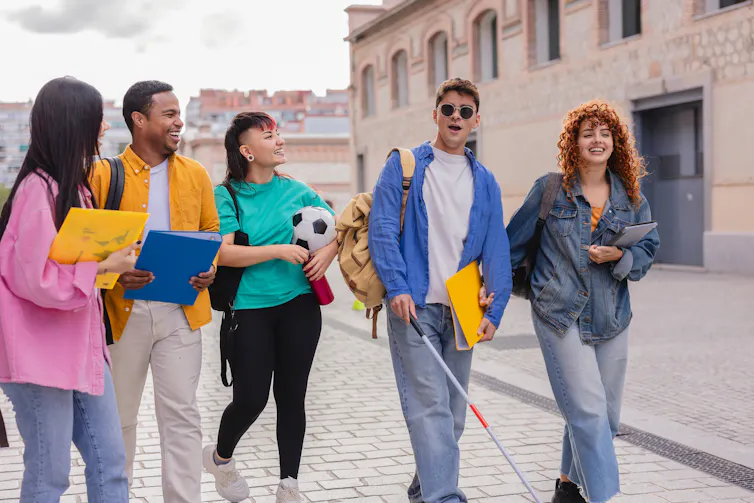
Group of students, including one with a visual impairment
The burden of pointing out poor access often falls on students.
PintoArt/Shutterstock

For some students with straightforward needs, this can reduce friction. For others it leads to less reliable access and fewer opportunities to influence how support is provided. Formal support plans do more than list adjustments. They give students a structured opportunity to explain their needs, ensure those needs are clearly recorded, and make the support process more transparent. They also provide continuity, clarify responsibility, and provide a shared reference point when things go wrong. As these structures weaken, access becomes increasingly dependent on individual persistence and the ability to navigate complex systems.

During the pandemic, measures such as lecture recording and remote participation improved access for many disabled students. In recent years, this flexibility has begun to decline. This retreat has not been neutral. For students who cannot always attend in person, reduced flexibility can mean missing teaching altogether. These decisions are often framed as restoring normality or the campus experience. Their effect, however, is to remove forms of access that were already shown to work. The result is a return to systems that assume all students can participate in the same way.

One of the report’s clearest findings is that administrative complexity itself acts as a barrier to access. Disabled students describe delays between departments and services, repeated explanations of their needs, and frequent requests for evidence. When systems are fragmented, access depends on a student’s ability to navigate bureaucracy rather than on the adjustments they are entitled to.

Many students report going without support because the effort required to secure it is too high, particularly when they are unwell. This also helps explain why many access failures go unrecorded. Escalation is often seen as risky, time-consuming, or ineffective.

These patterns matter beyond individual experience. When access is unreliable, the consequences include disrupted study, poorer outcomes and higher withdrawal rates. There are also wider implications for regulation and public trust.

As institutions make decisions about resourcing, delivery models and teaching formats, the reliability of access becomes a test of how those pressures are managed. Treating accessibility as local or optional rather than as essential infrastructure increases the likelihood of repeated failure. In this context, accessibility is not a specialist concern. It is a matter of system reliability and public accountability.

The report does not suggest that universities lack awareness or goodwill. Instead, it shows that culture has moved faster than systems. Disabled students are not asking for special treatment but for support that is delivered consistently and without personal cost. The challenge now is to move from intent to reliability. Until accessibility is embedded as a baseline expectation within institutional systems, disabled students’ access to higher education will continue to depend on where they study and on how well those systems work.

The Conversation

Holly Louise Parrott does not work for, consult, own shares in or receive funding from any company or organisation that would benefit from this article, and has disclosed no relevant affiliations beyond their academic appointment.

ref. Why universities still struggle to make degrees accessible for disabled students – https://theconversation.com/why-universities-still-struggle-to-make-degrees-accessible-for-disabled-students-275130

Tax changes taking effect in 2026 may boost the number of donors but lead to the US missing out on an estimated $5.7B a year in charitable giving

Source: The Conversation – USA (2) – By Jon Bergdoll, Associate Director of Data Partnerships at the Lilly Family School of Philanthropy, Indiana University

New tax policies could change who gives and how much people and corporations donate.
sesame/DigitalVision Vectors via Getty Images

Many provisions in the huge tax-and-spending package that President Donald Trump signed into law on July 4, 2025, sometimes called the One Big Beautiful Bill Act, will influence how much money Americans give to charity.

We conduct in-depth research on philanthropy. Together, we have analyzed the tax policy changes.

After crunching the numbers, we predict that the number of U.S. donors will rise, but that individuals, families and corporations will give less overall. We estimate that giving will be around US$5.7 billion less due to these tax policy changes, which went into effect on Jan. 1, 2026. That’s roughly 1% of the nearly $600 billion Americans gave in 2024.

Everyone gets a charitable deduction

As the reforms take effect, the provision likeliest to affect the most Americans should increase giving.

All taxpayers will finally get something that many nonprofit leaders had long sought: a universal charitable deduction.

The new rule will allow people who file on their own to shave up to $1,000 off their taxable income, or $2,000 for married couples who file jointly. Those amounts will not be adjusted for future inflation and will remain the same unless Congress changes them. They won’t affect anyone’s 2025 tax bill, but they will play a role in 2026 and beyond, especially when Americans file their 2026 tax returns in 2027.

The way this works is fairly simple. If a single person gives up to $1,000 or a married couple who file their taxes jointly give $2,000 to charity in a calendar year, they can deduct that much from their taxable income if they do not itemize their taxes.

This new deduction will allow every American individual and family to deduct charitable gifts, at least up to these limits. In practice, if your marginal tax rate is 22%, taking the charitable deduction could cut your tax bill by $220 if you file on your own and $440 if you’re married and file with your spouse, and this opportunity is available for the 90% of households who claim the standard deduction when they file their taxes.

The standard deduction is a fixed amount that all taxpayers may deduct from their taxable income.

Unlike the $300 charitable deduction that all American taxpayers could claim in 2020 and 2021 as part of economic relief measures during the COVID-19 pandemic, the measure is permanent this time around.

While charitable giving did increase in those years, it’s unclear whether this policy contributed to the higher levels of donations. Most likely, that temporary universal charitable deduction was set too low to make a significant difference. What’s more, people tend to respond more strongly to permanent policy changes than temporary ones.

The standard deduction no longer restricts access

Previously, only people who itemized their tax returns – around 10% of filers in recent years – could deduct the value of their charitable gifts from their taxable income.

Using data from 2022, we have estimated around 85% of non-itemized giving was coming from Americans who made donations totaling above the $1,000 and $2,000 amounts Congress set for the universal charitable deduction.

These taxpayers will now get tax breaks for some of that amount when they give to charity. There remains no incentive to give more than they already did in the past.

Encouraging more people to give to charity

While there are many factors that can affect giving patterns, evidence suggests that getting a new tax break makes any given person or family more likely to donate to charity.

Due to the introduction of a permanent universal charitable deduction, we project that 8.7 million more tax filers will donate. Adding this number of people to the most recently available data would bring the share of Americans who give charitably to 52%.

Our colleagues have identified a long-running decline in the number of U.S. individuals and families who give anything to charity each year. In 2020, the most recent year for which data is available, 46% of households made charitable gifts, down from 64% in 2008.

Changes for those who itemize

Two new tax rules, however, could discourage giving by higher-income donors. Those who itemize their taxes can’t deduct any giving below 0.5% of their income. Only their donations that exceed this floor can be deducted.

We found that only a small portion of itemized giving – less than 2% in the data we used – was done by households giving less than 0.5% of their income. We project individual giving will be $2.4 billion lower within this group of donors in 2026 and moving forward – at least relative to what individual giving would have been absent this tax-changing provision.

Another tax change could depress giving by larger amounts. It’s a reduction in the cap on all tax deductions – including the charitable deduction – from 37% to 35%.

While this might sound like a relatively minor difference, we and other scholars have found that high-income Americans tend to be highly responsive to tax policy changes. Perhaps that’s because they hire tax advisers, whose job it is to pay attention to changes like these.

According to 2022 IRS data, the most recent available, around half of all individual giving by people who itemize their tax returns – more than $100 billion – came from households likely to be affected by this 35% ceiling on deductions.

We project that this cap will decrease individual giving by $6.1 billion.

Corporate giving

Corporations gave an estimated $44 billion to charity in 2024, around 7% of all charitable gifts.

They might give less beginning in 2026, due to weaker incentives. The tax reform package includes a measure that makes it impossible for corporations to deduct any charitable gifts from their taxes unless those donations add up to at least 1% of their pretax profits.

Corporate giving has until now hovered around 1% of pretax profits. That pattern might suggest that this provision is likely to significantly discourage corporate giving because many companies will have to choose between getting no tax break at all or giving more to be eligible for one.

However, we’ve found that corporate giving is very top-heavy – as is the case with individual giving. While most corporations don’t give more than 1%, most of the money corporations give to charity actually comes from those that donate at least 1% of their profits.

Donors, including corporations, have a way to avoid missing out on the charitable deduction for those who itemize their tax on their returns. It’s possible to give more money to charity in one year to optimize the tax effects of their donations over time.

One way to go about this is to make gifts to a donor-advised fund, a financial account that people and companies can use to reserve charitable dollars. If a company deposits donations that are large enough to qualify for the corporate charitable tax deduction for one year into a donor-advised fund, it can get a tax break for that year and distribute gifts over two or more years as its executives see fit.

Taking all of the above into account, we project corporate giving to decline by only $1.55 billion, starting in 2026.

A mixed picture

In short, we project that these new tax policy changes will reduce total giving overall by $5.7 billion annually. The greatest downward pressure will be on individual donors who make large charitable gifts and bump up against the 35% cap on what they can deduct from their taxable income when they itemize.

But there is also a new disincentive for some of the middle-class donors who itemize their tax returns due to the new floor for itemizers being able to deduct charitable gifts. And the similar floor for corporate donations could discourage some companies from making gifts they would have made under the old rules.

At the same time, we expect to see the introduction of a permanent universal charitable deduction increase the total number of donors and the gifts that donors with more modest incomes make. Many nonprofit leaders had asked for this change for many years because they believed this change might increase giving overall.

To be clear, these estimated changes are relative to what would have happened had the government not enacted these new tax policies. Giving could still rise, just by less than it otherwise would have.

In addition, other factors affect giving besides taxation, including changes to income, wealth, stock market performance, economic growth and corporate profits.

The Conversation

Jon Bergdoll received funding from Independent Sector, a nonprofit membership group, for an earlier iteration of this research. This research was funded in partnership with CCS Fundraising.

Patrick Rooney does consulting for Rooney & Associates. He has received funding from Independent Sector, which earlier funded the portion of this work on the tax cap at 35%. This current work was funded by CCS, a fundraising consulting firm.

ref. Tax changes taking effect in 2026 may boost the number of donors but lead to the US missing out on an estimated $5.7B a year in charitable giving – https://theconversation.com/tax-changes-taking-effect-in-2026-may-boost-the-number-of-donors-but-lead-to-the-us-missing-out-on-an-estimated-5-7b-a-year-in-charitable-giving-278137

With AI finishing your sentences, what will happen to your unique voice on the page?

Source: The Conversation – USA (2) – By Gayle Rogers, Professor of English, University of Pittsburgh

Predictive language technologies are making prose less distinct. echo1/iStock via Getty Images

It’s a familiar feeling: You start a text message, and your phone’s auto-complete function suggests several choices for the next word, ranging from banal to hilarious. “I love…” you, or coffee? Or you’re finishing an email, and merely typing the word “Let” prompts your app to suggest “Let me know if you have any questions” in light gray text.

Predictive language technologies have become so routine – baked into smartphones, email services and chatbots – that we barely notice them anymore. But they raise a difficult question: What happens to a writer’s unique voice when AI routinely completes their thoughts – or generates them altogether from scratch?

As the chair of a large English department – and as a scholar who researches the effects of predictive writing – I’ve witnessed firsthand the challenges that generative AI systems such as ChatGPT, Gemini and Claude pose for individual expression.

This technology has been incorporated into the writing process so fully that it’s almost impossible to imagine encountering a scene from the not-so-distant past: a writer, alone, with a pen and a piece of paper, wrestling with how to best translate their ideas, arguments and stories into something legible and interesting.

Predictive text leads to predictive writing

As many scholars have noted, though, this vision of writing was never fully accurate.

Essays have always incorporated guidance from teachers, professors or writing tutors. A friend might give feedback, or your favorite novelist’s turn of phrase might offer inspiration. The language we use is never fully “ours,” but draws on millions of sources absorbed over the course of our lives.

Just as it’s a myth to imagine that writers compose in a vacuum, there has never been a clear line between genuine human expression versus machine-generated text. As scholars have pointed out, we have been using machines to communicate for a long time. Every technological development – from the quill pen and the typewriter to the word processor – has brought with it changes in how humans express themselves.

However, the ubiquity of predictive language technologies directly threatens human creativity – or, as one study put it, “Predictive Text Encourages Predictive Writing.”

Because generative AI composes and suggests text in highly standardized, predictable patterns, its outputs can read as if they’re dressed-up versions of what linguists call “phatic expression.” These are the overly common phrases that function as social glue more than as conveyors of sentiment: “How are you?”, “Have a good day” or “See you soon.”

But this glue can lose its hold if the technology is used in the wrong situations. Using artificial intelligence to compose a social media post in the wake of a tragedy, or using it to write a fan letter to an Olympic athlete, comes off as insincere.

People are starting to catch on to generative AI’s prose, not because it’s clunky or poorly written, but because it all sounds the same. That’s because large language models are trained on gigantic masses of examples of human writing, and they predict text based on probabilities and commonalities.

Those predictive outputs often end up producing a singular, recognizable voice. Or, as Sam Kriss explained in a recent essay for The New York Times Magazine, “Once, there were many writers, and many different styles. Now, increasingly, one uncredited author turns out essentially everything.”

Slouching toward a cultural mean

Generative AI is accelerating the types of cultural convergence and uniform expression that were already happening.

For example, linguists have shown that regional accents in the U.S. are fading and becoming homogenized due to a mix of migration, urbanization, mass media and social media. Meanwhile, American English continues supplanting many other forms internationally due to the global predominance of U.S.-based media, TV, film and more.

Are we all destined to write and speak alike? Generative AI doesn’t know in advance whether you call soft drinks “soda,” “pop” or “coke.” If you let it choose, it will simply select “soda” for you, since that’s the most common term in its training data.

By contrast, what people typically value in a personal essay, novel, poem or message to a grieving friend is the ability of the human author to demonstrate – clearly and distinctly – something powerful and singular.

Making chatbots less appealing

So how can teachers compel students to craft their own voices? How is that task different today than it was even a decade ago?

It helps to think here about where generative AI struggles, and why.

Chatbots are great at creating relatively bland, highly readable prose, since that’s what is omnipresent in their training data. But they struggle to create the kinds of radically unexpected shifts that appear in novels like James Joyce’s “Ulysses” or songs like Queen’s “Bohemian Rhapsody.”

Several techniques exist to encourage these types of stylistic leaps among student writers.

Teachers can bake unpredictability into the assignment. Creative writing instructors have used techniques for decades to encourage out-of-the-box thinking. They might ask students to draft a poem and then rewrite it while avoiding the letter “E,” or limit themselves to two adjectives at most.

Another tactic involves having students draw from distinctly personal experiences. Teaching students how to explore connections between characters and conflicts in a novel to people and situations in their own lives makes resorting to chatbots less appealing, if not altogether useless. By contrast, impersonal assignments – “Discuss the symbolism of the color green in ‘The Great Gatsby’” – will likely produce generic, predictable results.

Teachers can also ensure the work of their students has a range of readers. If it’s just the professor, students may be less likely to invest time into cultivating their own voice. But if they have to write an essay or story for, say, their friends or their grandparents, they might have more of an incentive to sound like themselves.

Many other strategies exist, from being forced to reverse the argument of an essay to favor the other side, to interviewing strangers for an assignment and including their quotes.

The bottom line: Writers have access to sources – and language – that machines cannot access or generate. Having students wrestle with unconventional modes of composition and revision lies at the heart of ensuring that the technology is more of a helpful thought partner, but not a substitute for their voice.

The Conversation

Gayle Rogers does not work for, consult, own shares in or receive funding from any company or organization that would benefit from this article, and has disclosed no relevant affiliations beyond their academic appointment.

ref. With AI finishing your sentences, what will happen to your unique voice on the page? – https://theconversation.com/with-ai-finishing-your-sentences-what-will-happen-to-your-unique-voice-on-the-page-276036

Magic mushroom-infused products appear in Colorado gas stations – what public health officials want consumers to know

Source: The Conversation – USA (3) – By David Kroll, Professor of Natural Products Pharmacology & Toxicology, University of Colorado Anschutz Medical Campus

This isn’t the first time psilocybin-laced products have been found in Denver. John Moore/Getty Images

A Denver food and cannabis investigator became suspicious of PolkaDot-branded chocolate bars sitting next to convenience store energy shots and nicotine pouches in January 2026.

Months earlier, California public health officials warned about PolkaDot-branded chocolate bars. California authorities destroyed more than US$3 million of the chocolate after laboratory testing revealed added synthetic psychoactive drugs. The agency warned of severe illness, hospitalization or worse – particularly in children who could mistake the bars for ordinary candy.

Unfortunately, the California case was a beacon of a more widespread problem. In Denver, investigators from the Colorado Department of Public Health & Environment and Denver Licensing and Consumer Protection the Denver Department of Licensing and Consumer Protection warned consumers and removed these products from three retailers. They then partnered with the Denver Police Department to destroy similar products from six additional retailers.

Denver inspectors confiscated unregulated PolkaDot chocolate bars and gummies from six stores after tests found illegal psychoactive ingredients, including synthetic tryptamines.

I’m a natural products pharmacologist and professor based in Colorado who has studied the emergence of known and novel psychoactive substances in consumer products. I did some investigating to find out how these products landed on shelves, and how dietary supplement loopholes allowed them to initially evade detection by licensing authorities.

False labels fool retailers and mislead consumers

The PolkaDot-branded chocolate bars were marketed as “mushroom blends” and said to include lion’s mane, reishi, turkey tail and cordyceps — all non-hallucinogenic varieties. But laboratory tests showed otherwise. The bars contained psychoactive drugs: psilocybin and psilocin, the principal psychedelics found in Psilocybe mushrooms, as well as other chemical relatives called synthetic tryptamines.

“We didn’t want any one retailer to feel singled out,” said Jessica Davis, Denver health department’s food and cannabis investigator, in an interview. “We simply asked if they were carrying any mushroom blends. Most didn’t know they contained hallucinogenic mushroom compounds.”

This isn’t the first time psilocybin-laced products have been found in Denver. In the summer 2025, tobacco licensing authorities warned consumers about the same issue in West Coast Gold Caps chocolate bars. And in late 2024, Colorado was one of 34 states where the U.S. Centers for Disease Control and Prevention reported hospitalizations and suspected deaths associated with Diamond Shruumz chocolate bars and gummies.

What PolkaDot is – and isn’t

PolkaDot products look like everyday treats: 2-ounce chocolate bars in multiple flavors, gummies and even liquid “shots” or seltzers. They’re advertised as containing a blend of non-hallucinogenic mushrooms. These products are often sold in natural foods stores as nutritional supplements, even though there is little clinical evidence for their health benefits.

But according to public advisories, PolkaDot bars in Denver contained chemicals prohibited in retail food products.

PolkaDot brand materials, including the paper wrapping of the chocolates – but not the chocolates themselves – are widely available online. That means there isn’t a single regulated manufacturer of the chocolate. Instead, multiple unconnected players can purchase packaging kits and fill them with whatever compounds they choose. As a result, the composition of the same PolkaDot-labeled product can vary considerably across the U.S.

Davis, the food safety investigator, said gas station retailers frequently produced apparently factual invoices from wholesalers, but the paperwork rarely verified what was actually found inside the bars.

“Wholesalers weren’t doing their due diligence,” she said. “Some said they found these at trade shows and were told they were legal.”

No, Colorado didn’t legalize retail sales of psilocybin

Much of the confusion among wholesalers and consumers stems from Colorado’s 2022 Natural Medicine Act. Voters approved Proposition 122, leading to the state’s decriminalization of personal possession, cultivation and sharing of certain natural psychedelic substances. So, while people are free to grow, share and use “magic mushrooms,” it is unlawful to sell them.

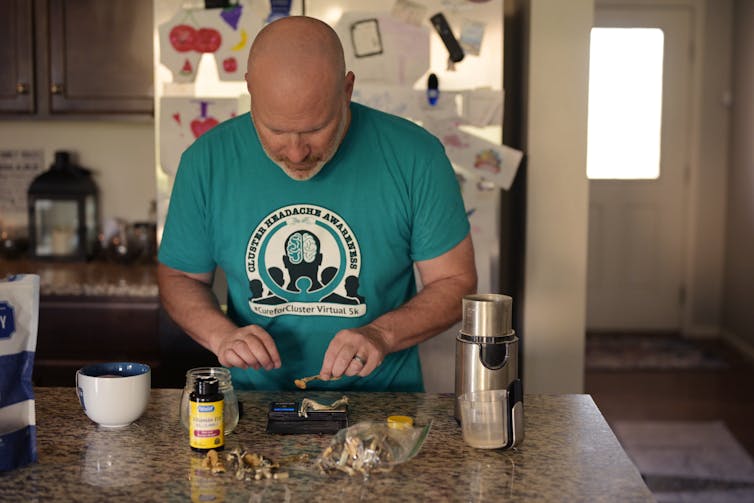
A man in a blue shirt weighs mushrooms on a small scale in a kitchen.
Growing magic mushrooms and sharing them with friends is legal under Colorado law, but selling them is not.
Hyoung Chang/The Denver Post via Getty Images

Colorado is also building a system for licensed facilitators to offer supervised use of hallucinogenic mushrooms for a variety of mental health issues, but the law did not authorize over-the-counter retail sales at gas stations, smoke shops or corner stores.

“People assume that because Colorado decriminalized natural medicines, anything ‘mushroom’ is fair game to buy. It isn’t. Retail sales are prohibited,” Davis said.

So-called natural or herbal medicine products, such as chamomile for relaxation and echinacea for colds, are regulated in the U.S. as foods – not drugs – under the Dietary Supplement Health and Education Act of 1994. Retailers are free to sell products as long as the label does not make false or misleading medical claims or contain unapproved or illicit drugs. The Food and Drug Administration issues a formal warning letter to prohibit sales when products are misbranded, spiked with unapproved drugs or when adverse reactions appear in consumers.

Psilocybin and some semi-synthetic tryptamines are prohibited under Schedule I of the Controlled Substances Act of 1970, governed by the U.S. Drug Enforcement Administration. But some of the synthetic tryptamines found in the PolkaDot-branded bars are not explicitly named in this most restrictive classification, although the main building block of these chemicals, diethyltryptamine, or DET, is.

Some of the slightly modified psychoactives found in PolkaDot products are presumed by the DEA and other authorities to circumvent the law.

Small gas station convenience stores buy products from dozens of regional wholesalers. PolkaDot chocolates and other products can slip into local gas stations and evade detection. By contrast, GNC, a national health and nutrition company, manufactures many of its own products and receives others from a select few wholesalers. These retailers tend to know better what’s in the products they carry.

“If you keep [these products] under the FDA’s radar – in small gas stations rather than doing a mass distribution at GNC – you avoid detection until something really bad happens,” Harvard physician Dr. Pieter Cohen told STAT News.

How ‘gas station drugs’ remain legal, from STAT News.

By avoiding federal detection, the detection of problematic products is left to local and regional public health officials or food inspectors and tobacco licensing authorities. If they discover these products, they can revoke food or tobacco licenses, which can cause extensive financial losses, due in part to the low profit margins of gasoline sales alone.

Education first, but enforcement is real

The Denver health department’s messaging has emphasized consumer education and retailer outreach. Advisories urge residents to avoid purchasing PolkaDot products and to report sightings to 311 or via the city’s consumer protection portal so inspectors can track their spread. The department has also underscored that businesses selling unlawful products face fines, license suspension or revocation, and potential criminal penalties.

According to Davis, the Denver food and cannabis investigator, the city’s licensing team has begun coaching retailers on basic due diligence: Does the price point make sense for a legitimate product? Can the wholesaler connect the retailer to the manufacturer? Can the manufacturer provide clear, complete ingredient disclosures and testing documentation? If clerks or suppliers can’t answer conclusively, that’s a red flag.

The practical reality is that routine sweeps won’t catch every mislabeled mushroom product. Denver needs the public to report what they see.

“If you’re seeking natural medicine, we want you to do it safely,” Davis said. “Cultivate it yourself within the law, obtain it from someone you trust or work with a licensed facilitator. Don’t buy mystery bars at a gas station.”

The Conversation

David Kroll does not work for, consult, own shares in or receive funding from any company or organization that would benefit from this article, and has disclosed no relevant affiliations beyond their academic appointment.

ref. Magic mushroom-infused products appear in Colorado gas stations – what public health officials want consumers to know – https://theconversation.com/magic-mushroom-infused-products-appear-in-colorado-gas-stations-what-public-health-officials-want-consumers-to-know-274935

Cancer vaccines could transform treatment and prevention – but misinformation about mRNA vaccines threatens their potential

Source: The Conversation – USA (3) – By Dannell D. Boatman, Assistant Professor and Health Communication Researcher, West Virginia University

A cancer vaccine would only help patients if they were willing to take it. Javier Zayas Photography/Moment via Getty Images

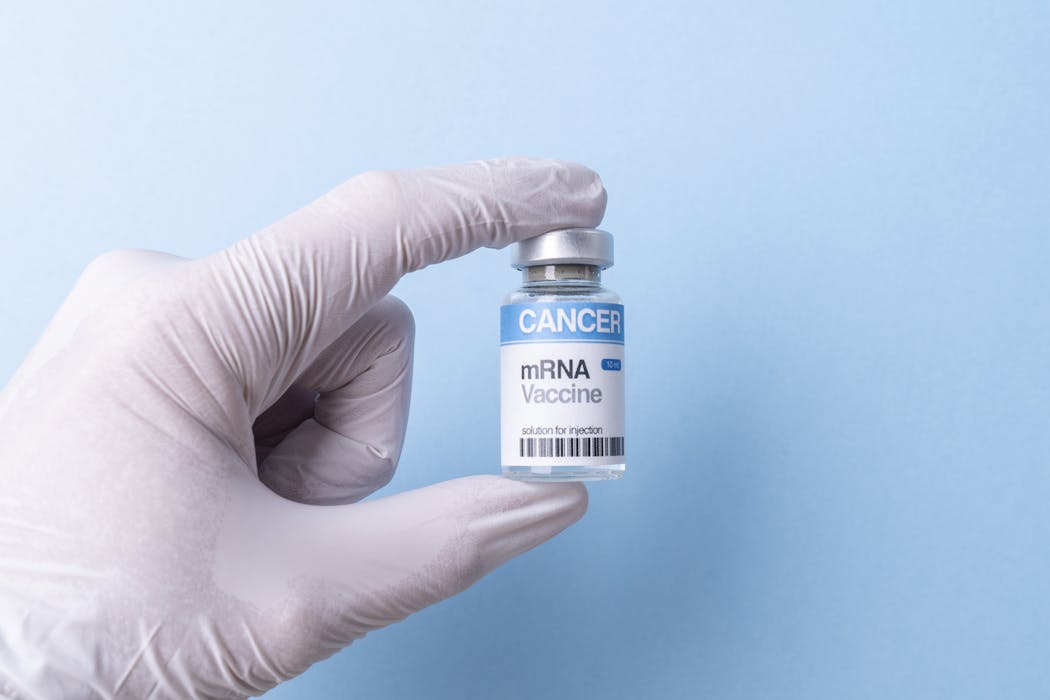
Scientists are making rapid progress toward a long-awaited goal that could help to reshape cancer care: mRNA cancer vaccines with the potential to significantly boost the immune system’s ability to fight and eliminate tumors.

Since the early 2000s, there have been over 120 promising clinical trials testing the use of mRNA vaccines to treat multiple cancer types, such as melanoma, brain, breast, lung and prostate cancer.

At the same time, misinformation about so-called turbo cancer began spreading widely on social media, with mainstream media outlets first reporting on it in late 2022. Turbo cancer refers to the false claim that COVID-19 mRNA vaccines cause unusually aggressive cancers.

As a researcher in health communication who monitors cancer-related conversations online, I have seen how quickly new misinformation can spread and the impact it can have on people’s health decisions. In the case of mRNA cancer vaccines, this false narrative could undermine public confidence in an important tool that may help prevent or treat cancer in the future.

Cancer research and mRNA vaccines

Most people likely first heard about mRNA technology through COVID-19 vaccines, but scientists have been studying it for decades.

How mRNA vaccines work is by delivering instructions that prompt the body’s cells to make specific proteins. This process teaches the immune system how to recognize and attack those proteins. In cancer research, scientists can design highly targeted vaccines that train the immune system to find tumor cells and more effectively kill them without harming healthy cells.

Cancer vaccines teach the immune system to kill tumor cells more effectively.

One example of this potential comes from studies on glioblastoma, an aggressive brain tumor with few effective treatments. Researchers have found that a personalized mRNA vaccine can rapidly activate people’s immune systems against this type of brain cancer and improve survival.

The body of evidence that mRNA vaccines can transform how researchers harness the immune system to treat cancer is growing. However, even the most promising medical advances can only improve health if people are willing to use them.

Rise of the ‘turbo cancer’ narrative

Turbo cancer” is a term often used by anti-vaccine advocates who claim – without credible evidence – that COVID-19 mRNA vaccines are causing unusually aggressive cancers.

This inaccurate narrative has trickled into the mainstream news. In September 2025, a controversial U.K. cardiologist claimed that the COVID-19 vaccine contributed to the royal family’s recent cancer diagnoses, spurring immediate backlash from the medical community. Although uncommon, some public figures and health professionals have claimed that the vaccines could cause cancer despite ample contradictory evidence, often by misinterpreting or misrepresenting studies.

Health misinformation can be described as false or misleading health-related claims shared with the public that are not supported by scientific evidence, are based on unverified personal stories or are opinions presented as facts. For example, while tracking discussions about the HPV vaccine across social media platforms, my team and I found that safety fears, mistrust of authority and conspiracy claims were widespread online.

Vaccine misinformation accelerated during the COVID-19 pandemic, causing what researchers call an infodemic: the rapid spread of both accurate and false health information during a public health crisis. The COVID-19 infodemic made it harder for people to find trustworthy guidance and shaped public attitudes toward vaccines.

“Turbo cancer” reflects many of the same patterns and narratives as the COVID-19 infodemic.

In a social listening study, which involves systematically monitoring online conversations about different topics, my team and I observed countless posts about turbo cancer beginning in July 2023 and continuing through early 2026. Many posts rely on emotionally compelling anecdotes, misinterpretations of animal studies, misuse of adverse events reporting and recycled myths that vaccines alter human DNA. Some posts also link rising cancer rates in younger adults to the COVID-19 vaccine. However, large population studies have found no increased cancer risk following vaccination.

None of these turbo cancer claims are supported by credible evidence. But on social media, repetition, personal stories and scientific-sounding language can make misinformation appear legitimate and help it spread quickly.

Cancer vaccine misinformation harms health

At first glance, fringe claims such as turbo cancer may seem easy to dismiss. But research shows that they can have real-world consequences, and cancer-related misinformation can be particularly consequential.

Inaccurate information about cancer treatment is common online, and researchers have shown that it influences patient decisions. When patients rely on unproven approaches instead of recommended therapies, their risk of death can increase substantially.

Clinicians are already seeing the effects of misinformation in routine care. Oncologists report having to address myths or misleading information that patients have encountered, though researchers do not yet know how common these conversations are across cancer care.

Patient showing doctor their phone in exam room
Doctors are tasked with addressing misinformation that patients encounter online.
SDI Productions/E+ via Getty Images

mRNA technology is entering a pivotal phase in its development. Scientific progress is accelerating, but public understanding has not kept pace. Repeated exposure to misleading claims can erode trust in mRNA technology over time, increasing the likelihood that some patients will decline mRNA therapies in the future.

If misleading narratives such as turbo cancer continue to spread, they could complicate the future rollout of mRNA vaccines and limit their lifesaving benefits.

Keeping communication in pace with science

Once misinformation takes hold of public understanding, changing its course can be difficult.

Research has consistently shown that proactive, transparent and persuasive communication can counter misinformation. It also shows that trust, once lost, is difficult to rebuild.

Medical innovations can save lives, but only if communication keeps up. This means monitoring emerging misinformation trends on social media, addressing concerns early on, equipping clinicians to have effective patient conversations and designing public health messaging that builds public understanding of new medical technologies before they are widely introduced in the clinic.

Scientific innovation alone is not enough to improve health. Ensuring that the public can evaluate medical innovations like mRNA cancer vaccines based on evidence, rather than viral misinformation, is part of the scientific challenge.

The future of cancer care depends not just on scientific discovery, but on public understanding and trust.

The Conversation

Dannell D. Boatman receives funding from Merck, Sharp & Dohme LLC, the National Institutes of Health, the National Institute of General Medical Sciences and the Centers for Disease Control and Prevention.

ref. Cancer vaccines could transform treatment and prevention – but misinformation about mRNA vaccines threatens their potential – https://theconversation.com/cancer-vaccines-could-transform-treatment-and-prevention-but-misinformation-about-mrna-vaccines-threatens-their-potential-276809

My research on wheelchair basketball challenges one of the biggest assumptions about sex differences in sports

Source: The Conversation – USA (3) – By Leanne Snyder, Assistant Professor of Exercise Science, Loyola University Chicago

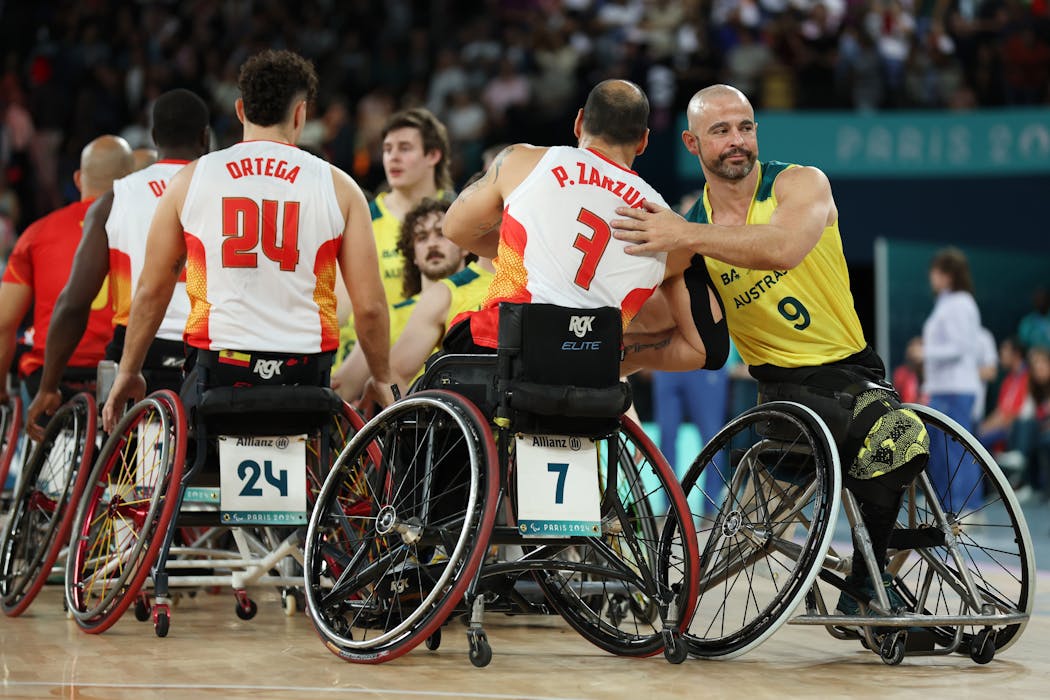
Physiological differences between women and men in sports may be far less pronounced in wheelchair basketball players. Steph Chambers/Staff via Getty Images Sports

Every March, millions of Americans fill out brackets and tune in to watch the NCAA college basketball tournaments known as March Madness. The men’s and women’s competitions unfold in parallel, each with their own brackets, champions, storylines and fan bases.

The separation reflects one of the most deeply embedded assumptions in sports: that women and men perform differently enough that they must compete apart.

The divide is so normal, it’s rarely explained: On average, men are faster, stronger and have more endurance. As a result, performance differences between men and women are often assumed to follow directly from these physical traits.

This notion shape how sports organizations structure competition, how coaches train athletes and how researchers study performance. Sex becomes a shortcut – a way to predict what athletes can do before they ever step onto the court.

As an exercise scientist who studies the physical demands of Paralympic sports, I wanted to know whether this assumption actually holds up.

My research on elite wheelchair basketball suggests it may not. I found that many of the differences widely attributed to physiological differences between women and men in sports are far less pronounced in wheelchair basketball players – and in most cases absent altogether.

It may seem that wheelchair sports are too different from nondisabled sports to compare. But in my view, they may instead reveal what sports look like when performance is measured by what athletes can do, rather than presumptions tied to their sex.

Although international competitions of wheelchair basketball have separate women’s and men’s teams, athletes at the national level often train together.

Testing different abilities

In most sports, presumptions about physical differences between the sexes appear early, often starting with elementary school physical education classes and youth teams.

Wheelchair basketball works differently. Although international competitions have separate women’s and men’s teams, athletes at the national level often train together, while women sometimes compete in men’s leagues and vice versa.

As part of my Ph.D. research, I examined how elite wheelchair basketball players move during competition by asking athletes from the Australian national men’s and women’s teams to wear movement sensors during five international-level games in 2022.

The sensors recorded how often players accelerated and decelerated, how frequently they changed direction, how fast they moved and how much distance they covered. Accelerations, decelerations and changes of direction are typically the most physically demanding movements in wheelchair basketball. To ensure fair comparisons, I adjusted all measures for playing time.

A consistent difference emerged. Players with less severe impairments – those with greater trunk control and stability – performed more high-intensity actions than players with more severe impairments. Female athletes with less severe impairments accelerated and decelerated more frequently and reached higher peak speeds, and male athletes showed the same pattern.

When I compared performance by sex, however, the differences were much less pronounced. Across most measures – including distance covered, average speed and high-intensity movements – female and male athletes performed similarly over the course of multiple games.

Performance beyond sex

If sex-based performance differences are so common in sports, why didn’t they appear in my research? The answer lies partly in how wheelchair basketball is organized.

To compete, athletes are assigned a classification based on how their impairment affects movement during play. These classifications range from 1.0 to 4.5, with lower numbers indicating more severe impairments. The system is designed to account for athletes with wide variations in physical disabilities, particularly differences in trunk control, balance and the ability to generate force and change direction in their game wheelchairs.

During games, teams must stay under a combined classification limit of 14 points for the five players on court. This means lineups are built around functional movement ability rather than sex, balancing players with different movement capacities within lineups so that no single team gains an unfair advantage.

Shelley Cronau, a player on Australia's Paralympics wheelchair basketball team, grabs a loose ball in a match against Japan in the Tokyo 2020 Paralympic Games.
Wheelchair basketball uses a system of classifications to balance the wide variations in athletes’ disabilities.
Carmen Mandato/Staff via Getty Images Sports

With this in mind, it makes sense that classification, not sex, explained the differences I observed. In other words, wheelchair basketball is designed around physical variation in sports – not just between women and men, but across individuals with very different movement capacities and roles on the court. In this context, sex becomes one variable among many, rather than the primary basis for performance.

This pattern isn’t unique to wheelchair basketball. In wheelchair rugby, where women and men compete together on the same international teams, research has also found that game demands are shaped more by players’ classification and on-court roles than by sex.

Challenging sports science norms

My findings challenge a near-universal assumption in sports: that sex is the primary factor defining physical ability.

To be clear, there are contexts where sex-based comparisons matter. Differences in average muscle mass, body size and hormone profiles can influence performance in many sports, which is one reason competitions are typically separated into women’s and men’s divisions. Safety concerns are also frequently cited as a reason for maintaining separate competitions.

But when sex becomes the primary framework for understanding performance, it can obscure other important factors such as strength, body size, training history and access to coaching.

Research supports this idea. One study comparing athletes by both sex and strength found that many differences often attributed to sex were better explained by strength. Another review found little consistent evidence for sex-specific movement patterns in jumping and landing tasks, concluding that many reported differences are better explained by training exposure, motor skill or sociocultural factors than by sex alone.

Put simply, what is often labeled a sex difference may instead reflect unequal opportunities to develop physical capacity – much of which is trainable – rather than fixed, innate ability.

This perspective does not mean sex differences disappear, but it suggests that they may not always be the most informative way to understand performance. In some cases, focusing primarily on sex-based categories may even risk underselling what some young athletes are capable of.

Looking more closely at individual factors such as strength, agility, sport-specific skills and training exposure may give coaches a clearer picture of how athletes actually perform, rather than relying on long-standing presumptions about what girls and boys are capable of.

The Conversation

Leanne Snyder does not work for, consult, own shares in or receive funding from any company or organization that would benefit from this article, and has disclosed no relevant affiliations beyond their academic appointment.

ref. My research on wheelchair basketball challenges one of the biggest assumptions about sex differences in sports – https://theconversation.com/my-research-on-wheelchair-basketball-challenges-one-of-the-biggest-assumptions-about-sex-differences-in-sports-261624

Iran war shows how AI speeds up military ‘kill chains’

Source: The Conversation – UK – By Craig Jones, Senior Lecturer in Political Geography, Department of Geography, Newcastle University

The US-Israel war on Iran has been described as “the first AI war”. But recent deployments of artificial intelligence are, in fact, the latest in a long history of technological developments that prize a need for speed in the military “kill chain”.

“Sixty seconds – that’s all it took,” claimed a former Israeli Mossad agent of the strikes that killed Iran’s supreme leader, Ayatollah Ali Khamenei, on February 28 2026, the first day of the US-Israel war on Iran.

The speed and scale of war have been significantly enhanced by use of AI systems. But this need for speed brings serious risks for civilians and military combatants alike.

Modern military operations produce and rely on an enormous amount of intelligence. This includes intercepted phone calls and text messages, the mass surveillance of the internet (known as “signals intelligence”), as well as satellite imagery and video feeds from loitering drones. We can think of all this intelligence as data – and the problem is, there’s too much of it.

As early as 2010, the US Air Force was concerned about “swimming in sensors and drowning in data”. Too many hours of footage, and too many analysts manually reviewing this intelligence.

AI systems can dramatically speed up the analysis of military intelligence. Brad Cooper, head of US Central Command (CentCom), recently confirmed the use of AI tools in the war against Iran, saying:

These systems help us sift through vast amounts of data in seconds, so our leaders can cut through the noise and make smarter decisions faster than the enemy can react … Advanced AI tools can turn processes that used to take hours and sometimes even days into seconds.

In 2024, an investigation by Georgetown University found that the US Army’s 18th Airborne Corps had employed AI to assist with intelligence processing – reducing a team of 2,000 to just 20.

The allure of speed

In the second world war, the aerial targeting cycle – from collecting images to assembling target packages complete with intelligence reports – could take weeks or even months. But over the ensuing decades, the US military set about what it called “compressing the kill chain” – shortening the time between the identification of a target and use of force against it.

During the first Gulf war of 1991, Iraq’s president Saddam Hussein made use of mobile missile launchers that would roam the desert firing Scud missiles. By the time US radar identified its location, the launcher could be miles away. This “shoot and scoot” tactic required new technology to track these mobile targets.

Mobile Scud missile launchers proved a new challenge for the US military during the first Gulf war.

A key breakthrough came shortly after the September 11 attacks in the form of an armed Predator drone.

In November 2002, the CIA targeted and killed Al Qaeda’s leader in Yemen, Qaed Salim Sinan al-Harithi. This heralded a new era of warfare in which drones piloted from military bases in the US flew remotely over the skies of Yemen, Somalia, Pakistan, Iraq, Afghanistan and elsewhere.

The drones’ powerful cameras could take high-resolution video and beam it back to the US via satellite in a matter of seconds, enabling the drone operators to track mobile targets. The same drone which had eyes on the target could fire missiles to kill or destroy the target.

With greater speed comes greater risk

Two decades ago, it was easy to dismiss as hyperbole the idea that the coming age of cyberwarfare might bring about “bombing at the speed of thought”, a phrase coined by American historian Nick Cullather in 2003. Yet with the advent of AI warfare, the unthinkable has become almost antiquated.

Part of the push to employ AI tools is the sense that human thought is no match for the processing speeds enabled by AI systems. The US Department of Defense’s artificial intelligence strategy states: “Military AI is going to be a race for the foreseeable future, and therefore speed wins … We must accept that the risks of not moving fast enough outweigh the risks of imperfect alignment.”

While the precise uses of AI by US and other military is shrouded in secrecy, information has been made public that highlights the risks of its use on civilian populations.

In Gaza, according to Israeli intelligence sources, the AI systems Lavender and Gospel have been programmed to accept up to 100 civilian casualties (and occasionally even more) for a strike on a single suspected Hamas combatant. More than 75,000 people are estimated to have been killed there since October 7 2023.

In February 2024, a US airstrike killed a 20-year-old student, Abdul-Rahman al-Rawi. At the time, a senior US official admitted the strikes had used AI targeting – although confusingly, the US military now says it has “no way of knowing” whether it used AI in specific airstrikes.

The risk is that AI could lower the threshold or cost of going to war, as people play an increasingly passive role in reviewing and rubber-stamping the work of AI.

The embedding of AI into military kill chains intersects with other alarming developments. After years of inaction, the US military spent more than a decade developing an infrastructure to avoid civilian casualties in war, but it has been almost totally dismantled under the Trump administration.

The lawyers who give advice to the military on targeting operations, including compliance with international law and rules of engagement, have been sidelined and fired.

Meanwhile, since the start of the war in Iran, more than 1,200 civilians have been killed, according to the Iranian Health Ministry. On February 28, the US military struck an elementary school in the south of Iran, killing at least 175 people, most of them children.

The US secretary of defense, Pete Hegseth, has been clear that the military’s aim in Iran is for “maximum lethality, not tepid legality. Violent effect, not politically correct”.

With such an attitude, and by privileging speed over deliberation, civilian casualties become inevitable, and accountability ever more elusive.

The Conversation

Craig Jones receives funding from United Kingdom Research and Innovation (UKRI). He is author of The War Lawyers: US, Israel and Spaces of Targeting’ (Oxford University Press, 2020).

Helen M Kinsella does not work for, consult, own shares in or receive funding from any company or organisation that would benefit from this article, and has disclosed no relevant affiliations beyond their academic appointment.

ref. Iran war shows how AI speeds up military ‘kill chains’ – https://theconversation.com/iran-war-shows-how-ai-speeds-up-military-kill-chains-278492

Can ‘mini brains’ replace lab animals? Organoids are changing how scientists study disease

Source: The Conversation – Canada – By Habib Rezanejad, Professor of cellular and molecular biology, MacEwan University

As a researcher, I still remember the discomfort I felt every time I had to sacrifice laboratory animals for an experiment. For decades, animals like mice, rats and pigs have been essential tools in biomedical research. Yet many scientists are asking whether better, more humane alternatives are possible.

Globally, it’s estimated that close to 200 million animals are used in laboratory research each year. While animal models have helped generate major medical breakthroughs, they don’t always reflect how human biology works.

An image of purple-coloured three-dimensional organoids generated from mouse pancreatic ductal epithelial cells.
Three-dimensional organoids generated from mouse pancreatic ductal epithelial cells.
(Habib Rezanejad)

New technologies are now offering scientists a promising alternative: organoids — tiny three-dimensional versions of human organs grown in the lab.

These “mini organs” are grown from human stem cells and can reproduce some of the complex cell types and interactions found in the body. Because they’re derived from human cells, organoids offer researchers a way to study human diseases more directly than traditional animal models.

Organoids for brain research

This approach is gaining huge attention in brain research. Compared with many other organs, the brain presents unique challenges for scientists.

Brain disorders are often complex and difficult to define precisely, involving subtle changes across many types of cells and neural circuits. At the same time, the brain is one of the least accessible organs in the body. Unlike blood or skin, living brain tissue cannot be easily sampled from healthy individuals.

Alzheimer’s disease, for example, is a growing global health concern, especially as populations age. Yet finding treatments has proven extremely difficult. A systematic review of research over two decades found that 98 Alzheimer’s drug candidates failed in clinical trials while only two succeeded. This highlights the enormous challenge of developing effective therapies.

What are brain organoids? (U.S. National Institute of Environmental Health Sciences)

One reason for this failure is that drugs that work in animals often do not work in humans. Mice and humans share many biological features, but important species differences mean animal models cannot fully reproduce the architecture and complexity of the human brain.

Traditional laboratory models also have other limitations. For example, many experiments rely on two-dimensional cell cultures, where cells grow in flat layers on plastic dishes. While useful, these systems lack the three-dimensional structure and cell-to-cell interactions found in real tissues. Without that complexity, they cannot accurately mimic many disease processes.

This is where organoids are transforming biomedical research.

In 2013, scientists demonstrated that brain organoids grown from human stem cells can self-organize into structures resembling parts of the developing brain. These “mini brains” contain multiple neural cell types and can mimic aspects of early brain development.

Researchers now use them to study conditions like autism, Alzheimer’s disease and amyotrophic lateral sclerosis (ALS).

Intestine, liver, kidney, pancreas

Beyond the brain, scientists have created organoids that resemble many other tissues, including the intestine, liver, kidney and pancreas.

An orange and green coloured image of mouse pancreatic ductal cells viewed through a microscope.
Mouse pancreatic ductal cells.
(Habib Rezanejad)

These models allow researchers to study diseases and test chemicals on human-like tissues rather than animals. For example, organoids could one day be used to screen chemicals for toxicity across multiple organs using cells derived from different individuals.

In my own research, my lab grows organoids from human and mouse pancreatic tissue to study cellular diversity and pancreatic inflammation. These models allow us to explore how different pancreatic cell types behave in three dimensions — something that would be impossible to observe in traditional flat cell cultures.

Potential for personalized medicine

A key advantage of organoids is their ability to capture human diversity. Laboratory mice used in experiments, on the other hand, are often genetically identical, which does not reflect the diversity of human populations.

Organoids can be grown from cells donated by individual patients, allowing researchers to study how diseases develop in different genetic backgrounds.

This opens the door to personalized medicine, where scientists test potential treatments on patient-derived organoids before giving them to patients.

Patient-derived organoids can predict how individuals might respond to certain drugs — for instance, responses to chemotherapy in metastatic colorectal cancer patients.

Organoids grown from many individuals, on the other hand, may provide a more realistic representation of how a population will respond to drugs. This helps researchers identify treatments that are more likely to succeed in clinical trials.

Overall, organoids are becoming powerful tools for drug discovery and safety testing.

Could this be the end of animal testing?

Some scientists believe organoids may replace animals altogether in certain areas of research. Organoid technology aligns with the “3Rs” principles in animal research — reduction, refinement and replacement — that aim to minimize the use of animals in science.

Reflecting this shift, the United States National Institutes of Health (NIH) recently announced it will prioritize research technologies that use human-based models rather than relying solely on animal experiments.

Pioneers in the field are optimistic. Hans Clevers, a leading scientist who helped develop gut organoids, has suggested that organoids could eventually replace animals in some forms of toxicology testing within the next few decades.

Still, organoids are not perfect

Although they are far more complex than traditional cell cultures, organoids remain simplified versions of real organs. Many lack blood vessels, which limits their size and maturity. They do not yet capture the full diversity of cell types found in human tissues, such as immune cells.

Studies have also shown that cells within organoids can experience stress due to laboratory growth conditions.

For now, organoids should be seen as powerful additions to the scientific toolbox rather than complete replacements for animal models.

Organoids are still an emerging technology, but they are already reshaping how scientists study human biology and disease. As the technology improves, these tiny lab-grown organs may help researchers reduce reliance on animal testing while bringing us closer to understanding — and treating — complex human diseases.

The Conversation

Habib Rezanejad receives Alberta Innovates Summer Research Studentship from Alberta Innovates for a research project at MacEwan University in 2025.

ref. Can ‘mini brains’ replace lab animals? Organoids are changing how scientists study disease – https://theconversation.com/can-mini-brains-replace-lab-animals-organoids-are-changing-how-scientists-study-disease-277611

In war-torn Iran, air pollution from burning oil depots and bombed buildings unleashes invisible health threats

Source: The Conversation – USA (3) – By Armin Sorooshian, Professor of Chemical and Environmental Engineering, University of Arizona

A woman sifts through the rubble in her home after it was damaged by a missile on March 15, 2026, in Tehran. Majid Saeedi/Getty Images

The waves of U.S. and Israeli bomb strikes in Tehran and Beirut, and Iran’s missile and drone attacks on neighboring countries in response, are damaging more than buildings – they are sending toxic debris into the air in cities that are home to millions of people.

Military strikes have hit Iran’s missile stockpiles, nuclear facilities and oil refineries. When a strike set fire to an oil depot, it sent toxic black clouds billowing over Tehran and created oily rain that settled on buildings, cars and people. Residents described having headaches and difficulty breathing.

As a chemical and environmental engineer who studies the behavior and effects of airborne particles, I have been following the damage reports to understand the health risks residents are facing as toxic materials get into the air. The risks come from many sources, from heavy metals in the munitions themselves to the materials sent airborne by what they blow apart.

A view acros the city's rooftops with multiple large smoke plumes rising.
Smoke plumes rise from several locations across Tehran following U.S. missile strikes on March 1, 2026.
Atta Kenare/AFP via Getty Images

The invisible enemy during war: Air pollution

A disaster’s effects on air quality and public health depend in large part on what is being destroyed.

The terrorist attacks on New York City’s World Trade Center on Sept. 11, 2001, were localized, but they ejected massive bursts of pollutants into the air. These included gases such as volatile organic compounds and particulates – often called aerosols – containing a myriad of substances, such as dust, polycyclic aromatic hydrocarbons, metals, asbestos and polychlorinated biphenyls.

These pollutants can harm the lungs, making breathing difficult, and worsen cardiovascular problems, contributing to heart attacks, among other health damage. Tiny particles smaller than 2.5 micrometers, called PM2.5, are especially harmful because they can travel deep into the human respiratory system. But larger particles can also bring major airborne health risks.

When buildings are heavily damaged or collapse, the rubble often contains crushed concrete, gypsum and carcinogenic fibrous materials, such as asbestos. Even after the initial dust settles, wind and other disturbances, including efforts to find survivors or clear the rubble, can send those materials back into the air, putting more people at risk.

Many rescue and recovery workers who responded to the World Trade Center collapse in 2001 developed chronic respiratory problems. That’s also a risk for people searching for survivors in bombed buildings after military strikes and later when cleaning up the debris.

Fires create additional hazards as vehicles, buildings and the chemicals and other materials in them burn. The January 2025 fires in Los Angeles sent a stew of dangerous particles and gases into the lower atmosphere. Studies have shown how lead particles that fell to the ground were kicked back up into the air again where people could inhale them, along with other contaminants.

Munitions and oil facilities

Military attacks degrade air quality in other ways. The Gaza Strip, Iraq, Kuwait, Ukraine and most recently Iran and surrounding countries have all faced extensive damage from munitions, which contain toxic materials. Bombs and artillery often contain explosives and heavy metals, such as lead and mercury, which also contaminate soil, water and the environment.

When oil storage facilities and pipelines are damaged, they emit an especially harmful cocktail of pollutants. This chemical blend includes airborne soot particles, which darken the sky and contribute to the “black rain” observed in Iran.

Thick smoke and flames over a row of burned out trucks.
A burning oil depot, hit by a military strike on March 8, 2026, sends black smoke over Tehran, causing black rain to fall in the region.
Hassan Ghaedi/Anadolu via Getty Images

During the Gulf War in 1991, downwind countries experienced similar polluted rain as Kuwait’s oil fields burned. The U.S. Department of Defense found that the smoke plumes contained sulfur dioxide and nitrogen oxides, among other gases and soot.

The severe consequences of environmental pollution during wars prompted the U.S. National Academies of Science, Engineering, and Medicine to publish a series of reports on Gulf War military veterans’ health, starting in the early 2000s. They documented illnesses soldiers suffered after being exposed to chemicals and heavy metals, including from oil well fires. They also examined scientific evidence on potential associations between pollution in war and reproductive and developmental effects in the veterans’ children.

Getting pollution out of the air

Nature, including rain and wind, can help reduce the pollution levels in the air.

Rain helps pull particles out of the air, depositing them back on the ground and surfaces. The raindrops form around particles and also collect more particles as they fall. However, rain has occurred only sporadically since the military attacks began in Iran.

And rain also contributes to runoff into streams, and pollutants can damage crops and contaminate waterways, soil and vegetation.

Wind can help blow pollutants out of an area, though at the expense of downwind sites.

A group of men walk through the remains of a building that collapsed. Several buildings around them are also damaged.
People inspect the rubble of a collapsed building on March 3, 2026, kicking up dust that can harm their health. U.S. Secretary of Defense Pete Hegseth said on March 13, 2026, that 15,000 targets had been hit since the U.S. and Israel began bombing Iran on Feb. 28.
Atta Kenare/AFP via Getty Images

Tehran has another challenge when it comes to pollution because of its terrain. The city is surrounded by mountains and prone to the effects of low-altitude temperature inversions in the wintertime, which concentrates pollutants even more by holding them closer to the ground. These attacks have been slightly outside the coldest periods for Tehran, allowing for deeper mixing of air, but the inversion still has an effect.

Can people in war zones protect their health?

People in war zones, where they are already under stress, can reduce their health risks by staying indoors in the days after military attacks, if possible. Keeping windows and doors closed can help reduce the amount of polluted ambient air that comes inside.

Indoor air quality is just as important as the air outside. For example, infants crawling on floors can be exposed to deposited particles with toxic materials that are tracked in or blow in under sills and doors, similar to wildfire smoke exposure.

As buildings continue to smolder and clearing debris sends harmful particles back into the air, the pollutants can also contaminate agriculture and waterways. People can try to avoid crops, water and seafood that were likely to have been affected by toxic airborne pollutants. However, getting information about risks gets harder in a time of war, and scarcity can leave people with few choices.

The Conversation

Armin Sorooshian does not work for, consult, own shares in or receive funding from any company or organization that would benefit from this article, and has disclosed no relevant affiliations beyond their academic appointment.

ref. In war-torn Iran, air pollution from burning oil depots and bombed buildings unleashes invisible health threats – https://theconversation.com/in-war-torn-iran-air-pollution-from-burning-oil-depots-and-bombed-buildings-unleashes-invisible-health-threats-278407

What happens to your brain in nature? The neuroscience explained

Source: The Conversation – Canada – By Mar Estarellas, Postdocotoral Researcher, Social and Transcultural Psychiatry, McGill University

Yoho National Park, Field, Canada. (Unsplash/Hendrik Cornelissen)

Have you ever felt calmer almost as soon as you step into the woods? Or maybe noticed your busy mind soften as you look out at the sea?

We have known for some time, and many of us sense it intuitively, that spending time in nature is good for us. Neuroscience is now enabling us to understand why, and what the brain is actually doing in those moments.

I was recently a co-author on a scoping review of the neuroscience of nature exposure, published in Neuroscience and Biobehavioral Reviews, together with colleagues from the Universidad Adolfo Ibañez, Chile, and Imperial College London, U.K.

We reviewed 108 peer-reviewed neuroimaging studies on nature exposure and we found a consistent picture. When people spend time in natural settings (or even view pictures of the outdoors), the brain tends to show signs of reduced stress, lighter mental effort and better emotional regulation.

Increases in alpha and theta waves

Many of us live in environments that keep the brain on alert through traffic, screens, noise, crowding and constant decision-making. And while cities are awesome human creations, they place heavy demands on our attention and stress systems.

A car drives down a city street at night.
The noise, lights and movement on a city street can be exhausting for our brains.
(Unsplash/Howei Wang), CC BY

Nature, by contrast, seems to offer a very different kind of input, and the brain responds accordingly.

One of the strongest findings comes from electroencephalogram (EEG) studies, which measure electrical activity in the brain. Across many experiments that we reviewed, natural settings were linked to increases in alpha and theta waves. These are often associated with relaxed wakefulness. Studies also often found decreases in beta activity, which is more closely related to active effort or cognitive load.

Put simply, the brain looks less “overworked” in nature.

But that doesn’t mean that it becomes passive or sleepy. We could understand it more as shifting into a mode of attention that is gentler and less effortful. For example, watching leaves move, listening to water or noticing changes in light engages the mind in a different way that a crowded street or a stream of notifications does.

Some studies suggest these effects can happen quickly. In several EEG experiments — both in the real world and virtual reality — changes showed up within a few minutes, sometimes even as little as three minutes.

Longer exposure often produced stronger effects, especially once people spent around 15 minutes in a more immersive setting.

Reduced activity in the amygdala

We also reviewed studies using functional magnetic resonance imaging (fMRI). These measure changes in blood flow linked to neural activity, allowing us to see which regions become more or less active.

One interesting finding was a reduced activity in brain regions involved in stress and rumination after time in nature. The amygdala, which helps detect threats and responds to stress, becomes less active after natural exposure. So does the subgenual prefrontal cortex, a region linked to repetitive negative thinking.

Other fMRI work points to changes in networks involved in attention and self-related thought, including parts of the default mode network. These regions are involved in self reflection, mind wandering and what we could call “the background stream of inner experience.”

In natural contexts, they reorganized in ways that supported a calmer and less scattered mental state.

A cascade of natural effects

Looking across the 108 studies, we found a broadly consistent pattern, which we summarize as a cascade of effects through which nature may influence the brain.

First, natural settings are often easier for the brain to process. Their shapes and rhythms frequently follow fractal patterns, like those seen in coastlines, leaves and clouds, which the brain appears to process efficiently.

This may reduce sensory and perceptual load. As that happens, stress-related systems begin to settle and the body can shift out of fight-or-flight mode.

Attention may then become less effortful, and emotional processing more stable. We describe this as a pathway linking perception, stress regulation, attention and self-related processing.

Could nature shape your brain anatomy?

Beyond the immediate effects of exposure, there is also evidence that nature may shape the brain over longer timescales. Structural MRI studies suggest that living in greener areas is associated with differences in brain anatomy, including greater grey matter volume and better white matter integrity in some populations.

These studies are mostly correlational, so caution is needed. They cannot prove that nature alone caused those differences. But they do raise the possibility that small restorative effects, repeated over months and years, may accumulate in ways that support cognition and resilience.

So when time outdoors makes you feel lighter, clearer or less caught in your own head, know this feeling is worth trusting. Your brain seems to be changing state.

And perhaps understanding a little more about how nature works on us, and how we in turn relate to it, can also help us protect it. Caring for nature is also a way of caring for ourselves and for each other.

The Conversation

Mar Estarellas does not work for, consult, own shares in or receive funding from any company or organisation that would benefit from this article, and has disclosed no relevant affiliations beyond their academic appointment.

ref. What happens to your brain in nature? The neuroscience explained – https://theconversation.com/what-happens-to-your-brain-in-nature-the-neuroscience-explained-277332