Would more North Sea drilling lower UK energy bills? Our analysis says no

Source: The Conversation – UK – By Cassandra Etter-Wenzel, PhD Candidate in Energy Policy, University of Oxford

Igor Hotinsky / shutterstock

As the Middle East conflict intensifies and oil and gas prices swing wildly, the UK has seen renewed calls to drill more in the North Sea. The argument is straightforward: if Britain produces more of its own oil and gas, household energy bills should fall.

But our analysis suggests the effect would be minimal. Even if the UK maximised North Sea extraction and returned revenues directly to households, the reduction in energy bills would be at most a modest £82 per year – far smaller than the savings expected from accelerating the shift to renewable energy.

In fact, a faster transition away from gas-powered electricity could cut household energy bills by three times as much as maximising North Sea oil and gas.

Why UK energy bills are so high

A typical UK household has a single “dual fuel” bill covering both electricity and gas. This can be divided into several different components.

The largest share is the wholesale cost – the price suppliers (the company named on your bill) pay for electricity and gas – which accounts for about 41% of the bill. The rest covers the costs of running and maintaining energy networks (23%), operating costs and debts (15%), policy costs such as environmental and social levies (12%) and VAT.

At the wholesale level, the UK does not consistently pay more than other European countries. At various points since 2022, countries such as Italy and Germany have faced similar or higher wholesale costs.

Yet UK households still pay some of the highest retail electricity prices in Europe. That’s because of how the electricity market works.

In Britain, the wholesale electricity price is usually set by the most expensive generator needed to meet demand. That generator is often a gas-fired power station. As a result, electricity prices tend to rise and fall with gas prices – even when much of the electricity is produced by cheaper sources such as wind or solar.

Gas also dominates home heating – 85% of UK households still rely on gas boilers, far more than in most comparable countries

This makes UK households highly exposed to swings in global fossil fuel prices. Gas prices are set on international markets, which are heavily exposed to geopolitical shocks, as seen both in 2022 after Russia’s invasion of Ukraine and again today.

Britain’s poorly insulated homes – among the least energy efficient in northern Europe – compounds the problem. This means households consume more gas to achieve the same level of warmth.

Why more North Sea drilling wouldn’t cut bills

Producing more oil and gas in the North Sea would not create the UK’s “own special supply”, nor could its price be set specifically for UK citizens.

That’s because any new production would be sold on international markets at international prices. The UK simply doesn’t have the ability to extract, refine and use oil all by itself even if it wanted to – some international trading will always be necessary.

The only way North Sea extraction could reduce household bills is through government revenues. Taxes and levies on oil and gas profits – the so-called fiscal “take” – could in principle be redistributed to households.

To explore this possibility, we modelled a scenario in which the UK maximised North Sea oil and gas and used all revenues collected to subsidise lower energy bills.

Even under those assumptions, the effect would be limited. Household bills would fall by between £16 and £82 per year. That’s roughly 1% to 4.6% of the current average household energy bill of £1,776, according to UK regulator Ofgem.

Bigger savings from renewables

A different policy direction – one that reduces the role of gas in electricity production – produces much larger savings.

If the price of electricity was set by cheaper renewable energy rather than by gas, our analysis suggests households could save £105 to £331 per year through lower wholesale energy costs.

That is roughly three times more than the “maximise oil and gas” scenario.

offshore wind farm
The North Sea’s other future.
Nuttawut Uttamaharad / shutterstock

Importantly, these savings would also be recurring. Once electricity prices are less tied to volatile gas markets, and instead are set by cheaper and infinitely available resources – wind and sun – households benefit every year.

Savings could be still higher if the structure of electricity bills were rebalanced. At present, many policy costs – including support for renewables – are added to electricity bills rather than funded through general taxation.

If those policy costs were moved into general taxation, as announced in the government’s autumn 2025 spending review, the average household could save up another £110 or so annually. In our renewables scenario, that would bring the total savings to about £441 per year.

Moving policy and system costs from bills onto general taxation is one way to make energy costs fairer and more egalitarian. That’s because energy bills take a larger share of income from lower income households while taxes better reflect ability to pay.

Our analysis used oil and gas prices in January 2026, prior to the breakout of the US-Israel war on Iran. In other words, ours is a conservative scenario that assumes relatively favourable conditions for fossil fuels. If global prices rise further, the advantages of renewable energy would become even greater.

Reducing exposure to fossil fuel shocks

Recent history illustrates how costly dependence on fossil fuels can be.

Research by our colleagues at Oxford Smith School found that if the UK had moved away from importing Russian oil and gas after its 2014 invasion of Crimea, it would have saved about £22 billion in energy costs during the price spike after the invasion of Ukraine in 2022.

Similarly, had the UK adopted the “balanced net zero” pathway proposed by its official advisory Climate Change Committee, it could avoid spending around £70 billion on crude oil and natural gas between 2022 and 2030.

Today’s energy crisis simply reiterates this argument: if the UK was less reliant on oil and gas today, it would be in a much better economic position.

The best way to keep energy bills low in the long run is to reduce dependence on gas altogether. That means expanding renewable generation, investing in energy storage and grid infrastructure, improving home insulation and electrifying heating through technologies such as heat pumps. Support for vulnerable households will also be crucial during the transition to a lower-carbon energy system.

Our findings refute speculation that draining the North Sea of all oil and gas would significantly lower bills and make the UK energy secure. Even if further fossil fuel extraction went ahead and all tax revenues were returned directly to consumers, the savings for consumers would be modest. Meanwhile the UK would remain exposed to geopolitical shocks and be economically worse off.

Staying the course on clean energy would not only save households three times as much money but render the UK truly energy secure for generations to come.

The Conversation

The authors do not work for, consult, own shares in or receive funding from any company or organisation that would benefit from this article, and have disclosed no relevant affiliations beyond their academic appointment.

ref. Would more North Sea drilling lower UK energy bills? Our analysis says no – https://theconversation.com/would-more-north-sea-drilling-lower-uk-energy-bills-our-analysis-says-no-278467
Could Ozempic help people whose cancer has spread to the brain?

Source: The Conversation – UK – By Justin Stebbing, Professor of Biomedical Sciences, Anglia Ruskin University

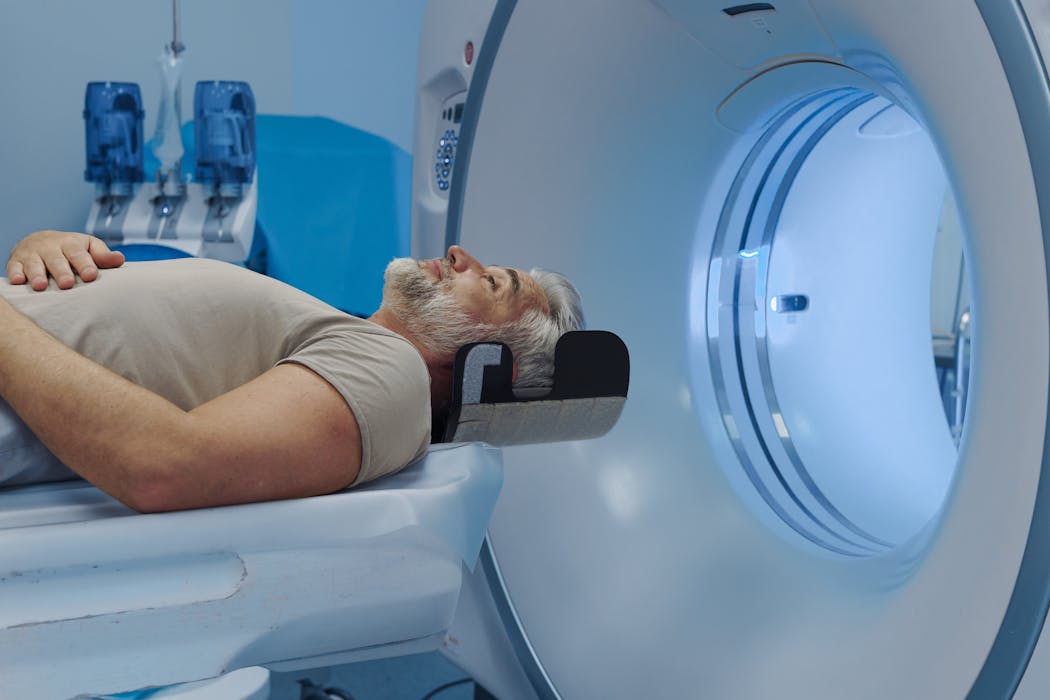
Halfpoint/Shutterstock

Weight-loss injections that have become famous for helping people shed pounds may also help some patients with advanced cancer live longer when the disease has spread to the brain, according to a new study.

These medicines belong to a group of drugs called GLP-1 receptor agonists, and they include Wegovy and Ozempic. They were first developed to treat type 2 diabetes, but over the past few years they have drawn global attention because many people taking them experience significant weight loss.

The new study does not show that these injections directly treat cancer. Instead, it suggests something more subtle but potentially important: they might help some very ill patients live longer.

The study focuses on brain metastases. This happens when cancer cells travel from somewhere else in the body – such as the lung, breast or skin – to form tumours in the brain. Unfortunately, brain metastases are relatively common and usually indicate that cancer has reached a late and dangerous stage.

Many patients in this situation also have type 2 diabetes. This matters because the condition can make serious illness harder to manage. High blood sugar can cause chronic inflammation, damage blood vessels and weaken the body’s ability to cope.

In my own clinical practice, I often prescribe steroids to help patients with brain metastases manage symptoms such as swelling in the brain. Steroids can be very effective, but they also tend to raise blood sugar levels and can make diabetes harder to control. This has led researchers to ask whether GLP-1 drugs might have additional benefits.

When diabetes drugs meet cancer care

Laboratory studies suggest they may protect brain cells, reduce inflammation and help preserve the brain’s blood supply. Until now, however, there has been very little evidence from everyday clinical practice showing how patients with both diabetes and brain metastases fare when they take these medicines.

The new study, published in Jama Network Open, set out to explore that question. Researchers used a medical database of anonymised health records from 151 hospitals and healthcare systems around the world.

They searched for adults who had three conditions: cancer, type 2 diabetes and brain metastases. The records covered patients seen between 2018 and 2024. The researchers were particularly interested in whether these patients had been prescribed a GLP-1 drug – such as semaglutide, dulaglutide, liraglutide or tirzepatide – around the time their diabetes and brain metastases were first diagnosed.

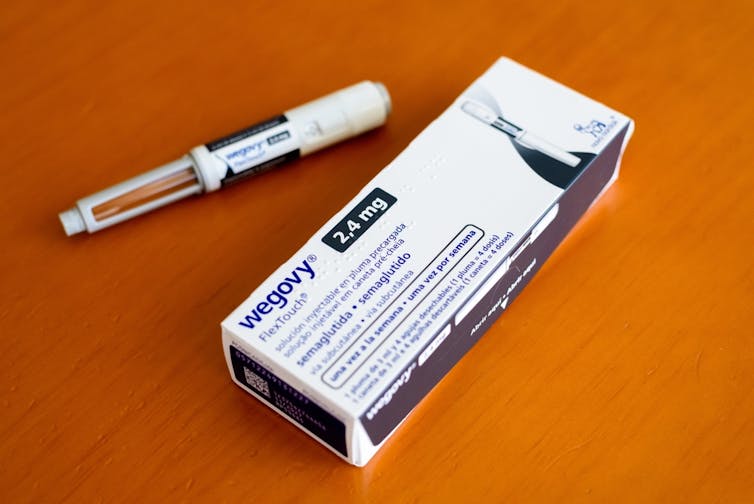
Wegovy injector pen and the box it comes in.
GLP-1 drugs may have many benefits besides weight loss, but clinical trials need to confirm these benefits.
Rebel Red Runner/Shutterstock.com

To make a fair comparison, the team matched people who received one of these injections with similar patients who did not. They took into account factors such as age, sex, type of cancer, other medical conditions and treatments including chemotherapy, radiotherapy and steroid use. Statistical matching cannot eliminate every difference between groups, but it helps reduce the risk that the results simply reflect one group being healthier at the start.

In total, the researchers identified more than 19,000 patients with cancer, brain metastases and type 2 diabetes. Among them, 866 had been treated with a GLP-1 drug, while over 11,000 had not. After careful matching, the analysis compared two balanced groups of 850 patients each who were similar in terms of their cancers, body mass index, diabetes control and other health issues.

The researchers then followed these patients for up to three years after their brain metastases were first recorded. Their main question was straightforward but important: how many people in each group died during that period?

The researchers found that patients who were taking GLP-1 drugs were significantly less likely to die during the follow-up period than those who were not. Overall, people taking GLP-1 drugs were about 37% less likely to die over the three years.

The pattern was fairly consistent across several major cancer types, including lung cancer, breast cancer and melanoma. It also appeared across different drugs within the GLP-1 class.

When researchers compared GLP-1 medicines with other modern diabetes treatments – including drugs called SGLT2 inhibitors and DPP-4 inhibitors – the GLP-1 group still seemed to fare better. That hints that something about GLP-1 signalling itself might be beneficial, rather than the effect simply coming from better blood sugar control.

Important limitation

Even so, the researchers emphasise an important limitation. This study looked back at medical records rather than testing treatments in a controlled trial. To do that, researchers would need randomised clinical trials in which patients are deliberately assigned to receive a GLP-1 drug or another treatment and then followed over time.

So how might these so-called weight-loss jabs help people whose cancer has spread to the brain?

One possibility is that they help indirectly by improving diabetes itself. Better blood sugar control, reduced body weight and improved heart health could help patients cope better with surgery, radiotherapy or chemotherapy.

But there may also be more direct effects on the brain. Scientists have discovered that GLP-1 receptors are in brain tissue and play a role in controlling inflammation, protecting nerve cells and helping maintain the blood–brain barrier – a protective layer that keeps harmful substances out of the brain.

Animal studies suggest that activating these receptors can reduce damage in brain cells and help them function properly. In theory, that might help the brain tolerate metastatic tumours better or make it a less favourable environment for cancer cells to grow. The new clinical findings are consistent with these ideas, although they do not yet tell us which mechanisms matter most in people.

For patients and families reading about this research, it is important to understand what the results do – and do not – mean. The study does not suggest that people with brain metastases should rush to start GLP-1 drugs, nor that these medicines can replace standard cancer treatments such as radiotherapy, surgery, targeted therapies or immunotherapy.

The potential benefits were seen specifically in people who already had type 2 diabetes. Like any medication, these injections can cause side-effects such as nausea and vomiting, and there are ongoing discussions about rare but serious risks.

Anyone considering them would need careful guidance from both their oncology and diabetes teams rather than making decisions based on a single study.

Still, the findings open up an intriguing new line of research linking cancer, metabolism and brain health. If future trials confirm that GLP-1 drugs genuinely improve survival in patients with brain metastases and diabetes, they could eventually become part of supportive care for people facing this difficult complication.

The Conversation

Justin Stebbing does not work for, consult, own shares in or receive funding from any company or organisation that would benefit from this article, and has disclosed no relevant affiliations beyond their academic appointment.

ref. Could Ozempic help people whose cancer has spread to the brain? – https://theconversation.com/could-ozempic-help-people-whose-cancer-has-spread-to-the-brain-277999

Researchers develop biodegradable, plant-based packaging from natural fibers – new research

Source: The Conversation – USA – By J. Carson Meredith, Professor of Chemical and Biomolecular Engineering, Georgia Institute of Technology

Plastic packaging fills up landfills – engineers are working on a bio-based alternative that could replace the kind shown here. tuk69tuk/iStock via Getty Images

Jie Wu, an engineering graduate student, was studying a type of striking white beetle found in Southeast Asia and attempting to figure out how to mimic its brilliant color when an unexpected discovery upended the experiment.

Jie and I had been hoping to identify naturally occurring whitening pigments that could be used in paper and paints. The beetle’s white exoskeleton is made from a compound called chitin, which is a type of carbohydrate – one that is also commonly found in crab and lobster shells.

First, Jie extracted chitin nanofibers from crab shells obtained from food waste that are chemically the same as those found in the white beetles. But instead of creating a white material as intended, Jie produced dense, transparent films. The nanofibers more readily assembled in tightly packed films than in the porous structures Jie desired.

Two white beetles
An attempt to mimic the striking white color of Cyphochilus beetles led researchers to a unique discovery.
Olimpia1lli/Wikimedia Commons, CC BY-NC-ND

On a whim, Jie measured the rate at which oxygen passed through the film. The result was astonishing: The barrier allowed less oxygen through than many existing packaging plastics.

That serendipitous finding in 2014 shifted my team of engineering students’ focus from color to packaging. We asked whether natural materials could rival the performance of common plastics. In the years since, our team has used this discovery to create biodegradable films that offer a more sustainable and effective alternative to plastic packaging.

Challenges of plastic packaging

Plastic packaging is commonly used to protect food, pharmaceuticals and personal care products. These plastics keep out moisture and oxygen from the air, so products stay fresh and safe.

Most packaging has several layers that work together to keep air out, but these layers hinder reuse and recycling efforts. As a result, most of this plastic barrier packaging is discarded to landfills as single-use materials.

Many researchers have sought alternatives that are renewable, biodegradable or recyclable, yet just as effective. At Georgia Tech, my team of students and post-docs has spent more than a decade tackling this problem. This journey began with that beetle.

Building a better barrier

Chitin is widely available in food waste and mushrooms, and it is used in products such as water filters and wound dressing. However, our early attempts to scale up the film technology based on the beetle-inspired experiment failed.

In 2018, the team made an important leap forward by using spray coating to create layers of chitin and cellulose nanomaterials. Cellulose, like chitin, is a carbohydrate polymer – a chain of repeating carbohydrate units – and it is obtained from plants. These abundant natural materials have opposite electric charges, which led to better barrier performance when we combined them than either material alone.

In this approach, the team sprayed down a layer of chitin, followed by a layer of cellulose. The opposite charges between the chitin and cellulose created a long-range attraction between them that binds the layers to create a dense interface.

Later, in collaboration with Meisha Shofner, a materials scientist, and Tequila Harris, a mechanical engineer, other students showed these coatings could be applied with scalable, roll-to-roll techniques. Roll-to-roll coating methods are preferred in industry because the coatings are applied continuously to large rolls of a substrate material, such as paper or other biodegradable plastics.

Roll-to-roll coating allows manufacturers to easily apply thin layers of coating to a base material, called a substrate.

Still, humidity posed a major challenge, limiting any real-world applications. Moisture swelled the film, allowing more oxygen to sneak through.

Then came another breakthrough. In 2024, another collaborator, Natalie Stingelin, and I discovered that two common food components resisted water vapor when combined: carboxymethylcellulose – which is found in ice cream, for example – and citric acid.

The result was a film that hindered the transmission of moisture. The citric acid reacted with the cellulose to form cross-links, which are chemical junctions that bind the cellulose molecules. Once bound, they reduced the film’s moisture uptake.

We integrated this new discovery with the prior work by combining the citric acid and cellulose, and then casting this mixture as a freestanding film by coating it onto a substrate, such as chitin.

However, that formulation did not have strong oxygen barrier properties because it did not contain the highly crystalline cellulose nanomaterials from our first film. Our team’s most recent achievement, from October 2025, combines the above innovations. As a result, we’ve created a bio-based film that is an excellent barrier to both oxygen and moisture.

A diagram showing a rectangle representing a biodegradable film, with an arrow deflecting off of it showing how it keeps out water vapor and oxygen. On the right is the film.
An oxygen and water vapor barrier film composed of blended cellulose and chitin.
J. Carson Meredith

Scaling up production

When cast into thin films, these components self-organize into a dense structure that resists swelling with water vapor. Tests showed that even at 80% humidity the film matched or outperformed common packaging plastics.

The materials are renewable, biodegradable and compostable. Our team has filed several patent applications, and we are working with industry partners to develop specific packaging uses.

One challenge that applications face is a limited supply of the bio-based components compared to the high volume of conventional plastics. Like any new material, it would take time for manufacturers to develop supply chains as the films begin to be used.

For example, the market demand for purified chitin is small right now, as it is used in niche applications, such as wound dressings and water filtration. Due to its variety of uses, packaging could increase that market demand.

The next challenge is scaling up from experimental films to industrial production, which would likely take several years. The team is exploring roll-to-roll coating techniques and working with industry partners to integrate these materials into existing packaging lines.

Policy and consumer demand will also play a role. As governments push for bans on single-use plastics and companies set sustainability targets, bio-based films could become part of the solution.

The story of this breakthrough reminds me that science often advances through unexpected results. From a failed attempt to mimic a beetle’s color to a promising alternative to plastic, this research shows how curiosity can lead to solutions for some of our biggest challenges.

The Conversation

Carson Meredith received funding from the U.S. Department of Energy, Mars, Nestle, Winpak, One.Five, and Dow. This technology has pending patents.

ref. Researchers develop biodegradable, plant-based packaging from natural fibers – new research – https://theconversation.com/researchers-develop-biodegradable-plant-based-packaging-from-natural-fibers-new-research-271262

Iran’s nuclear materials and equipment remain a danger in an active war zone

Source: The Conversation – USA (2) – By Matthew Bunn, Professor of the Practice of Energy, National Security and Foreign Policy, Harvard Kennedy School

A satellite photograph shows construction work and buildings at a site known as Pickaxe Mountain, which is believed to store Iranian nuclear material and equipment. Satellite image (c) 2026 Vantor via Getty Images

Before launching his war on Iran, President Donald Trump said his most important goal was that Iran would “never have a nuclear weapon.” Yet it is not clear what, if anything, his administration has planned for dealing with Iran’s stock of enriched uranium that could be used to make nuclear bombs – or its remaining deeply buried nuclear facilities and the nuclear equipment that might be in them, or hidden elsewhere.

U.S. and Israeli strikes in June 2025 seriously damaged Iran’s major nuclear facilities and killed several prominent scientists associated with the country’s nuclear program. However, contrary to Trump’s claim that the Iranian nuclear program had been “completely obliterated,” it appears that Iran had stored much or all of its enriched uranium in deep tunnels that were not destroyed.

The Trump administration’s demand, just two days before the attacks began, that Iran export its enriched uranium stocks represented a tacit acknowledgment that Iran’s government still had control of this material or could get access to it.

So, as airstrikes on Iran continue, an unclear fate faces several elements of Iran’s nuclear program, including:

  • Its stock of enriched uranium.
  • Its centrifuges for enriching more uranium, and parts for more centrifuges.
  • Any equipment it may have for turning enriched uranium into metal, shaping it into nuclear weapons components and taking other weapons-assembly steps.
  • The documents and expertise from its past nuclear weapons program.
  • Its as-yet-intact nuclear facilities that are deep underground.

I have been studying steps to stop the spread of nuclear weapons – including managing the dangers of Iran’s nuclear program – for decades. My conclusion is that if all these capabilities remain in place, the war will have accomplished little in reducing Iran’s nuclear capability, while likely increasing the government’s belief that it needs a nuclear weapon to defend itself.

A map of Iran showing where key nuclear activities occur.
A map shows the locations in Iran of various activities related to the country’s nuclear weapons program.
Ufuk Celal Guzel/Anadolu via Getty Images

Where could Iran’s uranium be?

An overhead view shows buildings, roads and fences.
Satellite images are a key way other nations get a look at Iran’s efforts to build a nuclear weapon.
Satellite image (c) 2025 Vantor via Getty Images

The most immediate concern is roughly 970 pounds (441 kilograms) of highly enriched uranium containing 60% of the U-235 isotope that is relatively easy to split. That’s what Iran was believed to have before the summer 2025 bombings, and much of it reportedly survived those strikes.

Over 440 pounds (200 kilograms) of it is reportedly stored in deep underground tunnels near Isfahan. Other stocks of this material are thought to be in a deep underground facility near Natanz known as Pickaxe Mountain, and in Fordow, one of the sites bombed in summer 2025.

Gen. Dan Caine, chairman of the U.S. Joint Chiefs of Staff, has reportedly acknowledged that the Isfahan tunnels are too deep to destroy with bunker-buster bombs like those used on the underground Fordow facility last summer. Pickaxe Mountain, under granite, would be at least as challenging a target.

What could the uranium be used for?

With just 100 centrifuges, Iran could further enrich the 60% enriched material to be 90% or more U-235 in a few weeks. That is the concentration needed for the nuclear weapon design that Iran was working on in the secret nuclear weapons program it largely stopped in late 2003.

Even without further enrichment, the 60% enriched material could be used in a bomb, either exploding with less power or using more material and explosives.

Beyond Iran using this material itself, there are other concerns. Nobody knows who might get it if Iran’s government collapses. Some lower-level people managing it might decide to try to sell it as part of trying to save themselves from the current crisis, as happened after the 1991 collapse of the Soviet Union. Government studies have warned that even a sophisticated terrorist group might be able to make a crude nuclear bomb if it had the needed uranium.

Matthew Bunn explains how nuclear bombs work.

Could it be removed peacefully?

One possibility is that the current Iranian government, or a future one, might be willing to cooperate or at least acquiesce in getting rid of the country’s nuclear material. The existing Iranian government reportedly offered to blend it down to a lower concentration in the negotiations that Trump ended by attacking Iran in February 2026.

Highly enriched uranium has been removed from many cooperative countries over the years. One early example was Project Sapphire, in 1994, in which U.S. teams worked with Kazakhstan to fly some 1,280 pounds (580 kilograms) of highly enriched uranium to safe storage in Tennessee. Similar efforts have removed tons of plutonium and highly enriched uranium from scores of sites around the world, removing the risk that terrorists could get hold of that material.

Matthew Bunn explains how highly enriched uranium and plutonium are produced.

Could it be captured?

Without cooperation, and with the uranium in tunnels too deep to destroy from the air, the only other option for eliminating them could be sending in a team of either U.S. or Israeli soldiers and experts while the war continues.

U.S. special forces troops have long trained with federal scientists and experts to disable or secure adversaries’ nuclear weapons and material. But it wouldn’t be easy: Mark Esper, a defense secretary in Trump’s first term, has warned that actually doing so in Iran would take a large force and be “very perilous.”

Trump has said he would only do so if Iran was “so decimated that they wouldn’t be able to fight on the ground level.”

A young girl and a man in a black robe and white turban stand next to tubes decorated to look like missiles and centrifuges.
Scale models of Iranian ballistic missiles and centrifuges are displayed in Tehran in November 2025.
Morteza Nikoubazl/NurPhoto via Getty Images

If nuclear materials were captured, what then?

Iran’s nuclear material is in the form of uranium hexafluoride, in containers somewhat similar to scuba tanks.

The simplest but messiest option would be to blow up the containers, with explosives attached to each one. The uranium hexafluoride would deposit on the walls, floors and rubble in the tunnels, making it very difficult to ever recover and use. But the tunnels would then be contaminated and unusable, and the team would need to be careful about its own safety.

For a neater option, the material could hypothetically be packaged and flown out, as in the cooperative approach. But there are probably dozens of containers, collectively weighing tons, in multiple locations deep inside Iran, a country as big as Western Europe. Troops would need to collect the material from several places, secure an airstrip near each, truck or helicopter the equipment and material to and from the strip, and defend against attacks on the preparations and shipments.

Another option could be to blend the material with less-concentrated uranium so it could not be used in a nuclear bomb. That would also be difficult, requiring the delivery of equipment and tons of uranium for blending into an active war zone. The National Nuclear Security Administration has developed mobile equipment in the past for similar efforts, though it has never been used in a war zone. And flying everything back out of Iran would be another logistical nightmare.

Such an operation would deal with the highly enriched uranium Iran has already produced – if the United States and Israel are confident they know where it all is.

But Iran also has stockpiles of less-enriched uranium, including over 6 tons enriched to 5% U-235, some of which may also have survived the strikes. That may not sound like much, but to reach that level, two-thirds of the work of enriching all the way to 90% has already been done. And the centrifuges and centrifuge parts that Iran probably still has could always be used to make more.

A person in a white coat puts his hands on some metal piping.
An International Atomic Energy Agency inspector works at one of Iran’s nuclear research centers in Natanz in January 2014.
Kazem Ghane/IRNA/AFP via Getty Images

Another ending

Trump may choose to try to stop the war without dealing with Iran’s uranium stockpiles or any of these other capabilities. That would leave a weakened but embittered regime possibly more determined than ever to make a nuclear bomb – and still with the material and much of the knowledge and equipment needed to do so.

To mitigate the dangers of that, the United States and Israel might effectively say to Iran, “Don’t you dare use those tunnels or take anything out of them or we’ll hit you again.” But that is hardly a long-term solution.

Fundamentally, Iran’s nuclear knowledge cannot be bombed away. Ultimately, I believe, U.S. security would be best served through agreements to limit Iran’s nuclear efforts, coupled with effective international inspection, keeping watch year after year. Provisions to do that were central to the 2015 Iran nuclear deal between China, France, Germany, Russia, the United Kingdom, the United States, the European Union and Iran. Trump pulled the U.S. out of the agreement in 2018, enabling Iran to make the highly enriched uranium that now poses a danger.

In my view, only diplomacy can again provide strict limits and effective monitoring in the future. But this war may well have ruined the chances for such diplomatic options for many years to come.

The Conversation

Matthew Bunn is a member of the Board of Directors of the Arms Control Association; serves on the National Academies’ Committee on International Security and Arms Control; has consulted for the U.S. National Nuclear Security Administration and several U.S. national laboratories; and receives funding for his research from the Carnegie Corporation of New York, the Frankel Foundation, and others.

ref. Iran’s nuclear materials and equipment remain a danger in an active war zone – https://theconversation.com/irans-nuclear-materials-and-equipment-remain-a-danger-in-an-active-war-zone-278008

Why developing nations could be the first to suffer as the Middle East conflict raises food prices

Source: The Conversation – UK – By Lotanna Emediegwu, Senior Lecturer in Economics, Manchester Metropolitan University

Riccardo Mayer/Shutterstock

Geopolitical tensions rarely stay confined to the battlefield. They ripple through global markets – particularly energy and food. The war between the US, Israel and Iran is a reminder of how quickly conflict can affect food security far beyond the region.

One of the most consequential developments of this conflict has been the disruption of shipping through the strait of Hormuz, a narrow waterway through which roughly a fifth of the world’s oil and gas normally passes.

Iran has also targeted energy infrastructure in neighbouring Gulf states. Oil and gas facilities in Saudi Arabia, Kuwait and Qatar have reportedly halted operations after drone attacks. Because the Middle East accounts for roughly 30% of global oil production and about 17% of natural gas production, such disruptions quickly rattled energy markets.

Higher energy prices may bring windfalls for oil-exporting countries. But they also push up the cost of producing and transporting food. That is why this conflict is likely to have consequences for food security, particularly in developing economies.

Food production depends heavily on energy. Fuel powers agricultural machinery, irrigation systems and transport networks that move food from farms to markets. Energy is also crucial for processing, refrigeration and long-distance shipping.

Fertiliser production is another key link. Nitrogen-based fertilisers rely heavily on natural gas and other energy inputs. When farmers’ production costs rise, it eventually filters through into food prices.


Read more:
How the Iran war could create a ‘fertiliser shock’ – an often ignored global risk to food prices and farming


Food prices had already begun rising in February 2026 for the first time in five months. This was driven mainly by higher cereal prices – particularly wheat – following frost risks in parts of Europe and the US. There are also continuing logistical disruptions in the Black Sea region amid the Russia-Ukraine war.

The current surge in energy prices is likely to intensify these pressures. For example, the futures price of wheat (whereby traders buy and sell wheat at a predetermined price for future delivery) in Chicago recently approached a two-year high. This came amid fears of higher transport and production costs.

Similar pressures could emerge across other staple crops if the Middle East conflict continues to disrupt energy supply.

In a 2024 study, Marco Rogna and I examined how changes in international agricultural commodity prices are transmitted to domestic markets in developing countries. The research looked at staples including maize, rice, sorghum and wheat, across countries in sub-Saharan Africa, east Asia and the Pacific, and south Asia.

Our findings show that increases in international food prices are quickly transmitted to domestic markets in many developing economies. This is largely because many of these countries depend heavily on food imports or food aid for staples they do not produce in sufficient quantities.

When global prices rise, local food prices typically begin to increase within a month. In most cases, the strongest effects occur quickly and then gradually fade within about two months. But even short-lived spikes can have serious consequences for households that spend a large share of their income on food.

Food insecurity

The degree of impact also varies by commodity. Our results suggest that wheat prices are particularly sensitive to global shocks. In some developing economies, a 1% increase in global wheat prices can lead to a local price increase of up to 1.5%.

One notable exception is sorghum. Around 80% of the land devoted to growing this grain around the world is in developing countries, particularly in parts of sub-Saharan Africa and south Asia. It is largely consumed locally as a staple that can be used for flour, for example. Because production and consumption are mostly domestic rather than tied to international trade, sorghum markets are less exposed to global volatility.

Regional differences also matter. Countries in east Asia and the Pacific are more exposed to global maize price increases because they rely more heavily on these imports. By contrast, many countries in sub-Saharan Africa are more vulnerable to fluctuations in rice prices because of their growing reliance on imports due to climate change, internal conflict and rapidly growing populations.

Rice beans and garri displayed for sale at Bodija Market in Oyo, Nigeria
Countries in sub-Saharan Africa are becoming more reliant on rice imports.
Tolu Owoeye/Shutterstock

Political institutions can also shape how global price shocks affect local markets. Our research found that democratic developing countries often respond more quickly to rising food prices than non-democratic ones. For example, when international rice prices rise, non-democratic countries such as Afghanistan may experience roughly twice the increase in domestic rice prices as democratic nations like Nigeria.

These discrepancies could be explained by the fact that democratic governments face stronger pressure to intervene through subsidies, trade adjustments or food support programmes.

As these tensions disrupt global energy markets, governments in developing countries will need to prepare for possible food price shocks. Policies that strengthen domestic food production, particularly for locally adaptable crops such as sorghum, can reduce reliance on volatile global markets.

Governments can also draw lessons from developed economies by investing in strategic grain reserves, improving food storage and transport infrastructure, and expanding targeted welfare programmes to support vulnerable households during price spikes.

In an interconnected global economy, major conflicts rarely stay local. Households in poorer countries thousands of miles away may feel the impact not on the battlefield but at the dinner table.

The Conversation

Lotanna Emediegwu does not work for, consult, own shares in or receive funding from any company or organisation that would benefit from this article, and has disclosed no relevant affiliations beyond their academic appointment.

ref. Why developing nations could be the first to suffer as the Middle East conflict raises food prices – https://theconversation.com/why-developing-nations-could-be-the-first-to-suffer-as-the-middle-east-conflict-raises-food-prices-278164

How a new plan for protein could transform the UK’s national security

Source: The Conversation – UK – By Chris Macdonald, Lab Director and Fellow, University of Cambridge

Maciej Olszewski/Shutterstock

The UK’s use of land is indefensibly inefficient. Roughly 5% is used for buildings and roads, 10% for forest and woodland, plus 20% for arable crops. But the largest share, around 50% of our country, is dedicated to livestock.

Producing protein by raising, feeding and slaughtering animals can consume ten times more land than extracting the protein directly from crops. In other words, the UK is dedicating the largest share of its land to the least efficient form of protein production.

Better still, emerging technologies such as cell cultivation and precision fermentation could produce the same quality and quantity of protein on hundreds of times less land.

Despite devoting roughly half the country to raising and feeding livestock, the UK produces only around 60% of the food it consumes. This leaves it dependent on imports and vulnerable to climate shocks and disruptions of global supply chains. The UK also still has to rely heavily on millions of tonnes of imported animal feed, often sourced from regions where forests have been cleared or ecosystems degraded.

Animal agriculture is a major environmental and ethical burden. It contributes disproportionately to greenhouse gas emissions, water pollution and nature loss.

In a lose–lose trade-off, more land-efficient livestock systems can clash profoundly with public sentiment: intensive farming means many dairy cows never set foot outside and many hens spend their entire lives indoors, often confined to spaces no bigger than a single sheet of A4 paper.

Emerging technologies such as cell cultivation and precision fermentation offer a transformative alternative. Protein grown from cells or microbes programmed to produce certain proteins can be made hundreds of times more efficiently, while delivering the same or better nutritional quality.

Research shows that increased protein intakes have significant health benefits, especially for older people. For example, high-protein diets help prevent sarcopenia, the age-related loss of muscle mass and strength that reduces mobility and independence.

My latest study shows that high-protein content is now a key driver of meal choice among UK consumers. So, securing and expanding sustainable protein supply aligns with both consumer preferences and the growing evidence on optimal health outcomes.


Read more:
New food technologies could release 80% of the world’s farmland back to nature


Some nations are already motoring ahead with this protein transition. In the US, for example, companies such as Upside Foods, Good Meat and Wild Type are using cell cultivation technology to grow animal meat cells such as chicken and beef.

Other companies in the US such as Perfect Day, The Every Company and Triton Algae Innovations are applying precision fermentation technology — a process in which microorganisms are programmed with instructions to produce specific animal proteins — to manufacture animal-identical proteins such as whey, egg white and other dairy proteins.

Rather than resembling factory farms or slaughterhouses, these facilities look like breweries, with rows of stainless-steel tanks where microbes or animal cells convert simple nutrients into proteins (just like yeast converts sugars into alcohol during brewing).

woman in white lab coat and holding clipboard looks at big metal vat inside factory
Precision fermentation uses much less space to produce protein than farming livestock.
DG FotoStock/Shutterstock

While the US has already approved and begun limited sales of cultivated meat, the UK remains in the regulatory development phase, with no products yet authorised for human consumption.

Indoor and controlled-environment farming could similarly revolutionise fruit and vegetable production. For example, automated vertical farms provide predictable, year-round yields, insulated from droughts, floods, seasonal volatility, trade wars and global supply chain disruptions because they aren’t subject to external variables.

Powering protein

An energy transition underpins such a food transition. The UK would need to expand renewable energy and develop its nuclear capacity to meet the needs of this energy-intensive form of food production. Renewables provide scale; nuclear provides stability. Together, they could power innovative protein facilities, indoor farms and electrified heating and transport, enabling a fully domestic, self-sufficient food-energy system.


Read more:
Four myths about vertical farming debunked by an expert


The benefits of this land-use shift could be transformative. The masses of land freed up could be used for more trees and national parks; more biodiversity and leisure spaces; cleaner air and water. More predictability, less suffering.

The great protein transition won’t be easy. It will involve challenging negotiations and significant investment. It will take time and forward-thinking leadership. But the prize is well worth it: a national-scale protein transition would strengthen independence and national security.

The UK stands at a crossroads. By embracing the protein transition, it could one day feed and power itself, building resilience against increasing climate and geopolitical uncertainty.

The Conversation

Chris Macdonald does not work for, consult, own shares in or receive funding from any company or organisation that would benefit from this article, and has disclosed no relevant affiliations beyond their academic appointment.

ref. How a new plan for protein could transform the UK’s national security – https://theconversation.com/how-a-new-plan-for-protein-could-transform-the-uks-national-security-277661

How did the courts backlog get so bad?

Source: The Conversation – UK – By Daniel Alge, Senior Lecturer in Criminology & Criminal Justice, Brunel University of London

Across England and Wales, delays in the Crown Courts have become an endemic feature of the justice system. Criminal trials are scheduled years after alleged offences, with some in London now being listed as far ahead as 2029.

The most recent official statistics show that as of autumn 2025, the backlog in the Crown Court, which deals with the most serious criminal cases, had reached nearly 80,000 outstanding cases. That’s more than double the pre-pandemic figure of around 38,000 in 2019 (which itself represented a substantial backlog).

The scale of the backlog is what has prompted the government’s contentious proposals to reduce the use of jury trials. The courts and tribunals bill recently passed its second reading in the Commons, with dozens of Labour MPs abstaining.

Delays are significantly longer in the Crown Court than in the magistrates’ courts, which deal with lower-level offending. Magistrates deal with high-volume, relatively straightforward offences such as motoring offences, minor assaults or low value thefts, with higher rates of guilty pleas and no juries.

Court delays have consequences for all parties involved. Research suggests that prolonged criminal proceedings can worsen victims’ trauma and increase the likelihood that they withdraw from the prosecution process.

Delays also place a significant strain on the lives and mental health of defendants. This is particularly true for those held on remand awaiting trial. The number of people on remand increased by 84% between 2019 and 2024, partly because of court backlogs, placing additional pressure on the prison estate.

How did we get here?

Although the pandemic undoubtedly worsened the situation, the roots of the backlog run deeper. The current crisis reflects several pressures that have built up over more than a decade.

One widely cited factor is reduced court capacity. Following the 2008 financial crisis, the Ministry of Justice experienced some of the largest spending reductions in Whitehall. Over the 2010s, its budget fell by around 12% in real terms. Dozens of courts were closed across England and Wales as part of efforts to reduce costs.

Infrastructure problems have also taken courtrooms out of use. A 2022 Law Society survey reported that 64% of solicitors had experienced delays caused by the poor condition of court buildings. There is a £1.3 billion maintenance backlog in the courts estate.

At the same time, the number and type of cases being sent to the Crown Court has changed. For “either-way” offences – crimes that can be tried either in the magistrates’ court or the Crown Court depending on severity – a growing proportion are now sent to the Crown Court for trial.

These include violence against the person, handling stolen goods, supply of Class B or C drugs and some less serious sexual offences. The share of these cases going to the Crown Court rose from 19% in 2016 to 24% in 2024.

Crown Court trials typically require juries and take longer to complete. As more cases move into this part of the system, pressure on court time increases.

The pandemic temporarily suspended most jury trials, and by 2022 the backlog had already nearly doubled compared with pre-pandemic levels. So limiting the use of juries may have some impact, but would not solve the wider crisis, and the proposals have faced strong criticism from the legal community.

The composition of cases has also shifted. Serious sexual and violent offences now make up a larger share of the Crown Court caseload than before the pandemic. The backlog of sexual offence cases increased by 40% between 2023 and 2025. These cases are often contested and require longer trials, further slowing the system.

A reduced legal system

Another structural pressure has been the reduction in lawyers and judges, linked to wider funding cuts across the legal system since 2008. For much of the past decade, legal aid rates for criminal work were largely frozen. Many lawyers argued that the work became financially unsustainable, particularly for junior barristers. Some left criminal practice entirely. In 2022, criminal barristers took the unprecedented step of going on strike over legal aid funding.

England and Wales also have comparatively few professional judges – around three per 100,000 people – compared with a European average of about 22 per 100,000. This partly reflects the extensive use of magistrates (lay judges) for less serious offending, but fewer judges and lawyers inevitably limits how many cases can be heard.

Most jurisdictions experienced pandemic-related backlogs, but England and Wales appear unusual in how strongly pre-existing structural pressures contributed to the crisis. Across the European court system, the median criminal case clearance rate post-COVID is about 95-100%, depending on court type and level. This means that cases are resolved at a similar pace to new cases entering the system. In Germany, the clearance rate is over 100%, meaning that backlogs are being reduced year on year. The clearance rate for England and Wales is 91%, meaning that the backlog continues to grow.

In the US, COVID also created significant case backlogs. However, at the federal level, case backlogs had returned to pre-pandemic levels by March 2022 (though longer delays remain at local and state levels). Even the highest average disposition times for felony cases in the US sit at around 350 days from offence to outcome, compared with 695 days on average from offence to completion of the case in the Crown Court.


Read more:
The legal aid sector is collapsing and millions more may soon be without access to justice – new data


The US, along with Canada, New Zealand, Australia and several European jurisdictions, continued to use more remote or hybrid hearings post-pandemic, which helped reduce backlogs. England and Wales reverted more heavily to in-person hearings. Retired senior judge Brian Leveson’s review into the courts’ backlog recommends more widespread use of remote hearings as part of the solution.

Recent governments have introduced measures aimed at reducing delays, including increasing the number of court sitting days and recruiting more judges. Sitting days in 2024-25 were the highest for a decade. Even so, the government has said it could take a decade to reduce the backlog to pre-COVID levels. Even with increased investment and efficiency reforms, or indeed reducing the use of jury trials, delays are likely to remain a long-term challenge for the justice system.

The Conversation

Daniel Alge does not work for, consult, own shares in or receive funding from any company or organisation that would benefit from this article, and has disclosed no relevant affiliations beyond their academic appointment.

ref. How did the courts backlog get so bad? – https://theconversation.com/how-did-the-courts-backlog-get-so-bad-278111

The graduate jobs market is tough right now. An entrepreneurship expert explains how to go it alone

Source: The Conversation – UK – By Spinder Dhaliwal, Reader in Entrepreneurship, Westminster Business School, University of Westminster

Jacob Lund/Shutterstock

For entrepreneurs, something that starts out as a simple idea can transform into a thriving business that brings financial rewards, confidence and personal growth. These days, graduates may look at forecasts for a tightening jobs market and decide their future is as an entrepreneur rather than an employee.

The business world is brimming with opportunity. I have researched entrepreneurship for years, and have found that rapid technological evolution, shifting consumer preferences and a growing focus on sustainability are creating an exciting landscape for bold graduates.

However, success is never guaranteed – like anyone else they’ll need to understand their market, and know their competitors, target audience and growth potential. This is where graduates should put the research skills they honed as a student to good use. This can help them to avoid costly mistakes – things like overestimating demand for their business idea or underestimating the level of competition, for example.

My book, The Millennial Millionaire, demonstrates that successful young entrepreneurs tend to share certain traits: resilience, calculated risk-taking and a willingness to learn from failure. These characteristics remain essential in 2026, particularly as markets become more volatile with persistent inflation, shifting interest rate expectations and growing geopolitical tensions.

Graduate entrepreneurship has evolved over the years, and the traditional linear career where someone stayed with one employer, moving up through the ranks through their working life, is a thing of the past. My book highlights how younger entrepreneurs increasingly pursue business ownership not only for financial independence but also for autonomy, creativity and social impact.

However, it can still be tricky for graduates to make a mark. And entrepreneurship is not a level playing field, either. Rising costs for utilities and essential overheads, competitive markets and unequal access to capital disproportionately affect certain groups. Women generally have less access to capital compared to men, and this is more pronounced for some ethnic minority women. Young people may not have enough personal savings.

Entrepreneurship cannot be separated from questions of diversity and inclusion. Graduate entrepreneurs can face both opportunity and inequality when starting a venture. In this context, migrant communities often have a wealth of valuable “rags to riches” stories that they can share.


No one’s 20s and 30s look the same. You might be saving for a mortgage or just struggling to pay rent. You could be swiping dating apps, or trying to understand childcare. No matter your current challenges, our Quarter Life series has articles to share in the group chat, or just to remind you that you’re not alone.

Read more from Quarter Life:


According to some of my other research, many Asian entrepreneurs in the UK started with virtually no money but used determination and family resources to build multimillion-pound businesses.

For example, the billionaire owner of a string of airport hotels Surinder Arora came from the Punjab as a child. He worked for British Airways and dreamed of being a pilot – but instead invested in a B&B to serve airline crews.

These lessons remain highly relevant: entrepreneurship does not occur in isolation – it is shaped by relationships, identity and experience.

A unique time to go it alone

AI is clearly a game-changer, making this a unique time to launch a business that can be built with AI in mind rather than struggling to keep up. Today’s market is more connected, tech-driven and socially conscious than ever, and tech-savvy graduates are well-positioned to seize these opportunities. Sustainability is no longer optional – consumers expect brands to align with their values and demonstrate social responsibility.

Budding entrepreneurs should use technology to their advantage. This could be for crowdfunding, market research or accessing support networks. My research suggests that entrepreneurs who want to give back to the community and who care about how their business affects the environment are more likely to build long-term trust with their customers.

For graduates, this means aligning business goals with broader societal needs such as poverty reduction or environmental challenges. The resulting venture could take the form of a social enterprise, ethical startup or inclusive business. But these enterprises will still need to generate money and be profitable – you can only give if you have.

Networking is a secret weapon. A strong network is essential, and graduates already have a foundation – they just need to build on it. They should attend industry events, stay informed about economic trends and learn from professionals. A supportive community can help to overcome challenges and accelerate growth.

Securing funding is often the biggest hurdle for new entrepreneurs. What’s key is the ability to start lean – “bootstrapping” (that is, having to start with the bare minimum of capital) is a challenge entrepreneurs are often forced to overcome. Many businesses begin with personal savings or family support. But graduates can also explore competitions and grants. Then eventually, a compelling pitch may attract investors.

Starting a business offers graduates unparalleled opportunities, from harnessing technology to tackling global challenges such as climate change. Success lies in identifying a passion, using resources well and building a strong support network. The future belongs to those who innovate, adapt and take calculated risks. With determination and the right mindset, graduates can turn a vision into a thriving venture.

The Conversation

Spinder Dhaliwal does not work for, consult, own shares in or receive funding from any company or organisation that would benefit from this article, and has disclosed no relevant affiliations beyond their academic appointment.

ref. The graduate jobs market is tough right now. An entrepreneurship expert explains how to go it alone – https://theconversation.com/the-graduate-jobs-market-is-tough-right-now-an-entrepreneurship-expert-explains-how-to-go-it-alone-276580

Pets & their People explores the long, strange history of human-animal companionship

Source: The Conversation – UK – By Philip Howell, Professor of Geography, University of Cambridge

Pets play an important role in many people’s lives. In the UK, six out of ten households have at least one pet, dogs being our most common companions (assuming we don’t count fish individually). But it isn’t easy to be precise.

The 2025 figure of 13.5 million pet dogs has recently been bumped up to correct for a significant undercounting in previous UK estimates. This compares with around 11 million pet cats, although there are similar problems in trying to count these ungovernable beasts and their stray cousins.

Another point of debate is why we have these relationships at all. What motivates pet owners – and when did we start the process of turning wild animals into the “fur babies” of the family?

Equally importantly, what’s in it for the animals? Were their wild ancestors lured in by the promise of a warm fire, perhaps on some kind of contract to kill mice or protect sheep? Or did they purposefully inveigle themselves into our homes and affections to offer companionship, comfort, even therapy?

All these questions are raised by a wonderful new exhibition, Pets & their People, in Oxford’s Bodleian Library.

Pets and people

The exhibition is curated by Charles Foster, who is a noted naturalist but otherwise pleasingly difficult to pigeonhole. As the author of both Being a Beast (2016) and Being a Human (2022), Foster’s intention has long been to show how those statuses are inseparable.

In his work, Foster suggests that far back in our human history, shamans and other spiritual figures attempted to enter the lifeworlds of other animals. But then, as hunter-gatherers gave way to Neolithic farmers, people came to imagine themselves as members of a distinct species – lonely lords of creation.

Medieval Ashmole Bestiary illumination of Adam naming the creatures of earth.
Medieval Ashmole Bestiary illumination of Adam naming the creatures of Earth.
Bodleian Libraries University of Oxford

There is a glorious image on display from the Ashmole Bestiary (an illuminated 13th-century manuscript containing descriptions of real and mythical animals) of Adam giving names to the animals. This image exemplifies, for Foster, human power and privilege, with these newly christened critters placed in their separate enclosures – cages that would contain them hereafter.

Pets, this exhibition suggests, similarly aided human beings in the achievement of selfhood, even if the distinctiveness of humans from beasts is always tested and troubled, now just as much as in the distant past.

The power of human beings to shape pets for their variously selfish reasons is acknowledged. The show explores the results of breeding in brachycephalic snouts and other defects to best-in-breed winners.

On the theme of mixing and muddling, we are also reminded of companion animals being thoroughly anthropomorphised, and of humans being transformed as if in sympathy into beasts.

One example is poet Philip Larkin’s doodle of himself as a rabbit ensconced in a chintzy armchair, extremely Larkin-esquely watching snooker on cable TV with a measure of spirits to hand. The pets of authors Raymond Chandler and Patricia Highsmith unexpectedly get a look in too, alongside the more familiar examples of Lord Byron’s Boatswain (a Newfoundland dog) and poet Christopher Smart’s Jeoffry (a cat).

Nineteenth-century photographic calling cards, or cartes de visite, remind visitors that when asked to display ourselves (now on social media, dating sites, even on Zoom calls), many of us hold up our pets to the camera – which is to say, pets are us.

The age of selfies only confirms this long history of entanglement. The idea is that (a little like Larkin) we lean on our pets to tell stories about ourselves.

Virtual pets like Tamagotchis or the current fad for robot pets seem harder to explain, and pet rocks even more so (there is a specimen on show, a triumph of 1970s marketing chutzpah). But the emphasis is on our millennia-long lockstep with nonhuman animals.

Pets, ancient and modern

Visitors are encouraged to think that love for pets and grief at their loss are the same, whether we are considering ancient Egypt or early modern England.

The argument that the concept of “pets” is a more recent phenomenon (I’ve contributed to this idea with my research) is a fainter refrain. But there are still plenty of surprises in this exhibition to back up its stress on continuities.

Two extraordinary papyri records for the purchase of dog bowls make the point. There are other instances of commercial opportunism on display – from the production of mummified cats in ancient Egypt to the advent of the pet industry in our day. The lesson is that animal companions break the bank as well as break our hearts.

I understand that attempts to secure examples of celebrity dog bling for this exhibition were to no avail, but once more the conclusion is quite secure: when it comes to pets, contemporary excess has a long history.

However, what pets are and what they mean is still a puzzle for researchers – we don’t even have an accepted definition of pet. While the term “companion animal” doesn’t have much poetry about it, scholars tend to use this more neutral language to account for the variety of relationships people have had with animals, over the course of thousands of years and in innumerably different cultures.

Researchers don’t know quite why some of us love pets and some of us don’t. Or why love for pets is sanctioned at times and denounced at others. Still, this exhibition reminds us that head-wrangling questions are more satisfying than rote answers. Perhaps being human is indeed about looking at our pets and asking what separates us from them.

Pets & their People is at the Bodleian Library until September 27

The Conversation

Philip Howell does not work for, consult, own shares in or receive funding from any company or organisation that would benefit from this article, and has disclosed no relevant affiliations beyond their academic appointment.

ref. Pets & their People explores the long, strange history of human-animal companionship – https://theconversation.com/pets-and-their-people-explores-the-long-strange-history-of-human-animal-companionship-278153

Formula 1: new sustainability rules are changing the way races are won

Source: The Conversation – UK – By Paolo Aversa, Professor of Strategy, King’s College London

The first races under Formula 1’s new regulations delivered exactly what the sport’s rule-makers had hoped for: more overtaking. At the recent Australian Grand Prix in Melbourne, passes on track nearly tripled compared with the previous year. At the Chinese Grand Prix over the weekend the increase was less extreme, but still noticeable.

This revealed something unexpected about Formula 1’s new generation of cars. Many of the passes did not come from the classic ingredients of racing – a driver braking later into a corner, carrying more speed through the apex, or finding a daring line. Instead, they often happened when one car temporarily ran out of electrical power.

Under one of the most significant rule changes in the sport’s history, roughly half of a Formula 1 car’s output now comes from its electric motor. Drivers must carefully manage when their batteries deploy or regenerate energy. When the battery runs low, the car temporarily becomes vulnerable. Once the battery is recharged by recovering energy from braking, the driver can attack again. These cycles can create sudden swings in performance within a race.

This is raising questions about whether Formula 1’s push for sustainability is changing how races are won.

A greener engine era

Under the new regulations, the cars still look like Formula 1 machines. But the way they generate and deploy power is very different. The familiar turbocharged combustion engine remains, but it now shares power almost equally with the electric system.

The combustion engine also now runs on 100% sustainable fuel, designed to be carbon-neutral over its lifecycle. The cars themselves are smaller and lighter, with new active aerodynamic systems aimed at reducing air resistance on straights.

Major rule changes often trigger waves of experimentation as teams search for new advantages, and managing energy has suddenly become central to racing strategy. In a study published in Organization Science, my colleagues and I showed that Formula 1 teams face a classic strategic trade-off: incremental improvements are safe but rarely transformative, while radical innovations can produce breakthrough performance – or spectacular failure.

A new kind of racing

The Australian Grand Prix offered an early glimpse of how racing is being affected. Early in the race, Mercedes driver George Russell and Ferrari’s Charles Leclerc repeatedly overtook each other within a few laps. But the pattern was unusual: neither driver was consistently faster. Instead, their cars were alternating between phases of energy depletion and recharge. The result looked less like traditional racing and more like a strategic ebb and flow of electrical power.

In the new hybrid era, drivers may need to adjust braking points or racing lines to regenerate electricity efficiently. They may even need to lift their foot from the throttle when in past seasons the same situation would have called for flat-out acceleration.

Some drivers have already expressed concerns that the new cars could feel less instinctive if energy constraints become too restrictive. If success increasingly depends on managing software systems and electrical energy flows, some drivers may feel that the essence of their craft is shifting. After the Chinese Grand Prix, veteran racer Fernando Alonso called this the “battery world championships”, and recent champion Max Verstappen likened it to Mario Kart.

The F1 sustainability paradox

Formula 1 has long argued that it operates like a moonshot laboratory, where extreme competition accelerates development. Technologies refined in racing have later appeared elsewhere, from advanced braking and handling systems in road cars to sensor technologies now used in hospitals. Even the choreography of Formula 1 pit stops has inspired procedures used by emergency medical teams.

The new generation of engines aims to extend that tradition by demonstrating sustainable innovation through advanced hybrid systems and sustainable fuels. But there is a paradox here. Early estimates suggest Formula 1’s new synthetic, net-zero fuel could cost hundreds of dollars per litre, more than ten times the cost of conventional racing fuel – and a hundred or more times the cost of regular petrol.

While this shows what is technically possible, unless production costs fall dramatically these fuels may remain confined to racing or high-performance supercars. In other words, the sport may develop impressive sustainable technologies – but ones that remain too expensive for everyday mobility.

Racing for the future

None of this means the regulations have failed. Formula 1 has a long history of dramatic rule changes producing awkward early seasons before engineers unlock their potential. Previous technological revolutions such as ground-effect aerodynamics in the late 1970s or the hybrid power units introduced in 2009 and then in 2014 required years of refinement before teams fully mastered them. Something similar may happen this year.

The first two races of the new season offered a first hint of tension facing the sport, but whether it ultimately produces better racing remains uncertain. At times, the difference between new and old F1 resembles the contrast between choreographed WWE matches and Olympic wrestling: more visually dramatic, yet less about raw athletic contest.

What is clear is that the 2026 regulations have already begun to reshape Formula 1 in ways few expected.

The Conversation

Paolo Aversa does not work for, consult, own shares in or receive funding from any company or organisation that would benefit from this article, and has disclosed no relevant affiliations beyond their academic appointment.

ref. Formula 1: new sustainability rules are changing the way races are won – https://theconversation.com/formula-1-new-sustainability-rules-are-changing-the-way-races-are-won-278342