Chopping down areas of tropical rainforest is causing rising temperatures linked to thousands of deaths

Source: The Conversation – UK – By Dominick Spracklen, Professor of Biosphere-Atmosphere Interactions, University of Leeds
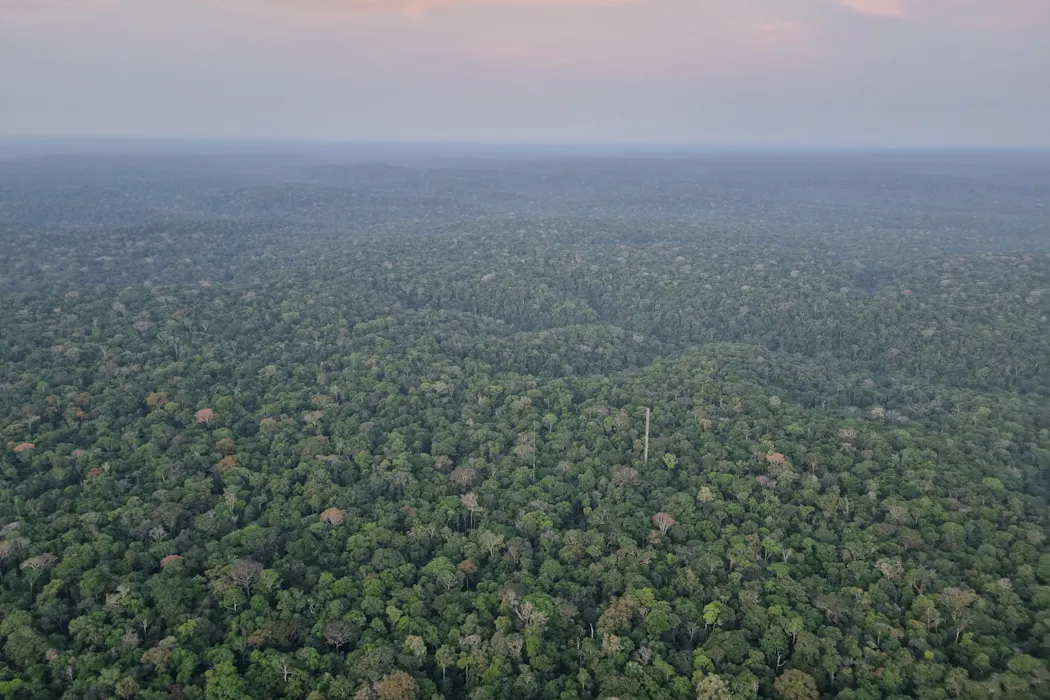
Dominick Spracken, CC BY-ND

Tropical forests are hot, steamy places. But when large numbers of trees are cut down, they get even hotter. Our recent research shows that clearing large areas of the rainforest exposes hundreds of millions of people to higher temperatures, increasing heat stress (when the body’s way of controlling temperature fails) and, in some cases, contributing to death.

Research suggests that this could be contributing to 28,000 heat-related deaths each year across the tropics every year.

Apart from the shade that the rainforest canopy provides, trees also cool their surroundings by pumping water from the soil into the atmosphere – a process known as evapotranspiration. Like sweat evaporating from our skin, this uses energy and cools the air.

A single large tropical tree provides as much cooling as several air conditioners running continuously. Across the billions of trees in the Amazon or Congo, this “sweating” cools entire regions.

People living in or near tropical forests recognise these cooling benefits. When villagers in rainforest regions in Kalimantan, Indonesia, were interviewed about the benefits tropical forests provide, the most common answer was their ability to keep local temperatures cool.

Despite these benefits, tropical forests are being destroyed at an alarming rate. In 2024, more than 6 million hectares of primary tropical forests (nearly the size of Panama) were destroyed, the fastest rate since records began.

A chart showing how trees create cooler air.

Nike Doggart, CC BY

Tropical deforestation reduces the cooling effect forests provide, leading to local warming – a pattern well documented by previous studies. But how is this warming affecting the lives of people living near tropical forests?

Deforestation is amplifying heat

To answer this, we used satellite data to track how deforestation has affected temperatures over the past 20 years. Over this period, large areas of forest in the Amazon, Congo and south-east Asia were cleared. We compared temperature changes in deforested regions with nearby areas that retained their forests. Tropical regions that retained their forest cover warmed by an average of 0.2°C. In nearby areas where forests were cleared, temperatures rose by 0.7°C – more than three times as fast. This shows that deforestation results in a dramatic regional amplification of climate warming.

An illustration showing temperature rises in South America based on data collated by the researchers.
An illustration showing temperature rises based on data collated by the researchers.
Author’s own research., CC BY-SA

To understand the impact on local people, we mapped this warming onto information on where people live across the tropics. We found that more than 300 million people were exposed to higher temperatures caused by deforestation. Exposure occurred right across the tropics: 67 million people in Central and South America, 148 million people in Africa and 122 million people in south-east Asia were exposed to warming.

Some countries with rapid rates of deforestation were particularly affected: 49 million people in Indonesia, 42 million people in the Democratic Republic of Congo and 22 million people in Brazil were exposed to hotter temperatures caused by deforestation.

A hidden public health crisis

Exposure to high temperatures has a range of negative effects on health. For instance, it can reduce the productivity of farmers and reduce the time it is safe to work outdoors. Exposure to high temperatures also causes heat stress that can be lethal. Heat waves in the Amazon are associated with a higher risk of mortality from cardiovascular diseases.

Infographic showing difference in temperature in tropical forest with deforestation, and where there hasn't been, based on author's research.

Author’s own., CC BY

We combined information on the number of people exposed to deforestation-induced warming with region-specific heat vulnerability information and non-accidental death rates. We used this to estimate that the heating from deforestation is linked to around 28,000 heat-related deaths each year across the tropics. This means that over the past 20 years more than half a million people have died from heat-related causes as a result of deforestation.

It is well known that tropical deforestation releases carbon dioxide and this contributes to global climate change. Indeed, arguments for reducing deforestation are often focused on carbon. But despite numerous international pledges, tropical deforestation continues to accelerate.

Recognising the public health impact of deforestation could help broaden support for forest protection. Although the local warming effects of deforestation are well recognised by local people, communities and decision-makers often lack precise data on how much deforestation is increasing temperatures in their area. To address this, we developed an online tool that provides information at province level on the warming linked to deforestation. We hope this locally relevant data will help communities and decision-makers make more informed decisions about managing their forests.

There are some promising new initiatives that recognise the value of tropical forests. Brazil is setting up a new fund that will pay tropical nations to keep their forests intact. It recognises the public services provided by tropical forests – including their ability to regulate local climate – and it rewards countries for protecting them. Some European countries supported the development of this facility but other than Norway, few have yet committed substantial funding. Perhaps given the current global crisis they think it is too far away to affect them, or are prioritising other areas. In doing so they are ignoring potential effects on migration flows, global air quality, loss of biodiversity and food supply chains.

For many years, tropical deforestation has been viewed as an environmental issue. Our research shows that it is also an urgent public health issue. Protecting tropical forests is not just about conserving nature or storing carbon. It is about protecting the health – and lives – of hundreds of millions of people.

The Conversation

Dominick Spracklen receives research funding from the European Research Council and from UK Research and Innovation.

ref. Chopping down areas of tropical rainforest is causing rising temperatures linked to thousands of deaths – https://theconversation.com/chopping-down-areas-of-tropical-rainforest-is-causing-rising-temperatures-linked-to-thousands-of-deaths-278737


Water flow in prairie watersheds is increasingly unpredictable — but AI could help

Source: The Conversation – Canada – By Ali Ameli, Assistant Professor, Department of Earth, Ocean and Atmospheric Sciences, University of British Columbia

In a landscape that can flip quickly from soaking up water to sending it downstream, small differences in how wet the wetlands are can be the difference between a manageable spring and a damaging flood. (USFWS Mountain-Prairie), CC BY

In recent years, the Prairies have seen bigger swings in climate conditions — very wet years followed by very dry ones. That makes an already unpredictable landscape even harder to forecast, with real consequences for flood preparedness and water quality.

The challenge is the landscape itself. Much of the Canadian Prairies sit within the Prairie Pothole Region, a landscape dotted with millions of shallow wetlands and depressions. Water doesn’t simply run downhill into a stream, it is stored first. Then, once enough wetlands fill, water begins to spill from one to the next, and only after that does it connect into channels.

Why does this matter now? In a landscape that can flip quickly from soaking up water to connecting it downstream, small differences in how wet the wetlands are can be the difference between a manageable spring season and a damaging flood. The problem is that in many watersheds, we don’t have the local measurements needed to tell whether wetlands are still retaining water or are close to connecting and releasing it downstream.

Across the Canadian Prairies — from southern Alberta through Saskatchewan to Manitoba — streamflow monitoring is sparse, and many watersheds have no gauges. These devices measure water levels and flow rates in rivers and streams, and, less commonly, water levels in wetlands.

Communities in the Red River Basin, the Assiniboine watershed and rural municipalities throughout the Prairie provinces often have limited warning when water conditions shift. This affects flood preparedness, agricultural water management and our understanding of how water is stored and moves through Prairie landscapes, with implications for water quality.

What we see again and again is this: the same rainfall or snowmelt can produce very different streamflow, depending on how much water is already sitting in the network of wetlands.

But understanding the mechanism is not the same as being able to make reliable predictions in an unmeasured watershed. That’s the core problem my colleagues and I tackled in our new study: how to merge Prairie Pothole physics with modern artificial intelligence (AI) so we can estimate both streamflow and wetland water storage in places where measurements are not available.

Predicting streamflow

I’ve spent years working on fill–spill–connection behaviour and why it makes Prairie streamflow so hard to predict. I’ve also studied what happens when wetlands are drained or changed — how some wetlands do a much better job than others at reducing floods, and how losing wetlands can make it harder for the landscape to hold onto water during dry spells.

Many people think predicting streamflow is mostly about inputs: rainfall and, in the Prairie Pothole Region, snowmelt. If a storm is big enough — or if spring melt is large — rivers rise. In many landscapes, that intuition is reasonable. In Prairie Pothole landscapes, it often fails.

Here, a large fraction of rain and snowmelt goes into storage first. Early in spring, much of the meltwater fills wetlands rather than running off directly. Later, after enough filling, pathways “switch on” and water begins moving into channels. The same rain event can produce very different streamflow depending on how full the wetland network already is.

The hard part is determining how full that network is. It isn’t directly observable from standard weather data. Because the system behaves in a threshold-like way, where small changes in how much water is stored in wetlands can trigger large changes in runoff, the Prairie Pothole Region is among the hardest places to predict streamflow.

Previous approaches have each faced limitations. Modelling every wetland in detail requires maps and information that often don’t exist at the scale needed. Relying on AI alone can also struggle, because the key factor — how full the wetlands are — isn’t directly visible in the usual input data.

Combining physics with AI

In our new study, we built a model that embeds fill–spill–connection physics directly into an AI framework, rather than asking AI to learn this behaviour from data alone. Fill–spill–connection physics describes how water fills wetlands, spills once they are full and connects to downstream rivers and streams.

It depends on a few key parameters: how much water the pothole network can hold before spilling, and how quickly the connected area expands as the landscape wets up. We use AI to learn how these parameters vary across the region, shaped by soils, climate and topography. Instead of treating each watershed as a totally separate problem, the model learns regional patterns that can be applied to watersheds without streamflow records.

We tested the approach across 98 watersheds spanning the Prairie Pothole Region. In tests designed to mimic unmeasured watersheds, our model predicted streamflow more reliably than AI models that do not represent these physical processes.

Importantly, it also captured wetland storage dynamics: the year-to-year fluctuations in how much water the pothole network holds. When we compared that storage signal with satellite-based wetland inundation maps, the year-to-year ups and downs lined up well.

What this changes

bodies of water dot a landscape of brown farm fields
The same rainfall or snowmelt can produce very different streamflow, depending on how much water is already sitting in the wetland network.
(Flickr/USFWS Mountain-Prairie), CC BY

Being able to estimate both flow behaviour and wetland water storage in these watersheds opens practical possibilities.

First, it can support flood preparedness by helping identify when a watershed is getting close to the point where wetlands start to connect and release water downstream. In the Prairie Pothole Region, flood risk isn’t only about how much rain falls in a day. It’s also about whether wetlands are full enough that new water will be routed, not stored.

Second, it can help describe how watersheds differ across the Prairies: which areas tend to hold onto water longer, which connect more easily and where streamflow is likely to be more variable from year to year. That kind of regional picture is difficult to build when monitoring is sparse.

Third, it offers a bridge between process understanding and modern data-driven tools. This is not AI replacing hydrology, it is hydrology making AI more reliable in places where the mechanism matters.

For Prairie communities and land managers working in watersheds without gauges, better predictions of when water will be stored — and when it will connect and flow — would be a practical step forward.

The Conversation

Ali Ameli receives funding from the Natural Sciences and Engineering Research Council of Canada.

ref. Water flow in prairie watersheds is increasingly unpredictable — but AI could help – https://theconversation.com/water-flow-in-prairie-watersheds-is-increasingly-unpredictable-but-ai-could-help-277593

Abuse in Canadian sport is systemic — a landmark report calls for sweeping reform

Source: The Conversation – Canada – By Kyle Rich, Associate Professor of Sport Management, Brock University

On March 24, the Future of Sport in Canada Commission released its final report and recommendations for change.

The commission was struck following a series of high-profile cases of abuse and maltreatment in sport. These involved Swimming Canada, Gymnastics Canada and most notably Hockey Canada.

Following initial hearings, advocates called for an independent public inquiry into a toxic culture in sport in Canada. However, the government elected to proceed with a federal commission, citing concerns about risks to victims and re-traumatization.

Although the commission was initiated ostensibly to investigate abuse, maltreatment and safety, its recommendations go much further.

They suggest sweeping governance reforms to the Canadian sport system. Calls for system-wide change have been made since the early stages of this process.

A fragmented system that enables harm

The commission has made 98 calls to action to address safe sport and system alignment. The calls are wide-ranging and suggest the need for system-wide structural and governance reforms.

The report is framed around several key issues.

The commission identified that abuse and maltreatment are widespread, systemic and ongoing in Canadian sport. They noted that power imbalances within the sport system have created a culture of silence that allows harmful behaviours to continue. They also noted that the sport system is fragmented and disorganized, and that chronic underfunding has made attempts at change ineffective.

Broadly, they suggested that these and other issues have made sport participation increasingly inaccessible and out of reach for many Canadians.

The commission also acknowledged that issues of access and safety in sport disproportionately affect equity-deserving groups.

As such, they acknowledged the need to support Indigenous-led sport programs and to improve representation of women, people with disabilities and people of diverse racial and ethnic backgrounds within leadership and governance.

Plans to fix sport is clear — execution isn’t

While the commission made 98 calls to action, we review only a few themes here. Many of these recommendations were released and discussed in the context of the preliminary report; the final report solidifies some important details on the commission’s recommendations moving forward.

The commission called for four national strategies: one for sport infrastructure, one for equity, diversity and inclusion, one for disability sport and one for participation. Each strategy would require a concrete action plan with progress tracked and evaluated.

The commission also called for the development of a national tool for tracking sport and physical activity data, an approach that other countries have had in place for decades. They aptly note that effective monitoring, evaluation and policymaking must be supported by reliable data.

Abuse and maltreatment in sport demand a co-ordinated national response.

The commission was unequivocal about this need. It acknowledged the progress already made on safe sport but was clear that good intentions are no longer enough. What’s needed now is deliberate, co-ordinated action: a multilateral sport framework alongside bilateral funding agreements with provinces and territories.

At the centre of the safe sport recommendations is the need for a fully independent, streamlined complaint mechanism and consistent screening processes agreed upon across jurisdictions.

The commission was clear that structural change must be matched by cultural change. This must be backed by a public awareness campaign and a centralized safe sport education program.

The commission also recommended sweeping structural reforms. They called for the creation of a Crown corporation to improve arm’s-length oversight, system alignment and universal governance standards.

Sport organizations, it argued, must stop operating in silos. That means merging vertically and horizontally, adopting shared service models and subjecting themselves to efficiency reviews.

The commission was unambiguous on funding: investment has been wholly inadequate. It called for a multi-year funding strategy addressing safety, access and inclusion in sport.

Critically, budgets need to be adjusted for inflation without delay, and backed by transitional funding to ease the shift.

Why reform may stall — again

So what could this mean for sport in Canada?

Much of the lengthy report is background information that scholars have long been writing about. Advocates were raising concerns about harassment and abuse in sport long before the development of our first national sport policy in 2002.

More recently, issues of equity, access, lack of resources, poorly co-ordinated systems and implementation difficulties have become features of the sport system in Canada.

As such, the details in this report will be of no surprise to those involved in sport.

The real question that will determine the impact of this report comes down to accountability. The commission has made many potentially impactful recommendations, but it’s also recognized that these recommendations are almost exclusively directed at the federal government.

However, sport exists in a system where much of the change will need to take place at the provincial, territorial and community levels.

The report acknowledges the complexity of change within Canada’s federated multilevel governance system. Tellingly, it heard directly from insiders who doubted reform was possible if the same people remained at the table. The structural fix of a new Crown corporation is aimed at enforcing accountability and leadership change.

In a recent visit to Norway, Prime Minister Mark Carney indicated that changes are coming to the sport system. But many questions remain.

Will this government take bold and decisive action to address these recommendations? Will it commit the resources necessary to facilitate governance reform? Will it exercise political leverage to get provinces and territories on board? And importantly, will future governments continue this work in the long term?

Many Canadians will recall the Truth and Reconciliation Commission and the 94 Calls to Action that were published in 2015. Recent tracking suggests that after 10 years, progress on 45 per cent of those calls is currently stalled or not started. This doesn’t bode well for a new set of calls to action in exceptionally turbulent times.

Ultimately, change will require more than policy change. It demands political will at every level of government and a public willing to push for it.

The Conversation

Kyle Rich receives funding from the Social Sciences and Humanities Research Council of Canada.

Laura Misener receives funding from Social Sciences and Humanities Research Council of Canada

ref. Abuse in Canadian sport is systemic — a landmark report calls for sweeping reform – https://theconversation.com/abuse-in-canadian-sport-is-systemic-a-landmark-report-calls-for-sweeping-reform-279071

Africa’s electric motorbike future can be built locally and powered by solar – our 6,000km ride shows what’s possible

Source: The Conversation – Africa – By MJ (Thinus) Booysen, Professor in Engineering, Stellenbosch University

The electric bike on the road in Kenya. Photo: Lewis Seymour, CC BY

Across much of Africa, motorcycles are not leisure vehicles. They are workhorses. They carry commuters, schoolchildren, goods, medicines and deliveries. For millions of people, they provide the most affordable and accessible form of transport, while also creating livelihoods for riders and small businesses.

In many places, they fill the gap left by limited public transport. Kenya alone has about 1.5 million riders.

Of the 27 million motorbikes in sub-Saharan Africa, only about 0.1% are electric, running on clean and low-cost energy.

As part of a team of electrical and industrial engineers at Stellenbosch University, I work (and go on adventures!) to see if that share can be increased.

When our team rode a locally manufactured electric motorbike from Kenya to South Africa in 2024, charging it with only solar power and battery storage along the way, we were not only testing a vehicle. We were testing whether Africa could build and power its own electric mobility future.

Route of test journey.
CC BY

The journey covered roughly 6,000km via cities, rural roads and border posts, showing that electric two-wheelers are not a distant dream for sub-Saharan Africa. They are already practical, and they point to a much bigger opportunity.

Feasible transition

Electric motorcycles with battery swapping fit the realities of mobility demand in African countries: relatively short daily trips, constant use, tight operating margins and the need for low-cost transport. It’s already been estimated that electrifying this segment will reduce total cost of ownership for riders by 35%-40%, improve urban air quality, cut greenhouse gas emissions and lower dependence on imported fuel.

Our own research suggests this transition is both technically and economically feasible.

Together, these findings suggest that electric micromobility in Africa is not only technically viable, but can be paired with local solar systems in ways that improve affordability, resilience and access.

An industrial opportunity

Africa should not simply become a market for electric vehicles designed and manufactured elsewhere. It should become a place where they are built, adapted and improved for African conditions. The continent’s mobility needs are specific. Vehicles must cope with rough roads, heavier loads, long operating hours and uneven access to charging. A motorcycle designed for Europe or Asia is not always right for a boda-boda rider in Kenya or a delivery rider in South Africa.

In one study, we developed and validated a physics-based model twin of an electric motorcycle under African operating conditions, showing that energy use can be predicted with good accuracy from real trips, terrain and payload. This digital twin can be used in virtual assessments of electric fleet deployments.

Local production would also create local jobs. It can create opportunities in assembly, fabrication, battery integration, electronics, software, data analytics, servicing and charging infrastructure. It would give young engineers, technicians and entrepreneurs a foothold in an industry that is already growing quickly.

But that growth will not happen on its own. It needs policy support. Ethiopia banned imports of internal combustion engine vehicles in 2024. This rapidly accelerated EV adoption and altered the economics of vehicle imports. South Africa’s belated 150% tax incentive for local electric vehicle production is a step in the right direction.

Tapping into local resources

Sub-Saharan Africa has some of the best solar resources in the world. At the same time, many communities still face unreliable grid electricity or no access at all. That may sound like a barrier to electrified transport, but it is also an opportunity.

Solar panels.
Lewis Seymour, CC BY

Compared with large cars or buses, small vehicle batteries are far easier to charge from decentralised solar systems. Solar-powered charging points, battery swap stations, mini-grids and storage systems can all support electric motorcycles where conventional infrastructure is weak.

Charging has already been demonstrated on solar-hybrid mini-grids, particularly for rural electric two-wheelers, with documented cases in Nigeria and operator-led deployments in Sierra Leone.

Our research has found that decentralised solar can help power this transition: a school-centred solar trading model serving households and electric motorbikes achieved payback periods of under five years in favourable cases and improved supply reliability for external users by about 60%.

This matters especially in rural and peri-urban areas, where mobility poverty is often most severe. A locally manufactured electric motorcycle charged with solar power is more than a cleaner vehicle. It is a tool for inclusion. It can improve access to jobs, education, healthcare and markets while reducing exposure to fuel price shocks.

That is why this transition should not be framed only as a climate issue. It is a development issue.

Policy needs

African governments must make it easier to produce and sell electric vehicles locally. At present, many local manufacturers face the strange situation where importing a finished vehicle is cheaper and simpler than building one domestically. High duties on components, inconsistent regulations, costly certification, weak access to finance and uncertain policy signals all work against local industry.


Read more:
Ghana’s new vehicle tax aims to tackle pollution – expert unpacks how it’ll work and suggests reforms


If governments are serious about industrial development, electric micromobility is a practical place to start. Support could include lower tariffs on components for local assembly, tax incentives for domestic manufacturing, development finance, clear technical standards and public procurement policies that create dependable demand. The aim should not be permanent protection, but smart support that helps African firms scale and compete.

Man riding a motorcycle
Riding the ebike.
Lewis Seymour, CC BY

Governments must support cross-border collaboration. Africa’s challenges are shared, but our responses are often fragmented. Countries create separate standards, separate pilot projects and separate industrial plans, even when their transport needs and energy constraints are remarkably similar. This duplication makes progress slower and more expensive.


Read more:
What’s stopping sunny South Africa’s solar industry? Court case sheds light on the wider problem


Many African borders were imposed in colonial times. They do not reflect the deeper connections between economies, people or problems. Fuel insecurity, unemployment, poor public transport, congestion and unreliable electricity are not isolated national problems. They are regional realities. The response should therefore also be regional.

That means harmonised standards, easier trade in locally made vehicles and components, shared research platforms and coordinated industrial policy. A larger, more integrated African market would help manufacturers scale up, reduce costs and justify investment in skills and supply chains. It would also allow innovations developed in one country to spread more quickly across the continent.

Electric mobility policy must be linked to energy policy, especially solar energy.

From talk to action

Our journey from Nairobi to Stellenbosch, now told in our seven-episode documentary series, Recharging Hope, was not a publicity stunt. It was a practical demonstration that locally made electric motorbikes, powered by solar energy, can work across African roads and real African conditions. The question is no longer whether this future is possible. It is whether policy and investment will help Africa build it for itself.

With the right policies, partnerships and investment, electric micromobility can help the region move people more affordably, build local industry more confidently and use the power of the African sun more fully.

Africa’s mobility future should be built in Africa and powered by its own abundant renewable energy.

The Conversation

MJ (Thinus) Booysen receives funding from the Western Cape Government Motorised Transport (GMT) and South Africa’s Transport Education Training Authority (TETA).

ref. Africa’s electric motorbike future can be built locally and powered by solar – our 6,000km ride shows what’s possible – https://theconversation.com/africas-electric-motorbike-future-can-be-built-locally-and-powered-by-solar-our-6-000km-ride-shows-whats-possible-279008

Heat shield safety concerns raise stakes for Nasa’s Artemis II Moon mission

Source: The Conversation – UK – By Ed Macaulay, Lecturer in Physics and Data Science, Queen Mary University of London

The astronauts Reid Wiseman, Victor Glover, Christina Koch and Jeremy Hansen are preparing to launch into space on a trajectory that will make them the first humans to travel to the Moon in over half a century.

Their 10-day mission, known as Artemis II, loops around the Moon but will not land. It will see them travel 4,700 miles (7,600 kilometres) beyond the lunar far side in Nasa’s Orion spacecraft. As such, the four astronauts will travel further from Earth than any humans before them.

The quarter-of-a-million mile Artemis II expedition is audacious, but it’s the last five minutes of the mission that might be the most cause for concern for the safety of the astronauts.

An uncrewed test of the Orion spacecraft in 2022 first highlighted problems with the heat shield. This is the part of Orion that bears the brunt of the searing heat the capsule experiences during re-entry through Earth’s atmosphere.

When engineers examined the Orion heat shield from 2022’s Artemis I mission, they found large chunks of material had been lost. The worry was that, should this happen again on the crewed Artemis II mission, it could expose the interior of the capsule to dangerously high temperatures.

Technicians at Kennedy Space Center applied more than 180 blocks of ablative material to Orion’s heat shield.
NASA/Isaac Watson

Since the earliest days of human spaceflight, engineers have protected capsules from the extreme heat of re-entry with so-called “ablative” heat shields, made from material that’s designed to burn away evenly as the capsule scorches its way through the atmosphere.

To meet the demands of the reusable space shuttle, Nasa developed an incredible heat shield system made from ultra-light tiles of glass-coated silica fibres. While this heat shield had extraordinary thermal properties, it was also exceptionally fragile, and required exhaustive maintenance after every shuttle mission.

It was damage to this fragile and exposed protection system that caused the tragic loss of space shuttle Columbia in 2003. For the Artemis programme, Nasa has returned to the concept of an ablative heat shield.

Artist’s impression of Orion re-entering Earth’s atmosphere.
Nasa

The heat shield for the Orion capsule is composed of a material called Avcoat, based on the material originally developed for the Apollo programme. Although Nasa considered other, newer materials for the Orion heat shield, they ultimately decided on the material that had been proven in flight by the Apollo missions.

However, the structure of Orion’s heat shield differs from those used during Apollo. The Apollo heat shield comprised a singular honeycomb matrix of about 320,000 individually filled hexagonal segments. To make the heat shield for Orion more efficient and reproducible to manufacture, Nasa has opted for a configuration of around 180 individual blocks.

This heat shield was first tested in 2014 when an uncrewed Orion capsule was launched to an apogee of 3,600 miles by a Delta IV rocket. The capsule blazed through the atmosphere on its return at a temperature of about 2,200°C (4,000°F), but the heat shield proved itself capable of withstanding such an inferno.

Large chunks of the heat shield were lost (red circles) during the Artemis I mission in 2022.
Nasa

The next test of the Orion capsule was the Artemis I mission in 2022. This was the first flight of the powerful Space Launch System rocket, and an uncrewed demonstration of the mission planned for Artemis II. Hurtling through Earth’s atmosphere from a far greater distance than the first test, the spacecraft reached temperatures of around 2,800°C (5,000°F). It’s here that the first concerns about the Avcoat heat shield were raised.

Instead of burning away evenly over the whole surface, parts of the Artemis I heat shield were lost unexpectedly in uneven chunks. This uneven ablation makes modelling the thermal loads of re-entry more unpredictable, and raises the possibility that the Orion capsule could be exposed to dangerous levels of heating.

The Artemis II crew members (left to right): mission specialist Jeremy Hansen CSA (Canadian Space Agency), mission specialist Christina Koch, pilot Victor Glover, and commander Reid Wiseman (Nasa).
Nasa/Isaac Watson

On investigation, the cause of this uneven ablation was found to be irregular releases of gases trapped within the heat shield material, compounded by the “skip re-entry” profile adopted by the mission.

In the skip profile, Orion first grazes the edge of the atmosphere to slow down. It then uses the aerodynamic lift of the capsule to skip back out of the atmosphere, before re-entering for its final descent to Earth. The skip profile is so named because it somewhat resembles a stone skipping across a pond.

Nasa investigators found that, when heating rates decreased during the period between dips into the atmosphere, thermal energy accumulated inside the Avcoat material. This led to the build up of gases and, in turn, the internal pressure – causing cracks and the uneven shedding of material.

Based on the lessons from Artemis I, Nasa has adopted a number of measures to protect the crew of Artemis II. For the first crewed mission of the programme, Nasa has kept the Avcoat heat shield material, but updated the design of the blocks to help the gases to escape during re-entry.

Furthermore, instead of the skip profile, Nasa has now opted for a more direct re-entry mode for the Orion capsule. This reduces the uncertainty in the heating profile and means less time at peak temperatures for trapped gases to damage the heat shield, but also means that the crew will be subjected to increased deceleration on re-entry.

Ex-Nasa engineers’ concerns about the Artemis II heat shield (ABC News)

Safety first

At the height of the drama in the film Apollo 13, flight director Gene Kranz famously declares to the team at mission control that “failure is not an option”.

Although the line was in fact the product of the film’s screenwriters, it’s become not just the second-most quotable line from the film, but also somewhat of a mantra at Nasa itself.

Nowhere is this more true than with the heat shield of Artemis II. During the final phase of the Artemis II mission, there’s no backup, no contingency, and no chance of escape. The four astronauts on board will be depending on a few inches of resin-coated silica to shield themselves from temperatures approaching half that of the surface of the Sun.

Human spaceflight has always brought with it calculated risks, but it has also provided a uniquely human perspective on our place in the cosmos. The Artemis II mission will make its crew the first humans in over half a century to observe the blue marble of planet Earth in its entirety with their own eyes.

The crew will carry with them the hopes and aspirations of a whole new generation of explorers. They will be depending on the meticulous work of thousands of scientists and engineers for their safe return, bringing with them a renewed human perspective on not just the Moon, but the planet we all call home.

The Conversation

Ed Macaulay does not work for, consult, own shares in or receive funding from any company or organisation that would benefit from this article, and has disclosed no relevant affiliations beyond their academic appointment.

ref. Heat shield safety concerns raise stakes for Nasa’s Artemis II Moon mission – https://theconversation.com/heat-shield-safety-concerns-raise-stakes-for-nasas-artemis-ii-moon-mission-275853

Apple at 50: eight technology leaps that changed our world

Source: The Conversation – UK – By Nick Dalton, Associate Professor in the School of Computer Science, Northumbria University, Newcastle

In the early 1970s, the idea of an ordinary person owning a computer sounded absurd. Computers back then were more like aircraft carriers or nuclear power plants than household appliances – vast machines housed in data centres operated by teams of specialists, serving governments, universities and large corporations.

Then came Apple.

Founded on April 1 1976 by “college dropouts” Steve Jobs and Steve Wozniak, the Silicon Valley startup did not invent computing. What it did was arguably more important: it helped turn computing into a personal technology.

Before Apple, computers were largely sold in kit form. Jobs saw that people wanted them pre-assembled and ready to run. The earliest Apple I units, featuring handmade koa wooden cases, now sell for hundreds of thousands of dollars.

As an early Apple adopter and app developer, here’s my selection of the company’s (and Jobs’s) most significant technological achievements over the last 50 years.

Apple II – beige yet distinctive

Early personal computers were more curiosities than practical tools. The Apple II, launched in June 1977, introduced something new: style. Even its colour – beige! – was distinctive, contrasting with the black metal boxes common at that time.

The use of colour graphics was both new and exciting, and the keyboard felt satisfying to use. A simple speaker, with only a single-bit output, was ingeniously coaxed into producing tones and even speech-like sounds. The design revolution stretched as far as the packaging: Jerry Manock, Apple’s first in-house designer, placed the machine in a moulded plastic case which looked sleek and professional.

The mouse – a whole new way of interacting

By 1979, the 24-year-old Jobs – sensing that tech giant IBM was catching up with Apple – went looking for the next big thing. The photocopier company Xerox, wanting pre-IPO shares in Apple, offered a visit to its nearby research labs as an inducement. Jobs realised that researchers such as Alan Kay at Xerox’s Palo Alto research centre were creating the next generation of computing interfaces.

Central to this was a device invented by Kay’s mentor, Douglas Engelbart, at Stanford University in the mid-1960s and nicknamed “the mouse”. Engelbart’s vision of computers as machines to augment the human mind inspired Kay and colleagues to create graphical displays in which users interacted with scrollbars, buttons, menus and windows.

Macintosh – dawn of the modern product launch

Jobs thought anyone should be able to use a computer. In January 1984, the first Apple Mac pushed this idea to new extremes. The traditional need for obscure computer commands (and manuals) vanished. Early adopters such as myself felt we just knew how to do everything.

But the Mac’s launch was not just another technological leap for Apple. It also inspired the now-familiar cultural moment of the modern product launch. Following a teasing Super Bowl advert directed by Ridley Scott, Jobs used a 1,500-seat theatre on January 24 to create a stage performance centred on a single charismatic presenter. Jobs let a small, square and still-beige computer (then known as Macintosh) out of its bag – and it began speaking for itself, to rapturous applause.

Video: MacEssentials.

Pixar – Jobs’s side hustle

In its first decade, Apple grew at an exceptional rate – but it also came close to financial collapse on several occasions. This led to one of the most dramatic moments in Apple’s history when, in May 1985, the company forced Jobs out.

A year later and now in charge of the startup NeXT Inc, Jobs bought a division of George Lucas’s film company which was soon rebranded as Pixar. Its RenderMan software generated images by distributing processing across multiple machines simultaneously.

Pixar, jokingly referred to as Jobs’s “side hustle”, would become one of the world’s most influential (and valuable) animation production companies, having released the first fully computer-animated feature film in Toy Story (1995).

Toy Story (1995) official trailer.

iMac – a meeting of minds

After a failed attempt to develop a new operating system with IBM, Apple eventually bought Jobs’s company NeXT. In September 1997, he returned to Apple as interim CEO with the company “two months from bankruptcy”. The move, though welcomed by many Apple users, terrified some of its employees. Jobs quickly began firing staff and shutting down failed products.

During this restructuring, he visited Apple’s design studio and immediately hit it off with young British designer Jony Ive. Their meeting of minds led to the 1998 candy-coloured translucent iMac. Essentially smaller, cheaper NeXT machines, iMac (the i stood for internet) also kicked off another Apple habit: abandoning ageing technology. The floppy disk drive was ditched in favour of a CD drive – a move heavily criticised at the time, but later widely copied.

Video: TheAppleFanBoy – Apple & Computer Archives.

iPod – 1,000 songs in your pocket

For Apple, computing was always about more than, well, computing. In 2001, the company began focusing on processing sound and video, not just text and pictures. By November that year, it had released the iPod – a personal music player capable of storing “1,000 songs in your pocket”, compared with a maximum of 20-30 on each cassette tape in a Sony Walkman.

The iPod used an elegant “click wheel” to operate the screen. Music was synced through a new application called iTunes. By 2005, people were using iTunes to manage audio downloaded automatically from the internet using a process called RSS. This in turn put the pod in podcasting.

Video: xaviertic.

iPhone – a computer in everyone’s hands

By 2007, many mobile phone companies had approached Apple about merging the iPod with their phones. Instead, on January 9, Jobs unveiled Apple’s most ambitious product yet: a combined phone, music player and Mac computer – all at the size of a handset with no physical keyboard and huge screen.

Most media “experts”, from TechCrunch to the Guardian, predicted the iPhone would bomb. Steve Ballmer, then CEO of Microsoft, mocked the US$500 price tag, saying nobody would buy it. In fact, 1.4 million iPhones were sold by the end of the year – and over 3 billion more since then. This truly put a computer into everyone’s hands – and opened the door to social media as we know it today.

Video: Mac History.

App Store’s software revolution

By mid-2008, the iPhone enabled third-party developers the chance to to create a dizzying range of new applications. At the same time, the App Store – launched on July 10 2008 – addressed one of the most complex problems: how to distribute and commercialise these “apps”. Historically, they were often copied and distributed freely. The App Store changed this, using strong encryption to ensure the copy sold could only be used by that specific user, thus eliminating software piracy.

By establishing the first (eponymous) App Store, Apple changed the way people discover and purchase software. This led to an explosion of apps and a simple but powerful idea: whatever you wanted to do, someone, somewhere, had already built it. Apple captured this shift in a slogan that became part of everyday language: “There’s an app for that”.

Time and again, this extraordinary company has anticipated the value of opening up computing to everyone. Happy birthday, Apple.

The Conversation

Nick Dalton does not work for, consult, own shares in or receive funding from any company or organisation that would benefit from this article, and has disclosed no relevant affiliations beyond their academic appointment.

ref. Apple at 50: eight technology leaps that changed our world – https://theconversation.com/apple-at-50-eight-technology-leaps-that-changed-our-world-279541

Despite massive casualties in Ukraine, Russia is unlikely to run out of soldiers anytime soon – here’s why

Source: The Conversation – UK – By Charlie Walker, Associate Professor of Comparative Sociology, University of Southampton

Russia has begun a spring offensive in Ukraine, launching a major assault on the “fortress belt” of heavily defended cities in Ukraine’s eastern Donetsk region. At the same time, a wave of nearly 1,000 drones and missiles targeted civilian, energy, and transport infrastructure across a wide swath of territory in a bid to overwhelm Ukraine’s air defences.

Ukraine’s technology-driven tactical nous has enabled it to kill or wound more Russian troops than are being recruited, month on month. But reports from Ukraine’s military commander Oleksandr Syrskyi that the Kremlin plans to add more than 400,000 new recruits in 2026, suggest that Russia intends to continue with its “meat grinder” strategy of attempting to overwhelm Ukraine along the front lines with sheer weight of numbers while undermining national morale by destroying its energy infrastructure.

Of course, the meat grinder involves a high level of casualties on the Russian side. This has led some western observers to suggest that Vladimir Putin might be forced to the negotiating table simply because his military can’t get enough troops to continue in this way.

The idea that Russia will have trouble recruiting enough soldiers is a hangover from some of its past wars, where the dire treatment of its soldiers and veterans led at times to considerable disillusionment. This idea has been raised in the current war against Ukraine.

During the Soviet-Afghan War in the 1980s and the first Russian-Chechen War in the 1990s, soldiers’ mothers organisations across Russia placed the conditions under which their sons served their country under the spotlight. Poor service conditions, hazing and corruption – and the state’s failure to provide adequate support and recognition to veterans and the families of fallen soldiers – eroded the image of the Russian military. This led to a breakdown in society-military relations and serious problems in the recruitment and retention of soldiers.

This theme remains ever-present in western reporting of the war. There has been a great deal of media focus on draft avoidance, low morale and discipline in the field and, the poor treatment of veterans. And the enlistment of people serving prison terms as well as troops from allies such as North Korea and Serbia are also a big focus of attention in western media coverage.

Advertising soldiering as a “real job” for “real men” appeared to signal desperation. And the fact that soldiers appeared only to be fighting for money – or because they were coerced – implied that genuine support either for the war or the regime was weak. Evgeny Prigozhin’s attempted mutiny in 2023 was a more concrete and spectacular example of the potential for Russia’s military mobilisation to implode.

Rebuilding military citizenship in Russia

But in one important respect, this war is being waged differently from earlier wars in Chechnya and Afghanistan. Putin has been determined to prevent any kind of breakdown in society-military relations. He has made a concerted effort to re-engineer the relationship between the army, the state and Russian society since the 2000s – precisely to avoid a repetition of this outcome.

Both the Afghan and first Chechen wars were marked by a breakdown in the social contract between soldiers and the state, or what we call “military citizenship”. This is the reciprocal relationship whereby the state provides soldiers with forms of social and legal recognition – living wages, access to housing and decent healthcare, family support, and a degree of social respect. In exchange they carry out military service.

These forms of reciprocity clearly collapsed after the Afghan and first Chechen wars. It created a rift between the military and the state that was personified in soldiers’ social and political marginalisation and dissent and disillusionment in senior military ranks. In response to this, Russia has made significant long-term changes. A civic council was established in 2006 under the control of the Ministry of Defence – chaired by patriotic film-maker Nikita Mikhalkov – specifically to guide this process.

This was followed in 2008 by the Strategy for the Development of the Russian Armed Forces. As part of this, Russia has introduced extensive material benefits relating to housing, pensions, salaries and social guarantees for soldiers. The in-house newspaper of Russia’s defence ministry, Krasnaya Zvezda, trumpeted that, under these reforms, “contract soldiers are becoming the country’s middle class”. This is, of course, the government line, but it reflects the importance the Kremlin places in being at least seen to address this historic problem.

This programme of reforms has been accompanied by work to rebuild military patriotism. Civil society organisations such as the Immortal Regiment, a massive and highly active organisation of veterans, are helping to mobilise Russia’s proudly held military tradition from the second world war (known in Russia as the “great patriotic war”).

These forms of material and symbolic recognition will not, of course, appeal to all Russian men. Putin has been forced over the course of the war to introduce stringent rules and severe punishments to prevent draft dodging and the mass emigration of military-aged men.

But on the other hand, many Russians still live in hardship as a result of the country’s shaky economic transition after the collapse of the Soviet Union in the 1990s. For many young and older men in deindustrialising parts of provincial Russia, the army is still seen as the only prospect of social mobility. And this has been reinforced by the benefits provided to the military in recent years.

This does not mean that there are no concerns about conditions in the military, the quality of social protection for soldiers and their families, and – ultimately – about the legitimacy of the war in Ukraine. The relationship the Russian state has attempted to reestablish with society, and with its men in particular, remains problematic. It is still marked by tensions that Putin is either trying to address or attempting to hide. And desertion remains a significant problem for the Russian military.

But the high military salaries and sign-on bonuses continue to attract a steady stream of recruits. So we need to question this idea that relations between military and society will fall apart now and force Russia to the negotiating table. Given the boost to Russia’s economy provided by the current war in the Middle East, the west would do better to focus on how it can assist Ukraine on the battlefield.

The Conversation

Charlie Walker currently receives funding from Economic and Social Research Council and Russia Strategic Initiative

Bettina Renz has previously received funding from the Russia Strategic Initiative

ref. Despite massive casualties in Ukraine, Russia is unlikely to run out of soldiers anytime soon – here’s why – https://theconversation.com/despite-massive-casualties-in-ukraine-russia-is-unlikely-to-run-out-of-soldiers-anytime-soon-heres-why-278119

Violent conflicts are reshaping what Nigerian farmers grow: what this means for food security

Source: The Conversation – Africa (2) – By Abeeb Babatunde Omotoso, Senior Lecturer at Oyo State College of Agriculture and Technology, Igboora, Nigeria and Senior Research Associate at North West University, North-West University

Agriculture is the backbone of Africa’s economy. It provides livelihoods for over 70% of the rural population and contributes to national food security and economic development.

For most rural households, farming is not just a source of income and sustenance. It also provides cultural identity and social stability. Over the past two decades, however, rural Africa has witnessed increasing levels of violent conflicts that undermine agricultural productivity, investment and long-term development.

Farmers facing insecurity often abandon productive crops, reduce land use and invest less in their farms. There are serious consequences for food security.

Conflict destroys lives and property. It also changes the decisions farmers make about investing in their land.

We are agricultural and applied economists with expertise in rural development,sustainable food system and climate-smart agriculture. We’ve studied the impact of conflict on food systems in the global south.

One of our studies examined how violent conflict influenced agricultural investment decisions among rural households in Nigeria. We combined nationally representative household data with detailed conflict records, to track how exposure to violence affects farming.

The findings showed that violent conflict altered agricultural investment decisions. It made farmers less likely to cultivate major crops.

The cultivation of yam, sweet potato, groundnut, cowpea, maize and cassava declined as conflict incidents increased. Sweet potato was the most affected, perhaps because it needs a lot of labour and a longer time to grow.

When conflict disrupts farming through abandoned fields, lost livestock, or altered investment decisions, it undermines food availability and long-term agricultural development.

Understanding these impacts is useful when designing ways to help farmers and sustain food systems in conflict-affected areas.

The reality

Our study used panel data from Nigeria’s Living Standards Measurement Study covering the periods 2012/2013, 2015/2016 and 2018/2019.

The national study provides detailed household-level information. This covers demographic characteristics, agricultural production, crop choice, land allocation, input use, production costs and market participation.

We combined the household coordinates with geocoded conflict data from the Armed Conflict Location and Event Data Project (ACLED) to measure exposure to violent conflict. The ACLED database provides detailed information on battles, violence against civilians, remote violence, protests and riots.

Our study focused on three indicators of violent conflict exposure:

  • total number of conflict incidents

  • number of violent incidents affecting civilians (including Boko Haram-related violence)

  • number of battles, including protests, riots and farmer–herder clashes.

To capture local exposure to violence, we measured conflict incidents within a radius of 10km of each surveyed household in a given year.

By linking spatial conflict data with household-level agricultural information across multiple survey waves, the study analysed how exposure to violent conflict influenced farmers’ production decisions, land allocation and agricultural outcomes over time.

The findings

The results indicate that insecurity discourages farmers from engaging in production activities that involve greater risk or long-term investment. Conflict exposure also affects land allocation decisions.

The analysis showed a reduction in the total cultivated land area and a decline in the share of land allocated to key staple crops.

This pattern suggests that farmers respond to insecurity by scaling down farming activities, avoiding distant plots, and concentrating on smaller or safer areas of land. Reducing the land cultivated may result in less food produced.

We found that conflict led to less spending on agricultural production. Farmers invested less in inputs such as fertilizer, pesticides and hired labour.

The effects varied across management types. Plots managed by men showed relatively stable investment levels. Production costs increased on plots managed by men and women. This could be due to reliance on external labour during periods of insecurity.

The findings demonstrate that violent conflict affects crop choices, reduces land use and discourages agricultural investment.

Disruptions also increase the cost of agricultural production and marketing, making farming less profitable. Government efforts to support agriculture, such as input subsidies and rural development programmes, don’t work so well in conflict zones.

The adverse effects are more severe for households in highly conflict-prone areas. Disputes have long-term economic impacts.

Recommendation and policy implications

The findings highlight the need for conflict-sensitive agricultural policies and targeted rural development interventions.

First, strong rural security and community conflict resolution mechanisms are essential. Government and local authorities should monitor security in major agricultural zones and help communities to build peace.

Policies should encourage farmers to plant climate-smart and low-risk crops that need fewer inputs and have shorter production cycles. This would make agricultural systems more resilient to conflict.

Extension services should advise farmers on which crops to plant, improved seed varieties, and farming strategies suitable for insecure environments.

Policymakers should invest in rural infrastructure and early-warning systems, including market access, transport networks and conflict monitoring systems.

The Conversation

The authors do not work for, consult, own shares in or receive funding from any company or organisation that would benefit from this article, and have disclosed no relevant affiliations beyond their academic appointment.

ref. Violent conflicts are reshaping what Nigerian farmers grow: what this means for food security – https://theconversation.com/violent-conflicts-are-reshaping-what-nigerian-farmers-grow-what-this-means-for-food-security-278719

Strike on Afghan hospital shows the laws of war may document atrocities — but don’t prevent them

Source: The Conversation – Canada – By Shabnam Salehi, PhD Candidate, Law, Carleton University; L’Université d’Ottawa/University of Ottawa

Pakistani jets recently bombed the Omid Addiction Treatment Hospital in Kabul, Afghanistan, a facility with 2,000 beds dedicated to helping patients recover from drug addiction.

Authorities in Afghanistan, along with the United Nations Assistance Mission in Afghanistan (UNAMA) and various news agencies, reported that more than 400 people were killed and 265 were injured.

Pakistan has denied targeting the hospital, saying it aimed only at military installations and terrorist support infrastructure.

As a former commissioner at the Afghanistan Independent Human Rights Commission and a legal scholar focused on accountability for civilian harm, I view this incident as a serious violation of international humanitarian law, with profound implications for one of the most vulnerable groups: those struggling with addiction.

The chain of human casualities

The incident at Omid Hospital is a critical moment in the ongoing conflict, which dates back to late February, when Pakistani forces conducted airstrikes in the eastern provinces of Nangarhar and Paktika.

According to UNAMA, the strikes in Nangarhar resulted in at least 13 civilian deaths and seven injuries, including women and children from the same family. In Paktika, a strike impacted a madrassa and damaged a mosque, a centre for religious education, in the Barmal district.

Pakistan then officially initiated Operation Ghazab lil-Haq on Feb. 26, leading to an escalation of violence targeting non-military sites. The first phase of the attacks lasted six days, during which UNAMA reported 42 civilian fatalities and 104 injuries.

By March 6, these figures had risen to 56 dead and 129 injured, with 55 per cent of the casualties being women and children. Approximately a week later, just three days before the Omid strike, the toll reached 75 dead and 193 injured. The UN humanitarian office warned of significant displacement and disruptions to aid efforts across the affected provinces.

Then, on March 16, the attack on Omid Hospital occurred. The severity of this incident highlighted the alarming reality of systematic violations of humanitarian law within the ongoing conflict.

Why does a drug treatment hospital matter?

Afghanistan is grappling with one of the most severe addiction crises in the world, exhibiting some of the highest drug use rates globally.

A 2025 report by the United Nations Office on Drugs and Crime (UNODC) described the situation as “a pressing but less understood dimension” of the drug economy.

Treatment facilities are critically limited, and international donors have largely withdrawn since the Taliban assumed power in 2021.

Attacking a facility like Omid Hospital not only endangers its patients but also undermines one of the few remaining care structures for a population that has suffered through more than five decades of conflict and war.


Read more:
The U.S. occupation of Afghanistan was colonialism that prevented Afghan self-determination


What the international law says

The rules safeguarding hospitals during wartime are longstanding. According to the Geneva Conventions and their Additional Protocols, medical facilities “shall be respected and protected in all circumstances” and cannot be targeted. A hospital can lose this protection only if it is being used for hostile activities. Even in such cases, the attacking force is required to issue a warning and provide time before proceeding.

There is no evidence Pakistan issued a warning to the Omid facility, nor has the country made such a claim. Pakistan asserts that the building contained ammunition, citing secondary explosions as a primary cause of the incident.

But even if that’s true, international law stipulates that any anticipated civilian harm must not be “excessive in relation to the concrete and direct military advantage anticipated.” The destruction of suspected weapons cannot justify the deaths and injuries of hundreds of civilians.

A conflict the world isn’t watching

Despite a death toll surpassing many incidents that have captured headlines in other conflicts, this conflict is receiving scant attention from the West.

This is likely because the Taliban, which provides the casualty figures, is not viewed as a reliable source. Similar death toll claims by the Gaza Health Ministry faced scrutiny for years before the Israeli military finally validated them. UNAMA is now providing independent verification in Afghanistan.

The Omid strike is reminiscent of the 2015 United States airstrike on the Médecins Sans Frontières (MSF)/Doctors Without Borders trauma centre in Kunduz, in northern Afghanistan, that resulted in the deaths of 42 people.

The U.S. military acknowledged its failure to verify the target, and no one faced prosecution. Following Kunduz, MSF president Joanne Liu stated: “Today we say enough. Even war has rules.”

A decade later, these rules are once again being challenged amid the devastation of another Afghan hospital and other civilian targets. Scholars, along with various international organizations, are raising alarms that international humanitarian law is increasingly being ignored due to the normalization of attacks on health-care facilities.


Read more:
Russian airstrike against a Ukrainian children’s hospital reveals Russia’s eroding military might


Will anyone enforce the rules?

The strike on the Omid hospital raises concerns not only about the ambiguity in applying international law, but about the enforcement of international humanitarian law and the mechanisms for its implementation.

Strikes on hospitals in Kunduz, Aleppo in Syria and Mariupol in Ukraine led to reports and condemnations, yet none resulted in prosecutions or future enforcement of humanitarian laws.

If the Omid strike follows the same trajectory, it will confirm my greatest concern in my research: that the laws of war, at best, are capable of documenting atrocities but not preventing them. The actions taken by the international community now will determine whether these rules are enforced.

The Conversation

Shabnam Salehi is affiliated with Women’s Rights First org. as co-founder and president, which works on women’s rights issues in Afghanistan.

ref. Strike on Afghan hospital shows the laws of war may document atrocities — but don’t prevent them – https://theconversation.com/strike-on-afghan-hospital-shows-the-laws-of-war-may-document-atrocities-but-dont-prevent-them-278715

More evidence doesn’t mean more justice: The limits of visual technologies in human rights cases

Source: The Conversation – Canada – By Kamari Maxine Clarke, Full Professor, University of Toronto

Editor’s note: This story is part of a series of articles from Canada’s top social sciences and humanities academics in a partnership between the Social Sciences and Humanities Research Council of Canada and The Conversation Canada.

Body cameras, satellites and digital verification tools are generating more evidence of violence than ever before. But the institutions responsible for delivering justice still decide what counts as evidence — and what does not.

Some of the most consequential reporting on state-sanctioned violence concerns disputes over evidence: who controls the video, the metadata and the channels where events are logged in real time.

In Minnesota in January 2026, that meant court fights and public pressure over preserving — and potentially sharing — U.S. Immigration and Customs Enforcement (ICE) body camera footage after the killings of Alex Pretti and Renée Good, alongside wider disputes over federal transparency during immigration enforcement operations.

National outlets have tracked how community members are using encrypted messaging such as Signal to spot and report ICE activity, prompting an FBI investigation that civil liberties experts say tests the boundary between protected observation and alleged “interference.”

Meanwhile, in Canada, the RCMP is rolling out body cameras nationwide, raising questions about how the data collected by state security services might provide a future archive for complaint processes, prosecutions and civil litigation.

What we are witnessing is a “juriscopic regime” — a dense entanglement of scopic technologies (body cameras, satellites, open‑source verification), scientific protocols and legal evidentiary horizons that together govern what can be seen, verified and acted upon as “truth” — defining who counts as an expert and what forms of knowledge are ignored as anecdotal, non-scientific or non-legal.

How communities document violence

Citizens are taking these documentation tools into their own hands.

Families who have experienced violence and the forced disappearance or murder of loved ones are increasingly building grassroots “evidence infrastructures” with these technologies.

In Mexico, for example, colectivos — groups of families searching for their loved ones — have added geolocation mapping, drone surveys and other geospatial tools to identify possible clandestine grave sites and to document searches in real time, both to generate leads and to pressure reluctant institutions into action.

Some groups are experimenting with AI-mediated storytelling, creating “living” videos and other digital interventions to keep cases visible while simultaneously navigating new risks like digital extortion and retaliation that follow from making personal information public.

In Nigeria, families use social media and emerging missing persons portals to widen the radius of who might recognize a face, a name or a location, effectively crowd-sourcing identification and tips when official registries are fragmented or difficult to access.

Across these and many other contexts globally, communities are organizing mutual aid, warning others about threats, preserving data before it disappears and transforming private grief into collective, actionable knowledge.

But visibility is unevenly distributed.

This “evidence revolution” is often treated as if better visibility produces better justice but in practice, courts and legal institutions decide what becomes legible as truth. It is this gatekeeping that distorts what harms are recognized and acted upon, and that narrows the scope of what justice looks like.

The legal limits of digital evidence

Human rights and international justice professionals are increasingly relying on digital and visual evidence — satellite imagery, crowd-sourced video, geolocation and AI-assisted analysis — to document harm and hold perpetrators to account.

Turning to these technologies may even deepen the distance between those victimized and the evidence meant to help them.

Family members of the missing frequently have extensive knowledge, but their expertise may not be taken seriously.

Law reshapes what “evidence” means, and even the best technology must pass through evidentiary rules and institutional priorities, which narrow what can be acted on — often in opaque ways.

Our recently released research findings show that these systems make certain forms of harm more legible than others. While this is helpful for certain evidentiary processes, disappearances, abductions and many forms of state violence can be virtually impossible to “see” from above.

In Nigeria, for example, those optical biases can also reproduce older hierarchies: communities that align with modern land tenure and fixed settlement patterns may be more legible than nomadic or displaced populations, shaping which harms travel as authoritative evidence.

What we see is that optical and digital technologies don’t simply reveal truth; they are translated and authorized through legal institutions and expert hierarchies, sometimes sidelining grassroots knowledge.

At the International Criminal Court (ICC), for example, where mass atrocity and disappearance cases could potentially be heard, the evidentiary rules and institutional priorities of the court — the ways in which it determines admissibility, relevance and probative value — act as obstacles to admitting evidence. In the case of technologically derived evidence, the court relies on a few technical experts to render it legible to judges.

As a result, socially constructed technical judgments govern the production of knowledge. Forensic science makes explicit what the ICC’s evidence law often implies: that evidence is not a thing but an inference.

Expanding evidentiary frameworks for justice

When a mother in Mexico or a sister in Nigeria searches for a disappeared or killed loved one, she enters an evidence regime long before any court does. Her “evidence” archive begins as a series of data — messages, sightings, scraps, rumours, maps. Forensic science teaches us what must happen with this data in order for it to become viable evidence: Is there a chain of custody? Contamination control? Validated methods? Honest statements of uncertainty?

But the family’s need to know the truth of what happened exposes the limits of both forensic science and international courts.

A trace of evidence can be existentially decisive yet institutionally inadmissible; scientifically interpretable yet socially insufficient; legally persuasive yet too late to end the disappearance as a lived everyday condition.

In that gap, the struggle is not only over facts, but over whose knowledge becomes official, and whether truth is treated as a right owed to families rather than a byproduct of prosecution.

We need a more expansive regime of what counts as evidence in courts, moving toward an approach that regards documentation as political, treats law as a constraining optic as much as a solution, insists that accountability projects be regrounded in local knowledge and grassroots priorities and acknowledges that various forms of harm do not neatly convert into evidentiary categories.

We also need to widen the scope of who counts as an expert, include families’ vernacular forensic practice and the embodied work of searching, mapping and enduring.

Unless we change what justice looks like, we will continue to miss a lot.

The Conversation

The authors do not work for, consult, own shares in or receive funding from any company or organisation that would benefit from this article, and have disclosed no relevant affiliations beyond their academic appointment.

ref. More evidence doesn’t mean more justice: The limits of visual technologies in human rights cases – https://theconversation.com/more-evidence-doesnt-mean-more-justice-the-limits-of-visual-technologies-in-human-rights-cases-274929