Winter storms don’t have to be deadly – here’s how to stay safe before, during and after one hits

Source: The Conversation – USA (2) – By Brett Robertson, Associate Professor and Associate Director of the Hazards Vulnerability and Resilience Institute, University of South Carolina

A powerful winter storm that swept across the United States in late January 2026, leaving hundreds of thousands of people without power in freezing temperatures for days, has been linked to at least 70 deaths. And several East Coast states are under a new winter storm warning just days later.

The causes of the deaths and injuries varied. Some people died from exposure to cold inside their homes. Others fell outside or suffered heart attacks while shoveling snow. Three young brothers died after falling through ice on a Texas pond. Dozens of children were treated for carbon monoxide poisoning from improperly used generators or heaters.

These tragedies and others share a common theme: Winter storms pose multiple dangers at once, and people often underestimate how quickly conditions can become life-threatening.

A man stands by the open door of a car stuck on a road with deep snow.
If you plan to drive in a winter storm, be prepared to be stranded, as this driver was in Little Rock, Ark., on Jan. 24, 2026. Cars can slide off roads, slide into each other or get stuck in snow drifts. Having warm winter gear, boots and a charged cell phone can help you deal with the cold.
Will Newton/Getty Images

I’m the associate director of the Hazards Vulnerability and Resilience Institute at the University of South Carolina, where we work on ways to improve emergency preparedness and response. Here is what people need to know to reduce their risk of injury during severe winter weather.

Prepare before the storm arrives

Preparation makes the biggest difference when temperatures drop, and services fail. Many winter storm injuries happen after power outages knock out heat, lighting or medical equipment.

Start by assembling a basic emergency kit. The Federal Emergency Management Agency recommends having water, food that does not require cooking, a flashlight, a battery-powered radio, extra batteries and a first-aid kit, at minimum.

Some basics to go into an emergency kit
In addition to these basics, a winter emergency kit should have plenty of warm clothes and snacks to provide energy to produce body heat.
National Institute of Aging

In wintertime, you’ll also need warm clothing, blankets, hats and gloves. When you go out, even in a vehicle, make sure you dress for the weather. Keep a blanket in the car in case you get stranded, as hundreds of people did for hours overnight on a Mississippi highway on Jan. 27 in freezing, snowy weather.

Portable phone chargers matter more than many people realize. During emergencies, phones become lifelines for updates, help and contact with family. Keep devices charged ahead of the storm and conserve battery power once the storm begins.

If anyone in your home depends on electrically powered medical equipment, make a plan now. Know where you can go if the power goes out for an extended period. Contact your utility provider in advance to ask about outage planning, including whether they offer priority restoration or guidance for customers who rely on powered medical equipment.

What to do if the power goes out

Loss of heat is one of the most serious dangers of winter storms. Hypothermia can occur indoors when temperatures drop, especially overnight.

If the power goes out, choose one room to stay in and close its doors to keep the warmth inside. Cover windows with curtains or blankets. Wear loose layers and a knit hat to keep your own body heat in, even indoors. Remember to also eat regular snacks and drink warm fluids when possible, since the body uses energy to stay warm.

Five people sit around a table, each wrapped up in warm clothes and hats. Two children are studying.
Wearing knit caps, lots of layers and staying together in one room can help with warmth. If you light candles, use them carefully to avoid fires.
SimpleImages/Moment via Getty Images

It might seem tempting, but don’t use camp stoves, outdoor grills or generators inside a home. These can quickly produce carbon monoxide, an odorless and deadly gas. During the January storm, one Nashville hospital saw more than 40 children with carbon monoxide poisoning linked to unsafe heating practices.

If you must use a generator, keep it outdoors and far from windows and doors. Make sure your home’s carbon monoxide detectors are working before storms arrive.

If your home becomes too cold, go to a warmer place, such as a friend’s home, a warming center or a public shelter. You can call 2-1-1, a nationwide hotline, to find local options. The American Red Cross and the Salvation Army also list open shelters on their websites. Several states maintain online maps for finding warming centers and emergency services during winter storms, including Kentucky, Louisiana, Mississippi, New York, Tennessee, and Texas.

Be careful outside – ice changes things

Winter storms make everyday activities dangerous. Ice turns sidewalks into slippery hazards. Snow shoveling strains the heart.
Frozen ponds and lakes might look solid but often are not as the ice can change quickly with weather conditions.

Walking on icy surfaces, even your own sidewalk, requires slow steps, proper footwear and full attention to what you’re doing. Falls can cause head injuries or broken bones, and it can happen with your first step out the door.

A group of kids scream as they sled down a hillside, legs flying in the air.
Playing in the snow, like this group was at Cherokee Park in Louisville, Ky., can be the best part of winter, but be sure to do it safely. At least three people died in accidents while being towed on sleds behind vehicles on icy streets during the January 2026 storm.
Jon Cherry/Getty Images

Shoveling snow is a common risk that people often overlook, but it deserves special caution. The actions of shoveling in cold weather can place intense strain on the heart. For people with heart conditions, it that extra strain can trigger heart attacks.

Why shoveling snow is more stressful on your heart than mowing your lawn. Mayo Clinic.

If you’re shoveling, take frequent breaks. Push snow instead of lifting when possible. And stop immediately if you feel chest pain, dizziness, or shortness of breath.

Communication saves time and lives

Winter storms disrupt information flows. Cell service fails. Internet access drops. Power outages silence televisions.

In my research on heat and storm emergencies, people frequently rely on personal networks to share updates, resources, and safety information. With that in mind, check on family, friends and neighbors, especially older adults and people who live alone.

Research I have conducted shows that nearby social ties matter during disasters because they help people share information and act more quickly when services are disrupted. Make sure that the information you’re sharing is coming from reliable sources – not everything on social media is. Also, let others know where you plan to go if conditions worsen.

A woman in a puffy jacket, hat and scarf walks up snow-covered subway stairs.
Walk carefully on snow and ice, particularly stairs like these in a New York subway station on Jan. 25, 2026. At home, be sure to clear snow off your steps soon after a storm so ice doesn’t build up.
Spencer Platt/Getty Images

Use multiple sources for information. Battery-powered radios remain critical during winter storms. Sign up for local emergency alerts by email or text. Studies have found that in regions accustomed to frequent hazardous weather, people often take actions in response to risks more slowly when they don’t have reliable local updates or clear alerts.

Practice matters

Many injuries happen because people delay actions they know they need to take. They wait to leave a house that’s getting too cold or at risk of damage by weather, such as flooding. They wait to ask for help. They wait to adjust plans.

In research I contributed to on evacuation drills involving wildfires, people who practiced their evacuation plan in advance were more likely to react quickly when conditions changed. Talking through evacuation plans for any type of emergency, whether a hurricane or a winter storm, builds people’s confidence and reduces their hesitation.

Take time each winter to review your emergency supplies, communication plans, and heating options.

Winter storms will test your preparation, judgment, and patience. You cannot control when the next one arrives, but you can decide how ready you will be when it does.

The Conversation

Brett Robertson receives funding from the National Science Foundation (Award #2316128). Any opinions, findings, conclusions, or recommendations expressed in this material are those of the author and do not necessarily reflect the views of the National Science Foundation.

ref. Winter storms don’t have to be deadly – here’s how to stay safe before, during and after one hits – https://theconversation.com/winter-storms-dont-have-to-be-deadly-heres-how-to-stay-safe-before-during-and-after-one-hits-274605

African migration: focusing on Europe misses the point – most people move within the continent

Source: The Conversation – Africa (2) – By Nadine Biehler, Researcher, German Institute for International and Security Affairs

Images of rubber dinghies overcrowded with refugees heading for Europe and narratives about mistreatment and exploitation of migrants on unsafe migration routes have come to dominate how African migration is perceived in European public and policy debates.

They suggest a continent on the move, driven mainly by conflict and heading to the global north. These narratives are deeply misleading. Nevertheless, they shape public opinion and political decision-making.

Fears of large-scale migration from Africa to Europe are exaggerated. Data shows migration from Africa has been growing, but more slowly compared to growth rates of migration worldwide – and largely takes place on the continent.

Because migration from Africa is seen primarily as a looming crisis for Europe, policy responses tend to focus on border control and deterrence, rather than on cooperation, the development potential of migration or protection.

We are researchers working on migration, forced displacement and data analysis. We combined our expertise in a new working paper to analyse the latest data from the UN Department of Economic and Social Affairs (UN DESA) on global migration. We also looked at current data on forced displacement.

We found that:

  • most African migration happens within Africa

  • the majority of African migrants moving across borders are not fleeing violence

  • the vast majority of those forced to flee never leave their own country or region, let alone the continent.

Understanding these mobility patterns is essential for more realistic and effective European migration policies.

The data

The UN DESA migration estimates that our paper is based on are the most comprehensive global data source available on migration. The estimates measure how many migrants live in a country at a given point in time (stock data). However, they don’t capture when they moved (flow data) or why. In addition, UN DESA figures exclude movements within countries.

Our paper complements these estimates with data provided by the UN Refugee Agency and the Internal Displacement Monitoring Centre on forced displacement. This includes internal displacement, which is particularly widespread in Africa.

This research found that most African migration takes place within Africa.

Globally, there were about 304 million international migrants in 2024. Africans made up around 15% of that total.

In other words, the majority of the world’s migrants are not from Africa.

Even more striking is where African migrants actually go.

In 2024, around 25 million Africans were living in an African country outside the one they were born in or held citizenship of. This exceeded the number of Africans living outside the continent (20.7 million) by around 21%.

This means that African migration is predominantly intracontinental, a long-standing trend that has become even more pronounced over time.

Several factors help explain this.

Travel within Africa is often cheaper and safer than journeys to other continents. Regional free movement agreements, such as those in west and east Africa, enable cross-border mobility. At the same time, legal pathways to Europe, North America or Asia remain limited and costly for most Africans, with high visa rejection rates and few opportunities for regular migration.

African migration is also gendered. Men are more likely to migrate than women, especially when moving beyond the continent. This gap is smaller for migration within Africa. This suggests that more accessible legal routes and less dangerous journeys help with overcoming migration barriers for women.

Forced displacement

War and conflict are forcing more people to leave their homes worldwide, and Africa is no exception.

By the end of 2024, more than 120 million people globally were forcibly displaced by war and violence. However, the majority of them (73.5 million, or 60% of the forcibly displaced globally) never left their own country to seek asylum elsewhere. They remained internally displaced in their countries of origin.

This is particularly true for the African continent, where almost half of all internally displaced people worldwide lived.

Sudan and the Democratic Republic of Congo account for almost 80% of internal displacement in Africa.

Even when Africans do cross borders to seek protection, they usually stay close to home.

In 2024, almost 87% of the 12.2 million African refugees and asylum seekers worldwide lived on the African continent. Only a small minority sought protection outside Africa.

This challenges the widespread idea that forced displacement in Africa automatically translates into large-scale migration to Europe.

In reality, neighbouring countries – often themselves affected by poverty or instability, and sometimes both countries of origin and destination for forcibly displaced people – carry most of the responsibility for hosting displaced populations.

Even when taking into account future displacement scenarios driven by the climate crisis, the World Bank estimates that affected people will remain within their regional neighbourhoods.

Still, globally, as well as in Africa, voluntary migration dominates: out of 45.8 million African migrants globally, refugees and asylum seekers make up 12.2 million.

This is also true for African migration to countries of the European Union, where residence permits for work, education or family reasons (2024: about 670,000) significantly exceed first-time asylum applications (2024: about 240,000).

Why these findings matter

First, the data shows clearly that African migration is not primarily about Europe. It is, above all, about Africa itself. For European and other global north policymakers, our findings suggest a need to rethink priorities. Supporting refugee-hosting countries in Africa, expanding legal migration pathways and investing in reliable migration data may ensure more effective migration management. Focusing narrowly on deterrence is misplaced.

Second, our findings highlight the importance of African countries and regions as migration destinations and refugee hosting states. Countries such as Uganda, Côte d’Ivoire, South Africa or Nigeria host millions of migrants and refugees, often with far fewer resources for integration and protection than wealthier states. For African governments, this means continuing to strengthen regional and continental mobility frameworks. These would allow people to move safely and legally for work, education or family reasons. Intra-regional migration is already the backbone of African mobility. It is likely to remain so.

Third, the analysis demonstrates that UN DESA data is indispensable but incomplete. It excludes domestic migration, undocumented migration and many forms of temporary or circular mobility common in Africa. Funding cuts to international data-collection institutions risk further weakening evidence-based policymaking.

Understanding how people actually move – and why – is essential for designing fair and realistic migration policies.

The Conversation

Nadine Biehler works at SWP for the research project “Strategic Refugee and Migration Policy”, funded by the German Federal Ministry for Economic Cooperation and Development (BMZ).

Emma Landmesser works at SWP for the research project “Strategic Refugee and Migration Policy”, funded by the German Federal Ministry for Economic Cooperation and Development (BMZ).

Rebecca Majewski does not work for, consult, own shares in or receive funding from any company or organisation that would benefit from this article, and has disclosed no relevant affiliations beyond their academic appointment.

ref. African migration: focusing on Europe misses the point – most people move within the continent – https://theconversation.com/african-migration-focusing-on-europe-misses-the-point-most-people-move-within-the-continent-273679

Inside the challenges faced by journalists covering Iran’s protests

Source: The Conversation – UK – By Sanam Mahoozi, Research Associate, City St George’s, University of London

Iran is enduring one of the darkest periods in its modern history. Protests that erupted in late December initially over economic hardship have clearly transformed into a nationwide rejection of the Islamic Republic and a call for regime change.

Thousands of people have been killed by Iranian security forces, with human rights organisations saying many more are injured, detained or missing. In moments like these, journalism plays a critical role in informing the Iranian public and the international community about what is happening inside the country.

Yet Iran is not like most other countries. Reporting on it comes with extraordinary personal and professional risks and obstacles, particularly for journalists who are Iranian themselves with personal ties to the country and family and friends still living there.

This is something I am acutely aware of as a journalist and media researcher who has been covering Iran’s anti-government protests for years.

One of the most significant obstacles is the Iranian government’s repeated shutdown of the internet and communications networks during periods of unrest. On January 8, more than a week after the protests began, the authorities imposed one of the most severe and prolonged internet shutdowns in the country’s history.

More than 90 million people have effectively been cut off from the outside world since then, with limited access to the internet only possible through circumvention tools like virtual private networks (VPNs). Some “vetted” individuals, who are largely government loyalists or regime officials, are able to access the unfiltered global internet.

For journalists outside Iran, this makes reporting difficult. Access to local news outlets and on-the-ground sources vanished almost overnight. Information has had to be pieced together through a handful of people who have access to satellite internet services, such as Starlink and are willing to speak, alongside activist networks operating from outside the country.

The only media currently able to operate openly inside Iran are state and conservative outlets such as Islamic Republic of Iran Broadcasting and Tasnim, often through Telegram channels. These platforms offer a highly controlled narrative aligned with the government’s position. Senior Iranian officials, including foreign minister Abbas Araghchi and parliamentary speaker Ali Larijani, have described the protests as “riots” and have labelled protesters as “terrorists”.

For journalists trying to counter this narrative, human rights organisations such as the Human Rights Activists News Agency and Hengaw have become crucial sources. Their daily reports on deaths, arrests and injuries have helped document the scale of the crackdown. Diaspora media outlets such as BBC Persian and IranWire have also played a vital role, as videos and eyewitness accounts slowly emerge despite the blackout.

The information vacuum created by the shutdown has, at the same time, also enabled disinformation. Regime supporters have actively created fake accounts on social media to sow division among opposition groups, while AI-generated videos purportedly depicting the protests have flooded the web. This has impeded the ability of journalists to trust social media as a source of news gathering and information.

Deeply polarised opposition

Another defining feature of the current protest movement has been the emergence of calls for an alternative leadership. Unlike previous protests – including those in 2021 over water shortages and the 2022 nationwide Woman, Life, Freedom movement – this wave has included chants calling for the return of Iran’s former crown prince, Reza Pahlavi. Slogans such as “long live the king” and “Pahlavi will return” have been heard across most provinces.

But Iran’s opposition landscape is deeply polarised, and this presents a further challenge for journalists. Feelings on all sides are intense. Iranian journalists and their families face harassment, threats and coordinated attacks not only from the authorities, but also from opposition supporters.

This dynamic is particularly difficult to navigate. Quoting government officials in a news article, or interviewing them, can prompt accusations of “platforming the regime”. Yet accurate journalism requires reporting on those still in power as well as on opposition figures and possible successors. If I had to identify the single most exhausting challenge of reporting on Iran, this would be it.

The hatred towards the regime is entirely warranted. But it has created an environment in which any coverage of state officials – even when critical or contextual – is treated by Iranian opposition supporters as betrayal. For Iranian journalists, this pressure is constant. Many argue with friends and family, lose relationships and, in some cases, miss out on professional opportunities simply for doing their jobs.

There also seems to be a broader misunderstanding about how journalism works. Critics often expect a single article to address all of Iran’s problems at once and on a 24/7 rotation. But news has limits and each country has a dedicated space in international news cycles.

A short article cannot fully explore Iran’s economic collapse, environmental crises, human rights abuses, regional conflicts and internal repression simultaneously. Journalists must make difficult decisions about focus and framing.

Recognising these points does not mean lowering expectations of the media, particularly in turbulent times when news is a vital source of information. But it can help provide a small window into the challenges journalists face while covering Iran.

The Conversation

Sanam Mahoozi is a freelance reporter for The New York Times focused on Iran.

ref. Inside the challenges faced by journalists covering Iran’s protests – https://theconversation.com/inside-the-challenges-faced-by-journalists-covering-irans-protests-274130

Did the US ever ‘give back’ Greenland to Denmark, as Trump claims?

Source: The Conversation – UK – By Rikke Lie Halberg, PhD Candidate in History, Lund University

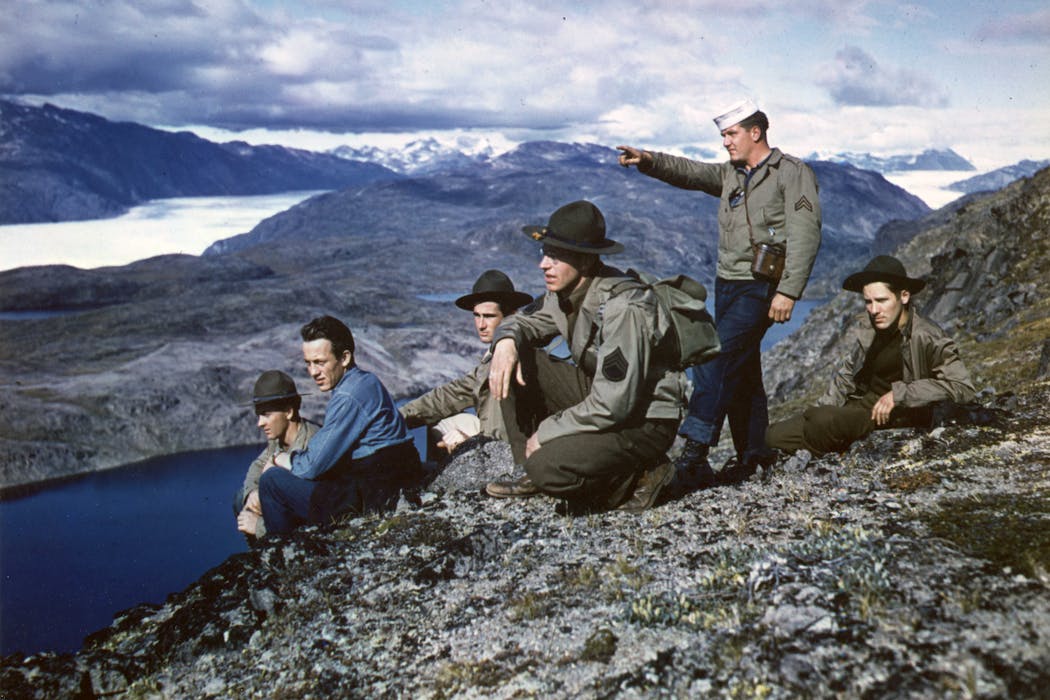
American servicemen in Greenland during the second world war. Signal Corps Archive / Wikimedia Commons

When Nazi Germany began its occupation of Denmark in April 1940, Greenland suddenly found itself cut off from its colonial power and thrust into the centre of North Atlantic wartime strategy. The US took control of Greenland temporarily, establishing bases and defence perimeters there to prevent Germany from using the island.

More than 80 years later, Donald Trump invoked that moment at the World Economic Forum in Davos. In his speech on January 21, the US president claimed his country “gave Greenland back” to Denmark after the second world war. This history, Trump implied, still gives the US a claim to Greenland today.

Trump’s claim rests on a selective reading of wartime history. It also reflects a colonial and imperial way of thinking about territory, sovereignty and ownership. To understand why his claim is misleading, it helps to follow the sequence of agreements that governed Greenland before, during and after the war.

In 1916, Denmark sold its Caribbean colony, the Danish West Indies, to the US (which then changed its name to the US Virgin Islands). That same convention included an explicit American declaration that the US would not object to Denmark extending its “political and economic interests to the whole of Greenland”. As one colony was transferred, sovereignty over another was reaffirmed.

But during the second world war, wartime circumstances and US strategic needs drove another agreement between Denmark and the US that allowed the Americans to assume responsibility for Greenland’s defence. That arrangement was formalised in the 1941 Greenland Defense Agreement, drawn up by the American state department and signed by Henrik Kauffmann, the Danish envoy in Washington.

The agreement explicitly stated that the US government “fully recognizes the sovereignty” of Denmark over Greenland. It added that the US is “animated by sentiments of the completest friendliness for Denmark and believes that by taking these steps, it is safeguarding the eventual re-establishment of the normal relationship between Greenland and the Kingdom of Denmark”.

In practice, the US did defend Greenland during the war. It built airstrips and military installations there, while also running patrols and integrating the island into wider allied logistics.

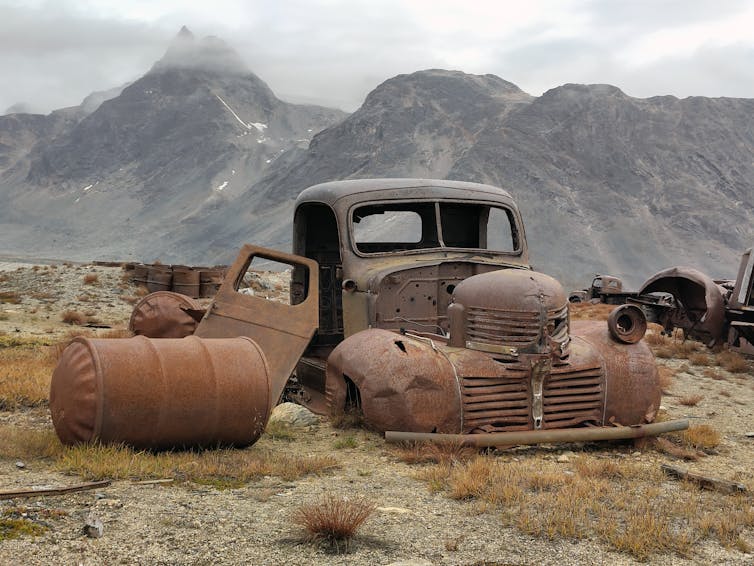
A rusting vehicle surrounded by mountains in Greenland.
An abandoned US military vehicle in Ikateq, eastern Greenland.
Michelle van Dijk / Shutterstock

In 1945, after the end of the war, Kauffmann wrote a diplomatic note to the US. He declared that it had “been a source of great satisfaction to the Danish people” that Denmark had an “opportunity to contribute to the war effort through the placing of Danish territory at the disposal of the United States in the fight against the common enemy”.

Kauffmann added that Denmark did not wish “to receive any payment” for the US military’s use of Greenland during the war. The note framed Denmark’s wartime cooperation as a voluntary contribution, again affirming Danish sovereignty over Greenland.

The wartime arrangement was later translated into a post-war security relationship. In 1951, with Denmark and the US now formal allies within the UN and Nato, the two countries concluded a new defence agreement. This granted the US extensive and permanent military rights in Greenland, now within the framework of peacetime alliance politics.

The post-war period represented a legal consolidation of a US presence in Greenland that had begun under wartime exception. This included the construction of installations such as the Thule Air Base (now Pituffik Space Base) on Greenland’s north-west coast. The base became a cornerstone of US strategic operations in the Arctic, and remains the only active American base in Greenland today.

The construction and expansion of Thule entailed the forced relocation of the local Inuit population in 1953. This move was later recognised as unjust by the Danish court system, leading to compensation awarded by the Danish state in 1999.

Colonial entanglements

These arrangements stabilised Danish sovereignty over Greenland and bolstered the island’s security. But they left the colonial relationship itself largely unexamined. In 1953, in the context of emerging UN norms on decolonisation, Greenland’s colonial status was formally lifted, and the territory was integrated into the Danish state.

This administrative transformation allowed Denmark to present its relationship with Greenland as post-colonial, without engaging in a broader reckoning with the political, cultural and economic legacies of colonial rule. Subsequent reforms can be understood as belated attempts to address this unresolved colonial relationship.

These include home rule in 1979, which transferred responsibility for most domestic affairs from Denmark to a Greenlandic parliament. Self-government in 2009 further expanded Greenland’s political autonomy and recognised Greenlanders as a people under international law.

Recent developments underline just how new the participation of Greenlanders in their own affairs is. The inclusion of Greenland’s foreign minister, Vivian Motzfeldt, in high-level January talks in Washington marks a clear break with earlier practice, where Greenland’s strategic future was negotiated without Greenlandic representatives at the table.

Trump’s attempt to revive imperial language of ownership sharpens the contrast between older colonial ways of thinking and emerging efforts to include Greenlandic political voices in discussions over their future. On this terrain, the contest is no longer only about the past, but also which parties will be part of the discussion about the future.

The Conversation

Rikke Lie Halberg receives funding from Lund University for her PhD research on the Fireburn revolt in the Danish West Indies.

ref. Did the US ever ‘give back’ Greenland to Denmark, as Trump claims? – https://theconversation.com/did-the-us-ever-give-back-greenland-to-denmark-as-trump-claims-274335

How Iran shut down the internet and built a sophisticated system of digital control

Source: The Conversation – UK – By Gemma Ware, Host, The Conversation Weekly Podcast, The Conversation

On January 8, as thousands of Iranians took to the streets in nationwide protests, the government cut off the internet.

Under cover of digital darkness, the Iranian regime launched a brutal and deadly crackdown against anti-government protesters. What information has got out, including testimony from morgues, graveyards and doctors who treated the injured, suggests thousands of people have been killed.

 Iran has shutdown the global internet before, but never for this long.  Without the internet, trading has slumped.  Many entrepreneurs who rely on Instagram to do business can’t post. Lorry drivers are struggling to cross borders because they can’t access digital documents. By some estimates, internet shutdown can cost more than US$37 million a day.


Read more:
Iran’s latest internet blackout extends to phones and Starlink


After three weeks of internet blackout, reports from web traffic monitor Netblocks suggest that the internet is slowly coming back online but the connection is predominantly for government-approved users.

Yet for most of the shutdown, banks and some local government websites and apps still worked. And that’s because Iran is developing its own, national internet, cut off from the rest of the world.

In this episode of The Conversation Weekly podcast, we speak to Amin Naeni, a PhD candidate researching digital authoritarianism at Deakin University in Australia, about how Iran built one of the world’s most sophisticated systems of digital control.


This episode of The Conversation Weekly was written and produced by Mend Mariwany and Gemma Ware. Mixing by Michelle Macklem and theme music by Neeta Sarl. Gemma Ware is the executive producer.

Newsclips in this episode from The Guardian, Al Jazeera English, DW News, CNA, CBS News, CNN, CBC News and BBC News.

Listen to The Conversation Weekly via any of the apps listed above, download it directly via our RSS feed or find out how else to listen here. A transcript of this episode is available via the Apple Podcasts or Spotify apps.

The Conversation

Amin Naeni does not work for, consult, own shares in or receive funding from any company or organisation that would benefit from this article, and has disclosed no relevant affiliations beyond their academic appointment.

ref. How Iran shut down the internet and built a sophisticated system of digital control – https://theconversation.com/how-iran-shut-down-the-internet-and-built-a-sophisticated-system-of-digital-control-274570

Student well-being comes from care, but is caring enough? Academics reflect on 3 stumbling blocks

Source: The Conversation – Africa – By Martina van Heerden, Senior Lecturer in English for Educational Development, University of the Western Cape

Christina @ wocintechchat.com via Unsplash, CC BY

Students’ well-being in higher education has been a growing concern globally since the coronavirus pandemic, which disrupted learning and lives generally.

Well-being has been described as “the combination of feeling good and functioning well; experiencing positive emotions such as happiness and contentment as well as the development of one’s potential, having some control over one’s life, having a sense of purpose, and experiencing positive relationships”.

Well-being is important for student engagement, achievement and belonging, which all make for a more positive learning and teaching experience.

We teach in an academic literacy module at a historically disadvantaged university in South Africa. Since the pandemic, we’ve continued to see that students’ well-being is often neglected, especially by students themselves. This neglect could potentially lead to lack of motivation, lack of interest and burnout.

In South Africa, first-year students’ well-being is often precariously placed, as they have to navigate socioeconomic and familial stresses, while adjusting to the demands of higher education. One of the many hurdles that students face is due to the “digital divide”, and it includes having to learn how to use unfamiliar technological resources. There are high dropout rates for first-year students.

That’s despite the efforts of universities to support them.

As academic literacy practitioners, we aim to help students to understand what’s required of them academically. In the last five years, since the pandemic, we’ve revised our module to foster a more caring, responsive and engaging environment. The idea is to smooth the way into university studies and to enhance student well-being.

We recently published a paper on what we’ve learnt so far. Our main finding is that creating a “care-full” environment for learning is not as simple as it sounds. Care has to be offered at various levels – and also received. Universities, lecturers and students still need to overcome some barriers to receiving care.

Getting to know students

Our academic literacy module is offered to first-year undergraduate students and runs for both semesters, with a different group of students each semester. In line with the university’s mandate, the module is concerned with student flourishing and success.

During the pandemic (2021-2022), we became aware of our students being in emotional distress, and so, to focus more deliberately on student well-being, we adopted a more “care-full” approach to learning and teaching. We embedded “care” into our module, by considering how we might equip students better to deal with the demands of higher education. We listened to our students’ experiences and needs and made the necessary adjustments to provide a more supportive, holistic, care-full classroom. This continued in our post-pandemic classroom.


Read more:
During lockdown, South African students wrote a book about ‘a world gone mad’


The changes included adding assignment-specific guides, more resources, more focused discussions on time management and organisation, regular reminders of due dates, and links to work apps.

We also had regular conversations with the students as our way of getting to know them and finding out how they were coping. We wanted them to know that we were there to care for them, not just to impart knowledge.


Read more:
Lecturers reflect on their efforts to ensure no student gets left behind


But we came to realise that by 2023 students were still struggling with the same issues as before, despite the changes we had made. This became clear from student questionnaires, end-of-semester feedback forms, and the informal conversations we had with them.

An analysis of our data showed that certain challenges acted as impediments to care and negatively affected students’ well-being. The three main impediments were:

  • resources

  • time management

  • anxiety.

In other words, these problems prevented students from “receiving” and benefiting from the care we offered.

Resources

Resources present a dual impediment to students’ well-being. Firstly, students might not have access to resources like laptops and a stable internet connection. Secondly, they might not know how to use the available resources efficiently.

For example, many of our students indicated that they struggled to find lecture content or to submit assignments on the university’s Learning Management System. This was even though we had made “how-to” guides for students showing step-by-step instructions and the university scheduled workshops on how to navigate it. Resources became another hurdle instead of helping as intended.

Organisation and time management skills

Many students struggle with meeting deadlines and balancing their social and university lives. During the pandemic, the online environment provided little structure to their days, so some of them struggled with managing their workload. This continued when classes were back on campus. It is not a problem that is unique to South Africa, but time management is important for well-being (and thus student success).

Feelings of inadequacy and anxiety

The last impediment we identified related to feelings of inadequacy and anxiety. These feelings may be a result of struggles with resources and time management skills, but they might also be related to students’ own perceived competence in their studies. Anxiety has become a challenge for many students in university, not just in South Africa, but globally. These feelings may stop students from reaching out for help.


Read more:
Mental health: almost half of Johannesburg students in new study screened positive for probable depression


Getting past the impediments

We’ve realised these challenges act as impediments to care. That is, despite the efforts educators may put into creating a “care-full” environment, certain challenges can hamper their effectiveness. In our context, we weren’t able to make all our students feel cared for. This realisation could negatively affect the well-being of students and educators alike. Academics are at risk of burnout too.

We still think academics have to be “care-full” with students, but they can’t do it alone, and their care has to be reciprocated if it’s to result in academic success and well-being. Care requires input from both the educators (the carers) and the cared-for (the students). When it works both ways, a “care-full” approach might improve students’ well-being.

Both parties need to take responsibility. Students must be willing to receive care by taking care (that is, asking for advice, accepting the advice and resources that have been made available, doing what they can).

We understand that they might feel uncomfortable or anxious; we are not blaming them. Educators must take care in interactions with students, in pedagogical choices, and in content. University structures and processes are also involved in care. And the issue extends beyond the confines of the university into the national health, welfare and safety landscape. Care requires buy-in from all parties. Otherwise there may be limits to how care is received.

The Conversation

Martina van Heerden is a member of the South African Association of Academic Literacy Practitioners.

Sharita Bharuthram does not work for, consult, own shares in or receive funding from any company or organisation that would benefit from this article, and has disclosed no relevant affiliations beyond their academic appointment.

ref. Student well-being comes from care, but is caring enough? Academics reflect on 3 stumbling blocks – https://theconversation.com/student-well-being-comes-from-care-but-is-caring-enough-academics-reflect-on-3-stumbling-blocks-274066

Africa, rating agencies and the cost of debt

Source: The Conversation – Africa – By Caroline Southey, Founding Editor, Africa, The Conversation

How much we pay for the debt that we incur determines a great deal in our lives. This is true of countries too. In the world of sovereign debt – money raised or borrowed by governments – the cost of debt is dependent on, among other factors, how rating agencies “grade” a country.

It’s a sensitive issue. Three agencies dominate the rating business. A criticism often meted out is that they judge African countries more harshly than others, which pushes up borrowing rates. These tensions lie behind the acrimonious fall-out between one of the big three – Fitch – and the African Export-Import Bank (Afreximbank).

On 28 January 2026 Fitch announced it had downgraded the bank’s credit rating to junk status, and that it was ending its relationship with the bank.

Fitch’s decision was preceded by Afreximbank announcing that it was severing all ties with the rating agency. A few days later the African Union weighed in, issuing a statement from its watchdog, the African Peer Review Mechanism, backing the bank’s decision, and warning Fitch not to issue any credit assessments of the bank. The rating agency clearly chose to ignore the warning.

Below you can find articles from our archives that examine various dimensions of Africa’s debt challenges.


Africa’s development banks are being undermined: the continent will pay the price

African countries need strong development banks: how they can push back against narratives to weaken them

Africa’s new credit rating agency could change the rules of the game. Here’s how

Eurobonds issued by African countries are popular with investors: why this isn’t good news

African countries are bad at issuing bonds, so debt costs more than it should: what needs to change

African finance ministers shouldn’t be making bond deals: how to hand over the job to experts

Senegal’s rating downgrade: credit agencies are punishing countries that don’t check their numbers

South Africa’s debt has skyrocketed – new rules are needed to manage it

The Conversation

ref. Africa, rating agencies and the cost of debt – https://theconversation.com/africa-rating-agencies-and-the-cost-of-debt-274676

Weakening the soy moratorium in Brazil: a political choice that ignores the science

Source: The Conversation – Global Perspectives – By Aline Soterroni, Pesquisadora associada do Departamento de Biologia, University of Oxford

In the first days of 2026, the Brazilian Association of Vegetable Oil Industries (ABIOVE), which represents the largest soybean traders in Brazil, announced its withdrawal from the Amazon soy moratorium.

Created in 2006, the moratorium is a voluntary commitment between companies, governments and civil society, establishing that signatory traders and industries will not purchase soy produced from areas deforested in the Amazon biome after July 2008.

The moratorium is widely recognised as one of the world’s most effective voluntary multisectoral agreements for decoupling direct deforestation from soy expansion in the Brazilian Amazon.

ABIOVE’s member companies account for a substantial share of Brazil’s soybean processing capacity and exports. As such, they play a central role both in the soy expansion and in the implementation of environmental commitments across the country.

Although the moratorium has not been formally terminated, its weakening by an actor as influential as ABIOVE may mark the beginning of the end of the most successful zero-deforestation agreement in history.

Fewer state tax benefits

A large body of research demonstrates unequivocally that the moratorium has not constrained soybean production in the Amazon biome. On the contrary, between 2009 and 2022, the area planted with soy increased by more than 300%, while deforestation fell by 69% in the municipalities monitored under the moratorium.

In addition, the agreement was responsible for establishing a sophisticated system for monitoring, traceability and independent auditing of the soybean supply chain in the Brazilian Amazon.

Despite all this evidence, some argue that the soy moratorium is no longer necessary. This view has recently gained political traction through manoeuvres by the government of the state of Mato Grosso, including the Decree 1,795, which seeks to regulate part of a state law (Law 12,709/2024) whose constitutionality is still being examined by Brazil’s Supreme Federal Court.

In practice, the Mato Grosso government aims to restrict state tax benefits for companies that adopt environmental criteria beyond those required by law, as is the case with the Amazon soy moratorium.

The core argument is that Brazil’s Forest Code – the country’s main environmental law regulating land use on private properties – alone is sufficient to ensure high socio-environmental standards in agricultural production. But is this really the case?

Full implementation of Brazil’s Forest Code

There is a scientific tool capable of addressing this question: mathematical and economic land-use modelling. According to a study I led, published in Global Change Biology, even the rigorous implementation of the Forest Code would prevent only about half of the deforestation projected to accommodate the expansion of agriculture and livestock production in Brazil up to 2050.

These findings indicate that, while full implementation of the Code is essential and urgent, it is not sufficient to guarantee deforestation-free agricultural production that is truly sustainable and aligned with increasingly demanding markets, such as that of the European Union.

It is also worthwhile to remember that achieving zero deforestation is central to Brazil fulfilling the commitments it has voluntarily undertaken, including the Paris Agreement and the Glasgow Leader’s Declaration on Forests and Land Use.

Better futures are possible

One of the most motivating aspects of my research area is the opportunity to explore better futures. What if the Amazon Soy moratorium were expanded from the Amazon to the Cerrado? Around a decade ago, in 2017, this was precisely the debate.

That year, the Cerrado Working Group was created with the aim of discussing an agreement that would eliminate the direct conversion of native vegetation for soybean production in the most biodiverse and threatened tropical savanna on Earth.

In another modelling study that I led, published in Science Advances, we simulated this plausible future, in which the Soy moratorium is adopted simultaneously in the Amazon and the Cerrado biomes.

The results show that even with a moratorium of this scale, Brazilian soybean production would continue to grow in order to meet domestic and international demand. By 2050, the reduction in planted area would be only about 2% compared with a scenario without an expanded moratorium.

With strategic land-use planning, the impact on production would therefore be minimal, while the environmental and social benefits would be immense. This scenario highlights Brazil’s potential for environmental leadership, demonstrating that large-scale commodity production can be reconciled with the conservation of natural resources.

Brazil is one the most megadiverse nations in the world, home to around 20% of all known species. This extraordinary biodiversity – together with ecosystem services such as pollination, climate regulation and rainfall patterns – underpins the country’s position as a major global producer and exporter of food.

Yet prolonged droughts, intense rainfall events and more frequent heatwaves are already affecting agricultural productivity, confirming scientific warnings about the vulnerability of Brazilian agriculture in an increasingly warming planet.

In the face of the intertwined climate and biodiversity crises, the debate should focus on policies and initiatives that complement Brazil’s Forest Code, such as expanding the Amazon Soy moratorium to the Cerrado, rather than on dismantling it.

Protecting native vegetation is an essential condition for the long-term viability of Brazilian agriculture and the most effective insurance against the impacts of climate change.

Approving legislation that trades standing forests, irreplaceable biodiversity, water security and climate regulation – while also jeopardising the rights of Indigenous Peoples and local communities – for soybeans largely used as animal feed is not just short-sighted land-use governance. It is, quite literally, casting pearls before swine. Not to mention the unnecessary reputational risk generated for the Brazilian agricultural sector.

Rather than hastily weakening one of the most successful environmental agreements ever implemented, companies and trade associations should strengthen safeguards, resist legislation that undermines environmental protection, and work alongside governments and civil society to build supply chains that are genuinely sustainable and free from deforestation. The science is clear. The choice, however, is political.

The Conversation

Aline Soterroni não presta consultoria, trabalha, possui ações ou recebe financiamento de qualquer empresa ou organização que poderia se beneficiar com a publicação deste artigo e não revelou nenhum vínculo relevante além de seu cargo acadêmico.

ref. Weakening the soy moratorium in Brazil: a political choice that ignores the science – https://theconversation.com/weakening-the-soy-moratorium-in-brazil-a-political-choice-that-ignores-the-science-274677

Weakening the soy moratorium: a political choice that ignores the science

Source: The Conversation – Global Perspectives – By Aline Soterroni, Pesquisadora associada do Departamento de Biologia, University of Oxford

In the first days of 2026, the Brazilian Association of Vegetable Oil Industries (ABIOVE), which represents the largest soybean traders in Brazil, announced its withdrawal from the Amazon soy moratorium.

Created in 2006, the moratorium is a voluntary commitment between companies, governments and civil society, establishing that signatory traders and industries will not purchase soy produced from areas deforested in the Amazon biome after July 2008.

The moratorium is widely recognised as one of the world’s most effective voluntary multisectoral agreements for decoupling direct deforestation from soy expansion in the Brazilian Amazon.

ABIOVE’s member companies account for a substantial share of Brazil’s soybean processing capacity and exports. As such, they play a central role both in the soy expansion and in the implementation of environmental commitments across the country.

Although the moratorium has not been formally terminated, its weakening by an actor as influential as ABIOVE may mark the beginning of the end of the most successful zero-deforestation agreement in history.

Fewer state tax benefits

A large body of research demonstrates unequivocally that the moratorium has not constrained soybean production in the Amazon biome. On the contrary, between 2009 and 2022, the area planted with soy increased by more than 300%, while deforestation fell by 69% in the municipalities monitored under the moratorium.

In addition, the agreement was responsible for establishing a sophisticated system for monitoring, traceability and independent auditing of the soybean supply chain in the Brazilian Amazon.

Despite all this evidence, some argue that the soy moratorium is no longer necessary. This view has recently gained political traction through manoeuvres by the government of the state of Mato Grosso, including the Decree 1,795, which seeks to regulate part of a state law (Law 12,709/2024) whose constitutionality is still being examined by Brazil’s Supreme Federal Court.

In practice, the Mato Grosso government aims to restrict state tax benefits for companies that adopt environmental criteria beyond those required by law, as is the case with the Amazon soy moratorium.

The core argument is that Brazil’s Forest Code – the country’s main environmental law regulating land use on private properties – alone is sufficient to ensure high socio-environmental standards in agricultural production. But is this really the case?

Full implementation of Brazil’s Forest Code

There is a scientific tool capable of addressing this question: mathematical and economic land-use modelling. According to a study I led, published in Global Change Biology, even the rigorous implementation of the Forest Code would prevent only about half of the deforestation projected to accommodate the expansion of agriculture and livestock production in Brazil up to 2050.

These findings indicate that, while full implementation of the Code is essential and urgent, it is not sufficient to guarantee deforestation-free agricultural production that is truly sustainable and aligned with increasingly demanding markets, such as that of the European Union.

It is also worthwhile to remember that achieving zero deforestation is central to Brazil fulfilling the commitments it has voluntarily undertaken, including the Paris Agreement and the Glasgow Leader’s Declaration on Forests and Land Use.

Better futures are possible

One of the most motivating aspects of my research area is the opportunity to explore better futures. What if the Amazon Soy moratorium were expanded from the Amazon to the Cerrado? Around a decade ago, in 2017, this was precisely the debate.

That year, the Cerrado Working Group was created with the aim of discussing an agreement that would eliminate the direct conversion of native vegetation for soybean production in the most biodiverse and threatened tropical savanna on Earth.

In another modelling study that I led, published in Science Advances, we simulated this plausible future, in which the Soy moratorium is adopted simultaneously in the Amazon and the Cerrado biomes.

The results show that even with a moratorium of this scale, Brazilian soybean production would continue to grow in order to meet domestic and international demand. By 2050, the reduction in planted area would be only about 2% compared with a scenario without an expanded moratorium.

With strategic land-use planning, the impact on production would therefore be minimal, while the environmental and social benefits would be immense. This scenario highlights Brazil’s potential for environmental leadership, demonstrating that large-scale commodity production can be reconciled with the conservation of natural resources.

Brazil is one the most megadiverse nations in the world, home to around 20% of all known species. This extraordinary biodiversity – together with ecosystem services such as pollination, climate regulation and rainfall patterns – underpins the country’s position as a major global producer and exporter of food.

Yet prolonged droughts, intense rainfall events and more frequent heatwaves are already affecting agricultural productivity, confirming scientific warnings about the vulnerability of Brazilian agriculture in an increasingly warming planet.

In the face of the intertwined climate and biodiversity crises, the debate should focus on policies and initiatives that complement Brazil’s Forest Code, such as expanding the Amazon Soy moratorium to the Cerrado, rather than on dismantling it.

Protecting native vegetation is an essential condition for the long-term viability of Brazilian agriculture and the most effective insurance against the impacts of climate change.

Approving legislation that trades standing forests, irreplaceable biodiversity, water security and climate regulation – while also jeopardising the rights of Indigenous Peoples and local communities – for soybeans largely used as animal feed is not just short-sighted land-use governance. It is, quite literally, casting pearls before swine. Not to mention the unnecessary reputational risk generated for the Brazilian agricultural sector.

Rather than hastily weakening one of the most successful environmental agreements ever implemented, companies and trade associations should strengthen safeguards, resist legislation that undermines environmental protection, and work alongside governments and civil society to build supply chains that are genuinely sustainable and free from deforestation. The science is clear. The choice, however, is political.

The Conversation

Aline Soterroni não presta consultoria, trabalha, possui ações ou recebe financiamento de qualquer empresa ou organização que poderia se beneficiar com a publicação deste artigo e não revelou nenhum vínculo relevante além de seu cargo acadêmico.

ref. Weakening the soy moratorium: a political choice that ignores the science – https://theconversation.com/weakening-the-soy-moratorium-a-political-choice-that-ignores-the-science-274677

Aerial lidar mapping can reveal archaeological sites while overlooking Indigenous peoples and their knowledge

Source: The Conversation – USA – By Christopher Hernandez, Assistant Professor of Anthropology, Loyola University Chicago

An aerial lidar survey can ‘see’ beneath the forest canopy. Photodisc via Getty Images

Picture an aircraft streaking across the sky at hundreds of miles per hour, unleashing millions of laser pulses into a dense tropical forest. The objective: map thousands of square miles, including the ground beneath the canopy, in fine detail within a matter of days.

Once the stuff of science fiction, aerial lidar – light detection and ranging – is transforming how archaeologists map sites. Some have hailed this mapping technique as a revolutionary survey method.

Yet when used to scan Indigenous lands and ancestral remains, this powerful technology often advances a more troubling, extractive agenda. As an archaeologist who has worked with lidar and collaborated with people who live in areas that have been surveyed from the sky, I’m concerned that this technology can disempower and objectify people, raising an ethical dilemma for the field of archaeology.

The darker side of lidar

Lidar is a remote sensing technology that uses light to measure distance. Aerial systems work by firing millions of laser pulses per second from an aircraft in motion. For archaeologists, the goal is for enough of those pulses to slip through gaps in the forest canopy, bounce off the ground and return to the laser source with enough energy to measure how far they traveled. Researchers can then use computer programs to analyze the data and create images of the Earth’s surface.

3D scan-type image showing bumps, paired with a topographical map of a hilly landscape
Visualization of surface topography, left, rendered from the aerial lidar scan of Puerto Bello Metzabok in Mexico. The cross-section image, right, is composed of the individual points collected during the aerial scan, which reveal the forest canopy, ground surface and potential archaeological remains.
Christopher Hernandez

The power of this mapping technology has led to a global flurry of research, with some people even calling for the laser mapping of the entire landmass of Earth. Yet, in all the excitement and media buzz, there are important ethical issues that have gone largely unaddressed.

To rapidly map regions in fine detail, researchers need national but not necessarily local permission to carry out an aerial scan. It’s similar to how Google can map your home without your consent.

In archaeology, a point of debate is whether it is acceptable to collect data remotely when researchers are denied access on the ground. War zones are extreme cases, but there are many other reasons researchers might be restricted from setting foot in a particular location.

For example, many Native North Americans do not trust or want archaeologists to study their ancestral remains. The same is true for many Indigenous groups across the globe. In these cases, an aerial laser scan without local or descendant consent becomes a form of surveillance, enabling outsiders to extract artifacts and appropriate other resources, including knowledge about ancestral remains. These harms are not new; Indigenous peoples have long lived with their consequences.

A highly publicized case in Honduras illustrates just how fraught lidar technology can be.

La Mosquitia controversy

In 2015, journalist Douglas Preston sparked a media frenzy with his National Geographic report on archaeological work in Honduras’s La Mosquitia region. Joining a research team that used aerial lidar, he claimed the investigators had discovered a “lost city,” widely referred to in Honduras as Ciudad Blanca, or the White City. Preston described the newly mapped settlement and the surrounding area as “remote and uninhabited … scarcely studied and virtually unknown.”

While Preston’s statements could be dismissed as another swashbuckling adventure story meant to popularize archaeology, many pointed out the more troubling effects.

Miskitu peoples have long lived in La Mosquitia and have always known about the archaeological sites within their ancestral homelands. In what some call “Christopher Columbus syndrome,” such narratives of discovery erase Indigenous presence, knowledge and agency while enabling dispossession.

carved stone objects on the dirt
Artifacts excavated in January 2016 from the Ciudad Blanca site in Honduras.
Orlando Sierra/AFP via Getty Images

The media hype led to an expedition that included Juan Orlando Hernández, then-president of Honduras, pardoned of drug trafficking by U.S. President Donald Trump in 2025. Expedition members removed artifacts from La Mosquitia without consulting or obtaining consent from Indigenous groups living in the region.

In response, MASTA (Mosquitia Asla Takanka–Unity of La Moskitia), an organization run by Moskitu peoples, issued the following statement:

“We [MASTA] demand the application of international agreements/documents related to the prior, free, and informed consultation process in the Muskitia, in order to formalize the protection and conservation model proposed by the Indigenous People.” (translation by author)

Their demands, however, seem to have been largely ignored.

The La Mosquitia controversy is one example from a global struggle. Colonialism has changed somewhat in appearance, but it did not end – and Indigenous peoples have been fighting back for generations. Today, calls for consent and collaboration in research on Indigenous lands and heritage are growing louder, backed by frameworks such as the United Nations Declaration on the Rights of Indigenous Peoples and the International Labour Organization’s Convention 169.

men focused on rocky bare dirt
Metzabok community members, including Felipe Solorzano Solorzano, right, conduct excavations as part of the Mensabak Archaeological Project.
Christopher Hernandez

A collaborative way forward

Despite the dilemmas raised by aerial lidar mapping, I contend it’s possible to use this technology in a way that promotes Indigenous agency, autonomy and well-being. As part of the Mensabak Archaeological Project, I have partnered with the Hach Winik people, referred to by outsiders as Lacandon Maya, who live in Puerto Bello Metzabok, Chiapas, Mexico, to conduct archaeological research.

landscape with water in the foreground, forest along the shore and white clouds in blue sky
The protected forest of Puerto Bello Metzabok.
Christopher Hernandez

Metzabok is part of a UNESCO Biosphere Reserve, where research often requires multiple federal permissions. Locals protect what, from a Hach Winik perspective, is not an objectified nature but a living, conscious forest. This land is communally owned by the Hack Winik under agreements made with the Mexican federal government.

Building on the the Mensabak Archaeological Project’s collaborative methodology, I developed and implemented a culturally sensitive process of informed consent prior to conducting an aerial laser scan.

In 2018, I spoke via Whatsapp with the Metzabok community leader, called the Comisario, to discuss potential research, including the possibility of an aerial lidar survey. We agreed to meet in person, and after our initial discussion, the Comisario convened an “asamblea” – the public forum where community members formally deliberate matters that affect them.

interior view of a couple dozen people on chairs watching a presenter
Joel Palka presents the archaeologists’ proposal in the asamblea.
Christopher Hernandez

At the asamblea, Mensabak Archaeological Project founder Joel Palka and I presented past and proposed research. Local colleagues encouraged the use of engaging images and helped us explain concepts in a mix of Spanish and Hach T’an, the Hach Winik language. Because Palka is fluent in Hach T’an and Spanish, he could participate in all the discussions.

Critically, we made sure to discuss the potential benefits and risks of any proposed investigation, including an aerial scan of the community.

The Q&A portion was lively. Many attendees said they could see a value in mapping their forest and the ground beneath the canopy. Community members viewed lidar as a way to record their territory and even promote responsible tourism. There was some hesitation about the potential for increased looting due to media attention or when the federal government released some of the mapping data. But most people felt prepared for that possibility thanks to decades of experience protecting their forest.

In the end, the community formally gave its consent to proceed. Still, consent is an ongoing process, and one must be prepared to stop at any point should the consenting party withdraw permission.

people along the shoreline of a body of water lifting a stone object
Hach Winik guarding their forest and engaging in excavations.
Christopher Hernandez

Aerial lidar can benefit all parties

Too often, in my experience, archaeologists remain unaware – or even defensive – when confronted with issues of Indigenous oppression and consent in aerial lidar research.

But another path is possible. Obtaining culturally sensitive informed consent could become a standard practice in aerial lidar research. Indigenous communities can become active collaborators rather than being treated as passive objects.

In Metzabok, our aerial mapping project was an act of relationship-building. We demonstrated that cutting-edge science can align with Indigenous autonomy and well-being when grounded in dialogue, transparency, respect and consent.

The real challenge is not mapping faster or in finer detail, but whether researchers can do so justly, humanely and with greater accountability to the peoples whose lands and ancestral remains we study. Done right, aerial lidar can spark a true revolution, aligning Western science and technology with Indigenous futures.

The Conversation

Christopher Hernandez received funding from the National Science Foundation (grant number SPRF 1715009) for the lidar work in Puerto Bello Metzabok.

ref. Aerial lidar mapping can reveal archaeological sites while overlooking Indigenous peoples and their knowledge – https://theconversation.com/aerial-lidar-mapping-can-reveal-archaeological-sites-while-overlooking-indigenous-peoples-and-their-knowledge-261332