When a president is unfit for office, here’s what the Constitution says can happen

Source: The Conversation – USA – By Kirsten Matoy Carlson, Professor of Law and Adjunct Professor of Political Science, Wayne State University

President Donald Trump mimics an Iranian protester being shot while holding a news conference in the White House on April 6, 2026. Tom Williams/CQ-Roll Call, Inc via Getty Images

Bipartisan calls for President Donald Trump’s removal from office increased on April 7, 2026, after he issued threats to destroy “a whole civilization” if Iran refuses to reopen the Strait of Hormuz.

These calls have come from across the political spectrum, from Democratic Reps. Alexandria Ocasio-Cortez of New York and Melanie Stansbury of New Mexico to former Rep. Marjorie Taylor Greene and right-wing pundit Alex Jones. Unlikely allies seem to agree that the president has gone too far and needs to be reined in.

Their concerns have emerged as Iran has walked away from talks to end the war and Trump’s language suggests that he plans to escalate it by destroying the country’s power plants and bridges.

Concerns over Trump’s fitness for office have grown in recent weeks as his commentary has become more erratic.

If lawmakers do attempt to remove Trump from office, here’s what would happen:
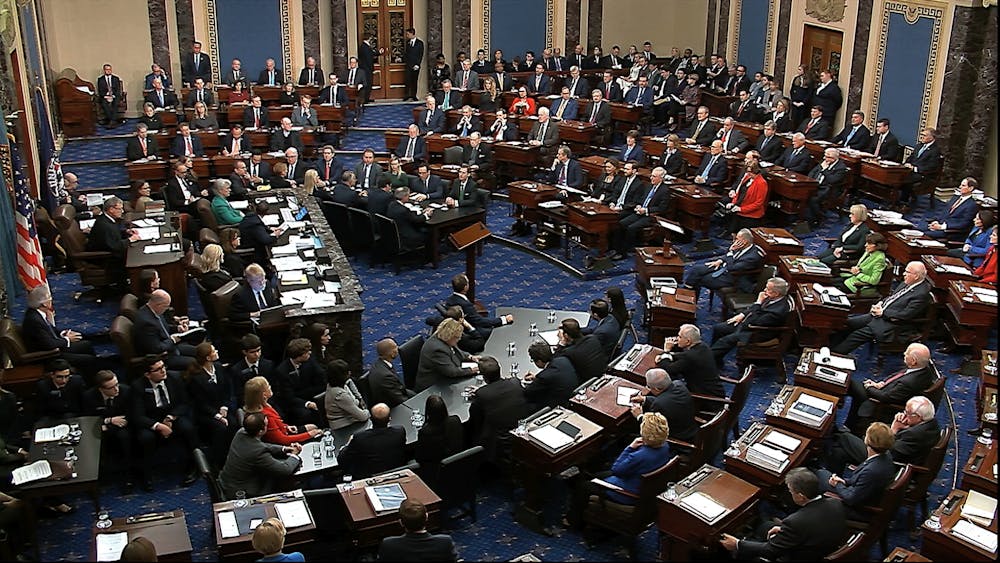
A scene of the Senate voting in Trump's impeachment trial in 2020
Donald Trump has been impeached twice, but has not convicted.
Senate Television via AP

25th Amendment

The Constitution’s 25th Amendment provides a way for high-level officials to remove a president from office. It was ratified in 1967 in the wake of the 1963 assassination of John F. Kennedy – who was succeeded by Lyndon Johnson, who had already had one heart attack – as well as delayed disclosure of health problems experienced by Kennedy’s predecessor, Dwight Eisenhower.

The 25th Amendment provides detailed procedures on what happens if a president resigns, dies in office, has a temporary disability or is no longer fit for office.

It has never been invoked against a president’s will, and has been used only to temporarily transfer power, such as when a president is undergoing a medical procedure requiring anesthesia.

Section 4 of the 25th Amendment authorizes high-level officials – either the vice president and a majority of the Cabinet or another body designated by Congress – to remove a president from office without his consent when he is “unable to discharge the powers and duties of his office.” Congress has yet to designate an alternative body, and scholars disagree over the role, if any, of acting Cabinet officials.

The high-level officials simply send a written declaration to the president pro tempore of the Senate – the longest-serving senator from the majority party – and the speaker of the House of Representatives, stating that the president is unable to discharge the powers and duties of his office. The vice president immediately assumes the powers and duties of the president.

The president, however, can fight back. He or she can seek to resume their powers by informing congressional leadership in writing that they are fit for office and no disability exists. But the president doesn’t get the presidency back just by saying this.

The high-level officials originally questioning the president’s fitness then have four days to decide whether they disagree with the president. If they notify congressional leadership that they disagree, the vice president retains control and Congress has 48 hours to convene to discuss the issue. Congress has 21 days to debate and vote on whether the president is unfit or unable to resume his powers.

The vice president remains the acting president until Congress votes or the 21-day period lapses. A two-thirds majority vote by members of both houses of Congress is required to remove the president from office. If that vote fails or does not happen within the 21-day period, the president resumes his powers immediately.

The 25th Amendment
The 25th Amendment to the U.S. Constitution.
National Archives via AP

The case for impeachment

Article II of the Constitution authorizes Congress to impeach and remove the president – and other federal officials – from office for “Treason, Bribery, or other high Crimes and Misdemeanors.” The founders included this provision as a tool to punish a president for misconduct and abuses of power. It’s one of the many ways that Congress could keep the president in check, if it chose to.

Impeachment proceedings begin in the House of Representatives. A member of the House files a resolution for impeachment. The resolution goes to the House Judiciary Committee, which usually holds a hearing to evaluate the resolution. If the House Judiciary Committee thinks impeachment is proper, its members draft and vote on articles of impeachment. Once the House Judiciary Committee approves articles of impeachment, they go to the full House for a vote.

If the House of Representatives impeaches a president or another official, the action then moves to the Senate. Under the Constitution’s Article I, the Senate has the responsibility for determining whether to remove the person from office. Normally, the Senate holds a trial, but it controls its procedures and can limit the process if it wants.

Ultimately, the Senate votes on whether to remove the president – which requires a two-thirds majority, or 67 senators. To date, the Senate has never voted to remove a president from office, although it almost did in 1868, when President Andrew Johnson escaped removal from office by one vote.

The Senate also has the power to disqualify a public official from holding public office in the future. If the person is convicted and removed from office, only then can senators vote on whether to permanently disqualify that person from ever again holding federal office. Members of Congress proposing the impeachment of Trump have promised to include a provision to do so. A simple majority vote is all that’s required then.

This is an updated version of an article originally published on Jan. 9, 2021.

The Conversation

Kirsten Matoy Carlson does not work for, consult, own shares in or receive funding from any company or organization that would benefit from this article, and has disclosed no relevant affiliations beyond their academic appointment.

ref. When a president is unfit for office, here’s what the Constitution says can happen – https://theconversation.com/when-a-president-is-unfit-for-office-heres-what-the-constitution-says-can-happen-280120
How the Artemis II crew trained to observe and photograph the moon: A NASA science team geologist explains

Source: The Conversation – Canada – By Gordon Osinski, Professor in Earth and Planetary Science, Western University

The Artemis II crew has now broken the record — previously held by Apollo 13 — for the farthest distance any humans have ever travelled from Earth. The crew also completed a flyby of the moon’s far side and sent back some amazing images of the lunar surface.

I am a professor, an explorer and a planetary geologist, specializing in the study of meteorite impact structures. I am also a member of the First Artemis Lunar Surface Science Team and have been supporting NASA in developing the geology training for Artemis astronauts.

The flyby was particularly exciting as it offered a stunning new perspective of the lunar surface. It also provided the first operational test of a new science team and evaluation room at Mission Control in NASA’s Johnson Space Center in Houston, Texas.

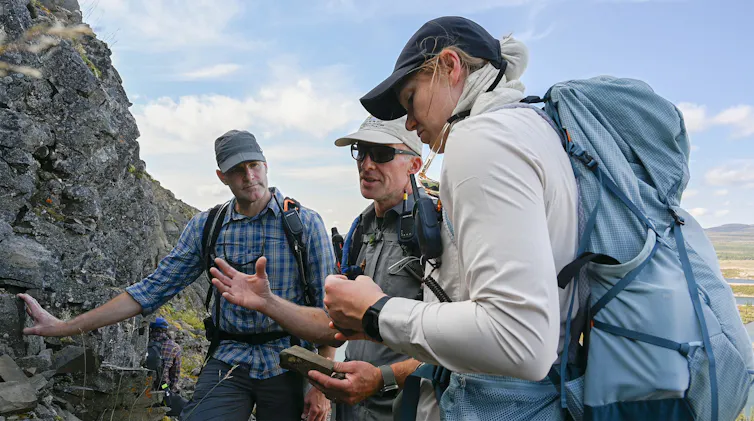
And it was fantastic to see the Artemis II crew conduct observations and take photographs of geological landforms on the moon’s surface — putting their training with me at the Kamestastin Lake impact structure, on the territory of the Mushuau Innu First Nation in northern Labrador, into practice.

A new view of the moon

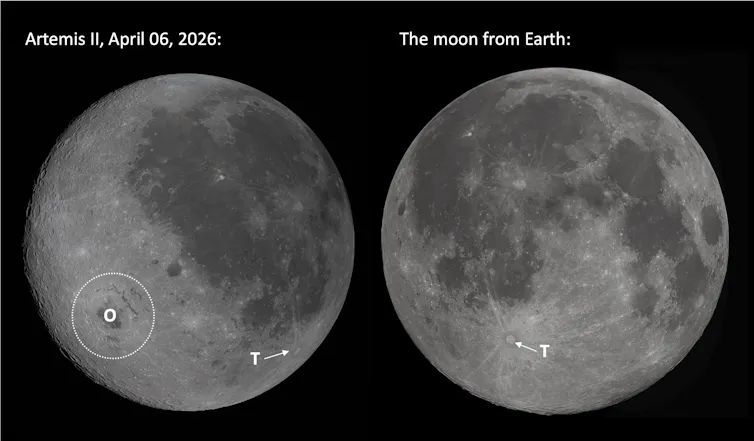
Unlike the Apollo missions, that orbited at approximately 110 kilometres above the surface of the moon, Artemis II was at a much higher altitude — around 6,545 kilometres above the lunar surface.

This greater distance allowed the crew to view the moon as a full disk, including regions near both the North Pole and South Pole.

Two images of the moon, from different angles.
The moon, viewed from Earth and by Artemis II crew. T marks the Tycho crater; O marks the Orientale crater.
(G. R. Osinski using NASA images)

The crew was also able to take targeted photographs of various geological landforms on the lunar surface as part of the Artemis II science program. One of the primary goals of these investigations is to inform future missions, including the planned first journey back to the lunar surface with Artemis IV as soon as 2028.

Close-up, grey-coloured, image of the moon's cratered surface.
A close-up view taken by the Artemis II crew of Vavilov Crater on the rim of the older and larger Hertzsprung basin. The right portion of the image shows the transition from smooth material within an inner ring of mountains to more rugged terrain around the rim. The image was captured with a handheld camera at a focal length of 400 millimetres, around the far side of the moon.
(NASA)

A new science team

One of the highlights of NASA’s livestream during the mission has been the direct conversations between two good friends: Canadian astronaut Jeremy Hansen and science officer Kelsey Young.

Science officers are the senior flight controllers responsible for lunar science and geology objectives during Artemis missions.

They act as the main interface between the wider Mission Control team and the Artemis II science team, which is located in a totally separate room called the Science Evaluation Room (SER).

Both science officers and the evaluation room are brand new for NASA’s Artemis program; they did not exist during the Apollo program.

We have been developing the structure and defining roles in the SER for the first Artemis mission to the moon’s surface. But there is nothing like a real mission to test and refine how the science team should work.

Artemis science officers, from left, Kelsey Young, Trevor Graff, and Angela Garcia stand at the new SCIENCE console in the Mission Control Center at NASA’s Johnson Space Center in Houston.
(NASA/Josh Valcarcel)

A crash course in lunar geology

If you listened in to NASA’s livestream and heard any of the geological descriptions the astronauts were giving, I hope you were impressed — I certainly was!

Their knowledge is a testament to the geology training that NASA has provided the crew in the months and years since they were selected for the Artemis program.

Artemis II Pilot Victor Glover, Commander Reid Wiseman, and Mission Specialist Jeremy Hansen huddle around a camera in the Orion spacecraft.
Artemis II Pilot Victor Glover, Commander Reid Wiseman, and Mission Specialist Jeremy Hansen configure their camera equipment shortly before beginning their lunar flyby observations.
(NASA)

First, the crew participated in a crash course in lunar geology called “Lunar Fundamentals.” This weeklong, classroom-based training offered them the basics to understand lunar geology and the processes that shape the moon’s surface — primarily impact cratering and volcanism.

However, as somebody who has been teaching for more than 20 years, I know the best place to learn about geology is in the field. That’s why NASA also took the Artemis astronauts to a series of field sites in the United States, Iceland and Canada.

Early in their training, in September 2023, three of the crew members — Hansen, Christina Koch and back-up crew Jenni Gibbons — undertook geology training at the Kamestastin Lake impact structure in northern Labrador. Then the entire crew travelled to Iceland in August 2024.

Kamestastin Lake training expedition

I was honoured to play a leading role in the Kamestastin Lake training. This location was chosen because it offers a similar landscape to the surface of the moon.

Gordon Osinski is in the centre holding a piece of rock and explaining to astronauts Jeremy Hansen (left) and Jenni Gibbons (right), with a rock structure on the right and blue sky behind.
Gordon Osinski (centre) explains the processes that formed the 28-kilometre diameter Kamestastin Lake impact structure to Canadian Space Agency astronauts Jeremy Hansen (left) and Jenni Gibbons (right).
(Canadian Space Agency)

The Kamestastin Lake crater was formed approximately 35 million years ago by the impact of an asteroid between one and two kilometres in diameter. Not only are rocks like breccias and impact melt rocks produced by the asteroid’s impact well preserved here, but the crater also formed in a rock called anorthosite — the exact same rock that makes up the lunar highlands.

In addition to participating in the geology training itself, I was largely responsible for the logistics for this expedition.

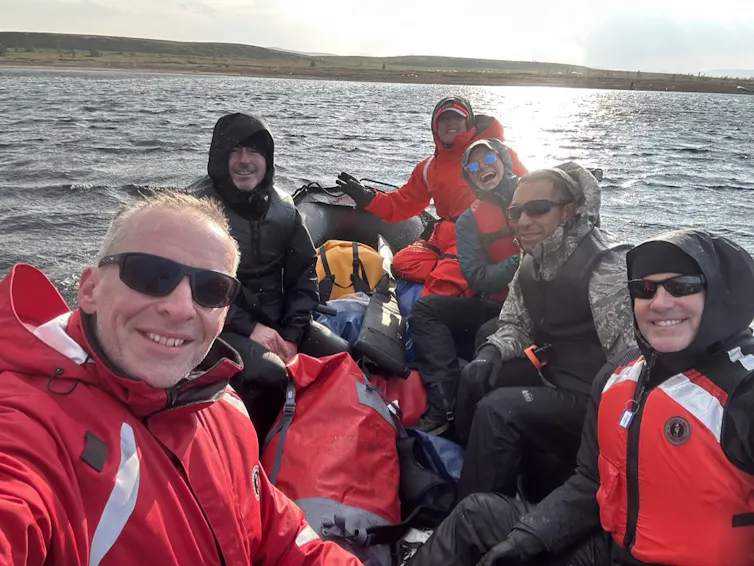
Kamestastin is in a remote part of northern Labrador, so we flew in via Twin Otter aircraft and established a temporary base camp. From tents to pots and pans and food for 16 people, there was a lot to take care of. We then used zodiac boats to travel around the crater.

The team wearing red jackets in a zodiac boat on the ocean.
Heading back to basecamp after a wet day in the field at Kamestastin Lake. Clockwise from left: Gordon Osinski (Western University), André Gariepy (CSA), Christina Koch (NASA), Jenni Gibbons (CSA), Raja Chari (NASA), and Jeremy Hansen (CSA).
(G. Osinski.)

Sacred Innu stories of the moon

Kamestastin Lake and the surrounding region are on the territory of the Mushuau Innu First Nation. A key part of my role in the training was liaising with the First Nation, which has been following Hansen on this historic mission.

A highlight for me was sitting around the fire on one of our last nights with Innu Guardians from Natuashish and hearing about how sacred the moon is to them — as it is to many Indigenous Peoples around the world.

They also told us the story of Tshakepesh, an Innu hero who teaches that with courage, hard work and perseverance, one can always overcome difficulties.

As the Artemis II crew return from its journey, I am struck by the parallels. The crew has shown the world what can happen if we work together towards a common goal with courage, hard work, perseverance and humility.

The Conversation

Gordon Osinski founded the company Interplanetary Exploration Odyssey Inc. He receives funding from the Natural Sciences and Engineering Research Council of Canada and the Canadian Space Agency.

ref. How the Artemis II crew trained to observe and photograph the moon: A NASA science team geologist explains – https://theconversation.com/how-the-artemis-ii-crew-trained-to-observe-and-photograph-the-moon-a-nasa-science-team-geologist-explains-279829

From ‘sustainable’ to ‘regenerative’ agriculture: What’s in a name?

Source: The Conversation – Canada – By Kate Congreves, Associate Professor, Jarislowsky & BMO Research Chair in Regenerative Agriculture, University of Saskatchewan

Sustainability has become something of a buzzword over the years. From the clothes we wear and the energy that powers our homes to the way we live our lives, the idea of sustainable production and consumption has become commonplace.

That is also true about the way we grow and consume food. Recently, however, another term has come to the fore: regenerative agriculture. It sounds attractive, somehow better than sustainable, but what does it really mean?

Regenerative agriculture began as a grassroots approach to farming led by farmers. It has been described in many different ways, but a common thread is a set of values.

People might be drawn to the word “regenerative” because it evokes a sense of improvement rather than just maintaining the status quo — for example, efforts to rebuild a system and our values. That last bit — rebuilding not only the system but our values — is really important.

Values often include care for the environment, a responsibility to nature and cultivation of good food. Just like there are many ways to grow food, there are also many languages, voices and histories that express the ways that food can be cultivated in alignment with values.


Read more:
‘Regenerative agriculture’ is all the rage – but it’s not going to fix our food system


The need for an agricultural ethic

It easier to standardize and market a simple list of practices than a philosophically sound ethical framework, but that doesn’t mean ethical frameworks are irrelevant. Ethics is a branch of philosophy that examines concepts of good and bad, right and wrong and our values.

Ethics might be the one thing that agricultural science has been missing but needs the most. Agriculture has been rudderless when it comes to collectively deciding what is or isn’t good for humans and the environment.

Cornerstone ethical frameworks have provided reasons for taking care of the environment, such as the land ethic and deep ecology.

These laid the foundation for important movements supporting nature preservation and conservation, and the United Nations 30 by 30 goal to set aside 30 per cent of the planet for conservation areas by 2030.

These frameworks, however, are easier to apply outside of agriculture rather than to inform agricultural practice within environments. They might often involve protecting land from agricultural use.

Yet agriculture is a part of the environment, not separate from it. We need an environmental ethic that works for agriculture, one that centrally grounds it as part of the environment. This is where regenerative agriculture might help.

A better approach

In my work, I define regenerative agriculture as an ecological approach and ethic for our agricultural system that involves reciprocity with the land, to support ecosystems with the goal of nurturing the environment.

Ecosystem processes and environmental components such as land, soil, water, air, flora and fauna are all viewed as morally worthy of consideration due to their roles in giving life.

A regenerative agriculture ethic would allow for natural shifts in ecological stability due to cultivation, but would draw the line when the ecosystem processes are damaged, degraded or severed. In this approach, regeneration is valued.

Regenerative agriculture can help other movements like agroecology, as opposed to threatening them. Agroecology is a larger science, practice and social movement to build an inclusive food system with political, social, environmental aspects of sustainability. Bringing in an agricultural environmental ethic will help advance this goal.

However, focusing on a “one-size-fits-all” standard for regenerative agriculture and marketing it for profits has left the concept a hollowed version of itself. It has been reduced to a simple list of agricultural practices or outcomes, like ticking off a grocery list.

Generic practices like diversification and soil health management are frequently cited, without specifying the degree of diversification or whether soil health indicators actually improve.

This oversimplification, and convenient marketing use by agrifood corporations, has caused expert panels and researchers to warn the concept has been co-opted. In its narrowed version, the underlying values have been left out.

If regenerative agriculture becomes just another marketable list of practices, then its potential for real transformation evaporates. However, if we pause and prioritize a truly regenerative agriculture ethic, it may lead us to a prosperous and healthy environment and society.

The Conversation

Kate Congreves receives funding from the Natural Sciences and Engineering Research Council of Canada, the Jarislowsky Foundation and the Bank of Montreal.

ref. From ‘sustainable’ to ‘regenerative’ agriculture: What’s in a name? – https://theconversation.com/from-sustainable-to-regenerative-agriculture-whats-in-a-name-275209

Why the Persian Gulf has more oil and gas than anywhere else on Earth

Source: The Conversation – USA (2) – By Scott L. Montgomery, Lecturer in International Studies, University of Washington

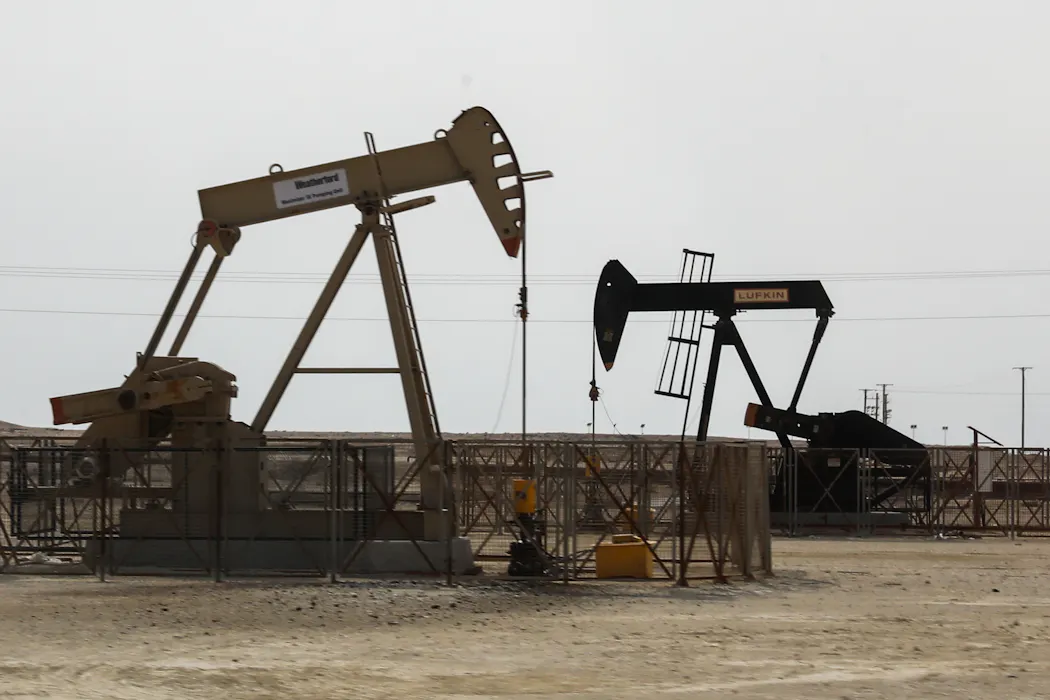
Oil wells in the Persian Gulf region are among the most productive in the world. Jakub Porzycki/NurPhoto via Getty Images

It has been said that Persian Gulf countries are both blessed and cursed by their vast oil and gas reserves. Geologic forces over millions of years have meant the region is an energy-rich global flash point, as it is now with a war underway that’s causing a global energy crisis.

As a petroleum geologist who has studied the region, I still find myself amazed at the size of its hydrocarbon endowment. For instance, there are more than 30 supergiant fields, each holding 5 billion barrels or more of oil, around the Persian Gulf. And wells in the region produce two to five times more oil each day than even the best wells in the North Sea and Russia.

Modern geoscience has identified several key factors of rocks that make a region particularly rich in petroleum, including their ability to generate and hold hydrocarbons. In the Persian Gulf region, all of these factors are at or near optimal levels.

For sheer abundance and ease of production, it simply doesn’t get any better than the Persian Gulf region.

A map of the Persian Gulf region shows locations of oil and gas fields.
The Persian Gulf region is rich in oil fields, marked in green, and gas fields, marked in red.
Central Intelligence Agency via Library of Congress

A quick history

Humans knew about the presence of hydrocarbons in the area long before flooding created the Persian Gulf at the end of the last ice age, between 14,000 and 6,000 years ago. Natural seeps of oil and gas are common along rivers and valleys in many parts of the region. Thousands of years before the start of the Common Era people used bitumen, a form of heavy oil, for building mortar and to waterproof boats.

The first modern oil discovery came in 1908 at a known seepage site in western Iran. In the 1950s and ’60s, an era of rapid expansion in oil and gas exploration, it became clear that no other region on Earth was likely to have a similar abundance.

Other areas with huge volumes of oil and gas have been found, such as West Siberia in Russia and, more recently, the Permian Basin in the U.S., but none compare either with the scale of reserves or the high rates at which oil and gas can be produced in the Persian Gulf.

Geologic setting

The Persian Gulf region is located where two continental plates are colliding: the Arabian Plate to the southwest and the Eurasian Plate to the east and north. This collision has been happening for about 35 million years and has resulted in a dynamic setting where rock layers have been bent and broken and, at deeper levels, transformed by significant heat and pressure.

Geologic features differ a great deal between the two sides of the Gulf. On the Iranian side, the the Zagros Mountains stretch 1,100 miles (1,800 kilometers) from the Gulf of Oman to the Turkish border. Part of the great Alpine-Himalayan mountain system, the Zagros are made up of highly folded and broken rocks that formed over the past 60 million years from the collisions of Africa, Arabia and India with Eurasia.

On the Arabian side of the Gulf, that type of bending and fracturing didn’t occur. Instead, the compressive forces of collision warped a rigid platform of deep, hard rock known as “basement rock” into broad, dome-like structures of enormous size, extending for tens, even hundreds, of square miles.

Underlying the Persian Gulf itself is a basin filled with debris eroded from the rising of the Zagros Mountains. In its deeper portions, the basin was subjected to high temperatures and pressures necessary for the generation of oil and gas.

Overall, it is an excellent setting for generating and trapping hydrocarbons on a large scale.

An overhead view of a folded and rumpled landscape.
A satellite view of an area of the southwestern Zagros Mountains shows long ridges and valleys, evidence of tectonic plates colliding.
NASA via Flickr

Rocks that make oil

Oil and gas form from organic material such as marine zooplankton and phytoplankton, originally concentrated in shales, mud-rich limestones and other rocks exposed to elevated temperatures and pressures. When rocks are composed of at least 2% organic material, they are considered to be high quality for oil and gas generation.

The Gulf region has a particularly large number of layers of such source rocks, some of which are especially thick, widespread and organically rich. Examples are the Hanifa and Tuwaiq mountain formations on the Arabian side of the Gulf, which formed during the Jurassic period, about 200 million to 145 million years ago, and the Kazhdumi formation in Iran, which formed in the Cretaceous period, about 145 to 66 million years ago. These rocks have between 1% and 13% organic content, and even more in some places.

Oil and gas structures

The region’s bent and fractured rock layers, and its domes, are well suited for trapping hydrocarbons.

Folds of the Zagros, which are legendary for geologists due to their spectacular forms on satellite imagery, contain hundreds of billions of barrels of oil and cubic meters of natural gas. A glance at a map of oil and gas in the Persian Gulf region will show a northwest-southeast trend of long, sausage-shaped fields reflective of major fold structures. These features actually include hundreds of individual fields of varied size, reaching from southern Iran through northeastern Iraq.

On the Arabian Plate, the large dome structures have formed especially large oil and gas accumulations. These include Ghawar oil field in Saudi Arabia, the largest in the world, which could produce over 70 billion barrels of crude oil. The South Pars-North Dome gas field, shared by Qatar and Iran, could produce at least 1,300 trillion cubic feet (46 billion cubic meters) of gas – equivalent in energy content to more than 200 billion barrels of oil.

The most important reservoir rocks are limestones in which portions have been partly dissolved, enhancing the ability for oil and gas to move through them. In Zagros reservoirs, fluid flows through fractures created by the folding and faulting related to plate collisions. And in places such as the Arab-D reservoir at the Ghawar Field in Saudi Arabia and the Asmari limestone in many Zagros fields, these high-quality oil-storage rocks cover huge areas – hundreds and even thousands of square kilometers.

Nothing on this scale exists anywhere else on the planet, onshore or offshore, testifying to the unique petroleum geology of the Persian Gulf region.

Large industrial towers stand side by side.
A natural gas refinery at the South Pars gas field on the northern coast of the Persian Gulf, in Asaluyeh, Iran.
AP Photo/Vahid Salemi

Future possibilities

The combined result of these factors is that roughly half of the world’s conventional oil reserves and 40% of its gas lie beneath just 3% of the Earth’s land surface.

U.S. Geological Survey assessments suggest that, even after more than a century of drilling and production, large amounts of oil and gas remain to be discovered in the Persian Gulf region. In a 2012 report covering the Arabian Peninsula and Zagros Mountains, the agency estimated there could be as much as 86 billion barrels of oil and 336 trillion cubic feet of natural gas in the rocks, in addition to the amounts that have already been discovered.

More oil and gas could also be produced using the horizontal drilling and fracking techniques pioneered in the U.S. in the 2000s and 2010s. Saudi Arabia and the UAE are now trying those methods in their petroleum fields. It’s too early to say how successful they may be, but research indicates they could allow even more production.

The Conversation

Scott L. Montgomery does not work for, consult, own shares in or receive funding from any company or organization that would benefit from this article, and has disclosed no relevant affiliations beyond their academic appointment.

ref. Why the Persian Gulf has more oil and gas than anywhere else on Earth – https://theconversation.com/why-the-persian-gulf-has-more-oil-and-gas-than-anywhere-else-on-earth-279303

Why starting a hobby as an adult can feel so hard — and why you should embrace beginnerhood

Source: The Conversation – Canada – By Jenna Hepp, Assistant Professor, Adler University

Trying a new hobby for the first time can feel surprisingly intimidating. As adults, stepping into beginner territory often comes with discomfort, self-doubt and fear of judgment. Yet research suggests that pushing through this unease can be deeply rewarding, both mentally and emotionally.

Leisure activities and hobbies can improve well-being by increasing satisfaction. Beyond simple enjoyment, hobbies support psychological health by offering opportunities for emotional regulation, stress relief and by helping mitigate burnout and symptoms of depression.

Hobbies also foster social connectedness, through both community engagement and bonding with others through similar interests. Even when pursued alone, hobbies can promote a sense of accomplishment and autonomy, contributing to overall well-being.


Hobbies can bring joy, well-being, and focus to our busy lives, but so many of us don’t have one. If you’re ready to replace scrolling with stitching, or hustle with horticulture, The Hobby Starter Kit (a new series from Quarter Life) will help you get going.


Yet many adults often struggle to carve out space for hobbies because of lack of time, money and resources. Unlike childhood, adulthood comes with financial and time pressures, often when we feel like we’re already running on fumes.

Our modern work-centric society compounds this issue by teaching us that personal worth equates to productivity output, and that leisure is wasteful or lazy. This can leave us feeling guilty for spending time on hobbies, even though engaging in them supports the well-being that makes productivity possible.

Why adult hobbies can be hard to start

One of the main reasons why we avoid trying new things is fear — particularly fear of failure and fear of judgment. Everything is scary the first time, whether it’s a first date, the first time driving, the first college class, the first day of work or the first day at a new gym.

Firsts are scary because we can’t predict the outcome. The fear of the unknown can trigger anxiety and avoidance, which can make trying anything new feel overwhelming enough to not even try. This fear can convince us that not trying at all is better than being bad at something new.

Another layer comes from how adults perceive themselves socially. According to developmental psychology, young adulthood is a period focused on forming meaningful relationships and establishing a sense of belonging. Social acceptance becomes a priority, and new activities can make you feel vulnerable, triggering questions like: “Will they like me?” or “Will I perform to my best ability?”

For many, this fear of judgment can outweigh curiosity, making avoidance feel safer than experiencing something new, even though research suggests it’s precisely the discomfort that makes new experiences meaningful.

Why being a beginner is valuable

Despite the discomfort that comes with beginnerhood, research shows that trying new activities is associated with enhanced well-being, improved mental health, lower stress levels and personal growth.

Actively facing the fear that comes with trying something new reduces avoidance and increases motivation. Individuals who approach new experiences with curiosity and openness are more likely to report more fulfilling lives than those who avoid unfamiliar situations.

Engaging in something you love — solely for the sake of loving it — is increasingly rare in adulthood. Yet hobbies offer one of the few spaces where in actuality we can show up without the fear of punishment or imperfection, a luxury that a lot of work and social obligations rarely provide.


Read more:
The science behind why hobbies can improve our mental health


How to embrace beginnerhood

Starting a new hobby can be intimidating, but there are strategies to make it easier. The first is extending compassion to yourself if you’re anxious about trying something new.

Self-compassion — treating yourself with warmth and kindness in times of suffering — can be the antidote to the self-criticism you may be currently offering yourself.

If even the thought of a new hobby or new play feels intimidating, you’re not alone. Adult hobbies often feel difficult because it is asking us to show up with both skill and social confidence.

If fear of judgment is holding you back, start with something you can do alone or with one other person. And if trying alone is the fear you are holding on to, remind yourself that research shows the very thing you’re afraid to attempt may also be the thing that benefits your well-being the most.

If fear of imperfection is holding you back, seek out beginner-friendly communities or online classes where learning is the goal, not production. Set small, attainable goals for yourself to stay motivated while releasing the pressure to become perfect at it. But most importantly, give yourself permission to be bad at something without fear of critique, assessment or evaluation.

If, in beginnerhood, you feel like you have no idea what you’re doing, that’s exactly the point. It may feel challenging in the beginning, but the reward could be life-changing in the long run.

The Conversation

Jenna Hepp does not work for, consult, own shares in or receive funding from any company or organisation that would benefit from this article, and has disclosed no relevant affiliations beyond their academic appointment.

ref. Why starting a hobby as an adult can feel so hard — and why you should embrace beginnerhood – https://theconversation.com/why-starting-a-hobby-as-an-adult-can-feel-so-hard-and-why-you-should-embrace-beginnerhood-274718

Local music scenes across Canada depend on post-secondary music programs

Source: The Conversation – Canada – By Duncan McCallum, PhD Candidate, Musicology, Western University

Algonquin College in Ottawa recently announced that it’s suspended its Music Industry Arts (MIA) diploma program.

Despite MIA having a robust graduate employment rate, the program was cut as of March 2026 amid broader institutional restructuring.

The Ottawa Music Industry Coalition notes the program is deeply integrated with the city’s live music, festival and events ecosystema local cultural scene where music attracts and retains talent across sectors, as well as contributing to the Ottawa nightlife and overall cultural vitality.


Read more:
Nightlife is the soul of cities — and ‘night mayors’ are its keepers


The news from Algonquin follows other closures or suspensions of post-secondary music programs in Ontario including the closure of programs both at Cambrian College and Laurentian University in Sudbury. These closures affect infrastructure that sustains local music scenes.

Music programs in Canadian colleges and universities support local musical ecosystems. Popular music studies scholars have long argued that music scenes are more than just collections of artists or venues. They are cultural spaces where contemporary musical practices interact and coexist with an area’s heritage.

As programs continue to restructure or close across the country, the impact is felt both in local music scenes and the across the Canadian music industry.

Musical ecosystems

A city’s musical identity thrives through repeated interactions among musicians, audiences and institutions — including music schools.

Research on cultural ecosystems suggests that institutional collaboration is crucial to sustain vibrant arts production. This is especially the case as music and the arts face increasing pressure from shifting funding models and post-pandemic austerity.

Colleges and universities in many smaller cities act as anchors within local music scenes. They provide performance space and access to networking within the community. Perhaps most importantly, they provide continuity through a steady influx of new student musicians each year.


Read more:
Ontario’s colleges were founded to serve local and regional needs — have we forgotten that?


Music scenes rely on institutions

In some parts of Ontario, the infrastructure for this continuity in arts scenes remains strong. London, for example, became Canada’s first UNESCO City of Music in 2021 in part because of the local music programs offered by Western University, Fanshawe College and the Ontario Institute of Audio Recording Technology.

These institutions contribute to the training and networking of musicians in London and facilitate consistent performance opportunities for both local and international talent.

The result is a dense and active music ecosystem in a wider arts community that is supported by a continuous relationship among education, performance and industry.

Importance of music education

The City of Hamilton saw the suspension of Mohawk College’s applied music program in 2023.

One might think that Hamilton’s proximity to Toronto, with large venues like the newly renovated TD Colosseum that hosts major music events — including this year’s Juno Awards — would offer a degree of protection for music education.

The Juno Awards broadcast now also showcases the MusiCounts Teacher of the Year Award, presented by Anthem Music Group. The award names an exceptional music teacher — in the recognition that music programs and music education are “often considered an afterthought rather than an essential component of every young person’s education.”

Max Kerman, lead singer of the Arkells, who presented the award to Hamilton elementary teacher Raquel McIntosh, noted:

All the musicians here know this is the most important award being handed out tonight.”

This award was given in a city that no longer offers a college music program. Indeed, Mohawk College’s program suspension suggests how performance-based arts education and infrastructure are vulnerable throughout the country.

Local program closures create longer-term out-migration from music scenes, and effectively are one catalyst forcing musicians to consolidate in few large urban centres like Toronto, Montréal and Vancouver.

Broader shift in arts funding, education

While the situation in Ontario specifically seems dire, across Canada, arts and music programs are facing similar pressures with shifting funding models, changing enrolment patterns and rising operational costs.

Music programs that require specialized equipment and one-on-one instruction are especially vulnerable.

At the same time, Canada’s live music industry continues to rely on the skills these music programs provide. Performance, production and arts management are all essential components of every local arts economy. These program closures create a growing disconnect between where music training occurs and where music labour is needed.

What’s at stake for Canada’s music industry

When programs like Algonquin’s MIA disappear, it removes a key piece of arts infrastructure that allows a local scene to reproduce itself economically and culturally. Music alone contributed $60 million to Ottawa’s GDP in 2021.

Tara Shannon, executive director of the Ottawa Festival Network, says MIA’s closure is “devastating for festivals in a sector that is already under considerable financial strain.” The closing of an anchor program like MIA raises questions about the future of the music ecosystem in Canada’s capital city.

Critics warn that Canada’s music industry is already at risk due to funding pressures and structural challenges.

Music scenes do not simply survive on talent; they depend on the institutions that sustain them.

The Conversation

Duncan McCallum does not work for, consult, own shares in or receive funding from any company or organisation that would benefit from this article, and has disclosed no relevant affiliations beyond their academic appointment.

ref. Local music scenes across Canada depend on post-secondary music programs – https://theconversation.com/local-music-scenes-across-canada-depend-on-post-secondary-music-programs-278934

What ‘The Bachelorette’ cancellation reveals about gendered expectations and violence

Source: The Conversation – Canada – By Julia Yates, PhD Candidate in Health and Rehabilitation Sciences, Health Promotion, Western University

The recent cancellation of the reality TV show The Bachelorette at first glance appears to be a routine network response to save face as alarming information about a star becomes public.

Network executives stated that the decision was made “in light of the newly released video” involving a 2023 incident when the latest scheduled season’s main cast member, Mormon mom influencer Taylor Frankie Paul, is seen attacking her ex-partner in the presence of her child.

At the time of the altercation, Paul was arrested on several charges, including domestic violence in the presence of a child, and later pleaded guilty to aggravated assault, with the remaining charges dismissed. She has been on probation ever since.

According to a spokesperson for Paul, she is “very grateful for ABC’s support as she prioritizes her family’s safety and security. After years of silently suffering extensive mental and physical abuse as well as threats of retaliation, Taylor is finally gaining the strength to face her accuser and taking steps to ensure that she and her children are protected from any further harm.”

But the cancellation of the show highlights important societal biases deeply rooted in gender inequities and the perpetuation of patriarchal norms. It underscores a longstanding truth: women who use violence are often held accountable for their actions, while men are rarely held to the same standards. Especially when fame is involved.

As scholars with expertise in gender-based violence, child exposure to parental violence and trauma- and violence-informed care, we of course oppose violence of any kind. But we want to shed light on the differences in how society treats women who have used violence in comparison to men.

The trailer of the cancelled season of ‘The Bachelorette’ featuring ‘The Secret Lives of Mormon Wives’ star Taylor Frankie Paul.

Uneven consequences

It’s well-documented that women and girls are significantly more likely than men and boys to have experienced any form of intimate partner violence (IPV), with violence most often being used by men in relationships.

While society predominantly views IPV through this lens, the reality is that women too use violence in relationships. But understanding who perpetrates it is only part of the story. Equally important is how that violence is interpreted and punished.

The differences are perhaps most visible among professional athletes, including National Basketball Association (NBA) and National Football League (NFL) players. When these athletes are arrested for acts of violence against women, society tends to be concerned about the potential that it will ruin the athlete’s career.

However, research shows no meaningful differences in the career trajectories of players arrested for violence against women compared to those not arrested across the NBA and NFL.

What matters in terms of accountability, or lack thereof, for violence against women is player value and on-field performance. This suggests that society is willing to compartmentalize elite athletes’ identities, separating acts of violence from athletic excellence, when their talent and performance are deemed sufficiently valuable.

Beyond talent and performance, the potential backlash from fans and media plays into the organizational decision-making around outcomes for athletes who have used violence against women. An NBA employee shared that the decision for accountability is weighed based on whether “The guy’s skill bigger than his problems? Does it outweigh his issues?”. This suggests that so long as he is sufficiently talented, violence against women can be ignored.

Women, however, are rarely granted the same leniency. And these disparities are not accidental, they are encouraged by deeply embedded expectations about gender and behaviour.

Gendered expectations

In a society that continues to position women as caregivers first and professionals second, any use of violence in relationships is often interpreted as a fundamental failure of gendered expectations.

The lower value that society assigns to women’s work, especially roles seen as less legitimate — like influencers in comparison with professional athletes — reinforces these disparities by signalling that men’s careers are worth protecting while women’s are treated as more easily replaceable.

This moral framing leads to swift and enduring condemnation. Men, by contrast, are generally expected to prioritize work, which allows their use of violence to be more easily minimized or separated from their professional identities. As a result, women who use violence face consequences that are not only legal or professional but deeply moralized, which men in comparable situations are far less likely to encounter.

The double standard experienced by women compared to men is rooted in patriarchal societal narratives about how women should behave. Evidence shows that women who use violence harm individuals to a similar degree as men do, yet women are judged more harshly, as using violence violates societal expectations of femininity, caregiving and emotional restraint.

This violation of societal expectations means that these women face amplified social condemnation and lasting reputational consequences.

Patriarchal norms

These patriarchal norms around violence have a reach that extends beyond national sports teams and influencers on reality TV.

Recent research demonstrated that patriarchal attitudes strongly predicted personal beliefs about IPV, including tolerance and victim blaming, and that social norms, rooted in patriarchal structures, shape how people judge IPV cases and whether they support accountability or policy change.


Read more:
‘Home is the most dangerous place for women,’ but private and public violence are connected


These patriarchal norms are, in part, resistant to change because they serve those who hold power and maintain the status quo of gendered expectations. As long as society prioritizes the roles and professions of men over women, regardless of the infraction, women will always face more severe and long-lasting consequences — including how both the public and professionals judge those who use violence.

The cancellation of The Bachelorette reflects more than a reaction to a single incident. It exposes how the patriarchy continues to mould public responses to family violence. And meaningfully addressing these inequities requires challenging the gendered narratives that influence all aspects of our lives.

The Conversation

Julia Yates receives funding from the Social Sciences and Humanities Research Council.

Tara Mantler receives funding from SSHRC.

C. Nadine Wathen does not work for, consult, own shares in or receive funding from any company or organisation that would benefit from this article, and has disclosed no relevant affiliations beyond their academic appointment.

ref. What ‘The Bachelorette’ cancellation reveals about gendered expectations and violence – https://theconversation.com/what-the-bachelorette-cancellation-reveals-about-gendered-expectations-and-violence-279725

The dark side of music as ‘therapy’

Source: The Conversation – UK – By Hilary Moss, Professor of Music Therapy, University of Limerick

Simon Kadula/ Shutterstock

A violinist plays in a cancer ward. A playlist loops in the waiting room. A surgeon hums along to the radio mid-operation. We assume, almost without thinking, that music helps. But what if it doesn’t – or worse, what if it harms?

Music has been used since the beginning of time, in every culture, as a positive part of social and ceremonial events, including eating, hunting, courtship, weddings, funerals, coronations, sports and social celebrations. But music has also been used as a weapon of war, to torture, humiliate and disorientate people.

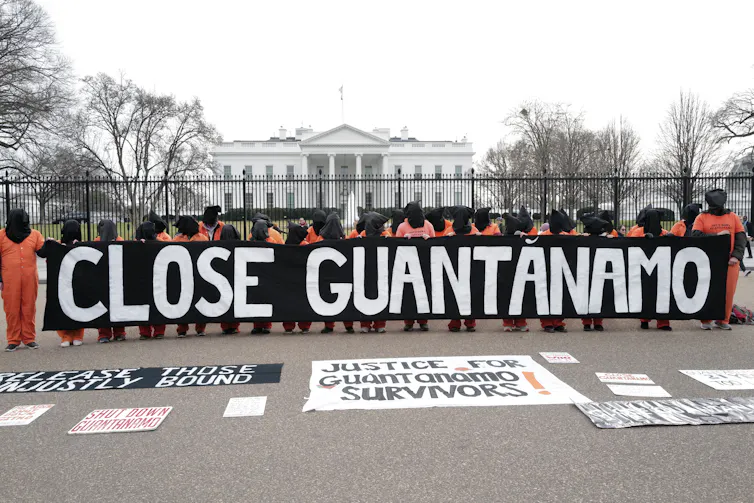
Music was used as a form of torture in Guantanamo Bay after 9/11 and by the Nazis, who forced musical prisoners to entertain their captors while they starved and awaited death. It’s a jarring thought that the same force that moves us to tears at a concert can be weaponised to break people.

Similarly, in hospitals and clinics, music is generally seen as a low-risk and harmless way to reduce anxiety in waiting rooms, as background support for staff in the operating theatre and as a stimulation to exercise in rehabilitation. It is rare to recognise music as a double-edged sword.

Music therapists are healthcare professionals, trained to use music as a clinical tool rather than simply a pleasant distraction. They work across a wide range of settings – in hospitals, hospices, mental health units, care homes, specialist schools and community clinics – and their work is grounded in evidence, not instinct. They are experts in using music to improve health and wellbeing, attuned to whether music might cause harm or support wellbeing, yet the research in this field rarely focuses on whether music might sometimes do more harm than good.

In practice, music therapists do remarkable work. They help people with dementia to communicate and connect when words have failed them. They support children with brain injuries to develop speech. They help stroke survivors regain physical movement. Music is also used to help people work through complex trauma. These are serious, skilled interventions – not background noise.

Protestors calling for the closure of Guantanamo.
Music was used as a form of torture in Guantanamo.
Phil Pasquini/Shutterstock.com

The wrong note

But music can cause real harm too, and we don’t talk about this nearly enough.

Think about what happens when music is imposed on people who haven’t asked for it. Premature babies and patients with disorders of consciousness are particularly sensitive to sensory overload. Blasting music at them isn’t soothing, it’s stressful.

Residents in care homes are routinely subjected to music they didn’t choose, played at times that suit the staff rather than the people living there. Well-meaning volunteers turn up to hospital wards with guitars and ukuleles, and nobody asks whether the patients actually want a performance. Good intentions don’t cancel out a bad outcome.

Doctors and managers in hospitals and care homes are reaching for music as an easy, feel-good intervention without asking hard questions about whether it’s appropriate. Music can connect people and bring joy, but it can also exclude, irritate, distress and disorient. The same qualities that make it powerful make it problematic when used carelessly.

The principle should be simple: music should always be chosen by the person listening to it, never imposed on them. It should be thoughtfully selected and of decent quality. A study found that more than half of patients on an older people’s ward had no say over what was on the radio or television. That’s not music as therapy – it’s just noise.

This doesn’t mean music shouldn’t be used in hospitals and care homes. Used well, it can reduce pain, lift mood, aid recovery and help people feel less alone. “Used well” means assessing whether a patient actually wants music. It means choosing the right music for the right person at the right moment. It means training staff to understand when music helps and when it doesn’t. And it means being honest that a cheerful playlist isn’t a neutral act, it’s an intervention. And like any intervention, it can go wrong. It’s about qualified music therapists working with music to improve patient wellbeing.

Family visitors can create meaningful playlists to leave with the patient, and listening to music together is possible when other shared activities are difficult. But always ask first, and remember that silence can be just as valuable as any playlist. As the American entertainer Will Rogers said: “Never miss a good chance to shut up.”

The Conversation

Hilary Moss does not work for, consult, own shares in or receive funding from any company or organisation that would benefit from this article, and has disclosed no relevant affiliations beyond their academic appointment.

ref. The dark side of music as ‘therapy’ – https://theconversation.com/the-dark-side-of-music-as-therapy-278919

Zajal – this form of Arabic poetic duelling has broken onto TikTok

Source: The Conversation – UK – By Marlé Hammond, Reader in Arabic Popular Literature and Culture, SOAS, University of London

“I am a king of angels, from beginning to end. Arrani you’ll soon be crying out, weeping endless tears,” sings Akram Qawar in Arabic while gesticulating at his opponent. Muhammad al-Arrani sings back: “What are you mumbling about? No one understands your verse, did you just come here to make a fool of yourself in the arena?”

“Who’s [sic] uncles are out here doing battle raps,” one fan exclaims in the caption on a video in which he dances along to the sound of a similar exchange to the one above. If you’ve seen these videos of predominantly middle-aged men insulting each other poetically in Arabic you too may have likened them to modern day rap battles. What they actually are is a centuries-old genre of Arabic sung poetry called zajal.

In its general sense, zajal refers to poetry composed in any of a number of colloquial Arabic dialects. Much more specifically, it refers to a kind of musical poetic performance, often involving verbal duels, which is especially popular in Lebanon, Palestine, Syria and Jordan.


No one’s 20s and 30s look the same. You might be saving for a mortgage or just struggling to pay rent. You could be swiping dating apps, or trying to understand childcare. No matter your current challenges, our Quarter Life series has articles to share in the group chat, or just to remind you that you’re not alone.

Read more from Quarter Life:


Zajal dates back to 12th-century Islamic Iberia, where it emerged as an alternative to the standard Arabic poetic tradition. Zajal poems differed from that tradition not only in language – the Andalusian dialect of Arabic was used – but also in form. These poems had complex rhyme schemes, unlike the monorhyme that characterised high poetry of the time. And, they were composed to be sung.

Zajal’s most celebrated early practitioner was Ibn Quzman (1078 to 1160), a Cordoban who travelled from court to court seeking favour with his songs of praise, wine and love, which often had a rebellious twist. In one poem, for example, he celebrates the end of Ramadan as a return to illicit behaviour:

Hurrah, drunkards, for the sake of the Prophet, gang!
This is the time when the month of fasting ends!

From Spain, zajal soon spread to North Africa and the Middle East. According to an article by scholar of Arabic Adnan Haydar, there is a theory that, in the particular case of Lebanon, zajal poetry has its roots in the Maronite church. This is a church centred in Lebanon that is part of the Roman Catholic Church but with a distinct Antiochan/west Syrian liturgical tradition.

It’s believed that in late 13th century the Maronite church fathers started translating Syriac hymns into the local Arabic dialect. These zajal hymns were recorded in manuscripts from the 15th until the late 17th century, when zajal became an integral part of Lebanese folk culture.

A famous proponent and composer of zajal in the modern era was Rachid Nakhlé (1873 to 1939). Dubbed the Prince of Zajal, Nakhlé’s vernacular poetry is said to have influenced Lebanon’s Romantic and Symbolist poets.

Haydar describes the occasions for zajal performances as village gatherings, from weddings to saint days to functions in private homes. The best zajal performers from certain districts would sometimes meet for competitions where each would try to outperform the other in improvised verbal artistry. In its heyday in the mid-20th century, zajal performers would team up in bands and have competitions between two rival groups, sometimes before audiences in the tens of thousands.

The verbal sparring involves boasting about their capabilities and putting down their rivals and opponents. Martial imagery is common, but it is poetic supremacy that the zajal performers seek.

Haydar relates a famous exchange between zajal poets Jiryis Bustani and Tali Hamdan that took place in a concert at a monastery in Beit Meri, Lebanon in 1971. In the first stanza, Bustani compares his poetic prowess to slaughter, threatening to scatter heads, and asserting that the “Battle of Beit Miri” will go down in history. In the second stanza Hamdan mocks Bustani’s threats, saying “I shall strangle you and make you a mere echo (sada),” before asserting that he will beat Bustani in every battle, that of Beit Miri being no exception.

Bustani returns in the third stanza, picking up on Hamdan’s “echo”, saying that the registers of history will mention the “echoes of my cannonballs”. A common strategy is to repeat words and phrases at the heart of the competitor’s put-downs and to reframe them as a strength.

An excerpt from a 1968 concert underscores the extent to which wordplay guides the performers. Zajal poet Zein Sheib begins the exchange by waxing poetic about the free soldier who has his own mind. He speaks of piety, on land and in the air, and a quail flying off, as he negotiates the waves of a tumultuous sea. What makes his words cohere is not so much meaning as sound. He is continuously rhyming on the letter “r”, rolled and doubled, using words such as “farr” (escape) and “jarr” (drag). He’s showing off his ability to place these words in grammatically correct, if somewhat frivolous, sentences. Next comes Edouard Harb. He does the same with the letter “m”, continuing with the sea imagery.

Then Tali Hamdan sings of swords and rhymes intensively on the letter “l”. Zaghloul el Damour (aka Joseph al-Hashem) finishes things off decisively as he rhymes on the letter “d”. First, he boasts about himself, saying that although his horse has fallen he has managed to send his rival retreating, and then he taunts each of his three competitors: Zein got worked up, earnestly and in jest; Harb ranks in the minor league, and Hamdan thinks highly of himself but is no taller than a legless table. The insults are slung light-heartedly, and all present – performers and audience members alike – revel in their wit.

Zajal experienced a decline during the Lebanese Civil War (1975 to 1990) but has seen a revival in the decades since. For instance, in the 2010s the zajal competitions in the TV show Owf attracted competitors from throughout the region. Meanwhile, highlights from Lebanese zajal performances in the 1960s and 70s are being sampled in remixes and mashups on YouTube, TikTok and Instagram. Palestinian artists engage in a similar tradition, which is also trending.

So, if a friend shares a video of uncles “doing battle raps” you can tell them what they’re actually doing, which is engaging in the storied poetic tradition of zajal.

The Conversation

The authors do not work for, consult, own shares in or receive funding from any company or organisation that would benefit from this article, and have disclosed no relevant affiliations beyond their academic appointment.

ref. Zajal – this form of Arabic poetic duelling has broken onto TikTok – https://theconversation.com/zajal-this-form-of-arabic-poetic-duelling-has-broken-onto-tiktok-279630

Why AI shouldn’t be used even to decide ‘simple’ court cases

Source: The Conversation – UK – By Raisul Islam Sourav, PhD Candidate in Legal Analytics, University of Galway

Phonlamai Photo/Shutterstock

In just a few years, generative artificial intelligence (gen AI) has brought about significant changes in many industries from healthcare to education, entertainment to finance, and even law.

The use of gen AI in court verdicts poses significant risks to justice. Erroneous outcomes generated from “hallucinated” information, discriminatory decisions and lack of transparency are all concerns when this technology is introduced to courtrooms.

But already a number of judges around the world have used it in decision-making and judgment writing. This is why some jurisdictions, including the UK, have issued guidelines for judges regarding AI use.


Read more:
‘Hallucinated’ cases are affecting lawyers’ careers – they need to be trained to use AI


Broadly, the guidelines suggest judges might use AI as a tool to conduct preparatory works such as drafting summaries of long documents, translating legal documents, identifying legal precedents or enhancing readability of documents. They recommend against the application of it for core judicial functions, including decision-making.

Recently, some senior judicial leaders have opined that AI might be used to decide “low-stakes” or less-complex cases with adequate precautions, such as keeping a human judge in the loop.

In a November 2024 speech, the UK’s second most senior judge, Geoffrey Vos, spoke of a “spectrum” of legal decisions that AI might soon make, or help make.

Vos said the use of AI for “broadly mechanical decisions, like those about the amount of a pension or benefits, or the calculation of personal injury damages and loss of earnings” would likely save money and time. But he called for discussion on whether such use would violate essential human rights.

A year later, Vos again called for “serious debate” about what rights humans should have protected in this context. And he urged that AI be “used responsibly, effectively and safely in legal systems and processes”.


AI has long been discussed as a threat to jobs and livelihoods. But what’s the reality? In this new series, we explore the impact it is already having on different occupations – and how people really feel about their AI assistants.


A number of jurisdictions are testing or using AI in such “mechanical” cases already. Estonia uses a semi-automated small-claims system in civil proceedings for monetary claims up to €7,000 (£6,100), with human clerks overseeing the process.

Frankfurt District Court in Germany has tested an AI system named Frauke to deal with air passenger rights lawsuits. Frauke analyses earlier cases and rulings to create pre-configured draft judgments. Judges assemble final verdicts from these texts following their ruling, significantly reducing the time spent drafting.

Taiwan piloted an AI-powered tool to assist courts by producing ruling notices for Driving Under Influence cases, or aiding and abetting in fraud cases. The AI system generates a complete draft ruling including the facts, legal reasoning, citations and final verdict. The judge reviews this draft and, upon approval, can issue it as the official judgment, with or without modifcations.

It is evident from these examples that the key motivation to replace human judges in a certain category of cases is efficiency. As a result, a few other jurisdictions are also exploring the scope of integrating gen AI to adjudicate certain litigation without human judges.

The cost of using gen AI as judge

Courts are overburdened, and technology like gen AI promises consistency and efficiency. But it would mark a significant change of centuries-old practice. And it risks undermining what some legal scholars argue is a fundamental principle of justice: the right to be judged by a human being.

Court adjudication is not only about reaching a decision. It is about a holistic and fair process that includes the right to be heard – presenting defence, weighing competing narratives, and exercising judgment in light of law and equity.

Algorithmic tools, no matter how advanced, do not hear or “understand” even their own output, let alone human values or changing social contexts. Gen AI cannot recognise suffering, credibility, remorse or vulnerability like a human. That alone makes it unfit to sit in a judge’s seat.

Judge's gavel on a table with several people sitting around
Some legal scholars argue the right to be judged by a human is a fundamental principle of justice.
Korawat photo shoot/Shutterstock

Categorising cases as simple or complex may look pragmatic, but it is both legally and morally dangerous. What counts as a “simple, routine or mechanical” case is itself a human decision. Legal disputes over compensation or benefits may appear straightforward on paper, yet carry significant consequences for the person bringing the case.

Allocating such cases as appropriate for algorithmic adjudication risks creating a two-tier justice system – in which one group of citizens gets to present their case before a human judge, while others are handled by machines. Only the former, I would argue, are exercising their right to a fair hearing and trial before an independent and impartial tribunal, as protected under Article 6 of the European Convention on Human Rights.

Additionally, the efficiency argument may become illusory. Algorithmic systems like gen AI require continuous human oversight, auditing and rectification. Hallucination or mistakes, whether from flawed design or biased training data, can completely negate the claimed benefits.

Public trust matters in all legal systems. If people lose trust in automated decisions, appeals will increase – adding to the existing backlog of cases.

Emerging technology such as gen AI may be suitable to manage court administration and reducing clerical burdens. But substituting human judges, even in supposedly low-stakes cases, undermines basic principles of justice. Efficiency should not come at the expense of the values the justice system exists to protect.

The Conversation

Raisul Islam Sourav does not work for, consult, own shares in or receive funding from any company or organisation that would benefit from this article, and has disclosed no relevant affiliations beyond their academic appointment.

ref. Why AI shouldn’t be used even to decide ‘simple’ court cases – https://theconversation.com/why-ai-shouldnt-be-used-even-to-decide-simple-court-cases-273535