Some countries in Asia are rationing energy – why they’ve been hit hardest by the crisis in the Gulf

Source: The Conversation – UK – By Gokcay Balci, Lecturer in Sustainable Freight Transport and Logistics, University of Leeds

The war in Iran has led to a global energy crisis. Shipping traffic through the Strait of Hormuz, a major energy chokepoint that handles roughly 20% of the world’s oil, has been largely blocked by Iran since hostilities broke out in late February. This has, at times, caused oil prices to rise above US$100 a barrel.

As the primary customers of Gulf energy, Asian economies are being hit particularly hard by this crisis. According to figures published by the International Energy Agency in 2025, around 80% of the oil and petroleum products and nearly 90% of the LNG that transited the Strait of Hormuz that year were destined for Asia.

Not all countries in Asia are equally vulnerable. Those most exposed to energy market disruption share a set of structural characteristics: heavy reliance on imported fossil fuels, limited fiscal space and constrained energy systems that make it difficult to switch to alternatives quickly.

Countries such as Bangladesh, Pakistan and Sri Lanka are all heavily dependent on imported oil and gas to meet domestic demand. However, they lack the foreign exchange reserves needed to secure energy supplies in volatile global markets. When prices spike or supplies tighten, these economies are forced into painful trade-offs between energy access, inflation and fiscal stability.

Wealthier Asian economies such as Japan, South Korea, Hong Kong and Singapore have greater financial resources, granting them superior purchasing power in volatile markets. But they, too, are structurally exposed to global energy crises. Their energy systems are also deeply dependent on fuel imported from the Gulf, which leaves them sensitive to supply disruptions.

These countries have the fiscal capacity to maintain strategic energy reserves, providing them with temporary relief from disruption. Japan and South Korea, for example, have both initiated record-breaking releases from their state oil reserves since the start of the Iran war.

But with the exception of China, which has huge stockpiles of oil and LNG as well as robust domestic energy supply, these reserves are not designed to offset prolonged disruptions. Japan and South Korea’s national stockpiles only hold enough oil for around 200 days.

Governments under pressure

Faced with tightening supplies and rising prices, many Asian governments have moved quickly to curb energy demand. One of the most immediate responses has been to limit mobility. The Philippines, Pakistan and Sri Lanka have all introduced four-day working weeks or have extended public holidays to cut commuting and fuel use.

Pakistan has also introduced hybrid working arrangements for public-sector employees, encouraging remote work to reduce transport demand. Education systems have been similarly affected. Bangladesh brought forward Ramadan holidays in universities, while Pakistan closed schools for two weeks from March 10 and shifted higher education online.

In some cases, governments have introduced more direct restrictions. Myanmar’s military leaders have imposed fuel rationing and have restricted private vehicle use to alternating days based on licence plate numbers.

Other interventions have focused on managing demand in less disruptive ways. Thailand, for example, has raised recommended air-conditioning temperatures to 27°C and is encouraging energy-efficient workplace practices such as replacing suits with short-sleeved shirts.

Some Asian governments have turned to subsidies to shield households and businesses from rising energy costs. Indonesia has allocated tens of billions of US dollars to maintain affordable fuel and electricity prices, while Thailand has capped cooking gas prices and promoted alternative fuels such as biodiesel.

However, subsidies are proving difficult to sustain. For lower-income countries in particular, fiscal constraints limit how long such support can be maintained. Pakistan initially introduced targeted subsidies for farmers and the transport sector, but has been forced to scale them back as the crisis has continued.

Perhaps the most consequential response has been in Asia’s power sector. As energy supplies have tightened and prices surged, several Asian countries have reverted to coal – a fuel many nations have been phasing out.

Thailand has restarted two decommissioned units at the Mae Moh coal-fired power plant, while South Korea and Japan have lifted restrictions on coal generation to allow older plants to operate at higher capacity.

Smoke billows from chimneys at the Mae Moh coal power plant in Thailand.
The Mae Moh coal-fired power plant in Lampang, Thailand.
Tavarius / Shutterstock

The current energy market disruption has exposed structural vulnerabilities in Asia’s energy systems, including import dependence, limited diversification and fiscal constraints. Governments have relied on a mix of demand reduction, subsidies and fuel switching to limit the impact.

However, these are stopgap measures. If disruptions persist, these countries may be forced to rethink their energy strategies more fundamentally. This could accelerate investment in renewables and nuclear power, as well as efforts towards regional energy integration. But it also risks entrenching coal use and, in the process, hindering global climate goals.

Either way, the current crisis is a reminder that energy security and economic stability remain tightly intertwined and that disruptions in a single chokepoint can ripple across the global economy.

The Conversation

The authors do not work for, consult, own shares in or receive funding from any company or organisation that would benefit from this article, and have disclosed no relevant affiliations beyond their academic appointment.

ref. Some countries in Asia are rationing energy – why they’ve been hit hardest by the crisis in the Gulf – https://theconversation.com/some-countries-in-asia-are-rationing-energy-why-theyve-been-hit-hardest-by-the-crisis-in-the-gulf-279888
How Nasa’s Artemis II mission rediscovered the majesty and mystery of the Moon

Source: The Conversation – UK – By Gareth Dorrian, Post Doctoral Research Fellow in Space Science, University of Birmingham

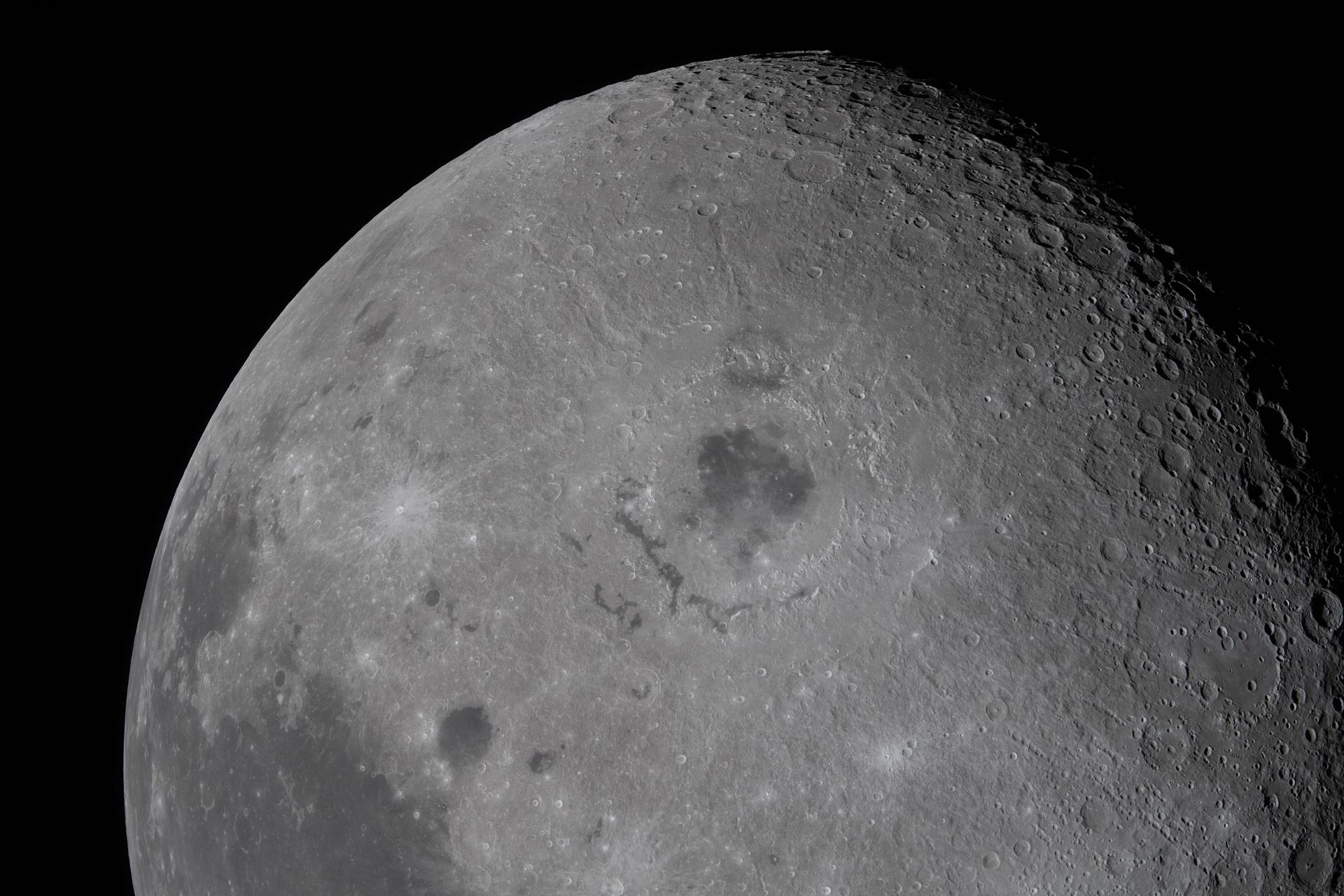
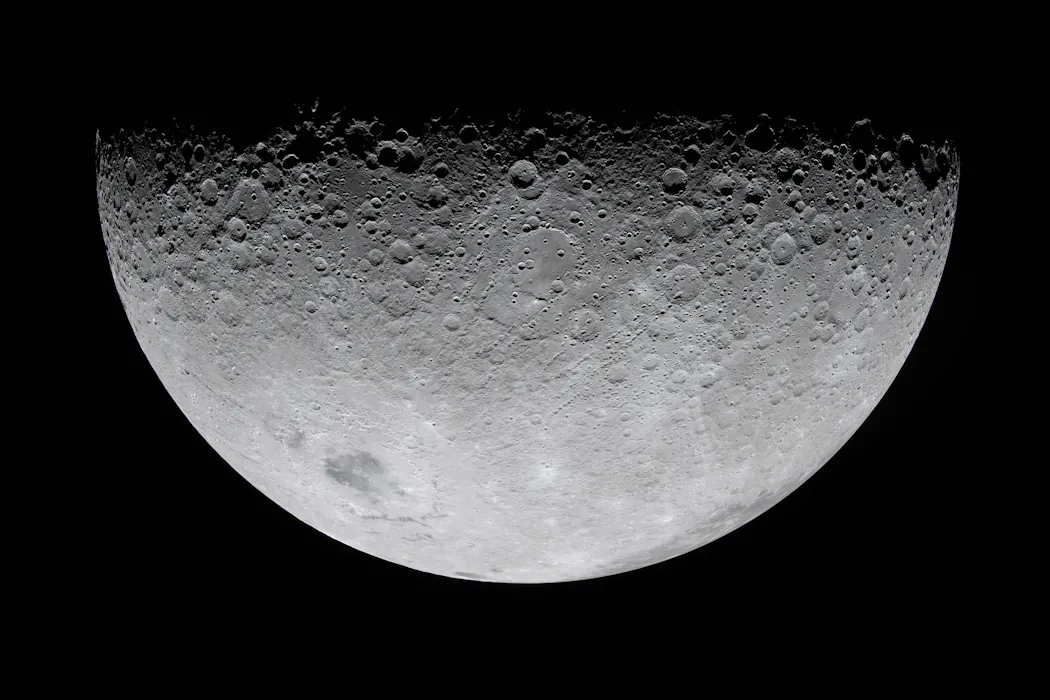
Nasa named this image of the Moon ‘edge of darkness’ because it shows the terminator (top of the image) – the boundary between day and night. Nasa

On April 10, Artemis II – humanity’s first mission to the Moon in more than half a century – will draw to a close when the Orion capsule carrying four crew members detaches from its service module.

The capsule will then make a fiery plunge towards Earth, travelling at a speed of 25,000 miles per hour. As it plummets through the atmosphere, Orion’s heat shield will encounter temperatures of more than 1,600°C as the spacecraft decelerates rapidly.

A series of 11 parachutes will deploy in sequence to bring Orion to a relatively sedate 25mph splashdown off the coast of San Diego in California. Splashdown will round out a remarkable flight which took the astronauts Reid Wiseman, Victor Glover, Christina Koch and Jeremy Hansen on a looping lunar flyby.

Clockwise from left: Artemis II astronauts Christina Koch (Nasa), Jeremy Hansen (Canadian Space Agency), Reid Wiseman, Victor Glover (both Nasa).
Clockwise from left: Artemis II astronauts Christina Koch (mission specialist), Jeremy Hansen (mission specialist), Reid Wiseman (commander), Victor Glover (pilot).
Nasa

Reaching a distance of 252,756 miles from Earth, they travelled further from our planet than humans have ever been – exceeding a record set by the crew of Apollo 13 in 1970.

The four-day journey out to the Moon was remarkably smooth, barring a few minor hiccups. The capsule’s 3D-printed titanium toilet malfunctioned early in the flight and had to be fixed by mission specialist Koch who, during a group interview, declared: “I’m the space plumber!” A communications dropout about 50 minutes into the flight was quickly resolved.

The Moon is tidally locked to Earth, meaning it completes one rotation on its axis in the same time it takes to orbit the Earth (28 days). This means we always see the same face of the Moon.

The night side of Earth, captured by Reid Wiseman during Orion’s journey to the Moon. Green aurora can be seen over the North and South magnetic poles. The planet Saturn is visible bottom right.
Nasa

The lunar far side therefore remains permanently out of view from Earth, and has often been referred to as the dark side of the Moon. In fact, it receives just as much sunlight as the near-side face.

The two faces are, however, remarkably different. On the near side, the darker regions (the lunar maria) that we can see from Earth are vast smooth plains of solidified, iron-rich lava.

This lava has been gradually powdered by meteoroid impacts over the aeons. The lighter regions we see are comprised of mountains and densely packed impact craters.

The stages of Orion’s flyby of the Moon.
Nasa / Gareth Dorrian

Compared with the face we see from Earth, the lunar far side is extraordinarily rugged. It is peppered with impact craters and has very few smooth lunar maria. Why this disparity exists is still debated.

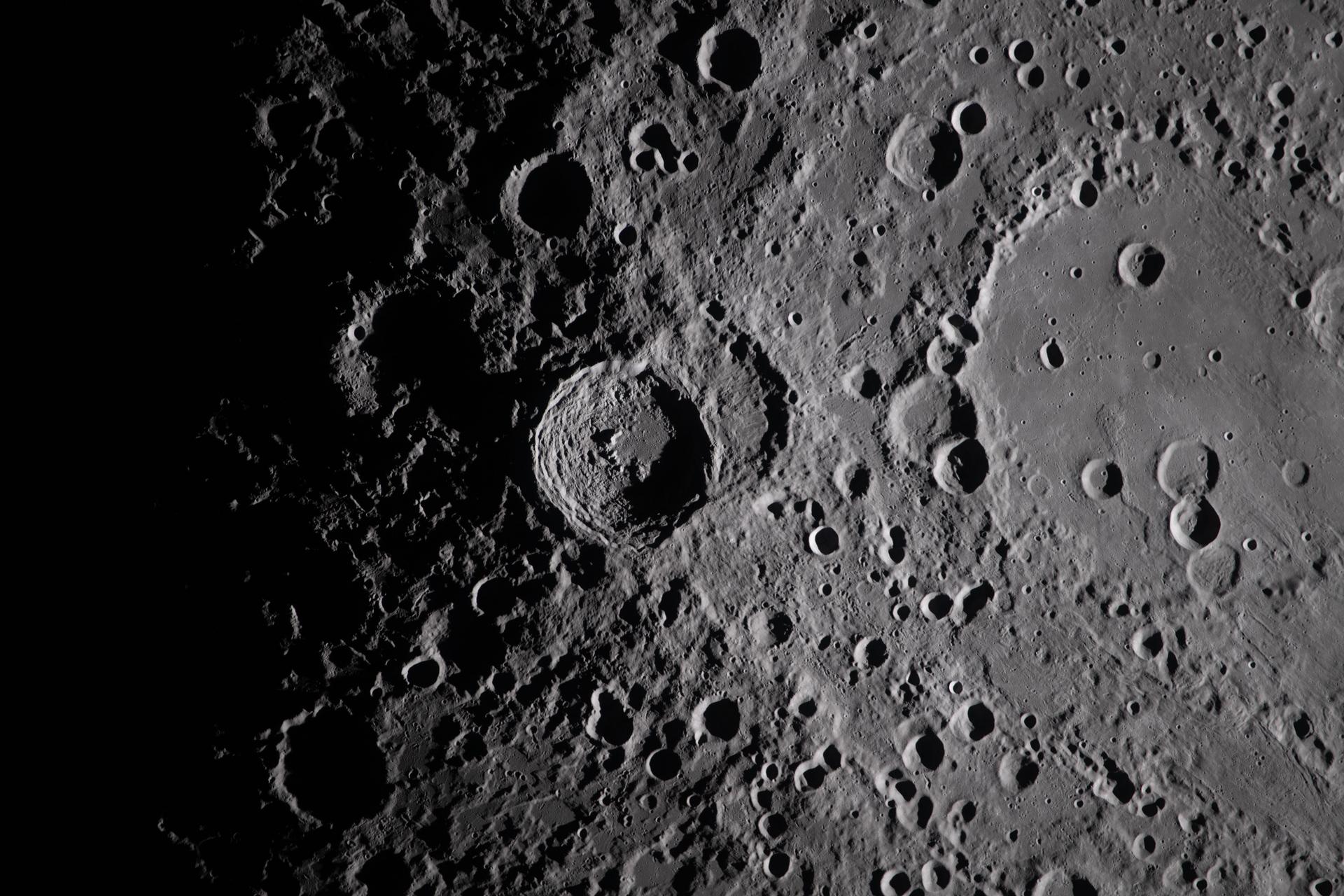
The Artemis II astronauts were struck by this difference during their flyby, remarking on the shadows cast by lunar topography near the far-side terminator (the boundary between day and night).

Orion’s loop around the Moon brought the crew to a distance of 4,067 miles from the lunar surface. From this remarkable vantage point, high over the lunar far side, the astronauts were treated to a grand view of the full lunar disk.

Mare Orientale at the centre of the lunar far side has a ‘bullseye’ appearance. The image also reveals the ruggedness of the terrain near the day-night terminator (top right). A portion of the near side, Oceanus Procellarum (Ocean of Storms), is visible on the left.
Nasa

They captured some beautiful imagery of our nearest, yet still-enigmatic celestial neighbour.

One of the few distinct far-side maria is Mare Orientale, a circular bullseye-like impact basin which was subsequently flooded with lava.

Orientale was formed by a powerful impact some 3.8 billion years ago, towards the end of the Late Heavy Bombardment – a surge of enormous meteorite impacts which struck the planets of the inner Solar System. Mare Orientale measures 180 miles across, roughly the distance between London and Leeds in the UK.

Artemis II astronauts describe the lunar flyby (Associated Press).

One advantage of sending astronauts to directly view terrain like this is the human eye. Despite the advances of modern imaging technology, our eyes are still one of the best instruments for perceiving colour.

While high over the lunar far side, the astronauts reported seeing not just shades of grey on the lunar surface far below them but also subtle tones of browns and greens, hinting at the complex mineral make-up of this ancient terrain.

During their flyby, the crew also observed two unnamed craters which they named Integrity, after their spacecraft, and Carroll, after Wiseman’s wife who died of cancer in 2020 aged 46. Canadian astronaut Hansen’s voice cracked with emotion as he announced the name during Nasa’s live mission coverage.

Artemis II astronauts dedicate a lunar crater to the commander’s late wife Carroll (C-Span)

As the Orion spacecraft passed behind the Moon (from our perspective), the astronauts were treated to a stunning view of Earthset where, from their perspective, the Earth dipped below the lunar horizon.

During this time, radio signals between Earth and the spacecraft were blocked, causing a 47-minute communication blackout. But the astronauts remained busy with tasks, including photographing the part of the lunar far side that was in darkness, to see if any flashes from meteorite impacts could be seen.

Wiseman, the mission’s commander, explained: “As soon as we went out of [contact] with planet Earth, we did have maple cookies … and then right back into the science. We had to take a moment to honour that time going behind the Moon and out of touch with Earth. That was a very surreal moment.”

Shortly after regaining contact with Earth, the astronauts were treated to yet another stunning perspective: a total solar eclipse, but seen from space near the Moon.

From Earth, a total solar eclipse at a given location typically lasts a few minutes and, by coincidence, the visible size of the lunar disk is approximately the same size as the visible size of the solar disk.

Rugged terrain near the far side terminator.
Rugged terrain near the Moon’s far-side terminator.
Nasa

However, from near the Moon, the lunar disk appears much larger and the eclipse lasted nearly an hour. By blocking the powerful light from the Sun, it revealed part of the Sun’s extended atmosphere called the corona (Latin for crown).

This diffuse atmosphere is more than a million times fainter than direct sunlight. When the Moon blocked this out, the astronauts could clearly see the corona extending out far into the solar system. It is actually a combination of diffuse gas flowing out into space and dust particles which scatter sunlight (called the F-corona).

Earth, the Moon and Artemis II, taken from a camera on one of the solar panels as the Earth passed behind the limb of the Moon – shortly before the loss of signal.
Nasa

The F-corona is more extensive in the plane (an imaginary flat surface in space) in which the planets all orbit the Sun. This effect can be seen in the image below, where the corona extends outwards towards the planet Venus (bottom left).

Total solar eclipse as seen from near lunar space. The bright point of light (bottom left) is the planet Venus.
Nasa

Technically, Artemis II is an engineering mission designed to test the performance of the Orion spacecraft in supporting human crews in deep space for extended periods.

However, when one looks at the images it has returned and the stories of the astronauts, it is hard not to think of this as a mission of exploration in its purest sense. The crew were heading out into the unknown, just to see what’s out there.

The Conversation

Gareth Dorrian does not work for, consult, own shares in or receive funding from any company or organisation that would benefit from this article, and has disclosed no relevant affiliations beyond their academic appointment.

ref. How Nasa’s Artemis II mission rediscovered the majesty and mystery of the Moon – https://theconversation.com/how-nasas-artemis-ii-mission-rediscovered-the-majesty-and-mystery-of-the-moon-280192

Three reasons Donald Trump won’t pull the US out of Nato

Source: The Conversation – UK – By Paul Whiteley, Professor, Department of Government, University of Essex

President Donald Trump met Nato secretary general Mark Rutte on April 8 for what Rutte described as a “very frank, very open” discussion. The pair are reported to have discussed the US-Israeli war against Iran at which, according to White House spokesperson Karoline Leavitt, Trump believes that Nato was “tested and they failed”.

The president later posted to his Truth Social platform that “NATO WASN’T THERE WHEN WE NEEDED THEM, AND THEY WON’T BE THERE IF WE NEED THEM AGAIN.”

The US president’s meeting with Rutte came a week after he told Reuters press agency that he was “absolutely” considering withdrawing the US from Nato, after America’s allies refused to join the US-Israeli campaign against Iran. But this is very unlikely to occur for three reasons.

First, in 2023, Congress enacted a law that prohibits the president from “suspending, terminating, denouncing, or withdrawing the United States from the North Atlantic Treaty” — which established the North Atlantic Treaty Organization (Nato) — without the advice and consent of the Senate or an act of Congress. It is extremely unlikely that this will be changed before the midterm elections in November and impossible subsequently if the Democrats end up controlling the House of Representatives.

The second reason is that Nato membership is popular among Americans. A Pew survey conducted in 2025 showed that 66% of US respondents thought that America benefited from Nato membership while 32% thought the opposite. While, as in many things, the US is divided – with more Democrat voters (77%) supporting Nato membership than Republicans (45%) – it’s clear that, on the whole, Americans approve of Nato membership.

The third reason is that leaving Nato would significantly weaken the US militarily. More than half a century of research by historians and international relations specialists has concluded that leaving Nato would also significantly weaken the US.

In 1989, historian Paul Kennedy’s detailed study of wars over a period of 500 years, The Rise and Fall of the Great Powers, found that a decisive feature of success in war is the resources that parties to the conflict can mobilise. Kennedy cites the examples of the two world wars and demonstrates that a key reason why Germany was defeated was that the allies could mobilise many more resources in manpower, arms production and economic assets than Germany and its allies. Eventually, this proved decisive in both conflicts.

Research into quantifying the military capacity of nations has been conducted for more than half a century as part of the Correlates of War project founded in 1963 by American political scientist J. David Singer. The project aims to systematically collect data about the causes and consequences of wars.

One of the datasets collected in the project is called the Composite Index of National Capability. This combines data on the demographic, industrial, economic and military capabilities of nations, including the US and China. The higher the index score the more resources a county has to fight wars.

Scores in the Composite Index of National Capability of the Top Nations

The chart shows the size of the index for the top countries in the database. China is the most powerful nation in the chart with a score of 23 on the index. The US comes a rather distant second with a score of 13.

There are five Nato nations in the chart in addition to the US. They are Germany, Turkey, the UK, France and Italy. The total score of all six Nato members is 20 – much closer to the Chinese total.

The chart does not include the scores for the remaining Nato member states, but when they are added to the total the Nato score is well above that of China. So the assumption that the US can go it alone in a war with China is doubtful.

How Article 5 works

Article 5 of the Nato charter stipulates that an armed attack against one member state is considered an attack against all, triggering collective defence by all the member states. A recent report by the US Naval War College concluded that: “A large and growing body of evidence suggests that the PLA (People’s Liberation Army) is preparing credible capabilities to invade Taiwan”. The report argued that extensive deception will be used by China to confuse its opponents when the war is launched with rapid action by its armed forces to create a fait accompli. It notes that this type of blitzkrieg attack is very often successful.

If this occurred, then since the US has military advisers in Taiwan and military assets in the region that would need to be neutralised in the first phase of the war if the invasion were to be successful this would trigger Article 5 of the Nato charter. In that case China would find itself at war with 32 Nato countries – not to mention countries in the Far East, such as Japan, Indonesia and Vietnam, who have serious concerns about Chinese aggression, but are not members of the alliance.

So, whatever the US president’s ambivalence towards Nato, the fact is that without its support, the US could face a humiliating defeat by China in a future confrontation over Taiwan. America is much stronger as part of Nato – and Trump’s advisers should be strenuously reinforcing that message.

The Conversation

Paul Whiteley has received funding from the British Academy and the ESRC.

ref. Three reasons Donald Trump won’t pull the US out of Nato – https://theconversation.com/three-reasons-donald-trump-wont-pull-the-us-out-of-nato-280224

Hungary election: how a new opponent has forced Viktor Orbán into the first genuinely competitive race in 16 years

Source: The Conversation – UK – By Zsofia Bocskay, Postdoctoral Researcher, CEU Democracy Institute, Central European University

For the first time since Viktor Orbán came to power in 2010, the Hungarian electorate is faced with a genuinely competitive campaign ahead of the 2026 general election on April 12.

For the past 16 years, Prime Minister Orbán’s party Fidesz has dominated. Faced with smear campaigns and attacks portraying opponents as a threat to national interests and sovereignty, any opposition has been fragmented and ineffectual, held together by uneasy alliances.

This time round, however, Fidesz’s hold is threatened by a single challenger, the Respect and Freedom Party (Tisza), which is currently leading by around 20 percentage points in the polls. Founded in 2020 and led by Péter Magyar since 2024, this centre-right party positions itself as a cross-ideological alternative. Its main focus is tackling government corruption and improving living standards and public services. Its international stance is pro-European and unifying.

The 2026 contest comes at a time of economic strain and growing public dissatisfaction. Hungary is one of the EU’s poorest member states. It also ranks among the most corrupt in international indices. Voters are therefore not just choosing between parties, but between the continuation of an entrenched system and what the Tisza is framing as a regime change.

Hungary is widely described as a competitive autocracy. Elections are regularly held, but the government dominates most of the media and benefits from institutional rules that favour it. Research bears this out. Campaigns in competitive autocracies occur in constrained information environments: governments dominate the media, limit opposition visibility, and, as studies I have contributed to show, often disseminate misinformation from the top.

The monument on Budapest's Heroes' Square under a pale sky.
The opposing parties drew huge crowds to Heroes’ Square and the Hungarian Parliament on March 15 this year.
Wikimedia, CC BY

Increased public engagement

Fidesz has reshaped the country’s political system in ways that help it retain a durable electoral advantage. Since 2010, televised debates have disappeared from election campaigns. Around 85% of the media is now controlled by pro-government outlets that often convey identical narratives.

In line with these constraints, the government’s rhetoric has centred on security for over a decade. In 2022, Russia’s invasion of Ukraine gave new momentum to the Fidesz campaign. It framed the opposition as pro-war. Campaign events were held in controlled settings, with Orbán appearing in pro-government media and smaller local events.

The 2026 election campaign has been different. Orbán is now campaigning more actively across the country. While he has continued to claim that the opposition, aligned with Ukraine and the EU, would take Hungary to war, he has been making frequent appearances and directly engaging with voters. Other government figures have also taken on a more visible role. Ministers are touring the country and appearing at campaign events.

The party has also made efforts to strengthen its social media presence as a way to distribute pro-government messages.

Despite this, the government’s control over the campaign agenda has been less stable than in previous elections. Increased exposure has come with greater risks.
High-profile party members have generated public controversy. In January, transportation minister János Lázár drew ire for comments he made about the country not needing foreign labour, in which he also insulted Hungarian Roma.

Elsewhere, there have been confrontations at campaign events, where protesters have openly challenged the prime minister and black-clad security personnel have intervened. Anti-government protests at these events have also multiplied, reflecting this more direct and less controlled campaign environment.

Robust opposition

This shift is in direct response to the challenge Tisza poses. The party emerged as a major contender following the 2024 European parliamentary elections.

Magyar is a former Fidesz member and the ex-husband of the former justice minister Judit Varga. He entered frontline politics in early 2024, distancing himself from the government following the presidential pardon scandal, which led to the resignation of both Varga and president Katalin Novák. He later released a recording of Varga referring to alleged interference in a major corruption case.

He has spent the past two years touring the country and building local Tisza organisations. In his speeches, streamed on social media, Magyar often responds within hours to government-related developments then returns to them in later appearances. Following allegations of intelligence interference targeting his party, he quickly incorporated the issue into his campaign.

Cost of living

This campaign is unfolding against a backdrop of difficult economic conditions. Inflation is high, living costs are rising, the economy is stagnant. Research shows that competitive authoritarian governments, like Orbán’s, use propaganda to shape media narratives and reduce the salience of economic problems for voters. Tisza, by contrast, has made living standards a central theme.

In the final weeks of the campaign, Magyar has emphasised the argument that Orbán’s government is aligned with Russia and highlighted concerns about election rigging as a basis to call for electoral reform. Orbán has struggled to push back on all counts and has found itself unable to shift the campaign agenda back towards security issues.

Magyar’s party has also demonstrated its ability to connect to the public. On March 15, a key national holiday marking the 1848 Revolution, Tisza held a rally in Heroes’ Square, Budapest, rivalling the government’s own peace march. Sources vary on the scale of both events. Fidesz quoted the Hungarian Tourism Agency’s figures of 180,000 people at the government’s march, and 150,000 at Tisza’s. Politico quoted sources close to the opposition estimating their attendees numbering over 350,000.

In his speech at his march, Orbán again framed the election as a contest between peace and war, casting it as a decision between himself and Ukrainian President Volodymyr Zelenskyy. Magyar, however, used national symbols and historical references to present the vote as a decisive turning point in Hungary’s political direction.

For years, Fidesz shaped campaigns on its own terms, limiting uncertainty. The current campaign shows that this control can be disrupted: rather than responding to government attacks, the opposition has set the agenda by elevating issues that mobilise public attention, forcing the government into a more competitive mode of campaigning.

This election therefore presents the possibility of more than a routine change of government. It could mark a turning point for the political system. Whether or not such a shift materialises, the campaign demonstrates that even in constrained environments, ruling parties can be pushed into forms of competition more typical of democratic settings. Once this happens, structural advantages no longer compensate for the strategic demands of open contest.

The Conversation

Zsofia Bocskay does not work for, consult, own shares in or receive funding from any company or organisation that would benefit from this article, and has disclosed no relevant affiliations beyond their academic appointment.

ref. Hungary election: how a new opponent has forced Viktor Orbán into the first genuinely competitive race in 16 years – https://theconversation.com/hungary-election-how-a-new-opponent-has-forced-viktor-orban-into-the-first-genuinely-competitive-race-in-16-years-279941

The more commodified your job, the more likely AI can do it – lessons from online freelancing

Source: The Conversation – UK – By Fabian Stephany, Assistant Professor, AI and Work, University of Oxford

Gorodenkoff/Shutterstock

Not long ago, if you needed a speech polished, a document translated or a logo designed, you would probably have hired a freelancer online. Millions of people did exactly that. They went to platforms such as Fiverr and Upwork and paid someone (maybe on the other side of the world) to do the job.

In 2023, online gig workers were estimated to number between 154 million and 435 million globally. As such, they could represent as much as 12.5% of the global labour force.

Today, however, many people do something else. They open ChatGPT. Generative AI now acts as a copy editor, translator, illustrator and research assistant in one. It can summarise a report in seconds, write social media posts, create a presentation or produce a simple logo at virtually no cost.

What, then, has happened to the freelancers who used to do this work?


AI has long been discussed as a threat to jobs and livelihoods. But what’s the reality? In this new series, we explore the impact it is already having on different occupations – and how people really feel about their AI assistants.


Some freelancers are struggling. But perhaps surprisingly, others are doing better than ever.

Demand and wages have fallen for some kinds of online freelance work. Translation, basic copywriting and simple graphic design have been hardest hit. According to one study, demand for freelance writers was found to have fallen by up to 30% after the release of generative AI tools. Other research suggests that freelancers who are highly exposed to AI saw earnings fall by as much as 14%.

Yet there is also evidence that many freelancers are thriving. Freelancer platform Upwork reports that higher-value contracts – those worth more than US$1,000 (£745) – increased across various disciplines after the arrival of generative AI. Freelancers using AI-related skills earn around 40% more than comparable freelancers who do not.

How can both of these things be true? The answer becomes clearer when you stop thinking about “freelancers” as one group and instead look at the tasks and skills they perform.

Some kinds of freelance work are highly commodified. They consist of narrowly defined, repetitive tasks that can be clearly described and easily compared. This could be things like translating a document, summarising a report, drafting a press release or designing a basic logo.

These tasks are exactly what generative AI is good at. They rely on patterns, templates and predictable instructions. The more closely a freelancer’s work resembles the tasks that AI can perform, the more likely it is to come under pressure.

But other freelancers do not sell a single narrow skill. They sell a more complex bundle of expertise. A legal translator does not merely convert words from one language to another. They understand legal terminology, cultural nuance and the risks of getting a phrase wrong.

Similarly, a branding consultant combines design with market research and consumer psychology. A software developer may use AI to generate code, but still needs to understand the client’s business problem to decide which solution actually works.

These workers can use AI to automate the repetitive parts of their jobs while concentrating on the aspects that clients still value most: expertise, judgment and trust.

Online today, in the office tomorrow

This matters far beyond online freelancing platforms. Online labour markets often act as an early warning system for the wider economy. This work is more transactional and less protected by the institutions that shape conventional employment (things like long-term contracts, internal promotion ladders and unions).

Because tasks are posted, bought and completed on the open market, technological change shows up there more quickly than in ordinary workplaces. What happens on Fiverr or Upwork today may happen in offices tomorrow.

This is already becoming visible in law firms, consultancy companies and marketing agencies. Many junior employees spend much of their time summarising documents, preparing presentations, drafting reports or conducting basic research. These are precisely the kinds of tasks that AI can perform.

Recent evidence from the US labour market suggests that younger and less-experienced workers are already bearing the brunt of AI-related disruption. Senior workers, by contrast, tend to do more complex work, combining technical knowledge with experience and human interaction.

someone pointing to a  section of a contract while another person offers them a pen.
Legal translation is more than converting words from one language to another.
CrizzyStudio/Shutterstock

The response should not be to compete with AI at the things AI already does well. Instead, workers need help building deeper forms of expertise and combining skills in ways that are harder to automate.

This is in the interest of workers, but also of the platforms themselves. Fiverr, Upwork and others promise clients efficient and high-quality work. If routine tasks are increasingly automated away, they will depend more heavily on workers who can offer something more than a standardised service.

That means platforms should actively provide skill-building courses, training resources and guidance on how to use AI productively. They could also offer micro-credentials that certify newly acquired expertise. These credentials have been found to help workers enter online labour markets and increase their earnings.

The challenge, then, is not to stop people from using AI. It is to ensure that workers are not trapped in forms of work that are so narrow, standardised and commodified that they can easily be automated away. The future of online (and onsite) work may depend less on whether we use AI than on whether our jobs can be reduced to something an AI can easily imitate.

The Conversation

Fabian Stephany does not work for, consult, own shares in or receive funding from any company or organisation that would benefit from this article, and has disclosed no relevant affiliations beyond their academic appointment.

ref. The more commodified your job, the more likely AI can do it – lessons from online freelancing – https://theconversation.com/the-more-commodified-your-job-the-more-likely-ai-can-do-it-lessons-from-online-freelancing-280236

The human body isn’t a masterpiece of design – it’s a patchwork of evolutionary compromise

Source: The Conversation – UK – By Lucy E. Hyde, Lecturer, Anatomy, University of Bristol

Our bodies are a living archive of evolution. ZCOOL HelloRF/ Shutterstock

The human body is often described as a marvel of “perfect design”: elegant, efficient and finely tuned for its purpose. Yet, when we look closer, a rather different picture emerges.

Far from being a flawless machine, the body reads more like a patchwork of compromises shaped by millions of years of evolutionary tinkering. Evolution does not design structures from scratch. Rather, it modifies what already exists.

As a result, many aspects of human anatomy are just “good enough” solutions – functional, but far from perfect. Some of the most familiar medical problems and ailments arise directly from these inherited constraints.

The spine

The human spine tells this story best.

Our vertebral column has evolved little from our four-legged, quadrupedal tree-dwelling ancestors, where it functioned primarily as a flexible beam for smooth movement from branch to branch, while also protecting the spinal cord.

When humans adopted an upright bipedal gait, the spine retained these functions. But it was also repurposed for the additional need of supporting our body weight vertically and maintaining our centre of gravity, while still allowing the flexibility for us to move. These opposing demands creates strain.

The characteristic curves of the human spine helps distribute weight, but it also predisposes us to lower back pain, herniated discs and degenerative changes affecting its most important function – protection the spinal cord and surrounding nerves. These conditions are extraordinarily common, not because the spine is inherently poorly made, but because it’s doing a job it was never originally designed to do.

The neck

Another clear argument against divine design is the recurrent laryngeal nerve, which takes a course that simply makes no sense to invent.

This nerve, which is a branch of the vagus nerve, predominantly controls our organs’ “rest and digest” functions (such as slowing heart rate and breath). The laryngeal nerve also connects the brain and larynx, helping control speech and swallowing.

Logically, one might expect it to use the most direct route to connect brain and larynx. Instead, it descends from the brain into the chest, loops around a major artery, then travels back up to the voice box.

This detour is not a clever design, but a historical leftover from our fish-like ancestors when the nerve took a straightforward path around the gill arches. As necks lengthened over evolutionary time, the nerve was stretched rather than rerouted.

This inefficiency can increase our vulnerability to injury during surgery.

The eyes

Even the eyes reflect evolutionary compromise.

In humans and other vertebrates, the retina (the light-sensitive layer at the back of the eyeball) is wired “backwards.” This means light must pass through layers of nerve fibres before reaching the photoreceptors – specialised cells responsible for detecting light and converting that into a nerve impulse to send to the brain.

The optic nerve then exits through the back of the retina, creating a blind spot just below the horizontal level of the eye where no vision is possible. The brain fills in this gap seamlessly, so we rarely notice it.

A close-up of the human eye, with a beam of light gathered at the top of the eyeball.
Our incredible vision has come with a compromise.
mark gusev/ Shutterstock

So while we’ve developed incredible vision and light receptor cells, this has happened at the expense of having a gap in our visual field.

The teeth

Our teeth offer another reminder that evolution prioritises adequacy over durability.

Humans develop two sets of teeth: baby teeth and adult teeth – and that’s all. Once adult teeth are lost, they’re not replaced – unlike sharks, which continually regenerate teeth throughout life.

In mammals, tooth development is tightly regulated and linked to complex jaw growth and feeding strategies. This system worked well for our ancestors, but for modern humans it leaves us vulnerable to decay and tooth loss.

Wisdom teeth provide another example of evolutionary lag. Our ancestors had larger jaws, suited to tougher diets that required heavy chewing. Over time, human diets softened and jaw size decreased. However, the number of teeth did not change as quickly. Many people no longer have space for their third molars – leading to impaction, crowding and often requiring surgical removal.

Wisdom teeth aren’t useless in principle, but they no longer fit comfortably within modern skulls.

The pelvis

Childbirth presents one of the most profound evolutionary compromises. Like the spine, the human pelvis must balance two competing demands: efficient bipedal walking and birthing large-brained infants.

A narrow pelvis improves locomotion, but restricts the birth canal’s size. Meanwhile, human babies have unusually large heads relative to body size, resulting in a difficult and sometimes dangerous birth process – often requiring outside assistance.

This tension between mobility and brain size has shaped not only anatomy but also social behaviour, encouraging cooperative care and cultural adaptations around childbirth.

Evolutionary persistence

Evolution doesn’t necessarily eliminate structures unless they impose a strong disadvantage. So some anatomical features persist despite offering limited benefit.

The appendix, once considered a completely useless evolutionary left-over, is now thought to have minor immune functions. Yet it can become inflamed, causing appendicitis – a potentially life-threatening condition.


Read more:
Intelligent design without a creator? Why evolution may be smarter than we thought


Similarly, the sinuses, have unclear functions. They may lighten the skull or influence voice resonance, and we can even use their size and variability for forensic identification. But the sinus’s drainage pathways go direct into the nose, making it prone to regular blockage and infection, a developmental byproduct rather than a purposeful adaptation.

Even tiny muscles around the ears hint at our evolutionary past. In many mammals, tiny ear muscles allow the outer ear (pinna) to swivel, improving directional hearing. Humans have these muscles, but most people cannot use them effectively.

Our bodies are not perfectly designed, but are a living archive of evolution. Anatomy reveals a historical record of adaptation, compromise and contingency. Evolution does not aim for perfection; it works with what is available, modifying structures step by step.

Understanding anatomy through this evolutionary lens can also help us reframe how we see common medical problems. Back pain, difficult childbirth, dental crowding and sinus infections are not random misfortunes. They are, in part, the consequences of our evolutionary history.

The Conversation

Lucy E. Hyde does not work for, consult, own shares in or receive funding from any company or organisation that would benefit from this article, and has disclosed no relevant affiliations beyond their academic appointment.

ref. The human body isn’t a masterpiece of design – it’s a patchwork of evolutionary compromise – https://theconversation.com/the-human-body-isnt-a-masterpiece-of-design-its-a-patchwork-of-evolutionary-compromise-279343

The pseudoscientific attractiveness scale that grew out of incel forums and is now making money for looksmaxxing influencers

Source: The Conversation – UK – By Gemma Ware, Host, The Conversation Weekly Podcast, The Conversation

If you have teenagers in your life, they’ll probably have heard of the PSL scale. Or at least the language associated with it. Chad. Stacy. Normie. Subhuman.

The PSL scale is a pseudoscientific attractiveness rating system used by looksmaxxers, men in a part of the manosphere who sometimes use extreme methods to change their appearance. The scale purports to rank people into different categories based on their physical appearance, with looksmaxxers deeming that the higher up the scale a man is, the more attractive he will be to women.

The roots of this rating system lie in misogynistic online forums used by incels or involuntarily celibates, but now it’s all over social media, where teenage boys post photos of themselves, asking to be ranked. PSL apps are also available which will rate a person’s photograph, and give them AI-powered advice, sometimes for a fee, on how to “move up” the scale.

So how did the language of incels, and this one way of quantifying attractiveness and beauty, become so mainstream?

In this episode of The Conversation Weekly podcast, we speak to Jordan Foster, an associate professor of sociology at MacEwan University in Alberta, Canada, who researches social media, beauty and masculinity. He explains the origins of the PSL scale, where it fits into the manosphere, and how some looksmaxxing influencers are making money off it.

PSL is an abbreviation of three, now defunct, online incel forums. Foster says that a precise dialogue emerged from discussions on these forums about what features constitute attractiveness and beauty, which turned into a pseudoscientific rating system. “So there might be notions, for example, that a strong brow bone or a stronger jawline is going to communicate a certain amount of testosterone and that this is going to suggest something about your virility or your fitness.”

Foster suggests the idea that beauty can be quantifiable in this way emerged as some men came to terms with “a topic that has historically been taboo and feminised”. He says looksmaxxers realised that if they wanted to have a discussion about beauty, they needed to communicate it in a language that is traditionally more palatable for men. “How do you do that? Wrap it in the guise of science.”

Listen to the interview with Jordan Foster on The Conversation Weekly podcast and read an article he wrote with his colleague Jillian Sunderland at the University of Toronto . This episode was written and produced by Katie Flood and Gemma Ware. Mixing by Eleanor Brezzi and theme music by Neeta Sarl.

Newsclips in this episode from NBC News, The Social CTV, CTV News, Tamron Hall Show, Saturday Night Live, BrettMaverick and PrestigeClipper via TikTok.

Listen to The Conversation Weekly via any of the apps listed above, download it directly via our RSS feed or find out how else to listen here. A transcript of this episode is available via the Apple Podcasts or Spotify apps.

The Conversation

Jordan Foster receives funding from the Social Sciences and Humanities Research Council of Canada.

ref. The pseudoscientific attractiveness scale that grew out of incel forums and is now making money for looksmaxxing influencers – https://theconversation.com/the-pseudoscientific-attractiveness-scale-that-grew-out-of-incel-forums-and-is-now-making-money-for-looksmaxxing-influencers-280198

Magic mushrooms: new African species sheds light on the history of the famous fungus

Source: The Conversation – Africa – By Breyten Van der Merwe, PhD student, Stellenbosch University

“Magic mushrooms” are consumed recreationally and for medicinal purposes around the world. These fungi gained their fame as “magic” because they produce chemical compounds (called psilocybin and psilocin) which have psychedelic effects.

The most famous species of these mushrooms, due to their global distribution and ease of cultivation, is Psilocybe cubensis, known primarily from its preferred habitat of dung-laden fields. It was first described from Cuba, but is found throughout the world.

However, there has been a long-standing question about its evolutionary history. Where did it originate, and how did it move around the globe?

We described a new species of magic mushroom in South Africa and Zimbabwe, now named Psilocybe ochraceocentrata, which has allowed us to investigate this question.

Our disciplines are mycology (the study of fungi) and evolutionary biology. In a recent paper, we report on what P. ochraceocentrata may tell us about the possible wild origins of Psilocybe cubensis.

Our findings used sophisticated methods to test whether P. cubensis could have arrived in the Americas along with European colonisation and cattle, a long standing hypothesis proposed by the Mexican mycologist and ethnomycologist Gastón Guzmán. We also investigated other possible scenarios, such as dispersal by environmental factors like wind, or ancient biological means such as large herbivore or insect migration.

Before this study, P. ochraceocentrata was already regularly collected. But it was assumed either to be P. cubensis or P. natalensis, sold under the name “Natal Super Strength”.

We have created a framework of unambiguous identification. Ultimately, our work does not fully resolve the evolutionary history question. But it provides a guide for future study to fully understand where these fungi evolved and how they may have travelled the world.

Knowing the origin of a species is important as it explains how historical, geological and climate factors shape the current distribution of life on Earth. This can be important for understanding how some traits evolved in response to their environment, where a species may become invasive, or possibly where to look for closely related species with traits of interest for medicinal research.

How was the study performed?

Fieldwork conducted over decades in Zimbabwe by researcher Cathy Sharp, and further observations in South Africa, yielded multiple collections of mushrooms similar to P. cubensis. All were associated with the dung of herbivores, including animals native to Africa. Some Psilocybe mushrooms use dung as a food source.

Our work showed that these “cubensis look-a-likes” were superficially similar but differed microscopically and at a molecular level. We chose to investigate this relationship further. Our approach involved:

  • field collection – studying specimens from the wild

  • genomics of museum specimens (museomics) – using molecular techniques on historically important specimens

  • phylogenetics – using genetic data to reconstruct how species are related through common ancestry

  • molecular dating – estimating a general time frame when two species may have diverged from one another

  • ecological niche modelling – predicting where a species can live based on environmental conditions.

This allowed us to study the natural history of P. cubensis and its close relative Psilocybe ochraceocentrata.

We found that P. ochraceocentrata and P. cubensis may have had a common ancestor living about 1.56 million years ago.

This corresponds with the global expansion of grasslands and the distribution of grazing herbivores. The world at this time would have been populated with migrating herbivores. Coprophilic fungi (fungi that grow on animal dung) could have moved with them globally, and then begun to evolve along independent paths.

Origin story

To complement our taxonomic and dating investigations, we wanted to see if we could find a plausible origin of P. cubensis. In previous studies, the lead author had identified that the closest relatives of P. cubensis all had native distributions across the Asian continent. There was very little overlap with species from the Americas.

With the addition of P. ochraceocentrata as the sister taxon (the closest relative), it became far more reasonable to suggest its evolutionary history is centred in Africa or Asia, not the Americas.

To test this, we used publicly available data from the popular public “citizen science” repository for biodiversity monitoring, iNaturalist. We then used mathematical modelling to hypothesise where these organisms might have occurred hundreds of thousands to millions of years ago.

Our work showed a lot of variability across time but partially favoured tropical and subtropical regions where large animals roamed. From this, we proposed a few scenarios of how P. cubensis split from the ancestor it shared with P. ochraceocentrata and became globally dispersed.

One theory is a natural disturbance via unknown animal or environmental vectors. In other words, something may have changed the environment and disrupted the population. For example, dung beetles could have eaten dung that had fungal spores in it, and could have crossed the ocean, taking the fungus with them. Or the spores may have been carried across the ocean on the wind. This is known to have happened with other fungi, such as Podospora.

Another possibility is migration via the Bering land bridge between Eurasia and the Americas. This is how many plants and animals moved between the continents.

Guzmán proposed that P. cubensis likely originated in Africa and was transported to the Americas via cattle transport during the colonisation events of the 1400s and 1500s. Our work suggests that this route was also possible.

The most likely scenario would be multiple introductions, and spore dispersal between populations in the Americas to retain genetic diversity.

What’s missing

Africa is one of the most biodiverse continents, and yet it is the most under-sampled for fungal diversity, due in part to a historical sampling bias of fungi from other parts of the world.

When it comes to Psilocybe, fewer than ten species are officially described from the African continent. Worldwide about 165 species are known.

Further studies are needed across the continent, to describe and map local fungal diversity and improve on current knowledge. Knowing more about the mushrooms that occur in a region tells us more about the ecology of the area, which is key to conservation efforts.

Natural history museums and herbariums were critical for this work and serve as an immeasurable biodiversity resource representing hundreds of years of scientific effort that both scientists and the general public can access.

The Conversation

The authors do not work for, consult, own shares in or receive funding from any company or organisation that would benefit from this article, and have disclosed no relevant affiliations beyond their academic appointment.

ref. Magic mushrooms: new African species sheds light on the history of the famous fungus – https://theconversation.com/magic-mushrooms-new-african-species-sheds-light-on-the-history-of-the-famous-fungus-279007

Designing cities: should we build from scratch or keep history alive?

Source: The Conversation – Africa – By Abeer Elshater, Professor of Urban Morphology, Ain Shams University

Cities are often described as living archives of human memory. Walk through an old neighbourhood in an Islamic city like Fez in Morocco or Cairo in Egypt, and you can see layers of history in its streets and buildings. Traces of the past remain visible in everyday life.

Urban historians sometimes call this a palimpsest – a place where layers of history remain visible, like old writing faintly showing beneath new text.

But in many parts of the world today, cities are being transformed so rapidly that these historical layers are disappearing. Entire neighbourhoods and older areas are demolished and replaced with new districts, infrastructure corridors, or megaprojects. It’s a process that might remind one of French civil servant Georges-Eugène Haussmann’s dramatic demolition and reshaping of Paris in the 1800s.

A grand mosque in the centre of a vast city.
In Cairo historical Muslim districts have been preserved.
Omar Elsharawy/Pexels, CC BY

Today’s speed and scale of development challenge the idea that cities grow slowly over time. Building places from scratch is often described as tabula rasa – a “blank slate” approach in which everything is cleared away and rebuilt as if nothing had existed before.

As scholars of architecture and urban design, we recently researched this tension between erasure and memory in urban design. We argue that urban transformation today cannot be understood simply as a choice between preserving the past or starting anew. Instead, cities are increasingly shaped by a complex interaction between the two.

Understanding this tension matters because it influences not only the identity and heritage of a city but also the social and cultural lives of the people who inhabit it. Our argument is grounded in the importance of understanding history to guide future development based on solutions that have been tested successfully in the past.

The myth of the blank slate

For centuries, planners and philosophers have been fascinated by the idea of the tabula rasa. In practice, however, urban space is never truly empty.

Even after buildings are demolished, the forces shaping the city remain: economic pressures, planning regulations, infrastructure networks, and political agendas. Clearing land often produces what French social theorist Henri Lefebvre described as “abstract space”. These are spaces designed mainly for efficiency, profit, or control – rather than for people’s memories or everyday life.

An old painting of a vast open walkway in a city, people strolling.
Napoleon III commissioned Haussmann to demolish overcrowded medieval neighbourhoods to open up and beautify Paris.
Camille Pissarro/Museum of Fine Arts of Reim

Modern urban renewal projects have often replaced historic districts with standardised environments such as large housing estates, business districts, or transport infrastructures. These environments can feel disconnected from local identity because the historical context that once gave the place meaning has been removed.

For example, Pruitt‑Igoe in St Louis in the US replaced dense, mixed-use neighbourhoods with high-rise public housing that ignored existing street patterns and community life. In Beirut in Lebanon, post-war reconstruction of the city centre prioritised modern commercial developments over the urban fabric and social networks that had defined it for decades.

An old black and white photo of large blocks of residential units as far as the eye can see, open walkways between them.
Pruitt-Igoe, a massive housing complex completed in 1954, was demolished by 1976, becoming a symbol of urban decay.
The Myth of Pruitt-Igoe/Flickr, CC BY

French anthropologist Marc Augé described many of these environments as “non-places”: spaces of transit and consumption, such as airports, highways, and anonymous commercial zones. People pass through without forming lasting attachments.

Cities as layered memory

At the opposite end of the spectrum lies the idea of cities as palimpsest. Historic districts, archaeological remains, street patterns, and even place names all contribute to a layered memory. Urban designers often create designs that draw from the history of a site.

But the palimpsest approach also has limits. Preserving historical layers does not necessarily guarantee meaningful engagement with the past. Sometimes heritage becomes a form of nostalgia –replicating historical styles without understanding their social or cultural significance.

A picturesque city square with old stately buildings and people at a market.
Warsaw’s Old Town, destroyed in the second world war, was rebuilt using paintings and historical evidence.
Egor Komarov/Pexels, CC BY

French philosopher Paul Ricoeur helps clarify this by distinguishing between two types of memory: repetition memory and reconstruction memory.

Repetition memory reproduces the past, often superficially. In Sydney, efforts to revitalise Indigenous neighbourhoods between 2005 and 2019 ended up repeating patterns of colonial land displacement.

Meanwhile, in Rio de Janeiro, the push to redevelop the waterfront for the 2014 Football World Cup and 2016 Olympics wiped out Afro-Brazilian cultural heritage. It replaced it with a sleek, futuristic vision of a global city.

More broadly, across cities in Africa, Asia and Latin America, speculative real-estate projects and investment-driven urban developments have turned land into a commodity. This has fuelled gentrification and pushed local communities to the margins.

Reconstruction memory, by contrast, uses fragments of the past to interpret and reinvent them for the present. For example, in Warsaw in Poland after the second world war, the Old Town was rebuilt. Not as an exact replica but as a carefully interpreted reconstruction, using historical paintings, archaeological evidence, and surviving fragments to evoke the city’s pre-war character. At the same time it accommodated modern needs.

A skeletal old structure with an intact turret and facade against a river and a city in the distance.
Hiroshima preserved ruins of war to create memorial spaces within the Japanese city.
Hoi Wai/Pexels, CC BY

Similarly, Hiroshima’s post-1945 reconstruction preserved certain ruins, such as the Genbaku Dome, while redesigning the surrounding urban fabric to create a memorial landscape. This both honours the past and supports a functional, modern city.

Moving beyond preservation vs demolition

Rather than choosing between total preservation and total erasure, urban design needs to recognise the dynamic relationship between memory and transformation.

We propose thinking about cities through what philosophers call a negative dialectic – a relationship in which two opposing forces, erasure and memory, continually reshape one another. We argue that:

  • Urban clearance does not create a neutral blank slate. It produces new forms of space shaped by political and economic power.

  • Historical memory is not a fixed archive. It is continually reconstructed through interpretation and design.

Understanding cities in this way opens the door to new design strategies. Instead of replicating historical forms or ignoring them entirely, designers can work with fragments, traces, and spatial relationships to generate new urban forms.

For example, in the historic centre of Lugano, Switzerland, the traditional public markets that take place on medieval streets and lake‑edge promenades have long shaped the city’s social life and spatial patterns. Today, these markets interact with contemporary cafés, restaurants and pedestrian routes. They knit together old street networks and new uses in a living urban tapestry rather than freezing them as static heritage relics.

This kind of layering, where everyday activities and historical paths inform modern public space design, shows how urban form can evolve by reintegrating historical traces into present-day life. But urban transformation today is largely driven by rapid development, erasure, and less visible forces.

This makes it essential to rethink how memory, preservation and design methods work together. It requires a shift in design practice away from established paradigms and toward more flexible, context-sensitive strategies.

Designers have tools to respond to rapidly changing urban environments in ways that remain meaningful to communities. These tools include cognitive mapping, which visualises how people perceive and move through a city; layered analysis, which examines overlapping aspects of urban life; and network thinking, which conceptualises cities as interconnected systems.

Designing cities in a rapidly changing world

The future of cities will likely involve even more rapid transformation. Urban sprawl, technological change, and shifting economic systems are already reshaping urban environments, challenging established planning models. For urban designers, this means learning to work in situations where historical precedents are incomplete or unstable.

Cities react to destruction and change in very different ways. Some take a tabula rasa approach. They wipe out communities and rebuilding from scratch, sometimes referencing the past in form or style. This happened in Warsaw’s Old Town. It was rebuilt to look like the prewar city, even though the original residents were gone. Brasília in Brazil, meanwhile, was planned entirely from scratch, clearing old settlements to create a modernist vision.

Others take a more layered, incremental approach, working with what’s already there and letting communities adapt over time.

In Harare’s Dzivarasekwa Extension, for instance, informal settlements were gradually formalised. Housing, services and land tenure were improved, but streets and social networks were preserved. Some cities mix both strategies, like Hiroshima did.

The challenge today is to design urban spaces that acknowledge history while remaining open to new possibilities. For us, the city is neither a blank slate nor a finished story but constantly rewritten through memory and change.

The Conversation

Abeer Elshater is a Full Professor of Urban Morphology at the Faculty of Engineering, Ain Shams University, Cairo, Egypt

Hisham Abusaada is an Emeritus Professor in the Department of Architecture at the Housing and Building National Research Center, Giza, Egypt.

ref. Designing cities: should we build from scratch or keep history alive? – https://theconversation.com/designing-cities-should-we-build-from-scratch-or-keep-history-alive-280071

How our research led to a privacy complaint that pushed the World Anti‑Doping Agency to change its rules

Source: The Conversation – Canada – By Marcus Mazzucco, Adjunct Lecturer in Sports Law, University of Toronto

The Privacy Commissioner of Canada recently announced the outcome of its investigation into the World Anti-Doping Agency (WADA), concluding a years-long examination of the organization’s data-sharing practices.

The investigation followed a complaint that we filed with the Privacy Commissioner. We alleged WADA violated Canadian privacy law by disclosing athletes’ doping data to international sport federations for the purpose of sex testing.

In order to resolve the commissioner’s investigation, WADA has agreed to adopt remedial measures to ensure that doping data under WADA’s control is used only for anti-doping purposes.

While WADA agreed to the measures, it has maintained that it did not violate privacy laws. At the same time, it has signalled a willingness to work with regulators around data protection.

The decision is expected to have significant implications for sex-testing policies in women’s and girls’ sport, and the journey to reach it reveals a broader problem concerning data protection in international sport.

Complaint grounded in research

Our complaint was based on our own peer-reviewed research published in August 2024 showing that doping data under WADA’s control was being accessed by international sport federations to monitor athletes’ blood testosterone levels and determine their eligibility to compete in women’s sport.

These international federations have eligibility regulations banning women with sex variations and transgender women from women’s sport, unless their testosterone levels fall below certain thresholds.

Our study examined how WADA’s Anti-Doping Administration and Management System (ADAMS) — a database containing doping test results — enabled this data sharing.

We found that when international federations access doping data in ADAMS for sex-based eligibility determinations, there is a disclosure of that data by WADA that is subject to Canada’s Personal Information Protection and Electronic Documents Act (PIPEDA). WADA, a Montréal-based organization, became subject to PIPEDA in 2015 in respect of its collection, use and disclosure of personal information for interprovincial and international activities.

Legal and ethical concerns

In our view, WADA’s disclosure of doping data for sex testing violated PIPEDA in two ways.

First, the disclosures occurred without the knowledge or consent of athletes. Second, the disclosures were not for an appropriate purpose under the law. It was inappropriate due to the lack of scientific evidence and lack of consensus that women with testosterone levels above the thresholds have a competitive advantage.

In addition, the data disclosures could cause significant harms to women athletes, including stigma, humiliation and the loss of business and professional opportunities.

Concerns about such practices were already raised by human rights organizations and investigative journalists.

Nonetheless, WADA’s 2021 World Anti-Doping Code permitted international sport federations to use doping data for purposes unrelated to anti-doping, including monitoring the eligibility of transgender athletes.

This permissive stance enabled the expansion of sex-testing policies by international federations.

Response to the complaint and investigation

Initially, WADA’s response to the privacy complaint suggested it viewed the issue as relatively minor, both in comments to the media and in its own internal board meetings.

This position was reflected in early drafts of the 2027 World Anti-Doping Code, which maintained the ability of international sport federations to use doping data for purposes unrelated to anti-doping, including sex testing.

That approach shifted after the Privacy Commissioner of Canada, Philippe Dufresne, launched a 16-month investigation into WADA in November 2024.

The inquiry ultimately led WADA to agree to prohibit international sport federations and anti-doping organizations from using doping data stored in ADAMS for purposes other than anti-doping.

WADA has since revised the 2027 World Anti-Doping Code to include this prohibition. It must now communicate these changes to relevant organizations and develop mechanisms to ensure compliance.

This outcome is likely to force international sport federations that have relied on doping data in ADAMS for sex testing to rethink how they regulate eligibility in women’s and girls’ sport — including considering more gender-inclusive approaches for competitions.

A reactive approach to athletes’ rights

While the outcome of the investigation is a success for athletes’ data-protection rights, it’s disconcerting that it was needed in the first place.

Privacy experts and scholars have long criticized the global anti-doping system for not respecting athletes’ data-protection rights.

Too often, international sport organizations deprioritize the human rights of athletes in their quest to govern sport. This stems from their lack of accountability to athletes and the mistaken belief that they are outside the reach of national legal systems.

As a result, protections for athletes’ rights often occur only after an international sports organization is compelled or pressured to do so through legal processes.

Legal challenges ahead for global sport

These concerns are increasingly being tested through legal challenges.

The Court of Justice of the European Union is considering whether the mandatory public disclosure of athletes’ anti-doping rule violations complies with the EU’s General Data Protection Regulation.

A ruling against such practices will require significant changes to the anti-doping system — something WADA could have pursued years ago if greater attention was paid to athletes’ data protection rights.


Read more:
The return of sex testing in sport risks harming women athletes rather than protecting them


Similar issues are emerging elsewhere in sport. The International Olympic Committee’s recent decision to require genetic sex testing for women’s events likely violates the data protection laws of many jurisdictions. Despite this, the IOC is pushing ahead with its policy.

As a result, athletes and their advocates must continue to seek the intervention of courts and regulators to ensure athletes’ data protection rights are upheld.

The Conversation

The authors do not work for, consult, own shares in or receive funding from any company or organisation that would benefit from this article, and have disclosed no relevant affiliations beyond their academic appointment.

ref. How our research led to a privacy complaint that pushed the World Anti‑Doping Agency to change its rules – https://theconversation.com/how-our-research-led-to-a-privacy-complaint-that-pushed-the-world-anti-doping-agency-to-change-its-rules-279315