Le retour du flip phone : se libérer de l’hyperconnexion

Source: The Conversation – in French – By Amélie Guèvremont, Professeur titulaire, Marketing, chercheure à l’Observatoire de la consommation responsable, Université du Québec à Montréal (UQAM)

Le phénomène intrigue : des adolescents et jeunes adultes troquent volontairement leur téléphone intelligent contre un à clapet, communément appelé flip phone. Pourquoi renoncer à l’objet technologique le plus central de notre quotidien ? En analysant plus de 10 000 commentaires publiés sur TikTok, YouTube et Reddit, nous avons constaté que ce mouvement, bien que minoritaire, révèle une fatigue profonde face à l’hyperconnexion. Derrière le geste, un besoin : retrouver du temps, de l’attention et une forme de liberté que le téléphone intelligent semble ôter.

« J’ai passé 11,5 heures sur TikTok cette semaine 🤮 », écrit un utilisateur sur Reddit. « Passé tout le weekend à scroller, me sens vide », confie un autre. Ces témoignages, parmi 10 697 commentaires récoltés sur les réseaux sociaux, illustrent un phénomène de plus en plus documenté : les effets néfastes des écrans, particulièrement du téléphone intelligent, l’hyperconnexion et la dépendance vécus par la société actuelle.


À lire aussi :
La génération Z devient rétro : retour fracassant des téléphones « idiots » à clapet


On passe en moyenne plus de cinq heures par jour sur notre téléphone. Notifications, FOMO (fear of missing out), défilement infini : l’hyperconnexion est devenue la norme, au point que l’Organisation mondiale de la santé considère désormais l’usage excessif des écrans comme un enjeu de santé publique. Les inquiétudes sont particulièrement fortes chez les jeunes, et des décisions comme l’interdiction du cellulaire en classe au Québec et en France montrent que la préoccupation est devenue collective.

C’est dans ce contexte qu’a émergé l’abandon du téléphone intelligent au profit… du flip phone. Ce petit appareil « à l’ancienne », sans applications ni notifications, séduit de plus en plus. Certains adolescents ont même surnommé l’été 2025 le « flip phone summer ». Le mouvement rejoint aussi des célébrités : des personnalités comme Léna Situations, influenceuse très connue notamment en France, a passé un mois sans écran en utilisant un téléphone de base. Et sur TikTok, YouTube ou Reddit, des milliers d’utilisateurs documentent désormais leur transition vers une vie numérique plus sobre.


À lire aussi :
Les marques veulent vous inciter à consommer moins et mieux… et ce n’est pas sans risque


Une prise de conscience douloureuse

Dans les commentaires analysés, un thème émerge : la prise de conscience des effets délétères de l’hyperconnexion. Les utilisateurs parlent d’« anxiété », de « fatigue mentale », de « FOMO » et même d’une impression d’avoir été « empoisonné » par un mode de vie dominé par le téléphone intelligent.

Notre analyse paralinguistique confirme l’intensité émotionnelle : emojis de détresse, répétitions, interjections. Une forme de fatalisme ressort, parfois incarnée par 💀 : « Ça m’a fait réaliser à quel point je suis anxieux sans mon téléphone 💀 ».

Plusieurs utilisateurs décrivent une véritable dépendance — « J’ai réalisé que l’addiction numérique est bien réelle et qu’elle ruinait ma vie » — tandis que d’autres la comparent à une drogue.

Pourquoi revenir au flip phone ?

Ce qui frappe dans les récits, c’est le contraste entre le ton désespéré associé au téléphone intelligent et le soulagement presque physique à l’idée de passer au flip phone : « J’ai besoin d’une pause 😢 », écrit un utilisateur. Un autre s’exprime : « Abandonner son smartphone pour un téléphone simple procure un sentiment de liberté et de libération »

Notre analyse paralinguistique montre que les commentaires relatifs au flip phone adoptent une tonalité plus sereine, plus posée, avec un lexique centré sur la reconstruction : « repos », « calme », « recharge mentale », « retour à l’essentiel ». Les emojis se tournent vers le positif (ex. ☺️,☀️). Cette utilisatrice résume : « C’est super — tout revient toujours à la base❤️ ». Le flip phone semble offrir du temps : « J’ai terminé trois livres en 30 jours » ou « j’ai pu porter attention à la vie ».

Il ne s’agit pas de rejeter la technologie, mais de garder l’utile et d’éliminer la dépendance. Une démarche qui s’apparente à la sobriété — « consommer moins, mais mieux ».

Un changement graduel

Notre analyse montre que la transition vers la sobriété numérique n’est pas un geste impulsif, mais un processus graduel, similaire aux autres trajectoires décrites par le modèle transthéorique du changement. Ce modèle, largement utilisé en santé et en marketing social, distingue cinq étapes de changement de comportement.

Lors de la précontemplation, les individus reconnaissent parfois leur excès, mais sans intention d’agir. Un utilisateur admet avoir fait des efforts, « POURTANT mon temps reste à 8+ heures🤡🤡🤡 ». Les émojis de cette phase (🤮, 😭, 🤡) résument le malaise : dégoût, tristesse, autodérision. Ils servent d’exutoire, mais ne s’accompagnent pas encore d’une véritable intention d’agir.

La phase de contemplation est marquée par l’ambivalence. Les utilisateurs reconnaissent l’impact de leur hyperconnexion : « J’ai réalisé que j’utilise trop les réseaux sociaux, ils m’empêchent de vivre chaque moment », mais l’hésitation persiste : « Je ne suis pas certaine d’être prêt pour un flip phone » Les emojis (👀, 😮) expriment une curiosité naissante pour le flip phone, sans que le passage à l’action soit assuré.

Dans la phase de préparation, le discours devient tourné vers l’action. Plusieurs ont acheté un appareil : « J’ai acheté un flip phone aujourd’hui… je l’ouvre. Je l’adore 🥰 ». Les marqueurs paralinguistiques — emojis enthousiastes (🥰,❤️), étirements (« trooooooooop cool »), majuscules (« WOOOOOOOW ») traduisent un engagement imminent.

Lors de l’action, les utilisateurs partagent des bénéfices, tels une concentration accrue (« Je ne me suis jamais senti autant concentré de ma vie ») et de nouvelles activités (« J’ai recommencé à lire »). Quelqu’un affirme même que « les vieux téléphones vont nous ramener en vie ». Les verbes d’action (« débuté », « aimé », « révolutionné ») illustrent une excitation liée aux premiers bénéfices ressentis.

Lors du maintien, une relation plus apaisée au numérique est décrite. Le ton est posé, centré sur la routine et les ajustements — planifier ses trajets, trouver des solutions pratiques — tout en affirmant la stabilité d’un mode de vie moins connecté : « Je ne retournerai jamais à un téléphone intelligent ».


À lire aussi :
En temps de crise, les marques doivent miser sur l’authenticité


Normaliser la déconnexion

Ce parcours personnel s’inscrit dans une dynamique beaucoup plus large. Depuis quelques années, plusieurs initiatives internationales encouragent la remise en question du rapport au numérique, normalisent la déconnexion et légitiment la sobriété numérique comme une pratique sociale émergente. Le « OFF Movement », né en Europe, encourage des périodes régulières sans connexion afin de rétablir un rapport plus sain aux technologies. Plus près d’ici, un défi récent, 24 heures sans écran de PAUSE, invite familles, écoles et organisations à relever un défi collectif de déconnexion.

Ces mouvements ne font pas que proposer des pauses : ils créent un cadre social, un vocabulaire commun et un sentiment d’appartenance. Nos résultats montrent justement que la transition vers un usage plus sobre du numérique n’émerge pas dans le vide : elle s’appuie sur des espaces, en ligne et hors ligne.

Un mouvement individuel… aux résonances collectives

Ainsi, la sobriété numérique dépasse le choix individuel : elle exprime un malaise collectif face à un environnement digital devenu trop envahissant et exigeant. Le téléphone intelligent n’est plus qu’un outil, mais le centre d’un écosystème social où disponibilité permanente, pression des réseaux et performance numérique s’alimentent mutuellement, au point que plusieurs utilisateurs analysés affirment qu’il leur serait impossible de changer seuls.


Déjà des milliers d’abonnés à l’infolettre de La Conversation. Et vous ? Abonnez-vous gratuitement à notre infolettre pour mieux comprendre les grands enjeux contemporains.


Des travaux montrent d’ailleurs une dépendance profondément collective : les individus sont beaucoup plus enclins à modifier leurs habitudes — voire à se déconnecter — lorsque leur entourage s’engage dans la même démarche.

Le flip phone n’est pas appelé à devenir la norme, mais il symbolise quelque chose de plus large : un désir de reprendre le contrôle, de récupérer du temps, de restaurer sa capacité d’attention.

En ce sens, le flip phone n’est pas une fin en soi, mais un révélateur : il montre que l’enjeu n’est pas de renoncer à la technologie, mais de trouver une manière de vivre avec elle, avec modération.

La Conversation Canada

Les auteurs ne travaillent pas, ne conseillent pas, ne possèdent pas de parts, ne reçoivent pas de fonds d’une organisation qui pourrait tirer profit de cet article, et n’ont déclaré aucune autre affiliation que leur organisme de recherche.

ref. Le retour du flip phone : se libérer de l’hyperconnexion – https://theconversation.com/le-retour-du-flip-phone-se-liberer-de-lhyperconnexion-270920

How Hollywood horror’s ‘killer wolf’ trope is sabotaging rewilding efforts

Source: The Conversation – UK – By Cormac Cleary, Postdoctoral Researcher, Institute for Climate and Society, Dublin City University

Artem Avetisyan / shutterstock

Wolves are returning across Europe – but not to the UK and Ireland, where public support is lukewarm at best. Ecologists point out their benefits, while farmers worry about their livestock. But another influence on public opinion is rarely discussed: Hollywood’s obsession with the wolf as a monster.

This is a particular issue in places where wolves are native yet have been extinct for centuries. Though wolves once roamed across Britain and Ireland, for most people there today they exist only in stories or on screen. The tropes we absorb through entertainment can carry far more weight than scientific facts, and have an outsized impact on how we think and feel about these animals.

Think of the big bad wolf or Little Red Riding Hood. Nearly every child in the English-speaking world is introduced to the villainous wolf from a young age. They’re cunning, cruel and ravenous.

However, we don’t leave that imagery behind us in childhood. Horror cinema keeps our nightmares full of wolves, drawing on familiar – and often entirely false – tropes. Recent films offer some particularly clear examples.

In Guillermo Del Toro’s recent adaptation of Frankenstein, wolves are depicted as villains. After escaping Dr Frankenstein, the monster takes refuge in an isolated farmstead and tries to help its residents. Twice, wolves descend on the farmstead – not only taking sheep but breaking into the house and attacking humans.

During the first attack, the monster muses that “the hunter did not hate the wolf. The wolf did not hate the sheep. But violence felt inevitable between them. This was the way of the world. It would hunt you and kill you, just for being who you are.” Del Toro uses wolves as a metaphor for the world’s brutality. To make that connection, he depicts conflict between wolf and human as “inevitable”, along with portraying wolves – very inaccurately – as determined home invaders.

This negative portrayal is not drawn from Mary Shelley’s novel, which contains no such scenes. Del Toro appears to have inserted it to heighten tension and scare viewers.

Metaphors and monsters

Robert Eggers’s Nosferatu offers another recent big budget example. When Nicholas Hoult’s character tried to escape the vampire Count Orlok’s castle, he is pursued by a pack of wolves. This is very close to older fairytale wolf characters, depicted as overtly evil or demonic.

This was reinforced by the film’s promotional campaign. In a widely reported interview, Hoult claimed he was “nearly attacked” by “real wolves”. In fact, the animals involved were Czech shepherd dogs who played their roles a little too convincingly – not wolves at all. Horror producers sometimes play up events like this to heighten the sense of threat and drum up ticket sales, in this case using an erroneous wolf attack to do so.

This isn’t limited to big budget cinema. A recent independent horror, Out Come The Wolves, shows two men and a woman who are attacked by wolves on a weekend getaway. Meanwhile, a menacing love triangle plot plays out in which a jealous would-be lover abandons his competition to a wolf attack.

The behaviour of wild predators is presented as an allegory for an opportunistic approach to romance. All’s fair in love and wolves. The film also contains an explicit reference to wolf reintroduction: when hearing about the wolf attack, one character is sceptical, saying “there haven’t been wolves in this area for years!” The message here is clear: as wolves come back to a landscape, so does the danger of attack.

Each of these films draws on existing tropes and fears in slightly different ways. This is what horror does as a genre: works with what scares us already and amplifies it for entertainment. But, in doing so, as high profile cinema events, they risk playing into inaccurate public perceptions. And because most people in Britain and Ireland will never encounter a wolf in the wild, these fictional wolves become their reference points.

On screen v reality

There are valid concerns around wolves preying on sheep, calves or other livestock, but attacks on humans are extremely rare. A pack of wolves surrounding and repeatedly terrorising a home simply doesn’t happen.

There is a strong ecological case for reintroducing wolves where they once lived. As apex predators they reduce populations of deer and other animals which can otherwise damage the environment, often by overgrazing. In Yellowstone national park in the US, grey wolf reintroductions triggered a cascade of unexpected biodiversity benefits, as overgrazing elk were forced on the move, trees recovered, rivers stabilised and beaver populations grew.

Wolf in Yellowstone runs through snow
When wolves were reintroduced to Yellowstone, scientists had an ‘almost unique’ chance to study what happens when an ecosystem becomes whole again.
Agnieszka Bacal / shutterstock

The same is happening in Europe as wolves spread back into their original range. But to reintroduce wolves to the UK or Ireland, conservationists would have to physically transport them there. Opinion polls show approval rates of 52% in Ireland and just 36% in the UK.

It’s hard to extract these numbers from the cumulative effect of centuries of storytelling, from ancient folklore through Victorian gothic novels to modern Hollywood horror. They all contribute to the idea that wolves are dangerous, unpredictable, and should be nowhere near humans.

It’s meant as entertainment. But horror’s ongoing reliance on the wolf as a symbol of evil or violence may be damaging efforts to promote coexistence with healthy wild populations. Our natural landscapes need wolves. And right now, wolves need all the good PR they can get.


Don’t have time to read about climate change as much as you’d like?

Get a weekly roundup in your inbox instead. Every Wednesday, The Conversation’s environment editor writes Imagine, a short email that goes a little deeper into just one climate issue. Join the 47,000+ readers who’ve subscribed so far.


The Conversation

Cormac Cleary does not work for, consult, own shares in or receive funding from any company or organisation that would benefit from this article, and has disclosed no relevant affiliations beyond their academic appointment.

ref. How Hollywood horror’s ‘killer wolf’ trope is sabotaging rewilding efforts – https://theconversation.com/how-hollywood-horrors-killer-wolf-trope-is-sabotaging-rewilding-efforts-270539

Gaza’s once-growing economy is nearing total collapse

Source: The Conversation – UK – By Dalia Alazzeh, Lecturer in Accounting and Finance, University of the West of Scotland

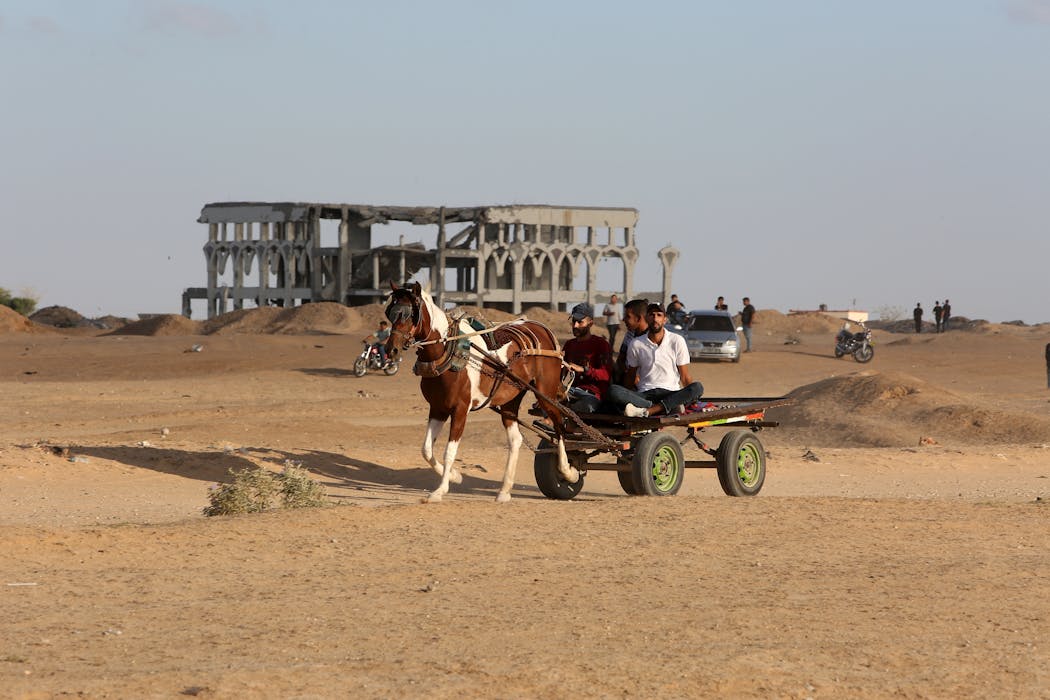
Palestinians near the ruins of Gaza’s international airport, which was shut down in 2001. Anas-Mohammed / Shutterstock

Gaza is going through one of the most severe economic collapses the world has seen in modern times. According to a UN report published in late November, the average income per person there is now just US$161 (£122) a year. Before 2007, when Israel imposed a blockade of Gaza after Hamas won elections and took control of the enclave, it was close to US$2,000.

This income drop has happened slowly over many years. But since the war between Israel and Hamas began in October 2023, Gaza’s economy has fallen apart at speed. The UN report suggests that in the space of just two years, Gaza’s economy has shrunk by 87% to US$362 million.

A major reason for this collapse is the massive destruction caused by the Israeli military’s bombing campaign, which has left almost no functioning economic life behind. In the first four months of the war alone, Israeli strikes caused an estimated US$18.5 billion worth of damage across Gaza.

More recent estimates suggest that 83% of all buildings in Gaza City have now been damaged or destroyed. With buildings gone, roads ruined, land burned and machinery destroyed, Gaza has lost the basic infrastructure it needs for people there to work, study, run businesses and move around safely.

This destruction has deeply affected everyday life. An October 2024 assessment by the UN suggested that Gaza’s Human Development Index score – a measure that summarises an area’s progress in health, education and income – was projected to soon fall to a level not seen in the enclave since the 1950s.

Hospitals are overwhelmed or destroyed, schools cannot function, electricity and water systems barely work and most families have been forced to leave their homes. Nearly the entire population of Gaza has been displaced by the war and cut off from their usual jobs, neighbourhoods and support networks.

This is all happening while the Palestinian Authority (PA), the body responsible for paying teachers, nurses and other public workers in Gaza and the West Bank, battles a severe financial crisis.

Israel controls the collection and transfer of the main tax revenues that the PA depends on, and kept or deducted around US$1.8 billion of this revenue between 2019 and 2025. These funds normally make up most of the PA’s budget, so losing them makes it harder to pay salaries, keep schools and hospitals open and help Gaza deal with its current crisis.

Gaza’s vulnerable economy

The Gazan economy was in a vulnerable state long before the start of the war. After the Oslo accords in 1993, which were intended to establish a framework for peace between Israel and Palestine, Gaza’s economy saw some growth. This was helped by international aid and the ability of some Palestinians to work in Israel.

Between 1994 and 1999, Gaza’s economy grew by an average of 6.1% annually. However, there was considerable volatility throughout this period, largely because Israel retained control of Gaza’s trade rules and borders. A spurt of growth in 1994, for example, was followed by contractions in two consecutive years as border closures disrupted the flow of Palestinian labour and goods to Israel.

Israel tightened movement restrictions in the early 2000s with the beginning of the second Palestinian uprising, and the Gazan economy entered a period of prolonged struggle. Growth dropped by 2% on average annually between 2000 and 2006.

The economic situation worsened again in 2007, when Israel responded to Hamas’s ascent to power by placing Gaza under a strict land, sea and air blockade. This blockade limited almost everything from entering Gaza, including farming supplies and construction materials like cement and steel.

It prevented many exports from leaving the enclave too, and reduced the fishing area accessible to Gazans to just six nautical miles – much smaller than had been agreed in the Oslo accords. Fuel and energy restrictions also caused long daily power cuts.

Gazan fishermen haul in their net on a beach next to a harbour/
Gazan fishermen haul in their net on a beach next to the harbour in Gaza City in 2010.
Ryan Rodrick Beiler / Shutterstock

Over the next 15 years, Gaza’s economy experienced persistent decline. Unemployment remained extremely high throughout this period and poverty became widespread. Between 2007 and 2022, annual growth dropped to 0.4% on average while real GDP per capita contracted by 37%.

Since 2023, the war has pushed the Gazan economy from long-term struggle into complete collapse. Farms have been destroyed, industrial areas flattened and basic public services barely function. With most people displaced and almost no local production left, Gaza now depends almost entirely on humanitarian aid for its economic survival.

What Gaza needs

Rebuilding Gaza will require huge resources. Experts estimate that it may cost between US$70 billion and US$90 billion to clear the rubble and rebuild Gaza’s homes, schools, hospitals, roads and water systems – and that it could take decades.

But money alone will not be enough. Gaza cannot recover fully while the blockade, border restrictions, limits on imports and exports, and withheld Palestinian tax revenues remain in place.

Studies by the UN Development Programme show that if Israel releases the tax revenues it is withholding from the PA, allows more movement of Palestinian workers and goods and if donors provide steady support, Gaza could slowly start to recover. Even a small rise in productivity would be a major improvement after years of decline.


Read more:
With 83% of its buildings destroyed, Gaza needs more than money to rebuild


Gaza’s crisis is not the result of the recent war alone. It is the outcome of decades of blockade, tight Israeli control over economic life and repeated military destruction. The current situation shows how much Gaza’s economy depends on decisions made outside the territory.

Unless access, autonomy and financial stability are restored, Gaza’s recovery will remain slow, uncertain and vulnerable to future shocks.

The Conversation

The authors do not work for, consult, own shares in or receive funding from any company or organisation that would benefit from this article, and have disclosed no relevant affiliations beyond their academic appointment.

ref. Gaza’s once-growing economy is nearing total collapse – https://theconversation.com/gazas-once-growing-economy-is-nearing-total-collapse-270704

When did people first arrive in Australasia? New archaeogenetics study dates it to 60,000 years ago

Source: The Conversation – UK – By Martin B. Richards, Research Professor in Archaeogenetics, Department of Physical and Life Sciences, University of Huddersfield

The question of when people first arrived in the land mass that now comprises much of Australasia has long been a source of scientific debate.

Many Aboriginal people believe they have lived on the land since time immemorial. But until the advent of radiocarbon dating techniques, many western scholars thought they had arrived not long before European contact 250 years ago.

Now a new study by an international collaboration of geneticists and archaeologists, including myself, suggests that humans first arrived in Sahul – the “super-continent” that encompassed New Guinea and Australia during the last ice age – by two different routes around 60,000 years ago.

The research, led by archaeologist Helen Farr at the University of Southampton, also points to the earliest uncontested example of travel by boat – probably simple watercraft such as paddled bamboo rafts or canoes. The first people to arrive would have migrated into the region following a rapid dispersal from Africa around 10,000 years earlier.

The key to the work of our genetics team, based at the University of Huddersfield, is mitochondrial DNA (mtDNA). People only inherit mtDNA from their mothers, so we were able to track an unbroken maternal line of descent down many generations, during which the mtDNA gradually accumulates small mutations.

We sequenced mtDNA genomes in almost 1,000 samples, mainly from New Guineans and Aboriginal people – collected by colleagues at La Trobe University in Melbourne and the University of Oxford, in close collaboration with the communities.

The samples were all collected with the help of Aboriginal elders. The principal elder, Lesley Williams from Brisbane, arranged invitations for the researchers to address Aboriginal groups to explain the purpose of the study and answer any questions before signed consent was given. The results of the analysis of each sample were returned in person whenever possible.

These genealogical trees were then combined with another 1,500 sequences that were already available. By counting the number of mutations from ancestors in these trees, we could use a “molecular clock” to date lineages that were unique to New Guineans, Aboriginal people or both.

After correcting for natural selection (which makes the mutation rate non-linear) and checking the results against well-known colonisation events in the Pacific, we concluded that the deepest lineages were 60,000 years old. Reanalysing previously published male-lineage and genome-wide data found that this also fitted with our results.

Clashing chronologies

The debate about when and how people first arrived in modern-day Australasia was transformed during the 20th century, especially by the introduction and gradual refinement of radiocarbon dating techniques.

This pushed the time of people’s first arrival back to around 45,000 years – ironically, now known as the “short chronology”. However, some archaeologists argued they may have arrived even earlier.

In 2017, newer scientific dating methods – such as optical luminescence dating, which estimates the time quartz grains in the sediments embedding human remains were last exposed to sunlight – supported the so-called “long chronology” of people first arriving in northern Australia at least 60,000 years ago. But this view remained contentious.

The pendulum swung again in 2024, as geneticists weighed in with a genetic clock based on the recombination that takes place between pairs of chromosomes with every generation. New results using this clock suggested that interbreeding between early modern humans and Neanderthals, shortly after modern humans left their African homeland, took place less than 50,000 years ago – more recently than had previously been proposed.

All present-day non-Africans carry around 2% Neanderthal DNA, suggesting they must all be descended from that small group. This research therefore supported the short chronology view.

The genetic and archaeological evidence could apparently only be squared if there had been a first wave of early arrivals in Sahul at least 60,000 years ago, that was entirely replaced by a second wave of modern humans around 40,000 years ago. For some experts this seemed implausible, since people were already widespread in Sahul by that time.

Our genetic dates suggest a simpler solution. There was only one wave 60,000 years ago, and these earliest arrivals were the ancestors of today’s New Guineans and Aboriginal people in Australia.

Map showing the two migration routes of the first people to arrive in Sahul 60,000 years ago.
The new study has confirmed there were two migration routes into Sahul around 60,000 years ago.
Helen Farr and Erich Fisher, CC BY-NC-SA

The earliest seafarers

Our results suggest there were two distinct migrations into Sahul – both around the same time about 60,000 years ago. This is because the most ancient lineages fell into two groups.

The major set, with ancestry in the Philippines, was distributed throughout New Guineans and Aboriginal people in Australia. But we also identified another minor set, with ancestry in South Asia or Indochina, only in Aboriginal people. The simplest explanation for these patterns is that there were two dispersals into Sahul: a major northern pathway and a minor southern route.

Both groups of migrating people met more archaic species of human along the way. As well as the 2% Neanderthal DNA that all non-Africans carry, the genomes of modern New Guineans and Aboriginal people in Australia carry a further 5% of archaic human DNA with more local origins – the results of interbreeding in Southeast Asia and perhaps even in Sahul itself.

Even with the lower sea levels 60,000 years ago, that second group must have crossed at least 60 miles (100km) of open sea to reach Sahul – some of the earliest evidence we have for human seafaring. An increasing amount of research suggests maritime technology played a role in early humans’ rapid dispersal from Africa some 10,000 years earlier, taking a coastal route via Arabia to Southeast Asia and beyond.

But the debate about precise timings of these earliest journeys doesn’t end here. We are now analysing whole human genome sequences – each consisting of 3 billion base units, compared with 16,500 for mtDNA – to further test our results. But both kinds of genetic clock – the mutation clock we use, and the recombination clock advocated by others – are indirect evidence. If ancient DNA can eventually be recovered from key remains, we can test these models more directly.

It may happen. Recovering ancient DNA from the tropics is challenging, but in the rapidly evolving world of archaeogenetics, almost anything now seems possible.

The Conversation

Martin B. Richards received funding from the European Research Council’s ACROSS (Australian Colonisation Research: Origins of Seafaring to Sahul) grant to Professor Helen Farr under the European Union’s Horizon 2020 research and innovation programme.

ref. When did people first arrive in Australasia? New archaeogenetics study dates it to 60,000 years ago – https://theconversation.com/when-did-people-first-arrive-in-australasia-new-archaeogenetics-study-dates-it-to-60-000-years-ago-270959

Twenty experts on the book that got them through their 20s – part two

Source: The Conversation – UK – By Katarina Båth, Senior Lecturer in Comparative Literature, Lund University

Good Studio/Shutterstock

Your 20s can be an intense decade. In the words of Taylor Swift, those years are “happy, free, confused and lonely at the same time”. Many of us turn to literature to guide us through the highs and the lows of this formative time. We asked 20 of our academic experts to recommend the book that steered them through those ten years. This is the second half of that list, so make sure you’ve read our first instalment too. And we’d love to know the book of your own 20s – let us know in the comments below.


Read more:
Twenty experts on the book that got them through their 20s – part one


11. A Manor House Tale by Selma Lagerlöf (1899)

To be young is to feel alone with your suffering. Whatever has happened to you – a broken heart, bullying, your parents’ divorce, a death – you feel you are alone with your fate. No one else understands how much it hurts, no one tells you how it really is.

In my own 20s, I felt less alone by reading the older classics. In particular, the Swedish Nobel prize laureate Selma Lagerlöf’s gothic novel A Manor House Tale moved me deeply. The portrayal of two young people who fall in love, yet are separated by mental illness and financial hardship, taught me something about love beyond superficial dating and convention.

It helped me understand that love is the strength to endure the deepest darkness for the sake of the other, and how difficult that is. Both protagonists are struck by mental illness, and each must struggle with their own affliction to be able to receive love.

Katarina Båth is a senior lecturer in comparative literature

12. To the Lighthouse by Virginia Woolf (1927)

When I first encountered Woolf’s work, her prose struck me as impossibly, infuriatingly vague. Luckily for me, her novels were required reading on the course I was taking, so I had no choice but to persevere. It took a while for my inner ear to attune to the poetry of her rhythmical cadences; but once I learnt to attend to them properly, they utterly transformed my sense of what writing could be.

It took time, too, for my life to catch up with the existential and elegiac tenor of Woolf’s writing. Loss and grief came to me in my 20s, and amid the utter devastation of those times it was to Woolf that I turned. To the Lighthouse, in particular – in which she reconjures her childhood and the parents she had lost decades before – afforded me a powerful sense of recognition.

Amid the sorrow it evokes, I marvelled at Woolf’s depiction of many moments of “ecstasy” and “rapture” arising from the most mundane situations – moments which, in their radiance, seemed to point to the importance of living on.

Scarlett Baron is an associate professor of 20th- and 21st-century literature

13. The Best of Everything by Rona Jaffe (1958)

I surprised myself with this choice. Standing before my bookshelf, full of colourful spines, broken and creased, evidence of stories told and read, my fingers reached for an unsuspecting novel: The Best of Everything.

It was given to me by a friend who sometimes knows me better than I know myself. I first heard about it from the actor Sarah Jessica Parker, who said that without it, Sex and the City would not exist. The book reaches for a certain universality. I am sceptical of that word, but I do wonder: What touches us all?

As a Black woman, it might seem unlikely I would find fragments of myself in four white women in 1950s New York, yet I do. In the quiet recognitions, the man who does not love you back, the first day you realise what you are good at, the sudden throb of ambition, the book crystallises something electric. It bottles the shock of adulthood that strikes every 20-something-year-old. Who am I? And what do I want?

Olumayokun Ogunde is a doctoral researcher in English


No one’s 20s and 30s look the same. You might be saving for a mortgage or just struggling to pay rent. You could be swiping dating apps, or trying to understand childcare. No matter your current challenges, our Quarter Life series has articles to share in the group chat, or just to remind you that you’re not alone.

Read more from Quarter Life:


14. Candide by Voltaire (1759)

When I turned 23, I landed a graduate IT role for an international bank. It was a long commute to a pretty, northern city so daily, for an hour each way, I read.

Reading made late trains, weather and crowded buses tolerable. It wasn’t what I’d imagined after my English degree and master’s but I appreciated it, and had been awarded a place on a competitive employee environmental project in the Kalahari desert (I still lament leaving before taking up this opportunity).

One week, I reread Voltaire’s Candide. Candide is about journeys, changes and seeking “the best of all possible worlds”. Violent, impossible, ridiculous and laconic, it turned me into an annoyingly vocal reader. Suddenly, I knew I must return to university – I started my PhD soon after.

Candide’s desperate situations and peaks and troughs of optimism and despair shook me out of my routine during my 20s, a rare period in life when I could change direction. I recommend it for anyone seeking encouragement to take a calculated risk.

Jenni Ramone is an associate professor of postcolonial and global literature and director of the Postcolonial and Global Studies Research Group

15. The Sparrow by Mary Doria Russell (1996)

What does it mean to have a calling? And what do you do when that calling betrays you and leads the people you love to unbearable suffering? Mary Doria Russell’s novel The Sparrow ostensibly tells the story of Emilio Sandoz, a Jesuit priest and linguist who joins a mission to the planet Rakhat to translate the language of its inhabitants, but these questions burn at its heart.

I first read The Sparrow in my mid-20s, fighting to balance my newfound vocation to progressive Christian ministry with multiple family members’ deaths and the unravelling of a young marriage. For many, our 20s are a time when we struggle to define who we are and what we are called to do in the world. Both inspiring and harrowing, The Sparrow speaks to that struggle – and to the discernment we must use to avoid doing more harm than good as we wage it.

The Reverend Tom Emanuel is PhD candidate in English literature.

16. The Song of Achilles by Madeline Miller (2011)

The Song of Achilles came out right at the beginning of my PhD in classics. It was the start of my 20s, and I’d just become interested in how fiction can challenge the classical canon, especially epics like Homer’s.

I’d been reading Margaret Atwood’s The Penelopiad, and I’d begun writing the early chapters (though I didn’t know it then) of what would become my first novel, For the Most Beautiful (itself a retelling of the Iliad, through the women). And then Madeline Miller came to Yale, and I heard her speak about what it means to retell stories as she does. I read (or rather, devoured) her beautiful book, and something clicked.

There is nothing more powerful than to have trailblazers like Miller who lay the path. The Song of Achilles is a masterful, gorgeous, timeless novel that I come back to again and again. I would encourage anyone in their 20s who wants to know that there is more than one way of telling a story – and that that can be its own story and its own gift, in itself – to turn to this book.

Emily Hauser is a senior lecturer in classics

17. The God of Small Things by Arundhati Roy (1997)

I first read this stunning, Booker prize-winning novel at the age of 22, as part of my master’s degree at the University of Edinburgh.

At the time, I was reading voraciously for classes, sometimes getting through a book a day. But Roy’s opening chapter, a challenging piece that contains all the elements of the story she’s about to tell, stopped me in my tracks because of its beauty, tragedy and complexity. I was instantly hooked.

Set in Kerela, India, The God of Small Things traces the lives of fraternal twins, Rahel and Estha, and their extended family from the late 1960s to the early 1990s. Roy puts the small stories of the family’s life into conversation with the big narratives and structures that shape Indian society over this period. The book’s revelations enthralled me in terms of plot, while Roy’s stylistic innovations and intricate structuring (her training as an architect perhaps played a role here) made it a mesmerising read.

The God of Small Things examines the specifics of Indian society such as (de)colonisation and caste while also speaking to questions of family, death and ultimately, love. It is a novel to savour at any age but since it’s one worth returning to, reading it in your 20s just means more chances to do so!

Ellen Howley is an assistant professor in the School of English

18. Heart of Darkness by Joseph Conrad (1899)

Heart of Darkness is crucial reading in your 20s because it contains multiple opportunities for discovery, including self-discovery. Or at least, that’s what my future self can tell my past self.

On the face of it, Conrad’s novella is a journey into the heart of Africa. It is also, though, a story about the discovery of historic injustice as it reports on Belgium’s colonial regime. To learn about colonial history is a vital education.

Less obviously, it also exposes you to a narrative style which gets you questioning how a work of fiction can play with your confidence in truth. We’re warned early on of “old sailor’s yarns” while imposters, facades and silences can be found throughout the story. Reading it in my 20s, I discovered that critical thinking and observation skills make for valuable mental equipment.

Conrad’s story teaches you how to be a better reader, a crucial skill in our times – and rewards a reader that pays attention.

Lewis Mondal is a lecturer in African American literature

19. Mrs Dalloway by Virginia Woolf (1925)

Virginia Woolf’s Mrs Dalloway (1925) came to me in my early 20s, as I was beginning to understand how the life we live inwardly rarely mirrors the one other people perceive.

Set across a single day in post-war London, the novel captures the texture of our thoughts: fleeting, associative, irrepressible. Clarissa Dalloway’s quiet crisis – was this the right life? did she love the right way? – and Septimus Smith’s descent into trauma spoke to the realisation that adulthood isn’t a destination but a continual negotiation of memory, grief and the mundane.

For readers in their 20s, Mrs Dalloway is invaluable because it resists the binary of success and failure. Instead, it explores the richness of interiority, how past selves linger in present choices, and how the smallest gestures can shape a life. Woolf teaches us that meaning is stitched not in milestones but in moments, in glances, in a solitary walk to buy flowers.

Nada Saadaoui is a PhD candidate in English literature

20. Madame Bovary by Gustave Flaubert (1856)

Since having children in my 30s, I am reduced to a sobbing ball by media in which people get depressed, or toddlers worry about things, or inanimate objects seem like they might be lonely. But in my 20s, when I was better equipped to face the realities of the human condition, I returned frequently to Madame Bovary.

It tells of Emma, a sheltered young woman who marries a kind but prosaic country doctor. Desperate for romance, she embarks on affairs and spends beyond her means, with predictably tragic results. There is some hauntingly beautiful imagery, as in the scene when Emma incinerates her wedding bouquet and watches petals flit like butterflies up the chimney.

Mainly, though, the novel reassured me that there was someone out there (albeit a fictional someone) making a bigger mess of life than me. My ill-advised student purchases included unwearable shoes, fishnet tights for the Scottish winter, and a pool table – but at least I never spent 14 francs in a month on lemons for polishing my nails.

Martha McGill a historian of memory and supernatural beliefs

Did a particular book help you navigate your 20s? Let us know in the comments below.


Looking for something good? Cut through the noise with a carefully curated selection of the latest releases, live events and exhibitions, straight to your inbox every fortnight, on Fridays. Sign up here.


This article features references to books that have been included for editorial reasons, and may contain links to bookshop.org. If you click on one of the links and go on to buy something from bookshop.org The Conversation UK may earn a commission.

The Conversation

The authors do not work for, consult, own shares in or receive funding from any company or organisation that would benefit from this article, and have disclosed no relevant affiliations beyond their academic appointment.

ref. Twenty experts on the book that got them through their 20s – part two – https://theconversation.com/twenty-experts-on-the-book-that-got-them-through-their-20s-part-two-269322

Jury trials: what the UK government’s plan to limit them would mean for victims, defendants and courts

Source: The Conversation – UK – By Daniel Alge, Senior Lecturer in Criminology & Criminal Justice, Brunel University of London

Justice secretary David Lammy has announced one of the most significant changes to criminal justice in England and Wales in decades, by scrapping the use of jury trials for most offences that carry a likely jail sentence of less than three years.

Under the proposals, only the most serious offences such as murder, robbery and rape would continue to be tried by a jury. Most other cases would be heard by a judge alone. The reforms will also include creating new “swift courts” within the crown court division.

The government says judge-alone trials will take 20% less time than jury trials. Currently, cases can take an average of 332 days from charge to completion.

The criminal courts are undoubtedly under extraordinary pressure, compounded by cuts to public funding and the impact of the COVID-19 pandemic. There is currently a record backlog of over 78,000 crown court cases.

Yet the right to be tried by one’s peers has deep roots in the legal tradition of England and Wales. Its origins trace back to Magna Carta in 1215, which promised that no one would lose their liberty or property without “the lawful judgement of his peers and the law of the land”.

The judge and legal philosopher Lord Devlin described trial by jury as “the lamp that shows that freedom lives”. It is a symbolic cornerstone of justice in England and Wales.

These proposals go far beyond the recommendations put forward in Brian Leveson’s independent review of the criminal courts, published in July 2025. Leveson proposed trial by judge alone where the defendant requested it, or in particularly lengthy and complex trials. But Lammy’s proposals appear to be a watering down of leaked MoJ plans to restrict the use of jury trials to only “public interest” cases with sentences of over five years.

In practical terms, jury trials already form only a small part of the system, accounting for around 2% of all criminal cases. Ministry of Justice data shows that most criminal cases are resolved in the magistrates’ courts, in which three magistrates (who are volunteer lay people rather than professional judges), determine guilt as well as sentence.

Although magistrates deal with less serious offending, they currently have the power to imprison offenders for up to 12 months for a single offence, a power which, Lammy announced, would be increased to 18 months. Of those cases which are dealt with by the crown court, around 60% of defendants plead guilty, removing the need for a trial.

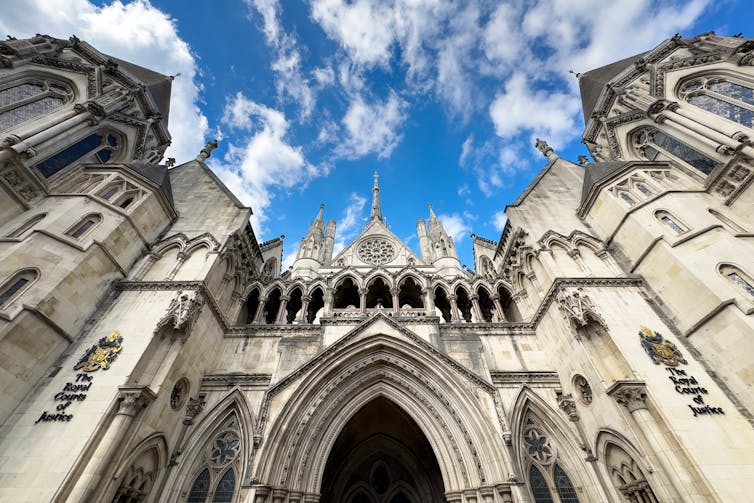
Front facade of the Royal Courts of Justice
The vast majority of criminal cases never reach a jury trial.
Jane Rix/Shutterstock

Some might therefore regard juries as symbolically important, but an unnecessary burden on a struggling court system. While there are valid concerns about aspects of jury decision making, research has found that juries do generally make fair decisions.

There is limited research on judge-only trials, in part because they are relatively rare. Even in jurisdictions where juries are not used, judges more often sit in panels of three or more. There are concerns that judge-only trials risk exacerbating judicial bias.

Perhaps just as importantly, juries provide a form of lay participation that helps ensure public confidence in the fairness of verdicts.

Juries can act as a democratic check on official power. There have been cases, for example in protest-related trials, where juries have interpreted the law in ways that reflect broader community standards. Such instances are a reminder that the legitimacy of criminal justice depends on public consent.

The court backlog

The evidence suggests that jury trials are not the primary cause of the current backlog. Crown court backlogs began rising sharply in 2017, driven by years of budget reductions, court closures, maintenance backlogs and limits on the number of days courts were permitted to sit. However, the backlog has not fallen below 35,000 since 2000.

The pandemic brought unprecedented disruption into an already fragile system as many hearings were postponed and the transition to remote hearings caused delays. By late 2023, there were around 68,000 outstanding crown court cases, already the highest on record, and experts consistently identified lack of capacity as the central issue.

Given that jury trials make up such a small proportion of criminal cases, reducing them cannot, on basic numerical grounds, meaningfully reduce a backlog of this scale. The government has stated that restricting jury trials would save £31 million, just 0.2% of the MoJ budget.

It could, however, create new problems, including increased appeals, challenges on grounds of judicial bias and reduced public confidence in the outcome of trials.


Read more:
Could England and Wales introduce jury-free trials? Here’s how they work in other countries


The Institute for Government has warned that such changes could increase the risk of wrongful convictions and further erode trust in the justice system.

There is no doubt that long waits can be profoundly distressing for victims as well as defendants and witnesses. But victims’ interests also include trust in the process and confidence that decisions about guilt reflect a broad social judgement, not just the view of a single official.

This does not mean that the jury system is perfect or that reform is unnecessary. Leveson’s review of the courts suggested targeted changes, such as judge-only trials in highly complex fraud cases, or hybrid panels of judges and magistrates for certain intermediate offences. It also called for significant improvements in digital case management and infrastructure – investments that could address underlying inefficiencies more directly.

Restricting jury trials might appear to offer a fast route to clearing backlogs, but the data suggests that delays stem from wider capacity constraints, not the workings of juries themselves. England and Wales already rely overwhelmingly on magistrates’ courts and guilty pleas to handle most cases.

If the government is serious about improving outcomes for both victims and defendants, it should invest in the capacity of the courts, rather than remove one of the few remaining avenues for public participation in the criminal justice system.

The Conversation

Daniel Alge does not work for, consult, own shares in or receive funding from any company or organisation that would benefit from this article, and has disclosed no relevant affiliations beyond their academic appointment.

ref. Jury trials: what the UK government’s plan to limit them would mean for victims, defendants and courts – https://theconversation.com/jury-trials-what-the-uk-governments-plan-to-limit-them-would-mean-for-victims-defendants-and-courts-270873

Why everyday stress can make MS symptoms worse

Source: The Conversation – UK – By Alexandra Palombi, Professor in Occupational Therapy, Department of Health Studies, Royal Holloway, University of London

When actor Christina Applegate recently told her followers on Instagram that her legs were “busted” because stress makes her multiple sclerosis (MS) worse, many people with the condition immediately recognised the feeling.

Her comment summed up something researchers have been studying for decades and people with MS have been describing for even longer: stress, even from everyday situations, can trigger symptoms or make existing ones flare.

An estimated 2.8 million people live with MS around the world. The condition affects more women than men and is usually diagnosed between the ages of 20 and 40.

MS affects the brain and spinal cord, disrupting how signals travel through the nervous system. This can lead to extreme tiredness, mobility problems and difficulties with memory or concentration. People with MS often experience relapses, which are periods when symptoms suddenly worsen. These relapses can increase disability over time and make everyday activities more challenging.

A relapse occurs when new symptoms appear or existing symptoms become worse for more than 24 hours, after at least 30 days of stability, and without being caused by fever or infection.

Relapses can present in many different ways. Some people develop vision problems such as blurred or double vision, or pain when moving the eyes, which is known as optic neuritis. Others experience muscle weakness or stiffness in their arms or legs, which can make walking and balance more difficult. Many people notice numbness or tingling in the face, limbs or trunk. Severe fatigue that feels very different from normal tiredness is also common.

Coordination problems may also appear, leading to unsteadiness, tremors or dizziness. Speech may become slurred, swallowing may become more difficult and bladder or bowel habits can change. Some people also experience cognitive changes such as trouble concentrating, slower thinking or lapses in memory. These symptoms can occur alone or in combination and can have a significant impact on day-to-day life.

Research has shown that stress can make MS worse. In 2003, Dutch researchers found that stressful events can double the risk of a relapse within four weeks. Infections can triple the risk. When both stress and infection occur together, the risk may increase up to six times. In practical terms, this means that a major stressful event can significantly raise the chance of a relapse in the following month.

A year later, American researchers reviewed 14 studies and found a strong connection between stress and MS flare-ups. These flare-ups are important because they often lead to long-term increases in disability, meaning that avoiding relapses is crucial for maintaining independence and quality of life.

More recent research continues to show a clear link between stress and relapses. However, it remains unclear whether stress increases the likelihood of developing MS in the first place. A 2022 study found that stress in childhood or adulthood does not appear to change the risk of developing MS.

Fear and worry can lower quality of life

Many people with MS worry about when the next relapse will happen. This fear is known as Fear of Relapse. It goes beyond ordinary concern. It can disrupt daily routines, relationships and a person’s overall sense of well-being. Persistent fear often leads to health anxiety, which increases stress levels.

Stress has physical consequences too. People who believe their memory or thinking skills are declining often feel more anxious and stressed. Over time, this can contribute to depression, and poor sleep can make depression worse.

Depression and stress can reinforce each other. They lower quality of life and may even increase the risk of a relapse. Emotional health and physical health are deeply connected in MS. Managing stress, improving sleep and addressing anxiety are not simply about feeling better. These steps can help protect against flare-ups and support long-term independence.

Practical approaches that can help

Gratitude involves taking time to notice and appreciate the good things in life. Research shows that people who practice gratitude feel happier, less stressed and more satisfied with their lives. A simple habit such as writing down a few things you are thankful for each day can lift mood and build resilience.

Mindfulness involves paying attention to the present moment without judgement. Mindfulness practices have been shown to reduce stress and depression. They can also improve fatigue levels, which is particularly important for people with MS. For many, mindfulness helps ease daily pressures and may reduce the cycle of anxiety that contributes to relapses.


Read more:
How mindfulness therapy could help those left behind by depression treatment


Although practices such as mindfulness and gratitude are not cures, they can make daily life easier, enhance emotional wellbeing and help people with MS feel more in control of their health.

Applegate’s comment about her legs being “busted” after a stressful moment reflects this reality in a powerful, relatable way. Stress is not a minor inconvenience for people with MS. It can alter how their body functions from one day to the next. Recognising this truth and giving people the tools and support they need to manage stress is an important step in helping everyone with MS protect their health and maintain independence.

The Conversation

Alexandra Palombi does not work for, consult, own shares in or receive funding from any company or organisation that would benefit from this article, and has disclosed no relevant affiliations beyond their academic appointment.

ref. Why everyday stress can make MS symptoms worse – https://theconversation.com/why-everyday-stress-can-make-ms-symptoms-worse-270219

People with dyspraxia are at high risk of falling – and it’s too often overlooked

Source: The Conversation – UK – By Johnny Parr, Senior Lecturer, Sport and Exercise Science with expertise in psychophysiology and motor control, Manchester Metropolitan University

Volodymyr TVERDOKHLIB/Shutterstock

For many people with dyspraxia, falling is not an accident but a daily reality. It begins in childhood, shaping confidence and independence, and often continues throughout adult life.

Falls are among the most common causes of injury worldwide, yet a group of people who experience them frequently remains almost invisible in public health data. Dyspraxia, also known as developmental coordination disorder (DCD), affects around 5% of the population and disrupts the brain’s ability to coordinate movement.

My latest research highlights just how frequent and serious these falls can be, and why it is time for healthcare systems to take notice.

Dyspraxia affects the brain’s ability to plan and coordinate movement. This can make everyday activities such as walking, climbing stairs or navigating a crowded room unexpectedly hazardous.

People with dyspraxia often struggle with balance, delayed motor responses and difficulty multitasking while moving. Yet until now, very little research has measured how often people with DCD fall or the full physical and emotional impact of those falls.

To explore this gap, we co-designed a survey with people living with dyspraxia. More than 400 people took part, including adults with DCD, parents of children with DCD and comparison groups of typically developing adults and children.

We found that adults with dyspraxia were nine times more likely to fall at least once or twice a month compared with adults without DCD. Among children with the condition, more than half experienced falls once or twice a week.

These were not harmless stumbles. Participants reported injuries ranging from sprains and fractures to concussions and knocked-out teeth. More than a third of adults with DCD had broken a bone because of a fall.

The psychological toll was just as significant. Many adults said they were afraid to walk alone or use stairs. Overall, 72% of children and adults with dyspraxia were classified as having a high level of concern about falling.

Respondents described avoiding social events, team sports or even leaving the house. Some reported embarrassment, low self-esteem and social isolation. Parents described how their children’s fear of falling kept them from playdates, school trips and physical activity.

Despite these experiences, dyspraxia is missing from major fall prevention guidelines. Public health messaging about falls tends to focus on older adults or on people with conditions such as Parkinson’s or multiple sclerosis. Our findings show that fall risk is a serious and long-overlooked issue for people with DCD at all stages of life.

This oversight has real consequences. Falls are not only about scrapes and bruises. They are one of the leading causes of injury related hospital admissions.

For example, the UK already spends billions each year on fall-related care. If we ignore a population that is falling frequently from childhood onwards, we risk worsening health outcomes, increasing costs and missing opportunities for early, effective support.


Read more:
Dyspraxia: why children with developmental coordination disorder in the UK are still being failed


So, what needs to change?

First, DCD must be recognised in fall risk assessments and prevention strategies. This means training healthcare professionals to identify dyspraxia and understand how it affects balance and coordination.

Second, schools and community organisations should take fall risk seriously when supporting children with DCD, particularly in PE classes, playgrounds and other active settings.

Third, the emotional impact of falling must be addressed. Cognitive behavioural strategies have shown promise in managing fall-related anxiety in other groups and could benefit people with dyspraxia too.

Finally, public awareness needs to grow. Falls linked to dyspraxia are often dismissed as clumsiness or carelessness. In reality, they are a chronic and distressing part of life for many people.

It is time to stop letting people with dyspraxia fall through the cracks. With earlier intervention, greater understanding and more inclusive public health efforts, we can help people with DCD stay steady, safe, and supported.

The Conversation

Johnny Parr does not work for, consult, own shares in or receive funding from any company or organisation that would benefit from this article, and has disclosed no relevant affiliations beyond their academic appointment.

ref. People with dyspraxia are at high risk of falling – and it’s too often overlooked – https://theconversation.com/people-with-dyspraxia-are-at-high-risk-of-falling-and-its-too-often-overlooked-256134

Why the £18 million for playgrounds in the budget is so important – and how it should be spent

Source: The Conversation – UK – By Naomi Lott, Lecturer in Law, University of Reading

Jota Buyinch Photo/Shutterstock

Chancellor Rachel Reeves’ recent budget included an investment of £18 million to be spent, over two years, on up to 200 playgrounds across England.

This new investment is the first significant policy step towards supporting children’s play since 2008, when the then Labour government introduced the first national play strategy. That strategy was scrapped just two years later as an austerity measure.

This is an apt example of how frequently play is overlooked and undervalued, despite the mountain of evidence that proves its importance and its protection as a right in the UN convention on the rights of the child.

In truth, decades of attempts to support children’s play have failed in part because play hasn’t been looked at as a right. It’s seen as instrumentally valuable, meaning that it helps towards other aims, such as child wellbeing and mental and physical health.

This is of course true. But we need to see play as intrinsically valuable. This means that it is fundamentally important in itself.

This history that has presented play as a luxury, rather than a right, must change in order to ensure that our children live lives reflective of their dignity as humans.

The recent independent review into England’s national curriculum, for instance, completely neglected play. This was despite it being raised as a top issue throughout the review’s call for evidence.

A poor understanding of children’s wellbeing and narrow framing of what education is – and what children need to succeed academically – has pushed play to the edges of children’s lives.

The decline in play

Children’s outdoor play has declined by 50% in a single generation. Only 27% of children play in the streets regularly, compared with 80% of adults when they were children in the 1970s.

Over 2 million children in England under the age of nine do not live within a ten-minute walk of a playground.

This lack of access to playgrounds is more significant for children from deprived areas. A recent study found substantial inequality: deprived areas of England have fewer, smaller playgrounds that were also further to travel to.


Read more:
We mapped 18,000 children’s playgrounds and revealed inequality across England


In 2023, the UN Committee on the Rights of the Child reviewed the extent to which the UK has upheld, promoted and fulfilled children’s rights. In their report they called for children’s “access to accessible and safe public outdoor play spaces” to be strengthened.

Playgrounds must meet the play needs of all children and should be designed in an inclusive manner, with opportunities for children of all ages, genders and abilities to play. In allocating and spending the money set aside for playgrounds, it is crucial that their primary beneficiaries and users – children – are involved in decisions about how the money is spent and how play spaces are designed.

As stated in the UN convention on the rights of the child, children have a right to be heard in all matters that affect them. The design of playgrounds directly affects children, and therefore any spending on playgrounds that is done without consultation with children would be in breach of their right to be heard. This means funding consultation with children on the design of local play spaces, their location and accessibility, and the activities that are provided for.

Play spaces need to be accessible to children. This means considering how far playgrounds are from children’s homes, and whether children are able to safely get to them by themselves. They must offer quality play experiences: they must support imaginative play, creativity, be stimulating and include elements of risk.

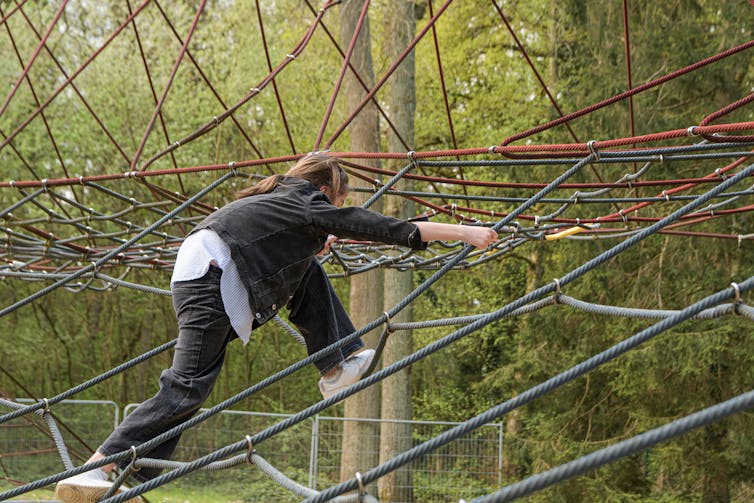
Teen girl on spiderweb ropes in playground
Teenagers need places to play too.
KiNOVO/Shutterstock

While the government’s promise to invest in playgrounds goes some way to meet the UN’s call for better play spaces and to remedy the need that has been documented across England, it is not sufficient as a measure on its own.

Meeting the right to play

Fulfilling children’s right to play – making quality play possible for all children – means more than just giving children physical spaces for play. Children also need psychological space to play. This means they need accessible play spaces that provide opportunities for quality play, and they need to be free from adult pressures and expectations.

Children need protected and unpressured time to be able to play freely, both within and outside of the school day. They need a society that acknowledges and champions their right to play, and supports and enables their play – playing children should be seen as something valuable, not as a nuisance or as frivolous.

Finally, children have a range of rights, and they all matter for play. Children need all their rights to be protected and promoted in law, policy and in their interactions with the adults around them. Without any one of these, children cannot fully enjoy their right to play.

The budget announcement of playground investment is welcome, and long overdue, but it is just the first step to ensuring that children have their right to play fulfilled.

Children’s right to play can only be realised through acknowledging that children’s rights are equal to those of adults. This means we need a cultural shift that acknowledges this equality and that play is critical for children of all ages. We need a culture that supports and promotes children’s play, especially their free play: play that is child-led. Playgrounds are only part of the answer.

The Conversation

Naomi Lott is Lecturer in Law at the University of Reading. She has previously received funding from the Economic and Social Research Council, for her research on the right to play.

ref. Why the £18 million for playgrounds in the budget is so important – and how it should be spent – https://theconversation.com/why-the-18-million-for-playgrounds-in-the-budget-is-so-important-and-how-it-should-be-spent-271020

Thirty years after the Balkans peace deal, a different US leadership is fumbling the war in Ukraine

Source: The Conversation – UK – By Stefan Wolff, Professor of International Security, University of Birmingham

The Dayton accords, signed in December 1995, ended three years of bitter conflict in the Balkans.

Thirty years ago, on December 14 1995, the presidents of Bosnia-Herzegovina, Croatia and the Federal Republic of Yugoslavia signed the Dayton agreement. The treaty ended three years of bloodshed in what was, at the time, the largest war in Europe since 1945.

This distinction is now held by the Russian war against Ukraine. The conflict which began in February 2022 has already lasted longer than the one in Bosnia-Herzegovina and has reportedly led to the death and displacement of millions of people.

The war in Bosnia-Herzegovina happened at a very different time than the war against Ukraine and a very different setting. It was at the end of the cold war, in a fracturing multinational state amid rising nationalism. It started as a civil war rather than an external invasion and it was fought throughout the country’s territory.

Yet despite their differences, there are several eerie parallels between both wars. These are lessons worth considering for how the war against Ukraine might end.

Both wars have a very strong ethnic element, and they both happened in a shifting geopolitical environment. Both wars have had high levels of internationalisation. They were not only fought between the belligerent parties, but indirectly between their supporting allies through the military equipment and support they provided.

The negotiation process that led to the agreement that ended the war in Bosnia-Herzegovina did not just involve the belligerent parties. It also involved “parent” states – Serbia and Croatia – which signed on their behalf. Similarly, but in some ways worse, it seems that any agreement on Ukraine will involve first and foremost the US and Russia. Ukraine and Europe appear set to be excluded.

The war in Bosnia-Herzegovina ended as a result of heavy-handed, US-led mediation at an air force base in Dayton, Ohio. The Dayton mediation effort succeeded after multiple earlier European-led efforts had failed and a UN peacekeeping operation was unable to protect civilians, even in so-called safe areas.

The Dayton accords, as the agreement became known, provided an operational framework that, with all its faults, has managed to keep the country away from violent conflict for 30 years. It has not, however, provided a framework for a functioning state.

The rigid power-sharing structures agreed in Dayton have created frequent political paralysis. Dayton requires key decisions – such as the elections law or on the financing of institutions – to be taken by an international high representative who still holds ultimate authority over Bosnia-Herzegovina.

Nor did the Dayton accords instil much loyalty to the new state. Especially among its Serb population, the desire for breaking away from Bosnia-Herzegovina remains strong. This was clearly evident from the results in the latest presidential elections in the Serbian part of the country on November 23. The candidate who campaigned on a platform for secession won the vote.

What has largely contributed in keeping Bosnia-Herzegovina together is a range of EU actions and funds aiming at maintaining stability. This includes the presence of a UN-mandated European Union peacekeeping force: Eufor Althea.

The clear European commitment to stability in Bosnia-Herzegovina and the western Balkans more broadly is commendable in its endurance. But it is also an indictment of local politicians for failing to establish a self-sustaining peace based on the Dayton accords.

Comparisons with Ukraine

There are a number of lessons that Dayton can offer to efforts to end the war against Ukraine. The first relates to the process of negotiations. In the run-up to the talks, US president Bill Clinton dispatched his national security advisor, Anthony Lake, to Europe to consult extensively with allies.

US leadership in Nato and the clear signal sent to the Bosnian Serbs with operations Deadeye and Deliberate Force, bombing missions which brought the Serbs to the table for negotiations. These were then brought to a successful conclusion by Richard Holbrooke, one of the most gifted diplomats of his generation.

The ceremonial signature event in Paris, three weeks after its initialling in Dayton, gave the agreement additional weight. The three presidents of the warring factions signed under the watchful eyes of the presidents of the US, France and the Council of the EU, as well as the prime ministers of the UK and Russia and the German chancellor.

The sheer extent of the Dayton accords – an agreement with 12 annexes – speaks volumes of the attention to detail. Not all of the original provisions have worked out in the way their drafters may have intended.

But, if nothing else, the military provisions in annex 1A and the subsequent UN-authorised peacekeeping operations, led initially by Nato and then by the EU, provided a robust set of security arrangements. These have been key in deterring any of the parties from defecting from the Dayton accords and contributed to the prevention of renewed large-scale violence in Bosnia.

Most of what made the Dayton accords adoptable, and at least minimally functional, is currently absent from the process to achieve peace in Ukraine.

First, Russia in 2025 is not Serbia in 1995. Where Serbia was already worn out by years of international sanctions, Russia has found ways to minimise their impact.

This is mainly due to the support of allies like China, Iran and North Korea as well as the reluctance by the US president, Donald Trump, to get tough on his Russian counterpart, Vladimir Putin. Serbia did not have resources, population or strategic depth comparable to what Russia can throw into its war against Ukraine.

Second, western assistance to the wartime Bosnian-Croat alliance was a fraction of what would be necessary to enable Ukraine to achieve a similarly advantageous negotiation position. At this stage, it is not even clear whether US and European support will continue at a level to enable Ukraine to avoid an outright military defeat.

While Ukraine’s defeat on the battlefield is not on the cards immediately, it is a less distant prospect now, given the country’s domestic turmoil, the capriciousness of US engagement under Trump and the weakness of Europe.

The final lesson from Dayton to consider might therefore be that even an imperfect agreement may be preferable to an unending, and likely unwinnable, war.

The Conversation

Stefan Wolff is a past recipient of grant funding from the Natural Environment Research Council of the UK, the United States Institute of Peace, the Economic and Social Research Council of the UK, the British Academy, the NATO Science for Peace Programme, the EU Framework Programmes 6 and 7 and Horizon 2020, as well as the EU’s Jean Monnet Programme. He is a Trustee and Honorary Treasurer of the Political Studies Association of the UK and a Senior Research Fellow at the Foreign Policy Centre in London.

Argyro Kartsonaki has received funding from the German Federal Foreign Office and the Organization for Security and Co-operation in Europe (OSCE). She is past recipient of grants from the United States Institute of Peace and from the Economic and Social Research Council (UK). She is a part of the Centre for OSCE Research at IFSH, co-editor of OSCE Insights, and consults the OSCE as a member of the OSCE Expert Network.

ref. Thirty years after the Balkans peace deal, a different US leadership is fumbling the war in Ukraine – https://theconversation.com/thirty-years-after-the-balkans-peace-deal-a-different-us-leadership-is-fumbling-the-war-in-ukraine-270024