Stethoscope, meet AI – helping doctors hear hidden sounds to better diagnose disease

Source: The Conversation – USA – By Valentina Dargam, Research Assistant Professor of Biomedical Engineering, Florida International University

The basic premise of the stethoscope has been around for centuries, largely unchanged. Jonathan Kitchen/DigitalVision via Getty Images

When someone opens the door and enters a hospital room, wearing a stethoscope is a telltale sign that they’re a clinician. This medical device has been around for over 200 years and remains a staple in the clinic despite significant advances in medical diagnostics and technologies.

The stethoscope is a medical instrument used to listen to and amplify the internal sounds produced by the body. Physicians still use the sounds they hear through stethoscopes as initial indicators of heart or lung diseases. For example, a heart murmur or crackling lungs often signify an issue is present. Although there have been significant advances in imaging and monitoring technologies, the stethoscope remains a quick, accessible and cost-effective tool for assessing a patient’s health.

Though stethoscopes remain useful today, audible symptoms of disease often appear only at later stages of illness. At that point, treatments are less likely to work and outcomes are often poor. This is especially the case for heart disease, where changes in heart sounds are not always clearly defined and may be difficult to hear.

We are scientists and engineers who are exploring ways to use heart sounds to detect disease earlier and more accurately. Our research suggests that combining stethoscopes with artificial intelligence could help doctors be less reliant on the human ear to diagnose heart disease, leading to more timely and effective treatment.

History of the stethoscope

The invention of the stethoscope is widely credited to the 19th-century French physician René Theophile Hyacinthe Laënnec. Before the stethoscope, physicians often placed their ear directly on a patient’s chest to listen for abnormalities in breathing and heart sounds.

In 1816, a young girl showing symptoms of heart disease sought consultation with Laënnec. Placing his ear on her chest, however, was considered socially inappropriate. Inspired by children transmitting sounds through a long wooden stick, he instead rolled a sheet of paper to listen to her heart. He was surprised by the sudden clarity of the heart sounds, and the first stethoscope was born.

Wooden tube with writing wrapped around one side
One of René Laënnec’s original wooden stethoscopes.
Science Museum London/Science and Society Picture Library, CC BY-NC-SA

Over the next couple of decades, researchers modified the shape of this early stethoscope to improve its comfort, portability and sound transmission. This includes the addition of a thin, flat membrane called a diaphragm that vibrates and amplifies sound.

The next major breakthrough occurred in the mid-1850s, when Irish physician Arthur Leared and American physician George Philip Cammann developed stethoscopes that could transmit sounds to both ears. These binaural stethoscopes use two flexible tubes connected to separate earpieces, allowing clearer and more balanced sound by reducing outside noise.

These early models are remarkably similar to the stethoscopes medical doctors use today, with only slight modifications mainly designed for user comfort.

Listening to the heart

Medical schools continue to teach the art of auscultation – the use of sound to assess the function of the heart, lungs and other organs. Digital models of stethoscopes, which have been commercially available since the early 2000s, offer new tools like sound amplification and recording – yet the basic principle that Laënnec introduced endures.

When listening to the heart, doctors pay close attention to the familiar “lub-dub” rhythm of each heartbeat. The first sound – the lub – happens when the valves between the upper and lower chambers of the heart close as it contracts and pushes blood out to the body. The second sound – the dub – occurs when the valves leading out of the heart close as the heart relaxes and refills with blood.

Diagram of stethoscope
The diaphragm and bell of a stethoscope transmit different sound frequencies to the listener.
Jarould/Wikimedia Commons, CC BY-SA

Along with these two normal sounds, doctors also listen for unusual noises – such as murmurs, extra beats or clicks – that can point to problems with how blood is flowing or whether the heart valves are working properly.

Heart sounds can vary greatly depending on the type of heart disease present. Sometimes, different diseases produce the same abnormal sound. For example, a systolic murmur – an extra sound between first and second heart sounds – may be heard with narrowing of either the aortic or pulmonary valve. Yet the very same murmur can also appear when the heart is structurally normal and healthy. This overlap makes it challenging to diagnose disease based solely on the presence of murmurs.

Teaching AI to hear what people can’t

AI technology can identify the hidden differences in the sounds of healthy and damaged hearts and use them to diagnose disease before traditional acoustic changes like murmurs even appear. Instead of relying on the presence of extra or abnormal sounds to diagnose disease, AI can detect differences in sound that are too faint or subtle for the human ear to detect.

To build these algorithms, researchers record heart sounds using digital stethoscopes. These stethoscopes convert sound into electronic signals that can be amplified, stored and analyzed using computers. Researchers can then label which sounds are normal or abnormal to train an algorithm to recognize patterns in the sounds it can then use to predict whether new sounds are normal or abnormal.

Doctor holding stethoscope to patient's chest
Stethoscopes can capture diagnostic information the human ear alone cannot hear.
Drs Producoes/E+ via Getty Images

Researchers are developing algorithms that can analyze digitally recorded heart sounds in combination with digital stethoscopes as a low-cost, noninvasive and accessible tool to screen for heart disease. However, a lot of these algorithms are built on datasets of moderate-to-severe heart disease. Because it is difficult to find patients at early stages of disease, prior to when symptoms begin to show, the algorithms don’t have much information on what hearts in the earliest stages of disease sound like.

To bridge this gap, our team is using animal models to teach the algorithms to analyze heart sounds to find early signs of disease. After training the algorithms on these sounds, we assess its accuracy by comparing it with image scans of calcium buildup in the heart. Our research suggests that an AI-based algorithm can classify healthy heart sounds correctly over 95% of the time and can even differentiate between types of heart disease with nearly 85% accuracy. Most importantly, our algorithm is able to detect early stages of disease, before cardiac murmurs or structural changes appear.

We believe teaching AI to hear what humans can’t could transform how doctors diagnose and respond to heart disease.

The Conversation

Valentina Dargam receives funding from Florida Heart Research Foundation and National Institute of Health.

Joshua Hutcheson receives funding from the Florida Heart Research Foundation, the American Heart Association, and the National Heart, Lung, and Blood Institute of the National Institutes of Health.

ref. Stethoscope, meet AI – helping doctors hear hidden sounds to better diagnose disease – https://theconversation.com/stethoscope-meet-ai-helping-doctors-hear-hidden-sounds-to-better-diagnose-disease-267373

Why and how does personality emerge? Studying the evolution of individuality using thousands of fruit flies

Source: The Conversation – USA – By Shraddha Lall, Ph.D. Candidate in Organismic and Evolutionary Biology, Harvard University

Even fruit flies have personal preferences. Antagain/E+ via Getty Images

As a Ph.D. student, I wanted to understand the evolution of individual differences in fruit fly behavior – the building blocks of personality. My experiments involved measuring how my tiny subjects acted in a maze.

So each day in the lab began with using a thin paintbrush to lift a single, anesthetized fruit fly and transfer it into a simple maze. After it woke up and had explored the maze, I’d place the fly – careful not to let it escape in transit – back into a tube where it could eat and hang out while I decided its fate.

My labmates and I repeated that process again and again, ultimately measuring the behavior of 900 individual flies daily.

white net cubes with bugs visible inside
As many as 1,500 flies live in each of these Drosophila population cages. The bottles inside contain the food medium they eat and lay eggs on. Researchers can reach in the side to extract fruit flies.
Shraddha Lall

I listened to countless podcasts and audiobooks over many days of moving lots of flies around by hand and keeping track of their individual identities, but this wasn’t how I’d originally planned this experiment. I had been excited to work with MAPLE, my lab’s robot, to automate the first and last steps of the process. MAPLE would grab individual flies, safely move them into their own tiny mazes, and back out after I’d measured their behaviors.

I’d been trying for months to modify MAPLE’s code. I finally got it running smoothly – and then on Day 1 of my 500-day experiment, MAPLE did not work.

MAPLE hard at work moving flies into Y-mazes.

After a little bit of panic, and a lot of deep breathing, I decided to power through without the robot’s help. MAPLE’s refusal to cooperate was the first of many obstacles I faced as I continued my experiment for the next year and a half. During this time, I learned a lot about the building blocks of personality – as well as the challenges of doing scientific research and how to work around them.

Animals have personalities

As an evolutionary biologist who studies animal behavior, I’m fascinated that no two individuals are completely alike. Think about the animal friends in your life — cats and dogs have unique personalities and idiosyncrasies, whether it’s a specific food they hate or a particular way they like to nap.

All animals – from the smallest worm to the biggest whale – have personalities: individual behavioral preferences that remain more or less stable throughout their lifetime. In Drosophila melanogaster, the fruit flies I worked with, individuality is evident in simple binary behaviors. Individual flies show a preference for turning left or right, choosing a hot or cool environment, preferring brightly lit areas or the shade, and many other idiosyncrasies.

Both nature and nurture influence animal personality. The environment during development can play a crucial role in some instances. In others, genes inherited from parents can drive preferences. In certain populations of fruit flies, for example, parents that like hot temperatures increase the chances that offspring prefer hot temperatures.

extreme closeup of a fruit fly headon, with big red eyes
All animals, including fruit flies, have individual preferences that are the building blocks of their personalities.
vasekk/iStock via Getty Images Plus

It is also possible for genes to influence how much individuals differ from each other. For instance, certain combinations of genes can lead individual fruit flies to have widely different temperature preferences, with some liking colder temperatures and others preferring it warm. These genes determine how wide the range of temperatures an individual’s preferences are drawn from.

Scientists have found genes that influence variation in traits in many animals and plants, so evolution seems to have kept them around for a reason. But what’s the benefit of a gene that makes individuals within a group different from each other?

The benefits of variation

An evolutionary theory called bet-hedging suggests that in an unpredictable environment, having options can be less risky. When conditions are fluctuating, there is no one behavior that is best suited for the environment. Variability-influencing genes can be adaptive in this situation.

Take temperature preference, for example.

Imagine that an organism can have either a low temperature-variability gene, which I will call low-var, or a high temperature-variability gene, high-var. Animals with the low-var gene have similar temperature preferences and can all survive and reproduce when the environment has stable, average temperatures. Comparatively, animals with high-var have very different temperature preferences from each other.

When the environment has average, stable temperatures, the preference of some animals with the high-var gene may be a good fit for conditions. They’ll be able to reproduce, but many other high-var individuals may not.

However, if temperatures fluctuate unpredictably, going below or above the average, all the low-var animals will be unfit and unable to pass on their genes. The low-var population would completely collapse.

In the high-var group, no matter how the environment fluctuates, there would be some individuals whose particular temperature preference makes them able to survive, reproduce and pass on the high-var gene.

alt
Bet-hedging theory explains how a gene increasing variability can be beneficial when the environment fluctuates. In the first generation, the low- and high-variability flies are well-suited to a warm environment. In the second generation, the environment is cool and the low-variability offspring aren’t fit for the conditions, while at least one fly from the high-variability line is.
Shraddha Lall

The competition underlying evolution is a fight for which genes win out and are able to persist over time. In fluctuating environments, a gene that makes the individuals variable across a certain trait, such as temperature preference, has a better chance of persisting long term. Populations with these kinds of bet-hedging genes can therefore have a higher chance of surviving in unpredictable environments.

How can evolution shape this variation, and what kinds of genes are involved? To answer this question, I turned to artificial selection. This process is akin to how humans have domesticated plants and animals for millennia. An experimenter screens individuals from a population for a trait of interest, and only those that meet a certain threshold are allowed to reproduce to create the next generation. Instead of nature deciding who survives, the researcher chooses.

Variability in behavior responds to evolution

To evolve high variability, I picked a simple behavior: turn bias. When given a choice to turn left or right in a Y-shaped maze, some flies almost always choose left, others almost always choose right, and others choose left sometimes and right sometimes. These preferences remain stable over their lifetime, and their genetic background plays a role in determining it.

a fly is at the top of a white upside-down Y in a circular container
Which way will the fruit fly go, left or right?
Shraddha Lall

While the particular turn bias is not inherited – a left-turning mom and a left-turning dad don’t necessarily make left-turning fly babies – the variability in turn bias can be influenced by genes. This potential for variability can be considered the fly’s “personality” – whether that’s a strong preference for one direction or a more flexible approach.

For 21 generations, I used video and a type of AI called computer vision to track thousands of flies. I focused on siblings that shared a mother. If a sibling group made very similar turn choices, they likely had low-variability genes. If a group of siblings was mixed in terms of how biased they were for turning left or right, it was likely their lineage had a high-variability gene.

The next step was the artificial selection. I’d choose the families most likely to have the high-variability genes to mate and produce the next generation.

Computer vision can track individual flies in mazes and record their movements.

At the end of my experiment, I had evolved populations with very high levels of turn-bias variability. My results showed that variability in traits and increased individuality in behaviors can evolve in response to selection, definitely in the lab and potentially also in nature.

Now, I’m working on figuring out what happened to their genes as the flies evolved, and how their bodies and brains might have changed when I forced them onto this evolutionary path.

Creating a world where bet-hedging dominates

I now knew that increased behavioral individuality can evolve. That is, flies can evolve differing personalities driven by selection. Could I recreate in the lab the environmental conditions that would lead to this evolution in nature?

Fruit flies are ectotherms, meaning they need to get heat from external sources. Their temperature preference ensures that they find a suitable environment to live and lay eggs in. In a world with increasing unpredictability in temperatures, bet-hedging strategies may evolve as animals adapt.

Based on bet-hedging theory, I hypothesized that evolving in an unpredictable thermal environment in the lab, with temperatures fluctuating over generations, would lead to the evolution of higher variability in temperature preferences.

With this in mind, a labmate and I began creating houses for flies where we could control temperatures of different areas and change them over time. Unfortunately, time and logistics stopped this experiment, and it sits in storage now. I hope to continue this work someday.

My fly experiments taught me a lot about how animal behavior evolves, and also a lot about the process of doing research. There have been two constants – first, sometimes things don’t work out, and that’s OK. And second, regardless of the challenges – including broken robots, long hours and paused experiments – I want to keep exploring how evolution can shape personality as animals adapt to changing environments.

The Conversation

Shraddha Lall was affiliated with The Conversation U.S. as a AAAS Mass Media Science Fellow for summer 2025.

ref. Why and how does personality emerge? Studying the evolution of individuality using thousands of fruit flies – https://theconversation.com/why-and-how-does-personality-emerge-studying-the-evolution-of-individuality-using-thousands-of-fruit-flies-261615

Banning abortion is a hallmark of authoritarian regimes

Source: The Conversation – USA – By Seda Saluk, Assistant Professor of Women’s and Gender Studies, University of Michigan

Abortion rights protesters march against Trump’s deployment of federal troops to Washington, D.C., on Sept. 2, 2025. Jose Luis Magana/AP

Pregnant women crossing borders to get an abortion. People who miscarry facing jail time or dying from infection. Doctors who won’t perform lifesaving procedures on a pregnant patient for fear of prosecution.

For years, this was the kind of thing that happened in Poland, Nicaragua or El Salvador. Now, it’s headline news in the United States.

As a scholar who studies the relationship between reproductive rights and political regimes, I see the U.S. mirroring a pattern that has happened in authoritarian regimes around the world. When a government erects barriers to comprehensive reproductive care, it doesn’t just cause more death and suffering for women and their families. Such policies are often a first step in the gradual decline of democracies.

Yet, the U.S. is different in a meaningful way. Here, abortion has historically been framed as a personal right to privacy. In many other countries I’ve studied, abortion is viewed more as a collective right that is inextricably tied to broader social and economic issues.

The American individualist perspective on abortion can make it harder for people in the U.S. to understand why banning abortion can serve as a back door for the erosion of civil liberties – and of democracy itself.

Autocrats target abortion first

Restricting reproductive rights is a hallmark of authoritarian regimes.

From Benito Mussolini’s Italy in 1926 and Josef Stalin’s Soviet Union in 1936 to Francisco Franco’s Spain in 1941 and Nicolae Ceaușescu’s Romania in 1966, the first move most 20th-century dictators made after seizing power was to criminalize abortion and contraception.

Initially, for some of those autocratic leaders, limiting access to abortion and contraception was a strategy to gain the approval of the nation’s religious leaders. The Catholic Church held great power in Italy and Spain, as did the Orthodox Church in Romania. At the time, these faiths opposed artificial birth control and still believe life begins at conception.

Restrictions on reproductive rights also aimed to increase birth rates following two world wars that had stamped out some of the population, particularly in the Soviet Union and Italy. Many political leaders saw procreation as a national duty. They designated women – white, heterosexual women, that is – specific roles, primarily as mothers, to produce babies as well as future soldiers and workers for their regimes.

In the past two decades, countries in Europe and the Americas have been following this recognizable pattern. Nicaragua and Poland have both banned abortion. Hungary, Turkey and Russia have all clamped down on access to it.

Restricting reproductive freedoms has helped Hungary’s Viktor Orbán, Russia’s Vladimir Putin and Turkey’s Recep Tayyip Erdoğan stoke lasting political divisions within society that help them consolidate their own power.

These leaders invoke a threat of moral and demographic decline, claiming that child-free women, queer people and immigrants pose a danger to national survival. In doing so, they portray themselves as defenders of their respective nations. It’s a way to regain and retain popular support even as their policies deepen poverty, erode civil liberties and increase corruption.

These politicians have also taken power away from a significant portion of the population by reinstating earlier, fascist-era restrictions on bodily autonomy. As feminist scholars have pointed out, strong reproductive rights are central to functioning democracies.

Restrictions on reproductive freedoms often necessitate other kinds of restrictions to enforce and maintain them. These might include free speech limits that prohibit providers from discussing people’s reproductive options. Criminalizing political dissent enables the arrest of people who protest restrictions on reproductive freedoms. Travel bans threaten prison time for individuals who help young people get abortion care out of state.

When these civil liberties weaken, it becomes harder to defend other rights. Without the right to speak, dissent or move freely, people cannot engage in conversations, organize or voice collective grievances.

Putting the US in a global context

In 2022, the U.S. joined the likes of Poland and Hungary when the Supreme Court overturned Roe v. Wade, ending 50 years of federal abortion protections.

President Donald Trump was not in power when this happened. Yet the Supreme Court’s conservative majority was shaped during his first term.

Since then, both the second Trump administration and many states have enacted their own regulations or bans on abortion. This has created a divided country where in some states abortion is as restricted as it is under some of the world’s most autocratic regimes.

Yet, there’s a key difference.

In the U.S., abortion is viewed by the law and the public as a matter of individual rights. The debate often boils down to whether a person should be allowed to terminate their pregnancy.

In many other contexts, reproductive rights are understood as a collective good that benefits all society – or, conversely, harms all society when revoked.

This perspective can be a powerful driver of change. It’s how, for example, women’s and feminist groups in places such as Argentina, Colombia and Mexico have successfully pressured their governments to decriminalize abortion in recent years.

Since 2018, the movement known as Latin America’s Green Wave, or “Marea Verde” for their green protest bandannas, has deliberately and strategically reframed abortion as a human right and used that assertion to expand reproductive rights.

The Latin American feminist activists have also documented how restricting abortion intensifies authoritarianism and worsens both individual and collective rights.

In a region where many citizens remember life under military dictatorship, highlighting the relationship between abortion and authoritarianism may be particularly galvanizing.

Limits of framing abortion as an individual right

Roe v. Wade in 1973 recognized abortion as a private medical decision between “the woman and her responsible physician” up to the point of fetal viability − roughly around 24 to 26 weeks − and that framing has stuck.

This was basically what the mainstream pro-choice movement advocated for at the time. White feminists saw abortion rights as a personal liberty. This framing has real limitations.

As Black and brown reproductive justice advocates have long pointed out, Roe never served women of color or poor people particularly well because of underlying unequal access to health care. Their work has, for decades, illustrated the strong connection between racial, economic and reproductive justice, yet abortion is still largely regarded as solely an individual issue.

When debates about reproductive freedoms are framed as fights over individual rights, it can engender a legal quagmire. Other entities with rights emerge – the fetus, for example, or a potential grandparent – and are pitted against the pregnant person.

Recently, for instance, a pregnant woman declared brain dead in Georgia was kept alive for several months until her fetus became viable, apparently to comply with the state’s strict anti-abortion law. As her mother told the press, her family had no say in the matter.

Narrowly focusing on abortion as an individual right can also obscure why banning it has societal impacts.

Research worldwide shows that restricting reproductive freedoms does not lead to fewer abortions. Abortion bans only make abortion dangerous as people turn to unregulated “back alley” procedures. Maternal and infant mortality rates rise, especially in marginalized communities.

Simply stated: More women and babies die when abortion and contraception laws become more restrictive.

Other kinds of suffering increase, too. Women and their families tend to become poorer when contraception and abortion are hard to get.

Abortion bans also lead to discriminatory practices in health care beyond reproductive health services, such as oncology, neurology and cardiology. Physicians who fear criminalization are forced to withhold or alter gold-standard treatments for pregnant patients, for example, or they may prescribe less effective drugs out of concern about legal consequences should patients later become pregnant.

Lifesaving procedures in the emergency room must await a negative pregnancy test.

As a result, abortion bans decrease the quality and effectiveness of medical care for many patients, not just those who are pregnant.

Defending reproductive freedoms for healthy democracies

These findings demonstrate why reproductive rights are really a collective good. When viewed this way, it illuminates why they are an essential element of democracy.

Already, the rollback of reproductive freedoms in the U.S. has been followed by efforts to limit other key areas of freedoms, including LGBTQ rights, freedom of speech and the right to travel.

Access to safe abortion for pregnant people, gender-affirming care for trans youth, and international travel for noncitizens are intertwined rights – not isolated issues.

When the government starts stripping away any of these rights, I believe it signals serious trouble for democracy.

This story is published in collaboration with Rewire News Group, a nonprofit newsroom dedicated to covering reproductive and sexual health.

The Conversation

Seda Saluk does not work for, consult, own shares in or receive funding from any company or organization that would benefit from this article, and has disclosed no relevant affiliations beyond their academic appointment.

ref. Banning abortion is a hallmark of authoritarian regimes – https://theconversation.com/banning-abortion-is-a-hallmark-of-authoritarian-regimes-265459

Denver study shows removing parking requirements results in more affordable housing being built

Source: The Conversation – USA – By Susan D. Daggett, Professor of the Practice of Law, University of Denver

More mixed-use development is likely coming to another parking lot near Coors Field. RJ Sangosti/MediaNews Group/The Denver Post via Getty Images

Removing parking requirements for new buildings could help thousands of Coloradans who struggle to afford housing.

There is a shortage of over 106,000 homes across Colorado, according to a recent study by the Colorado State Demography Office.

Nearly 90% of the lowest-income households in the state spend over one-third of their pretax income on rent or mortgage payments. That means they pay more on housing, as a percentage of their income, than is considered affordable.

The cost of providing parking – borne by developers and passed on to residents – helps push prices up. Parking minimums may be mandated by city ordinances or demanded by lenders. Some renters prefer apartments that come with dedicated parking.

Structured parking can cost as much as US$50,000 per parking space, according to Denver’s Community Planning and Development office. Off-street surface parking, though cheaper to construct, requires dedicating valuable urban land to parking lots.

We are a law professor and urban planning scholar who worked with data scientists at the Terner Center for Housing Innovation to model how parking requirements affect the development of multifamily residential housing in the city and county of Denver.

A woman walks two dogs near a gleaming new brown building that towers above neighboring homes. Orange traffic cones and a temporary fence are in the foreground.
The construction of a new home along Tennyson Street in Denver in 2018.
Helen H. Richardson/The Denver Post via Getty Images

Cutting parking boosts construction

We found that cutting minimum-parking requirements would likely boost housing construction in Denver by about 12.5%, translating into roughly 460 more homes per year.

This is a surprisingly high-impact result for a single, relatively simple policy change. We published our findings as a white paper with the Rocky Mountain Land Use Institute in July 2025.

In August 2025, the Denver City Council eliminated parking minimums for new buildings.

Denver followed the lead of other cities such as Boulder, Longmont, Austin and Minneapolis that have all recently abolished parking minimums.

In 2024, the Colorado legislature also removed parking minimums near transit hubs statewide in order to increase housing supply. However, that effort has been challenged in court on the grounds that the state mandates infringe on local government prerogatives. This legal tug-of-war underscores the importance of Denver’s decision.

A formal-looking official curved white building with columns and a golden spire.
The sun shines on the building that houses the Denver City Council.
Dee Liu via Getty Images

Parking can be expensive

Before the policy change, market-rate apartments in Denver were required by law to provide as many as one parking space per unit. In a 200-unit building, parking could add millions of dollars to the developer’s costs.

Parking requirements are often determined by a formula. Based in part on an outdated view that modern cities should be car-oriented, cities around the country, including Denver, passed zoning codes in the 1950s and 1960s that created legal requirements for the number of parking spaces that new housing projects must include.

Land is expensive in high-demand cities like Denver. Dedicating part of a building’s footprint to parking imposes both a direct cost – because developers must pay to build the parking – and an indirect cost, because it leaves less space for housing. These development costs are passed along to renters and owners, decreasing affordability.

Cars parked near a patch of grass and a tree. Buildings rise in the distance.
Street parking near 18th Avenue and Marion Street in Denver, Colo.
Hyoung Chang/The Denver Post via Getty Images

Reducing parking requirements lets developers build only the parking spaces that residents want or need.

Eliminating parking minimums

We built a simulator that estimates the total number of apartments expected to be built in multifamily, market-rate rental developments in Denver in one year. It then allows for a comparison of possible outcomes based on changing policy assumptions.

Our predictions factor in:

  • Building size and allowable unit counts for parcels.
  • The type of development and corresponding number of units that are likely to be financially feasible.
  • The probability that parcels might actually be developed in the future based on a statistical analysis of historical Denver development data.

Following guidelines developed by the Lincoln Institute of Land Policy, we modeled 75 scenarios. They included five potential parking policies tested across five economic environments and three sets of assumptions for developer-driven parking inclusion.

Changes would bring hundreds of housing units

Our prediction that eliminating parking mandates in Denver could result in approximately 460 additional multifamily units per year is based on three assumptions:

  1. Somewhat unfavorable economic conditions, including high interest rates and relatively low margins for developers.
  2. Elimination of all regulatory parking mandates.
  3. Voluntary construction of 0.5 spaces per unit near light rail and 1.0 spaces per unit away from light rail.

We find that eliminating parking minimums creates more options for developers and renters. Developers will still build parking where needed or demanded by city residents.

Eliminating mandatory parking requirements offers several additional benefits.

The city will save labor costs associated with enforcing parking requirements, reducing housing costs.

The policy change frees up land for more economically productive uses and for desired civic infrastructure such as sidewalks or green space. Developers freed from building parking are also more likely to invest in beautifying their building for residents and pedestrians.

Removing parking minimums can increase the flexibility to use small undeveloped or underdeveloped parcels for “missing middle” forms of housing, such as duplexes or triplexes. These forms of housing provide “gentle density,” meaning they do not significantly alter neighborhoods but still make them more affordable for lower- and middle-income people and increase the city’s overall housing supply. It can also allow for the adaptive reuse of historic buildings that may have been built before the city required on-site parking.

And finally, eliminating a requirement for surplus parking spaces allows more compact, efficient forms of development, which results in more walkable cities and more connected neighborhoods.

The Conversation

Susan D Daggett has received a teaching stipend from the University of Denver’s Executive Certificate in Affordable Housing Program, which is partially funded by a donation from the Colorado Housing Finance Authority and the Simpson Family. She serves on the Board of Smart Growth America and Transportation Solutions. She is married to Senator Michael Bennet, a Democrat from Colorado.

Stefan Chavez-Norgaard previously worked as an in-residence scholar at the Lincoln Institute of Land Policy, an organization mentioned in the article.

ref. Denver study shows removing parking requirements results in more affordable housing being built – https://theconversation.com/denver-study-shows-removing-parking-requirements-results-in-more-affordable-housing-being-built-263889

Why countries struggle to quit fossil fuels, despite higher costs and 30 years of climate talks and treaties

Source: The Conversation – USA (2) – By Kate Hua-Ke Chi, Doctoral Fellow, The Fletcher School, Tufts University

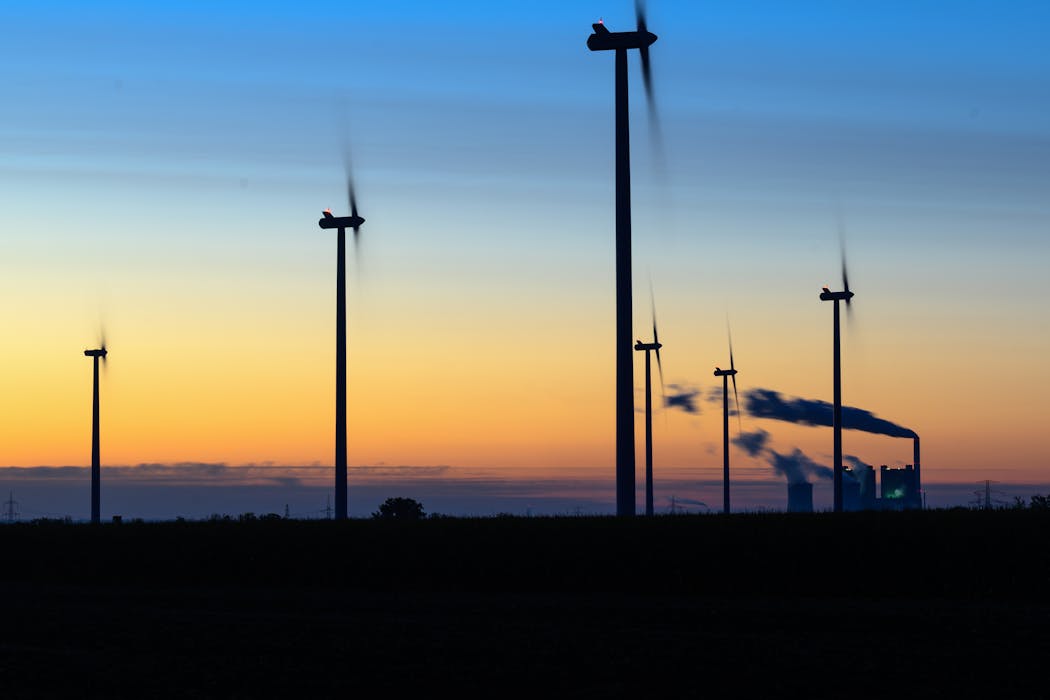
Renewable energy is expanding, but a fossil fuel phaseout appears to still be far in the future. Hendrik Schmidt/picture alliance via Getty Images

Fossil fuels still power much of the world, even though renewable energy has become cheaper in most places and avoids both pollution and the climate damage caused by burning coal, oil and natural gas.

To understand this paradox, it helps to look at how countries – particularly major greenhouse gas emitters, including the U.S., China and European nations – are balancing the pressures of rising electricity demand with the global need to reduce greenhouse gas emissions that are warming the planet.

US embraces fossil fuels

The United States makes no secret of its fossil fuel ambitions. It has a wealth of fossil fuel reserves and a politically powerful oil and gas industry.

Since President Donald Trump took office in January 2025, his administration has been promoting oil and gas drilling and coal production, pointing to rising electricity demand to justify its moves, particularly to power artificial intelligence data centers.

Reviving the “drill, baby, drill” mantra, the Trump administration has now embraced a “mine, baby, mine” agenda to try to revive U.S. coal production, which fell dramatically over the past two decades as cheaper natural gas and renewable energy rose.

Trump shakes a man's hand. All of the men are wearing hardhats.
U.S. President Donald Trump shakes hands with coal industry employees who were invited to watch him sign legislation in April 2025 promoting fossil fuels.
Jabin Botsford/The Washington Post via Getty Images

The Department of Interior on Sept. 29 rolled out a plan to “unleash American coal power” by opening 13 million acres of federal land to mining. The Department of Energy also pledged US$625 million to try to make coal competitive. It includes lowering the royalty rates mining companies pay and extending the operating lifespans of coal-fired power plants.

However, these initiatives further lock communities with coal plants into a carbon-intensive fossil fuel. Coal’s resurgence would also have public health costs. Its pollution is linked to respiratory illness, heart disease and thousands of premature deaths each year from 1999 to 2020 in the United States.

The Trump administration is also ceding the clean energy technology race to China. The administration is ending many renewable energy tax credits and pulling federal support for energy research projects.

I work in the Climate Policy Lab at The Fletcher School of Tufts University, where we maintain a suite of databases for analyzing countries’ energy research budgets. The Trump administration’s 2026 U.S. budget request would slash funding for energy research, development and demonstration to $2.9 billion — just over half the budget allocated in 2025. These energy research investments would fall to levels not seen since the mid-1980s or early 2000s, even when accounting for inflation.

China’s clean energy push – and coal expansion

While the United States is cutting renewable energy funding, China is doubling down on clean energy technologies. Its large government subsidies and manufacturing capacity have helped China dominate global solar panel production and supply chains for wind turbines, batteries and electric vehicles.

Cheaper Chinese-manufactured clean energy technologies have enabled many emerging economies, such as Brazil and South Africa, to reduce fossil fuel use in their power grids. Brazil surged into the global top five for solar generation in 2024, producing 75 terawatt-hours (TWh) of electricity and surpassing Germany’s 71 TWh.

The International Energy Agency now expects global renewable energy capacity to double by 2030, even with a sharp drop expected in U.S. renewable energy growth.

However, while China expands clean energy access around the world, its production and emissions from coal continue to rise: In the first half of 2025, China commissioned 21 gigawatts (GW) of new coal power plants, with projections of over 80 GW for the full year. This would be the largest surge in new coal power capacity in a decade for China. Although China pledged to phase down its coal use between 2026 to 2030, rising energy demand may make the plan difficult to realize.

China’s paradox — leading in clean energy innovations while expanding coal — reflects the tension between ensuring energy security and reducing emissions and climate impact.

Europe’s scramble for reliable energy sources

The European Union is pursuing strategies to reduce its reliance on fossil fuels amid the ongoing geopolitical tensions with Russia.

Russia’s invasion of Ukraine exposed many countries to supply disruptions and geopolitical turmoil, and it triggered a global energy crisis as countries once reliant on Russian oil and gas scrambled to find alternatives.

In June 2025, the European Commission proposed a regulation to phase out Russian fossil fuel imports by the end of 2027, aiming to enhance energy security and stabilize prices. This initiative is part of the broader REPowerEU plan. The plan focuses on increasing clean energy production, improving energy efficiency and diversifying oil and gas supplies away from Russia.

Renewables are now the leading source of electric power in the EU, though natural gas and oil still account for more than half of Europe’s total energy supply.

The EU’s fossil energy phaseout plan also faces challenges. Slovakia and Hungary have expressed resistance to the proposed phaseout, citing concerns over energy affordability and the need for alternative supply sources. Hungarian Prime Minister Victor Orbán said Hungary would continue importing Russian oil and gas. Cutting off these supplies, he asserted, would be an economic “disaster” and immediately reduce Hungary’s economic output by 4%.

The path to reducing Europe’s dependence on fossil fuels thus involves navigating internal disagreements and incentivizing long-run sustainable development. Europe does appear to be gaining in one way from the U.S. pullback from clean energy. Global investment in renewable energy, which hit a record high in the first half of 2025, increased in the EU as it fell in the U.S., according to BloombergNEF’s analysis.

Brazil: Torn on fossil fuels as it hosts climate talks

In November 2025, representatives from countries around the world will gather in Brazil for the annual United Nations climate conference, COP30. The meeting marks three decades of international climate negotiations and a decade since nations signed the Paris Agreement to limit global temperature rise.

The conference’s setting in Belém, a city in the Amazon rainforest, reflects both the stakes and contradictions of climate commitments: a vital ecosystem at risk of collapse as the planet warms, in a nation that pledges climate leadership while expanding oil and gas production and exploring for oil in the Foz do Amazonas region, the mouth of the Amazon River.

Thirty years into global climate talks, the disconnect between promises and practices has never been so clear. The world is not on track to meet the Paris temperature goals, and the persistence of fossil fuels is a major reason why.

Negotiators are expected to debate measures to curb methane emissions and support the transition from fossil fuels. But whether the discussions can eventually translate into a concrete global phaseout plan remains to be seen. Without credible plans to actually reduce fossil fuel dependence, the annual climate talks risk becoming another point of geopolitical tension.

The Conversation

Kate Hua-Ke Chi does not work for, consult, own shares in or receive funding from any company or organization that would benefit from this article, and has disclosed no relevant affiliations beyond their academic appointment.

ref. Why countries struggle to quit fossil fuels, despite higher costs and 30 years of climate talks and treaties – https://theconversation.com/why-countries-struggle-to-quit-fossil-fuels-despite-higher-costs-and-30-years-of-climate-talks-and-treaties-266993

The real reason conservatives are furious about Bad Bunny’s forthcoming Super Bowl performance

Source: The Conversation – USA (2) – By Ediberto Román, Professor of Law, Florida International University

Bad Bunny recently decided to avoid performing on the U.S. mainland, citing fears that some of his fans could be targeted and deported by ICE. Michael Loccisano/Getty Images for Coachella

Soon after the NFL’s announcement that Puerto Rican rapper Bad Bunny would headline the Super Bowl halftime show, conservative media outlets and Trump administration officials went on the attack.

Homeland Security head Kristi Noem promised that U.S. Immigration and Customs Enforcement “would be all over the Super Bowl.” President Donald Trump called the selection “absolutely ridiculous.” Right-wing commentator Benny Johnson bemoaned the fact that the rapper has “no songs in English.” Bad Bunny, conservative pundit Tomi Lahren complained, is “Not an American artist.”

Bad Bunny – born Benito A. Martínez Ocasio – is a superstar, one of the top-streaming artists in the world. And because he is Puerto Rican, he’s a U.S. citizen, too.

To be sure, Bad Bunny checks many boxes that irk conservatives. He endorsed Kamala Harris for president in 2024. There’s his gender-bending wardrobe. He has slammed the Trump administration’s anti-immigration policies. He has declined to tour on the U.S. mainland, fearing that some of his fans could be targeted and deported by ICE. And his explicit lyrics – most of which are in Spanish – would make even the most ardent free speech warrior cringe.

And yet, as experts on issues of national identity and U.S. immigration policies, we think Lahren’s and Johnson’s insults get at the heart of why the rapper has created such a firestorm on the right. The spectacle of a Spanish-speaking rapper performing during the most-watched sporting event on American TV is a direct rebuke of the Trump administration’s efforts to paper over the country’s diversity.

The Puerto Rican colony

Bad Bunny was born in 1994 in Puerto Rico, an unincorporated U.S. territory that the country acquired after the 1898 Spanish-American War.

It is home to 3.2 million U.S. citizens by birth. If it were a state, it would be the 30th largest by population, according to the 2020 U.S. Census.

But Puerto Rico is not a state; it is a colony from a bygone era of U.S. overseas imperial expansion. Puerto Ricans do not have voting representatives in Congress, and they do not get to help elect the president of the United States. They are also divided over the island’s future. Large pluralities seek either U.S. statehood or an enhanced form of the current commonwealth status, while a smaller minority vie for independence.

Young women yell and wave red, white and blue Puerto Rican flags.
Revelers in New York’s Spanish Harlem wave Puerto Rican flags during the neighborhood’s annual 116th street festival.
Mario Tama/Getty Images

But one thing is clear to all Puerto Ricans: They’re from a nonsovereign land, with a clearly defined Latin American culture – one of the oldest in the Americas. Puerto Rico may belong to the U.S. – and many Puerto Ricans embrace that special relationship – but the island itself does not sound or feel like the U.S.

The over 5.8 million Puerto Ricans that reside in the 50 states further complicate that picture. While legally they are U.S. citizens, mainstream Americans often don’t see Puerto Ricans that way. In fact, a 2017 poll found that only 54% of Americans knew that Puerto Ricans were U.S. citizens.

The alien-citizen paradox

Puerto Ricans exist in what we describe as the “alien-citizen paradox”: They are U.S. citizens, but only those residing in the mainland enjoy all the rights of citizenship.

A recent congressional report stated that U.S. citizenship for Puerto Ricans “is not equal, permanent, irrevocable citizenship protected by the 14th Amendment … and Congress retains the right to determine the disposition of the territory.” Any U.S. citizen that moves to Puerto Rico no longer possesses the full rights of U.S. citizens of the mainland.

Bad Bunny’s selection for the Super Bowl halftime show illustrates this paradox. In addition to criticisms from public figures, there were widespread calls among MAGA influencers to deport the rapper

This is but one way Puerto Ricans, as well as other Latino citizens, are reminded of their status as “others.”

ICE apprehensions of people merely appearing to be an immigrant – a tactic that was recently given the blessing of the Supreme Court – is an example of their alienlike status.

And the bulk of the ICE raids have occurred in predominantly Latino communities in Los Angeles, Chicago and New York. This has forced many Latino communities to cancel Hispanic Heritage Month celebrations.

Bad Bunny’s global reach

The xenophobic fervor against Bad Bunny has led political leaders like House Speaker Mike Johnson to call for a more suitable figure for the Super Bowl, such as country music artist Lee Greenwood. Referring to Bad Bunny, Johnson said “it sounds like he’s not someone who appeals to a broader audience.”

But the facts counter that claim. The Puerto Rican artist sits atop the global music charts. He has over 80 million monthly Spotify listeners. And he has sold nearly five times more albums than Greenwood.

That global appeal has impressed the NFL, which hopes to host as many as eight international games next season. Additionally, Latinos represent the league’s fastest-growing fan base, and Mexico is its largest international market, with a reported 39.5 million fans.

The Bad Bunny Super Bowl saga may actually become an important political moment. Conservatives, in their efforts to highlight Bad Bunny’s “otherness” – despite the United States being the second-largest Spanish-speaking country in the world – may have unwittingly educated America on the U.S. citizenship of Puerto Ricans.

In the meantime, Puerto Ricans and the rest of the U.S. Latino community continue to wonder when they’ll be accepted as social equals.

The Conversation

The authors do not work for, consult, own shares in or receive funding from any company or organization that would benefit from this article, and have disclosed no relevant affiliations beyond their academic appointment.

ref. The real reason conservatives are furious about Bad Bunny’s forthcoming Super Bowl performance – https://theconversation.com/the-real-reason-conservatives-are-furious-about-bad-bunnys-forthcoming-super-bowl-performance-267078

HIV rates are highest in the American South, despite effective treatments – a clash between culture and public health

Source: The Conversation – USA (3) – By Brandon Nabors, Postdoctoral Research Associate in Public Health, University of Mississippi

Information about PrEP in the clinic can go only so far without community support. Jahi Chikwendiu/The Washington Post via Getty Images

The American South has the highest HIV rates in the country, accounting for more than half of new HIV diagnoses nationwide in 2023. This is despite growing availability of a highly effective HIV prevention medication that has made it possible to live a long, healthy life with this once fatal disease.

This medication – called preexposure prophylaxis, or PrEP – reduces the risk of HIV transmission by over 99% when taken as prescribed. Yet, in Southern cities such as Jackson, Mississippi, and Memphis, Tennessee, one of the most vulnerable populations – Black men who have sex with men – are rarely using it, with fewer than 1 in 5 who are eligible taking the drug.

The Trump administration has previously frozen and proposed more cuts to HIV prevention programs in the U.S. And although the administration has restored some of the federal webpages and datasets it took down in January 2025, it is unclear what information remains missing or has changed. Communities in the South that already face the highest burden of infection will feel the greatest effects of changing public health priorities.

In my work as a public health researcher, I have spent years studying HIV prevention and the social determinants of health in the Deep South. Through interviews with health care providers and Black patients in major Southern cities, what I learned was that a powerful clash between culture and public health plays a significant role in why effective medical treatments are still failing to reach those who need it most. I call this tension the Southern paradox – where medical solutions exist but systemic forces block access.

The stories of these clinicians and patients in the South weren’t simply about a pill: They were about trust, identity, family and faith. And their words highlighted a complex web of emotions and experiences that often go unaddressed in standard health messaging.

Southern culture and sexual health

In my recent study, I interviewed 12 people in Jackson, Memphis, New Orleans and Atlanta: eight Black men who have sex with men, along with four health care providers. Three of these providers also identified as men who have sex with men.

Many participants reported that physical access to PrEP wasn’t the issue. Instead, what stood in the way was far more personal and deeply embedded in their environment.

“In church, you’re taught to love your neighbor, but there’s always an asterisk when it comes to who you love,” one participant from Jackson told me. “If you’re gay, you’re either ignored or silently judged.”

Nearly all participants described the South as a place deeply shaped by conservative values, especially those rooted in religion and traditional family structures. The Black church emerged as both a protective factor and a challenge. While offering vital community support, it also often reinforced stigma around homosexuality and discouraged open conversations about sexual health.

Tackling HIV in the South takes a village.

One participant from New Orleans shared that he heard about PrEP from his health care provider and his friends, while another from Atlanta recalled learning about PrEP during his annual physical. Despite repeatedly being exposed to information about PrEP, both described hesitation about starting treatment. One worried about potential stigma if others discovered he was taking it, while the other questioned whether he “really needed” it. Ultimately, neither had started PrEP.

In many of these communities, sex education in schools is still focused on abstinence and often excludes LGBTQ+ topics entirely. “You grow up not hearing anything about gay sex or HIV,” one man from Memphis said. “So, when you get older, it’s like starting from scratch.”

Even decisions around condom use were heavily shaped by cultural norms. Men described relying on partner trust, age or perceived cleanliness rather than research-based ways to reduce the risk of HIV.

This absence of comprehensive, inclusive sex education leaves many vulnerable to misinformation and, ultimately, to preventable infections.

Trust is the real barrier

One of the most striking findings from these conversations was the deep mistrust that many Black men who have sex with men feel toward the health care system.

“It’s hard to find affirming care for people in the queer community,” said one Memphis-based health provider. Others talked about fears of being “outed” through their insurance, especially if they were still on a family health plan.

A Jackson-based participant confided, “Some people avoid taking [PrEP] because for each prescription you are required to be evaluated. Some people don’t want the follow-up or the screening.” Another noted how fear of both outright and subtle judgment during medical appointments made it easier to avoid health care altogether.

Patient greeting a person working at a clinic with open arms
A welcoming health care environment can make all the difference.
Jahi Chikwendiu/The Washington Post via Getty Images

Systemic racism compounds these concerns. For many Black men, historical and ongoing experiences of discrimination, including rushed visits, lack of empathy, misdiagnoses and even being denied care altogether have built a lasting sense of caution.

Even when resources like PrEP are available, these treatments often feel inaccessible to Black men because they do not trust the system offering them.

Social networks step in

Thankfully, these conversations also uncovered moments of hope.

Many participants learned about PrEP from peers. “We talk about it regularly,” said one participant in Jackson. “I have friends who work in public health, along with friends who are taking the medication.”

In the South, where community ties often serve as critical safety nets, these social networks can sometimes provide more trusted health information than clinics or campaigns. Informal conversations in group chats, at house parties or during community gatherings often serve as powerful platforms for health promotion.

One provider in Atlanta said he intentionally shared his own experiences with PrEP to reduce stigma. “I have a little soreness,” he said with a smile, referring to a recent injection. “Then I tell everyone, ‘Yup, I just got mine.’ The casualness of that comment made a difference: It made PrEP feel normal, relatable, something for ‘us,’ not something done to ‘them.’”

These social exchanges, rooted in trust and shared experience, frequently did more to shift attitudes than traditional public health campaigns. As one participant put it, “I trust my friends more than those ads. If they’re taking it and it works for them, that means something to me.”

Making PrEP culturally relevant

What these conversations show is that for PrEP to work in the South, access to treatment is only part of the equation. Building trust, cultural affirmation and community-led education are equally critical.

Public health messages that go beyond medical facts and address the emotional, spiritual and social dimensions of health are more likely to build lasting engagement with HIV prevention. This includes investing in Black, LGBTQ+-affirming health care providers who reflect the communities they serve. It also means integrating discussions of sexual health into everyday conversations at barbershops, churches and community centers, not just in clinics.

Public health officials and clinicians can explore alternative treatment delivery methods that address privacy concerns, such as telehealth PrEP programs, discreet mail-order services and community-based distribution points. These can make PrEP easier to access and reduce the stigma associated with clinic visits.

Most importantly, valuing the knowledge already circulating within communities and supporting peer educators as legitimate public health messengers can strengthen credibility, normalize PrEP and empower people to take charge of their health.

In the battle against HIV in the South, culture is not just a barrier. It can also be the solution. I believe that when care is offered in a way that honors people’s identities, experiences and values, it becomes not just accessible but empowering.

The Conversation

Brandon Nabors does not work for, consult, own shares in or receive funding from any company or organization that would benefit from this article, and has disclosed no relevant affiliations beyond their academic appointment.

ref. HIV rates are highest in the American South, despite effective treatments – a clash between culture and public health – https://theconversation.com/hiv-rates-are-highest-in-the-american-south-despite-effective-treatments-a-clash-between-culture-and-public-health-257434

Entre la Chine et les Etats-Unis, l’Afrique doit s’imposer comme l’arbitre des minéraux critiques

Source: The Conversation – in French – By James Boafo, Lecturer in Sustainability and Fellow of Indo Pacific Research Centre, Murdoch University

Les minéraux critiques tels que le lithium, le cobalt, le nickel, le cuivre, les terres rares et les métaux du groupe du platine sont essentiels aux technologies modernes, notamment à des secteurs comme l’électronique, les télécommunications, les énergies renouvelables, la défense et les systèmes aérospatiaux.

La demande mondiale pour ces minéraux ne cesse de croître, tout comme la concurrence pour s’en procurer.

L’approvisionnement et la production de ces minéraux sont largement concentrés dans les pays du Sud. La majeure partie du cobalt mondial est ainsi produite en République démocratique du Congo (RDC). Ce pays fournit près des trois quarts de la production mondiale de cobalt. L’Australie produit quant à elle près de la moitié du lithium mondial. Le Chili représente un autre quart de la production mondiale de lithium, suivi par la Chine avec 18 %.

La Chine, de son côté, domine la chaîne d’approvisionnement grâce à des investissements massifs dans les opérations minières, en particulier en Afrique. Elle est responsable du raffinage de 90 % des éléments de terres rares et du graphite, et de 60 à 70 % du lithium et du cobalt. Les États-Unis et l’Union européenne, partenaires commerciaux de longue date des pays africains, ont également adopté des politiques visant à garantir l’accès aux ressources africaines.

La question est de savoir ce que font les pays africains pour tirer parti de cette demande en minéraux essentiels, en particulier pour stimuler leur propre développement.

En tant que chercheurs spécialisés dans le développement, nous abordons cette question dans une publication consacrée à l’importance croissante des minéraux critiques en Afrique, éditée par le Indian Council of World Affairs. Dans une autre publication, nous examinons comment la nouvelle diplomatie des ressources risque de maintenir l’Afrique dans un rôle simple de fournisseur de matières premières de l’économie mondiale.

Nous recommandons aux pays africains de déterminer eux-mêmes comment tirer profit de cette concurrence mondiale. Cela passe notamment par l’élaboration de stratégies nationales qui mettent l’accent sur la valeur ajoutée et les avantages locaux. Ces stratégies nationales devraient commencer par mettre en position les pays africains de manière à ce qu’ils tirent profit de leurs ressources au-delà de la valeur ajoutée.

Cette compétition autour des minéraux essentiels de l’Afrique souligne ainsi l’urgence des réformes de gouvernance et de la coopération régionale afin de transformer la richesse minérale en prospérité durable, en évitant ainsi une nouvelle « malédiction des ressources ».

Le « nouvel ordre mondial » émergent

Un « nouvel ordre mondial » dirigé par la Chine est en train d’émerger pour contrer l’influence occidentale menée par les États-Unis. Les pays de l’Est et du Sud illustrent ce changement à travers des regroupements tels que les BRICS et la coopération Sud-Sud dans les domaines de la technologie et du développement. La Chine a également renforcé son influence dans le Sud grâce à des initiatives telles que la nouvelle route de la soie (Belt and Road Initiative).

Lancée en 2013, l’initiative « Nouvelle route de la soie» est un projet d’infrastructures ambitieux qui relie les continents par voie terrestre et maritime. Depuis lors, plus de 200 accords ont été signés avec plus de 150 pays et 30 organisations internationales. Cette initiative a augmenté l’accès de la Chine aux ressources. Cela se fait souvent en échange du développement d’infrastructures qui relient les régions minières aux ports.

En Afrique, la Chine a investi massivement dans l’exploitation minière et les infrastructures dans les pays riches en ressources tels que la RDC, le Zimbabwe, la Zambie, l’Afrique du Sud et le Ghana. Ses entreprises ont notamment dépensé environ 4,5 milliards de dollars américains dans des projets liés au lithium au Zimbabwe, en RDC, au Mali et en Namibie.

Pékin a récemment célébré le 80e anniversaire de la fin de la Seconde Guerre mondiale par un défilé militaire qui a permis de mettre en avant la puissance militaire de la Chine. Le président Xi a affirmé à cette occasion que la Chine était désormais une puissance « inarrêtable ».

Forte de son influence et de son accès privilégié aux minéraux critiques, ce pays a consolidé sa capacité à acquérir du matériel militaire et des technologies de pointe.

La concurrence pour les minéraux essentiels de l’Afrique

L’Afrique détient environ 30 % des gisements mondiaux de minéraux critiques, ce qui en fait un enjeu géopolitique majeur. Les États-Unis et l’UE cherchent à conclure des accords afin de sécuriser leur approvisionnement et de réduire leur dépendance vis-à-vis de la Chine.

L’UE a ainsi conclu des partenariats stratégiques sur les minéraux avec la RDC, le Rwanda, la Namibie et la Zambie. La Chine a pour sa part conclu des accords bilatéraux avec onze pays africains dans le secteur minier. Les États-Unis ont également signé un accord trilatéral avec la RDC et la Zambie. Son objectif est de soutenir une chaîne de valeur intégrée pour les batteries des véhicules électriques (VE). Elle a également signé récemment un accord « Minerais pour la paix » avec la RDC et le Rwanda afin de tenter de mettre fin à des décennies de conflit dans l’est du Congo.

Bien que les pays africains aient besoin d’aide pour transformer leurs ressources en prospérité, nos recherches ont montré que ces partenariats risquent d’accentuer la position marginale de l’Afrique dans la chaîne de valeur mondiale. En effet, ils reproduisent souvent des conditions qui rappellent le colonialisme : dépendance, extraction des ressources et déséquilibres de pouvoir.

La voie à suivre

Nos recherches montrent que la rivalité entre l’ordre mondial échaffaudé par les États-Unis et celui impulsé par la Chine dépendra de plusieurs facteurs. Il s’agit notamment du contrôle des technologies émergentes: les énergies renouvelables, la défense, l’aérospatiale et l’IA. Or toutes ces industries dépendent des minéraux critiques. L’accès élargi à ces minéraux et à leurs chaînes d’approvisionnement, ainsi que leur contrôle, seront donc des facteurs déterminants de la puissance mondiale.

La compétition entre les États-Unis et la Chine pour les minéraux essentiels va s’intensifier. Dans cette bataille, il est crucial que les pays africains restent neutres. Ces derniers doivent s’engager uniquement dans des partenariats significatifs et mutuellement bénéfiques qui font véritablement progresser leurs pays et leurs économies.

A cet égard, les pays africains doivent définir explicitement leurs priorités dans le secteur extractif. Sans stratégie claire, l’Afrique continuera de se voir imposer l’avenir par les puissances extérieures. Le continent restera prisonnier de sa dépendance au lieu de pouvoir tirer pleinement parti de la valeur réelle de ses richesses minérales.

Enfin, plutôt que de se contenter de se disputer les minéraux critiques de l’Afrique, la Chine, les États-Unis et l’UE devraient s’engager de manière équitable avec les pays africains dans le secteur extractif afin de garantir un développement équitable sur tout le continent.

The Conversation

The authors do not work for, consult, own shares in or receive funding from any company or organisation that would benefit from this article, and have disclosed no relevant affiliations beyond their academic appointment.

ref. Entre la Chine et les Etats-Unis, l’Afrique doit s’imposer comme l’arbitre des minéraux critiques – https://theconversation.com/entre-la-chine-et-les-etats-unis-lafrique-doit-simposer-comme-larbitre-des-mineraux-critiques-267351

India’s monsoon is becoming more extreme – even though overall rainfall has hardly increased

Source: The Conversation – UK – By Ligin Joseph, PhD Candidate, Oceanography, University of Southampton

Across India, torrential rains over the past few months have swallowed an entire village in the Himalayas, flooded Punjab’s farmlands and brought Kolkata to a standstill. This all happened in a monsoon season in which total rainfall was technically only 8% above normal.

Climate change is not simply making India’s monsoon wetter. It’s making it wilder – with longer dry spells and more extreme downpours.

The Indian summer monsoon, which delivers about 80% of the country’s annual rainfall, usually sweeps in from the Arabian Sea in early June and retreats at the end of September. Growing up in India, I remember the joy of watching the rains arrive each year, the scent of wet earth and the relief they brought after a scorching April and May. Those memories still live in me. But today, the same monsoon that once filled our rivers and hearts with hope now brings fear and uncertainty.

This year, the monsoon arrived a week early, the fastest onset in 16 years. However, an early start does not necessarily translate to higher rainfall totals for the season. The modest 8% above average hides the real story: many regions experienced unusually intense and frequent downpours.

In the Himalayan village of Dharali, for instance, a cloudburst in early August triggered flash floods that left the local market buried under sediment as high as a four-storey building. Most parts of the village were completely washed away. Scientists suspect melting glaciers and cloudbursts – both linked to a warmer climate – were to blame.

In Punjab, a state of 30 million people often called India’s “food bowl”, heavy rains drowned crops across an area roughly the size of Greater Manchester. All 23 districts of the state were affected.

Scientists say the deluge was driven by an unusual interaction between regular monsoon weather systems and “western disturbances” – storm systems that originate in the Mediterranean and typically influence India’s weather in the winter. Their overlap this year amplified rainfall across northern India.

On the other side of the country, the huge city of Kolkata was not spared either. Some areas received 332mm of rain in just a few hours, more than half of what London gets in a whole year. The rains fell just before the major Hindu festival of Durga Puja, paralysing the city. The culprit was another low-pressure system that formed over the Bay of Bengal and carried vast amounts of moisture inland.

While the south escaped the worst flooding, cities such as Mumbai and Vijayawada also saw intense cloudbursts, demonstrating the spread of extreme rainfall.

Why the monsoon is becoming more extreme

Each disaster was driven by the same underlying trend: a warmer atmosphere that can hold more moisture. For every degree of warming, the air can store about 7% more water vapour – and when that moisture is released, it falls in heavier downpours over shorter periods. This trend is now clearly visible in India’s monsoon data.

Map of India
How the number of extreme rainfall days during the summer monsoon has changed since 1951. Green areas are having more extremes; brown areas less. Extremes are increasing across southern and western India, and decreasing in parts of central and northeastern India. (Boundaries and names shown on the map do not imply official endorsement or acceptance).
Ligin Joseph (data: Indian Meteorological Department)

The number of extreme rainfall days, when daily totals exceed the top 10% of the long-term average, has risen sharply across southern and western India since the 1950s. Some regions, meanwhile, are receiving less overall rain but in stronger and more erratic bursts, meaning both droughts and floods can be a threat in the same season.

Scientists have also noticed shifts in the monsoon’s circulation and in the low-pressure systems that drive it. Climate change is pushing the whole monsoon system westward, increasing rainfall over typically arid northwestern India, while decreasing rainfall over the traditionally wetter northeast.

All this extreme rainfall is turning the monsoon from a friend into a foe. Unless we act responsibly to limit greenhouse gas emissions and become more resilient to the consequences of a changing climate, the season that sustains life across India may increasingly threaten it.


Don’t have time to read about climate change as much as you’d like?

Get a weekly roundup in your inbox instead. Every Wednesday, The Conversation’s environment editor writes Imagine, a short email that goes a little deeper into just one climate issue. Join the 45,000+ readers who’ve subscribed so far.


The Conversation

Ligin Joseph receives funding from the UK’s Natural Environment Research Council (Nerc).

ref. India’s monsoon is becoming more extreme – even though overall rainfall has hardly increased – https://theconversation.com/indias-monsoon-is-becoming-more-extreme-even-though-overall-rainfall-has-hardly-increased-267159

What the Caerphilly byelection could reveal about Reform, Labour and Wales’ political future

Source: The Conversation – UK – By Marc Collinson, Lecturer in Political History, Bangor University

Caerphilly castle is the second largest castle in the UK Ceri Breeze/Shutterstock

When voters in Caerphilly in south Wales go to the polls later this month, it will be about far more than one seat in the Senedd, Wales’s devolved parliament.

Caerphilly, a postindustrial town just north of Cardiff, has long been considered safe Labour territory. But in recent years, economic upheaval and social change have made once rock-solid seats like these far less predictable.

The contest is therefore not just about who wins a single seat, but what kind of Wales will emerge from a period of upheaval. Will it be one clinging to the certainties of its industrial past? Or one looking toward Plaid Cymru and the prospect of Welsh independence as the political voice for such unease? Or, alternatively, will it turn to the populist right?

What happens here could indicate whether Labour’s hold on the Welsh valleys is starting to loosen, and whether new political forces are taking root. It’s a local contest with national stakes.

Labour remains Wales’s dominant political force, but the past 18 months have been turbulent. Mark Drakeford’s retirement as first minister was followed by Vaughan Gething’s brief and troubled leadership.

Meanwhile, the current first minister Eluned Morgan faces her own challenges. Fourteen members of the Labour group will step down before the 2026 Senedd election.

The Caerphilly byelection, triggered by the death of sitting Labour member Hefin David, comes at a difficult time for Labour across both the UK and in Wales.

Labour’s UK leadership remains focused on Westminster, while in Wales, divisions over candidate selection and policy have occasionally exposed cracks in the party’s valleys strongholds. History offers warnings.

For example, in 2005, Labour suffered a shock defeat in nearby Blaenau Gwent when former Labour member Peter Law stood as an independent after rebelling against the party’s candidate selection. His victory – and the byelection wins that followed his death – showed how local discontent can upend even the safest seats.

Whatever happens in Caerphilly, the real test for Labour will be what follows, as the result may affect its majority to govern and pass a budget. It could remain in office as the largest party, but without power.

The rise of Reform

Among the most striking developments in Welsh politics is the growing profile of Reform UK, now rebranding its Welsh operation as “Reform UK Wales”.

Analyses point to similarities with the Brexit Party and UKIP. Like these parties before, Reform taps into the undercurrent of discontent that runs through many post-industrial communities.

While some research suggests Reform may be perceived as even more racially divisive than its predecessors.

In Caerphilly, Reform has an active local campaign and a simple message: bring back money and decision-making to local communities. The party is positioning itself against both the Welsh government’s record in the Senedd while channelling resentment toward Westminster.

For some voters, Reform’s appeal is less about specific policies than about mood – frustration with established politics and a desire for something new.

Under changes due next year, the Senedd will grow in size and adopt a more proportional voting system. That could make it easier for smaller parties like Reform to win representation, giving this byelection added importance as a test of their strength.

A strong showing could signal a profound realignment in the political geography of Wales, and a measure of how far populist politics has embedded itself in areas once considered the bedrock of Labour Wales.

Stepping stone to a Plaid government?

Plaid Cymru, meanwhile, is keen to show it can turn rising national support into real gains.

The party has come close to winning Caerphilly before. In 1968, its candidate Phil Williams cut Labour’s majority from more than 20,000 to fewer than 2,000 votes.

More recently, former Plaid leader Leanne Wood’s surprise victory in nearby Rhondda in 2016 showed Plaid could break through in Labour heartlands. But her loss five years later underlined how hard it is to sustain momentum.

Rhun ap Iorwerth clapping his hands.
Could Plaid Cymru leader Rhun ap Iorwerth form the next Welsh government?
van Blerk/Shutterstock

Polling suggests Plaid could form a government in 2026 if current trends continue, but that depends on building a consistent base in areas like Caerphilly. A victory here would not just be symbolic; it would demonstrate that Plaid’s message resonates beyond its rural and Welsh-speaking heartlands.

The upcoming electoral reforms could further boost Plaid’s chances, if it can show voters that it offers a credible alternative to Labour.


Read more:
Is backing Welsh independence the same as being a nationalist? Not necessarily


For other parties, expectations are modest. The Conservatives are struggling to make headway in Wales, while the Liberal Democrats remain on the margins. But the Caerphilly byelection will still send a message far beyond this one constituency.

Whatever the result, Caerphilly will offer a snapshot of a nation in transition. A comfortable Labour win would suggest its dominance in the valleys remains intact. A strong showing for Plaid or Reform, however, would point to deeper realignments. It’s evidence that Wales’s political future may look very different from its past.

The Conversation

Marc Collinson received funding from the Y Werin Legacy Fund.

Robin Mann receives funding from Economic and Social Research Council.

ref. What the Caerphilly byelection could reveal about Reform, Labour and Wales’ political future – https://theconversation.com/what-the-caerphilly-byelection-could-reveal-about-reform-labour-and-wales-political-future-266545