Few feelings are more thrilling for a literature scholar than unearthing an archival gem. Urmila Seshagiri, professor of English at the University of Tennessee, got to experience such a jolt when she was told about previously unseen typescripts of three short stories by Virginia Woolf.
These interconnected tales, written in 1907, comprise a mock biography of Woolf’s friend Mary Violet Dickinson, an independent woman who moved in aristocratic circles and who would be crucial to the development of Woolf’s early writing.
In 2022, Seshagiri was finally able to make the trip to Longleat House, a stately home in south-west England, and open up a cream-coloured case containing a polished version of the stories. Another set exists in the US at the New York Public Library, catalogued as Friendships Gallery (the title of the first story). However, to see these drafts reworked by Seshagiri gives them fresh editorial impetus.
It had previously been presumed these stories were a lighthearted footnote to Woolf’s canon in draft form, written as a joke for a friend rather than work to be taken seriously. But now they have been published, bound and critically contextualised for the first time as The Life of Violet: Three Early Stories.
In contextualising these stories, Seshagiri introduces us to a young Virginia Stephen’s “first fully realised literary experiment”, written as she stood on the precipice of Bloomsbury Group-inflected fame.
Juvenilia – work produced when an artist is still young – often isn’t taken seriously. Woolf was even quoted as saying: “I don’t want immaturities, things torn out of time, preserved.”
But the typescripts stored at Longleat House suggest otherwise. Woolf had made amendments and opinions were sought from her sister Vanessa Bell, who thought the work was “very witty and brilliant”.
Seshagiri writes about the seemingly minor changes made by Woolf in detail, with “each clause balanced and weighted for impact”, as well as her overall compositional vision. And she explains how Woolf wove in Dickinson’s own pencilled edits.
Despite such attention to detail, the stories are short – unlike Dickinson, who stood at six feet two inches. Woolf conceptualises her friend as a giant, both literally and figuratively.
Together, Friendships Gallery, The Magic Garden and A Story to Make You Sleep can be read as a manifesto on female friendship and the importance of intergenerational exchange (Woolf was 20 and Dickinson 37 at their first meeting).
These were not merely society ties – their friendship ran deep: Dickinson cared for Woolf during a mental health crisis in 1904 at her home in Welwyn in Hertfordshire. Dickinson is also credited with enabling Woolf’s early literary ambitions as she took steps toward her inimitable style.
In Friendships Gallery, we meet Violet as a child and follow her to middle age, although Woolf’s narrator refuses to fill in the blanks that “yawn like awful caverns”. Instead of facts, we find anecdotes woven into an elevated mediation on biography.
Woolf asks: “Where does care for others become care for oneself?” Individual care is extended collectively outwards, as Violet’s bold laughter and antics slough off Victorian values. Through her friend’s example, Woolf maps out a route towards independence for a new generation of women.
In The Magic Garden, Violet takes tea in an aristocratic home, fielding information on gardening and plumbing. Such information fuels her quest for autonomy, as she cries out with joy about the benefits of having “a cottage of one’s own”. Such calls for creative independence preempt Woolf’s later manifesto, A Room Of One’s Own (1929).
While the first two stories are anchored in an insider’s perspective of English class dynamics, skewering prevailing social norms, the last, A Story to Make You Sleep, takes inspiration from Dickinson’s visit to Japan and the letters she wrote to Woolf.
Turning from mock biography to ancient myth, the story follows a giant princess who saves a village through laughter, before riding a sea monster into an unknown destiny. Unmoored from a context Woolf knew, the use of made-up words and faux Japanese customs stand out – a point Seshagiri reflects on with nuance in the Afterword.
These fantastical, farcical, anti-fairytales offer a glimpse into the early friendships that underpinned Woolf’s world in the years after her parents passed away. They also hint at the playfulness to come in Flush: A Biography (1933) – a social commentary told from the perspective of poet Elizabeth Barrett Browning’s cocker spaniel. They equally foreshadow the tale of queer love and time travel in Orlando: A Biography (1928), based on Woolf’s relationship with the writer and gardener Vita Sackville-West.
Beyond Woolf’s own canon of experimental biography, they also connect her to a tradition of surreal, feminist fabulists. In them, she finds odd kinship with the likes of Leonora Carrington and Angela Carter.
In bringing together these stories under the title The Life of Violet, the edition charts a literary turning point in the Woolf’s life. The stories are filled with recurring subjects found in her writing: of women’s history and education, of egalitarianism, of experimenting, and of blending biographical fact with fiction.
They remind us that Woolf had a playful, sardonic side and used comedy, as much as highbrow literary experiments, to push beyond the boundaries of tradition. Discoveries such as this also show that the steady image of literary figures (especially those with a booming industry behind them) is never fixed – but rather, reshaped through new readers and ongoing interpretation.
This article features references to books that have been included for editorial reasons, and may contain links to bookshop.org. If you click on one of the links and go on to buy something from bookshop.org The Conversation UK may earn a commission.
Looking for something good? Cut through the noise with a carefully curated selection of the latest releases, live events and exhibitions, straight to your inbox every fortnight, on Fridays. Sign up here.
Jade French receives funding from The Leverhulme Trust.
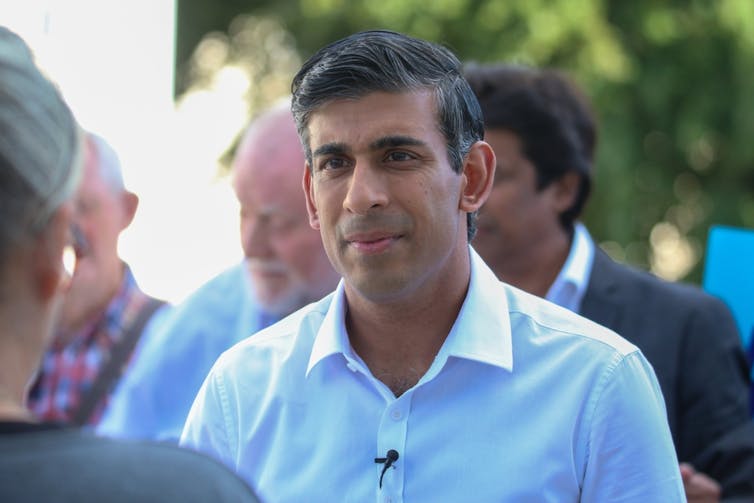
Former UK prime minister Rishi Sunak has called for a targeted prostate cancer screening programme for men most at high risk of the disease, reviving a national debate on how to save more lives and tackle health inequalities among men.
The plan, supported by Prostate Cancer Research, would provide regular screening for men aged 45 to 69, particularly those of African-Caribbean descent or with a family history of the disease.
The case for prostate cancer screening
Pinar Uysal-Onganer, Reader in Molecular Biology, University of Westminster
Prostate cancer is the most common cancer in men in the UK, with more than 63,000 new cases each year. But big gaps remain in who gets diagnosed, how early it’s caught and who survives, reflecting differences in race, region and access to healthcare.
African-Caribbean men are twice as likely to develop the disease and are more likely to die from it than white men. The risk is also higher for those with a father or brother who has had prostate cancer. These differences are not purely biological – they also reflect gaps in awareness, access to care and trust in the health system. A targeted screening programme could begin to close that gap.
The screening process would begin with a PSA (prostate-specific antigen) test, which detects the concentration of a protein produced by the prostate gland. If the PSA level is higher than expected, this would trigger a step-by-step diagnostic process, including MRI scans to improve accuracy and, when necessary, a biopsy to confirm the diagnosis.
Recent improvements in imaging technology help doctors to differentiate aggressive prostate cancers from less aggressive ones with much greater accuracy, making modern screening considerably more precise than it was ten years ago.
Early detection is vital in prostate cancer, as it is with many other cancers. Prostate cancer often develops silently for years before any symptoms appear. By the time it is noticed, it may already have spread beyond the prostate gland.
At that stage, treatments such as hormone therapy or chemotherapy can help control the cancer, although rarely cure it. Detecting prostate cancer earlier through targeted screening would enable less invasive and more effective treatment, offering a far greater chance of full recovery.
Importantly, this proposal recognises the need for greater inclusivity in men’s health. African-Caribbean men and those living in deprived areas are often underrepresented in clinical research, which contributes to gaps in understanding and poorer outcomes.
A screening model based on scientific evidence and community engagement could help close that gap. It would also encourage younger men, particularly those in their 40s, to take a more active interest in preventive health, replacing fear and stigma with informed confidence.
The proposed programme, estimated to cost £25 million annually (approximately £18 per patient, would be less expensive than many current national screening initiatives while offering potentially transformative benefits.
Notably, men in Scotland, as well as the north-west, West Midlands and Wales, have significantly lower survival rates, indicating persistent geographical inequalities in prostate cancer prognosis. Beyond early diagnosis, the proposal could foster trust and participation among underrepresented groups, stimulate biobank research to better understand ethnic and genetic risk and ultimately set a precedent for equity-driven preventive healthcare.
A national targeted PSA screening programme would save lives and demonstrate that all men, regardless of background or postcode, deserve the same chance of early detection.
Men should see their doctor regularly to look after their health and spot problems early. Serious illnesses like heart disease, diabetes and some cancers can be controlled or stopped altogether if caught in time. But men don’t always look after their health as well as women do.
One in five men put off going to the doctor or having tests. This is often because they feel embarrassed, awkward, or worried about what other people might think, especially when it comes to intimate health issues. When men finally do get help, their problems are often more serious and harder to fix by then. This is particularly true for prostate problems and prostate cancer.
A test called the PSA test has been suggested as a simple way to screen for prostate cancer. A single blood test could easily be added to routine health checks. Women already have screening programmes for breast and cervical cancer that have been running for years and save thousands of lives every year by catching cancer early. So on the face of it, having a similar blood test for prostate cancer in men seems like an obvious good idea.
But here’s the problem. The PSA test isn’t nearly as reliable as the tests for breast and cervical cancer. While breast cancer tests have a “sensitivity” (ability to accurately detect cancer) of between 50-91%, the PSA test has a sensitivity of around 20% – at the standard PSA cut-off of 4ng/mL. Things like an enlarged prostate, infections, or even recent exercise can give false results and make it look like someone has cancer when they don’t.
This unreliability causes a lot of problems. A high PSA result triggers a whole chain of tests and investigations into the prostate, some of which can be invasive, uncomfortable and painful. These investigations themselves can cause unnecessary worry and put men at risk of harm. Men might end up anxious and stressed for no good reason.
The other issue is that some prostate cancers grow very slowly and might never actually harm a person during their lifetime. They might just need careful watching rather than aggressive treatment. But when tests give “false positives” – saying someone has cancer when they don’t – each one means more investigations that need to happen. This piles pressure on doctors, radiologists and other specialists who are already stretched thin.
If someone is diagnosed with prostate cancer and gets surgery or radiation treatment, it can lead to serious side-effects like loss of bladder control, erectile dysfunction and serious psychological stress. Research shows that most prostate cancers tend to grow slowly and are not be life-threatening.
The PSA test is also unreliable in the other direction. Some men who actually do have prostate cancer may get a normal result and don’t get checked properly when they should have been.
From the NHS’s point of view, setting up a nationwide PSA screening programme would be hugely expensive and disruptive. Experts estimate it would increase the number of tests and scans needed by approximately 23%.
This would mean thousands more appointments, more specialist doctors and staff, and lots of money spent on scanners and lab work – all things the NHS is already stretched thin trying to provide. This extra workload could mean less time and money for patients who urgently need help with other cancers or serious illnesses.
The real answer isn’t just to test more men for prostate cancer; it’s to find a better test. Men should definitely pay more attention to their own health, but until we have a test that can tell the difference between prostate cancers that will genuinely threaten someone’s life and those that won’t, a nationwide PSA screening programme would do more damage than good.
It would turn healthy men into patients, overload hospitals even more, and wouldn’t actually give people clear answers. What we really need is a test that finds the right cancers, at the right time, using the right tool – in other words, a better test.
Pinar Uysal-Onganer receives funding from Prostate Cancer UK.
Alwyn Dart does not work for, consult, own shares in or receive funding from any company or organisation that would benefit from this article, and has disclosed no relevant affiliations beyond their academic appointment.
A wave of proposed social media bans for young people has swept the globe recently, fuelled by mounting concern about the apparent harm the likes of TikTok, Instagram and Snapchat can cause to vulnerable minds.
Australia was the first to announce restrictions on people under 16 having a social media account. New Zealand may soon follow, and Denmark’s prime minister recently declared her country would ban social media for under-15s, accusing mobile phones and social networks of “stealing our children’s childhood”.
The moves are part of a growing international trend: the United Kingdom, France, Norway, Pakistan and the United States are now considering or implementing similar restrictions, often requiring parental consent or digital ID verification.
At first glance, these policies appear to be about protecting young people from mental health harm, explicit content and addictive design. But beneath the language of safety lies something else: a shift in cultural values.
The bans reflect a kind of moral turn, one that risks reviving conservative notions that predate the internet. Might we be entering a new Victorian era of the internet, where the digital lives of young people are reshaped not just by regulation but by a reassertion of moral control?
Policing moral decline
The Victorian era was marked by rigid social codes, modest dress and formal communication. Public behaviour was tightly regulated, and schools were seen as key sites for socialising children into gender and class hierarchies.
Today, we see echoes of this in the way “digital wellness” is framed. Screen-time apps, detox retreats and “dumb” phones are marketed as tools for cultivating a “healthy” digital life – often with moral undertones. The ideal user is calm, focused and restrained. The impulsive, distracted or emotionally expressive user is pathologised.
This framing is especially evident in the work of Jonathan Haidt, psychologist and author of The Anxious Generation, a central text in the age-restriction movement. Haidt argues that social media accelerates performative behaviour and emotional dysregulation in young people.
Viewed this way, youth digital life involves declining psychological resilience, rising polarisation and the erosion of shared civic values, rather than being a symptom of complex developmental or technological shifts. This has helped popularise the idea that social media is not just harmful but corrupting.
For example, while some research links heavy social media use to anxiety and depression, other studies suggest the effects are modest and vary widely depending on context, platform and individual differences.
What’s missing from much of the debate is a recognition of young people’s agency, or their ability to navigate online spaces intelligently, creatively and socially.
Indeed, youth digital life is not just about passive consumption. It’s a site of literacy, expression and connection. Platforms such as TikTok and YouTube have fostered a renaissance of oral and visual communication.
Young people stitch together memes, remix videos and engage in rapid-fire editing to produce new forms of storytelling. These are not signs of decline but evolving literacies. To regulate youth access without acknowledging these skills risks suppressing the new in favour of preserving the familiar.
Regulate platforms, not young people
This is where the Victorian metaphor becomes useful. Just as Victorian norms sought to maintain a particular social order, today’s age restrictions risk enforcing a narrow vision of what digital life should look like.
On the surface, terms such as “brain rot” appear to convey the harm of excessive internet use. But in practice, they’re often used by teenagers to laugh about and resist the pressures of 24/7 hustle culture.
But concerns about young people’s digital habits seem rooted in a fear of cognitive difference – the idea that some users are too impulsive, too irrational, too deviant.
Age restrictions may address some symptoms, but they don’t tackle the underlying design of platforms that are built to keep us scrolling, sharing and generating data.
If society and governments are serious about protecting young people, perhaps the better strategy is to regulate the digital platforms. Legal scholar Eric Goldman calls the age-restriction approach a “segregate and suppress” strategy – one that punishes youth rather than holding platforms accountable.
We would never ban children from playgrounds, but we do expect those spaces to be safe. Where are the safety barriers for digital spaces? Where is the duty of care from digital platforms?
The popularity of social media bans suggests a resurgence of conservative values in our digital lives. But protection should not come at the cost of autonomy, creativity or expression.
For many, the internet has become a moral battleground where values around attention, communication and identity are fiercely contested. But it is also a social infrastructure, one that young people are already shaping through new literacies and forms of expression.
Shielding them from it risks suppressing the very skills and voices that could help us build a better digital future.
Alex Beattie receives funding from The Royal Society Te Apārangi. He is a recipient of a Marsden Fast Start Grant.
In November 2025, cinemas worldwide will release Nuremberg, a courtroom drama directed by James Vanderbilt. The film focuses on the International Military Tribunal against 24 major Nazi war criminals (though two were ultimately not tried) and seven Nazi organisations – including the SS, the Gestapo and the general staff of the army – at the end of the second world war.
Its release coincides with the 80th anniversary of the Nuremberg Trials, which officially opened on October 18 1945. The film explores our desire to see justice and reckoning for those who committed war crimes against civilian populations in the past and present.
The plot centres on the confrontation between Hermann Göring (played by Russell Crowe), a leading Nazi on trial, and psychiatrist Douglas M. Kelley (played by Rami Malek). Kelley’s task was to examine whether the top Nazis were fit to stand trial.
Nuremberg is often called “history’s greatest trial”. It was the first international trial that held senior governmental officials accountable for war crimes and crimes against humanity committed across Europe. It also established individual responsibility for committing war crimes, rejecting the defence of following the orders of superiors.
The indictment covered Nazi crimes before and during the war, against both soldiers and civilians. Nuremberg happened in a unique moment in time, when a country that triggered a major war was completely crushed by a military alliance willing to enforce its “unconditional surrender”.
It was also during the short time before the outbreak of the Cold War, when the wartime alliance between the East and West still held together. Such a trial seems unlikely to be repeated in our current historical moment.
What were the Nuremberg trials?
The International Military Tribunal, which held its hearings in Nuremberg, Germany, lasted for almost a year, until October 1946. It was the first in a series of 13 trials that brought to justice representatives of all the Nazi political, military and business elites, as well as mid-ranking representatives of the army, medical professionals and other Nazi agencies.
The reckoning was comprehensive, even though with the developing Cold War, the Western allies soon lost their appetite for further trials.
The Allies chose Nuremberg as the place for the trials for both political and practical reasons. Nuremberg was one of the centres of the Nazi movement. Numerous political rallies and parades took place there during Hitler’s rule. Also, the Palace of Justice in Nuremberg was one of the few suitable buildings that survived the near total destruction of Germany. It had the facilities needed for a major international tribunal.
Besides Göring, the defendants at the first trial included the Nazi foreign minister Joachim von Ribbentrop, military commanders Wilhelm Keitel and Alfred Jodl and armament minister Albert Speer. It also included the vicious antisemite Julius Streicher, and head of the Reich Security Main Office, Ernst Kaltenbrunner – the man in charge of the Nazi policies of persecution.
Several top representatives of Nazi Germany escaped justice: Adolf Hitler, Heinrich Himmler and Joseph Goebbels had died by suicide.
In popular memory, the Holocaust or Shoah, the mass extermination of the European Jews, is now commemorated as the main symbol of Nazi atrocities. But historians offer a mixed assessment of the role the Holocaust played during the Nuremberg trial.
While the persecution of the Jews did not dominate the proceedings, their fate was repeatedly emphasised as one of the Nazi crimes. Three Jewish survivors personally testified in the courtroom, reminding the world about the death of approximately six million Jews and incarceration of hundreds of thousands more who survived the ordeal of the camps.
In the courtroom, the prosecution played the footage from the liberated concentration camps, including Belsen and Buchenwald, which shook the audience – including the defendants. Defence witness Rudolf Höss, former commandant of Auschwitz, described the killing process in the gas chambers and crematoria in detail.
The Nazis’ persecution of other minorities received minimum coverage in the main trial. In addition to Jewish people, they also persecuted the Romani people, disabled people, homosexuals and religious minority groups.
Earlier efforts at international justice
Previous efforts to bring leaders of defeated states to justice and establish their accountability had been relatively unsuccessful. The Versailles Peace Treaty in 1919, for instance, promised to bring German leaders to justice for suspected war crimes during the first world war, though the effort never really materialised.
In the Soviet Union, trials of Nazi war criminals and local collaborators had already begun during the second world war. In 1943, the Krasnodar and Kharkov trials sentenced most defendants to death. In late 1944, a Soviet–Polish court sentenced guards from the Majdanek concentration camp to death. Further local trials continued in the first post-war months by the allied militaries, and new political authorities in the liberated countries.
But Nuremberg was the main piece in the puzzle of a comprehensive, often brutal retribution and cleansing all over Europe that brought tens of thousands of war criminals and collaborators to justice. Not only Germans, but also representatives of occupied nations accused of war crimes and collaboration, sat in the dock. Nazi war crimes trials, on a smaller scale, continued for decades.
In fact, just a few years ago, in 2022, 97-year-old Irmgard Furchner, a former secretary at a Nazi concentration camp, Stutthof, was found guilty of complicity in the murder of more than 10,500 people. She received a two-year suspended sentence.
‘History will judge us’
Nuremberg’s significance was political, legal, moral and historical. The tribunal prosecuting major war criminals “whose offenses have no particular geographical location” was jointly led by the four main Allied powers: the United States, the Soviet Union, Britain and France. Each had representatives among the judges and prosecution teams. The prosecutors also represented the interests of other, minor allies, such as Poland or Czechoslovakia, who could provide evidence for the trial.
The indictment listed four counts: conspiracy to commit crimes, crimes against peace, war crimes and crimes against humanity. In the first trial, 22 Nazis were in the dock.
the wrongs which we seek to condemn and punish have been so calculated, so malignant, and so devastating that civilization cannot tolerate their being ignored because it cannot survive their being repeated.
He continued, “We must never forget that the record on which we judge these defendants today is the record on which history will judge us tomorrow.”
The confirmation of the Nazi crimes that came with the liberation of Europe had shocked the world. When pushing the Wehrmacht (the armed forces of Germany’s Third Reich) from the east and west, seasoned Allied troops liberated destroyed villages and towns, coming across evidence of mass murder of civilians. In 1944 and 1945, the Red Army and western Allies liberated Nazi concentration camps, confirming the mass extermination of Jews and other groups.
At Nuremberg, the charge of “crimes against humanity”, in particular, punished crimes against civilians, such as “murder, extermination, enslavement, deportation, and other inhumane acts”. The promoter of this term was lawyer Hersch Lauterpacht, who was born in Galicia (then part of Austria-Hungary) and lived in the UK.
A competing legal terminology had been developed by another Galician-born lawyer, based in the US, Raphael Lemkin, who coined the term “genocide”. While the concept supported by Lauterpacht focused on the persecution of individuals, Lemkin stressed that the Nazi crimes were committed with the intent to destroy whole groups, particularly the Jews.
Although Nuremberg mentioned genocide on several occasions, the judges preferred “crimes against humanity” when characterising Nazi crimes. This legal concept allowed the Allies to punish German leaders for the persecution of their own citizens, even before the war.
As international lawyer and author Philippe Sands has said, this decision mean that “no longer would a state be free to treat its people entirely as it wished”.
A refined version of Lemkin’s term for genocide was officially enshrined in international law by the United Nations in 1948. It has been criticised for establishing a high threshold of proof. As a result, only a few cases of mass violence against civilians meet the criteria.
There were several notable moments during the trial. Göring, the former head of the Luftwaffe (German airforce), was considered the main defendant, and dominated the trial. Eventually, he had to be isolated from the other defendants, to allow them to speak more freely.
His questioning by Justice Jackson has been characterised as one of the worst cross-examinations in history. US attorney Robert Hedrick said, in 2016, that Göring was a “slippery” witness, who often complained about the translation of questions to buy time to think of an answer – and Jackson “did not control his witness”. But the prosecution had enough evidence to sentence him to death on all four counts, including crimes against humanity.
Rudolf Hess, deputy leader of the Nazi Party, escaped on a plane to Britain in 1941, allegedly with the aim to negotiate peace. He was imprisoned and kept in custody until the end of the war. In Nuremberg, Hess claimed amnesia and mental problems to avoid accountability for his crimes. In the end, he was sentenced to life in prison and died at Spandau prison in Berlin, in 1987.
Architect Albert Speer, who from 1942 became Hitler’s armament minister, cooperated with the court. He expressed remorse for the crimes he committed, though denied any knowledge of the Holocaust. These claims have later been disputed.
For instance, in 1971, Harvard University historian Erich Goldhagen found that Speer had attended a conference of senior Nazis in October 1943, at which SS head Himmler had spoken openly about “the extermination of the Jewish people”. (Though his biographer couldn’t confirm he had heard the speech in person, she concluded “he knew”.) He was sentenced to 20 years and was released in 1966, aged 61.
The judges sentenced 12 defendants to the death penalty. Martin Bormann, the head of the Nazi Party Chancellery and Secretary to Hitler, was sentenced in absentia. Although it was believed he was at large, it was later confirmed he died in the battle of Berlin in early May 1945.
Three defendants, Hitler’s minister of economics Hjalmar Schacht, propagandist Hans Fritzsche, and Hitler’s erstwhile conservative ally Franz von Papen were acquitted, despite the protest of the Soviet judge. Göring, sentenced to death, escaped justice by dying by suicide the night the execution was ordered.
International war crimes trials since Nuremberg
Nuremberg was the first major international trial for war crimes. It was followed by others. At around the same time, beginning in 1946, the International Military Tribunal for the Far East met in Tokyo, judging Japanese war criminals. The Tokyo Charter closely followed the Nuremberg Charter.
In the 1990s, in the post-Cold War period, the UN Security Council established two more ad hoc international criminal tribunals.
The International Criminal Tribunal for the former Yugoslavia was set up in the Hague, for war criminals from the wars in the former Yugoslavia. Its mandate lasted from 1993 to 2017. The International Criminal Tribunal for Rwanda convened in Arusha, Tanzania, to prosecute persons responsible for genocide and war crimes in the Rwandan civil war, committed in 1994. Both men and women were sentenced to long prison terms at these trials, including for the crime of genocide.
In 2002, the UN General Assembly approved the creation of the permanent International Criminal Court (ICC). Based on the Rome statute, the ICC can judge genocide, war crimes, crimes against humanity and the crime of aggression. However, some of the major world powers, such as the US, Russia, China and India, do not recognise its jurisdiction and do not cooperate with the court.
The ICC is currently investigating several states and their leaders, including Russia, Israel and a Hamas representative. Usually, only heads of smaller states, who lack strong international partners, sit in the dock. More powerful actors ignore the extradition requests, accusing the court of either pro-western bias, “neo-colonialist repression” or antisemitism.
Almost 80% of all indictments issued by the court have been against African leaders. The court has not opened one single case against leaders from the West.
Because of the indictment against Israeli leaders, the US has threatened the court with sanctions, and Hungary has withdrawn from the ICC. The ICC lacks the instruments to enforce extradition and can only rely on members’ cooperation. State leaders sought by the ICC travel relatively freely around the world, visiting major international states including permanent members of the UN Security Council.
Could the Nuremberg trials happen today?
A major trial of international significance – comparable to the Nuremberg Trials – would only be possible in the case of a major military defeat of the investigated government, and its occupation by those willing to bring the leading politicians to justice.
This is unlikely to happen. Countries are unwilling to extradite their leaders to international courts, unless they are coerced by circumstances. Many prefer to settle the scores on their home turf.
The Allies organised the Nuremberg trials with the hope of bringing the horrible chapter of Nazism to an end and sending a clear message for the future. The destruction, war crimes and crimes against humanity revealed at the end of the war truly shocked the world.
Even so, the East and West were only able to meet and sentence the German leaders during this brief historical moment before the outbreak of the Cold War.
With growing divisions in the world today, another Nuremberg is unlikely to happen any time soon.
Jan Lanicek receives funding from the Australian Research Council.
Magnesium supplements are everywhere – lined up on pharmacy shelves and promoted on wellness blogs and social media.
Maybe you have a friend or family member who swears a daily tablet will help everything, from better sleep to alleviating muscle cramps.
But do you really need one? Or it is just marketing hype?
What is magnesium and why do we need it?
Magnesium is an essential metal the body needs to make and operate more than 300 different enzymes.
These enzymes build protein, and regulate muscle and nerve function, help in the release of energy from our food, and help to maintain blood function. The body doesn’t produce magnesium so we need to get it from external sources.
The government recommends a daily magnesium dose of 310–420 mg a day for adults and 30–410 mg for children, depending on age and sex.
This is easily met through a good diet. Foods rich in magnesium include nuts and seeds, whole grains, seafood, meat, legumes and green leafy vegetables.
You can even get some of your magnesium needs met through dark chocolate. It has 146 mg per 100 g of chocolate.
How do I know if I’m deficient?
People at risk of experiencing magnesium deficiency include people with restricted diets, gastrointestinal problems such as Crohn’s and coeliac diseases, type 2 diabetes, and alcohol dependence. Older adults are also more likely to be deficient.
You will only need a magnesium supplement if you show signs of low magnesium. One of the most common signs is muscle spasms and twitches. Other symptoms to look out for include low appetite, nausea and vomiting, or your heart beating abnormally.
Magnesium deficiency can be properly diagnosed by a blood test ordered by your doctor. If you need this test, it’s covered by Medicare.
What conditions can it help?
Commercially available magnesium supplements have been promoted to prevent muscle cramps, manage insomnia and help with migraines.
While magnesium deficiency is linked to muscle cramps, the cause of most muscle cramps is unknown.
And the current evidence does not demonstrate that magnesium supplements can prevent muscle cramps in older adults.
Magnesium supplements come in different brands and doses. Nial Wheate
There is conflicting data as to whether the use of magnesium helps with sleep. One study reported magnesium was able to reduce the time for a person to fall asleep by 17.4 minutes while others didn’t show an effect.
For migraines, the most recent research suggests taking 122-600 mg of magnesium supplements daily for 4–24 weeks may decrease their frequency and severity.
Are magnesium supplements safe?
Magnesium supplements are generally well tolerated.
However, they can cause gastrointestinal discomfort such as nausea, abdominal cramping and diarrhoea. Magnesium causes diarrhoea by drawing water into the intestine and stimulating movement in the gut.
It is possible to take too much magnesium and you can overdose on it. Very large doses, around 5,000 mg per day, can lead to magnesium toxicity.
Most of the research investigating the clinical use of magnesium focuses on magnesium in oral formulations.
What other formulations are available?
As magnesium is a small metal ion, it can pass through skin – but not easily.
Magnesium bath salts, patches and topical cream-based formulations may be able to raise your blood magnesium levels to some extent.
But due to the amount needed each day, tablets and foods are a better source.
Things to watch out for when taking magnesium
Commercially available magnesium products can vary widely in dose, formulation and cost. Magnesium supplements have between 150 to 350 mg of the metal per tablet. Your required dose will depend on your age and sex, and whether you have any underlying health problems.
Magnesium supplements sometimes contain other vitamins and minerals, such as vitamins C and D, and the metals calcium, chromium and manganese. So it’s important to consider the total quantities if you’re taking other vitamins and supplements.
Many magnesium supplements also include vitamin B6. While this vitamin is important for supporting the immune system, high intakes can it can cause serious health issues. If you’re already taking a B6 supplement, a magnesium supplement that also includes it can put you at risk.
What if you’re considering supplements?
If you think you might be deficient in magnesium, speak to your doctor who can order a blood test.
If you suffer from migraines, cramps, or poor sleep, talk to your doctor or pharmacist who can advise on and monitor the underlying cause. It may be that a change in lifestyle or an alternative treatment may be more appropriate for you.
If you do decide to take a magnesium supplement, check you won’t be taking too much of any other vitamin or mineral. A pharmacist can help select a supplement that suits you best.
Nial Wheate in the past has received funding from the ACT Cancer Council, Tenovus Scotland, Medical Research Scotland, Scottish Crucible, and the Scottish Universities Life Sciences Alliance. He is a fellow of the Royal Australian Chemical Institute. Nial is the chief scientific officer of Vaihea Skincare LLC, a director of SetDose Pty Ltd (a medical device company) and was previously a Standards Australia panel member for sunscreen agents. He is a member of the Haleon Australia Pty Ltd Pain Advisory Board. Nial regularly consults to industry on issues to do with medicine risk assessments, manufacturing, design and testing.
Wai-Jo Jocelin Chan does not work for, consult, own shares in or receive funding from any company or organisation that would benefit from this article, and has disclosed no relevant affiliations beyond their academic appointment.
Have you ever used artificial intelligence (AI) in your job without double-checking the quality or accuracy of its output? If so, you wouldn’t be the only one.
Our global research shows a staggering two-thirds (66%) of employees who use AI at work have relied on AI output without evaluating it.
This can create a lot of extra work for others in identifying and correcting errors, not to mention reputational hits. Just this week, consulting firm Deloitte Australia formally apologised after a A$440,000 report prepared for the federal government had been found to contain multiple AI-generated errors.
Against this backdrop, the term “workslop” has entered the conversation. Popularised in a recent Harvard Business Review article, it refers to AI-generated content that looks good but “lacks the substance to meaningfully advance a given task”.
Beyond wasting time, workslop also corrodes collaboration and trust. But AI use doesn’t have to be this way. When applied to the right tasks, with appropriate human collaboration and oversight, AI can enhance performance. We all have a role to play in getting this right.
The rise of AI-generated ‘workslop’
According to a recent survey reported in the Harvard Business Review article, 40% of US workers have received workslop from their peers in the past month.
The survey’s research team from BetterUp Labs and Stanford Social Media Lab found on average, each instance took recipients almost two hours to resolve, which they estimated would result in US$9 million (about A$13.8 million) per year in lost productivity for a 10,000-person firm.
Those who had received workslop reported annoyance and confusion, with many perceiving the person who had sent it to them as less reliable, creative, and trustworthy. This mirrors prior findings that there can be trust penalties to using AI.
While many employees in our study reported improvements in efficiency or innovation, more than a quarter said AI had increased workload, pressure, and time on mundane tasks. Half said they use AI instead of collaborating with colleagues, raising concerns that collaboration will suffer.
Making matters worse, many employees hide their AI use; 61% avoided revealing when they had used AI and 55% passed off AI-generated material as their own. This lack of transparency makes it challenging to identify and correct AI-driven errors.
What you can do to reduce workslop
Without guidance, AI can generate low-value, error-prone work that creates busywork for others. So, how can we curb workslop to better realise AI’s benefits?
If you’re an employee, three simple steps can help.
start by asking, “Is AI the best way to do this task?”. Our research suggests this is a question many users skip. If you can’t explain or defend the output, don’t use it
if you proceed, verify and work with AI output like an editor; check facts, test code, and tailor output to the context and audience
when the stakes are high, be transparent about how you used AI and what you checked to signal rigour and avoid being perceived as incompetent or untrustworthy.
Before using AI for a work task, ask yourself whether you actually need to. Matheus Bertelli/Pexels
What employers can do
For employers, investing in governance, AI literacy, and human-AI collaboration skills is key.
Employers need to provide employees with clear guidelines and guardrails on effective use, spelling out when AI is and is not appropriate.
That means forming an AI strategy, identifying where AI will have the highest value, being clear about who is responsible for what, and tracking outcomes. Done well, this reduces risk and downstream rework from workslop.
Because workslop comes from how people use AI – not as an inevitable consequence of the tools themselves – governance only works when it shapes everyday behaviours. That requires organisations to build AI literacy alongside policies and controls.
Organisations must work to close the AI literacy gap. Our research shows that AI literacy and training are associated with more critical AI engagement and fewer errors, yet less than half of employees report receiving any training or policy guidance.
Employees need the skills to use AI selectively, accountably and collaboratively. Teaching them when to use AI, how to do so effectively and responsibly, and how to verify AI output before circulating it can reduce workslop.
Steven Lockey’s position is funded by the Chair in Trust research partnership between the University of Melbourne and KPMG Australia.
Nicole Gillespie receives funding from the Australian Research Council and the Chair in Trust research partnership between the University of Melbourne and KPMG Australia.
If you felt like wildfires and their impacts were more extreme in the past year – you’re right. Our new report, a collaboration between scientists across continents, shows climate change supercharged the world’s wildfires in unpredictable and devastating ways.
Human-caused climate change increased the area burned by wildfires, called bushfires in Australia, by a magnitude of 30 in some regions in the world. Our snapshot offers important new evidence of how climate change is increasing the frequency and severity of extreme fires. And it serves as a stark reminder of the urgent need to rapidly cut greenhouse gas emissions.
The evidence is clear – climate change is making fires worse.
A view of the Palisades fire zone in Los Angeles, where climate change fuelled the fires in January. Allen J. Schaben/Getty
Clear pattern
Our study used satellite observations and advanced modelling to find and investigate the causes of wildfires in the past year. The research team considered the role that climate and land use change played, and found a clear interrelationship between climate and extreme events.
Regional experts provided local input to capture events and impacts that satellites did not pick up. For Oceania, this role was played by Dr Sarah Harris from the Country Fire Authority and myself.
In the past year, a land area larger than India – about 3.7 million square kilometres – was burnt globally. More than 100 million people were affected by these fires, and US$215 billion worth of homes and infrastructure were at risk.
Not only does the heating climate mean more dangerous, fire-prone conditions, but it also affects how vegetation grows and dries out, creating fuel for fires to spread.
In Australia, bushfires did not reach the overall extent or impact of previous seasons, such as the Black Summer bushfires of 2019–20. Nonetheless, more than 1,000 large fires burned around 470,000 hectares in Western Australia, and more than 5 million hectares burned in central Australia. In Victoria, the Grampians National Park saw two-thirds of its area burned.
In the United States, our analysis showed the deadly Los Angeles wildfires in January were twice as likely and burned an area 25 times bigger than they would have in a world without global warming. Unusually wet weather in Los Angeles in the preceding 30 months contributed to strong vegetation growth and laid the foundations for wildfires during an unusually hot and dry January.
In South America, fires in the Pantanal-Chiquitano region, which straddles the border between Brazil, Bolivia and Paraguay, were 35 times larger due to climate change. Record-breaking fires ravaged parts of the Amazon and Congo, releasing billions of tonnes of carbon dioxide.
Protestors march for climate justice and against wild fires affecting the entire country in Sao Paulo, Brazil. Faga Almeida/Getty
Not too late
It’s clear that if global greenhouse gas emissions continue to rise, more severe heatwaves and droughts will make landscape fires more frequent and intense worldwide.
But it’s not too late to act. We need stronger and faster climate action to cut fossil fuel emissions, protect nature and reduce land clearing.
And we can get better at responding to the risk of fires, from nuanced forest management to preparing households and short and long-term disaster recovery.
There are regional differences in fires, and so the response also need to be local. We should prioritise local and regional knowledge, and First Nations knowledge, in responding to bushfire.
Action at COP30
Fires emitted more than 8 billion tonnes of carbon dioxide in 2024–25, about 10% above the average since 2003. Emissions were more than triple the global average in South American dry forests and wetlands, and double the average in Canadian boreal forests. That’s a deeply concerning amount of greenhouse pollution. The excess emissions alone exceeded the national fossil fuel CO₂ emissions of more than 200 individual countries in 2024.
The single most powerful contribution developed nations can make to avoid the worst impacts of extreme wildfires is to commit to rapidly cutting greenhouse gas emissions this decade.
Hamish Clarke receives funding from the Westpac Scholars Trust (HC) and the Australian Research Council via an Industry Fellowship IM240100046. He is a member of the International Association of Wildland Fire, the Australian Meteorological and Oceanographic Society and the Australian Science Communicators, and a member of the Oceania Regional Committee of the IUCN Commission on Ecosystem Management.
Gaza itself has been razed to the ground in many areas. The United Nations estimates 83% of all structures and housing units have been damaged in Gaza City.
The ability of Gaza to support life is in question.
The recent ceasefire could see longer-term peace. At the time of writing it continues to hold, but optimism is not high.
If peace is to hold in the long term, there is a need to look into reestablishing the means by which Gaza can sustain its population.
Like any disaster, food, medicine and bottled water are the immediate priorities. This will sustain life in the short term.
Assuming a major effort can be made to open border crossings, lives will be saved by bringing immediate relief to victims of food and medical supply shortages.
Engineers will be a key resource in reconstructing Gaza.
After sustained bombing, priorities will be reconstituting buried assets such as power, water and sewerage, and pumping stations. While the original lines of buried pipes will be known from city mapping, much of the infrastructure will be cracked, broken or destroyed.
Failure to do so will lead to outbreaks of diseases such as typhus and dysentery.
Unexploded bombs and ammunition will need clearance.
Damaged houses and public buildings will present huge public safety risks of collapse.
Massive demolition and clearance will be required for millions of tonnes of debris.
Following these immediate priorities will be the construction or repair of hospitals, houses, schools, road systems and governance infrastructure – all of which will have been massively compromised.
A daunting challenge
Realistically, it will take decades to design, finance and reconstruct infrastructure in the Gaza Strip. Emergency fixes can be made in the short term (3–6 months) but winter could extract a further toll if delays occur.
Demolition requires specialist equipment and heavy goods vehicles. The required work is daunting.
Just up the coast, Beirut is facing the problem of what to do with 32 million tonnes of demolition waste from the latest Israel-Lebanon conflict, not long after rebuilding from its civil war.
Gaza may face a similar dilemma considering how much demolition waste there is on the ground.
It is likely a housing prefabrication scheme and a massive logistical effort will be needed at the least.
Historical precedents outline the scale of the rebuilding task: Stalingrad took more than 20 years to reconstitute after World War II and Warsaw did not finish postwar reconstruction until the 1980s.
Power, fuel and water issues
Creating a future Gaza is dependent on funding and access to resources.
This is more than just money – it will need materials, skills and labour on the ground.
It requires a sustainable peace, a disentanglement of existing infrastructure and a creation of new options for supply.
All critical supplies and infrastructure are not under the control of its government: power, fuel and water currently come from Israel.
Logistically, aid agencies are on the ground to maintain some services. The United Nations Relief and Works Agency (UNRWA) is foremost among these. It is a program mandated to provide basic humanitarian assistance and services to Palestinian refugees.
In two weeks in September, UNWRA provided access to 18 million litres of water to 370,000 people in Gaza, as well as removing 4,000 tonnes of solid waste.
This implies 3 billion litres of water – equivalent to filling around 1,200 Olympic swimming pools annually – and removing in excess of 600,000 tonnes of waste every year as a minimum requirement to sustain the Gazan society.
Any engineering solution will need to provide this level of support if not substantially more. This is a huge commitment for funders and engineers.
New port infrastructure needs to be developed as a priority. Supply infrastructure such as roads and ports independent of outside controls will be essential to sustain any society in a post-war setting.
Potentially, much of the demolition waste from Gaza’s damaged buildings could be used to reclaim land from the sea and provide breakwaters for this.
However, this waste is heavily contaminated, creating further problems.
A challenging future
To achieve these reconstruction outcomes simultaneously will require billions of dollars in aid over many decades.
Without serious aid coming to the region, the cost of construction materials will inevitably soar and there will be shortages of engineers and technicians accordingly.
All in all, the undertaking is likely to be a major mobilisation exercise for a number of years – no matter how much money is thrown at it by donors.
John Tookey does not work for, consult, own shares in or receive funding from any company or organisation that would benefit from this article, and has disclosed no relevant affiliations beyond their academic appointment.
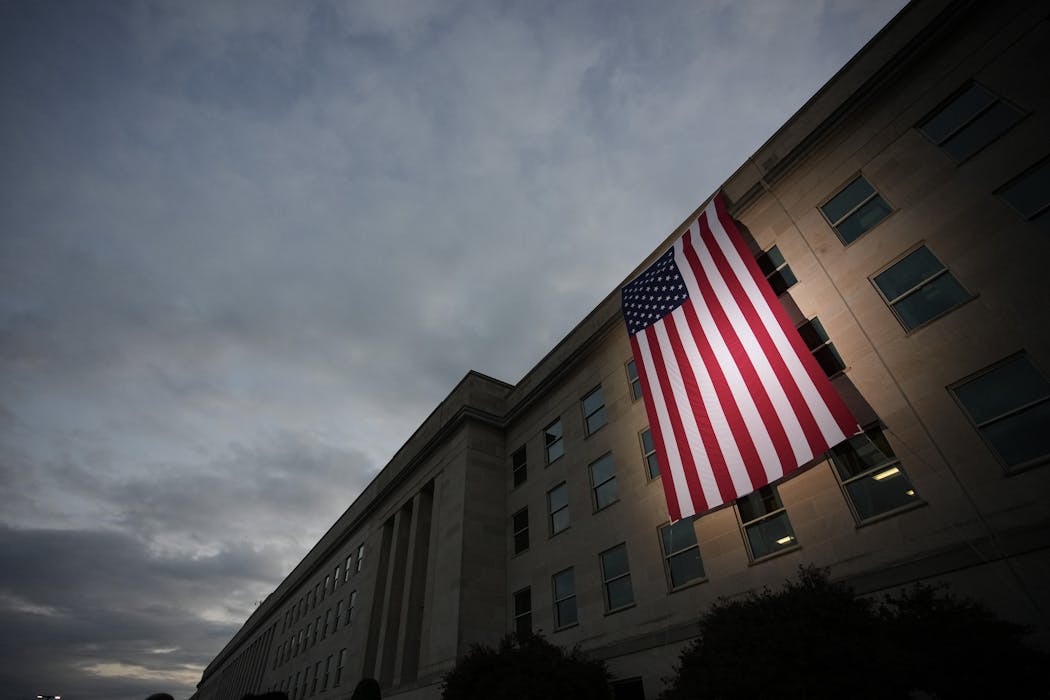
Throughout modern American history, reporters who cover the Pentagon have played an invaluable role shining a light on military actions when the government has not been forthright with the public.
But free press advocates warn that recent changes in a Pentagon policy threaten journalists’ ability to cover the Department of Defense. That’s because it could curb their rights to report information not authorized by the government for release.
As a First Amendment expert, I believe the Pentagon policy change represents an unprecedented development in the Trump administration’s offensive against the press and a historic departure from previous administrations’ policies.
Attacks on journalism, said once-imprisoned journalist Peter Greste, “are a national security issue, and we have to protect press freedom.” Greste spoke in early October 2025 at the Global Free Speech Summit in Nashville, Tennessee, adding that “anything that undermines press freedom undermines national security.”
Greste was jailed for more than a year in Egypt while working for Al Jazeera in 2013. In Nashville, he drew a direct connection between the public’s access to information under a free press and the stability and freedom that democracies enjoy.
Even President Donald Trump seemed critical of the policy initially, telling a reporter in September 2025 he didn’t think the Pentagon should be in charge of deciding what reporters can cover.
An attempt to control critical coverage
Under the initial Pentagon policy change, journalists covering the Defense Department were required to sign a contract saying that department information must be “approved for public release by an appropriate authorizing official before it is released, even if it is unclassified.”
Defense Secretary Pete Hegseth told Fox News on Oct. 5, “The Pentagon press corps can squeal all they want, we’re taking these things seriously. They can report, they just need to make sure they’re following rules.”
The Pentagon revised its initial policy change on Oct. 6 and set an Oct. 14 deadline for journalists to comply. The revised policy says prior approval would not be required to report on the Defense Department, but it suggests that soliciting information from Pentagon sources “would not be considered protected activity under the 1st Amendment.” But journalists who don’t sign and follow the revised policy could be deemed “security risks” and lose their credentials to access the Pentagon.
As the Oct. 14 deadline approached, dozens of media outlets said they would not sign the revised policy. Fox, Newsmax and the Daily Caller – all conservative news organizations – have also rejected the policy. The following day, journalists from dozens of news outlets turned in their press passes rather than agree to the new policy.
The Pentagon Press Association, which represents journalists covering the Defense Department, says the revised policy is “asking us to affirm in writing our ‘understanding’ of policies that appear designed to stifle a free press and potentially expose us to prosecution for simply doing our jobs.”
Conservative commentators have also criticized the policy. Law professor Jonathan Turleytold Fox News: “What they’re basically saying is if you publish anything that’s not in the press release, is not the official statement of the Pentagon, you could be held responsible under this policy. That is going to create a stranglehold on the free press, and the cost is too great.”
This isn’t the first time Hegseth has sought to limit media coverage of the Pentagon. In May 2025 he restricted journalists’ access to large portions of the Pentagon where they’d previously been allowed to go unescorted.
Freedom from government control
It is not unusual for the government to view the press as an adversary. But such direct attempts to control media outlets have been rare in the U.S.
The federal government has rarely been successful in its efforts to censor the media. In the 1930s, the Supreme Court set a high bar for the government to overcome if it wanted to stop the presses.
As Chief Justice Charles Hughes wrote in 1930 in Near v. Minnesota: “The fact that, for approximately one hundred and fifty years, there has been almost an entire absence of attempts to impose previous restraints upon publications relating to the malfeasance of public officers is significant of the deep-seated conviction that such restraints would violate constitutional right.”
U.S. Defense Secretary Pete Hegseth speaks during a news conference at the Pentagon on June 22, 2025, in Arlington, Va. Photo by Andrew Harnik/Getty Images
In the years since, the high court has reiterated its belief that an adversarial press is essential to democracy. At the height of the Vietnam War, the court ruled the government could not prevent The New York Times from publishing leaked documents detailing U.S involvement in the conflict, despite the sensitive nature of the documents.
President Richard Nixon’s own nominee, Chief Justice Warren Burger, recognized the danger of allowing the government to restrict freedom of the press. “The thread running through all these cases is that prior restraints on speech and publication are the most serious and the least tolerable infringement on First Amendment rights. … The damage can be particularly great when the prior restraint falls upon the communication of news and commentary on current events,” Burger wrote.
Burger acknowledged the role the press plays as a watchdog against the government’s abuse of power in 1976 in Nebraska Press Association v. Stuart. “The press … guards against the miscarriage of justice by subjecting the (legal system) to extensive public scrutiny and criticism.”
Whether the Supreme Court’s commitment to these long-standing precedents remains steadfast is anyone’s guess.
Law scholars RonNell Andersen Jones and Sonja West have documented a marked decline in references by the high court to press freedom over the past two decades. They have also noted a dramatic change in the justices’ tone when discussing the press:
“(A)ny assumption that the Court is poised to be the branch to defend the press against disparagement is misplaced … When members of the press turn to the Court in their legal battles, they will no longer find an institution that consistently values their role in our democracy,” Andersen Jones and West write.
Yet even Burger was aware that muzzling the press posed serious consequences for a democratic society: “(I)t is nonetheless clear that the barriers to prior restraint remain high unless we are to abandon what the Court has said for nearly a quarter of our national existence and implied throughout all of it. The history of even wartime suspension of categorical guarantees, such as habeas corpus or the right to trial by civilian courts cautions against suspending explicit guarantees,” Burger wrote in his opinion in Nebraska Press Association v. Stuart in 1976.
The new Pentagon policy, however, does just that by threatening reporters who write critical stories with the loss of their press credentials.
Amy Kristin Sanders has served as an expert witness for Fox News. She previously served on the Board of Directors for the Student Press Law Center and was a member of the Society of Professional Journalists.
For these families, migration means more than just starting over — it means that each family member, and the unit, must adapt to the new culture while finding ways to maintain a connection with their original culture.
This dual transition, known as family acculturation, can be a source of both growth and stress. The complexity of this process is well illustrated by examining the smallest-sized family unit: the immigrant couple.
Language barriers, social isolation and new parenting challenges often add to the everyday pressures of marriage. When partners adapt to Canadian culture at different rates and levels, these acculturation gaps can strain communication, shift power dynamics and challenge a couple’s sense of connection and harmony.
As a result, couples may find themselves renegotiating not only household responsibilities but also their identities as partners, sometimes leading to tension or resentment.
Not all acculturation gaps lead to conflict. The vulnerability–stress–adaptation (VSA) model suggests that couples’ ability to adapt determines whether stressors such as language gaps strengthen or weaken the relationship.
Under the VSA model, the removal of extended-family support functions as an external stressor that intensifies couples’ existing vulnerabilities. With fewer adaptive resources to manage daily stress, immigrant couples may find it harder to maintain resilience, marital quality and family well-being.
The story of couple acculturation is one of commitment and adaptation under stress. The success of this journey depends not only on language skills or employment but also on mutual understanding and support.
Immigration policies influence the ecology of resilience in immigrant families, yet within this context, couples must continuously negotiate acculturative stressors and gaps.
Well-adjusted couples are the foundation of thriving immigrant families and communities, and understanding couple acculturation gaps is a crucial step toward supporting them.
Jingyi Zhang received funding from the China Institute at the University of Alberta
Kimberly A. Noels received funding from the Social Sciences and Humanities Research Council of Canada through an Insight Grant #435-2024-1437.