Sea level doesn’t rise at the same rate everywhere – we mapped where Antarctica’s ice melt would have the biggest impact

Source: The Conversation – USA (2) – By Shaina Sadai, Associate in Earth Science, Five College Consortium
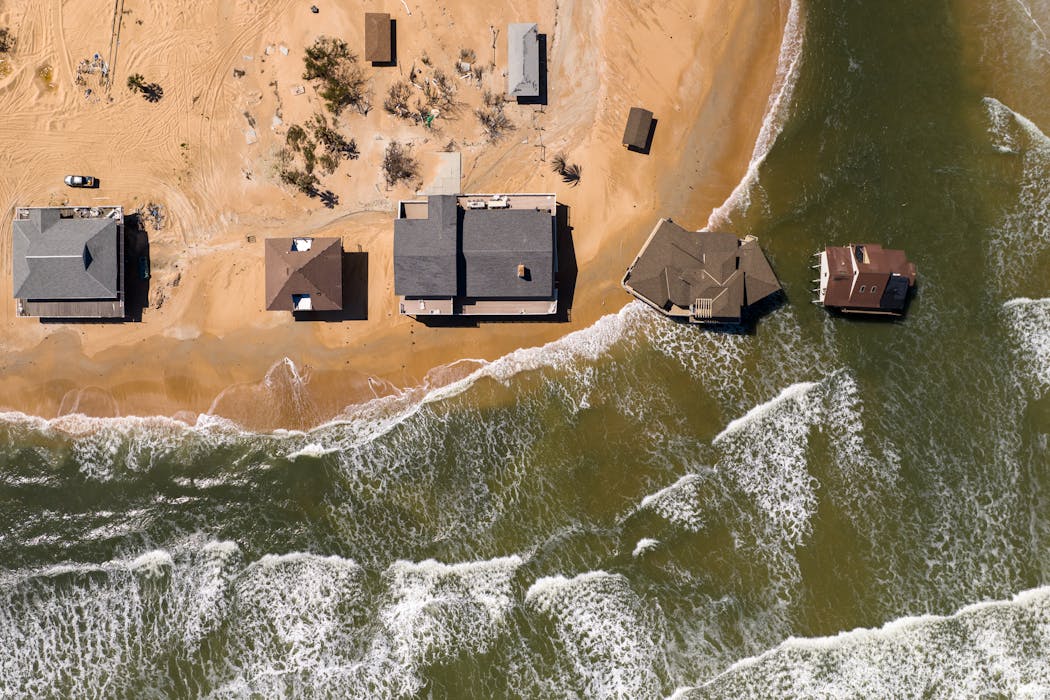
Sea-level rise changes coastlines, putting homes at risk, as Summer Haven, Fla., has seen. Aerial Views/E+/Getty Images

When polar ice sheets melt, the effects ripple across the world. The melting ice raises average global sea level, alters ocean currents and affects temperatures in places far from the poles.

But melting ice sheets don’t affect sea level and temperatures in the same way everywhere.

In a new study, our team of scientists investigated how ice melting in Antarctica affects global climate and sea level. We combined computer models of the Antarctic ice sheet, solid Earth and global climate, including atmospheric and oceanic processes, to explore the complex interactions that melting ice has with other parts of the Earth.

Understanding what happens to Antarctica’s ice matters, because it holds enough frozen water to raise average sea level by about 190 feet (58 meters). As the ice melts, it becomes an existential problem for people and ecosystems in island and coastal communities.

A woman stands outside an old home showing where sea level rise has eroded the shoreline nearly to the home's foundation.
Sea level is inching up on homes on Tierra Bomba Island, Colombia, where a cemetery already washed away.
Luis Acosta/AFP via Getty Images

Changes in Antarctica

The extent to which the Antarctic ice sheet melts will depend on how much the Earth warms. And that depends on future greenhouse gas emissions from sources including vehicles, power plants and industries.

Studies suggest that much of the Antarctic ice sheet could survive if countries reduce their greenhouse gas emissions in line with the 2015 Paris Agreement goal to keep global warming to 1.5 degrees Celsius (2.7 Fahrenheit) compared to before the industrial era. However, if emissions continue rising and the atmosphere and oceans warm much more, that could cause substantial melting and much higher sea levels.

Our research shows that high emissions pose risks not just to the stability of the West Antarctic ice sheet, which is already contributing to sea-level rise, but also for the much larger and more stable East Antarctic ice sheet.

It also shows how different regions of the world will experience different levels of sea-level rise as Antarctica melts.

Understanding sea-level change

If sea levels rose like the water in a bathtub, then as ice sheets melt, the ocean would rise by the same amount everywhere. But that isn’t what happens.

Instead, many places experience higher regional sea-level rise than the global average, while places close to the ice sheet can even see sea levels drop. The main reason has to do with gravity.

Ice sheets are massive, and that mass creates a strong gravitational pull that attracts the surrounding ocean water toward them, similar to how the gravitational pull between Earth and the Moon affects the tides.

As the ice sheet shrinks, its gravitational pull on the ocean declines, leading to sea levels falling in regions close to the ice sheet coast and rising farther away. But sea-level changes are not only a function of distance from the melting ice sheet. This ice loss also changes how the planet rotates. The rotation axis is pulled toward that missing ice mass, which in turn redistributes water around the globe.

2 factors that can slow melting

As the massive ice sheet melts, the solid Earth beneath it rebounds.

Underneath the bedrock of Antarctica is Earth’s mantle, which flows slowly like maple syrup. The more the ice sheet melts, the less it presses down on the solid Earth. With less weight on it, the bedrock can rebound. This can lift parts of the ice sheet out of contact with warming ocean waters, slowing the rate of melting. This happens quicker in places where the mantle flows faster, such as underneath the West Antarctic ice sheet.

This rebound effect could help preserve the ice sheet – if global greenhouse gas emissions are kept low.

NASA explains how land rebounds when ice sheets melts. NASA via Virtual Palaeosciences.

Another factor that can slow melting might seem counterintuitive.

While Antarctic meltwater drives rising sea levels, models show it also delays greenhouse gas-induced warming. That’s because icy meltwater from Antarctica reduces ocean surface temperatures in the Southern Hemisphere and tropical Pacific, trapping heat in the deep ocean and slowing the rise of global average air temperature.

But as melting occurs, even if it slows, sea levels rise.

Mapping our sea-level results

We combined computer models that simulate these and other behaviors of the Antarctic ice sheet, solid Earth and climate to understand what could happen to sea level around the world as global temperatures rise and ice melts.

For example, in a moderate scenario in which the world reduces greenhouse gas emissions, though not enough to keep global warming under 2 degrees Celsius (3.6 Fahrenheit) in 2100, we found the average sea-level rise from Antarctic ice melt would be about 4 inches (0.1  meters) by 2100. By 2200, it would be more than 3.3 feet (1  meter).

Keep in mind that this is only sea-level rise caused by Antarctic melt. The Greenland ice sheet and thermal expansion of seawater as the oceans warm will also raise sea levels. Current estimates suggest that total average sea-level rise – including Greenland and thermal expansion – would be 1 to 2 feet (0.32 to 0.63 meters) by 2100 under the same scenario.

Two maps of the earth showing differing sea level rise
Models show Antarctica’s contribution to sea-level rise in 2200 under medium (top) and high (bottom) emissions. The global mean sea-level rise is in purple. Regionally higher than average sea-level rise appears in dark blue.
Sadai et al., 2025

We also show how sea-level rise from Antarctica varies around the world.

In that moderate emissions scenario, we found the highest sea-level rise from Antarctic ice melt alone, up to 5 feet (1.5 meters) by 2200, occurs in the Indian, Pacific and western Atlantic ocean basins – places far from Antarctica.

These regions are home to many people in low-lying coastal areas, including residents of island nations in the Caribbean, such as Jamaica, and the central Pacific, such as the Marshall Islands, that are already experiencing detrimental impacts from rising seas.

Under a high emissions scenario, we found the average sea-level rise caused by Antarctic melting would be much higher: about 1 foot (0.3  meters) in 2100 and close to 10 feet (more than 3 meters) in 2200.

Under this scenario, a broader swath of the Pacific Ocean basin north of the equator, including Micronesia and Palau, and across the middle of the Atlantic Ocean basin would see the highest sea-level rise, up to 4.3 meters (14 feet) by 2200, just from Antarctica.

Although these sea-level rise numbers seem alarming, the world’s current emissions and recent projections suggest this very high emissions scenario is unlikely. This exercise, however, highlights the serious consequences of high emissions and underscores the importance of reducing emissions.

The takeaway

These impacts have implications for climate justice, particularly for island nations that have done little to contribute to climate change yet already experience the devastating impacts of sea-level rise.

Many island nations are already losing land to sea-level rise, and they have been leading global efforts to minimize temperature rise. Protecting these countries and other coastal areas will require reducing greenhouse gas emissions faster than nations are committing to do today.

The Conversation

Shaina Sadai has received funding from the National Science Foundation and the Hitz Family Foundation.

Ambarish Karmalkar receives funding from National Science Foundation.

ref. Sea level doesn’t rise at the same rate everywhere – we mapped where Antarctica’s ice melt would have the biggest impact – https://theconversation.com/sea-level-doesnt-rise-at-the-same-rate-everywhere-we-mapped-where-antarcticas-ice-melt-would-have-the-biggest-impact-269788

Treating love for work like a virtue can backfire on employees and teams

Source: The Conversation – USA (3) – By Mijeong Kwon, Assistant Professor of Management, Rice University

Loving your work is one thing; insisting that colleagues love it is another. Natalie McComas/Moment via Getty Images

It’s popular advice for new graduates: “Find a job you love, and you’ll never work a day in your life.” Love for one’s work, Americans are often told, is the surest route to success.

As a management professor, I can attest that there is solid research supporting this advice. In psychology, this idea is described as “intrinsic motivation” – working because you find the work itself satisfying. People who are intrinsically motivated tend to experience genuine enjoyment and curiosity in what they do, relishing opportunities to learn or master challenges for their own sake. Research has long shown that intrinsic motivation enhances performance, persistence and creativity at work.

Yet my and my co-authors’ recent research suggests that this seemingly innocent idea of loving your work can take on a moral edge. Increasingly, people seem to judge both themselves and others according to whether they are intrinsically motivated. What used to be a personal preference has, for many, become a moral imperative: You should love your work, and it is somehow wrong if you don’t.

Moralizing motivation

When a neutral preference becomes charged with moral meaning, social scientists call it “moralization.” For example, someone might initially choose vegetarianism for their own health reasons but come to view it as the right thing to do – and judge others accordingly.

The moralization of intrinsic motivation follows a similar logic. People work for many reasons: passion, duty, family, security or social status. But once intrinsic motivation becomes moralized, loving what you do is seen as not only enjoyable but virtuous. Working for money, prestige or family obligation starts to look less admirable, even suspect.

In a 2023 study, fellow business researchers Julia Lee Cunningham, Jon M. Jachimowicz and I surveyed over 1,200 employees, asking whether they thought working for personal enjoyment was virtuous.

People who did, we found, tended to believe everyone else should be intrinsically motivated, too. They were also more likely to see other motives, such as working for pay or recognition, as morally inferior. They tended to agree, for example, that “you are morally obligated to love the work itself more than you love the rewards and perks.”

These employees had internalized the idea that you work either for love or money – even though most people, in reality, do both.

Costs for you

At first glance, treating love for work as a virtue seems to offer nothing but benefits. If a job’s mission or day-to-day tasks are personally meaningful, you may persist through challenges, because quitting could feel like betraying an ideal.

But this virtue can also backfire. When intrinsic motivation becomes a moral duty rather than a joy, you may feel guilty for not constantly loving your work. Emotions that are normal in any job, such as boredom, fatigue or disengagement, can prompt feelings of moral failure and self-blame. Over time, this pressure can contribute to burnout if you stay in unsustainable roles out of guilt.

By idealizing your “dream job” when you’re applying, you may overlook security, stability and other important life needs – risking financial strain and underusing your talents. This unrealistic standard could also lead you to leave a job too soon when reality disappoints or initial passion fades.

Costs for a company

Moralizing intrinsic motivation doesn’t stop at the self; it also reshapes how we judge others. People who moralize intrinsic motivation often expect it from everyone else.

In a study of nearly 800 employees across 185 teams, we found that employees who moralized intrinsic motivation were more generous toward teammates they perceived as loving their work. However, they were less willing to help out colleagues they considered less passionate. In other words, moralizing intrinsic motivation can make employees “discerning saints” – good to some, but selectively so.

A man and woman seated at an office table high-five each other in a room whose glass walls are covered with print-outs and sticky notes.
Seeing intrinsic motivation as a virtue affects how people view colleagues, too.
Moyo Studio/E+ via Getty Images

This dynamic can create problems for work teams. Leaders who strongly moralize intrinsic motivation may adopt leadership styles aimed at igniting passion in their teams – emphasizing workers’ autonomy, for example.

While inspiring on the surface, this approach can alienate employees who work for more pragmatic reasons. Over time, I would argue, this can breed tension and conflict, as some team members are celebrated as “true believers” and others are quietly marginalized. Expressing love for one’s work becomes a kind of commodity – one more way to get ahead.

Embracing many motives

People all around the world experience intrinsic motivation. But if that feeling is universal, its moralization is not.

My current research with management researcher Laura Sonday suggests that moralizing intrinsic motivation is more pronounced in some cultures than in others. Where work is viewed as a means of service, duty or balance, rather than a source of personal fulfillment, loving one’s job may be appreciated but not treated as a moral expectation.

I would urge office leaders to recognize the double-edged nature of moralizing intrinsic motivation. Expressing genuine love for work can inspire others, but enforcing it as a moral norm can silence or shame those with different values or priorities. Leaders should be careful not to equate enthusiasm with virtue, or assume that passion always signals integrity or competence.

For employees, it may be worth reflecting on how we talk about our own motivation. Loving one’s work is wonderful, but it’s also perfectly human to value stability, recognition or family needs. In a culture where “do what you love” has become a moral commandment, remembering that it’s not the be-all, end-all reason to work may be the most moral stance of all.

The Conversation

Mijeong Kwon does not work for, consult, own shares in or receive funding from any company or organization that would benefit from this article, and has disclosed no relevant affiliations beyond their academic appointment.

ref. Treating love for work like a virtue can backfire on employees and teams – https://theconversation.com/treating-love-for-work-like-a-virtue-can-backfire-on-employees-and-teams-266983

The real reason states first emerged thousands of years ago – new research

Source: The Conversation – UK – By Christopher Opie, Senior Lecturer in Evolutionary Anthropology, University of Bristol

Shutterstock/RawPixel

Globalisation, migration, climate change and war – nation states are currently under huge pressure on many fronts. Understanding the forces that initially drove the emergence of states across the world may help explain why.

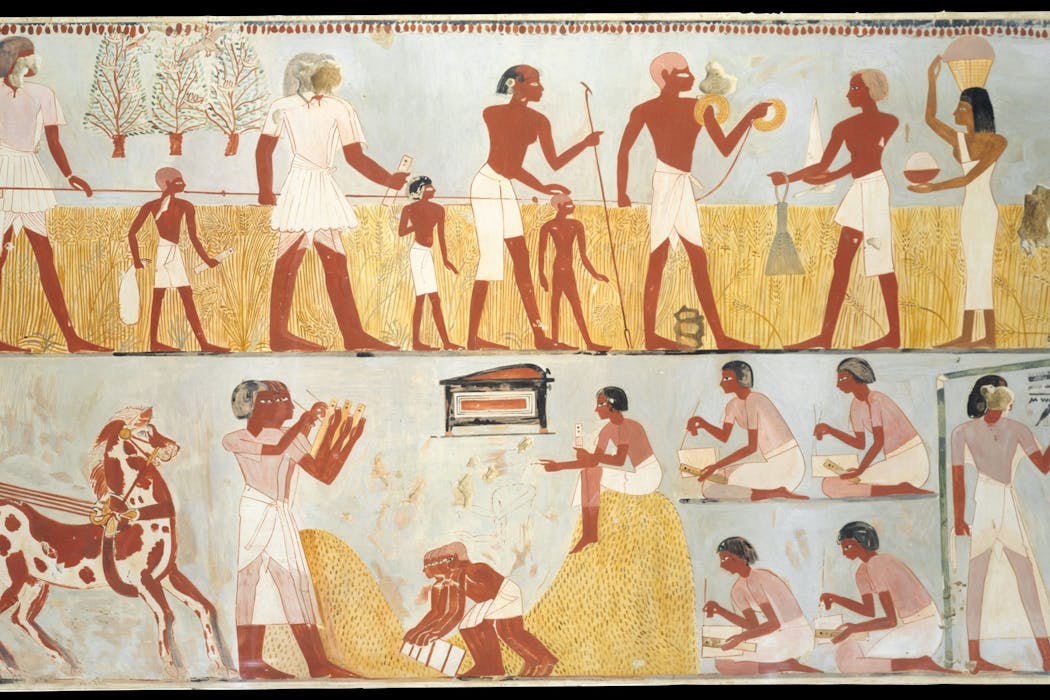
For a long time after humans evolved, we lived in oral-based, mostly small-scale and egalitarian societies. Things began to change with the dawn of the Holocene, when a suite of climatic, social and technological shifts led to the emergence of the first states about 5,000 years ago.

The earliest known state was in Mesopotamia (now southern Iraq), followed by Egypt, the Indus Valley, China and Meso-America. The long-standing view was that the invention of agriculture was the spur for these large-scale human societies to emerge. But there was a 4,000-year gap between the expansion of agriculture (circa 9,000 years ago) and the founding of the earliest states, which throws this link into question.

One theory suggests it was the intensification of agriculture that spurred the creation of states. Once fertilisation and irrigation were used, it produced a surplus that elites could extract to build and maintain states.

However, an alternative view, first put forward by anthropologist James Scott, is gaining ground. This proposes that states didn’t emerge from agriculture in general – rather, they almost invariably formed in societies that grew cereal grains.

Grasses such as wheat, barley, rice and maize grow above ground, ripen at a predictable time, and the grains they produce are readily stored. This makes them perfect for the systems of taxation that Scott argues fuelled state formation.

By Scott’s account, Mafia-style protection rackets forced people to produce grain, from which tax could be extracted and used to fund further exploitation. Scott proposed that these protection rackets were effectively the original states.

a field of wheat.
Grain: the fuel of ancient state formation.
Shutterstock/Hari Seldon

In the meantime, writing was invented and adopted as the information system to record those taxes. Once states had formed, writing had a huge influence on the structure and institutions of those societies. States, controlled by very small elites, used writing to build institutions and laws to maintain extreme hierarchies.

We tested these ideas, combining data from hundreds of societies worldwide with a global language family tree representing the ancestral relationships between those societies. We then used a mathematical model to evaluate claims about how statehood and its possible drivers evolved along the branches of this tree.

Our results suggest that intensive agriculture, with fertilisation and irrigation, was just as likely to be the result of state formation as it was to be its cause. On the other hand, grain agriculture consistently predicted subsequent state formation and the adoption of taxes.

We also found a strong correlation between non-grain agriculture and the formation of states. However, crops such as vegetables, fruit, roots and tubers – which were hard to tax – were more likely to be lost, not gained, as states were formed. This is consistent with the idea that grains were favoured over other forms of agriculture by emerging states for their taxation potential.

Trying to test causal claims about complex social changes in the deep past is inherently uncertain, but our results provide new evidence in support of Scott’s theory – that grain agriculture fuelled the formation of states, and that writing, invented and adopted to record taxation, was then used by states to maintain themselves through a very hierarchical system of laws and societal structures.

Lessons for the modern state

Our findings also highlight a broader connection between social systems and modes of information.

Long after the first emergence of writing, the invention of the printing press in medieval Europe is thought to have been integral to a raft of social changes that followed. As a much larger number of people were literate, information became both easier and cheaper to disseminate.

In turn, mass education, which became compulsory in the late 19th century in England and many other countries, is sometimes credited with the rise of universal suffrage and the beginning of democracy.

This change in the information system of societies clearly had a profound effect on the functioning of the state, yet writing has always been a system controlled by a small elite. Even after the emergence of mass literacy in many countries, publishers, working within state rules, have exerted control and influence over how and what we read.

This helps us understand current concerns about the destabilisation of modern nation states. Digital technologies and AI are disrupting how we generate, store and broadcast information; globalisation and cryptocurrencies are disrupting our taxation systems; and our agricultural production is under pressure because of climate change.

It may feel worlds apart, but the challenges and choices facing states today have been playing out since the dawn of the earliest states, thousands of years ago.

This article contains references to books that have been included for editorial reasons, and this may include links to bookshop.org. If you click on one of the links and go on to buy something from bookshop.org The Conversation UK may earn a commission.

The Conversation

Christopher Opie received funding from the Leverhulme Trust – Early Career Fellowship – ECF 619

Quentin Douglas Atkinson receives funding from the Royal Society of New Zealand.

ref. The real reason states first emerged thousands of years ago – new research – https://theconversation.com/the-real-reason-states-first-emerged-thousands-of-years-ago-new-research-268539

The uncompromising politics of Jimmy Cliff

Source: The Conversation – UK – By Kenny Monrose, Researcher, Department of Sociology, University of Cambridge

“I have a dislike for politicians as they’re not truthful people. It’s the nature of politics that you cannot be straight, you have to lie and cheat,” said the reggae singer Jimmy Cliff, who died on November 24 at the age of 81.

Cliff was born James Chambers on July 30 July 1944 in Somerton, Saint James Parish, Jamaica. Long before luminaries such as Bob Andy, the Wailers, Lee Perry and others had made an indelible mark on Jamaican popular music, Jimmy had taken the genre to “foreign” – not just to the US or the UK but around the world. Suffice to say Jimmy Cliff was reggae’s first international star.

His career started seriously with ska recordings for legendary Chinese-Jamaican producer Leslie Kong on his Beverly’s label. As well as being a musician, Jimmy acted as an artist and repertoire representative, finding and developing new talent for Kong.

Cliff, at the request of singer Desmond Dekker, invited Bob Marley to record his first song Judge Not at Federal studios in 1962. In the same year, Jimmy recorded Hurricane Hattie, a number about the tropical cyclone that devastated the Caribbean, significantly British Honduras, in 1961.

Some of Cliff’s subsequent early hits included Miss Jamaica and King of Kings, both of which showcased his lyrical dexterity on the frenetic tempo of ska.

Jimmy had a knack of reflecting world events in his music at any given opportunity. By the end of 1960s, through his material he became one of the strongest advocates of the growing anti-war movement, typified by the 1968 recording Vietnam.

Vietnam, for me, was an incredibly courageous song to be recorded at the time. It is reminiscent of Wilfred Owens’s first world war poems “Futility” and “Dulce et Decorum Est” that reflect the ineffectuality of war.

In it, he sings:

Don’t be alarmed, she told me the telegram said
But mistress Brown your son is dead.
Vietnam, Vietnam, Vietnam
What I’m saying now somebody stop that war

The importance and power of protest against war loom at the epicentre of this song, making it resonate today.

Similarly, Cliff’s soul wrenching crossover hit Many Rivers to Cross, again recorded in 1968, is a cry for resilience. It became an anthem for Windrush arrivals who had left the Caribbean and sojourned to the mother country of Britain.

It represented Jimmy, who moved to London in the mid-60s and frequently recounted how difficult it was for him. Today it is suitably applicable for those who have felt the sting of displacement, loneliness, heartbreak and loss anywhere.

Struggling Man from 1973 opens with:

Every man has a right to live.
Love is all that we have to give.
Together we struggle by your will to survive,
and together we fight just to stay alive.

This composition highlighted the political climate and general feeling of the 1970s nationally with the start of a series of recessions gripping the country. But it also reached globally with the emergence of the international oil crisis, which impacted the lives of masses.

Jimmy was unquestionably a renaissance man who deftly moved with ease from being a singer to songwriter and then actor. Many recount his role as Rhyging, the anti-hero of Perry Henzell’s 1972 film The Harder They Come. Ivanhoe Martin (Jimmy Cliff), aka Rhyging, is a struggling singer who, despite hits, resorts to crime to get by. The film highlighted the corruption and exploitation in Jamaica’s music industry.

As well as acting in the film, Cliff provided the heart of the film’s soundtrack with the title track, The Harder They Come. Three of his earlier songs also feature. His turn in the Jamaican crime film is seen as one of the most powerful cinematic performances in Jamaican cinema.

In the 80s, Jimmy returned to his reggae roots recording Rub-A-Dub Partner in 1981. He also contributed to the emergence of reggae dancehall culture in 1988 when he recorded Pressure on Botha with the uncompromising Jamaican deejay Joey Wales. The song is a political track hitting out against the then state president of South Africa, P.W. Botha, who was a central figure in the Apartheid regime.

Jimmy Cliif was without doubt the greatest exponent of Jamaican music, taking reggae to an international audience while placing the island firmly on the map. As an artist, his contribution was accomplished within each category of the genre, from ska through to dancehall.

It was not only reggae that benefited from the brilliance of Jimmy Cliff, as he worked with a number artists from a broad range of musical backgrounds, including the Rolling stones, Sting, Latoya Jackson, Kool and the Gang, Jimmi Hendrix, Elvis Costello and Annie Lennox, to name but a few. After recording 33 albums, 50 years of performing and winning a Grammy in 1986, Jimmy Cliff was inducted to the Rock and Rock Hall of fame.

For a man who said he hated politics, it is exactly his uncompromising sense of right and his engagement with the world that will make his legacy everlasting.

The Conversation

Kenny Monrose does not work for, consult, own shares in or receive funding from any company or organisation that would benefit from this article, and has disclosed no relevant affiliations beyond their academic appointment.

ref. The uncompromising politics of Jimmy Cliff – https://theconversation.com/the-uncompromising-politics-of-jimmy-cliff-270596

Syndrome du bébé secoué : seule une mère sur deux en France a reçu le plan de gestion des pleurs du nourrisson

Source: The Conversation – France in French (3) – By Luc Goethals, Chercheur en santé publique, Inserm; Université Paris Cité

Les plans de gestion des pleurs du nourrisson visent à prévenir les traumatismes crâniens non accidentels, également appelés syndrome du bébé secoué. Une étude nationale, menée par l’Université Paris Cité, l’Inserm, l’AP-HP, Santé publique France et le CHU de Nantes et publiée dans la revue « Child Abuse & Neglect », a révélé que le plan de gestion des pleurs du nourrisson est remis à seulement une mère sur deux en maternité en France.


Chaque année en France, des centaines de nourrissons sont hospitalisés pour des traumatismes crâniens infligés. Ces blessures ne doivent rien à des accidents et sont la conséquence d’un secouement violent du bébé, un geste grave qui peut provoquer des lésions cérébrales irréversibles, des lésions oculaires, voire la mort.

On parle alors de syndrome du bébé secoué ou, plus récemment, de traumatisme crânien non accidentel, car on sait maintenant que le secouement n’est pas le seul mécanisme en cause. Au-delà de la violence du geste et de ses conséquences légales, c’est un problème de santé publique majeur qui révèle la difficulté d’accompagner et de soutenir les parents dans cette période souvent difficile des premiers mois de vie du bébé.

Allo Parents Bébé : 0 800 00 3 4 5 6
Service et appel gratuit : des professionnels de la petite enfance à votre écoute

  • Les lundis, mardis, mercredis et vendredis de 10 heures à 13 heures et de 14 heures à 18 heures.
  • les jeudis : uniquement de 14 heures à 18 heures.

Les pleurs du nourrisson

Depuis une trentaine d’années, les pleurs du nourrisson sont rapportés dans la littérature scientifique comme le principal facteur déclencheur des traumatismes crâniens non accidentels. Il est important de noter que cela ne veut pas dire que les pleurs entraînent le secouement, mais plutôt que l’instant des pleurs du bébé coïncide souvent avec le moment où le secouement se produit.

Les bébés pleurent naturellement et cette activité atteint son pic entre la cinquième et la sixième semaine de leur existence avant de décroître. C’est une forme de communication associée à son développement neurologique et à la gestion de ses émotions.

L’intensité, la répétition et la durée de ces pleurs peuvent déstabiliser certains parents. Par ailleurs, la fatigue et l’exaspération des parents face à ces pleurs peuvent générer un sentiment d’impuissance. Lorsque ce contexte émotionnel spécifique n’est pas accompagné, en particulier par des outils pour le gérer, il peut engendrer des situations à risque de secouement pour les bébés.

Les plans de gestion des pleurs : un levier de prévention

Face à ces constats, plusieurs pays dont la France ont mis en place des recommandations concernant la diffusion des plans de gestions des pleurs, notamment durant la période périnatale et à destination des futurs parents. Ces plans de gestion des pleurs ont pour objectif d’informer tous les parents durant la période périnatale sur la normalité et la temporalité des pleurs, leur donner des stratégies et des outils pour y faire face et rappeler la dangerosité des secouements.

Ainsi, trois messages essentiels sont mis en avant :

  • les pleurs du nourrisson sont normaux, fréquents et transitoires ;

  • il est sûr de poser le bébé, toujours sur le dos, dans son lit et de s’accorder une pause en s’éloignant si la tension devient trop forte ;

  • en cas de détresse, il faut demander de l’aide à un proche ou à un professionnel.


À lire aussi :
Prévention de la mort subite du nourrisson : 80 % des photos sur les paquets de couches font fi des recommandations


Une étude réalisée à partir des données de l’Enquête nationale périnatale

Si les recommandations internationales existent, leur diffusion reste inégale. C’est à partir de ce constat que des chercheurs de l’Institut national de la santé et de la recherche médicale (Inserm), de l’Université Paris Cité, de l’Assistance publique–Hôpitaux de Paris (AP-HP), de Santé publique France, du Centre hospitalo-universitaire (CHU) de Nantes (Loire-Atlantique) et d’autres structures partenaires ont voulu évaluer la manière dont ces messages de prévention sont transmis aux parents en France et plus particulièrement aux mères. Ils se sont appuyés sur des données de l’Enquête nationale périnatale (ENP).

L’ENP est réalisée environ tous les cinq ans depuis 1995 afin de décrire les conditions de grossesse, d’accouchement et de naissance en France. L’édition 2021 s’est déroulée pendant une semaine, en mars, dans toutes les maternités de métropole et d’outre-mer. Ont été incluses environ 12 700 femmes, ces dernières ayant été suivies deux mois après la naissance.

Cette enquête est pilotée par l’Inserm et Santé publique France, sous l’égide du ministère de la santé (Direction générale de la santé, Direction générale de l’organisation des soins, Drees), et financée sur fonds publics. L’ENP fournit des données essentielles pour orienter les politiques de santé périnatale et évaluer les pratiques de soins. C’est à partir de ces données qu’a été menée notre étude.

Nous nous sommes intéressés à une question précise posée deux mois après la naissance :

« Durant la grossesse et depuis votre accouchement, avez-vous reçu des conseils pour calmer ou soulager les pleurs répétitifs ou prolongés de votre bébé ? »

Une mère sur deux déclare ne pas avoir eu cette information

Les résultats sont éloquents : parmi les plus de 7 000 mères ayant répondu à cette question, 50 % déclarent n’avoir reçu aucun conseil sur la gestion des pleurs des nourrissons. Parmi celles qui ont été informées, les principales sources citées étaient les médecins généralistes, les sages-femmes et les pédiatres (82 %), les équipes de maternité (63 %) et les services de protection maternelle et infantile (39 %).

L’étude révèle également de fortes disparités territoriales. En Nouvelle-Aquitaine, 44 % des mères n’ont pas reçu d’information, contre 56 % en Provence-Alpes-Côte d’Azur. Ces écarts s’expliquent sans doute par des différences d’organisation des réseaux périnataux plus que par le profil des mères.

Par ailleurs, certains groupes de mères apparaissent particulièrement peu informés :

  • les mères de plus de 30 ans ;

  • celles ayant déjà un ou plusieurs enfants ;

  • celles n’ayant pas suivi de séances de préparation à la naissance ;

  • et celles n’ayant pas bénéficié de visite postnatale à domicile.

Les auteurs interprètent les deux premiers facteurs comme pouvant refléter des biais implicites. Certaines mères plus âgées, ou ayant déjà des enfants, peuvent être perçues comme moins prioritaires par les soignants, ces derniers les considérant comme probablement déjà informées.

Plus généralement, les auteurs suggèrent que le constat de l’absence d’information d’une mère sur deux serait le signe d’un manque de structuration des contenus, lors des séances ou visites pré- et postnatales, qui ne sont pas standardisés au niveau national.

En effet, la France ne dispose pas encore d’un programme national structuré de diffusion des plans de gestion des pleurs disponibles en français. Des recommandations écrites figurent dans le carnet de santé, mais aucun protocole n’impose leur présentation systématique avant la sortie de maternité. Les parents souvent fatigués et parfois débordés après l’accouchement lisent peu les nombreuses documentations qui leur sont remises.

Pourtant, d’autres supports existent, notamment des vidéos en français, très bien faites et gratuites. La question d’une hiérarchisation des messages périnataux de prévention en fonction de la gravité des problèmes de santé ciblés se pose. Les messages les plus importants doivent probablement faire l’objet d’une délivrance à la fois pendant la grossesse, juste après l’accouchement et pendant les premières semaines de vie du nourrisson, pour optimiser leur bonne réception ou leur mémorisation par les deux parents.

Vers une prévention universelle

Les résultats de l’étude soulignent la nécessité d’une action de prévention structurée à l’échelle nationale. Les chercheurs plaident pour la mise en place d’un programme cohérent, reposant sur des outils existants et validés.

Plusieurs leviers d’action peuvent être mobilisés :

  • renforcer la formation des professionnels de santé et de la petite enfance afin qu’ils remettent et expliquent systématiquement les plans de gestion des pleurs aux parents ;

  • impliquer plus largement les réseaux périnataux dans la diffusion de ces messages ;

  • et envisager, à terme, une remise obligatoire ou le visionnage de ces documents et outils avant le retour à domicile.

Prévenir le syndrome du bébé secoué ne se limite pas à transmettre une information ponctuelle. Il s’agit de construire une culture commune de prévention autour du nourrisson, partagée par les professionnels, les institutions et les familles.


Cet article a été rédigé collectivement par Luc Goethals (Inserm), Flora Blangis (Inserm, CHU de Nantes), Sophie Brouard (Inserm, CHU de Nantes), Pauline Scherdel (Inserm, CHU de Nantes), Marianne Jacques (Inserm, CHU de Nantes), Marie Viaud (Inserm), Nolwenn Regnault (Santé publique France), Karine Chevreul (Inserm, Kastafiore), Camille Le Ray (Inserm, Université Paris Cité, AP-HP, Hôpital Cochin), Enora Le Roux (Inserm, Université Paris Cité, AP-HP, Hôpital Universitaire Robert-Debré), Martin Chalumeau (Inserm, Université Paris Cité, AP-HP, Hôpital Necker-Enfants malades) et le Groupe de travail ENP 2021(Inserm).

The Conversation

Flora Blangis a reçu des financements de la fondation Mustela, fondation Université Paris Cité, l’Oréal-UNESCO prix jeunes talents France, Hôpitaux du Grand-Ouest, prix de thèse de la Direction générale de la santé, prix de thèse de la Chancellerie des Universités de Paris

Martin Chalumeau a reçu des financements de : QIM VEAVE, la région Ile-de-France ; FHU VEAVE, APHP-Université Paris Cité- Inserm ; Projets VEAVE – Fondation AXA.

Luc Goethals ne travaille pas, ne conseille pas, ne possède pas de parts, ne reçoit pas de fonds d’une organisation qui pourrait tirer profit de cet article, et n’a déclaré aucune autre affiliation que son organisme de recherche.

ref. Syndrome du bébé secoué : seule une mère sur deux en France a reçu le plan de gestion des pleurs du nourrisson – https://theconversation.com/syndrome-du-bebe-secoue-seule-une-mere-sur-deux-en-france-a-recu-le-plan-de-gestion-des-pleurs-du-nourrisson-270321

The real reason nation states first emerged thousands of years ago – new research

Source: The Conversation – UK – By Christopher Opie, Senior Lecturer in Evolutionary Anthropology, University of Bristol

Shutterstock/RawPixel

Globalisation, migration, climate change and war – nation states are currently under huge pressure on many fronts. Understanding the forces that initially drove the emergence of states across the world may help explain why.

For a long time after humans evolved, we lived in oral-based, mostly small-scale and egalitarian societies. Things began to change with the dawn of the Holocene, when a suite of climatic, social and technological shifts led to the emergence of the first states about 5,000 years ago.

The earliest known state was in Mesopotamia (now southern Iraq), followed by Egypt, the Indus Valley, China and Meso-America. The long-standing view was that the invention of agriculture was the spur for these large-scale human societies to emerge. But there was a 4,000-year gap between the expansion of agriculture (circa 9,000 years ago) and the founding of the earliest states, which throws this link into question.

One theory suggests it was the intensification of agriculture that spurred the creation of states. Once fertilisation and irrigation were used, it produced a surplus that elites could extract to build and maintain states.

However, an alternative view, first put forward by anthropologist James Scott, is gaining ground. This proposes that states didn’t emerge from agriculture in general – rather, they almost invariably formed in societies that grew cereal grains.

Grasses such as wheat, barley, rice and maize grow above ground, ripen at a predictable time, and the grains they produce are readily stored. This makes them perfect for the systems of taxation that Scott argues fuelled state formation.

By Scott’s account, Mafia-style protection rackets forced people to produce grain, from which tax could be extracted and used to fund further exploitation. Scott proposed that these protection rackets were effectively the original states.

a field of wheat.
Grain: the fuel of ancient nation state formation.
Shutterstock/Hari Seldon

In the meantime, writing was invented and adopted as the information system to record those taxes. Once states had formed, writing had a huge influence on the structure and institutions of those societies. States, controlled by very small elites, used writing to build institutions and laws to maintain extreme hierarchies.

We tested these ideas, combining data from hundreds of societies worldwide with a global language family tree representing the ancestral relationships between those societies. We then used a mathematical model to evaluate claims about how statehood and its possible drivers evolved along the branches of this tree.

Our results suggest that intensive agriculture, with fertilisation and irrigation, was just as likely to be the result of state formation as it was to be its cause. On the other hand, grain agriculture consistently predicted subsequent state formation and the adoption of taxes.

We also found a strong correlation between non-grain agriculture and the formation of states. However, crops such as vegetables, fruit, roots and tubers – which were hard to tax – were more likely to be lost, not gained, as states were formed. This is consistent with the idea that grains were favoured over other forms of agriculture by emerging states for their taxation potential.

Trying to test causal claims about complex social changes in the deep past is inherently uncertain, but our results provide new evidence in support of Scott’s theory – that grain agriculture fuelled the formation of states, and that writing, invented and adopted to record taxation, was then used by states to maintain themselves through a very hierarchical system of laws and societal structures.

Lessons for the modern state

Our findings also highlight a broader connection between social systems and modes of information.

Long after the first emergence of writing, the invention of the printing press in medieval Europe is thought to have been integral to a raft of social changes that followed. As a much larger number of people were literate, information became both easier and cheaper to disseminate.

In turn, mass education, which became compulsory in the late 19th century in England and many other countries, is sometimes credited with the rise of universal suffrage and the beginning of democracy.

This change in the information system of societies clearly had a profound effect on the functioning of the state, yet writing has always been a system controlled by a small elite. Even after the emergence of mass literacy in many countries, publishers, working within state rules, have exerted control and influence over how and what we read.

This helps us understand current concerns about the destabilisation of modern nation states. Digital technologies and AI are disrupting how we generate, store and broadcast information; globalisation and cryptocurrencies are disrupting our taxation systems; and our agricultural production is under pressure because of climate change.

It may feel worlds apart, but the challenges and choices facing states today have been playing out since the dawn of the earliest states, thousands of years ago.

This article contains references to books that have been included for editorial reasons, and this may include links to bookshop.org. If you click on one of the links and go on to buy something from bookshop.org The Conversation UK may earn a commission.

The Conversation

Christopher Opie received funding from the Leverhulme Trust – Early Career Fellowship – ECF 619

Quentin Douglas Atkinson receives funding from the Royal Society of New Zealand.

ref. The real reason nation states first emerged thousands of years ago – new research – https://theconversation.com/the-real-reason-nation-states-first-emerged-thousands-of-years-ago-new-research-268539

The gender pay gap looks different depending where you are on the income ladder

Source: The Conversation – UK – By Vanessa Gash, Deputy Director of the Violence and Society Centre, City St George’s, University of London

Somchai_Stock/Shutterstock

Despite decades of progress, the gender pay gap remains a persistent feature of the UK labour market. According to women’s rights charity the Fawcett Society, November 22 marked Equal Pay Day 2025 – the day when women effectively stop getting paid due to the wage gap with men.

This gender pay gap means women continue to earn less than men – currently by around 11% in the UK. This is not just because of differences in education or job type, but due to deeper inequalities in how work and care responsibilities are distributed.

A study on barriers to equal pay that I undertook with colleagues used 40 years of work history data from the UK Household Longitudinal Study to uncover how these inequalities play out across income groups.

We found that differences in work history – particularly full-time employment – account for nearly 29% of the gender pay gap on average. Women have shorter full-time work histories and spend more time doing part-time roles and unpaid care work. This reflects the challenges of reconciling paid employment with caregiving responsibilities.

For example, men in our sample had an average of 20 years of full-time work, compared to 14 years for women. Women also spent significantly more time in unpaid family care – more than two years on average – while men had less than three weeks.

This disparity is not just about time, it’s about how the labour market rewards different types of work. Full-time work earns a premium, while part-time work and unpaid care are penalised. Our research found that a year of full-time work increases hourly pay by 4%, while a year of part-time work decreases it by 3%.

The cost of being female

Even after education, occupation, sector and work history are taken into account, women still face a significant pay penalty. We found that this “female residual” – a proxy for discriminatory pay practices and cultural biases in how women and men behave – accounts for 43% of the average gender pay gap. This is an astonishing finding from a complex model that controlled for a wide variety of predictors of pay differentials.

In low-income households, the penalty is even more severe. Women in these households would earn more than men if not for this “female residual”. For example, for low-paid public sector workers, other factors like education and work history might create an expectation of women outearning men. But the female residual here meant that any advantage was cancelled out.

This finding challenges the assumption that discrimination is more prevalent among high earners and underscores the need to focus on inequality at the bottom of the income distribution.

Interestingly, the impact of part-time work varies by income group. Among wealthier households, part-time work increases the gender pay gap. But in poorer households, it does not appear to carry the same penalty – and may even offer a slight premium for women. This suggests that exposure to part-time work for men in lower income groups is associated with very low pay.

With this in mind, policies encouraging full-time work for women may not be appropriate for all groups. In low-income households, part-time work may be a necessary and viable option, especially when the quality of the available jobs is poor and caregiving responsibilities are high.

However, we also found that men face a stronger penalty for part-time work than women, which may discourage them from sharing caregiving duties. This reinforces traditional gender roles and perpetuates inequality.

Sex-segregated occupations – those dominated by either men or women – also play a role in the gender pay gap. Female-dominated jobs (for example, care work, hospitality and retail) tend to be lower paid, less regulated and offer fewer opportunities for progressing up the career ladder.

We found that this segregation accounts for 17% of the average gender pay gap. Yet, we also found penalties associated with male-dominated occupations such as construction, particularly in low-income households. This challenges the assumption that male-dominated jobs are always better paid.

On the other hand, we found that public-sector employment, union membership and paid parental leave reduce the gender pay gap, especially for women in low-income households. These offer some protection against discrimination at the same time as supporting work-life balance.

But these benefits are not evenly distributed. Women in wealthier households are less likely to rely on these protections, while those in poorer households benefit disproportionately. This highlights the importance of jobs that offer these protections for low-income workers.

Our findings suggest that equal pay policies must be tailored to the needs of different income groups. For wealthier households, policies that support full-time work and chip away at sex segregation may be effective so that women can more readily access better-paid jobs.

But for poorer households, the focus should be on improving access to stable and better-paid jobs, while reducing discrimination and supporting flexible work arrangements.

Crucially, efforts to close the gender pay gap must avoid pitting the gains of high-earning women against the losses of low-earning men. In an era of rising political populism, this could undermine support for equality.

Instead, we need an approach that promotes good-quality employment for all and that supports equalised caregiving responsibilities. If we fail to address the barriers that prevent men and women from participating fully in both paid work and unpaid care work, we are unlikely to see reductions in the gender pay gap any time soon.

The Conversation

Vanessa Gash does not work for, consult, own shares in or receive funding from any company or organisation that would benefit from this article, and has disclosed no relevant affiliations beyond their academic appointment.

ref. The gender pay gap looks different depending where you are on the income ladder – https://theconversation.com/the-gender-pay-gap-looks-different-depending-where-you-are-on-the-income-ladder-270199

The world’s little-known volcanoes pose the greatest threat

Source: The Conversation – UK – By Mike Cassidy, Associate Professor, School of Geography, Earth and Environmental Sciences, University of Birmingham

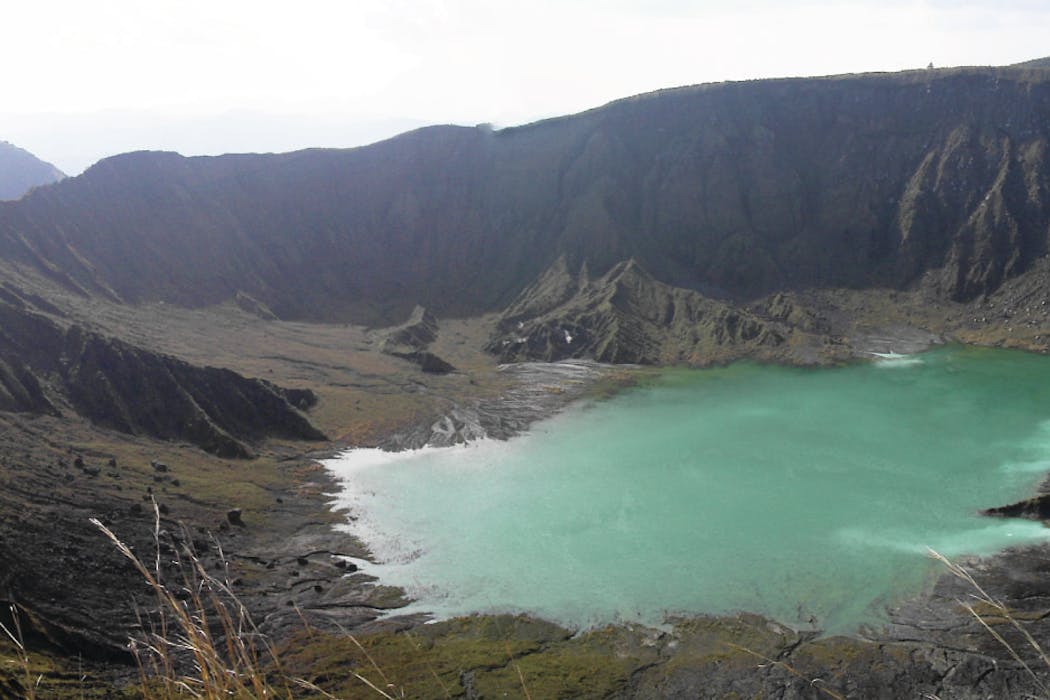
El Chichón volcano in Mexico erupted explosively in 1982 after lying dormant for centuries. Michael Cassidy, CC BY-NC-ND

The next global volcanic disaster is more likely to come from volcanoes that appear dormant and are barely monitored than from the likes of famous volcanoes such as Etna in Sicily or Yellowstone in the US.

Often overlooked, these “hidden” volcanoes erupt more often than most people realise. In regions like the Pacific, South America and Indonesia, an eruption from a volcano with no recorded history occurs every seven to ten years. And their effects can be unexpected and far-reaching.

One volcano has just done exactly that. In November 2025, the Hayli Gubbi volcano in Ethiopia has erupted for the first time in recorded history (at least 12,000 years that we know of). It sent ash plumes 8.5 miles into the sky, with volcanic material failing in Yemen and drifting into air space over northern India.

You don’t have to look far back in history to find another example. In 1982, the little-known and unmonitored Mexican volcano El Chichón erupted explosively after lying dormant for centuries. This series of eruptions caught authorities off-guard: hot avalanches of rock, ash and gas flattened vast areas of jungle. Rivers were dammed, buildings destroyed, and ash fell as far as Guatemala.

More than 2,000 people died and 20,000 were displaced in Mexico’s worst volcanic disaster in modern times. But the catastrophe did not end in Mexico. The sulphur from the eruption formed reflective particles in the upper atmosphere, cooling the northern hemisphere and shifting the African monsoon southwards, causing extreme drought.

This alone would test the resilience and coping strategies of any region. But when it coincided with a vulnerable population that was already experiencing poverty and civil war, disaster was inevitable. The Ethiopian (and East African) famine of 1983-85 claimed the lives of an estimated 1 million people. This brought global attention to poverty with campaigns like Live Aid.

Few scientists, even within my field of Earth science, realise that a remote, little-known volcano played a part in this tragedy.

Despite these lessons, global investment in volcanology has not kept pace with the risks: fewer than half of active volcanoes are monitored, and scientific research still disproportionately focuses on the well-known few.

There are more published studies on one volcano (Mount Etna) than on all the 160 volcanoes of Indonesia, Philippines and Vanuatu combined. These are some of the most densely populated volcanic regions on Earth – and the least understood.

The largest eruptions don’t just affect the communities around them. They can temporarily cool the planet, disrupt monsoons and reduce harvests across entire regions. In the past, such shifts have contributed to famines, disease outbreaks and major social upheaval, yet scientists still lack a global system to anticipate or manage these future risks.

volcano erupting with red explosive ash
Mount Etna on the Italian island of Sicily.
Wead/Shutterstock

To help address this, my colleagues and I recently launched the Global Volcano Risk Alliance, a charity that focuses on anticipatory preparedness for high-impact eruptions. We work with scientists, policymakers and humanitarian organisations to highlight overlooked risks, strengthen monitoring capacity where it is most needed, and support communities before eruptions occur.

Acting early, rather than responding only after disaster strikes, stands the best chance of preventing the next hidden volcano from becoming a global crisis.

Why ‘quiet’ volcanoes aren’t safe

So why do volcanoes fail to receive attention proportionate to their risk? In part, it comes down to predictable human biases. Many people tend to assume that what has been quiet will remain quiet (normalcy bias). If a volcano has not erupted for generations, it is often instinctively considered safe.

The likelihood of an event tends to be judged by how easily examples come to mind (this mental shortcut is known as availability heuristic). Well-known volcanoes or eruptions, such as the Icelandic ash cloud from 2010, are familiar and can feel threatening, while remote volcanoes with no recent eruptions rarely register at all.


Read more:
Wildfires, volcanoes and climate change: how satellites tell the story of our changing world


These biases create a dangerous pattern: we only invest most heavily after a disaster has already happened (response bias). El Chichón, for instance, was only monitored after the 1982 catastrophe. However, three-quarters of large eruptions (like El Chichón and bigger) come from volcanoes that have been quiet for at least 100 years and, as a result, receive the least attention.

Volcano preparedness needs to be proactive rather than reactive. When volcanoes are monitored, when communities know how to respond, and when communication and coordination between scientists and authorities is effective, thousands of lives can be saved.

Disasters have been averted in these ways in 1991 (at Mount Pinatubo in the Philippines), in 2019 (at Mount Merapi in Indonesia) and in 2021 (at La Soufrière on the Caribbean island of Saint Vincent).

To close these gaps, the world needs to shift attention towards undermonitored volcanoes in regions such as Latin America, south-east Asia, Africa and the Pacific – places where millions of people live close to volcanoes that have little or no historical record. This is where the greatest risks lie, and where even modest investments in monitoring, early warning and community preparedness could save the most lives.


Don’t have time to read about climate change as much as you’d like?

Get a weekly roundup in your inbox instead. Every Wednesday, The Conversation’s environment editor writes Imagine, a short email that goes a little deeper into just one climate issue. Join the 47,000+ readers who’ve subscribed so far.


The Conversation

Mike Cassidy receives funding from the UK’s Natural Research Research Council. He is the Co-founder and Chair of the Global Volcano Risk Alliance charity.

ref. The world’s little-known volcanoes pose the greatest threat – https://theconversation.com/the-worlds-little-known-volcanoes-pose-the-greatest-threat-266292

First human bird-flu death from H5N5 – what you need to know

Source: The Conversation – UK – By Ed Hutchinson, Professor, MRC-University of Glasgow Centre for Virus Research, University of Glasgow

Melanie Hobson/Shutterstock.com

H5N1 bird flu has infected growing numbers of people worldwide in recent years, but this week saw something new: the first recorded human case of an H5N5 avian influenza virus. What is this virus and how concerned about it should we be?

What happened?

In early November, a resident of Grays Harbor, a county on the south-west Pacific coast of Washington state about 100 miles from Seattle, became severely unwell with flu-like symptoms including high fever, respiratory distress and confusion.

They were admitted to hospital, and on November 14 officials confirmed that tests showed infection with an H5N5 avian influenza virus. The patient, an older adult with underlying conditions, was treated in hospital, but sadly they died on November 21.

This was the first reported human infection with an H5N5 influenza virus.

What is H5N5 influenza virus?

H5N5 influenza viruses are a type of avian influenza (bird flu) – an influenza A virus that infects birds.

Bird flu viruses are classified as either “high pathogenicity” or “low pathogenicity” based on the severity of symptoms they cause in poultry. (Their severity also varies in other bird species.) This H5N5 strain, like the widespread and much-reported-on H5N1 strain, is one of the high pathogenicity forms.

Where did it come from?

This hasn’t yet been formally confirmed. However, the patient kept a flock of backyard poultry that were exposed to wild birds, which suggests how they might have caught the virus.

H5N5 is found in wild birds around the world, and it is relatively common for it to pass from them into flocks of poultry. This is, however, the first time an H5N5 influenza virus has been found to go one step further and infect a human.

What does the name mean? Is it similar to H5N1?

Influenza A viruses are one of the major branches of the influenza virus family, and are divided into subtypes based on differences in the two proteins that form spikes on the surface of virus particles: haemagglutinin (HA) and neuraminidase (NA).

Both proteins are good targets for the immune system’s antibodies. The proteins rapidly mutate as the virus evolves to evade these antibodies, and the different forms that result are used to categorise influenza A viruses.

The bird flu viruses H5N1 and H5N5 both have HA proteins of the same H5 subtype (though recognisably distinct from each other), but have NA proteins of different subtypes. Just as humans can be infected by different influenza A virus subtypes during the same winter season (H1N1 and H3N2), genetic studies show us this H5N5 virus is distinct from the dominant H5N1 strain that is also circulating in birds worldwide.

Should we be worried about what happens next?

H5N5 is an ecological and agricultural threat. Although bird flu vaccines exist, at the moment, political and economic factors make it hard to use them in US poultry. Instead, the virus must be controlled by surveillance, housing poultry indoors, increasing farm biosecurity and, as a last resort, by mass culling of infected poultry.

This is challenging enough, but bird flu also demands our attention because the virus is a potential cause of new pandemics.

In the long run, this risk is very significant. However, it is worth remembering that, although influenza is better at changing its host species and creating pandemics than any other virus, that is still an incredibly hard thing for the virus to do.

The vast majority of “spillover” infections of bird flu into humans are one-off events. They can vary unpredictably in their effects. Most are quite mild (for example, causing conjunctivitis), but some can be very severe, as was the case in this first recorded case of H5N5. But after infecting one human, most avian influenza viruses go no further.

Scientists will watch for several warning signs that a virus may be adapting to humans, especially any hint of person-to-person spread. There is no sign that this has happened here.

At the moment, the wider risk to humans from H5N5 is still low, and there is no reason to think this was anything other than a tragic one-off case. However, there will be plenty of opportunities for influenza viruses to try again. As H5N5 and other subtypes of avian influenza virus continue to circulate, it is important we continue to monitor this virus carefully.

The Conversation

Ed Hutchinson receives funding from UKRI and the Wellcome Trust. He has unpaid positions as a board member of the European Scientifiic Working group on Influenza (ESWI), as Chair-Elect of the Microbiology Society’s Virus Division and as a scientific advisor to Pinpoint Medical.

ref. First human bird-flu death from H5N5 – what you need to know – https://theconversation.com/first-human-bird-flu-death-from-h5n5-what-you-need-to-know-270535

How stories of personal experience cut through climate fatigue in ways that global negotiations can’t

Source: The Conversation – UK – By Gulnaz Anjum, Assistant Professor of Climate Psychology, Centre for Social Issues Research, Department of Psychology, University of Limerick

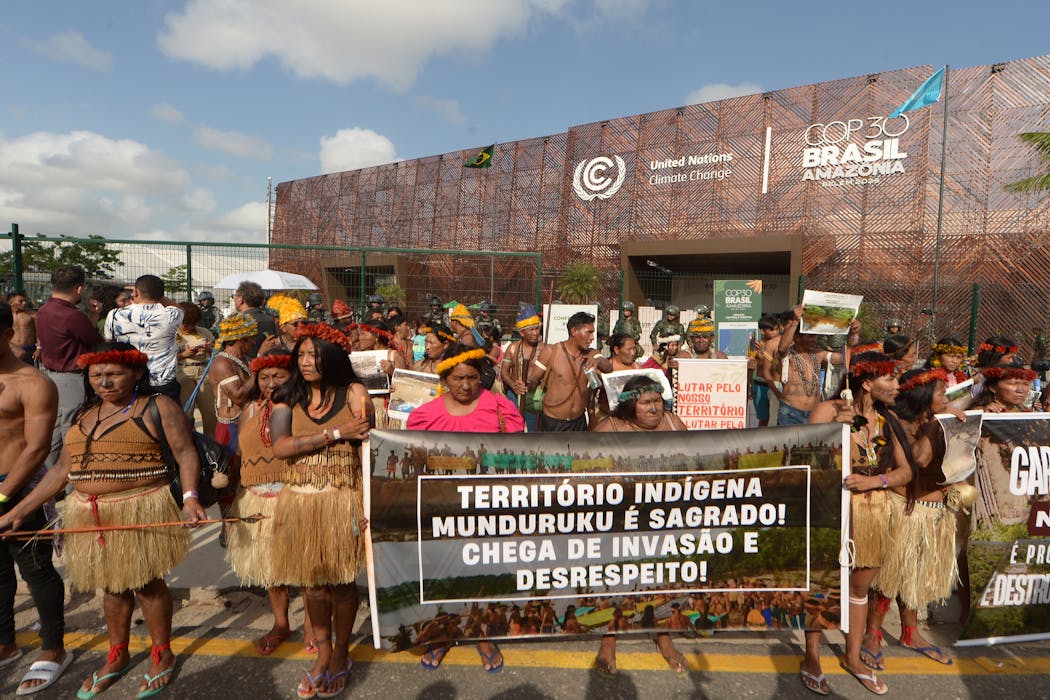
Mundukuru Indigeous people at Cop30 Belem, Brazil Antonio Scorza/Shutterstock

When Cop30 convened in Belém, deep inside the Amazon, the world’s attention turned once again to negotiations, emissions pledges and political manoeuvring. The global stage was set against one of Earth’s most biodiverse landscapes and some of its most vulnerable communities, yet the conversation still leaned heavily toward geopolitics rather than people.

Inside the crowded halls of the UN climate summit, Cop30, human stories were everywhere. Posters showed survivors of recent hurricanes, farmers battling crop loss and Indigenous leaders fighting for the survival of their territories. But these voices rarely made it into the mainstream narrative.

Climate change is often framed as a scientific or diplomatic issue, but before it becomes environmental or political, it is profoundly human. The way we communicate about climate change during global summits and in everyday life needs to reflect this reality through stories.

Across developing world and increasingly in developed countries, climate change shapes daily routines in disruptive and often painful ways. In Karachi, Pakistan, a mother lies awake through stifling heat, worried her toddler will struggle to breathe during the next power cut.

In Kingston, Jamaica, survivors of Hurricane Melissa describe “homes that no longer feel like themselves”. In informal settlements in Nairobi, Kenya, neighbours share water during heatwaves because municipal supplies have run dry.

These are the intimate forms of environmental grief that rarely surface in international negotiations, even though many communities face climate pressures far more intensely than others.

These experiences carry deep emotional weight. They are not abstract threats for a distant future but lived realities that shape sleep, caregiving, conflict and identity. Yet coverage of Cop30 focused heavily on diplomatic language and emissions curves. Psychology research consistently shows that people engage more deeply when they can recognise themselves, their families, their fears and their hopes in climate stories. Without that human connection, climate messages often become background noise.

A common reaction to climate communication today is exhaustion. People are not disengaged; they are overwhelmed. Years of catastrophic headlines, stalled policies and political gridlock create a sense of powerlessness. This “climate fatigue” is often mistaken for apathy, yet it is more accurately a form of emotional self-protection. At Cop30, fatigue showed up in activists, negotiators and residents who have endured repeated broken promises.

Climate communication has too often relied on doom-narratives that paralyse rather than motivate. When fear dominates, many people withdraw to protect their mental wellbeing.

The alternative is not sugar-coating reality. Effective communication offers grounded hope. This means honest stories of collective action and practical solutions that feel achievable.

In Kenya, communities work together on sustainable cooling. In Pakistan, youth volunteers maintain flood early warning systems. Across European cities, residents develop urban greening projects that cool streets and strengthen community ties.

These are not heroic tales but examples of ordinary people protecting each other amid extraordinary circumstances. They build a sense of agency instead of despair.

Whose voice matters?

Climate messages resonate most when they come from trusted messengers. At Cop30, some of the most compelling communicators were not national delegations but community organisers, Indigenous leaders, youth representatives and climate activists who speak from lived experience.

In many places, trust is grounded in proximity and shared identity. People listen to those who understand their world: a nurse explaining how heat worsens chronic illness, a neighbourhood elder describing changing flood patterns or a farmer talking about soil loss.

Youth leaders and activists from communities already experiencing the strongest climate impacts have become particularly influential communicators because they explain climate change through the realities of daily life. Climate communication falters when experts speak at audiences rather than with them. Lived experience is not an optional extra; it is a form of expertise.

Another key lesson for communicators is that climate messages created in Europe or North America cannot simply be transplanted elsewhere. Media environments vary, trust in institutions differs and histories of colonisation, inequality and recurrent disasters shape how people interpret climate information.

For many communities in the Amazon, climate change is inseparable from land rights, cultural identity and survival. In Pakistan, extreme heat strains fragile health systems and intensifies the emotional labour of caregiving, especially for women. In Caribbean nations, the trauma of repeated storms influences how people view political promises made at global summits.

Cop30 brought together voices from around the world, making it an essential moment for global reporting to recognise how differently climate change is felt and understood across regions. Climate communication must be culturally grounded, attentive to local realities and responsive to the needs of communities most affected.

Events like Cop30 often produce ambitious declarations, but declarations alone do not shift public engagement. People connect to climate action through stories that reflect their own struggles and resilience: a family rebuilding after a hurricane; neighbours sharing water during heatwaves; young people restoring mangroves to protect coastlines; mothers comforting frightened children as storms approach.

These stories reveal immense labour and courage, as survivors in Jamaica and Pakistan emphasise. They show people enduring hardship without adequate support, resisting inequality and surviving systemic neglect.

By placing lived experience at the centre of climate communication, we move beyond abstract numbers toward the meaning of climate change in real lives. And meaning motivates action. Evidence from Africa also shows that stories grounded in local action can increase feelings of efficacy and strengthen community connection.

Cop30 demonstrated that urgency alone is not enough. People engage when they feel seen. Climate communication must acknowledge fear without feeding hopelessness, and it must connect science to daily realities. The clearest messages come from lived experience: women sharing water during heatwaves, families rebuilding homes after storms, neighbours checking on one another during power cuts. These moments reveal what climate change truly means and why action matters.

As global negotiations continue, these human stories, alongside policymakers’ endorsements and policy announcements, must guide us. They do not compete with science; they give it meaning. If climate communication is to meet this moment, it needs to begin and end with people.


Don’t have time to read about climate change as much as you’d like?

Get a weekly roundup in your inbox instead. Every Wednesday, The Conversation’s environment editor writes Imagine, a short email that goes a little deeper into just one climate issue. Join the 47,000+ readers who’ve subscribed so far.


The Conversation

The authors do not work for, consult, own shares in or receive funding from any company or organisation that would benefit from this article, and have disclosed no relevant affiliations beyond their academic appointment.

ref. How stories of personal experience cut through climate fatigue in ways that global negotiations can’t – https://theconversation.com/how-stories-of-personal-experience-cut-through-climate-fatigue-in-ways-that-global-negotiations-cant-268852