¿Cuándo eliminar el chupete o evitar que el bebé se chupe el dedo? Una guía para madres y padres

Source: The Conversation – (in Spanish) – By Ascensión Vicente Hernández, Profesora Titular de Ortodoncia, Universidad de Murcia

El chupete y el dedo son grandes aliados del consuelo infantil, pero también pueden afectar la salud bucal. Si se mantienen más tiempo del recomendable, estos hábitos de succión pueden alterar el crecimiento de los maxilares y la posición de los dientes. Saber cuándo y cómo retirarlos es fundamental para evitar problemas futuros.

Succionar para sobrevivir; succionar para calmar

La succión comienza siendo un reflejo, es decir, una respuesta motora involuntaria. Se observa por primera vez en los fetos a las 14 semanas de gestación hasta que, a medida que el cerebro madura, el comportamiento se vuelve voluntario (entre los 4 y 6 meses de edad).

Este reflejo es fundamental para que el recién nacido pueda alimentarse, pero no tiene el mismo fin cuando los bebés crecen un poco y succionan el chupete o el dedo. Por eso los llamamos hábitos de succión no-nutritivos.

¿Qué encuentra el niño en ellos? Algo muy importante: consuelo y relajación. Y si el menor está en calma, también lo están los padres. Algunos estudios han evidenciado cómo el uso del chupete se asocia con menor estrés materno, una mejor relación madre-hijo y una percepción más positiva de la afectividad del niño.


Leer más:
La primera necesidad de un recién nacido no es comer, es el contacto con la piel de su madre


Calma momentánea, efectos duraderos

Entonces, ¿por qué alterar la calma familiar retirando estos hábitos? Porque si se mantienen en el tiempo pueden afectar al desarrollo de dientes y maxilares.

Los efectos de succionar el chupete y el dedo son parecidos. Lo que solemos encontrar en los niños que lo siguen practicando cuando se van haciendo mayores son unos dientes superiores separados y con inclinación hacia fuera. En cambio, los dientes inferiores se inclinan hacia la lengua.

También se altera el crecimiento del maxilar, haciendo que desarrollen un maxilar más estrecho de lo normal. El hueso no crece bien porque, cuando en la boca se introduce el chupete o el dedo, la lengua deja de estar en contacto con él. Y es ella el principal estímulo para su crecimiento.

Si el maxilar es más estrecho de lo normal, a veces la mandíbula se desvía para que puedan contactar los molares. Si no se corrige en edades tempranas, esto puede provocar una asimetría facial.

Otra característica que vemos en las bocas de estos niños es lo que nosotros llamamos “mordida abierta anterior”, un espacio entre los dientes superiores e inferiores a nivel vertical. A edades tempranas, a veces solo es un problema dentario, pero en otras ocasiones puede deberse a una alteración del crecimiento, necesitando en estos casos un tratamiento más complejo.

Cuanto más tiempo esté el chupete o el dedo en la boca, mayores serán sus efectos. Y, al contrario de lo que piensan muchos padres, el uso del chupete durante el tiempo dedicado al sueño sí tiene efectos, debido a las muchas horas en las que ese objeto está actuando. No olvidemos que un niño de entre 3 y 5 años suele dormir de 10 a 13 horas al día.


Leer más:
Lactancia materna: el primer aparato de ortodoncia


Cuándo y cómo decir adiós al chupete y al dedo

Lo ideal es que estos hábitos cesen alrededor de los 2 años, momento que suele coincidir con la erupción de la última muela de leche. Si se eliminan en torno a esta edad, los efectos son leves y suelen revertir con el propio crecimiento del niño. A partir de ese momento, cuanto más se alargue en el tiempo su retirada, las consecuencias irán siendo más evidentes y el hábito se irá consolidando.

Generalmente, alrededor de los 2 años no suele ser complicado eliminar estos comportamientos, sobre todo el chupete. Se puede ir retirando paulatinamente o de manera tajante, en función de cada niño. En ambos casos se requiere firmeza y paciencia. Es aconsejable que los progenitores celebren los logros de sus pequeños y les ofrezcan alternativas, como un peluche para dormir.

Si el hábito persiste y hay posibilidad de razonar con el niño, se pueden emplear refuerzos positivos o establecer un sistema de recompensas por los logros conseguidos. Cuando ninguna de las anteriores estrategias resulta suficiente, es necesario colocar un aparato en la boca.

No obstante, no podemos olvidar que lo más importante de todo es que el niño esté convencido de que quiere dejar el hábito. Como, normalmente, la succión del dedo es más difícil de retirar que el chupete, los padres deben estar atentos para que el niño no sustituya ese objeto por el dedo.


Leer más:
No dar el pecho nos cuesta caro


El dedo como refugio

Como apuntábamos, en ocasiones, el hábito de succión digital es muy difícil de eliminar, ya que existen factores psicológicos asociados. También puede ocurrir que, tras años de la eliminación de la costumbre, el niño comience a hacerlo de nuevo.

Esto suele suceder tras situaciones que pueden ser traumáticas para el menor,
como la muerte de un familiar cercano, durante el divorcio de los padres o debido a problemas en el colegio. Es decir, en el momento que se genera tensión emocional en el niño, éste se refugia en el dedo para liberarla.

Cuando llega la adolescencia, el hábito de succión digital persistente suele ser sustituido por el de morderse las uñas.

Como muestra la evidencia, chuparse el dedo o usar chupete es habitual durante los primeros años de vida porque ayuda a los más pequeños a sentirse seguros y a calmarse. Pero si el hábito se mantiene, puede afectar al desarrollo orofacial. Además, es importante fijarse si el gesto es solo costumbre o si sirve de consuelo frente a la ansiedad, la inseguridad o la falta de apoyo emocional.

The Conversation

Las personas firmantes no son asalariadas, ni consultoras, ni poseen acciones, ni reciben financiación de ninguna compañía u organización que pueda obtener beneficio de este artículo, y han declarado carecer de vínculos relevantes más allá del cargo académico citado anteriormente.

ref. ¿Cuándo eliminar el chupete o evitar que el bebé se chupe el dedo? Una guía para madres y padres – https://theconversation.com/cuando-eliminar-el-chupete-o-evitar-que-el-bebe-se-chupe-el-dedo-una-guia-para-madres-y-padres-268531
La selección: una mirada abierta 50 años después del franquismo

Source: The Conversation – (in Spanish) – By Lola Delgado, Editora de Política y Sociedad, The Conversation

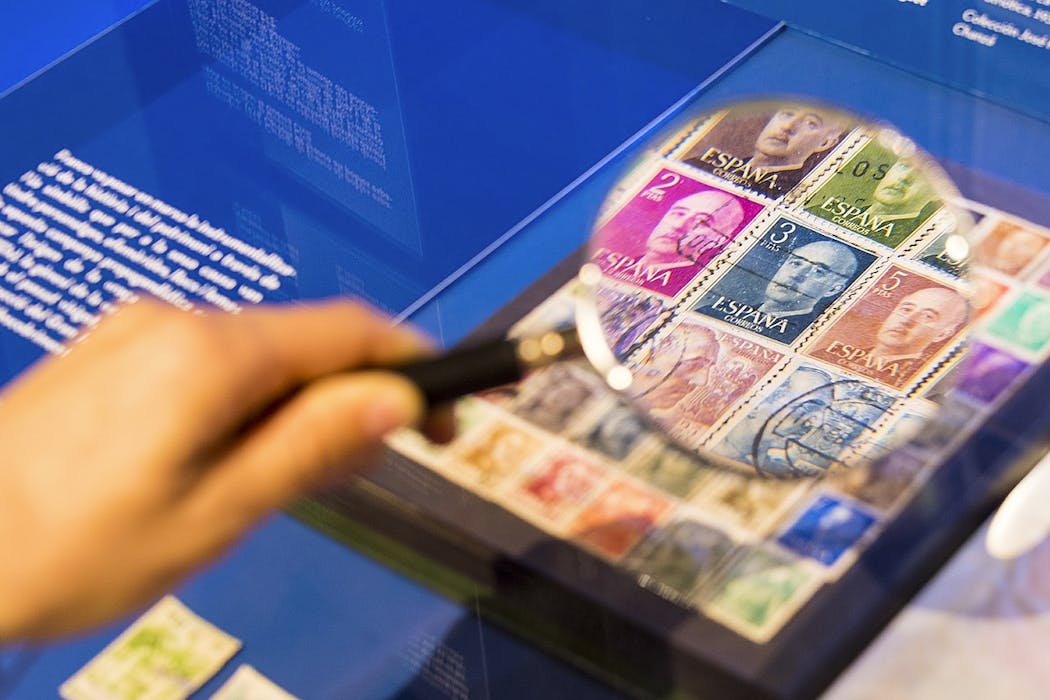
Exposición en la que se muestran sellos de la época franquista. Hèctor Juan/Wikimedia Commons, CC BY-SA

Un reciente artículo en The Conversation abordó la cuestión de los embalses construidos durante el franquismo. Según una investigación, entre el 50-70 % del agua embalsada en España estuvo controlada históricamente por empresas eléctricas, no por los regantes como proclamaba la propaganda del régimen.

Al cumplirse 50 años desde la muerte de Francisco Franco nos parecía el momento adecuado para traer a la actualidad diversos artículos que examinan aspectos del régimen que gobernó España entre 1939 y 1975.

Y también algunos desmentidos históricos que conviene saber, como el de que los embalses eran cosa de Franco.

Esta discrepancia entre propaganda y realidad se extendía a muchos otros aspectos de la vida cotidiana, especialmente cuando se trataba de derechos y libertades personales.

Restricciones legales y sociales.

La vida diaria estaba marcada por numerosas restricciones legales y formas de represión.

En 1954, por ejemplo, el régimen modificó la Ley de Vagos y Maleantes para incluir los actos homosexuales como “estado peligroso”. Las consecuencias fueron severas y desconocidas hasta hace relativamente poco tiempo: cientos de homosexuales fueron internados en la Colonia Agrícola Penitenciaria de Tefía, en Lanzarote, un campo de trabajos forzados en una mina con condiciones durísimas.

Para las mujeres, las limitaciones eran especialmente rígidas y, desde luego, desmienten esa idea que tienen hoy en día muchos jóvenes de ultraderecha de que con Franco se vivía mejor. Actividades que hoy consideramos básicas requerían autorización escrita del marido o del padre: abrir una cuenta bancaria, trabajar, viajar al extranjero o gestionar propiedades.

El divorcio estaba prohibido, lo que significaba que no había escapatoria legal de situaciones, por ejemplo, de violencia doméstica. La llamada “licencia marital” no era un mero trámite burocrático, sino una manifestación legal de la falta de autonomía de la mitad de la población.

Las instituciones de control social

Cuando las mujeres no se ajustaban al modelo establecido, existían mecanismos institucionales para “corregirlas”. El Patronato de Protección a la Mujer internaba a aquellas consideradas alejadas del ideal de “mujer decente” definido por el régimen. Esta institución operó desde 1941 hasta 1985: sorprendentemente, una década después de la muerte del dictador.

La dureza del sistema también se reflejaba en instituciones aparentemente benéficas. La Casa de Maternidad de Les Corts, en Barcelona, gestionada por las Hermanas de la Caridad de San Vicente de Paúl, acogía bebés abandonados y madres solteras. Las fichas de estas mujeres que hacían aquellas monjas incluían calificativos como “anormal”, “muy tonta”, “negra” o “retrasada mental”, revelando el trato degradante que recibían personas en situación de vulnerabilidad.

El peso simbólico del régimen

El “alcance” del régimen se extendió incluso más allá de su fin. Francisco Franco estuvo enterrado en el Valle de los Caídos hasta 2019 en un monumento cuya cruz puede verse desde más de cien kilómetros a la redonda. Este monumento, construido con trabajo forzado de presos políticos, fue durante décadas un recordatorio visible del poder del régimen. Actualmente el lugar está en un proceso de resignificación para darle una nueva vida después de trasladar los restos de Franco a un cementerio cercano.

¿Cómo hemos cambiado?

Pero en estos 50 años desde que el dictador murió, la sociedad española ha experimentado cambios importantísimos. Los estudios actuales sobre su evolución ponen de manifiesto aperturas en áreas como la salud mental, cambios rotundos en derechos civiles, estructura familiar y libertades individuales. La comparación de los indicadores actuales con los del período franquista permite evaluar con perspectiva histórica las condiciones de vida de entonces.

Hemos evolucionado. La libertad nos ha permitido hacerlo. Cuando se examina la documentación histórica, las leyes de la época y el funcionamiento de sus instituciones, emerge una realidad ineludible: la vida bajo el franquismo estuvo marcada por restricciones legales, control social y ausencia de libertades básicas para amplios sectores de la población.

Hoy somos capaces de verlo desde la distancia y de decir con libertad que si de algo sirvieron aquellos años fue para que hoy hayamos aprendido de los grandes errores. Ojalá jamás se repitan. Ojalá esta sea la última efeméride que recordemos sobre aquellos tiempos.

The Conversation

ref. La selección: una mirada abierta 50 años después del franquismo – https://theconversation.com/la-seleccion-una-mirada-abierta-50-anos-despues-del-franquismo-270631

Lions have two types of roar – new research

Source: The Conversation – UK – By Jonathan Growcott, PhD student in Environmental Intelligence, University of Exeter

SteffenTravel/Shutterstock

The roar of an African lion is one of the most iconic sounds of the animal kingdom. However, my new research suggests it should actually be separated into two distinct vocalisations: the full-throated roar, and an “intermediary roar” with a flatter, less varied sound. Making this distinction could have important implications for lions’ conservation.

The total population of wild lions in Africa is estimated to be between 22,000 and 25,000, but this number is half what it was 25 years ago. The main drivers of this decline are habitat loss and fragmentation, reduction in prey, and conflict with local people. According to the International Union for Conservation of Nature red list, lions are now vulnerable to extinction.

My colleagues and I investigated roaring in lions to get better at distinguishing between their different vocalisations. But our findings may make it easier to monitor lions’ numbers, which in turn would make it easier to protect them.

You might think you know a lion’s roar from the clip used by MGM at the start of all its films – but that isn’t quite right. It’s actually a tiger’s roar dubbed on top of this famous piece of cinema. Compared with a lion, a tiger’s roar is often raspier and higher-pitched.

In fact, male and female lions produce what scientists call a “roaring bout”. Each begins with a series of soft moans, followed by a subsection of intermediary and full-throated roars, which finally subside into a repetition of grunts.

There is no set length of time a roaring bout will last (though most are between 30 and 45 seconds), and the number of vocalisations within each subsection does not keep to a strict formula.

The roaring bout is important behaviour. Not only does it signal to other lions in their pride where they are, but to unfriendly lions, bouts can be used to advertise territorial boundaries.

The loudest, most complex component of a lion’s roaring bout is the full-throated roar, which is an individually identifiable sound. Each lion’s full-throated roar is as specific to the individual as the pattern of spots are to a leopard (and as my 2024 paper found, their roar too).

Population density estimates are a key metric for identifying priority areas for conservation. If individual lions can be identified by their full-throated roars, then researchers could use this to count them.

However, picking out the full-throated roars from other vocalisations within a roaring bout is tricky. Even for those with expert ears, it is a subjective process which is prone to human bias.

The reason becomes clearer when you look at a spectrogram of a lion’s roaring bout – a visual representation of its sounds using an x-axis of time (seconds) and y-axis of frequency (hertz). The full-throated roar at the start of the mid-section of the bout rarely looks or sounds the same as the roar that occurs right before the grunts kick in. Which made me wonder: should these different roars be classified the same?

My colleagues and I leaned on AI to help us analyse our roar recordings. Perhaps this could help solve the issue of subjectivity, we thought, and classify lion vocalisations automatically, creating a tool so that other researchers always know which roar is right for counting lions.

We used supervised machine learning to classify the vocalisations which occur in a lion’s roaring bout into three call types: full-throated roars, grunts, and our newly identified intermediary roar.

From the spectrogram, we could see that the full-throated roar is loud, complex and arcs in pitch. The intermediary roar was a flatter sound with less variation – and it always followed the full-throated roars. Grunts were shorter and even more compact.

Using simple acoustic parameters – the duration of each vocalisation and its maximum frequency – we could then identify each call type with an accuracy of 95.4%. As the full-throated roars are unique to each individual lion, we wanted to test whether our AI analysis of full-throated roars was better at distinguishing between different lions than human hearing.

We found we could identify individual lions at an accuracy of 94.3% – an improvement of 2.2% over when human-selected full-throated roars were used. Using this technique for identifying full-throated roars could hopefully lead to more accurate population density estimates of lions.


Read more:
Lions are still being farmed in South Africa for hunters and tourism – they shouldn’t be


It is exciting to discover the language of lions is more complex than previously thought. However, it is unclear what the communicative differences of the two roar types may be.

Scientists have long believed that lion roars may convey information relating to pride size, age and identity – but without Dr Doolittle to translate the meaning of moans, grunts and roars, this is still guesswork.

Therefore, it may take some time before “lion” appears as an option on Duolingo. For now, we should just celebrate the fact that AI can help us to discover more about wild phenomena as iconic as a lion’s roar.

The Conversation

Jonathan Growcott was funded via a doctoral training grant awarded as part of the UKRI AI Centre for Doctoral Training in Environmental Intelligence (UKRI grant number EP/S022074/1).

ref. Lions have two types of roar – new research – https://theconversation.com/lions-have-two-types-of-roar-new-research-270314

Any peace deal in Ukraine must be just and fair – the plan proposed by the US and Russia was neither

Source: The Conversation – UK – By Selbi Durdiyeva, Visiting Scholar, Nottingham Law School, Nottingham Trent University

Details of a new peace plan for Ukraine are emerging after officials from the US, Ukraine and its European allies met in Geneva on November 23. They discussed the 28-point plan presented by Russia and the US the previous week, which has been widely criticised as requiring concessions from Kyiv that critics said would be tantamount to surrender.

These two plans, which represent the contrasting positions approved by Ukraine and Russia, are now being discussed in Abu Dhabi by officials from the US, Russia and Ukraine.

The plan which emerged from Geneva is reportedly based on a European counter-proposal to the US-Russia plan that had been developed in Miami by US envoy Steve Witkoff and Kirill Dmitriev, head of Russia’s sovereign wealth fund.

Full details of the Geneva plan have yet to be published. But reports suggest that unlike the US-Russian plan, it leaves open the door to Nato membership, removes restrictions on the size of Ukraine’s post-war army, and removes a proposal for an amnesty for war crimes committed since Russia’s invasion in February 2022.

The most contentious issues, including any territory to be ceded by Kyiv and Ukraine’s future Nato membership – something that Russia strongly opposes – will be decided by the Ukrainian president, Volodymyr Zelensky, and his US counterpart, Donald Trump. Ukraine is calling for a meeting between Trump and Zelensky within days to iron out the remaining issues.

It’s no surprise that neither Ukraine nor its allies in Europe were happy with the the US-Russia deal developed by Witkoff and Dmitriev. Apart from looking more like a plan for Kyiv’s capitulation than a credible pathway to peace, it presents some serious problems – both legal and moral.

Territorial concessions

The 28-point US-Russia proposal suggests Ukraine should concede parts of Ukraine’s internationally recognised territory including Crimea, Donetsk and Luhansk, which would then become internationally recognised as part of Russia. It also calls for the frontlines to be frozen in Kherson and Zaporizhzhia, with “de facto recognition” along the current line of contact between the two armies.

ISW map showing the state of the conflict in Ukraine, November 24 2025.
The state of the conflict in Ukraine, November 24 2025.
Institute for the Study of War

This would legitimise acquisition of territory by means of force and aggression, and hence would be in contravention of obligations under Article 2(4) of the UN Charter, which prohibits the “the threat or use of force against the territorial integrity or political independence of any state”.

The illegality of Russia’s invasion in 2022 was underlined in June 2025 when the Council of Europe established a special tribunal to prosecute senior political and military leadership “for the crime of aggression against Ukraine”.

If the territorial concessions detailed in the US-Russia plan were to be adopted, they would hinder effective investigation and prosecution of any such crimes of aggression – and thus set a dangerous precedent for future conflicts.

Impunity and accountability

The US-Russia plan’s proposed blanket amnesty for war crimes also contradicts international law. The law governing conduct of hostilities – and public international law in general – imposes an obligation for states to investigate, prosecute and punish war crimes.

While international law does not outlaw amnesties in pursuit of reconciliation, for the establishment of truth or to prevent war recurring, these should not interfere with a state’s obligation to investigate and prosecute international crimes. So, blanket amnesties are incompatible with this requirement.

The scale of documented violations in Ukraine over nearly four years makes the idea of an amnesty especially troubling. The Ukrainian authorities, with support from civil society, have documented more than 183,000 alleged war crimes since 2022.

The International Criminal Court has issued arrest warrants for senior Russian figures including Russia’s president, Vladimir Putin. National prosecutors in Europe are pursuing cases under universal jurisdiction.

Granting amnesty would nullify these investigations. It would signal that even the gravest crimes can go unpunished as a result of political deal-making.

The principles of transitional justice place victims at the centre of any post-conflict processes. They are entitled, under international law, to truth, justice and reparations. But the US-Russia plan does not outline any role for victims. Instead, it effectively deprives them of their right to pursue justice.

Research suggests that peace agreements without mechanisms to ensure accountability all too often end up with further outbreaks of violence. The pursuit of justice, which can include – but should not be limited to – criminal prosecutions, can be slow, costly and imperfect. But it tends to strengthen the rule of law and provide some form of remedy to the victims.

The US-Russia plan’s clause limiting the size of Ukraine’s post-conflict armed forces to 600,000 personnel is also controversial.

It is common to see measures such as demobilisation and disarmament in non-international armed conflicts. This was part of the settlement in peace negotiation processes for Colombia’s lengthy civil war in 2016. But applying them to a state which is the victim of aggression in an international armed conflict reverses the logic of accountability.

Ukraine is the state under attack. Limiting its defence capability while the aggressor retains its forces undermines both security and justice.

A fragile ‘peace’

Critics have described the US-Russia plan as “a gift to Putin”, as it aligns with the Kremlin’s longstanding demands while disregarding Ukraine’s legal rights. It would transform the future of millions of Ukrainians into a bargaining chip for great-power politics.

However, it appears that Kyiv’s European allies recognise this danger. The negotiations now underway in Abu Dhabi will be vital – as will any meeting between Trump and Zelensky to agree the framework of a new deal which fairly represents Kyiv’s position.

A genuine and just peace agreement must reflect the system of international law which, for 80 years, has sought to prevent the sort of aggression that Russia has unleashed on Ukraine. The 28-point plan presented by the US and Russia clearly failed to meet that test.

It is now up to Ukraine and its allies to ensure that any plan which does go forward rests on justice, accountability and the rights of victims – not on concessions to an aggressor.

The Conversation

Selbi Durdiyeva does not work for, consult, own shares in or receive funding from any company or organisation that would benefit from this article, and has disclosed no relevant affiliations beyond their academic appointment.

ref. Any peace deal in Ukraine must be just and fair – the plan proposed by the US and Russia was neither – https://theconversation.com/any-peace-deal-in-ukraine-must-be-just-and-fair-the-plan-proposed-by-the-us-and-russia-was-neither-270511

Golden retriever and human behaviour may be linked by the same genes – new research

Source: The Conversation – UK – By Daniel Mills, Professor of Veterinary Behavioural Medicine, University of Lincoln

PeopleImages/Shutterstock

Humans have probably shared their homes with dogs ever since they first settled. So it could be argued that there is no such thing as “human society” without including animals as part of it. Our long shared history with dogs has even be described as a form of co-evolution.

And a new study my colleagues at Cambridge and I published shows golden retrievers and humans seem to share a genetic basis for at least some behaviour.

Dogs show many adaptations that might help them live and co-operate with people. Ancient humans may even have been selected dogs’ ancestors for an ability to eat a more human diet than wolves. At a psychological level there are many adaptations that aid communication between the two species, like an ability to follow human gestures such as pointing, that exceeds that of our closest relatives, chimpanzees.

Dogs also appear to be exceptionally skilled at responding appropriately to human emotion. But it is not all one sided. Humans seem to show an intuitive understanding of the nature of dogs’ vocalisations.

Nowadays, our relationship includes sharing the hustle and bustle that is so often a feature of modern living. So it is not surprising that there is an exceptionally high prevalence of stress-related problems arising in dogs, especially in countries like the US.

This has led researchers to question to what extent we might share mental health problems too. Recently there have been several claims about the potential for an autism-like syndrome in dogs. In March 2025, a similar genetic marker was identified for some of the social problems related to autism.

Our study has taken this genetic search to another level. My team and I analysed the genetic code and behaviour of 1,300 golden retrievers, looking for genes associated with their behavioural traits. “Equivalent” genes in humans, inherited from the same evolutionary ancestor, were then identified.

They also identified the genes’ associations with a range of human intelligence, mental health and emotional processes. I specialise in studying and managing companion animal emotions at the University of Lincoln, and so I worked with the team to explore the psychobiological basis to these traits.

Dog sitting in the street on leash, torso and legs of owner behind
More similar than you’d think?
Lopolo/Shutterstock

We identified 12 genes where there seemed to be a connection between dogs and humans that related to similar psychological functioning. Some of these were closely aligned in terms of the emotional responses they produced, for example responses related to non-social anxiety. However, in other cases the link was perhaps less obvious.

But we formed hypotheses that may explain the association. When we did this, we found logical reasons to support the similarities we saw in the genetic associations in humans and golden retrievers.

For example, the canine gene ADD2 was associated with fear of strangers, but in humans was related to depression. A key characteristic of depression in people is social withdrawal, so we suspect there may be a common genetic link, which manifests in dogs (who are generally hypersocial) as stranger anxiety.

Other potential associations were with human conditions that involved complex cognitive processes, like self reflection, which are not thought to occur in dogs. However, as we looked more deeply into the range of human associations we could identify potential reasons for even some of these associations.

For example, trainability in dogs tended to be linked to genes in humans that are connected to not only intelligence but also sensitivity about being wrong. As far as we know, dogs cannot project themselves and their circumstances in the abstract ways people can, but they can certainly vary in their sensitivity to unpleasant experiences. so this might form the basis of the common genetic root between the two species.

The results provide a great basis for future studies in comparative and evolutionary psychiatry. As, Eleanor Raffan, a vet and assistant professor of physiology who led the Cambridge side of this research, said: “The findings are really striking – they provide strong evidence that humans and golden retrievers have shared genetic roots for their behaviour. The genes we identified frequently influence emotional states and behaviour in both species.”

There are, of course, differences in the ways that humans and dogs experience their
emotions. A lot of human emotion is tied up in complex thought processes. However, that does not undermine the importance of related conditions that might reflect mental health or suffering.

Enoch Alex, the first author of the report and a PhD candidate in the department of physiology, development, and neuroscience, summed this up: “These results show that genetics govern behaviour, making some dogs predisposed to finding the world stressful. If their life experiences compound this, they might act in ways we interpret as bad behaviour, when really they’re distressed”.

Although it might be tempting to sometimes dismiss academic work on dogs as somewhat frivolous, in this new work, there are hints at an important new role for dogs in our shared society: as natural models of mental health issues.

The Conversation

Daniel Mills does not work for, consult, own shares in or receive funding from any company or organisation that would benefit from this article, and has disclosed no relevant affiliations beyond their academic appointment.

ref. Golden retriever and human behaviour may be linked by the same genes – new research – https://theconversation.com/golden-retriever-and-human-behaviour-may-be-linked-by-the-same-genes-new-research-270402

The demands of young people went unfulfilled by the UN climate summit – mostly

Source: The Conversation – UK – By Susan Ann Samuel, PhD Candidate, School of Politics and International Studies, University of Leeds

At the UN climate conference Cop30 in Belém, Brazil, I asked some young climate activists and negotiators about their hopes, expectations and demands. Despite their positivity and the push for action from climate movements, Indigenous people and civil society, a lack of consensus on key issues was palpable.

Following overnight negotiations on November 21-22, the Brazilian presidency unveiled an outcome decision referred to as the “global mutirão” (collective efforts). But experts agree that the outlined climate action is insufficient.

I attended this years’ Cop as an advisor to the international Youth Negotiators Academy — a programme offering training to negotiators under the age of 35. My experience at Belém informs my PhD research into how social movements are influencing climate conferences. Here are some of the expectations of the young people I met at Cop30.

Brazilian student Ana Bertazzo Lemos, 23, attended Cop30 calling for obligations to cut fossil fuel emissions and the integration of ecological action into everyday life. But the final Cop30 text had no mention of fossil fuels.

Without a roadmap to transition away from fossil fuels, the Brazilian presidency said it will move forward outside the UN process. Accordingly, the first International Conference for the Phase-out of Fossil Fuels will be held in Colombia in April 2026.


Read more:
Youth activists are now real agents of change at global climate summits


Equality for Indigenous people

Matthaeus Menezes Assef, 29, from Guarujá, Brazil, is the student representative of the UN Framework Convention on Climate Change (UNFCCC) taskforce at the University of Leeds. I talked to Menezes and Guarany Osório, a Brazilian professor of sustainability, about their common goals.

Menezes is concerned for Brazil’s domestic political vision. He says Brazil needs to deal with deforestation and oil extraction in the Amazon, while evolving as a climate leader. He was happy that Cop30 brought 3,000 Indigenous people to Belém, with many receiving blue badges for direct access to negotiations. However, a roadmap to deforestation did not materialise at Cop30.

Protection for Amazonia

Jhulielson Conceição, 22, and Nathália Vasques, 24, were volunteers at Cop30, providing essential information and guidance to delegates. “Without us they’ll be lost,” Vasques told me. She sees Cop30’s location as crucial because Belém is on the frontline of climate change.

Vasques hoped that first-hand experience for delegates would translate into stronger commitments and greater protection for Amazonia, but this hasn’t happened yet. Both Conceição and Vasques wanted to see more recognition for youth voices at future Cops — but this shouldn’t just be tokenistic. Young people require decision-making power.

Stronger climate law

Emily Zinkula, 25, a law student from Stanford University, focused on whether legal mechanisms can create accountability for climate action. She tracks whether negotiations incorporate the recent advisory opinions on climate obligations, particularly by the International Court of Justice. An advisory opinion is a legal interpretation that’s not legally binding, provided by a high-level court or tribunal in response to a specific question of law.

Zinkula spoke at a side event alongside Jojo Mehta, co-founder of the campaign organisation Stop Ecocide International. Zinkula argued that the advisory opinion can help civil societies gain momentum around recognising ecocide (large-scale destruction of nature by human actions) as an international crime.

Having researched climate laws, I share her vision for accountability and justice – but the negotiations don’t yet reflect that.


Read more:
How young people have taken climate justice to the world’s international courts


A healthy just transition

Nova Tebbe, 28, a postdoctoral researcher from the Global Climate and Health Alliance and UNFCCC constituency member, called for the introduction of “indicators for adaptation” – the rules, metrics and standards needed for adaptation projects.

Tebbe demanded adaptation finance from developed to developing countries as per the Paris climate agreement. She emphasised that human health should be central to climate negotiations, and hoped for a just transition mechanism that moves from policy to implementation.

Tebbe also wanted the second global stocktake (a five-yearly assessment of the world’s progress toward the goals of the Paris agreement, due in 2028) to be more inclusive, with civil society input. She told me how the Belém conference’s positive atmosphere and push for quick decisions seemed unusual compared with other climate summits she had attended.

However, the final outcomes of Cop30 did not offer reassurance on most of her hopes. A new just transition mechanism was adopted, but without any map, money or manual.

This mechanism is a strategy to guarantee that the global shift towards a green economy is equitable and safeguards the rights of all people. There were discussions about doubling adaptation finance by 2025 and tripling it by 2035 – but whether the adaptation indicators include priorities for health is yet to be seen.

Young climate activists can’t deny that climate negotiations are complex, driven by political agendas and national interests. But my time in Belém has reinforced something essential: young people can play an instrumental role in and around the negotiations. Unfortunately, those demands don’t always translate into actual outcomes.


Don’t have time to read about climate change as much as you’d like?

Get a weekly roundup in your inbox instead. Every Wednesday, The Conversation’s environment editor writes Imagine, a short email that goes a little deeper into just one climate issue. Join the 47,000+ readers who’ve subscribed so far.


The Conversation

Susan Ann Samuel is a PhD candidate at the University of Leeds – School of Politics and International Studies (awaiting defence). She collaborates with the Youth Negotiators Academy and her presence at the UNFCCC COP30 in Belém, Brazil was as an advisor to YNA. Her PhD is funded by Prof. Viktoria Spaiser’s UKRI FLF Grant MR/V021141/1. She currently works as the Research Assistant to Dr. Shashi Tharoor – Member of Parliament, Thiruvananthapuram and Chairman of Committee of External Affairs, India.

ref. The demands of young people went unfulfilled by the UN climate summit – mostly – https://theconversation.com/the-demands-of-young-people-went-unfulfilled-by-the-un-climate-summit-mostly-269527

Arthur Conan Doyle explored men’s mental health through his Sherlock Holmes stories

Source: The Conversation – UK – By Emma Linford, Honorary research associate, English literature, University of Hull

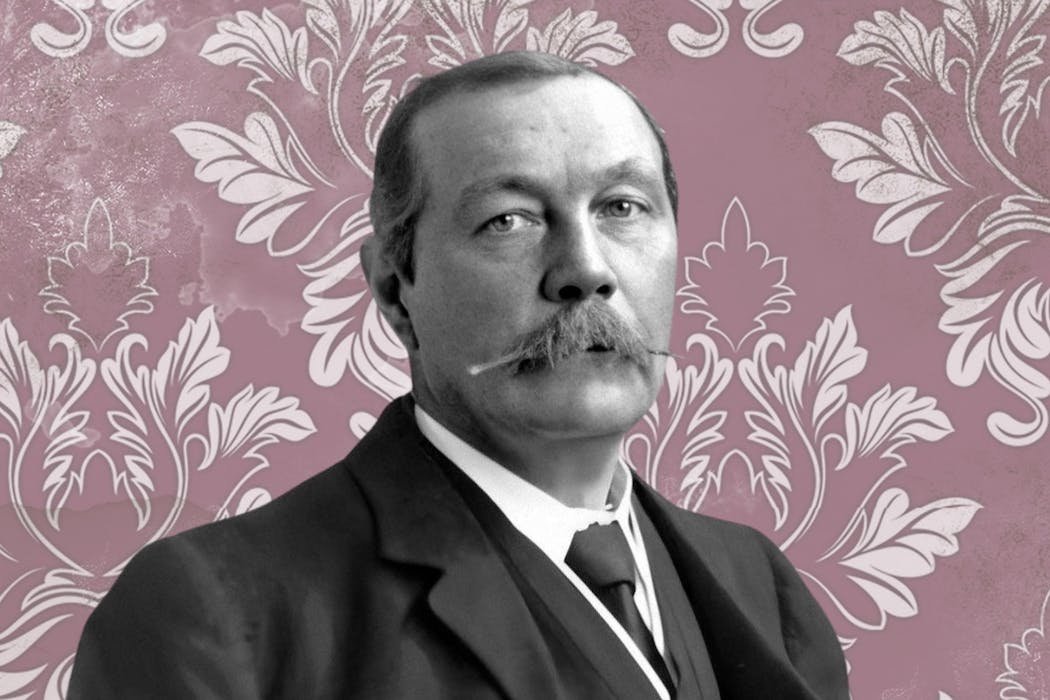
Conan Doyle in 1914. Wiki Commons/Canva, CC BY-SA

Arthur Conan Doyle was not just one of the world’s best crime fiction writers. He was a progressive wordsmith who brought light to controversial and taboo subjects. One of those taboo subjects was male vulnerability and mental health problems – a topic of personal significance to the author.

Doyle was a vulnerable child. His father, Charles, was an alcoholic, which led to financial troubles in the family. Charles was admitted to an asylum in 1881 and spent the next 12 years in various mental care establishments. So began Doyle’s interest in male vulnerability and mental health.

The character of Sherlock Holmes is a true expression of male vulnerability that does not equate it with weakness. Doyle does not represent Holmes as infallible, but as a man others can relate to – he battles with drug addiction, loneliness and depression. His genius thrives in part because of these vulnerabilities, not despite them.

Many of Doyle’s Sherlock Holmes stories examine male characters facing emotional catastrophe, betrayal or moral dilemmas. In works such as The Man with the Twisted Lip (1891), The Adventure of the Engineer’s Thumb (1892) and The Stockbroker’s Clerk (1894), Holmes’s male clients approach him with problems layered with emotional turmoil, fear and failure.

In The Man with the Twisted Lip, for example, a man named Neville St Clair hides his double life. He tells his family that he is a respectable entrepreneur going to London on business. In reality he is begging on the city streets. He lives this double life due to fear and shame over the inability to pay off his debts. “It was a long fight between my pride and the money,” he explains, “but the dollars won at last.”

Three men bursting into a room, the door on the floor under their feet.
An illustration from The Stockbroker’s Clerk, by Sidney Paget (1893).
Strand Magazine

“I would have endured imprisonment, ay, even execution, rather than have left my miserable secret as a family blot to my children,” St Clair says. In having his character consider execution to protect his and his family’s reputation, Doyle explored the societal expectations of Victorian masculinity and how men struggled with such pressures.

The Stockbroker’s Clerk also examines male suicide, as well as economic and professional anxieties. When Holmes reveals the crimes of Harry Pinner, the man attempts suicide rather than face prison.

In The Engineer’s Thumb, hydraulic engineer Victor is treated physically by Watson and mentally by Holmes. As Doyle writes: “Round one of his hands he had a handkerchief wrapped, which was mottled all over with bloodstains. He was young, not more than five-and-twenty, I should say, with a strong masculine face; but he was exceedingly pale and gave me the impression of a man who was suffering from some strong agitation, which it took all his strength of mind to control.”

The physical injury marks Victor as a victim of physical violence. Watson suggests that Victor is using all his mental capabilities to keep calm about his severe pain. Holmes treats Victor’s mind as he listens to his story: “Pray lie down there and make yourself absolutely at home. Tell us what you can, but stop when you are tired, and keep up your strength with a little stimulant.”

Holmes is a protector, a confidante and a comforter in this scene. He provides Victor with breakfast, induces him to lie down and offers him a stimulant (more than likely brandy).

The extremity of violence that Victor has endured has escalated to mental trauma. In having Holmes treat Victor’s mental trauma while Watson treats his physical pain, Doyle showed the importance psychological support for men of the age.

Holmes was a highly popular character. To contemporary readers, his drug use and dysfunctional clients were seen as markers of his genius rather than a reflection of the significant social issues that men faced during this period. But today, they offer a window into the mental struggles of Victorian men, and a point of connection between readers of the past and present.


Looking for something good? Cut through the noise with a carefully curated selection of the latest releases, live events and exhibitions, straight to your inbox every fortnight, on Fridays. Sign up here.


This article features references to books that have been included for editorial reasons, and may contain links to bookshop.org. If you click on one of the links and go on to buy something from bookshop.org The Conversation UK may earn a commission.

The Conversation

Emma Linford does not work for, consult, own shares in or receive funding from any company or organisation that would benefit from this article, and has disclosed no relevant affiliations beyond their academic appointment.

ref. Arthur Conan Doyle explored men’s mental health through his Sherlock Holmes stories – https://theconversation.com/arthur-conan-doyle-explored-mens-mental-health-through-his-sherlock-holmes-stories-246728

Operation Condor: the secret system that terrorised exiled South American dissidents 50 years ago

Source: The Conversation – UK – By Francesca Lessa, Associate Professor in International Relations of the Americas, UCL

Fifty years ago on November 25 1975, military intelligence officers from Argentina, Bolivia, Chile, Paraguay and Uruguay gathered in the Chilean capital of Santiago to set up what they called the “Condor System”.

Better known as Operation Condor, this was a secret transnational terror network that allowed repressive regimes in these countries to persecute opponents living in exile. It left behind a legacy of torture, as well as hundreds of kidnappings, disappearances and murders.

Condor was built on three main operational pillars. First, all intelligence information about perceived subversive activities across the region was centralised in a database in Santiago. Second, an encrypted communications channel let state agents communicate secretly and efficiently. And third, the so-called office for coordination and advanced command oversaw joint operational activities.

Argentina, Chile and Uruguay also set up the Teseo unit to target exiles from those three countries who were living in Europe. And while Operation Condor ended in late 1978, bilateral operations which mainly saw Argentina collaborate with Brazil, Paraguay and Chile continued until early 1981.

A map showing the member states of Operation Condor.
Operation Condor allowed South American leaders to target people who had fled their home countries and continued to denounce the dictatorships from abroad.
Plancondor.org

Because of Operation Condor’s top-secret nature, there are no official lists of victims. But my research has confirmed there were at least 805 victims between August 1969, when several South American regimes began collaborating in informal ways, and February 1981.

While victims came from a variety of backgrounds, they were mostly political and social activists plus members of revolutionary armed groups, primarily from Uruguay, Argentina and Chile.

Seeking justice

From 1976, when Condor’s repressive operations peaked, evidence was being compiled on the atrocities committed by member states. In 1977, for example, a Uruguayan journalist called Enrique Rodriguez Larreta gave evidence to Amnesty International in London about his abduction in Buenos Aires the previous year. He had travelled there to search for his missing son.

Rodriguez Larreta recounted how he was detained and tortured in three secret prisons across Argentina and Uruguay, before being released six months later. His testimony provided undeniable evidence of the clandestine coordination between South America’s military regimes.

Further proof of Operation Condor’s atrocities was provided in 1979, when American journalist Jack Anderson wrote an article in the Washington Post revealing Condor’s role in the assassination of Orlando Letelier in 1976. Letelier was a minister in the government of Chile’s socialist former president, Salvador Allende.

Wider progress towards justice was limited while South America’s dictatorships remained in power. But the collapse of several regimes across the region in the 1980s opened a window of opportunity.

This period saw some groundbreaking achievements including the Nunca Más (Never Again) report, published in 1984 by Argentina’s National Commission on the Disappearance of Persons. Beyond investigating the military dictatorship’s systematic practice of disappearing people, the commission was the first official state body to recognise Operation Condor’s transnational terror machinery.

However, the possibility of seeing perpetrators stand trial for their crimes was again delayed. So-called impunity laws were sanctioned by democratic governments in Argentina and Uruguay in 1986 and 1987, effectively preventing proceedings against people accused of committing crimes during the military dictatorships.

These laws were passed primarily to quell military dissent and prevent further uprisings after the return to democracy. The laws in Argentina and Uruguay accompanied existing amnesty laws in Brazil and Chile.

The tide of justice finally began to turn in 1998. That year, former Chilean dictator Augusto Pinochet was detained in London to face charges for human rights abuses, including Condor atrocities.

Pinochet was spared from trial on medical grounds. But there has been considerable progress since then in the investigation, prosecution and sentencing of state agents for the atrocities committed by Operation Condor.

A map showing the status of criminal cases regarding Operation Condor.
Over 100 South American civilian and military officers have been sentenced to prison over crimes committed under Operation Condor.
Francesca Lessa, CC BY-NC-ND

My research has mapped 50 criminal trials since 1976 that endeavoured to shed light on some of these atrocities. Convictions have been handed down in 40 of these trials so far, with over 100 people sentenced to prison.

These include high-profile figures like former dictators Reynaldo Bignone of Argentina and Juan María Bordaberry of Uruguay. Several high- and middle-ranking military officers, such as Chilean colonel Manuel Contreras, Argentine admiral Antonio Vañek and Uruguayan colonel José Nino Gavazzo, have also been jailed.

Most of these trials have taken place in South America, with 13 verdicts handed out in Argentina, 11 in Uruguay and seven in Chile. In September 2025, retired military intelligence officers Carlos Alberto Rossell and Glauco Yannone were sentenced in Uruguay to 12 years in prison. These men were found guilty of abducting and torturing political activists Universindo Rodríguez and Lilián Celiberti, as well as Celiberti’s two children, in the Brazilian city of Porto Alegre in 1978.

This sentence is significant, despite a four decade-long delay. In February 1984, Rodríguez and Celiberti were the first people to file a lawsuit in Uruguay for the crimes they had suffered at the hands of Operation Condor. At that time, Uruguay was still in the grips of its military dictatorship.

The daughter of Rafaela Filipazzi holding a picture of her mother.
The daughter of Rafaela Filipazzi, who was killed by Jorge Troccoli in 1977.
Janaina Cesar, CC BY-NC-ND

Five verdicts have also been delivered by Italian criminal tribunals. A Rome court sentenced Jorge Troccoli, a former officer in the Uruguayan navy, to life imprisonment in October. He was convicted for the murders of Italian Rafaela Filipazzi, Argentine José Agustín Potenza and Uruguayan Elena Quinteros between 1976 and 1977. Troccoli is a dual Uruguayan-Italian national and fled to Italy in 2007 to avoid prosecution in Uruguay.

According to Alessia Merluzzi, a lawyer I consulted prior to writing this article, this prosecution not only once again confirmed the existence of Operation Condor, it also “probed deeper into its violent and operative mechanisms and structures”. Merluzzi added: “It revealed the modus operandi of the repressive agents beyond borders – and the specific, planned and methodical organisation of the atrocities suffered by the three victims”.

While significant progress has been made towards achieving justice for victims of Operation Condor, many of its crimes remain shrouded in impunity and silence. As the Inter-American Court of Human Rights recommended in 2021, all former Condor member states should work together to uncover the extent of this transnational network’s crimes.

The Conversation

Francesca Lessa’s projects “Operation Condor” and “Plancondor.org” received funding from University College London, the University of Oxford John Fell Fund, The British Academy/Leverhulme Trust, the University of Oxford ESRC Impact Acceleration Account, the European Commission under Horizon 2020, and the Open Society Foundations. Lessa is also the Honorary President of the Observatorio Luz Ibarburu, a network of human rights NGOs in Uruguay, as well as the principal researcher and the coordinator of the Plancondor.org collaborative project.

ref. Operation Condor: the secret system that terrorised exiled South American dissidents 50 years ago – https://theconversation.com/operation-condor-the-secret-system-that-terrorised-exiled-south-american-dissidents-50-years-ago-268139

How wealth and postcode affect children with special educational needs

Source: The Conversation – UK – By Francisco Azpitarte, Senior Lecturer in Social Policy & Undergraduate Programme Lead for Criminology, Sociology and Social Policy Programmes, Loughborough University

SpeedKingz/Shutterstock

A new report from social mobility charity the Sutton Trust shows that children from poorer families are more likely to have special educational needs. It also shows that children from wealthier families who have some kind of special educational need are more likely to get support.

Unsurprisingly, middle-class families are more likely to spend money on private reports or diagnosis. They have the cultural capital to fight for and successfully gain an education, health and care plan (EHCP), the legal document that outlines the additional support a child should receive.

Our research explores the academic achievement of children with special educational needs and disabilities over time, the support they receive, and how this varies according to where they live in England. We’ve also explored how this connects with other factors, such as class, and whether children live in poor or wealthier families.

Our results suggest a patchy system where a child’s support and how well they do is influenced by local authorities, schools, and families.

The current system for special educational needs support dates from 2014. The Children and Families Act promised a more inclusive system that put children and families at the heart of special educational needs support. The act provides for “ordinary available provision” or “school support” for most children who need additional help. Statutory provision – EHCPs – is available for those with greater support requirements.

A patchwork system

A decade on, evidence from Ofsted inspections and the Care Quality Commission, England’s regulator of health and social care, shows a patchwork system. There are large disparities in how the reforms have been implemented. There’s also variation in the quality of special educational needs provision and services across local authorities.

Our research has investigated how these disparities affect children. Specifically, we looked at trends in how children with special educational needs and disabilities performed in assessments at different stages of their education – and if they took the tests at all – over the period 2010-11 to 2022-23. This allowed us to evaluate trends from before and after the 2014 Children and Families Act, as well as examining geographical differences.

We’ve found that the numbers and proportions of families requesting (and gaining) statutory support – EHCPs – has increased in all local authorities.

Increasing numbers of families are appealing to the special educational needs and disabilities tribunal. The tribunal allows families to challenge a council’s decision not to allocate statutory support or the provisions on the EHCP. Appeals are usually successful. Our ongoing research has found that local authorities with the highest appeal rates are predominantly clustered in Greater London and the south of England. Local authorities with wealthier demographics have higher, and increasing, rates of appeal to the tribunal.

There are differences between local authorities in the number and proportion of students with special educational needs who participate and achieve the expected standard in statutory assessments. However, those differences are driven by differences in pupils’ characteristics and variation between schools within local authorities.

In general, London boroughs perform well. There is a cluster of poorly performing local authorities in the East Midlands and east of England. Here, the percentage of pupils with special educational needs meeting the expected standard in the phonics check was below 40%. The average performance in the key stage one assessments was below 28%.

We found that 60% of the variation between local authorities is due to population characteristics, such as the primary needs (for example, autism) of children with identified special educational needs. However, 40% of the difference cannot be explained by these population factors.

Our ongoing research suggests that this may be the result of significant variation between schools within local authorities. This highlights the importance of school environments in driving children’s participation and academic achievements.

Overall low performance

Despite the spatial differences, though, even in the best performing local authorities far fewer children with special educational needs reach expected levels of achievement than their peers.

Children in classroom taking test
A smaller proportion of children with special educational needs are taking statutory tests.
Gorodenkoff/Shutterstock

Our results so far show that the achievement gap between pupils with identified special educational needs and their peers has not narrowed over time. There has been no progress on key metrics such as the phonics screening check (taken at age five or six) or in the results of the statutory tests taken at key stage one.

Importantly, fewer children with identified special educational needs and disabilities are even taking part in these statutory assessments. For instance, our ongoing research suggests that the percentage of pupils with identified special educational needs completing the phonics screening check in year one (typically at age five or six) has declined. In 2011-12, 92% of children with special educational needs took part. In 2023-24, this had fallen to about 85%.

This declining participation risks makes the challenges and needs faced by these children invisible in the national data. This may mask the true scale of how many children are not achieving expected levels.

Children’s experiences are a postcode lottery, with the most influential factor being the school children attend. Our findings call for a fundamental re-examination of inclusion itself in England’s schools. However, what meaningful inclusion looks like – and how resource-strapped schools can be equipped to deliver it – are central questions for finding a viable path forward.

The Conversation

Francisco Azpitarte has received funding the Economic and Social Research Council, The Australian Research Council, and the Australian National Health and Medical Research Council.

Louise Holt has previously received funding from Economic and Social Research Council, British Academy, Royal Geographical Society with the Institute for British Geographers and Engineering and Physical Sciences Research Council.

Sobhi Berjawi has previously received funding from the Economic and Social Research Council.

ref. How wealth and postcode affect children with special educational needs – https://theconversation.com/how-wealth-and-postcode-affect-children-with-special-educational-needs-266320

How multilingualism can protect against brain ageing

Source: The Conversation – UK – By Xinyu Liu, PhD Candidate, Long-term Effects of Bilingualism on the Ageing Brain, University of Reading

Rawpixel.com/Shutterstock

People are living longer than ever around the world. Longer lives bring new opportunities, but they also introduce challenges, especially the risk of age-related decline.

Alongside physical changes such as reduced strength or slower movement, many older adults struggle with memory, attention and everyday tasks. Researchers have spent years trying to understand why some people stay mentally sharp while others deteriorate more quickly. One idea attracting growing interest is multilingualism, the ability to speak more than one language.

When someone knows two or more languages, all those languages remain active in the brain. Each time a multilingual person wants to speak, the brain must select the right language while keeping others from interfering. This constant mental exercise acts a bit like daily “brain training”.

Choosing one language, suppressing the others and switching between them strengthens brain networks involved in attention and cognitive control. Over a lifetime, researchers believe this steady mental workout may help protect the brain as it ages.

Studies comparing bilinguals and monolinguals have suggested that people who use more than one language might maintain better cognitive skills in later life. However, results across studies have been inconsistent. Some reported clear advantages for bilinguals, while others found little or no difference.

A new, large-scale study now offers stronger evidence and an important insight: speaking one extra language appears helpful, but speaking several seems even better.

This study analysed data from more than 86,000 healthy adults aged 51 to 90 across 27 European countries. Researchers used a machine-learning approach, meaning they trained a computer model to detect patterns across thousands of datapoints. The model estimated how old someone appeared based on daily functioning, memory, education level, movement and health conditions such as heart disease or hearing loss.

Comparing this “predicted age” with a person’s actual age created what the researchers called a “biobehavioural age gap”. This is the difference between how old someone is and how old they seem based on their physical and cognitive profile. A negative gap meant someone appeared younger than their biological age. A positive gap meant they appeared older.

The team then looked at how multilingual each country was by examining the percentage of people who spoke no additional languages, one, two, three or more. Countries with high multilingual exposure included places such as Luxembourg, the Netherlands, Finland and Malta, where speaking multiple languages is common. Countries with low multilingualism included the UK, Hungary and Romania.

People living in countries where multilingualism is common had a lower chance of showing signs of accelerated ageing. Monolingual speakers, by contrast, were more likely to appear biologically older than their actual age. Just one additional language made a meaningful difference. Several languages created an even stronger effect, suggesting a dose-dependent relationship in which each extra language provided an additional layer of protection.

These patterns were strongest among people in their late 70s and 80s. Knowing two or more languages did not simply help; it offered a noticeably stronger shield against age-related decline. Older multilingual adults seemed to carry a kind of built-in resilience that their monolingual peers lacked.

Could this simply reflect differences in wealth, education or political stability between countries? The researchers tested this by adjusting for dozens of national factors including air quality, migration rates, gender inequality and political climate. Even after these adjustments, the protective effect of multilingualism remained steady, suggesting that language experience itself contributes something unique.

Although the study did not directly examine brain mechanisms, many scientists argue that the mental effort required to manage more than one language helps explain the findings. Research shows that juggling languages engages the brain’s executive control system, the set of processes responsible for attention, inhibition and switching tasks.


Read more:
Can brain training really shave ten years off brain ageing, as a recent study suggests?


Switching between languages, preventing the wrong word from coming out, remembering different vocabularies and choosing the right expression all place steady demands on these systems. Work in our lab has shown that people who use two languages throughout their lives tend to have larger hippocampal volume.

This means the hippocampus, a key brain region for forming memories, is physically bigger. A larger or more structurally robust hippocampus is generally linked to better memory and greater resistance to age-related shrinkage or neurodegenerative diseases such as Alzheimer’s.

This new research stands out for its scale, its long-term perspective and its broad approach to defining ageing. By combining biological, behavioural and environmental information, it reveals a consistent pattern: multilingualism is closely linked to healthier ageing. While it is not a magic shield, it may be one of the everyday experiences that help the brain stay adaptable, resilient and younger for longer.

The Conversation

The authors do not work for, consult, own shares in or receive funding from any company or organisation that would benefit from this article, and have disclosed no relevant affiliations beyond their academic appointment.

ref. How multilingualism can protect against brain ageing – https://theconversation.com/how-multilingualism-can-protect-against-brain-ageing-270213