How my time-space synaesthesia affects how I experience and ‘feel’ the new year

Source: The Conversation – UK – By Mary Jane Spiller, Senior Lecturer in Cognitive Psychology, University of East London

vatolstikoff/Shutterstock

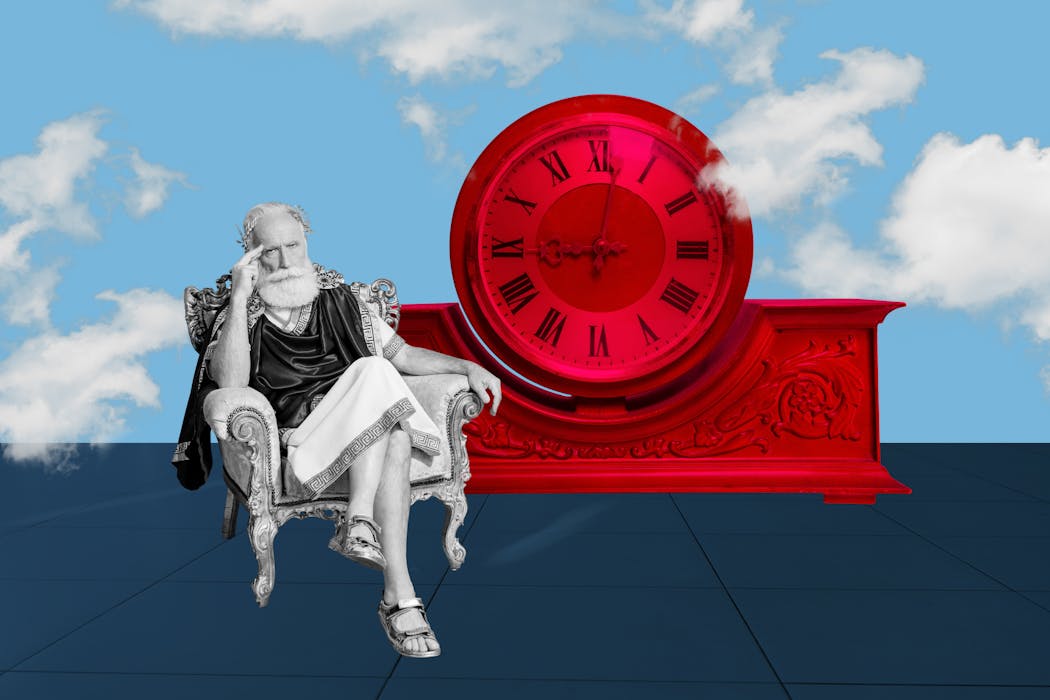
I have a form of time–space synaesthesia, so the new year arrives for me in a very physical way. I feel myself move around the year, almost like I’m travelling along a structure. December sits low and to my left; January lifts and slides forward. The transition has a weight to it, as though the calendar itself shifts in space.

Synaesthesia is a perceptual condition where one sense triggers an experience in another sense. For some people, sounds trigger colours and shapes, or words might have tastes.

For others, like me, sequences such as months of the year or days of the week have precise places in space around our bodies. It is most commonly a developmental condition, which means that “synaesthetes” have experienced the world this way for as long as they remember. These synaesthetic experiences happen automatically, and are generally consistent over time for the person. Today is in front of me, tomorrow is to my left, and yesterday is to my right. If I ever woke up to find time had moved somewhere else, I would feel confused and lost.

For me, this makes the start of the new year feel like a physical transition, a time for new beginnings, as we move around the bend of time, leaving the old year behind me.

Like most people, between Christmas and new year, I completely lose track of what day it is — the whole week feels like a strange, timeless blur. Because of my time-space synaesthesia, this disorientation is amplified for me. The usual mental map I rely on to anchor dates and days seems scrambled, leaving me feeling unmoored.

As a cognitive psychologist, I have spent the last 20 years researching synaesthesia. I am fascinated by the way our minds help us experience the world around us, and particularly in the way we all experience the world differently. As well as helping to understand and document the synaesthetic experience itself, I am also interested in understanding the impact synaesthesia might have on other aspects of our lives.

Time-space synaesthesia provides an excellent way to explore how the brain organises time. For example, one of the benefits of these mental time-space calendars is an association with a better memory for historical events or important life events such as anniversaries or birthdays.

People with time-space synaesthesia may have cognitive advantages because their spatial mapping of time can serve as a powerful mnemonic aid. Research shows we learn skills like calendar calculation – such as knowing that December 1 1937 fell on a Wednesday, while December 1 2037 will be a Monday – faster and more accurately than people without synaesthesia. So our unique mental representations may help to boost memory and pattern recognition. This helps us understand the benefit of time being represented spatially and visually, rather than simply linearly.

Time-space synaesthetes also tend to have enhanced memory and attention for ordered information, such as dates and sequences, which may contribute to our strong performance in tasks involving time organisation, such as planning.

These mental timelines are so ingrained that they can override external cues — a phenomenon called the spatial Stroop effect. These automatic mappings can subtly influence decision-making when speed and spatial judgement matter.

It seems that it is not simply the effect of synaesthesia that drives these cognitive advantages. Research has highlighted differences between the brains of synaesthetes and non-synaesthetes. These differences may also give rise to wider cognitive differences unrelated to the sensory experiences. For example, time-space synaesthetes not only have good memories for times and dates, but also other aspects of memory too such as word lists, pictures or colours. Additionally, a 2015 study suggested time-space synaesthesia may be linked with more vivid mental pictures.

Roman numerals swirling in spirals in purples and blues
How do you experience time?
Jackie Niam/Shutterstock

The question that has always fascinated me is, why doesn’t everyone have
synaesthesia? We now know that synaesthesia has a genetic basis, and around 4% of the population experience a form of it. If you experience it, mostly likely a few others in your family will too, although it may be a different combination of senses involved.

Our environment and learning also plays a part in its development. The influence of cultural norms can often be seen in the spatial layout of synaesthetes’ mental calendars. For synaesthetes with a language that is read from left to right for example, the passage of time will also often move from left to right, or vice versa for those who read right to left. My own shape for the year is a kind of oval shape, with January at one end and August at the other, and I can’t help but feel that my experience of growing up in the UK with the September starting school year influenced it.

All in your brain

Brain imaging research is also helping us understand what is happening in the brain during synaesthetic experiences. For example, people with synaesthesia have brains that are wired for extra connectivity. Brain regions that normally handle separate senses (like colour, sound and spatial processing) talk to each other more. Imaging studies show pathways in central nervous system tissue linking perception with higher-level thinking, which helps explain why synaesthesia feels so seamless. Brain imaging research published in 2020 adds another layer: synaesthetes use spatial-processing regions when working with numbers, showing that our brains literally integrate space and sequence.

Time is associated with space within many cultures, with people who grew up in the UK, Europe and US tending to think of the future in front of them and the past behind. Time-space synaesthesia helps us to remember that even within different cultures, there will be differences in the way we experience the “movement” of time, as scientists think synaesthesia exists in all cultures. The new year is a reminder that time is not only something we measure but also something we inhabit. And our personal journeys through time may have strikingly diverse landscapes.

The Conversation

Mary Jane Spiller does not work for, consult, own shares in or receive funding from any company or organisation that would benefit from this article, and has disclosed no relevant affiliations beyond their academic appointment.

ref. How my time-space synaesthesia affects how I experience and ‘feel’ the new year – https://theconversation.com/how-my-time-space-synaesthesia-affects-how-i-experience-and-feel-the-new-year-272465
How to listen to a forest

Source: The Conversation – UK – By Lianganzi Wang, PhD Candidate, Sound and Music Computing, Queen Mary University of London

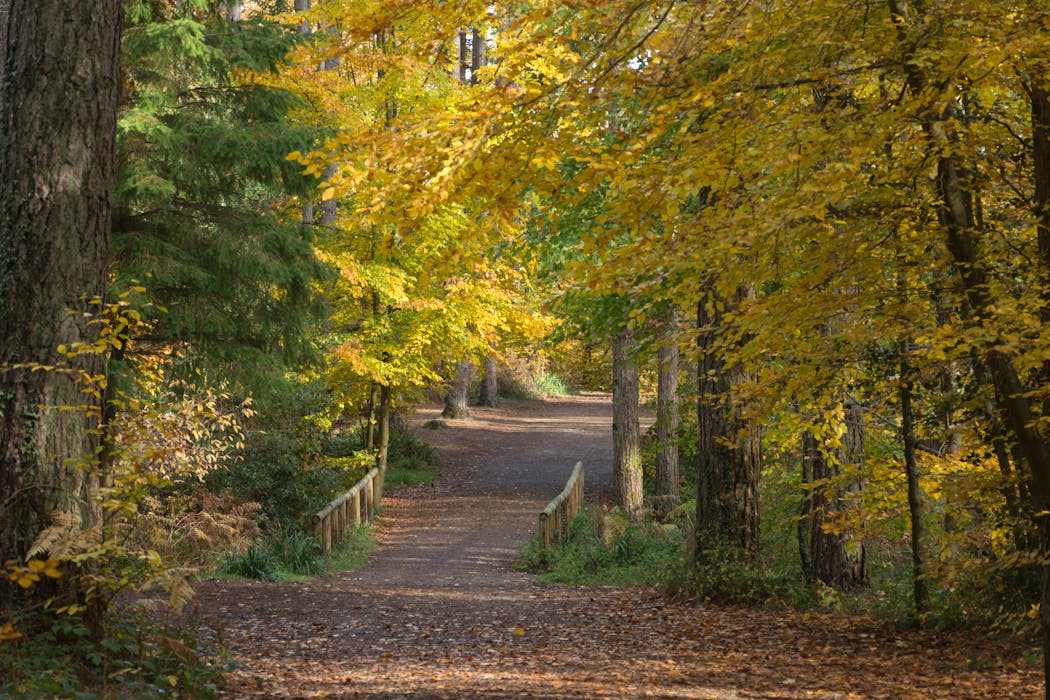
Alice Holt forest in Hampshire, UK. Gillian Pullinger/Shutterstock

I was walking in Alice Holt Forest on England’s Surrey-Hampshire border when I stopped to listen. Despite there being nobody nearby, a slow “breathing” sound filled my ears. This was not a trick. An artwork was turning live forest data into sound, making the air feel like it was gently rising and falling. In that moment, “climate change” stopped being abstract and became something I could hear.

The piece I could hear is called Dendrophone by composer Peter Batchelor. It maps sunlight, humidity and carbon dioxide readings into a multichannel sound field in real time. Wetter air sounds “stickier”, drier air “crisper”, bright light introduces a fine hiss. When CO₂ uptake is high, you can hear longer, steadier “breaths”.

This is part of a soundscape installation called Sensing the Forest that has been produced by a cross‑disciplinary team at Queen Mary University of London, De Montfort University and the public agencies, Forest Research and Forestry England. The aim is straightforward: to help people make sense of forests and climate through listening, not screens.

Dendrophone captures three easy‑to‑tell textures from live data. Humidity is heard as a “dry/wet” sound; sunlight energy as a subtle hiss (more juddery when activity is high, smoother when calm); and carbon dioxide uptake as “breathing” that becomes longer and steadier when uptake is higher, shorter and more uneven when uptake is lower.

Played over several speakers around the site in the woods, these sounds blend with birds, wind and visitors’ footsteps so people can hear the forest’s state as it unfolds in real time.

Dendrophone — Peter Batchelor.
Shuoyang Zheng, CC BY-NC

The team also installed two DIY, solar‑powered off‑grid audio streamers (essentially tiny radio stations) that broadcast the forest online and auto‑record at sunrise, midday, sunset and the midpoint between sunset and the next sunrise. Recordings are uploaded and stored online, building a long‑term installation soundscape dataset.

Crackles blended with light rain/wind at around 3pm (18 March 2025)

Sounds can also include species cues, the noises that various animals make. Tree Museum, by sound artist Ed Chivers, is another installation in the same exhibition that uses artificial woodpecker drumming to draw attention to the lesser-spotted woodpecker (an endangered species down in numbers by 91% since 1967 in the UK). If a sound disappears, what else do we lose?

The mix of the soundscape changes constantly. Listen at different times and you’ll notice the balance of natural sound, human sound and installation sound shifting. Weeks of rain make everything feel “wetter”; bright days bring out the hiss; busy weekends sound busier. Each is a clue to what the forest is experiencing at that moment.

Tubular bells blended with bird songs and a plane in the background at noon (28 May 2025)

In the forest, there’s a survey QR code to capture instant reactions, plus a guided walk to make “how to listen, what to notice” clear for everyone.

Sensing the Forest doesn’t claim to fix the climate crisis, but it offers something valuable – a sensory language for data and a not‑so‑distant threat. In a time of ecological strain, technology here is less about control and more about translation; a way to foster ecological empathy.

Next time you step into a forest, pause and listen. You might hear not just the present, but the future we share.


Don’t have time to read about climate change as much as you’d like?

Get a weekly roundup in your inbox instead. Every Wednesday, The Conversation’s environment editor writes Imagine, a short email that goes a little deeper into just one climate issue. Join the 47,000+ readers who’ve subscribed so far.


The Conversation

Lianganzi Wang is pursuing a PhD at the Centre for Digital Music (C4DM), Queen Mary University of London, supported by the China Scholarship Council (CSC).

ref. How to listen to a forest – https://theconversation.com/how-to-listen-to-a-forest-268225

New year, new gym injuries

Source: The Conversation – UK – By Adam Taylor, Professor of Anatomy, Lancaster University

Khosro/Shutterstock

As Christmas fades into memory, many of us turn our attention to the new year and the promise of a fresh start. For millions of people, that means joining a gym in the hope of exercising more and improving their health.

In the UK alone, more than ten million adults hold gym memberships, and January attendance is around 28% higher than in December as people act on new year resolutions.

And it is a good idea. In the depths of January, physical activity can give you an endorphin kick, caused by the release of natural brain chemicals that improve mood and reduce stress. Regular exercise is also linked to a lower risk of serious conditions including cancer, heart disease, stroke, type-2 diabetes and many more.

The problem is not exercise itself. It is how people start.

The body adapts to exercise gradually. When it is pushed beyond what it is ready for, the risk of injury rises sharply, and pain does not always appear straight away.

Delayed onset muscle soreness (Doms) is the stiffness and tenderness that typically shows up one to three days after unfamiliar or intense exercise. It occurs because exercise causes tiny microscopic damage to muscle fibres, especially when you are returning after a long break or trying a new type of movement.

Doms is common and usually harmless, but it is also a useful warning sign. It signals that your body needs time to adapt before you increase intensity, weight or volume.

Shoulder injuries

Some parts of the body are more prone to injury than others. Joints that move a lot or carry heavy loads are particularly vulnerable.

The shoulder is often top of the list for gym-related injuries. Its wide range of movement is ideal for daily tasks but risky under load. Anatomically, the shoulder connects the arm to the torso and is not designed to carry heavy weight.

When people suddenly start lifting weights or doing pull-ups, strain often falls on the rotator cuff, a group of tendons that stabilise the joint. These tendons are easily irritated, slow to heal and rarely get a rest, as most exercises for the arms, chest, back and even some leg exercises place load through the shoulder.

Knees and lower back

The knees are generally well adapted to everyday movement, but long periods of inactivity weaken the muscles that support the joint. When those muscles waste away, the knee can move in ways it should not. Starting intense exercise on top of this instability raises the risk of serious injury, including damage to the cruciate ligaments.

Going too heavy in weight, too early is a common trigger. Squats, lunges and leg extensions are frequent culprits.

The lower back is another major injury hotspot. Even before exercise begins, the spine already carries a high load from body weight and posture alone. The pelvis links the upper and lower body, so weakness or instability in the legs can transfer strain upwards to the back. Add heavy lifting or poor technique, and the spine can quickly become overloaded.


Read more:
Pelvic floor dysfunction: what every woman should know


Lower back pain from muscle strain is so common among weightlifters that it has its own label, “weightlifter’s back”. Exercises most often linked to back injuries include sit-ups, squats and deadlifts, burpees and movements that involve twisting while holding weight.

In gyms, free weights are more likely than machines to cause fractures, dislocations and soft tissue injuries. The group most likely to get hurt is not complete beginners, but young men under 41 who already have several months of training and exercise regularly. Confidence, it seems, can be as risky as inexperience.

Home discomforts

Injuries are not limited to gyms. In the US, more than 70,000 emergency department visits over a four-year period were linked to home exercise equipment. Treadmills accounted for 66% of these injuries. Older women were more likely to sustain serious head injuries and were 14 times more likely to require hospital admission.

Among adults over 25, the most common injuries were strains and sprains affecting the legs. For those over 65, stationary bikes were a more frequent source of harm.

Some equipment carries rarer but severe risks. Abdominal rollers have been linked to spinal cord injuries. For people over 40, especially those returning to exercise after years of inactivity, there is also a small but real risk of a heart attack. This is why gradual progression matters.

The good news is that safe options do exist. Many apps and online programmes are designed to build fitness gradually, including for people with existing health conditions. Any movement is better than none, as sedentary behaviour carries its own serious risks.

The Conversation

Adam Taylor does not work for, consult, own shares in or receive funding from any company or organisation that would benefit from this article, and has disclosed no relevant affiliations beyond their academic appointment.

ref. New year, new gym injuries – https://theconversation.com/new-year-new-gym-injuries-271412

Why procrastination isn’t laziness – it’s rigid thinking that your brain can unlearn

Source: The Conversation – UK – By Annemieke Apergis-Schoute, Lecturer in Psychology, Queen Mary University of London

Nicoleta Ionescu/Shutterstock

Most of us have experienced it: a deadline approaches, the task is perfectly doable, yet instead of starting, we suddenly feel compelled to tidy a drawer or reorganise the apps on our phone. Procrastination feels irrational from the outside but gripping from the inside. Although it’s often framed as a failure of discipline, research shows it is far more linked to how flexibly (or inflexibly) our brains respond to discomfort and uncertainty.

In other words, procrastination isn’t a time-management problem – it’s an emotion-regulation problem. People don’t delay because they lack planning skills; they delay because their brains want to escape a difficult internal state. When I ask students why they procrastinate, their answers are strikingly consistent: “I don’t know where to start”, “I feel lost”, “I get anxious”, “I’m overwhelmed”. Not one says, “I don’t care” – procrastination usually comes from caring too much.

Crucially, avoidance prevents the brain from discovering something important: that starting is often rewarding. Even a tiny first step can release dopamine. This helps motivation increase after we begin – not before. But when we avoid the task, we never experience that reward signal, so the task continues to feel just as threatening the next day.

Cognitive flexibility

Cognitive flexibility is the ability to update expectations when circumstances change, shift strategy and break out of unhelpful patterns. It’s a basic building block of learning: the brain predicts, receives new information and adjusts accordingly.

Imagine waiting for a bus that’s stuck in traffic. A flexible thinker quickly switches to a normally longer but now faster tube route. An inflexible thinker keeps waiting – not because they don’t know the alternative, but because switching feels effortful or “wrong”, and their mind stays locked on the original plan.

I see this pattern clearly in my research on obsessive-compulsive disorder (OCD). While very different from procrastination, both involve difficulty shifting out of an initial prediction, especially when uncertainty or the risk of mistakes is involved. When the brain can’t update, it gets fixated.

Students today face a perfect storm. Phones and social media shrink attention spans. Perfectionism magnifies self-criticism. And anxiety is at record levels across UK universities. Together, these factors weaken the brain’s ability to update and adapt – exactly the ability needed to begin a challenging task.

Neuroscientifically, procrastination is a tug-of-war between two systems. One is the threat system, activated when a task feels uncertain, effortful or evaluative. This gives rise to thoughts such as “What if this is terrible?”, “What if I fail?”. The other is the reward system, activated by anything that feels good right now (scrolling, tidying, messaging with friends).

Overworked  man sleeping in front of laptop.
We’ve all been there.
SynthEx/Shutterstock

When the threat system dominates, it can be impossible to get started. For rigid thinkers, in particular, the brain struggles to update its initial prediction that the task is threatening or overwhelming. Avoidance becomes the only option – and that tiny hit of relief teaches the brain to repeat it.

Indeed, research shows procrastination is essentially a short-term mood repair: a quick escape from discomfort that creates more stress later.

A generation ago, procrastinating required creativity. You had to find distractions. Today, they find you. Social media is engineered to trigger dopamine-driven novelty seeking. For someone already anxious or overloaded, the phone becomes an ever-present escape hatch. As one student put it: “It is easier not to do the work.” Not because the work doesn’t matter – but because the alternative offers instant reward.

Flexibility can be trained

So how can we avoid procrastination? It isn’t about becoming more disciplined, but rather strengthening the brain systems that allow you to begin. Here are a few ways to do that.

1. Shrink the task. Break the work into concrete, manageable units – write a title, draft a few bullet points, or read one page. This reduces the perceived threat of a large, “amorphous” task and gives the brain small, frequent dopamine rewards for each step completed.

2. Use micro-shifts. Micro-shifts are tiny initiation actions – opening the document, placing your notes on the desk. They don’t shrink the task itself, but they interrupt the “stuck” state and gently nudge the brain into motion.

3. Shift perspective. Reframe the task as if advising someone else: “What would I realistically tell a friend in this situation?” This softens rigid, threat-focused thinking and helps the brain generate alternative, more flexible interpretations.

4. Build emotional tolerance. The discomfort of starting peaks quickly, then drops. Reminding yourself of that can make avoidance less compelling.

5. Make rewards immediate. Pair the task with something enjoyable – music, a warm drink, or working alongside others – so that the first step feels less punishing and more rewarding.

Taken together, these strategies strengthen the form of cognitive flexibility most relevant to procrastination – the ability to shift out of avoidance and into action when a task feels uncomfortable. Other forms of cognitive flexibility (such as rule-switching or motor flexibility) can be improved too, but through different kinds of training.

If you recognise yourself in the students describing feeling “anxious”, “overwhelmed” or “not sure where to start”, it doesn’t mean you’re lazy. It means your brain is struggling to shift state. Procrastination tells us far less about willpower than about how our minds cope with uncertainty and discomfort.

And the encouraging part is that procrastination isn’t fixed. Flexibility improves with practice. Every time you take even a tiny step – opening the file, writing the first line – you’re not just progressing on the task. You’re showing your brain that starting is doable, survivable and often rewarding.

Over time, those small shifts accumulate into something powerful: a mind that moves toward what matters, rather than away from discomfort.

The Conversation

Annemieke Apergis-Schoute received funding from The Wellcome Trust for previous OCD research.

ref. Why procrastination isn’t laziness – it’s rigid thinking that your brain can unlearn – https://theconversation.com/why-procrastination-isnt-laziness-its-rigid-thinking-that-your-brain-can-unlearn-270838

How Celtic languages spread across Britain and Ireland: why we need to reconsider the early story

Source: The Conversation – UK – By Simon Rodway, Lecturer in Celtic Studies, Aberystwyth University

The Celtic languages spoken today – namely Irish, Scottish Gaelic, Manx, Welsh, Cornish and Breton – all descend from Celtic languages once spoken across Britain and Ireland in antiquity. While the modern languages are well documented from the early middle ages onwards, what came before is far more mysterious.

Only fragments of earlier evidence survive, leaving major questions about where these ancient Celtic languages came from and how they connect not only to each other, but also to related languages once spoken on the European mainland, such as Gaulish.

Much of this early linguistic story unfolded before widespread writing reached the islands. Before the Romans arrived, Britain was barely known to the literate cultures of the ancient Mediterranean. Only a handful of early travellers recorded anything about the languages spoken there.

So, we have only sparse clues as to the languages spoken in Britain, notably a handful of plausibly Celtic place names recorded by Greek voyagers such as Pytheas of Marseilles, who visited Britain around 325BC.

Once Britain became part of the Roman empire, everything changed. We have plenty of written material from and about Roman Britain. It is almost all in Latin, the official language of the empire. But scattered within it are Celtic place names and ethnic names, along with a small number of inscriptions in Celtic itself.

Of huge interest to scholars are the handful of inscriptions in Celtic from Bath and Uley in Gloucestershire. These small traces may offer rare glimpses of the languages spoken by local people at the time.

Ireland and its settlers

Ireland presents a different picture. As it was never incorporated into the Roman empire, written evidence appears later. Not until the middle of the second century AD do we get a substantial amount of data in the form of the place and ethnic names recorded by the Greek geographer Ptolemy.

Literacy, like Christianity, arrived late in Ireland through contact with Roman or sub-Roman Britain. The earliest written material from Ireland dates from the early fifth century, or perhaps a bit earlier. It mostly consists of inscriptions on stone in the Ogham alphabet which, despite its exotic appearance, seems to have developed from a cipher based on the Roman alphabet.

Irish settlers later took Ogham to parts of western Wales and Cornwall. Though short and simple, these inscriptions are vital because they capture an early stage of Irish at the edge of the historical record.

Together, these fragments form the puzzle pieces through which we try to understand how Celtic languages spread across Britain and Ireland. But the Celticity of Britain and Ireland has been questioned in recent decades.

Some archaeologists have argued that the people of Britain and Ireland may never have been “Celtic” in the same sense as communities on the continent. They have pointed to differences in material culture and a lack of clear evidence for major prehistoric migrations.

They also noted that classical authors from the Greek geographer and historian Strabo (born around 64BC) onwards contrasted Britain and Celtica on the continent. This led a rejection of the mid-20th century orthodoxy of hordes of warlike Celts from central Europe pouring in to these islands during the iron age.

It has been supposed that Indo-European may have arrived early in the islands and developed there into Celtic, or that Celtic languages may have spread from the continent without much movement of people. The argument even spilled into popular commentary, most recently in a polemical and misleading book by journalist Simon Jenkins in 2022, who, contrary to all evidence, cast doubt on whether the Celts, as a people, even existed at all.

Reshaping the debate

But recent research is challenging those assumptions. Recent studies of ancient DNA have revealed waves of migration into Britain from regions that are now in France during the late bronze age and to a lesser extent, the iron age. These movements of people were not visible to archaeologists.

Of course, you cannot guess someone’s language from their genes. But these migrations provide a plausible vehicle by which Celtic speech may have arrived in Britain. And a recent study has shown that Pytheas, in the fourth century BC, placed Celts in Britain.


Read more:
Ireland, Wales and the scholar who helped unravel their Celtic connections


When taken together, these findings may support the old idea that Celtic languages were brought to the islands by migrating Celts after all. It’s certainly an exciting time to be studying ancient Celtic in Britain and Ireland.

This is the backdrop to new research underway by myself and colleagues at Aberystwyth University. We are gathering every surviving piece of evidence for early Celtic languages in Britain and Ireland before around 500AD. We shall compile the first comprehensive dictionary of the ancient Celtic languages of these islands.

Bringing all of this material together will help answer longstanding questions about how the Celtic languages are related and how they fit into the wider Celtic world of ancient Europe.

We will never recover the full picture of the Celtic languages spoken in Britain and Ireland more than 2000 years ago. But by piecing together the clues left behind, we can begin to understand the linguistic landscape that shaped the Celtic languages still spoken today.

This article features references to books that have been included for editorial reasons, and may contain links to bookshop.org; if you click on one of the links and go on to buy something, The Conversation UK may earn a commission.

The Conversation

Simon Rodway receives funding from Leverhulme Foundation. He is affiliated with Plaid Cymru.

ref. How Celtic languages spread across Britain and Ireland: why we need to reconsider the early story – https://theconversation.com/how-celtic-languages-spread-across-britain-and-ireland-why-we-need-to-reconsider-the-early-story-271338

Le pape discret devenu légende : qui était vraiment saint Sylvestre, fêté le 31 décembre ?

Source: The Conversation – in French – By Cavan W. Concannon, Professor of Religion and Classics, USC Dornsife College of Letters, Arts and Sciences

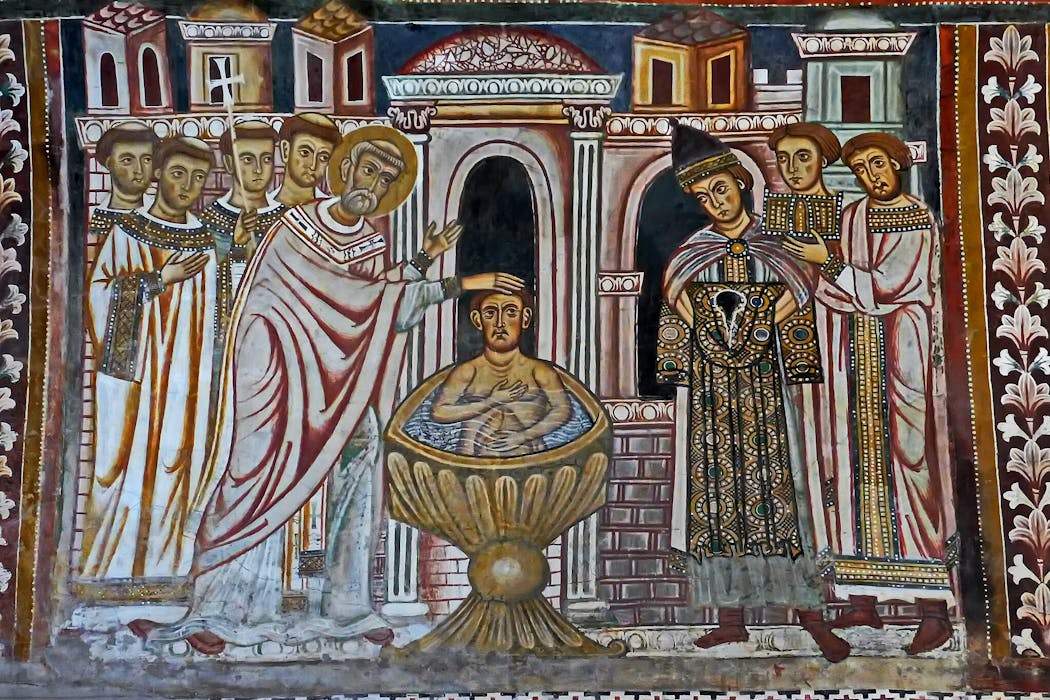
Au rayon des légendes rattachées à saint Sylvestre, ce baptême de l’empereur Constantin. Peter1936F/Wikimédia Commons, CC BY-SA

Derrière la fête de la Saint-Sylvestre se cache une histoire de pouvoir : celle d’un christianisme qui, au IVᵉ siècle, invente les récits et les traditions destinés à légitimer son alliance avec l’État.


Le 31 décembre, tandis que la majorité d’entre nous se préparent à célébrer le réveillon du Nouvel An, quelques catholiques commémorent également la fête de saint Sylvestre.

On sait peu de choses avec certitude sur la vie de Sylvestre, mais il a vécu à une période charnière de l’histoire du christianisme. De 314 à 335 de notre ère, Sylvestre fut l’évêque de Rome, ce que l’on appelle aujourd’hui le pape, même si la fonction n’avait alors pas le pouvoir qu’elle exercera par la suite. Le mot « pape » vient du grec signifiant « père » et était largement utilisé par les évêques jusqu’au Ve siècle, lorsque l’évêque de Rome a commencé à en monopoliser l’usage.

L’époque de Sylvestre est à la fois marquée par les troubles et par une profonde transition pour les chrétiens de l’Empire, alors que des communautés chrétiennes sortent des persécutions pour nouer une alliance puissante avec l’État romain. Son histoire est étroitement liée à cette alliance, qui allait transformer en profondeur la trajectoire du mouvement initié trois siècles plus tôt par la figure de Jésus. Le christianisme devient alors la religion des rois, des États et des empires.

Un changement de destin

Les informations fiables sur la vie de Sylvestre sont rares. Le « Liber Pontificalis », un recueil de biographies pontificales commencé au VIᵉ siècle, indique qu’il était originaire de Rome et fils d’un homme par ailleurs inconnu nommé Rufinus.

Jeune homme, Sylvestre a connu les persécutions lancées sous l’un des coempereurs de l’époque, Dioclétien, à partir de 303 de notre ère. Ces persécutions se sont poursuivies plusieurs années après l’abdication de Dioclétien.

Si l’on imagine volontiers les premiers chrétiens constamment persécutés par l’État romain, les historiens nuancent cette vision. Mais les persécutions entamées sous Dioclétien, elles, font figure d’exception. À cette époque, l’État exigeait des chrétiens qu’ils sacrifient aux dieux pour le bien de l’Empire, sous peine de sanctions — parfois violentes.

Une fresque du monastère d’Ubisi, en Géorgie, représente Dioclétien aux côtés de saint Georges avant son martyre.
Titus Project via Wikimedia Commons

Selon le théologien chrétien Augustin, certains chrétiens ont par la suite accusé Sylvestre d’avoir « trahi » sa foi durant cette période. Il lui était reproché d’avoir remis aux autorités romaines des livres sacrés chrétiens et d’avoir fait des offrandes aux dieux romains.

Les persécutions prennent fin en 313, lorsque les coempereurs Constantin et Licinius signent l’édit de Milan, qui accorde une forme de tolérance au christianisme dans l’Empire. Un an plus tard à peine, Sylvestre devient évêque de Rome. Constantin s’impose rapidement comme un grand protecteur des chrétiens, même si l’ampleur de sa pratique personnelle du christianisme fait débat. Avec le soutien impérial s’ouvre à Rome une vaste campagne de constructions chrétiennes, à tel point que l’essentiel de la biographie de Sylvestre dans le « Liber Pontificalis » se résume à l’énumération des églises que Constantin a offertes à la ville.

Controverses chrétiennes

Avant comme pendant l’épiscopat de Sylvestre à Rome, il existait dans l’Empire de nombreuses formes de christianisme. Cette diversité inquiétait Constantin, soucieux de promouvoir l’unité et l’ordre au sein de ses territoires. Il entreprend donc de réunir des conciles de clercs chrétiens afin de trancher les questions les plus controversées.

En 314, l’année même où Sylvestre devient évêque, l’empereur convoque le concile d’Arles pour régler un conflit apparu parmi les évêques africains — ce que l’on appelle la controverse donatiste. La question centrale était de savoir si un prêtre ayant trahi sa foi lors des persécutions conservait une ordination valide.

Une icône du monastère de Megálo Metéoron, en Grèce, représente le concile de Nicée, avec Arius figuré en bas.
Une icône du monastère de Megálo Metéoron, en Grèce, représente le concile de Nicée, avec Arius représenté en bas.
Jjensen/Wikimedia Commons, CC BY-SA

Une dizaine d’années plus tard, peu après que Constantin est devenu l’unique dirigeant du monde romain, il convoqua un autre concile à Nicée, dans l’actuelle Turquie. Cette fois, il souhaitait que les responsables chrétiens s’attaquent à une fracture émergente centrée sur l’activité d’un clerc charismatique nommé Arius. Sylvestre n’assista pas non plus à ce concile, mais envoya là encore des représentants.

Le concile adopta finalement ce que l’on a appelé le Credo de Nicée, une profession de foi qui demeure importante pour de nombreux chrétiens aujourd’hui. Toutefois, le concile ne résolut pas la division autour d’Arius. En réalité, Constantin sera plus tard baptisé par un partisan d’Arius, Eusèbe de Nicomédie.

Les décennies durant lesquelles Sylvestre présida l’Église transformèrent le christianisme : d’un groupe persécuté, il devint un allié de l’État. Cette alliance rendit les divergences théologiques entre chrétiens encore plus explosives, puisque la force de l’Empire pouvait désormais être mobilisée contre ses adversaires.

Réécrire l’histoire

Mais pourquoi, malgré ces bouleversements majeurs, Sylvestre n’a-t-il pas été considéré comme un acteur central de la vie politique de son temps ?

C’est une question qui a hanté les chrétiens des générations suivantes — au point qu’ils ont inventé des récits plaçant Sylvestre au cœur même des événements.

Au Ve siècle, un auteur anonyme rédigea une biographie connue aujourd’hui sous le nom des « Actes de Sylvestre », qui le présentait comme une figure centrale de la conversion de Constantin au christianisme.

Dans les Actes, Constantin apparaît d’abord comme un persécuteur des chrétiens, acte pour lequel Dieu le frappe de la lèpre. Sylvestre, qui vivait en exil sur une montagne près de Rome en raison de ces persécutions, est rappelé dans la ville après que les saints Pierre et Paul rendent visite à Constantin en rêve. Sylvestre recueille alors la confession de foi de Constantin, le guérit miraculeusement de sa lèpre, puis baptise l’empereur. Ainsi, ce dernier recevait enfin un baptême en bonne et due forme de la part d’un évêque orthodoxe, et non d’un hérétique arien.

« Le Baptème de Constantin » par Gianfrancesco Penni
Un détail du « Baptème de Constantin » par Gianfrancesco Penni.
Musées du Vatican via Wikimedia Commons

Un siècle plus tard, le « Liber Pontificalis » affirme que c’était Sylvestre, et non Constantin, qui avait convoqué les conciles d’Arles et de Nicée. Le texte lui attribue également une série de décisions juridiques. Ces réécritures du récit autour de Sylvestre l’élevaient au rang d’acteur majeur des événements de son époque. Elles soutenaient aussi un effort croissant visant à doter l’évêque de Rome d’un type d’autorité comparable à celle qu’exercent les papes modernes.

Donations et dragons

Avec le temps, les légendes autour de Sylvestre n’ont fait que s’amplifier — au point d’inclure un combat contre un dragon démoniaque. Mais l’héritage le plus célèbre, et le plus controversé, associé à Sylvestre est sans doute lié à la prétendue « Donation de Constantin ».

Ce document falsifié a été rédigé pour la première fois au VIIIe siècle de notre ère. La Donation affirme que l’empereur Constantin aurait légué à l’évêque de Rome — en l’occurrence Sylvestre — le contrôle de la ville de Rome, de l’Empire romain d’Occident, d’immenses territoires relevant de l’autorité impériale, ainsi qu’une autorité sur les Églises des autres grands centres du monde chrétien, dont Constantinople.

Pendant des siècles, ce document a servi de fondement aux revendications pontificales en matière de pouvoir à la fois ecclésiastique et civil. Au XVe siècle, le cardinal allemand Nicolas de Cues et l’érudit italien Lorenzo Valla démontrèrent que la Donation était un faux, mais à ce stade les papes avaient déjà accumulé l’autorité et la richesse désormais associées à la fonction.

Une mosaïque représentant la « Donation de Constantin » dans la basilique des Quatre-Saints-Couronnés.
Une mosaïque représentant la « Donation de Constantin » dans la basilique romaine des Quatre-Saints-Couronnés.
Peter1936F/Wikimedia Commons, CC BY-SA

Même si les détails précis de la vie de Sylvestre resteront sans doute à jamais mystérieux, l’époque dans laquelle il a vécu a été décisive pour l’histoire du christianisme et de l’Occident. Durant son épiscopat, le christianisme a fait ses premiers pas vers une alliance durable avec le pouvoir impérial et étatique. Avec le temps, le récit de Sylvestre a été enrichi, non seulement pour justifier cette alliance, mais aussi pour soutenir l’idée que l’Église devait exercer un pouvoir politique.

Aujourd’hui, un bloc influent de nationalistes chrétiens aux États-Unis cherche un pouvoir similaire. Pour certains, l’inspiration de ce projet politique repose sur l’idée d’une alliance naturelle entre l’Église et l’État — qui commencerait avec Constantin, mais elle cherche sa justification dans des traditions inventées autour de la vie de Sylvestre. Or cette alliance fut un accident de l’histoire, et non une fatalité. Avec le temps, les chrétiens de l’Empire romain ont élaboré des justifications expliquant pourquoi l’Église devait s’aligner sur l’État — puis, à terme, devenir l’État.

The Conversation

Cavan W. Concannon ne travaille pas, ne conseille pas, ne possède pas de parts, ne reçoit pas de fonds d’une organisation qui pourrait tirer profit de cet article, et n’a déclaré aucune autre affiliation que son organisme de recherche.

ref. Le pape discret devenu légende : qui était vraiment saint Sylvestre, fêté le 31 décembre ? – https://theconversation.com/le-pape-discret-devenu-legende-qui-etait-vraiment-saint-sylvestre-fete-le-31-decembre-271674

Medio ambiente 2025: de fuego y agua

Source: The Conversation – (in Spanish) – By Lucía Caballero, Coordinadora internacional / Editora de Medio Ambiente y Energía, The Conversation

Roman Samborskyi/Shutterstock

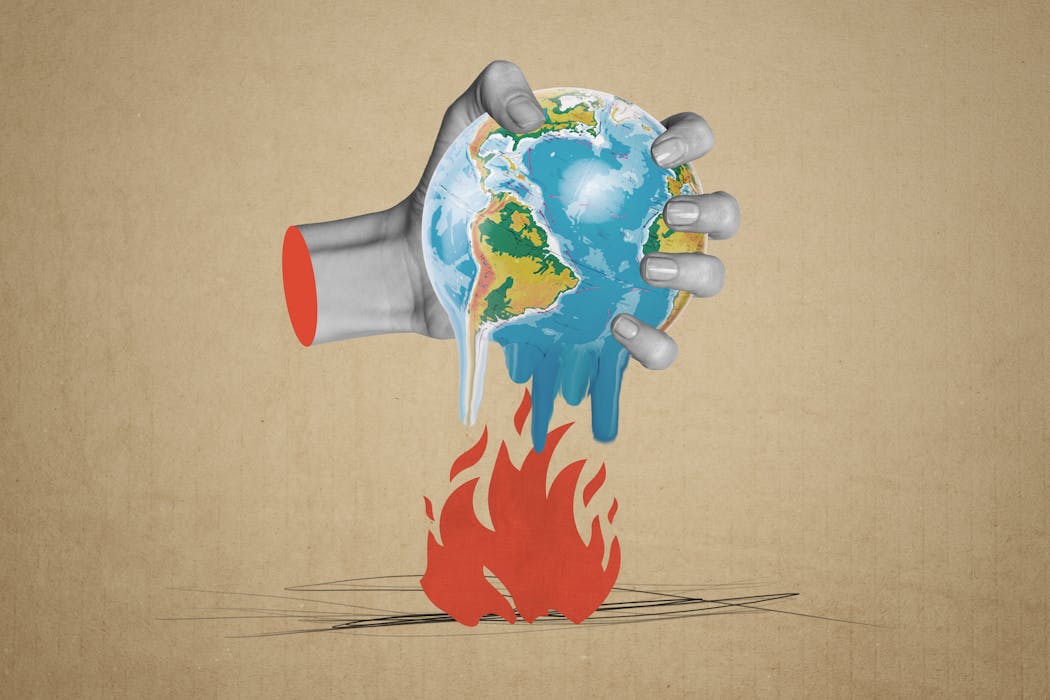
2025 será sin duda memorable por distintos motivos, dependiendo de a quién preguntemos. Lamentablemente, muchos en España lo recordarán porque el pasado verano tuvieron que luchar contra el fuego para proteger sus pueblos. El año que despedimos se ha convertido en el peor en incendios forestales de las últimas tres décadas. Las llamas han calcinado cerca de 400 000 hectáreas, concentradas en el mes de agosto y con particular incidencia en Galicia, Castilla y León y Extremadura.

Además de graves perjuicios ecológicos y económicos, el fuego dejó un balance de cuatro muertos y numerosos municipios afectados, cuyos vecinos se vieron obligados a sofocar las llamas por falta de medios de extinción.

Son varias las causas que explican la intensidad de los incendios de este año. Por un lado, las naturales: las abundantes precipitaciones primaverales, el calor y la sequía de los meses estivales. Por otro, las estructurales: el abandono del campo, la falta de gestión forestal y de aprovechamiento de los montes. Y por último, los pirómanos, que en muchos casos aportan la chispa que desencadena la catástrofe.

Una vez extinguidas las llamas, y con las condiciones adecuadas, la naturaleza es capaz de regenerarse, aunque regresar a un ecosistema maduro necesita décadas y, en algunos casos, la intervención humana. Y mientras la vegetación reconquista el paisaje dominado por las cenizas, es hora de hacer balance y actuar.

Las acciones necesarias para evitar que se produzca una situación similar en el futuro pasan por invertir más en prevención y gestión del paisaje y del fuego, y por revitalizar el mundo rural, impulsando la ganadería de pastoreo. Todo ello sumado a las medidas dirigidas a mitigar el cambio climático, que agrava las olas de calor y las sequías y al que, paradójicamente, contribuyen a su vez los incendios al liberar enormes cantidades de dióxido de carbono a la atmósfera.

El cambio climático y los océanos

El calentamiento global es el responsable del incremento en fenómenos extremos, también denominados “latigazos hidroclimáticos”, como los incendios de este año, más virulentos en todo el mundo, pero también de grandes tormentas como la dana que afectó al este de la península ibérica a finales de 2024. El detonante es una atmósfera anormalmente cálida que acumula gran humedad, dejando, sin embargo, ecosistemas y paisajes sumamente secos.

El agua constituye uno de los componentes principales del sistema climático. De ahí que los cambios en los patrones de precipitación, en la acumulación de hielo y en las corrientes oceánicas actúen como un altavoz del cambio climático y sus efectos.

Groenlandia, la Antártida y el Ártico están experimentando episodios acelerados de fusión que suponen una pérdida de hielo que ya no se compensa por las nevadas y la congelación en los meses más fríos. Algo similar ocurre en las montañas de todo el planeta, donde se está reduciendo el manto de nieve y los glaciares desaparecen poco a poco.

Todo ello repercute al mismo tiempo a escala global, en los equilibrios climáticos de la Tierra y en el aumento del nivel del mar, que en países costeros amenaza puertos, viviendas, playas, humedales y acuíferos, y puede agravar los impactos de tsunamis y tormentas.

Las olas de calor ocurren también en el océano, y cada vez con más frecuencia debido al cambio climático. Estos fenómenos, que se dan en todo el mundo, desde Australia hasta España, provocan una gran mortandad de organismos marinos, altera sus patrones migratorios y reproductivos y puede contribuir a la colonización de ecosistemas por especies invasoras.

Asimismo, se está produciendo un aumento en la frecuencia e intensidad de un oleaje que erosiona la costa, sobre todo durante los temporales, provocando el retroceso de las playas y los acantilados.

Pese a todos estos efectos, y las consecuencias sociales y económicas del cambio climático, como la acentuación de la pobreza energética, la cumbre del clima de Naciones Unidas de este año (la COP30) no ha supuesto un gran cambio en cuanto a las acciones de los países para reducir sus emisiones y mitigar el calentamiento global. No obstante, algunos han tomado la iniciativa de comenzar una hoja de ruta para abandonar los combustibles fósiles.

Exceso y escasez de agua

En octubre se cumplió un año de la dana que afectó sobre todo a la Comunidad Valenciana, y analizamos las lecciones aprendidas y tareas pendientes para evitar una catástrofe similar en el futuro. Y también hablamos de su impacto en la salud mental de la sociedad española, pues los desastres naturales ligados al cambio climático pueden generar ecoansiedad, es decir, un estado de miedo crónico a la ocurrencia de desastres naturales.

El agua en exceso, como en una crecida, puede convertirse en un problema, pero también su escasez. Las regiones mediterráneas se enfrentan a un futuro más seco debido al calentamiento global. En otras palabras, tendremos que vivir con menos agua. El aumento de temperaturas provocará, además, que se pierda más agua en los embalses: cada año se evapora cerca del 10 % del volumen almacenado.

Es necesario, por tanto, gestionar este recurso escaso de forma óptima, por ejemplo, reduciendo el gasto hídrico. Una de los grandes involucrados en este sentido es el sistema alimentario, que supone alrededor del 70 % del consumo de agua dulce. Disminuir el desperdicio alimentario, aumentar la ingesta de productos marinos y controlar el riego (las malas prácticas generan desertificación) ayudaría bastante. Además, debemos potenciar nuevas fuentes, como la regeneración de aguas residuales y la desalación.

El persistente problema de los plásticos

En 2025 hemos seguido hablando de la contaminación por plásticos porque, de momento, sigue causando estragos sin que se estén aplicando soluciones totalmente eficaces. Cuando se acumulan en vertederos, las aves se encargan de transportarlos hasta los humedales donde descansan, donde tanto estos residuos como los aditivos que contienen generan contaminación química y causan perjuicios a los seres vivos y los ecosistemas.

La buena noticia, además de aumentar las tasas de reciclaje, es que se siguen buscando estrategias para acabar con el problema. Por ejemplo, convertir los plásticos no reciclables de los residuos electrónicos en productos valiosos, desarrollar polímeros alternativos biodegradables y convertir los microplásticos nada menos que en grafeno.

En el océano, estos residuos, que también pueden provenir de redes de pesca, han llegado incluso a la Antártida, donde son colonizados por comunidades microbianas que forman lo que se conoce como “plastisfera”. Estos hábitats artificiales contribuyen a la dispersion de patógenos, como Escherichia coli, y de bacterias portadoras de genes de resistencia a antibióticos.

Siguen preocupando también otras formas de contaminación química, como aquella presente en la ropa que utilizamos y la provocada por los fármacos vertidos al medio ambiente, como los antibióticos, que llegan a las aguas subterráneas y a nuestros grifos. Afortunadamente, también se están buscando soluciones, como el uso de bacterias capaces de eliminar estos productos de las aguas residuales.

Especies que desaparecen silenciosamente

Los plásticos, junto con el cambio climático, la pesca y el tráfico marítimo, suponen una amenaza para los grandes animales marinos, como tortugas, delfines, ballenas y focas. Si bien se ha planteado el objetivo de proteger el 30 % de los océanos, esta meta no es suficiente cuando consideramos el movimiento de estos animales, puesto que no cubriría muchas zonas críticas para su supervivencia.

También hay que considerar el impacto en las especies marinas a la hora de instalar energías renovables. La eólica genera ruidos, vibraciones, puede dar lugar a colisiones y puede alterar o destruir los hábitats. A menudo, zonas de alto potencial energético (con mucho viento y oleaje) coinciden con áreas de alto valor ecológico.

Animales como el salmón atlántico y las anguilas se encuentran gravemente amenazadas por la acción del hombre. Muchas especies desaparecen sin que nos demos cuenta, incluso (o especialmente), algunas comunes como el gorrión o la golondrina porque suelen recibir más recursos y atención otras emblemáticas como los osos y los lobos.

Pero no todo son malas noticias. O al menos estas no tienen por qué persistir. En medio ambiente abunda la información sobre los problemas ambientales, porque debemos ser conscientes de su existencia, aunque también de la posibilidad de encontrar remedios para, si no eliminarlos, sí mitigarlos. Quedémonos con esa idea para despedir 2025 y dar la bienvenida a un 2026 que no estará exento de retos, pero esperemos que tampoco de soluciones.

The Conversation

ref. Medio ambiente 2025: de fuego y agua – https://theconversation.com/medio-ambiente-2025-de-fuego-y-agua-272571

Salud 2025: somos lo que nos cuidamos

Source: The Conversation – (in Spanish) – By Pablo Colado, Redactor jefe / Editor de Salud y Medicina, The Conversation

Roman Samborskyi/Shutterstock

A aquel célebre dicho atribuido al filósofo alemán Ludwig Feuerbach de que “somos lo que comemos” habría que añadir “somos lo que nos movemos” y, ampliando más el foco, “somos lo que nos cuidamos”. Hasta cierto punto, claro, porque gozar de buena salud no depende en exclusiva de nuestros hábitos y cautelas –factores como la predisposición genética o el mero azar también entran en el bombo–, pero la ciencia no deja de aportar ingredientes para que aumentemos las papeletas de vivir más años y más sanos.

Menús con fundamento (científico)

Ataquemos, sin más demora, el primer plato: la nutrición. Como nos recordaban Ana Belén Ropero y Marta Beltrá García-Calvo, de la Universidad Miguel Hernández, los resultados acumulados durante décadas de investigación no han hecho sino acrecentar el prestigio de nuestra querida dieta mediterránea, que además de disminuir el riesgo de sufrir enfermedades cardiovasculares, diabetes tipo 2 o diversos tipos de cáncer, es un antídoto contra la soledad. Y a pesar de todas las evidencias, nuestros menús actuales se parecen poco o nada a ese patrón alimentario, advierten las expertas, quienes hacían en su artículo una lista de los productos que suman puntos y de otros –como el jamón, el vino o el queso, tradicionalmente asociados a la gastronomía mediterránea– que más bien restan.

También hemos aprendido este año un concepto muy interesante: el de biodiversidad alimentaria. Es decir, que aparte de comer alimentos beneficiosos para la salud, importa que haya una considerable variedad de ellos en nuestros platos. Así lo ha demostrado un grupo de investigadores de la Universitat Rovira i Virgilli, que sometieron la dieta de 7 200 personas de entre 60 y 80 años al escutrinio de un indicador llamado Riqueza de Especies Dietéticas. Los resultados fueron sorprendentes: cada tipo de alimento adicional consumido regularmente reducía en un 9 % el riesgo de mortalidad. Salir del “sota, caballo y rey” culinario sale a cuenta.

Otro estudio que levantó cierto revuelo –no es para menos– fue el que sugería que comer torreznos podría ser saludable. O así lo anunciaron los medios de comunicación. Edwin Fernández Cruz, de la Universidad Internacional de La Rioja (UNIR), hizo una “cata” de los detalles del trabajo –realizado con monjas clarisas de Soria– y puso en cuarentena sus conclusiones: entre otros pormenores, la panceta de cerdo curada y posteriormente frita era consumida por las religiosas siempre con verdura, a lo que hay que añadir que la muestra de personas analizadas no podía extrapolarse a la totalidad de la población.

Lo que sí desafía en cierto modo el consenso científico es una investigación publicada a finales de este año que asociaba el consumo habitual de zumos de naranja a una mejora de la salud cardiaca a largo plazo. Hasta ahora, los expertos desaconsejaban categóricamente tomarlos por su aporte de azúcares libres, si bien conviene no olvidar que la fruta entera sigue siendo la mejor opción debido a su contenido en fibra.

Hora de moverse

La segunda herramienta que más tenemos a mano para encontrarnos bien y retrasar los estragos del paso del tiempo es la actividad física. Mikel Izquierdo, cátedrático y director del Departamento de Ciencias de la Salud de la Universidad Pública de Navarra, se mostraba así de rotundo al resumir las conclusiones de un informe consensuado por expertos de 40 países: “los programas de ejercicio personalizado deben ser tan esenciales como un tratamiento farmacológico a todas las edades, pero especialmente en la atención de los adultos mayores”. De hecho, los expertos de The Conversation han glosado sus virtudes para recuperarse tras la anorexia, prevenir las enfermedades mentales en los adolescentes, despertar el sistema inmune contra el cáncer

Y si eso aún no le convence, otra excelente razón para no quedarnos quietos es que la actividad física, además de mejorar la memoria, la atención y el estado de ánimo, favorece la creación de nuevas neuronas en nuestro cerebro (algo fundamental, por ejemplo, para borrar los malos recuerdos). Según revela un reciente estudio, este importantísimo proceso de renovación de células nerviosas se potencia mediante la liberación de unas partículas diminutas, llamadas vesículas extracelulares, que viajan por el torrente sanguíneo desde los músculos hasta el cerebro.

Es verdad que la vida moderna no lo pone fácil y que a veces cuesta encontrar tiempo –o fuerza de voluntad– para calzarse las zapatillas de running o sacar partido a la cuota del gimnasio. Beatriz Carpallo y Rita Galán, de la Universidad San Jorge, nos presentaban una alternativa asequible: aligerar la jornada realizando pequeñas “pausas activas” o “snacks de ejercicio” en casa o en la oficina. Por ejemplo, hacer 10 sentadillas o caminar durante tres minutos cada 45 minutos se ha revelado más eficaz que andar media hora seguida para mejorar el control del azúcar en sangre.

En definitiva, acostumbrarnos a practicar hábitos saludables puede marcar la diferencia, y no siempre en la dirección que imaginamos. ¿Sabía, por ejemplo, que dedicarle diez minutos diarios a cepillarnos bien los dientes reduce nuestras posibilidades de sufrir un ictus o alzhéimer? ¿O que la lectura nos cambia incluso la forma física del cerebro?

Y en estas fechas de intensas reuniones familiares y votos de concordia, no podemos subestimar el poder del perdón (a nosotros mismos y a los demás). Klara Gabriela Gallo y Clara Molinero, psicólogas de la Universidad Francisco de Vitoria, nos desvelaban que se trata de una actitud profundamente terapéutica: “cuando perdonamos, nuestro cuerpo responde, la presión arterial desciende, la frecuencia cardíaca se estabiliza y los niveles de estrés se reducen. Dormimos mejor, respiramos con más calma y nuestro sistema inmune se fortalece”. Otro buen hábito para apuntar en la lista de propósitos del año nuevo.

The Conversation

ref. Salud 2025: somos lo que nos cuidamos – https://theconversation.com/salud-2025-somos-lo-que-nos-cuidamos-272506

Política y Sociedad 2025: el año en el que el carisma del mal puso al mundo en alerta

Source: The Conversation – (in Spanish) – By Lola Delgado, Editora de Política y Sociedad, The Conversation

¿Y si les dijera que el artículo más leído de nuestra sección de Política y Sociedad de 2025 se titula El carisma del mal: cómo los rasgos psicopáticos se han normalizado en la cultura del éxito? Pues resulta que no se trata de una hipótesis. Es real. Así que vayan pensando ya en eso, en qué me dirían, porque me encantaría saber lo que piensan.

Les contaré lo que pienso yo: creo que quizá hay demasiado narcisista megalómano a nuestro alrededor y que tal vez tenemos la necesidad de saber qué hay detrás de ellos para tratar de entender lo que les lleva a comportarse como lo hacen. Pero acepto interpretaciones diferentes.

Sí, ellos son la causa de los grandes males de la sociedad, esos que han llevado este año a muchos hombres y mujeres de este planeta a vivir con miedo.

Tengo la maravillosa tarea de editar artículos de dos secciones que cada mañana me colocan en el mundo, me hacen ser más consciente de cómo es, de las penalidades que millones de personas viven para sacar cabeza, solo para poder respirar, para dar una bocanada de aire y volver a meterse en el horror de una guerra, por ejemplo; en el pavor a ser deportado al país que no te dio nada más que desesperanza; en el esfuerzo de trabajar día a día lejos de tu casa o en el miedo que dan la soledad no deseada o el intento de suicidio de un hijo.

Me dirán que vaya manera tan negativa de recordar el año, ¿verdad? Y tienen toda la razón.

¿Un resumen catastroflista?

Los resúmenes del año hechos por periodistas tienden a ser catastrofistas en muchas ocasiones, pero no son más que el reflejo de lo que vivimos. Qué hacer o qué contarles si el año comenzó con la firma de decretos, uno detrás de otro, por parte del flamante presidente de Estados Unidos, Donald Trump, mediante los cuales desafiaba al planeta.

Sí, Trump ha sido el gran protagonista este año, mucho más que el papa León XIV, –Robert Francis Prevost– que, recuerden, fue elegido por un cónclave rodeado de marketing tras la muerte del papa Francisco en el pasado mes de abril.

Para ese mes Donald Trump estaba ya en plena locura arancelaria, expandiendo la política de deportaciones y de estrictas medidas migratorias, desmantelando programas de diversidad, equidad e inclusión o con la puesta en marcha de sus medidas para la reducción masiva de empleados federales, congelando fondos para investigación o supervisando las protestas en los campus universitarios para detener a estudiantes que él consideraba peligrosos.

Lo de Venezuela llegó más tarde, con el “bloqueo total” de petroleros que entran o salen del país sudamericano como parte de su campaña para presionar al régimen de Nicolás Maduro y cortar sus ingresos principales.

Pero los grandes dramas del año han seguido siendo las guerras y las muertes en esas guerras. “Grande es la culpa de una guerra innecesaria”, dijo John Adams, padre de la Constitución de Estados Unidos y segundo presidente del país. Cualquiera de ellas lo es. Lo es la que enfrenta a Rusia y a Ucrania y lo ha sido también la de Israel y Palestina.

Desde el inicio de la tregua el pasado 10 de octubre hasta escribir estas líneas han muerto ya más de 400 palestinos. Un número más que añadir a los más de 70 000 que habían fallecido hasta entonces desde 2023. La cifra varía, según quién la ofrezca. Pero qué más da, las muertes son miles, todas ellas innecesarias.

Si la cifra varía es porque, efectivamente, todos estamos siendo víctimas de la desinformación en los últimos tiempos y siempre hay quien intenta que unas cifras sean otras. El virus de las noticias falsas ha ido penetrando por todos los poros de la sociedad sin hacer distinciones. Verificación, regulación y alfabetización digital son antídotos útiles para democracias consolidadas, pero difíciles de aplicar en países con “tendencias” autocráticas –léase Rusia, China, Venezuela, Hungría, República Democrática del Congo–.

Junto al auge de la desinformación ha ido creciendo en paralelo la ultraderecha, especialmente esa que acoge con los brazos abiertos a los jóvenes, aquellos que también abrazan ideas antifeministas. Parece que la juventud está empezando a mirar la democracia con desconfianza y a pensar que los tiempos pasados fueron mejores.

De esos tiempos se han cumplido en 2025 los 50 años. Medio siglo desde que el dictador Francisco Franco murió en el Palacio de El Pardo (Madrid) y esa muerte dio paso a una época de transición hacia la democracia en España. Abordamos la efeméride desde distintos ángulos y con diferentes miradas: su oratoria, las diferentes formas de represión del franquismo, cómo vivían las mujeres… Y miramos la evolución de la sociedad en estos 50 años con una mirada amplia y larga.

Este año fue también el de la muerte del uruguayo Pepe Mujica, el icono internacional de la izquierda.

La familia bien, ¿y usted?

Pero este año dedicamos nuestros artículos a hablar de otras muchas cosas. Por ejemplo de la infancia, de las personas mayores y de familias en todas sus variedades y modelos. Porque abordar los asuntos sociales y los vínculos humanos exige mirar la realidad con matices, evidencias y empatía.

Analizamos desigualdades, cuidados, políticas públicas y cambios demográficos para comprender cómo se transforman derechos, identidades y convivencias. Nuestro objetivo es ofrecer contexto, rigor y debate informado que ayude a los lectores a tomar mirar a su alrededor con una mirada justa.

No podemos despedir 2025 sin guiñar un ojo a dos episodios que, cada uno a su manera, condensan el espíritu del año. El robo del Louvre, tan cinematográfico como inquietante, nos recordó la fragilidad de los símbolos culturales incluso en los templos del prestigio global. Y, casi al mismo tiempo, los enfrentamientos entre Venezuela y Estados Unidos bajo la presión directa de Donald Trump devolvieron a la actualidad una política internacional basada en la fuerza, el bloqueo y la amenaza.

Quizá este repaso nos haya ayudado a todos a entender mejor por qué nuestros lectores han tenido tanto interés en adentrarse en las características de aquellas personas con rasgos psicopáticos que forman parte de la cultura del éxito.

Tal vez leer y analizar y saber sea hoy un acto de resistencia. Frente al ruido, el miedo y la simplificación, apostar por el conocimiento compartido nos permite comprender mejor el mundo sin rendirnos a sus monstruos. Ese es, al fin y al cabo, el sentido último de contar lo que pasa: pensar juntos para no normalizar lo intolerable.

¡Feliz año y espero volverles a encontrar al otro lado en 2026!

The Conversation

ref. Política y Sociedad 2025: el año en el que el carisma del mal puso al mundo en alerta – https://theconversation.com/politica-y-sociedad-2025-el-ano-en-el-que-el-carisma-del-mal-puso-al-mundo-en-alerta-272551

Cultura 2025: dejar atrás la prisa

Source: The Conversation – (in Spanish) – By Claudia Lorenzo Rubiera, Editora de Cultura, The Conversation

Roman Samborskyi/Shutterstock

Es una verdad universalmente reconocida que el fin de año y las festividades navideñas necesitan un resumen. Por eso estamos aquí.

Allá por los años 80, cuando el cineasta Martin Scorsese estaba en uno de sus abismos psicológicos, su amigo Robert De Niro fue a verle para convencerle de que le dirigiese en un proyecto que le encantaba. Tanta turra debió darle que incluso en el estado emocional lamentable en el que se encontraba Scorsese le dijo que sí, que la haría. Pero, como hablante minucioso y pulcro del lenguaje audiovisual, le pidió “paciencia”. No porque fuese a tardar mucho en arrancar la filmación, sino porque esta iba a ser precisa y rigurosa; alcanzar la excelencia que se exigía requería repeticiones, tiempo y entereza. La película era Toro salvaje y esta anécdota se cuenta en la estupenda serie documental dirigida por Rebecca Miller Mr. Scorsese.

Paciencia. Tiempo. Las cosas no salen bien porque se hagan rápido. Tal vez no sea necesariamente lentitud lo que buscamos, pero sí una mente calmada. Así, en medio de esta voluntad por huir de las prisas y el ajetreo diario, les invitamos a subirse con nosotros al tren de la filósofa Simone Weil y “suspender el pensamiento”.

Del baile a la mística

La narración comienza con un golpe de cadera y una búsqueda espiritual. Dos nombres han ocupado los titulares musicales del año, en un momento en el que es raro que hablemos de alguien durante más de día y medio.

En enero, Bad Bunny lanzó DeBÍ TiRAR MáS FOToS, un álbum en el que recuperaba los ritmos de su tierra, Puerto Rico. Al rescatar melodías tradicionales consiguió seducir a una parte de la población que había ignorado hasta entonces sus canciones. No ha sido un pionero –desde Rozalén hasta La M.O.D.A., desde Nathy Peluso a Rodrigo Cuevas, los artistas han rebuscado en el pasado para encontrar inspiración– pero ha arrasado en escuchas, conciertos e influencia. De hecho, es el encargado del espectáculo del intermedio de la Super Bowl y se convertirá en el primero que haga ese show en español. A mí me queda la satisfacción de constatar que sí, que gracias a estas recuperaciones la salsa ha vuelto… y el baile también.

La de Rosalía ha sido la fiebre del otoño, un fenómeno que nos ha servido para analizar (y conocer) términos como el bricolaje lingüístico o el christiancore. Y si llevamos semanas repitiendo mentalmente la letra de “La perla”, es un consuelo saber que hay una explicación neurocientífica a esta manía de nuestro cerebro de agarrarse a una canción y no soltarla.

Cerramos este relato de puro disfrute con la combinación de cuerpo y alma, misticismo y baile, y la voluntad de dejarse llevar por el ritmo. O, lo que es lo mismo, nos acercamos al fenómeno cinematográfico español del año –Sirat– y a las múltiples dimensiones de la cultura rave.

Todo el cine y el mundo

No será la letra de “Bad Romance”, pero lo que sí suelta el cerebro, y en ocasiones con más rapidez de la que nos gustaría, son nuestros recuerdos sobre las series de televisión. Acostumbrados a darnos verdaderos atracones audiovisuales, igual que vemos, olvidamos. Afortunadamente, el cerebro es plástico y si estamos presentes y dejamos de consumir contenido audiovisual como quien se empacha de polvorones, conseguiremos que las tramas y los personajes se asienten en la cabeza.

Merece la pena hacerlo, porque el poder de las historias es infinito. Aunque leamos eternos reportajes sobre datos y hechos, ponerle cara a un relato hace que inevitablemente nos impliquemos con él. Es reseñable que el cine, por ejemplo, ponga el foco en los menos desfavorecidos, los habitantes de la Franja de Gaza, y nos cuente directamente sus vidas y sus muertes.

Y mientras intentamos entender cómo es posible que los palestinos resistan, ante la mirada del mundo entero, en esas condiciones, la historia nos enseña que no siempre fue así. Si en el pasado hubo paz, podría haberla en el futuro… un futuro en el que, como dice Omar El Akkad con cierta ironía, todos habremos estado siempre en contra del genocidio.

El revuelto de la historia

Quien tiene siempre prisa por hacer y por contarlo es Donald Trump. El presidente de Estados Unidos parece desear que la posteridad se acuerde de él con tanta admiración como la que él despliega ante ese idílico pasado de la Humanidad que fue mejor, más boyante, más exitoso, más… imperial.

Han sido muchos los historiadores que han analizado su insistencia en hacerse eco de lo que sucedía en la antigua Roma de forma errónea, y aquí hemos desmontado algunos de los empeños de Trump, y de la ultraderecha, por apropiarse de un periodo histórico que, aunque muy avanzado, tenía sus aristas.

Lo interesante es que la antigua Roma nunca se acaba. Los romanos nos demuestran que tener una relación cercana con las mascotas, protestar contra los turistas o prevenir incendios no es algo que hayamos puesto de moda en este siglo. Ni en el pasado.

Las grandes autoras

2025, como indica mi inicio de artículo, ha sido el año Austen. Se cumplían 250 años del nacimiento de la autora inglesa y, aunque en español no hemos superado ni la intensidad de los fastos británicos ni la amplia cobertura de nuestros compañeros de The Conversation Reino Unido, sí que hemos reunido a un amplio grupo de investigadoras que desglosaron matices de sus novelas para invitar a los lectores a zambullirse en sus historias.

En España también ha sido el centenario de dos grandes de la literatura: Ana María Matute y Carmen Martín Gaite. Las hemos homenajeado como se merecen aunque siempre me queda la espinita de descubrir que son las investigadoras –mujeres– las que siguen explicándonos a las escritoras –mujeres–, como si solo las leyésemos nosotras.

Por cierto, despedimos también al último Premio Nobel de Literatura en español: Mario Vargas Llosa. Tal vez sea hora de que los suecos añadan otro (u otra) a la lista.

La urgencia tecnológica

Se acaba de estrenar –con gran alegría para la taquilla cinematográfica– la tercera entrega de Avatar, probablemente una de las pocas películas que aprovechó a su favor aquel fenómeno acelerado y capitalista que fue el cine en 3D (igual que llegó, se desinfló). Esta burbuja recuerda que, aunque la tecnología siempre ha ayudado al avance de la cultura (desde la imprenta hasta el cine sonoro o el tocadiscos), ella por sí sola nunca ha logrado dar grandes saltos humanistas. Está ahí para arrimar el hombro pero no para sustituir.

Por eso está bien no entrar en pánico cuando aparecen nuevas herramientas como la inteligencia artificial (que creativamente todavía está en pañales) y utilizar el arte y el pensamiento para plantearnos, una vez que las tenemos, qué queremos hacer con ellas.

Ha habido otros nombres que han pasado por la sección de Cultura este año: Robert Redford, Francis Scott Fitzgerald, Diane Keaton, Cervantes… Pero como no queremos acelerar al final y aturullar al personal, simplemente recuerdo que en 2025 lanzamos el Suplemento cultural, un boletín quincenal en el que recopilamos muchos de los artículos e investigaciones a los que hago referencia para que los que se suscriban puedan leer, de forma calmada, los mejores textos de la sección.

Ya lo decía Scorsese: “paciencia”. A ver si ejercitándola más abrimos huecos en el tiempo y encontramos un espacio en silencio para pensar.

The Conversation

ref. Cultura 2025: dejar atrás la prisa – https://theconversation.com/cultura-2025-dejar-atras-la-prisa-272451