No crecimos bien. Nuestra especie se subió al brillante tren del desarrollo y se estiró, y volvió a estirarse, sin atender a que el crecimiento descontrolado deforma el esqueleto de los niños.
Nos fumamos los combustibles fósiles de la Tierra y exhalamos toneladas de CO₂ que llenaron de peste negra los pulmones del planeta. La Tierra tose con carraspera de enfermo, y nos volvemos amarillos en las fotos que dejan las olas de calor, con temperaturas que han superado los 40º por primera vez en la historia en Asturias, uno de los lugares más bonitos del mundo.
El clima extremo del verano de 2025 nos pasará una abultada factura económica. Esta semana se ha publicado un informe de la Universidad de Mannheim, en colaboración con el Banco Central Europeo, que señala a España como uno de los países más afectados de Europa, con pérdidas estimadas de hasta 12 000 millones de euros a corto plazo y 34 000 millones hasta 2029. Mientras tanto, los seguros agrarios se multiplican, ante el aumento de danas, sequías, granizos e incendios forestales. Hasta que llegue el momento en que nadie asegure a nadie.
Pero aquí no termina la historia. Podemos conciliar el crecimiento con la fragilidad del mundo que habitamos. O tenemos que reinventarnos.
The Conversation y la Cátedra de Cambio Climático de la Universidad de Oviedo presentan la segunda edición de ConCiencia2 por el Clima, un ciclo de debates con participación ciudadana que sitúa la economía, el desarrollo y la transición energética en el centro de la conversación.
Con entrada libre hasta completar aforo, las sesiones se celebrarán en Gijón y Oviedo.
Primera sesión: Desarrollo, economía y estado del bienestar en el contexto del cambio global
Gijón. Martes 23 de septiembre a las 19:00 h en el Centro de Cultura Antiguo Instituto.
Participarán:
• Fernando Valladares. Investigador del CSIC y uno de los principales referentes de la divulgación científica en España. Reconocido internacionalmente por su trayectoria en ecología y cambio climático.
• Ángela García Alaminos. Doctora en Economía por la Universidad de Castilla-La Mancha, experta en sostenibilidad social y en el impacto de las grandes cadenas de valor.
• Olga Martín García. Directora general de Aclima – Basque Environment Cluster. Con una sólida experiencia en proyectos de transición ecológica en empresas e instituciones del País Vasco.
Segunda sesión: Los retos de la transición energética
Oviedo. 9 de octubre a las 19.00h en el Palacio de los Condes de Toreno.
Participarán:
• Antonio Turiel. Físico e investigador del CSIC, especializado en recursos energéticos y reconocido divulgador sobre la crisis energética global.
• Pedro Linares. Catedrático de Organización Industrial de la Escuela Técnica Superior de Ingeniería ICAI, director de la Cátedra BP de Energía y Sostenibilidad, y cofundador y director de Economics for Energy.
• Carmen Alonso García. Investigadora del CIEMAT, referente en el campo de la energía solar fotovoltaica, con una sólida trayectoria en innovación y desarrollo de nuevas tecnologías energéticas.
ConCiencia2 por el Clima es un foro abierto, con propuestas honestas, para abrirnos camino entre el verdor terrible con el que despertamos cada mañana.
De nombreuses villes africaines sont confrontées à des problèmes de gestion des déchets et d’ordures qui ne sont pas éliminés correctement. Cet état de fait pose de graves risques pour la santé publique, attirant les vecteurs de maladies tels que les moustiques et les mouches, et pouvant entraîner des épidémies de choléra et de paludisme.
Le déversement de déchets organiques, tels que les restes alimentaires, dans des décharges non contrôlées entraîne également des émissions de méthane, un puissant gaz à effet de serre qui accélère le changement climatique. Mais celui-ci peut aussi être utile : il peut en effet être converti en compost riche en nutriments ou en biogaz, une énergie renouvelable. Ce processus, appelé « valorisation énergétique des déchets », pourrait contribuer également à remédier aux pénuries d’électricité en Afrique.
Cela se produit malgré les investissements réalisés dans la collecte et la mise en décharge des déchets, dont le Cameroun, mon pays d’origine, qui dépense environ 6,6 millions de dollars américains chaque année pour la gestion des déchets solides municipaux. Hygiène et Salubrité du Cameroun est le principal prestataire privé du pays, assurant la majeure partie de la collecte des déchets dans les dix régions. Cependant, la fiabilité de ce service reste un défi.
Car seulement environ 60 % des déchets sont effectivement collectés. Et seulement 43 % des déchets des habitants sont collectés à l’extérieur de leur domicile. Le reste est collecté dans des poubelles communales qui sont vidées par l’entreprise. D’autres n’ont d’autre choix que de jeter leurs déchets à l’air libre.
La plupart des déchets municipaux au Cameroun finissent dans des décharges et sont brûlés. Moins de 4 % sont recyclés, principalement par des récupérateurs informels.
Je suis un scientifique spécialisé dans le développement durable qui étudie comment les déchets peuvent être transformés en énergie. J’ai mené un projet de recherche en collaboration avec Hygiène et Salubrité du Cameroun afin d’observer les pratiques locales en matière de gestion des déchets. J’ai interrogé les dirigeants de l’entreprise, des représentants d’organisations non gouvernementales et de groupes de la société civile, un maire local et des responsables gouvernementaux.
Je voulais comprendre ce qui pouvait encourager la mise en place de projets de valorisation énergétique des déchets et ce qui l’en empêchait.
Mes recherches ont montré que le système actuel et les personnes influentes qui y participent n’ont pas réussi à investir de manière stratégique dans des projets de valorisation énergétique des déchets. Au lieu de cela, ils ont tendance à se concentrer sur des solutions à court terme. Ils envisagent notamment la construction de nouvelles décharges et l’organisation de campagnes de nettoyage ponctuelles. En effet, ces solutions sont rapides et faciles à mettre en place. Elles sont également très visibles pour les électeurs qui en ont peut-être assez des déchets mal gérés. Et elles coûtent également moins cher que les systèmes de valorisation énergétique des déchets.
Mais de tels choix impliquent que le Cameroun passe à côté d’une opportunité de créer du biogaz et du compost à partir des déchets. Comme je le soulignais auparavant cette option alternative permettrait de réduire la pollution, d’améliorer la santé publique et d’atténuer les pénuries d’électricité. Elle permettrait aussi d’accélérer la transition du Cameroun vers une économie circulaire, dans laquelle les déchets sont recyclés, compostés ou transformés en énergie, afin de prolonger autant que possible la durée de vie des matériaux.
Quels sont les problèmes ?
Le Cameroun dispose d’une stratégie nationale de gestion des déchets depuis 2007. Elle est coordonnée par la Commission interministérielle camerounaise pour la gestion des déchets municipaux, qui réunit des agences gouvernementales, des autorités locales, des entreprises privées, des organisations non gouvernementales et des partenaires internationaux. Cette stratégie visait à réduire de moitié la quantité de déchets mis en décharge d’ici 2035 et à faire évoluer le pays vers une économie circulaire.
Les ressources financières limitées conduisent souvent les municipalités camerounaises à recourir à des méthodes d’élimination des déchets peu coûteuses, telles que le déversement des ordures dans des décharges.
La mise en place de systèmes de valorisation énergétique des déchets implique un coût initial élevé. Mes recherches antérieures montrent que les responsables gouvernementaux nationaux et locaux manquent également d’engagement et de volonté pour adopter des solutions innovantes face aux problèmes liés aux déchets. Cela freine les investissements dans les projets de valorisation énergétique des déchets.
Au Cameroun, le soutien politique et réglementaire à la valorisation énergétique des déchets est faible. Il n’existe aucune incitation fiscale pour encourager les entreprises à améliorer la gestion des déchets solides. Les normes d’exploitation et les réglementations gouvernementales ne sont pas claires. L’obtention d’un permis d’exploitation d’un système de valorisation énergétique des déchets prend beaucoup de temps en raison de la bureaucratie excessive des systèmes d’autorisation.
Cette situation crée une incertitude qui décourage les investisseurs locaux et internationaux. Une lacune réglementaire – l’absence ou l’insuffisance de règles et d’incitations claires et favorables régissant le secteur – signifie que la mise en décharge reste l’approche dominante.
Un autre problème réside dans le manque de coordination entre les ministères et avec les organismes extérieurs. Les entreprises privées se contentent de suivre les instructions figurant dans leurs contrats, et les organisations non gouvernementales et la société civile sont largement exclues du processus décisionnel.
Ce qu’il faut faire maintenant
Les différents groupes impliqués dans la gestion des déchets, en particulier les autorités locales et nationales et les entreprises privées de gestion des déchets, devraient adopter de toute urgence une approche d’économie circulaire.
Les mesures à court terme pourraient inclure :
des taxes ou des interdictions sur les décharges afin de décourager le déversement de déchets;
des subventions gouvernementales pour les initiatives de recyclage;
des campagnes de sensibilisation du public pour informer les citoyens sur les avantages de la réduction des déchets, du recyclage et des solutions de valorisation énergétique des déchets;
l’intégration des concepts d’économie circulaire dans les programmes scolaires et les programmes d’éducation communautaire;
la mise en place de stations de transfert des déchets plus proches des sources de déchets, afin de permettre un tri efficace, de réduire les coûts de transport et de diminuer les volumes mis en décharge;
trouver des moyens pour que tous les acteurs du secteur des déchets travaillent ensemble sur les plans et les décisions;
lancer des projets pilotes menés par tous les différents acteurs.
À long terme, il est urgent que le gouvernement :
réforme sa politique afin d’intégrer les principes de l’économie circulaire et la gestion durable des déchets dans les lois et réglementations nationales;
améliore les réseaux routiers et les systèmes de transport afin de rendre la collecte et le transport des déchets plus efficaces;
investisse dans des technologies de valorisation énergétique des déchets abordables et adaptées au contexte local;
promeuve les partenariats public-privé dans le secteur de la gestion des déchets;
renforce l’expertise et les capacités locales par l’éducation, la formation professionnelle et les pôles d’innovation;
crée des réglementations, des mécanismes financiers et des incitations favorables afin d’attirer les investissements du secteur privé dans des solutions durables de gestion des déchets.
Cette étude souligne la nécessité de passer de solutions de gestion des déchets à court terme, reposant sur les décharges, à des pratiques d’économie circulaire. Cela permettra de transformer les déchets urbains en actifs précieux et de favoriser la durabilité environnementale et le développement durable.
Nkweauseh Reginald Longfor travaille à l’université Sophia.
Para entender qué está afectando a un sistema, primero tenemos que observar y evaluar los elementos que lo conforman. Algo que se puede hacer, al menos, de dos maneras: registrando los parámetros ambientales u observando y entendiendo a los organismos que habitan allí.
Lo primero responde a la pregunta “¿qué hay en el ambiente?”; lo segundo, a “¿cómo está afectando?”. Es esta segunda aproximación la que constituye la base de la bioindicación, cuya idea es sencilla: los seres vivos interactúan con el mundo, y, por tanto, tienen la capacidad de decirnos algo sobre él. Saber escucharlos es, en parte, nuestra responsabilidad.
Los bioindicadores han sido herramientas clave para evaluar la salud de los ecosistemas desde principios del siglo XX. En la actualidad, los más empleados en la evaluación de los ambientes acuáticos son los macroinvertebrados, animales de un tamaño superior a 1 mm, apreciables a simple vista. No obstante, una comunidad mucho menos conocida podría ser decisiva para el futuro de la conservación marina: la meiofauna.
Estos organismos microscópicos, de menos de 1 milímetro, habitan los sedimentos de todos los mares y han sido históricamente ignorados por su diminuto tamaño. Sin embargo, la meiofauna incluye una enorme diversidad de formas de vida: desde nematodos y copépodos hasta tardígrados o kinorrincos. De hecho, 24 de los 34 grupos básicos en los que se agrupan todos los animales, los filos, tienen representantes en esta comunidad. Y es precisamente en esta diversidad y abundancia donde radica su importancia: podrían ofrecer una visión más fina y precisa del estado de los ecosistemas marinos, ayudándonos a mejorar la conservación y protección de nuestros océanos.
El mar y sus recursos
El mar ha jugado un papel fundamental en la historia de la humanidad, actuando como vía de comunicación, sustento de vida, escenario de conflictos y fuente de inspiración. Incluso a día de hoy, la gran mayoría de la población mundial vive a menos de 320 km del mar.
No obstante, en la actualidad, el mar se enfrenta a una serie de amenazas inminentes. La contaminación marina alcanza niveles extremos, la sobrepesca está acabando con especies que antes eran abundantes y el pH es aproximadamente un 30 % más ácido que en la época preindustrial.
Estos impactos amenazan la supervivencia de la vida marina, alteran las cadenas tróficas y dañan los servicios ecosistémicos que nos brinda el mar, indispensables para nuestras sociedades.
Pese a que las amenazas son serias, gracias a un mayor conocimiento de estos impactos y una creciente concienciación social, la conservación marina ha ganado relevancia a nivel global en los últimos años, especialmente en Europa.
Ejemplo de ello son iniciativas como la meta 30 x 30 (el compromiso global de proteger al menos el 30 % de las áreas terrestres y marinas del mundo para el año 2030 respaldado por la ONU), la promoción de la pesca sostenible o la creación de la Autoridad Internacional de los Fondos Marinos (ISA, por sus siglas en inglés) para salvaguardar los fondos marinos.
Además, uno de los Objetivos de Desarrollo Sostenible de la Agenda 2030, el ODS 14: Vida Submarina, subraya la importancia de la conservación marina.
Antes de estas metas globales, sin embargo, la comunidad científica ya había empezado a buscar indicadores que permitieran evaluar de manera objetiva el estado de los sistemas acuáticos. Primero se implementaron en agua dulce, ecosistemas muchos más estudiados que los marinos, y en el año 2000 se publicó el AZTI’s Marine Biotic Index (AMBI), un índice basado en macroinvertebrados marinos que permitía evaluar la salud de los ecosistemas costeros a partir de las especies que habitan en los sedimentos.
25 años después, el AMBI y sus variantes se utilizan actualmente en más de 70 países desde el Ártico hasta la Antártida y cuentan con el respaldo de instituciones como gobiernos europeos, la Agencia de Medio Ambiente de los Estados Unidos (EPA) o la World Wildlife Foundation (WWF).
Pese al éxito y la importancia del AMBI y sus variantes, este índice también presenta limitaciones debido al grupo de estudio. Los macroinvertebrados son animales relativamente grandes y resilientes, y, aunque han demostrado ser eficaces para identificar impactos, pueden huir de las zonas afectadas y, en ocasiones, no presentar una abundancia suficiente para poder aportar datos representativos, ofreciendo señales tardías.
La solución podría venir del grupo mencionado al inicio: la meiofauna. Igual que el zooplancton (protagonista invisible pero esencial de la vida marina) sostiene la cadena alimentaria en la columna de agua, la meiofauna cumple un papel similar en los fondos marinos, sirviendo de alimento a los niveles superiores y reincorporando a las redes tróficas la materia orgánica que acaba depositándose en el lecho marino. Así, esta comunidad extraordinariamente diversa, aunque prácticamente desconocida, podría representar el siguiente paso en los programas de monitoreo y conservación ambiental marinos.
Sus ventajas son claras: la meiofauna posee ciclos de vida mucho más rápidos que los de la macrofauna, detectando impactos de inmediato; además, los organismos tienen un tamaño diminuto y una abundancia y diversidad asombrosas, aumentando enormemente la resolución ecológica. Si pensamos en los animales como píxeles de imagen, por cada píxel de macrofauna puede haber decenas o incluso cientos de meiofauna: es como pasar de una imagen borrosa a una definición en 4K.
Sin embargo, pese a su reconocido potencial y la abundante bibliografía científica que lo respalda, la meiofauna no ha dado aún el salto a la implementación en planes de monitoreo y conservación. ¿Por qué? La principal razón es que, debido a su enorme diversidad y reducido tamaño, estos organismos son extremadamente difíciles de estudiar. Además, hay muy pocos taxónomos dispuestos a dedicar años a especializarse en ellos hasta alcanzar la capacidad de identificar a nivel de especie. Así, el principal obstáculo para que la meiofauna se convierta en un estándar de monitoreo es, actualmente, la falta de conocimiento.
La protección de los océanos no puede limitarse a lo estético o lo útil. Proteger sólo a la gran fauna marina (como especies de interés comercial, tortugas o delfines) sin un estudio de los niveles tróficos inferiores equivaldría a gastar todo el presupuesto de mantenimiento de una catedral en las cúpulas y las pinturas. Sin unos cimientos sólidos y unos pilares firmes, esas bóvedas se pueden venir abajo.
En un momento tan crítico para la conservación marina, en el que cada acción y decisión cuentan mientras el tiempo corre en contra, se necesita comprender bien los océanos para poder protegerlos por completo. Y tal vez esta salvación no venga de las grandes criaturas que todos conocemos y admiramos, sino de aquellas invisibles a simple vista, pero imprescindibles para que todo lo demás siga en pie.
Alberto González Casarrubios dispone de un contrato predoctoral financiado por la Comunidad de Madrid (PIPF-2023).
Nuria Sánchez no recibe salario, ni ejerce labores de consultoría, ni posee acciones, ni recibe financiación de ninguna compañía u organización que pueda obtener beneficio de este artículo, y ha declarado carecer de vínculos relevantes más allá del cargo académico citado.
Source: The Conversation – (in Spanish) – By Mónica Matellanes Lazo, PhD. Profesora Titular de Universidad en Comunicación y Publicidad. Departamento de Ciencias Sociales, Universidad Europea Miguel de Cervantes
Pancarta que acusa de promover la guerra a la presidenta de la Comisión Europea, Ursula von der Leyen, en una manifestación el pasado 20 de junio en Milán.pcruciatti/Shutterstock
En los últimos años, hemos asistido al regreso del lenguaje bélico al discurso político y mediático europeo. Palabras como “defensa”, “guerra”, “enemigo” o “frontera” han vuelto con fuerza a ocupar titulares, intervenciones institucionales y campañas públicas. Pero más allá de los conflictos armados, lo que este lenguaje revela –y a la vez produce– es un cambio más profundo: la instalación de un régimen emocional basado en el miedo como eje organizador de nuestras vidas.
Este fenómeno no es nuevo, pero ha cobrado una nueva dimensión en la era de la hiperconectividad, la pospandemia y la ansiedad climática. No vivimos únicamente rodeados de peligros, sino inmersos en una narrativa de amenaza permanente. Ese relato condiciona cómo entendemos el mundo y también cómo lo sentimos.
Tensiones geopolíticas
La sensación de temor que flota en el aire, aunque imprecisa, encuentra sus fuentes en varias tensiones geopolíticas que reconfiguran el espacio simbólico y estratégico de la Unión Europea en estos momentos.
Rusia sigue expandiendo su máquina de guerra: en 2024 el gasto en defensa representó un 9 % del PIB ruso, y para 2025 se anticipa que su presupuesto militar supere al total de los Estados miembros de la UE. Su despliegue nuclear en Bielorrusia y la clara intención de reconfigurar el orden post-guerra fría contribuyen a un clima de inseguridad.
Esta reorganización geopolítica empuja a Europa hacia una defensa más autónoma y multipolar: Francia, Alemania y Reino Unido asumen ahora papeles más activos, incluida la garantía nuclear, mientras se busca un liderazgo compartido entre países.
De esta forma, Ursula von der Leyen impulsa un ambicioso plan, denominado Rearmar Europa o Preparación 2030, con una inversión global de hasta 800 000 millones de euros en cuatro años. Este programa prevé fortalecer la industria de defensa, crear préstamos específicos para armamento y suspender temporalmente las restricciones fiscales para permitir un aumento del gasto militar.
Nuevas formas de comunicar
Bajo todas sus formas, la comunicación, ya sea periodismo, publicidad, campañas institucionales o redes sociales, no se limita a informar. Opera como una arquitectura simbólica que modela la realidad emocional de la ciudadanía. No es casual que muchas decisiones cotidianas –viajar, consumir, elegir, confiar– estén hoy atravesadas por una percepción de inseguridad constante. Incluso imaginar el futuro se ha convertido en un ejercicio de contención más que de proyección.
Lo interesante es que este miedo no siempre responde a peligros concretos o inmediatos. A menudo es difuso, generalizado, simbólico. La amenaza puede ser el otro, lo extranjero, lo nuevo, lo desconocido.
Así, el miedo se convierte en un recurso de control suave: no obliga, pero condiciona; no impone, pero sugiere; no reprime, pero disuade.
Consecuencias en el consumo de la población
Uno de los ámbitos donde esto se observa con claridad es el del consumo. Las marcas han entendido hace tiempo que las emociones son más persuasivas que los argumentos racionales. En un clima de incertidumbre, venden promesas de protección: hogares más seguros, alimentos sin riesgos, servicios que anticipan cualquier contratiempo.
El marketing emocional ya no solo apela al deseo, sino al alivio, a la tranquilidad, a la sensación de control. Compramos, en muchos casos, no por placer, sino por contención.
Algo similar ocurre en la esfera política. Las campañas centradas en el orden y la seguridad proliferan, y suelen encontrar un terreno fértil en ciudadanías fatigadas por la incertidumbre. No es casual que discursos que prometen protección frente al caos tengan tanto éxito. En estos relatos, interpretados por la teoría de la puesta en seguridad (securization theory), el miedo no es un problema a resolver, sino una herramienta de cohesión. Se utiliza para legitimar políticas de vigilancia, justificar el cierre de fronteras o proponer el endurecimiento institucional. Consiste en aplicar estrategias de psicopolítica para controlar a la ciudadanía y aportar una sensación de seguridad y respuesta adecuada frente a los conflictos.
El papel de los medios de comunicación
La lógica de la espectacularización, la competencia por la atención y la búsqueda de impacto emocional llevan a una cobertura noticiosa que privilegia lo dramático, lo urgente, lo catastrófico. Esto no significa que se mienta, pero sí que se seleccionan y enmarcan los hechos de forma que refuercen una sensación de amenaza constante.
Se crea una atmósfera informativa donde lo extraordinario se vuelve cotidiano y lo inseguro norma. Así lo señalan estudios como los de George Gerbner, cuyas teorías sobre la realidad cultivada muestran cómo el consumo de medios modifica la percepción del riesgo.
No se trata de negar que vivimos tiempos complejos. Los conflictos internacionales, la crisis climática y las tensiones sociales son reales. El punto está en cómo se representan y qué efectos tienen esas representaciones en nuestra manera de habitar el mundo. Porque si solo se apela al miedo, si solo se estimula la respuesta defensiva, se corre el riesgo de empobrecer el repertorio emocional colectivo. De vivir con el deseo encapsulado, la empatía limitada y la imaginación bloqueada.
Urge pensar alternativas narrativas. La comunicación tiene un enorme poder performativo: puede reforzar el miedo, pero también puede ampliar horizontes. Puede diseñar atmósferas de repliegue, pero también inspirar vínculos, cuidado mutuo, esperanza crítica. No se trata de caer en discursos ingenuos o motivacionales, sino de generar relatos que complejicen, que contextualicen, que activen el pensamiento y devuelvan al ciudadano alguna luz de esperanza.
Es lo propone la UNESCO a través del enfoque de ciertas narrativas de esperanza. Esta estrategia convierte a la comunicación en la herramienta que permite habilitar el espacio donde imaginar futuros posibles.
Libertad emocional
En última instancia, deberíamos preguntarnos si estamos informando para cuidar o para domesticar. Si la apelación constante a la amenaza, aunque se transmita de forma involuntaria, no está desactivando nuestra capacidad de vivir con libertad emocional. Porque una sociedad dominada por el miedo es también una sociedad menos democrática, menos creativa y menos viva.
No se trata de eliminar el miedo, que es una emoción legítima, sino de evitar que se convierta en el único filtro con el que miramos la realidad. Recuperar la posibilidad de imaginar otras realidades, otras formas de vincularnos, otras maneras de habitar el mundo, es hoy una tarea tan urgente como política. En este contexto, la comunicación no es una herramienta neutra, sino un campo de disputa clave para influenciar y crear determinadas percepciones sobre los públicos.
Mónica Matellanes Lazo no recibe salario, ni ejerce labores de consultoría, ni posee acciones, ni recibe financiación de ninguna compañía u organización que pueda obtener beneficio de este artículo, y ha declarado carecer de vínculos relevantes más allá del cargo académico citado.
Source: The Conversation – (in Spanish) – By María Teresa Silva Fernández, Personal Docente e Investigador en Formación en el área de Teoría e Historia de la Educación, Universidad de Salamanca
Desde hace algunos años, los niños y niñas pasan cada vez más tiempo en casa o en espacios cerrados, mirando a una pantalla, y menos en la calle y en espacios naturales. Esta pérdida de contacto con el entorno natural tiene consecuencias en su desarrollo.
Entre las muchas preocupaciones que suscita este aumento del uso de pantallas (sedentarismo, aislamiento, sobreexposición e, incluso, adicción), también tenemos que tener en cuenta las cosas que niños y adolescentes dejan de hacer cuando los algoritmos se “comen” su tiempo. Una de esas actividades es estar al aire libre, y las consecuencias van más allá de un aumento de los casos de sobrepeso infantil.
Nuestro proyecto de investigación estudia cómo impacta en el desarrollo de las identidades infantiles el superávit de tecnología y el déficit de naturaleza. Hemos escuchado, además, a los propios niños y niñas.
Una visión reducida de la tecnología
Algunos resultados muestran que existe una relación condicionante entre la preferencia por las pantallas y una mayor distancia con la naturaleza. No nos referimos solo a una pérdida de presencia en el entorno natural, sino a la pérdida de conexión afectiva y simbólica con ella.
Dibujo infantil como respuesta a la pregunta ‘¿Qué es para ti la tecnología?’ en el estudio pictórico del proyecto NATEC-ID. Imagen proporcionada por los autores del estudio.
En un reciente estudio pictórico (una investigación cualitativa basada en los dibujos de los sujetos investigados), hemos pedido a 2 586 niños y niñas de entre 9 y 12 años de edad que representaran en un dibujo libre qué es para ellos y ellas la tecnología. Su visión a menudo tiene que ver con smartphones o videoconsolas, en lugar de reconocer el universo digital infinito al que accedemos desde esas pantallas.
Esto supone uno de los puntos clave para la transformación de uso. Se trata de que los niños consigan tener una visión real de las posibilidades digitales que permita a la infancia acercarse al entorno digital como lo que realmente es: el nuevo parque del siglo XXI.
¿Por qué les gustan tanto?
Para poder transformar el sentido de las pantallas en las vidas de nuestras niñas, niños y adolescentes, es necesario entenderla. ¿Qué hacen con las pantallas? ¿Por qué les gustan tanto? El secreto no es otro que su capacidad ilimitada de posibilidades, su carácter estimulante y la recompensa inmediata que ofrecen.
A medida que crecen, se consolidan los hábitos de uso de las pantallas y el tipo de actividades que realizan. Los niños y las niñas de entre 9 y 12 años utilizan las pantallas con objetivos lúdicos y didácticos, pero sus principales actividades cotidianas se realizan al margen de las pantallas.
En cambio, los adolescentes, además de aumentar la frecuencia de uso, centran sus actividades en la comunicación permanente con sus iguales a través de diferentes redes sociales.
Hemos podido comprobar que las prohibiciones por parte de las familias o los centros escolares frente a las dinámicas y tiempos de uso tiene poco efecto. Los adultos necesitamos estar disponibles y presentes en el empleo de las pantallas: conversar, observar, preguntar y establecer límites claros. También proponer alternativas y servir de ejemplo desde el uso que nosotros y nosotras hacemos de los dispositivos.
Al conocer los motivos por los que los más jóvenes se sienten atraídos por las pantallas, podemos imaginar alternativas. De esta manera, la pregunta pasaría a ser: ¿es posible una tecnología que nos ayude a explorar el mundo de manera saludable?
Tecnología para estar en la calle
Sabemos que el uso de la tecnología en entornos naturales es un elemento clave para entender la relación de la infancia y la adolescencia con la naturaleza. Con este objetivo de transformación y equilibrio, hemos codiseñado con informáticos y los propios menores una app móvil llamada NaturKingdom, pensada para acercarles a su entorno natural.
Dos niños utilizando la app desarrollada por el proyecto NATURTEC-kids Living Lab. María Teresa Silva Fernández.
El funcionamiento de esta aplicación, ahora mismo en fase beta (es decir, en fase de pruebas), invierte el sentido de uso de las pantallas. Para poder jugar, los jóvenes deben situarse físicamente en los parques de la ciudad de Salamanca. Además, deben interactuar con el entorno y con otras personas, mientras detectan la presencia de mascotas que deben incorporar al juego capturándolas desde el lugar que indique el mapa.
Una vez que tengan al menos una, deberán desplazarse hasta la arena de juego y enfrentarse a otros jugadores en batallas culturales basadas en preguntas relacionadas con el entorno. El ganador se quedará con la mascota de su contrincante e irá conquistando los parques de la ciudad.
Educar entre pantallas
Aceptar la presencia de las pantallas no significa depender de ellas ni rendirse ante su uso. Pero sí implica asumir que forman parte de la vida de la infancia y la adolescencia. Esto exige que nos hagamos cargo, de manera consciente, de cómo convertirlas en espacios seguros y saludables. Espacios a los que pertenecemos y en los que participamos como ciudadanos digitales.
Dos pantallas del videojuego diseñado para fomentar el contacto con la naturaleza. María Teresa Silva Fernández.
Si el reto es transformar el sentido de las pantallas en la infancia y la adolescencia, necesitamos incluirlas en los procesos de desarrollo. Y confiar en que, con el apoyo y acompañamiento necesarios, las pantallas pueden convertirse en un entorno positivo, seguro y edificante en su desarrollo humano y en su educación.
María Teresa Silva Fernández recibe fondos del Ministerio de Ciencia e Innovación
José Manuel Muñoz Rodríguez recibe fondos de Ministerio de ciencia.
El grupo especial del ejército ucraniano “Alpha” junto a un dron empleado como arma en la guerra a principios de 2020.L. Nord, CC BY
El filósofo alemán Günther Anders (Günter Stern, 1902-1992) suele recordarse más como el primer marido de Hannah Arendt que como un pensador clave en nuestra forma de entender la tecnología.
Sin embargo, fue un filósofo y periodista independiente desde sus comienzos. Se exilió en Estados Unidos en 1936 y terminó su vida en Austria, convertido en una de las voces más firmes del movimiento antinuclear.
Era un pensador distinto: su pseudónimo, Anders, significa “otro” en alemán. Lo que hoy llamaríamos un autor disruptivo. En 1956, publicó La obsolescencia del hombre, una de las críticas más radicales a la tecnología moderna.
Un mundo de fantasmas
Por “tecnología moderna” debemos entender, en 2025, las tecnologías de la mediación. Son técnicas que nos sumergen en una realidad constantemente retocada, filtrada y cada vez más distante de la experiencia directa. A esa fabricación de lo real que sustituye lo vivido, Anders la llamó “fantasmas”.
Recordemos la película The Truman Show (1998). Truman vive en un mundo completamente artificial. Cada gesto, cada paisaje, cada amistad y cada amanecer han sido diseñados para retransmitirse en directo en un espectáculo planetario. La cinta no es solo una ficción distópica: a través de la exageración –un método que Anders reivindicaba como revelador de los peligros latentes–, ilustra cómo sería vivir rodeados de fantasmas.
Fotograma de la película El show de Truman. Paramount Pictures., CC BY
Hoy la proliferación de fantasmas andersianos es más evidente que nunca. La inteligencia artificial generativa (herramientas como ChatGPT, Midjourney o Sora) produce textos, imágenes y vídeos indistinguibles de lo real. Los deepfakes reconfiguran la política, convirtiendo discursos y rostros en simulacros convincentes. Los avatares, los chatbots y la realidad aumentada disuelven al individuo singular en construcciones fabricadas para el consumo de masas.
La ilusión del “buen” y “mal” uso
Más disruptivo aun que el concepto de fantasma fue su crítica a la distinción entre “buen” y “mal” uso de la tecnología.
Distinguir entre ambos, en efecto, es una figura retórica llamada “disociación de noción”. Como todo recurso retórico, resulta persuasivo. Sin embargo, en nuestro caso, descansa en una ilusión: la de que la tecnología sea neutral. Nada más falso. Según defendía Anders, la amenaza no está en el uso que hagamos de ella, sino en su propia esencia. En pocas palabras: todo lo que una herramienta permite hacer, tarde o temprano se hará, sin detenerse en lo ético. No es nada tranquilizador, de ahí que se definiera como un “sembrador de pánico”.
La tecnología en cuestión no es la que sale de las fraguas de un herrero. Son tecnologías punteras que encierran la posibilidad de una destrucción masiva. Hiroshima y Auschwitz lo fueron. Por eso, Anders consideraba estéril la discusión sobre si un instrumento se usa “para bien” o “para mal”. En contraste, buena parte del discurso actual sobre inteligencia artificial –el de Yuval Noah Harari, por ejemplo– sigue anclado en esa distinción retórica. Para Anders era, más bien, un problema ético.
La tecnología, por su propia lógica, acaba siempre por desplegar todas las posibilidades que encierra. Su crítica no se limitaba a señalar riesgos. Se atrevía a cuestionar el corazón mismo de la idea de progreso.
Cuidado, sin embargo, con tacharlo de tecnófobo. El filósofo francés Michel Onfraylo expresó con claridad: la crítica de Anders no apunta contra el progreso en sí, sino contra su sacralización como religión industrial.
Lejos de ser un ludita, Anders desenmascaró la fe ciega en el progreso y señaló sus zonas de sombra. En un tiempo marcado por la colonización digital de la vida, su voz resuena con una fuerza más necesaria que nunca.
Florence Lojacono no recibe salario, ni ejerce labores de consultoría, ni posee acciones, ni recibe financiación de ninguna compañía u organización que pueda obtener beneficio de este artículo, y ha declarado carecer de vínculos relevantes más allá del cargo académico citado.
Source: The Conversation – (in Spanish) – By Enrico Castroflorio, Neurocientífico especializado en función sináptica y lípidos, Universitat de les Illes Balears
Leqembi IQLIK actúa contra las placas de la proteína β-amiloide, cuya acumulación en el cerebro se asocia al alzhéimer.sfam_photo/Shutterstock
Hasta ahora, los pacientes y sus familias tenían que organizarse para acudir al hospital cada dos semanas y recibir el tratamiento por vía intravenosa, un proceso largo y agotador. El nuevo fármaco, que se administra de manera simple y con ayuda de un dispositivo parecido a un bolígrafo de insulina, evita el desplazamiento.
Si bien la Agencia Europea del Medicamento (EMA) aprobó lecanemab en su versión intravenosa el pasado abril, todavía no se ha autorizado la formulación que se puede administrar en los domicilios, como sí ocurre ya en Estados Unidos. Así, aunque Europa fue pionera en dar luz verde al medicamento, el país norteamericano ha avanzado más rápido en ofrecer a los pacientes opciones más cómodas y accesibles.
Cómo funciona Leqembi: evidencia de los ensayos clínicos
El alzhéimer se relaciona con la acumulación en el cerebro de una proteína llamada β-amiloide, la cual forma pequeños cúmulos tóxicos (protofibrillas) y grandes placas capaces de alterar la comunicación entre neuronas.
En el cerebro, las células de defensa (la microglía) funcionan como un equipo de limpieza. El problema es que las acumulaciones de β-amiloide impiden reconocer bien la “basura” y, por tanto, no se elimina.
Leqembi reduce el almacenamiento de las placas, actuando como si encendiera una linterna y enfocara en esos desechos: señala tanto los cúmulos pequeños como las placas más grandes, de modo que la microglía pueda detectarlos y retirarlos. Así, el entorno neuronal queda más despejado y se consigue frenar el avance del deterioro cognitivo.
Leqembi no es una cura, pero en ensayos clínicos, como el CLARITY-AD, se ha visto que ralentiza en torno a un 27 % el deterioro cognitivo y funcional en pacientes con alzhéimer temprano. Es un efecto modesto pero con un gran impacto, ya que puede traducirse en más meses de autonomía y de calidad de vida.
Además, como ya hemos señalado, el avance no sólo se reduce al efecto del fármaco, sino también en su practicidad y comodidad: que un paciente pueda ponerse la inyección facilita seguir el tratamiento con regularidad, reduce el estrés de los cuidadores y ayuda a democratizar el acceso a la terapia.
El cambio también conlleva un aspecto muy simbólico. El alzhéimer ha sido durante décadas una enfermedad sin opciones terapéuticas de impacto. La aprobación de un formato práctico, casero, envía un mensaje esperanzador: el campo avanza y la biología del β-amiloide continúa siendo una diana relevante.
El discutido papel de las placas
No obstante, aunque la acumulación de amiloide es una de las señas de identidad del alzhéimer, su papel como causa principal sigue en debate. Durante años se diseñaron fármacos que eliminaban estas placas sin lograr mejorar la memoria ni frenar el deterioro cognitivo, lo que puso en duda la hipótesis.
Además, mientras algunos pacientes con placas no desarrollan demencia, en otros el amiloide convive con otros factores igualmente importantes, como la proteína tau, la inflamación o alteraciones en el metabolismo lipídico. Aun así, el hecho de que los tratamientos antiamiloide más recientes sí muestren beneficios clínicos devuelve protagonismo a esta diana y mantiene vivo el debate científico.
El mayor reto actual del alzhéimer es su diagnóstico temprano. Para estar completamente seguros de que una persona se encuentra en una fase inicial de la enfermedad (que en la mayoría de los casos transcurre sin síntomas evidentes) sería necesario analizar directamente el tejido cerebral, algo que requiere pruebas de imagen o la extracción del líquido cefalorraquídeo, no siempre disponibles.
El nuevo medicamento solo se recomienda en fases tempranas y en personas con diagnóstico confirmado de placas de amiloide. Además, al igual que otros anticuerpos de su tipo, puede causar efectos secundarios graves, como las llamadas anomalías detectadas en resonancias cerebrales (ARIA), hallazgos anormales en las imágenes del cerebro que señalan hinchazón o microhemorragias.
El precio también es en la actualidad una barrera importante: en Estados Unidos se ha fijado en unos 19 500 dolares (16 500 euros) anuales, lo que limita su alcance y plantea dudas sobre la cobertura en ciertas regiones del mundo, como en África, Asia, y América Latina, donde sus sistemas de salud públicos tienen recursos limitados.
Más allá del alzhéimer
El impacto de esta reciente aprobación trasciende la enfermedad, ya que además revela cómo un modelo basado en tratamientos biológicos complejos, caso de los anticuerpos, pueden adaptarse para su uso en casa.
Simplificar la administración de fármacos de larga duración no solo facilita la vida de pacientes y cuidadores, sino que también permite mantener los efectos de manera constante. Poder recibir la terapia en casa reduce viajes, estrés y largas esperas, al mismo tiempo que aumenta la probabilidad de que los pacientes sigan el tratamiento completo y durante más tiempo.
No se trata de una cura definitiva, pero sí es el camino hacia conseguir devolverle al cerebro parte de su equilibrio natural, creando un entorno más limpio y propicio para una correcta actividad neuronal.
Este avance nos recuerda, por otro lado, que todos los pasos en los avances clínicos cuentan: aunque no se erradique la enfermedad por completo, cada mejora en la administración, cada reducción en el deterioro cognitivo y cada día extra de autonomía representan un beneficio real para pacientes y familias.
En definitiva, Leqembi IQLIK no es el final del camino. No revierte la enfermedad ni detiene por completo su progresión. Su efecto es limitado y requiere de una vigilancia médica estricta. Pero, sin duda, inaugura una nueva era: tratamientos biológicos contra el alzhéimer que pueden aplicarse en casa, de manera sencilla, y que podrían combinarse en el futuro con otras estrategias dirigidas a la inflamación, los desórdenes del metabolismo o el cáncer.
Enrico Castroflorio no recibe salario, ni ejerce labores de consultoría, ni posee acciones, ni recibe financiación de ninguna compañía u organización que pueda obtener beneficio de este artículo, y ha declarado carecer de vínculos relevantes más allá del cargo académico citado.
Cuatro décadas después de su descubrimiento, el VIH sigue siendo uno de los principales desafíos de salud pública a nivel mundial. Hasta la fecha ha causado la muerte de más de 44 millones de personas y su transmisión continúa en todos los rincones del planeta.
Se estima que, a finales de 2024, casi 41 millones de personas vivían con VIH. Ese mismo año, alrededor de 630 000 murieron por causas relacionadas con el virus y, aproximadamente, 1,3 millones se contagiaron.
El VIH es un retrovirus, lo que significa que puede integrar su material genético en el ADN de las células infectadas para esconderse del sistema inmunitario, lo que dificulta su erradicación del organismo.
Aunque aún no existe una cura, los tratamientos antirretrovirales actuales han transformado la historia de la infección por VIH. Gracias a ellos, hoy es una enfermedad crónica manejable para aquellos pacientes con acceso a los fármacos. Las personas infectadas pueden llevar una vida larga y relativamente saludable, aunque suelen enfrentarse a un envejecimiento prematuro en comparación con quienes no tienen el virus.
El gran reto: encontrar una vacuna
Durante décadas, lograr una vacuna eficaz contra el VIH ha representado uno de los mayores desafíos de la medicina moderna. ¿Por qué es tan difícil? Estos son algunos de los principales obstáculos:
El virus ataca directamente al sistema inmunitario, debilitando las defensas necesarias tanto para combatir la infección como para responder a la vacunación.
Tiene una alta capacidad de mutación (cambio), lo que complica el diseño de una vacuna universalmente efectiva.
Demuestra una considerable habilidad para evadir a nuestras defensas, lo que reduce la eficacia de las respuestas inmunitarias inducidas.
La principal proteína de superficie del VIH, denominada Env, es la responsable de la unión y entrada del virus en las células. Sería el objetivo ideal de una vacuna, ya que los anticuerpos neutralizantes que se producen tras la vacunación se unen a ella e impiden esa entrada. Sin embargo, es muy compleja y variable, lo que hace que sea un blanco increíblemente difícil de acertar.
El VIH se integra en el genoma humano, lo que le permite permanecer oculto e inactivo durante largos períodos.
¿Una nueva era para las vacunas contra el VIH?
La misma tecnología de ARN mensajero (ARNm) que permitió el rápido desarrollo de las vacunas contra la covid-19 está siendo adaptada para combatir el VIH.
Dos estudios recientes, publicados en Science Translational Medicine, muestran resultados prometedores: vacunas experimentales basadas en ARNm lograron inducir anticuerpos neutralizantes, las defensas capaces de bloquear al virus antes de que infecte una célula, potentes y específicos en animales y humanos.
Esto representa un avance importante en la carrera por lograr una vacuna efectiva contra el VIH.
¿Cómo funciona?
Tradicionalmente las vacunas experimentales utilizaban trímeros solubles de la proteína Env. Sin embargo, este método dejaba expuesta una parte de la proteína (la base del trímero) que normalmente está oculta en el virus real. Esto podía inducir respuestas inmunitarias fuertes, pero mal dirigidas. Como resultado, no lograban neutralizar el virus.
Para resolver este problema los investigadores diseñaron una vacuna de ARNm que instruye a las células para producir la proteína Env unida a la membrana celular. Así se imita mejor su forma natural en el virus.
En un primer estudio, realizado en conejos y primates no humanos, esta versión de la vacuna generó respuestas de anticuerpos neutralizantes más fuertes que la versión soluble.
Resultados en humanos
A partir de estos resultados prometedores se inició un ensayo clínico de fase 1 en humanos para comparar ambas versiones de la vacuna. Se trató de un estudio con unos cien voluntarios en el que se analizó la seguridad del fármaco y la respuesta inmunitaria que generaba.
Los resultados mostraron una diferencia abismal: un 80 % de los participantes que recibieron la vacuna con Env anclada a la membrana de la célula generaron la codiciada respuesta de anticuerpos neutralizantes.
En cambio, solo el 4 % de a quienes se administró la versión soluble lograron esa respuesta.
Se trata de un ensayo clínico en fase 1, todavía preliminar. Por lo tanto, serán necesarios más estudios con más participantes para entender si la vacuna protege contra la infección y durante cuánto tiempo.
¿Y los efectos secundarios?
Las vacunas fueron, en general, bien toleradas. Sin embargo, el ensayo identificó un efecto secundario inesperado: aproximadamente el 6,5 % de los participantes desarrollaron urticaria (ronchas), y algunos experimentaron síntomas duraderos.
Aunque tratables, esta tasa fue más alta de lo observado con otras vacunas de ARNm, como las de la covid-19.
Curiosamente, otro conjunto de ensayos, que probaba una estrategia diferente de vacunación basada en la administración de ARNm en varios pasos, también reportó efectos secundarios en la piel. Esto sugiere que la combinación entre antígenos del VIH y la tecnología de ARNm podría estar relacionada, aunque esto aún requiere mayor investigación.
Conclusión: un paso firme hacia el futuro
Si bien estas vacunas aún no representan una solución definitiva, han demostrado que la combinación de la tecnología de ARNm con una estrategia más realista de presentación del antígeno (Env anclada a la membrana de la célula) es una herramienta poderosa en la búsqueda de una vacuna eficaz contra el VIH.
Los investigadores se muestran optimistas. Ajustes como la reducción de la dosis de ARNm podrían mitigar los efectos secundarios observados y mejorar aún más esta prometedora vía de investigación. Quizá en unos años la lucha contra el VIH cuente en su arsenal con la tan ansiada vacuna.
Las personas firmantes no son asalariadas, ni consultoras, ni poseen acciones, ni reciben financiación de ninguna compañía u organización que pueda obtener beneficio de este artículo, y han declarado carecer de vínculos relevantes más allá del cargo académico citado anteriormente.
Source: The Conversation – (in Spanish) – By Pedro Manuel Moreno-Marcos, Profesor Titular en el Departamento de Ingeniería Telemática de la Universidad Carlos III de Madrid, Universidad Carlos III
Hemos quedado a comer en un restaurante con una amiga. Cuando llegan los primeros platos, interrumpe la conversación para decir: “¿Me pasas la…?” mientras mira hacia un lugar concreto de la mesa. Seguramente no necesitemos más palabras ni gestos para entender que se refiere a la sal y se la pasemos.
Las personas no necesitamos que nuestro interlocutor termine su frase para saber qué es lo que quiere decir. Nuestro conocimiento de la estructura interna de la lengua nos permite anticipar qué palabra utilizará. Además, el contexto de la situación comunicativa nos da información sobre el contenido y las expresiones que dirá nuestro interlocutor.
El autocorrector del teclado del móvil intenta replicar este comportamiento humano a partir de técnicas estadísticas y de procesamiento del lenguaje natural (PLN). Con ello calcula la probabilidad de que una letra, palabra o secuencia aparezca en función de su frecuencia en grandes cantidades de texto utilizadas para entrenar el modelo.
Sobre esa base estadística, el PLN incorpora también el análisis de la estructura y el significado de las palabras, buscando patrones y relaciones entre ellas para generar correcciones más coherentes con el contexto.
¿Por qué, entonces, insiste en sustituir “jobar” por “Jonathan” (si no conozco a ningún Jonathan) o nos hace parecer un tanto excéntricos si afirmamos en un mensaje que hemos presentado una documentación vía “telepática” en lugar de “telemática”?
Combinando reglas y el uso individual
El sistema de procesamiento del lenguaje natural de los autocorrectores que usamos cotidianamente se basa en su diccionario interno, en las reglas sintácticas propias de la lengua y en el historial del usuario. El diccionario interno se construye inicialmente a partir de textos de entrenamiento procedentes de libros, artículos académicos y fuentes en línea, entre otros, que proporcionan un conocimiento general del idioma. A partir de ahí, el sistema combina este aprendizaje previo con reglas lingüísticas predefinidas y con la información que recolecta del historial del usuario. Como resultado, el sistema anticipa la cadena de texto más probable según lo aprendido.
En un principio, estas herramientas aparecieron para asistir a personas con discapacidades físicas, perceptivas o cognitivas en su uso del idioma a través de sistemas informáticos. No obstante, una vez integradas adecuadamente en la interfaz de las aplicaciones, pueden beneficiar a cualquier usuario mejorando la velocidad y el esfuerzo necesario para escribir.
Predecir cómo se escribe no es fácil
La aplicación del teclado del móvil maneja su propio diccionario de palabras y construcciones, en el que pueden no estar contempladas todas las opciones. A partir de la escritura del usuario y de la frecuencia con la que emplea ciertas expresiones, las predicciones se individualizan.
Aun así, sigue siendo un trabajo complejo para el sistema porque no basta con conocer todos los términos posibles. También debe decidir cuál es el más adecuado según el contexto y la intención del usuario. Por ejemplo, el sustantivo “casa” es completamente correcto y aceptado en el habla diaria. Sin embargo, en un proceso oficial o administrativo es más adecuado utilizar “vivienda”.
Puede imaginarse el diccionario del dispositivo como una estructura de árbol en la que ante una entrada de un bloque de texto se abren ciertas posibilidades con diversos grados de frecuencia que se va afinando a medida que la persona escribe. Dentro de las predicciones, algunas pueden estar motivadas por una programación específica del sistema, como evitar el uso de palabras malsonantes, y otra por el aprendizaje explícito, en el que el usuario agrega ciertas expresiones al propio diccionario del dispositivo. Por esta razón, el autocorrector no siempre coincide con lo que el usuario espera en cada momento.
Para optimizar el proceso de escritura, las aplicaciones tienen dos formas principales de incluir las sugerencias: ofrecer una lista de opciones en función de la probabilidad o introducir directamente el término en el texto. En el primer caso, el usuario tiene que analizar las alternativas de manera consciente. En el segundo, el discurso se construye de manera más rápida y orgánica, pero la persona debe eliminar activamente la sugerencia si no es la deseada.
Aunque en la mayoría de ocasiones el sistema encuentra la palabra requerida, hasta en un 94 % de las vecestendemos a recordar mucho más vívidamente aquellos momentos en los que comete un error grave. Además, según un estudio, solemos experimentar frustración cuando los mismos fallos se repiten de manera sistemática. Sin embargo, esto es normal: el aprendizaje del autocorrector no es inmediato, sino gradual, y funciona de manera probabilística, combinando lo que ya sabe de grandes textos con la información nueva que recoge del historial del usuario.
A pesar de ello, la mayoría de usuarios, tanto de iOS como de Android, afirma que los autocorrectores integrados en el teclado mejoran su eficiencia escribiendo y ayudan a reducir errores. Además, un uso continuado de las herramientas mejora progresivamente su efectividad al ofrecer una experiencia más personalizada.
La competencia léxica es solo humana
Ahora bien, no hemos de olvidar que el diccionario del autocorrector es un almacén de palabras, cuyo funcionamiento se aleja del lexicón mental del usuario humano. Dicho lexicón se construye a partir del establecimiento de redes entre las diferentes unidades léxicas en función de distintos tipos de relaciones (familias léxicas, campos semánticos, cognados, etc.). El autocorrector, por su parte, cuenta con una gran disponibilidad léxica, pero no domina los aspectos relacionados con la forma, el significado y el uso de cada unidad léxica, es decir, carece de la competencia léxica y comunicativa que poseen los hablantes.
A pesar de estas limitaciones, se están desarrollando propuestas que demuestran que es posible mejorar la corrección contextual, como la de PALABRIA-CM-UC3M, que se centra en el fenómeno lingüístico del tú impersonal. Mediante técnicas lingüísticas y modelos de inteligencia artificial que aprenden los patrones y contextos de este fenómeno, el sistema puede identificar y corregir errores que un autocorrector convencional no detectaría.
Aunque pueden continuar aprendiendo nuevos patrones y ampliando su conocimiento para ofrecer correcciones cada vez más acertadas, los autocorrectores no dejan de ser modelos matemáticos que operan a partir de patrones y reglas aprendidas, sin alcanzar la comprensión profunda, flexible y contextual que caracteriza al uso humano de la lengua. Nunca serán infalibles. Ni siquiera lo somos nosotros: a menudo, como en el ejemplo del principio, nuestras predicciones pueden resultar erróneas, y le pasamos la sal a alguien que en realidad quería la jarra de agua.
Pedro Manuel Moreno-Marcos recibe fondos del proyecto PALABRIA-CM-UC3M, financiado por la Comunidad de Madrid a través del convenio-subvención para el fomento y la promoción de la investigación y la transferencia de tecnología en la Universidad Carlos III de Madrid.
Marina Serrano-Marín recibe fondos del proyecto PALABRIA-CM-UC3M, financiado por la Comunidad de Madrid a través del convenio-subvención para el fomento y la promoción de la investigación y la transferencia de tecnología en la Universidad Carlos III de Madrid.
Natalia Centeno Alejandre recibe fondos del proyecto PALABRIA-CM-UC3M, financiado por la Comunidad de Madrid a través del convenio-subvención para el fomento y la promoción de la investigación y la transferencia de tecnología en la Universidad Carlos III de Madrid.
Rafael Fernández Castillejos recibe fondos del proyecto PALABRIA-CM-UC3M, financiado por la Comunidad de Madrid a través del convenio-subvención para el fomento y la promoción de la investigación y la transferencia de tecnología en la Universidad Carlos III de Madrid.
Al final de nuestra conversación, Nathan (seudónimo) repetía, casi para sí mismo: “Quizás deberíamos haber hecho más. Quizás podríamos haber hecho más. Quizás podríamos haber hecho algo con respecto al campamento en sí. Con respecto a los perros. Seguíamos oyendo a los perros. Todas las noches”.
Nathan, cirujano jefe en uno de los hospitales más grandes de Israel, se refería a Sde Teiman, un campamento militar situado en el desierto del Néguev, en el sur de Israel, que, tras el ataque del 7 de octubre de 2023, se convirtió en un centro de detención para presos de Gaza.
Inicialmente, este campamento sirvió para encarcelar a miembros de la fuerza Nukhba, la unidad de Hamás que lideró la masacre en el sur de Israel. Pero desde entonces, y durante todo el posterior asalto de Israel a Gaza, Sde Teiman ha sido un “lugar secreto” en el que se retenía a los palestinos capturados por el ejército israelí dentro de Gaza, incluidos muchos que afirman no haber participado en los combates.
Nathan nunca pisó el campo. Pero fue uno de los pocos médicos israelíes que se ofrecieron voluntarios para trabajar en un centro médico que funcionaba junto a él, donde algunos de los detenidos más gravemente heridos de Sde Teiman recibían tratamiento. Este centro se creó después de que muchos hospitales israelíes se negaran a admitir a cualquier persona sospechosa de haber participado en la masacre del 7 de octubre, muchas de las cuales estaban gravemente heridas.
La decisión de Nathan de prestar servicio en este centro no fue fácil, según nos explicó. Aunque no tenía reservas en tratar a los detenidos del campamento y consideraba que era su deber como médico atender a los pacientes sin importar quiénes fueran (especialmente si nadie más los trataba), su trabajo en el centro médico de Sde Teiman, que ha mantenido en secreto ante su familia y sus colegas, sigue atormentándolo. “En última instancia”, dijo, “me convirtió en un criminal de guerra”.
Entrevistamos a Nathan para un libro que estamos escribiendo sobre torturas en Israel. En nuestra investigación, llevada a cabo durante los últimos cinco años con la organización israelí de derechos humanos Comité Público contra la Tortura en Israel (Pcati), estudiamos hasta qué punto los sistemas de salud y otras instituciones cívicas se han convertido en cómplices de las torturas, que se han vuelto más generalizadas y brutales desde los atentados del 7 de octubre.
Después de que también comenzaran a aparecer testimonios desgarradores desde el centro médico, nos propusimos investigar el asunto. Las historias de este centro hablaban de pacientes recluidos en condiciones humillantes y degradantes, de una atención médica deficiente que provocaba complicaciones médicas (incluidas amputaciones innecesarias debido al uso constante de esposas) y de pacientes que morían por negligencia.
Nathan y otros dos médicos que trabajaban allí y a los que entrevistamos aportan nuevos datos sobre las condiciones dentro del centro médico y, en general, sobre la actuación del sistema sanitario israelí tras los ataques del 7 de octubre. Sus relatos nos permiten ver, como todos ellos dejaron claro de diversas maneras, cómo incluso las personas con las mejores intenciones pueden convertirse en cómplices de crímenes de guerra.
‘Todos sufrían un dolor insoportable’
Poco después de los atentados del 7 de octubre de 2023, Nathan recibió una llamada del Ministerio de Sanidad israelí preguntándole si estaría dispuesto a tratar a algunos de los autores de las atrocidades. El ministerio se puso en contacto con un pequeño número de médicos después de que muchos hospitales y algunos médicos se negasen a tratar a personas consideradas como terroristas salvajes.
Los médicos tienen la obligación ética de atender a todas las personas, independientemente de quiénes sean o qué hayan hecho. De hecho, el sistema sanitario israelí se enorgullecía de tener una larga trayectoria en el trato a todo tipo de pacientes, incluidos combatientesenemigos, terroristas suicidas y líderes de Hamás. Pero tras los atentados del 7 de octubre, por razones que analizaremos más adelante, los hospitales comenzaron a rechazarlos.
El centro médico de Sde Teiman se creó para que los detenidos recluidos en el campo principal pudieran recibir tratamiento médico sin tener que ser ingresados en hospitales públicos. Recordando la primera vez que visitó las instalaciones, Nathan nos dijo: “No tenía ni idea de adónde iba ni de qué me esperaba”. Creía que sería una solución temporal y, desde luego, no imaginaba que acabaría trabajando allí durante muchos meses.
Reportaje de BBC News sobre el trato a los presos en el centro de detención de Sde Teiman, agosto de 2024.
Durante las primeras semanas, sin el equipo adecuado, los medicamentos apropiados, un aparato logístico que funcionara e incluso una afiliación institucional adecuada, los médicos tuvieron que improvisar y confiar en su ingenio. “Al final, esta instalación estaba bien equipada en comparación con un hospital de campaña… Pero la cuestión es”, insistió Nathan, “que un hospital de campaña debe ser temporal; no se pueden realizar operaciones en una tienda en medio del desierto”.
Cuando nos reunimos a finales de 2024, Nathan no se sentía cómodo y parecía muy preocupado. Varias veces durante la conversación nos dijo: “nadie puede saber quién es Nathan”. Al ver lo angustiado que estaba por ser descubierto, nos sorprendió que hubiera aceptado ser entrevistado. Pero, sin que lo supiéramos, unos días antes de contactar con él, había asistido a una charla pública que dimos sobre nuestras investigaciones. Probablemente por eso, cuando nos pusimos en contacto, aceptó inmediatamente reunirse con nosotros.
Además de Nathan y los otros dos médicos que trabajaban en el centro, también entrevistamos a personas que participaban de alguna manera en su funcionamiento: dos miembros del comité de ética de la Asociación Médica de Israel, un experto en ética médica que asesoraba a los médicos que trabajaban en el centro de Sde Teiman y profesionales de los derechos humanos que lo investigaban. También entrevistamos a personal médico y sanitario de siete de los hospitales más grandes de Israel, así como a varios funcionarios del Gobierno israelí que trabajaban en el sistema sanitario y en el Ministerio de Justicia.
Aunque la mayoría de los entrevistados hablaron a condición de mantenerse anónimos, Nathan se mostró especialmente cauteloso. Lo que más le preocupaba era que él o su familia se convirtieran en blanco de activistas israelíes de derecha si se enteraban de que había tratado a “terroristas”. Pero también le preocupaban las reacciones de sus colegas: ni siquiera su superior inmediato sabía lo que había estado haciendo, salvo que había sido llamado a filas para cumplir con el servicio militar.
Además, Nathan quería protegerse de las críticas de los miembros de la comunidad de izquierda que consideraban a cualquier persona relacionada con las instalaciones de Sde Teiman como un criminal de guerra. Sin embargo, estaba claro que él también pensaba que la mera existencia de las instalaciones médicas era un delito, a pesar de que siempre había intentado proporcionar a los pacientes la mejor atención posible.
De hecho, Nathan nos contó que, mientras trabajaba allí, había intentado en repetidas ocasiones que se cerrara el centro médico. “Los pacientes no podían recibir el tratamiento que necesitaban. Todos ellos debían ser ingresados en un hospital normal”.
Después de muchos meses, una vez que “ya no era una situación de emergencia” y cuando Nathan se dio cuenta de que sus esfuerzos por cerrar el centro eran inútiles, sintió que no podía “seguir allí” y renunció.
Esposado, con los ojos vendados y con pañales
Nos pusimos en contacto con Ben (también un seudónimo) para entrevistarlo debido a su colaboración con otra organización de derechos humanos, con el fin de preguntarle sobre el tratamiento médico que reciben los palestinos en las cárceles israelíes tras los atentados del 7 de octubre. Durante nuestra conversación, cuando se enteró de que estábamos escribiendo sobre el centro médico de Sde Teiman, nos contó que a él también lo habían llamado a finales de 2023 para prestar servicio allí.
Ben, un médico mucho más joven que los otros a los que entrevistamos, trabaja en uno de los hospitales públicos de Israel. Recordó que un colega le pidió que ayudara a realizar una intervención a un paciente de Gaza al que había tratado anteriormente. Inmediatamente se subió a su coche y condujo hasta Sde Teiman, siguiendo las indicaciones que le habían dado por teléfono, sin saber exactamente adónde iba.
Una vez en el centro médico, Ben dijo que se quedó asombrado por lo que vio. Aunque era finales de diciembre y el lugar llevaba más de dos meses en funcionamiento, “los pacientes seguían sin llevar nada más que pañales”. Nos contó que seguían esposados a sus camas y con los ojos vendados en todo momento, incluso mientras recibían tratamiento médico. No se les permitía levantarse de la cama, por lo que tenían que defecar en ella cuando necesitaban hacer sus necesidades.
Ben llevó a cabo el procedimiento que se le había encomendado. Pero una vez llegó a casa, se dio cuenta de la realidad de lo que había presenciado: “Decidí no volver a pisar ese centro nunca más”.
Como estaban esposados, el personal de enfermería tenía que hacerlo todo por los pacientes. Los lavaban, les cambiaban los pañales e incluso tenían que alimentar a algunos de ellos con comida líquida a través de pajitas. Estos relatos fueron confirmados por los otros dos médicos que entrevistamos y que habían trabajado en el centro.
Los médicos describen las condiciones dentro del centro médico de Sde Teiman: BBC News, mayo de 2024.
Nathan nos dijo varias veces: “Debéis destacar el cuidado y la dedicación de las enfermeras”, que bañaban, alimentaban y cuidaban a personas a las que pocos estaban dispuestos a atender. Sin embargo, aunque esto es sin duda digno de mención, especialmente en aquellas circunstancias, la mayoría de estos pacientes habrían podido ir al baño, ducharse y alimentarse por sí mismos si no hubieran estado inmovilizados en sus camas las 24 horas del día. El uso indiscriminado de tales restricciones en los pacientes viola la ley israelí, y se considera una forma de tortura según los códigos éticos tanto de Israel como internacionales.
“Al principio, [el uso de esposas] puede haber sido necesario porque tratábamos a personas muy peligrosas” que acababan de cometer una brutal masacre, explicó Nathan. Describió un grave ataque a una empleada del que fue testigo y confirmó: “Tuvimos varios casos en los que los pacientes agredieron al personal”.
Pero, continuó, “no tenían justificación después de las primeras semanas. Para entonces, se podrían haber implementado otras precauciones y se podrían haber realizado evaluaciones para determinar quién podía suponer un peligro para el personal y aún necesitaba estar esposado”.
Nathan dijo que, al final, muchos de los pacientes atendidos por los médicos y enfermeras no eran peligrosos. “Se deberían haber tomado medidas para que esos pacientes pudieran ser atendidos en un hospital general en Israel”.
Tras visitar las instalaciones médicas de Sde Teiman a finales de febrero de 2024, los miembros del comité ético del Ministerio de Sanidad israelí informaron de que todos los pacientes seguían encadenados a sus camas por las cuatro extremidades, a pesar de que el propio ejército israelí admitió, en diciembre de 2023, que muchos de los detenidos en Sde Teiman no eran sospechosos de estar relacionados con Hamás u otras facciones militantes. Muchos de los encarcelados en Sde Teiman, incluidos algunos que habían permanecido detenidos durante meses y estaban encadenados a sus camas, acabarían siendo liberados sin cargos.
‘Hicimos todo lo que pudimos’
El relato de Nathan fue respaldado por nuestro tercer entrevistado, Yoel Donchin, un anestesista sénior que también prestó servicio en el centro médico durante muchos meses. Donchin describió algunos de los pacientes que trató al New York Times en junio de 2024, explicando que uno era parapléjico, otro padecía obesidad mórbida y un tercero había necesitado utilizar un tubo respiratorio desde la infancia. Donchin concluyó que era “muy improbable” que alguno de ellos hubiera participado en los combates. “Se llevan a todo el mundo”, dijo, refiriéndose a las acciones del ejército israelí en Gaza.
Como ya había habladopúblicamentesobre sus experiencias en las instalaciones, Donchin fue fácil de localizar. A diferencia de Nathan y Ben, no le importó que utilizáramos su nombre real y no tuvo reservas sobre su participación allí.
Después de defender públicamente su decisión de prestar servicio en el centro, Donchin y el resto del equipo médico que trabajaba allí fueron criticados por organizaciones de derechos humanos, incluidos miembros de la junta directiva de Pcati. Tratar a los pacientes allí, afirmaron, era “una vergüenza moral y una violación de todos los principios éticos” a los que deben comprometerse los médicos.
Sin embargo, tras un par de horas de larga conversación en su tranquila casa de las afueras de Tel Aviv, empezamos a conciliar los datos que teníamos sobre Sde Teiman con el relato de Donchin sobre su experiencia trabajando en el centro médico. Él comparó la situación en Israel inmediatamente después del 7 de octubre con “un suceso con múltiples víctimas”, y explicó que, en tales condiciones, “la ética médica es diferente”. En el caos de las primeras semanas tras los ataques, nos dijo, “nadie sabía lo que estaba haciendo. Los hospitales estaban abarrotados de pacientes y el sistema estaba desbordado”.
Donchin dijo que incluso algunos soldados israelíes heridos en el ataque de Hamás no pudieron recibir toda la atención que necesitaban. Tras el 7 de octubre, nos dijo: “Todo el sistema sanitario [israelí] estaba completamente desorganizado. Durante el primer mes, no se podía hablar de Estado en absoluto”.
En medio de este caos, Donchin nos dijo: “Hicimos todo lo que pudimos”. Explicó que, cuando no se suministraba la nutrición que necesitaban los pacientes, el personal la compraba por su cuenta. Cuando alguien necesitaba ser atendido por un especialista, recurrían a sus redes personales para traer a colegas con la experiencia necesaria, ya fuera para que acudieran al centro o, cuando eso no era posible, para que dieran consejos a través de una videollamada.
Sin embargo, aunque estas medidas de emergencia pueden haber sido eficaces, “no deberían haber sido la solución”. En última instancia, dijo Donchin, estas “concesiones e improvisaciones” significaban que los médicos estaban operando bajo “una bandera negra de ilegalidad”.
Según el experto en ética médica que asesoró a los médicos que trabajaban en Sde Teiman: “En este primer mes, tratar a quienes acababan de participar en la masacre planteó retos particulares”, porque algunos eran muy peligrosos y agresivos. “Los hospitales generales no están preparados para tratar a pacientes que suponen tal riesgo para el personal”.
Sin embargo, también afirmó que “Israel contaba con planes de contingencia detallados para tal escenario, que incluían la preparación de una sala dedicada a los combatientes enemigos en uno de los principales hospitales. Pero nunca se llevaron a cabo”.
‘Deberían dejar que se pudriese’
Muchos de los casi 200 militantes de Hamás que participaron en los ataques del 7 de octubre y fueron capturados en Israel resultaron heridos en los combates. Al principio fueron trasladados a hospitales generales, pero la noticia se difundió rápidamente, lo que provocó numerosas respuestas de turbas que asaltaban las salas de los hospitales y atacaban al personal y a pacientes que sospechaban que eran palestinos.
Para proteger la seguridad tanto de los pacientes como del personal, los hospitales israelíes comenzaron a negarse a admitir a estos pacientes. Pero algunos miembros del personal médico también expresaron “dificultades” para tratar a aquellos que sospechaban que habían cometido las atrocidades del 7 de octubre.
El 11 de octubre de 2023, Moshe Arbel, ministro de Sanidad de Israel en aquel momento, respaldó oficialmente esta reticencia mediante la promulgación de una ordenanza en la que se establecía que los hospitales generales no debían tratar a “terroristas de Gaza”. Esta directriz también permitió a los hospitales israelíes denegar la atención médica a cualquier palestino procedente de cualquier centro penitenciario.
El personal que trabajaba en algunos de estos hospitales nos contó después que había oído con frecuencia a sus compañeros hacer declaraciones como “Gaza debería ser borrada del mapa” o “en mi opinión, todos los bebés de Gaza son terroristas y pueden morir”, a veces en reuniones formales del personal y delante de compañeros palestinos.
También escuchamos historias de personal médico que mostraba un desprecio explícito por las lesiones y el bienestar de aquellos que sospechaban que formaban parte de la fuerza Nukhba y, en algunos casos, de los detenidos palestinos de Gaza en general.
Por ejemplo, Nathan nos contó que llamó a un especialista de alto nivel cuando necesitaba asesoramiento urgente sobre el tratamiento de uno de los detenidos en Sde Teiman, solo para que le dijeran: “En mi opinión, hay que dejar que se pudra”. Y según Ben: “El 8 de octubre, fui testigo de cómo un médico insertaba un tubo en los pulmones de un paciente de la fuerza Nukhba sin anestesiarlo. Probablemente hubo otros casos similares”.
“Paradójicamente”, nos dijo Ben, “los médicos del centro médico de Sde Teiman tenían un compromiso y una comprensión mucho más profundos de su responsabilidad de atender a estos pacientes”. Según él, era en los hospitales generales donde había encontrado más “violencia verbal, menos atención” y algunos casos de maltrato físico.
Según quienes trabajaban en Sde Teiman, al tratarse de un centro improvisado, con falta de equipamiento y personal, si un paciente necesitaba un tratamiento urgente que no se podía proporcionar in situ, a veces se le trasladaba a uno de los hospitales generales de Israel. Nathan describió cómo pasaba largas horas al teléfono cada vez, llamando a diferentes centros hospitalarios hasta que encontraba uno dispuesto a admitir al paciente. Pero era precisamente la existencia del centro médico de Sde Teiman lo que permitía a muchos hospitales eludir sus responsabilidades, ya que, aparentemente, estos pacientes ya estaban recibiendo tratamiento.
Y cuando se realizaba una intervención hospitalaria, los pacientes eran rápidamente enviados de vuelta al centro médico de Sde Teiman, tal y como se describe en esta carta filtrada dirigida al Ministerio de Salud de Israel por un médico que trabajaba en el centro:
“Los pacientes que han sido sometidos a operaciones importantes, como cirugías abdominales para resecciones intestinales, son trasladados, tras aproximadamente una hora de observación postoperatoria, al centro médico de Sde Teiman, que cuenta con un solo médico durante la mayor parte del día, acompañado de un equipo de enfermería, algunos de los cuales solo tienen formación médica”.
Finalmente, el personal del centro médico de Sde Teiman consiguió que algunos pacientes fueran liberados de las esposas que les ataban a la cama por las cuatro extremidades y que pudieran llevar batas de hospital en lugar de pañales. Pero, independientemente de sus esfuerzos por proporcionar una mejor atención, y a pesar de sus importantes luchas y éxitos parciales, tratarlos allí era, en opinión de muchos observadores y de algunos de los propios médicos, convertirse en cómplices de violaciones del derecho internacional y de Israel.
La carta anónima enviada al Ministerio de Salud de Israel afirmaba que las condiciones del centro a menudo provocaban “complicaciones y, en ocasiones, incluso la muerte del paciente”:
“Esto nos convierte a todos –a los equipos médicos y a los responsables de los ministerios de Sanidad y Defensa– en cómplices de la violación de la legislación israelí y, lo que es peor para mí como médico, de la violación de mi compromiso básico con los pacientes, estén donde estén, tal y como juré cuando me licencié hace 20 años”.
El dilema de los médicos
Ben solo visitó el centro médico de Sde Teiman una vez, pero el remordimiento le acompaña desde entonces. “Debería haber dado media vuelta en cuanto vi que tenían a los pacientes desnudos y esposados a sus camas”, nos contó. “Tratar a los pacientes allí no solo era una violación de nuestros códigos éticos como médicos, sino que era participar en crímenes de guerra, si no en crímenes contra la humanidad. Eso era algo que no estaba dispuesto a considerar”.
Continuó diciendo: “Prestar servicio allí mitigó eficazmente la crisis que se hubiese producido si ningún médico hubiera aceptado hacerlo. El personal médico permitió que las instalaciones de Sde Teiman siguieran funcionando, y la existencia de dichas instalaciones permitió a los hospitales negarse a tratar a esos pacientes”.
Aunque el campo de detención de Sde Teiman albergó a cientos de detenidos durante largos periodos, su centro médico no podía tratar a más de 15 pacientes a la vez. Por lo general, solo se atendía a quienes tenían lesiones graves, a menudo cuando su estado ya se había deteriorado. Según nuestros entrevistados, esto significaba que las lesiones se infectaban con frecuencia, lo que provocaba amputaciones de extremidades que se podrían haber evitado fácilmente.
En el campo de detención principal, las enfermedades no tratadas causaban complicaciones, debilidad y, en algunos casos, la muerte. Los datos públicos más recientes muestran que, entre octubre de 2023 y julio de 2024, al menos 36 detenidos fallecieron dentro de Sde Teiman. En menor medida, la retirada de la atención médica también se ha convertido en la norma en otras prisiones y centros de detención donde se encuentran recluidos palestinos. Según los datos más recientes (aún sin publicar) que hemos recibido de Médicos por los Derechos Humanos (Israel), entre octubre de 2023 y julio de 2025, 52 palestinos han fallecido en instalaciones militares y 41 en prisiones israelíes.
Negar atención médica a una persona encarcelada puede constituir en sí mismo un acto de tortura. Aunque comúnmente al escuchar la palabra tortura podemos pensar en huesos rotos, uñas arrancadas o descargas eléctricas, esta puede adoptar muchas otras formas. Cuando alguien está enfermo o herido, negarle el tratamiento que necesita e impedirle recibir cualquier tipo de alivio para el dolor puede ser una forma de causarle un dolor insoportable y un sufrimiento innecesario.
Para Donchin, negarse a tratar a los pacientes habría significado convertirse en cómplice de este delito. “Para mí, la alternativa –no proporcionar ningún tipo de atención, no mostrar compasión– era imposible”, afirmó, y añadió que una cosa es pensar en estas cuestiones en teoría y otra muy distinta es ver a una persona sufriendo delante de ti.
Por el contrario, para Ben, lo único correcto era negarse a trabajar en las instalaciones médicas temporales de Sde Teiman, sobre todo cuando había hospitales de última generación a poca distancia en coche. “Tratar a los pacientes allí no los salva, ya que los deja fuera del sistema sanitario que podría haberles proporcionado el tratamiento vital que tanto necesitaban”, nos dijo.
Pero, al concluir nuestra conversación, añadió: “No hay respuestas correctas aquí. Es una gran tragedia, se mire como se mire”.
El centro médico de Sde Teiman cerró finalmente en octubre de 2024, cuando, tras una petición al Tribunal Superior de Justicia de Israel por parte de varias organizaciones de derechos humanos, entre ellas Pcati y Médicos por los Derechos Humanos, se redujo significativamente la población del principal campo de detención.
Cuando Nathan se sentó a hablar con nosotros, el centro médico llevaba cerrado varios meses. Pero el hombre con el que nos reunimos seguía completamente abatido, visiblemente destrozado. No dejaba de preguntarse si había hecho lo suficiente, o si debería o podría haber hecho más. Fue entonces cuando llegó a la conclusión: “Quizás podríamos haber hecho algo con respecto al campo en sí”.
Aunque nunca pisó el campo principal, nos dijo que podía oír muy claramente los gritos y los ladridos de los perros. “Quizás podríamos haber hecho más con respecto al campo en sí”.
Mientras que Ben y Donchin parecían encontrar cierto consuelo en su convicción de que habían hecho lo correcto (a pesar de llegar a conclusiones opuestas), Nathan no compartía esa certeza. Por un lado, tenía claro que se había convertido en cómplice de los crímenes. Las condiciones de las instalaciones médicas ni siquiera cumplían con lo que él denominaba la “ley mínima” que Israel había adaptado para tratar a estas personas, por no hablar del derecho internacional de los derechos humanos y todos los códigos éticos médicos.
Sin embargo, al mismo tiempo, Nathan sentía que no podía abandonar a estos pacientes. Cuando nos reunimos con él, todavía estaba dividido por lo que había hecho, todavía se preguntaba si había tomado las decisiones correctas.
Comparando nuestros hallazgos con los testimonios que han surgido en los últimos dos años, podemos afirmar con certeza que el uso de la tortura por parte de las fuerzas de seguridad israelíes ha aumentado tanto en escala como en gravedad desde entonces, aunque esto ha sido negado por el gobierno y el ejército.
Según numerososinformesverificados, muchos de los detenidos en Sde Teiman fueron sometidos a violencia sexual, desde desnudos forzados y humillaciones hasta violaciones; esposas constantes que provocaron lesiones y, en algunos casos, la amputación de extremidades; y palizas con porras, barras de metal y culatas de armas y botas, a veces hasta que los detenidos perdían el conocimiento.
Se denunciaron prácticas similares en casi todas las prisiones y centros de detención israelíes donde se recluyó a palestinos tras los atentados del 7 de octubre.
Los relatos de los médicos que trabajan en Sde Teiman no deben distraer la atención de la gravedad de esta historia más amplia de abusos y torturas. Pero los dilemas a los que se enfrentaron los médicos y el impacto que esto ha tenido en sus vidas muestran las complejidades, si no imposibilidades, a las que se enfrentan los israelíes que intentan resistirse a las atrocidades que Israel ha estado cometiendo en Gaza (y Cisjordania) tras los ataques del 7 de octubre.
Un trabajador palestino de un hospital inspecciona los daños causados por un bombardeo en un almacén farmacéutico en Khan Yunis, al sur de Gaza, en mayo de 2025. Anas Mohammed/Shutterstock
En su informe de julio de 2025, Médicos por los Derechos Humanos Israel afirmó que “los ataques generalizados contra el sistema sanitario de Gaza” equivalen a un desmantelamiento de “las condiciones de vida existentes con efectos en el futuro” y, por lo tanto, deben considerarse una violación de la Convención sobre el Genocidio de 1948.
Los médicos con los que nos reunimos, junto con el resto del personal sanitario del centro de Sde Teiman, intentaron contrarrestar la deshumanización y el abandono de la vida que permiten que se produzcan genocidios. De diferentes maneras, intentaron detener la atrocidad que se desarrollaba ante sus ojos y remediar las condiciones que la hacían posible. Sin embargo, en su opinión, seguían siendo cómplices de los mismos delitos que intentaban prevenir.
Por mucho que su historia sea una historia de dilemas imposibles, también es una historia de personas que, al menos, hicieron lo que pudieron para contrarrestar esta complicidad casi inevitable. No solo insistiendo en la humanidad de quienes tenían delante, y por lo tanto también en la suya propia, sino también negándose a permanecer en silencio.
Respuesta a este artículo
The Conversation se puso en contacto con la Asociación Médica Israelí (IMA, por sus siglas en inglés) durante la edición de este artículo. Su respuesta, que se refleja en el artículo final, incluía los siguientes comentarios:
“Según las directrices del Ministerio de Salud israelí, todos los pacientes del centro médico de Sde Teiman fueron tratados de acuerdo con los estándares médicos convencionales israelíes, lo que significa que el nivel de atención allí era superior al que habrían recibido en Gaza”.
“La IMA se ha pronunciado continuamente sobre cuestiones humanitarias a lo largo de esta guerra y seguirá haciéndolo. El 5 de agosto de 2025, reafirmamos nuestra política de toda la vida sobre la garantía de la atención médica durante los conflictos armados”.
The Conversation también intentó recabar la opinión del ejército israelí sobre las conclusiones de este artículo, pero no obtuvo respuesta. Cuando la BBC se puso en contacto con él anteriormente para preguntarle sobre las denuncias de abusos y torturas en el centro médico de Sde Teiman, afirmó que “rechaza por completo las acusaciones de abusos sistemáticos a los detenidos”.



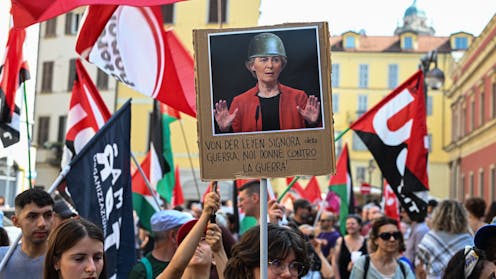




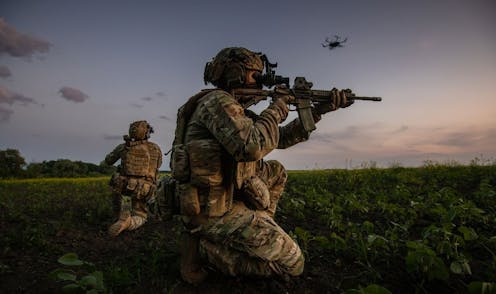


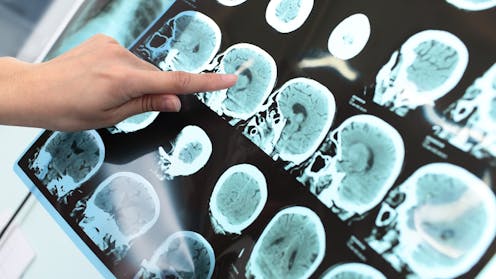



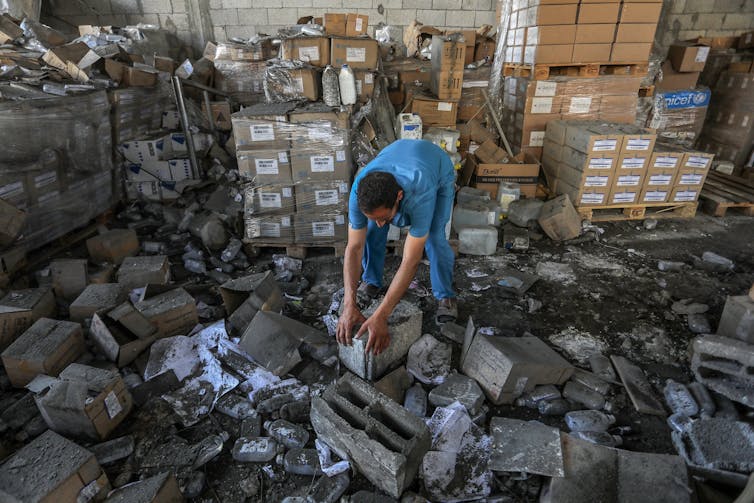


.jpg)