Why is heart cancer so rare? A biologist explains

Source: The Conversation – USA – By Julie Phillippi, Associate Professor of Cardiothoracic Surgery and Bioengineering, University of Pittsburgh

When heart cancer does happen, it can be particularly serious. Olga Pankova/Moment via Getty Images

Curious Kids is a series for children of all ages. If you have a question you’d like an expert to answer, send it to CuriousKidsUS@theconversation.com.


Why is heart cancer so rare? – Jackson, age 12, Davis, California


You probably know someone who is affected by cancer. This disease results when cells divide uncontrollably and can make a person sick, sometimes very seriously.

Cancer can occur anywhere in the body because every tissue and organ is made up of billions or even trillions of cells. But there are some parts of the body where cancer doesn’t happen as often, such as the heart. Studies show 3 in 10,000 people develop heart cancer. In comparison, 1 in 20 women are expected to develop breast cancer. Why is that?

I’m a biologist who specializes in the blood vessels of the cardiovascular system. A big part of my work focuses on how cells interact with their environment to regulate the function of tissues and organs. Disease can develop when things go wrong.

Turns out, heart cells have unique features that make them super resistant to cancer.

How cancer starts

Cells produce more cells to grow, replace older or worn-out cells or to repair damaged tissues. This process is called cell division. Each type of cell in the body divides at different rates based on multiple factors, including what their function is and a person’s age.

For example, the cells of a growing human embryo divide extremely fast, undergoing four divisions in three days. The cells that make up the skin, nails and hair regularly replenish across your lifespan. Bone cells divide at a rate that will give you an entirely new skeleton approximately every 10 years.

Whether and how often a cell divides is tightly regulated by a series of molecular checkpoints. During cell division, genes within DNA are duplicated and evenly distributed into two daughter cells. Damage to these genes caused by exposure to harmful chemicals, ultraviolet light or radiation can result in mutations that cause disease. Mutations can just happen randomly, too. When there are mutations on the genes regulating cell division, cancer can develop.

Diagram of cell cycle, with checkpoints at the two cell growth phases and the DNA synthesis phase
Cells move through a series of checkpoints before division.
OpenStax, CC BY-SA

What protects heart cells from cancer?

Even though the heart is the first organ to form and start working during early development, cells in the adult heart divide very few times after birth, with division dramatically declining after age 20. In fact, less than 50% of heart cells are replaced over the course of an average human life. That means half of the heart cells you’re born with will be helping pump blood for your entire life.

This low rate of cell division in the adult heart likely serves as its primary defense against cancer. The less often a cell divides, the fewer opportunities there are for mistakes during DNA replication.

Diagram illustrating cross-section of chest cavity, showing heart nestled between the lungs and ribs
The heart’s location in the body gives it more protection from certain cancer-causing factors.
OpenStax, CC BY-SA

The heart is also less directly exposed to cancer-causing factors, such as UV light on the skin or inhaled substances in the lung, due to its protected location in the chest.

Unfortunately, the heart’s low rate of cell division has some downsides, such as a reduced ability to repair and replace cells damaged by disease, injury or aging.

Why heart cancer still happens

Even with the heart’s resistance to cancer, tumors may still form.

When cancer is found in the heart, it’s often the result of cancer cells migrating from another part of the body to the heart. This process is called metastasis. Certain types of skin cancers or cancers in the chest are more likely to spread to the heart, though this is still rare.

When they do happen, heart tumors can be quite serious and more aggressive than other cancers. A study analyzing more than 100,000 heart cancer cases in the United States found that patients who underwent surgery and chemotherapy to treat their heart cancer survived longer than those who did not.

Successful cancer care spans multiple areas of medicine. These include palliative care, which focuses on relieving pain and addressing symptoms, and integrative medicine, which considers the mind-body-spirit connection.

Heart cancer holds clues to heart regeneration

Understanding how heart cells divide and what causes that process to change offers clues about disease and shapes ideas for new treatments.

For example, research into how heart cells divide helps scientists better understand why the heart doesn’t heal well after a heart attack. Researchers found that although failing hearts have more dividing cells than healthy hearts, they need help to recover fully.

New technologies, such as the ability to reprogram blood cells into heart cells, have allowed researchers to develop new heart disease models to study and one day achieve heart regeneration. This opens doors for new treatments for heart diseases, including cancer.

Understanding why cancer doesn’t happen is just as important for developing new and better treatments as knowing why it does. The answers to both questions lie truly at the heart.


Hello, curious kids! Do you have a question you’d like an expert to answer? Ask an adult to send your question to CuriousKidsUS@theconversation.com. Please tell us your name, age and the city where you live.

And since curiosity has no age limit – adults, let us know what you’re wondering, too. We won’t be able to answer every question, but we will do our best.

The Conversation

Julie Phillippi receives funding from the National Heart Lung and Blood Institute.

ref. Why is heart cancer so rare? A biologist explains – https://theconversation.com/why-is-heart-cancer-so-rare-a-biologist-explains-256055

Idi Amin made himself out to be the ‘liberator’ of an oppressed majority – a demagogic trick that endures today

Source: The Conversation – Global Perspectives – By Derek R. Peterson, Ali Mazrui Professor of History & African Studies, University of Michigan

Idi Amin addresses the United Nations General Assembly in 1975. Bettmann/Getty Images

Fifty years ago, Ugandan President Idi Amin wrote to the governments of the British Commonwealth with a bold suggestion: Allow him to take over as head of the organization, replacing Queen Elizabeth II.

After all, Amin reasoned, a collapsing economy had made the U.K. unable to maintain its leadership. Moreover the “British empire does not now exist following the complete decolonization of Britain’s former overseas territories.”

It wasn’t Amin’s only attempt to reshape the international order. Around the same time, he called for the United Nations headquarters to be moved to Uganda’s capital, Kampala, touting its location at “the heart of the world between the continents of America, Asia, Australia and the North and South Poles.”

Amin’s diplomacy aimed to place Kampala at the center of a postcolonial world. In my new book, “A Popular History of Idi Amin’s Uganda,” I show that Amin’s government made Uganda – a remote, landlocked nation – look like a frontline state in the global war against racism, apartheid and imperialism.

Doing so was, for the Amin regime, a way of claiming a morally essential role: liberator of Africa’s hitherto oppressed people. It helped inflate his image both at home and abroad, allowing him to maintain his rule for eight calamitous years, from 1971 to 1979.

The phony liberator?

Amin was the creator of a myth that was both manifestly untrue and extraordinarily compelling: that his violent, dysfunctional regime was actually engaged in freeing people from foreign oppressors.

The question of Scottish independence was one of his enduring concerns. The “people of Scotland are tired of being exploited by the English,” wrote Amin in a 1974 telegram to United Nations Secretary General Kurt Waldheim. “Scotland was once an independent country, happy, well governed and administered with peace and prosperity,” but under the British government, “England has thrived on the energies and brains of the Scottish people.”

Even his cruelest policies were framed as if they were liberatory. In August 1972, Amin announced the summary expulsion of Uganda’s Asian community. Some 50,000 people, many of whom had lived in Uganda for generations, were given a bare three months to tie up their affairs and leave the country. Amin named this the “Economic War.”

In the speech that announced the expulsions, Amin argued that “the Ugandan Africans have been enslaved economically since the time of the colonialists.” The Economic War was meant to “emancipate the Uganda Africans of this republic.”

“This is the day of salvation for the Ugandan Africans,” he said. By the end of 1972, some 5,655 farms, ranches and estates had been vacated by the departed Asian community, and Black African proprietors were queuing up to take over Asian-run businesses.

Men and women walk down stairs leading from an airplane.
Ugandan Asian refugees arrive at an airport in the U.K. after being expelled from Uganda.
P. Felix/Daily Express/Hulton Archive/Getty Images

A year later, when Amin attended the Organization of African Unity summit in Addis Ababa, Ethiopia, his “achievements” were reported in a booklet published by the Uganda government. During his speech, Amin was “interrupted by thunderous applauses of acclamation and cheers, almost word for word, by Heads of State and Government and by everybody else who had a chance to hear it,” according to the the report.

It was, wrote the government propagandist, “very clear that Uganda had emerged as the forefront of a True African State. It was clear that African nationalism had been born again. It was clear that the speech had brought new life to the freedom struggle in Africa.”

Life at the front

Amin’s policies were disastrous for all Ugandans, African and Asian alike. Yet his war of economic liberation was, for a time, a source of inspiration for activists around the world. Among the many people gripped by enthusiasm for Amin’s regime was Roy Innis, the Black American leader of the civil rights organization Congress of Racial Equality.

In March 1973, Innis visited Uganda at Amin’s invitation. Innis and his colleagues had been pressing African governments to grant dual citizenship to Black Americans, just as Jewish Americans could earn citizenship from the state of Israel.

Over the course of their 18 days in Uganda, the visiting Americans were shuttled around the country in Amin’s helicopter. Everywhere, Innis spoke with enthusiasm about Amin’s accomplishments. In a poem published in the pro-government Voice of Uganda around the time of his visit, Innis wrote:

“Before, the life of your people was a complete bore,

And they were poor, oppressed, exploited and economically sore.

And you then came and opened new, dynamic economic pages.

And showered progress on your people in realistic stages.

In such expert moves that baffled even the great sages,

your electric personality pronounced the imperialists’ doom.

Your pragmatism has given Ugandans their economic boom.”

In May 1973, Innis was back in Uganda, promising to recruit a contingent of 500 African American professors and technicians to serve in Uganda. Amin offered them free passage to Uganda, free housing and free hospital care for themselves and their families. The American weekly magazine Jet predicted that Uganda was soon to become an “African Israel,” a model nation upheld by the energies and knowledge of Black Americans.

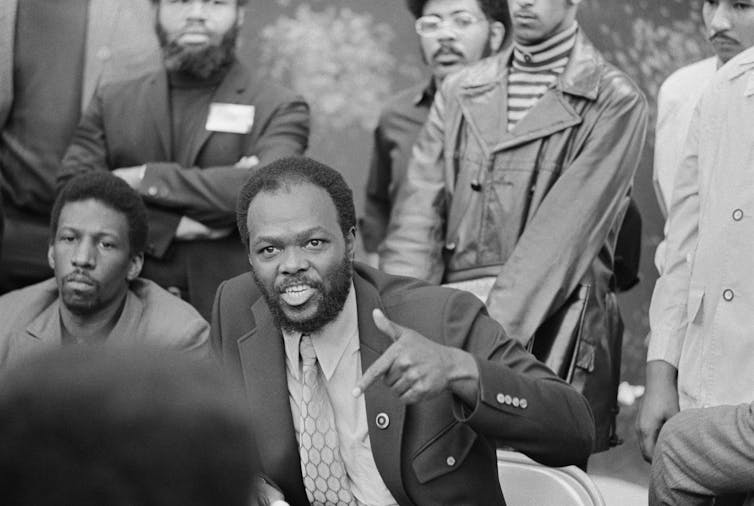
A man gesticulates while talking
Roy Innis, national director of the Congress of Racial Equality, in 1972.
Bettmann/Getty Images

As some have observed, Innis was surely naive. But his enthusiasm was shared by a great many people, not least a great many Ugandans. Inspired by Amin’s promises, their energy and commitment kept institutions functioning in a time of great disruption. They built roads and stadiums, constructed national monuments and underwrote the running costs of government ministries.

Patriotism and demagoguery

Their ambitions were soon foreclosed by a rising tide of political dysfunction. Amin’s regime came to a violent end in 1979, when he was ousted by the invading army of Tanzania and fled Uganda.

But his brand of demagoguery lives on. Today a new generation of demagogues claim to be fighting to liberate aggrieved majorities from outsiders’ control.

In the 1970s, Amin enlisted Black Ugandans to battle against racial minorities who were said to dominate the economy and public life. Today an ascendant right wing encourages aggrieved white Americans to regard themselves as a majority dispossessed of their inheritance by greedy immigrants.

Amin encouraged Ugandans to regard themselves as frontline soldiers, engaged in a globally consequential war against foreigners. In today’s America, some people similarly feel themselves deputized to take matters of state into their own hands. In January 2021, for instance, a right-wing group called “Stop the Steal” organized a rally in Washington. Vowing to “take our country back,” they stormed the Capitol building.

The racialized demagoguery that Idi Amin promoted inspired the imagination of a great many people. It also fed violent campaigns to repossess a stolen inheritance, to reclaim properties that ought, in the view of the aggrieved majority, to belong to native sons and daughters. His regime is for us today a warning about the compelling power of demagoguery to shape people’s sense of purpose.

The Conversation

Derek R. Peterson receives funding from the John D. and Catherine T. MacArthur Foundation and the Andrew Mellon Foundation.

ref. Idi Amin made himself out to be the ‘liberator’ of an oppressed majority – a demagogic trick that endures today – https://theconversation.com/idi-amin-made-himself-out-to-be-the-liberator-of-an-oppressed-majority-a-demagogic-trick-that-endures-today-256969

Filipino sailors dock in Mexico … and help invent tequila?

Source: The Conversation – USA (2) – By Stephen Acabado, Professor of Anthropology, University of California, Los Angeles

Bottles of tequila now command premium prices in trendy bars. On Instagram, celebrity-backed brands of the agave-based Mexican spirit jostle for attention. And debates over cultural appropriation and agave sustainability swirl alongside booming tourism in Jalisco, the western Mexican state that serves as the world’s tequila distillation hub.

But behind the spirit’s flash of marketing and growing popularity lies a rarely asked question: Where did the knowledge to distill agave come from in the first place?

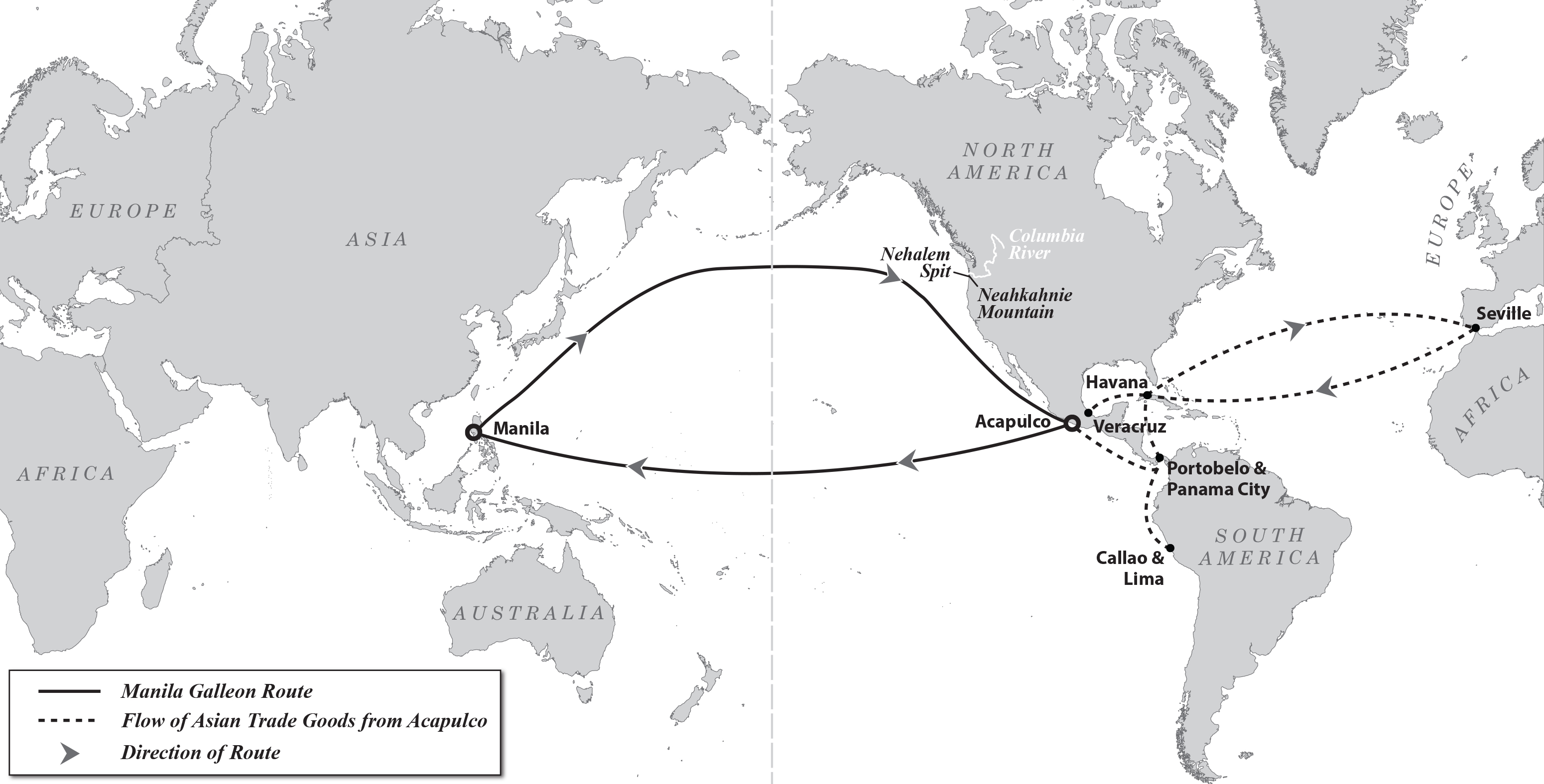
In recent years, scholars studying how Indigenous communities responded to colonialism and global trade networks have begun to look more closely at the Pacific world. One key focus is the Manila-Acapulco galleon trade route, which linked Asia and the Americas for 250 years, from 1565 to 1815.

Map of the world with lines from one continent to the next indicating trading routes.
The Manila-Acapulco galleon trade route.
Jesse Nett/Oregon Encylopedia

After Spain colonized the Philippines in 1565, Spanish galleons – towering, multidecked sailing ships – carried Chinese silk and Mexican silver across the ocean. But far more than goods traveled aboard those ships. They moved people, ideas and technologies.

Among them was the craft of distillation.

This overlooked connection may help explain how distilled agave spirits such as tequila came into being. While tequila is unmistakably a Mexican creation, the techniques used to produce it may owe something to Filipino sailors, who brought with them deep knowledge of transforming coconut sap into a potent spirit known as lambanog.

3 competing theories

For centuries, the rise of tequila has been credited to the Spanish. After the conquest of Mexico in the 16th century, colonizers introduced alembic stills, which are based on Moorish and Arabic technology. Unlike simple boiling, distillation requires managing heat and capturing purified vapor. These stills represented a major technological leap, allowing people to transform fermented drinks into distilled spirits.

Agave, long used to make the fermented drink pulque, soon became the base for something new: tequila and mezcal.

Colonial records, including the “Relaciones Geográficas,” a massive data-gathering project initiated by the Spanish Crown in the late 16th century, describe local Mesoamerican communities learning distillation from Spanish settlers. This version is well documented. But it assumes that technology moved in only one direction, from Europe to the Americas.

A second idea suggests that Mesoamerican communities already had some understanding of vapor condensation. Archaeologists have found ceramic vessels in western Mexico that may have been used to capture steam. While distillation requires additional steps, this prior knowledge may have primed Indigenous groups to more readily adopt new techniques.

As Mexican ethnobotanists Patricia Colunga-GarcíaMarín and Daniel Zizumbo-Villarreal have argued, “The adoption of distillation was likely not simply imposed, but creatively adapted to local knowledge systems.”

A third perspective, which other researchers and I are exploring, traces a potential Filipino influence. The galleon trade brought thousands of Filipino sailors and laborers to Mexico, particularly along the Pacific coast. In places such as Guerrero, Colima and Jalisco, Filipino migrants introduced methods for fermenting and distilling coconut sap into lambanog, the coconut-based spirit.

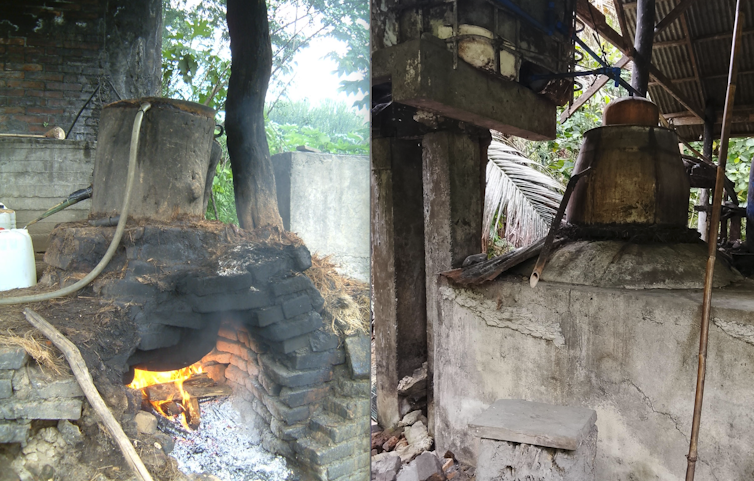
The stills they used, sometimes called Mongolian stills, were built with clay and bamboo and included a condensation bowl. Historian Pablo Guzman-Rivas has noted that these stills more closely resemble the earliest Mexican agave distillation setups than European alembics. He has also documented oral traditions in some coastal Mexican communities to link local distillation practices to their Filipino ancestors.

Side by side images of metal distilling containers with tubes emerging from each of them.
The still on the left in Jalisco, Mexico, has similarities to the lambanog on the right from Infanta, Quezon, Philippines.
Photo on left courtesy of Patricia Colunga-GarcíaMarín and Daniel Zizumbo-Villarreal; photo on right courtesy of Sherry Ann Angeles and Rading Coronacion, CC BY-SA

Beyond the bottle

Filipino influence extends beyond the distilling pot.

In Colima and other Pacific port towns, traces of the Manila galleon trade ripple through daily life – in kitchens, cantinas and even in architecture. The word “palapa,” used in Mexico and Central America today to describe rustic thatched roofs, is exactly the same as the term for coconut fronds that’s primarily used in the Bicol Region of the Philippines.

Filipino migrants in Mexico also shared knowledge of boatbuilding, fermentation and food preservation. Coconut vinegar, fish sauce and palm sugar-based condiments became part of Mexican cuisine. One of the most enduring legacies is tuba, the fermented coconut sap still popular in coastal areas of the Mexican state of Guerrero, where Filipino sailors once settled. Known locally by the same name, tuba is sold in markets and along roadsides, often enjoyed as a refreshing drink or as a cooking ingredient.

The rear of a large wooden sail boat with more than one deck.
A replica of a galleon, the Spanish trading ship that traversed the world’s oceans from the 16th century to the 18th century.
Dennis Jarvis/flickr, CC BY-SA

Exchange moved both ways. Filipino vessels carried corn, peanuts, sweet potatoes and cacao back across the Pacific, reshaping food in the Philippines. These exchanges took place under the shadow of colonialism and forced labor, but their legacies endure in language, in taste and even in the roofs over people’s heads.

Technical knowledge rarely travels through official channels alone. It moves with cooks in ship galleys, with carpenters below deck, with laborers who desert ships to settle in unfamiliar ports. Sometimes it was a way to build a roof or preserve a flavor. Other times, it was a method for turning a fermented plant into a spirit that could keep for long voyages. And by the early 1600s, new types of distilled agave spirits were being made in Mexico.

Tequila is unmistakably a product of Mexico. But it is also a product of movement. Whether Filipino migrants directly introduced distillation methods or whether they emerged from a mix of Indigenous experimentation and European tools, every time you sip tequila, you’re tasting an echo of those long ocean crossings from many centuries ago.

The Conversation

Stephen Acabado receives funding from the Henry Luce Foundation and the National Science Foundation.

ref. Filipino sailors dock in Mexico … and help invent tequila? – https://theconversation.com/filipino-sailors-dock-in-mexico-and-help-invent-tequila-258166

Dogs are helping people regulate stress even more than expected, research shows

Source: The Conversation – USA (3) – By Kevin Morris, Research Professor of Social Work, University of Denver

Studies show that dogs help humans cope with stress. marcoventuriniautieri/E+ via Getty Immages

In a 2022 survey of 3,000 U.S. adults, more than one-third of respondents reported that on most days, they feel “completely overwhelmed” by stress. At the same time, a growing body of research is documenting the negative health consequences of higher stress levels, which include increased rates of cancer, heart disease, autoimmune conditions and even dementia.

Assuming people’s daily lives are unlikely to get less stressful anytime soon, simple and effective ways to mitigate these effects are needed.

This is where dogs can help.

As researchers at the University of Denver’s Institute for Human-Animal Connection, we study the effects animal companions have on their humans.

Dozens of studies over the last 40 years have confirmed that pet dogs help humans feel more relaxed. This would explain the growing phenomenon of people relying on emotional support dogs to assist them in navigating everyday life. Dog owners have also been shown to have a 24% lower risk of death and a four times greater chance of surviving for at least a year after a heart attack.

Now, a new study that we conducted with a team of colleagues suggests that dogs might have a deeper and more biologically complex effect on humans than scientists previously believed. And this complexity may have profound implications for human health.

How stress works

The human response to stress is a finely tuned and coordinated set of various physiological pathways. Previous studies of the effects of dogs on human stress focused on just one pathway at a time. For our study, we zoomed out a bit and measured multiple biological indicators of the body’s state, or biomarkers, from both of the body’s major stress pathways. This allowed us to get a more complete picture of how a dog’s presence affects stress in the human body.

The stress pathways we measured are the hypothalamic-pituitary-adrenal, or HPA, axis and the sympathoadrenal medullary, or SAM, axis.

When a person experiences a stressful event, the SAM axis acts quickly, triggering a “fight or flight” response that includes a surge of adrenaline, leading to a burst of energy that helps us meet threats. This response can be measured through an enzyme called alpha-amylase.

At the same time, but a little more slowly, the HPA axis activates the adrenal glands to produce the hormone cortisol. This can help a person meet threats that might last for hours or even days. If everything goes well, when the danger ends, both axes settle down, and the body goes back to its calm state.

While stress can be an uncomfortable feeling, it has been important to human survival. Our hunter-gatherer ancestors had to respond effectively to acute stress events like an animal attack. In such instances, over-responding could be as ineffective as under-responding. Staying in an optimal stress response zone maximized humans’ chances of survival.

An man pets a dog in a gym.
Dogs can be more helpful than human friends in coping with stressful situations.
FG Trade/E+ via Getty Images

More to the story

After cortisol is released by the adrenal glands, it eventually makes its way into your saliva, making it an easily accessible biomarker to track responses. Because of this, most research on dogs and stress has focused on salivary cortisol alone.

For example, several studies have found that people exposed to a stressful situation have a lower cortisol response if they’re with a dog than if they’re aloneeven lower than if they’re with a friend.

While these studies have shown that having a dog nearby can lower cortisol levels during a stressful event, suggesting the person is calmer, we suspected that was just part of the story.

What our study measured

For our study, we recruited about 40 dog owners to participate in a 15-minute gold standard laboratory stress test. This involves public speaking and oral math in front of a panel of expressionless people posing as behavioral specialists.

The participants were randomly assigned to bring their dogs to the lab with them or to leave their dogs at home. We measured cortisol in blood samples taken before, immediately after and about 45 minutes following the test as a biomarker of HPA axis activity. And unlike previous studies, we also measured the enzyme alpha-amylase in the same blood samples as a biomarker of the SAM axis.

As expected based on previous studies, the people who had their dog with them showed lower cortisol spikes. But we also found that people with their dog experienced a clear spike of alpha-amylase, while those without their dog showed almost no response.

No response may sound like a good thing, but in fact, a flat alpha-amylase response can be a sign of a dysregulated response to stress, often seen in people experiencing high stress responses, chronic stress or even PTSD. This lack of response is caused by chronic or overwhelming stress that can change how our nervous system responds to stressors.

In contrast, the participants with their dogs had a more balanced response: Their cortisol didn’t spike too high, but their alpha-amylase still activated. This shows that they were alert and engaged throughout the test, then able to return to normal within 45 minutes. That’s the sweet spot for handling stress effectively. Our research suggests that our canine companions keep us in a healthy zone of stress response.

Having a dog benefits humans’ physical and psychological health.

Dogs and human health

This more nuanced understanding of the biological effects of dogs on the human stress response opens up exciting possibilities. Based on the results of our study, our team has begun a new study using thousands of biomarkers to delve deeper into the biology of how psychiatric service dogs reduce PTSD in military veterans.

But one thing is already clear: Dogs aren’t just good company. They might just be one of the most accessible and effective tools for staying healthy in a stressful world.

The Conversation

Kevin Morris receives funding for this research from the Morris Animal Foundation, the Human-Animal Bond Research Institute, and the University of Denver.

Jaci Gandenberger receives funding from the University of Denver to support this research.

ref. Dogs are helping people regulate stress even more than expected, research shows – https://theconversation.com/dogs-are-helping-people-regulate-stress-even-more-than-expected-research-shows-254563

How mothers supporting mothers can help fill the health care worker shortage gap and other barriers to care

Source: The Conversation – USA (3) – By Sona Dimidjian, Professor of Psychology and Neuroscience, University of Colorado Boulder

For generations, women have relied on informal networks of friends, family and neighbors to navigate the complexities of birth and motherhood. Today, research is finally catching up to what generations of women have known: Peer support can be a lifeline.

Despite growing evidence, the unique wisdom and strength that arise when mothers help mothers has been surprisingly under‑explored in the scientific literature, but that’s beginning to change. Peer-delivered programs are beginning to bring together long-standing community traditions and structured, evidence-based approaches to support the mental health of new and expectant moms.

We are clinical psychologists at the University of Colorado Boulder Renée Crown Wellness Institute. Our work and research weaves together psychological science and the wisdom of mothers supporting mothers. Our program, Alma, supports women in restoring well-being in ways that are community-rooted, evidence-based and scalable.

Pressure on parents

Nearly 50% of parents report feeling overwhelmed by stress on most days. An even larger share, about 65%, experience feelings of loneliness, according to a 2024 report from the U.S. Department of Health and Human Services. These feelings hit mothers especially hard, the report says.

A woman holding a baby on a couch covers her eyes in distress.
Many mothers report experiencing depression during pregnancy, which is one of th emost common complications of childbirth.
kieferpix/GettyImages

In 2025, mothers in the United States continue to shoulder most of the caregiving of children while also managing work, personal health and household responsibilities. The transition to motherhood is often marked by emotional and psychological strain. In fact, 10% to 20% of women experience depression during pregnancy, the postpartum period or both. Depression is one of the most common complications of childbirth. A similar number of women also face significant anxiety.

In many communities, mental health resources are scarce and stigma around mental health issues persists; therefore, many mothers are left to navigate such challenges alone and in silence. Antidepressants are widely prescribed, but research suggests that many women stop using antidepressants during pregnancy – yet they don’t start therapy or an alternative treatment instead.

Psychotherapy is the most preferred care option among new and expectant mothers, but it is often inaccessible or nonexistent. This is due in part to a workforce shortage of mental health providers.

The shortage has contributed to long wait times, geographic disparities and cultural and language barriers between providers and patients. This is especially true for underserved populations. In fact, more than 75% of depressed mothers do not receive the care they need.

Science of peer support

The science of peer support is part of a larger field exploring community health workers as one way to address the shortage of mental health providers. Peer mentors are trusted individuals from the community who share common experiences or challenges with those they serve. Through specialized training, they are equipped to deliver education, offer mental health support and connect people with needed resources.

A study that analyzed 30 randomized clinical trials involving individuals with serious mental illness found that peer support was associated with significant improvements in clinical outcomes and personal recovery. Researchers have proposed that peer support creates space for learning and healing, especially when peers share lived experience, culture and language.

As clinical psychologists, we heard from mothers in our work and communities that wanted to help other moms recover from depression, navigate the challenges of motherhood and avoid feeling alone. This insight led us to co-create Alma, a peer-led mental health program based on behavioral activation.

Behavioral activation is a proven method for treating depression based on decades of randomized clinical trials, including in new and expectant mothers. It helps new and expectant mothers reengage in meaningful activities to improve mood and functioning.

The Alma program

Alma is based on the principle that depression must be understood in context and that changing what you do can change how you feel. One strategy we use is to help a mother identify an activity that brings a sense of accomplishment, connection or enjoyment – and then take small steps to schedule that activity. Mothers might also be guided on ways to ask for help and strengthen their support networks. Alma is offered in English and Spanish.

Peer mentors typically meet with moms once a week for six to eight sessions. Sessions can take place in person or virtually, allowing flexibility that honors each family’s needs. Traditionally, peer mentors have been recruited through long-standing relationships with trusted community organizations and word-of-mouth referrals. This approach has helped ensure that mentors are deeply rooted in the communities they serve. Alma peer mentors are compensated for their time, which recognizes the value of their lived expertise, their training and the work involved in providing peer mentoring and support.

“This was the first time I felt like someone understood me, without me having to explain everything,” shared one mother during a post-program interview that all participants complete after finishing Alma.

To date, more than 700 mothers in Colorado have participated in Alma. In one of our studies, we focused on 126 Spanish-speaking Latina mothers who often face significant barriers to care, such as language differences, cost and stigma. For nearly 2 out of 3 mothers, symptoms of depression decreased enough to be considered a true, measurable recovery — not just a small change.

Notably, most of the depression improvement occurred within the first three Alma meetings. We also observed that peer mentors delivered the Alma program consistently and as intended. This suggests the program could be reliably expanded and replicated in other settings with similar positive outcomes.

A second study, conducted through a national survey of Spanish-speaking Latina new and expectant mothers, found that peer-led mental health support was not only perceived as effective, but also highly acceptable and deeply valued. Mothers noted that they were interested in peer-led support because it met them where they were: with language, trust and cultural understanding.

Supporting mothers works

Supporting mothers’ mental health is essential because it directly benefits both mothers and their children. Those improvements foster healthier emotional, cognitive and social development in their children. This interconnected impact highlights why investing in maternal mental health yields lasting benefits for the entire family.

It also makes strong economic sense to address mood and anxiety disorders among new and expectant mothers, which cost an estimated US$32,000 for each mother and child from conception through five years postpartum. More than half of those costs occur within the first year, driven primarily by productivity losses, preterm births and increased maternal health care needs.

Beyond the impact on individual families, the broader economic toll of untreated mood and anxiety disorders among new and expectant mothers is substantial. For example, it’s estimated that $4.7 billion a year are lost to mothers who have to miss work or reduce their job performance because of symptoms like fatigue, anxiety and depression.

Together – as individuals, families, communities and institutions – we can cultivate a world where the challenges of parenting are met with comprehensive support, allowing the joy of parenting to be fully realized. Because no one should have to do this alone.

Read more of our stories about Colorado.

The Conversation

Sona Dimidjian reports funding from philanthropic foundations and the National Institute of Health, and founding and receiving revenue from Mindful Noggin, Inc. and Access Consulting, LLC.

Anahi Collado reports receiving funding from philanthropic foundations.

ref. How mothers supporting mothers can help fill the health care worker shortage gap and other barriers to care – https://theconversation.com/how-mothers-supporting-mothers-can-help-fill-the-health-care-worker-shortage-gap-and-other-barriers-to-care-257520

Amid fragile ceasefire, violence in southern Syria brings Druze communities’ complex cross-border ties to the fore

Source: The Conversation – USA (3) – By Asher Kaufman, Professor of History and Peace Studies, University of Notre Dame

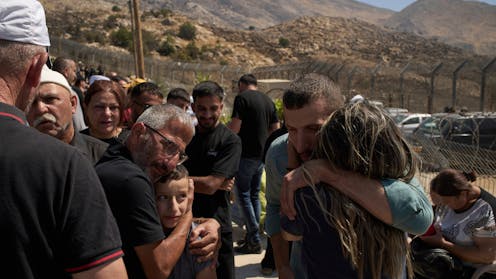
Druze from Syria hug relatives from the Israeli Druze community before crossing the border in the Israeli-controlled Golan Heights on July 17, 2025. AP Photo/Leo Correa

A fragile ceasefire was put in place in southern Syria on July 19, 2025, after days of violence between Druze militias and Bedouin tribes that drew in government forces and prompted Israeli strikes on the capital, Damascus, as a warning to pull back from Druze areas. The United States helped broker the latest agreement, fearing a spillover of violence to other parts of Syria.

The conflict’s quick escalation brings to the fore multiple layers of politics and identity in the region – particularly among the Druze, who form an important minority in several countries and make up about 2% of Israel’s population. As a historian of the Middle East, I have researched Druze cross-border communal ties and followed closely their predicaments since the start of the Syrian civil war in March 2011.

A wide road seen from above, with damaged buildings alongside it and smoke rising against a blue sky.
Bedouin fighters deploy in Mazraa village on the outskirts of Sweida, as smoke rises from clashes with Druze militias, on July 18, 2025.
AP Photo/Ghaith Alsayed

Cross-border brotherhood

The Druze are a monotheistic religious community that split from a branch of Shiite Islam in the 11th century. Today, they live mainly in three countries: Lebanon, Syria and Israel, with a small presence in northern Jordan.

Despite their geographical dispersion, they have managed to retain a strong sense of communal identity. One of the most important creeds of their faith is “protection of brothers of the faith.”

Another article of faith that helps to buttress shared communal solidarity is belief in reincarnation: that with physical death, the soul is transferred to the body of a newly born Druze.

Although Druze history shows that the community is not always united, the belief in and practice of cross-border solidarity is very strong. According to their popular saying, “the Druze are like a copper tray. Wherever you hit it, the whole tray reverberates.”

National identity

After World War I, the creation of the modern states in the Middle East divided the Druze community between Syria, Lebanon and the British mandate of Palestine, which is now Israel.

A person holding a brightly colored flag waves as night falls in a hilly area.
A young member of the Druze community in the Golan Heights waves to Syrian Druze clerics while they cross the border back to Syria on March 15, 2025.
AP Photo/Leo Correa

In Israel, they have largely integrated into the Jewish state. Like Jewish citizens, Druze men are required to serve in the military, and many have attained leadership positions in the security sector and politics.

A popular cliché has developed about their “blood oath” with the Jewish state. In a July 15 statement, Prime Minister Benjamin Netanyahu and Defense Minister Israel Katz cited Israel’s “deep covenant of blood with our Druze citizens” and their connections to Druze in Syria.

Their integration has been marred by discrimination, a prime example of which is the 2018 law that defines Israel as the nation-state for Jews. Still, many retain a strong sense of Israeli identity that sets them apart from Arab Palestinian citizens of Israel.

An additional Druze community lives in the Golan Heights, territory that Israel seized from Syria in 1967 and has occupied since. Most Druze there declined to receive Israeli citizenship, and remained loyal to Syria until the outbreak of the civil war there. Since then, there has been a notable change in their relationship with Israel, marked by increased numbers who have acquired Israeli citizenship.

Druze communities elsewhere in the region have also adopted aspects of their countries’ culture, including Arab nationalism and Syrian or Lebanese national sentiments. Still, cross-border solidarity among Druze has remained strong – and often resurfaced in times of crisis.

War in Syria

When the Syrian civil war erupted in March 2011, Syrian Druze were targeted at times by both the Assad regime, which pressured them to support it, and by Islamist rebel groups that regarded them as infidels. The Druze straddled a fine line throughout the war, seeking, not always successfully, to be left on their own.

In 2015, that tension came to a boiling point. Druze regions throughout Syria became sites of military confrontations, involving Druze militias, the Syrian army and opposition fighters.

Israeli Druze organized mass rallies in support of their brothers in Syria and called on the Israeli government to intervene. Israel, in turn, protected Syrian Druze villages close to its border with Syria in the Golan Heights. The Israeli government covertly supported Druze areas deeper in Syria, and sent clear messages to combatants on all sides not to harm the Druze.

Since the fall of the Assad regime in Damascus in December 2024, Ahmad al-Sharaa, the new Syrian leader, has attempted to bring divided and ruined Syria together under his authority.

However, religious and ethnic minorities have been highly suspicious of the new government. Many of its members hail from al-Sharaa’s own militia during the civil war, Hayat Tahrir al Sham, which targeted religious minorities and enforced its own interpretation of Islam on the population under its control.

Spiraling crisis

The most recent violence took place in Mount Druze, a region in Sweida province that is home to most of the community in Syria. It was sparked by an incident where a local Bedouin band robbed and killed a Druze man. The incident quickly became a catalyst for major fighting between Druze, Bedouins and dispatched units of the Syrian army.

A man in camo walks down a road as two men up ahead on a bicycle look at a covered body on the ground.
Syrian government forces in Mazraa village, on the outskirts of Sweida, pass by a dead Druze militia fighter on July 14, 2025.
AP Photo/Ghaith Alsayed

State security forces tried to impose their authority, but in the process killed scores of Druze. They also violated Druze cultural norms by filming the forced shaving of Druze men’s mustaches, including respected religious men, and posting the clips on social media. According to the Syrian Observatory for Human Rights, more than 1,100 people have been killed in the fighting.

The fragile agreement that the Sweida Druze signed with the new government in May, as part of the government’s efforts to solidify authority over the divided country, collapsed following these incidents.

Befitting the saying about the reverberation of the copper tray, Israeli Druze immediately mobilized, joined by Druze in the Golan Heights. Hundreds crossed the border to Syria. Many called on the government in Jerusalem to intervene, though others were opposed.

On July 16, the Israeli military targeted the Syrian army by striking Damascus – sending a clear threat to al-Sharaa. Israel also struck military targets in southern Syria.

Later that day, the Syrian government reached a ceasefire agreement with the Druze in Sweida, which collapsed soon after. On July 19, following more fighting and violence – and mediation by the United States, Turkey and Jordan – a new ceasefire was put in place, though new fighting has been reported.

A changing Middle East

Even before these recent incidents, Israel became a key player in post-Assad Syria by occupying areas close to their shared border. Now, Israel has deepened its involvement by defending the Druze population in the country – as many Israeli Druze had hoped it would since the start of the civil war in 2011.

Apart from supporting the Druze, Israel’s military actions are also tied to its efforts to project power amid the tectonic shifts in the Middle East since the Hamas attacks on Oct. 7, 2023. In Syria, it seeks to guarantee its influence on the reshaping of the country after civil war. Domestically, Netanyahu is interested in prolonging Israel’s state of emergency, as it extends the survival of his far-right and unpopular government. Syria provides him with another front to maintain this state of emergency.

For many Israeli Druze, meanwhile, this still-unfolding episode constitutes another example in their history of seeking to protect their brothers in faith. Among Druze in the Middle East, they are uniquely positioned, with many serving in the region’s most powerful military.

On July 19, Israel’s public broadcaster, Kan news, reported that 2,000 Israeli Druze, including reserve soldiers, signed a petition that said: “we are getting ready to volunteer to fight alongside our brothers in Sweida. It is our time to defend our brothers, our land and our religion.”

The Conversation

Asher Kaufman does not work for, consult, own shares in or receive funding from any company or organization that would benefit from this article, and has disclosed no relevant affiliations beyond their academic appointment.

ref. Amid fragile ceasefire, violence in southern Syria brings Druze communities’ complex cross-border ties to the fore – https://theconversation.com/amid-fragile-ceasefire-violence-in-southern-syria-brings-druze-communities-complex-cross-border-ties-to-the-fore-261337

How a popular sweetener could be damaging your brain’s defences – new study

Source: The Conversation – UK – By Havovi Chichger, Professor, Biomedical Science, Anglia Ruskin University

Found in everything from protein bars to energy drinks, erythritol has long been considered a safe alternative to sugar. But new research suggests this widely used sweetener may be quietly undermining one of the body’s most crucial protective barriers – with potentially serious consequences for heart health and stroke risk.

A new study from the University of Colorado suggests erythritol may damage cells in the blood-brain barrier, the brain’s security system that keeps out harmful substances while letting in nutrients. The findings add troubling new detail to previous observational studies that have linked erythritol consumption to increased rates of heart attack and stroke.

In the new study, researchers exposed blood-brain barrier cells to levels of erythritol typically found after drinking a soft drink sweetened with the compound. They saw a chain reaction of cell damage that could make the brain more vulnerable to blood clots – a leading cause of stroke.


Get your news from actual experts, straight to your inbox. Sign up to our daily newsletter to receive all The Conversation UK’s latest coverage of news and research, from politics and business to the arts and sciences.


Erythritol triggered what scientists call oxidative stress, flooding cells with harmful, highly reactive molecules known as free radicals, while simultaneously reducing the body’s natural antioxidant defences. This double assault damaged the cells’ ability to function properly, and in some cases killed them outright.

But perhaps more concerning was erythritol’s effect on the blood vessels’ ability to regulate blood flow. Healthy blood vessels act like traffic controllers, widening when organs need more blood – during exercise, for instance – and tightening when less is required. They achieve this delicate balance through two key molecules: nitric oxide, which relaxes blood vessels, and endothelin-1, which constricts them.

The study found that erythritol disrupted this critical system, reducing nitric oxide production while ramping up endothelin-1. The result would be blood vessels that remain dangerously constricted, potentially starving the brain of oxygen and nutrients. This imbalance is a known warning sign of ischaemic stroke – the type caused by blood clots blocking vessels in the brain.

Even more alarming, erythritol appeared to sabotage the body’s natural defence against blood clots. Normally, when clots form in blood vessels, cells release a “clot buster” called tissue plasminogen activator that dissolves the blockage before it can cause a stroke. But the sweetener blocked this protective mechanism, potentially leaving clots free to wreak havoc.

The laboratory findings align with troubling evidence from human studies. Several large-scale observational studies have found that people who regularly consume erythritol face significantly higher risks of cardiovascular disease, including heart attacks and strokes. One major study tracking thousands of participants found that those with the highest blood levels of erythritol were roughly twice as likely to experience a major cardiac event.

However, the research does have limitations. The experiments were conducted on isolated cells in laboratory dishes rather than complete blood vessels, which means the cells may not behave exactly as they would in the human body. Scientists acknowledge that more sophisticated testing – using advanced “blood vessel on a chip” systems that better mimic real physiology – will be needed to confirm these effects.

The findings are particularly significant because erythritol occupies a unique position in the sweetener landscape. Unlike artificial sweeteners such as aspartame or sucralose, erythritol is technically a sugar alcohol – a naturally occurring compound that the body produces in small amounts. This classification helped it avoid inclusion in recent World Health Organization guidelines that discouraged the use of artificial sweeteners for weight control.

Erythritol has also gained popularity among food manufacturers because it behaves more like sugar than other alternatives. While sucralose is 320 times sweeter than sugar, erythritol provides only about 80% of sugar’s sweetness, making it easier to use in recipes without creating an overpowering taste. It’s now found in thousands of products, especially in many “sugar-free” and “keto-friendly” foods.

A man reaching for a protein bar in a shop.
Erythritol can be found in many keto-friendly products, such a protein bars.
Stockah/Shutterstock.com

Trade-off

Regulatory agencies, including the European Food Standards Agency and the US Food and Drug Administration, have approved erythritol as safe for consumption. But the new research adds to a growing body of evidence suggesting that even “natural” sugar alternatives may carry unexpected health risks.

For consumers, the findings raise difficult questions about the trade-offs involved in sugar substitution. Sweeteners like erythritol can be valuable tools for weight management and diabetes prevention, helping people reduce calories and control blood sugar spikes. But if regular consumption potentially weakens the brain’s protective barriers and increases cardiovascular risk, the benefits may come at a significant cost.

The research underscores a broader challenge in nutritional science: understanding the long-term effects of relatively new food additives that have become ubiquitous in the modern diet. While erythritol may help people avoid the immediate harms of excess sugar consumption, its effect on the blood-brain barrier suggests that frequent use could be quietly compromising brain protection over time.

As scientists continue to investigate these concerning links, consumers may want to reconsider their relationship with this seemingly innocent sweetener – and perhaps question whether any sugar substitute additive is truly without risk.

The Conversation

Havovi Chichger does not work for, consult, own shares in or receive funding from any company or organisation that would benefit from this article, and has disclosed no relevant affiliations beyond their academic appointment.

ref. How a popular sweetener could be damaging your brain’s defences – new study – https://theconversation.com/how-a-popular-sweetener-could-be-damaging-your-brains-defences-new-study-261500

Three types of drought – and why there’s no such thing as a global water crisis

Source: The Conversation – UK – By Filippo Menga, Visiting Research Fellow, Professor of Geography, University of Reading

Lithium fields in the Atacama Desert, Chile. Freedom_wanted/Shutterstock

Hosepipe bans have been announced in parts of England this summer. Following the driest spring in over a century, the Environment Agency has issued a medium drought risk warning, and Yorkshire Water will introduce restrictions starting Friday, 11 July. It’s a familiar story: reduced rainfall, shrinking reservoirs and renewed calls for restraint: take shorter showers, avoid watering the lawn, turn off the tap while brushing your teeth.

These appeals to personal responsibility reflect a broader way of thinking about water: that everyone, everywhere, is facing the same crisis, and that small individual actions are a meaningful response. But what if this narrative, familiar as it is, obscures more than it reveals?

In my new book, Thirst: The global quest to solve the water crisis, I argue that the phrase “global water crisis” may do more harm than good. It simplifies a complex global reality, collapsing vastly different situations into one seemingly shared emergency. While it evokes urgency, it conceals the very things that matter: the causes, politics and power dynamics that determine who gets water and who doesn’t.

What we call a single crisis is, in fact, many distinct ones. To see this clearly, we must move beyond the rhetoric of global scarcity and look closely at how drought plays out in different places. Consider the UK, the Horn of Africa, and Chile: three regions facing water stress in radically different ways.

UK: a crisis of infrastructure

Drought in the UK is rarely the result of absolute water scarcity. The country receives relatively consistent rainfall throughout the year. Even when droughts occur, the underlying issue is how water is managed, distributed and maintained.

Roughly a fifth of treated water is lost through leaking pipes, some of them over a century old. At the same time, privatised water companies have come under growing scrutiny for failing to invest in infrastructure while paying billions in dividends to shareholders. So calls for households to use less water often strike a dissonant note.

The UK’s droughts are not just the product of climate variability. They are also shaped by policy decisions, regulatory failures and eroding public trust. Temporary scarcity becomes a recurring crisis due to the structures meant to manage it.

Horn of Africa: survival and structural vulnerability

In the Horn of Africa, drought is catastrophic. Since 2020, the region has endured five consecutive failed rainy seasons – the worst in four decades. More than 30 million people across Ethiopia, Somalia and Kenya face food insecurity. Livelihoods have collapsed and millions of people have been displaced.

Climate change is a driver, but so is politics. Armed conflict, weak governance and decades of underinvestment have left communities dangerously exposed. These vulnerabilities are rooted in longer histories of colonial exploitation and, more recently, the privatisation of essential services.

Adaptation refers to how communities try to cope with changing climate conditions using the resources they have. Local efforts to adapt to drought (such as digging new wells, planting drought-resistant crop or rationing limited supplies) are often informal or underfunded.

When prolonged droughts strike in places already facing poverty, conflict or weak governance, these coping strategies are rarely enough. Framing climate-induced drought as just another chapter in a global water crisis erases the specific conditions that make it so deadly.

woman in africa dress pushes jerrycan along desert in drought
Drought in Africa can be catastrophic.
Dieter Telemans/Panos Pictures, CC BY-NC-ND

Chile: extraction and exclusion

Chile’s water crisis is often linked to drought. But the underlying issue is extraction. The country holds over half of the world’s lithium reserves, a metal critical to electric vehicles and energy storage.

Lithium is mined through an intensely water-consuming process in the Atacama Desert, one of the driest places on Earth, often on Indigenous land. Communities have seen water tables drop and wetlands disappear while receiving little benefit.

Chile’s water laws, introduced under the Pinochet regime, allow private companies to hold long-term rights regardless of environmental or social cost. Here, water scarcity is driven less by rainfall and more by law, ownership and global demand for renewable technologies. Framing Chile’s situation as just another example of a global water crisis overlooks the deeper political and economic forces that shape how water is managed – and who gets to benefit from it.

No single crisis, no single solution

While drought is intensifying, its causes and consequences vary. In the UK, it’s about infrastructure and governance. In the Horn of Africa, it’s about historical injustice and systemic neglect. In Chile, it’s about legal frameworks and resource extraction.

Labelling this simply as a global water crisis oversimplifies the issue and steers attention away from the root causes. It promotes technical solutions while ignoring the political questions of who has access to water and who controls it.

This approach often favours private companies and international organisations, sidelining local communities and institutions. Instead of holding power to account, it risks shifting responsibility without making meaningful changes to how power and resources are shared.

In Thirst, I argue that the crisis of water is a cultural and political one. Who controls water, who profits from it, who bears the cost of its depletion: these are the defining questions of our time. And they cannot be answered with generalities. We don’t need one big solution. We need many small, just ones.

This article features a reference to a book that has been included for editorial reasons. If you click on one of the links to bookshop.org and go on to buy something, The Conversation UK may earn a commission.


Don’t have time to read about climate change as much as you’d like?

Get a weekly roundup in your inbox instead. Every Wednesday, The Conversation’s environment editor writes Imagine, a short email that goes a little deeper into just one climate issue. Join the 45,000+ readers who’ve subscribed so far.


The Conversation

Filippo Menga does not work for, consult, own shares in or receive funding from any company or organisation that would benefit from this article, and has disclosed no relevant affiliations beyond their academic appointment.

ref. Three types of drought – and why there’s no such thing as a global water crisis – https://theconversation.com/three-types-of-drought-and-why-theres-no-such-thing-as-a-global-water-crisis-260723

A potted history of fermented foods – from pickles to kimchi

Source: The Conversation – UK – By Serin Quinn, PhD Candidate, Department of History, University of Warwick

Are you a pro at pickling? How about baking sourdough bread or brewing your own kombucha? If the answer is yes, you’ve probably picked up on one of the recent trends promoting fermented foods, which promise to boost your gut health and save both you and the planet from the scourge of food waste.

For the uninitiated, fermented foods include anything that uses bacteria to break down organic matter into a new product. Look around an ordinary kitchen and you’ll almost certainly find something fermented: yoghurt (milk), beer and wine (grain/fruit) or vinegar (alcohol). Not all of these will give you the promised health boost, however, which comes from “live” ferments containing probiotic microbes, usually lactic acid bacteria. In alcohol and vinegar the fermenting bacteria die during the process.

The health benefits of fermented foods are widely promoted. Some advocates, like epidemiologist Tim Spector, suggest the gut microbiome is the key to our health, while others are more cautious: in essence, although kefir is certainly good for your gut, it isn’t a cure-all. Still, the research is ongoing and diversifying: one study has even suggested that probiotics could fight the less pleasant recent phenomenon of microplastics in our stomachs.

The future of fermented foods is definitely something to keep an eye on, but equally interesting is their long past and the different fermented food fashions we see over time.


Looking for something good? Cut through the noise with a carefully curated selection of the latest releases, live events and exhibitions, straight to your inbox every fortnight, on Fridays. Sign up here.


People have been fermenting food since before the written word. Thanks to archaeological discoveries, we know that 13,000 years ago ancient Natufian culture in the Levant was fermenting grain into beer and that around the globe in Jiahu, Northern China, 9,000 years ago, a mixture of rice, honey and fruit was fermented to make early “wines”.

In fact, most cultures have at some point in their history fermented plants into alcohol, from agave pulque in Mesoamerica to gum-tree way-a-linah in Australia.

A mosaic of a bottle
Mosaic depicting a garum jug with a titulus reading ‘from the workshop of the garum importer Aulus Umbricius Scaurus’.
Claus Ableiter, CC BY-SA

As to preserving food, archaeologists have found that nearly 10,000 years ago fish was fermented by the Mesolithic inhabitants of Sweden. Today nam pla (fish sauce made from fermented anchovies) is very popular, but fermented fish sauces were a major commodity in the ancient world, including the garum of the Romans. This was made from the blood and guts of mackerel, salt-fermented for two months. Although it might not sound very appealing, garum was an expensive condiment for the Roman nobility and was shipped all the way from Spain to Britain.

Garum eventually lost its popularity in Europe during the Middle Ages, but fermented fish made a comeback in the 18th century. In Asia fish sauces had continued strong, and colonialism brought the south Asian fish sauce kê-chiap to Europe, alongside soy sauce (fermented soybeans). Salt-fermenting oysters and anchovies in this style became popular in England and North America, and people eventually branched out to preserving tomatoes – giving us modern ketchup.

Cabbage cultures

No discussion of fermentation would be complete without pickled vegetables. Today, the most talked-about fermented vegetable is the cabbage, in the form of kimchi and sauerkraut, thanks to its strong probiotic and vitamin C content.

The historical origins of these dishes are unclear. Online articles might tell you that pickled cabbage was first eaten by the builders of the Great Wall of China 2,000 years ago and brought to Europe in Genghis Khan’s saddlebags. These kinds of apocryphal stories should be taken with more than a grain of salt.

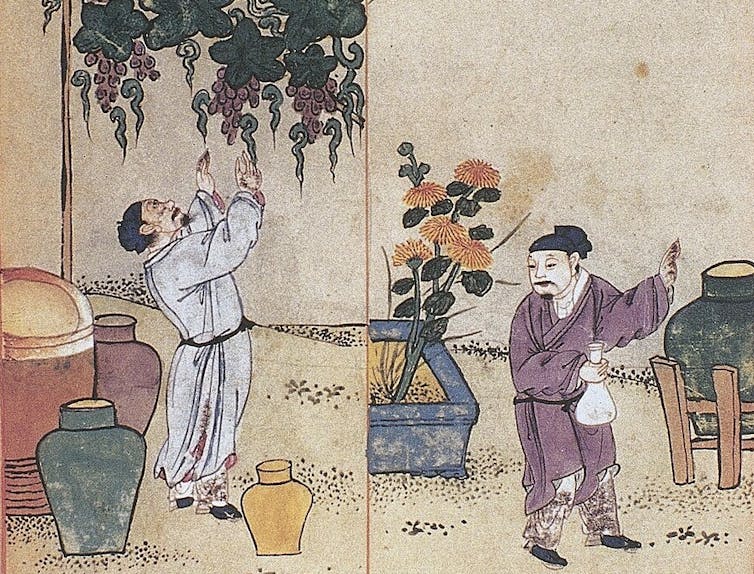
Illustration of workers picking grapes
An illustration of the cultivation of grapes and winemaking in Ming dynasty China (1368–1644).
Wellcome Collection

So should the apparent connection to Roman author Pliny the Elder, who made no mention of “salt cabbage” anywhere in his works. While the Greeks and Romans loved cabbage and considered it a cure for many illnesses, they almost always boiled it, which would kill the lactobacillus.

Still, as Jan Davison, author of Pickles: A Global History, writes, literary evidence suggests that salt pickling in general does have a long precedence. Pickled gourds were eaten in Zhou dynasty China around 3,000 years ago.

It’s hard to say when sauerkraut became a common dish, but the term was in use by the 16th century and was associated with Germany by the 17th. As to Korean kimchi, research suggests this style of preservation was practised by the 13th century, only using turnips rather than cabbage.

The popularity of radish and cabbage kimchi only came about in the 16th century, alongside the use of chilli peppers. Now an iconic aspect of this bright-red dish, peppers were not part of “Old World” diets before the Columbian exchange.

History reveals our long relationship with fermented food. Our pickling ancestors were more interested in food preservation than in their bacterial microbiome – a very modern concept. Looking to past practices might even help us innovate fermentation technologies, as recent research from the Vrije Universiteit Brussels shows. I’m not sure about bringing back fermented fish guts, but more pickled turnips doesn’t sound half bad.


This article features references to books that have been included for editorial reasons, and may contain links to bookshop.org. If you click on one of the links and go on to buy something from bookshop.org The Conversation UK may earn a commission.

The Conversation

Serin Quinn does not work for, consult, own shares in or receive funding from any company or organisation that would benefit from this article, and has disclosed no relevant affiliations beyond their academic appointment.

ref. A potted history of fermented foods – from pickles to kimchi – https://theconversation.com/a-potted-history-of-fermented-foods-from-pickles-to-kimchi-260132

BBC Verify largely factchecks international stories – what about UK politics?

Source: The Conversation – UK – By Stephen Cushion, Professor, Cardiff School of Journalism, Media and Culture, Cardiff University

In a world of fake news and disinformation, factchecking claims and the veracity of images has become an important part of impartial journalism. People invest their trust in information sources they believe are accurate.

With this in mind, the BBC launched its Verify service in May 2023. Its more than 60 journalists routinely factcheck, verify videos, counter disinformation, analyse data and explain complex stories.

Then in June 2025, the BBC launched Verify Live, a blog that tells audiences in real time what claims they are investigating and how they are being checked.

At the Cardiff School of Journalism, Media and Culture at Cardiff University we have been monitoring BBC Verify since its launch. And we have systematically tracked the first month of BBC Verify Live from June 3-27 this year, examining all 244 blog posts as well as the hundreds of claims and sources that featured.

We’ve found that the service places a heavy emphasis on foreign affairs. We argue that it could (and should) be used more to factcheck UK politics, enhancing the quality of the BBC’s impartiality journalism and serving the public service broadcaster’s domestic audiences.


Get your news from actual experts, straight to your inbox. Sign up to our daily newsletter to receive all The Conversation UK’s latest coverage of news and research, from politics and business to the arts and sciences.


Our analysis found international stories made up 71% of all BBC Verify Live coverage. The coverage largely focused on verifying international conflicts and humanitarian crises, from the Middle East and Ukraine to the recent plane crash in India.

This might reflect the large number of major international stories that occurred over the first month of BBC Verify Live’s launch. But the emphasis on foreign news was also evident in our analysis of the main BBC Verify service over the last 18 months. We monitored how much the factchecking service appeared on the BBC’s News at Ten, and found it was used more often in coverage of foreign affairs.

One exception was during the 2024 general election campaign, when BBC Verify was used to challenge politicians’ claims, and scrutinise policies around migration and the economy. BBC Verify has also covered recent major political developments, like the budget and announcements of flagship government policy.

The emphasis on covering international conflicts is consistent with its editorial mission to “analyse satellite imagery, investigate AI-generated content, factcheck claims and verify videos when news breaks”. BBC Verify regularly uses satellite mapping and geolocation data, which most newsrooms do not have at their disposal, to factcheck images and social media posts.

However, the resources and expertise Verify has could also be used to more regularly factcheck false or misleading claims in domestic political issues. This could be important to building audience trust at a time when the BBC’s impartiality is regularly questioned, while helping people better understand political debates in the UK.

Our past research with media users suggests they want journalists to be bolder and more transparent when assessing the credibility of politicians’ competing claims. BBC Verify is a logical tool to do this.

Two years after it launched, Verify is considered one of the most trusted factchecking sources in the UK by the University of Oxford’s Reuters Institute for the Study of Journalism and the most used by media regulator Ofcom.

BBC Verify has proved it can effectively use its resources and expertise to unpack and challenge domestic political claims – covering the spending review and party manifestos ahead of the 2024 general election. We have previously analysed how BBC Verify robustly challenged a misleading Conservative party claim about a future Labour government raising taxes during the election campaign.

Interrogating real-time claims

BBC Verify Live takes a variety of approaches to its analysis of real-time claims. We assessed all claims appearing in blogs throughout most of June 2025 and discovered that 22% were challenged to some extent (found to be inaccurate), while 23% were upheld (considered accurate) and 13% partially upheld.

Meanwhile, 10% were still being verified at the time the blog was posted (but may have been upheld or challenged in subsequent coverage), and 12% had additional context added to them. One fifth of all claims were not subject to any clear judgement about their accuracy.

BBC Verify Live most often used the UK or official foreign governments, and their militaries or agencies, as the main corroborating sources to factcheck claims, or the focus of the claim being investigated in some stories. These made up well over three quarters of sources in factchecking coverage. There was, comparatively, limited use of think tanks, policy institutes, nongovernmental organisations, experts, academics or eyewitnesses.

Just over one in ten claims had additional context added to them (as opposed to verifying or challenging a claim). This was most often the case in blogs about domestic affairs and rival political claims.

Given the recent cuts to the BBC’s World Service, Verify’s international news agenda will bolster the public service broadcaster’s worldwide profile and credibility. Yet, for BBC Verify to enhance impartiality and trust with domestic audiences, we would argue it should play a more prominent role in routine political reporting, not just during elections or high-profile stories.

The Conversation

Stephen Cushion has received funding from the BBC Trust, Ofcom, AHRC, BA and ESRC.

Nathan Ritchie does not work for, consult, own shares in or receive funding from any company or organisation that would benefit from this article, and has disclosed no relevant affiliations beyond their academic appointment.

ref. BBC Verify largely factchecks international stories – what about UK politics? – https://theconversation.com/bbc-verify-largely-factchecks-international-stories-what-about-uk-politics-260615