Pourquoi les employés mentent (et ce que les gestionnaires peuvent y faire)

Source: The Conversation – in French – By Guillaume Desjardins, Associate professor, Industrial Relations, Université du Québec en Outaouais (UQO)

Le mensonge au travail est rarement spectaculaire. Il prend plutôt la forme de silences calculés et de demi-vérités. Et il en dit souvent plus sur l’organisation que sur la morale individuelle.


Imaginons qu’un employé soit à une seule transaction d’atteindre son quota et que vous soyez le dernier client d’un vendredi soir peu achalandé dans son magasin. Pourquoi pourrait-il vous promettre une livraison en 24 heures pour conclure la vente, alors qu’il sait très bien que ce délai ne sera probablement pas respecté ?

Le mensonge est défini de manière générale comme la transmission délibérée d’informations fausses ou trompeuses, et représente la manifestation la plus visible de la duplicité, entendue ici comme l’ensemble des pratiques intentionnellement trompeuses en contexte professionnel. Mais ces comportements ne sont pas toujours explicites : l’omission d’informations ou leur manipulation stratégique font également partie du phénomène.

Aujourd’hui, on ne considère plus le mensonge au travail comme une simple déficience morale individuelle. Les recherches récentes montrent que ce comportement reflète souvent des dynamiques organisationnelles et structurelles plus larges.

Les premières recherches ont privilégié une perspective psychologique, associant les tendances de duplicité à des dispositions individuelles telles que le machiavélisme et le narcissisme. Toutefois, au fil du temps, la recherche s’est élargie pour intégrer des cadres sociologiques et organisationnels qui tiennent compte des pressions environnementales et des contextes institutionnels favorisant la tromperie.

La littérature contemporaine souligne que les comportements des employés sont fréquemment façonnés par les normes institutionnelles. Pourtant, jusqu’à récemment, il n’existait pas d’outil validé pour mesurer la perception qu’ont les employés de la nécessité de recourir à la duplicité. La publication de l’échelle Organizational Induced Duplicity_ (OID) a permis de combler cette lacune.

Quel est l’apport individuel au mensonge ?

Certaines études ont montré qu’il n’existe pas de différence entre les hommes et les femmes en matière de mensonge dans le contexte du travail. Des traits individuels, comme le machiavélisme, peuvent prédire des comportements malhonnêtes, notamment lors d’interactions avec les clients.

Mais l’apport de ces facteurs reste très faible (moins de 5 %) pour expliquer la propension à mentir. Il faut donc regarder au-delà des individus pour comprendre ce phénomène.


À lire aussi :
Comment garder les employés performants tout en optimisant leur bien-être psychologique ?


Deux éléments organisationnels beaucoup plus importants

Une récente étude identifie deux éléments organisationnels majeurs pour expliquer la présence ou non de mensonges au travail.

1. Le leadership laissez-faire

Ce style de leadership, non interventionniste, où les dirigeants évitent de prendre des décisions et ne fournissent pas de direction claire, est systématiquement associé à des résultats négatifs dans les équipes de travail, notamment à ce qui à trait à la propension à mentir.

Par exemple, un gestionnaire pourrait, lors de réunions d’équipe, offrir des consignes vides de sens telles que : « Je n’ai pas à vous expliquer comment faire votre travail, vous le savez déjà ! » Ce genre de phrase donne l’impression de donner des ordres sans en prendre la responsabilité.

Dans ces environnements, l’absence de normes éthiques, de mécanismes de reddition de comptes et de supervision augmente la probabilité que les employés adoptent des comportements trompeurs. Cela est particulièrement problématique dans les rôles en contact direct avec la clientèle, où les employés peuvent percevoir la malhonnêteté comme un moyen légitime d’atteindre leurs objectifs, surtout si les dirigeants ne découragent pas ces comportements.

2. L’intégrité managériale perçue

L’intégrité perçue des gestionnaires – leur cohérence, honnêteté et orientation morale – joue un rôle central dans la promotion de comportements éthiques. Les études s’entendent pour dire que les gestionnaires intègres se distinguent par sept éléments : la cohérence entre discours et actions, l’équité dans la prise de décision, respect des engagements, transparence communicationnelle, responsable, conformité aux normes organisationnelles et traitement respectueux des employés sous son aile.

Par exemple, si un gestionnaire affirme que l’équilibre travail–vie personnelle est une priorité organisationnelle, il limitera lui-même les communications hors heures de travail et respectera les congés de ses employés.

Est-ce que les employés ont l’impression que leur gestionnaire tient ses promesses ? Est-ce que ce dernier s’astreint aux mêmes standards éthiques que ses employés ? Est-ce que le gestionnaire applique les politiques organisationnelles de manière constante, y compris lorsqu’elles sont contraignantes pour le gestionnaire lui-même ? Ce sont des signes d’un gestionnaire intègre.


Déjà des milliers d’abonnés à l’infolettre de La Conversation. Et vous ? Abonnez-vous gratuitement à notre infolettre pour mieux comprendre les grands enjeux contemporains.


Lorsque les employés perçoivent leurs gestionnaires comme intègres, ils sont plus susceptibles d’adopter des normes éthiques et de résister aux comportements malhonnêtes, y compris le mensonge ou la duplicité envers les clients. Ainsi, l’intégrité du gestionnaire agit comme facteur de protection pour éviter les comportements malhonnêtes au travail.


À lire aussi :
Isolés, pressurisés, stressés : voici comment réduire l’anxiété sociale chez les professionnels de la vente


Que devrions-nous changer au travail ?

Le style de leadership et l’intégrité des managers déterminent comment les employés perçoivent la nécessité ou la légitimité de la duplicité.

Les gestionnaires engagés, clairs dans leurs attentes et cohérents dans leurs décisions réduisent l’ambiguïté et les « zones grises » où la tromperie peut s’installer. Ils offrent un cadre où les employés peuvent poser des questions ou signaler des problèmes sans crainte.

À l’inverse, la recherche révèle que le leadership laissez-faire favorise l’émergence de la duplicité. Les recherches antérieures ont systématiquement associé ce leadership à l’ambiguïté de rôle, au désengagement moral et à une augmentation des comportements déviants. Sur le plan pratique, les gestionnaires qui négligent leur rôle de régulateur éthique créent involontairement un vide normatif dans lequel les pressions de performance, les exigences des clients et les interprétations opportunistes des objectifs organisationnels peuvent supplanter les attentes éthiques formelles.

Enfin, les mécanismes compétitifs (primes, classements, objectifs de performance) ne sont pas intrinsèquement problématiques. Leur impact dépend de la manière dont les managers les encadrent : lorsqu’ils sont associés à un leadership intègre et actif, ils peuvent motiver sans encourager la malhonnêteté. En d’autres mots, ce n’est pas parce que votre vendeur est payé à la commission qu’il sera nécessairement enclin à user de duplicité !

La Conversation Canada

Guillaume Desjardins a reçu des financements du FRSQ ainsi que du Gouvernement du Canada.

Gia Linh Lam a reçu des financements de Université d’Ottawa.

– ref. Pourquoi les employés mentent (et ce que les gestionnaires peuvent y faire) – https://theconversation.com/pourquoi-les-employes-mentent-et-ce-que-les-gestionnaires-peuvent-y-faire-277309

Vingt ans de sanctions économiques, 16 000 frappes et 50 % d’inflation, pourquoi le régime des mollahs ne tombe-t-il pas ?

Source: The Conversation – in French – By Benyamin Shajari, Professeur de management de la chaîne d’approvisionnement, Excelia

Depuis le début de l’intervention israélo-états-unienne en Iran, la résilience du régime interroge. Alors que le caractère répressif du régime annihile les mouvements d’opposition, ce dernier a mis en place une organisation logistique favorisant la robustesse à tout prix plutôt que l’efficience à court terme. L’hyperperformance des systèmes logistiques est-elle devenue, a contrario, une source de faiblesse de premier plan ?


La quête de rentabilité absolue a créé un monstre fragile. Nos chaînes logistiques mondiales sont à la fois hyperoptimisées et vulnérables. Résultat : le moindre grain de sable paralyse désormais l’économie globale.

Cette fragilité systémique se confirme avec un exemple inattendu. Le régime iranien résiste de façon spectaculaire dans l’actuel conflit au Moyen-Orient, illustrant l’efficacité redoutable d’une stratégie fondée sur la robustesse plutôt que sur la performance.

Performance logistique

Durant quarante ans le commerce mondial a vénéré l’efficience maximale. Les entreprises ont vidé leurs entrepôts pour fonctionner en flux tendus permanents. Cette obsession a concentré les échanges autour de quelques passages maritimes étroits. Le détroit d’Ormuz, le Bab-el-Mandeb (détroit de la mer Rouge, ndlr), Taïwan, Malacca (dans le sud-ouest de la Malaisie, ndlr) ou le canal de Suez (en Égypte, ndlr) incarnent cette perfection dangereuse. Un cinquième du pétrole mondial transite chaque jour par Ormuz.


À lire aussi :
Le détroit d’Ormuz est un laboratoire pour gérer la logistique mondiale en temps de guerre


Cette concentration offre des profits immenses en temps de paix mais prive le système de toute marge d’erreur. Une pandémie, un navire échoué ou un conflit militaire suffit à faire vaciller l’édifice.

L’effondrement récent du trafic maritime au détroit d’Ormuz prouve que cette performance logistique est devenue notre principal point faible.

Une vulnérabilité fatale : la  perfection

Cette fragilité oblige les dirigeants à changer de logiciel mental. La performance pure ne fonctionne que dans un monde stable et abondant. Dans notre époque marquée par les crises et la rareté, l’optimisation devient une vulnérabilité fatale. Un système robuste accepte d’être sous-optimal à court terme pour garantir sa survie lors des tempêtes.

Ce renversement de pensée explique la dynamique du conflit actuel. Beaucoup prédisaient un effondrement rapide de Téhéran face à une puissance de feu supérieure. Pourtant, le régime tient bon. L’État iranien a substitué la survie à la victoire éclatante en imitant les mécanismes de défense de la nature.

La redondance comme levier de survie

Cette résilience résulte de plus de vingt années d’apprentissage forcé. La République islamique a transformé les pires sanctions de l’histoire en doctrine de survie. La redondance systémique est devenue sa règle d’or. Sur le plan militaire, Téhéran n’a pas concentré ses usines. La carte publiée par la CIA montre que le pays a disséminé la production de ses drones et de ses missiles sur tout son territoire.


CIA, Fourni par l’auteur

Ce maillage décentralisé permet à d’autres sites de prendre le relais sous les bombardements. Ainsi, une destruction de ce réseau par voie aérienne devient quasi impossible et très coûteuse. L’objectif pour le régime consiste donc à absorber le choc pour durer.

Cette logique de forteresse s’applique aussi à l’économie civile par des choix contre-intuitifs. Premièrement, l’Iran figure parmi le Top 15 mondial des producteurs de blé et frôle l’autosuffisance. Toutefois, selon l’agence de presse iranienne Tasnim, l’État, anticipant la possibilité d’un conflit majeur, a importé environ trois millions de tonnes de céréales fin 2025. Deuxièmement, le 3 mars 2026, Téhéran a même sacrifié ses précieuses rentrées de devises. Le gouvernement a interdit toute exportation agroalimentaire pour protéger son marché intérieur. Troisièmement, selon le média iranien Tabnak, le partenariat stratégique avec la Russie signé en 2025 continue à sécuriser la chaîne alimentaire par l’intermédiaire de la mer Caspienne depuis le début de la guerre en fin février. Enfin, pour contourner le blocus d’Ormuz, le pays a basculé ses échanges vers l’Asie centrale.

France 24, avril 2026.

Porte de secours

L’explosion du commerce, militaire et alimentaire, avec le Tadjikistan prouve l’efficacité de cette porte de secours. Les embargos et les bombardements n’ont donc pas tué la République islamique d’Iran. Ils ont forgé un écosystème où la sécurité des approvisionnements alimentaires et surtout militaires surpasse toujours la rentabilité.

Mais cela a forcément un prix, car l’inflation en Iran dépasse désormais le chiffre symbolique de 50 %.

Encaisser les chocs sans se briser

Cette séquence stratégique dépasse largement les frontières iraniennes. Elle sonne l’alarme pour tous les décideurs économiques. Ceci marque la fin d’une époque : la survie d’un acteur organisé pour la robustesse face à des adversaires structurés pour la performance. Dans un environnement avec des disruptions chroniques, les modèles d’affaires fondés sur la rationalisation extrême sont très fragiles.

Les entreprises doivent recréer des marges de manœuvre. Il faut accepter de sacrifier les profits immédiats. Il devient vital de multiplier les fournisseurs locaux et de reconstituer des stocks stratégiques. Une part d’inefficacité opérationnelle est le nouveau prix à payer pour la sécurité à long terme.

La compétition mondiale ne couronnera plus l’entité la plus optimisée. Elle récompensera celle qui saura encaisser les chocs sans se briser.

The Conversation

Benyamin Shajari ne travaille pas, ne conseille pas, ne possède pas de parts, ne reçoit pas de fonds d’une organisation qui pourrait tirer profit de cet article, et n’a déclaré aucune autre affiliation que son organisme de recherche.

– ref. Vingt ans de sanctions économiques, 16 000 frappes et 50 % d’inflation, pourquoi le régime des mollahs ne tombe-t-il pas ? – https://theconversation.com/vingt-ans-de-sanctions-economiques-16-000-frappes-et-50-dinflation-pourquoi-le-regime-des-mollahs-ne-tombe-t-il-pas-281782

Supreme Court considers how much states can protect consumers when federal agencies won’t

Source: The Conversation – USA (2) – By Sarah J. Morath, Professor of Law and Associate Dean for International Affairs, Wake Forest University

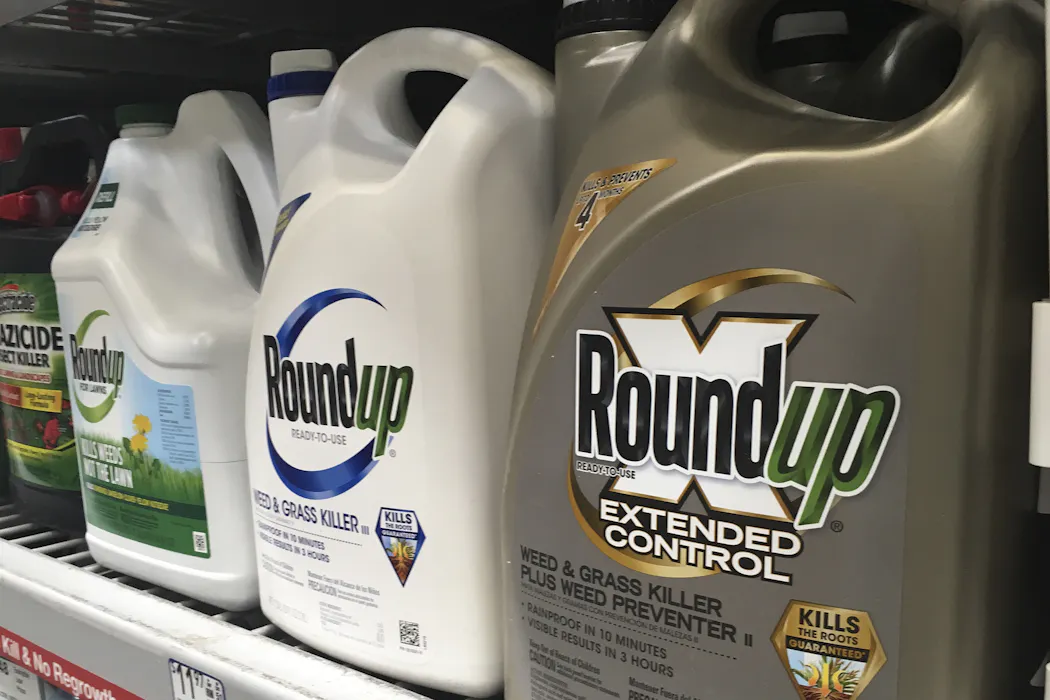
As of April 2026, the U.S. government has not required a warning label on Roundup weed killer. AP Photo/Haven Daley

Chemical giant Monsanto has argued for years that if the U.S. Environmental Protection Agency approves a pesticide label without requiring a cancer warning, states cannot hold its manufacturer liable in court for failing to warn consumers about cancer risks. The U.S. Supreme Court has now taken up the question after hearing oral arguments for and against that position on April 27, 2026.

Between 2009 and 2019, the EPA repeatedly concluded there is no evidence that glyphosate causes cancer in humans. The agency has, therefore, allowed glyphosate-based weed killers, including Monsanto’s Roundup, to remain on the market without a cancer warning on its label. That’s despite a 2015 report from the International Agency for Research on Cancer, a branch of the World Health Organization, that classified glyphosate as “probably carcinogenic to humans” based on “limited” evidence of cancer in humans from real-world exposure and “sufficient” evidence of cancer in experimental animals. A 2025 study had similar findings in lab rats.

Several U.S. lawsuits have used the 2015 report to win legal cases claiming that Monsanto failed to warn them of the chemical’s dangers. One of the first, Hardeman v. Monsanto Co., ended in a US$80 million verdict against Monsanto in 2019. The jury found that Edwin Hardeman, a California man who used the weed killer on his properties, had proved that Roundup had caused his cancer and that Monsanto had failed to warn consumers of the dangers of its product. That finding was upheld on appeal.

In the years since, Monsanto, now owned by German chemical giant Bayer, has paid out over $10 billion to settle about 100,000 claims from people who said their health was harmed after they were exposed to Roundup. But Monsanto continues to say that a federal law passed in 1947 and significantly amended in 1972, the Federal Insecticide, Fungicide, and Rodenticide Act, bars states from imposing any labeling requirement beyond what the federal government has approved – meaning state courts cannot hold the company liable for failing to include a warning that the U.S. EPA does not require.

While the law was originally administered by the U.S. Department of Agriculture, today the Environmental Protection Agency regulates the registration, use and sale of pesticides in the United States. Companies that wish to sell pesticides must, according to the law, demonstrate that they will not “cause unreasonable adverse effects on the environment,” including “water, air, land, and all plants and man and other animals … and the interrelationships which exist among these.”

As a scholar of environmental and food law, I know the Supreme Court’s decision in the case will affect tens of thousands of pending cases of those alleging harm from glyphosate.

A group of people gather in front of a large white building with pillars in the front.
A crowd demonstrates at the Supreme Court in favor of consumer protections on April 27, 2026.
Tasos Katopodis/Getty Images

A short history of the case

The case before the Supreme Court began in 2019, when John Durnell, a resident of St. Louis, sued Monsanto in a Missouri state court, claiming that his regular use of Roundup in neighborhood beautification efforts over many years had caused him to develop non-Hodgkin lymphoma, a type of blood cancer.

As it had done in previous cases, Monsanto sought to dismiss the lawsuit by claiming the federal law prevented Durnell from making those claims in state court. But the trial proceeded, and in 2023 a Missouri jury found that Monsanto had, in fact, failed to warn Durnell of the danger and awarded him $1.25 million in damages.

In February 2025, a state appeals court upheld the jury’s verdict, ruling that Missouri’s laws requiring companies to warn of dangers are not preempted by federal law. Both Missouri and federal law, the appeals court found, require companies to label products with adequate warnings to protect public health. The fact that the EPA had not required a cancer warning on Roundup did not, in the court’s view, absolve Monsanto of its separate obligation under Missouri law to warn consumers of known dangers.

The Supreme Court agreed to hear an appeal in the case, seeking to determine whether federal law bars states from holding a company liable for failing to include a warning that the EPA reviewed and chose not to require.

At the Supreme Court

During the oral argument, lawyer Paul Clement, representing Monsanto, claimed that Missouri was trying to require a different label than federal law allows, and that the company could not have added a cancer warning on its own. The company argued that EPA regulations prohibit manufacturers from changing safety warnings without the agency’s prior approval, a step Monsanto never took.

Principal Deputy Solicitor General Sarah Harris, a top Justice Department attorney, told the court the Trump administration agrees with Monsanto’s interpretation of the law.

Durnell’s attorney, Ashley Keller, argued that registration of a pesticide with the EPA does not exempt a company from civil liability for its product’s safety.

Legal commentators have suggested the justices are split but that perhaps a majority favors Monsanto’s position.

People wearing protective clothing lie down in the street.
Protests around the world, including this one in Paris in 2019, have objected to the manufacturing and use of glyphosate, the active ingredient in the weed killer sold as Roundup.
AP Photo/Rafael Yahgobzadeh

What comes next

A Supreme Court ruling in Monsanto’s favor would block Durnell’s claim. Other efforts are also underway to defend corporations from similar claims by consumers alleging products were dangerous.

In February 2026, President Donald Trump signed an executive order calling glyphosate “crucial to the national security and defense” because of its role in boosting food production by killing weeds in farmers’ fields.

Congress is also considering a proposal that would prevent state and local governments from imposing stricter labeling requirements than approved by the EPA. That legislation could also prevent courts from holding manufacturers liable for harms caused by products whose labels the EPA had approved. Six states have also introduced bills to limit pesticide manufacturers’ liability. If successful, those efforts would effectively shield pesticide companies from lawsuits similar to Durnell’s.

A broader legal principle is also at stake: whether Congress or federal agencies can block states from protecting people when federal regulators have not required companies to warn the public about potential harm.

In April 2026, Sen. Ted Cruz, a Texas Republican, introduced a bill that would prevent people from filing lawsuits in state courts that seek to hold oil and gas companies responsible for environmental damage, including their contributions to climate change. In late 2026 or early 2027, the Supreme Court is also expected to hear a case about whether existing federal law already blocks those lawsuits.

Together, these efforts reflect concerted efforts to protect large corporations from consumers’ claims that products have harmed them and to prevent states from holding companies accountable when federal regulation falls short.

The Conversation

Sarah J. Morath does not work for, consult, own shares in or receive funding from any company or organization that would benefit from this article, and has disclosed no relevant affiliations beyond their academic appointment.

– ref. Supreme Court considers how much states can protect consumers when federal agencies won’t – https://theconversation.com/supreme-court-considers-how-much-states-can-protect-consumers-when-federal-agencies-wont-281584

We found a way to turn Canada goose poop into chicken feed and crop fertilizer

Source: The Conversation – Canada – By Rassim Khelifa, Assistant Professor, Department of Biology; Canada Research Chair Tier 2 in Global Change Biology, Concordia University

Canada geese produce feces that are unpleasant to step on and carry pathogens, contaminating lawns and leading to the ecological collapse of water bodies. (Wikamedia Commons/ Joe Ravi), CC BY-SA

Canada geese are real-life gangsters. They are large, bold, highly adaptable and thrive in urban landscapes. Wherever they go, they leave their distinctive signature: cigar-shaped green feces.

The population of Canada geese has expanded rapidly in many North American cities, thanks to favourable urban environments — with abundant food from lawns, safe nesting sites and few predators — and supportive conservation actions over the past three decades.

These geese are indeed adorable, but in large numbers they can become a nuisance. They damage crops and compete with other water birds. They produce feces that are unpleasant to step on and carry pathogens — contaminating lawns and leading to the ecological collapse of water bodies.

A single goose can defecate every 20 minutes. Now, imagine how much fecal matter is produced every day by hundreds or thousands of geese in a city. There have been almost no efforts to explore beneficial uses for this waste.

Our research findings, published in the Journal of Environmental Management, suggest that goose poop could be used to create both a source of protein for animal feed and an agricultural fertilizer — using one of nature’s recycling powerhouses, the black soldier fly.

Goose feces to create poultry feed

The larvae of the black soldier fly are known for their remarkable ability to consume and break down organic waste, including animal waste from farms. They have never before been tested on Canada goose feces.

In our study, we fed black soldier fly larvae three different food diets: a standard nutrient-rich feed mixture of corn, wheat and alfalfa (the control), a mix of this feed and goose feces and finally a diet of only goose feces.

We also added another variable, sterilizing some of the feces. This was to help us understand whether fecal microorganisms have any effect on digestion.

The results were surprising: the insect was able to complete its full life cycle on Canada goose feces alone. In fact, it was able to consume a little more than half of this waste. The trade-off was a reduced body size and shorter lifespan, but this was not an issue because it did the job.

The larvae grew faster and gained a higher body weight when the feces were not sterilized, which suggests that microbes in the feces do provide some kind of benefit for insect development. Notably, the larvae that consumed the mixture of goose poop and nutrient-rich feed grew even better than those fed with the nutrient-rich feed alone, and they achieved similar fitness as adults.

These results suggest that black soldier fly larvae and goose poop could be used to power a large-scale organic waste treatment system. Goose feces could be collected from city parks and green spaces and transported to a facility where larvae could be reared on the waste.

These larvae could then be used as protein to feed poultry and in aquaculture, in a circular, “upcycling” approach to urban waste management.

Nutrient-rich fertilizer

Larval digestion also produces a residue known as frass. Black soldier fly frass has been tested in several studies, mainly on terrestrial crops where it has improved plant growth and yield.

We decided to test the potential of frass produced using Canada goose feces — as a fertilizer for duckweed, a fast-growing aquatic plant with high protein content used in animal feed, biofuel production and wastewater treatment.

For this experiment, we tested three different potential duckweed fertilizers. The first (the control) was an ideal solution containing the nutrients necessary for duckweed growth. The second was untreated Canada goose feces. The third was frass from the digestion of Canada goose feces by the black soldier fly larvae.

Duckweed growth increased by 30 per cent when the frass was applied, compared to the control fertilizer. We also found that duckweed roots grown in frass from feces were smaller than those grown in untreated feces — a typical response to a more nutrient-rich environment, where roots can readily access the nutrients.

A sustainable circular economy

Insect-based waste treatment facilities already exist at industrial scale. Entosystem, a company in Québec that produces insect proteins for feeding farm and domestic animals, uses black soldier fly larvae to convert food and organic waste into protein and fertilizer.

Biotechnology company Oberland Agriscience in Nova Scotia also uses black soldier fly larvae, combined with technologies like AI and robotics to transform organic waste into animal feed and soil products. NRGene in Saskatchewan is a research and demonstration centre also testing the black soldier fly for optimizing large-scale conversion of waste to protein.

Similar systems could be used for upcycling goose feces by the black soldier fly, rather than directing this waste to traditional waste facilities or landfills.

In this way, waste is converted into valuable resources for the agri-food industry: larvae can be used as feed for poultry or in aquaculture, frass can be applied as an organic fertilizer for various crops.

This eco-friendly approach reframes an urban wildlife conflict as an opportunity. It contributes to a sustainable circular economy where waste materials are reused, recycled or transformed into new resources.

The Conversation

Rassim Khelifa receives funding from NSERC CRC Tier 2 (CRC-2022-00134) and NSERC Discovery Grant (RGPIN-2024- 04564).
Rassim Khelifa is a member of The Quebec Centre for Biodiversity Science and The Canadian Society for Ecology and Evolution.

Carlos Antonio Lopez Manzano receives funding from Fonds de recherche du Québec – Nature et technologies (FRQNT) through the Merit Scholarship for Foreign Students (PBEEE). Member of the Quebec Centre for Biodiversity Science (QCBS) and the Aquatic Resources Quebec (RAQ).

– ref. We found a way to turn Canada goose poop into chicken feed and crop fertilizer – https://theconversation.com/we-found-a-way-to-turn-canada-goose-poop-into-chicken-feed-and-crop-fertilizer-281226

The Devil Wears Prada 2: lots of frothy fun, not so much devilry

Source: The Conversation – UK – By Laura O’Flanagan, PhD Candidate, School of English, Dublin City University

Twenty years after the first instalment catapulted Anne Hathaway and Emily Blunt onto Hollywood’s A-List, The Devil Wears Prada is back with a second incarnation. The sequel reunites the pair with Meryl Streep and Stanley Tucci for a fun, frothy – but not very devilish – time.

Set at Runway, a thinly veiled fictional version of Vogue magazine, much has changed in the world of journalism since the first film was released in 2006.

Anne Hathaway’s Andy Sachs has spent the intervening years becoming a “Serious Journalist”, with awards galore under her belt. In 2026’s precarious media landscape, though, her job is wiped out. She, somewhat miraculously, finds herself back at Runway as features editor, no longer a harried underling.

Delightfully, the gang is back together for part 2. The Devil Wears Prada’s mastery was always its actors, and the returning main cast are in fine form here. Andy (Hathaway) now has an assured confidence that was just budding in the first film.

The growth in her character is believable and realistic, and as an actor, Hathaway is edging towards greatness, one teary-eyed smile at a time. Andy’s elevated position at Runway allows the dynamic between her and her icy boss, Miranda Priestley (Meryl Streep), to shift.

Miranda de-fanged

Fun is poked at Miranda’s behaviour, which is now subject to HR rules and regulations. Where once she struck fear into the hearts of all she encountered, delivering caustic lines in a low sardonic murmur, Streep’s performance, while fuller and more rounded, de-fangs Miranda.

With disappointingly fewer barbs, she is less “devil”, delivering a more complex portrait of a successful woman struggling to keep a dying industry afloat. Much of the villainy is handed instead to Emily (Emily Blunt). All eye rolls and sharp edges, Blunt has a ball reprising the role that made her a star.

She is given more screen time in this instalment, with a love interest and a life outside of work. She is magnetic in every frame she inhabits, bringing comedy and deliciously over-the-top cattiness.

Stanley Tucci’s Nigel, a relic of the bygone days of print fashion journalism, radiates a warmth that grounds the film. His endless patience with the nonsensical behaviour of those around him, delivered with Tucci’s characteristic panache, steadies the ship when all threatens to spiral into parody.

In 2026, the romantic comedy is a lesser spotted animal in Hollywood compared to when the first film was released. This sequel recalls familiar tropes of the early noughties rom-com: pop music blaring over street scenes of characters speaking on phones, quick cuts between fashion shows and urban life, big cities rendered in gloriously lit night scenes.

The “rom” part of rom-com, though, could have been left in the past for this sequel. Patrick Brammall is criminally underused as Peter, a love interest for Andy. Their dalliance adds little to her character or the story, and never meaningfully develops or resolves.

Journalism SOS

Story-wise, it feels as though the film-makers wanted to comment on the state of journalism. In today’s world awash with algorithms, misinformation and the relentless churn of online content, there was certainly potential to mine, but these themes are mentioned and then glossed over.

This would be forgivable, given the sugary tone of the film, but consequently the drama becomes a little convoluted and at times gets in the way of the relationship dynamics, which is really why we are all in the cinema in the first place. Minor characters played by B.J. Novak, Kenneth Branagh, Lucy Liu and Justin Theroux often lean too far into caricature and disrupt the tone of the film. Their inclusion is another unnecessary dilution of the core four’s chemistry.

The Devil Wears Prada 2 is a little long and Meryl Streep’s performance lacks the bite that made the first film so memorable. But getting to see Hathaway, Streep, Blunt and Tucci work together again is joyful and escapist.

This film won’t change your life. But it is not trying to. It tells you exactly what it is in the marketing: a celebratory reunion of the actors and a fun retreading of familiar ground. Go for the characters, stay for the nostalgia.

The Conversation

Laura O’Flanagan does not work for, consult, own shares in or receive funding from any company or organisation that would benefit from this article, and has disclosed no relevant affiliations beyond their academic appointment.

– ref. The Devil Wears Prada 2: lots of frothy fun, not so much devilry – https://theconversation.com/the-devil-wears-prada-2-lots-of-frothy-fun-not-so-much-devilry-281891

We found a way to turn the poop of Canada geese into chicken feed and crop fertilizer

Source: The Conversation – Canada – By Rassim Khelifa, Assistant Professor, Department of Biology; Canada Research Chair Tier 2 in Global Change Biology, Concordia University

Canada geese produce feces that are unpleasant to step on and carry pathogens, contaminating lawns and leading to the ecological collapse of water bodies. (Wikamedia Commons/ Joe Ravi), CC BY-SA

Canada geese are real-life gangsters. They are large, bold, highly adaptable and thrive in urban landscapes. Wherever they go, they leave their distinctive signature: cigar-shaped green feces.

The population of Canada geese has expanded rapidly in many North American cities, thanks to favourable urban environments — with abundant food from lawns, safe nesting sites and few predators — and supportive conservation actions over the past three decades.

These geese are indeed adorable, but in large numbers they can become a nuisance. They damage crops and compete with other water birds. They produce feces that are unpleasant to step on and carry pathogens — contaminating lawns and leading to the ecological collapse of water bodies.

A single goose can defecate every 20 minutes. Now, imagine how much fecal matter is produced every day by hundreds or thousands of geese in a city. There have been almost no efforts to explore beneficial uses for this waste.

Our research findings, published in the Journal of Environmental Management, suggest that goose poop could be used to create both a source of protein for animal feed and an agricultural fertilizer — using one of nature’s recycling powerhouses, the black soldier fly.

Goose feces to create poultry feed

The larvae of the black soldier fly are known for their remarkable ability to consume and break down organic waste, including animal waste from farms. They have never before been tested on Canada goose feces.

In our study, we fed black soldier fly larvae three different food diets: a standard nutrient-rich feed mixture of corn, wheat and alfalfa (the control), a mix of this feed and goose feces and finally a diet of only goose feces.

We also added another variable, sterilizing some of the feces. This was to help us understand whether fecal microorganisms have any effect on digestion.

The results were surprising: the insect was able to complete its full life cycle on Canada goose feces alone. In fact, it was able to consume a little more than half of this waste. The trade-off was a reduced body size and shorter lifespan, but this was not an issue because it did the job.

The larvae grew faster and gained a higher body weight when the feces were not sterilized, which suggests that microbes in the feces do provide some kind of benefit for insect development. Notably, the larvae that consumed the mixture of goose poop and nutrient-rich feed grew even better than those fed with the nutrient-rich feed alone, and they achieved similar fitness as adults.

These results suggest that black soldier fly larvae and goose poop could be used to power a large-scale organic waste treatment system. Goose feces could be collected from city parks and green spaces and transported to a facility where larvae could be reared on the waste.

These larvae could then be used as protein to feed poultry and in aquaculture, in a circular, “upcycling” approach to urban waste management.

Nutrient-rich fertilizer

Larval digestion also produces a residue known as frass. Black soldier fly frass has been tested in several studies, mainly on terrestrial crops where it has improved plant growth and yield.

We decided to test the potential of frass produced using Canada goose feces — as a fertilizer for duckweed, a fast-growing aquatic plant with high protein content used in animal feed, biofuel production and wastewater treatment.

For this experiment, we tested three different potential duckweed fertilizers. The first (the control) was an ideal solution containing the nutrients necessary for duckweed growth. The second was untreated Canada goose feces. The third was frass from the digestion of Canada goose feces by the black soldier fly larvae.

Duckweed growth increased by 30 per cent when the frass was applied, compared to the control fertilizer. We also found that duckweed roots grown in frass from feces were smaller than those grown in untreated feces — a typical response to a more nutrient-rich environment, where roots can readily access the nutrients.

A sustainable circular economy

Insect-based waste treatment facilities already exist at industrial scale. Entosystem, a company in Québec that produces insect proteins for feeding farm and domestic animals, uses black soldier fly larvae to convert food and organic waste into protein and fertilizer.

Biotechnology company Oberland Agriscience in Nova Scotia also uses black soldier fly larvae, combined with technologies like AI and robotics to transform organic waste into animal feed and soil products. NRGene in Saskatchewan is a research and demonstration centre also testing the black soldier fly for optimizing large-scale conversion of waste to protein.

Similar systems could be used for upcycling goose feces by the black soldier fly, rather than directing this waste to traditional waste facilities or landfills.

In this way, waste is converted into valuable resources for the agri-food industry: larvae can be used as feed for poultry or in aquaculture, frass can be applied as an organic fertilizer for various crops.

This eco-friendly approach reframes an urban wildlife conflict as an opportunity. It contributes to a sustainable circular economy where waste materials are reused, recycled or transformed into new resources.

The Conversation

Rassim Khelifa receives funding from NSERC CRC Tier 2 (CRC-2022-00134) and NSERC Discovery Grant (RGPIN-2024- 04564).
Rassim Khelifa is a member of The Quebec Centre for Biodiversity Science and The Canadian Society for Ecology and Evolution.

Carlos Antonio Lopez Manzano receives funding from Fonds de recherche du Québec – Nature et technologies (FRQNT) through the Merit Scholarship for Foreign Students (PBEEE). Member of the Quebec Centre for Biodiversity Science (QCBS) and the Aquatic Resources Quebec (RAQ).

– ref. We found a way to turn the poop of Canada geese into chicken feed and crop fertilizer – https://theconversation.com/we-found-a-way-to-turn-the-poop-of-canada-geese-into-chicken-feed-and-crop-fertilizer-281226

A five-day course of magnetic brain stimulation could help autistic children communicate better

Source: The Conversation – UK – By Barbara Jacquelyn Sahakian, Professor of Clinical Neuropsychology, University of Cambridge

New Africa/Shutterstock.com

For children with autism spectrum disorder and with an intellectual disability, the options for improving communication and social skills are limited.

Talking therapies and behavioural programmes can help some children develop these skills, but they depend on specialists who are in short supply – even in wealthy countries.

Around 30-35% of autistic children have an intellectual disability, according to research from the US. They are less likely to get treatment than those without one (in part because doctors lack confidence managing their needs and insurance coverage for intellectual disability is patchy) despite having greater needs and placing heavier demands on their families. It is a group that researchers often overlook.

That gap motivated us to test a different kind of intervention: using brief, targeted magnetic pulses to stimulate specific parts of the brain. The technique, known as non-invasive brain stimulation or neuromodulation, involves no surgery, no anaesthetic and no drugs.

A device held close to the scalp generates a rapidly changing magnetic field that passes harmlessly through the skull and stimulates the activity of neurons underneath. It has been used for years to treat depression, and researchers have increasingly been exploring whether it might also help with the social and communication difficulties that are a key symptom of autism.

The version we tested uses a technique called theta-burst stimulation, which delivers pulses in rapid clusters rather than one at a time. This makes each session much shorter than conventional approaches, which is a significant practical advantage when you are asking young children to sit still and cooperate.

In our study, published in the BMJ, each session lasted only a few minutes, and the full course ran over just five days. One group of children received real stimulation, another received a sham version. In the sham treatment, the equipment was applied in the same way and delivered vibrations, but no active pulses were delivered. That way, we could compare results without either group knowing what they’d received, which helps keep the findings reliable.

One hundred and ninety-four children took part, with an average age of around six and a half years. Roughly half had IQ scores below 70, which is typically described as the low-functioning range, though all scored above 50 – the minimum needed to ensure a reliable diagnosis and meaningful participation in the study.

Parents filled in a questionnaire about their child’s social communication, before the treatment, right after, and again a month later.

The improvements seen after five days were still there after a month, and the size of the effect was large by the standards of clinical research. Children also showed gains in language ability.

No serious side-effects were reported and all minor side-effects resolved without treatment.

Children playing together.
Communication improved.
Krakenimages/Shutterstock.com

Early days

Children were recruited from multiple sites by advertisements posted in outpatients clinics and through local clinical registries. All legal guardians gave written consent.

Children with intellectual disability are so often left out of trials of this kind that the evidence for treating them has remained seriously lacking. That this trial included them at all – and in significant numbers – is itself noteworthy. But it is only a first step.

It is still unclear how long the benefits last beyond a month, how many sessions would be needed to maintain them, or how the approach would work when moved from a research setting into an ordinary clinic.

Brain stimulation is not a replacement for behavioural support, and the equipment needed is not cheap or universally available. But conventional approaches – where they exist at all – often require daily sessions over several weeks with a professional, which carries its own costs in time, money and specialist input.

A five-day course is a different proposition. For families who are already stretched, even modest and durable gains in a child’s ability to communicate could matter enormously to them and their families and greatly improve their wellbeing and quality of life.

The Conversation

Barbara Jacquelyn Sahakian receives funding from the Wellcome Trust. Her research work is conducted within the NIHR Cambridge Biomedical Research Centre (BRC) Mental Health and Neurodegeneration Themes. She receives Royalties from Cambridge University Press for Brain Boost: Healthy Habits for a Happier Life.

Christelle Langley is funded by the Wellcome Trust. Her research work is conducted within the NIHR Cambridge Biomedical Research Centre (BRC) Mental Health and Neurodegeneration Themes. She receives Royalties from Cambridge University Press for Brain Boost: Healthy Habits for a Happier Life.

Fei Li receives funding from the National Natural Science Foundation of China. She is affiliated with Department of Developmental and behavioral pediatrics, Society of Pediatrics, Chinese Medical Association.

Qiang Luo does not work for, consult, own shares in or receive funding from any company or organisation that would benefit from this article, and has disclosed no relevant affiliations beyond their academic appointment.

– ref. A five-day course of magnetic brain stimulation could help autistic children communicate better – https://theconversation.com/a-five-day-course-of-magnetic-brain-stimulation-could-help-autistic-children-communicate-better-280623

Overcoming the algorithmic gender bias in AI-driven personal finance

Source: The Conversation – France – By Eliana Canavesio, Senior Research Associate and Project Coordinator, European University Institute

Artificial intelligence is transforming our world and financial services are no exception. AI is reshaping the personal banking sector but where does it currently stand on gender parity, transparency and fairness?

When someone applies for a loan today, there is a growing chance that no human ever reads their application. A data-driven algorithm decides whether they qualify, how much they can borrow, and how risky they are considered, often in a matter of seconds and without explanation, quietly shaping financial opportunities in ways most people never see but feel in their everyday lives.

These systems are usually presented as neutral tools: faster than people, more consistent, less prone to prejudice.

In a sector long criticised for opacity and bias, that promise is appealing and frequently echoed in industry and policy debates. But that promise rests on a fragile assumption, rarely made explicit, that the data these systems learn from reflects everyone’s lives equally.

A recent report by the EU Agency for Fundamental Rights, based on fieldwork in five member states, examined how high-risk AI systems are governed under the EU AI Act in areas such as employment, public benefits and law enforcement. It found a striking gap between legal ambition and practice: while risks of discrimination are broadly acknowledged, providers and deployers often lack the tools, expertise and guidance to assess them systematically. Self-assessments tend to be inconsistent, and oversight remains thin.

This is an important issue. When the data feeding these systems fails to capture the reality of women’s financial lives with the same depth and accuracy as men’s, the result is not just a technical shortcoming but a structural distortion, one that shapes who gets access to credit, on what terms, and with what long-term consequences. For AI-driven finance to be fair, women must first be “visible” in the data on which these systems rely.

Algorithms do not judge fairness or ask whether an outcome makes sense, but estimate what is most likely to be correct based on the data they are given, drawing patterns and projecting them forward. When data is incomplete or distorted, the system’s conclusions rest on shaky assumptions from the start.

If women are underrepresented, poorly measured, or never analysed separately from men, the system cannot see unequal outcomes, and what it cannot see, it cannot correct. Bias is simply carried forward and made routine.

This dynamic is easy to miss when discussions stay at the level of models and regulation, but its effects become clear as soon as automated systems are observed in practice. Across different countries, evidence shows how quickly inequality can be embedded in algorithmic decisions, not because systems are designed to discriminate, but because they faithfully reproduce the distortions already present in the data they learn from.

Kenya offers a telling illustration. According to published studies, a widely used digital lending algorithm consistently offered women smaller loans than men, in some cases by more than a third, despite stronger repayment performance. The system did not single women out deliberately: it simply learned from data shaped by long-standing social and economic disparities, and then applied those patterns at scale.

What matters in this example is not Kenya itself, but what the case makes visible. The algorithm did exactly what it was designed to do, learning from past behaviour and applying those patterns consistently, yet without the ability to distinguish between women’s and men’s outcomes, there was no way to detect that inequality was being reproduced in real time. The problem was not automation, but blindness.

How can finance overcome the gender blind spot?

That is where sex-disaggregated data becomes essential. By sorting financial data by gender, regulators, financial institutions, and technology designers can uncover the impacts of automated systems, identify who has access to finance, and pinpoint areas where outcomes begin to diverge. Without that visibility, gender gaps remain hidden, and hidden gaps have a habit of becoming permanent. In digital finance, data is “a girl’s best friend”, not as a slogan, but as a practical condition for accountability.

Most financial institutions already record a customer’s gender as part of basic identification. On paper, the information is there, embedded in routine reporting and basic customer records. In practice, however, recording a variable is not the same as using it. In many countries, the sex of the customer appears in databases but is never analysed, reported, or monitored by supervisors, including in core supervisory frameworks such as prudential reporting. Too often, the data already exists, but it is collected, filed away, and then quietly ignored. The problem lies not in what can be done, but in what is done.

Fairer finance: developing countries are leading the way

The picture looks very different in countries often assumed to have fewer resources. In parts of Latin America and Africa, regulators have required sex-disaggregated reporting for years and regularly publish data on gender gaps in finance.

In Chile, financial authorities have tracked gender differences in loans and deposits for more than two decades, publishing regular sex-disaggregated financial statistics.

In Mexico, regulators combine bank data with national household surveys to understand how women and men use financial services and how they perform as borrowers.

That visibility has had practical consequences. In Mexico, supervisory data showed that women’s loans were smaller but less risky, evidence that fed into changes in loan loss provisioning rules.

In Chile, the data revealed that equal access to accounts did not translate into equal outcomes in savings or insurance, prompting more targeted policy responses. Once these gaps became visible, they became far harder to ignore.

Seen from this perspective, the situation in many high-income economies looks less like a technical lag and more like an institutional hesitation. In much of Europe, gender data remains voluntary or fragmented despite advanced data infrastructures, a failure not of technical capacity but of institutional choice. My upcoming policy paper “Data Are a Girl’s Best Friends: Tackling Digital Financial Inequality Through Sex‑Disaggregated Data”, due to be published in May explores this.

As artificial intelligence becomes more deeply embedded in financial decision-making, that choice becomes harder to defend. At a time when Europe is implementing the EU AI Act and debating how to regulate algorithmic decision-making in finance, the absence of systematic gender data raises a basic question: how can fairness be monitored if the data needed to detect inequality is never analysed?

Making women visible in the data is not symbolic. Without it, fair finance is little more than a claim.


A weekly e-mail in English featuring expertise from scholars and researchers. It provides an introduction to the diversity of research coming out of the continent and considers some of the key issues facing European countries. Get the newsletter!


The Conversation

Eliana Canavesio est membre de Volt Europa.

– ref. Overcoming the algorithmic gender bias in AI-driven personal finance – https://theconversation.com/overcoming-the-algorithmic-gender-bias-in-ai-driven-personal-finance-281250

The UK’s ocean health report card is damning, and protected areas aren’t enough

Source: The Conversation – UK – By Heidi McIlvenny, PhD Candidate, School of Biological Sciences, Queen’s University Belfast

Grey seal populations are relatively stable but a lot of marine wildlife is struggling in UK seas. Ellen Cuylaerts/Ocean Image Bank, CC BY-NC-ND

The UK now protects 38% of its seas by law. Yet the government’s own assessment shows that our oceans are not thriving.

In April, the Department for Environment, Food, and Rural Affairs (Defra) published its latest assessment of the health of our seas: the UK marine strategy report.

Of the 15 components of ocean health assessed, only two clearly meet the standard of good environmental status (GES) – the benchmark for healthy seas that the UK committed to achieving by 2020. The other 13 are failing, uncertain or getting worse.

This is despite the UK now having 377 marine protected areas (MPAs), sections of sea designated by law to protect wildlife and habitats. Protected areas are important, but the detail behind that impressive-looking map is sobering.

Marine mammals, such as Whales, dolphins, and porpoises are not judged to have achieved good status. A key reason for this is bycatch: they are being accidentally caught and killed in fishing nets meant for other species.

Seabird populations are declining, with fewer chicks surviving each breeding season as the fish they depend on become harder to find.

puffin bird among white flowers, yellow background
Seabird populations, including puffins, are struggling.
Victor Maschek/Shutterstock, CC BY-NC-ND

The types of fish living in our seas are changing for the worse, with the biggest cod disappearing while smaller species take their place.

The entire food web is under strain. The microscopic organisms that underpin ocean life, called plankton, are becoming less productive as seas warm, and that loss ripples upward through every species that depends on them.

On the seabed, fragile habitats such as seagrass meadows continue to be damaged by pollution and disturbance from shipping and boat activity.

Our seas are getting noisier, more polluted with heavy metals, and littered with waste on the seafloor.

There are some bright spots. The numbers of grey seals are stable or increasing. Beach litter is declining. Commercial fisheries have shown modest improvement, with the share of fish stocks being fished at sustainable levels rising, though it is still fewer than half.

But these gains are outweighed by the broader trajectory.

Why MPAs are not enough

Protected areas play an important role, but they cannot address the full range of pressures our seas face. Drawing a boundary on a nautical chart does not stop warm water crossing it. It does not filter out the nutrient runoff flowing in from agricultural land and overwhelmed sewage systems. It does not silence the increasing underwater noise from shipping and industrial activity. It does not prevent whales, dolphins and porpoises from being caught in fishing gear that operates both inside and outside these boundaries.

Climate change is perhaps the telling example. Sea temperatures around the UK have risen by roughly 0.3°C per decade over the past 40 years, with extreme underwater heatwaves becoming more common. The report acknowledges that this is already altering marine ecosystems, affecting everything from plankton at the base of the food chain to the distribution of fish species. No MPA can insulate its inhabitants from a warming ocean.

Land-based pollution is another pressure that flows straight through protected area boundaries. The report identifies food production and sewage treatment as major causes of nutrient enrichment, with increasing nitrogen inputs entering coastal waters. Heavy metals from legacy mine contamination, particularly in Wales, continue to pollute the marine environment. Contaminants have not met good status because lead, mercury, copper and zinc remain above environmental thresholds.

What ocean recovery actually requires

None of this is an argument against marine protected areas. Well-managed MPAs are an essential tool, and recent proposals to ban bottom trawling in some protected sites are welcome.

But if we are serious about ocean recovery, we need to tackle root causes. That includes reducing agricultural and urban runoff and sewage discharges into rivers and coastal waters. The climate crisis is reshaping our marine ecosystems from the bottom of the food chain upwards so tackling greenhouse emissions is a key step. Managing underwater noise from an increasingly industrialised seascape is essential. And enforcing meaningful fisheries management will reduce bycatch and protect whole ecosystems, not just commercial stocks.

The government’s own environmental watchdog, the Office for Environmental Protection, has reached a similar conclusion. In September 2025, it identified possible serious failures by Defra to comply with environmental law in relation to the missed GES target, and launched a formal investigation. It is now asking the government to produce an evidenced, resourced and time-bound delivery plan.

When even the body set up to hold government to account on the environment is questioning whether the law has been broken, it is hard to argue that the current approach is working.

The UK was supposed to have achieved good environmental status in our seas by 2020. Six years past that deadline, this report shows we are still far from it. We cannot afford to let the percentage of protected areas on a map be a substitute for the hard and messy work of actually making our oceans healthy.

The Conversation

Heidi McIlvenny receives funding from the National Environment Research Council, the Department of Agriculture, Environment and Rural Affairs, and Ulster Wildlife. She is affiliated with the IOLN, RSPB, National Trust, and Ulster Wildlife.

– ref. The UK’s ocean health report card is damning, and protected areas aren’t enough – https://theconversation.com/the-uks-ocean-health-report-card-is-damning-and-protected-areas-arent-enough-280861

Exams: how to use exercise to boost your revision

Source: The Conversation – UK – By Simon Cooper, Professor in Physical Activity and Health, Nottingham Trent University

Golubovy/Shutterstock

It’s revision season. If you’re a student preparing for upcoming exams, you might be tempted to put aside sport or other physical activity for a while in order to dedicate more time to learning.

But exercise is extremely important for academic success. Make time to be active. It may well help you revise better.

Doing some physical activity improves our ability to think and process information. My research with colleagues has shown this to be true for both primary school and secondary school pupils.

In fact, when we consider the different types of cognition, such as perception, memory and attention, the domain where physical activity has the greatest benefit is executive function. This is our ability to carry out complex, higher-level thinking. It’s the domain that is linked to academic performance.

Research has found that the beneficial effects of physical activity on cognition last for around 45 minutes. This means it is important to have regular activity breaks to maximise the boost exercise gives to revision.

You could try scheduling your revision in hour-long blocks: 45 minutes of work followed by 10-15 minutes of physical activity. This could be walking, running, body weight exercises such as squats, or even some stretching.

Perhaps most importantly, though, find an activity that you like. You’ll then be more likely to incorporate it into your revision routine. So this could be a ten-minute walk after an hour of revision, a quick five-minute break for some squats or press-ups every half hour – or a morning swim or lunchtime run.

If you can, try to go outside for these breaks. My colleagues and I have recently carried out research showing that outdoor physical activity is more beneficial than indoor physical activity for cognition.

This was true for attention, memory and executive function, which we assessed using a battery of computerised tests. So, get up, take a break, get outside, get active and boost your revision.

Young woman stretching outside door
Try to take exercise breaks outside if you can.
mariamontoyart/Shutterstock

You can also use the boost that exercise gives you on exam days. Perhaps take a pre-exam walk – it might help calm any nerves, too.

There are many possible reasons why physical activity can boost your revision. For example, it can increase blood flow to the brain and cause the release of chemicals called neurotransmitters – the tiny signalling molecules which help our brains work more effectively.

It’s vital that schools keep in mind how important physical activity is during exam season, too. One challenge here is that, in many schools, the sports hall also becomes the exam hall. This is understandable given space requirements.

Rather than limiting opportunities for PE, though, it could seen as an opportunity to take school physical activity outside, and for teachers to find innovative ways to help their students get the extra cognition boost that comes from being outdoors.

It’s key that schools, parents and students themselves don’t stop prioritising keeping active, even when there’s so much revision to cram in. Of course, there is always a balance to be found, but physical activity boosts our cognition, revision and learning. Why would we not want to make the most of this?

I often use the term “unleashing the power of physical activity”. I encourage you to do just this during revision and exam season. Whether you (or your child, your class, or any young people you know) are revising for GCSEs, A levels, university exams or any other tests, the same applies – stay smart, and stay active.

The Conversation

Simon Cooper has received funding from the Waterloo Foundation, Rosetrees Trust, Stoneygate Trust, Education Endowment Foundation and Sport England.

– ref. Exams: how to use exercise to boost your revision – https://theconversation.com/exams-how-to-use-exercise-to-boost-your-revision-279283