Moroccan schools are fuller thanks to cash grants. The problem now is the quality of their education – study

Source: The Conversation – Africa – By Jules Gazeaud, Chargé de recherche CNRS, Université Clermont Auvergne (UCA)

Reprinted by permission from VoxDev

The spread of conditional cash transfer programmes in low- and middle-income countries has been described as perhaps the most remarkable innovation of recent decades in welfare programmes. These programmes provide regular cash transfers to poor families contingent on specific behaviours. These include school enrolment and regular attendance.

The programmes started in the late 1990s in Mexico and quickly became the public policy of choice to fight poverty and low enrolment. Today, more than 60 countries operate education conditional cash transfer programmes, often at a national scale.

There is plenty of evidence showing that conditional cash transfers boost enrolment. But evidence on their impacts on children’s learning is mixed. Explanations for the lack of learning gains relate to the short-term nature of the evaluations, which may not provide enough time for the learning effects to materialise.

In recent research, conducted in Morocco, we show that conditional cash transfers can constrain learning when no accompanying measures are taken by governments to account for increased enrolment. We found that the introduction of a programme can deteriorate school quality and thus constrain learning for children who enrol in school.

Conditional cash transfers in Morocco

We looked at a programme implemented at scale in Morocco. Known as Tayssir, it began operating in 2008 and quickly became the flagship education policy of a government strongly committed to reducing school dropout rates.

Earlier research showed that the pilot version of Tayssir had substantial positive effects on enrolment, but not on learning.

Following this evaluation, Tayssir was quickly scaled-up to reach annually up to 800,000 children in 434 municipalities. Because the allocation of transfers remained remarkably stable over time, the scaled-up version of Tayssir offers an ideal setup to study how conditional cash transfer programmes affect learning, with enough time for the effects to materialise.

Tayssir targeted all municipalities with a poverty rate above 30% and all households with children aged 6-15 within these municipalities.

To study the impacts of the programme, we used data from the information system of Morocco’s ministry of education.

In the first part of our analysis, we assessed Tayssir’s effects on dropout rates and checked for possible differences with the research done in 2015 on the pilot version of the scheme.

We confirmed that the grade-specific dropout rate decreased by 1.3 percentage points on average (41% of the sample mean). This is equivalent to an increase in enrolment of about 9 percentage points by the end of grade 6.

We found a greater decrease for girls: 1.8 percentage points, or 50% of the sample mean.

Remarkably, these estimates were in line with those on the pilot, despite the nationwide expansion of the programme and the ten-fold increase in the number of beneficiaries.

The impact on quality

The reduction of the dropout rates induced by Tayssir may have affected both class size and class composition by retaining lower-ability students. This could potentially lead to negative effects on learning outcomes through peer effects and less effective teaching practices.

Our estimates show that class size in targeted areas increased by 3.6 students by the end of primary school, equivalent to 12% of the sample mean.

Variation in class composition increased by 0.30 standard deviations (SD) by the end of primary school.

Figure 1 shows that these effects are stronger in higher grades. This suggests that the reduction in dropout rates accumulated over time and progressively overburdened school resources. Large effects in grade 1 likely reflect the fact that children in targeted municipalities started school earlier – possibly to benefit from the transfers – and repeated grade 1 more often.

Figure 1: Effect of Tayssir on class size and heterogeneity

Notes: Each bar reports the coefficient estimate of the local average treatment effects of Tayssir. The dependent variables are class size (number of students per class) and class heterogeneity (standard deviation of the GPAs within a class). 95% confidence intervals are reported.

Larger class sizes and increased differences in class composition had negative impacts on children’s test scores.

In the final part of our analysis, we looked at the effects on test scores at the end of primary school exam. We found that Tayssir had negative effects on test scores. We estimated that the programme reduced test scores by 0.12 standard deviation for the full sample.

What needs to be done

Our insights should not be interpreted as evidence that policymakers should not pursue conditional cash transfer programmes. Such programmes, including the one we study, have proven particularly effective at increasing access to education, which is a crucial first step to enhance learning.

These programmes also have many other benefits. These include delayed marriage and childbearing for adolescent girls.

However, our results, together with evidence showing alarmingly low literacy and numeracy levels among students in low- and middle-income countries, indicate that the attendance gains from the programmes alone are unlikely to equip students with the foundational skills they need to thrive.

In fact, our results show that conditional cash transfer programmes can have adverse effects on learning when schools lack the necessary resources to accommodate the influx of new students. Such insights may be particularly relevant for other interventions aiming to increase school attendance without complementary investments in school capacity.

Recent decades have seen a surge in evaluations focusing on the learning effects of education interventions in low- and middle-income countries. Although there is no silver bullet to raise learning, some “great buys” emerged from the 2023 report of the Global Education Evidence Advisory Panel:

  • providing information on the benefits, costs and quality of education;

  • supporting teachers with structured pedagogy;

  • pedagogical interventions that tailor teaching to student learning.

In Morocco, where our study takes place, other scholars have demonstrated that an intervention combining two of these three “great buys” – targeted instruction based on learning level and structured pedagogy – yields large gains in learning.

The Conversation

Claire Ricard received funding from Agence Nationale de la Recherche of the French government through the program “Investissements d’avenir” (ANR-10-LABX-14-01).

Jules Gazeaud does not work for, consult, own shares in or receive funding from any company or organisation that would benefit from this article, and has disclosed no relevant affiliations beyond their academic appointment.

ref. Moroccan schools are fuller thanks to cash grants. The problem now is the quality of their education – study – https://theconversation.com/moroccan-schools-are-fuller-thanks-to-cash-grants-the-problem-now-is-the-quality-of-their-education-study-243298

Colonial-era borders create conflict in Africa’s oceans – how to resolve them

Source: The Conversation – Africa – By Ifesinachi Okafor-Yarwood, Lecturer in Sustainable Futures, University of St Andrews

Africa has 38 coastal and island nations. Their maritime industries – including energy, tourism, maritime transport, shipping and fishing – play a crucial role in developing these nations.

Key to harnessing these resources are Africa’s maritime boundaries – lines on a map showing the legal divisions of the ocean between neighbouring coastal states.

Some of these boundaries were created by colonial powers and kept after independence. Their purpose was to achieve territorial security and ensure the exclusive exploitation of resources and to maintain navigational freedom.

But Africa’s maritime boundaries sometimes lead to conflict, prevent cooperation on resource management and create room for maritime crimes, like illegal fishing. This is because they are often contested. Countries have overlapping claims and varying interests in resource exploration. This is common in maritime areas rich in oil, gas and fisheries, and deep seabed resources.

In our recent paper we found that using international law to resolve maritime boundaries does not always bring peace, especially when it results in ceding the disputed area to one party. It can result in animosity between countries and breed room for continued distrust among peoples.

Today, Africa has the most unresolved maritime boundary disputes in the world and the lowest number of settled boundary disputes.

As more ocean resources are discovered, climate change may heighten disputes. Rising sea levels can gradually submerge maritime zones, potentially affecting the baselines from which these zones are measured. This could create uncertainty or trigger new conflicts.

In our paper, we suggest a collaborative approach to resolving maritime disputes. We hope that this will help prevent many African countries from missing out on the benefits of their oceans.

Price of disputed boundaries

Disagreements over maritime boundaries can have many negative effects.

Research has shown that criminal activities tend to increase in disputed maritime boundaries. For instance, illegal fishers are aware that because there is dispute over a border, there will also be enforcement gaps.

Countries in dispute will also not work together and will not be sending patrols to contested areas. For instance, in 2016, a Chinese vessel escaped into Sierra Leone to avoid capture. When Guinean naval forces boarded the vessel for enforcement, there was an exchange of fire and 11 Guineans were detained by Sierra Leone.

When boundaries are disputed, it also means that local fishers are likely to encroach into neighbouring waters, often unknowingly, in search of better catches. Given the significance of fisheries to coastal livelihoods and the extent of depletion, this threatens peace and security. It fuels tension between communities and countries over access to dwindling resources.

Disagreements over maritime boundaries also diminish maritime security cooperation, complicate joint patrols, and divert attention from tackling shared threats such as piracy.

Colonialism never ended

Unfortunately, resolving maritime boundary disputes is complicated by a principle in international law known as uti possidetis juris – “as you possess under law”.

The principle says that when countries argue over borders, international law, built around colonial-era boundaries, is used to decide who gets what. This creates a “winner-takes-all” approach – one side gains control over the disputed area and resources. International courts, like the International Court of Justice and the International Tribunal for the Law of the Sea, follow the provisions of law reinforcing uti possidetis.

Our examination of maritime boundary disputes in west and central Africa found that the principle of uti possidetis juris had failed to alleviate maritime boundary tensions. In some cases, it has exacerbated them.

One example is a maritime dispute between Cameroon and Nigeria decided in 2002. The dispute was over who had control of Bakassi, an oil-rich region, and its maritime frontier.

The uti possidetis juris principle upheld the lines drawn at the time of Nigeria’s independence and resulted in the ceding of Bakassi to Cameroon. The impact of the resolution lingers. To date, thousands of displaced Bakassi people that returned to Nigeria have yet to be resettled and reintegrated. Disputes also continue between fishers from Nigeria and Cameroonian law enforcement agents. In extreme cases, it results in death, like the alleged killing of 97 Nigerian fishers by Cameroonian marine police.

The way forward

In our paper, we recommend that courts, tribunals or disputing countries consider joint management agreements to resolve maritime disputes. Under such agreements, countries share and manage disputed maritime resources.

These agreements will allow for the joint management of shared resources. It will also encourage cooperation and collaboration in other areas, such as joint operations to combat illegal fishing and piracy. While international courts may apply uti possidetis juris as required by law, countries should be encouraged to negotiate special arrangements – such as joint development agreements – as part of the resolution process. Especially in cases where livelihoods and longstanding community ties risk being disrupted by unilateral decisions or the ceding of disputed areas to one party.

While not perfect, this approach has already improved cooperation on security and resource use at sea. It has worked in places like Nigeria, São Tomé and Príncipe, Senegal and Guinea-Bissau. Ghana and Côte d’Ivoire also have a joint management framework in place for their shared boundaries to avoid future disputes.

Prolonged boundary disputes only enable criminal actors to exploit Africa’s resources, undermining collective progress. A shift towards collaborative solutions is essential for achieving a sustainable and prosperous future for the continent.

The Conversation

Ifesinachi Okafor-Yarwood receives funding from the PEW Charitable Trust and the Research Council of Norway. The St Andrews Research Internship Scheme (StARIS) supported the initial peer-reviewed research.

Elizabeth Nwarueze does not work for, consult, own shares in or receive funding from any company or organisation that would benefit from this article, and has disclosed no relevant affiliations beyond their academic appointment.

ref. Colonial-era borders create conflict in Africa’s oceans – how to resolve them – https://theconversation.com/colonial-era-borders-create-conflict-in-africas-oceans-how-to-resolve-them-248577

TikTok in Egypt: where rich and poor meet – and the state watches everything

Source: The Conversation – Africa – By Gabriele Cosentino, Assistant Professor, American University in Cairo

After being released from detention in 2011, Egyptian engineer and activist Wael Ghonim told the media:

If you want to liberate a society, all you need is the internet.

He’d been taken into custody for his role in the revolution that toppled the regime of Hosni Mubarak. Part of the success of this unprecedented popular uprising was due to the role of social media in mobilising citizens around a common political cause.

In 2025, after a decade under the repressive government of Abdel Fattah el-Sisi, it’s fair to say that little has remained of Ghonim’s vision. Social media use in Egypt is closely guarded by the authorities to detect signs of opposition. Citizens are routinely detained, even for the slightest criticism of the government.

In 2018 Egypt introduced a new law, apparently to curb the problem of online misinformation and disinformation. This law is, in reality, often used to stifle dissent. Egyptians today operate within unclear boundaries of what is permissible to say online. The result is widespread self-censorship for fear of arrest.

As a scholar of political communication and new media I’ve written books on global social media. I teach students about the social and political impact of digital and social media in Egypt. The video sharing platform TikTok is a frequent subject in my classes because it reveals both the liberating and the repressive effects of social media use in Egypt.

TikTok stands out for its ability to create viral videos and sudden micro-celebrities. This has made it a lightning rod for government crackdowns. But it has also connected people across socio-economic divides and bred a lively new cultural and political debate – one that’s not as easy for the government to police.

TikTok in Egypt

Since 2020, TikTok has become immensely popular in Egypt, with an estimated 33 million users over 18 years old.

While TikTok hasn’t taken on the explicit political dimension that Facebook or Twitter did over a decade ago, it has already become the theatre of a series of incidents that have landed its users in the crosshairs of the authorities. This has exposed political rifts and tensions.

Most of the incidents are related to the ability of TikTok to work as a “virality engine” – even users with few followers can gain a sudden and sometimes problematic celebrity.

But while Egyptian authorities have evidently been cracking down on TikTok users, there have been no concrete plans to ban the platform. In fact, some government branches have used it to advance their own initiatives. The Ministry of Youth and Sports, for example, signed an agreement with TikTok to launch the Egyptian TikTok Creator Hub, designed to educate youth on using social media responsibly.

Women targeted

Since 2020, Egyptian authorities have arrested TikTok users under charges ranging from the violation of family values to the spread of false information and allegations of belonging to terrorist organisations. Most of these TikTokers didn’t post explicit sexual or political content, making the charges against them appear exaggerated. These cases suggest the authorities are closely monitoring the platform, following strict moral and political considerations.

The most high profile cases have involved young women, most notably Haneen Hossam and Mawada Eladham, who were arrested in 2020 for violating family values. Article 25 of Egypt’s anti-cybercrime law states that content “violating the family principles and values upheld by Egyptian society may be punished by a minimum of six months’ imprisonment and/or a fine”. It leaves the definition of family values purposefully vague.

Observers have noted that this vagueness has allowed the law to be applied in a range of different cases. More than a dozen women have faced similar charges, endured pretrial detention and been handed lengthy prison sentences.

The arbitrary nature of many of the charges suggests a possible deeper motive: policing the presence of young women in digital spaces where they can gain influence and financial independence outside traditional family or work structures.

TikTok has given ordinary users in Egypt unprecedented visibility, in some cases allowing them to challenge social norms, often through humour. This appears to have unsettled authorities, who appear to have sought to send a message to the broader population.

Arrests

TikTok-related arrests have not been limited to family values. In 2022, three users were arrested for criticising rising food prices. They were charged with spreading fake news, despite the fact that inflation in Egypt was rising sharply.

In 2023, a parody skit of a fake jail visit by a TikToker went viral. The creators were arrested and charged with belonging to a terror organisation, spreading fake news and misusing social media.


Read more:
Why some governments fear even teens on TikTok


Such arrests indicate that TikTok content that touches on politically sensitive matters, even in jest, is posing a new type of challenge for the Egyptian government. The state is particularly concerned with viral content that might bring attention to its poor human rights record. This includes notoriously bad conditions in jails.

‘Egypt’ and ‘Masr’

At the same time, the platform is proving able to connect people from very different social and economic backgrounds, as it is seen to do globally.

Egypt is very hierarchical. Small, affluent elite groups live in a separate and secluded socio-economic reality from the majority of the population. Thirty percent of Egyptians live under the poverty line.

On TikTok, the more privileged, cosmopolitan section of society is referred to as “Egypt”. The poor and disenfranchised are “Masr” (مصر), the Arabic word for Egypt.

TikTok is aimed at generating viral content more than it is a networking site, like Facebook, that’s based on pre-existing social connections. The result is a virtual common space where the two sides can interact in new ways. This engenders unique social and cultural dynamics also observed in other countries.


Read more:
TikTok in Kenya: the government wants to restrict it, but my study shows it can be useful and empowering


“Egypt” watches “Masr” create all kinds of content – from singing and dancing routines to live begging. “Masr” gets to peek into the otherwise inaccessible world of the wealthy.

In the current climate of an economic crisis, this divide can be glaring. While most Egyptians are struggling with inflation, the cost of living and unemployment, the wealthy flaunt their lifestyles on TikTok.

When wealthy TikTokers post content complaining about relatively petty issues like a long wait for valet parking at a luxury restaurant or boast about their weekly allowance, it reveals their disconnect from the everyday hardships faced by the less privileged.

Users are able to comment freely on each other’s videos, sharing their unvarnished opinions. A student boasting about their weekly allowance of 3,000 EGP (US$60) might be told, “This is some people’s monthly salary.”

Political consequences

Since it first appeared in 2020, TikTok in Egypt has evolved from a platform mainly geared towards silly and entertaining content by teenagers. It’s become an outlet for people of all ages interested in gathering information, keeping abreast of current trends and events, and also a space for political engagement, especially on the issue of Palestine.


Read more:
Young Nigerians are flocking to TikTok – why it’s a double-edged sword


There hasn’t been an obvious politicisation of TikTok in Egypt yet and there might never be, given the strict policing by authorities. But TikTok’s ability to expose divisions in Egyptian society and connect citizens across demographic cleavages could potentially have unexpected political consequences in the near future.

Shahd Atef contributed to the research for this article

The Conversation

Gabriele Cosentino does not work for, consult, own shares in or receive funding from any company or organisation that would benefit from this article, and has disclosed no relevant affiliations beyond their academic appointment.

ref. TikTok in Egypt: where rich and poor meet – and the state watches everything – https://theconversation.com/tiktok-in-egypt-where-rich-and-poor-meet-and-the-state-watches-everything-253278

Valentin-Yves Mudimbe: the philosopher who reshaped how the world thinks about Africa

Source: The Conversation – Africa – By Christophe Premat, Associate Professor in French Studies (cultural studies), head of the Centre for Canadian Studies, Stockholm University

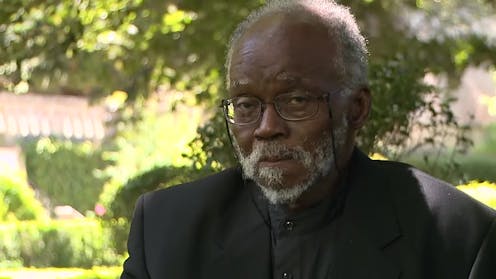
Valentin-Yves Mudimbe. Wikimedia Commons, CC BY-SA

Congolese thinker, philosopher and linguist Valentin-Yves Mudimbe died on 21 April 2025 at the age of 83. He was in the US, where he had lived for many years.

A towering figure in African critical thought, Mudimbe’s work – translated and studied worldwide – has profoundly shaped postcolonial studies. He leaves a groundbreaking intellectual legacy on the colonisation of knowledge and the condition of Africans.

At a time when debates on decolonising knowledge are gaining ground, Mudimbe’s passing invites us to revisit the work of a thinker who, since the 1980s, paved the way for a radical critique of imposed “categories”. He wanted to help rebuild intellectual frameworks which imagined and defined Africa on its own terms, not through the labels or categories imposed by colonial powers.

As a specialist in postmodern and postcolonial theories, I think he had considerable influence on the field of postcolonial studies.

He was one of the most influential African thinkers of the 20th century. His impact did not come from activism, but from careful, sustained intellectual work. With his seminal work The Invention of Africa (1988) he profoundly disrupted African and postcolonial studies. His work went far beyond the usual east-west divide.

A journey between Africa and exile

Valentin-Yves Mudimbe was born in 1941 in Jadotville (now Likasi), in the Democratic Republic of Congo. His early education took place in a Benedictine monastery. Later, he pursued further studies at Louvain in Belgium.

His religious education left a lasting mark on his thinking. It shaped his critical approach to knowledge. His work often explored the connections between language, power, and how ideas become institutionalised.

In 1970, Mudimbe returned to the newly independent Congo. He began teaching at the National University of Zaïre. The country was then caught between postcolonial hope and growing disillusionment.

Under Mobutu Sese Seko’s regime, the political atmosphere grew stifling for independent thinkers. The state had adopted the rhetoric of “authenticity”, turning it into a tool of control. Faced with this ideological stranglehold, Mudimbe chose exile in 1979.

He relocated to the US, where he taught at Stanford and later Duke University. There, he continued his work of critical deconstruction. Yet, despite his physical distance, he remained deeply committed to Africa’s future.

Deconstructing the ‘colonial library’

First published in English in 1988 as the The Invention of Africa, the book was translated into French in 2021 under the title L’Invention de l’Afrique, (Présence africaine).

Mudimbe offers much more than a critique of colonial representations. He examined the “colonial library”. It refers to the vast collection of religious, anthropological and administrative texts that, for centuries, framed Africa as an object to be studied, dominated and “saved”. Mudimbe was always careful not to accept ideas just because they were passed down. Instead, he was always looking for new ways to think freely and independently.

Unlike Edward Said, the Palestinian-American literary theorist and critic who exposed how the west constructed a mythologised “Orient”, Mudimbe revealed something more insidious. He showed that Africa was often imagined as a void to be filled. It was cast as a cultural blank slate, which helped justify the colonial mission.

This radical deconstruction raised a crucial question: how can we produce knowledge that does not, even through critique, reproduce the very colonial frameworks it seeks to challenge?

The book’s impact was profound, resonating across Africa, Europe and North America. It created an intellectual foundation for thinkers like Achille Mbembe, Souleymane Bachir Diagne and Felwine Sarr, who, in turn, continued to explore what truly decolonised African thought might look like.

Building something new

Mudimbe was never satisfied with existing structures. He aimed to build something new from the ground up. For him, liberating Africa required a rebuilding of knowledge systems. He rejected the assumption that western intellectual frameworks alone could define Africa. He also warned against essentialist temptations – the trap of creating new conceptual prisons in the name of authenticity.

His thinking followed a rigorous method: analysing discourse, questioning inherited categories, and dismantling false assumptions.

This demanding work aimed to empower Africa to think for itself without cutting itself off from the rest of the world.

His fiction – Between Tides (in French, Entre les eaux. Dieu, un prêtre, la révolution), Before the Birth of the Moon (Le Bel Immonde in French), Shaba Deux : les carnets de mère Marie Gertrude – embodies the same refusal to be stereotyped.

His characters navigate colonial legacies, state nationalism and rigid identity politics through stories of displacement and fragmented memory.

Language itself becomes a battleground for creativity in his novels. Sharply crafted, his prose captures the diversity of contemporary African experience. Through both his literary and philosophical works, Mudimbe consistently insisted that identity is never a given. It is always a construct to be questioned.

A living legacy

As Africa navigates complex geopolitical transformations and redefines its cultural identities, Mudimbe’s intellectual legacy proves more vital than ever. His work challenges us to recognise that true liberation extends beyond political sovereignty or cultural revival. It requires the radical work of reinventing how knowledge itself is produced and validated.

Mudimbe’s lasting legacy urges us to remain intellectually vigilant in a world where knowledge is constantly shifting. He challenges us to reject rigid categories, embrace complexity with care, and make room for uncertainty instead of rushing to resolve it.

For Mudimbe, to decolonise knowledge means relentless critique paired with creative reconstruction. It means building pluralistic and open frameworks that honour Africa’s diverse experiences without nostalgia or complacency.

The Conversation

Christophe Premat is a lecturer and researcher in Francophone cultural studies at the Department of Romance and Classical Studies at Stockholm University. In 2018, he published the book For a Critical Genealogy of the Francophonie, released by Stockholm University Press. He states that he worked at the French Institute of Sweden / French Embassy in Stockholm from 2008 to 2013, dealing, among other things, with issues related to the Francophonie. He is currently a member of CISE (Confédération Internationale Solidaire Écologiste), an association of French citizens abroad founded in 2018 (https://cise-francaisdeletranger.net/). He is the head of the Centre for Canadian Studies at Stockholm University.

ref. Valentin-Yves Mudimbe: the philosopher who reshaped how the world thinks about Africa – https://theconversation.com/valentin-yves-mudimbe-the-philosopher-who-reshaped-how-the-world-thinks-about-africa-255902

Reform or retreat? The Catholic church in Africa after Pope Francis

Source: The Conversation – Africa – By Stan Chu Ilo, Research Professor, World Christianity and African Studies, DePaul University

The Catholic church faces a fundamental question as it prepares to elect a new pope. That is, whether to go back to a monarchical papacy with its pomp and pageantry, or to build on the momentum begun by Pope Francis. He focused on the poor and proffered a humble lifestyle and message of hope.

I am a theologian who has studied the development of Catholicism in Africa, especially under the leadership of Pope Francis. In my view, the church after him will be defined by two forces, which will be at play during the process of choosing a new pope.

First, those who embrace Pope Francis’ wide-ranging, modernising changes in the Catholic church. The reform-minded pope made it possible to advance a new church culture that respected the voice and agency of the non-ordained. He pushed for a servant leadership, and a more pastoral, missionary, and accountable exercise of authority.

In the second camp are those Catholics who oppose the reforms introduced by Pope Francis. They see cultural evolution and social change as destroying the traditions and teachings of the church. They would like to restore the Latin Mass with its ancient church rituals and male clerical culture.


Read more:
How the next pope will be elected – what goes on at the conclave


These camps are entrenched in their positions. The 138 cardinals (18 of whom are Africans) who will elect the new pope will voice their views at meetings held ahead of the conclave. These processes will determine who will be elected.

The 18 African cardinal-electors will be fully aware that the divisive issues in contemporary Catholicism often neglect the concerns and needs of Africa. These concerns include a continued colonial structure, and racialised thinking and mentality that sees Africa as one country rather than a continent of diversity and pluralism.

My hope is that the cardinals will find among their ranks someone in the mould of Pope Francis who has a far-reaching vision. Someone with the courage to continue reforming the ecclesial systems and structures to meet this moment with the gospel of love.

Catholicism in Africa

Pope Francis often pointed to Africa, which is seeing the highest growth in population in the Catholic church, as the continent of joy and hope. A continent where the world can see how religious faith can bring about a different attitude to human relationship, communal resilience, solidarity, and global fraternity.

But African Catholicism has been severely affected by the polarisation in the broader church. This is particularly true on issues of marriage and family life. Other polarising issues include same-sex marriages, climate change, the place of women in leadership in a patriarchal church, and the autonomy of local African Catholic dioceses from the central authority of the Roman Catholic Church.

The Catholic bishops of Africa need to be united in addressing these issues. In particular, there is a growing consensus that the most pressing challenge facing African Catholicism is how to wean itself from being dependent on resources from the west.

The Catholic church in Africa – despite its exponential growth – is still treated as a “mission territory”, in need of institutional, theological, pastoral and material support from Rome. As a result, it receives financial support for its activities, and the running of schools and social agencies, from the Roman Church and other western Catholic charities.

This dependency has affected the growth and autonomy of African Catholics and churches in setting forth and implementing priorities and projects that address the unique situation of Africa. As mission churches, African Catholic churches are “under the protection” of the Roman agency in charge of evangelisation. As a result, there are limits to what African churches can do on their own without the permission and supervision of the Roman office.

A self-reliant Catholic church in Africa that’s free from the control of Rome would be able to stand strong in world Catholicism. A less dependent African Catholic church could be an alternative staging ground for new forms of faith that meet the spiritual hunger of today’s world. This would mean providing vibrancy of worship and a sense of community through the social and spiritual bonds that exist in African churches.


Read more:
Pope Francis: why his papacy mattered for Africa – and for the world’s poor and marginalised


Given the changing demographics in the world church – where a majority of the 1.4 billion Catholics live outside Europe – it’s clear that Africa and the rest of the global south can no longer accept being dominated by Eurocentric Catholicism. Catholicism cannot be reduced to a single cultural or ecclesial form. It is not a western prototype that has to be replicated in Africa and the rest of the global south without regard to the social, spiritual and cultural contexts of churches in these regions.

Viewed in this light, the future of Catholicism in Africa must be built on the agency of African cultures, religious values and traditions. Not on a rigid centralisation of power that reduces African dioceses, institutions and congregations to outposts of Rome.

The Catholic church in Africa must take the lead in promoting human rights, good governance and the empowerment of women. It needs to reflect the values of inclusion through its leadership, structures and priorities.

Renewed focus

Pope Francis’ attention to the poor and the victims of history, and his commitment to global solidarity and fraternity, captured the imaginations of many. In my view, the power that the Catholic church or the next pope will wield won’t arise from the power of position or a rigid doctrinal formula. It will come from the power of non-transactional and self-effacing love through gospel non-violence. This promotes reconciliation, justice and compassion.

Catholicism suffers when it narrows what it means to be Catholic to rituals and repetitive communal practices and devotions, without attention to people’s personal experience and encounters with God, nature and others. Or when it interprets as normative and divine revelation those traditions, laws or structures that are the product of history, culture and human attempts to meet the challenges of a bygone age.

The Conversation

Stan Chu Ilo does not work for, consult, own shares in or receive funding from any company or organisation that would benefit from this article, and has disclosed no relevant affiliations beyond their academic appointment.

ref. Reform or retreat? The Catholic church in Africa after Pope Francis – https://theconversation.com/reform-or-retreat-the-catholic-church-in-africa-after-pope-francis-255452

Attacks on people with albinism in Tanzania: African court holds government responsible – why it matters

Source: The Conversation – Africa (2) – By Charlotte Baker, Professor of French and Critical Disability Studies, Lancaster University

People with albinism face widespread discrimination in many sub-Saharan African countries. In Tanzania, this minority has been subjected to extreme forms of violence. The government’s failure to protect their rights prompted the filing of a case before the African Court on Human and Peoples’ Rights. The case was brought by Tanzanian and international civil rights groups against the government of Tanzania. They were seeking more robust legal protections from the state for people with albinism.

In February 2025, the court delivered a landmark judgment, holding Tanzania accountable for human rights violations against persons with albinism. Charlotte Baker, who has researched sociocultural aspects of albinism in sub-Saharan Africa, explains the significance of the ruling.

What is the background to the case?

Albinism is a relatively rare genetically inherited condition. It occurs in all countries of the world. In sub-Saharan Africa, an estimated 1 in 4,000 people have albinism. The condition results in a lack of pigmentation in the hair, skin and eyes, causing vulnerability to skin cancer and visual impairment.

Human rights violations and abuses against people with albinism in Tanzania are common. They include discrimination, verbal abuse and bullying. People with albinism also face exclusion from public services, including education and health. They are additionally subjected to extreme forms of violence that include killings, abductions, mutilations and infanticide. Even after a person with albinism has died, their graves are at risk of exhumation to obtain body parts for sale.

A range of traditional and more modern beliefs drive the oppression of people with albinism. However, structural reasons related to social inequities have created a market in the body parts of people with albinism. These are used for the production of “charms” by “witchdoctors” who promise they’ll bring wealth and success.


Read more:
Traditional beliefs inform attitudes to disability in Africa. Why it matters


A few societies are more accepting of albinism and venerate people with the condition, such as the Bamiléké in Cameroon. However, the majority experience discrimination.

The first media reports of attacks on people with albinism in Tanzania emerged in 2007, bringing international attention to the issue. Since then, over 700 attacks and killings in 28 countries have been reported to the Canadian NGO Under the Same Sun, although many more go unrecorded. The organisation works to end discrimination and violence against persons with albinism.

In Tanzania, there have been 209 reports of attacks since 2007. Most recently, on 25 June 2024, a two-year-old girl with albinism was abducted and killed in Kagera region, about 1,500km from the capital Dar es Salaam.

What does the court ruling mean for persons with albinism?

Under international human rights law, the fundamental human rights of persons with albinism must be protected under the UN’s Universal Declaration of Human Rights. These include a right to:

  • life

  • adequate standards of living and social protection

  • equality and non-discrimination

  • freedom from exploitation, violence and abuse

  • education, health, work and employment.

Upholding the rights of people with albinism would ensure that they were treated fairly and with respect.

The African Court on Human and Peoples’ Rights found that, although some steps have been taken in the right direction, Tanzania has violated the right to life of persons with albinism by not protecting them as required under Article 4 of the African Charter. It also found the state violated the right to non-discrimination by failing to put enough measures in place to fight myths and stereotypes relating to albinism.

This ruling sets a legal precedent across Africa. It’s a signal to other states of their obligations under the African charters on human rights and children’s welfare.

What does the Tanzanian government need to do?

The court determined that superstitions and harmful beliefs had led to discrimination and the targeted killings of persons with albinism. It ordered the government of Tanzania to make provision for nationwide awareness campaigns for at least two years to combat myths and superstitions about albinism.

The court requires the Tanzanian government to amend the 1928 Witchcraft Act to criminalise attacks against persons with albinism. This is in response to UN Resolution 47/8 on the elimination of harmful practices related to accusations of witchcraft and ritual attacks.

The government of Tanzania is also ordered to implement its national action plan on the protection of persons with albinism. This is in line with the African Union Plan of Action to End Attacks and Other Human Rights Violations Targeting Persons with Albinism. The national action plan should address stigma and structural issues that lead to discrimination.

The government must also ensure the right to health protection. This includes access to skin and eye health services. Providing protective clothing and sunscreens can be lifesaving.

Meeting the needs of children with albinism in educational settings must be a priority for the Tanzanian government. This can mean minor adaptions to classroom layouts and access to visual aids. Most importantly, it requires a change in attitudes among teaching staff and other pupils.

Tanzania has also been ordered to establish a compensation fund and compensate persons with albinism who have been victims of violent attacks.

What power does the court have to ensure enforcement?

The African Court on Human and Peoples’ Rights has instructed Tanzania to publish the judgment on government websites within three months. It should remain accessible for at least a year.

The government must also submit a report on the implementation of the ruling within two years. If it hasn’t fully complied within three years, a hearing will be held. However, the court has a non-compliance crisis and there are no built-in consequences in its protocol.

The partners involved in bringing the case will monitor Tanzania’s compliance with the court’s orders.

The Institute for Human Rights and Development in Africa has called on civil society organisations, policymakers and human rights defenders to support efforts to protect the rights of people with albinism in Tanzania and beyond.

The Conversation

Charlotte Baker does not work for, consult, own shares in or receive funding from any company or organisation that would benefit from this article, and has disclosed no relevant affiliations beyond their academic appointment.

ref. Attacks on people with albinism in Tanzania: African court holds government responsible – why it matters – https://theconversation.com/attacks-on-people-with-albinism-in-tanzania-african-court-holds-government-responsible-why-it-matters-251275

Sugary drinks are a killer: a 20% tax would save lives and rands in South Africa

Source: The Conversation – Africa (2) – By Susan Goldstein, Associate Professor and Director of the SAMRC/Wits Centre for Health Economics and Decision Science – PRICELESS SA (Priority Cost Effective Lessons in Systems Strengthening South Africa), University of the Witwatersrand

Non-communicable diseases such as diabetes, hypertension and cardiovascular conditions account for over 70% of global deaths annually.

In South Africa, non-communicable diseases cause more than half of all deaths. Diabetes ranks as the second leading cause after tuberculosis.

A major contributor to rising diabetes rates is the high consumption of sugar-sweetened beverages, including cooldrinks.

The World Health Organization recommends a tax of at least 20% on sugary drinks as an effective tool to help reduce consumption and curb related health risks.

South Africa introduced a tax on sugar-sweetened beverages, officially known as the Health Promotion Levy, in 2018.

The tax applies at R0.0221 ($0.0012) per gram of sugar beyond a 4g/100ml threshold, amounting to an 8% of final selling price. The tax has increased slightly since it was introduced, but not in line with inflation. The Health Promotion Levy therefore falls short of the original 20% target as industry pressure led to a watered-down version of it.

I lead the South African Medical Research Council/Wits Centre for Health Economics and Decision Science – PRICELESS SA, which has been studying various aspects of the levy for over 10 years.

PRICELESS SA is still in the process of measuring the health and financial impact of not implementing the Health Promotion Levy at the recommended 20%. A lack of recent data adds to this challenge. But it is worth noting that the World Obesity Report shows that obesity is still a severe problem in South Africa.

Without interventions, obesity in South Africa is projected to affect 30 million adults and 10 million children by 2035. In 2019 there were 55,238 deaths in South Africa from non-communicable diseases attributable to obesity, and with an annual increase of 2.3% in obesity, deaths are going to increase.

Taxing sugary beverages is effective

Despite the sugar industry’s claims that the Health Promotion Levy is ineffective, global evidence strongly suggests otherwise. Countries that have implemented such taxes have seen significant declines in sugar consumption.

Sugar-sweetened beverage taxes have been implemented in 103 countries and territories globally and have been shown to be effective in many countries.

In Ireland there was a 30.2% reduction in sugar intake through these beverages.

In California a study showed a decrease in overweight and obesity among young people living in cities where there was a sugary beverage tax.

In Mexico, a sugar-sweetened beverages tax at 1 peso ($0.05) per litre was introduced in 2014, and by 2016, sugary drinks sales had dropped by 37%.

Similarly, in the UK, a tax introduced in 2018 led to a 35.4% reduction in sugar consumption from taxed beverages.

The levy has had a positive impact in South Africa. Studies show decreased purchasing of these beverages. There were greater reductions in sales among lower socioeconomic groups and in sub-populations with higher sugary drink consumption.

Mean sugar from taxable beverage purchases fell from 16.25 g/capita per day from the pre-health promotion levy announcement to 10.63 g/capita per day in the year after implementation.

Lower-income households, which initially purchased more taxable sugary beverages than wealthier households, showed the most significant reductions in consumption after the tax was enforced.

This is particularly important as non-communicable diseases disproportionately affect poor and vulnerable populations.

Stronger taxation on sugary beverages not only decreases consumption but also encourages reformulation by manufacturers, leading to healthier products.

The levy does not cause job losses

Sugar-related industries often argue that the tax has led to massive job losses.

Our research contradicts these claims.

A recent study carried out by PRICELESS SA, funded by Bloomberg Philanthropies through the University of North Carolina and the South African Medical Research Council, showed no significant association between the levy and employment levels. It showed that the levy had not been associated with job creation or job losses in sugar-related industries. These include agriculture, beverage manufacturing and commercial enterprises that sell food and beverages.

The study suggests several factors that may explain this:

Firstly, firms may reallocate labour within their operations rather than
cut jobs.

Secondly, many beverage producers have responded to the tax by reformulating their products, reducing the sugar content and using non-nutritive sweeteners rather than reducing production.

Thirdly, demand for taxed sugary drinks has not declined enough to affect employment.

Finally, consumers often switch to untaxed alternatives produced by the same companies, preventing financial losses to the industry.

Increasing the levy is beneficial to the public purse

The recent delay of South Africa’s budget speech, due to disagreements within the government over the proposed value added tax increase of two percentage points, highlights the urgent need for additional and alternative revenue sources.

South Africa’s health system is experiencing a massive financial burden due to overweight and obesity, costing R33 billion (US$1.78 billion) annually. This expense accounts for 15.38% of the government’s health expenditure and 0.67% of the country’s GDP. On a per-person basis, the annual cost of overweight and obesity is R2,769 (US$150).

On the other hand, the levy generated R5.8 billion (US$313m) in revenue over its first two fiscal years.

Beyond raising funds, a higher tax rate would provide public health benefits and savings for health services.

Based on our research, increasing the levy to 20% in South Africa could reduce obesity rates by 2.4 to 3.8 percentage points, prevent 85,000 strokes, and save 72,000 lives over two decades.

These improvements potentially save over R5 billion (US$270m) in medical costs.

Unlike other taxation measures, which affect all consumers equally, the levy primarily targets discretionary purchases, making it a fairer fiscal tool.

Therefore, government must act – raise the Health Promotion Levy to 20% and cut the sugar-fuelled health crisis at its root.

Raising the levy to 20% would be a smarter tax for a healthier nation.

Darshen Naidoo, Legal Researcher and Associate Lecturer at PRICELESS SA, University of the Witwatersrand, Johannesburg contributed to the article.

The Conversation

Susan Goldstein on behalf of PRICELESS receives funding from the Bloomberg Foundation, the SAMRC and the National Institutes for Health Research

ref. Sugary drinks are a killer: a 20% tax would save lives and rands in South Africa – https://theconversation.com/sugary-drinks-are-a-killer-a-20-tax-would-save-lives-and-rands-in-south-africa-251393

Vaping hits alarming levels among South African teens – new study of fee-paying schools

Source: The Conversation – Africa (2) – By Sam Filby, Research Officer, Research Unit on the Economics of Excisable Products, University of Cape Town

It’s become common to see kids, some in their school uniforms, puffing on a vape.

The World Health Organization points to the enticing flavours and targeted marketing to young people as the key reasons behind this trend.

In the US, e-cigarettes are the most commonly used tobacco product among middle and high school students aged 12 and older, with 5.9% of students reporting use.

Surveys from the UK indicate that 20.5% of children (aged 11–17) have tried vaping, and that 7.6% of children currently vape. Similar usage rates ranging from 3.3% to 11.8% have been found in south-east Asia. Evidence on vape use among adolescents living in Africa is more scarce.

We are public health researchers who have studied the phenomenon in South Africa. Our latest study, published in The Lancet’s eClinical Medicine, found that vaping among South African pupils is sky high. We surveyed over 25,000 South African high school students across 52 schools in eight of South Africa’s nine provinces.

An estimated 16.8% of the sampled learners currently use e-cigarettes.

Research has shown conclusively that children should not use these products because of the health risks.

Our findings in South Africa show that high rates of adolescent vaping are not restricted to high income countries.

Harmful impact on young minds and bodies

In a 2016 report, the US surgeon general called vaping among young people an “urgent public health problem”.

One reason for this is that these products commonly deliver nicotine. Nicotine use during adolescence harms the developing brain, with potential long-term effects on learning, memory and attention.

Nicotine is also an addictive substance. Addictive behaviour in general is associated with the development of mental illness, further fuelling the mental health problems experienced by some adolescents.
Substance abuse can lower their inhibitions, leading to increased high-risk behaviours.

Non-nicotine vapes are also bad for health. The chemical composition of specific flavours such as cherry, cinnamon and vanilla have also been shown to cause damage to the lung lining and blood vessels.

The rising popularity of e-cigarette use among adolescents globally should make helping young people with quitting vapes a priority.

Surveying South African schools

We approached schools predominantly in major centres like Cape Town, Johannesburg, Pretoria and Durban. All were “fee-paying” schools. We were not able to include less well resourced schools without easy internet access or non-fee-paying schools.

We categorised the schools into three brackets:

  • lower-fee schools: annual fees between R20,000 and R40,000 (US$1,100-2,100)

  • medium-fee schools: annual fees between R40,000 and R90,000 (US$2,100-4,800)

  • high-fee schools: annual fees more than R90,000 (over US$4,800).

Around 17% of pupils in our sample attended lower-fee schools, 64% attended mid-fee schools, and 19% attended high-fee schools. Around 31% of learners attended co-ed schools, 41% attended all-boys’ schools, and 29% attended all-girls’ schools.

Students were asked about their use of four products in the 30 days preceding the survey: e-cigarettes, tobacco cigarettes, cannabis and hookah pipes.

Students who indicated that they currently vaped were asked additional questions
about their vaping history and habits. We also asked students about their
reasons for starting and continuing to vape.

Using this data, we studied e-cigarette use, nicotine dependence, and the mental
health and social stressors associated with vaping among a large sample of South
African high school learners.

Alarming rates

Our study found that 16.8% of high school learners we surveyed were currently using e-cigarettes. There were far lower rates of tobacco cigarette use (2%), cannabis use (5%) and hookah pipe use (3%).

The proportion of learners reporting e-cigarette use increased by grade: around 9% of grade 8 students reported using vapes, but this rose sharply to an average of 29.5% among grade 12 pupils (who will turn 18 in their final school year). Some schools had usage rates as high as 46% among grade 12 pupils.

Among the learners who indicated that they vaped, 38% vaped daily, and more than half of the learners in our sample reported that they vaped four or more days per week.

Around 88% of pupils reported using vapes that contained nicotine. About 47% reported that they vaped within the first hour of waking up – this is highly suggestive of nicotine addiction. We estimate that up to 61% of high school learners who vape could be seriously addicted to nicotine.

Why adolescents start and continue vaping

We found that the primary reasons for starting vaping differed from the main reasons for continuing to vape.

  • Just over half (50.6%) of the students who vaped cited social influences
    (family, friends, peer pressure, the need to fit in) as reasons for starting. Around 20% of learners indicated that they’d started vaping to cope with stress and anxiety, while 16.2% said they had started out of general curiosity.

  • Common reasons cited for continuing their vape use were to cope with
    anxiety, depression or stress (28.4%), or because they were addicted (14.9%).

Some learners explicitly stated addiction in their reasoning:

It’s an addiction, no matter what I try I can’t stop. (female, 17)

Others described it more as a habit:

It has become a habit. I have to consume something constantly. (female, 18)

Less than 10% of students identified social influences as the reason they continued to vape.

Around 46% of students did not list addiction as a reason for continuing to vape, although their reported vaping habits aligned with patterns typically seen in individuals who are highly addicted. This suggests that many learners in our sample may lack awareness of what constitutes addiction.


Read more:
South Africa’s new vaping tax won’t deter young smokers


What needs to be done

Our research underscores the urgent need for a coordinated public health response
to address the vaping crisis among high school learners.

The South African government must pass the Tobacco Products and Electronic
Delivery Systems Control Bill. This legislation will ensure that vapes cannot be sold near schools or online.

The restrictions on the advertising of vaping products provided for in the bill may aid with this as well as the deglamorisation of vaping among young people – reducing the general curiosity that leads many young people to begin in the first place.

The dangerous myth that “vaping is safe” also needs to be debunked.

Finally, we need to help addicted teenagers to stop vaping.

Punishing students for vaping is unlikely to be an effective strategy. Parents must be more aware of the signs of vaping and the underlying issues driving it.

Healthcare professionals should ask young people about their vape use during routine checkups.

And school counsellors should teach coping strategies to help teens navigate life’s challenges.

The Conversation

Sam Filby receives funding from the African Capacity Building Foundation and Cancer Research UK and has previously received funding from the CDC Foundation and the US Department of State.

Richard van Zyl Smit does not work for, consult, own shares in or receive funding from any company or organisation that would benefit from this article, and has disclosed no relevant affiliations beyond their academic appointment.

ref. Vaping hits alarming levels among South African teens – new study of fee-paying schools – https://theconversation.com/vaping-hits-alarming-levels-among-south-african-teens-new-study-of-fee-paying-schools-244843

Pepfar funding to fight HIV/Aids has saved 26 million lives since 2003: how cutting it will hurt Africa

Source: The Conversation – Africa (2) – By Eric Friedman, Researcher, Georgetown University

The US President’s Emergency Plan for AIDS Relief has been a cornerstone of global HIV/Aids prevention, care and treatment for over two decades. Pepfar has enjoyed broad bipartisan support in the US, but its future is now uncertain. Public health scholars Eric A. Friedman, Sarah A. Wetter and Lawrence O. Gostin explain Pepfar’s history and impacts, as well as what may lie ahead.

The early years

Many people today have forgotten the sheer devastation that the Aids pandemic wrought on the African continent, first spreading widely in east Africa in the 1980s. By the end of the 20th century, life expectancy in the region had decreased from 64 to 47 years.

Millions of children were infected and many grew up as orphans, with HIV taking the life of one or both of their parents. Children, especially girls, were taken out of school to nurse sick relatives or because school fees were unaffordable.

Underfunded health systems were near collapse, as were the economies of many African countries.

Infection rates in several countries on the continent topped 30% of their adult populations.

These devastating figures persisted despite the discovery of highly effective antiretroviral therapies in the 1990s. These drugs rapidly became widely available in rich countries, beginning in 1996, leading to an 84% decline in death rates over four years.

But cost kept the drugs out of reach for African countries.

Only about 100,000 of the 20 million people infected with HIV in Africa were accessing drug treatment in 2003.

The turnaround

A major breakthrough came when US president George W Bush proposed a bold global initiative, Pepfar, in his 2003 State of the Union Address. Pepfar would dedicate US$15 billion over five years with the goals of preventing 7 million new infections, treating 2 million people, and caring for another 10 million infected with HIV or orphaned by the disease.

By 2005, more than 800,000 people were being treated for HIV in Africa – an eightfold increase from only two years prior. Under Pepfar, the costs of antiretroviral treatment per person per year in low- and middle-income countries fell from US$1,200 in 2003 to just US$58 in 2023.

Pepfar maintained bipartisan support throughout both Democratic and Republican-led administrations and Congresses. Through 2018, it had been reauthorised three times, each for five years.

The programme has lived up to its promise. The investment of over US$110 billion since being launched has been transformative, with sub-Saharan Africa benefiting the most.

Globally, Pepfar has saved 26 million lives and prevented nearly 8 million babies from being born with HIV. In 2024, more than 20 million people were receiving HIV treatment through Pepfar, which was also supporting well over 6 million orphans, vulnerable children and their caregivers, and enabled nearly 84 million people to be tested for HIV that year.

Its importance extends beyond Aids. The programme directly supports more than 340,000 health workers, a tremendous contribution in Africa especially, given severe health worker shortages in much of the continent.

Pepfar-supported health services integrate HIV services with tuberculosis care, treatment and prevention. And since 2019, Pepfar has been part of a partnership for screening and treating women with HIV for cervical cancer, focused on 12 high-burden countries in sub-Saharan Africa.

But the past two years have been ones of political discord and major disruption.

Troubles begin

The trouble began in May 2023, with Pepfar due for a five-year reauthorisation.

A key member of Congress, along with organisations against abortion, raised concerns that Pepfar was supporting abortions, even though there was no such evidence at the time. In fact, by law Pepfar is prohibited from supporting abortions.

House Republicans sought to include abortion restrictions in the Pepfar reauthorisation. But Congress passed a reauthorisation bill without abortion provisions in March 2024, to last until 25 March 2025.

Ever since then, the threats posed to a five-year Pepfar reauthorisation have grown.

The Trump effect

In January, Pepfar reported to Congress that its own investigators had found that four nurses in Mozambique had used Pepfar funding to perform abortions (which are legal in Mozambique), 21 in all. Pepfar officials froze funds to the four nurses and required staff to attest to understanding that they were prohibited from providing abortion as part of US-funded health services.

Days later Pepfar, along with most other US foreign assistance programmes, suffered a severe blow. President Donald Trump signed an executive order pausing all further disbursements and new obligations of foreign assistance funds for 90 days, pending a sweeping review.

Four days later, secretary of state Marco Rubio issued a directive that went even further, also requiring organisations to stop work, even those that had already received funds needed to operate.

By 27 January, virtually all US foreign assistance programmes had come to a halt, including Pepfar programmes.

Following an outcry, Rubio issued a waiver for lifesaving humanitarian assistance on 28 January. With confusion over what was covered, including whether the waiver encompassed HIV medicines, he issued another waiver on 1 February, covering Pepfar treatment and care programmes, including prevention of and treatment for TB and other opportunistic infections, as well as prevention of mother-to-child transmission programmes.

But organisations receiving US foreign assistance funds needed to get individual approval to resume, and the administration had put much of USAid’s staff on administrative leave. USAid (along with the US Centers for Disease Control and Prevention) has a central role in administering Pepfar. Many others, including contractors embedded in USAid operations, have been furloughed or fired.

Very few people existed to process requests to resume work. Furthermore, USAid’s payment system appeared not to be working.

The decisions of the Trump administration are being challenged in court in the US on the grounds that they are illegal and unconstitutional because they are usurping Congress’s power to determine how the US government spends funds, among other violations of the law.

Nonetheless, as of this writing, despite a court order to resume funding, it remains entirely frozen, and most programmes are still shut down. The day after the court ordered the government to pay nearly US$2 billion it owes organisations for work already done, the administration revealed that it had terminated the vast majority of foreign assistance awards, including some for Pepfar. Details have not been made public. Meanwhile, the US Supreme Court put a short-term pause on the lower court’s order to immediately pay the money already owed.

The impact

The impact has been immediate. People on HIV treatment could not pick up additional medicine, leading to treatment interruption. Pepfar-funded health services had to turn away patients. Health workers supported by Pepfar, among them 40,000 in Kenya, could no longer be paid.

Many organisations that relied on Pepfar funds also had to lay off staff. Community groups have been affected and many have suspended their services entirely.

It remains unclear what the future holds – how severe the cuts will be, and to what programmes. In the near term, much depends on the courts and whether the administration implements court orders, as it has yet to do. In the longer term, Congress could seek to resume Pepfar to its former strength, though this would mean acting against the administration’s wishes. Even then, it is not clear whether the administration would spend the money allocated, and the damage already done to Pepfar programmes and trust in the US government will not be repaired quickly.

Pepfar is currently funded at US$7.5 billion annually. It accounts for over 10% of all US foreign assistance and over half of US global health assistance.

The separate Pepfar waiver suggests the deepest support for Pepfar is for HIV treatment programmes, as well as others meant to be protected under the waiver. Barring vast cuts to foreign assistance and Pepfar, these programmes are most likely to be at least spared, though the administration has terminated even some grants that had been covered by the waiver.

Other Pepfar programmes, particularly with respect to HIV prevention, are most vulnerable.

Rethinking priorities

The vulnerability of different African countries to Pepfar cuts varies widely. Some fund most of their own HIV programmes. South Africa’s HIV programmes are 74% domestically funded, with the balance coming from Pepfar (17%) and the Global Fund (7%).

But Pepfar funding accounts for about 90% of all HIV funding in Tanzania and Côte d’Ivoire, and more than half of HIV medicines purchased for the Democratic Republic of Congo, Mozambique and Zambia are purchased by the US.

If there are significant Pepfar funding cuts, it is doubtful that other wealthy countries will be able to compensate. And because the US, through Pepfar, is the largest contributor to the Global Fund, it is unlikely that the Global Fund could fill the gap either.

Under these circumstances, unless countries increase their domestic HIV spending, the dramatic progress in combating HIV/Aids in Africa could begin to become undone.
The conversation in Africa must focus on ending reliance on foreign assistance and developing resilient financing mechanisms to continue the fight to end Aids.

The Conversation

Lawrence O. Gostin is Director of the WHO Collaborating Center on Global Health Law

Eric Friedman and Sarah Wetter do not work for, consult, own shares in or receive funding from any company or organisation that would benefit from this article, and have disclosed no relevant affiliations beyond their academic appointment.

ref. Pepfar funding to fight HIV/Aids has saved 26 million lives since 2003: how cutting it will hurt Africa – https://theconversation.com/pepfar-funding-to-fight-hiv-aids-has-saved-26-million-lives-since-2003-how-cutting-it-will-hurt-africa-250413

Sea of opportunity: protecting mangroves and seagrass could boost Indonesia’s new climate targets

Source: The Conversation – Indonesia – By Brurce Muhammad Mecca, Senior Analyst, Climateworks Centre

Aerial view of Mangrove forest, Mandalika, Nusa Tenggara Barat, Indonesia. (Shutterstock)

Indonesia has signalled it could include blue carbon ecosystems — carbon-rich coastal and marine areas, like mangroves and seagrass — in its new climate targets. This shift follows years of relying heavily on the forestry and land sectors as well as the energy sector.

This could be a turning point, given Indonesia is one of the most important countries globally for ocean-based climate change mitigation. Indonesia’s blue carbon ecosystems are crucial, housing 22% of the world’s mangroves and 5% of seagrass meadows.

However, the country is losing its mangroves and seagrass in recent years due to changes in land use. As of 2019, only 16% of mangroves and 45% of seagrass were inside protected areas. Damage to mangrove and seagrass ecosystems can release carbon into the atmosphere, exacerbating climate change.

For that reason, it’s crucial that Indonesia considers establishing more protected areas for its mangrove and seagrass ecosystems as part of its new climate targets. This could shield them from harmful activities like industrial fishing, unsustainable aquaculture, massive infrastructure development and overtourism.

Two kinds of protected areas

A 2023 Climateworks Centre study highlighted how Indonesia could prevent up to 60 million tonnes of greenhouse gas emissions per year by 2030 – equal to Singapore’s 2030 emissions reduction target – by protecting 39,000 hectares per year of mangroves and 8,600 hectares per year of seagrasses. The combined area of these mangroves and seagrasses is almost three-quarters the size of Jakarta.

One way to do this is by including both ecosystems inside two kinds of protected areas. The first is marine protected areas (MPAs), which are areas designated by the government to protect essential ecosystems. The other kind — known as other effective area-based conservation measures (OECM) – are just as crucial for ecosystem protection.

Many activities are prohibited in marine protected areas, such as industrial fishing, mass tourism and mining. The government plans to increase Indonesia’s MPA cover from 8% to 10% by 2030, which is an opportunity to prioritise mangroves and seagrass.

Meanwhile, OECMs can allow Indonesia to target, recognise, and support areas beyond marine protected areas. These other conservation measures can play an important role in protecting blue carbon ecosystems across the country.

For example, the indigenous community of Rote Ndao in Eastern Indonesia’s traditional marine management system protects the local marine ecosystems – despite not being considered an marine protected area. Research shows that Indonesia has more than 390 potential marine OECMs. Many have conservation measures that have been implemented by local communities for centuries.

Key places to protect

While Indonesia still urgently requires broad investment in the collection of high-quality data for mapping blue ecosystems, our findings highlight some key priority locations for mangroves and seagrass to be included in the country’s ocean strategy.

For mangrove ecosystems, we highlight Kalimantan and Papua as areas of particular importance. Between 2009 and 2019, approximately 19% of mangroves in Kalimantan (58,000 hectares) were deforested due to palm oil and aquaculture. By comparison, Papua has a large area of carbon-dense mangroves, and a low historic rate of deforestation.

Meanwhile, protection of seagrass is quite tricky because an Indonesian seagrass map has not been completed.

Before defining specific seagrass areas to be protected, the government can verify the data in provinces such as Maluku, North Maluku, Bangka Belitung Islands, South East Sulawesi, West Papua and South Sulawesi. These areas have the potential for seagrass ecosystems to be included in a protection plan.

The government could also prioritise seagrass ecosystems in the Riau Islands and West Nusa Tenggara. These regions have extensive seagrass areas lacking marine protected area coverage.

A new target for mangrove and seagrass protection

Indonesia can set a clear and measurable area-based target to protect its mangrove and seagrass ecosystems in the upcoming climate targets. This could align the country’s climate actions on ocean and marine to its overall climate ambition. It will also lay the foundation for attracting climate financing, which Indonesia will need to achieve its targets.

Local participation is also important. Indonesia can design and implement its mangrove and seagrass ecosystems protection target with the involvement and consent of local communities. This would align with Indonesia’s existing targets, such as its Blue Economy Roadmap, to ensure coordinated efforts across government agencies.

As the world works towards net zero emissions, Indonesia has a huge opportunity to boost its climate leadership. Protecting and restoring more of the country’s carbon-rich mangroves and seagrass meadows can ensure the future thriving of marine ecosystems that so many Indonesians rely on.


Editor’s Note : In 13 August, 11.57 AM WIB, we made a correction to a sentence in the article’s previous version:

By comparison, Papua has a large area of carbon-dense mangroves, and a low historic rate of deforestation, with no indication of this changing.”

The previous sentence was inaccurate because while the historic rate was low, the implication was deforestation would continue, when in fact there are indications this could change in the future.

We replaced the sentence with “By comparison, Papua has a large area of carbon-dense mangroves, and a low historic rate of deforestation.”

The Conversation

Para penulis tidak bekerja, menjadi konsultan, memiliki saham atau menerima dana dari perusahaan atau organisasi mana pun yang akan mengambil untung dari artikel ini, dan telah mengungkapkan bahwa ia tidak memiliki afiliasi di luar afiliasi akademis yang telah disebut di atas.

ref. Sea of opportunity: protecting mangroves and seagrass could boost Indonesia’s new climate targets – https://theconversation.com/sea-of-opportunity-protecting-mangroves-and-seagrass-could-boost-indonesias-new-climate-targets-229819