« Une bataille après l’autre » et « The Mastermind » : quand le cinéma révèle les échecs de la gauche aux États-Unis

Source: The Conversation – in French – By Gregory Frame, Teaching Associate in Media and Cultural Studies, University of Nottingham

Explorant les failles et la défaite de la gauche américaine, les films Une bataille après l’autre, de Paul Thomas Anderson, et The Mastermind, de Kelly Reichardt, sont sortis en 2025, tandis que Donald Trump faisait un retour en force. Chacun à leur manière, ils invitent les membres et les partisans du parti démocrate comme les activistes de la gauche radicale à faire leur introspection.


La victoire de Donald Trump en novembre 2024 a provoqué une profonde remise en question dans les forces de gauche de la politique états-unienne. Après avoir échoué, les dirigeants du Parti démocrate ont passé l’essentiel de l’année 2025 à panser leurs plaies, tandis que Trump lançait ce que ses opposants considèrent comme une attaque frontale contre la démocratie américaine.

La nouvelle année a commencé par de nouveaux scandales, tant sur le plan intérieur qu’extérieur, l’administration Trump agissant avec une impunité de plus en plus effrayante.


À lire aussi :
Le raid de Donald Trump sur le Venezuela laisse présager un nouveau partage du monde entre les grandes puissances


Combinée à la poursuite de la montée du populisme de droite et de l’autoritarisme dans le monde entier, la version « 2.0 » de Trump est vécue comme une crise existentielle pour la gauche.

Le pays a déjà connu une telle situation. Les mouvements de protestation de gauche des années 1960 aux États-Unis ont contribué à d’importants changements législatifs – en particulier dans le domaine des droits civiques –, mais ils ont souvent été caricaturés comme étant « antipatriotiques », notamment s’agissant de la guerre du Vietnam. Le sentiment que le pays se désagrégeait sous l’action de jeunes radicaux violents a conduit la « majorité silencieuse » conservatrice à offrir la victoire électorale à Richard Nixon en 1968.

Depuis lors, la gauche institutionnelle étasunienne s’est détournée de l’idéalisme des années 1960 et a plutôt proposé des changements progressifs et limités. Mais cette stratégie ne s’est sans doute pas révélée très efficace au cours du dernier demi-siècle.

Dans le contexte d’une nouvelle défaite et d’un énième cycle d’introspection, il semble donc approprié que deux films portant sur les échecs de la politique révolutionnaire de gauche des années 1960 et 1970 émergent presque simultanément avec le retour en force de Trump.

Explorer l’activisme de gauche

Bien que très différents par leur style et leur ton, Une bataille après l’autre (2025), de Paul Thomas Anderson, et The Mastermind (2025), de Kelly Reichardt, critiquent ce qu’ils présentent comme l’insuffisance stratégique et l’autosatisfaction de l’activisme de gauche, tout en explorant son coût personnel.

Une bataille après l’autre met en scène l’ancien révolutionnaire Pat Calhoun, alias Bob, (Leonardo DiCaprio) qui tente de sauver sa fille Willa (Chase Infiniti) des griffes d’un colonel suprémaciste blanc, qui a tout d’un psychopathe, Lockjaw (Sean Penn). Bien que Bob ait autrefois résisté aux politiques d’immigration cruelles et racistes du gouvernement fédéral à travers une série de raids audacieux contre des centres de détention, la paternité et une consommation excessive de cannabis ont émoussé son ardeur révolutionnaire.

Au lieu de cela, Bob est désormais un bouffon quelque peu incompétent. Le film exploite à des fins comiques ses tentatives chaotiques pour communiquer avec la « French 75 », l’armée révolutionnaire dont il faisait autrefois partie, inspirée de groupes révolutionnaires réels des années 1960 et 1970, comme les Weathermen.

Déambulant en peignoir, il a oublié tous les codes et les conventions nécessaires pour évoluer dans cet univers. Des mots de passe aux pronoms, Bob est en décalage avec son époque.

Cependant, le film se permet aussi de se moquer du moralisme de la gauche. Alors que Bob devient de plus en plus agressif faute d’obtenir des informations sur un point de rendez-vous crucial, le radical à qui il parle au téléphone l’informe que le langage qu’il emploie nuit à son bien-être. Si Bob manque de compétences pour soutenir la révolution, ceux qui la dirigent sont trop fragiles pour en mener une à bien.

À l’inverse, The Mastermind suit J. B. Mooney (Josh O’Connor) dans ses tentatives d’échapper aux autorités après avoir orchestré le vol de quatre œuvres d’art dans un musée de banlieue. Mari, père et fils d’un juge, Mooney est privilégié, sans direction, désorganisé, égoïste et, semble-t-il, indifférent à l’impact de la guerre du Vietnam alors que le conflit fait rage autour de lui.

Sa désorganisation est évidente dès le moment où il réalise que l’école de ses enfants est fermée pour une journée de formation des enseignants, le jour du casse. Son privilège apparaît clairement lorsqu’il lui suffit de mentionner le nom de son père lors de son premier interrogatoire par la police pour qu’on le laisse tranquille.

Même ses tentatives de convaincre sa femme, Terri (Alana Haim), qu’il a agi pour elle et pour leurs enfants sont maladroites, puisqu’il finit par admettre qu’il l’a aussi fait pour lui-même.

Alors qu’il est en fuite, Mooney semble ignorer ce qui se passe réellement autour de lui, des jeunes hommes noirs qui discutent de leur déploiement imminent au Vietnam, aux bulletins d’information relatant la réalité de la guerre. Sans rien dévoiler, Mooney ne peut finalement échapper aux conséquences de la guerre du Vietnam sur la société américaine.

Des moments révélateurs dans les deux films suggèrent également l’engagement vacillant envers la révolution de la part de ses anciens adeptes. Dans The Mastermind, Mooney se cache chez Fred (John Magaro) et Maude (Gaby Hoffmann), un couple avec lequel il a fréquenté l’école d’art. Malgré son passé militant, Maude refuse de l’héberger plus d’une nuit par crainte d’attirer l’attention des autorités. Dans Une bataille après l’autre, la volonté de Bob de prendre des risques pour sa sécurité et sa liberté diminue lorsqu’il devient parent et il est, de manière assez problématique, prompt à juger la mère de Willa, Perfidia (Teyana Taylor), qui continue à agir à ses risques et périls.

Le cinéma politique des années 1970

Les deux films rappellent inévitablement les œuvres tout aussi politiques produites par le cinéma états-unien à la fin des années 1960 et au début des années 1970, telles que Cinq pièces faciles (1970), Macadam à deux voies (1971) et Chinatown (1974). Au cœur du contrecoup nixonien face au radicalisme des années 1960, ces films adoptent un ton de résignation défaitiste, mettant en scène des protagonistes sans direction et des fins malheureuses.

La conclusion de The Mastermind ressemble à celle de ces films des années 1970. Le film s’achève sur des policiers présents lors d’une manifestation contre la guerre du Vietnam, se félicitant mutuellement après avoir arrêté un nouveau groupe de manifestants et de les avoir envoyés en prison.

Bien qu’Une bataille après l’autre soit beaucoup plus pétillant dans son style, la politique révolutionnaire de gauche y apparaît aussi comme une impasse. Des victoires à plus petite échelle restent possibles : Sergio (Benicio del Toro) continue de se battre pour les immigrés sans papiers, et Willa s’enfuit pour rejoindre une manifestation Black Lives Matter à la fin du film.

Mais en regardant ces deux films depuis la perspective d’une nouvelle année où l’administration Trump menace de provoquer de nouveaux bouleversements violents, tant au plan national qu’international, je repense à la lamentation mélancolique de Captain America (Peter Fonda) vers la fin du classique de la contre-culture Easy Rider (1969) :

« On a tout gâché. »

The Conversation

Gregory Frame ne travaille pas, ne conseille pas, ne possède pas de parts, ne reçoit pas de fonds d’une organisation qui pourrait tirer profit de cet article, et n’a déclaré aucune autre affiliation que son organisme de recherche.

ref. « Une bataille après l’autre » et « The Mastermind » : quand le cinéma révèle les échecs de la gauche aux États-Unis – https://theconversation.com/une-bataille-apres-lautre-et-the-mastermind-quand-le-cinema-revele-les-echecs-de-la-gauche-aux-etats-unis-274060

Tanzania’s president raised hopes for women’s political representation – the 2025 elections show much remains to be done

Source: The Conversation – Africa (2) – By Victoria Melkisedeck Lihiru, Lecturer, Faculty of Law, The Open University of Tanzania

President Samia Suluhu Hassan’s historic rise as Tanzania’s first woman head of state broke a decades-old tradition of male dominance. In keeping with political precedent, she also became chairperson of the ruling Chama cha Mapinduzi (CCM) party. That made Hassan the first woman to hold this position.

For decades, women’s representation in Tanzania’s parliament has relied heavily on reserved quota seats rather than direct electoral success. With a woman as president, women’s rights organisations held high expectations for reforms that would dismantle systemic barriers to women’s political participation.

The reform priorities they championed included defined gender representation in party leadership. They also sought measures to address weaknesses associated with reserved seats. The quota system could be improved by introducing uniform nomination procedures, geographical accountability and term limits. Lobbyists also sought robust laws to end violence against women in elections.

Nine months into her tenure, Hassan established a taskforce to review Tanzania’s multiparty democratic framework. Among other things, its report made two important proposals to promote gender inclusion in political participation:

  • a requirement that no gender should constitute less than 40% of leadership positions within political parties

  • a mandate for all political parties to entrench equality and strengthen internal democracy.

The taskforce report crystallised in three key laws:

These new laws contained several positive developments. All political parties were required to implement gender and social inclusion policies. Gender-based violence was recognised as an electoral offence.

I am a legal scholar with a research interest in women’s political participation on the continent, both at the national level and within political parties. I was keen to assess how the reforms undertaken in 2024 would pan out in the 2025 elections.

My analysis of the 2025 election results shows that there were some minor gains. Women constituted 32.2% (558 out of 1,735) of parliamentary candidates in 2025, up from 23.3% in 2020. This suggests a modest expansion of women’s participation at the candidacy stage. But it also underscores the persistence of structural barriers to equal political competition, with men comprising 68% of parliamentary candidates.

However, the limited progress observed at the parliamentary level collapses sharply at the local level. Only 9.6% (700 out of 7,289) of candidates for local councils were women. This is an alarmingly low figure, given the importance of these positions for developing future leadership pipelines.

It’s my argument that the 2025 elections demonstrate that the presence of a woman at the helm, while symbolically powerful, does not necessarily translate into a gender-equitable electoral environment.

Reform gaps

Public participation was made a central part of the legislative process. This was a welcome shift from the previous administration’s approach in which most laws were passed under certificate of urgency. But the reforms glaringly failed to advance tangible progress.

Conspicuously missing were mandatory quotas for women’s representation across crucial spheres: party leadership, nomination lists, and electoral-management bodies.

Furthermore, there are no political-party financing mechanisms or public subsidies to women, youth, or persons with disabilities that would improve equity. The lack of exemptions from election deposits for marginalised groups further reinforced existing structural barriers to political participation.

The appointment procedures outlined in the Independent Electoral Commission Act offered no assurance of gender balance within the electoral management body’s composition.

What can be said for the reforms is that they strengthened accessibility measures for persons with disabilities and illiterate voters. Also significant was the expansion of the Independent Electoral Commission’s mandate to include local-government elections. This addressed long-standing demands to detach the local elections from ministerial influence.

A particularly significant change was the abolition of unopposed victories. All candidates, even in uncontested races, would now face a mandatory “Yes” or “No” vote. The abolition of unopposed victories removed a key mechanism through which electoral outcomes were previously engineered at the nomination stage.

Under the old system, party elites could secure automatic wins by blocking or pressuring rivals – often women aspirants – out of the race. This often left more influential candidates to be declared elected without voter input. Requiring a mandatory “Yes” or “No” vote reintroduced voter scrutiny, reduced the incentive to manipulate nominations, and limited the use of procedural exclusion to sideline women candidates.

Political parties as gendered gatekeepers

My analysis of party practices towards the 2025 general elections shows that these limitations in national law found parallels in political-party practices. In January 2025, Chama Cha Demokrasia na Maendeleo (Chadema)’s internal elections resulted in all top positions being retained by men. This continued a trend dating back to 1992.

Chadema’s “No Reform, No Elections” stance led to its controversial exclusion from the 2025 polls. Its absence carried gendered implications, given the party’s consistent record of fielding a higher number of female candidates than other parties.

In 2020, Chadema fielded 58 women candidates, compared to CCM’s 24. While all CCM women candidates reportedly won their seats, only one Chadema woman did so. Chadema’s absence in the 2025 elections therefore reduced the overall pool of female aspirants.

At ACT-Wazalendo, the party’s Dorothy Semu was sidelined in favour of Luhaga Mpina for the presidential race. Mpina, a CCM defector, was then barred from contesting due to legal and procedural battles.

Against this backdrop, CCM appointed Asha Rose Migiro as its first female party general secretary, a milestone in a wider context of political manoeuvring.

Women as candidates

Women were represented as presidential candidates (18%) and as running mates (53%). The United Movement for Democracy became the first party in Tanzanian history to field women for both executive positions. For the first time, Zanzibar featured women, Laila Rajab Khamis, Isha Salim Hamad and Naima Salum Hamad, on the presidential ballot.

There were 272 elective parliamentary seats in 2025. This translates to 115 reserved seats for women. The 155 are joined by 36 women elected from constituencies. The representation of 39.5% is an improvement over the 2020 election outcome of 37.5%.

The 2025 national elections unfolded amid nationwide demonstrations which prompted a curfew in the capital and a nationwide internet shutdown. President Hassan was announced to have received 97.6% of the votes and was sworn in. However, both the Southern African Development Community and African Union missions reported that the elections fell short of regional standards for democratic and inclusive processes.

Opposition sources and later the government reported widespread electoral violence that led to death and destruction of properties.

Symbolism without structural change

The results of this election show that Tanzania is yet to address the structural challenges associated with women’s reserved seats.

For real change to occur, high-level representation must be accompanied by deep structural reforms. These include:

  • mandatory party quotas within political party leadership structures and candidate lists

  • gender quotas in the composition of Independent National Electoral Commission

  • a proportional representation electoral system

  • equitable resourcing for women aspirants and candidates

  • allowing independent candidacy

  • a mindset shift that challenges societal biases and affirms women’s leadership among citizens and electoral stakeholders.

The political commitment for substantive gender equality must go above merely numerical representation.

The Conversation

Victoria Melkisedeck Lihiru does not work for, consult, own shares in or receive funding from any company or organisation that would benefit from this article, and has disclosed no relevant affiliations beyond their academic appointment.

ref. Tanzania’s president raised hopes for women’s political representation – the 2025 elections show much remains to be done – https://theconversation.com/tanzanias-president-raised-hopes-for-womens-political-representation-the-2025-elections-show-much-remains-to-be-done-271863

Europe wants to end its dangerous reliance on US internet technology

Source: The Conversation – UK – By Johan Linåker, Adjunct Assistant Professor in Computer Science, Lund University

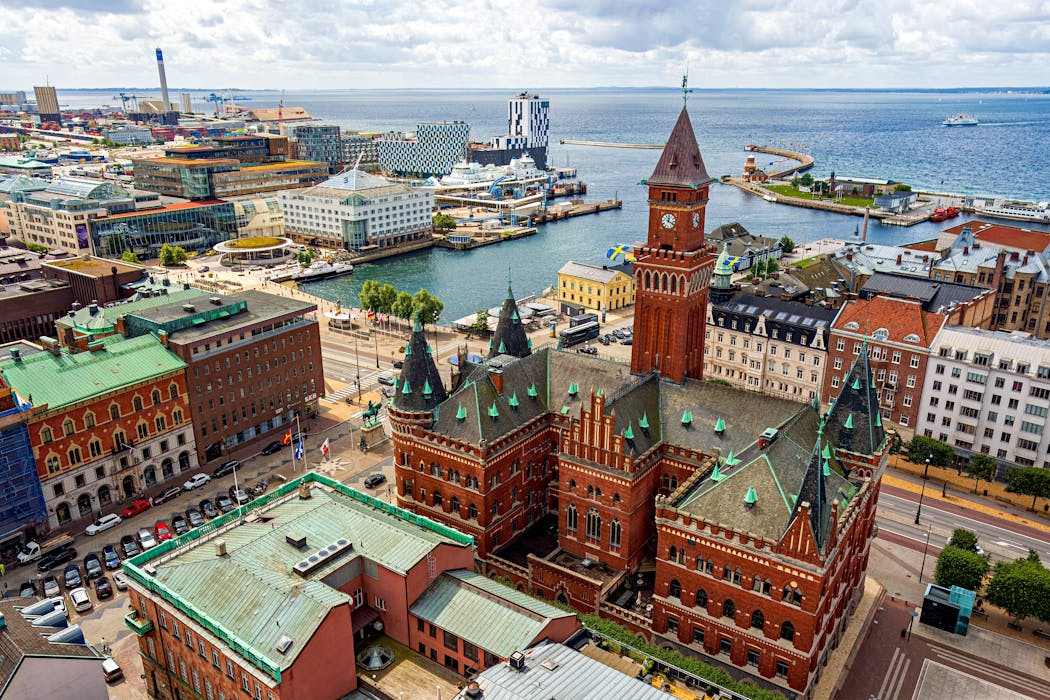
Helsingborg in Sweden is undergoing a city-wide trial of how its services would respond to a complete digital shutdown. Collection Maykova/Shutterstock

Imagine the internet suddenly stops working. Payment systems in your local food store go down. Healthcare systems in the regional hospital flatline. Your work software tools, and all the information they contain, disappear.

You reach out for information but struggle to communicate with family and friends, or to get the latest updates on what is happening, as social media platforms are all down. Just as someone can pull the plug on your computer, it’s possible to shut down the system it connects to.

This isn’t an outlandish scenario. Technical failures, cyber-attacks and natural disasters can all bring down key parts of the internet. And as the US government makes increasing demands of European leaders, it is possible to imagine Europe losing access to the digital infrastructure provided by US firms as part of the geopolitical bargaining process.

At the World Economic Forum in Davos, Switzerland, the EU’s president, Ursula von der Leyen, has highlighted the “structural imperative” for Europe to “build a new form of independence” – including in its technological capacity and security. And, in fact, moves are already being made across the continent to start regaining some independence from US technology.

A small number of US-headquartered big tech companies now control a large proportion of the world’s cloud computing infrastructure, that is the global network of remote servers that store, manage and process all our apps and data. Amazon Web Services (AWS), Microsoft Azure and Google Cloud are reported to hold about 70% of the European market, while European cloud providers have only 15%.

My research supports the idea that relying on a few global providers increases vulnerabilty for Europe’s private and public sectors – including the risk of cloud computing disruption, whether caused by technical issues, geopolitical disputes or malicious activity.

Two recent examples – both the result of apparent technical failures – were the hours‑long AWS incident in October 2025, which disrupted thousands of services such as banking apps across the world, and the major Cloudflare incident two months later, which took LinkedIn, Zoom and other communication platforms offline.

The impact of a major power disruption on cloud computing services was also demonstrated when Spain, Portugal and some of south-west France endured a massive power cut in April 2025.

EU president Ursula von der Leyen urges greater European independence in response to ‘seismic change’. Video: Guardian News.

What happens in a digital blackout?

There are signs that Europe is starting to take the need for greater digital independence more seriously. In the Swedish coastal city of Helsingborg, for example, a one-year project is testing how various public services would function in the scenario of a digital blackout.

Would elderly people still receive their medical prescriptions? Can social services continue to provide care and benefits to all the city’s residents?

This pioneering project seeks to quantify the full range of human, technical and legal challenges that a collapse of technical services would create, and to understand what level of risk is acceptable in each sector. The aim is to build a model of crisis preparedness that can be shared with other municipalities and regions later this year.

Elsewhere in Europe, other forerunners are taking action to strengthen their digital sovereignty by weaning themselves off reliance on global big tech companies – in part through collaboration and adoption of open source software. This technology is treated as a digital public good that can be moved between different clouds and operated under sovereign conditions.

In northern Germany, the state of Schleswig-Holstein has made perhaps the clearest break with digital dependency. The state government has replaced most of its Microsoft-powered computer systems with open-source alternatives, cancelling nearly 70% of its licenses. Its target is to use big tech services only in exceptional cases by the end of the decade.

Across France, Germany, the Netherlands and Italy, governments are investing both nationally and transnationally in the development of digital open-source platforms and tools for chat, video and document management – akin to digital Lego bricks that administrations can host on their own terms.

In Sweden, a similar system for chat, video and online collaboration, developed by the National Insurance Agency, runs in domestic data centres rather than foreign clouds. It is being offered as a service for Swedish public authorities looking for sovereign digital alternatives.

Your choices matter

For Europe – and any nation – to meaningfully address the risks posed by digital blackout and cloud collapse, digital infrastructure needs to be treated with the same seriousness as physical infrastructure such as ports, roads and power grids.

Control, maintenance and crisis preparedness of digital infrastructure should be seen as core public responsibilities, rather than something to be outsourced to global big tech firms, open for foreign influence.

To encourage greater focus on digital resilience among its member states, the EU has developed a cloud sovereignty framework to guide procurement of cloud services – with the intention of keeping European data under European control. The upcoming Cloud and AI Development Act is expected to bring more focus and resources to this area.

Governments and private companies should be encouraged to demand security, openness and interoperability when seeking bids for provision of their cloud services – not merely low prices. But in the same way, as individuals, we can all make a difference with the choices we make.

Just as it’s advisable to ensure your own access to food, water and medicine in a time of crisis, be mindful of what services you use personally and professionally. Consider where your emails, personal photos and conversations are stored. Who can access and use your data, and under what conditions? How easily can everything be backed up, retrieved and transferred to another service?

No country, let alone continent, will ever be completely digitally independent, and nor should they be. But by pulling together, Europe can ensure its digital systems remain accessible even in a crisis – just as is expected from its physical infrastructure.

The Conversation

Johan Linåker does not work for, consult, own shares in or receive funding from any company or organisation that would benefit from this article, and has disclosed no relevant affiliations beyond their academic appointment.

ref. Europe wants to end its dangerous reliance on US internet technology – https://theconversation.com/europe-wants-to-end-its-dangerous-reliance-on-us-internet-technology-274042

What detox really means, and why most detox diets miss the point

Source: The Conversation – UK – By Rachel Woods, Senior Lecturer in Physiology, University of Lincoln

ViDI Studio/Shutterstock

After the indulgence of festive treats, the idea of starting the year with a clean slate can be appealing. Detox powders, pills, teas and juice “cleanses” all promise a fast reset, often with bold claims about flushing toxins from the body.

These promises sound scientific, but they don’t match what detox actually means. In medicine, detoxification refers to the removal of harmful substances from the body under controlled conditions, especially in the context of substance dependence or poisoning.

Outside of this context, the wellness industry has stretched the word to cover a wide range of practices and products that claim to rid the body of unspecified toxins. These claims are not supported by medical science.

Our bodies come with their own highly effective detoxification system. The liver and kidneys do most of the work. When we eat or drink, nutrients and waste products enter the bloodstream and pass through the liver. The liver produces bile to help break down fats and remove toxins through faeces and urine.

Blood then passes through the kidneys, where tiny filtering units called nephrons remove waste and excess substances, sending purified blood back into circulation.
Smaller amounts of waste are also removed through sweat, exhaled air and normal digestion. When this system fails, the effects are serious and obvious. People develop symptoms that require urgent medical care, not a special juice cleanse.

An issue with detox culture is that it could even encourage overconsumption, particularly of alcohol, in the hope that a post-binge cleanse will undo the damage. The only reliable way to limit alcohol’s impact is to reduce how much we drink. No smoothie or detox drink reverses the effects of excess alcohol.

Detox approaches vary widely. Some are mostly harmless but unhelpful, while others carry real risks. The harmless group tends to rely on ideas that sound healthy at first glance but are not backed by good evidence.

Juice cleanses and liquid-only diets, for example, remove or break down a lot of the fibre from the fruit and vegetables. Some vitamins and antioxidant compounds are also lost, and the sugars become more rapidly available because the structure of the plant is broken down. While drinking fruit and vegetables as a juice is better than not having them at all, eating whole fruits and vegetables tends to keep you fuller longer and provides more consistent nutritional benefits than drinking juice.

Lemon water is another common recommendation. It may taste sharp and refreshing, but it does not burn fat or remove toxins.

Detox teas are frequently marketed with added herbs or minerals. Some contain nutrients such as selenium, but these are already found in many everyday foods including seafood, poultry and nuts.

Close up of colourful cocktails being prepared at a bar
The latest detox trend won’t compensate for binge drinking.
Nykonchuk Oleksii/Shutterstock

Many detox plans encourage cutting out alcohol and caffeine. Reducing alcohol intake has clear, well-established benefits for health, but cutting out coffee or tea entirely is unnecessary for most people. Moderate caffeine intake, roughly three to four cups of coffee a day, can fit comfortably into a healthy diet and may even have some benefits.

Some detox practices move beyond being unhelpful and become dangerous. Excessive fluid intake is a feature of several detox regimes.

A case report described a woman who arrived at hospital with seizures after consuming large amounts of water and herbal remedies as part of a detox regime. Her sodium levels had dropped sharply, a condition called hyponatraemia, caused by diluting the salts in the body faster than the kidneys could correct the balance.

Detox pills and powders can also pose risks, and their ingredients are not always clear.

Some herbal supplements marketed for cleansing or liver support have been associated with liver injury, such as products containing concentrated green tea extract, turmeric or complex herbal mixtures. It is an unfortunate irony that these products can end up harming the very organ that performs most of the body’s detoxification.

So, is there any evidence to support a New Year’s detox diet? The short answer is no. Healthy liver and kidney function is sufficient to process everyday dietary intake. When the body’s detox system fails, as in kidney failure, medical interventions such as dialysis (not lemon water or herbal drinks) are required.
For the rest of us, small, sustainable changes are far more effective than extreme short-term cleanses.

Starting a new eating pattern in January can be motivating, but drastic, restrictive routines are difficult to maintain. Research shows that consistent, moderate changes, such as increasing fruit and vegetable intake, and reducing excess free sugar and alcohol support long-term health better than fad detoxes.

Ultimately, your body’s natural systems are remarkably efficient. Trusting them, and supporting them with everyday healthy choices, is far more effective than chasing the latest juice, powder, or tea. A sustainable approach, rather than a radical reset, will serve your health best, not only in January, but all year long.


In the first episode of Strange Health, a new visualised podcast from The Conversation, hosts Katie Edwards and Dan Baumgardt put detox culture under the microscope and ask a simple question: do we actually need to detox at all?

Strange Health explores the weird, surprising and sometimes alarming things our bodies do. Each episode takes a popular health or wellness trend, viral claim or bodily mystery and examines what the evidence really says, with help from researchers who study this stuff for a living.

Katie Edwards, a health and medicine editor at The Conversation and Dan Baumgardt, a GP and lecturer in health and life sciences at the University of Bristol share a longstanding fascination with the body’s improbabilities and limits, plus a healthy scepticism for claims that sound too good to be true.

Strange Health is hosted by Katie Edwards and Dan Baumgardt. The executive producer is Gemma Ware, with video and sound editing by Sikander Khan. Artwork by Alice Mason.

Dan and Katie talk about two social media clips in this episode, one from 30.forever on TikTok and one from velvelle_store on Instagram.

Listen to Strange Health via any of the apps listed above, download it directly via our RSS feed or find out how else to listen here. A transcript is available via the Apple Podcasts or Spotify apps.

The Conversation

Rachel Woods does not work for, consult, own shares in or receive funding from any company or organisation that would benefit from this article, and has disclosed no relevant affiliations beyond their academic appointment.

ref. What detox really means, and why most detox diets miss the point – https://theconversation.com/what-detox-really-means-and-why-most-detox-diets-miss-the-point-269585

Donald Trump’s ‘board of peace’ looks like a privatised UN with one shareholder: the US president

Source: The Conversation – UK – By Stefan Wolff, Professor of International Security, University of Birmingham

It is hard to believe that Donald Trump has only been back in the White House for a year. His accomplishments are many – but most of them are of questionable durability or benefit, including for the United States.

Even his UN-endorsed 20-point ceasefire and transition plan for Gaza released on September 29 2025 is now in danger of being subsumed in yet another grandiose fantasy of the American president: the so-called “board of peace” to be chaired by Trump.

This group of international dignitaries was originally intended to oversee the work of a more technical committee, comprising technocrats responsible for the day-to-day recovery and rebuilding of Gaza. But the board of peace’s charter makes no mention of Gaza at all.

Instead, its opening sentence declares that “durable peace requires pragmatic judgment, common-sense solutions, and the courage to depart from approaches and institutions that have too often failed”.

To make this break with such an unseemly past, the board of peace proclaims itself to be “an international organization” to “secure enduring peace in areas affected or threatened by conflict” and commits to conducting its operations “in accordance with international law”.

To which the immediate reaction is that unilateralism is increasingly the hallmark of Trump’s second administration. Settling conflicts is the prerogative of the UN. And, over the past year, the US has shown itself to be unconcerned about international law.

Membership of the board is by invitation from the chairman: Donald Trump – who has broad and flexible discretion on how long he will serve for and who will replace him when he does decide to go. Those invited can join for free for three years and buy themselves a permanent seat at the table for US$1 billion (£740 million) – in cash, payable in the first year.

With Trump retaining significant power over the direction of the board and many of its decisions it is not clear what US$1 billion would exactly buy the permanent members of the board – except perhaps a chance to ingratiate themselves with Trump.

There is no question that established institutions have often failed to achieve durable peace. Among such institutions, the UN has been a favourite target for Trump’s criticism and disdain, as evident in a recent directive to cease participating in and funding 31 UN organisations. Among them were the peace-building commission and the peace-building fund, as well as office of the special representative for children in armed conflict.

Is this the end for the United Nations?

The deeper and more tragic irony in this is threefold. First, there is strong evidence that the UN is effective as peace builder, especially after civil war, and that UN peacekeeping does work to keep the peace.

Second, there is no question that the UN does not always succeed in its efforts to achieve peace. But this is as much, if not more often, the fault of its member states.

There’s a long history of UN member states blocking security council resolutions, providing only weak mandates or cutting short the duration of UN missions. They have also obstructed operations on the ground, as is evident in the protracted crisis in Sudan, where the UN endlessly debates human suffering but lacks most of the funds to alleviate it.

Third, even though he is unlikely to ever admit it publicly, Trump by now has surely found out for himself that making peace is neither easy nor straightforward despite his claim to have solved eight conflicts.

And the more so if the “pragmatic judgement” and “commonsense solutions” that the charter to his board of peace subscribe to end up being, as seems likely, little more than a thin disguise for highly transactional deals designed to prioritise profitable returns for an America-first agenda.

Part of the reason why the UN has success as a peacemaker and peacebuilder is the fact that it is still seen as relatively legitimate. This is something that is unlikely to be immediately associated with Trump or his board of peace if it ever takes off.

Such scepticism appears well founded, particularly considering that among the invitees to join the board is the Russian president, Vladimir Putin, who is not particularly well known for his love of peace. Even Trump, on rare occasions, admittedly, seems to have come to this realisation. But it did not stop him from inviting Putin to join the board of peace.

What’s in it for Trump?

So, what to make of it all? Is it just another of Trump’s controversial initiatives that he hopes might eventually earn him the Nobel peace prize after all? Is it merely a money-making opportunity for Trump personally, or is it designed for his political and corporate allies, who might benefit from projects implemented by his board of peace? Ultimately, it might be any of these.

The real question needs to be about the consequences for the current system. What Trump is effectively proposing is to set up a corporate version of the UN, controlled and run by him. That he is capable of such a proposal should not come as a shock after 12 months of Trump 2.0.

More surprising is the notion that other political leaders will support it. This is one of the few opportunities they have to stop him in his tracks. It would not be a cost-free response, as the French president, Emmanuel Macron, has found when he did not appear sufficiently enthusiastic and Trump threatened the immediate imposition of 200% tariffs on French wine.

But more leaders should consider whether they really want to be Trump’s willing executioners when it comes to the UN and instead imagine, to paraphrase a well-known anti-war slogan, what would happen if Trump “gave a board of peace and no one came?”

The Conversation

Stefan Wolff is a past recipient of grant funding from the Natural Environment Research Council of the UK, the United States Institute of Peace, the Economic and Social Research Council of the UK, the British Academy, the NATO Science for Peace Programme, the EU Framework Programmes 6 and 7 and Horizon 2020, as well as the EU’s Jean Monnet Programme. He is a Trustee and Honorary Treasurer of the Political Studies Association of the UK and a Senior Research Fellow at the Foreign Policy Centre in London.

ref. Donald Trump’s ‘board of peace’ looks like a privatised UN with one shareholder: the US president – https://theconversation.com/donald-trumps-board-of-peace-looks-like-a-privatised-un-with-one-shareholder-the-us-president-273856

Why a flu transmission experiment didn’t spread the flu

Source: The Conversation – UK – By Conor Meehan, Associate Professor of Microbial Bioinformatics, Nottingham Trent University

TetianaKtv/Shutterstock.com

A group of volunteers spent days locked in a small hotel room with people actively infected with flu. They played games, shared objects and exercised together in conditions designed to help the virus spread. Yet not a single person caught influenza.

The unexpected finding comes from a well-designed study that set out to answer a basic question: how does flu really spread?

Influenza, the virus responsible for flu, is known to spread through aerosols (microscopic droplets) released when an infected person coughs, sneezes or even breathes normally. It can also pass from person to person via contaminated surfaces such as door handles or phones, known as fomite transmission.

How efficiently the virus spreads depends on several factors, including how much virus an infected person sheds, the temperature and humidity of a room and how close people are to one another.

To tease apart which of these factors matter most, researchers at the University of Maryland in the US ran a real-world transmission experiment using people who had caught flu naturally.

They brought together groups of participants in a hotel room, mixing people with active influenza infections, referred to as donors, with uninfected volunteers, referred to as recipients. The aim was simple: see whether flu would spread under conditions designed to favour transmission.

Despite prolonged close contact over several days, no recipient became infected.

This approach differed from earlier studies in which healthy volunteers were deliberately infected with influenza for research. By using naturally infected “donors”, the researchers hoped to better reflect how flu spreads outside the laboratory.

Two versions of the experiment were carried out. In one, a single donor shared a room with eight recipients. In the other, four donors shared with three recipients. Donors were aged 20 to 22, while recipients were aged between 25 and 45.

The room was kept at temperatures and humidity levels thought to favour influenza transmission, at 22°C to 25°C, and 20% to 45% humidity. Before quarantining the participants, the researchers closed off major uncontrolled air pathways – such as windows, doors and a leak in the fan coil units – to deliberately create low ventilation and poor air quality.

Over three to seven days, participants spent hours together in the confined space. They played card games at close range, took part in dance or yoga classes and passed around shared objects such as markers, microphones or tablet computers.

The researchers monitored transmission by measuring virus levels in exhaled air, saliva and mouth swabs from donors. Shared objects and the room air were also tested for viral particles. Participants recorded symptoms including coughing, sneezing, headaches and other common signs of flu.

A swabbing their mouth.
The researchers took mouth swabs to check for viral spread.
Microgen/Shutterstock.com

Why transmission failed

Several samples from donors confirmed active influenza infection. But none of the recipients tested positive. A few reported mild symptoms such as headaches, but there was no clear evidence of flu infection in any of them.

The researchers suggest three main reasons why transmission may not have occurred: low virus shedding from donors, partial immunity among recipients and the way air circulated in the room.

Children are widely thought to drive the spread of influenza, but this study involved only adults. Adult donors in the experiment released relatively small amounts of virus. This may reflect the strains they were infected with, their age or the fact that they showed few symptoms. Very little coughing or sneezing was observed, which would have limited the amount of virus entering the air.

Recipients may also have been less susceptible. They had all lived through many flu seasons and several had received flu vaccinations in previous years, with one vaccinated in the current season. This prior exposure may have given them some background immunity.

Although temperature and humidity were set to favour transmission, the high level of air recirculation caused by fans may have disrupted clouds of virus-laden air. Instead of lingering around donors, these plumes may have been broken up and diluted, reducing how much virus recipients inhaled.

Taken together, the findings point to coughing and sneezing as key drivers of influenza spread, particularly from people who shed large amounts of virus, sometimes described as super spreaders. Immunity in those exposed and air movement in indoor spaces also appear to be crucial.

The study does not suggest that influenza is harmless or difficult to catch. Each year, millions, and possibly billions, of cases occur worldwide, with strong evidence that aerosol transmission plays a central role. Instead, it shows that the circumstances that allow flu to spread are more nuanced than simply sharing a room with an infected person.

Not everyone sheds virus at the same level and not everyone is equally vulnerable. Aerosol spread is most likely during coughing and sneezing, so people with these symptoms should isolate where possible and wear a well-fitted mask to reduce virus release into the air. Good ventilation and air circulation are especially important in small, poorly ventilated spaces.

When in doubt, it is safest to assume you could either catch or spread flu and to follow public health guidance, including vaccination and mask use where appropriate.

The Conversation

Conor Meehan does not work for, consult, own shares in or receive funding from any company or organisation that would benefit from this article, and has disclosed no relevant affiliations beyond their academic appointment.

ref. Why a flu transmission experiment didn’t spread the flu – https://theconversation.com/why-a-flu-transmission-experiment-didnt-spread-the-flu-273859

After the Quake: an ambitious adaptation of Haruki Murakami’s stories born from the 1995 Kobe earthquake

Source: The Conversation – UK – By Thomas Caffrey, Tutor/Lecturer in English Literature, Dublin City University

NHK

The 1995 Kobe earthquake was a catastrophe that disturbed the very foundations of modern Japan. In inspired, as many natural disasters do, great works of art, music, and literature, including Haruki Murakami’s sparse and enigmatic short story collection After the Quake.

After the Quake (2000) comprises six tales that alternate between emotional turmoil and flights of whimsy. The collection responds to the national tragedy that unfolded in the wake of the earthquake – families were divided, homes were destroyed and infrastructure was decimated.

This film first had life as a TV series for Japanese station NHK. The original episodes have been stitched together and repackaged as an anthology film for Netflix’s global audience. The film features four of the collection’s six stories and director Tsuyoushi Inoue confidently reconfigures Murakami’s tales so that they speak directly to other tragedies in chronological order.

The first story, UFO in Kushiro, takes place during the aftermath of the 1995 Kobe earthquake. The shoreline setting of Landscape With Flatiron ominously foreshadows the March 2011 Tōhoku earthquake and tsunami, which triggered the Fukushima Daiichi nuclear crisis and still remains the most powerful earthquake ever recorded in Japan. All God’s Children can Dance is set during COVID, while the final story, Super-Frog Saves Tokyo is a modern-day fable that aims to tie all these disparate strands together.

Actor Masaki Okada and screenwriter Takamasa Ōe reunite after having previously worked together on the 2022 Academy Award-winning Murakami adaptation Drive My Car. Their expertise in Murakami-land renders them steady hands to guide the film.


Read more:
How to read Haruki Murakami in English the Japanese way – in four steps


As previously seen in Drive My Car, Ōe demonstrates a canny ability to transmute multiple stories into a satisfying overarching narrative. Meanwhile Okada, the lead of UFO in Kushiro, delivers a performance of polite banality entirely removed from his insidious and devilish Drive My Car character. His blank slate protagonist is a perfect representation of the typical Murakami narrator: a dazed and unremarkable man of submerged conflicts.

Meticulously constructed and shot, the first part follows a young man whose wife divorces him without explanation following the Kobe earthquake. The connection between the two events is unclear. In need of solitude to work out this puzzle, he travels to the northern island of Hokkaido with a mysterious package.

This section is strongly acted, with Okada finding good support in Ai Hashimoto. It is technically excellent too: cinematographer Yasutaka Watanabe makes the most of the vertical lines of Japanese houses, creating a paper theatre effect in which a pleasing sense of depth is created by a series of framed sliding doors and rigid, angular proportions.

This first part – and to a lesser extent, the two follow-up stories – feels indebted to the late-90s cinematic output of director Kiyoshi Kurosawa, whose work similarly features architectural geometry, static takes and an extensive wardrobe of heavy knit. After the Quake shares with Kurosawa a sense of the genuinely eerie: an early scene involving a woman whose face is preternaturally bathed in shadow is unsettling and recalls Kurosawa’s underrated horror Retribution (2006).

Moments like this capture the essence of Murakami’s appeal. As a writer, Murakami is an obsessive documenter of the mundane. His fiction is not so much punctuated as defined by grocery shopping, vegetable chopping, and red-light traffic stopping. But this has a paradoxical effect. Only through curating such a recognisable and “normal” world can the truly shocking and absurd moments of novels satisfyingly land. This is a quality often overlooked in Murakami adaptations.

Lee Chang-dong’s otherwise superior Murakami adaptation Burning (2018) is entirely neurotically bleak and fails to create a sense of normality. Meanwhile the recent Murakami animation Blind Willow, Sleeping Woman (2022) is weird and off-putting from the outset. After the Quake takes pains to create a feeling of safety and normality, before it threatens this stability with the absurd.

If After the Quake falters, it is at the finish line. The final 40 minutes of the film, which draws on Murakami’s beloved story Super-Frog Saves Tokyo, are spirited and funny. But attempts to unify too many disparate narrative threads stretch the section a little thin.

Earlier in the film, the thematic connections between stories were hinted at. By overtly making visible the connective strings, the engagingly synaptic structure of the film collapses a little as subtlety gives way to literalism. This undercuts the mysterious power of the apparently disconnected stories.

Nonetheless, the Super-Frog sequences remain entertaining and ambitious. Among Murakami’s most fantastical stories, it involves a giant talking frog who invites a man named Katagiri (delicately portrayed by Koichi Sato) to battle Worm, Frog’s arch nemesis who’s responsible for earthquakes all across Japan. Frog is wonderfully realised onscreen through an old-fashioned monster costume. He is lovable, trustworthy, and utterly bizarre.

Super-Frog is something of a Murakami classic and was recently re-released in English translation by Jay Rubin in a beautiful illustrated standalone volume. Ōe and Inoue do not adapt the story straight, instead presenting a wistful sequel to the original tale.

In the film’s version, 30 years have passed since Frog and Katagiri last met. By meeting again to battle Worm, the film argues for the timelessness of the original story. If Worm is a stand-in for natural disaster, there must always be a Super-Frog and an everyman to stand against it.

In all, After the Quake is an audacious and spirited film that captures the essence of the Murakami experience. The closing moments are touching, elegiac and tender, serving as a suitable closing for a fine adaptation of a master storyteller’s work.

This article features references to books that have been included for editorial reasons, and may contain links to bookshop.org. If you click on one of the links and go on to buy something from bookshop.org The Conversation UK may earn a commission.


Looking for something good? Cut through the noise with a carefully curated selection of the latest releases, live events and exhibitions, straight to your inbox every fortnight, on Fridays. Sign up here.


The Conversation

Thomas Caffrey does not work for, consult, own shares in or receive funding from any company or organisation that would benefit from this article, and has disclosed no relevant affiliations beyond their academic appointment.

ref. After the Quake: an ambitious adaptation of Haruki Murakami’s stories born from the 1995 Kobe earthquake – https://theconversation.com/after-the-quake-an-ambitious-adaptation-of-haruki-murakamis-stories-born-from-the-1995-kobe-earthquake-273838

I research the harm that can come to teenagers on social media. I don’t support a ban

Source: The Conversation – UK – By Emily Setty, Associate Professor in Criminology, University of Surrey

Rawpixel.com/Shutterstock

The UK government has launched a consultation on introducing an Australian-style ban on social media for under-16s. The proposal is framed as a bold response to rising concerns about young people’s mental health, online abuse and exposure to harmful content.

At first glance, a ban sounds straightforward: keep children away from platforms that can cause harm. But as someone who has spent years researching young people’s digital lives, relationships and wellbeing, I believe that a blanket ban risks misunderstanding both the problem and the solution.

My research with teenagers consistently shows that the harms young people experience online are not separate from the harms they face offline. Bullying, racism, sexism, coercion, exclusion and body image pressures all pre-date social media. Digital platforms can amplify these problems, but they do not create them from scratch.

In focus groups I conducted with teenagers and research I carried out with young people during the pandemic, participants described online life as an extension of school corridors, peer groups and local communities. This is what scholars increasingly call a “post-digital” reality. Young people do not experience online and offline as separate worlds, but as a single, interconnected continuum.

If harms are socially rooted, then technical restrictions alone are unlikely to solve them. A ban treats social media as the problem, rather than asking deeper questions about why certain behaviours – harassment, shaming, misogyny, exploitation – occur in the first place.

We also need to ask why digital spaces have become the default arenas for meeting so many needs in the first place. Over years of funding cuts to youth services, reduced community spaces and intensified academic pressures, online platforms have filled a gap.

They did not simply colonise young people’s lives. They were invited into a vacuum created by adult policy decisions. A ban addresses the symptom of these developments while leaving the wider contexts untouched.


Read more:
Young people’s social worlds are ‘thinning’ – here’s how that’s affecting wellbeing


There is also a practical problem. Age-based bans are difficult to enforce. Young people are resourceful digital citizens. Many will find workarounds, migrate to unregulated platforms or simply lie about their age.

This risks driving online activity underground, away from any oversight of parents, teachers and support services. Instead of engaging with young people where they already are, a ban could make it harder to identify those who are struggling and need help.

A recent joint statement signed by more than 40 children’s charities, digital safety experts and bereaved families warns of the danger that blanket prohibitions may isolate vulnerable young people from peer support networks and crisis resources.

What young people say they need

Many young people are critical of social media. In my research on online harms and influencer culture, young people frequently describe feeling exhausted by comparison culture, constant notifications and the pressure to be “always on”. They often say they want more time offline and more meaningful face-to-face connection.

Teenagers with phone sat on steps
Teens want more authentic experiences and to be able to talk to adults about social media.
SeventyFour/Shutterstock

This ambivalence shows that young people are not passive victims of technology but can identify problems and articulate the kind of digital lives they want. They ask for better education, more honest conversations and greater adult understanding.

They want to learn how to set boundaries, recognise coercion and algorithmic manipulation, and manage conflict. Above all, they want to be taken seriously as partners in solving the problems they face.

A blanket ban treats young people as a single homogeneous group, ignoring the diversity of their experiences, needs and circumstances. It assumes that what is protective for one young person will be protective for all, rather than recognising that risks and benefits are shaped by identity, relationships, resources and context.

What parents are really worried about

Parents’ perspectives add another important layer. In research colleagues and I have carried out with families, many parents express deep ambivalence about social media. They worry about online harms and often voice a nostalgic desire to return to a pre-internet era of childhood.

Yet this nostalgia is rarely about technology alone. It is more often an expression of feeling out of control as parents, in the face of powerful tech companies, complex digital cultures and broader social changes they perceive to be reshaping their children’s lives.

Parents describe feeling torn between wanting to protect their children, while recognising that digital communication is central to modern friendship and learning. They fear both the risks of their children being online and the risks of exclusion from being offline.

In this context, a ban can feel like an attractive proposition. It promises to restore a sense of order and authority. But it risks misdiagnosing the problem. What parents are asking for is not simply prohibition but more support to navigate these tensions, including clearer regulation of platforms, better education in schools and more resources to help families manage digital life together.

The illusion of simple fixes

The appeal of a ban lies in its simplicity. But complex social problems rarely yield to simple technological solutions.

Real progress will be slower and less headline-grabbing. It involves investing in high-quality relationships and sex education that reflects young people’s digital realities, and supporting parents to have informed conversations. It means regulating platform design to reduce exploitation and harassment, and holding social media companies more accountable. And it requires rebuilding the offline services and spaces that give young people genuine alternatives.

Social media is not an external danger that young people occasionally visit. It is woven into their everyday social worlds. By cutting young people off from the spaces through which they meet real personal, interpersonal and social needs, a ban risks leaving them unmoored.

A generation growing up in a networked world needs guidance, not exclusion from the spaces where their lives unfold. Policy must start from how young people actually live, not from adult fears about technology. If we want young people to be safer online, the answer is not to ban their digital lives, but to help them navigate them.

The Conversation

Emily Setty receives funding from ESRC, Leverhulme Trust, University of Surrey and various government, third-sector and for-profit organisations.

ref. I research the harm that can come to teenagers on social media. I don’t support a ban – https://theconversation.com/i-research-the-harm-that-can-come-to-teenagers-on-social-media-i-dont-support-a-ban-273835

Trump is testing Europe – and the clock is ticking

Source: The Conversation – UK – By Georgios Samaras, Assistant Professor of Public Policy, King’s College London

A year into Donald Trump’s second presidency, he is pressing ahead with a volatile agenda that tests the limits of the international order.

Europe, by contrast, looks disorganised in the face of the threats Trump is making to annex Greenland and strategically hesitant overall. Rather than setting out a coherent approach, the response risks splintering into reactive moves shaped by domestic constraints.

If this pattern continues, the fallout could be far more serious than many seem to grasp – especially as Trump appears willing to brush aside international law and go after European leaders personally whenever it serves his political brand.

European leaders are sending markedly inconsistent signals. French president Emmanuel Macron has been more assertive than most. He has framed Trump’s posture as a “new colonial approach”, rejecting what he depicts as politics conducted through intimidation rather than rules.

Perhaps his deep unpopularity at home helps explain his more decisive stance against Trump – an attempt to project himself as a tougher, more explicitly pro-European leader.

By contrast, German chancellor Friedrich Merz has prioritised de-escalation. He warns against a spiral of retaliation, while still signalling that Europe could respond if coercion intensifies.

Like Macron, Merz has had a difficult year since winning the 2025 federal election. But his cautious style suggests he is inclined to test the waters and avoid escalating tensions with the US. After all, most of his policy moves over the past 12 months have done little to lift his popularity.

Italian prime minister Giorgia Meloni, meanwhile, has positioned herself as a potential mediator, seeking to manage the confrontation rather than confront it head-on. Unlike Macron and Merz, she remains popular in Italy, and her voters appear to approve of her approach to Trump and the US so far. Her recent comments suggest she intends to stay the course.

That lack of coherence is compounded by the strategic hedging of Trump-aligned leaders inside the EU. Viktor Orbán of Hungary and Robert Fico of Slovakia have avoided explicit pushback on threats to Denmark’s sovereignty, focusing instead on their bilateral channels with Trump and other agenda items. This behaviour risks weakening collective deterrence by signalling disunity at the very moment unity is most consequential.

Different dynamics

A similar pattern was clearly visible after the US abducted Nicolás Maduro from Venezuela. While EU and UK responses emphasised process and dialogue, they avoided taking a stance on the legality of those actions – even as legal scholars and public institutions raised serious concerns about compliance with international law.

Europe has a narrowing window to treat these episodes as a single strategic problem. Downplaying the threats coming out of the White House as bluster does not reduce the risk – it in fact lowers the political cost of escalation on the US’s part and makes an eventual attempt at annexation easier to present as “inevitable”.

If threats of territorial revisionism are met with hedging by Europe and talk of “monitoring”, they begin to look like another negotiating style rather than what they are – a direct challenge to the post-war European security order.

Trump has never disguised his contempt for the contemporary political mainstream. He has repeatedly lent political oxygen to far-right projects across Europe, treating them as ideological kin rather than as democratic outliers. Europe therefore needs to face a blunt reality: this crisis is politically damaging whatever course leaders choose. More power for Trump is more power for the far right.

Hostility towards Trump is widespread among the general public in Europe. This should not be treated as background noise. It is a political signal that voters expect clarity. When that clarity does not materialise, the message received by the public is that the political system is either unable or unwilling to defend basic principles and security.

In that context, institutional credibility erodes fast, and the far right gains. If the mainstream appears weak, evasive and unserious in the face of the gravest security risk Europe has confronted since the second world war, it appears illegitimate.

Very few far right figures (with the exception of the French National Rally’s Jordan Bardella) have said anything about the current situation. Silence is not necessarily a weakness here, because it often looks strategic.

Trump wants allies, and much of the European far right also wants Washington’s blessing. Yet this creates an awkward tension: when a US president openly threatens European territory, the far right’s usual claims about the primacy of sovereignty could be thrown off balance.

The direct approach

One obvious place for the centre to look is to the left – not for comfort, but for political clarity. Across Europe, many leftwing parties have responded to Trump’s imperialist posture in direct, unambiguous terms.

In the UK, Green party leader Zack Polanski has called for the removal of US forces from British bases. In Germany, Die Linke has argued for European unity and resistance in the face of Trump’s threats. In France, senior figures in La France Insoumise have gone further, openly raising Nato withdrawal in response to US policy.

The point is not that every one of these positions is a blueprint. It is that responses exist – credible, legible, and politically coherent – for a continent facing an escalating threat, including the prospect of coercion against Greenland.

While the centre fragments, parts of the left have been willing to name what is happening and set out lines of action. The centre should pay attention – and catch up, fast.

The Conversation

Georgios Samaras does not work for, consult, own shares in or receive funding from any company or organisation that would benefit from this article, and has disclosed no relevant affiliations beyond their academic appointment.

ref. Trump is testing Europe – and the clock is ticking – https://theconversation.com/trump-is-testing-europe-and-the-clock-is-ticking-273990

What should education look like today? 6 essential reads on learning together

Source: The Conversation – Africa – By Lyrr Thurston, Copy Editor, The Conversation

Kelly Skema, Unsplash, CC BY

The United Nations made 24 January the International Day of Education to highlight the role of education in peace and development. In 2026 the theme is “the power of youth in co-creating education”. This refers to “involving young people and students in global decision making in education” and to young people’s initiatives to safeguard everyone’s right to education.

To mark the occasion, we’re sharing some of the articles our authors have contributed in the past year.

Learning to flip

School children don’t always seem too enthusiastic about their role in learning. An official education policy might encourage active learning and critical thinking, but all too often the reality in schools is “chalk and talk”, or rote learning, where only the teacher’s input counts.

What stops educators from using more effective methods? Lizélle Pretorius tells the story of what happened when she asked teachers to “flip the classroom” – getting learners to contribute more.


Read more:
Chalk and talk vs. active learning: what’s holding South African teachers back from using proven methods? 


Nigeria’s private school closures

Simply getting into school and staying there is a challenge for many children in Nigeria, where authorities have been shutting down private schools on safety and quality grounds. Thelma Obiakor studied the reasons that children are enrolled in these schools in the first place, and what the consequences of closing them could be.


Read more:
Nigeria’s low-cost private schools are the only option for millions: is closing them a good idea?


Violence at school

It’s hard to imagine young people being able to co-create their education if they are exposed to violence at school. This is a problem in southern African countries like South Africa, Zimbabwe, Mozambique, Namibia, Eswatini, Zambia, Malawi and Angola, according to researchers. Gift Khumalo, Bokang Lipholo and Nosipho Faith Makhakhe reviewed the studies to learn more about what’s creating this problem and how it can be solved.


Read more:
School violence doesn’t happen in isolation: what research from southern Africa is telling us


The dangers of AI

What does co-creating education mean in a world where artificial intelligence (AI) can do so much? Well, human expertise and critical thinking matter more than ever, argue Sioux McKenna and Nompilo Tshuma. They outline four dangers facing students, and three steps universities can take to prepare them.


Read more:
AI can be a danger to students – 3 things universities must do


AI as an opportunity

AI is actually an opportunity to learn critical thinking, writes Anitia Lubbe. Let AI take some pressure off educators by doing certain kinds of tasks, freeing up more time for self-directed learning. And test the uniquely human skills and attributes of students.


Read more:
Universities can turn AI from a threat to an opportunity by teaching critical thinking


Measuring what matters

In the academic world, you get what you test for. Researchers are judged and rewarded on the basis of indicators like citation counts and journal impact factors – and these are biased against African scholarship, according to Eutychus Ngotho Gichuru and Archangel Byaruhanga Rukooko. They propose a new, complementary metric which puts a value on the local relevance and community impact of academic output. This would also measure co-creation of knowledge with communities, interdisciplinary teamwork and other cooperative efforts.


Read more:
Measures of academic value overlook African scholars who make a local impact – study


The Conversation

ref. What should education look like today? 6 essential reads on learning together – https://theconversation.com/what-should-education-look-like-today-6-essential-reads-on-learning-together-273941