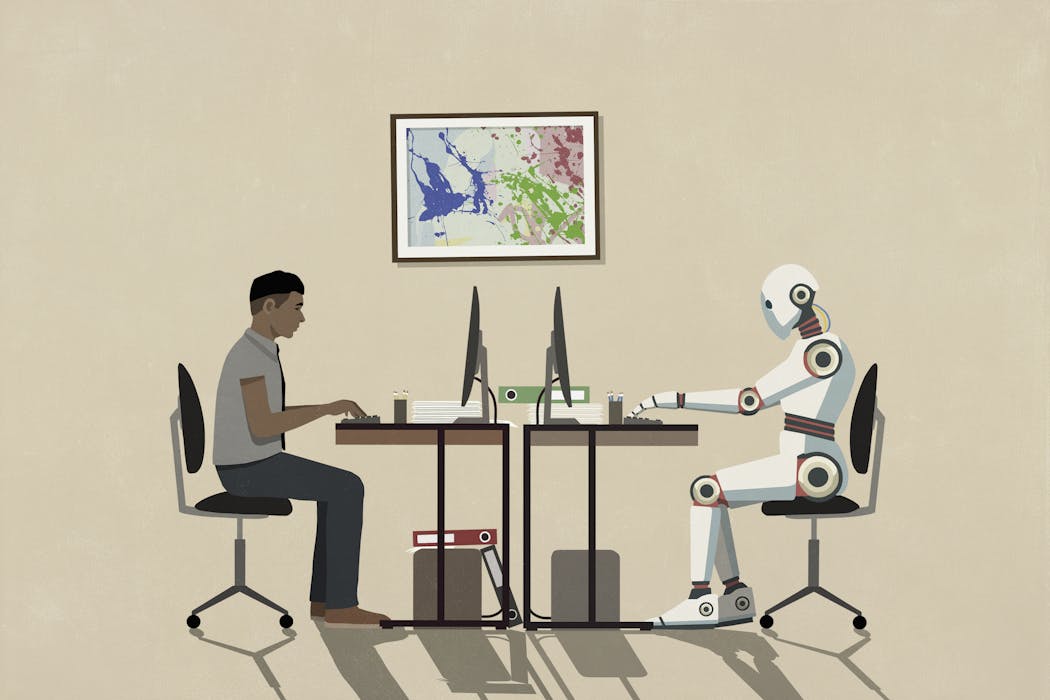
AI, drone ships and new sensors could leave submarines with few places to hide in the ocean

Source: The Conversation – UK – By David Stupples, Professor of Electrical and Electronic Engineering and Director of Electronic Warfare Research, City St George’s, University of London

A US Virginia-class attack submarine during sea trials in the Atlantic Ocean. US Navy courtesy of General Dynamics Electric Boat

For over a century, the ocean has been the ultimate refuge for those who wished to disappear. From the U-boats of the first world war to the nuclear-powered leviathans that glide through today’s deep waters, the submarine has thrived on one simple principle: stealth.

Sound waves travel further and faster in water than light or radar waves. This means sound is the most effective way to detect underwater objects. Modern anti-submarine warfare (ASW) is an ongoing cat-and-and-mouse game of detecting, tracking and deterring enemy submarines. With sound as the ocean’s only reliable language, ASW has primarily been a contest of listening.

But the game is changing. Advances in artificial intelligence (AI), sensor networks, and autonomous vehicles are eroding the acoustic monopoly that submarines once enjoyed.

A new generation of tireless, networked and increasingly intelligent machines is beginning to patrol the seas. This promises a future where even the quietest submarine will find it harder to remain unseen.

As the ocean’s soundscape becomes more crowded, navies are increasingly turning to non-acoustic methods. These technologies detect the effects of a submarine rather than its noise. Satellites equipped with synthetic aperture radar can detect subtle ripples and temperature gradients on the sea surface caused by subsurface movement.

Until recently, magnetometers, which can measure the minute disturbances a submarine creates in Earth’s magnetic field, were constrained by physics and sensitivity limits. The magnetic anomaly detectors used for ASW could only operate effectively at low altitude and at short range.

Emerging quantum magnetometers, which make use of the strange science of quantum mechanics, promise orders-of-magnitude improvements in sensitivity. They could, in theory, detect the presence of a steel hull tens of kilometres away, especially when deployed in swarms aboard uncrewed aircraft or sea surface vessels.

A technique called distributed acoustic sensing (DAS) could turn ordinary undersea cables – primarily used for internet traffic – into vibration sensors. It works by measuring subtle changes in strain in the cables’ optical fibres.

Through DAS, a single transoceanic cable could, in effect, become an enormous underwater microphone (hydrophone). In principle, this would allow a submarine crossing a major ocean basin to be detected by subtle pressure waves recorded in the fibres beneath it.

Autonomous vessels

At the heart of the revolution in ASW are uncrewed surface vehicles (USVs). These autonomous vessels range from small, solar-powered craft to large, long endurance ships capable of spending weeks or months at sea.

Unlike crewed ships, USVs can be built cheaply and in large numbers. Armed with sonar, radar, magnetometers and communications links, they are the mobile nodes of an ocean-scale sensor network that can listen, learn and adapt in real time.

US Navy Sea Hunter
The Sea Hunter is an autonomous anti-submarine vessel built for the US Navy.
Petty Officer 3rd Class Aleksandr Freutel.

The US Navy’s Sea Hunter, an autonomous trimaran, has demonstrated its ability to track a diesel-electric submarine for extended periods without human intervention. In the UK, the Royal Navy’s Cetus project and its experimental uncrewed fleet at Portsmouth are exploring similar ideas.

But it is the integration of AI with autonomy that reshapes the picture. A single USV, even a sophisticated one, can only observe a small patch of ocean. A swarm of hundreds, each communicating via satellite, laser, or acoustic link, can share information and act cooperatively.

AI is a game changer

AI does things that human operators and legacy systems cannot. It fuses data from multiple sources into a coherent picture. A single acoustic anomaly may mean little, but when combined with other data, it may form a high confidence detection.

AI operates continuously and without fatigue. Persistence is vital when hunting for the fleeting signature of a submarine designed to operate silently for weeks.

And by learning how submarines navigate, avoid detection, and exploit environmental features, algorithms can forecast likely positions and movements. This could prompt ASW to move from being primarily reactive to predictive – a shift comparable to how meteorology evolved from observation to forecasting.

Through these capabilities, AI could move from simply assisting detection to orchestrating it.

Humans are not leaving the loop, however. The role of human operator is shifting from hands-on detection to oversight, strategy, and what’s known as trust management.

Trust is a key challenge: in this context, it’s about ensuring human decision makers understand what AI is doing and why it recommends certain actions.

Navies are therefore investing heavily in explainable AI – systems that can account for their decisions – and robust communications systems that allow human operators to intervene when needed.

A connected ocean

By the 2030s, the world’s oceans may become as transparent to sensors as the skies became to radar in the 20th century. With help from AI, multiple transmitters and receivers – mounted on ships, aircraft and USVs – will be able to triangulate the positions of submarines in real time.

Swarms of autonomous underwater vehicles – relatively small robotic drones – will patrol close to shore, relaying data to surface craft. Satellites will flag anomalies for local sensor networks to investigate. And the fibre-optic infrastructure that spans the seabed may double as a global array of undersea microphones.

Autonomous underwater vehicle
Autonomous underwater vehicles could patrol areas near the shore.
US Navy

For now, such a vision remains technically ambitious. The ocean is extraordinarily complex: temperature gradients, salinity layers, and seabed topography all distort signals and confound algorithms. But with every incremental improvement in AI modelling and computational power, those obstacles shrink.

As detection grows more sophisticated, so too will the submarines. The future may see submarines using propulsion systems and materials in their hulls that leave minimal thermal or acoustic signature. Decoy drones could be used to confuse detection systems.

Some analysts predict that submarines will operate deeper and slower to evade wide-area surveillance. A shift towards autonomous undersea drones that can saturate defences through sheer numbers is also possible.

An unarmed Trident II D5 missile launches from the USS Nebraska
An unarmed Trident II D5 missile launches from the USS Nebraska. Submarines have long been the cornerstone of nuclear deterrence.
US Navy photo by Mass Communication Specialist 1st Class Ronald Gutridge

The strategic implications are profound. Submarines have long been the cornerstone of nuclear deterrence and covert power projection. Their ability to vanish beneath the waves gave nations second-strike capability (the ability to retaliate after absorbing a nuclear attack) and freedom of manoeuvre.

The result of AI-driven transparency could be greater stability – reducing incentives for surprise attack – or, paradoxically, new instability as nations race to preserve secrecy.

The submarine will remain a formidable weapon, but it will no longer move unseen. The ocean, once humanity’s final hidden frontier, is becoming transparent to the eyes of machines.

The Conversation

David Stupples does not work for, consult, own shares in or receive funding from any company or organisation that would benefit from this article, and has disclosed no relevant affiliations beyond their academic appointment.

ref. AI, drone ships and new sensors could leave submarines with few places to hide in the ocean – https://theconversation.com/ai-drone-ships-and-new-sensors-could-leave-submarines-with-few-places-to-hide-in-the-ocean-266973

What could burst the AI bubble?

Source: The Conversation – UK – By Richard Whittle, University Fellow in AI and Human Decision Making, University of Salford

Tada Images/Shutterstock

Some of the world’s biggest tech firms have soared in value over the last year. As AI evolves at pace, there are hopes that it will improve lives in ways that people could never have imagined a decade ago – in sectors as diverse as healthcare, employment and scientific discovery.

OpenAI is now worth US$500 billion (£373 billion), compared with US$157 billion last October. Another firm, Anthropic, has almost trebled its valuation. But the Bank of England has now warned of a possible rapid “correction” due to its concerns about these staggering valuation rises.

The question is whether these values are realistic – or based on hype, excitement and unfounded optimism for the potential of AI. Put simply, is AI’s value today a product of what AI will do in future or what people hope it may do? Ultimately, we will only really know if it’s a bubble if it bursts – though the warning signs are evident today.

With hindsight, many things that happen in a bubble may sound exceedingly optimistic. If you take many headlines and replace the word AI with the word computers it often sounds a lot more naive.

But, predicting the path of technological change is hard. Back in 2000 the Daily Mail declared the internet could be a passing fad. Just a few months earlier the dotcom boom had peaked.

A burst bubble may not change the end of the journey. The internet was not a passing fad. However, bubbles are extremely disruptive and affect people in very real ways. Stocks fall, pensions suffer, unemployment rises and investment is wasted. Real potential is crowded out in the hype and mania to focus all investment in a small number of stocks and firms.

Right now, we have the first sign of a bubble – a rapid rise in valuations. If these correct and fall we will have a bubble. If these valuations continue to rise we could be seeing a new sustained market that is focused on the technology of the future.

Of course, it might be that these valuations plateau. What happens then depends on whether people have invested in the belief that prices will always rise.

Consider a situation where people believe – as the Bank of England does – that AI firms’ valuations may be “stretched”. It’s helpful to consider what these valuations are based on. Investment is simply a bet that AI increases profitability for the firms involved. These massive valuations are bets that AI will hugely increase future profitability.

In some cases these are bets that AI will improve in capabilities towards some kind of “artificial superintelligence” that can do everything a human can do – or more. This could raise the living standards of everyone on Earth. Leading computer scientist Stuart Russell estimates the value of that at US$14 quadrillion – investors are buying a claim on that outcome too.

If investors begin to fear that AI profits won’t materialise then they will try to get their money back. This realisation can appear quite suddenly and can be prompted by seemingly minor events. It doesn’t require a big needle to pop a bubble.

close-up of a 1990s desktop computer screen as it connects to internet.
Excitement at easy internet access in the 1990s fuelled the dotcom bubble.
Gorodenkoff/Shutterstock

A US article published in March 2000 warned that internet companies were fast running out of money. This caused many people to rethink their investments

At this stage of the bubble, investment excitement had spread to everyday investors. These regular people balanced their fear of missing out with a fear that they were investing in something new that they didn’t know much about. For many, an article in a popular magazine suggesting they may have made a mistake tipped the scales towards caution. They began to sell their dotcom stocks.

In search of profit

It may come as a surprise to some that, despite its increasing valuations, OpenAI does not yet make a profit. It may require ten times more revenue to do so.

A US$500 billion valuation is quite something for a company that reportedly lost US$7.8 billion in the first half of this year. Some of this value appears to flow from a new deal between OpenAI and Nvidia where Nvidia will invest in OpenAI and OpenAI will buy Nvidia chips. This circular financing keeps everything afloat for now, but at some point investors will need to see returns.

AI firms more generally do not appear to be profitable at the moment. Investors are not putting their money into today’s losses – they are betting on an AI future.

It is of course perfectly feasible that AI firms will develop business models to increase their profitability. OpenAI is exploring advertising options and allowing chatbots to recommend products.

Using AI to deliver these messages is a viable option, though they will have to avoid the tricks and manipulations associated with online platforms, such as when hotel websites announce that rooms are about to sell out. We believe that AI can increase the power of these manipulations and we wonder how persuasive chatbots may be in their recommendations.

However, the big four – Meta, Alphabet, Microsoft and Amazon – are this year spending the equivalent of the GDP of Portugal on AI infrastructure. This is not investment in new targeted ads, it is investment in an AI future. The bubble will burst if and when this future is in doubt.

The Conversation

Richard Whittle receives funding from several standard sources including UKRI and Research England. No funders are likely to benefit from, or influence this work

Stuart Mills does not work for, consult, own shares in or receive funding from any company or organisation that would benefit from this article, and has disclosed no relevant affiliations beyond their academic appointment.

ref. What could burst the AI bubble? – https://theconversation.com/what-could-burst-the-ai-bubble-267136

Un robot m’a pris mon stage : l’impact de l’IA sur l’entrée des jeunes dans le monde du travail

Source: The Conversation – in French – By Melise Panetta, Lecturer of Marketing in the Lazaridis School of Business and Economics, Wilfrid Laurier University

Pendant longtemps, l’expression « le robot m’a pris mon emploi » évoquait des machines dans les usines. Aujourd’hui, la génération Z fait face à un nouveau défi : l’IA s’invite dans les stages et les postes d’entrée.

Les stages et les emplois débutants ont toujours constitué un tremplin prévisible vers le monde du travail, en offrant aux nouveaux employés l’expérience et les compétences nécessaires à leur développement professionnel à long terme.

Mais à mesure que l’intelligence artificielle (IA) se répand dans tous les coins du monde du travail moderne, ces postes sont susceptibles d’être remplacés par l’automatisation.


25-35 ans : vos enjeux, est une série produite par La Conversation/The Conversation.

Chacun vit sa vingtaine et sa trentaine à sa façon. Certains économisent pour contracter un prêt hypothécaire quand d’autres se démènent pour payer leur loyer. Certains passent tout leur temps sur les applications de rencontres quand d’autres essaient de comprendre comment élever un enfant. Notre série sur les 25-35 ans aborde vos défis et enjeux de tous les jours.

Les postes d’entrée impliquent généralement des tâches peu complexes et fréquentes, telles que la saisie de données, la planification ou la rédaction de rapports, tâches que l’IA générative peut accomplir à un coût nettement inférieur et plus rapidement qu’un être humain. Cela signifie presque certainement une diminution du nombre d’échelons traditionnels au bas de l’échelle professionnelle.

Nous en constatons déjà les effets : les emplois de premier échelon se font plus rares, les candidats étant confrontés à une augmentation de 14 % du nombre de candidatures par poste, selon LinkedIn.

L’IA transforme le monde du travail

L’intégration de l’IA dans tous les secteurs est en train de remodeler fondamentalement le marché du travail.

Près de la moitié des professionnels craignent que l’IA ne remplace leur emploi. Et ils ont de bonnes raisons de s’inquiéter : d’ici 2030, on estime que près de 30 % des tâches pourraient être automatisées par l’IA générative.

Par ailleurs, près des deux tiers des cadres se disent prêts à utiliser des outils d’IA pour augmenter la productivité, au risque de réduire les effectifs. À l’inverse, seul un cadre sur trois est prêt à conserver son personnel au détriment d’une productivité attendue plus élevée.

On prévoit également que la diminution des postes traditionnels de niveau débutant ou junior dans des secteurs tels que la restauration, le service à la clientèle, la vente et le soutien administratif pourrait représenter près de 84 % des changements professionnels attendus d’ici 2030.

Pénurie de talents et de postes d’entrée à l’avenir

Les données sur l’IA et l’avenir du travail soulignent également un autre problème potentiel : la pénurie de talents pour certaines compétences. Un rapport publié en 2024 par Microsoft et LinkedIn révèle que les dirigeants s’inquiètent de la pénurie dans des domaines tels que la cybersécurité, l’ingénierie et la conception créative.

Bien que ces données puissent sembler contradictoires, elles indiquent qu’outre la diminution du nombre de postes de débutants disponibles, des changements dans les rôles et les compétences sont également à prévoir.

En conséquence, la concurrence pour les postes de débutants devrait s’intensifier, et les candidats capables d’utiliser des outils d’IA pour améliorer leur productivité et leur efficacité seront davantage valorisés.

Au lieu de simplement supprimer des postes, de nombreux emplois se transforment pour exiger de nouvelles compétences. Il existe également une demande croissante de talents spécialisés dans les domaines où l’IA ne peut pas encore augmenter pleinement les capacités humaines.

La maîtrise de l’IA est la nouvelle condition d’entrée

À mesure que l’IA se généralise dans le monde du travail, les postes « débutants » ne consistent plus seulement à accomplir des tâches de base, mais aussi à savoir travailler efficacement avec les nouvelles technologies, y compris l’IA.

Les employeurs commencent à accorder une grande importance à la maîtrise de l’IA. Deux tiers des cadres affirment qu’ils n’embaucheraient pas une personne sans compétences en IA et 71 % déclarent qu’ils préféreraient un candidat moins expérimenté, mais possédant des compétences en IA à un candidat plus expérimenté, mais qui n’en possède pas.

Avec moins de postes de débutants disponibles, les jeunes travailleurs devront trouver comment se démarquer sur un marché du travail concurrentiel. Mais malgré ces défis, la génération Z est peut-être la mieux placée pour s’adapter à ces changements.

En tant que natifs du numérique, de nombreux membres de la génération Z intègrent déjà des outils d’IA dans leur travail. Un rapport de LinkedIn et Microsoft a révélé que 85 % d’entre eux utilisent des outils d’IA tels que ChatGPT ou Copilot sur leur lieu de travail, ce qui indique qu’ils sont à la fois à l’aise et désireux d’utiliser cette technologie.

Cette tendance reflète des tendances plus générales au sein de la population active. Un rapport a révélé que 76 % des professionnels estiment avoir besoin de compétences liées à l’IA pour rester compétitifs. Ce même rapport de Microsoft et LinkedIn a révélé une augmentation de 160 % des cours de formation à l’IA.

Cette importance croissante accordée aux compétences en IA s’inscrit dans une tendance plus large vers le « renforcement des compétences », c’est-à-dire le processus qui consiste à améliorer ses compétences pour s’adapter à l’évolution du marché du travail. Aujourd’hui, l’amélioration des compétences consiste à apprendre à utiliser l’IA pour améliorer, accélérer et renforcer ses performances sur le lieu de travail.

Un nouveau type d’emploi de premier échelon

Étant donné que la maîtrise de l’IA devient une compétence professionnelle essentielle, il est important de pouvoir se présenter comme un candidat possédant des compétences en IA pour se démarquer sur un marché de l’emploi de premier échelon très concurrentiel. Cela implique de savoir utiliser les outils d’IA, d’évaluer leurs résultats de manière critique et de les appliquer dans un contexte professionnel. Cela signifie également apprendre à présenter ses compétences en IA sur un CV et lors d’entretiens.


Déjà des milliers d’abonnés à l’infolettre de La Conversation. Et vous ? Abonnez-vous aujourd’hui à notre infolettre pour mieux comprendre les grands enjeux contemporains.


Les employeurs ont également un rôle à jouer dans tout cela. S’ils veulent attirer et retenir des employés, ils doivent repenser les postes d’entrée. Au lieu de les supprimer, ils devraient se recentrer sur des activités à plus forte valeur ajoutée qui nécessitent un esprit critique ou de la créativité. Ce sont là les domaines dans lesquels les humains surpassent les machines et où l’IA peut servir de soutien plutôt que de remplacement.

Mais pour que cela fonctionne, les employeurs doivent réévaluer leurs pratiques d’embauche afin de privilégier la maîtrise de l’IA et le savoir-faire transférable plutôt que des exigences d’expérience dépassées.

L’avenir du travail ne réside pas dans le remplacement des humains par les robots, mais dans l’apprentissage de la technologie pour renforcer les compétences et ouvrir de nouvelles voies vers l’emploi.

La Conversation Canada

Melise Panetta ne travaille pas, ne conseille pas, ne possède pas de parts, ne reçoit pas de fonds d’une organisation qui pourrait tirer profit de cet article, et n’a déclaré aucune autre affiliation que son organisme de recherche.

ref. Un robot m’a pris mon stage : l’impact de l’IA sur l’entrée des jeunes dans le monde du travail – https://theconversation.com/un-robot-ma-pris-mon-stage-limpact-de-lia-sur-lentree-des-jeunes-dans-le-monde-du-travail-266134

The Nobel peace prize has a record of being awarded to controversial nominees

Source: The Conversation – UK – By Colin Alexander, Senior Lecturer in Political Communications, Nottingham Trent University

The Nobel peace prize is rarely awarded to the most humble, modest or compassionate nominee. Instead, it all-too often ends up in the hands of high-profile figures who want it.

US president Donald Trump has said several times that he thinks he is deserving of it. And calls for him to win the award have only intensified since Israel and Hamas signed off on the first phase of Trump’s peace plan for Gaza.

The predicament is that, if the Nobel committee were to give the prize to Trump, they would be awarding it to a man whose administration has armed Israel’s continuing aggression in Gaza. This has led to devastating loss of life and, as confirmed by UN humanitarian chief Tom Fletcher, the area suffering famine.

Still, he has managed to engineer at least a ceasefire, which after two years of bitter conflict feels like a significant achievement.

But as a political communications analyst, I often worry that the Nobel peace prize committee has been too hasty to judge. I also worry that, while the institution might want to claim it is fully independent and works on the principle of group consensus, the reality is that its decision is often a political one.

Indeed, many previous recipients of the Nobel peace prize have, like Trump, not been the most peace-loving of people either.

High-profile controversies

In Nobel’s more than 120 years of awarding its prize, one of its most controversial decisions came in 1973. The award that year was given to Henry Kissinger, the then-US secretary of state. It is a decision that still divides opinion today.

Kissinger had been instrumental in the withdrawal of US troops from Vietnam in 1973. But he had also spent much of his political and academic career advocating for the proliferation of nuclear weapons and the development of a smaller “battlefield” range – Kissinger’s thesis that nuclear weapons could be used and were not just for deterrence.

He was a key decision-maker in the US’s “secret war” in Laos, which ran parallel to its operations in Vietnam, and in the US military’s invasion of Cambodia in 1970. More broadly, though, Kissinger’s political philosophy of realpolitik – politics based on practical objectives rather than ideals – appeared to have had little care for individual human life and saw global politics as a game between superpowers.

Kissinger was a man of great ego – the epitome of someone who wanted his own actions to be important and remembered.

Four decades later, the 2013 Nobel peace prize was awarded to the Organisation for the Prohibition of Chemical Weapons (OPCW). When the announcement was made, it seemed a fitting acknowledgement for an organisation that had been trying to do good in the world.

It felt like an apt award at a time when western political leaders and news media had roundly condemned the use of chemical weapons in Syria’s civil war. A gas attack in the Ghouta suburb of Damascus in August 2013 was widely condemned on the international stage.

However, the credibility of the OPCW has come under scrutiny since then. In 2019, British journalist Peter Hitchens published several articles about how the OPCW had suppressed the findings of its own staff to support its conclusion that the regime of Bashar al-Assad had used chemical weapons in an attack on the Syrian city of Douma.

Hitchens and others who sought to bring this to public attention, most notably a small group of academics called the Working Group on Syria, Propaganda and Media, were targeted by a smear campaign in which they were called “war crime deniers” and “apologists for Assad”.

But the Nobel committee’s most controversial decision has perhaps not been in who to award the prize to, but in who it did not award one to. From the 1920s until his assassination in 1948, Mohandas “Mahatma” Gandhi’s philosophy of non-violent civil disobedience against British colonial rule in India inspired many around the world. It led to his imprisonment on several occasions.

As I have detailed in my own work on the end of colonial rule in India, many British administrators privately acknowledged their deep admiration of Gandhi despite the extent to which his methods threatened their power. Gandhi is surely the individual most deserving of a peace prize who did not receive one.

The Conversation

Colin Alexander does not work for, consult, own shares in or receive funding from any company or organisation that would benefit from this article, and has disclosed no relevant affiliations beyond their academic appointment.

ref. The Nobel peace prize has a record of being awarded to controversial nominees – https://theconversation.com/the-nobel-peace-prize-has-a-record-of-being-awarded-to-controversial-nominees-267152

Nobel laureate Shimon Sakaguchi on his immune system breakthrough – and the treatments he hopes it will unlock

Source: The Conversation – Global Perspectives – By Gemma Ware, Host, The Conversation Weekly Podcast, The Conversation

Back in the 1980s, when Shimon Sakaguchi was a young researcher in immunology, he found it difficult to get his research funded. Now, his pioneering work which explains how our immune system knows when and what to attack, has won him a Nobel prize.

Sakaguchi, along with American researchers Mary Brunkow and Fred Ramsdell, were jointly awarded the 2025 Nobel prize in physiology or medicine for their work on regulatory T-cells, known as T-regs for short, a special class of immune cells which prevent our immune system from attacking our own body.

In this episode of The Conversation Weekly podcast, Sakaguchi tells us about his journey of discovery and the potential treatments it could unlock.

Sakaguchi was inspired by an experiment involving newborn mice conducted by his colleagues at the Aichi Cancer Center Research Institute in Nagoya.  They’d removed the thymus from mice three days after they were born. It was already known that the thymus is important in the development of immune self-tolerance: it’s where T-cells, a type of lymphocyte or white blood cell, that could attack the body are isolated and destroyed. Sakaguchi was intrigued by what happened. He said that if you remove the thymus in a normal mouse in the neonatal period, you would expect immune deficiency because the lymphocytes are gone.

But what happened is just the opposite: they developed autoimmune diseases.  This disease is very similar to what we see in humans … but of course, human patients are not removed of the thymus, so there must a common mechanism, which can explain spontaneous autoimmune diseases in humans.

Sakaguchi  decided to try a new experiment to stop the mice’s immune system going into overdrive. When he took some T-cells from genetically identical mice and injected them back into the mice who’d had their thymus removed, he found that autoimmune disease can be prevented. “ This suggests that there must be a T-cell population which can prevent disease development,” he said.

In the 1980s, Sakaguchi said it was not easy to get research funding “because the immunology community were very sceptical about the existence of such cells”. He spent time in the US and he says he was “very fortunate” to be supported by a grant from a private foundation.

After ten years of looking, he published a paper in 1995 setting out his discovery of regulatory T-cells, which act as the body’s security guard, controlling any adverse reactions and keeping the immune system in balance in a process called peripheral tolerance. When these T-regs don’t work properly, this can cause autoimmune diseases. Later work by Sakaguchi, and his fellow laureates Brankow and Ramsdell, discovered the specific gene, called Foxp3 that controlled T-regs.

Cancer, auto-immune treatments and more

When Sakaguchi started out, his interest was in autoimmune diseases and how they occur. “But in the course of my research we have gradually understood that T-regs are more important,” he says. These cells are now implicated in the way cancer attacks the body, as well as the acceptance of organ donations. Sakaguchi is also working on new ways to harness T-regs for treatment, and also on converting other, attacking types of T-cells, into T-regs to target specific autoimmune diseases.

His immediate hope is that some of the clinical trials for cancer immunotherapy can become a reality for treating patients. But he’s also fascinated by recent research which shows the importance of T-regs in diseases which cause inflammation – and what this could mean for potential to repair damaged tissue.

Neuro-degenerative diseases such as Alzheimer’s disease or Parkinson’s disease, all involve inflammation. By just targeting that kind of inflammation, we maybe [could] stop the disease progressions, or delay the disease progression. We hope that it is very true and then it really works for such diseases.

Listen to the interview with Shimon Sakaguchi on The Conversation Weekly podcast.

This episode of The Conversation Weekly was produced by Mend Mariwany and Katie Flood and is hosted by Gemma Ware. Mixing and sound design by Michelle Macklem and theme music by Neeta Sarl.

Listen to The Conversation Weekly via any of the apps listed above, download it directly via our RSS feed or find out how else to listen here. A transcript of this episode is available on Apple Podcasts or Spotify.

The Conversation

Shimon Sakaguchi is the scientific founder and a director of RegCell, a Japanese start-up working on treatments based on regulatory T-cells. He is also a scientific advisor for biotechnology company Coya Therapeutics.

ref. Nobel laureate Shimon Sakaguchi on his immune system breakthrough – and the treatments he hopes it will unlock – https://theconversation.com/nobel-laureate-shimon-sakaguchi-on-his-immune-system-breakthrough-and-the-treatments-he-hopes-it-will-unlock-267054

Gauteng’s ‘Coloured’ community feels unsafe: who they are and why they’re discouraged

Source: The Conversation – Africa (2) – By Rashid Seedat, Executive Director, Gauteng City-Region Observatory

The “Coloured” community in Gauteng, South Africa’s economic heartland, continues to face barriers to full economic and social inclusion. Despite progress in post-apartheid South Africa, this historically oppressed community continues to experience significant socio-economic challenges.

The term “Coloured” is initially placed in quotation marks to acknowledge its contested nature. Historically, the formation of Coloured identity in South Africa emerged from a complex colonial encounter involving Dutch and British settlers, slaves from south and east Asia and east Africa, and the indigenous Khoi and San peoples. This produced a distinct, mixed group that did not neatly fit into colonial racial categories. During apartheid, Coloured people were legally defined by the 1950 Population Registration Act as those who were neither white nor Black African.

Today, it remains an official racial classification in South Africa. It is also used in everyday discourse. But it is not a universally accepted label.

Quotation marks signal critical distance and sensitivity to the complex debates surrounding the term.

The Coloured population is concentrated mainly in the Western Cape (42.1%) and the Northern Cape (41.6%). There are smaller proportions in the Eastern Cape (7.6%), Gauteng (2.9%), Free-State (2.6%), North-West (1.6%), KwaZulu-Natal (1.5%), Mpumalanga (0.6%) and Limpopo (0.3%).

Current, albeit limited, research on the Coloured community is usually focused on the Western Cape province. This means that there is no new substantial scholarship providing a deeper and more nuanced understanding of this community in Gauteng.

In a bid to fill this gap, the Gauteng City-Region Observatory (GCRO) initiated a research project that delves into the issues in greater detail. This follows findings from a GCRO Quality of Life Survey released in 2024 which revealed concerning data on the Coloured community in Gauteng. This included the fact that a larger proportion of Coloured people within Gauteng felt unsafe, discouraged, apathetic and dissatisfied compared to the provincial average.

The concerns highlighted in the survey are not separate from questions of Coloured identity. There is a link between an enduring perception of marginalisation within Coloured communities and real material struggles.

Biggest concerns

Safety: The survey indicated that safety remains a concern for the Coloured community in Gauteng. When asked about the main problems in their community, 2.3% indicated gangs as a problem. This compared with 0.2% of the general Gauteng population.

Additionally, 61% of Coloured people believed that the crime situation had worsened in their neighbourhoods over the past year. The provincial average was 48%.

South Africa is often regarded as “the protest capital of the world”. Over 680 protests were recorded in the country from August 2024 to August 2025, an average of nearly two a day. In September 2025, Johannesburg’s majority-Coloured suburbs, Westbury, Coronationville, Newclare and Claremont, erupted in violent protests following prolonged water shortages. These protests reflected broader frustrations over basic service delivery failures.

When Coloured respondents were asked about reasons for protests in the neighbourhood in the survey, 17% indicated that it was a result of crime and safety issues, compared to the provincial average of 4%.

Joblessness and financial stresses: The survey highlighted that 5% of Coloured residents are discouraged work seekers. This is double the average in Gauteng. A total of 26% of Coloured people felt that saving money was impossible, compared to 17% of the general population.

The highest proportion of households experiencing severe food insecurity in Gauteng belong to the Coloured (12%) and Black African (13%) population groups.

Food insecurity refers to individuals who do not have access to sufficient food to lead an active, healthy life. The GCRO developed a food security index based on four indicators: whether households could afford enough groceries, whether there was a place nearby to buy food, and whether adults or children had skipped a meal due to financial constraints.

Political apathy: Among Coloured people who stated that they intended not to vote or were unsure if they would vote, 40% indicated that they do not like politics, broken promises or believed that voting is a waste of time. This is nearly double the provincial average of 26%.

The Coloured community had the highest proportion of people who were dissatisfied with their local municipalities. This dissatisfaction extended to provincial and national government:

  • 72% of Coloured people expressed dissatisfaction with provincial government, compared to 63% across Gauteng, and

  • 78% were dissatisfied with the national government, compared to 67% for the province.

Over a quarter of Coloured people believed that politics was a waste of time (26%) and that South Africa was a failed state (29%). This was much higher than the provincial average.

The survey also shed light on the ongoing racial tensions within Gauteng. Eighteen percent of Coloured residents reported experiencing racial discrimination either always or often. This compares with 13% of the general population.

Unpacking Coloured identity

A range of South African scholars and authors are engaged in debates on the Coloured identity. In developing our own understanding of Coloured identity, we draw on a three-part framework for thinking about its formation developed by professor of anthropology Zimitri Erasmus and set out in the introduction of the book Coloured by history, shaped by place: New perspectives on Coloured identity in Cape Town.

First, Coloured identity cannot be reduced to a “race mixture”. It is a cultural formation shaped by the conditions of appropriation and dispossession under slavery, colonialism and apartheid.

Second, Coloured identity was developed through creolisation, the blending of subaltern and ruling cultures, and is continually, and creatively, remade by Coloured people across time and space in ways that help them make sense of their lives.

Third, the apartheid racial hierarchy placed Coloured between Black African and White. This gave rise to the common refrain, “not black enough to be Black and not white enough to be White”. This position is twofold. On the one hand researchers must recognise the intra-Black racism of Coloured people under apartheid. On the other hand, they need to recognise the community’s enduring sense of marginalisation.

Next steps

The GRCO‘s project, “The Coloured community in post-apartheid Gauteng” aims to understand and explore dimensions of the Coloured experience in Gauteng.

The research initiative includes these areas of focus: a political and historical overview; a demographic and geographic profile; an examination of social and economic conditions; subjective well-being; political attitudes; and the role of religion.

Shamsunisaa Miles-Timotheus and Shannon Whitaker, junior researchers at the GCRO, are co-authors of this article.

The Conversation

Rashid Seedat receives funding from Gauteng Provincial Government for the Gauteng City-Region Observatory. He is affiliated with the Ahmed Kathrada Foundation as a member of the Board of Trustees.

ref. Gauteng’s ‘Coloured’ community feels unsafe: who they are and why they’re discouraged – https://theconversation.com/gautengs-coloured-community-feels-unsafe-who-they-are-and-why-theyre-discouraged-264716

Southern right whales are having fewer calves: what this says about ocean health

Source: The Conversation – Africa (2) – By Matthew Germishuizen, Postdoctoral research fellow, Mammal Research Institute Whale Unit, Department of Zoology and Entomology, University of Pretoria

Most people are lucky to simply get a glimpse of some fragment of a whale. A subtle puff of mist over the horizon, the curve of a dark smooth back sliding beneath the surface, or for the fortunate, the flash of a tail or the explosive splash of 40 tons of flesh pounding the surface of the water when they breach. The immense satisfaction experienced during these brief appearances is a testimony to the whales’ elusiveness, and the immense difficulty of studying them.

For scientists, the challenge is even greater: whales spend most of their lives far offshore, hidden beneath the waves, or even well within the ice pack in some of the most remote and inhospitable oceans on Earth.

This difficulty has driven researchers to creative extremes – like using crossbows to gather skin samples, flying helicopters to count them, and sticking cameras with suction cups on their backs. I faced the challenge myself during my doctoral research at the University of Pretoria, which set out to unravel how southern right whales are responding to the combined pressures of climate change and shifting ocean ecosystems.

Southern rights are the species that draws thousands of visitors to Hermanus, a town on South Africa’s southern Cape coast, each spring when they reach peak numbers at their calving grounds. They generally start arriving here in June after feeding for a couple of years in the Antarctic, and generally all leave by November back into the Southern Ocean.

Southern right whales are one of the three species of right whales worldwide. All belong to the baleen whale group – the filter-feeding giants that include the blue, humpback and fin whales. Reaching up to 17 metres in length, they are among the larger whale species. The southern right is the only right whale found in the southern hemisphere, with populations off South America, South Africa, Australia and New Zealand.

My research shows that the South African population of southern right whales is being squeezed by climate change in the Southern Ocean. Their reproductive slowdown is a clear biological signal of environmental disruption: fewer calves in Hermanus most likely means there is less food under the ice thousands of kilometres away.

This has two important implications. First, it highlights the vulnerability of whale populations. These animals face an uncertain future in a warming ocean. Second, it demonstrates the remarkable role whales can play as sentinels. By monitoring their health and behaviour, we gain insight into vast, remote ecosystems that are otherwise costly and difficult to study.

Why southern right whales matter

Southern right whales were named by whalers who considered them the “right” whales to hunt: slow, predictable, and buoyant when killed. Those same traits almost drove them to extinction. Today, with international protection, many populations are recovering. But recovery is no guarantee of security. The very qualities that made them easy targets now make them excellent sentinels of environmental change.

These whales are what biologists call capital breeders. Mothers must accumulate enormous energy reserves during their foraging season in the Southern Ocean, then draw down on these stores through pregnancy, birth and nursing. If food is scarce, reproduction falters. This tight link between feeding and breeding makes them a living barometer of ocean health.

What I set out to investigate

For decades, South Africa has been at the forefront of southern right whale research. Since 1969, annual aerial surveys along the Cape coast have tracked mothers and calves, building one of the world’s most detailed datasets on any whale species.

In recent years, however, worrying trends have emerged. After 2009, calving intervals, the time between births, lengthened dramatically. Instead of a calf every three years, many mothers were only giving birth every four or five years. Female body condition declined, and stable isotope studies, which analyse molecules in the skin to indicate what whales have been feeding on, suggested whales were feeding further north than before. This indicates that mothers are potentially taking longer to meet the energy requirements of reproduction.

These red flags raised an urgent question: was climate change disrupting the whales’ food supply in their distant Southern Ocean feeding grounds?

Peering into the whales’ world

To answer this, I combined multiple approaches. I analysed 40 years of environmental data: sea ice cover, chlorophyll (a measure of ocean productivity), and historical whaling records. I deployed satellite tags on living whales to follow their migrations offshore. And I worked with international colleagues to use instruments attached directly to whales, tags that measure conductivity, temperature and depth, to understand the physical and biological features of their foraging habitats.


Read more:
How microscopic ocean organisms and the earth’s temperature are linked


Together, these methods painted a clear picture. The traditional high-latitude feeding grounds, once rich in one of their preferred prey, Antarctic krill, have experienced dramatic environmental shifts driven by changes in the Earth’s climate. Sea ice, critical for krill survival and reproduction, has declined by 15%-30% in key regions. The marginal ice zone, once a reliable nursery for krill, has retreated southward. In parallel, whale mothers showed signs of poorer body condition, consistent with struggling to find sufficient food.

At mid-latitudes, meanwhile, whales were often found foraging near ocean fronts, dynamic boundaries where warm and cold waters meet, concentrating nutrients and prey. This suggests that when their polar larder fails, whales are forced to adapt by exploiting less predictable feeding zones further north.

Why it matters to all of us

Southern right whales are more than just a tourist attraction. They are indicators of the health of the Southern Ocean, a region that regulates Earth’s climate by absorbing heat and carbon dioxide. Changes in this system ripple far beyond Antarctica, shaping weather, fisheries, and biodiversity across the globe.

When fewer whale calves appear along South Africa’s coast, it is not only a local conservation concern. It is a message carried on the backs of these giants: our oceans are changing faster than they can adapt.

As we celebrate their return each spring, we should also reflect on the bigger story they tell. Protecting whales, and the oceans they depend on, is inseparable from protecting our own future.

The Conversation

Matthew Germishuizen does not work for, consult, own shares in or receive funding from any company or organisation that would benefit from this article, and has disclosed no relevant affiliations beyond their academic appointment.

ref. Southern right whales are having fewer calves: what this says about ocean health – https://theconversation.com/southern-right-whales-are-having-fewer-calves-what-this-says-about-ocean-health-266375

What do Nigerian children think about computers? Our study found out

Source: The Conversation – Africa (2) – By Ismaila Sanusi, Postdoctoral Researcher, School of Computing, Faculty of Science, Forestry and Technology, University of Eastern Finland

Digital literacy is the ability to use digital tools and technologies effectively, safely and responsibly. This includes the use of smartphones and devices, navigating the internet and exploring coding basics.

In an era where digital literacy is more important than ever, it’s essential to understand how young children perceive computing concepts.

As a computer science education researcher, I led a team of researchers to study young children’s ideas about computing in an African setting. Our recent study sheds light on how children aged five to eight in Nigeria think about computing, including computers, the internet, coding and artificial intelligence (AI).

While most children were familiar with computers and had some idea of the internet, coding and AI were largely unfamiliar or misunderstood. The children’s understanding was shaped by what they observed at home, school and through the media.

This kind of research matters because early digital literacy prepares children for future learning and careers. In African countries, studies like this highlight the urgent need to bridge the digital divide – the wide variation in access and exposure to technology. Without early and inclusive computing education, many children risk being left behind in a world where digital skills are essential. They are crucial not just for the jobs of tomorrow, but for full participation in society.

The study approach

The study took place in two socio-economically distinct communities in Ibadan, Nigeria. It offers valuable insights into how concepts and ideas are formed in relation to understanding technology.

This research chose a small group of children for an in-depth study, rather than a huge sample. Using a “draw-and-talk” method, the researchers asked 12 children to draw what they believed computers, the internet, code and AI looked like.

Artificial intelligence is when machines act smart, like answering questions or recognising faces. Coding is writing instructions that tell computers what to do. The internet is a global network that lets people connect, share and learn online.

These drawings were followed by interviews to explore the children’s thoughts and experiences. This method revealed not only what the children knew but how they formed their ideas.

What children know and don’t know about computing

The study found that most children were familiar with computers, often describing them as resembling televisions or typewriters. This comparison highlights how children relate new concepts to familiar objects in their environment. But their understanding was largely limited to what computers looked like. They had little awareness of internal components or functions beyond “pressing” keys.

When it came to the internet, children’s conceptions were more abstract. Many associated the internet with actions like watching videos or sending messages. This was often based on observing their parents using smartphones. Few could say what the internet actually was or how it worked. This suggests that children’s understanding is shaped more by observed behaviours than formal instruction.

Coding and AI were even less understood. Most of the children had never heard of coding. Those who had offered vague or incorrect definitions, such as associating “code” with television programmes or numbers. Similarly, AI was a foreign concept to nearly all participants. Only two children offered rudimentary explanations based on media exposure, such as robots or voice assistants like Google.

Children’s misconceptions about computers, coding and AI reflect limited exposure and are consistent across different cultural contexts in Nigeria and outside Nigeria. They highlight the need for hands-on programming education and tailored learning models.

This study was based on a prior study conducted in Finland, and the results also have similarities with other studies.

The role of language and environment

A key finding of the study is the influence of socio-economic status and language on children’s understanding. Children from the higher-income community generally had more exposure to digital devices and could express slightly more informed views, especially about the internet.

In contrast, children from the lower-income community had limited access. They struggled to express their ideas, particularly when computing terms lacked equivalents in their native language, Yoruba.

This language barrier underscores a broader challenge in computing education in Africa. There are few culturally and linguistically appropriate teaching materials. Without localised terminology or relatable examples, children may struggle to grasp abstract computing concepts.

Implications for education and policy

The study’s findings have implications for educators, curriculum developers and policymakers. First, they highlight the need to introduce computing concepts like coding and AI at earlier stages of education.

While many African countries, including Nigeria, Ghana and South Africa, have begun integrating computing into school curricula, the focus remains on basic computer literacy. There’s little emphasis on programming or emerging technologies.

Second, the research emphasises the importance of informal learning environments. Children’s conceptions were largely shaped by interactions at home and in their communities. It seems parents, guardians and media play a big role in early digital education.

Initiatives like after-school coding clubs, community tech hubs and parent-focused digital literacy programmes could help bridge the gap.

Finally, the study calls for a more inclusive and equitable approach to computing education. Children from lower socio-economic backgrounds must be given equal opportunities to use technology. This includes not only access to devices but also exposure to meaningful learning experiences that foster curiosity and understanding.

Building a digitally inclusive future

As the digital divide continues to shape educational outcomes globally, studies like this one provide a roadmap for more inclusive computing education. Educators and policymakers can design interventions that are developmentally appropriate, culturally relevant and socially equitable.

The future of computing in Africa depends not just on infrastructure and policy but on nurturing the next generation’s curiosity and creativity. And that journey begins with listening to how children see the digital world around them.

The Conversation

Ismaila Sanusi does not work for, consult, own shares in or receive funding from any company or organisation that would benefit from this article, and has disclosed no relevant affiliations beyond their academic appointment.

ref. What do Nigerian children think about computers? Our study found out – https://theconversation.com/what-do-nigerian-children-think-about-computers-our-study-found-out-260602

How vaping primes the lungs for COVID damage

Source: The Conversation – UK – By Keith Rochfort, Assistant Professor, School of Biotechnology, Life Sciences Institute, Dublin City University

Vitaliy Abbasov/Shutterstock

As colder months set in, respiratory infections begin to climb: everything from the common cold and flu to COVID. It’s a time when healthy lungs matter more than ever. Yet the very tissue that lets oxygen pass from air to blood is remarkably delicate, and habits such as vaping can weaken it just when protection is most needed.

The lungs are often pictured as two simple balloons, but their work is far more intricate. They act as a finely tuned exchange system, moving oxygen from inhaled air into the bloodstream while releasing carbon dioxide produced by the body’s cells.

At the centre of this process lies the blood–air barrier: a paper-thin layer where tiny air sacs called alveoli meet a dense network of hair-thin pulmonary capillaries. This barrier must remain both strong and flexible for efficient breathing, yet it is constantly exposed to stress from air pollution, microscopic particles and infectious microbes.

Vaping can add another layer of strain, and growing evidence shows that this extra pressure can damage the surface that makes every breath possible.


Read more:
Want to quit vaping this year? Here’s what the evidence shows so far about effective strategies


The cloud from an e-cigarette carries solvents such as propylene glycol, flavouring chemicals, nicotine (in most products) and even trace metals from the device itself. When this cocktail reaches the lungs it doesn’t stay on the surface. It seeps deeper, irritating the endothelium – the thin layer of cells lining the blood vessels that mesh with the air sacs.


Read more:
What’s in vapes? Toxins, heavy metals, maybe radioactive polonium


Healthy endothelium keeps blood flowing smoothly, discourages unnecessary clotting and acts as a selective gatekeeper for the bloodstream – controlling which substances, such as nutrients, hormones and immune cells, can pass in or out of the blood vessels while blocking harmful or unnecessary ones.

Studies show vaping can disrupt these defences, causing endothelial dysfunction even in young, otherwise healthy people. Controlled human exposure experiments reveal rises in endothelial microparticles – tiny cell fragments released when vessel linings are under stress.

My own research group has linked these changes to surges in inflammatory signals and stress markers in the blood after exposure to vaping aerosols. Together these findings indicate that the endothelium is struggling to maintain its protective role.

Laboratory work shows that vaping aerosols (even without nicotine) can loosen the tight seal of pulmonary endothelial cells. When the barrier leaks, fluid and inflammatory molecules seep into the alveoli. The result: blood–gas exchange is disrupted and respiratory infections become harder to fight.

COVID is usually thought of as an infection of the airways, but the SARS-CoV-2 virus also injures blood vessels. Doctors now describe the condition as causing endotheliopathies – diseases of the blood-vessel lining. In severe cases, capillaries become inflamed, leaky and prone to clotting. That helps explain why some patients develop dangerously low oxygen levels even when their lungs are not full of fluid: the blood side of the barrier is failing.


Read more:
How COVID-19 damages lungs: The virus attacks mitochondria, continuing an ancient battle that began in the primordial soup


The virus exploits a key protein called ACE2, normally a “thermostat” that helps regulate blood pressure and vessel health. SARS-CoV-2 uses ACE2 as its doorway into cells; once the virus binds, the receptor’s protective role is disrupted and vessels become inflamed and unstable.

Vaping and COVID: a dangerous combination

My team is using computer models to investigate how vaping may affect COVID infections. Evidence already shows vaping can increase the number of ACE2 receptors in the airways and lung tissue. More ACE2 means more potential entry points for the virus – and more disruption exactly where the blood–air barrier needs to be strongest.

Both vaping and COVID drive inflammation. Vaping irritates and inflames the blood-vessel lining while COVID floods the lungs with pro-inflammatory molecules. Together they create a “perfect storm”: capillaries become leaky, fluid seeps into the air sacs and oxygen struggles to cross the blood–air barrier. COVID also raises the risk of blood clots in the lung’s vessels, while vaping has been linked to the same, compounding the danger.


Read more:
Is lung inflammation worse in e-cigarette users than smokers, as a new study suggests?


Vaping can also hinder recovery after a bout of COVID. Healing the fragile exchange surface requires every bit of support the lungs can get. Vaping adds extra stress to tissues the virus has already damaged, even if the vaper feels no immediate symptoms. The result can be prolonged breathlessness, persistent fatigue and a slower return to pre-illness activity levels.

The blood–air barrier is like a piece of delicate fabric: it holds together under normal wear but can tear when pushed too hard. Vaping weakens that weave before illness strikes, making an infection such as COVID harder to overcome. The science is still evolving, but the message is clear: vaping undermines vascular health. Quitting, even temporarily, gives the lungs and blood vessels the cleaner environment they need to heal and to keep every breath effortless.

The Conversation

Keith Rochfort receives funding from Research Ireland.

ref. How vaping primes the lungs for COVID damage – https://theconversation.com/how-vaping-primes-the-lungs-for-covid-damage-266162

Europe is allowing itself to be dominated by the US. It just isn’t admitting as much

Source: The Conversation – France – By Sylvain Kahn, Professeur agrégé d’histoire, docteur en géographie, européaniste au Centre d’histoire de Sciences Po, Sciences Po

For 80 years, Europe maintained an asymmetric yet cooperative relationship with the United States. This imbalance, long accepted as the price of stability and protection, has shifted dramatically under US President Donald Trump. What was once a strategically uneven interdependence has become an unbreakable grip, which is used to exert pressure while being denied by its victims.

In my book, l’Atlantisme est mort ? Vive l’Europe ! (Is Atlanticism Dead? Long Live Europe!), I describe this shift by introducing the concept of “emprisme”: a permitted grip in which Europeans, believing themselves to be partners, become dependent on a power that dominates them without their full awareness.

Emprisme does not merely refer to influence or soft power, but an internalised strategic subordination. Europeans justify this dependence in the name of realism, security, or economic stability, without recognising that it structurally weakens them.

In Trump’s worldview, Europeans are no longer allies but freeloaders. The common market enabled them to become the world’s largest consumer zone and strengthen their companies’ competitiveness, including in the US market. Meanwhile, through NATO, they let Washington bear the costs of collective defence.

The result? According to Trump, the US – because it is strong, generous, and noble – is being “taken advantage of” by its allies. This narrative justifies a shift: allies become resources to exploit. It is no longer cooperation, but extraction.

Ukraine as a pressure lever

The war in Ukraine perfectly illustrates this logic. While the EU mobilized to support Kyiv, this solidarity became a vulnerability exploited by Washington. When the Trump administration temporarily suspended Ukrainian access to US intelligence, the Ukrainian army became blind. Europeans, also dependent on this data, were left half-blind.

The administration’s move was not a mere tactical adjustment, but a strategic signal: European autonomy is conditional.

In July 2025, the EU accepted a deeply unbalanced trade agreement imposing 15% tariffs on its products, without reciprocity. The Turnberry agreement was negotiated at Trump’s private estate in Scotland – a strong symbol of the personalization and brutalization of international relations.

At the same time, the US stopped delivering weapons directly to Ukraine. Europeans now buy American-made arms and deliver them themselves to Kyiv. This is no longer partnership, but forced delegation.

From partners to tributaries

In the logic of the MAGA movement, which is dominant within the Republican Party, Europe is no longer a partner. At best, it is a client; at worst, a tributary.

In this situation, Europeans accept their subordination without naming it. This consent rests on two illusions: the idea that this dependence is the least bad option, and the belief that it is temporary.

Yet many European actors – political leaders, entrepreneurs, and industrialists – supported the Turnberry agreement and the intensification of US arms purchases. In 2025, Europe accepted a perverse deal: paying for its political, commercial and budgetary alignment in exchange for uncertain protection.

It is a quasi-mafia logic of international relations, based on intimidation, brutalization and the subordination of “partners”. Like Don Corleone in Frances Ford Coppola’s The Godfather, Trump seeks to impose an unpredictable American protection in exchange for an arbitrary price set unilaterally by the US.

Emprisme and imperialism: two logics of domination

It is essential to distinguish emprisme from other forms of domination. Unlike President Vladimir Putin’s Russia, whose imperialism relies on military violence, Trump’s US does not use direct force. When Trump threatens to annex Greenland, he exerts pressure but does not mobilize troops. He acts through economic coercion, trade blackmail, and political pressure.

Because Europeans are partially aware of this and debate the acceptable degree of pressure, this grip is all the more insidious. It is systemic, normalized, and thus hard to contest.

Putin’s regime, by contrast, relies on violence as a principle of government – against its own society and its neighbours. The invasion of Ukraine is its culmination. Both systems exercise domination, but through different logics: Russian imperialism is brutal and direct; US emprisme is accepted, constraining, and denied.

Breaking the denial

What makes emprisme particularly dangerous is the denial that accompanies it. Europeans continue to speak of the transatlantic partnership, shared values, and strategic alignment. But the reality is one of accepted coercion.

This denial is not only rhetorical: it shapes policies. European leaders justify trade concessions, arms purchases, and diplomatic alignments as reasonable compromises. They hope Trump will pass, that the old balance will return.

But emprisme is not a minor development. It is a structural transformation of the transatlantic relationship. And as long as Europe does not name it, it will keep weakening – strategically, economically and politically.

Naming emprisme to resist it

Europe must open its eyes. The transatlantic link, once protective, has become an instrument of domination. The concept of emprisme allows us to name this reality – and naming is already resisting.

The question is now clear: does Europe want to remain a passive subject of US strategy, or become a strategic actor again? The answer will determine its place in tomorrow’s world.


A weekly e-mail in English featuring expertise from scholars and researchers. It provides an introduction to the diversity of research coming out of the continent and considers some of the key issues facing European countries. Get the newsletter!


The Conversation

Sylvain Kahn ne travaille pas, ne conseille pas, ne possède pas de parts, ne reçoit pas de fonds d’une organisation qui pourrait tirer profit de cet article, et n’a déclaré aucune autre affiliation que son organisme de recherche.

ref. Europe is allowing itself to be dominated by the US. It just isn’t admitting as much – https://theconversation.com/europe-is-allowing-itself-to-be-dominated-by-the-us-it-just-isnt-admitting-as-much-267060