Editor’s note: The Conversation’s operation in the UK is based at UCL in London, where around half of the 25-strong editorial team have desks. It is a physical representation of our integrated position within the institution and the UK Higher Education sector.
We were founded in the UK in 2013, to channel research-based knowledge to the wider public. More than 70 UK institutions are now members of the project, along with 13 worldwide. That means we’re keenly aware of the challenges facing the sector, as well as the incredible value it brings to society as a whole. Here, Michael Spence, President & Provost of UCL, writes about the necessity for higher education institutions to engage with their communities, and universities’ role in national and local life.
UK universities are rightly respected around the world for their academic rigour, openness, and ingenuity. I’m proud of UCL’s close connection with The Conversation, which showcases this expertise daily.
As someone who has worked within this remarkable higher education sector for many years, I know how tempting it is to leap to its defence when it is criticised. However, there are moments when it is important to listen. With increasing dissatisfaction in institutions around the Western world, now is one of them. In doing so, we must be careful not to dismiss criticism or to exaggerate the sense of public dissatisfaction. We must meet the public where they are.
That’s why I was glad that UCL Policy Lab with More in Common, through a series of polls and focus group discussions, recently chose to look closely at how the public sees the role and value of universities today. Their work finds that the British public still hold a deep affection for our universities – indeed they remain a source of national, local and personal pride.
Around 60% of the public see universities as a benefit to the nation, a similar number see them as a local asset. Where many institutions are perceived to be fractured or in decline, universities stand out: globally respected yet deeply embedded in their communities.
In these turbulent times maintaining this trust is far from guaranteed. The report also makes clear where there is growing concern and division over the benefit and role of universities. This includes on the perception that some degrees do not prepare students for the workplace and the finding that only around half of the population say they are aware universities carry out research.
Yet the most striking finding of the report, and the one that should give us most pause for thought, is the gap between the affection of graduates for universities and the relative scepticism of those that have not attended higher education. Voters that see Reform as the answer to their frustrations are overwhelmingly non-graduates.
The clear challenge for us is therefore to show we are serving the whole country whether they attended university or not. It’s easy to respond to this by saying we need to tell a better story – to communicate more clearly the value we bring to the nation. That is true, but it’s not the whole picture. The message I take away is that the public expect change to address their concerns, but not a revolution of institutions that they remain proud of.
The public’s frustration with how many aspects of the country are working – or not working – is real. Universities must not be oblivious to that, and while the overall picture is a positive one, it will not remain so without our showing the requisite leadership to maintain and extend public trust. In setting out the Post 16 Education and Skills White Paper, the government has been clear that universities are expected to take the lead in defining their public purpose.
I have been heartened to see more university leaders start to tackle these challenges. For our part at UCL it starts with our deep commitment to our place in London and serving the communities around us. That includes our long-established partnership with our home borough, Camden Council, working with them on the variety of ways our university can serve the local community. Whether that is through a thoughtful approach to local planning, the “Good Life Euston” project measuring how regeneration affects Euston’s communities, supporting the curriculum development for young people at the London AI campus, or facilitating the volunteering work of our Students Union to distribute toys to families in need at Christmas.
More recently we have built an approach to civil society partnerships that recognises the university’s responsibility to communities across Britain. The focus has been on building deep and lasting regional partnerships in areas outside of London where our work can have the most benefit. In the North East of England, one ongoing project aims to support the development of social infrastructure in Sacriston, a former mining village in County Durham. Another project in Sunderland focuses on men’s mental health.
Of course, we must not lose sight of the fact that the power of university research is that so much of it, by its very nature, is at the service of all. This is not just in the knowledge we make available freely to the public, but the transformative impact it can have on lives.
Nowhere is this clearer than in health research and clinical trials, an area where UCL does a huge amount. From aiding the development of medical breakthroughs like the first ever successful treatment for slowing the progression of Huntington’s disease, announced in October, to helping improve treatment approaches, as the STAMPEDE trial has done with over 12,000 men with prostate cancer, to the remarkable progress being made with gene therapies – with a “base-editing” technique shown to reverse incurable leukaemia, just this week. It does not matter to the patient where their treatment was developed, if it can save or improve their lives. Our report demonstrates that while the public have a clear sense of the importance of this research, universities’ role in it is not widely understood. This is something we must address.
No responses to demonstrate we serve the whole nation can engender trust if there is a perception that our doors are closed to some communities. Further work on widening participation is therefore fundamental. I am proud that a third of our recent undergraduate students entered through our Access UCL programme. However, this commitment means not only enabling attendance at university but attainment while here, on which we have a renewed focus.
It is equally important to demonstrate that we are welcoming of diverse views that reflect the whole nation. Genuine diversity of perspectives and backgrounds is fundamental to what we do as a university. Good-faith disagreement between informed participants with a range of views and experiences enhances university life, strengthens our research and makes us better able to serve the communities in which we are based. It is to this end we have developed our teaching of the skills of disagreement, hosted difficult conversations on campus and continue to work across our whole community on the challenge of social polarisation under the banner of our Disagreeing Well campaign.
At a time when public trust in institutions is under strain across the Western world, we can take heart from the continued public support for UK universities. While we cannot be complacent, I remain confident that we can make the necessary changes and demonstrate to the public, whether they attended university or not, that we serve their interests. The task of doing so starts with listening.
Du XIXᵉ siècle à nos jours, la carte de Noël illustre la façon dont tradition et innovation se sont mêlées. Née de la révolution industrielle et inspirée d’usages anciens, elle a transformé le rituel des visites de fêtes en un geste papier, devenant une tradition à part entière tout en nourrissant la nostalgie des Noëls passés.
C’est un refrain saisonnier bien connu : « Noël n’est plus ce qu’il était. » Ce n’est pas une plainte nouvelle. L’histoire montre que les traditions de Noël évoluent comme n’importe quel autre aspect des sociétés humaines, et chaque fois que les usages changent, certains regrettent de ne pas pouvoir remonter le temps.
Dans les années 1830, le juriste anglais William Sandys a rassemblé de nombreux exemples de Britanniques déplorant la transformation des coutumes de Noël au fil des époques. Sandys lui-même se montrait particulièrement inquiet du déclin du chant de Noël en public, notant que cette pratique semblait « être un peu plus négligée chaque année ». Il craignait que cette « négligence » ne reflète une tendance plus large, chez les Britanniques du XIXᵉ siècle, à célébrer Noël avec moins « d’hospitalité et d’innocente liesse » que par le passé.
Pourtant, le XIXᵉ siècle a aussi vu naître de nouvelles coutumes de fin d’année. Beaucoup des pratiques apparues à l’époque de William Sandys sont même devenues à leur tour des traditions bien établies – et font aujourd’hui l’objet de nostalgie, voire d’inquiétude chez ceux qui redoutent leur disparition. Prenez, par exemple, la modeste carte de Noël. Mes recherches montrent que ces vœux imprimés, envoyés pour les fêtes, puisaient dans les usages anciens pour faire entrer Noël dans une ère nouvelle.
Une tradition britannique
Les ventes et l’envoi de cartes de Noël sont en recul depuis les années 1990. Les lamentations sur la possible « mort » de la carte de Noël obtiennent un écho particulier au Royaume-Uni, où l’envoi de vœux à la famille et aux amis par cartes imprimées a longtemps été considéré comme un élément essentiel d’un « Noël à la britannique ».
Pourtant, comme ces mêmes historiens le rappellent, il fut un temps où les Britanniques ne faisaient aucune de ces choses à Noël. Chacune de ces pratiques n’est devenue un élément du Noël « à l’anglaise » qu’au cours de la seconde moitié du XIXᵉ siècle et des premières décennies du XXᵉ siècle. Elles demeurent donc des ajouts relativement récents aux coutumes festives du pays, surtout si on les replace dans les plus de 2 000 ans d’histoire de Noël.
Révolution industrielle et cartes de Noël
La coutume d’envoyer des cartes de Noël imprimées a commencé au milieu du XIXᵉ siècle et résulte directement de la révolution industrielle. Elle est devenue abordable grâce aux nouvelles techniques d’impression et de fabrication du papier, ainsi qu’aux moyens de transport plus efficaces comme le chemin de fer.
L’essor de cette tradition a aussi été facilité par l’instauration du Penny Post en 1840, qui permettait aux Britanniques d’envoyer des lettres à n’importe quelle adresse du Royaume-Uni pour le prix modique d’un timbre à un penny.
La plupart des historiens situent l’apparition de la carte de Noël en 1843, l’année même où Charles Dickens publie Un chant de Noël. Cette année-là, l’inventeur et haut fonctionnaire Henry Cole commande à l’artiste John Callcott Horsley la réalisation d’une carte pour l’aider à gérer plus efficacement sa correspondance de Noël. Des versions imprimées de la carte de Cole furent également mises en vente, mais leur prix élevé – un shilling l’unité – les rendait inaccessibles pour la majorité des Victoriens.
L’initiative de Cole inspira toutefois d’autres imprimeurs, qui se mirent à produire des cartes de Noël similaires mais plus abordables. L’usage de ces cartes moins chères commença à se diffuser dans les années 1850 et s’était imposé comme tradition de fin d’année à la fin du siècle.
Une invention victorienne ?
Si la carte de Noël a pu sembler une nouveauté totale aux expéditeurs et destinataires de l’époque victorienne, la conception de la première carte s’inspirait en réalité d’autres traditions festives britanniques plus anciennes.
Comme l’ont montré les historiens Timothy Larsen et le regretté Neil Armstrong, le statut déjà bien établi de Noël impliquait que les nouvelles coutumes apparues au XIXᵉ siècle devaient s’arrimer à des usages existants, les compléter ou les remplacer. La carte de Noël n’a pas échappé à cette logique.
En 1843, de nombreux Britanniques déploraient la disparition de toute une série de coutumes de Noël dites « à l’ancienne ». Parmi les plus notables figuraient les traditions d’« hospitalité » de Noël, notamment les visites de Noël et du Nouvel An, durant lesquelles familles, amis et voisins se rendaient les uns chez les autres pour porter des toasts et échanger leurs meilleurs vœux pour les fêtes et l’année à venir.
Les chercheurs soulignent que la croyance en l’aspect traditionnel de ces rites tenait à un mélange de souvenirs réels et de fictions construites. Parmi ces dernières, les plus influentes furent les récits populaires dépeignant « l’hospitalité anglaise d’autrefois » à Noël, écrits dans les années 1820 par l’auteur américain Washington Irving et rassemblés notamment dans des histoires mettant en scène cette hospitalité « old English ». Les Britanniques invoquaient régulièrement les descriptions d’Irving lorsqu’ils débattaient de l’évolution des célébrations nationales.
Quelle qu’ait été la réalité historique de ces « anciennes » coutumes, elles sont néanmoins devenues centrales dans les débats sur la disparition supposée d’un ensemble de pratiques communautaires de Noël, telles que les festins, le chant de Noël et les actes publics de charité.
Bien qu’il soit difficile de savoir si ces débats ont influencé la décision de Cole de commander sa carte de Noël de 1843, l’illustration conçue pour lui par Horsley y fait directement référence.
La carte montre une famille encadrée par des tréteaux décorés de houx et de gui, accompagnée de chaque côté de scènes de charité illustrant le nourrissage et l’habillement des pauvres. Le centre de la carte – et le cœur symbolique de la vision de Noël de Horsley – est toutefois occupé par une famille composée de trois générations clairement définies, partageant un festin collectif, incluant le classique Christmas pudding anglais.
La tradition de l’hospitalité à l’anglaise revisitée
Les premières cartes privilégiaient des scènes évoquant un Noël « à l’ancienne » : chants, actes de charité, sports de plein air, jeux comme colin-maillard, abondance de feuillage, festins et toasts de Noël et du Nouvel An. Ces cartes étaient donc des produits industriels innovants, ornés d’images des Noëls britanniques d’antan.
Le développement, puis le succès, de la carte de Noël dans l’Angleterre victorienne montre comment la nostalgie pouvait être canalisée en invention. La carte n’a pas revitalisé les traditions de visites de Noël et du Nouvel An ; elle a offert une version « papier » en remplacement. La production industrielle et les moyens de transport ont transformé le visiteur physique en un substitut papier, permettant à davantage de personnes de « rendre visite » à un plus grand nombre de foyers pendant les fêtes que ce qu’elles auraient pu faire en personne.
Le désir de conserver un élément d’une ancienne tradition de Noël, supposément en déclin, s’est ainsi avéré déterminant dans la création d’une nouvelle tradition festive, au milieu de changements sans précédent dans les modes de communication et les relations sociales.
Aujourd’hui, un contexte similaire de mutations sociales et technologiques a conduit certains à prédire la « mort » de la carte de Noël. L’histoire du XIXᵉ siècle montre cependant que, si cette tradition venait à disparaître, ce qui la remplacerait prospérerait en s’inspirant, de manière sélective, des coutumes de Noël du passé.
Christopher Ferguson ne travaille pas, ne conseille pas, ne possède pas de parts, ne reçoit pas de fonds d’une organisation qui pourrait tirer profit de cet article, et n’a déclaré aucune autre affiliation que son organisme de recherche.
Terme clé de la devise républicaine, trônant aux frontons de toutes les mairies, la fraternité est un terme traversé d’ambivalences qu’éclaire l’histoire. Plus que comme un principe, moral ou politique, ne faudrait-il pas plutôt l’envisager comme une métaphore ? Avec les possibilités et les limites que cela suppose, elle apparaît alors pour ce qu’elle est : une image puissante, à mettre au service d’une lutte.
La fraternité trouve une place particulière dans l’imaginaire français. Terme clé de la devise républicaine, trônant aux frontons de toutes les mairies, elle apparaît universelle et comme hors du temps. Pourtant, cette valeur a bien une histoire, tumultueuse s’il en est, et même une actualité.
En 2018, les institutions de la République française se sont prononcées deux fois sur la fraternité. D’un côté, le Haut Conseil à l’égalité entre les femmes et les hommes (HCE) a publié un avis relatif à la révision constitutionnelle. Ce texte fait écho aux conclusions de la chercheuse Réjane Sénac, laquelle était également présidente de la Commission parité du HCE, en affirmant que « le terme de fraternité dit, non pas la neutralité républicaine, mais l’exclusion historique et légale des femmes de la communauté politique ».
Le HCE recommandait par conséquent d’envisager des alternatives comme « solidarité » ou « adelphité », ce dernier terme désignant les enfants d’un même parent, sans distinction de genre. La fraternité, c’est la bande de frères – sans les sœurs.
De l’autre, par suite de l’affaire Cédric Herrou, poursuivi pour avoir aidé quelques deux cents personnes migrantes à traverser la frontière entre l’Italie et la France, le Conseil constitutionnel a déclaré que « la fraternité est un principe à valeur constitutionnelle », ce qui lui confère un poids juridique. Il revient donc au législateur d’arbitrer « entre le principe de fraternité et la sauvegarde de l’ordre public ».
La fraternité ouvrait soudain une brèche juridique pour un internationalisme de terrain – aussi longtemps, du moins, qu’on n’accuserait pas celui-ci de troubler l’ordre.
Les ambiguïtés historiques de la fraternité
La fraternité, qui avait fini par faire partie des meubles de la République, se retrouvait par deux fois au cœur des débats constitutionnels ; tour à tour soupçonnée et consacrée. Cette ambivalence n’est pas accidentelle. Célébrée par l’ensemble du spectre politique, la fraternité n’est que rarement définie, si bien qu’on en ignore le plus souvent l’extension (qui est un frère et selon quel critère ?) et la signification (à quoi engage cette relation fraternelle ?). L’appel à la fraternité, vague et sans objet, est aussi unanime qu’inconséquent.
Les manques et les ambiguïtés de la fraternité ne sont pas nouveaux. Si la fraternité a été une valeur importante dans la rhétorique des sans-culottes en 1789, elle trouve son point d’orgue dans le Printemps des peuples, en 1848, qui mit fin à la monarchie de Juillet en France et fit trembler les couronnes réactionnaires de l’Europe. Cette notion de fraternité permettait aussi bien d’imaginer la nation, conçue comme une bande de frères, que les relations pacifiques entre les nations.
Pourtant, dès 1848, on pourrait accuser la fraternité d’illusion, d’exclusion et d’infantilisation. À la communauté des frères s’opposent ces figures négatives que sont, respectivement, les faux frères, les non-frères et les petits frères.
Les deux premières critiques sont bien connues. Selon Marx et Engels, la fraternité serait une illusion qui ne dure qu’un temps, c’est-à-dire aussi longtemps que les intérêts matériels des différentes classes s’alignent. Elle serait également une exclusion, car, malgré son universalisme affiché, elle exclut les non-frères. Ainsi les femmes, qui étaient sur les barricades, se sont vu refuser le droit de vote dit « universel ». Les frères ne reconnurent pas leurs sœurs en République.
La dernière critique dénonce l’intégration hiérarchisée, comme lors de l’abolition de l’esclavage dans les anciennes colonies. Afin de faire appliquer la décision du Gouvernement provisoire, Sarda Garriga, nouveau gouverneur de La Réunion, accosta sur l’île en octobre. Son discours, face à une société coloniale divisée, en appelait à l’unité fraternelle :
« Dieu vous a créés frères […] Si ceux qu’une triste classification avaient constitués les maîtres doivent apporter un esprit de fraternité […] dans leurs rapports avec leurs anciens serviteurs […] n’oubliez pas, vous frères qui allez être les nouveaux élus de la cité, que vous avez une grande dette à payer à cette société dans laquelle vous êtes près d’entrer. »
On attendit la fin de la récolte de la canne pour concrétiser l’abolition, le 20 décembre 1848. « Tous égaux devant la loi, vous n’avez autour de vous que des frères », commença Sarda Garriga, avant de prévenir :
« La colonie est pauvre : beaucoup de propriétaires ne pourront peut-être pas payer le salaire convenu qu’après la récolte. Vous attendrez ce moment avec patience. Vous prouverez ainsi que le sentiment de fraternité, recommandé par la République à ses enfants, est dans votre cœur. »
Au nom de la fraternité, on avait mis fin à l’esclavage. Au nom de la fraternité toujours, on imposait maintenant aux personnes anciennement réduites en esclavage de continuer à travailler dans les exploitations coloniales afin de maintenir l’ordre de la société coloniale.
La fraternité comme métaphore
Dès son apogée en 1848, la fraternité avait été mise aussi bien au service de la révolution que de la réaction, de l’exploitation que de la libération. Son ambivalence n’est donc pas accidentelle mais tient à sa nature. On fait souvent de la fraternité une valeur qui devrait guider notre action. Or, la fraternité n’est pas tant un principe, moral ou politique, qu’une image.
Comme l’a bien vu l’historien Benedict Anderson, dès que la communauté atteint une certaine taille, nous ne pouvons plus nous la représenter exactement d’où le recours à une image (la nation est « une bande de frères »). Cette image est donc nécessairement inadéquate (à strictement parler, la nation « n’est pas » une bande de frères), ce qui est la définition classique de la métaphore.
La Fraternité, estampe de Philibert-Louis Debucourt exposée au musée Carnavalet (Paris). Wikimédia
Une image ne se comprend qu’en lien avec un imaginaire donné, c’est-à-dire ancré dans un contexte culturel. Si l’image peut traverser les époques et les géographies, comme c’est le cas de la métaphore fraternelle, l’imaginaire, lui, est situé historiquement et socialement.
L’inadéquation métaphorique de l’image à la chose ne doit pas être pensée comme un manque ou un raté. La métaphore permet notamment de rendre la communauté imaginable. Surtout, elle va connoter la chose (la nation est « quelque chose comme » une bande de frères) et la charger affectivement (la nation est « notre » bande de frères). Les images contribuent à susciter un attachement viscéral à cette communauté de hasard qu’est la nation.
Sororité, adelphité, fraternité
L’image fraternelle est-elle encore d’actualité ? On peut être tenté de se tourner vers d’autres images familiales, comme la sororité, qui consacre la relation entre toutes les femmes, mais rien que les femmes, ou l’adelphité, qui évoque le lien entre les enfants d’un même parent, sans distinction de genre.
Quoique la sororité soit une image particulièrement puissante aujourd’hui, elle n’est pas exempte des ambiguïtés qui traversaient la fraternité. L’universalisme féminin de la sororité produit également une illusion d’unité qui invisibilise les relations de domination de race et de classe au sein de la communauté des sœurs. Comme il y a des petits frères, il y a de petites sœurs. Par ailleurs, la sororité manque de clarté quant à son extension et sa signification : s’étend-elle à toutes, y compris au groupe féministe d’extrême droite Némésis, à Marine Le Pen ou à Giorgia Meloni et, si tel est le cas, qu’implique-t-elle exactement ?
Éditions Anamosa, 2025.
L’adelphité, de son côté, si elle permet d’échapper à la binarité du genre, ne résonne guère pour l’heure en dehors des cercles militants, ce qui limite sa charge affective.
Les métaphores n’offrent pas de boussole politique ou morale. Dès lors, que faire de la fraternité ? Deux voies sont déjà ouvertes. Soit on peut l’abandonner en faveur d’autres images jugées plus prometteuses, comme la sororité ou l’adelphité ; soit faire avec, notamment du fait de son ancrage si particulier dans l’imaginaire républicain français. Si ces deux options prennent des directions différentes, elles relèvent toutes deux d’une même « pragmatique de l’image ». Penser la fraternité ne devrait pas en faire un fétiche, mais nous conduire à appréhender sa puissance affective afin de mettre cette métaphore, parmi d’autres, au service de nos luttes.
Le programme ACCESS ERC dans le cadre duquel Arthur Duhé poursuit ses recherches sur les images fraternelles dans les discours nationalistes, antinationalistes et internationalistes, de 1789 aux années 1970, est soutenu par l’Agence nationale de la recherche (ANR), qui finance en France la recherche sur projet. L’ANR a pour mission de soutenir et de promouvoir le développement de recherches fondamentales et finalisées dans toutes les disciplines, et de renforcer le dialogue entre science et société. Pour en savoir plus, consultez le site de l’ANR.
Arthur Duhé a reçu des financements de l’ANR et en recevra du FNRS (2027-2030).
L’actualisation du concile de Nicée à l’occasion du voyage, en novembre 2025, du pape Léon XIV en Turquie permet de réfléchir aux enjeux de ce concile pour la géo-ecclésiologie (étude du rapport de l’Église aux territoires) actuelle. Le pape promeut une approche dynamique de Nicée : quel impact sur l’unité des Églises et sur le dialogue œcuménique et interreligieux ?
Dans l’avion qui l’amenait de Turquie au Liban le dimanche 30 novembre 2025, le pape Léon XIV a expliqué pourquoi il avait souhaité effectuer ce voyage dans la région :
« La première raison […] était le 1 700e anniversaire du Concile de Nicée […] pour commémorer le grand événement : l’accord de toute la communauté chrétienne et la profession de foi, le Credo de Nicée-Constantinople. »
Faut-il voir dans ce déplacement un simple hommage aux sources du christianisme ou, au-delà, un choix symbolique qui annonce une orientation importante de ce que sera le pontificat de ce pape de 70 ans élu en mai dernier ?
L’évolution de l’adjectif « œcuménique »
Le 28 novembre 2025, cet « accord de toute la communauté chrétienne » s’est manifesté par une célébration œcuménique qui a rassemblé de nombreux responsables chrétiens – catholiques, orthodoxes et protestants – autour du patriarche orthodoxe de Constantinople Bartholomée Ier et du pape Léon XIV.
Mais le concile de Nicée s’est réuni avant toutes les séparations entre les Églises ; dès lors, comment se fait-il qu’il soit appelé le premier concile « œcuménique » ?
À Nicée (aujourd’hui Iznik), en 325, le premier concile est le fruit immédiat de l’édit de Milan, promulgué en 313 par les co-empereurs romains Licinius et Constantin, qui promouvait la tolérance religieuse et marquait la fin des persécutions de l’Empire romain contre les chrétiens.
Le fait de se réunir (« concile » vient du latin concilium qui signifie assemblée) pour se mettre d’accord sur les questions nouvelles n’a en soi rien de nouveau puisque c’était déjà le mode habituel de gouvernance des Églises, y compris pendant les persécutions, mais à échelle locale.
Cependant, en convergeant vers Nicée par les voies romaines, les évêques entourés de délégations sont pour la première fois en capacité de représenter l’Église « universelle ». C’est vers cette réalité que pointe alors l’adjectif « œcuménique ».
Au cours des siècles, l’adjectif a changé de sens. Dans l’Antiquité, il a d’abord un sens géographique et signifie que le concile a vocation à rassembler, au moins potentiellement, les évêques de tout l’Empire. Aujourd’hui, il revêt un sens plus technique et désigne les différentes formes de dialogue interconfessionnel au sein des différentes Églises chrétiennes. Il n’en demeure pas moins que les Églises, séparées au fil des siècles, célèbrent toujours en Nicée un patrimoine commun qui les réunit sur l’essentiel.
Un « credo » commun
L’enjeu majeur, en 325, était de se mettre d’accord sur les mots pour exprimer la foi au Christ en tant que Fils de Dieu.
L’empereur Constantin (au centre) avec les évêques du concile de Nicée tenant anachroniquement le texte du Symbole de Nicée-Constantinople dans sa forme liturgique grecque fondée sur le texte adopté au premier concile de Constantinople (381 de notre ère). Wikimedia
Les professions de foi alternant le mode narratif et la précision théologique étaient déjà le mode habituel de formulation de la foi depuis les origines ; c’est sur les modèles de professions de foi déjà existantes utilisées lors des baptêmes que le concile élabore son credo. Mais les évêques de Nicée ont conscience de formuler à cette occasion une profession de foi capable de servir de repère pour l’Église universelle. Elle sera par la suite complétée au concile de Constantinople en 381 (d’où son nom de Credo de Nicée-Constantinople), mais elle ne changera pas sur le fond. « Le Credo de Nicée-Constantinople est ainsi la profession commune de toutes les traditions chrétiennes », comme le souligne le pape dans la lettre apostolique du 23 novembre 2025 In unitate fidei à l’occasion de l’anniversaire de Nicée.
Cette conviction est toujours celle des différentes Églises chrétiennes rassemblées ; c’est donc bien leur patrimoine commun que les acteurs de la commémoration de 2025 ont voulu mettre en valeur, sans pour autant renier leurs identités propres.
En quoi ce voyage porte-t-il un aspect symbolique ?
C’est justement dans l’articulation entre unité et diversité que le patriarche Bartholomée et le pape Léon XIV se positionnent de façon très claire, proposant de « marcher ensemble » : « Nous devons marcher ensemble, dit le pape Léon XIV, pour parvenir à l’unité et à la réconciliation entre tous les chrétiens. » (In unitate fidei 12.)
Il poursuit : « Le Credo de Nicée peut être la base et le critère de référence de ce cheminement. Il nous propose en effet un modèle de véritable unité dans la diversité légitime. […] Car l’unité sans multiplicité est tyrannie. » (In unitate fidei 12.)
Ainsi, cette unité n’est nullement comprise comme une uniformité, qui serait d’ailleurs plus ou moins fantasmée ; le projet ne vise pas le lissage des individualités mais le dialogue.
Loin de toute naïveté, la rencontre de Nicée manifeste donc la volonté des responsables religieux présents de donner du christianisme une image du dialogue pour la paix. « Car nous ne sommes pas rassemblés ici simplement pour nous souvenir du passé », a affirmé le patriarche Bartholomée dans son discours de bienvenue.
S’il a été possible de se rencontrer (et n’est-ce pas là le plus difficile justement ? l’absence de l’Église russe planant comme un rappel douloureux des aspects politico-religieux dans les conflits actuels), alors le geste devient également « proposable » au niveau du dialogue interreligieux (en Turquie et au-delà) et même au niveau politique. La suite du voyage du pape au Liban peut ainsi être lue comme une conséquence géo-ecclésiologique de la mémoire vivante de Nicée.
Plus largement, les débats de Nicée ne se limitent pas à des enjeux internes à la foi chrétienne, mais ouvrent sur le dialogue avec les cultures. Pour dire le cœur de leur foi, les évêques de Nicée peaufinent le vocabulaire et optent, audacieusement, pour un terme non pas biblique mais issu de la culture philosophique grecque, apte selon eux à préciser de façon décisive leur pensée. L’adjectif grec homoousios (traduit ensuite en « consubstantiel » en français à partir du latin consubstantialis) générera plus d’un siècle de débats, mais exprime une ouverture au dialogue avec la culture profane. Fils de leur temps et héritiers de cette culture, ils décident de « cheminer avec » ce qu’elle peut offrir de positif pour eux, illustrant ainsi ce qu’on appellera plus tard l’inculturation de la foi, c’est-à-dire l’expression de la foi dans et grâce au génie de chaque culture recevant l’Évangile.
Le pari était risqué et, effectivement, le concile de Nicée est loin d’avoir mis un terme aux conflits de formulations concernant la nature du Fils. Il faudra attendre le 4ᵉ concile œcuménique à Chalcédoine, en 451, pour trouver une expression stabilisée et apaisée. Mais le processus d’inculturation illustré à Nicée marque le christianisme antique de façon irréversible.
Toutes ces « dispositions » marquantes envers le dialogue et la paix font de Nicée, comme premier voyage du pape Léon XIV, un lieu symbolique qui trace une orientation forte pour son pontificat. Entre enracinement dans l’histoire et service de la paix dans le monde, Léon XIV place ce premier voyage dans la continuité des grands travaux inaugurés par le pape François sur la synodalité. Le mot grec syn-odos ne signifie-t-il pas justement « faire route ensemble » ?
Marie Chaieb ne travaille pas, ne conseille pas, ne possède pas de parts, ne reçoit pas de fonds d’une organisation qui pourrait tirer profit de cet article, et n’a déclaré aucune autre affiliation que son organisme de recherche.
_Attaque du carré des décabristes par le régiment des gardes à cheval le 14 décembre 1825_, Vassili Timm, 1853. Wikipédia
Le 14 décembre 1825 (selon le calendrier julien alors en vigueur en Russie, soit le 26 décembre selon le calendrier grégorien instauré en Europe occidentale depuis le XVIᵉ siècle et que la Russie soviétique reprendra à son compte en février 1918), l’Empire russe se prépare à célébrer l’accession au pouvoir d’un nouveau tsar, Nicolas Ier, 29 ans, frère du tsar précédent Alexandre Ier, décédé un peu moins d’un mois plus tôt. Mais la cérémonie prendra un tour bien différent de celui qui était attendu et la journée restera dans les mémoires comme celle de la « révolte des décembristes » (ou décabristes, du russe « dekabr’ », qui a donné le mot russe « dekabristy »). Cet important groupe de nobles, influencés par les transformations que connaissait alors l’ouest de l’Europe et désireux de faire évoluer le pays vers une monarchie constitutionnelle, cherchèrent sans succès à s’emparer du pouvoir en mobilisant plusieurs régiments de soldats et furent écrasés par la force.
Au cours des deux cents années suivantes, les événements de cette journée et la répression qui s’ensuivit allaient faire l’objet d’interprétations et de présentations très différentes. Cette mutinerie d’une partie de l’élite contre un pouvoir autocratique fut-elle, pour le pays, une chance manquée de prendre un tournant démocratique ? Faut-il y voir un simple coup de palais ou une annonce des révolutions de 1905 et de 1917 ? Le régime actuel cherche-t-il à célébrer la mémoire des décembristes ou au contraire à les dépeindre en « cinquième colonne à la solde de l’Occident » avant l’heure ? Éléments de réponses avec l’historien Andreï Kozovoï, professeur d’histoire russe et soviétique à l’Université de Lille, auteur, entre autres publications, de « Égéries rouges. Douze femmes qui ont fait la révolution russe » (Perrin, 2023) et, tout récemment, des « Exilés. Pasternak et les miens » (Grasset, 2025).
The Conversation : Pouvez-vous nous rappeler ce qu’on entend par « insurrection décembriste » et ce qui s’est passé exactement le 14 décembre 1825 ?
Andreï Kozovoï : Le terme de « décembristes » désigne les membres de diverses sociétés secrètes, appelées « unions », constituées en Russie entre 1816 et 1821. Ils doivent leur nom au fait qu’ils ont pris les armes contre la monarchie russe en décembre 1825. Il faut préciser que l’insurrection avait d’abord été planifiée pour 1826 ; mais, pris de court par la mort soudaine de l’empereur Alexandre Ier, le 19 novembre (1er décembre selon le calendrier grégorien) 1825, les séditieux ont été obligés d’improviser. Leur soulèvement a lieu le 14 décembre (soit le 26 décembre), jour où le nouveau tsar Nicolas Ier devait prêter serment à Saint-Pétersbourg. Ils engagent alors près de 3 000 soldats sur la place du Sénat, où se déroule la cérémonie. Au même moment, un autre soulèvement a lieu dans le sud de l’Empire russe, notamment en Ukraine.
Les soldats suivent leurs chefs par loyauté mais aussi parce que ceux-ci leur ont fait diverses promesses, à commencer par l’abolition du servage et un net raccourcissement du service militaire (de 25 ans à 15). En outre, ils n’ont pas l’impression de se révolter, les décembristes affirmant s’opposer au couronnement de Nicolas parce qu’ils estiment que l’héritier légitime est le frère aîné de celui-ci, Constantin, sans savoir que ce dernier, qui est gouverneur de la Pologne, a secrètement renoncé au trône après avoir contracté un mariage morganatique avec une comtesse polonaise et préfère rester vivre dans ce pays.
L’insurrection échoue. Les décembristes avaient beaucoup réfléchi à leurs projets politiques une fois le coup d’État accompli ; mais comme de mauvais joueurs d’échecs, ils ont négligé la tactique et n’ont pas vu arriver le mat. Le prince Troubetskoï, désigné « dictateur », devait se charger de prendre la tête du soulèvement, mais il prend peur et se réfugie chez l’ambassadeur d’Autriche, avant de se rendre (ce qui ne l’empêchera pas d’être condamné à mort, avant de voir sa peine commuée en exil à perpétuité). Personne ne veut se charger de prendre la tête du soulèvement et, en bons chrétiens, les conjurés répugnent à verser le sang, préférant tenter de fraterniser avec les troupes qui leur font face. Le camp adverse n’aura pas autant de scrupules.
Après avoir donné l’ordre de tirer sur les mutins – il y aura au moins plusieurs dizaines de morts, dont un certain nombre d’habitants de la ville qui étaient venus sur la place pour assister au couronnement, même si certaines estimations donnent des chiffres nettement plus élevés –, le nouveau tsar fait pendre cinq meneurs. Nicolas Ier organise personnellement le détail des exécutions, voulant offrir « une leçon à l’Europe ». Ce qui n’empêche pas la corde de trois des condamnés de se briser au moment de leur exécution – l’un d’entre eux, Kondratiï Ryleïev, aurait eu le temps de dire « En Russie, on ne sait même pas pendre correctement » avant d’être pendu une seconde fois, cette fois pour de bon…
Par ailleurs, le tsar fait exiler plus de 200 complices et sympathisants, avec leurs épouses, dans les bagnes de Sibérie orientale, dans les glaciales Nertchinsk, Tchita et Irkoutsk.
Qui sont les décembristes et quelles sont leurs idées ?
A. K. : Ce sont d’abord des nobles, pour l’essentiel d’anciens officiers de la guerre contre Napoléon. On trouve parmi eux aussi un certain nombre de civils. Globalement, ils sont l’incarnation de ce que l’on appelle alors l’intelligentsia, catégorie sociale qui a émergé en Russie à la fin du XVIIIᵉ siècle.
S’ils s’entendent sur un certain nombre d’idées, notamment sur le fait que l’autocratie et le servage doivent impérativement être abolis, les différences sont notables. Pour simplifier, deux courants peuvent être distingués : Nikita Mouraviov rassemble les « modérés », ceux qui voudraient voir la Russie devenir une monarchie constitutionnelle ; Pavel Pestel, ardent démocrate, unit les « radicaux », ceux qui imaginent une république jacobine à la russe, et n’exclut pas la possibilité d’un tsaricide.
Après l’écrasement de l’insurrection, Nicolas Ier cherche-t-il à en effacer la mémoire ou au contraire à rappeler l’événement et le sort de ceux qui avaient osé s’élever contre lui pour dissuader d’éventuelles nouvelles contestations ?
A. K. : L’exil des conjurés vise à les éloigner pour toujours de la Russie européenne ; il a aussi pour but d’effacer toute trace de leur acte de la mémoire collective. Mais une chose est certaine : Nicolas Ier, lui, ne les oublie pas.
Pour l’empereur, l’insurrection de 1825 devient même une obsession. Voyant dans les décembristes des agents d’un complot européen contre l’autocratie, il fonde en 1826 une nouvelle police politique, la Troisième Section de la Chancellerie impériale, qui traque toute sédition. La censure est considérablement durcie : désormais, pour publier des textes d’auteurs russes ou étrangers, il faut obtenir une autorisation en amont. Les textes des décembristes sont évidemment interdits.
Enfin, Nicolas Ier cherche à adapter la base idéologique de son régime pour prévenir de nouvelles contestations. En 1833, le ministre de l’éducation Sergueï Ouvarov introduit une nouvelle doctrine impériale, résumée dans sa célèbre formule « Orthodoxie, autocratie, esprit national », ce dernier élément (narodnost en russe) devant être compris comme une tentative de donner de l’Empire russe l’image d’un État-nation moderne.
Il faut attendre la mort de Nicolas en 1855 et l’avènement de son fils Alexandre II pour que le pouvoir russe tente de s’attaquer à la racine du mal, en abolissant le servage et en organisant de profondes réformes.
En 1856, les décembristes survivants sont amnistiés. C’est aussi l’année où l’on autorise enfin la publication du poème « En Sibérie » (aussi connu sous le nom de « Dans les profondeurs des mines de Sibérie »), d’Alexandre Pouchkine, dédié aux décembristes, écrit en… 1827 ! Mais Justice russe, le manifeste de Pestel, ne sera publié en Russie qu’après la révolution de 1905 (il était paru en français dès 1822 sous le titre de Vérité russe).
Les décembristes constituent-ils une référence pour les révolutionnaires des générations suivantes ?
A. K. : Pour les adversaires du régime tsariste, les décembristes deviennent des martyrs de la cause révolutionnaire. Le penseur Alexandre Herzen, « le père du socialisme russe », qui s’exile à Paris en 1847, les compare à des bogatyri, les surhommes légendaires du folklore russe. Il est celui qui a forgé le « mythe décembriste ».
Couverture du dernier numéro du journal l’Étoile polaire d’Alexandre Herzen, publié à l’étranger de 1855 à 1868, dont le titre reprenait celui d’une publication éditée par de futurs décembristes de 1823 à 1825. Les hommes représentés sont les cinq leaders décembristes exécutés à la suite de l’insurrection (de gauche à droite P. Pestel, K. Ryleïev, M. Bestoujev, S. Mouraviov et P. Kakhovski). Wikimedia
Il faut souligner aussi que ce mythe repose en bonne partie sur le rôle des femmes. Maria Volkonskaïa, Ekaterina Troubetskaïa et d’autres épouses de décembristes, de familles illustres, choisissent de partager le sort de leurs compagnons dont elles vont raconter la vie en exil dans leurs lettres, Mémoires et autobiographies. Leur dévouement inspire poètes et écrivains qui forgent le mythe de la dekabristka, une femme qui a sacrifié sa vie de dame du monde, de privilégiée, pour le bien du peuple russe.
Dans les années 1860, les idées décembristes inspirent le mouvement socialiste agraire des « populistes » (narodniki), qui imaginent une révolution partie des campagnes. En 1879, le premier parti révolutionnaire russe, Terre et liberté, est inspiré des idées de Pestel. Une bonne partie des révolutionnaires exilés de l’époque répressive d’Alexandre III (1881-1894), hommes et femmes, continueront d’entretenir ce mythe.
Mais les décembristes n’ont-ils pas aussi joué le rôle d’anti-modèles ?
A. K. : En effet, à mesure que les révolutionnaires russes se radicalisent, le jugement sur le décembrisme devient plus circonspect. Pour les terroristes de l’organisation Volonté du peuple, qui assassinent le tsar Alexandre II en 1881, et plus tard pour ceux de l’Organisation du combat des socialistes-révolutionnaires, à l’origine d’une vague d’assassinats au début du XXᵉ siècle, les décembristes ont failli parce qu’ils ont été des « faibles ».
Les marxistes reprennent une partie de ces critiques, dénonçant les décembristes comme de vulgaires « aristocrates de la révolution ». Pour l’historien marxiste Mikhaïl Pokrovski (1868-1932), le 14-Décembre a été une « révolution sans révolution ». Lénine transcende ces critiques en inscrivant le mouvement décembriste dans une histoire longue de la révolution russe, qu’il divise en trois phases, les aristocrates décembristes étant la première, encore imparfaite mais nécessaire, d’une longue lutte contre l’autocratie – la deuxième étant constituée par les roturiers populistes de la fin du XIXᵉ siècle, et la troisième par les prolétaires du début du XXᵉ siècle. En 1912, il écrit : « Le cercle de ces révolutionnaires était très limité. Ils étaient terriblement coupés du peuple. Mais leur combat n’a pas été vain. »
Que devient la mémoire du 14-Décembre à l’époque soviétique ?
A. K. : Après 1917, dans la nouvelle Russie soviétique, le décembrisme est un phénomène sur lequel il n’existe pas de consensus. Sont-ils d’authentiques révolutionnaires, des exploiteurs du peuple qui ont berné leurs soldats, ou encore des agents de l’étranger ? Avec la diabolisation du tsarisme, ils font de plus en plus partie d’un « passé gênant ».
Après de longs débats, les héritiers de Lénine, mort en 1924 (et par là on entend d’abord la troïka Staline, Kamenev et Zinoviev) finissent par conclure que si les décembristes avaient été « coupés des masses », le sang qu’ils ont versé a fait germer les graines de 1917. À Leningrad, la place du Sénat est rebaptisée place des Décembristes ; des recherches sont lancées en vue de retrouver le lieu de sépulture des cinq décembristes pendus en 1826 – ce sera chose faite en 1926, sur l’île Golodaï, qui sera rebaptisée île des Décembristes. Et à Moscou, un opéra et une pièce de théâtre sont interprétés en leur honneur.
Les discussions publiques autour de l’insurrection décembriste reprennent progressivement après 1945, surtout après la mort de Staline (1953), à l’époque du « dégel ». Leur réhabilitation définitive a lieu en 1975, quand le 150e anniversaire de leur soulèvement fait l’objet d’une commémoration organisée par le ministère soviétique de la culture. L’Étoile d’un merveilleux bonheur, film qui deviendra culte, consacré aux femmes des décembristes, sort sur les écrans en novembre de cette année.
Monument à Lénine au-dessus d’une installation en l’honneur des décembrises à la gare de Petrovsk-Zabaïkalski, petite ville située à l’est du lac Baïkal où furent exilés plusieurs dizaines de décembristes. Photo prise en 1980. Wikimedia
Ce retour en grâce s’explique d’abord et avant tout par la crainte, au sein des autorités, de laisser s’instaurer l’idée que les décembristes auraient été les lointains ancêtres des dissidents. Il faut ici rappeler que le slogan « Pour notre liberté et la vôtre » brandi par la poignée de courageux contre l’invasion de la Tchécoslovaquie, en août 1968, reprend en effet celui qui avait été utilisé, en 1831, en Pologne, pour rendre hommage aux martyrs de 1825.
En décembre 1975, Vladimir Poutine, alors jeune officier du KGB, participe à une contre-manifestation organisée par les services secrets, place du Sénat, pour contrer un petit groupe de protestataires. Un quart de siècle plus tard, le même Poutine, en bon caméléon, fait d’abord mine d’honorer la mémoire des hommes de 1825. Le 18 février 2000, durant sa première campagne présidentielle, il se rend à Irkoutsk, au Musée des décembristes : l’objectif est de rassurer son électorat démocrate et les Occidentaux. Mais vers le début de son deuxième mandat (2004-2008), alors que « la verticale du pouvoir » est bien restaurée, les masques commencent à tomber. En octobre 2005, Mikhaïl Khodorkovski, célèbre oligarque qui a tenu tête à Poutine ce qui lui a valu d’arrêté et condamné, se dit fier d’avoir été exilé sur les terres des anciens prisonniers politiques. Pour contrer ce danger de récupération par l’opposition, une campagne est organisée dans les médias, qui tend à discréditer le mythe. Et en 2008, la place du Sénat à Saint-Pétersbourg, qui avait porté le nom de place des Décembristes depuis 1925, retrouve son nom originel. Tout est dit !
Comment le regard sur le décembrisme évolue-t-il au cours de la période récente ? La guerre d’agression contre l’Ukraine a-t-elle une influence ?
A. K. : La déconstruction du mythe décembriste se poursuit, lentement mais sûrement. En 2019, le film à gros budget l’Union du salut tend à réhabiliter la répression de Nicolas Ier.
Extrait du film l’Union du salut (2019).
Mais la diffusion de sa suite (sequel et prequel), sous forme de série, l’Union du salut. Le temps de la colère, est interrompue après le quatrième épisode, en octobre 2022. On peut l’expliquer par la peur, chez les producteurs, de se retrouver accusés de vouloir diffuser un message secrètement apologétique du mouvement. Dans la série, les personnages des décembristes sont encore trop sympathiques et surtout, au même moment, Vladimir Medinski, « l’historien en chef » de Poutine et ancien ministre de la culture, publie en ligne une conférence de près de trois heures, qui donne le la en matière d’interprétation.
Medinski, connu pour ses recherches plus que douteuses sur l’histoire russe, conclut en disant que si les décembristes étaient des personnalités brillantes, mues par des idées nobles, leur soulèvement, inspiré des idées venues d’Occident, a provoqué un « effet pervers », une ère de réaction et de gel de réformes pourtant nécessaires à la Russie. Et s’ils avaient gagné, le pays aurait été plongé dans une terrible guerre civile. Le « manuel d’histoire unique », lancé pour la rentrée 2024, rédigé par le même Medinski, qualifie leurs projets d’« utopiques ». En mai 2025, le ministre de la justice Konstantin Tchouïtchenko va jusqu’à dire que le tsarisme s’est montré trop clément avec eux, et que sans ce soulèvement, « Herzen n’aurait pas été réveillé » et donc, logiquement, la Russie aurait sans douté évité le communisme et ses excès.
L’orientation générale de la commémoration de 2025 dans l’espace public russe ne laisse aucune place au doute. En cette époque de mobilisation en vue de la victoire contre les « néo-nazis ukrainiens » et contre toute forme d’opposition à l’intérieur, la geste décembriste, celle d’un groupe de l’élite militaire qui s’oppose au pouvoir pour exiger plus de liberté, est redevenue un « passé gênant ». Le dernier soulèvement militaire, celui de Prigojine, les 23-24 juin 2023, a rappelé que le risque d’une insurrection armée était toujours d’actualité. Les jeunes Russes n’ont qu’à bien se tenir : s’ils ne sont pas contents, libre à eux de présenter leurs doléances à Poutine par écrit ! Et d’éviter de se rendre en groupes sur la place du Sénat… ou place Bolotnaïa, à Moscou.
Propos recueillis par Grégory Rayko.
Andreï Kozovoï ne travaille pas, ne conseille pas, ne possède pas de parts, ne reçoit pas de fonds d’une organisation qui pourrait tirer profit de cet article, et n’a déclaré aucune autre affiliation que son organisme de recherche.
Alors que les présidents Félix Tshisekedi et Paul Kagame ont entériné un nouvel accord de paix, le 4 décembre 2025 à Washington, une question importante demeure : où sont les femmes congolaises ?
Leur absence dans les négociations de Washington reproduit un cycle d’exclusion déjà observé à Sun City (2002), Nairobi (2022), Luanda (2022-2024) et Doha (2025). Ainsi, assimiler la présence d’une seule ministre, Thérèse Kayikwamba Wagner, ministre des Affaires étrangères de la RDC, à une représentation globale est une erreur. La pluralité des voix féminines, y compris celles des survivantes de violences sexuelles et de guerre, des jeunes et des actrices communautaires, doit être reconnue.
En tant que doctorante, mes recherches portent sur la politique féministe comparative et internationale en lien avec l’activisme des femmes congolaises pour la paix et l’inclusion politique. J’analyse comment leurs conceptualisations de la paix et leurs mobilisations, depuis le Dialogue inter‑congolais de Sun City jusqu’aux négociations récentes, ont façonné mais aussi été contraintes par des processus de paix dominés par des logiques patriarcales, coloniales et extractivistes.
Dans cet article, j’examine l’exclusion continue que subissent les femmes congolaises, allant de leur activisme au Dialogue inter-congolais de Sun City, en Afrique du Sud, aux récents accords de Nairobi, Luanda, Washington et Doha.
Premièrement, les barrières à la participation des femmes sont structurelles. Deuxièmement, leur action collective a un potentiel transformateur. Cette dualité sert de cadre pour analyser le rôle des femmes dans les processus ultérieurs de Nairobi, Luanda et Doha/Washington.
Le processus du dialogue inter-congolais à Sun City reste la seule fois où une telle mobilisation des organisations des femmes a été observée jusqu’à nos jours.
Les chercheuses, Doris Mpoumou, Shelly Whitman,Selebogo Mothepane Yaliwe et Catherine Odimba l’ont très bien documenté. Elles ont montré que les femmes ont dû se battre pour faire partie de ce processus de paix en 2002 par des actions de lobbying régional et international intenses, rappelant aux partis en conflit le strict respect des cadres normatifs internationaux en lien avec les droits des femmes.
Sous cette pression, le nombre de déléguées fut augmenté, avec plus de 40 femmes déléguées et 40 femmes expertes. Ainsi, malgré les exclusions initiales et une participation féminine limitée de 11 % à 12 %, elles ont obtenu des acquis importants dont un quota de 30 % pour les femmes dans les instances de décision au niveau national et la création d’un ministère de Genre.
Nairobi et Luanda : une régression
Vingt ans plus tard, l’exclusion persiste. À Nairobi I (en avril 2022), les organisations des femmes étaient absentes. Ce n’est qu’aux consultations de Nairobi II en mai 2022 que l’on note la participation de l’association des femmes de l’Ituri et de quelques représentants des acteurs communautaires de Goma, Beni, Bunia et Bukavu dans l’est de la RDC.
À Nairobi III, en fin novembre 2022, les organisations des femmes ont été dépêchées comme à Sun City avec l’appui des partenaires internationaux. Il y avait un peu plus de 40 femmes présentes hors de la salle, même si le nombre exact varie selon les différents rapports. Elles ont mené des actions de lobbying auprès des parlementaires kenyanes. Pour les quelques femmes présentes dans la salle, leur rôle est resté marginal et symbolique, souvent limité à des témoignages sur les violences subies.
Quant au processus de Luanda (2022-2024), les femmes n’y ont pas été intégrées directement. Mais les Congolaises ont pu faire entendre leur voix à travers la Synergie des femmes pour la paix et la sécurité, notamment par des pétitions, des [communiqués] et une rencontre avec le président angolais João Lourenço le 17 juillet, à Luanda.
Elles ont notamment plaidé pour une accélération de la mise en œuvre de la feuille de route de Luanda, une plus grande implication des femmes dans les processus de paix et l’organisation d’une rencontre régionale des femmes des Grands Lacs. Cette absence systématique illustre une reproduction continue des exclusions et confirme une régression, malgré les acquis obtenus lors du processus de Sun City.
Washington, Doha : même cycle d’exclusions
Les processus de Washington et Doha se caractérisent par une approche plus étatique et sécuritaire, centrée sur la coopération économique et sans dispositions de genre. La sélection des acteurs a été restreinte, sans participation substantielle de plusieurs autres acteurs de la société civile ni des femmes. Lors d’une rencontre avec la ministre des Affaires étrangères, les femmes de la Synergie avaient reçu l’assurance que « le ministère restera engagé à porter cette voix aux niveaux régional, continental et international ».
Cette promesse ne se reflète pas dans le texte de l’accord, dépourvu de toute dimension genrée et humanisée. Un accord « humanisé » qui inclurait des dispositions qui prennent en compte la dignité humaine, la justice, les droits et les vécus des populations, en particulier des groupes marginalisés (femmes, jeunes, minorités), plutôt que les seuls intérêts géopolitiques ou miniers.
Cependant, force est de constater que l’accord de Washington s’inscrit dans une logique héritée de l’administration Trump, où la paix est conditionnée à des intérêts économiques et miniers américains.
Les femmes congolaises restent ainsi exclues des accords formels, réduites à la participation des acteurs étatiques. On parle pour elles, sans elles. Cette exclusion reflète une continuité patriarcale et coloniale des structures étatiques. Comme le souligne l’analyste politique américain Seth Kaplan , l’Occident, en complicité avec les acteurs régionaux, continue d’appliquer « the wrong prescription » au Congo. L’accord de Washington est une prescription erronée à la crise au Congo car dépourvu de sanctions et de dispositions liées au respect des droits humains, au besoin de justice des populations locales.
Il se concentre sur la sécurité et la coopération économique, ignorant les cadres normatifs existants comme la Résolution 1325 des Nations Unies. Il ne mentionne ni l’égalité de genre, ni la protection contre les violences sexuelles, ni la participation des femmes aux mécanismes de suivi.
Il se concentre sur la sécurité, la cessation des hostilités, le désarmement des groupes armés et la coopération économique. Il n’y a aucun passage qui mentionne l’égalité de genre, la protection contre les violences sexuelles, ou la participation des femmes dans les instances de suivi des différents mécanismes de coopération économique ou sécuritaire.
Il est donc essentiel de corriger cette injustice de l’exclusion pour construire une paix véritable et durable, car tant que les femmes congolaises et une grande tranche de la société civile ne seront pas intégrées de manière substantielle et représentative, les processus de paix resteront incomplets et fragiles.
Une réflexion continue
Le gouvernement de la RDC doit ainsi humaniser la paix et refuser de s’engager dans des accords basés sur des prescriptions occidentales comme ceux de Doha et de Washington, asymétriques et réduits à des signatures étatiques sans confiance entre les acteurs. Ces accords manquent de durabilité et laissent de côté les réalités vécues par les femmes et autres acteurs communautaires, qui portent le poids quotidien des conflits.
L’absence des femmes n’est pas un détail mais le symptôme d’un système patriarcal qui fragilise les accords, car ces prescriptions ont échoué en ignorant les pratiques locales de paix portées par les femmes et les autres acteurs communautaires. Sans ces dimensions genrées et humaines, les accords de Washington resteront incomplets et incapables de fonder une paix juste et durable.
Marie Rose Tshite works as the Executive Director of the Salama Women’s Institute, which is a non-profit organization that has built a digital archive and Peace Stele to uncover some of the untold stories of Congolese women’s activism in the Inter-Congolese Dialogue in South Africa twenty years ago.
The author has conducted this research under the Fulbright Foreign Student Scholarship and has received additional internal funding from the University of Cincinnati, including the University Research Council Graduate Student Award, the Charles Phelps Taft Research Center Graduate Enrichment Award for fieldwork in the DRC. She has received external funds from the Swiss Embassy in the DRC, BEIF-ODD 2030, UN Women, UNDP, MONUSCO, NDI, YALI-RDC, L’association des Femmes d’Exception du Congo and numerous other partners who supported this project over the past 3 years. This includes government funds from the Ministry of Communication, Arts, Culture, and Patrimoines to conduct additional archival research to document the narratives of the women of Sun City. The author is affiliated with the University of Cincinnati.
Notre culture attend des parents, et des adultes en général, qu’ils mentent aux enfants en disant que les cadeaux de Noël ont été déposés par un joyeux bonhomme qui vole dans un traîneau tiré par des rennes. Mais ce mensonge est-il moralement acceptable ?
Je me souviens très bien du moment où j’ai réalisé que le père Noël n’existait pas. J’avais environ six ans, c’était en plein été, et j’étais assis sur les marches devant notre porte arrière, en train de penser à Dieu. À l’époque, l’existence de Dieu m’agaçait : cela signifiait que chaque dimanche, nous devions aller à l’église.
Puis j’ai réalisé qu’il n’y avait en fait aucune preuve de l’existence de Dieu. Je pense seulement que Dieu existe parce que c’est ce que les gens m’ont dit.
Je me souviens m’être levé d’un bond, tout excité, prêt à partager cette merveilleuse nouvelle avec ma famille. Nous n’aurions plus à endurer la corvée hebdomadaire de l’école du dimanche et des sermons. Mais je me souviens m’être ravisé et m’être dit : « Oh non. Si Dieu n’existe pas, selon la même logique, le père Noël doit être une invention lui aussi. »
C’est peut-être à ce moment-là que je suis devenu philosophe (même si je dois dire qu’à l’âge adulte, je ne pense plus que l’analogie entre Dieu et le père Noël soit vraiment valable). Cela m’a certainement donné un sentiment légèrement ridicule de supériorité intellectuelle par rapport à ceux qui m’entouraient, notamment les autres enfants de ma classe qui n’avaient pas compris cette supercherie.
Perpétuer le mythe
Mais aujourd’hui, les rôles sont inversés. Je suis désormais parent de jeunes enfants, et c’est moi qui perpétue les mythes hégémoniques autour du père Noël.
Nous le faisons tous, bien sûr. Notre culture attend des parents qu’ils mentent à leurs enfants en leur disant que leurs cadeaux ont été déposés par un joyeux bonhomme corpulent qui vole dans un traîneau tiré par des rennes à travers le ciel. Et bien sûr, on peut se demander si c’est acceptable. Nous voulons tous que nos enfants grandissent en devenant des personnes honnêtes. Ne devrions-nous pas leur donner le bon exemple, dans la mesure du possible, en leur disant la vérité ?
À quoi je répondrais : non, nous ne devrions pas être honnêtes au sujet du père Noël, du moins pas au début. Il est moralement acceptable, voire moralement bon, que les parents participent au grand mensonge du père Noël.
Pourquoi les enfants ont besoin du père Noël
Quand vous repensez à vos premières expériences de Noël, pensez-vous vraiment qu’elles auraient été meilleures si vos parents avaient été honnêtes au sujet du père Noël ? Sans cette douce fiction, il n’y aurait pas eu le rituel consistant à lui écrire une lettre, à déposer ses petits souliers au pied de la cheminée ou du sapin, et à attendre désespérément de voir s’il était passé le matin de Noël.
Sans le mythe du père Noël, que serait Noël pour un enfant ? Une date arbitraire où ils sont enfin autorisés à jouer avec les cadeaux que leurs parents ont peut-être achetés des mois à l’avance. Quel serait l’intérêt ?
Cela soulève également la question de savoir dans quelle mesure il faut être honnête avec ses enfants en général. Après tout, que signifie vraiment « être totalement honnête » ?
Si je me sentais obligé de tout dire à mes enfants, je ne mâcherais pas mes mots pour leur décrire l’état déplorable du monde, de l’existence, et ma résignation toujours plus profonde face à l’impossibilité d’y changer quoi que ce soit. Je leur infligerais tout le poids de mes soucis financiers, de mes problèmes de santé, de mes inquiétudes (pour la plupart irrationnelles) à leur sujet.
Et dans quel but ? Seraient-ils plus équilibrés émotionnellement que les enfants dont les parents leur ont donné une vision plus édulcorée du monde ? Pensez à l’argument avancé par Nietzsche dans son premier essai De la vérité et du mensonge au sens extra-moral, selon lequel nous devons être au moins quelque peu aveuglés par la réalité pour pouvoir la supporter.
En grandissant, nous avons probablement besoin, jusqu’à un certain point, de croire que le monde est bon et juste ; de croire qu’il existe un atelier dans lequel un homme joyeux travaille avec des elfes, dans le but de récompenser les enfants sages et de punir (gentiment) les méchants.
Sans ce genre de mythe, les plus jeunes trouveraient-ils vraiment la force de se battre pour un monde meilleur ?
Quand le mensonge doit cesser
Et quand les enfants finissent par découvrir la vérité ? C’est certainement bénéfique pour leur développement moral. Pour moi, ça a été très gratifiant de réaliser que j’avais percé à jour les mensonges de mes parents. Je ne leur en ai pas voulu – et des recherches suggèrent que seule une minorité d’enfants en veulent à leurs parents, après avoir découvert la supercherie. Au contraire, j’ai gardé une saine méfiance envers les idées reçues que mes parents avaient tendance à m’inculquer.
C’est, je pense, pour ces raisons qu’il est justifié de mentir au sujet du Père à ses enfants. Les parents devraient certainement entretenir le mythe tant que leurs enfants sont petits, mais répondre honnêtement lorsque les enfants les confrontent. Quand un enfant demande enfin, à l’âge de six ou sept ans, « le père Noël existe-t-il vraiment ? », cela signifie simplement qu’il n’a plus besoin de ce noble mensonge.
En fin de compte, dans l’éducation des enfants, notre préoccupation devrait toujours être la manière dont nous les formons. Si nous voulons élever des citoyens critiques, avec un sens aigu de la possibilité d’améliorer le monde et une saine méfiance envers ceux qui sont au pouvoir, le mythe du père Noël est certainement un mécanisme qui peut aider à aller dans cette direction.
Tom Whyman ne travaille pas, ne conseille pas, ne possède pas de parts, ne reçoit pas de fonds d’une organisation qui pourrait tirer profit de cet article, et n’a déclaré aucune autre affiliation que son organisme de recherche.
Source: The Conversation – France – By Paul David Richard Griffiths, Professor of Finance; (Banking, Fintech, Corporate Governance, Intangible Assets), EM Normandie
Charles Ponzi (March 3, 1882 – January 18, 1949). Charles Ponzi was a businessman born in Italy who became known as a swindler for his money scheme.Wikimediacommons
Many investors are asking themselves if we are living an AI bubble; others have gone beyond that and are simply asking themselves, until when? Yet the bubble keeps growing fuelled by that perilous sentiment of ‘fear of missing out’. History and recent experience show us that financial bubbles are often created by investor overenthusiasm with new ‘world-changing’ technologies and when they burst, they reveal surreal fraud schemes that develop under the cover of the bubble.
A Ponzi scheme pays existing investors with money from new investors rather than actual profits, requiring continuous recruitment until it inevitably collapses. A characteristic of these schemes is that they are hard to detect before the bubble bursts, but amazingly simple to understand in retrospect.
In this article we address the question What footprints do Ponzi schemes leave in technology-driven financial bubbles that might help us anticipate the next one to emerge under cover of the AI frenzy? We shall do this by comparing the ‘Railway King’ George Hudson’s Ponzi of the 1840s with Bernie Madoff’s Ponzi enabled by the ICT (information and communications technology) and dot.com of the 1990’s-2000s and sustained by the subsequent US housing bubble.
Macroeconomic climate, regulations and investor expectations
The railway mania in the UK started in 1829 as a result of investors’ expectations on the growth of this new technology and the lack of alternative investment vehicles caused by the government’s halting of bond issuance. The promise of railway technology created an influx of railway companies, illustrated by the registration of over fifty in just the first four months of 1845. Cost projections for railway development were understated by over 50 percent and revenue projections were estimated at between £2,000 and £3,000 per mile, despite actual revenues closer to £1,000 to £1,500 per mile. Accounting standards were rudimentary creating opportunities for reporting discretion such as delaying expense recognition, and Director accountability was the responsibility of shareholders rather than delegating it to external auditors or State representatives. Hudson, who was also a member of parliament, promoted de-regulation of the railway sector.
George Hudson’s Ponzi and Bernie Madoff’s Ponzi
Madoff’s reputation was built upon his success in the 1970s with computerisation and technological innovation for trading. The dot.com bubble was fuelled by the rapid expansion of technology companies, with over 1,900 ICT companies listing in US exchanges between 1996 and 2000, propelled by which his BLMIS fund held $300 million in assets by the year 2000. Madoff’s scheme also aligned with the rapid growth of derivatives such as credit default swaps (CDS) and collateralised debt obligations (CDO) which grew 452 percent from 2001 to 2007. Significant market-wide volatility created a norm for outsized returns that hid the infeasibility of Madoff’s promised returns. These returns were considered moderate by investors, who failed to detect the implausibility of the long-term consistency of Madoff’s returns – this allowed the scheme to continue undetected. Madoff’s operations were facilitated by the fact that before the Dodd-Frank Act of 2010, hedge-fund SEC registration was voluntary; and by the re-prioritisation of the government security resources after 9/11 that led to a reduction of more than 25 percent in white-collar crime investigation cases opened between 2000 and 2003. The infeasibility of Madoff’s returns was overlooked by the SEC despite whistleblower reports instigating an SEC investigation – this reflects the SEC’s and other regulatory bodies’ lack of hedge-fund trading knowledge. It could also have been influenced by Madoff’s close relationship with the regulatory agencies given his previous roles as Chairman of Nasdaq and a SEC market structure adviser.
At the time of the railway bubble-bust, Bank of England interest rates were at a near-century low, and similarly the FED’s lowering of interest rates in the 2000s reduced the cost of mortgages, that boosted demand and thus helped inflate housing prices. In both cases the markets were flush with cheap money and when everyone is making money (or thinking so) uncomfortable questions are not asked.
The perpetrators’ style and their downfall
Both Hudson and Madoff provided scarce information of their operations to fellow Directors and shareholders. The former notoriously raised £2.5 million in funds without providing investment plans. Madoff employed and overcompensated under-skilled workers to deter operational questions and avoided hosting ‘capital introduction’ meetings and roadshows to avoid answering questions from well-informed investment professionals – he instead found new investors through philanthropist relationships and network ties. There is evidence that shareholders were partially aware of Hudson’s corrupt business conduct but they did not initially object.
When their respective bubbles burst, in both cases their obscure business methods were unveiled and it was made evident that, in typical Ponzi-style, they were using fresh capital, and not investment profits, to pay dividends to investors. It was also revealed that they were using investor funds to finance their luxurious lifestyles. Hudson embezzled an estimated £750,000 (approximately £74 million in today’s money) from his railway companies, while Madoff’s fraud reached $65 billion in claimed losses, with actual investor losses of around $18 billion. Both ended in disgrace, Hudson fleeing to France and Madoff dying in goal.
On the trail of the fox
Beware when you see AI companies of ever-increasing market value, headed by charismatic and well-connected leaders – it is worrying that the heads of AI giants have such close relationships with the White House. In those cases, it is imperative to analyse the quality of communications with shareholders and prospective investors, particularly in terms of allocation of capital and disclosure of detailed cash flows. It is not enough to rely on audited financial statements, it must go much deeper into investment strategy – obviously, this will require auditors to up their game considerably.
When investors are in a frenzy,
Around the corner waits a Ponzi.
Geneva Walman-Randall has contributed to this article, as a research assistant for her research on the conditions surrounding the Bernie Madoff and George Hudson Ponzi schemes. She completed this research as a visiting student at St. Catherines College, Oxford.
Paul David Richard Griffiths ne travaille pas, ne conseille pas, ne possède pas de parts, ne reçoit pas de fonds d’une organisation qui pourrait tirer profit de cet article, et n’a déclaré aucune autre affiliation que son organisme de recherche.
Water is a vital resource. Life on earth, as we know it, is impossible without access to safe drinking water. Concerns over declining quality and consistency of municipal drinking water supplied to consumers have been increasing over a long time.
In South Africa, widespread problems with the availability and quality of drinking water across urban areas have been well documented and have often given rise to protests.
For example, there have been service delivery protests in the eThekwini municipality, an important port city, amid power and water outages as well as in Johannesburg, the country’s economic centre.
There are many types of contaminants that can threaten the safety and quality of drinking water. The major water pollutants are disease-causing organisms (pathogens) and toxic chemicals.
Drinking water means more than the relatively small amount used for direct drinking. Water used for brushing teeth, washing food, washing hands (particularly when handling babies or young children) and washing tableware used while eating should receive priority when clean, safe water is scarce.
As a researcher working for decades on water issues, health and water and water quality, I can offer some suggestions about how people can purify their water and deal with water interruptions.
It’s not possible for the general public to purify all the water supplied to them every day using home-based methods. It is simply too expensive and laborious. So, the advice below concentrates on the situations when disasters or emergencies force residents to temporarily purify drinking water for themselves and their families.
Making water safe to drink
A simple filter: If the only available water has not been purified by any official system, pour the water through a sieve lined with one or more layers of paper towel or a dishcloth. When the “filter” becomes clogged, replace it with a clean layer. Do not reuse the soiled dishcloth without thoroughly washing it in hot water and soap and drying it in the sunlight.
Boiling: Bring the filtered water to a rolling boil for at least 3 minutes. Boiling the filtered water will get rid of the disease-causing organisms. It won’t remove any harmful chemicals that may be present, but may reduce the concentration of some of them.
Bleach Add a teaspoon of unscented household bleach (5 millilitres of a 3.5% sodium hypochlorite solution) to 25 litres of water for the treatment of drinking water. Mix well, cover the container and let the water stand for at least two hours before using it.
This should disinfect most of the disease-causing organisms and make the water much safer to use. Important: do not use any cleaning solution containing bleach that also includes other soaps or cleaning compounds. Use only unscented chlorinated household bleach.
Solar disinfection of water: Nicknamed SODIS, it can be used to disinfect water by killing disease-causing organisms using sunlight. Fill glass (preferable) or plastic bottles with contaminated water and place them in direct sunlight for at least six hours on a sunny day or up to two days if the weather is overcast. The heat and the ultraviolet radiation from the sun disinfect the water by killing most of the disease-causing organisms.
The quality of water being delivered to South African residents continues to deteriorate. This is due to ageing or broken infrastructure, inadequate water and sewage treatment, poorly trained staff and extensive, uncontrolled sources of pollution.
The Blue Drop Report of 2023 is the newest official data from the Department of Water and Sanitation. If found that only 26 water supply systems achieved a Blue Drop score of around 95%. This was down from 44 water supply systems that achieved this distinction in 2014. Countrywide, 29% of water supply systems were identified as being in a critical state.
The nongovernmental organisation AfriForum tested the municipal drinking water quality of 210 towns and cities across South Africa in 2024 (17 locations more than in 2023).
The tests indicated that 87% of municipal drinking water was safe for human consumption and met the minimum requirements. This represents a nine percentage point decrease from the 96% that was indicated as safe in the previous year.
Water quality is not the only aspect of water provision that affects the health and safety of citizens. Water availability is crucial for hygiene and safe living standards. For years, some parts of the country have been experiencing widespread water outages due to a combination of climate change-induced droughts, ageing and under-maintained infrastructure, population growth and poor management. There have been frequent and prolonged disruptions, particularly in the Johannesburg area.
This forced municipalities to implement water shedding, water throttling and water rationing. Water shedding typically occurs when the demand for water exceeds the available supply, forcing authorities to ration water. This can mean scheduled water outages, reduced water pressure, or even complete cuts in supply in certain areas for a specific period of time. Water throttling refers to reduced water pressure to decrease water use, while water rationing means only having a certain amount of water available per day or week.
A new report from the Department of Water and Sanitation warns that the provinces of Gauteng and the Western Cape in particular are set to face increasing water scarcity due to rising populations driven by in-migration.
Jo Barnes does not work for, consult, own shares in or receive funding from any company or organisation that would benefit from this article, and has disclosed no relevant affiliations beyond their academic appointment.
US President Donald Trump has signalled in an interview with the Wall Street Journal he is close to announcing his pick for the next chair of the US Federal Reserve.
With inflation again increasing amid widespread focus on the crisis of affordability, Trump’s appointment will be closely watched by financial markets and consumers alike.
The central bank has become a battleground as Trump seeks to extend his influence over Federal Reserve policy.
But the last time a US president attempted to interfere with the independence of the Federal Reserve provides a strong cautionary tale of the dangers of presidential interference.
Trump’s tumultuous relationship with the Fed
Trump has a tumultuous relationship with the Federal Reserve and its current Chair Jerome Powell. Powell was first appointed chair by Trump in 2018, but the relationship quickly turned sour, with Trump repeatedly threatening to fire Powell for not cutting interest rates quickly enough.
Just last month, Trump called Powell a “clown” with “some real mental problems”, adding “I’d love to fire his ass”.
Existing protections mean Trump cannot fire Powell “without cause”, which the US Supreme Court has interpreted to mean corruption or misconduct. Trump has been forced then to wait for the end of Powell’s second term to replace him.
In the meantime, Trump has attempted to fire Lisa Cook, one of the seven Fed governors, by having his Justice Department investigate claims of mortgage fraud against her. The charges however appear to be baseless, and Cook continues to serve as a Fed governor.
At the heart of the dispute with the Federal Reserve is Trump’s view that as president, he should be consulted on the setting of interest rates. With Americans facing a deepening affordability crisis, and Trump taking the blame, he is feeling the pressure to cut interest rates to boost growth.
Accordingly, Trump has insisted that the next chair of the Fed must be someone who is prepared to immediately and significantly cut interest rates, and listen to Trump’s views on monetary policy going forward.
Central bank independence
Reduced interest rates might provide short-term juice to spur spending. However, in the long-term artificially low interest rates cause inflation, only worsening any cost-of-living crisis. For this reason, most developed countries maintain strictly independent central banks.
Central bank independence ensures short-term political considerations like elections and polling numbers do not interfere with long-term planning of monetary policy.
Back to the 70s?
In 1970, during a growing inflation crisis, President Richard Nixon appointed economist Arthur Burns as chairman of the Federal Reserve. Like Trump, Nixon demanded that Burns reduce interest rates and listen to the president’s advice in crafting monetary policy. At Burns’ swearing in, Nixon said he would meet with Burns regularly, adding:
You see, Dr Burns, that is a standing vote of appreciation in advance for lower interest rates and more money […] I respect his independence. However, I hope that independently he will conclude that my views are the ones that should be followed.
Under pressure from the president, who threatened to pass legislation diluting Fed independence if Burns did not comply, Burns repeatedly cut interest rates. However, prematurely low interest rates and the perception that the president was influencing monetary policy only deepened the economic crisis facing the US in the 1970s.
The result was stagflation, the dismal economic situation in which both inflation and unemployment increase simultaneously. Under Burns’ watch, annual inflation peaked at 11% and unemployment at 8.5%.
The “Great Inflation” of the 1970s was eventually ended by another Fed chief, Paul Volcker. Recognising that Burns had created a spiral of inflationary expectations, in 1980 Volcker drastically increased interest rates to 19%. Volcker then kept interest rates in double digits until inflation permanently fell.
The so-called “Volcker shock” did eventually tame inflation, but at the cost of cripplingly high interest rates and surging unemployment.
The Great Inflation of the 1970s, and the price paid to end it, stands as a strong warning against the short-term sugar hit of reducing interest rates in response to political pressure.
Will Trump learn the lessons of history?
With some economists warning signs of stagflation are once more emerging, Trump must now pick the next chair of the Federal Reserve.
Prediction markets suggest the most likely candidate is Kevin Hassett, an economist appointed last year by Trump as director of the National Economic Council.
Like Trump, Hassett believes interest rates should be much lower. Having served in both Trump administrations, Hassett also appears likely to offer loyalty and compliance with Trump’s demands.
The second candidate under consideration by Trump is economist Kevin Warsh, a former Fed governor and bank executive. Warsh brings a reputation as an inflation hawk from his time at Federal Reserve during the Global Financial Crisis.
However, a recent interview with the president appears to have assured Trump that Warsh shares his goals, and he is now “at the top of the list” of candidates.
Regardless of who Trump appoints, the crucial question remains whether the next Fed chair will pursue an independent monetary policy free from political interference.
With the president continuing to concentrate power in the hands of the executive, the Federal Reserve remains an important site for the exercise of independent power.
The stagflation crisis of the 1970s stands as a clear warning of what might happen if that independence is compromised.
The spectre of stagflation means financial markets, consumers, and the rest of the world remain unwilling participants in the political drama continuing to play out between the Federal Reserve and the White House.
Henry Maher does not work for, consult, own shares in or receive funding from any company or organisation that would benefit from this article, and has disclosed no relevant affiliations beyond their academic appointment.




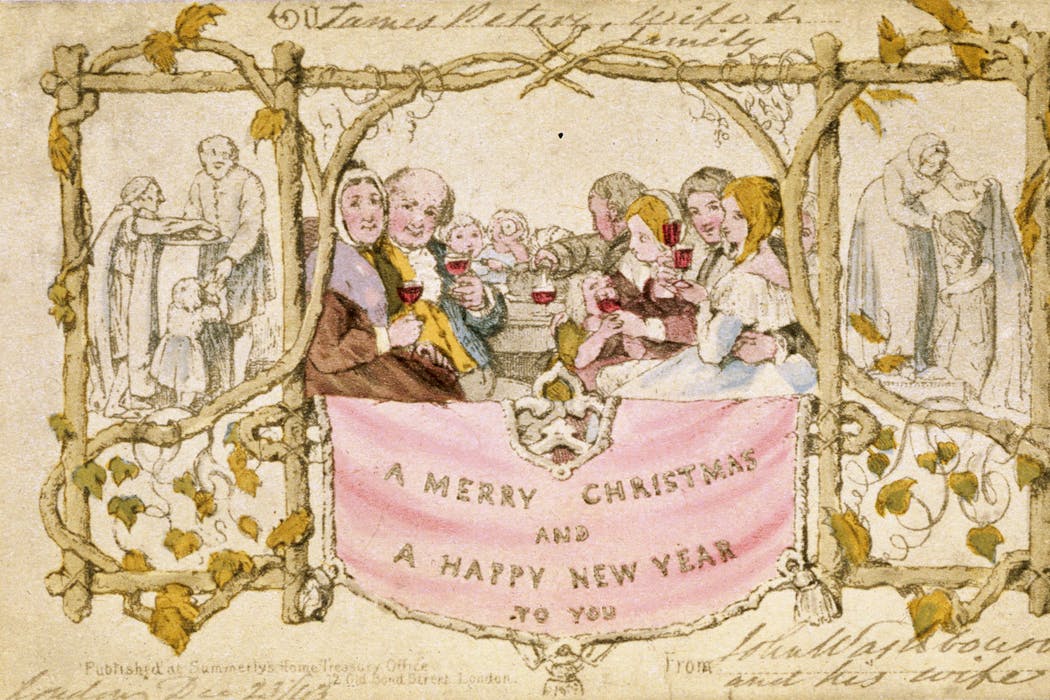

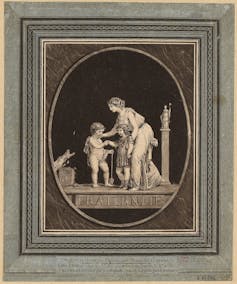


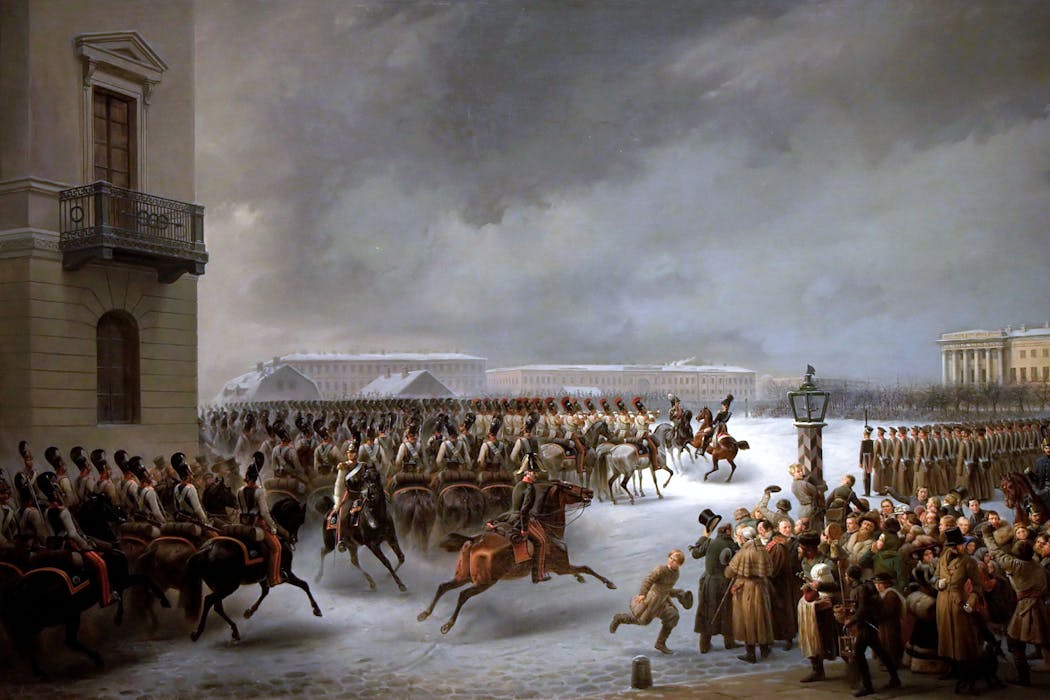

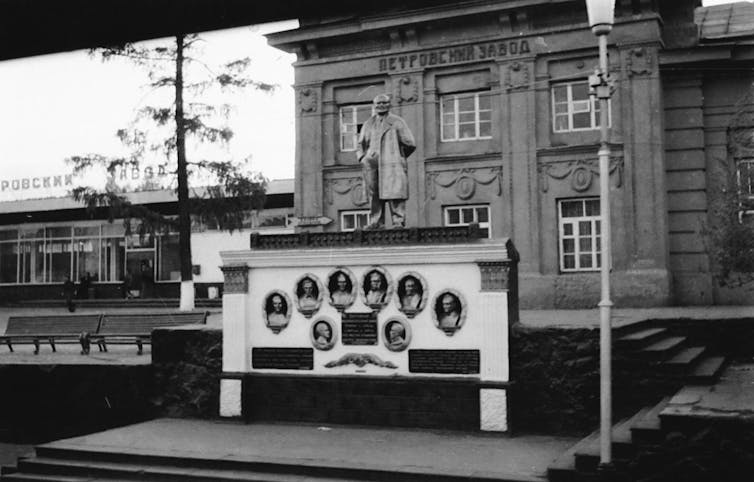





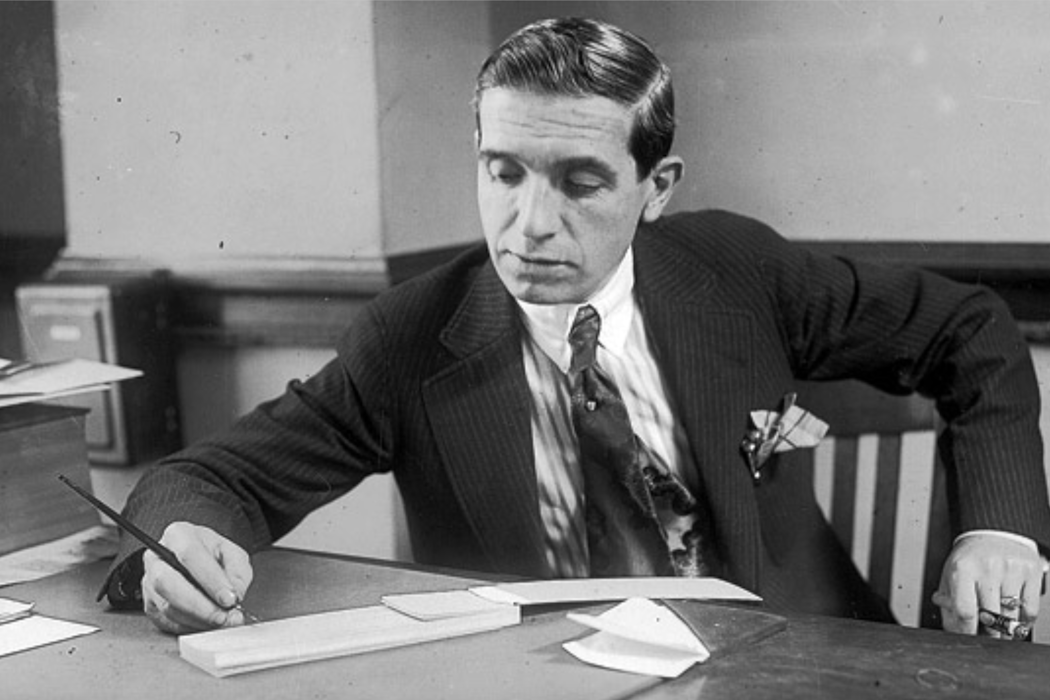


#/media/%D0%A4%D0%B0%D0%B9%D0%BB:PolarStar(Hertzen)_title_page_1855.jpg)

