Art, bien-être et cerveau : étudier les effets de visites au musée

Source: The Conversation – in French – By Véronique Agin, Professeur en neurosciences, Université de Caen Normandie

Le rôle de l’art dans la prévention en santé, mais aussi dans l’aide à la prise en charge des malades dans différentes pathologies, est de plus en plus accepté. Mais ses bénéfices doivent encore être validés en respectant les normes des essais cliniques. C’est l’objectif d’un projet de recherche mené au musée des Beaux-Arts de Caen, en Normandie, qui allie neurosciences, psychologie et sciences numériques.


Définir l’art et la santé est une question difficile mais fondamentale avant d’initier une recherche sur les liens entre les arts et la santé.

L’œuvre d’art est valorisée en soi, sa finalité n’est pas d’être utile. Elle incarne la nouveauté, la créativité, l’originalité, le travail de recherche et le savoir-faire de l’artiste. Elle suscite en outre l’imagination et l’expression émotionnelle aussi bien chez l’artiste que chez le spectateur.

La santé, quant à elle, peut être définie comme un état de bien-être mental, physique et social, et non pas seulement comme l’absence de maladie ou d’infirmité, ce qui ancre ainsi fermement la santé dans la société et la culture.

De nombreux articles scientifiques affirment que les arts pourraient améliorer la santé, et donc le bien-être des individus. En 2019, l’Organisation mondiale de la santé (OMS) a répertorié deux grandes catégories d’effets possiblement bénéfiques des arts sur la santé : prévention et promotion de la santé, prise en charge et traitement.

Un projet qui rassemble neurosciences, psychologie et sciences numériques

L’art peut-il améliorer la santé et donc le bien-être ?

Pour contribuer à lever les incertitudes, nous menons un projet pluridisciplinaire « Art, bien-être et cerveau » qui rassemble les neurosciences (laboratoire PhIND : UMR-S Inserm 1237), la psychologie (laboratoire NIHM : UMR-S 1077 ; laboratoire LaPsyDÉ : UMR CNRS 8240) et les sciences numériques (laboratoire GREYC : UMR CNRS 6072).

Cette recherche innovante, menée au musée des Beaux-Arts de Caen, a pour objectif de mesurer, in situ, les effets procurés par la visite d’un musée dédié à la peinture sur le bien-être, chez des adultes en bonne santé âgés de 18 à 65 ans.

Artbienetrecerveau.fr

Il s’agit également d’identifier les mécanismes cérébraux, cognitifs et socioémotionnels associés à ces effets, grâce à des mesures exhaustives et écologiquement adaptées.

Les limites actuelles des publications sur arts et santé

L’analyse critique des études citées dans des revues récentes et des méta-analyses montre des faiblesses méthodologiques (absence de définition de l’art comme agent thérapeutique, manque de randomisation pour l’affectation aux groupes, conditions contrôles inadéquates, effectifs faibles, ou encore analyses statistiques inappropriées) et un manque général de soutien empirique à la notion que l’art influence directement la santé et le bien-être.

En outre, les preuves expérimentales liant l’art à des processus neuronaux ou physiologiques spécifiques restent quasi-inexistantes. Même si des études ont identifié des corrélats neuronaux de l’engagement artistique, elles n’ont pas apporté la preuve que ces mécanismes sont uniques à l’art ou qu’ils ont un impact causal sur les résultats.

Si l’idée que l’art peut améliorer la santé est attrayante et culturellement résonnante, il est aujourd’hui fondamental d’approfondir les recherches sur les arts et la santé en respectant les normes les plus élevées de la méthodologie des essais cliniques.

Prévention santé, prise en charge des malades… des bénéfices potentiels à valider

De nombreux éléments d’études scientifiques sont disponibles et prêtent aux arts de multiples bénéfices pour la santé et le bien-être. Ils sont à considérer avec précaution.

Les arts contribueraient ainsi à la prévention en santé, en réduisant notamment le risque de déclin cognitif et de mortalité prématurée. L’OMS estime qu’ils favoriseraient la prise en charge de maladies non transmissibles telles que le cancer, les maladies respiratoires, le diabète, les maladies cardiovasculaires… Ils pourraient également être un soutien aux soins de fin de vie.


À lire aussi :
Quand l’art-thérapie prend soin des soignants en cancérologie : retour inattendu d’expérience


Les arts aideraient, par ailleurs, les personnes atteintes de troubles neurodéveloppementaux et neurologiques incluant les troubles du spectre autistique (TSA), la paralysie cérébrale, les accidents vasculaires cérébraux (AVC), la sclérose en plaques, les démences…

Les arts favoriseraient en outre le développement de l’enfant en contribuant au lien mère-enfant, à l’acquisition du langage, ou encore à la réussite scolaire.

Il a aussi été rapporté que les arts influenceraient les déterminants sociaux de la santé tels que la cohésion sociale et la réduction des inégalités et iniquités sociales.

Un protocole innovant au sein du musée des Beaux-Arts de Caen

Notre projet « Art, Bien-être et Cerveau » est porté par le groupement d’intérêt scientifique « Blood & Brain @ Caen Normandie » (BB@C), le musée des Beaux-Arts de Caen, le Centre hospitalier universitaire de Caen et le réseau professionnel des arts et des cultures numériques en Normandie (Oblique/s), dans le cadre des festivités du Millénaire de la ville de Caen.

Dans ce projet, nous étudions l’effet de visites au musée chez 200 participants à l’aide d’un protocole expérimental en deux visites au musée des beaux-arts. Les participants seront répartis en trois groupes : deux groupes expérimentaux de 80 participants (l’un avec médiation, l’autre sans médiation) et un groupe contrôle (40 participants).

Lors de la première visite, les groupes expérimentaux effectueront la visite du musée de manière individuelle durant laquelle ils bénéficieront, ou non, d’une médiation culturelle.

Ils seront tous équipés de lunettes d’eye-tracking (pour l’enregistrement des mouvements oculaires), d’un bandeau NIRS (Near InfraRed Spectroscopy, pour l’enregistrement de l’activité cérébrale) et d’un capteur d’activité électrodermale (pour l’analyse des réponses cardiaques et électrodermales, qui correspondent aux variations électriques de la peau liées au fonctionnement des glandes sudoripares).


À lire aussi :
Les enfants voient l’art différemment : ce que nous apprennent les dernières recherches d’« eye-tracking »


Pour la seconde visite, les participants effectueront la visite du musée en binôme, avec ou sans médiation.

Avant et après la visite, ils répondront à différents questionnaires (émotionnel, bien-être et stress) et réaliseront des tâches cognitives mesurant les fonctions exécutives, l’attention visuelle, la mémoire épisodique, l’empathie et la créativité.

Le groupe contrôle effectuera deux visites au musée, comme les groupes expérimentaux, mais sans équipement ni médiation. Ces participants répondront uniquement aux questionnaires et aux tests cognitifs.

Questionnaires, tests cognitifs et enregistrements de l’activité cérébrale

Les questionnaires et les tests cognitifs permettront de déterminer si la découverte des œuvres, ainsi que la médiation proposée, entraînent une augmentation du bien-être et des capacités cognitives.

Afin de recueillir des mesures physiologiques de la réponse émotionnelle, des enregistrements des réponses électrodermales et cardiaques lors de l’exposition aux tableaux seront réalisés à l’aide d’un biocapteur porté au poignet par les participants.

Nous formulons l’hypothèse que les participants présenteront de meilleures capacités exécutives après la visite, avec un gain plus marqué chez les volontaires dans un état émotionnel positif. Nous postulons également que les capacités de traitements visuospatiaux des participants bénéficieront de la médiation du professionnel.

La NIRS, une technique d’imagerie optique non invasive, sera utilisée pour enregistrer l’activité du cortex préfrontal lors de l’analyse de l’œuvre picturale. Elle renseignera sur l’engagement émotionnel et la synchronisation cérébrale entre les participants.

Nous nous attendons, entre autres, à ce que la variation des réponses émotionnelles à toutes les mesures effectuées (questionnaires, capteur d’activité électrodermale) soit en lien avec des variations de l’activation du circuit fronto-limbique. Enfin, les mesures oculométriques (eye-tracking) permettront d’analyser les liens entre la médiation et les stratégies d’exploration visuelle des participants.

Cette recherche, combinée à d’autres, pourrait avoir différentes implications : favoriser la synergie entre politiques culturelles et de santé ; concevoir des expériences muséales au plus près du fonctionnement humain ; ouvrir sur de nouvelles perspectives comme le rôle de l’exposition à l’art dans le maintien en bonne santé, avec la possibilité à plus long terme d’envisager des recherches sur d’autres arts ; ouvrir à d’autres études du même type associant binômes patients-aidants, jeunes-seniors, etc.

The Conversation

Le projet « Art, bien-être, cerveau, une rencontre essentielle ou l’ABC d’une rencontre » est financé par le GIP Millénaire de Caen (à l’occasion du millénaire de la ville de Caen, un Groupement d’intérêt public (GIP) Millénaire a été constitué à l’échelle du territoire avec la volonté d’associer à ce projet la Communauté urbaine Caen la mer, mais aussi le département du Calvados, la région Normandie, l’université Caen Normandie et la Chambre de commerce de l’industrie).

– ref. Art, bien-être et cerveau : étudier les effets de visites au musée – https://theconversation.com/art-bien-etre-et-cerveau-etudier-les-effets-de-visites-au-musee-259710
Avec Machiavel, penser la liberté politique dans un monde en guerre

Source: The Conversation – France in French (3) – By Jérôme Roudier, Professeur de philosophie politique, Institut catholique de Lille (ICL)

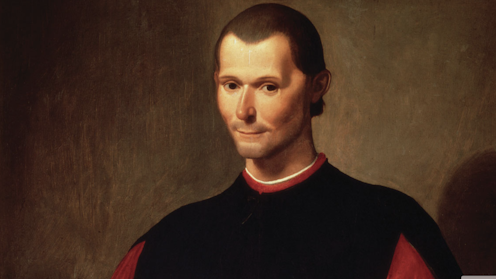
_Portrait posthume de Nicolas Machiavel_ (1500), par le peintre florentin Santi di Tito (1536-1603), huile sur toile, Palazzo Vecchio, Florence (Toscane).

Notre démocratie est en crise, comment la réinventer ? Que nous enseignent ceux qui, au cours des âges, furent ses concepteurs ? Troisième volet de notre série consacrée aux philosophes et à la démocratie avec Nicolas Machiavel (1469-1527). Pour le Florentin, la conflictualité est un horizon politique indépassable : le « peuple » doit être armé pour ne pas subir la tyrannie des « Grands » et les républiques doivent être puissantes pour ne pas subir l’impérialisme des États voisins.


Machiavel est un penseur qui fait de la survie et de la fondation des États un enjeu fondamental. Pour celui qui exerça les fonctions de haut fonctionnaire de la République florentine, la question du régime politique est donc subordonnée à celle de la survie dans un contexte toujours marqué par l’horizon de la guerre.

Le meilleur régime est forcément celui qui assure à la fois la liberté et la puissance et qui permet de fonder l’État dans la durée. La science politique qu’il inaugure ainsi n’est plus une réflexion théorique, mais bien un programme politique articulant l’idéal au pragmatisme.

Un républicanisme originel et fondateur

Machiavel n’est pas à proprement parler un penseur de la démocratie. C’est un républicain convaincu. Les républicains de son époque entendent élargir la base du gouvernement et intégrer cette classe moyenne dans une vie politique qui, traditionnellement, est réservée aux aristocrates. Le choix, par Machiavel et par ses contemporains voire par la tradition florentine de parler de « République », indique un régime où, comme sous Rome, tout le monde n’est pas forcément citoyen.

Pour les républicains, jusqu’au milieu du XIXe siècle, l’élargissement voire l’universalisation de la citoyenneté constituera une question essentielle. Étant donné que la classe moyenne augmente peu à peu dans le temps pour atteindre une proportion très importante, voire majoritaire, de la population européenne, le républicanisme, dans ces conditions, s’articule avec une citoyenneté universellement attribuée aux membres de la société et peut alors se proposer comme le fondement théorique des démocraties modernes puis contemporaines.

L’horizon de la puissance

Du point de vue intérieur, Machiavel estime que la division sociale est inévitable et que le rôle d’un système légal consiste à la laisser s’exprimer tout en l’arrêtant dans ses manifestations les plus extrêmes. Comme il le souligne, les Grands veulent naturellement dominer, il faut donc les arrêter pour qu’ils ne tyrannisent pas. Le « peuple » (entendre les « classes moyennes ») veut seulement ne pas être dominé, par conséquent, il faut lui donner les armes qui lui permettront de constituer un contre-pouvoir envers la tyrannie potentielle des Grands.

Le monde de Machiavel est belliciste, la puissance est à la fois le gage de la survie et l’outil pour conquérir. Si le peuple peut se contenter de n’être pas asservi, une société, dans un monde instable, se doit d’être puissante. La politique se constitue dans l’articulation bien pensée à la fois de ce qu’elle est sur le fond, la recherche d’un vivre-ensemble viable, et de sa situation dans le monde, composée par ses interactions inévitables avec les autres entités politiques.

Pour Machiavel, le monde politique n’est pas chrétien : son fondement, celui de toute société, reste l’appétit de chacun. Si nous étions tous des saints chrétiens, la politique n’existerait tout simplement pas. Or, le désir de dominer, parfaitement naturel et donc inévitable, structure toute collectivité et la divise en trois : ceux qui veulent dominer (les Grands), ceux qui accepteraient cette domination par nécessité de survie (la populace, la plèbe) et ceux qui ne veulent ni l’un ni l’autre (le peuple, la « classe moyenne »). Ce point de départ, le système politique républicain l’assume. Il accepte l’inégalité fondamentale des conditions et des désirs, dans sa tripartition même.

Dès lors, Machiavel place au centre du dispositif à la fois la loi, que chacun doit avant tout respecter, mais aussi les armes. Le Florentin n’imagine pas une seconde que les Grands arrêteront d’eux-mêmes leur soif de domination et de reconnaissance. Il anticipe ainsi les libéraux, en particulier Montesquieu sur ce point, en estimant que seul le pouvoir arrête le pouvoir. Dans la vision machiavélienne et pragmatique des choses, l’arrêt d’une domination qui risquerait d’être tyrannique ne peut se faire par la Loi seule. Il convient que le peuple de citoyens soit armé pour imposer le respect de la Loi aux Grands.

Pour le Florentin, cette dynamique initiale ne débouche pas sur la guerre civile mais sur l’évolution de la soif de domination des Grands qui vont, par la force des choses, tourner leurs désirs vers l’extérieur. Plutôt que tyrans, ils vont avoir un double intérêt à devenir généraux et hommes d’État. Ce point est très visible à travers le plan des Discours sur la première décade de Tite-Live, livre méconnu du grand public mais très lu par les républicains ultérieurs. Pour Machiavel, le système politique républicain, dans ses turbulences et son instabilité fondamentale, offre la possibilité de la puissance à l’extérieur et d’une certaine forme d’impérialisme.

« Si vis pacem… »

Pour Machiavel, toute situation de paix correspond à ce moment qui précède une nouvelle guerre. Par conséquent, il faut préparer la guerre, au mieux pour ne pas avoir à la faire. La vie du Secrétaire se déroula pendant les guerres d’Italie où la guerre était omniprésente et inévitable. De son point de vue, un pacifisme qui pourrait présider à une compétition aux armements pour défendre les démocraties en assumant le risque de guerre est toujours préférable à un désarmement qui ne pourrait qu’augurer d’une invasion à venir.

La question de la paix, pour Machiavel, nous est ainsi restituée comme celle d’une tension très difficile à atteindre et non comme d’un projet idéal rationnel. Ainsi, l’effort kantien pour promouvoir la paix perpétuelle via une extension de l’État de droit à toutes les entités politiques est à l’opposé de la pensée machiavélienne. Selon le Florentin, pour obtenir la paix, il convient qu’une puissance impériale républicaine soit limitée par une autre puissance impériale équivalente. Nous pourrions dire que, dans notre monde contemporain, ce fut le cas en Europe depuis 1945, sous la domination de la puissance impériale américaine face à l’URSS. Dès lors que la première puissance n’est plus, il convient de lui substituer une puissance suffisante pour dissuader toute agression extérieure.

Mourir pour la liberté ?

Machiavel lierait sans doute cette question à une autre, plus essentielle pour lui et qui fonderait sans doute, à ses yeux, l’ensemble du problème démocratique : sommes-nous prêts à mourir pour la liberté, c’est-à-dire pour ce qui la permet, à savoir la patrie et son régime politique ?

Cette question simple et cruciale, pour Machiavel, ne devrait jamais sortir de l’horizon d’une société qui souhaite perdurer. La liberté, pour Machiavel, c’est la puissance : seul un peuple en armes est libre et capable de maintenir sa liberté face aux Grands comme face à l’ambition des voisins, en imposant la crainte.

Nombre de voix se font entendre, aujourd’hui, sur le caractère sacré de la vie. Dans une perspective machiavélienne, qui retrouve les pensées philosophiques antiques préchrétiennes, en particulier stoïcienne, la vie ne saurait être sacrée. Elle n’est pas le don ineffable du Créateur, mais un fait qui nous projette dans un univers collectif au sein duquel nous devons faire des choix et apporter un sens qui n’est pas donné d’avance et qui n’est pas extérieur à ce monde. Il y a ici tout un questionnement à approfondir, un sens à donner au politique dans nos sociétés, à la fois christianisées et désenchantées, pour reprendre le terme de Max Weber.

Machiavel apporte une réponse républicaine sans aucune ambiguïté, impliquant une réponse radicale à la question de savoir si nous voulons vivre à tout prix, y compris sous une tyrannie. Ce premier penseur de la modernité écartait clairement toute perspective chrétienne pour privilégier, d’une manière très singulière à son époque, une « religion civique » sur le modèle romain pré-chrétien. La réflexion que suscite la lecture de Machiavel pour nos démocraties libérales, renvoie à la place de la politique dans nos vies. Pour le Florentin, la vie ne vaut que si elle est politiquement libre.


Jérôme Roudier est l’auteur de Machiavel par lui-même (PUF, 2025).

The Conversation

Jérôme Roudier ne travaille pas, ne conseille pas, ne possède pas de parts, ne reçoit pas de fonds d’une organisation qui pourrait tirer profit de cet article, et n’a déclaré aucune autre affiliation que son organisme de recherche.

– ref. Avec Machiavel, penser la liberté politique dans un monde en guerre – https://theconversation.com/avec-machiavel-penser-la-liberte-politique-dans-un-monde-en-guerre-259122

Neanderthals likely ate fermented meat with a side of maggots

Source: The Conversation – USA – By Melanie Beasley, Assistant Professor of Anthropology, Purdue University

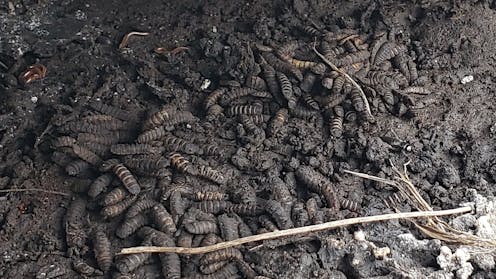
Black soldier fly maggots can feed on decomposing animals. Melanie M. Beasley

Scientists long thought that Neanderthals were avid meat eaters. Based on chemical analysis of Neanderthal remains, it seemed like they’d been feasting on as much meat as apex predators such as lions and hyenas. But as a group, hominins – that’s Neanderthals, our species and other extinct close relatives – aren’t specialized flesh eaters. Rather, they’re more omnivorous, eating plenty of plant foods, too.

It is possible for humans to subsist on a very carnivorous diet. In fact, many traditional northern hunter–gatherers such as the Inuit subsisted mostly on animal foods. But hominins simply cannot tolerate consuming the high levels of protein that large predators can. If humans eat as much protein as hypercarnivores do over long periods without consuming enough other nutrients, it can lead to protein poisoning – a debilitating, even lethal condition historically known as “rabbit starvation.”

So, what could explain the chemical signatures found in Neanderthal bones that seem to suggest they were healthily eating tons of meat?

I am an anthropologist who uses elements such as nitrogen to study the diets of our very ancient ancestors. New research my colleagues and I conducted suggests a secret ingredient in the Neanderthal diet that might explain what was going on: maggots.

A close-up photograph of a black-colored fly with green and brown patterned eyes
A black soldier fly adult. The larvae of this fly are one of the species of maggots studied.
GordZam/iStock via Getty Images Plus

Isotope ratios reveal what an animal ate

The ratios of various elements in the bones of animals can provide insights into what they ate while alive. Isotopes are alternate forms of the same element that have slightly different masses. Nitrogen has two stable isotopes: nitrogen-14, the more abundant form, and nitrogen-15, the heavier, less common form. Scientists denote the ratio of nitrogen-15 to nitrogen-14 as δ¹⁵N and measure it in a unit called permil.

As you go higher up the food chain, organisms have relatively more of the isotope nitrogen-15. Grass, for example, has a very low δ¹⁵N value. An herbivore accumulates the nitrogen-15 that it consumes eating grass, so its own body has a slightly higher δ¹⁵N value. Meat-eating animals have the highest nitrogen ratio in a food web; the nitrogen-15 from their prey concentrates in their bodies.

By analyzing stable nitrogen isotope ratios, we can reconstruct the diets of Neanderthals and early Homo sapiens during the late Pleistocene, which ran from 11,700 to 129,000 years ago. Fossils from various sites tell the same story – these hominins have high δ¹⁵N values. High δ¹⁵N values would typically place them at the top of the food web, together with hypercarnivores such as cave lions and hyenas, whose diet is more than 70% meat.

But maybe something else about their diet was inflating Neanderthals’ δ¹⁵N values.

Uncovering the Neanderthal menu

We suspected that maggots could have been a different potential source of enriched nitrogen-15 in the Neanderthal diet. Maggots, which are fly larvae, can be a fat-rich source of food. They are unavoidable after you kill another animal, easily collectible in large numbers and nutritionally beneficial.

To investigate this possibility, we used a dataset that was originally created for a very different purpose: a forensic anthropology project focused on how nitrogen might help estimate time since death.

I had originally collected modern muscle tissue samples and associated maggots at the Forensic Anthropology Center at University of Tennessee, Knoxville, to understand how nitrogen values change during decomposition after death.

A photo of an animal carcass with maggots covering it
Maggots feeding on and decomposing an animal carcass.
Hari Sucahyo/iStock via Getty Images Plus

While the data can assist modern forensic death investigations, in our current study we repurposed it to test a very different hypothesis. We found that stable nitrogen isotope values increase modestly as muscle tissue decomposes, ranging from -0.6 permil to 7.7 permil.

This increase is more dramatic in maggots feeding on decomposing tissue: from 5.4 permil to 43.2 permil. To put the maggot values in perspective, scientists estimate δ¹⁵N values for Pleistocene herbivores to range between 0.9 permil to 11.2 permil. Maggots are measuring up to almost four times higher.

Our research suggests that the high δ¹⁵N values observed in Late Pleistocene hominins may be inflated by year-round consumption of ¹⁵N-enriched maggots found in dried, frozen or cached animal foods.

Cultural practices shape diet

In 2017, my collaborator John Speth proposed that the high δ¹⁵N values in Neanderthals were due to the consumption of putrid or rotting meat, based on historical and cultural evidence of diets in northern Arctic foragers.

Traditionally, Indigenous peoples almost universally viewed thoroughly putrefied, maggot-infested animal foods as highly desirable fare, not starvation rations. In fact, many such peoples routinely and often intentionally allowed animal foods to decompose to the point where they were crawling with maggots, in some cases even beginning to liquefy.

This rotting food would inevitably emit a stench so overpowering that early European explorers, fur trappers and missionaries were sickened by it. Yet Indigenous peoples viewed such foods as good to eat, even a delicacy. When asked how they could tolerate the nauseating stench, they simply responded, “We don’t eat the smell.”

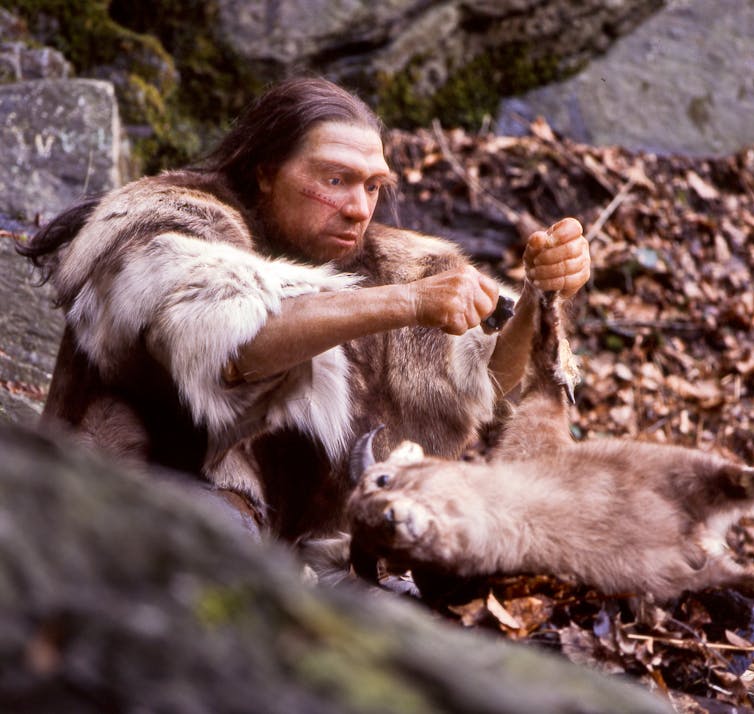
A Neanderthal wearing animal fur butchering a goat with a stone tool
Reconstruction of a Neanderthal man butchering a goat at the Neanderthal Museum in Mettman, Germany.
Pressebilder Neanderthal Museum, Mettmann/Wikimedia Commons, CC BY-SA

Neanderthals’ cultural practices, similar to those of Indigenous peoples, might be the answer to the mystery of their high δ¹⁵N values. Ancient hominins were butchering, storing, preserving, cooking and cultivating a variety of items. All these practices enriched their paleo menu with foods in forms that nonhominin carnivores do not consume. Research shows that δ¹⁵N values are higher for cooked foods, putrid muscle tissue from terrestrial and aquatic species, and, with our study, for fly larvae feeding on decaying tissue.

The high δ¹⁵N values of maggots associated with putrid animal foods help explain how Neanderthals could have included plenty of other nutritious foods beyond only meat while still registering δ¹⁵N values we’re used to seeing in hypercarnivores.

We suspect the high δ¹⁵N values seen in Neanderthals reflect routine consumption of fatty animal tissues and fermented stomach contents, much of it in a semi-putrid or putrid state, together with the inevitable bonus of both living and dead ¹⁵N-enriched maggots.

What still isn’t known

Fly larvae are a fat-rich, nutrient-dense, ubiquitous and easily procured insect resource, and both Neanderthals and early Homo sapiens, much like recent foragers, would have benefited from taking full advantage of them. But we cannot say that maggots alone explain why Neanderthals have such high δ¹⁵N values in their remains.

Several questions about this ancient diet remain unanswered. How many maggots would someone need to consume to account for an increase in δ¹⁵N values above the expected values due to meat eating alone? How do the nutritional benefits of consuming maggots change the longer a food item is stored? More experimental studies on changes in δ¹⁵N values of foods processed, stored and cooked following Indigenous traditional practices can help us better understand the dietary practices of our ancient relatives.

The Conversation

Melanie Beasley received funding from the Haslam Foundation for this research.

– ref. Neanderthals likely ate fermented meat with a side of maggots – https://theconversation.com/neanderthals-likely-ate-fermented-meat-with-a-side-of-maggots-261628

Using cosmetics on babies and children could disrupt hormones and trigger allergies

Source: The Conversation – UK – By Adam Taylor, Professor of Anatomy, Lancaster University

Evgeniya Yantseva/Shutterstock

Would you dab perfume on a six-month-old? Paint their tiny nails with polish that contains formaldehyde? Dust bronzer onto their cheeks?

An investigation by the Times has found that babies and toddlers are routinely exposed to adult cosmetic products, including fragranced sprays, nail polish and even black henna tattoos.

While these may sound harmless – or even Instagram-friendly – the science tells a more concerning story. Infant skin is biologically different from adult skin: it’s thinner, more absorbent and still developing. Exposure to certain products can lead to immediate problems like irritation or allergic reactions, and in some cases, may carry longer term health-risks such as hormone disruption.

This isn’t a new concern. A 2019 study found that every two hours in the US, a child was taken to hospital because of accidental exposure to cosmetic products.

Newborn skin has the same number of layers as adult skin but those layers are up to 30% thinner. That thinner barrier makes it easier for substances, including chemicals, to penetrate through to deeper tissues and the bloodstream.

Young skin also has a higher water content and produces less sebum (the natural oil that protects and moisturises the skin). This makes it more prone to water loss, dryness and irritation, particularly when exposed to fragrances or creams not formulated for infants.

The skin’s microbiome – its protective layer of beneficial microbes – also takes time to develop. By age three, a child’s skin finishes establishing its first microbiome. Before then, products applied to the skin can disrupt this delicate balance. At puberty, the skin’s structure and microbiome change again, altering how it responds to products.

The investigation found that bronzers and nail polish were being used on young children. These products often contain harmful or even carcinogenic chemicals, such as formaldehyde, toluene and dibutyl phthalate.

Toluene is a known neurotoxin, and dibutyl phthalate is an endocrine disruptor – a chemical that can interfere with hormone function, potentially affecting growth, development and fertility. Both substances can more easily pass through infants’ thinner, more permeable skin.

Even low-level exposure to formaldehyde, such as from furniture or air pollution, has been linked to higher rates of lower respiratory infections in children (that’s infections affecting the lungs, airways and windpipe).

Irritating ingredients

In the US, one in three adults experiences skin or respiratory symptoms after exposure to fragranced products. If adults are reacting, it’s no surprise that newborns and children with their developing immune systems are at even greater risk.

Perfumes often contain alcohol and volatile compounds that dry out the skin, leading to redness, itching and discomfort.

Certain skincare ingredients have also been studied for their potential to affect hormones, trigger allergies or pose long-term health concerns:

While many of these ingredients are permitted in regulated concentrations, some researchers warn of a “cocktail effect”: the cumulative impact of daily exposure to multiple chemicals, especially in young, developing bodies.


Read more:
Scroll, watch, burn: sunscreen misinformation and its real‑world damage


Temporary tattoos

Temporary tattoos, particularly black henna, are popular on holidays but they aren’t always safe. Black henna is a common cause of contact dermatitis in children and may contain para-phenylenediamine (PPD), a chemical approved for use in hair dyes but not for direct application to skin.

PPD exposure can cause severe allergic reactions and, in rare cases, cancer. Children may develop hypopigmentation – pale patches where colour is lost – or, in adults, hyperpigmentation that can last for months or become permanent.

Worryingly, children exposed to PPD may experience more severe reactions later in life if they use hair dyes containing the same compound. This can sometimes lead to hospitalisation or even fatal anaphylaxis. Because of these risks, European legislation prohibits PPD from being applied directly to the skin, eyebrows, or eyelashes.

‘Natural’ doesn’t mean harmless

Products marketed as “natural” or “clean” can also cause allergic reactions. Propolis (bee glue), for instance, is found in many natural skincare products but causes contact dermatitis in up to 16% of children.

A study found an average of 4.5 contact allergens per product in “natural” skincare ranges. Out of 1,651 “natural” personal care products on the US market, only 96 (5.8%) were free from contact allergens. Even claims like “dermatologically tested” don’t guarantee safety; they simply mean the product was tested on skin, not that it’s free from allergens.

Babies and young children aren’t just miniature adults. Their skin is still developing and is more vulnerable to irritation, chemical absorption and systemic effects: substances that penetrate the skin can enter the bloodstream and potentially affect organs or biological systems throughout the body. Applying adult-targeted products, or even well-meaning “natural” alternatives, can therefore carry real risks.

Adverse reactions can appear as rashes, scaling or itchiness and, in severe cases, blistering or crusting. Respiratory symptoms like coughing or wheezing should always be investigated by a medical professional.

When in doubt, keep it simple. Limit what goes on your child’s skin, especially in the early years.


Get your news from actual experts, straight to your inbox. Sign up to our daily newsletter to receive all The Conversation UK’s latest coverage of news and research, from politics and business to the arts and sciences.

The Conversation

Adam Taylor does not work for, consult, own shares in or receive funding from any company or organisation that would benefit from this article, and has disclosed no relevant affiliations beyond their academic appointment.

– ref. Using cosmetics on babies and children could disrupt hormones and trigger allergies – https://theconversation.com/using-cosmetics-on-babies-and-children-could-disrupt-hormones-and-trigger-allergies-261204

The anatomy of a lie-in: why you sleep more on holiday

Source: The Conversation – UK – By Michelle Spear, Professor of Anatomy, University of Bristol

Gladskikh Tatiana/Shutterstock.com

There’s something oddly luxurious about a lie-in. The sun filters through the curtains, the alarm clock is blissfully silent, and your body stays at rest. Yet lie-ins are often treated as indulgences, sometimes framed as laziness or a slippery slope to soft living.

When the holidays arrive and alarm clocks are switched off, or are set later, something else emerges: your body reclaims sleep. Not just more of it, but deeper, richer and more restorative sleep. Anatomically and neurologically, a lie-in might be exactly what your body needs to recover and recalibrate.

Throughout the working year, it’s common to accumulate a chronic sleep debt – a shortfall in the sleep the body biologically needs, night after night. And the body keeps score.

On holiday, freed from early starts and late-night emails, our internal systems seize the opportunity to rebalance. It’s not uncommon to sleep an hour or two longer per night in the first few days away. That’s not laziness; it’s recovery.

Importantly, holiday sleep doesn’t just extend in duration. It shifts in structure. With fewer disturbances and less external pressure, sleep cycles become more regular, and we often experience more slow-wave sleep – the deepest phase, linked to physical healing and immune support.

The body uses this window not only to repair tissue but also to regulate metabolism, dial down inflammation and restore energy reserves.

Our sleep-wake cycle is governed by circadian rhythms, which are controlled by the brain’s master clock – the suprachiasmatic nucleus in the hypothalamus. These rhythms respond to light, temperature and routine. And when we’re overworked or overstimulated, they can drift out of sync with our environment.

A lie-in allows your circadian system to recalibrate, aligning internal time with actual daylight. This re-training leads to more coherent sleep cycles and better daytime alertness.

Holiday lie-ins also owe something to the drop in stress hormones. Cortisol, released by the adrenal glands, follows a diurnal pattern, peaking in the early morning to get us going.

Chronic stress – from work demands, commuting or constant notifications – can raise cortisol levels and disrupt this rhythm. When you take time off, cortisol production normalises. Waking up without a jolt of adrenaline allows the sleep architecture (the pattern of sleep stages) to stabilise, leading to fewer interruptions and more restful nights.

One of the more striking features of holiday sleep is a surge in vivid dreaming – sometimes unsettlingly so. This is because of a phenomenon called REM rebound. When we’re sleep-deprived, the brain suppresses REM (rapid eye movement) sleep to prioritise deep, restorative phases.

Once the pressure lifts – say, during a lazy week in the sun – the brain makes up for lost REM, leading to longer and more intense dream episodes. Far from frivolous, REM sleep is crucial for memory consolidation, mood regulation and cognitive flexibility.

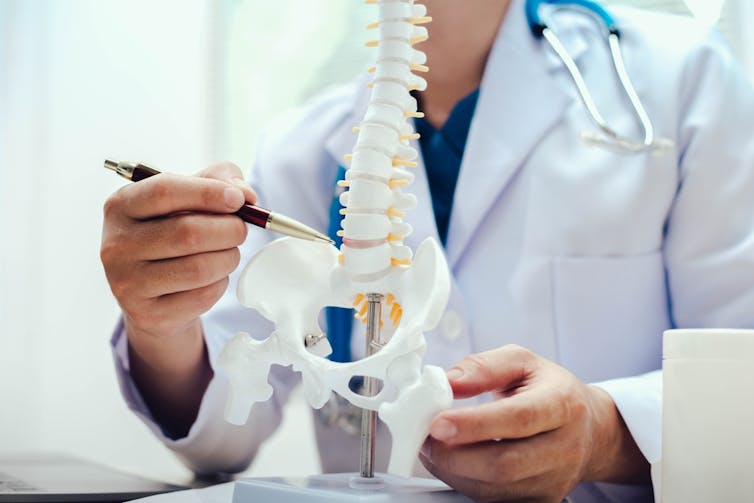
Sleep also affects your body’s structure. When you lie down, your spine gets a break from the constant pressure of gravity. During the day, as you stand and move around, the intervertebral discs – soft, cushion-like pads between the vertebrae – slowly lose fluid and become slightly flatter. A lie-in gives these discs more time to rehydrate and return to their normal shape. That’s why you’re a little taller in the morning – and even more so after a long sleep.

Meanwhile, microtears in muscles, strained ligaments and overworked joints benefit from prolonged periods of cellular repair, especially during deep sleep stages.

Should we all be sleeping in every weekend? Not necessarily. While occasional lie-ins can help with recovery from acute sleep deprivation, habitual oversleeping –especially beyond nine hours a night – can be a red flag. It’s associated in some studies with higher rates of depression, heart disease and early death. Although long sleep might be a symptom, not a cause.

A person in a white lab coat pointing to discs on a model of a spine.
A lie-in helps the discs between your vertebrae to rehydrate.
SORASIT SRIKHAM-ON/Shutterstock.com

Larks and owls

That said, the occasional lie-in remains anatomically restorative, especially when aligned with your body’s natural chronotype – a biological predisposition that determines when you feel most alert and when you feel naturally inclined to sleep.

Some people are naturally “larks”, who rise early and function best in the morning. Others are “owls”, who tend to feel sleepy late and wake later, with their peak cognitive and physical performance occurring in the afternoon or evening. Many fall somewhere in between.

Chronotype is governed by the same internal circadian system that regulates sleep-wake cycles, and it appears to be strongly influenced by genetics, age and light exposure. Adolescents typically have later chronotypes, while older adults often revert to earlier ones.

Crucially, chronotype doesn’t just affect sleep. It also plays a role in hormone release, body temperature, digestive timing and mental alertness throughout the day.

Conflict arises when social expectations, such as early work or school start times, force people, especially night owls, to adopt sleep-wake schedules that are out of sync with their biology. This mismatch, known as social jetlag, can lead to persistent tiredness, mood changes and even long-term health risks.

So if you find yourself sleeping in until 9 or 10am on the third day of your holiday, don’t berate yourself. Your body is taking the opportunity to repair, replenish and rebalance. The anatomical systems involved – from your brainstem to your adrenal glands, your intervertebral discs to your dream-rich REM phases – are doing what they’re designed to do when finally given the time.


Get your news from actual experts, straight to your inbox. Sign up to our daily newsletter to receive all The Conversation UK’s latest coverage of news and research, from politics and business to the arts and sciences.

The Conversation

Michelle Spear does not work for, consult, own shares in or receive funding from any company or organisation that would benefit from this article, and has disclosed no relevant affiliations beyond their academic appointment.

– ref. The anatomy of a lie-in: why you sleep more on holiday – https://theconversation.com/the-anatomy-of-a-lie-in-why-you-sleep-more-on-holiday-260149

Why you can’t judge health by weight alone

Source: The Conversation – UK – By Rachel Woods, Senior Lecturer in Physiology, University of Lincoln

Pratchaya.Lee/Shutterstock

How much does your weight really say about your health? Probably less than you think. You could eat your five-a-day, hit the gym regularly, have textbook blood pressure and cholesterol levels – and still be dismissed as “unhealthy” based on the number on the scale. Meanwhile, someone with a so-called “healthy” weight might be skipping meals, running on stress and caffeine, and rarely moving their body.

We’ve been taught to equate thinness with wellness and excess weight with illness. But the science tells a more nuanced story – one where weight is just a single data point in a far more complex picture. So if weight alone doesn’t reflect how healthy we really are, what does?

Body weight is one of the most measured aspects of health. Society places huge emphasis on it, and criticism of a person’s weight is often framed as a health concern. So how much meaningful health information does weight actually offer?

Simply put, body weight measures exactly that – the total weight of a body. Changes in weight over time can give an indication of a person’s calorie intake. If they are gaining weight, they are eating more calories than they burn. If they are losing weight, they are burning more than they eat.


Read more:
The body mass index can’t tell us if we’re healthy. Here’s what we should use instead


It is perhaps more useful to consider the health information weight doesn’t give us. Important health indicators, such as cholesterol, blood sugar, blood pressure and heart rate are not visible on the scales.

Neither does weight reflect the quality of someone’s diet. A person could be eating plenty of fruit, vegetables and whole foods, getting the vitamins and minerals needed for good energy, bone strength and immune function. Or they might not. They might be eating mostly healthy fats, like those found in olive oil, nuts and fish, which are linked to better heart health. Or they may get their fat from processed foods, high in saturated and trans fats, which increase the risk of heart disease. They may be getting plenty of fibre to support digestion, regulate their blood sugar and maintain healthy cholesterol, or they may be getting very little. Weight alone reveals none of these important dietary details.

Weight also doesn’t accurately reflect how much body fat someone carries, or more importantly, where that fat is located. Visceral fat (which surrounds the internal organs) is linked to a higher risk of heart disease, type 2 diabetes and some types of cancer, whereas subcutaneous fat, found just beneath the skin, poses fewer health risks <link.

Weight doesn’t give details about how much exercise someone does, which improves health even if it doesn’t lead to weight loss. Nor does weight reflect other major influences on health, like sleep quality or stress.

All of these factors are harder to measure than body weight, and far less visible at first glance, but they provide a much more meaningful picture of someone’s health.

This is not to say that there is no association between weight and these factors, but the link is not clear cut. Details such as someone’s diet quality or their activity patterns cannot be found by simply looking at their weight.

At a population level, there is a clear association between higher body weight and increased risk of disease. For instance, studies show that people classified as overweight or obese using body mass index (BMI), which is a measure of weight relative to height, tend to have higher rates of cardiovascular disease, type 2 diabetes and certain types of cancer.

Some people who are classified as overweight or obese have healthy blood pressure, cholesterol and blood sugar levels. This is often referred to as “metabolically healthy obesity”. On the other hand, someone with a “healthy” body weight might have high visceral fat, poor diet quality, or a sedentary lifestyle – increasing their health risks, despite appearing thin. Terms like “Tofi” (thin outside, fat inside) or “skinny-fat” have emerged to describe this.

These examples highlight how health cannot be judged accurately by weight alone. Someone eating a fibre-rich diet, high in vegetables, whole grains and healthy fats – all of which are linked to better health outcomes, might still fall into the “overweight” category, and be perceived as unhealthy simply because they eat more calories than they burn.

Conversely, a person eating a diet low in nutrients but not exceeding their calorie requirements may be considered a “healthy” weight. Which of these people would be viewed as healthy by society, and which by a doctor?

Why we think weight matters

So, why is so much emphasis put on a person’s weight? In truth, it probably shouldn’t be. However, it is a cheap and easy thing to measure, unlike blood tests, dietary assessments or body scans, which require more time, money and expertise. It’s not to say that more detailed tests are never carried out, but cost is usually a consideration.

Weight is also very visible. It is one of the few aspects of health that’s apparent to others at a glance. This makes it easy for society to pass judgement. But what is visible isn’t always what matters most. Societal ideas about what a “healthy” body looks like are deeply ingrained and not necessarily evidence based.

While losing weight as a result of healthy lifestyle modifications improves health, these modifications, such as increasing exercise and improving diet, have been shown to benefit health even if weight is not lost.

It has also been shown that the societal stigma surrounding obesity is not helpful in achieving weight loss, and can actually undermine it.

Therefore, if health really is the main concern, attention should shift away from weight as the primary focus and towards factors such as diet quality, physical activity, sleep and stress. Improvements in these areas can offer health benefits to people of all sizes.


Get your news from actual experts, straight to your inbox. Sign up to our daily newsletter to receive all The Conversation UK’s latest coverage of news and research, from politics and business to the arts and sciences.

The Conversation

Rachel Woods does not work for, consult, own shares in or receive funding from any company or organisation that would benefit from this article, and has disclosed no relevant affiliations beyond their academic appointment.

– ref. Why you can’t judge health by weight alone – https://theconversation.com/why-you-cant-judge-health-by-weight-alone-260659

A company says it could turn mercury into gold using nuclear fusion. Can we take this claim seriously?

Source: The Conversation – UK – By Adrian Bevan, Professor of Physics, School of Physical and Chemical Sciences, Queen Mary University of London

RHJPhotos / Shutterstock

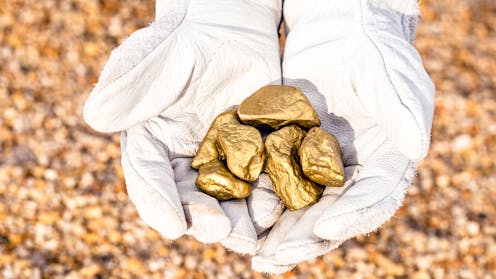
The alchemist’s dream is to make gold from common metals, but can this be done?
The physics needed to explain how to change one element into another is well
understood and has been used for decades in accelerators and colliders, which smash sub-atomic particles together.

The most notable present-day example is the Large Hadron Collider at Cern, based in Geneva. But the costs of making gold this way are vast, and the quantities generated are minuscule.

For example, Cern’s Alice experiment estimated it produced only 29 picogrammes of gold while operating over four years. At that rate, it would take hundreds of times the lifetime of the universe to make a troy ounce of gold.

The Californian startup company Marathon Fusion has proposed a very different approach: to use the radioactivity from neutron particles in a nuclear fusion reactor to transform one form of mercury into another, called mercury-197.

This then decays into a stable form of gold: gold-197. This process of particle decay is where one subatomic particle spontaneously transforms into two or more lighter particles. The team from Marathon Fusion estimates that a fusion power plant could produce several tonnes of gold per gigawatt of thermal power in a single year of operation.

Bombarding the isotope mercury-198 with neutrons leads to the creation of the
radioactive isotope mercury-197 – which subsequently decays to the only stable
isotope of gold.

The key is to have energetic enough neutrons to trigger the mercury decay sequence. If this could be made to work, then it is an interesting idea. But whether it could make a tidy profit is another matter.

To do this, a large neutron flux (a measure of the intensity of neutron radiation) is required. This can be generated using a standard fuel mix for fusion reactors, deuterium and tritium (both of which are forms of hydrogen), to create energy in the plasma of a fusion reactor.

Neutrons penetrate material easily and scatter off the nuclei (cores) in atoms, slowing down as they do so. Neutrons with energies above 6 million electron volts are required to transform mercury-198 into gold.

To come up with its estimates, Marathon Fusion has been using a fusion reactor’s “digital twin” – a computer model that simulates the physics of the fusion reaction and the resulting radioactive processes. A limitation of this type of work is that the digital twin needs to be validated against a real commercial fusion reactor – but none currently exist.

There are many challenges to overcome before scientists can realise a commercial fusion reactor. These include the creation of new materials for its construction, and understanding the science required both to operate the system to continuously extract power, and to develop AI systems that can help keep the plasma fusion reaction running.

Even some of the most advanced fusion experiments, such as the UK-based JET (Joint European Torus) project, could only generate relatively small amounts of energy. However, researchers in the UK have devised a new way to shrink the size of fusion reactors by changing the way the exhaust plasma is controlled. A prototype of this novel fusion reactor concept, called Spherical Tokomak for Energy Production (Step), aims to be ready by 2040.

Radioactive waste

On paper, it is possible to make gold from mercury in a fusion reactor. However, until commercial fusion reactors are realised, the assumptions used by Marathon Fusion in its digital twin studies will remain untested.

Furthermore, any gold produced at a fusion reactor would initially be radioactive, meaning it would be classified as radioactive waste – and thus need to be managed for quite some time after production.

As nuclear and particle physicists know well, it is very easy to forget to include important physical effects and critical details when creating a digital twin of an experiment. But while the processing of that waste into usable forms of pure gold would be a further challenge to address, it will not necessarily deter long-term investors.

For now, this remains an attractive proposition on paper – but we’re still some way off from kickstarting a new kind of Californian gold rush.

The Conversation

Adrian Bevan does not work for, consult, own shares in or receive funding from any company or organisation that would benefit from this article, and has disclosed no relevant affiliations beyond their academic appointment.

– ref. A company says it could turn mercury into gold using nuclear fusion. Can we take this claim seriously? – https://theconversation.com/a-company-says-it-could-turn-mercury-into-gold-using-nuclear-fusion-can-we-take-this-claim-seriously-261891

Unlocking nature’s toolkit: how plant compounds may support cancer therapy

Source: The Conversation – UK – By Ahmed Elbediwy, Senior Lecturer in Clinical Biochemistry / Cancer Biology, Kingston University

Michel Arnaud/Shutterstock.com

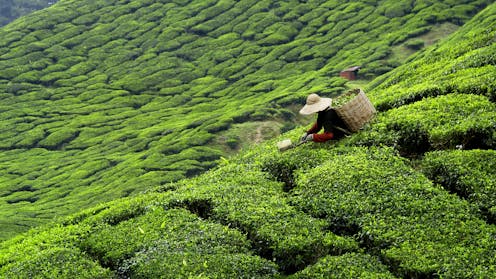
Green tea and red wine may seem like simple dietary choices – but beneath the surface, they harbour compounds with remarkable medical potential. Scientists are uncovering how these everyday drinks might support cancer treatment, not by replacing conventional therapies like chemotherapy or radiotherapy, but by enhancing their effectiveness and reducing their side-effects.

The humble cup of green tea, first enjoyed in first-century China, has long been valued for its cultural significance and traditional health benefits. Tea has historically been used to combat ageing, protect the brain and heart, and aid weight loss. Today, researchers are uncovering a more profound capability – its potential to fight cancer.

The key lies in epigallocatechin gallate (EGCG), a potent antioxidant found in this kind of tea. Antioxidants are protective molecules that help shield cells from damage caused by free radicals and environmental stress, but EGCG appears to do much more.

Cancer cells are notoriously disruptive, hijacking the body’s normal energy-systems to fuel their rapid growth. EGCG targets this very process, disrupting how cancer cells generate energy, and attacking the proteins that help tumours grow and divide. By targeting these proteins, it prevents cancer from multiplying, ultimately leading to cell death.

Even more promising is EGCG’s ability to enhance conventional treatments. Early studies suggest it could make cancer cells more vulnerable to chemotherapy and radiation therapy, potentially reducing the need for high doses and their severe side-effects.

For those who prefer their green tea in powdered form, matcha offers even greater protection, as it’s made from whole ground tea leaves and contains significantly more EGCG than regular green tea.

Red wine’s protective power

Red wine, too, offers compelling potential, thanks to a substance called resveratrol. This compound is found in red grapes, blueberries and peanuts, and has been shown to support the heart, liver and brain. Interestingly, resveratrol works through mechanisms distinct from EGCG.

Rather than targeting cancer cells directly, resveratrol focuses on the tumour’s environment. Cancer cells cleverly surround themselves with blood vessels and supportive tissue, creating a protective fortress that aids growth and spread. Resveratrol disrupts this structure, making tumours vulnerable to conventional treatments.

The compound also enhances the immune system’s ability to recognise and attack cancer cells more effectively. Perhaps most significantly, resveratrol prevents tumours from forming new blood vessels – the lifelines they need to obtain nutrients for growth. Without this blood supply, tumours become starved and eventually die.

Two glasses of red wine on a wooden table in a vineyard.
The cancer-fighting compound resveratrol can be found in red wine. It is especially high in tannat wines.
Nikolaj Sribyanik/Shutterstock.com

Beyond the glass

The potential of natural cancer-fighting compounds extends far beyond our favourite beverages. Apigenin, found in parsley, can slow tumour growth, while turmeric contains curcumin, which disrupts cancer-cell survival. And emodin, found in aloe vera and rhubarb, reduces inflammation and inhibits cancer growth.

However, scientists face a significant challenge: many of these natural substances are poorly absorbed by the body. Research in this area is currently focused on developing enhanced delivery systems, such as wrapping the compounds in tiny lipids called nanoparticles. This approach protects the substances and increases their effectiveness against tumours.

The absorption of natural substances are further improved by mixing compounds with each other such as piperine with curcumin. Piperine is found in black pepper and helps curcumin based nanoparticles to have better bioavailabilty in cancer therapy.

While the research remains in its early stages, the possibility that everyday foods and drinks could one day support cancer treatment represents a fascinating frontier in medical science.

So the next time you reach for a cup of green tea or a glass of red wine, consider this: you may be doing more than relaxing – you could be reinforcing your body’s natural defences against cancer.


Get your news from actual experts, straight to your inbox. Sign up to our daily newsletter to receive all The Conversation UK’s latest coverage of news and research, from politics and business to the arts and sciences.

The Conversation

Ahmed Elbediwy does not work for, consult, own shares in or receive funding from any company or organisation that would benefit from this article, and have disclosed no relevant affiliations beyond their academic appointment.

Nadine Wehida does not work for, consult, own shares in or receive funding from any company or organisation that would benefit from this article, and has disclosed no relevant affiliations beyond their academic appointment.

– ref. Unlocking nature’s toolkit: how plant compounds may support cancer therapy – https://theconversation.com/unlocking-natures-toolkit-how-plant-compounds-may-support-cancer-therapy-260225

As the UK reviews the pension age again, could more time off when you’re young compensate for later retirement?

Source: The Conversation – UK – By Malte Jauch, Lecturer in Management and Marketing, University of Essex

The retirement age keeps creeping up. In the UK, the state pension is currently paid to people at 66, but that’s set to rise to 67 in the next couple of years, and a move to 68 might come sooner than previously planned after the government launched a review.

Gradually increasing the working lifespan is never going to be popular. But one way of making this policy more palatable could be to give people early access to some of the free time that retirement promises.

After all, sometimes that promise fails to deliver, because many people die before they reach retirement age.

Globally, about 27% of men and 18% women die before the age of 65 (although this proportion also includes deaths before working age). In wealthy countries, the number of people who die prematurely is lower than the global average, but still significant. In the EU, 16% of men and 8% of women die before 65.

For these people, the promise of free time and leisure in old age never materialises. There will also be many whose physical and mental health will have deteriorated by the time they retire, so that they are less capable of enjoying their free time.

So perhaps slogging away until retirement is not an ideal arrangement.

But what if you could transfer some of the time off that retirement promises to an earlier stage of your life, when everything is a rush, crammed with the demands of work and domestic responsibilities?

Luckily, the stark contrast between a time-poor middle age and a time-rich old age is not unavoidable. Governments can choose different approaches that directly affect how free time is distributed across our life stages.

Japan, for example, is a country which has opted to focus on delaying leisure time, and encourages workers to postpone that enjoyment of free time until old age. It does this in part by rewarding workers with wage increases – known as “seniority-based pay” – if they don’t take career breaks.

Japanese employment law also permits companies to force employees to retire at the age 60. As a result, on average, Japanese workers work 1,680 hours per year and retire at 63.

In the Netherlands by contrast, people work less (1,433 hours per year) and retire later – at 67. Labour laws make it easier for employees to decrease their hours, by going part time, for example.

Discrimination between workers based on work hours is prohibited, so that those who opt for part-time work are guaranteed equal treatment with regard to wages and other benefits. But the high legal age of retirement discourages Dutch workers from early retirement.

So how should we assess these different approaches?

Time on your side?

One way to look at retirement is that it compensates us for our previous hard work. The prospect of compensation might lead us to adopt a relaxed attitude toward long work hours. Once we’ve stopped work, we’ll be rewarded with a large chunk of leisure.

But for those who don’t make it to retirement, this promise of a life of leisure turns out to be a cruel joke. Early deaths are also more prominent among those who have already suffered from poverty and other disadvantages.

Family walking with cityscape background.
The right time for time off?
Monkey Business Images/Shutterstock

The same is true for ill health. The disadvantaged are much more likely to suffer from a variety of conditions that prevent them from being able to fully enjoy retirement.

Another risk for those who are healthy when they retire is that relatives or friends may have died. This reduces the value of the retirees’ free time because the loved ones they hoped to share that time with are no longer around.

So perhaps some of that free time could be better used when workers are younger. Raising a family, for example, is extremely time consuming, and there can’t be many parents of young children who don’t wish for a few extra hours a week to call their own.

Even devoting time to hobbies when we’re younger might be considered more efficient than waiting until we have retired. After all, if you learn a new language or how to paint when you’re in your 40s, you may have much more time to enjoy your new skill over the ensuing decades.

My research suggests that for all these reasons, the state should help people take some of their retirement early.

None of us knows how long we will live, or how healthy we will be in the future. Faced with this uncertainty, it makes sense not to gamble with our opportunities for free time and leave it until it may be too late.

Even those who enjoy their work have strong reasons not to postpone a large proportion of their time off, and governments should help us access more of it while we’re younger.


Get your news from actual experts, straight to your inbox. Sign up to our daily newsletter to receive all The Conversation UK’s latest coverage of news and research, from politics and business to the arts and sciences.

The Conversation

Malte Jauch does not work for, consult, own shares in or receive funding from any company or organisation that would benefit from this article, and has disclosed no relevant affiliations beyond their academic appointment.

– ref. As the UK reviews the pension age again, could more time off when you’re young compensate for later retirement? – https://theconversation.com/as-the-uk-reviews-the-pension-age-again-could-more-time-off-when-youre-young-compensate-for-later-retirement-259464

Cuban government scrambling to deal with outrage about country’s economic crisis

Source: The Conversation – UK – By Emily Morris, Research Associate, Institute of the Americas, UCL

Cuba doesn’t have any beggars, according to the country’s minister of labour, Marta Elena Feitó Cabrera. In a speech to the national assembly on July 15, she denied the existence of destitution in the communist country, claiming the problem was actually people “disguised as beggars”.

Her words were greeted by public outcry on social media. They also prompted a swift rebuke from her peers and the president, Miguel Díaz-Canel, who said leadership could not “act with condescension”. The next day, the Cuban government published an official note saying Feitó Cabrera had resigned.

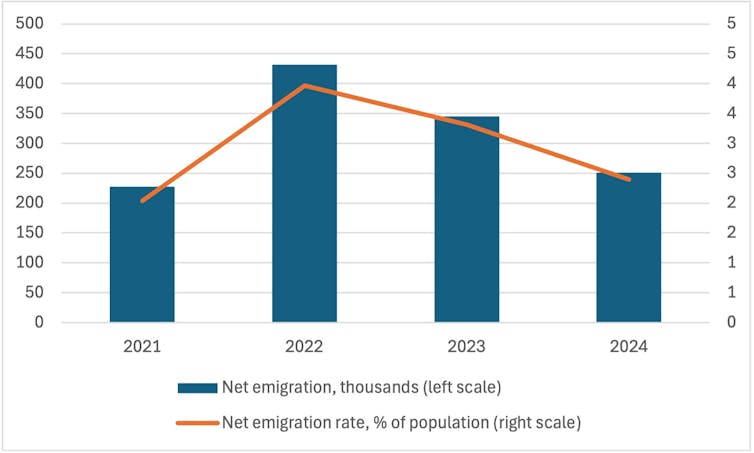
The political vulnerability of the Cuban government explains the urgent need to respond to missteps such as Feitó Cabrera’s. The country is enduring an acute economic crisis, which has seen living standards plummet and over 1 million Cubans leave the country since 2020.

Cubans are leaving en masse:

A graph showing net emigration in Cuba.
A severe economic crisis in Cuba has prompted a mass exodus from the island.
Oficina Nacional de Estadísticas e Información

The recession has severely strained the system of social protection that the government points to as one of its main achievements since taking power more than 60 years ago. Despite food subsidies and the efforts of welfare services, a growing number of people are now going hungry.

Public confidence in the government has been severely weakened as a result, particularly among young Cubans. The risk of escalating popular protest is magnified by the proliferation of social media channels, emanating from inside and outside the country.

These channels air the many complaints about daily frustrations in Cuba and highlight any failings or signs of hypocrisy on the part of officials. So when Feitó Cabrera’s speech went viral, it was met with inevitable public outrage.

Díaz-Canel’s reaction can be seen as urgent damage limitation. But it is also consistent with his broader approach to managing the crisis facing his country. He has worked tirelessly to try and defuse anger through engagement, touring Cuba for local meetings to search for solutions.

In his comments after Feitó Cabrera’s speech, he insisted that officials should acknowledge the scale of hardship being suffered, and “help, support and show solidarity” with the disadvantaged and most vulnerable.

This need to reach out was all the more important given the grim tone of the national assembly meeting where Feitó Cabrera made her remarks. Ministers appeared one after the other to present dismal reports on the state of almost all sectors of the Cuban economy.

The electricity system remains plagued by breakdowns caused by chronic underinvestment as well as difficulties in obtaining fuel and spare parts. The resulting daily power outages ensure that the sense of crisis is ever-present and frustrate all efforts to boost production.

Doubting official data

While full official national income data for 2024 has not yet been released, Cuba’s economy ministry estimates that real national income contracted by 1.1% in 2024. This leaves it more than 10% below its pre-pandemic level, and 2025 is not expected to show much improvement.

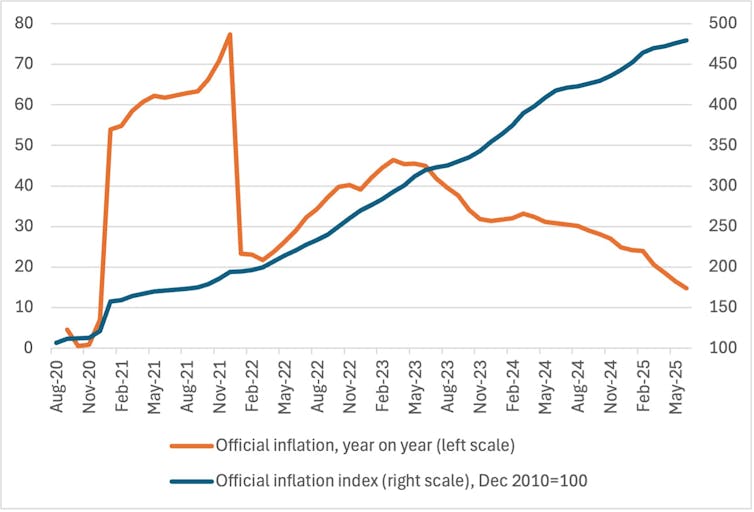
The decline in real disposable income for Cuban households since 2021 has, in reality, been far greater. The official inflation rate indicates that consumer prices have risen fourfold over the past five years. At this rate, living costs would have increased broadly in line with salaries.

Consumer prices have risen fourfold since 2020:

Official inflation data for Cuba.
Official inflation data for Cuba. The spike in early 2021 was the result of a monetary reform, which involved a big jump in wages in December 2020 followed by a currency reform in January 2021.
Oficina Nacional de Estadísticas e Información

But official figures systematically understate the actual increase in prices faced by Cuban households, due to the weightings used. In 2021, for example, research estimated the inflation rate to be between 174% and 700% – well above the government’s estimate (77.3%).

The rising market prices have put many essential goods beyond the reach of most people who depend on state incomes. This has forced many households to depend on remittances or the informal economy to survive.

Thanks to tight fiscal restraint, the official annual rate of inflation eased to 15% in June. But the wide gap between the increase in the actual cost of living and official inflation index continues to compound distrust of the government and the perception that the country’s leaders are out of touch.

A lack of transparency and long delays in the publication of economic data, together with restrictions on the scope for private enterprise, are widely attributed to the government’s incompetence and reluctance to enact liberalising reforms.

Recovery blocked by US sanctions

For these reasons, the government’s insistence that US sanctions are to blame for limiting the possibilities for economic recovery is increasingly regarded with scepticism. However, the constraint on economic growth imposed by US measures is real and severe.

It is also the deliberate aim of US policy. The unilateral sanctions not only block trade, as well as financial and international travel between the US and Cuba. They also severely hamper all kinds of transactions between Cuba and the rest of the world.

Every branch of the Cuban economy has been affected, including the health service, social safety nets, agriculture and industry. And the lack of hard currency has, in turn, limited the scope for the investments and reforms needed for economic recovery.

The easing inflation rate, together with some new investments in renewable energy, an improved fiscal balance and a recent small increase in pensions, may signal that the end of the economic downturn may be approaching. But neither the government nor the population have any confidence that the crisis will come to an end this year.

No one is expecting US sanctions to be lifted while Donald Trump is president. Before Trump first stood for the presidency he hadn’t given Cuba his attention, but as president he has aligned himself firmly with hardliners.

In his first term, Trump reversed the opening with Cuba initiated by Barack Obama. And his current secretary of state, Marco Rubio, is one of the architects and leading proponents of economic sanctions against Cuba. Trade and investment will thus remain depressed, while shortages, power cuts, a lack of transport and crumbling public services will persist.

But by demanding the resignation of the minister of labour, perhaps Díaz-Canel hopes to demonstrate that his government understands what that the economic asphyxiation means for a majority of Cubans struggling to survive.


Get your news from actual experts, straight to your inbox. Sign up to our daily newsletter to receive all The Conversation UK’s latest coverage of news and research, from politics and business to the arts and sciences.

The Conversation

Emily Morris does not work for, consult, own shares in or receive funding from any company or organisation that would benefit from this article, and has disclosed no relevant affiliations beyond their academic appointment.

– ref. Cuban government scrambling to deal with outrage about country’s economic crisis – https://theconversation.com/cuban-government-scrambling-to-deal-with-outrage-about-countrys-economic-crisis-261702