There’s an intensifying kind of threat to academic freedom – watchful students serving as informants

Source: The Conversation – USA (2) – By Austin Sarat, William Nelson Cromwell Professor of Jurisprudence and Political Science, Amherst College

Approximately 58% of faculty interviewed in a national survey in 2024 reported self-censoring. PM Images/iStock/Getty Images

Texas A&M University told philosophy professor Martin Peterson in early January 2026 that he could not teach some of Greek philosopher Plato’s writings that touch on “race and gender ideology.”

The university’s local chapter of the American Association of University Professors, an organization of professors and academics in the U.S., quickly denounced this requirement.

Peterson, in response to his university’s direction, replaced the Plato readings with material on free speech and academic freedom.

Silencing a professor from teaching a certain subject fits within what experts have long recognized as encroaching on academic freedom.

In another high-profile incident at Texas A&M in September 2025, a student filmed an exchange with an English literature professor, Melissa McCoul, who was talking about gender identity.

The student said that McCoul was violating President Donald Trump’s January 2025 executive order that recognized “women are biologically female, and men are biologically male.” As a result, the student told her professor, as seen in her video, “I’ve already been in touch with the president of A&M, and I have a meeting with him in person to show all of my documentation tomorrow.” Her video went viral.

This represents a growing threat to academic freedom: Students who act as informants and police their classes and professors for signs of political incorrectness.

A 2023 study found that 75% of college students feel free to report their professors if they say something objectionable. Self-identified liberal students were more likely than conservative students to report their professors to the administration.

As someone who teaches politically charged subjects, I am very much aware of the need to teach in inclusive ways and respect the diversity of student views. I have also written about how academic freedom is changing, given new external threats and political realities. I recognize that students will play an important role in determining the future of academic freedom.

A college campus is seen with broad sidewalks and tall, green trees.
Two high-profile incidents at Texas A&M University show different forms of threats to academic freedom.
Kailynn.Nelson/Wikimedia

Academic freedom is not the same as free speech

Academic freedom is a complex concept that is often confused with freedom of speech.

The American Association of University Professors offers one definition: Academic freedom is focused on ensuring that professors can say, teach, discuss and write about any issue within their field, without “interference from administrators, boards of trustees, political figures, donors, or other entities.”

As law professor Stanley Fish has argued, freedom of speech – meaning the right to express oneself without restrainthas no place in college classrooms.

As Fish notes, college classrooms are about the pursuit of truth.

In Fish’s view, this is true in both public and private colleges and universities, even though the Supreme Court has held that free speech applies in any public higher education institution.

I believe that Christopher Eisgruber, president of Princeton University, made a mistake when he said in November 2025, “Colleges get free speech right through millions of conversations … that take place in dorm rooms or dining hall tables or at public events or classrooms in colleges and universities across the U.S. every year.”

Dorms, dining halls, public events, yes. Classrooms, no.

As the American Association of University Professors’ preamble says, higher education institutions depend “upon the free search for truth and its free exposition.” It goes on to say, “Academic freedom is essential to these purposes and applies to both teaching and research.”

While that statement is not legally binding, it establishes a set of standards that are widely endorsed throughout higher education.

The September 2025 incident at Texas A&M is so worrisome because it suggests that faculty are being required to adhere to a political ideology, rather than allowed to pursue the truth as they see it.

Self-censorship on the rise

Despite most colleges and universities embracing academic freedom, a rising number of college professors are today censoring themselves in their classrooms.

Approximately 58% of faculty interviewed in a national survey in 2024 reported “regularly self-censoring in … conversations with students outside of class and in classroom conversations.”

In addition, a 2024 study done at Harvard University found that “Many Harvard faculty members and instructors … reported reluctance to discuss controversial subjects inside and outside the classroom.”

Such pervasive fear has a clear chilling effect in controlling what professors teach and say.

Meanwhile, a 2024 report from the American Enterprise, a conservative think tank, explains that faculty self-censorship “increases when faculty engage with students who could record and circulate words, in or out of context, to the world in a matter of seconds.”

Students’ rights to record classroom discussions

The legal landscape concerning the rights of students to record what happens in a college classroom is complex.

In some states, like Alabama and Maine, people can record someone without their consent, if they are directly part of the conversation being documented. In other states, like California and Massachusetts, all people part of the conversation need to consent to being recorded.

Many universities have their own rules regarding recording. Some limit it in classes, except as necessary to accommodate students with particular disabilities.

Harvard, for example, prohibits any member of a course from posting identifiable classroom statements on social media without people’s written consent.

Protecting academic freedom

The September Texas A&M controversy resulted in the university firing McCoul. Texas A&M President Mark A. Welsh III also stepped down from his position in September.

In November, a faculty committee then determined that the university did not have good reason to fire McCoul – though she has not been reinstated to her position.

I believe that colleges, universities and groups like the American Association for University Professors need to think about academic freedom differently than they did in 1940, when the association first adopted its academic freedom statement.

This will require colleges and universities to take steps to protect faculty from direct attempts by the government, or outside groups, to punish them for saying something that the government or others deem controversial.

But protecting faculty is also about establishing new norms to govern the classroom.

Adopting the think tank Chatham House’s rules, which say that people during meetings cannot attribute anything said to a specific speaker without their consent, is a possible path.

I have gone one step further. I now begin my classes by discussing my own classroom compact that covers academic freedom, academic integrity and the values that will inform and guide the work we will do.

Students are also required to pledge that they will not post anything about my class, or anything said in it, on social media with or without attribution. And I remind them that Massachusetts legally requires the consent of all people part of a conversation when it comes to recording.

Helping students understand the meaning and value of academic freedom and enlisting them to help protect it is not an easy task. However, the future of that value may depend on it.

The Conversation

Austin Sarat does not work for, consult, own shares in or receive funding from any company or organization that would benefit from this article, and has disclosed no relevant affiliations beyond their academic appointment.

ref. There’s an intensifying kind of threat to academic freedom – watchful students serving as informants – https://theconversation.com/theres-an-intensifying-kind-of-threat-to-academic-freedom-watchful-students-serving-as-informants-273182

Why unlocking Venezuelan oil won’t mean much for US energy prices

Source: The Conversation – USA (2) – By Amy Myers Jaffe, Director, Energy, Climate Justice, and Sustainability Lab, and Research Professor, New York University; Tufts University

A sculpture of a hand holding an oil rig stands outside the headquarters of Venezuela’s national oil company. Pedro Mattey/AFP via Getty Images

In the wake of U.S. forces’ arrest of Venezuelan President Nicolás Maduro, U.S. President Donald Trump has said the U.S. is taking over Venezuelan oil production.

In addition, the U.S. has blockaded Venezuelan oil exports for a few weeks and seized tankers that reportedly escaped from the blockade.

To understand what’s happening and what it means for U.S. consumers and the American energy industry, The Conversation U.S. checked in with Amy Myers Jaffe, a research professor at New York University and senior fellow at Tufts University who studies global energy markets and the geopolitics of oil.

What is the state of Venezuela’s oil industry and how did it get to this point?

Venezuela’s oil industry has experienced profound turmoil over its history, including a steady downward spiral beginning in 1998. That’s when a worldwide economic downturn took global oil prices below $10 per barrel at the same time as the Venezuelan public’s growing interest in reasserting local control of the country’s oil industry ushered in populist President Hugo Chávez.

In April 2002, Venezuelans took to the streets to protest the appointment of Chávez loyalists to replace the top brass of the national oil company, Petróleos de Venezuela. The chaos culminated in an attempted coup against Chavez, who managed to retake power in a matter of days. Petróleos de Venezuela’s workers then went out on strike, prompting Chávez to purge close to 20,000 top management and oil workers. That began a brain drain that would last for years.

In 2007, Chávez, standing in front of a banner that read “Full Oil Sovereignty, The Road to Socialism,” took over ExxonMobil’s and ConocoPhillips’ oil-producing assets in Venezuela. The companies had declined to accept new oil contracts at radically less profitable terms than they had in previous years.

After Chávez’s death in 2013, national economic chaos accelerated. By 2018, reports began to surface that roving gangs, as well as some oil workers struggling to survive, were stripping the industry of its valuable materials – computers, copper wiring, and metals and machinery – to sell on the black market.

U.S. sanctions added to the mix over the years, culminating in a drop in Venezuelan oil production to 840,000 barrels a day in 2025, down from the 3.5 million barrels a day it was able to produce in 1997.

A handful of international oil companies remained in the country throughout the turmoil, including U.S.-based Chevron, French-Indonesian firm Maurel and Prom, Spanish firm Repsol, and Italian firm ENI. But the political chaos, sanctions and technical mismanagement of the oil industry have taken a heavy toll.

Some estimates say that the country wouldn’t need a lot of investment to increase production to about 1 million barrels a day by 2027. But other analysts say that immediate investment of as much as $20 billion could only raise Venezuela’s production to 1.5 million barrels a day.

Most of the oil in Venezuela is very heavy oil and requires expensive processing to be able to be refined into usable products. The country’s leaders have claimed to have 300 billion-plus barrels of reserves.

A wide view shows a group of large industrial buildings with a road and other buildings nearby.
The El Palito refinery in Puerto Cabello, Venezuela, is owned by the country’s national oil company.
Jesus Vargas/picture alliance via Getty Images

What effect does Venezuela’s production have on prices that U.S. consumers pay for gasoline, natural gas, gas-fired electricity and other petroleum products?

In general terms, U.S. gasoline prices are influenced by global crude oil market levels. Sudden changes in export rates from major oil-producing countries can alter the trajectory for oil prices.

However, Venezuela’s recent export levels have been relatively small. So the immediate effect of changes in Venezuelan oil export levels is likely to be limited. Overall, the global oil market is oversupplied at the moment, keeping prices relatively low and in danger of falling further, even though China is stockpiling large oil reserves.

Venezuela did not export any natural gas. In the long run, a fuller restoration of Venezuela’s oil and gas industry could mean oil prices will have difficulty rising as high as past peaks in times of volatility and could potentially fall if oil demand begins to peak. And Royal Dutch Shell and Trinidad and Tobago National Gas Company have plans to develop Venezuela’s offshore Dragon natural gas field, adding to an expected glut of liquefied natural gas, often called LNG, in global markets in the coming years.

How much oil is coming to the U.S. now, and how would more imports of Venezuelan oil affect U.S. refiners?

The U.S. Gulf Coast refining center is known for its capability to process heavy, low-quality oil like Venezuela’s into valuable products such as gasoline and diesel. Already, refineries owned by Chevron, Valero and Phillips 66 are bringing in Venezuelan oil.

Before the U.S. seized Maduro, most of Venezuela’s exports were going to China, though about 200,000 barrels a day were coming to the United States under Chevron’s special license.

Two figures watch a large ship move across the water.
An oil tanker approaches a dock in Maracaibo, Venezuela, on Jan. 10, 2026.
Margioni Bermúdez/AFP via Getty Images

Trump has said the U.S. will get between 30 million and 50 million barrels of oil from Venezuela, to be used “to benefit the people” of both countries. That’s about two or three days’ worth of U.S. oil production, and between one and two months’ worth of Venezuelan production. What effects could that have for the U.S. or Venezuela?

Some 20 million to 50 million barrels of Venezuelan crude oil is currently piled up in Venezuela’s storage tanks and ships in the aftermath of the U.S. blockade. Exports needed to resume quickly before storage ran out to prevent oil production facilities from needing to shut down, which could then require lengthy and expensive restart procedures.

The United States has been a major exporter of petroleum products in recent years, reaching 7.7 million barrels a day at the end of 2025.

Processing more Venezuelan oil might help make U.S. Gulf Coast refineries a bit more profitable by making more money on their refined products exports. But since there was no shortage of products in the U.S. market, I don’t expect consumers to see much savings.

But U.S. refineries only have so much capacity to refine heavy oil like Venezuela’s. And they have long-term contracts for oil from other suppliers. So they won’t be able to handle all of those 30 million to 50 million barrels. Some of it will either have to be sold abroad or put in the U.S. strategic petroleum reserve.

How does a potential increase in Venezuelan oil production affect U.S. domestic oil producers?

Over time, the impact of the restoration of Venezuelan oil production on oil prices is hard to predict. That’s because it will likely take a decade or more before Venezuela’s oil production levels could be fully restored. Long-term oil prices are notoriously tricky to forecast.

Generally speaking, U.S. shale production rates and profitability benefit when oil prices are above $50 a barrel, as they have been since 2021. U.S. oil production rose to 13.8 million barrels per day for the week ending Dec. 26, 2025, up slightly from the end of 2024. Forecasts suggest a slight increase in 2026 as well, if oil prices stay relatively flat.

Longer term, all bets are off, since the Organization of the Petroleum Exporting Countries, or OPEC – a group of countries that coordinate global petroleum production and sales – has a history of telling members not to increase production when they add new oil fields, which sometimes leads to so much disagreement that a price war erupts.

The last time Venezuela moved to increase its production significantly, in the 1990s, oil prices sank below $10 a barrel. Major OPEC members like the United Arab Emirates have been expanding capacity in recent years, and others with large reserves like Libya and Iraq aspire to do the same in the coming decade as well. The UAE has been asking the group for permission to increase its production, causing difficulties in the group’s efforts to agree on what their total production and target oil price should be. That could be good news for consumers, if OPEC disunity leads to higher supplies and falling prices.

Some commentators have suggested China could be the biggest loser if shipments of Venezuelan oil shift West and away from discounted sales to China. How does the current situation affect China’s energy security and geostrategic considerations?

China’s oil imports have been averaging about 11 million barrels per day, with about 500,000 to 600,000 of that coming from Venezuela. Iran and Russia are among China’s largest oil suppliers, and both countries’ industries face tightening U.S. sanctions. There is enough oil available on the global market to provide China with what it wants, even if it doesn’t come from Venezuela.

The real question is about China’s overall response to the U.S. intervention in Venezuela. Beijing’s initial reaction to Maduro’s removal was fairly muted. In a Dec. 31, 2025, speech, however, China’s President Xi Jinping said China’s defense capabilities and national strength had “reached new heights” and called for the “reunification of our motherland.” In light of the U.S. intervention in the Americas, China may see a justification to move more aggressively toward Taiwan.

The Conversation

Amy Myers Jaffe does not work for, consult, own shares in or receive funding from any company or organization that would benefit from this article, and has disclosed no relevant affiliations beyond their academic appointment.

ref. Why unlocking Venezuelan oil won’t mean much for US energy prices – https://theconversation.com/why-unlocking-venezuelan-oil-wont-mean-much-for-us-energy-prices-273194

Martin Luther King Jr. was ahead of his time in pushing for universal basic income

Source: The Conversation – USA – By Tarah Williams, Assistant Professor of Political Science, Allegheny College

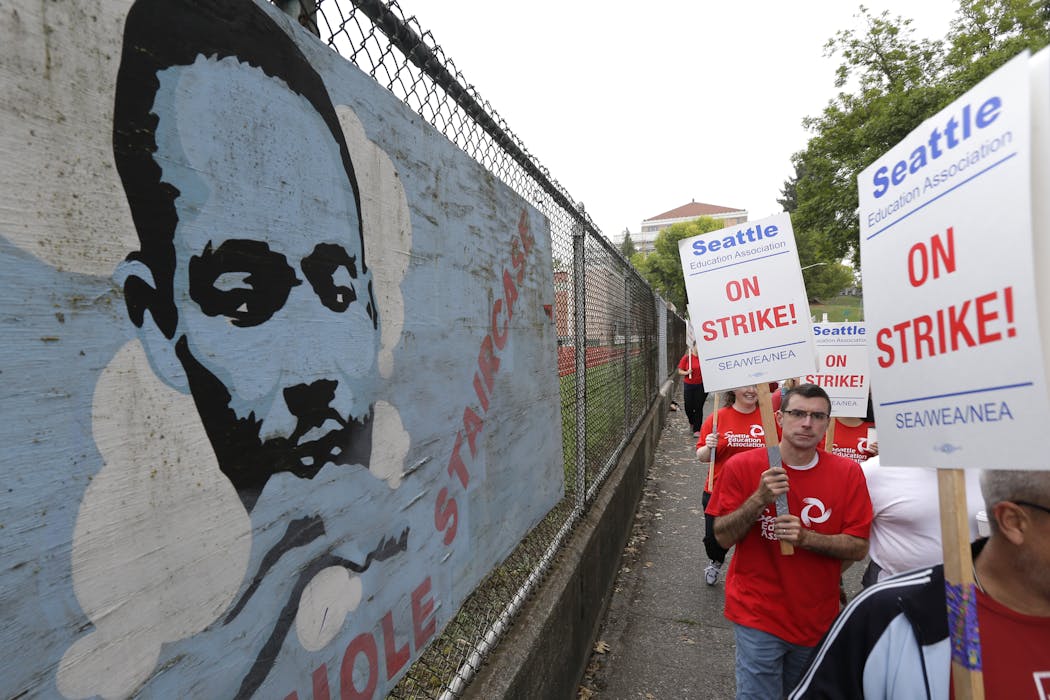
Martin Luther King Jr. became involved not just in fights over racial equality but also economic hardship. Ted S. Warren/AP

Each year on the holiday that bears his name, Martin Luther King Jr. is remembered for his immense contributions to the struggle for racial equality. What is less often remembered but equally important is that King saw the fight for racial equality as deeply intertwined with economic justice.

To address inequality – and out of growing concern for how automation might displace workers – King became an early advocate for universal basic income. Under universal basic income, the government provides direct cash payments to all citizens to help them afford life’s expenses.

In recent years, more than a dozen U.S. cities have run universal basic income programs, often smaller or pilot programs that have offered guaranteed basic incomes to select groups of needy residents. As political scientists, we have followed these experiments closely.

One of us recently co-authored a study which found that universal basic income is generally popular. In two out of three surveys analyzed, majorities of white Americans supported a universal basic income proposal. Support is particularly high among those with low incomes.

King’s intuition was that white people with lower incomes would support this type of policy because they could also benefit from it. In 1967, King argued, “It seems to me that the Civil Rights Movement must now begin to organize for the guaranteed annual income … which I believe will go a long, long way toward dealing with the Negro’s economic problem and the economic problem with many other poor people confronting our nation.”

But there is one notable group that does not support universal basic income: those with higher levels of racial resentment. Racial resentment is a scale that social scientists have used to describe and measure anti-Black prejudice since the 1980s.

Notably, in our research, whites with higher levels of racial resentment and higher incomes are especially inclined to oppose universal basic income. As King well knew, this segment of Americans can create powerful opposition.

Economic self-interest can trump resentment

At the same time, the results of the study also suggest that coalition building is possible, even among the racially resentful.

Economic status matters. Racially resentful whites with lower incomes tend to be supportive of universal basic income. In short, self-interest seems to trump racial resentment. This is consistent with King’s idea of how an economic coalition could be built and pave the way toward racial progress.

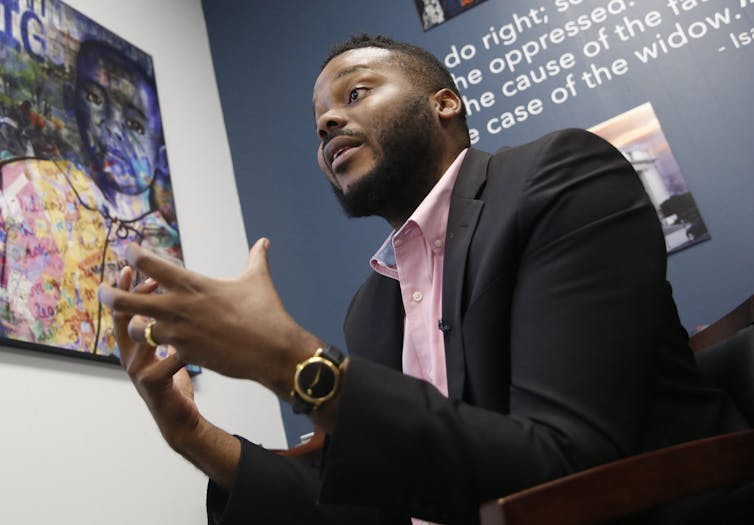
Michael Tubbs, the mayor of Stockton, Calif., gestures with his hands while making a point.
As mayor of Stockton, Calif., Michael Tubbs ran a pioneering program that provided a basic income to a limited number of residents.
Rich Pedroncelli/AP

Income is not the only thing that shapes attitudes, however. Some of the strongest supporters of universal basic income are those who have higher incomes but low levels of racial resentment. This suggests an opportunity to build coalitions across economic lines, something King believed was necessary. “The rich must not ignore the poor,” he argued in his Nobel Peace Prize lecture, “because both rich and poor are tied in a single garment of destiny.” Our data shows that this is possible.

This approach to coalition building is also suggested by our earlier research. Using American National Election Studies surveys from 2004-2016, we found that for white Americans, racial resentment predicted lower support for social welfare policies. But we also found that economic position mattered, too.

Economic need can unite white Americans in support of more generous welfare policies, including among some who are racially prejudiced. At a minimum, this suggests that racial resentment does not necessarily prevent white Americans from supporting policies that would also benefit Black Americans.

Building lasting coalitions

During his career as an activist in the 1950s and 1960s, King struggled with building long-term, multiracial coalitions. He understood that many forms of racial prejudice could undermine his work. He therefore sought strategies that could forge alliances across lines of difference. He helped build coalitions of poor and working-class Americans, including those who are white. He was not so naive as to think that shared economic progress would eliminate racial prejudice, but he saw it as a place to start.

Martin Luther King Jr. speaks before a crowd at the 1963 March on Washington.
Martin Luther King Jr. believed Americans of different racial backgrounds could coalesce around shared economic interests.
AP

Currently, the nation faces an affordability crisis, and artificial intelligence poses new threats to jobs. These factors have increased calls for universal basic income.

Racial prejudice continues to fuel opposition to universal basic income, as well as other forms of social welfare. But our research suggests that this is not insurmountable.

As King knew, progress toward economic equality is not inevitable. But, as his legacy reminds us, progress does remain possible through organizing around shared interests.

The Conversation

The authors do not work for, consult, own shares in or receive funding from any company or organization that would benefit from this article, and have disclosed no relevant affiliations beyond their academic appointment.

ref. Martin Luther King Jr. was ahead of his time in pushing for universal basic income – https://theconversation.com/martin-luther-king-jr-was-ahead-of-his-time-in-pushing-for-universal-basic-income-272963

Research institutions tout the value of scholarship that crosses disciplines – but academia pushes interdisciplinary researchers out

Source: The Conversation – USA – By Bruce Weinberg, Professor of Economics, The Ohio State University

Interdisciplinary researchers are trained to conduct work that crosses between fields. PixelsEffect/E+ via Getty Images

The most exciting landmark scientific achievements don’t happen without researchers sharing and collaborating with others outside their field. When people first landed on the Moon in 1969, Neil Armstrong’s first footsteps marked the realization of a century-long vision that integrated a variety of scientific fields. Landing on the Moon required expertise in electrical, mechanical, chemical and computer engineering, as well as astronomy and physics.

Similarly, the advances in genetics that have made the biotechnology revolution possible involved contributions from disciplines as far ranging as biology, mathematics and statistics, chemistry and computer science.

Today, some of the biggest challenges that scientists face are interdisciplinary in nature – from studying the effects of climate change to managing generative artificial intelligence.

Climate change isn’t only an environmental problem, just like the impact of AI isn’t solely technological. Scientists in a variety of disciplines can independently come up with ways to examine these issues, but as research has shown, the most effective approaches often integrate multiple fields.

Our own interdisciplinary team of researchers in economics and informatics – itself an interdisciplinary field focused on technology, information and people – explored the career hurdles that many interdisciplinary researchers face in a study published in July 2024. We studied how these challenges affect their careers and the production of interdisciplinary research.

Infrastructure and interdisciplinary work

Government and private funders alike have introduced programs to support interdisciplinary work. Universities foster interdisciplinary research through joint appointments, hiring multiple faculty at once, centers that span disciplines, and graduate programs that join different fields.

With these efforts, you might expect a high demand and exceptional career outcomes for interdisciplinary researchers. However, this does not appear to be the case. The American academic system is still very much dominated by disciplines and academic departments. A researcher whose work doesn’t fit neatly into a category can easily fall through the cracks.

The structure of distinct disciplines and departments is deeply embedded in universities. Many researchers have trouble finding a journal willing to publish interdisciplinary papers or a department willing to offer interdisciplinary classes. Students interested in this work have difficulty finding mentors.

Interdisciplinary researchers may have a harder time publishing their work.
Maggie Villiger, CC BY-ND

When interdisciplinary researchers apply for jobs, promotion and tenure, hiring committees made up of members of a single discipline may have difficulty evaluating their work. That issue can put these researchers at a disadvantage, compared to candidates with more traditional backgrounds.

Interdisciplinary centers, institutes and programs are often less permanent structures than departments. Sometimes they’re devised as solutions to fill in the cracks between the work done in different departments or to address real-world problems. These centers are a kind of borderlands – they can attract scientists, especially established ones, who want to identify and pivot toward new research problems. But they’re not generally designed to support scientists’ careers long term.

Career challenges

Our 2024 study focused on biomedical research, which can benefit from an interdisciplinary approach because of the complexity of biological processes and human behavior.

A venn diagram of three circles
Interdisciplinary researchers work at the nexus of multiple academic subfields.
MirageC/Moment via Getty Images

To start, we wanted to understand whether researchers with interdisciplinary training had longer careers publishing their research than those without. The results were stark.

Interdisciplinary researchers stopped publishing much earlier than researchers who stuck to a single discipline. The most interdisciplinary researchers – those whose work draws the most on other disciplines beyond their primary field – had the shortest careers. Half of the most interdisciplinary researchers – the top 1% in terms of the interdisciplinarity of their work as graduate students – stopped publishing within eight years of graduation. Moderately interdisciplinary and single-discipline researchers kept publishing for more than 20 years.

Many interdisciplinary researchers left academia early in their career, by the point when most scholars transition into faculty positions and start to get promoted or receive tenure.

Many researchers who leave do important work in industry and other sectors. However, the high attrition rate of these researchers in biomedicine means that few senior scientists remain in academia to conduct interdisciplinary research or train future interdisciplinary researchers.

Researchers who started out as interdisciplinary tended to become more focused on one discipline early in their careers, as if recognizing that disciplinary work is the smoothest route to success.

However, we also found that over the 40-year period our study examined, biomedical research became more interdisciplinary overall. Ironically, single-discipline researchers, whose interdisciplinary work tends to be lower quality, drove that growth, becoming more interdisciplinary as their careers progressed.

But our study found that these researchers usually didn’t have specialized training in interdisciplinary research. They may have become more interdisciplinary through collaborations with researchers in other fields.

So, even though the overall level of interdisciplinarity in the field increased, trained interdisciplinary researchers left academia, and the single-discipline researchers without the same training were the ones conducting much of the interdisciplinary work.

Consequences for research

Our findings indicate another striking trend: Researchers entering the research community tended to be less interdisciplinary than the ones already in it.

Studies have shown that early career researchers often do the most innovative work. But at this formative career stage, they do not lend their talents to interdisciplinary work as frequently.

While many people in the academic community say they want to see more interdisciplinary research, the new, more discipline-focused scholars joining the system aren’t conducting this work.

Our analysis suggests that finding ways for universities, departments and funders to support early career interdisciplinary researchers could keep these scholars from leaving and increase the output of interdisciplinary work.

Many difficult societal problems will require research that cuts across the lines of established disciplines to solve. Right now, academia rewards scholars who work within disciplinary boundaries and climb the departmental career ladder.

To remedy this issue, universities and funding agencies could create better incentives for collaboration and research that addresses critical problems regardless of the discipline. These changes could create space for interdisciplinary researchers to thrive and become mentors for future generations of scientists.

The Conversation

Bruce Weinberg receives funding from the National Science Foundation, the National Institutes of Health, the Ewing Marion Kauffman and Alfred P. Sloan Foundations, as well as the National Bureau of Economic Research.

Enrico Berkes received funding from the National Science Foundation and the National Institutes of Health while a postdoctoral researcher at The Ohio State University.

Monica Marion has received funding from the National Science Foundation.

Staša Milojević received funding from the National Science Foundation and the Air Force Office of Scientific Research.

ref. Research institutions tout the value of scholarship that crosses disciplines – but academia pushes interdisciplinary researchers out – https://theconversation.com/research-institutions-tout-the-value-of-scholarship-that-crosses-disciplines-but-academia-pushes-interdisciplinary-researchers-out-254034

Wars without clear purpose erode presidential legacies, and Trump risks political consequences with further military action in Venezuela

Source: The Conversation – USA – By Charles Walldorf, Professor of Politics and International Affairs, Wake Forest University

The body of U.S. Army Spc. Israel Candelaria Mejias is carried in a transfer case at Dover Air Force Base in Delaware after he was killed on April 5, 2009, near Baghdad. AFP Photo/Paul J. Richards via Getty Images

Despite public support in the U.S. for deposing Venezuelan leader Nicolás Maduro, President Donald Trump is unlikely to find that level of support for fighting an actual war in that country.

Even as Trump tries to work through Delcy Rodríguez, Maduro’s vice president and now the acting leader of the country, to manage Venezuela, there are echoes of President George W. Bush in Iraq with Trump saying that the United States will “run” Venezuela and “nurse it back to health” with Venezuelan oil wealth. None of that – which requires a lot of control by Washington and a major presence on the ground – can or will happen without a significant commitment of U.S. military forces, however, which Trump hasn’t ruled out.

“We’re not afraid of boots on the ground,” Trump said.

Yet U.S. citizens have been and remain deeply skeptical of military action in Venezuela. From Lyndon Johnson to George W. Bush, history shows that leaders often pay a high political price – and costs to their legacy, too – when wars they start or expand become unpopular.

As an expert on U.S. foreign policy and regime change wars, my research shows that every major U.S. war since 1900 – especially those that involved regime change – was buoyed at its outset by a big story with a grand purpose or objective. This helped galvanize national support to bear the costs of these wars.

During the Cold War, a story about the dangers of Soviet power to American democracy and the need to combat the spread of communism brought strong public support, at least initially, for wars in Korea and Vietnam, along with smaller operations in the Caribbean and Latin America.

In the 2000s and 2010s, the dominant narrative about preventing another Sept. 11 and quelling global terrorism generated strong initial public support for wars in Iraq – 70% in 2003 – and Afghanistan, 88% in 2001.

A big problem Trump now faces is that no similar story exists for Venezuela.

President Donald Trump said on Jan. 3, 2026, that the US is “not afraid of boots on the ground” in Venezuela.

What national interest?

The administration’s justifications for war cover a hodgepodge of reasons, such as stopping drugs that flow almost exclusively to Europe, not the U.S.; seizing oil fields that benefit U.S. corporations but not the wider public; and somehow curtailing China’s efforts to build roads and bridges in Latin America.

All these are unrelated to any story-driven sense of collective mission or purpose. Unlike Korea or Afghanistan at the start, Americans don’t know what war in Venezuela will bring them and whether it is worth the costs.

This lack of a holistic story or broad rationale shows up in the polls. In November, only 15% of Americans saw Venezuela as a national emergency. A plurality, 45%, opposed an overthrow of Maduro. After Maduro was removed in early January 2026, Americans’ opposition to force in Venezuela grew to 52%. No rally around the flag here.

Americans also worry about where things are heading in Venezuela, with 72% saying Trump has not clearly explained plans going forward. Few want the mantle of regime change, either. Nine in 10 say Venezuelans, not the United States, should choose their next government. And more than 60% oppose additional force against Venezuela or other Latin American countries.

Only 43% of Republicans want the United States to dominate the Western Hemisphere, indicating Trump’s foreign policy vision isn’t even popular in his own party.

Overall, these numbers stand in sharp contrast to past U.S. wars bolstered by big stories, where there was generally a deep, bipartisan consensus behind using force.

For the moment, 89% of Republicans support removing Maduro. But 87% of Democrats and 58% of independents are opposed.

Reflecting the national skepticism – and in a rebuke of Trump – the U.S. Senate advanced a measure to final vote requiring Trump to get congressional approval before taking further military action in Venezuela. Five Senate Republicans joined all Democratic senators in voting for the measure.

All told, the U.S. political system is flashing red when it comes to war in Venezuela.

Hubris can turn deadly

Research shows that U.S. regime change wars almost never go as planned. Yet, the hubris of U.S. leaders sometimes causes them to ignore this fact, which can result in deadly trouble. In Iraq, influential Vice President Dick Cheney told one interviewer, “We’ll be greeted as liberators.” We weren’t, and U.S. forces got bogged down in a bloody insurgency war.

Experts say the same trouble could come in Venezuela.

US soldiers sitting at a table with a tv behind them showing an image of Barack Obama.
U.S. Army soldiers watch a TV airing election coverage of Democratic presidential candidate Barack Obama at a base located along the Afghanistan-Pakistan border on Nov. 4, 2008.
David Furst/AFP via Getty Images

What might stop the United States from rolling into a deeper war that’s not in line with how the public views U.S. interests? My research shows that the answer lies with U.S. leaders taking steps to back away from owning what comes next in Venezuela.

This turns a lot on presidential rhetoric. When leaders make robust commitments to action, it often boxes them in politically later on to follow through, even if they don’t want to do so. Their words create what political scientists call “audience costs,” which are domestic political setbacks, or punishment, that leaders will face if they fail to follow through on what they promised to do.

Audience costs can even form in a case like Venezuela, because despite limited public support for force, the media along with proponents of war inside and outside government often pick up on a president’s words and produce a churning conversation. That conversation is visible now in the news cycle, with leading Republicans and other prominent voices calling for more robust action. It’s the “you broke it, you fix it” discussion.

This churn raises questions about the president’s credibility that sometimes makes leaders feel boxed in to act, even when public support is questionable.

As a presidential candidate in 2008, Barack Obama promised to devote greater attention and resources to the war in Afghanistan. When he got in office, Obama’s words came back to bite him. Political pressure generated by his campaign pledge made it almost impossible for Obama to avoid surging troops into Afghanistan at a much higher level than what he intended.

While presidents should always strive to keep the public informed of the direction policy is headed, research shows that leaders can avoid the trap of audience costs by remaining relatively vague and noncommittal, which the public now prefers, about future military actions.

On Venezuela, Trump has done some of this vague language work already by sidestepping specifics about when and if force will be used again, and by also downplaying talk of U.S.-led democracy promotion. If he stops talking about “running” Venezuela and adopts the more measured language used by advisers such as Secretary of State Marco Rubio, who says the goal is to “move (Venezuela) in a certain direction” but not run the country, Trump could take another step away from being boxed in to do more militarily.

Events on the ground in Venezuela might also factor into future U.S. policy. Obama would not have faced the political pressure for the surge that he did when coming to office if the Afghan war had been going in a more positive direction.

Venezuela is close to economic collapse, according to some experts, due to Caracas’ inability to reap the profits of selling oil abroad. If that happens, political chaos could follow and leave Trump, like Obama in Afghanistan, feeling lots of pressure to act militarily, especially if Trump is still saying he “runs” Venezuela.

Again, Americans don’t want that, which means taking steps, such as loosening the current oil embargo, to alleviate economic pain in Venezuela might make sense for Trump. Otherwise, if American troops are sent in by Trump and deaths mount, even a president deemed virtually untouchable by scandal and failure could find himself finally paying a political price for his decisions.

The Conversation

Charles Walldorf is affiliated with Defense Priorities.

ref. Wars without clear purpose erode presidential legacies, and Trump risks political consequences with further military action in Venezuela – https://theconversation.com/wars-without-clear-purpose-erode-presidential-legacies-and-trump-risks-political-consequences-with-further-military-action-in-venezuela-273199

Nearly half of Detroit seniors spend at least 30% of their income on housing costs − even as real estate values fall

Source: The Conversation – USA – By Amanda Nothaft, Director of Data and Analysis, Poverty Solutions at the University of Michigan, University of Michigan

The high costs of maintaining a home can put Detroit seniors at risk. Nick Hagen/The Washington Post via Getty Images

For Detroit homeowners over 65 who overwhelmingly live on fixed incomes, unexpected costs – increases in grocery prices, rising health care premiums or an emergency repair – heighten their risk of financial instability and can even lead to them falling into poverty.

I am a policy researcher at Poverty Solutions at the University of Michigan. Our initiative uses action-based research, an approach that seeks to understand real-world problems and inform policy changes that could make life work better for people with low incomes. The center recently examined data from the 2023 American Community Survey to explore how low-income seniors in Detroit are affected by declining housing values and high housing costs compared to seniors across Michigan.

Federal, state and local programs to help seniors with these costs are already strained. As the population of older adults in metro Detroit continues to grow, demand for support services, such as caregiving and healthy meal programs, will likely increase.

Housing cost burdens are more acute for Detroit seniors

The poverty rate of senior-headed households in Detroit is nearly twice as high as the rate statewide.

Detroit seniors, both owners and renters, are more likely to be housing cost-burdened than Michigan seniors overall, with 45% paying more than 30% of their income on housing costs compared to 31% of seniors statewide. This is partially driven by lower median incomes in the city compared to the state.

Even when we focus on the seniors who would be considered the most financially stable, those who own their homes free and clear, the proportion burdened by housing costs is twice as high as the state: 32% versus 16%.

Detroit seniors pay more for property taxes and utilities

Lower incomes aren’t the only thing driving the higher housing cost burden. Detroit seniors pay more for all homeownership costs, including utilities – not only as a proportion of home values and income, but also in terms of real costs.

Detroiters face higher rates for auto insurance, and they pay more for utilities, compared to others in the state, adding to a situation where many residents, especially seniors on fixed incomes, struggle to make ends meet.

While the cost of living in urban areas is often higher compared to suburban and rural places, my analysis found that comparative costs for insurance, water, electricity and gas are lower in cities such as Milwaukee and Pittsburgh, which points to systemic issues that might be unique to Detroit.

Insurance and property taxes are also higher for seniors in Detroit compared to seniors across the state, especially relative to median home values. Detroit seniors pay the same or slightly more for these essentials despite living in homes that are worth less, based on the analysis.

The median house value for senior property owners in Detroit is $65,000, compared to $170,000 for seniors in Michigan.

High property taxes and insurance rates drive costs

Detroit lost over half a million residents between 1980 and 2020, causing an oversupply of single-family housing stock and a steady drop in home prices.

As residents left and businesses followed, the property tax base eroded. To generate the same revenue as cities with a richer tax base, Detroit levies property taxes at relatively high rates. Detroiters face a property tax rate close to 3%, significantly higher than the national average of 1.38%.

The housing market in Detroit has seen such large declines in property values that a disconnect has emerged. The replacement cost of a home, which is the actual expense required to reconstruct the dwelling, is often substantially higher than its current market value. This makes the cost of homeowner’s insurance disproportionately expensive relative to the market value of a home in Detroit.

A property’s condition and the condition of neighboring properties also raises the cost of homeowner’s insurance because insurance premiums are primarily influenced by the risk associated with insuring a property. Poor property and neighborhood conditions limit the availability of homeowner’s insurance, driving those who want homeowner’s insurance to purchase costly policies from insurers of last resort, or companies that provide coverage to people who cannot obtain it through other means due to high insurance risks.

The high cost drives many Detroit residents to forgo homeowner’s insurance. According to my analysis, almost 35% of Detroit seniors do not insure their homes, putting their main financial asset at risk.

Big utility bills

Utility bills in Detroit are higher compared to those statewide for two reasons: higher use and higher rates. The housing stock in Detroit is significantly older, with 88% of Detroit seniors living in houses built before 1960, compared to 34% of seniors in the rest of the state. These older homes use more energy because they often lack modern insulation and have single-paned windows, outdated appliances, older plumbing fixtures and poor seals around windows and doors.

Detroiters and others in Michigan served by DTE Energy, a utility provider, pay gas and electricity rates that are higher than others in the state. Detroiters also pay more for utilities due to a 5% “utility users tax” added to their gas and electricity bills. This surcharge isn’t new. It stems from legislation originally passed in the 1970s, and the funds collected flow to the Public Lighting Authority, which is responsible for improving and maintaining street lights in the city, and to the Detroit Police Department.

In the wake of Detroit’s bankruptcy filing in 2013, the Detroit Water and Sewerage Department carried out widespread shut-offs. From 2014 to 2020, the shut-offs affected as many as 141,000 Detroit residents, mostly those with low incomes. The crisis garnered national and international attention.

The initial crisis has passed, yet the cost of water continues to increase across the entire state, with those in the metro Detroit area served by the Great Lakes Water Authority seeing substantially higher rate increases than the state overall to cover deferred maintenance and infrastructure costs.

Costs are compounded by social isolation

Costs stemming from isolation and disability exacerbate the financial strain Detroit seniors already face.

Several factors contribute to older adults living alone, including increased life expectancy for women as well as children and family members moving farther away from each other. Older adults living alone are also more likely to be poorer than older adults who are a part of a larger household.

This issue is more pronounced in Detroit, where 54.7% of seniors live alone compared to the 43.2% statewide average. Living alone increases the risk of social isolation, which is linked to poorer health outcomes. Detroit seniors also have higher rates of disability than other seniors in the state of Michigan, which can lead to higher health care costs, decreased mobility and increased social isolation.

Less funding could create more hardship

Historically the demand for support outstrips the available resources, with only a small proportion of eligible households receiving energy assistance. And now, programs that help vulnerable seniors with the costs of utilities are at risk of funding cuts.

Detroit Water and Sewerage Department’s Lifeline Plan, launched in 2022, ran out of state and federal money in October 2025.

Meanwhile, the entire staff that administers the federal Low Income Home Energy Assistance Program, known as LIHEAP, was cut in April 2025. While the program is funded in the continuing resolution passed on Nov. 12, 2025, it is zeroed out in the president’s fiscal year 2026 proposed budget.

Even before funding uncertainties emerged, Detroit seniors who own their homes faced institutional barriers accessing property tax relief, putting many at risk of tax foreclosure. Additionally, Detroiters struggle to keep up with home repair costs, heightened by the needs of older homes and because the home repair assistance system is fragmented and difficult to access.

Without these programs, Detroit seniors will be left without an essential lifeline.

The Conversation

Amanda Nothaft does not work for, consult, own shares in or receive funding from any company or organization that would benefit from this article, and has disclosed no relevant affiliations beyond their academic appointment.

ref. Nearly half of Detroit seniors spend at least 30% of their income on housing costs − even as real estate values fall – https://theconversation.com/nearly-half-of-detroit-seniors-spend-at-least-30-of-their-income-on-housing-costs-even-as-real-estate-values-fall-268075

Viruses aren’t all bad: In the ocean, some help fuel the food web – a new study shows how

Source: The Conversation – USA (2) – By Steven Wilhelm, Professor of Microbiology, University of Tennessee

A research ship sails in the Atlantic Ocean, where scientists are studying the roles of marine viruses. SW Wilhelm

Virus. The word evokes images of illness and fears of outbreaks. Yet, in the oceans, not all viruses are bad news.

Some play a helpful, even critical, role in sustaining marine life.

In a new study, we and an international team scientists examined the behavior of marine viruses in a large band of oxygen-rich water just under the surface of the Atlantic Ocean. What we discovered there – and its role in the food web – shows marine viruses in a new light.

Studying something so tiny

Viruses are incredibly small, typically no more than tens of nanometers in diameter, nearly a hundred times smaller than a bacterium and more than a thousand times smaller than the width of a strand of hair.

In fact, viruses are so small that they cannot be seen using conventional microscopes.

Four highly magnified images show a tiny round object, the virus. In two of the images, the tail is visible.
An electron microscope view shows examples of Prochlorococcus myoviruses. Images A and D show different viruses with their tails. In B and C, the tail is contracted. The black scale bar indicates a length of 100 nanometers.
MB Sullivan, et al., 2005, PLOS One, CC BY

Decades ago, scientists thought that marine viruses were neither abundant nor ecologically relevant, despite the clear relevance of viruses to humans, plants and animals.

Then, advances in the use of transmission electron microscopes in the late 1980s changed everything. Scientists were able to examine sea water at a very high magnification and saw tiny, circular objects containing DNA. These were viruses, and there were tens of millions of them per milliliter of water – tens of thousands of times greater than had been estimated in the past.

A theory for how viruses feed the marine world

Most marine viruses infect the cells of microorganisms – the bacteria and algae that serve as the base of the ocean food web and are responsible for about half the oxygen generated on the planet.

By the late 1990s, scientists realized that virus activity was likely shaping how carbon and nutrients cycled through ocean systems. We hypothesized, in what’s known as the viral shunt model, that the marine viruses break open the cells of microorganisms and release their carbon and nutrients into the water.

This process could increase the amount of nutrients reaching marine phytoplankton. Phytoplankton provide food for krill and fish, which in turn feed larger marine life across the oceans. That would mean viruses are essential to a food web that drives a vast global fisheries and aquaculture industry producing nearly 200 million metric tons of seafood.

Watching viruses in action

In the new study in the journal Nature Communications led by biologists Naomi Gilbert and Daniel Muratore, our international team demonstrated the viral shunt in action.

The team took samples from a meters-thick band of oxygen that spreads for hundreds of miles across the subtropical Atlantic Ocean. In this region, part of the Sargasso Sea, single-celled cyanobacteria known as Prochlorococcus dominate marine photosynthesis with nearly 50,000 to upwards of 100,000 cells in every milliliter of seawater. These Prochlorococcus can be infected by viruses.

What are Prochlorococcus? Science Magazine.

By sequencing community RNA – molecules that carry genetic instructions within cells – our team was able to look at what nearly all viruses and their hosts were trying to do at once.

We found that the rate of virus infection in this oxygen-rich band of the ocean is about four times higher than in other parts of the surrounding ocean, where cyanobacteria don’t reproduce as quickly. And we observed viruses causing massive infections in Prochlorococcus.

The viruses were attacking cells and spilling organic matter, which bacteria were taking up and using to fuel new growth. The bacteria respired away the carbon and released nitrogen as ammonium. And this nitrogen appears to have been stimulating photosynthesis and the growth of more Prochlorococcus cells, resulting in greater production that generated the ribbon of oxygen.

The viral infection was having an ecosystem-scale impact.

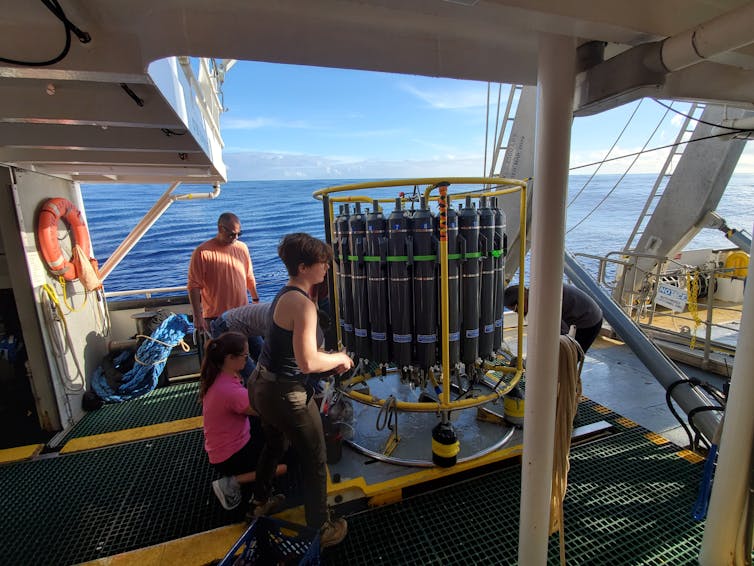
Scientists aboard a research vessel prepare a large device with many tubes for collecting samples once lowered into the ocean.
Scientists aboard a National Science Foundation research expedition in the open Atlantic in 2019 prepare equipment to collect water samples at different depths to analyze the activity of marine viruses.
SW Wilhelm

Understanding the microscopic world matters

Viruses can cause acute, chronic and catastrophic effects on human and animal health. But this new research, made possible by an open-ocean expedition supported by the National Science Foundation, adds to a growing range of studies that demonstrate that viruses are central players in how ecosystems function, including by playing a role in storing carbon in the deep oceans.

We are living on a changing planet. Monitoring and responding to changes in the environment require an understanding of the microbes and mechanisms that drive global processes.

This new study is a reminder of how important it is to explore the microscopic world further – including the life of viruses that shape the fate of microbes and how the Earth system works.

The Conversation

Steven Wilhelm’s work on this study was supported by The National Science Foundation, The National Institute of Environmental Health Science, the Simons Foundation and the Allen Family Philanthropies.

Joshua Weitz’s work on this study was supported by The National Science Foundation, the Simons Foundation, and the Blaise Pascal Chair of the Île-de-Paris Region.

ref. Viruses aren’t all bad: In the ocean, some help fuel the food web – a new study shows how – https://theconversation.com/viruses-arent-all-bad-in-the-ocean-some-help-fuel-the-food-web-a-new-study-shows-how-273088

Rural areas have darker skies but fewer resources for students interested in astronomy – telescopes in schools can help

Source: The Conversation – USA (2) – By Emma Marcucci, Executive Director of STARS, Smithsonian Astrophysical Observatory, Smithsonian Institution

Observing the night sky can get kids interested in astronomy and STEM careers. Jeremy Thomas/Unsplash

The night sky has long sparked wonder and curiosity. Early civilizations studied the stars and tracked celestial events, predicted eclipses and used their observations to construct calendars, develop maps and formulate religious rituals.

Scholars widely agree that astronomy is a gateway science – that it inspires a core human interest in science among people of all ages, from senior citizens to schoolchildren. Helping young people tap into their excitement about the night sky helps them build confidence and opens career pathways they may not have considered before.

Yet today the night sky is often hidden from view. Almost all Americans live under light-polluted skies, and only 1 in 5 people in North America can see the Milky Way. When people live in areas where the night sky is clearer, they tend to express a greater wonder about the universe. Altogether, this means communities with less light pollution have great potential to educate the next generation of scientists.

Rural communities have some of the darkest skies in the country, making them perfect for stargazing. Yet while students in rural areas are in the optimal physical environment to be inspired by the night sky, they are the most in need of science, technology, engineering and mathematics, or STEM, education resources to support their interests and build the confidence they need to pursue careers in science.

Stargazing, finding constellations and watching meteor showers as a kid inspired my own sense of awe around the vastness of space and possibilities in our universe. Now, I’m the executive director of the Smithsonian’s Scientists Taking Astronomy to Rural Schools, or STARS, a new program led by the Smithsonian Astrophysical Observatory, part of the Center for Astrophysics | Harvard & Smithsonian, that delivers telescopes and associated lesson plans to rural schools across the United States, free of charge. I’m working to share my excitement and wonder with students in rural areas.

The Sun, partially blocked by the Moon.
A solar eclipse, as viewed through a telescope.
STARS

Why hands-on STEM learning matters

Students need direct exposure to STEM careers and hands-on experiences that help them learn the skills they will need to pursue these careers on their own. Hands-on activities ground new knowledge in ways that lectures and reading often cannot. Experiential opportunities connect what may be distant or abstract concepts to clear, tangible, real-world skills. This experiential learning improves students’ understanding of astronomy content and increases their motivation to learn.

Telescopes are important tools for astronomy that scientists use all the time. When students use telescopes as part of their learning, they are experiencing real techniques that scientists use. Using a telescope brings the viewer closer to fantastic celestial objects – allowing them to see galaxies, nebulas, planets, the Moon and the Sun, with solar filter protection, more closely or in greater detail.

A full Moon, tinged orange from sunlight, during a lunar eclipse.
Telescopes help students view astronomical objects, like the Moon, up close.
STARS

There is nothing quite like seeing the soaring peaks and shadowed valleys of the Moon, or the distinct ring structure of Saturn, or endless other astronomical objects, through a telescope lens. This inspiration can motivate students to use their curiosity to explore the universe and see STEM careers as potential pathways.

Rural STEM education

The National Rural Education Association’s Why Rural Matters 2023 report estimates that there are 9.5 million students attending school in rural areas in the U.S., across more than 32,000 schools. This is more students than the student population of the 100 largest U.S. school districts combined.

While rural communities around the country all look different, they can face similar challenges: limited access to broadband internet, reduced state funding support and restricted geographical access to field trip opportunities, such as museums. Why Rural Matters found, on average, that 13.4% of rural households have a limited internet connection, and for some states this increases to 20%.

Each state distributes their education funding differently. The percentage allocated to rural schools varies from state to state, ranging from 5% to 50% of the total funding, which results in a wide range of money spent per student. Nonrural districts spend an average of US$500 more per student than rural districts. Looking state by state, however, this disparity climbs into the thousands of dollars.

Given their remote locations, rural areas host only 1 in 4 museums in the United States. Only 12% of children’s museums are in rural areas.

Educators may also consider STEM topics daunting. Many teachers do not feel adequately prepared or confident to introduce these topics to students. In other situations, there simply aren’t enough teachers to cover these topics. Shortages of STEM-focused teachers occur at some of the highest rates in rural districts, reducing rural students’ access to these subjects.

These reasons are why, through the STARS program, we give teachers access to a national community of practice that supports peer sharing and participation, alongside the telescope and science-aligned lesson plans. The lesson plans will be available online for anyone to use later this spring, whether or not they are part of the program.

STARS isn’t the only program connecting students with the night sky. Teachers, parents and students can also participate in national activities such as Observe the Moon Night and Globe at Night, and local activities, like their local amateur astronomy clubs.

A starry sky, silhouetted by trees.
Rural areas farther from cities tend to have darker skies, better for stargazing.
Ryan Hutton/Unsplash

Opportunities to observe the sky with telescopes lead to an improvement in learning outcomes and STEM identity, and rural schools are uniquely situated to introduce students to the night sky. With a little extra support, through community events and educational programs, these schools have the opportunity to inspire the next generation of scientists and engineers.

The Conversation

Emma Marcucci works for the Smithsonian Astrophysical Observatory, as Executive Director of the Smithsonian STARS program, which is supported through private gifts and donations.

ref. Rural areas have darker skies but fewer resources for students interested in astronomy – telescopes in schools can help – https://theconversation.com/rural-areas-have-darker-skies-but-fewer-resources-for-students-interested-in-astronomy-telescopes-in-schools-can-help-266848

Small businesses say they aren’t planning to hire many recent graduates for entry-level jobs – here’s why

Source: The Conversation – USA (2) – By Murugan Anandarajan, Professor of Decision Sciences and Management Information Systems, Drexel University

Small businesses often do not have the time or resources to onboard recent graduates with little or no experience. 020 Creative/iStock via Getty Images Plus

Small businesses are planning to hire fewer recent college graduates than they did in 2025, making it likely harder for this cohort to find entry-level jobs.

In our recent national survey, we found that small businesses are 30% more likely than larger employers to say they are not hiring recent college graduates in 2026. About 1 in 5 small-business employers said they do not plan to hire college graduates or expect to hire fewer than they did last year.

This would be the largest anticipated decrease in small businesses hiring new graduates in more than a decade.

Small businesses are generally those with fewer than 500 employees, based on standards from the U.S. Census Bureau and federal labor data.

This slowdown is happening nationwide and is affecting early-career hiring for people graduating from both college and graduate programs – and is more pronounced for people with graduate degrees.

Nearly 40% of small businesses also said they do not plan to hire, or are cutting back on hiring, recent grads who don’t have a master’s of business administration. Almost 60% said the same for people with other professional degrees.

National data shows the same trend. Only 56% of small businesses are hiring or trying to hire anyone at all, according to October 2025 findings by the National Federation of Independent Business, an advocacy organization representing small and independent businesses.

Job openings at small employers are at their lowest since 2020, when hiring dropped sharply during the early months of the COVID-19 pandemic.

Some small businesses may change their hiring plans later in the spring, but our survey reveals that they are approaching hiring cautiously. This gives new graduates or students getting their diplomas in a few months information on what they can expect in the job market for summer and fall 2026.

How small businesses tend to hire new employees

Our survey, which has been conducted annually at the LeBow Center for Career Readiness at Drexel University, collected data from 647 businesses across the country from August 2025 through November.

About two-thirds of them were small businesses, which reflects their distribution and proportion nationally.

Small businesses employ nearly half of private-sector workers. They also offer many of the first professional jobs that new graduates get to start their careers.

Many small employers in our survey said they want to hire early-career workers. But small-business owners and hiring managers often find that training new graduates takes more time and support than they can give, especially in fields like manufacturing and health care.

That’s why many small employers prefer to hire interns they know or cooperative education students who had previously worked for them while they were enrolled as students.

Larger employers are also being more careful about hiring, but they usually face fewer challenges. They often have structured onboarding, dedicated supervisors and formal training, so they can better support new employees. This is one reason why small businesses have seen a bigger slowdown in hiring than larger employers.

Then there are small businesses in cities that are open to hiring recent graduates but are struggling to find workers. In cities, housing costs are often rising faster than starting salaries, so graduates have to live farther from their jobs.

In the suburbs and rural areas, long or unreliable commutes make things worse. Since small businesses usually hire locally and cannot pay higher wages, these challenges make it harder for graduates to accept and keep entry-level jobs.

A cartoon image shows a man walking between two cliffs and heading toward an office chair with briefcase.
Recent graduates often land their first jobs with small businesses.
Alina Naumova/iStock via Getty Images Plus

Industry and regional patterns

Job prospects for recent college graduates depend on the industry. The 2026 survey shows that employers in health care, construction and finance plan to hire more graduates than other fields. In contrast, manufacturing and arts and entertainment expect to hire fewer new graduates.

Most new jobs are in health care and construction, but these fields usually do not hire many recent college graduates. Health care growth is focused on experienced clinical and support roles, while construction jobs are mostly in skilled trades that require prior training or apprenticeships instead of a four-year degree.

So, even in growing industries, there are still limited opportunities for people just starting their careers.

Even though small businesses are hiring less, there are still opportunities for recent graduates. It’s important to be intentional when preparing for the job market. Getting practical experience matters more than ever. Internships, co-ops, project work and short-term jobs help students show they are ready before getting a full-time position.

Employers often say that understanding how the workplace operates is just as important as having technical skills for people starting their careers.

We often remind students in our classes at LeBow College of Business that communication and professional skills matter more than they expect. Writing clear emails, being on time, asking thoughtful questions and responding well to feedback can make candidates stand out. Small employers value these skills because they need every team member to contribute right away.

Students should also prepare for in-person work. Almost 60% of small employers in our survey want full-time hires to work on-site five days a week. In smaller companies, graduates who can take on different tasks and adjust quickly are more likely to set themselves apart from other candidates.

Finally, local networking is still important. Most small employers hire mainly within their region, so building relationships and staying active in the community are key for early-career opportunities.

The Conversation

The authors do not work for, consult, own shares in or receive funding from any company or organization that would benefit from this article, and have disclosed no relevant affiliations beyond their academic appointment.

ref. Small businesses say they aren’t planning to hire many recent graduates for entry-level jobs – here’s why – https://theconversation.com/small-businesses-say-they-arent-planning-to-hire-many-recent-graduates-for-entry-level-jobs-heres-why-272020

Colorado ranks among the highest states in the country for flu – an emergency room physician describes why the 2025-26 flu season is hitting hard

Source: The Conversation – USA (3) – By Jean Hoffman, Associate Professor of Emergency Medicine, University of Colorado Anschutz Medical Campus

Nationally, doctor’s visits for flu-like symptoms are at a 30-year high. Boston Globe/Getty Images

Colorado is in the midst of a record-breaking flu season. In the week ending Dec. 27, 2025, 831 people were hospitalized with influenza – the most since the state started tracking flu cases two decades ago. Hospitalizations eased the following week to 737 but still remain higher than prior years.

Colorado is among the top five states with the most flu activity in the country, with doctor’s visits for flu-like illness at a 30-year record high, according to the Centers for Disease Control and Prevention’s weekly influenza surveillance report.

I’m an emergency medicine and critical care physician at the University of Colorado. In my 18 years of practicing clinical medicine, this year is one of the worst I have seen. Our emergency department hit a record number of single-day total visits over the holidays, and visit volumes have stayed high. Flu is likely contributing to this trend.

While there is always a season where respiratory viruses hit hard, this year influenza is making patients miserable and wreaking havoc on both the state and national health care system.

How does this year’s ‘super flu’ differ from other flu seasons?

This season is especially rough because of the volume of people seeking emergency care. This flu came on fast and seems to be very contagious, and its symptoms are more severe than other recent years’ flu strains.

Flu tends to cause fever, body aches and maybe a cough. But this so-called super flu has also caused vomiting and diarrhea, which has made people feel much worse than isolated respiratory symptoms alone. When people are feeling worse, they seek emergency care, which is part of why our emergency department is seeing so many people.

In past flu seasons, which typically run from October through February, emergency rooms were full because they were facing multiple outbreaks, such as the 2022 “tripledemic” of COVID-19, flu and RSV.

But this 2025-26 flu season, we’re seeing high emergency department visits specifically from the flu. The first group of patients we’re seeing are healthy people who are feeling worse with this flu, which comes with nausea, vomiting and diarrhea, and come to the emergency department looking for symptomatic relief.

The second group are those with severe manifestations of the flu or who have underlying comorbidities such as asthma or heart disease that can be exacerbated by influenza. This is a population that may require oxygen, or they’re a transplant patient and they’re requiring hospitalization.

This double whammy of people feeling really miserable from their symptoms plus people with comorbidities experiencing complications is when you really see a strain on the health care system.

The CDC ranks Colorado’s flu activity among the highest in the U.S., along with Louisiana, New Jersey, New York and South Carolina.

Are any age groups being hit harder than others?

The U.S. is seeing the highest number of visits to emergency departments in children ages 5 to 17.

Kids generally seem to be having milder flu cases than adults, which is typical for some of these viruses. But there have been 17 pediatric deaths associated with influenza across the U.S., with eight in the week ending January 3. That number of deaths in children is not typical at this point in the season.

Young people in their 20s are feeling pretty bad from this year’s flu, but we’re not seeing a lot of complications or hospitalizations in this group across the U.S. and in emergency departments in Colorado.

We’re seeing a lot of people who have underlying conditions, such as asthma, as well as diabetes, obesity, heart disease and those who are immune-compromised. They get the flu, and then it leads to kind of a cascade, or a worsening of their underlying medical problems. This is different from what we saw with COVID-19, where healthy people got very, very sick from COVID-19 itself.

The older you get, the more likely you are to experience complications, such as needing oxygen, which typically requires hospitalization.

Are you still encouraging people to get the flu shot if they haven’t yet?

Yes, you should still consider getting your flu shot, especially if you have medical problems.

Getting an annual, updated flu shot helps with severity of diseases, even if it doesn’t provide total protection. Especially if you have underlying conditions, it’s important to do everything you can to decrease symptom severity, duration and risk of hospitalization.

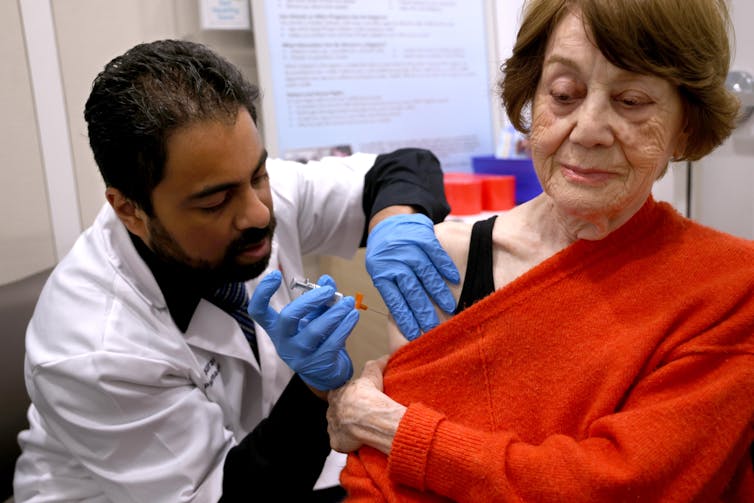
An older woman in a red sweater is getting a shot in her arm by a man in a doctor's coat with blue gloves on.
Getting the flu shot reduces the risk of severe illness and hospitalization, especially for people who are older or have other medical conditions.
Genaro Molina/Getty Images

When should you consider going to an emergency room?

Anytime breathing becomes difficult, or you experience severe chest pain or headaches that are abnormal, that’s something that we want you to seek medical care for right away. And of course, if somebody’s worried about a symptom, we’re here 365 days a year, and we’re happy to help.

If you are feeling bad – such as a mild headache, body aches, fever, sometimes some cough and congestion, and as I mentioned with this flu, potentially vomiting and diarrhea – that is very normal.

If it’s flu, COVID-19 or RSV in a healthy, mildly symptomatic patient, it doesn’t really matter what they have, because there’s not a specific treatment. There’s not anything that we can do that’s going to make them better, other than “tincture of time,” meaning lots of rest.

If you have underlying medical problems, such as diabetes, lung problems or are immune-compromised, and you are experiencing severe symptoms, you should at the very least see your primary care doctor if not the emergency department.

Is it important to get tested for the sake of knowing what you have?

A lot of patients want to know what virus they have, but if you’re young and healthy, there’s not really a need for testing other than surveillance.

Colorado’s infectious disease trackers say wastewater surveillance is the No. 1 way to figure out what infectious diseases are in the community. We can’t get a comprehensive sample through hospitals and clinics, because there are so many people who are home, don’t get tested and do not seek health care.

A man wearing a mask and gloves shakes a large jug in a room with lab equipment.
In Colorado and other states, wastewater is tested for infectious pathogens, including influenza, COVID-19 and RSV. This testing indicates the prevalence of a virus in a given community.
Portland Press Herald/Getty Images

Right now, wastewater samples in Colorado are testing extraordinarily high for the flu and pretty low for RSV and COVID-19. Wastewater is a very reliable test because everybody produces wastewater.

In addition, it’s important for the overall health care system that laboratory testing be used judiciously. Testing does help us understand what’s in the community. But from a hospital and emergency department lens, the more tests we send to the lab that have to be run, the more testing services for other illnesses get backed up. It also adds a burden to nursing and other clinical staff, as well as costs for the patient and hospital.

But if a patient is sick with manageable symptoms from a virus, it’s the same standard advice: Stay at home, wash your hands and consider a mask if you have to go out in public.

The Conversation

Jean Hoffman does not work for, consult, own shares in or receive funding from any company or organization that would benefit from this article, and has disclosed no relevant affiliations beyond their academic appointment.

ref. Colorado ranks among the highest states in the country for flu – an emergency room physician describes why the 2025-26 flu season is hitting hard – https://theconversation.com/colorado-ranks-among-the-highest-states-in-the-country-for-flu-an-emergency-room-physician-describes-why-the-2025-26-flu-season-is-hitting-hard-273069