Hidden treasures of America’s national parks are closer than you might think

Source: The Conversation – USA (2) – By Jeffrey C. Hallo, Professor of Parks, Recreation and Tourism Management, Clemson University

When people think about national parks, they often think about the most famous ones – places like Yellowstone, Yosemite, Denali, Acadia, Glacier, Everglades and the Great Smoky Mountains. These are among the nation’s most sought-after destinations, with awe-inspiring scenery, abundant wildlife and places for adventure and recreation.

Admission is free at most of them, and at the rest, it’s competitive with the cost of a family meal deal at a fast-food joint.

But there is much more to the nation’s park system than just the 63 places formally designated as national parks. The National Park Service also manages nearly 400 other areas designated for their national significance as battlefields, military or historic sites, lakeshores, seashores, monuments, parkways, recreation areas, trails, rivers and preserves.

As a scholar of parks, recreation and tourism who has also published a children’s book about the wonders of the National Park System, I have seen how important these places are to Americans. And when the nation grapples with political divisions, civil unrest, social change or pandemics, these public lands – whether technically national parks or other elements in the wider system – are debated and fought over, protested in and used as an example. But they also provide places to find peace and restoration.

These sites of national significance are in every state in the U.S. – and hold surprising treasures no less wondrous than the big-name destinations, potentially right around the corner from your home.

Cliffs with hollowed-out sections rise above blue water. Trees grow on the clifftops.
Sea caves on Lake Superior provide stunning natural beauty at a national park that’s less well-known than some others.
Royalbroil via Wikimedia Commons, CC BY-SA

Enjoyment at the waterfront

America’s coastlines, shorelines, lakes and rivers are often prime destinations for vacationers, but access to them can be limited by private development, and parking and admission fees can be costly.

National parks help protect wide swaths of public access to these popular destinations and the affordability of visiting them for generations to come. Almost all of these water-focused parks allow swimming, beach or shore access, boating and fishing.

For example, Cumberland Island National Seashore in Georgia is an idyllic island with wild horses, historic mansions, uncrowded beaches and a maritime forest where you can hunt for fossilized shark teeth and camp among the Spanish moss-covered oak trees.

Point Reyes National Seashore in California has tule elk and elephant seal herds, a picturesque red-roofed lighthouse and fog-swept cliffs along the Pacific Ocean. Apostle Islands National Lakeshore in Wisconsin has sea caves to explore on kayaks.

Backcountry exploration

When people seek a break from the pace of modern life and the demands of being digitally connected, national parks contain expanses of backcountry, where signs of civilization are sparse, and where profound natural beauty, adventure and solitude are still available.

In Michigan’s Isle Royale National Park, you can see moose and hear wolves howl in the island’s wilderness. In South Carolina’s Congaree National Park, you can canoe or kayak on backwater creeks among some of the largest and tallest trees in eastern North America.

In Idaho, Craters of the Moon National Monument & Preserve allows visitors to explore an otherworldly volcanic landscape of lava flows, cinder cones and lava tubes. Primitive roads there allow people to drive into the backcountry to experience solitude without hiking.

National parks also offer a break from looking at this world entirely: 44 properties in the National Park Service system are certified as International Dark Sky Parks, where the nighttime environment is protected from invasive light pollution by laws and local regulations.

People walk across a stone bridge toward a wooded area.
At Hot Springs National Park in Arkansas, visitors can walk right from a city center into the park.
Ron Buskirk/UCG/Universal Images Group via Getty Images

A break from urban life

In America’s suburbs, and even in the heart of major cities, national park lands bring history, nature, leisure and urban life together. These parks reinforce the idea that national parks aren’t just for long-distance vacations but rather for daily life, enjoyment and reflection not far from home.

For example, the Mississippi National River & Recreation Area in Minnesota offers roughly 4 million residents of the Minneapolis-St. Paul metropolitan area mostly free access to over 70 miles of the river for all manner of waterborne and shoreline recreation. And just outside of New York City, off Long Island’s south shore, Fire Island National Seashore provides an easy escape to a rare coastal wilderness for undisturbed hikes through dunes and salt marshes.

Hot Springs National Park in Arkansas is one of the only national parks fully integrated into a small city. An area first preserved by Congress for public recreation in 1832 – 40 years before Yellowstone became the first official national park – it offers miles of trails that feel wild, despite their proximity to the downtown area. Its historic Bathhouse Row provides opportunities for bathing in thermal waters, and the park encourages visitors to drink the natural waters at the numerous spring-fed fountains in the town.

If a stronger drink is needed, Hot Springs is the only national park that has a brewery within its boundaries, using the park’s thermal spring water in its beers.

A sign reads 'Stonewall National Monument' next to a fence adorned with rainbow flags.
The Stonewall National Monument in New York City is one of many locations that recognize efforts to improve equality and social justice throughout U.S. history.
AP Photo/Pamela Smith

Lessons from history and culture

The National Park System also preserves America’s history and culture – and reminds people of the country’s collective mistakes and triumphs. The parks help Americans apply the many lessons of history to current issues. Americans can learn what we as a nation and as a collective of people have done – and what we have always yearned to do.

Independence National Historical Park in Philadelphia showcases the birthplace of American democracy, where the Declaration of Independence and Constitution were debated and signed, establishing a new democracy with sweeping goals of equality and opportunity for everyone.

Manzanar National Historic Site in California and Kalaupapa National Historical Park in Hawaii keep alive the stories of forced internments of people who were deemed dangerous or undesirable, reminding Americans that there have been times the nation did not live up to its ideals.

Minuteman Missile National Historic Site in South Dakota and Manhattan Project National Historical Park, with sites in Tennessee, New Mexico and Washington, shed light on the technology and politics of warfare.

And Belmont-Paul Women’s Equality National Monument in Washington, D.C., César E. Chávez National Monument in California and Stonewall National Monument in the heart of New York City – along with many other similar national parks – teach Americans about the generations-long ongoing struggles for civil rights and social justice.

U.S. national parks are more numerous, complex and full of wonder and opportunities for discovery than any one person could fully grasp – whether a self-proclaimed superfan or a credentialed expert. There is always more to discover, with more stories to hear and more places to see and explore.

There are likely lesser-known gems very close by for you to visit. Take a friend, a child or someone who has never been there before. People who use parks love them, and parks supported by love are protected – by all of us.

The Conversation

Jeffrey C. Hallo receives funding from the National Park Service.

ref. Hidden treasures of America’s national parks are closer than you might think – https://theconversation.com/hidden-treasures-of-americas-national-parks-are-closer-than-you-might-think-262585

A first connection can make a big difference when it comes to sticking with a career

Source: The Conversation – USA (2) – By Soon Hyeok Choi, Assistant Professor of Real Estate Finance, Rochester Institute of Technology

People often say that a single spark can light a fire.

In careers, that spark is often a person. It might be someone early in life who cracks open a door, offers encouragement, or quietly shows what success can look like. What’s less obvious is how profoundly that very first connection can shape everything that comes afterward.

Consider 23-time Grand Slam tennis champion Serena Williams. Williams has often spoken about the crucial role played by her first coach – and father – Richard Williams. His belief in her abilities and his willingness to expose her to competitive tennis from an early age ensured she gained experience long before most of her peers. In this, she’s not alone – in sports, a first coach can recognize potential before anyone else does.

Or consider Misty Copeland, the first Black female principal dancer at American Ballet Theatre. At 13, a Boys & Girls Club teacher, Cynthia Bradley, recognized her potential and brought her into formal ballet training; within four years Copeland earned a spot in ABT’s Studio Company. In 2015, she became ABT’s first Black female principal, a milestone built on that early mentorship. Those first advocates opened doors to elite training, scholarships and professional networks that sustained a long, barrier-breaking career.

Anecdotes like these are powerful, but they also raise questions. Do early connections cause long-term success, or do they simply come more easily to people already positioned to succeed? After all, a young athlete with supportive and affluent parents might have access to better training and competition regardless of who their first coach is. This chicken-and-egg problem is hard to untangle – unless you look at a setting where chance plays a role. That’s where my research comes in.

Real estate as a natural laboratory

I’m a professor of real estate finance, and I noticed that the residential real estate brokerage industry can mimic a random experimental setting. Since only a small number of people are active in housing markets at any given time, agents can’t choose exactly who they work with. That means a new agent’s first counterparty broker – that is, the agent on the other side of the deal – depends on who happens to be representing clients at the same time and place. In many cases, that first connection is essentially a matter of luck.

So my colleagues and I analyzed more than 20 years of home sales data from Charlotte, North Carolina, covering more than 40,000 unique real estate agents and 417,000 home sales between 2001 and 2023. We found that new agents who land their first deal with a well-connected power broker are about 25% more likely to still be in the business a year later. Since many agents struggle to close a second deal within a year of their first, this significantly boosts their chances of building a lasting career.

The first handshake and lasting spark

What makes these first encounters so powerful is not only the transfer of skills but also the shaping of confidence and identity. A young musician invited to join an orchestra by a respected conductor begins to see himself as part of that world. A student encouraged by a scientist to enter a national competition begins to imagine a place for herself in research. An athlete who trains with an Olympic medalist begins to visualize competing at the highest levels. In each case, the first connection changes the sense of what is possible.

Our study also found that new agents at the greatest risk of leaving the field – those with fewer early sales – benefit the most from starting out with a well-connected partner. The same dynamic appears in sports, where struggling athletes often flourish under coaches with deep relationships and credibility, and in education, where students on the verge of disengaging can be reenergized by respected teachers who open doors to programs, competitions and networks. These mentors do more than teach. They change trajectories.

The lesson for those just beginning their careers: Seek out people who are respected and generous with their experience. Observing how they work, think and solve problems can shape your own professional identity.

For those who are more established, the takeaway is equally important: Offering a hand to someone new, making an introduction or simply offering encouragement can set in motion a sequence of events that shape a life.

The Conversation

Soon Hyeok Choi does not work for, consult, own shares in or receive funding from any company or organization that would benefit from this article, and has disclosed no relevant affiliations beyond their academic appointment.

ref. A first connection can make a big difference when it comes to sticking with a career – https://theconversation.com/a-first-connection-can-make-a-big-difference-when-it-comes-to-sticking-with-a-career-263892

Scientific objectivity is a myth – cultural values and beliefs always influence science and the people who do it

Source: The Conversation – USA – By Sara Giordano, Associate Professor of Interdisciplinary Studies, Kennesaw State University

People are at the heart of the scientific enterprise. Matteo Farinella, CC BY-NC

Even if you don’t recall many facts from high school biology, you likely remember the cells required for making babies: egg and sperm. Maybe you can picture a swarm of sperm cells battling each other in a race to be the first to penetrate the egg.

For decades, scientific literature described human conception this way, with the cells mirroring the perceived roles of women and men in society. The egg was thought to be passive while the sperm was active.

The opening credits of the 1989 movie ‘Look Who’s Talking’ animated this popular narrative, with speaking sperm rushing toward the nonverbal egg to be the first to fertilize it.

Over time, scientists realized that sperm are too weak to penetrate the egg and that the union is more mutual, with the two cells working together. It’s no coincidence that these findings were made in the same era when new cultural ideas of more egalitarian gender roles were taking hold.

Scientist Ludwik Fleck is credited with first describing science as a cultural practice in the 1930s. Since then, understanding has continued to build that scientific knowledge is always consistent with the cultural norms of its time.

Despite these insights, across political differences, people strive for and continue to demand scientific objectivity: the idea that science should be unbiased, rational and separable from cultural values and beliefs.

When I entered my Ph.D. program in neuroscience in 2001, I felt the same way. But reading a book by biologist Anne Fausto-Sterling called “Sexing the Body” set me down a different path. It systematically debunked the idea of scientific objectivity, showing how cultural ideas about sex, gender and sexuality were inseparable from the scientific findings. By the time I earned my Ph.D., I began to look more holistically at my research, integrating the social, historical and political context.

From the questions scientists begin with, to the beliefs of the people who conduct the research, to choices in research design, to interpretation of the final results, cultural ideas constantly inform “the science.” What if an unbiased science is impossible?

Emergence of idea of scientific objectivity

Science grew to be synonymous with objectivity in the Western university system only over the past few hundred years.

In the 15th and 16th centuries, some Europeans gained traction in challenging the religiously ordained royal order. Consolidation of the university system led to shifts from trust in religious leaders interpreting the word of “god,” to trust in “man” making one’s own rational decisions, to trust in scientists interpreting “nature.” The university system became an important site for legitimizing claims through theories and studies.

Previously, people created knowledge about their world, but there were not strict boundaries between what are now called the humanities, such as history, English and philosophy, and the sciences, including biology, chemistry and physics. Over time, as questions arose about how to trust political decisions, people split the disciplines into categories: subjective versus objective. The splitting came with the creation of other binary oppositions, including the closely related emotionality/rationality divide. These categories were not simply seen as opposite, but in a hierarchy with objectivity and rationality as superior.

A closer look shows that these binary systems are arbitrary and self-reinforcing.

Science is a human endeavor

The sciences are fields of study conducted by humans. These people, called scientists, are part of cultural systems just like everyone else. We scientists are part of families and have political viewpoints. We watch the same movies and TV shows and listen to the same music as nonscientists. We read the same newspapers, cheer for the same sports teams and enjoy the same hobbies as others.

All of these obviously “cultural” parts of our lives are going to affect how scientists approach our jobs and what we consider “common sense” that does not get questioned when we do our experiments.

Beyond individual scientists, the kinds of studies that get conducted are based on what questions are deemed relevant or not by dominant societal norms.

For example, in my Ph.D. work in neuroscience, I saw how different assumptions about hierarchy could influence specific experiments and even the entire field. Neuroscience focuses on what is called the central nervous system. The name itself describes a hierarchical model, with one part of the body “in charge” of the rest. Even within the central nervous system, there was a conceptual hierarchy with the brain controlling the spinal cord.

My research looked more at what happened peripherally in muscles, but the predominant model had the brain at the top. The taken-for-granted idea that a system needs a boss mirrors cultural assumptions. But I realized we could have analyzed the system differently and asked different questions. Instead of the brain being at the top, a different model could focus on how the entire system communicates and works together at coordination.

Every experiment also has assumptions baked in – things that are taken for granted, including definitions. Scientific experiments can become self-fulfilling prophecies.

For example, billions of dollars have been spent on trying to delineate sex differences. However, the definition of male and female is almost never stated in these research papers. At the same time, evidence mounts that these binary categories are a modern invention not based on clear physical differences.

But the categories are tested so many times that eventually some differences are discovered without putting these results into a statistical model together. Oftentimes, so-called negative findings that don’t identify a significant difference are not even reported. Sometimes, meta-analyses based on multiple studies that investigated the same question reveal these statistical errors, as in the search for sex-related brain differences. Similar patterns of slippery definitions that end up reinforcing taken-for-granted assumptions happen with race, sexuality and other socially created categories of difference.

Finally, the end results of experiments can be interpreted in many different ways, adding another point where cultural values are injected into the final scientific conclusions.

Settling on science when there’s no objectivity

Vaccines. Abortion. Climate change. Sex categories. Science is at the center of most of today’s hottest political debates. While there is much disagreement, the desire to separate politics and science seems to be shared. On both sides of the political divide, there are accusations that the other side’s scientists cannot be trusted because of political bias.

RFK Jr, Donald Trump and Dr. Oz seated at a table with flags behind them
It can be easier to spot built-in bias in scientific perspectives that conflict with your own values.
Jim Watson/AFP via Getty Images

Consider the recent controversy over the U.S. Centers for Disease Control and Prevention’s vaccine advisory panel. Secretary of Health and Human Services Robert F. Kennedy Jr. fired all members of the Advisory Committee on Immunization Practices, saying they were biased, while some Democratic lawmakers argued back that his move put in place those who would be biased in pushing his vaccine-skeptical agenda.

If removing all bias is impossible, then, how do people create knowledge that can be trusted?

The understanding that all knowledge is created through cultural processes does allow for two or more differing truths to coexist. You see this reality in action around many of today’s most controversial subjects. However, this does not mean you must believe all truths equally – that’s called total cultural relativism. This perspective ignores the need for people to come to decisions together about truth and reality.

Instead, critical scholars offer democratic processes for people to determine which values are important and for what purposes knowledge should be developed. For example, some of my work has focused on expanding a 1970s Dutch model of the science shop, where community groups come to university settings to share their concerns and needs to help determine research agendas. Other researchers have documented other collaborative practices between scientists and marginalized communities or policy changes, including processes for more interdisciplinary or democratic input, or both.

I argue a more accurate view of science is that pure objectivity is impossible. Once you leave the myth of objectivity behind, though, the way forward is not simple. Instead of a belief in an all-knowing science, we are faced with the reality that humans are responsible for what is researched, how it is researched and what conclusions are drawn from such research.

With this knowledge, we have the opportunity to intentionally set societal values that inform scientific investigations. This requires decisions about how people come to agreements about these values. These agreements need not always be universal but instead can be dependent on the context of who and what a given study might affect. While not simple, using these insights, gained over decades of studying science from both within and outside, may force a more honest conversation between political positions.

The Conversation

Sara Giordano does not work for, consult, own shares in or receive funding from any company or organization that would benefit from this article, and has disclosed no relevant affiliations beyond their academic appointment.

ref. Scientific objectivity is a myth – cultural values and beliefs always influence science and the people who do it – https://theconversation.com/scientific-objectivity-is-a-myth-cultural-values-and-beliefs-always-influence-science-and-the-people-who-do-it-259137

How RFK Jr.’s misguided science on mRNA vaccines is shaping policy − a vaccine expert examines the false claims

Source: The Conversation – USA (3) – By Deborah Fuller, Professor of Microbiology, School of Medicine, University of Washington

RFK Jr. canceled $500 million of funding for research on mRNA vaccine technology. Anadolu/Getty Images

On Sept. 4, 2025, Health and Human Services Secretary Robert F. Kennedy Jr. is scheduled to testify before the Senate Finance Committee, where he is expected to face questions about his vaccine policies.

A few days prior, on Sept. 1, 2025, President Donald Trump demanded pharmaceutical companies to prove that COVID-19 mRNA vaccines work, saying that the CDC was “being ripped apart over this question.” It was his first public acknowledgment of the chaos roiling the Centers for Disease Control and Prevention amid the firing of CDC Director Susan Monarez and subsequent resignations of four high-level agency officials.

Meanwhile, public health experts and HHS staffers are calling for Kennedy to be fired.

The turmoil comes about a month after HHS announced US$500 million in funding cuts for 22 research contracts on mRNA vaccine technology. The agency said it will instead pour these funds into research on a traditional approach to designing vaccines that was first used more than 200 years ago. With such vaccines, called whole-virus vaccines, a person’s immune system is presented with the whole virus, often in weakened or inactivated form. This switcheroo has puzzled many scientists.

As a vaccinologist who has studied and developed vaccines for over 35 years, I see that the science behind mRNA vaccine technology is being widely misstated. This incorrect information is shaping long-term health policy in the U.S. – which makes it urgent to correct the record.

Are mRNA vaccines less safe than whole-virus vaccines?

HHS defended its cancellation of mRNA vaccine research based, in part, on a nonpeer-reviewed compilation of selected publications called the COVID-19 mRNA “vaccine” harms research collection. This document lists about 750 articles claimed to describe harms caused by mRNA vaccines against COVID-19. However, the vast majority of these articles aren’t about vaccines but about the harms of getting infected with SARS-CoV-2, the virus that causes COVID-19. And notably absent from it is the huge body of data showing mRNA vaccines actually prevent these harms.

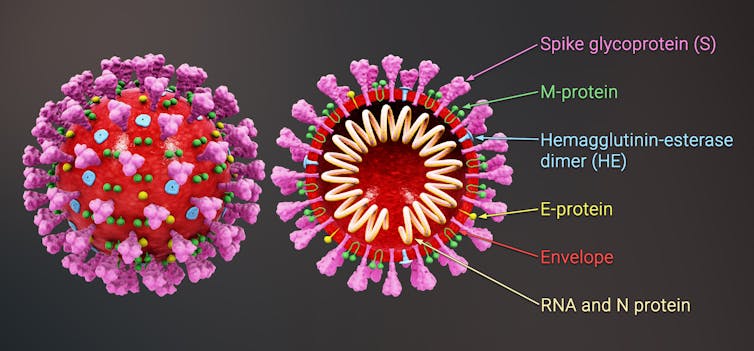
a SARS-CoV-2 particle whole and in cross-section.
Spike proteins on SARS-COV-2 can cause tissue damage – and although mRNA vaccines produce them in small amounts, they prevent the virus from replicating to produce them in large amounts.
https://www.scientificanimations.com/wiki-images/, CC BY-SA

For example, the document being used to justify RFK Jr.’s claims about mRNA vaccines highlights 375 studies reporting that the virus’s spike protein alone, which is produced when the virus replicates, can cause excessive inflammation and tissue damage. This is true. But the document marshals this evidence to support the claim that mRNA vaccines, which are designed to produce spike proteins, cause the same harm – which is not accurate.

While viral replication results in uncontrolled production of a large amounts of the protein, the way it’s produced by the mRNA vaccine is very different. The vaccine produces a small, controlled amount of spike protein inside a few cells – just enough to induce an immune response without causing damage. And by blocking the virus’s replication, it reduces the amount of spike protein in circulation, actually having the opposite effect.

What about side effects like myocarditis?

Early reports flagged a type of heart swelling called myocarditis as a rare side effect of the mRNA vaccine, particularly for young men ages 18 to 25 after a booster dose. A 2024 review identified about 20 cases out of 1 million people who received the vaccine. However, that same study found that unvaccinated people had an elevenfold higher risk of getting myocarditis after a COVID-19 infection than vaccinated people.

What’s more, another 2024 study showed that people who developed myocarditis after vaccination had fewer complications than those who developed the condition after getting infected with COVID-19.

Do mRNA vaccines make the SARS-CoV-2 virus resistant?

Another claim from the compilation of supposed mRNA vaccine harms that was cited as a reason for cutting funding for mRNA technology is that mRNA vaccines cause mutations in the SARS-CoV-2 virus that make them resistant or less susceptible to the vaccine.

When a virus replicates in its host, it produces millions of copies of its genetic material. Mutations are copying errors that occur naturally during the replication process. These acquired mutations produce new variants, which is why both the COVID-19 mRNA and the whole-virus flu vaccine get updated annually – to keep up with natural changes in the virus.

Slowing down viral replication decreases the rate at which a virus can acquire new mutations. Since both mRNA and whole-virus vaccines stop or slow the virus from replicating, both types of vaccines help reduce the emergence of resistant viruses.

Viruses can mutate to escape from antibodies, but the mRNA vaccines are not causing the emergence of more virulent strains, likely for at least two reasons. First, mRNA vaccines induce immune responses that can attack the virus at multiple spots, so it would have to come up with many mutations at once to escape the vaccine’s defenses. Second, even if the virus could acquire all these mutations, they would likely weaken it, making it unable to cause or even transmit disease.

mRNA vaccines versus new SARS-CoV-2 variants

Kennedy, in announcing cuts to mRNA vaccine research on Aug. 5, 2025, claimed that mRNA vaccines don’t work against respiratory viruses and that HHS was moving toward “safer, broader vaccine platforms that remain effective even as viruses mutate.”

Both whole-virus vaccines and mRNA vaccines protected against COVID-19 and prevented hospitalization and death for millions of people worldwide between 2020 and 2024, but there’s clear evidence that the mRNA-based vaccines provided significantly better protection than whole-virus vaccines. And for COVID-19, mRNA vaccines are more effective against new variants, which emerge as viruses mutate, than whole-virus vaccines.

mRNA vaccines’ superpower is that they can be updated and manufactured very quickly, unlike traditional whole-virus vaccines.

The COVID-19 mRNA vaccines started with exceptionally high efficacy, exceeding 94%. When the SARS-CoV-2 delta and omicron variants emerged in the spring and fall of 2021, mRNA vaccines became less effective in preventing infections. However, they remained highly effective in preventing severe illness, whereas in unvaccinated people the rates of severe illness and hospitalization remained high.

This is because mRNA vaccines induce the immune system to make both antibodies and specialized immune cells called T cells. These elements can recognize multiple parts of the virus, including ones that don’t change, enabling significant protection against new variants.

What’s more, the mRNA vaccines have a superpower that no other type of vaccine can currently match: They can be quickly updated and manufactured within two to three months. To develop a whole-virus vaccine, researchers must first spend months isolating and propagating the virus. Conversely, making an mRNA vaccine requires just sequencing the virus’s genetic code – a process that today takes just hours.

If a new pandemic began today, mRNA vaccines are currently the only type of vaccine that could be developed quickly enough to disrupt its spread.

The future of mRNA vaccine technologies

Thirty years ago, when scientists first started developing mRNA vaccine technology, they recognized its potential to overcome major limitations of whole-virus vaccines – namely, slow production time and more limited ability to protect from new viral variants. Today, mRNA vaccines are also being developed to prevent or treat diseases including HIV and cancer, as well as autoimmune and genetic diseases.

Of course, this technology can be further improved. New mRNA vaccine technologies are aimed, among other things, at making mRNA vaccines easier to store to allow for faster distribution and reduce their short-term side effects, eliminate the rare risk of myocarditis and more quickly block a respiratory infection.

The National Institutes of Health is funneling money away from new mRNA technologies toward a single project developing universal vaccines based on traditional whole-virus vaccine technology. Universal vaccines are urgently needed to provide broader protection against ever-changing respiratory viruses, such as influenza, that are major pandemic threats.

A 2022 study in mice and ferrets showed that a universal flu vaccine NIH plans to support has promise. However, multiple studies of potential universal flu vaccines based on mRNA technology show even more potential. Such vaccines could induce broader immunity than whole-virus vaccines by eliciting antibody and T-cell responses that target an even wider range of flu viruses.

It’s hard to square those benefits with the fact that HHS and NIH have named the planned new universal vaccine platform “Generation Gold Standard,” insisting that it represents a new standard in science and transparency. The effort seems more akin to eliminating all e-bike technology and telling everyone who seeks one to get by with a single brand of a 10-speed bike: Getting to the intended destination may still be possible, but it will be slower and harder.

And in the case of abandoning mRNA vaccine research, it may lead to lives needlessly lost, whether due to potential medicines untapped or to pandemic unpreparedness.

The Conversation

Deborah Fuller receives funding from the National Institutes of Health. She is co-founder and a scientific advisor for two biotech companies developing nucleic acid vaccine technologies that are not based on mRNA.

ref. How RFK Jr.’s misguided science on mRNA vaccines is shaping policy − a vaccine expert examines the false claims – https://theconversation.com/how-rfk-jr-s-misguided-science-on-mrna-vaccines-is-shaping-policy-a-vaccine-expert-examines-the-false-claims-263027

China’s electric vehicle influence expands nearly everywhere – except the US and Canada

Source: The Conversation – USA (2) – By Jack Barkenbus, Visiting Scholar, Vanderbilt University

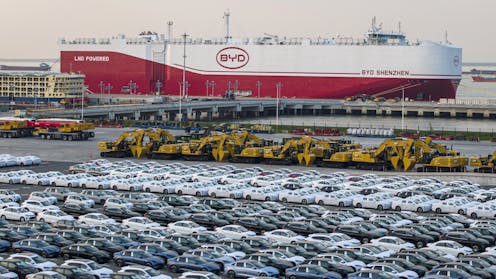
BYD electric cars wait at a Chinese port to be loaded onto the automobile carrier BYD Shenzhen, which was slated to sail to Brazil. STR/AFP via Getty Images

In 2025, 1 in 4 new automotive vehicle sales globally are expected to be an electric vehicle – either fully electric or a plug-in hybrid.

That is a significant rise from just five years ago, when EV sales amounted to fewer than 1 in 20 new car sales, according to the International Energy Agency, an intergovernmental organization examining energy use around the world.

In the U.S., however, EV sales have lagged, only reaching 1 in 10 in 2024. By contrast, in China, the world’s largest car market, more than half of all new vehicle sales are electric.

The International Energy Agency has reported that two-thirds of fully electric cars in China are now cheaper to buy than their gasoline equivalents. With operating and maintenance costs already cheaper than gasoline models, EVs are attractive purchases.

Most EVs purchased in China are made there as well, by a range of different companies. NIO, Xpeng, Xiaomi, Zeekr, Geely, Chery, Great Wall Motor, Leapmotor and especially BYD are household names in China. As someone who has followed and published on the topic of EVs for over 15 years, I expect they will soon become as widely known in the rest of the world.

What kinds of EVs is China producing?

China’s automakers are producing a full range of electric vehicles, from the subcompact, like the BYD Seagull, to full-size SUVs, like the Xpeng G9, and luxury cars, like the Zeekr 009.

Recent European crash-test evaluations have given top safety ratings to Chinese EVs, and many of them cost less than similar models made by other companies in other countries.

A Wall Street Journal video explores a Chinese ‘dark factory’ – one so automated that it doesn’t need lights inside.

What’s behind Chinese EV success?

There are several factors behind Chinese companies’ success in producing and selling EVs. To be sure, relatively low labor costs are part of the explanation. So are generous government subsidies, as EVs were one of several advanced technologies selected by the Chinese government to propel the nation’s global technological profile.

But Chinese EV makers are also making other advances. They make significant use of industrial robotics, even to the point of building so-called “dark factories” that can operate with minimal human intervention. For passengers, they have reimagined vehicles’ interiors, with large touchscreens for information and entertainment, and even added a refrigerator, bed or karaoke system.

Competition among Chinese EV makers is fierce, which drives additional innovation. BYD is the largest seller of EVs, both domestically and globally. Yet the company says it employs over 100,000 scientists and engineers seeking continual improvement.

From initial concept models to actual rollout of factory-made cars, BYD takes 18 months – half as long as U.S. and other global automakers take for their product development processes, Reuters reported.

BYD is also the world’s second-largest EV battery seller and has developed a new battery that can recharge in just five minutes, roughly the same time it takes to fill a gas-powered car’s tank.

A gray car sits on a showroom floor under bright lights.
An Xpeng M03, whose base model costs about US$17,000, is displayed at a car show in Shanghai in April 2025.
VCG/VCG via Getty Images

Exports

The real test of how well Chinese vehicles appeal to consumers will come from export sales. Chinese EV manufacturers are eager to sell abroad because their factories can produce far more than the 25 million vehicles they can sell within China each year – perhaps twice as much.

China already exports more cars than any other nation, though primarily gas-powered ones at the moment. Export markets for Chinese EVs are developing in Western Europe, Southeast Asia, Latin America, Australia and elsewhere.

The largest market where Chinese vehicles, whether gasoline or electric, are not being sold is North America. Both the U.S. and Canadian governments have created what some have called a “tariff fortress” protecting their domestic automakers, by imposing tariffs of 100% on the import of Chinese EVs – literally doubling their cost to consumers.

Customers’ budgets matter too. The average price of a new electric vehicle in the U.S. is approximately $55,000. Less expensive vehicles make up part of this average, but without tax credits, which the Trump administration is eliminating after September 2025, nothing gets close to $25,000. By contrast, Chinese companies produce several sub-$25,000 EVs, including the Xpeng M03, the BYD Dolphin and the MG4 without tax credits. If sold in America, however, the 100% tariffs would remove the price advantage.

Tesla, Ford and General Motors all claim they are working on inexpensive EVs. More expensive vehicles, however, generate higher profits, and with the protection of the “tariff fortress,” their incentive to develop cheaper EVs is not as high as it might be.

In the 1970s and 1980s, there was considerable U.S. opposition to importing Japanese vehicles. But ultimately, a combination of consumer sentiment and the willingness of Japanese companies to open factories in the U.S. overcame that opposition, and Japanese brands like Toyota, Honda and Nissan are common on North American roads. The same process may play out for Chinese automakers, though it’s not clear how long that might take.

The Conversation

Jack Barkenbus does not work for, consult, own shares in or receive funding from any company or organization that would benefit from this article, and has disclosed no relevant affiliations beyond their academic appointment.

ref. China’s electric vehicle influence expands nearly everywhere – except the US and Canada – https://theconversation.com/chinas-electric-vehicle-influence-expands-nearly-everywhere-except-the-us-and-canada-262459

AI’s ballooning energy consumption puts spotlight on data center efficiency

Source: The Conversation – USA (2) – By Divya Mahajan, Assistant Professor of Computer Engineering, Georgia Institute of Technology

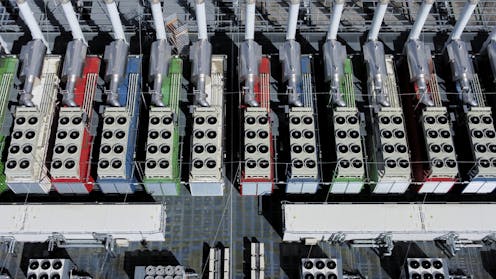
These ‘chillers’ on the roof of a data center in Germany, seen from above, work to cool the equipment inside the building. AP Photo/Michael Probst

Artificial intelligence is growing fast, and so are the number of computers that power it. Behind the scenes, this rapid growth is putting a huge strain on the data centers that run AI models. These facilities are using more energy than ever.

AI models are getting larger and more complex. Today’s most advanced systems have billions of parameters, the numerical values derived from training data, and run across thousands of computer chips. To keep up, companies have responded by adding more hardware, more chips, more memory and more powerful networks. This brute force approach has helped AI make big leaps, but it’s also created a new challenge: Data centers are becoming energy-hungry giants.

Some tech companies are responding by looking to power data centers on their own with fossil fuel and nuclear power plants. AI energy demand has also spurred efforts to make more efficient computer chips.

I’m a computer engineer and a professor at Georgia Tech who specializes in high-performance computing. I see another path to curbing AI’s energy appetite: Make data centers more resource aware and efficient.

Energy and heat

Modern AI data centers can use as much electricity as a small city. And it’s not just the computing that eats up power. Memory and cooling systems are major contributors, too. As AI models grow, they need more storage and faster access to data, which generates more heat. Also, as the chips become more powerful, removing heat becomes a central challenge.

Small blue and green lights arranged in columns glow behind black mesh screens
Data centers house thousands of interconnected computers.
Alberto Ortega/Europa Press via Getty Images

Cooling isn’t just a technical detail; it’s a major part of the energy bill. Traditional cooling is done with specialized air conditioning systems that remove heat from server racks. New methods like liquid cooling are helping, but they also require careful planning and water management. Without smarter solutions, the energy requirements and costs of AI could become unsustainable.

Even with all this advanced equipment, many data centers aren’t running efficiently. That’s because different parts of the system don’t always talk to each other. For example, scheduling software might not know that a chip is overheating or that a network connection is clogged. As a result, some servers sit idle while others struggle to keep up. This lack of coordination can lead to wasted energy and underused resources.

A smarter way forward

Addressing this challenge requires rethinking how to design and manage the systems that support AI. That means moving away from brute-force scaling and toward smarter, more specialized infrastructure.

Here are three key ideas:

Address variability in hardware. Not all chips are the same. Even within the same generation, chips vary in how fast they operate and how much heat they can tolerate, leading to heterogeneity in both performance and energy efficiency. Computer systems in data centers should recognize differences among chips in performance, heat tolerance and energy use, and adjust accordingly.

Adapt to changing conditions. AI workloads vary over time. For instance, thermal hotspots on chips can trigger the chips to slow down, fluctuating grid supply can cap the peak power that centers can draw, and bursts of data between chips can create congestion in the network that connects them. Systems should be designed to respond in real time to things like temperature, power availability and data traffic.

How data center cooling works.

Break down silos. Engineers who design chips, software and data centers should work together. When these teams collaborate, they can find new ways to save energy and improve performance. To that end, my colleagues, students and I at Georgia Tech’s AI Makerspace, a high-performance AI data center, are exploring these challenges hands-on. We’re working across disciplines, from hardware to software to energy systems, to build and test AI systems that are efficient, scalable and sustainable.

Scaling with intelligence

AI has the potential to transform science, medicine, education and more, but risks hitting limits on performance, energy and cost. The future of AI depends not only on better models, but also on better infrastructure.

To keep AI growing in a way that benefits society, I believe it’s important to shift from scaling by force to scaling with intelligence.

The Conversation

Divya Mahajan owns shares in Google, AMD, Microsoft, and Nvidia. She receives funding from Google and AMD.

ref. AI’s ballooning energy consumption puts spotlight on data center efficiency – https://theconversation.com/ais-ballooning-energy-consumption-puts-spotlight-on-data-center-efficiency-254192

AI is transforming weather forecasting − and that could be a game changer for farmers around the world

Source: The Conversation – USA (2) – By Paul Winters, Professor of Sustainable Development, University of Notre Dame

Weather forecasts help farmers figure out when to plant, where to use fertilizer and much more. Maitreya Shah/Studio India

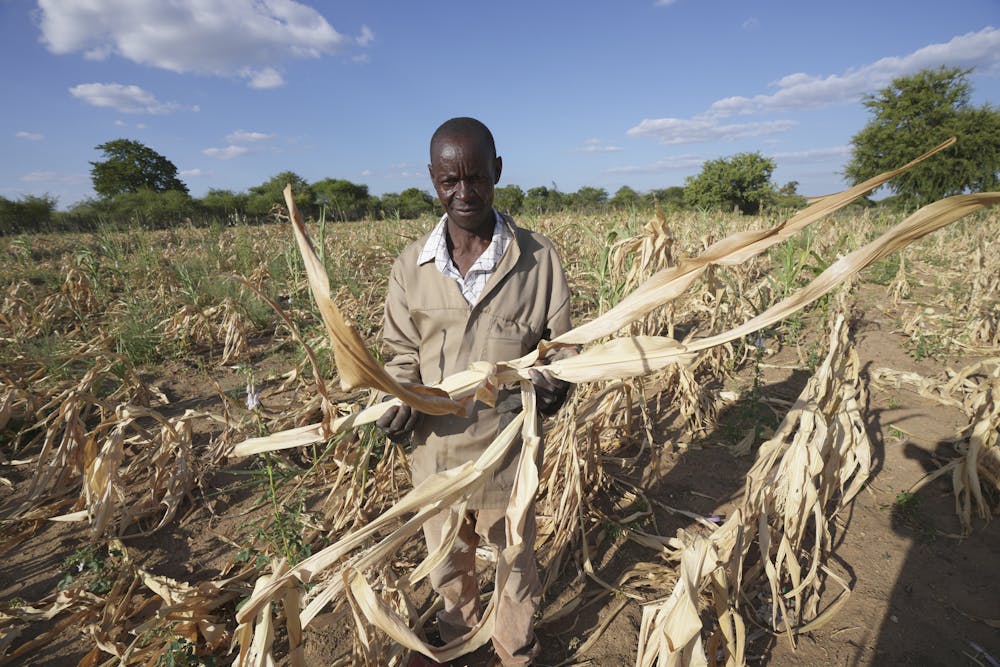
For farmers, every planting decision carries risks, and many of those risks are increasing with climate change. One of the most consequential is weather, which can damage crop yields and livelihoods. A delayed monsoon, for example, can force a rice farmer in South Asia to replant or switch crops altogether, losing both time and income.

Access to reliable, timely weather forecasts can help farmers prepare for the weeks ahead, find the best time to plant or determine how much fertilizer will be needed, resulting in better crop yields and lower costs.

Yet, in many low- and middle-income countries, accurate weather forecasts remain out of reach, limited by the high technology costs and infrastructure demands of traditional forecasting models.

A new wave of AI-powered weather forecasting models has the potential to change that.

A farmer in a field holds a dried out corn stalk.
A farmer holds dried-up maize stalks in his field in Zimbabwe on March 22, 2024. A drought had caused widespread water shortages and crop failures.
AP Photo/Tsvangirayi Mukwazhi

By using artificial intelligence, these models can deliver accurate, localized predictions at a fraction of the computational cost of conventional physics-based models. This makes it possible for national meteorological agencies in developing countries to provide farmers with the timely, localized information about changing rainfall patterns that the farmers need.

The challenge is getting this technology where it’s needed.

Why AI forecasting matters now

The physics-based weather prediction models used by major meteorological centers around the world are powerful but costly. They simulate atmospheric physics to forecast weather conditions ahead, but they require expensive computing infrastructure. The cost puts them out of reach for most developing countries.

Moreover, these models have mainly been developed by and optimized for northern countries. They tend to focus on temperate, high-income regions and pay less attention to the tropics, where many low- and middle-income countries are located.

A major shift in weather models began in 2022 as industry and university researchers developed deep learning models that could generate accurate short- and medium-range forecasts for locations around the globe up to two weeks ahead.

These models worked at speeds several orders of magnitude faster than physics-based models, and they could run on laptops instead of supercomputers. Newer models, such as Pangu-Weather and GraphCast, have matched or even outperformed leading physics-based systems for some predictions, such as temperature.

A woman in a red sari tosses pellets into a rice field.
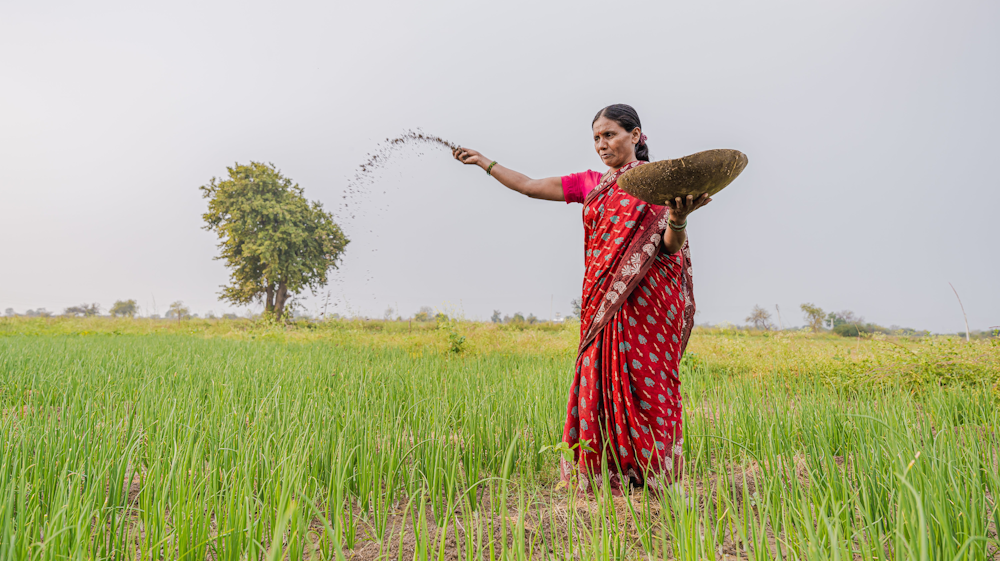
A farmer distributes fertilizer in India.
EqualStock IN from Pexels

AI-driven models require dramatically less computing power than the traditional systems.

While physics-based systems may need thousands of CPU hours to run a single forecast cycle, modern AI models can do so using a single GPU in minutes once the model has been trained. This is because the intensive part of the AI model training, which learns relationships in the climate from data, can use those learned relationships to produce a forecast without further extensive computation – that’s a major shortcut. In contrast, the physics-based models need to calculate the physics for each variable in each place and time for every forecast produced.

While training these models from physics-based model data does require significant upfront investment, once the AI is trained, the model can generate large ensemble forecasts — sets of multiple forecast runs — at a fraction of the computational cost of physics-based models.

Even the expensive step of training an AI weather model shows considerable computational savings. One study found the early model FourCastNet could be trained in about an hour on a supercomputer. That made its time to presenting a forecast thousands of times faster than state-of-the-art, physics-based models.

The result of all these advances: high-resolution forecasts globally within seconds on a single laptop or desktop computer.

Research is also rapidly advancing to expand the use of AI for forecasts weeks to months ahead, which helps farmers in making planting choices. AI models are already being tested for improving extreme weather prediction, such as for extratropical cyclones and abnormal rainfall.

Tailoring forecasts for real-world decisions

While AI weather models offer impressive technical capabilities, they are not plug-and-play solutions. Their impact depends on how well they are calibrated to local weather, benchmarked against real-world agricultural conditions, and aligned with the actual decisions farmers need to make, such as what and when to plant, or when drought is likely.

To unlock its full potential, AI forecasting must be connected to the people whose decisions it’s meant to guide.

That’s why groups such as AIM for Scale, a collaboration we work with as researchers in public policy and sustainability, are helping governments to develop AI tools that meet real-world needs, including training users and tailoring forecasts to farmers’ needs. International development institutions and the World Meteorological Organization are also working to expand access to AI forecasting models in low- and middle-income countries.

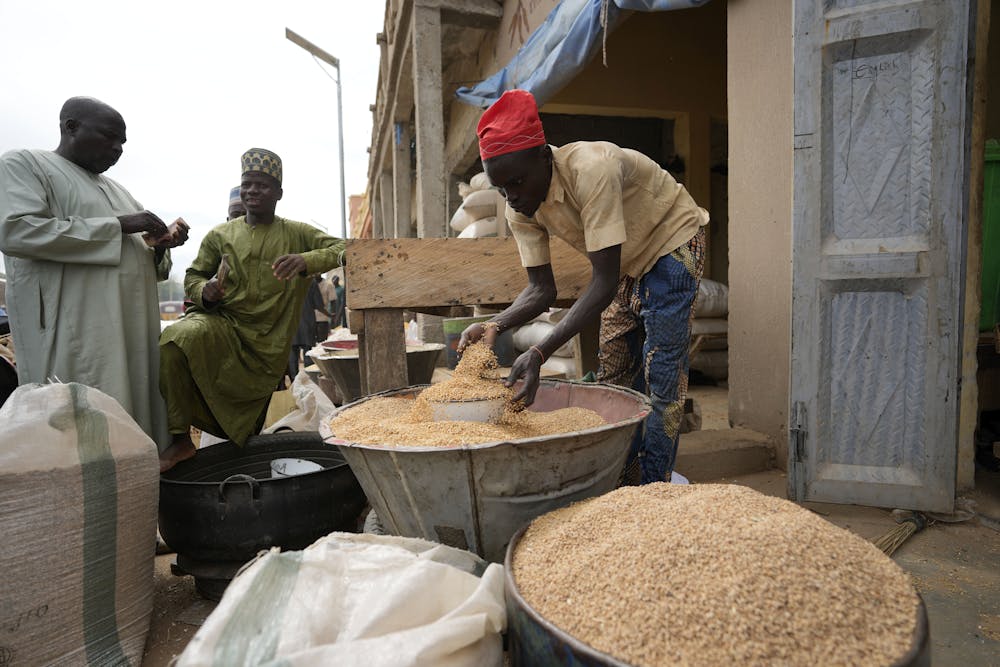
A man sells grain in Dawanau International Market in Kano, Nigeria on July 14, 2023.
Many low-income countries in Africa face harsh effects from climate change, from severe droughts to unpredictable rain and flooding. The shocks worsen conflict and upend livelihoods.
AP Photo/Sunday Alamba

AI forecasts can be tailored to context-specific agricultural needs, such as identifying optimal planting windows, predicting dry spells or planning pest management. Disseminating those forecasts through text messages, radio, extension agents or mobile apps can then help reach farmers who can benefit. This is especially true when the messages themselves are constantly tested and improved to ensure they meet the farmers’ needs.

A recent study in India found that when farmers there received more accurate monsoon forecasts, they made more informed decisions about what and how much to plant – or whether to plant at all – resulting in better investment outcomes and reduced risk.

A new era in climate adaptation

AI weather forecasting has reached a pivotal moment. Tools that were experimental just five years ago are now being integrated into government weather forecasting systems. But technology alone won’t change lives.

With support, low- and middle-income countries can build the capacity to generate, evaluate and act on their own forecasts, providing valuable information to farmers that has long been missing in weather services.

The Conversation

Paul Winters receives funding from the Gates Foundation. He is the Executive Director of AIM for Scale.

Amir Jina receives funding from AIM for Scale.

ref. AI is transforming weather forecasting − and that could be a game changer for farmers around the world – https://theconversation.com/ai-is-transforming-weather-forecasting-and-that-could-be-a-game-changer-for-farmers-around-the-world-263030

5 forecasts early climate models got right – the evidence is all around you

Source: The Conversation – USA (2) – By Nadir Jeevanjee, Research Physical Scientist, National Oceanic and Atmospheric Administration

The island nation of Tuvalu is losing land to sea-level rise, and its farms and water supplies are under threat from salt water. Mario Tama/Getty Images

Climate models are complex, just like the world they mirror. They simultaneously simulate the interacting, chaotic flow of Earth’s atmosphere and oceans, and they run on the world’s largest supercomputers.

Critiques of climate science, such as the report written for the Department of Energy by a panel in 2025, often point to this complexity to argue that these models are too uncertain to help us understand present-day warming or tell us anything useful about the future.

But the history of climate science tells a different story.

The earliest climate models made specific forecasts about global warming decades before those forecasts could be proved or disproved. And when the observations came in, the models were right. The forecasts weren’t just predictions of global average warming – they also predicted geographical patterns of warming that we see today.

An older man smiles at the camera with an impish grin.
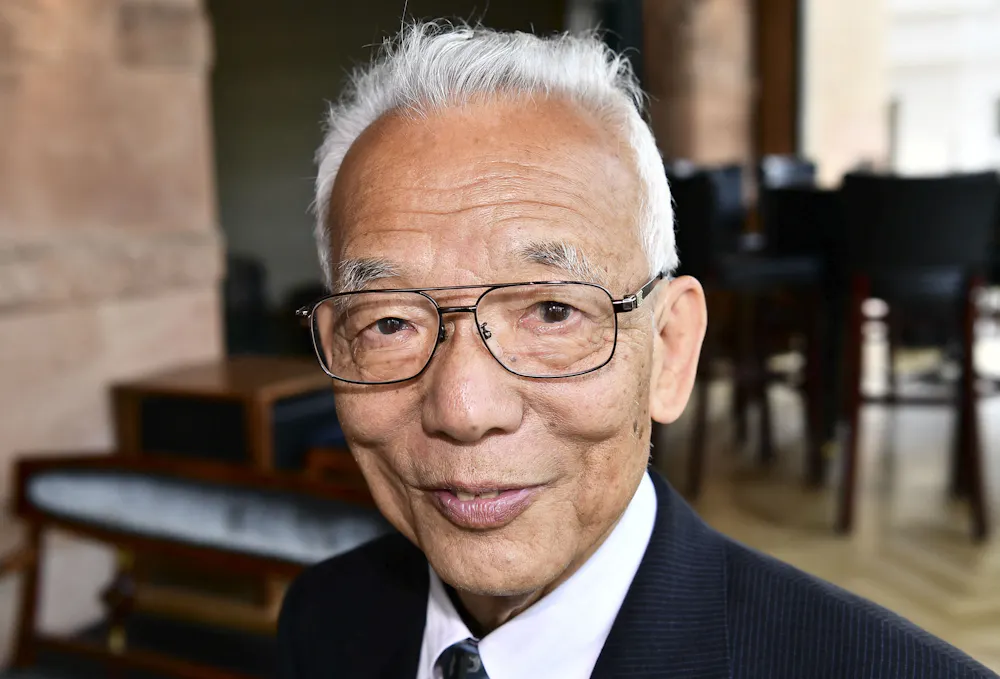
Syukuro Manabe was awarded the Nobel Prize in physics in 2021.
Johan Nilsson/TT News Agency/AFP

These early predictions starting in the 1960s emanated largely out of a single, somewhat obscure government laboratory outside Princeton, New Jersey: the Geophysical Fluid Dynamics Laboratory. And many of the discoveries bear the fingerprints of one particularly prescient and persistent climate modeler, Syukuro Manabe, who was awarded the 2021 Nobel Prize in physics for his work.

Manabe’s models, based in the physics of the atmosphere and ocean, forecast the world we now see while also drawing a blueprint for today’s climate models and their ability to simulate our large-scale climate. While models have limitations, it is this track record of success that gives us confidence in interpreting the changes we’re seeing now, as well as predicting changes to come.

Forecast No. 1: Global warming from CO2

Manabe’s first assignment in the 1960s at the U.S. Weather Bureau, in a lab that would become the Geophysical Fluid Dynamics Laboratory, was to accurately model the greenhouse effect – to show how greenhouse gases trap radiant heat in Earth’s atmosphere. Since the oceans would freeze over without the greenhouse effect, this was a key first step in building any kind of credible climate model.

To test his calculations, Manabe created a very simple climate model. It represented the global atmosphere as a single column of air and included key components of climate, such as incoming sunlight, convection from thunderstorms, and his greenhouse effect model.

Chart showing temperatures warming at ground level and in the atmosphere as carbon dioxide concentrations rises.
Results from Manabe’s 1967 single-column global warming simulations show that as carbon dioxide (CO2) increases, the surface and lower atmosphere warm, while the stratosphere cools.
Syukuro Manabe and Richard Wetherald, 1967

Despite its simplicity, the model reproduced Earth’s overall climate quite well. Moreover, it showed that doubling carbon dioxide concentrations in the atmosphere would cause the planet to warm by about 5.4 degrees Fahrenheit (3 degrees Celsius).

This estimate of Earth’s climate sensitivity, published in 1967, has remained essentially unchanged in the many decades since and captures the overall magnitude of observed global warming. Right now the world is about halfway to doubling atmospheric carbon dioxide, and the global temperature has warmed by about 2.2 F (1.2 C) – right in the ballpark of what Manabe predicted.

Other greenhouses gases such as methane, as well as the ocean’s delayed response to global warming, also affect temperature rise, but the overall conclusion is unchanged: Manabe got Earth’s climate sensitivity about right.

Forecast No. 2: Stratospheric cooling

The surface and lower atmosphere in Manabe’s single-column model warmed as carbon dioxide concentrations rose, but in what was a surprise at the time, the model’s stratosphere actually cooled.

Temperatures in this upper region of the atmosphere, between roughly 7.5 and 31 miles (12 and 50 km) in altitude, are governed by a delicate balance between the absorption of ultraviolet sunlight by ozone and release of radiant heat by carbon dioxide. Increase the carbon dioxide, and the atmosphere traps more radiant heat near the surface but actually releases more radiant heat from the stratosphere, causing it to cool.

Heat map shows cooling in the stratosphere. The stratosphere, starting at 10-15 kilometers above the surface and extending up to an altitude of 50 kilometers, has been cooling over the past 20 years at all latitudes while the atmosphere beneath it has warmed.

IPCC 6th Assessment Report

This cooling of the stratosphere has been detected over decades of satellite measurements and is a distinctive fingerprint of carbon dioxide-driven warming, as warming from other causes such as changes in sunlight or El Niño cycles do not yield stratospheric cooling.

Forecast No. 3: Arctic amplification

Manabe used his single-column model as the basis for a prototype quasi-global model, which simulated only a fraction of the globe. It also simulated only the upper 100 meters or so of the ocean and neglected the effects of ocean currents.

In 1975, Manabe published global warming simulations with this quasi-global model and again found stratospheric cooling. But he also made a new discovery – that the Arctic warms significantly more than the rest of the globe, by a factor of two to three times.

Map shows the Arctic warming much faster than the rest of the planet.

Map from IPCC 6th Assessment Report

This “Arctic amplification” turns out to be a robust feature of global warming, occurring in present-day observations and subsequent simulations. A warming Arctic furthermore means a decline in Arctic sea ice, which has become one of the most visible and dramatic indicators of a changing climate.

Forecast No. 4: Land-ocean contrast

In the early 1970s, Manabe was also working to couple his atmospheric model to a first-of-its-kind dynamical model of the full world ocean built by oceanographer Kirk Bryan.

Around 1990, Manabe and Bryan used this coupled atmosphere-ocean model to simulate global warming over realistic continental geography, including the effects of the full ocean circulation. This led to a slew of insights, including the observation that land generally warms more than ocean, by a factor of about 1.5.

As with Arctic amplification, this land-ocean contrast can be seen in observed warming. It can also be explained from basic scientific principles and is roughly analogous to the way a dry surface, such as pavement, warms more than a moist surface, such as soil, on a hot, sunny day.

The contrast has consequences for land-dwellers like ourselves, as every degree of global warming will be amplified over land.

Forecast No. 5: Delayed Southern Ocean warming

Perhaps the biggest surprise from Manabe’s models came from a region most of us rarely think about: the Southern Ocean.

This vast, remote body of water encircles Antarctica and has strong eastward winds whipping across it unimpeded, due to the absence of land masses in the southern midlatitudes. These winds continually draw up deep ocean waters to the surface.

An illustration shows how ocean upwelling works
Winds around Antarctica contribute to upwelling of cold deep water that keeps the Southern Ocean cool while also raising nutrients to the surface waters.
NOAA

Manabe and colleagues found that the Southern Ocean warmed very slowly when atmospheric carbon dioxide concentrations increased because the surface waters were continually being replenished by these upwelling abyssal waters, which hadn’t yet warmed.

This delayed Southern Ocean warming is also visible in the temperature observations.

What does all this add up to?

Looking back on Manabe’s work more than half a century later, it’s clear that even early climate models captured the broad strokes of global warming.

Manabe’s models simulated these patterns decades before they were observed: Arctic Amplification was simulated in 1975 but only observed with confidence in 2009, while stratospheric cooling was simulated in 1967 but definitively observed only recently.

Climate models have their limitations, of course. For instance, they cannot predict regional climate change as well as people would like. But the fact that climate science, like any field, has significant unknowns should not blind us to what we do know.

The Conversation

Nadir Jeevanjee works for NOAA’s Geophysical Fluid Dynamics Laboratory, which is discussed in this article. The views expressed herein are in no sense official positions of the Geophysical Fluid Dynamics Laboratory, the National Oceanic and Atmospheric Administration, or the Department of Commerce.

ref. 5 forecasts early climate models got right – the evidence is all around you – https://theconversation.com/5-forecasts-early-climate-models-got-right-the-evidence-is-all-around-you-263248

Green gruel? Pea soup? What Westerners thought of matcha when they tried it for the first time

Source: The Conversation – USA (2) – By Rebecca Corbett, Japanese Studies Librarian and Senior Lecturer in History, University of Southern California

Matcha lattes are prepared at a cafe in the Los Feliz neighborhood of Los Angeles in May 2025. Frederic J. Brown/AFP via Getty Images

Matcha mania” shows no signs of slowing, with global demand pushing “supply chains to the brink,” as Australia’s ABC News reported in July 2025.

The powdered drink retains a massive following in Tokyo, where long lines of customers snake out of The Matcha Tokyo on any given Saturday. At the trendy, minimalist cafe, the staff uses a cast-iron kettle and a bamboo ladle. Both are a nod to the traditional Japanese way of preparing matcha, called “chanoyu,” which literally means “hot water for tea” but in English has been translated as “tea ceremony.”

Beyond Tokyo, matcha cafes and bars have also become a familiar sight in Western cities, from Stockholm to Melbourne to Los Angeles. Matcha has been a permanent fixture on the menu at Starbucks since 2019 and at Dunkin’ since 2020.

It’s been quite the rise for a drink long met with skepticism in the West.

World’s fairs serve as a stage

I spent part of 2024 as a Japan Foundation Fellow at Waseda University, where I researched how Westerners experienced matcha and chanoyu during the Meiji period, an era of rapid modernization and Westernization that lasted from 1868 to 1912.

Matcha is a form of green tea in which young tea leaves have been ground to a powder using a stone mill. Unlike other teas, which involve steeping leaves and removing them before drinking, matcha powder is then whisked into hot water.

Spoon holding a pile of green powder.
Matcha is made using tea leaves ground into a powder.
Sina Schuldt/Picture Alliance via Getty Images

Matcha actually originated in China. It was introduced to Japan around 1250 C.E., where it assumed a key role in chanoyu from the 1500s on. Portuguese Jesuit missionaries in Japan in the 1500s wrote about both matcha and chanoyu. But only in the 19th century did interest in matcha really take off outside Japan.

Beginning in the late 19th century, world’s fairs and expositions started being held in European and American cities. These events allowed countries from around the world to showcase their art, inventions and culture before huge audiences.

For emerging Japan, world’s fairs and expositions presented a tremendous opportunity. In its exhibits, Japanese representatives often gave chanoyu demonstrations, while both the Japanese government and tea industry heavily marketed all varieties of Japanese green tea, including matcha.

Initial skepticism

Though steeped Japanese green tea became popular in 19th-century America, where it was usually sipped with milk and sugar, matcha didn’t initially jibe with Western palates.

Eliza Ruhamah Scidmore, an American journalist and travel writer who spent decades living in Japan, described matcha as “a bowl of green gruel more bitter than quinine” in her 1891 book “Jinrikisha Days in Japan.” Wealthy Canadian tourist Katharine Schuyler Baxter detailed her experience at a matcha tea gathering in her 1895 book “In Beautiful Japan: A Story of Bamboo Lands.”

“The beverage is made of powdered leaves, is greenish in color, thick like pea-soup, fragrant, and not very palatable,” she wrote. In my research, I encountered “pea soup” being the most common descriptor of matcha at this time.

Descriptions of matcha and chanoyu also abound in newspaper articles from the era.

Canadian journalist Helen E. Gregory-Flesher described the Japanese tea ceremony for readers in San Francisco.

“Very few Europeans can drink it without feeling very unhappy,” she wrote of a thick preparation of matcha called “koicha.” “For in the first place the taste is not agreeable, and then it is so intensely strong that it is sure to disagree with them if they do manage to swallow it.”

For the St. Louis Globe Democrat, the Countess Anna de Montaigu reported on a tea gathering she attended at the St. Louis World’s Fair in 1904. She described matcha’s flavor as “exquisite,” but left her American readers with a warning: “Drunk without sugar or cream, this expensive tea … is not pleasant to the palate of the uninitiated.”

Embracing the ceremony

There are also records of a few Westerners studying chanoyu while living in Japan. While those records don’t include their thoughts on matcha, I have to assume they enjoyed drinking it – at least enough to continue their practice, since in all cases they studied chanoyu for several years.

Chanoyu isn’t a simple serving ceremony. It’s a practice that involves learning the range of ways to serve and receive matcha, as well as food, and it’s taught by various “lineages,” or schools.

Lessons involve students learning how to be a host and a guest through observation and practice. All of this learning is put into practice by hosting or being a guest at a formal tea gathering, called a “chaji.” This can last three to four hours and include a multicourse meal – the “kaiseki” – several rounds of sake, and the laying and replenishing of charcoal.

There are two servings of matcha; one is prepared as thick tea – koicha – the other as thinner tea known as “usucha.” Each is accompanied by sweets.

A Swedish woman named Ida Trotzig lived in Japan from 1888 to 1921, during which she took lessons in chanoyu. Upon returning to Sweden she published a book about chanoyu in 1911, “Cha-no-yu Japanernas teceremoni.” American Mary Averil also studied both chanoyu and ikebana, the art of Japanese flower arrangement.

Newspaper clipping featuring images of flowers and a seated white woman dressed in Japanese garb performing a tea ceremony.
Mary Averil performs chanoyu in a 1911 issue of The San Francisco Call.
Library of Congress

In 1905, the Urasenke School of Tea in Kyoto welcomed three American sisters, Helen, Grace and Florence Scottfield, as students. There, they studied under the head of the school, and a photograph of all three girls wearing kimonos with their hair styled in a Japanese manner appeared in an issue of the school’s monthly magazine in 1908.

Matcha minus chanoyu

Scholars haven’t pinpointed the reasons for the recent global matcha boom. But I think it’s worth considering a few factors.

First, it’s clear that social media, particularly Instagram and TikTok, have played a big role. The bright green beverage is aesthetically pleasing. Its many purported health benefits have also allowed it to join the ranks of other viral superfoods, such as acai berries and kombucha.

Then there’s the way Westerners often mythologize Japan as a source of “ancient wisdom.” Accompanying that is a particular infatuation with traditional Japanese practices, lifestyles and foods – matcha included.

Finally, people seem drawn to the minimalist aesthetics associated with chanoyu, which have echoes in other Japanese practices such as dry rock gardening and calligraphy.

Green, frothy drink in a craft ceramic cup, next to a dish of green powder, a ceramic teapot and a bamboo whisk.
Many cafes use tools involved in chanoyu such as bamboo scoops and whisks.
Natasha Breen/REDA/Universal Images Group via Getty Images

Interestingly, the vast majority of matcha drinkers today don’t experience chanoyu, even as matcha purveyors borrow from the practice’s aesthetics. In the late 19th century, you couldn’t drink matcha without first experiencing chanoyu. And the drink was always served “straight” – no milks, flavorings or sweeteners.

Sometimes I wonder what the Countess de Montaigu would order if she visited Pipers Tea and Coffee, which is rated the best matcha in St. Louis on Yelp. Would she prefer it straight? Or would she be won over by its In Bloom Latte – a vanilla matcha latte topped with cherry blossom-sakura cold foam?

The Conversation

Rebecca Corbett receives funding from The Japan Foundation. She is affiliated with the Urasenke School of Tea through membership in the Urasenke Tankokai Los Angeles Association.

ref. Green gruel? Pea soup? What Westerners thought of matcha when they tried it for the first time – https://theconversation.com/green-gruel-pea-soup-what-westerners-thought-of-matcha-when-they-tried-it-for-the-first-time-263014

65,000 Pennsylvania kids have a parent in prison or jail − here’s what research says about the value of in-person visits

Source: The Conversation – USA – By Julie Poehlmann, Professor of Human Development & Family Studies, University of Wisconsin-Madison

Studies show that in-person visits between children and a parent in jail or prison can strengthen family bonds and reduce recidivism. Joe Amon/The Denver Post via Getty Images

Across Pennsylvania, an estimated 65,459 children have a parent in jail or prison. That’s according to a recent email inquiry to the Pennsylvania Department of Corrections. Nationwide, nearly half of adults have experienced a close family member being in jail or prison, and 1 in 14 children have lost a parent who was living with them to incarceration.

In May 2025, state Rep. Andre Carroll, whose district covers parts of northwest Philadelphia, and whose own father was incarcerated when Carroll was a child, introduced PA House Bill 1506. The proposed law “focuses on improving communication between incarcerated individuals and their families” by making phone calls and other communication with incarcerated individuals free. It would also prohibit the replacement of in-person visits with other forms of communication such as video calls.

I’m a psychologist and professor of human development and family studies who has studied children with incarcerated parents for more than 25 years.

In 2020, when in-person visits were stopped at jails and prisons due to the COVID-19 pandemic, my colleagues and I interviewed 71 jailed parents in Wisconsin to understand the strengths and challenges of remote video visits with their children.

The parents we spoke with strongly preferred in-person visits, where they are allowed to touch and hug, over virtual ones.

“Contact means a lot,” one parent told us. “This type of stuff breaks families apart, not being able to see a person face to face or touch a person.”

Another parent said, “Video visits are good as it fits into their schedule, but they are not the same. … Giving your child a hug is worth a hundred video visits.”

These findings are still relevant today because many local jails across the country are using video visits as a replacement for in-person visits. For example, an analysis of 40 county jails in Michigan found that 33 of them banned in-person visits.

State and federal prisons generally have in-person visits, with video visits sometimes offered as a supplement.

Dozens of stalls which each contain a video monitor and plastic chair
The video visit room of a newly constructed county jail in Irvine, Calif.
Paul Bersebach/MediaNews Group/Orange County Register via Getty Images

Benefits for kids

Kids whose parents are in jail or prison are more likely to experience problems in health and well-being compared to their peers, though a growing body of research shows that many children with incarcerated parents are resilient. Resilience refers to the development of competence despite experiencing significant hardship or stress.

In-person visits in particular have been shown to strengthen parent-child relationships, which are a key resilience factor.

In addition, research has shown that children benefit from visiting with their incarcerated parents when such visits are part of an intervention program that includes, for example, mentoring programs or child-friendly visits.

During child-friendly visits, children see their incarcerated parents face to face and can hug them, hold hands, be carried, or sit on their lap. They engage in meaningful activities together – such as playing games, reading together, doing art projects, or taking photos of themselves – that are designed to strengthen their relationship. They can also eat together, are free to move around the space, and are supported by trained staff.

In-person contact visits that allow touch are more developmentally appropriate for children than noncontact visits. For young children who are not part of an intervention, visits with incarcerated parents behind plexiglass can be confusing. The kids can see but not touch their parent, and they can only hear and speak to them through a device that looks like an old-fashioned telephone.

Benefits for parents

Incarcerated parents say that separation from their children is the most difficult part about being in prison or jail. They frequently report symptoms of distress and depression, especially when they have little contact with their children.

More frequent parent-child contact during parental incarceration – and visiting in particular – is associated with better mental health, fewer behavioral infractions, better relationships with the child’s at-home caregiver and more parent-child contact and better adjustment after release.

Other studies have found links between more visits with children and less recidivism, which also benefits society as a whole.

Furthermore, a study of 507 adults incarcerated because of felony charges in a county jail in Virginia found that more frequent contact with family members during incarceration related to more family connectedness, which in turn predicted better mental health during the first year after release.

Woman holding baby rubs face and young child speaks to man on TV screen
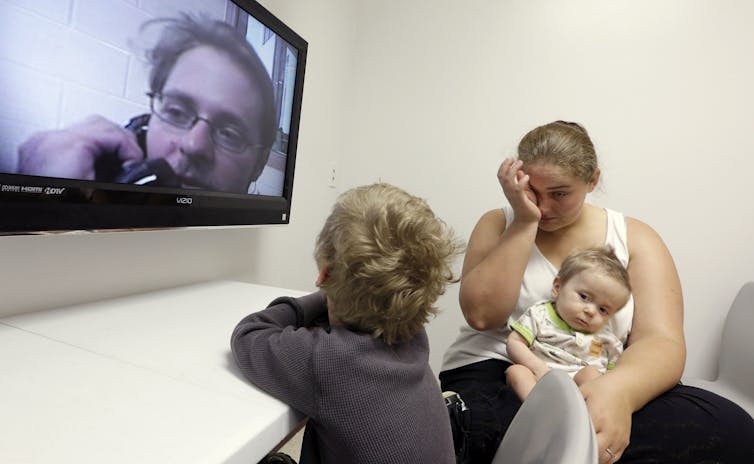
File photo of a video visit at a county jail in Texas.
AP Photo/David J. Phillip

Barriers to contact

Despite the benefits of visiting and other forms of contact, barriers can prevent communication from occurring regularly or at all.

Some of these barriers are economic. Supporting a loved one in prison or jail can be a major financial strain on family members, and children in families experiencing more economic hardship are less likely to visit their incarcerated parents.

Some prisons charge exorbitant fees for video and phone calls. The Prison Policy Initiative tracks the prices of phone calls from prisons in each state. In 2021, the average cost of a 15-minute in-state phone call from a Pennsylvania prison was more than $3.

The racial disparities in who is incarcerated mean that Black and Latino families disproportionately carry the financial load of incarceration-related expenses.

Other barriers involve distance that families live from the prison or jail, time and scheduling conflicts, and strict mail policies that allow incarcerated people to receive only postcards or scanned copies of their mail. Strained relationships between incarcerated parents and family members can further limit contact.

Keeping families connected

Transportation programs offered by the Pennsylvania Prison Society, an advocacy organization for people who are incarcerated and their families, and other groups can help when family finances are tight. PPS currently provides rides from Philadelphia to four state correctional institutions. A round-trip bus ticket, which is usually $20, is free for children under 18.

In addition, some jails and prisons offer a limited number of free video visits or phone calls. The Pennsylvania Department of Corrections’ website indicates that incarcerated individuals can receive up to four in-person visits per month in addition to six no-cost video visits.

Other organizations are trying to make sure that children and other family members have a chance to stay connected to their incarcerated loved ones in positive ways. Earlier this year, nonprofit legal advocacy organizations helped children in two Michigan counties file landmark civil rights lawsuits that asserted a constitutional right to visit their parents in jail.

As an expert witness in these cases, I hope that they help more children get the “right to hug” their incarcerated parents and raise awareness of the positive impacts that visits play in the current and future well-being of incarcerated individuals and their families.

The Conversation

Julie Poehlmann receives funding from the National Institutes of Health; the content of this article is solely the responsibility of the author and does not necessarily represent the official views of the National Institutes of Health. Dr. Poehlmann is also currently serving as an expert witness in several legal cases that involve incarcerated parents and their children.

ref. 65,000 Pennsylvania kids have a parent in prison or jail − here’s what research says about the value of in-person visits – https://theconversation.com/65-000-pennsylvania-kids-have-a-parent-in-prison-or-jail-heres-what-research-says-about-the-value-of-in-person-visits-262185